TL;DR: The 1977 Camp Scott murders, where three Girl Scouts were brutally killed, remain unsolved, haunting Oklahoma and true crime enthusiasts with its mystery and horror.
In the summer of 1977, a horrific crime shook the quiet town of Locust Grove, Oklahoma. Three young Girl Scouts were brutally murdered at Camp Scott, a tragedy that remains unsolved and continues to haunt the state. The case, known as the Camp Scott murders, has become one of the most infamous unsolved crimes in American history.
The incident not only devastated the families of the victims but also left a scar on the community and the nation. Despite extensive investigations and suspects, no one has ever been charged. This blog post delves into the details of that fateful night, the victims, the suspects, and the enduring mystery that surrounds Camp Scott.
The Night of the Murders
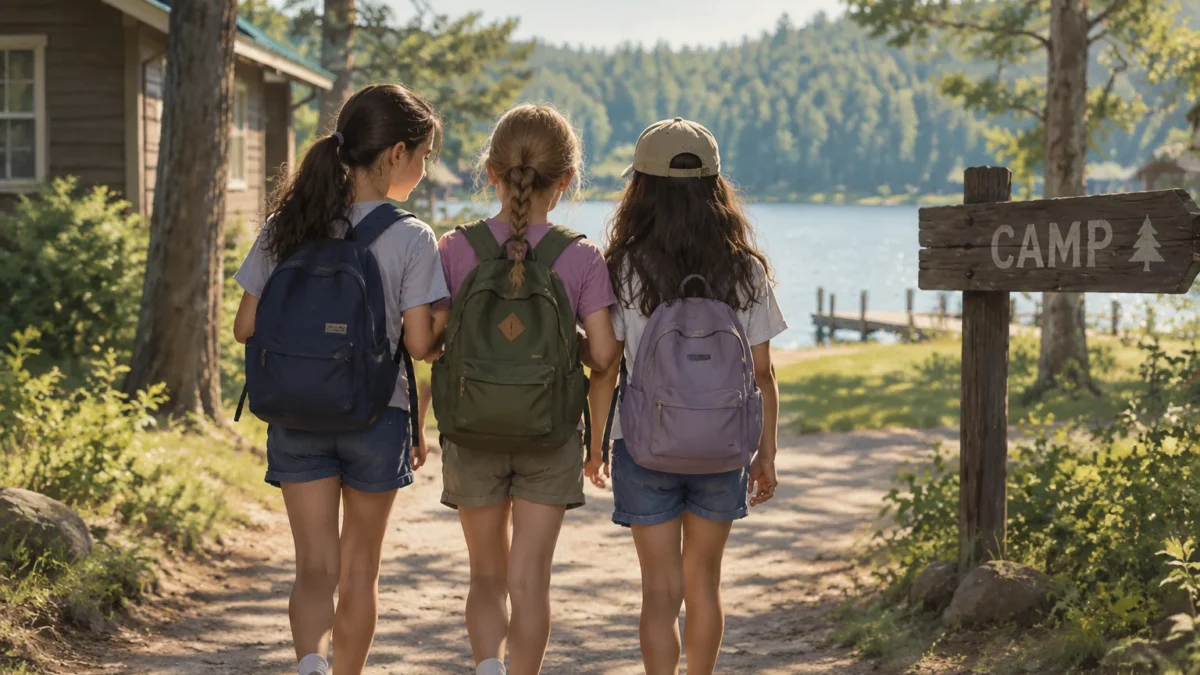
On June 12, 1977, a group of Girl Scouts arrived at Camp Scott for a two-week summer camp. Among them were three young girls: Lori Lee Farmer, 8, Doris Denise Milner, 9, and Michelle Heather Guse, 10. They were assigned to tent #8, known as the "Kiowa" unit, which was slightly separated from the main camp area.
The first night passed uneventfully, but the second night would end in tragedy. Sometime after midnight, an intruder entered the tent and abducted the three girls. Their bodies were found the next morning in a wooded area near the camp, brutally beaten and left for dead.
Discovery of the Bodies
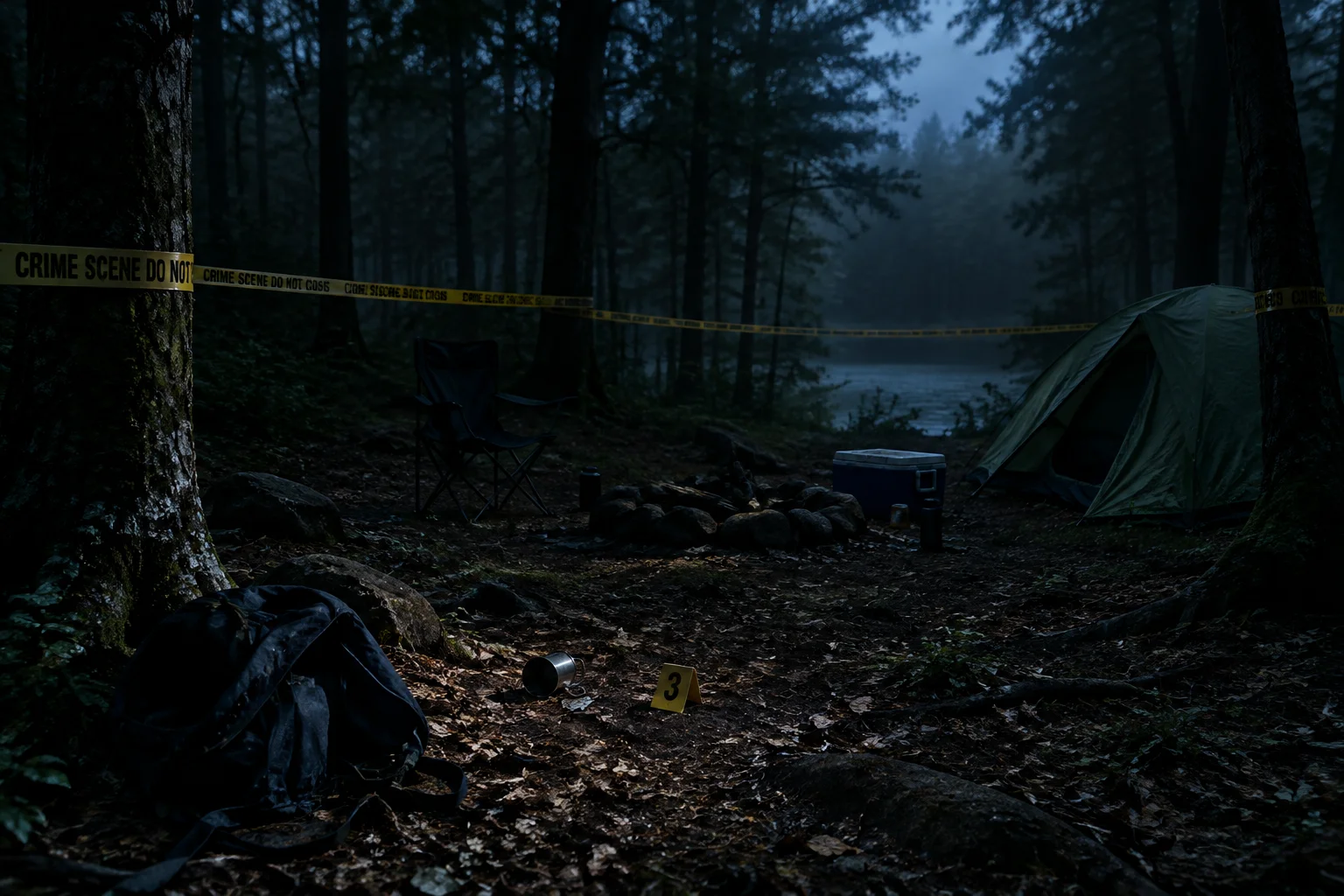
Early on the morning of June 13, a counselor discovered the girls' bodies about 150 yards from their tent. They had been beaten with a heavy object and strangled. The scene was gruesome, and the camp was immediately evacuated. The local authorities were called, and a massive manhunt began.
The Oklahoma State Bureau of Investigation (OSBI) led the investigation, with assistance from the FBI. Despite a thorough search of the area and numerous interviews, no suspects were immediately identified. The killer had left little evidence behind, and the case quickly grew cold.
The Victims
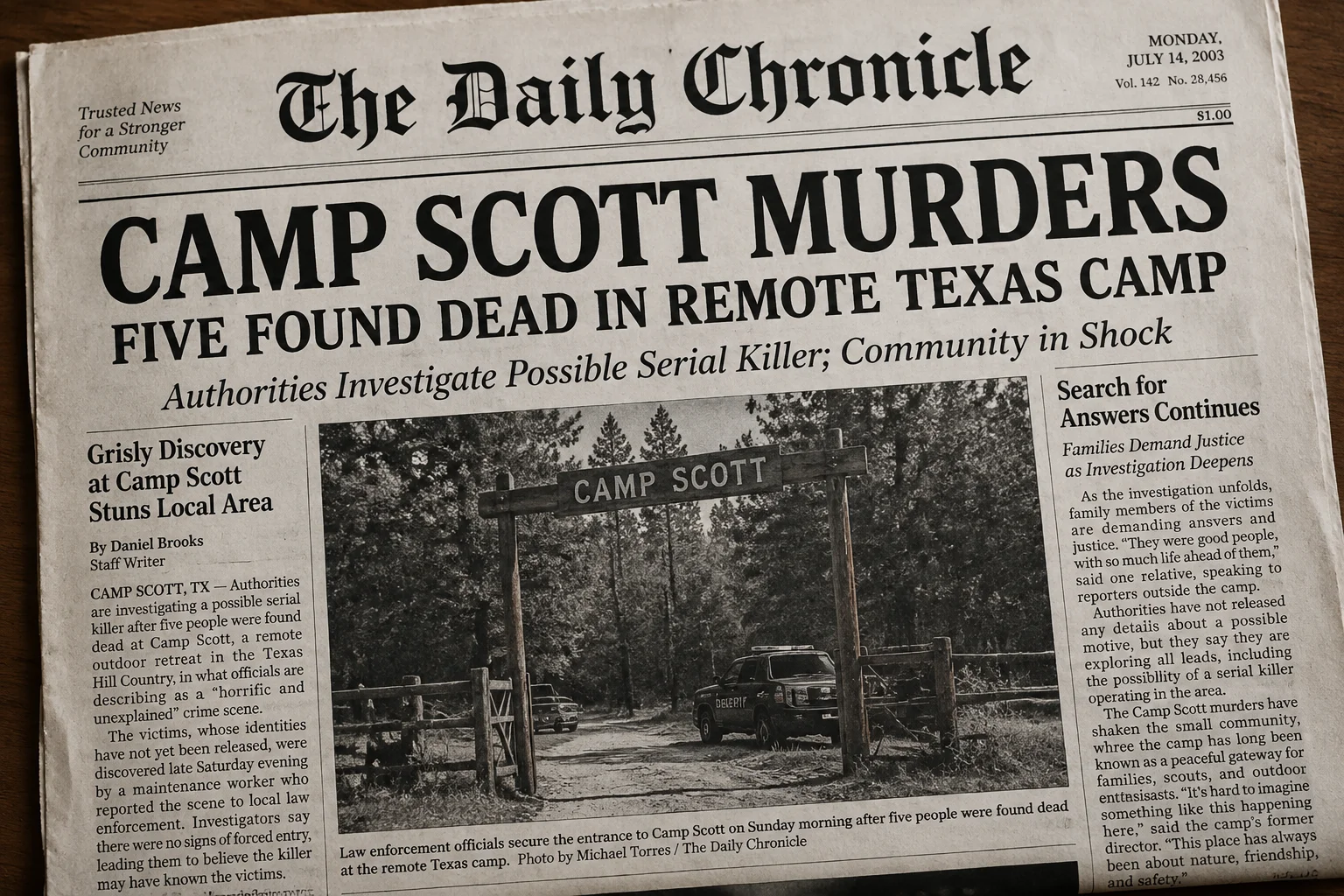
Lori Lee Farmer was just 8 years old, known for her bright smile and love for animals. Doris Denise Milner, 9, was described as a caring and outgoing child who loved to help others. Michelle Heather Guse, 10, was the eldest of the group, a responsible and adventurous girl who looked after her friends.
Their lives were cut short in a senseless act of violence. The families of the victims have endured decades of pain and unanswered questions. Their loss is a reminder of the fragility of life and the evil that can lurk in unexpected places.
The Investigation
The investigation into the Camp Scott murders was one of the largest in Oklahoma history. Over 200 interviews were conducted, and hundreds of leads were pursued. A reward was offered for information leading to an arrest, but no credible tips emerged.
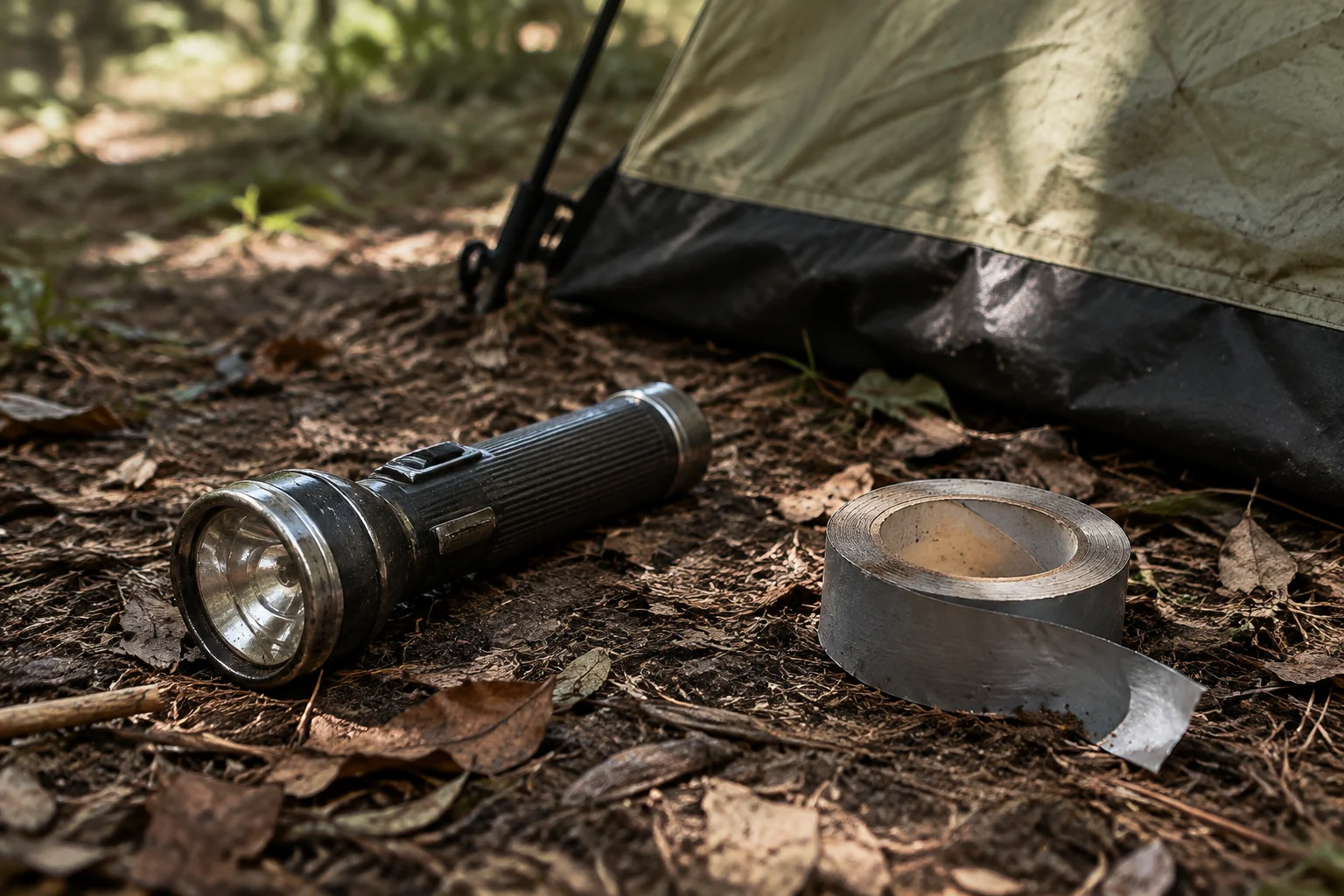
One key piece of evidence was a footprint found near the tent, but it was too partial to be useful. The killer had also left a flashlight and a roll of tape at the scene, but these items yielded no fingerprints. The lack of forensic technology at the time hindered the investigation.
Suspects and Theories
Over the years, several suspects have been proposed, but none have been conclusively linked to the crime. One early suspect was a local man named Gene Leroy Hart, a convicted rapist who had escaped from prison. He was arrested and tried for the murders in 1979, but was acquitted due to lack of evidence.
Other theories suggest the killer was a drifter or a member of a cult, but these remain speculative. Some believe the crime was the work of a serial killer who may have struck elsewhere. The true identity of the Camp Scott killer remains a mystery.
The Trial of Gene Leroy Hart
Gene Leroy Hart was the prime suspect in the Camp Scott murders. He was a Cherokee man who had escaped from the Oklahoma State Penitentiary in 1973, where he was serving time for rape. He was familiar with the area around Camp Scott and had been seen near the camp before the murders.
Hart was arrested in 1978 and charged with three counts of first-degree murder. His trial in 1979 was highly publicized and drew national attention. The prosecution presented circumstantial evidence, including a hair found on one of the victims that was said to be "similar" to Hart's. However, the defense argued that the evidence was inconclusive, and Hart was acquitted by a jury after less than four hours of deliberation.
Hart died in prison in 1979 while serving time for other charges. His acquittal left the families of the victims without justice, and the case remains open.
The Aftermath and Impact on the Community

The Camp Scott murders had a profound impact on the local community and beyond. The camp was closed permanently, and its grounds were sold. The Girl Scouts of the USA implemented new security measures at all their camps to prevent such a tragedy from happening again.
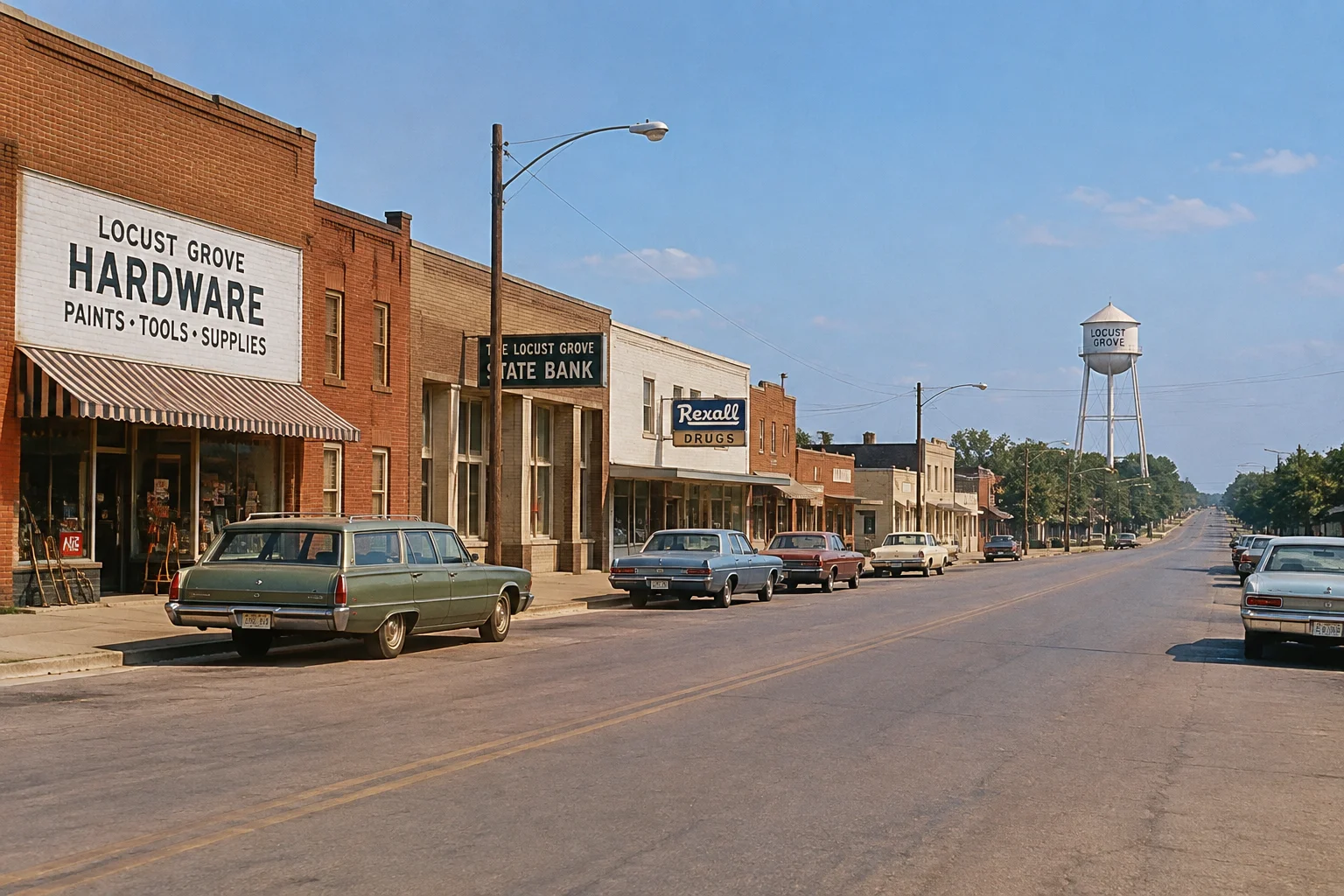
The town of Locust Grove was forever changed. Residents were fearful, and many parents refused to let their children attend summer camps. The case also sparked a national conversation about child safety and the vulnerability of young people.
The Media Coverage and Public Fascination
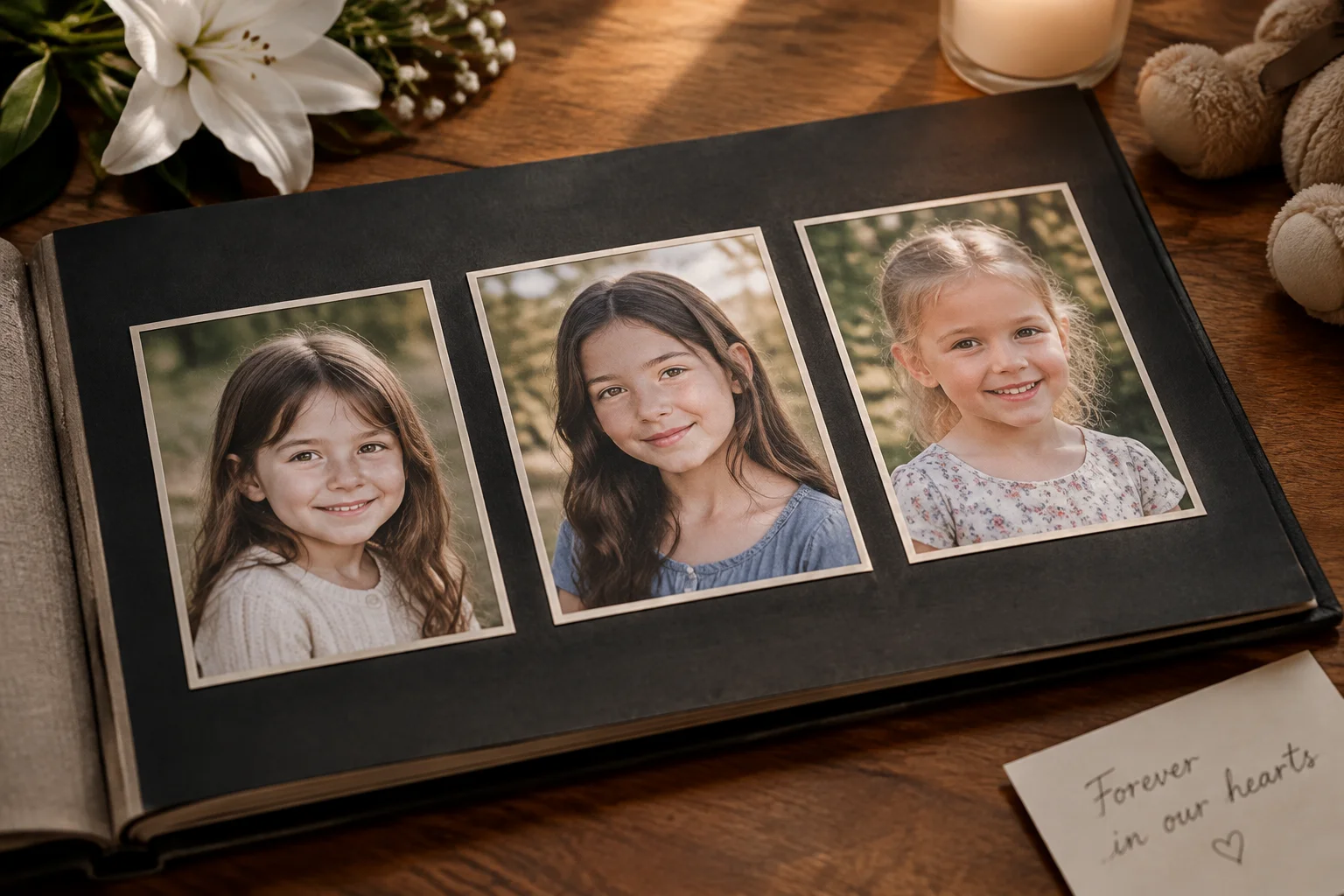
The Camp Scott murders received extensive media coverage, both locally and nationally. The case was featured on programs like "Unsolved Mysteries" and "America's Most Wanted," keeping it in the public eye. Books and documentaries have also explored the crime, analyzing the evidence and theories.
The public's fascination with the case stems from its brutality and the fact that it remains unsolved. The idea that a killer could evade justice for so long is both terrifying and intriguing. True crime enthusiasts continue to discuss and debate the case online, sharing theories and information.
The Legacy of Camp Scott
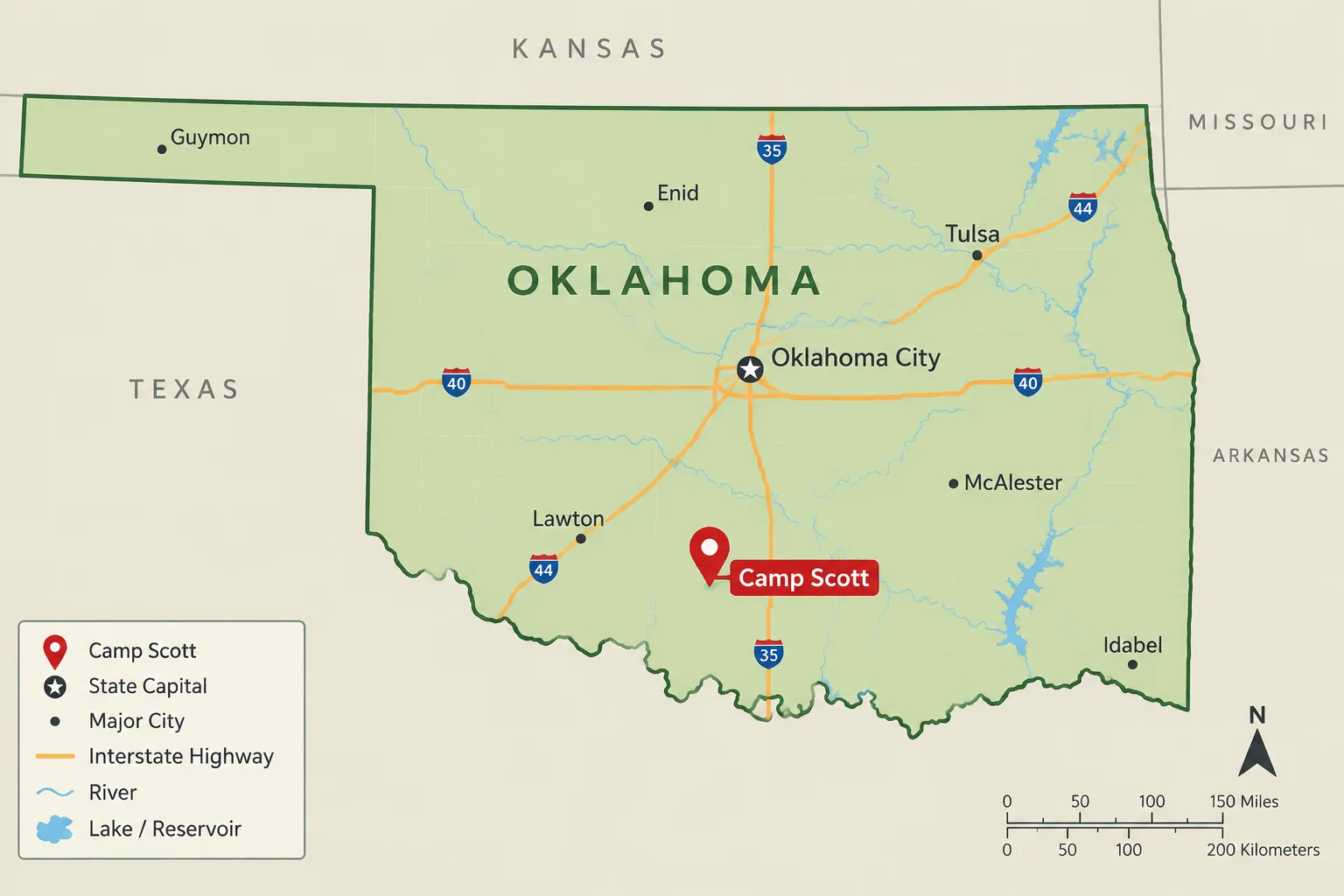
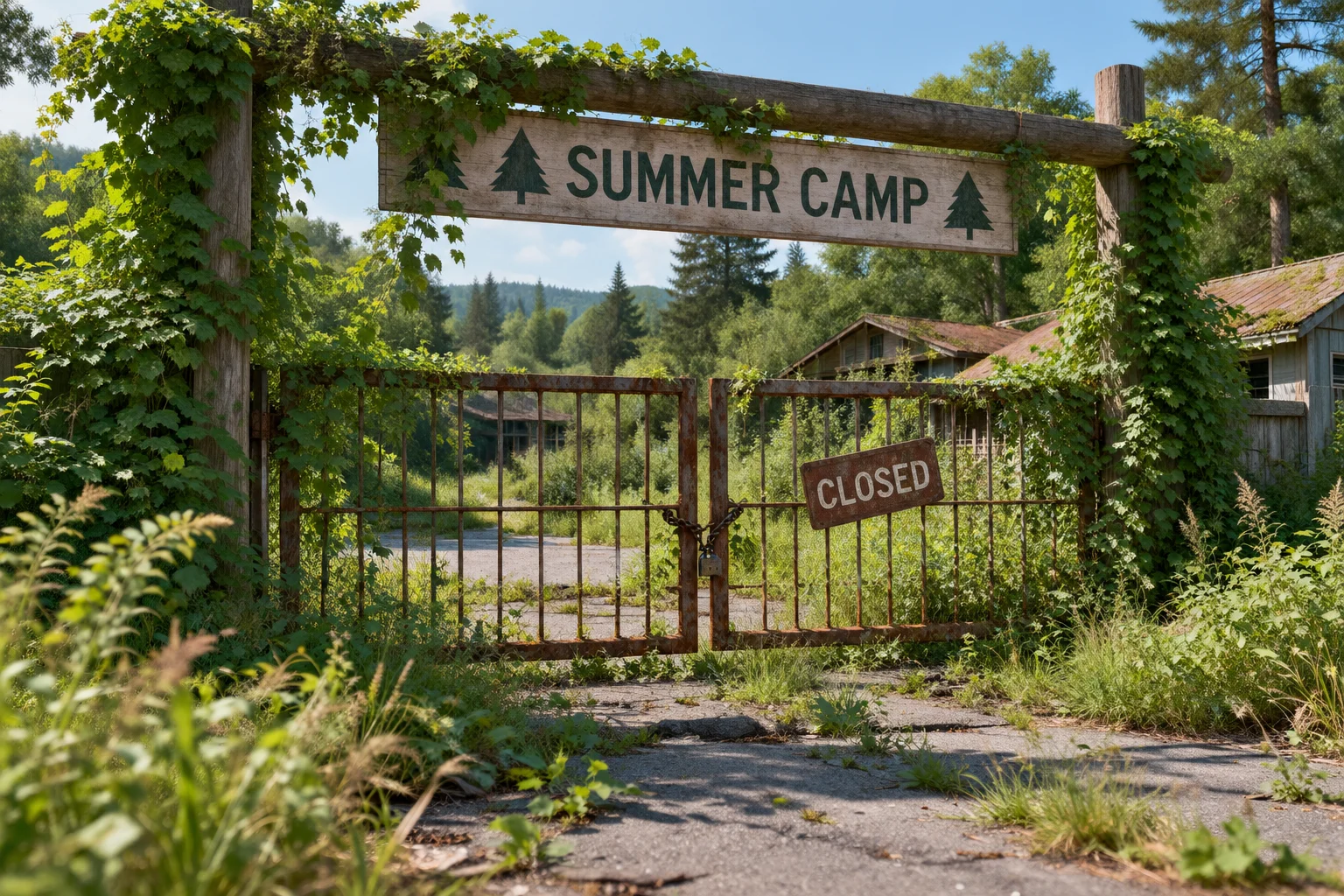
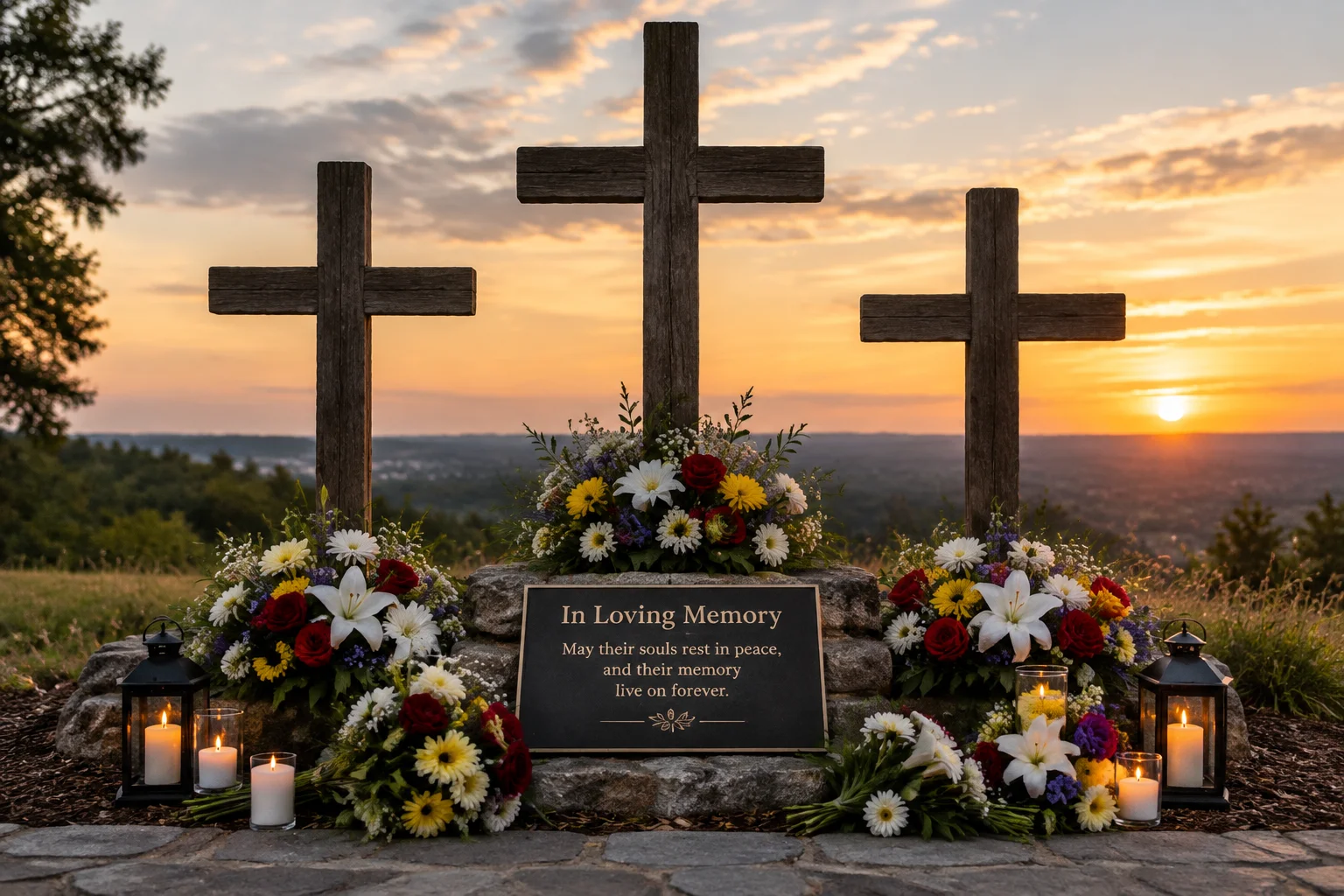
Today, the site of Camp Scott is privately owned and mostly overgrown. A memorial to the three girls stands near the entrance, a solemn reminder of the tragedy. The camp's name has become synonymous with the murders, and it is remembered as a place of horror rather than childhood joy.
The case has also had a lasting impact on forensic science. It highlighted the need for better evidence collection and preservation, leading to improvements in how crime scenes are processed. The FBI's Behavioral Science Unit used the case as a study in criminal profiling, though no profile led to an arrest.
Unsolved Mysteries and Ongoing Investigations
Despite the passage of time, the Camp Scott murders remain an open case. The OSBI has never officially closed the investigation, and new tips are still occasionally received. Advances in DNA technology have raised hopes that the case could one day be solved, but so far, no viable DNA evidence has been found.
The families of the victims continue to seek justice. They have urged authorities to keep the case active and have offered rewards for information. Their perseverance is a testament to their love for the lost girls and their desire for closure.
Why the Case Still Haunts Oklahoma
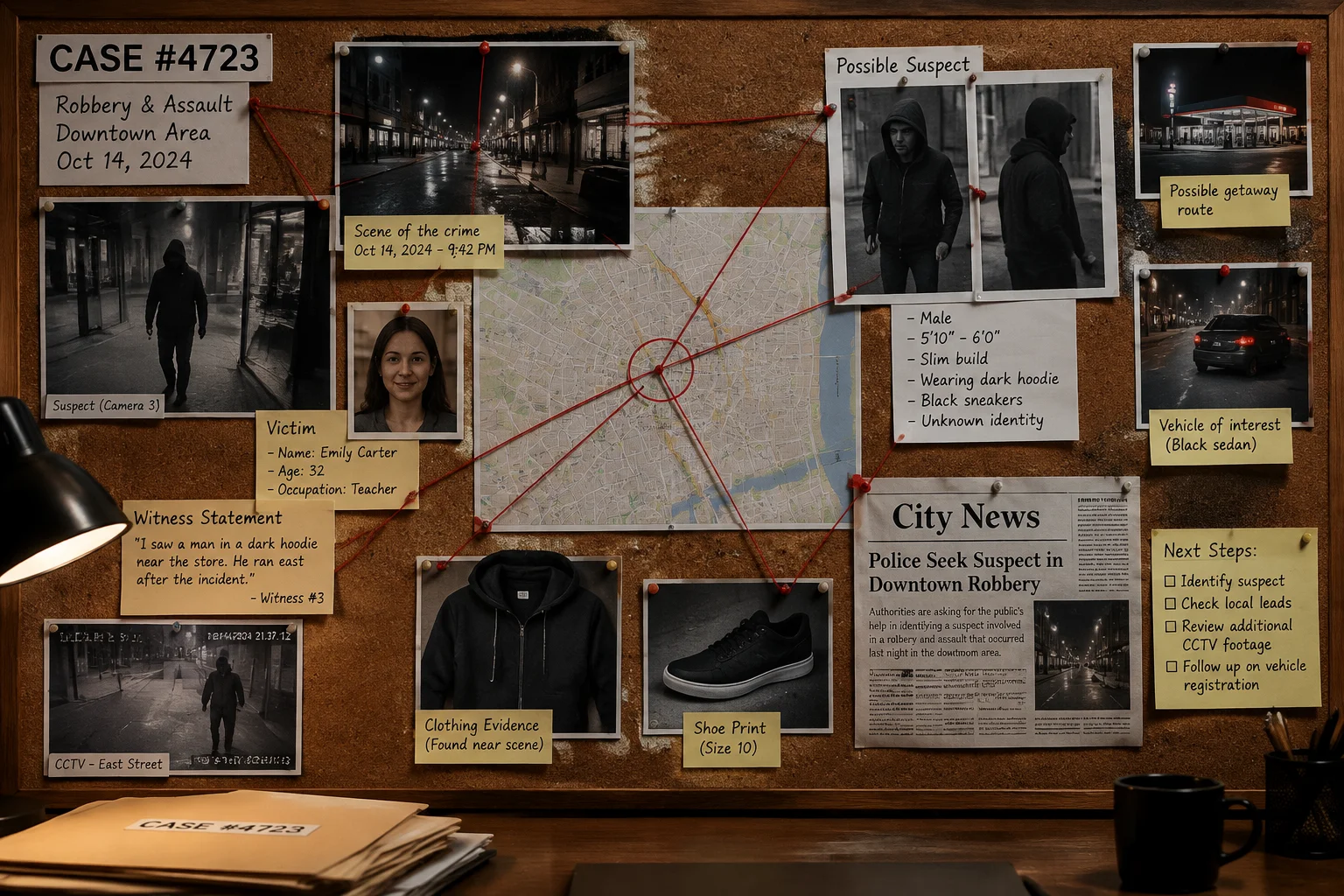
The Camp Scott murders are a dark chapter in Oklahoma's history. The senseless killing of three innocent children in a place meant for fun and friendship is a nightmare that never fades. The fact that the killer was never brought to justice adds to the horror, leaving a lingering sense of fear and injustice.
For many Oklahomans, the case is a reminder that evil can strike anywhere, even in the most peaceful settings. It has become a part of the state's collective memory, taught in schools and discussed in homes. The haunting nature of the crime ensures that it will never be forgotten.
Lessons Learned and Safety Changes
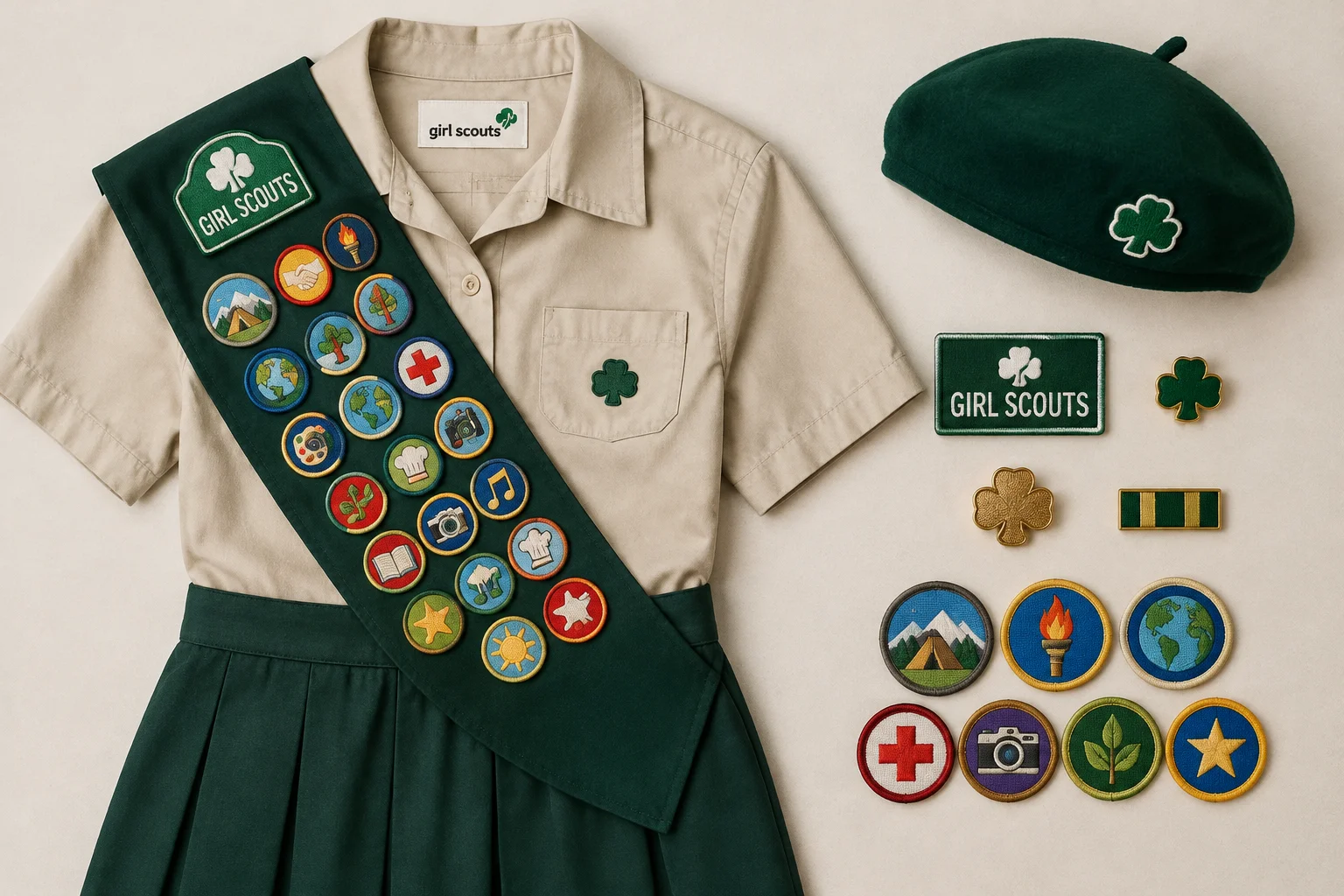
The Camp Scott murders led to significant changes in how summer camps operate. Background checks for staff became standard, and security measures such as fences, lighting, and alarms were implemented. Camps also began to require parents to sign waivers and provide emergency contact information.
The case also prompted a broader awareness of child abduction and murder. Organizations like the National Center for Missing & Exploited Children were founded in the years following, and laws such as the Missing Children's Assistance Act were passed. These changes have helped prevent similar tragedies.
The Psychological Toll on Investigators
The brutality of the Camp Scott murders took a toll on the investigators who worked the case. Many were haunted by the images of the crime scene and the knowledge that a killer was still at large. Some retired early or suffered from stress-related illnesses.
The case also affected the small community of Locust Grove, where everyone knew the victims and their families. The sense of betrayal and fear was palpable, and it took years for the town to heal. The psychological scars remain, a testament to the enduring impact of the crime.
Theories and Speculation

Over the decades, numerous theories have emerged about who killed the three girls. Some believe Gene Leroy Hart was guilty despite his acquittal, citing his criminal history and familiarity with the area. Others think the killer was a stranger passing through, or perhaps a member of a cult that used the camp for rituals.
One theory suggests that the murders were committed by a group of people, possibly teenagers, who were never caught. Another points to a possible connection with other unsolved murders in the region. However, without concrete evidence, these remain speculative.
The Role of Forensic Evidence
Forensic science has advanced dramatically since 1977. DNA analysis, which was not available then, could now provide definitive answers if viable samples exist. However, the evidence in the Camp Scott case has been compromised by time and handling.
Some items from the crime scene, such as the flashlight and tape, were preserved, but they have not yielded DNA. The victims' clothing and other items were also tested, but with no conclusive results. The hope is that new technologies might one day unlock the mystery.
The Families' Fight for Justice
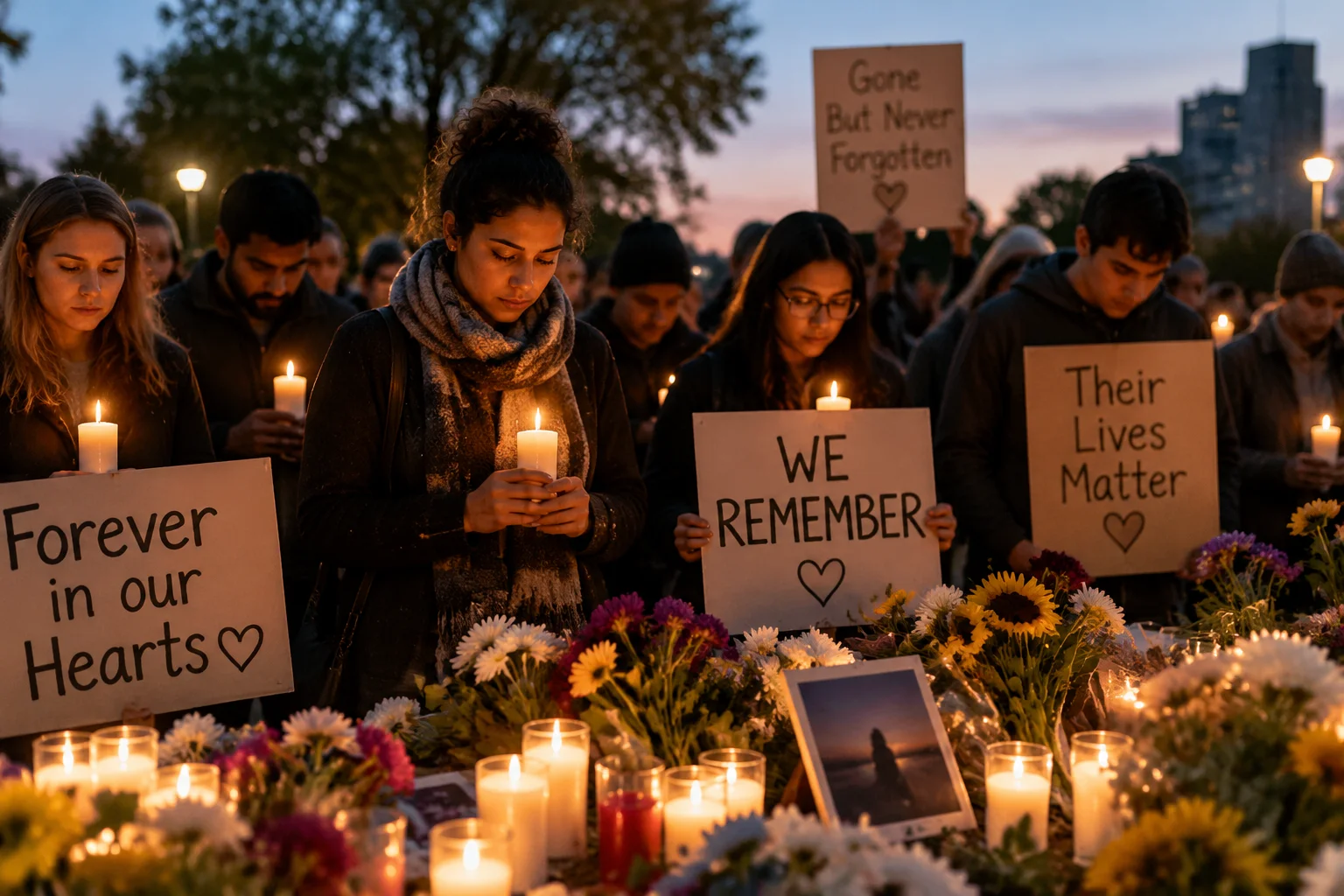
The families of Lori, Doris, and Michelle have never given up hope. They have attended hearings, met with investigators, and kept the case in the public eye. Their advocacy has led to periodic reviews of the case and renewed efforts to find the killer.
In 2017, the OSBI announced that they were conducting a new review of the case using modern techniques. As of now, no new leads have been made public. The families continue to wait for the call that will bring them closure.
The Camp Scott Murders in Popular Culture

The case has inspired several books and documentaries, including "The Camp Scott Murders" by C.S. Kelly and "Someone Cry for the Children" by Michael and Dick Wilkerson. These works explore the crime and its aftermath, offering different perspectives.
A feature film based on the murders has been in development for years, but no release date has been set. The case has also been the subject of podcasts and YouTube videos, keeping it alive in the true crime community.
The Importance of Remembering
Remembering the victims is crucial to ensuring they are not forgotten. Lori, Doris, and Michelle were not just names in a crime report; they were real girls with dreams and futures. Their lives mattered, and their memory should be honored.
The Camp Scott murders also serve as a cautionary tale about the importance of vigilance and safety. While we cannot live in fear, we must be aware of the potential dangers and take steps to protect our loved ones.
Conclusion: A Haunting Legacy
The Camp Scott murders remain one of the most horrifying and perplexing unsolved crimes in American history. The brutal killing of three innocent girls, the failure to bring the perpetrator to justice, and the enduring pain of the families and community all contribute to its haunting legacy.
As Oklahoma and the nation continue to grapple with this tragedy, the hope for closure remains alive. Advances in forensic science and the dedication of investigators and families offer a glimmer of hope that one day, the truth will be revealed. Until then, the Camp Scott murders will continue to haunt all who remember.
TL;DR: The Camp Scott murders remain unsolved, haunting Oklahoma with the brutal killing of three Girl Scouts in 1977 and leaving a legacy of fear, injustice, and a continued quest for justice.
Frequently Asked Questions
What happened at Camp Scott?
In 1977, three Girl Scouts were murdered at Camp Scott in Oklahoma. Their bodies were found near their tent, and the case remains unsolved.
Who were the victims?
The victims were Lori Lee Farmer (8), Doris Denise Milner (9), and Michelle Heather Guse (10).
Who was Gene Leroy Hart?
Gene Leroy Hart was the prime suspect in the Camp Scott murders. He was tried and acquitted in 1979.
Has the Camp Scott case been solved?
No, the case remains unsolved. It is still an open investigation.
Where is Camp Scott located?
Camp Scott was located near Locust Grove, Oklahoma. It has since been closed and the land sold.
What changes were made after the murders?
The murders led to improved security at summer camps and increased awareness of child safety.
Are there any suspects besides Hart?
Over the years, other theories have emerged, but no other official suspects have been named.
Can DNA solve the case?
Advances in DNA technology could potentially solve the case if viable evidence exists, but so far no conclusive DNA has been found.

Alex Warren
Related Articles