
Nicknames have a strange kind of power. A well-earned moniker can outlive empires, outshine official titles, and turn a flawed human being into a legend that echoes for centuries. Long before branding experts and PR teams existed, soldiers, subjects, and chroniclers were already crafting the ultimate historical marketing tool: the unforgettable nickname.
This list rounds up some of the coolest nicknames in history, separating the myth from the documented record wherever possible. Some of these names were earned through genuine battlefield brilliance, others through terror, and a few through sheer showmanship. Either way, they've stood the test of time as some of the best nicknames ever recorded.
TL;DR: History's coolest nicknames — from Ivan the Terrible to The Greatest — were earned through real (and sometimes exaggerated) deeds, and the stories behind them are often stranger than the legends suggest.
What Makes a Nickname Truly Legendary?
The best nicknames in history usually share a few traits. They're short, vivid, and tied to a specific act, trait, or reputation that people couldn't stop talking about. A truly iconic nickname also tends to survive translation, meaning it still lands centuries later even when the original language and context are long gone.
It's worth noting that many famous nicknames were coined by enemies, rivals, or biased chroniclers rather than the people themselves. That means some of these cool monikers reflect propaganda or fear as much as fact. Keeping that in mind helps separate the real history from the myth as we work through this list.
1. Alexander the Great
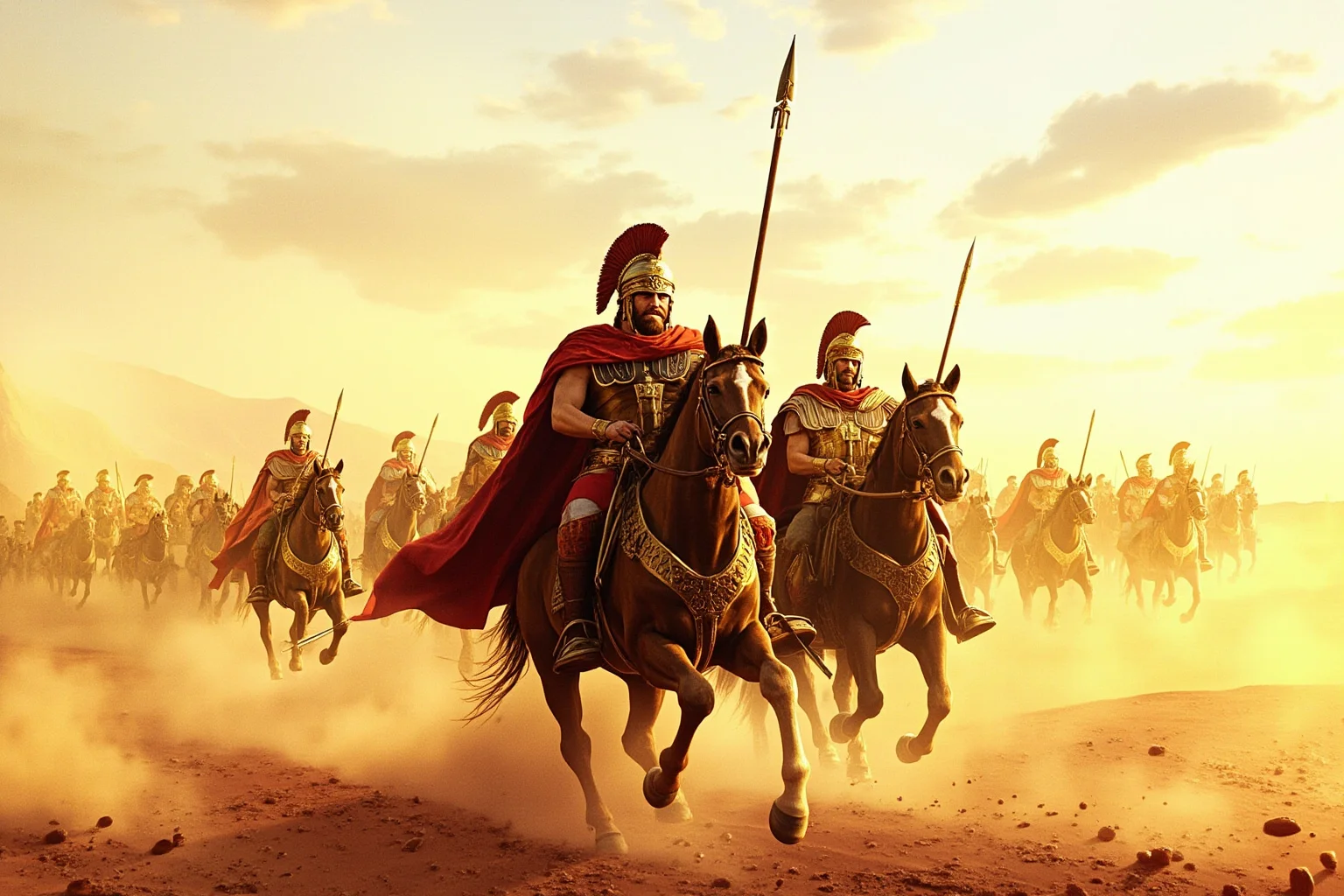
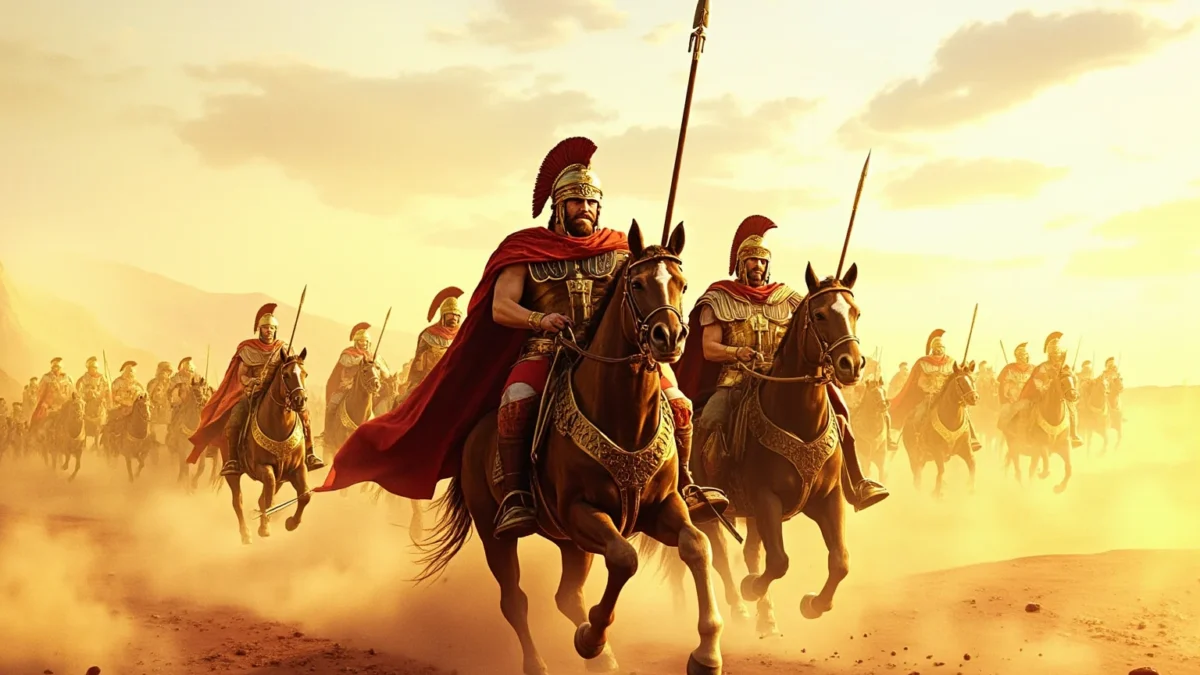
Alexander III of Macedon earned "the Great" during his own lifetime, a rare feat for any ruler. By the time he died at 32, he had built one of the largest empires the ancient world had ever seen, stretching from Greece to northwestern India.
The epithet stuck because his conquests genuinely reshaped the ancient Mediterranean and Near East. Historians still debate his tactics and legacy, but few dispute that his nickname was earned through real, documented military achievement rather than legend alone.
2. Richard the Lionheart
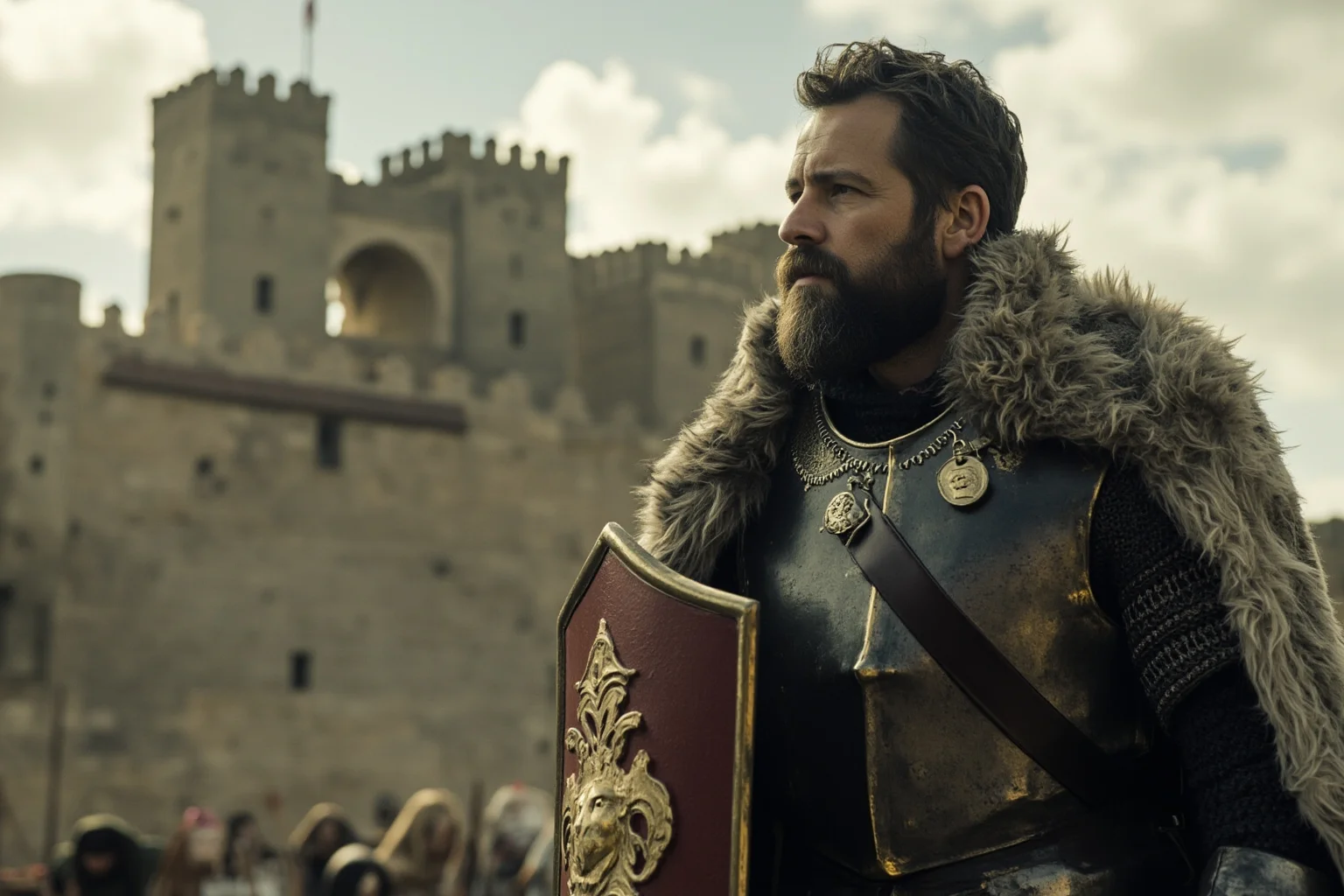
Richard I of England picked up this nickname thanks to his reputation as a fierce and skilled military commander during the Third Crusade. Contemporary chroniclers praised his courage in battle, and the "lionheart" label appears in sources from his own era.
Interestingly, Richard spent very little of his reign actually in England, focusing instead on continental wars and crusading campaigns. That makes his enduring English legend a bit ironic, but it hasn't dulled the appeal of one of the coolest nicknames in history.
3. Ivan the Terrible
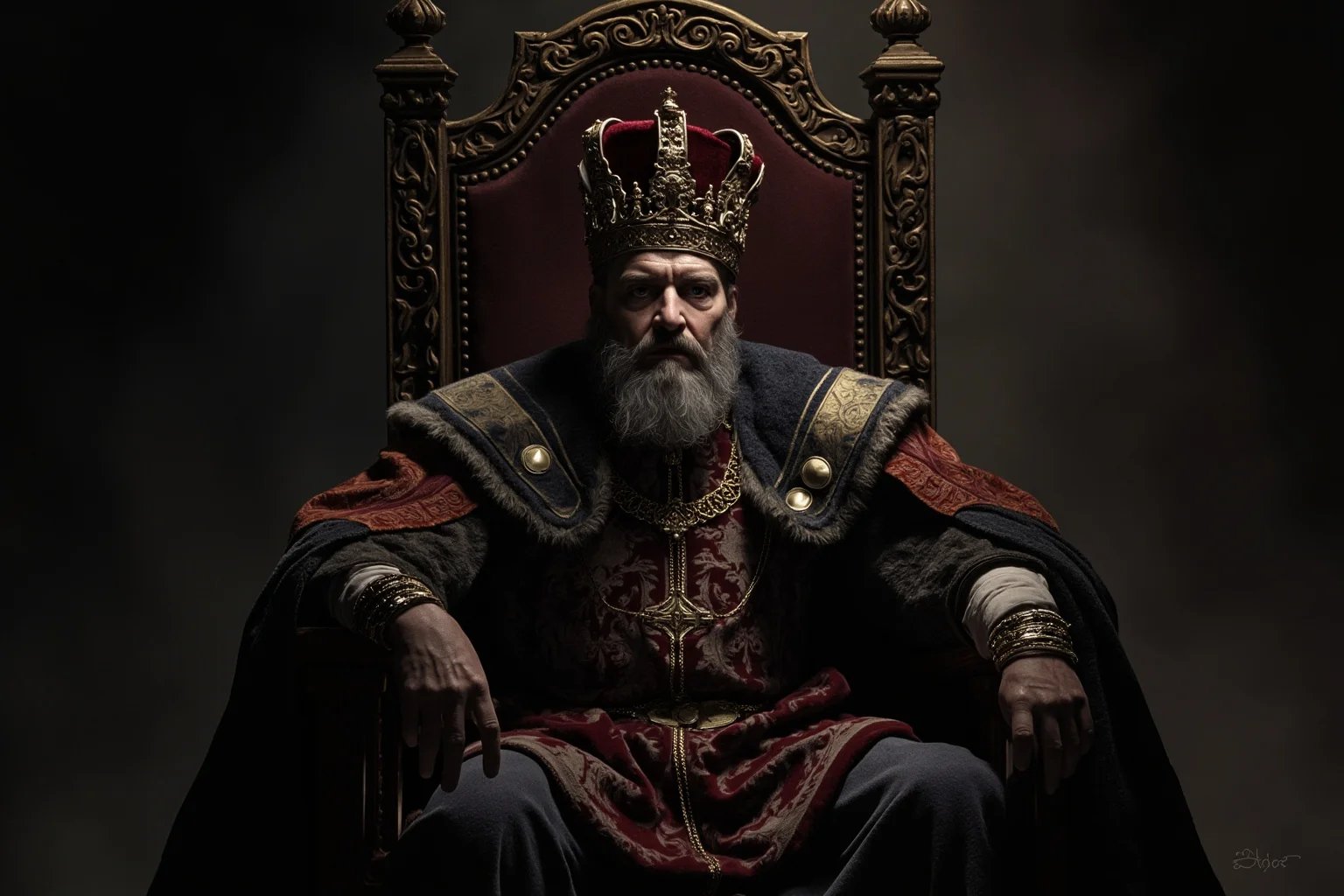
Ivan IV of Russia is often cited as an early example of a ruler whose nickname has been slightly mistranslated over time. The original Russian "Grozny" is closer to "formidable" or "awe-inspiring" than the modern English sense of "terrible."
That said, Ivan's later reign included genuinely brutal purges and the creation of the Oprichnina, a secret police force known for extreme violence. So while the translation nuance matters, the fearsome reputation behind the name wasn't entirely undeserved.
4. Vlad the Impaler
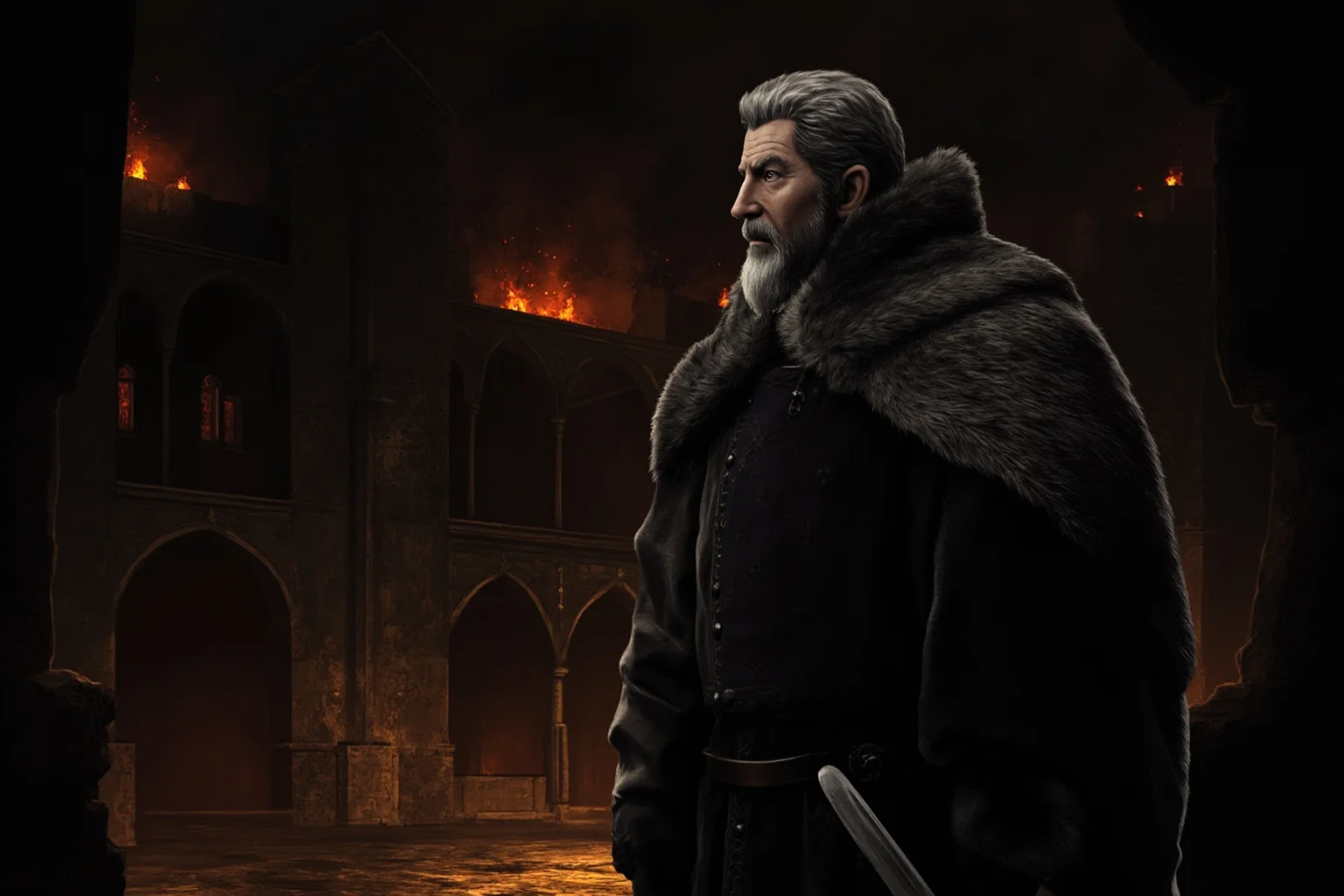
Vlad III of Wallachia earned this grim nickname for his preferred method of executing enemies, particularly invading Ottoman forces. Historical accounts, including hostile ones written by his enemies, describe impalement used as both punishment and psychological warfare.
Vlad later inspired Bram Stoker's Dracula, but it's worth separating the historical prince from the fictional vampire. The real Vlad was a ruthless medieval warlord defending his territory, not a supernatural creature, even if his nickname sounds like something from a horror novel.
5. Catherine the Great
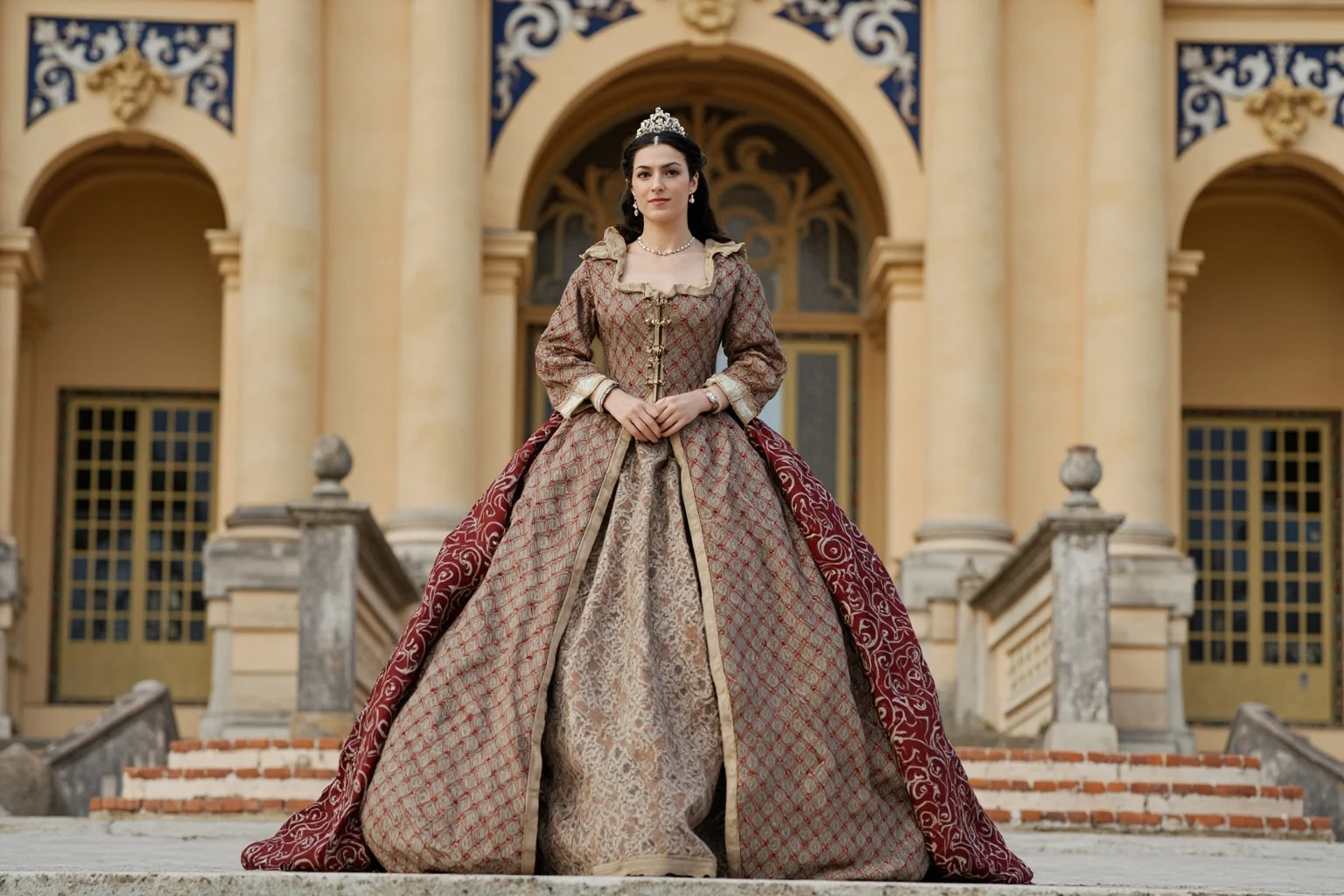
Catherine II of Russia rose from a minor German princess to one of the most powerful rulers in European history. Her nickname reflects a reign marked by territorial expansion, cultural patronage, and sweeping administrative reforms.
Much of the salacious gossip surrounding her personal life was spread by political rivals both during and after her rule. Strip that away, and what remains is a genuinely formidable stateswoman whose nickname was earned through decades of consequential governance.
6. Attila the Hun, "Scourge of God"
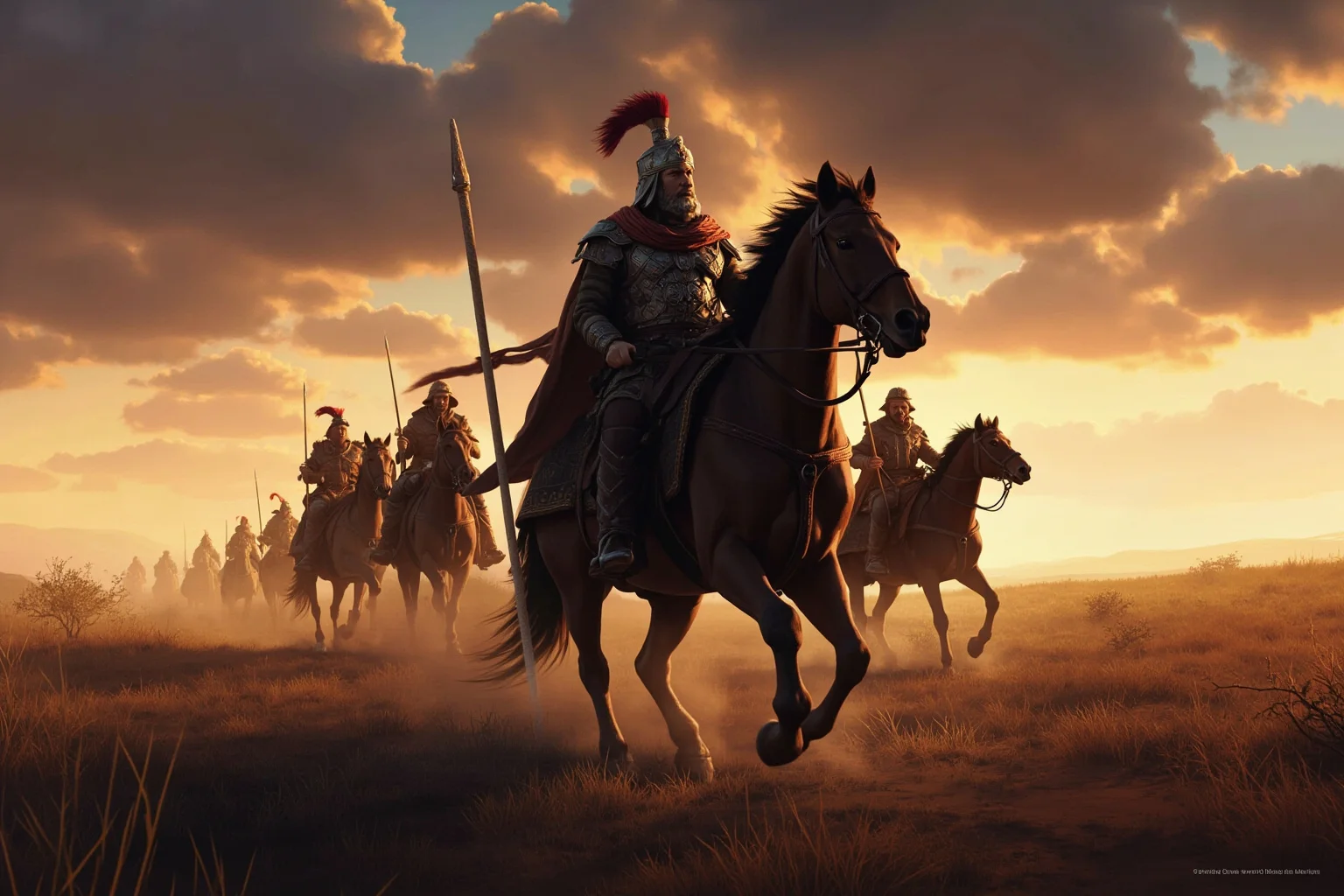
Attila led the Huns during a period of intense pressure on the late Roman Empire, and Christian chroniclers dubbed him the "Scourge of God" for the destruction he brought to Europe. The nickname reflects how terrifying he appeared to contemporaries on both sides of the crumbling Roman frontier.
Modern historians note that much of what we know about Attila comes from hostile Roman and Christian sources, so some embellishment is likely. Still, his campaigns were real, extensive, and influential enough to help accelerate the fall of the Western Roman Empire.
7. Charles "The Hammer" Martel
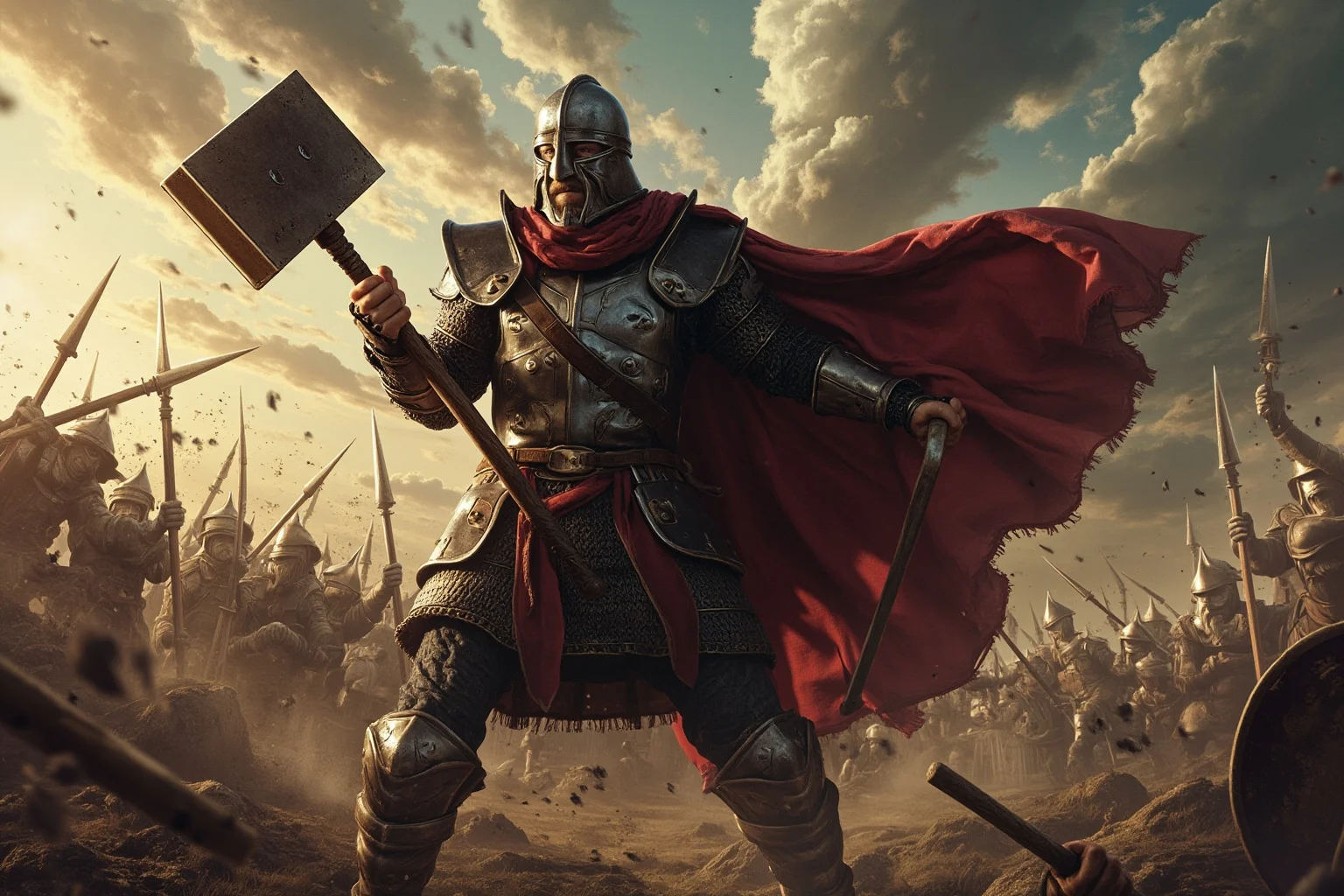
Charles Martel earned his nickname, meaning "the Hammer," largely due to his decisive military leadership, especially at the Battle of Tours in 732 CE. That victory halted a major Umayyad advance into Frankish territory in Western Europe.
Historians continue to debate the battle's long-term significance, but there's no question Martel's contemporaries saw him as a crushing, hammer-like force on the battlefield. It remains one of the more iconic nicknames from early medieval Europe.
8. William the Conqueror
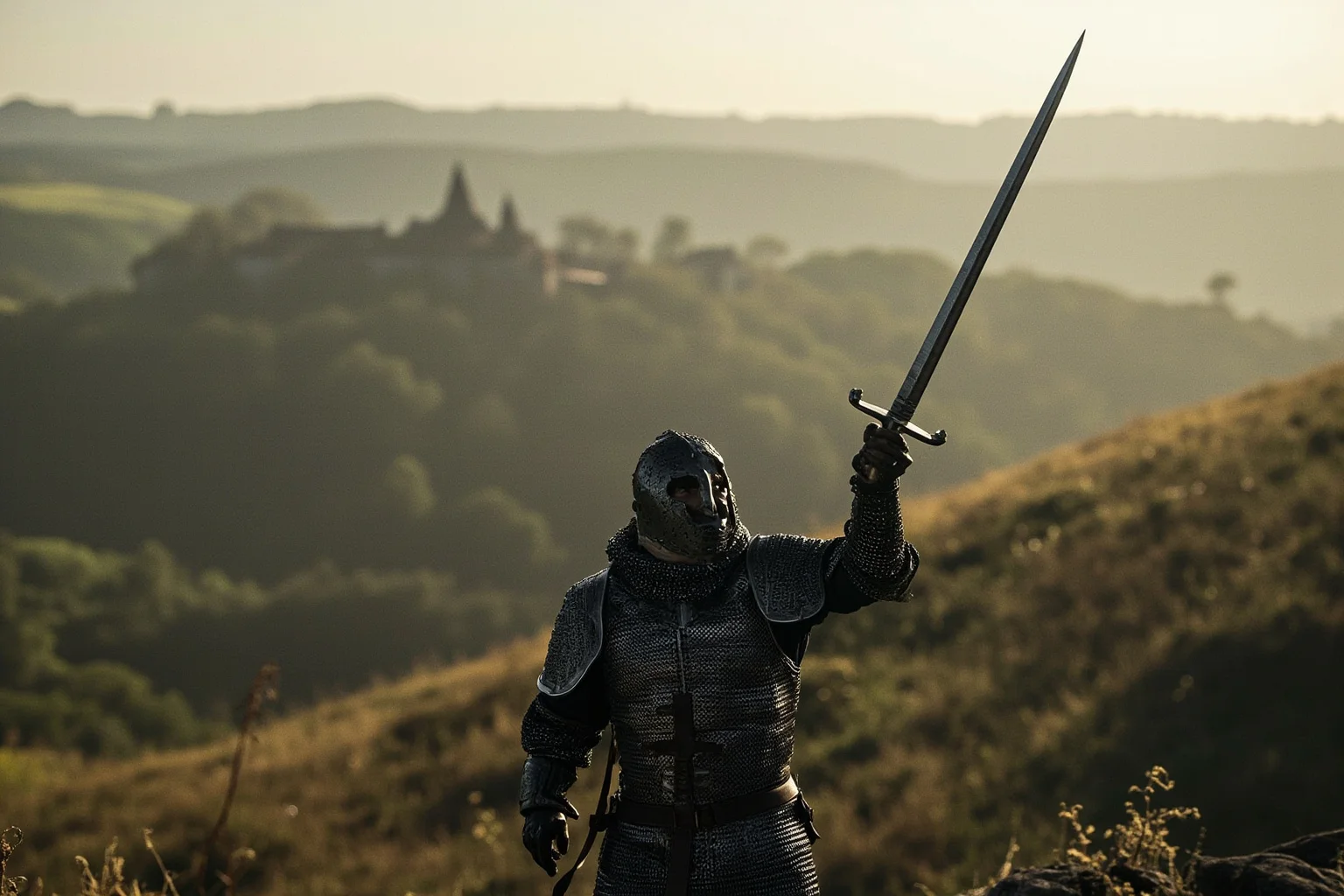
William, Duke of Normandy, became "the Conqueror" after his decisive victory at the Battle of Hastings in 1066. That single campaign permanently altered English language, law, and aristocracy for centuries afterward.
Unlike some nicknames earned through decades of reputation-building, William's name was cemented almost overnight by one of history's most consequential battles. Few nicknames in history point to such a specific, well-documented turning point.
9. Suleiman the Magnificent
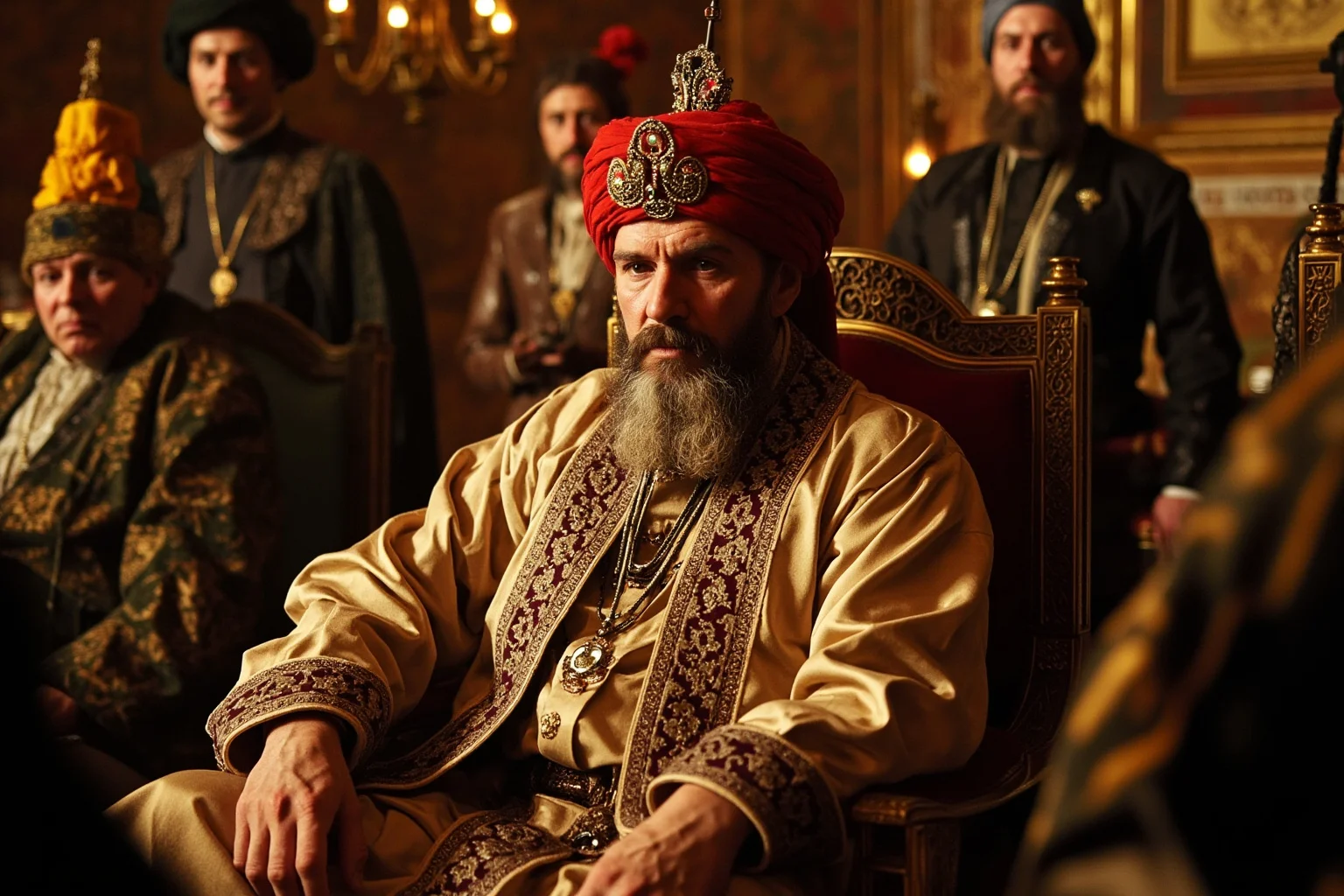
Suleiman I ruled the Ottoman Empire during its territorial, cultural, and legal peak in the 16th century. Europeans dubbed him "the Magnificent" for the splendor of his court, while Ottoman subjects often called him "the Lawgiver" for his legal reforms.
Having two very different nicknames used by two different audiences shows how perception shaped these historical titles. Both versions, though, point to a ruler whose influence was impossible to ignore.
10. El Cid
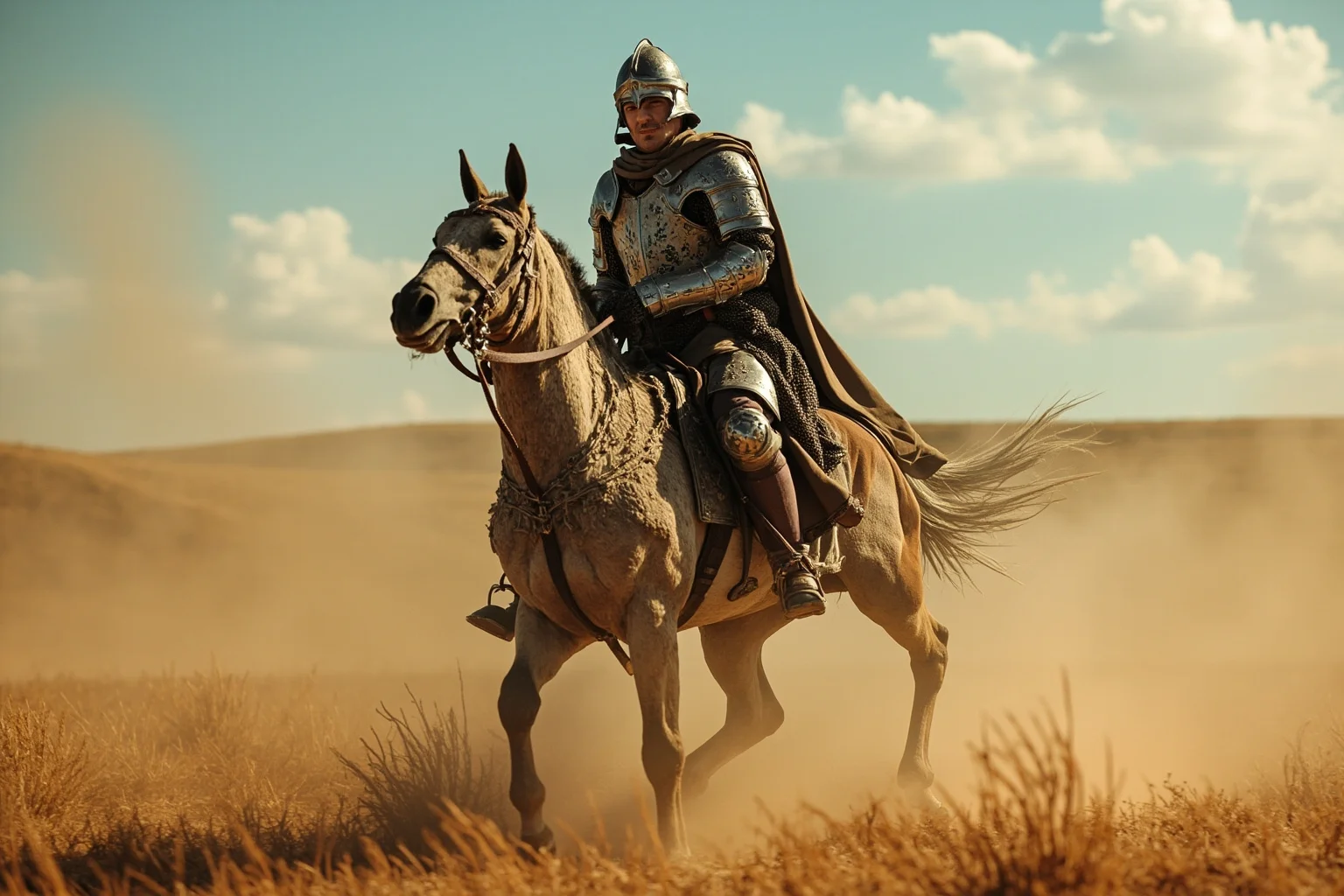
Rodrigo Díaz de Vivar, a Castilian nobleman and military leader, became known as "El Cid," derived from an Arabic honorific meaning "the Lord." His career included fighting for both Christian and Muslim rulers during the complex politics of medieval Iberia.
Legend has expanded his story considerably over the centuries, including epic poems written long after his death. The historical Rodrigo was a skilled and pragmatic commander, even if some later tales stretch well beyond the documented record.
11. Joan of Arc, "The Maid of Orléans"
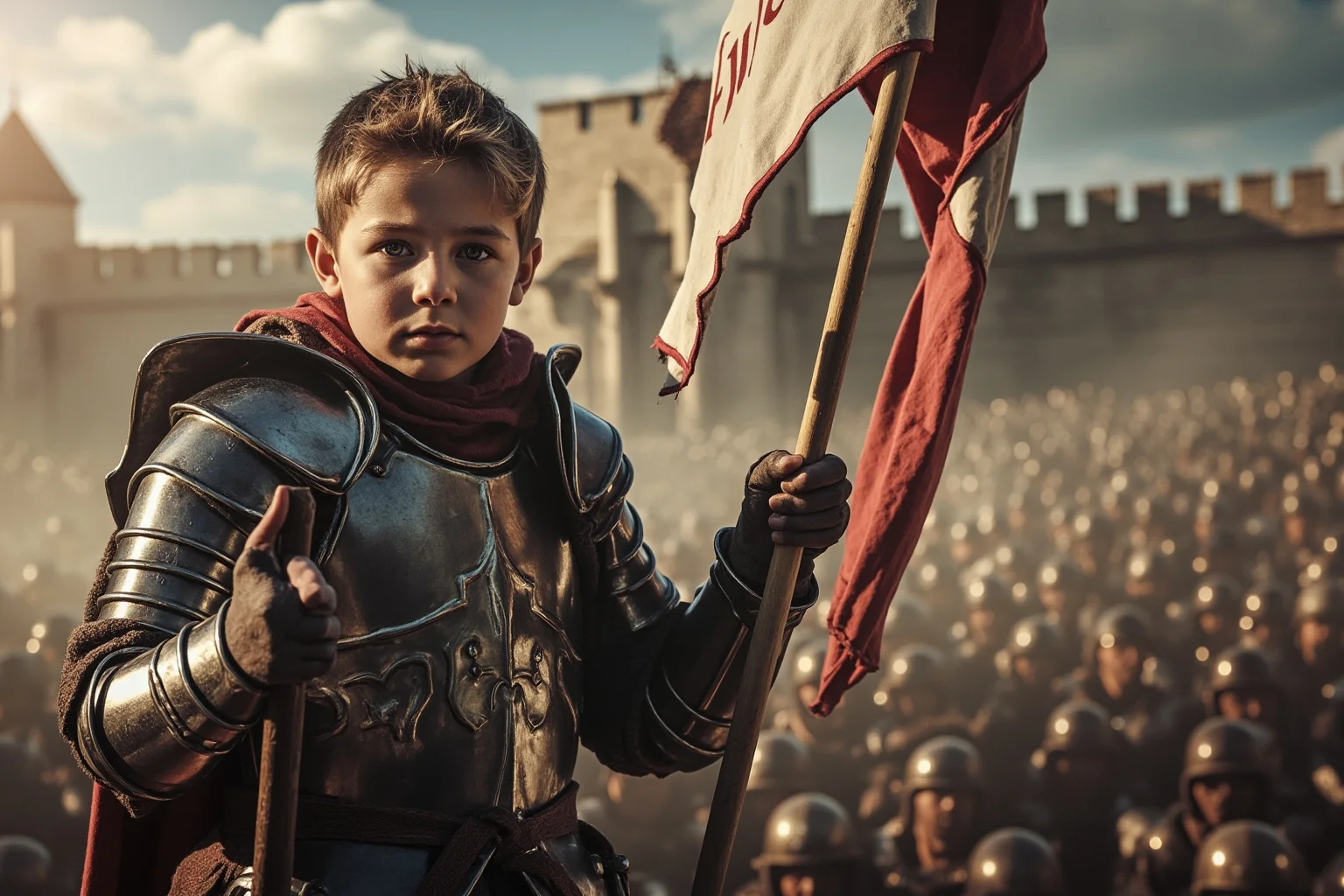
Joan of Arc, remembered today as one of history's most powerful women despite her brief life, earned her nickname after helping lift the siege of Orléans in 1429 during the Hundred Years' War. She was a teenager at the time, claiming visions had guided her to support the French crown against English forces.
Her story ended in tragedy when she was captured, tried, and executed, but she was later canonized as a saint. Few historical nicknames carry the same combination of youth, faith, and battlefield legend.
12. Napoleon, "The Little Corporal"
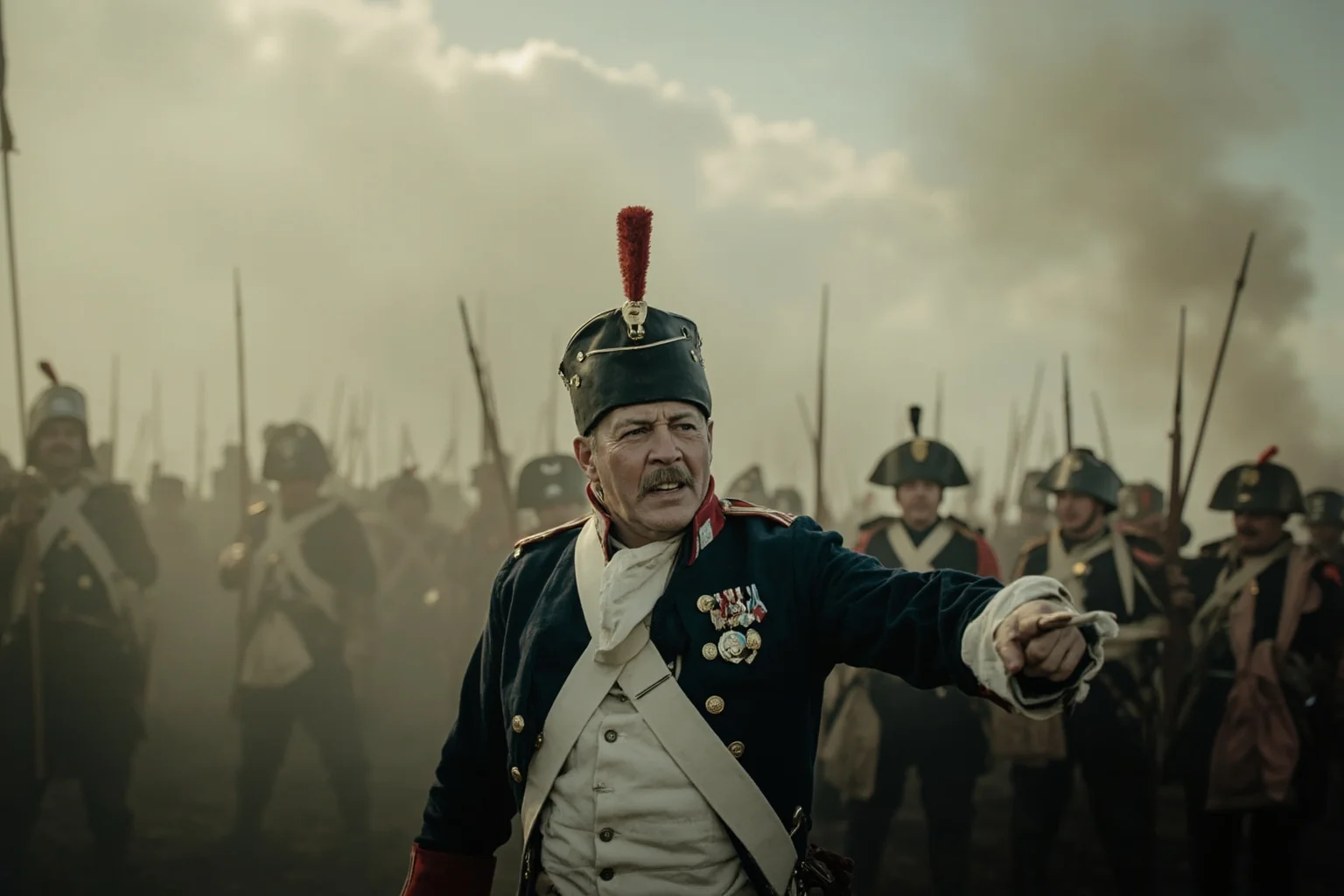
Napoleon Bonaparte, one of history's most recognized historical figures, picked up the nickname "le petit corporal," often misunderstood today as a jab at his height, which historical records suggest was actually about average for his era. The name instead reflected his early rise through the ranks and his reputation for fighting alongside common soldiers.
It was reportedly used affectionately by troops who respected his hands-on leadership style. That makes it one of the more misunderstood nicknames in history, since the "short" stereotype came later and doesn't hold up well to scrutiny.
13. The Iron Duke
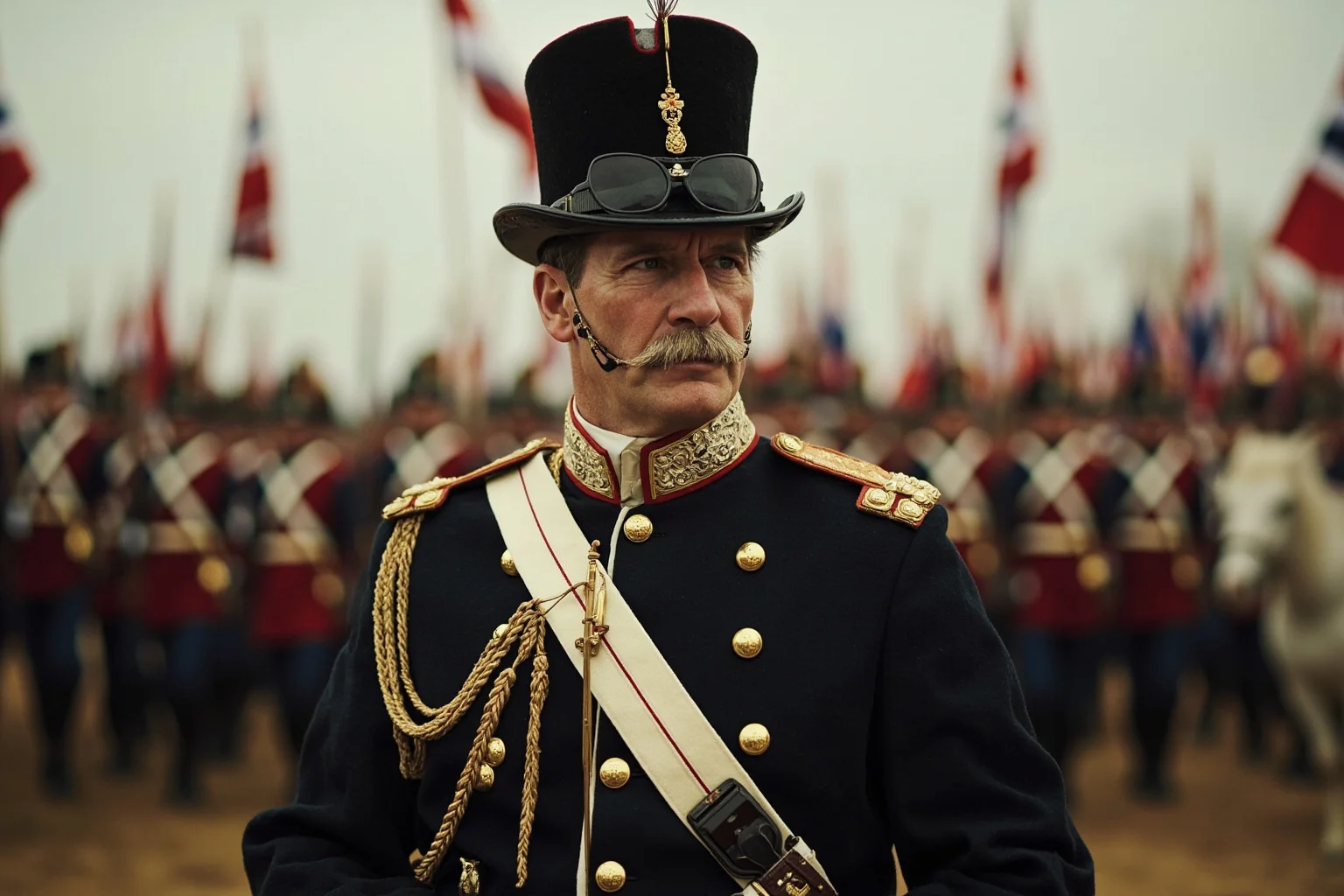
Arthur Wellesley, the Duke of Wellington, picked up "the Iron Duke" nickname partly for his unyielding discipline as a military commander and later as a political figure. He's best remembered for defeating Napoleon at the Battle of Waterloo in 1815.
The nickname also reflected his tough, no-nonsense approach to governing Britain afterward. It's a fitting label for a man whose reputation for firmness extended well beyond the battlefield.
14. Old Hickory
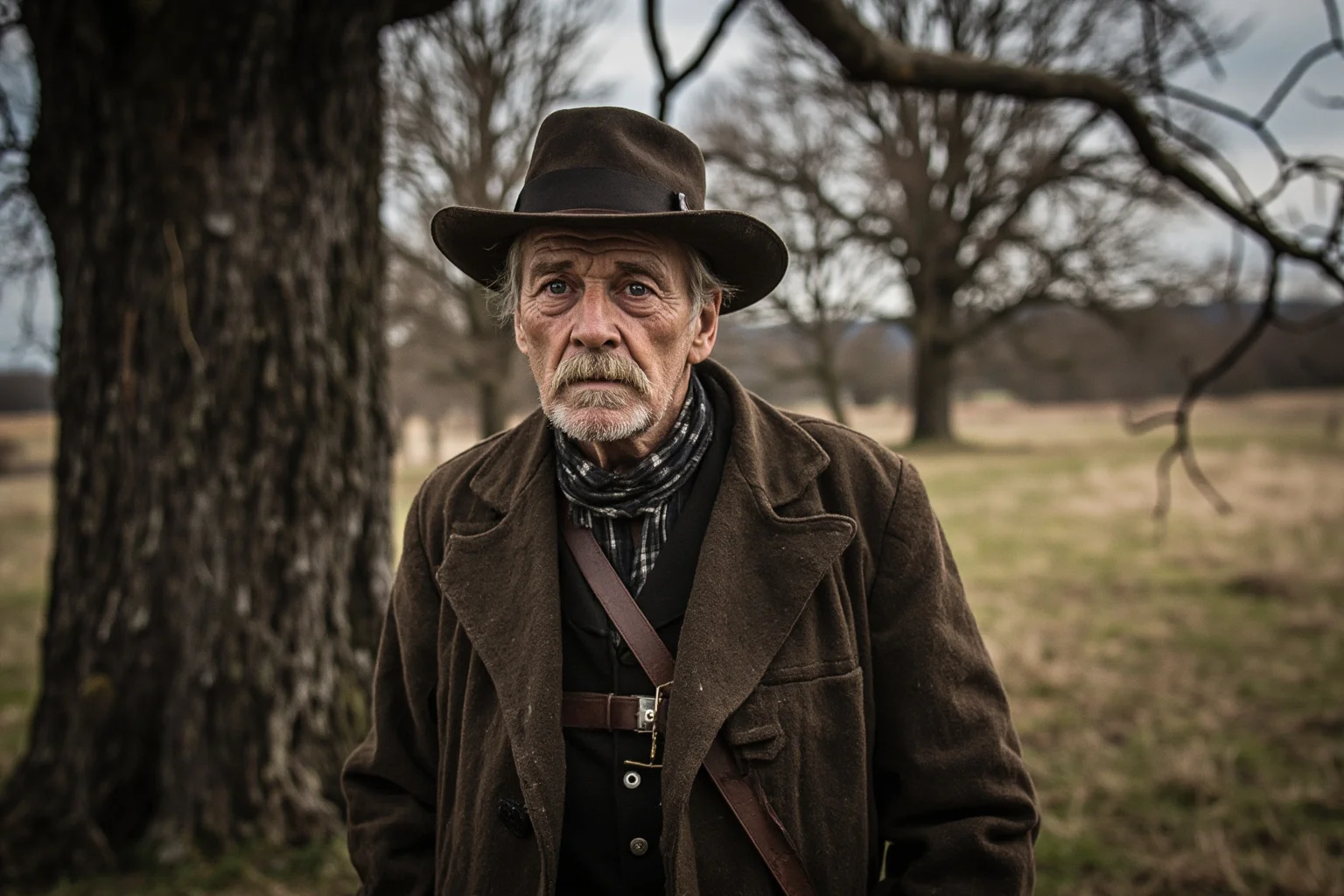
Andrew Jackson earned "Old Hickory" from soldiers who admired his toughness during military campaigns, comparing his resilience to the hardness of hickory wood. The nickname followed him into the presidency and became central to his rugged political image.
Jackson's legacy is deeply contested today, particularly regarding Indigenous removal policies enacted during his presidency. The nickname itself, though, remains a striking example of how battlefield reputations shaped 19th-century American politics.
15. Stonewall Jackson
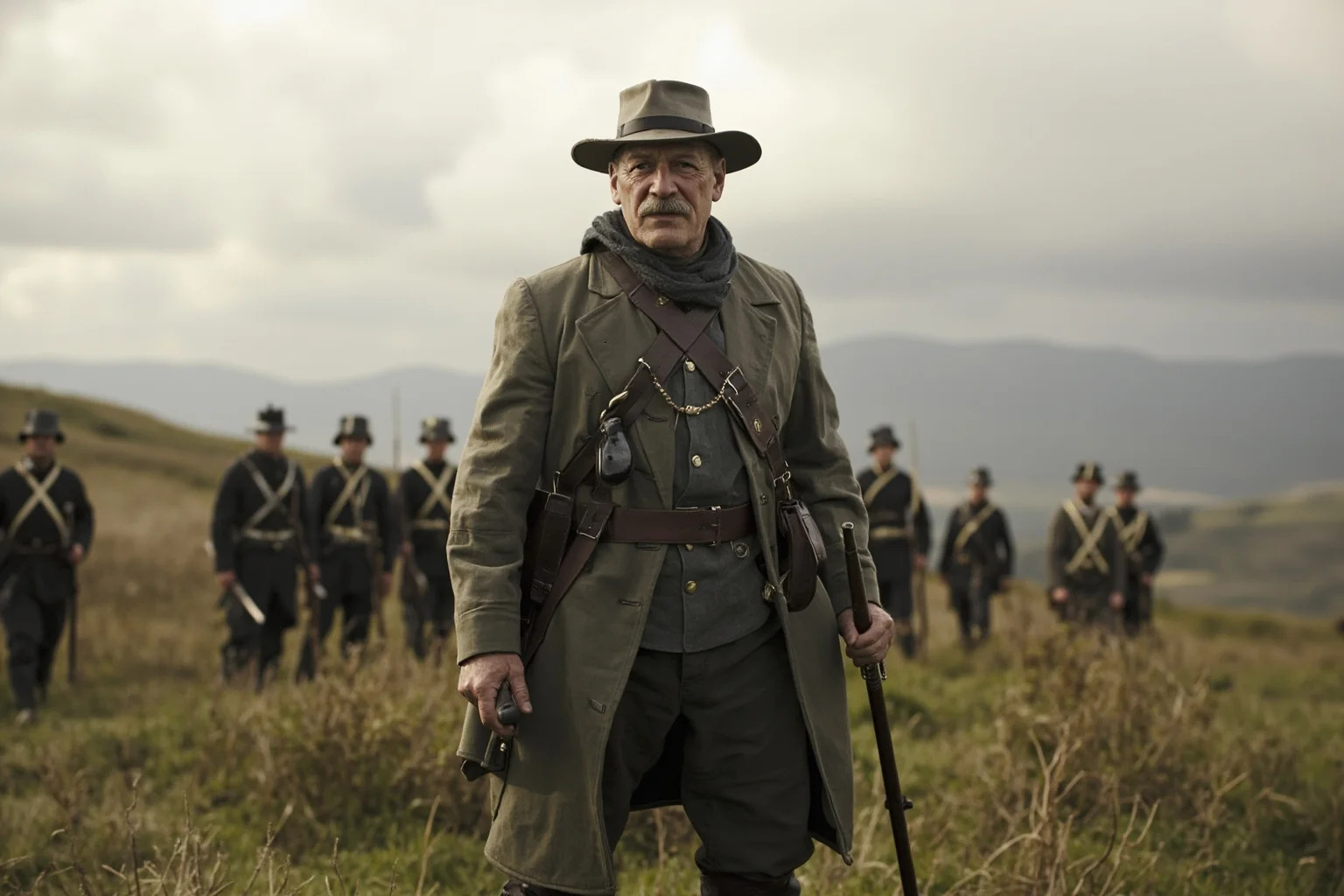
Confederate general Thomas J. Jackson earned this nickname at the First Battle of Bull Run in 1861, when his brigade reportedly held firm like a "stone wall" against Union assaults. The name stuck for the rest of his military career.
Jackson became one of the Confederacy's most tactically respected generals before his death in 1863 from wounds sustained after being accidentally shot by his own troops. His nickname remains one of the most recognized in American Civil War history.
16. The Desert Fox
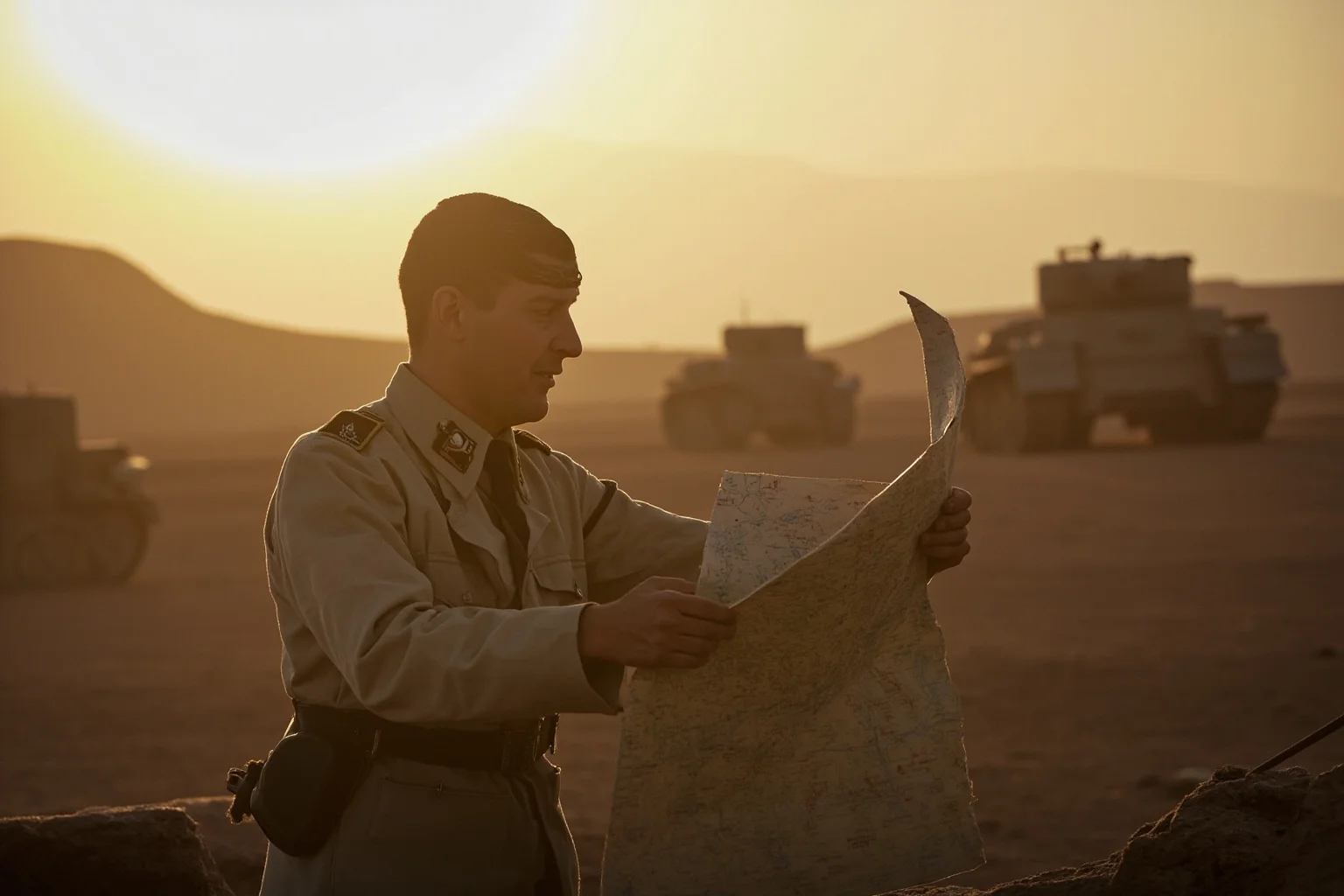
German field marshal Erwin Rommel earned "the Desert Fox" during the North African campaign of World War II, thanks to his fast-moving, unpredictable tactics against Allied forces. Even his opponents respected his tactical skill, which is part of why the nickname spread so widely.
Rommel's later involvement, however loosely connected, with the July 1944 plot against Hitler adds a layer of complexity to his legacy. Still, as a purely military nickname, "the Desert Fox" remains one of World War II's most iconic monikers.
17. Old Blood and Guts
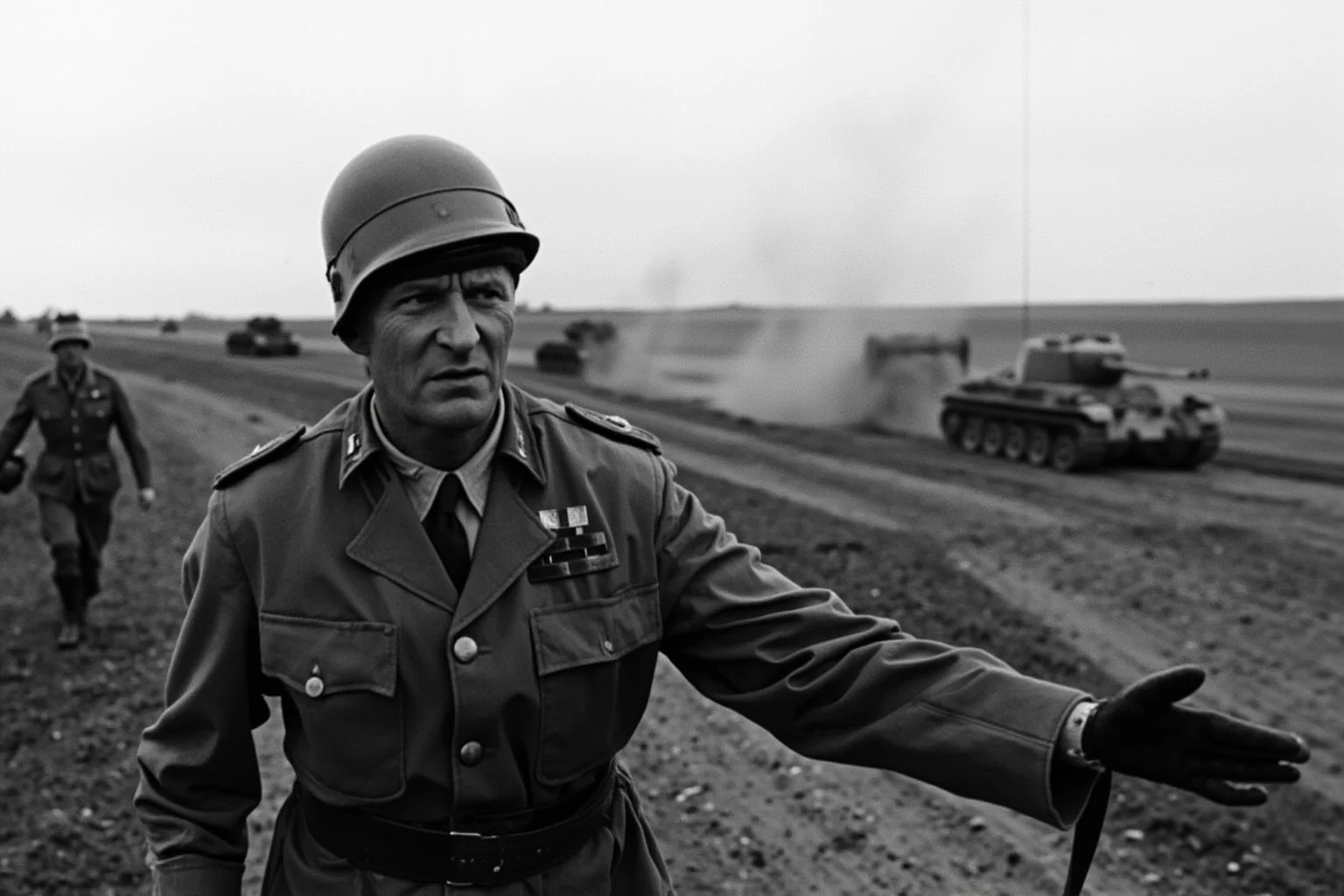
American general George S. Patton earned this nickname for his aggressive, relentless leadership style during World War II. Soldiers under his command reportedly had mixed feelings about the name, given his famously blunt and demanding personality.
Patton's rapid armored advances across France and Germany made him one of the most feared Allied commanders by German forces. The nickname captures both his effectiveness and his controversial reputation among his own troops.
18. Billy the Kid
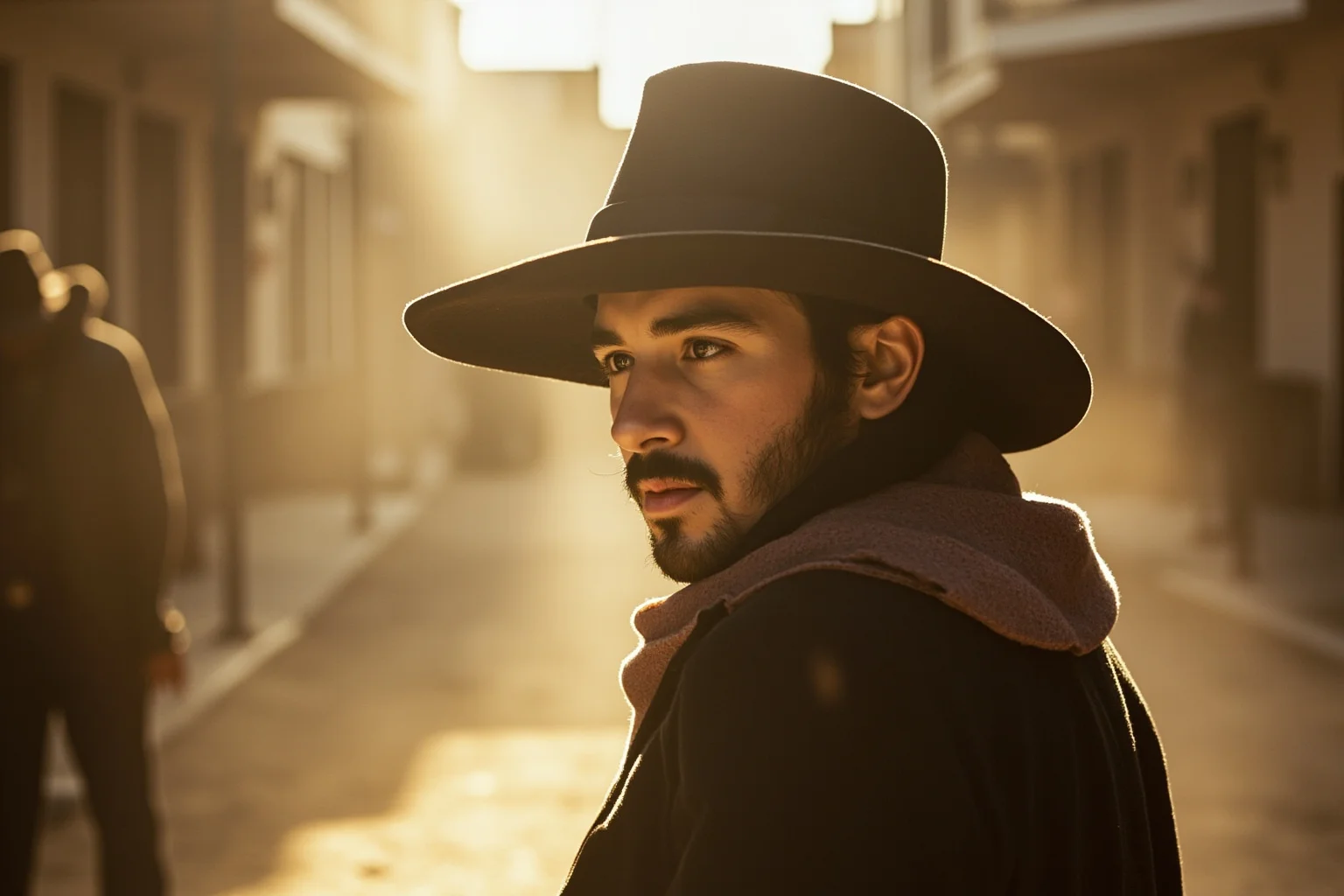
Henry McCarty, better known as Billy the Kid, became one of the most famous outlaws of the American Old West despite dying at just 21 years old. His nickname stuck thanks to his youthful appearance and his involvement in the violent Lincoln County War in New Mexico Territory.
Much of his legend was exaggerated by newspapers and later dime novels eager to sell a good outlaw story. The real historical record is thinner than the myth, but the nickname itself became permanently embedded in American folklore.
19. Wild Bill Hickok
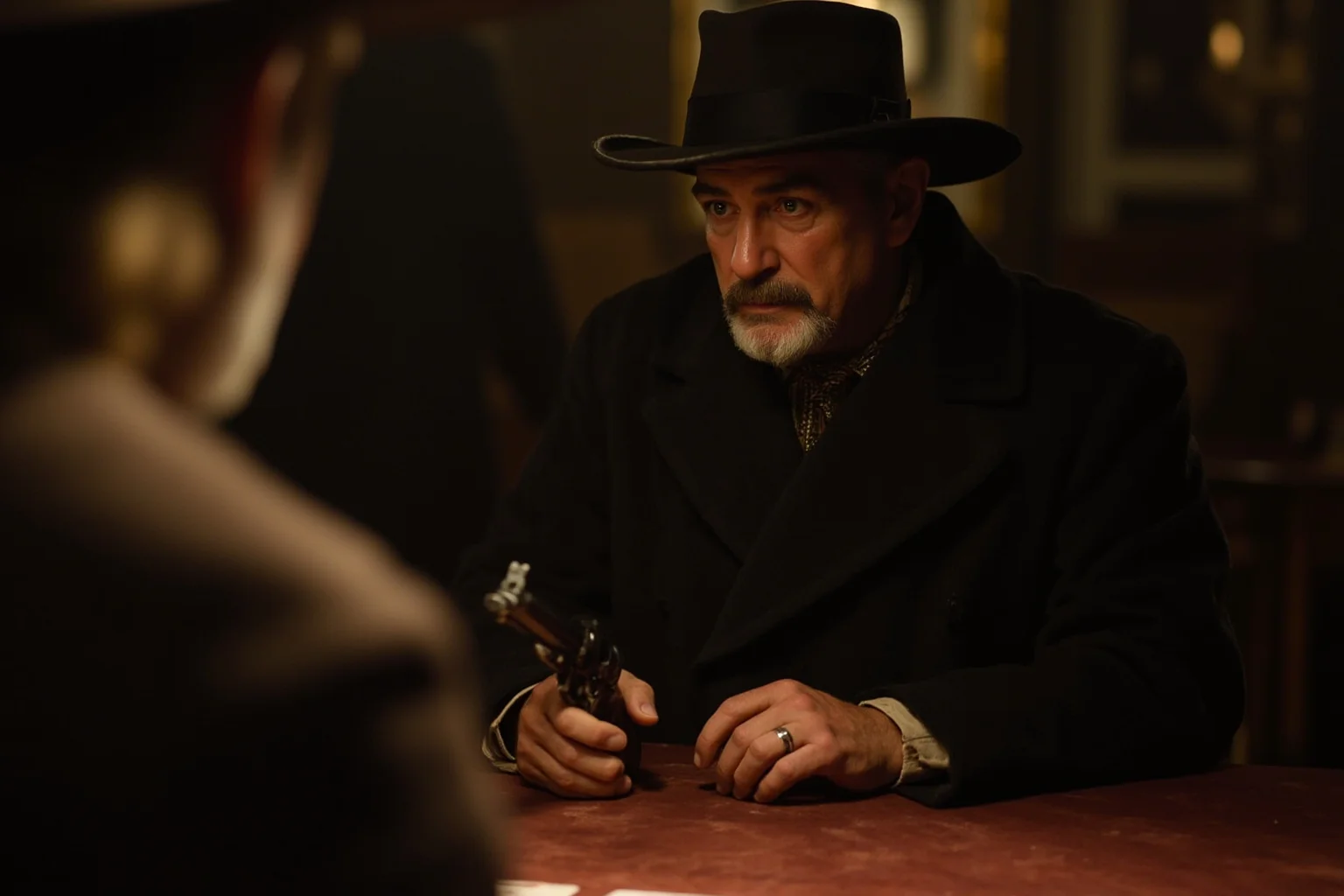
James Butler Hickok earned "Wild Bill" through his reputation as a lawman, gunfighter, and occasional showman in the post-Civil War American West. His skill with firearms and his flair for self-promotion helped cement the nickname in popular culture.
Hickok's life ended in 1876 when he was shot during a card game in Deadwood, an ending almost as dramatic as his nickname suggested. Separating fact from frontier legend with Hickok can be tricky, since exaggerated tales followed him even during his lifetime.
20. Calamity Jane
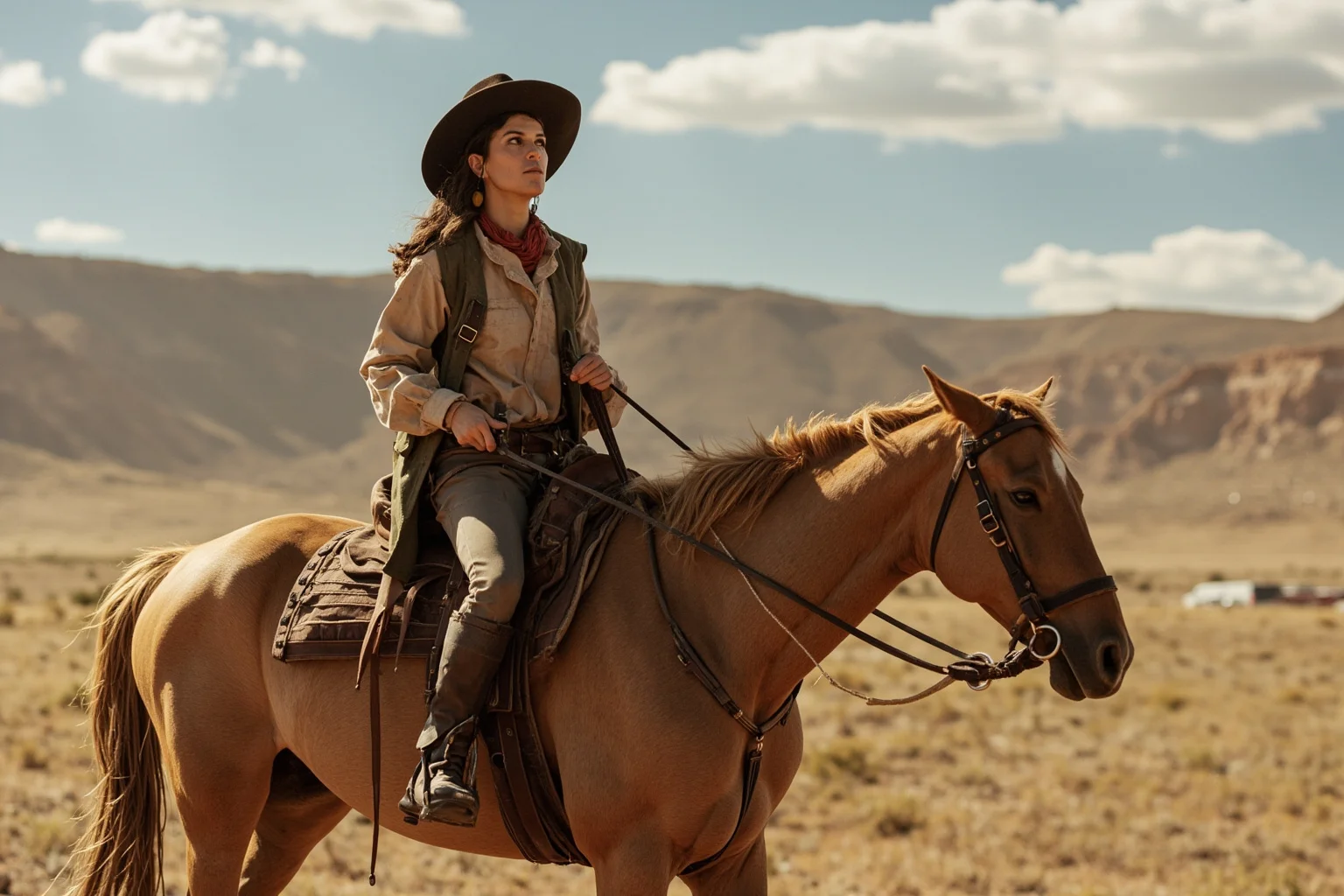
Martha Jane Cannary became known as "Calamity Jane," a nickname whose exact origin remains genuinely disputed among historians. Some accounts tie it to her habit of warning men away from calamity, while others link it to a specific rescue or dangerous incident.
What's clear is that she cultivated a rugged, frontier persona that made her one of the most recognizable women of the American West. Her autobiography added even more legend to an already colorful reputation, making her nickname part myth and part self-crafted brand.
21. Scarface

Al Capone picked up "Scarface" due to visible scars on his face, reportedly from a childhood altercation rather than gangland violence, though accounts vary. The nickname became inseparable from his identity as one of Prohibition-era Chicago's most notorious gangsters of the 20th century.
Capone was eventually convicted not for violent crimes but for tax evasion in 1931, a surprisingly mundane end to a famously violent reputation. His nickname, though, remains one of the most recognizable in American crime history.
22. Baby Face Nelson
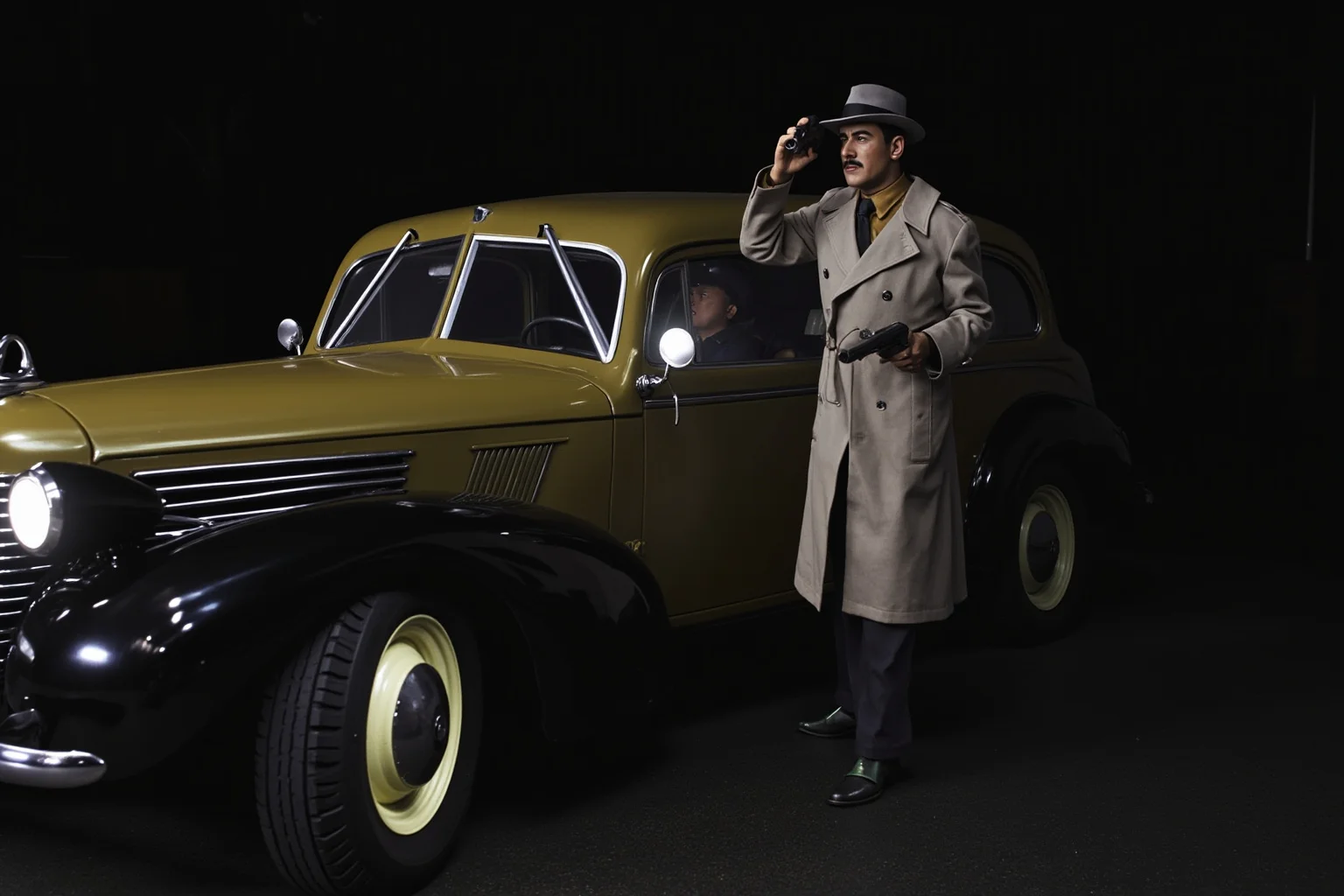
Lester Gillis, known as "Baby Face" Nelson, earned his nickname from his youthful appearance, which stood in sharp contrast to his violent career as a Depression-era bank robber. He was associated with the broader wave of outlaws that captured public attention in the 1930s.
The FBI, then known as the Bureau of Investigation, considered him one of the most dangerous criminals of the era before he was killed in a shootout in 1934. The nickname's ironic softness against his real reputation is part of what made it stick.
23. Machine Gun Kelly
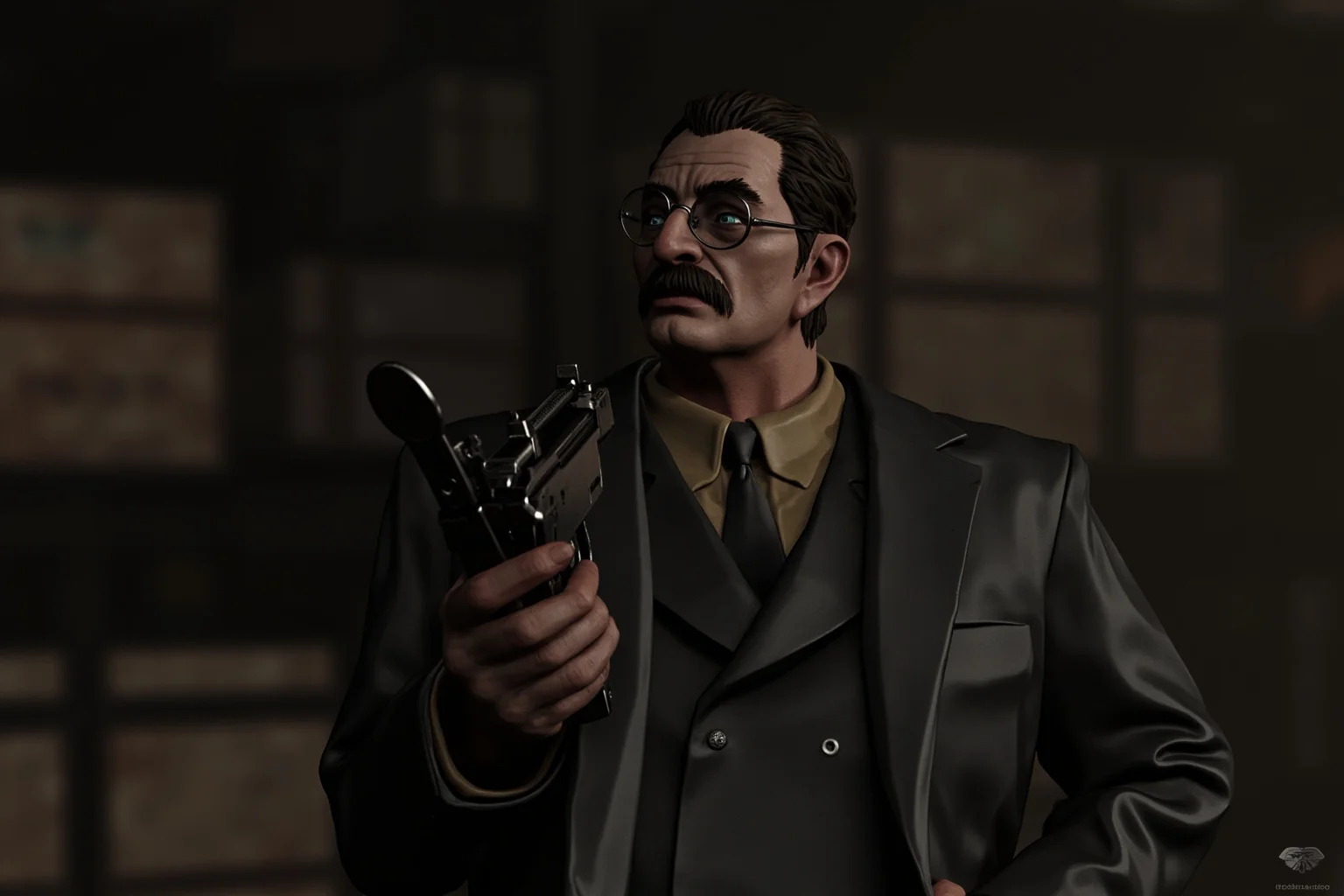
George Kelly Barnes earned "Machine Gun Kelly" during the Prohibition and Depression eras, largely thanks to his associations with bootlegging and a highly publicized kidnapping case. Some historians note his wife played a significant role in cultivating his tough public image.
Despite the fearsome nickname, Kelly reportedly surrendered without violent resistance when finally captured by federal agents in 1933. It's a good reminder that plenty of famous nicknames, much like those of several other notorious gangsters of the 20th century, were partly built through reputation management rather than documented action alone.
24. The Sultan of Swat
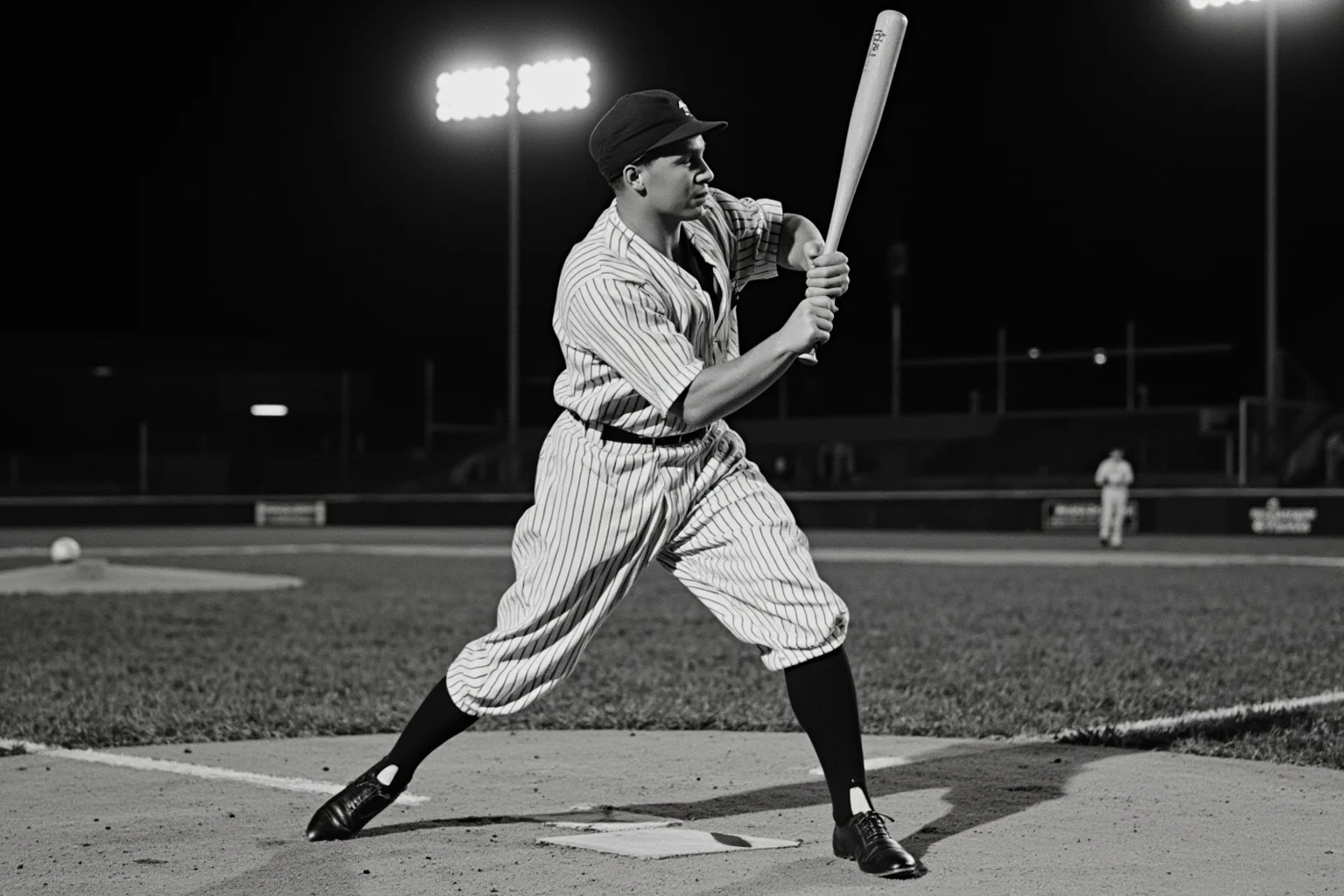
Babe Ruth earned "the Sultan of Swat" thanks to his then-unprecedented power hitting for the New York Yankees in the 1920s. His home run totals reshaped how the sport of baseball was played and marketed for decades afterward.
Ruth carried several nicknames throughout his career, but this one specifically captured his singular reputation as baseball's dominant power hitter. It remains one of the coolest nicknames in American sports history.
25. The Greatest

Muhammad Ali didn't wait for sportswriters to hand him a nickname; he declared himself "the Greatest" and then spent a career backing it up in the boxing ring. His combination of speed, skill, and outspoken personality made the self-given title stick in a way few self-proclaimed nicknames ever manage.
Ali's outside-the-ring activism and conscientious objection to the Vietnam War added further weight to his public legacy. It's a rare case of a nickname being claimed first and earned through achievement afterward.
26. Sugar Ray Robinson
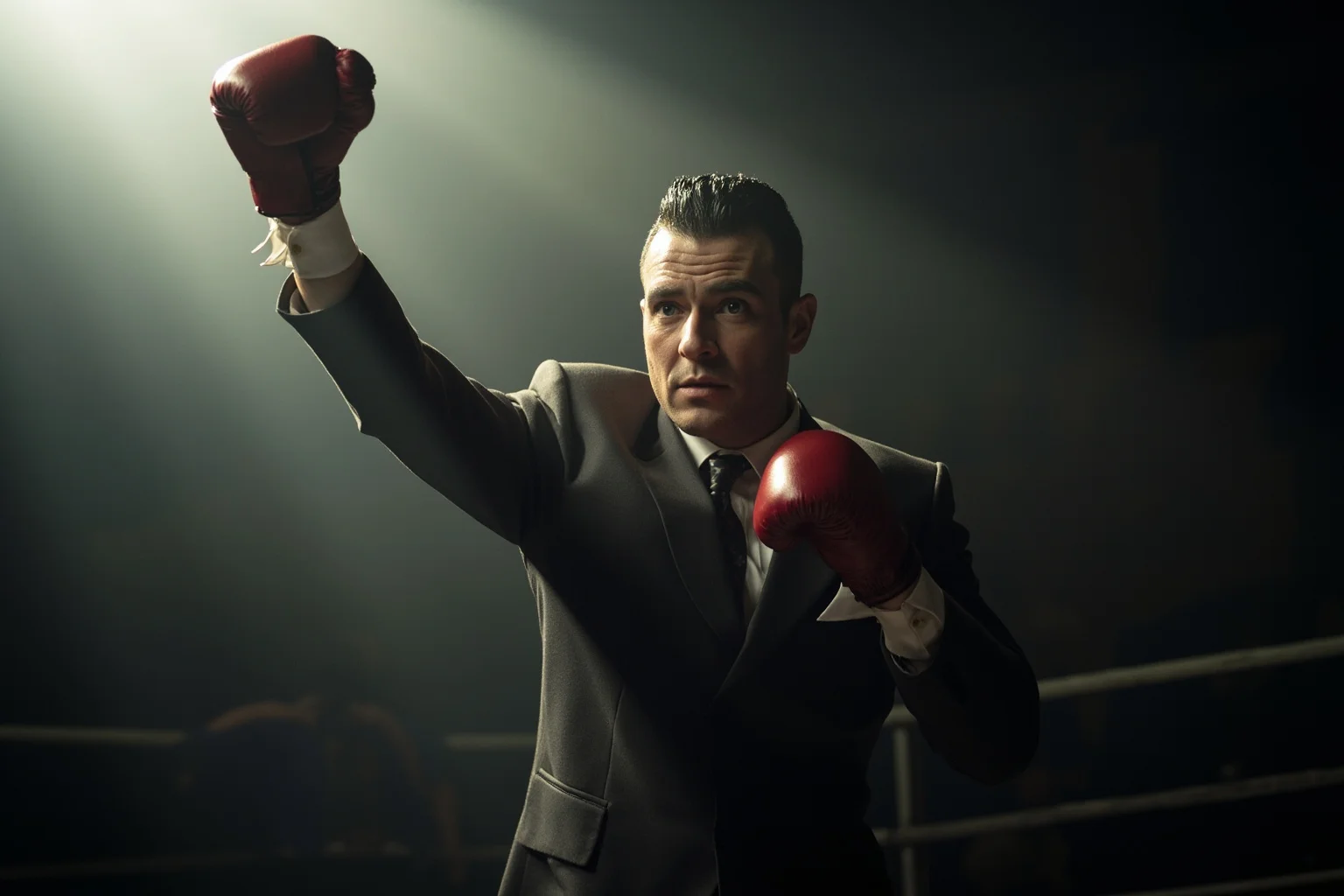
Walker Smith Jr. became "Sugar" Ray Robinson early in his boxing career, reportedly after a spectator described his fighting style as "sweet as sugar." The nickname became so iconic that it later inspired other fighters, including Sugar Ray Leonard, to adopt similar branding.
Robinson is still frequently cited by boxing historians as one of the greatest pound-for-pound fighters of all time. His nickname helped define an entire template for cool, memorable boxing monikers that followed for decades.
What These Nicknames Have in Common
Looking across two and a half thousand years of history, a pattern emerges among the coolest nicknames ever recorded. Most were tied to a specific, memorable moment, whether it was a single battle, a signature move, or a defining personality trait that people simply couldn't stop repeating.
It's also worth remembering that nicknames are historical artifacts shaped by whoever was doing the naming. Enemies, allies, journalists, and even the individuals themselves all played a role, which means a healthy dose of skepticism is useful when treating any nickname as pure historical fact.
Final Thoughts on History's Coolest Nicknames
From ancient conquerors to Prohibition-era outlaws to self-declared boxing legends, the best nicknames in history tend to compress a complicated life into just a few unforgettable words. That's a big part of why names like Ivan the Terrible or The Greatest still resonate long after the people behind them are gone.
Whether earned through genuine heroism, brutal reputation, or clever self-branding, these nicknames endure because they tell a story instantly. That storytelling power is exactly why history's coolest monikers keep getting rediscovered by new generations, long after the history books might otherwise have gathered dust.
Frequently Asked Questions
What are considered the best nicknames in hisoty (history)?
There's no single official ranking, but names like Alexander the Great, Ivan the Terrible, Richard the Lionheart, and Muhammad Ali's self-given "The Greatest" are consistently cited among the best nicknames in history. They tend to combine a vivid image with a genuinely documented reputation, which is why they've lasted for centuries or decades.
Were historical nicknames usually given by others or chosen by the person themselves?
Most historical nicknames, especially for monarchs and military leaders, were assigned by chroniclers, soldiers, or rivals rather than chosen by the individual. A notable exception is Muhammad Ali, who famously declared himself "The Greatest" before the nickname became widely accepted.
Are all famous historical nicknames historically accurate?
Not entirely. Many nicknames were shaped by translation issues, propaganda, or exaggerated storytelling, as seen with Ivan the Terrible, whose original Russian nickname is closer to "formidable" than "terrible." It's always worth checking primary sources before treating a nickname's implied meaning as settled fact.
What makes a nickname iconic enough to survive for centuries?
An iconic nickname usually ties directly to a specific, well-known act or trait, like William the Conqueror's victory at Hastings or Stonewall Jackson's steady defense at Bull Run. Simplicity and vividness also help a nickname survive translation and retelling across generations.
Do modern figures still get nicknames the way historical figures did?
Yes, though modern nicknames are often shaped more by media and marketing than by battlefield reputation or royal chronicles. Sports and entertainment figures in particular still pick up nicknames in a tradition that traces directly back to historical naming patterns like those on this list.

Alex Warren
Related Articles