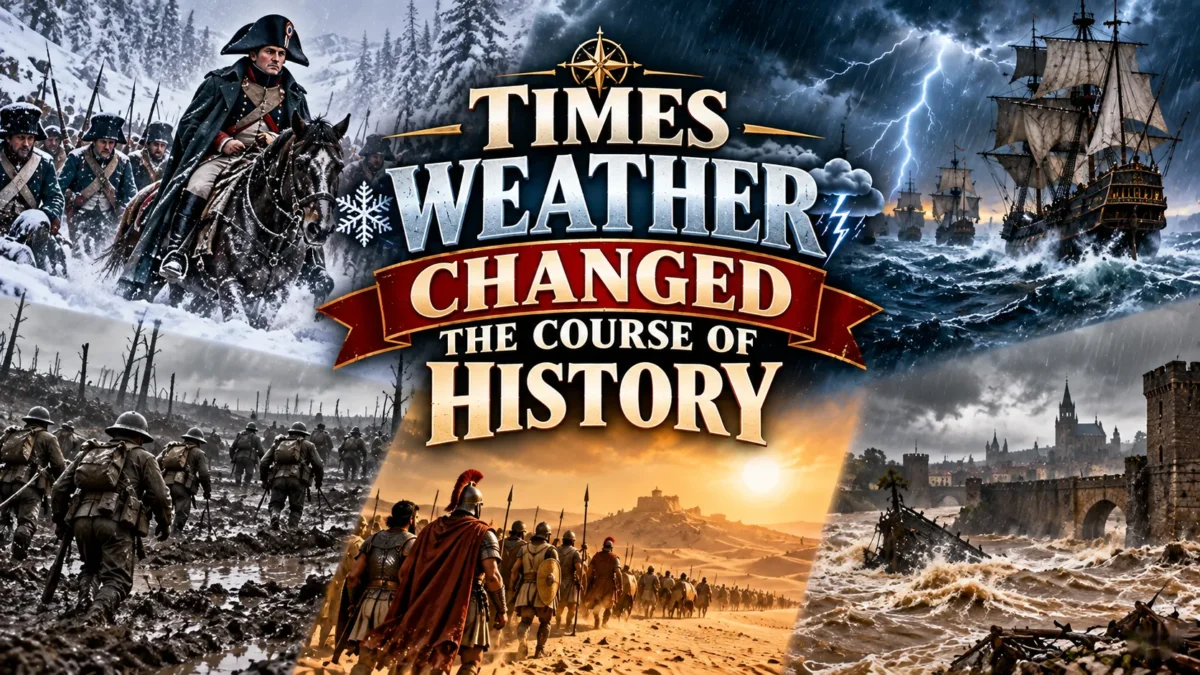
Generals plan invasions down to the last musket ball, and politicians plot campaigns down to the last handshake. Yet again and again, none of that mattered once the sky decided to do something else. Rain (chuva, as it's called in Portuguese, a word that shows up in weather forecasts on every continent) has soaked more battlefields than any general ever budgeted for, and a single storm has toppled more war plans than most enemy armies.
This list looks at real, well-documented historical weather events where wind, rain, snow, or drought nudged the timeline in a new direction. Some of these stories are airtight history. Others are debated by historians, and we'll flag that where it matters, because myth-busting is half the fun of looking at when weather changed history.
TL;DR: Storms, frosts, droughts, and lucky breaks in the weather have repeatedly decided battles, elections, and the fate of empires — sometimes more than the generals in charge ever did.
1. The Divine Wind That Saved Japan From Mongol Invasion (1274 & 1281)
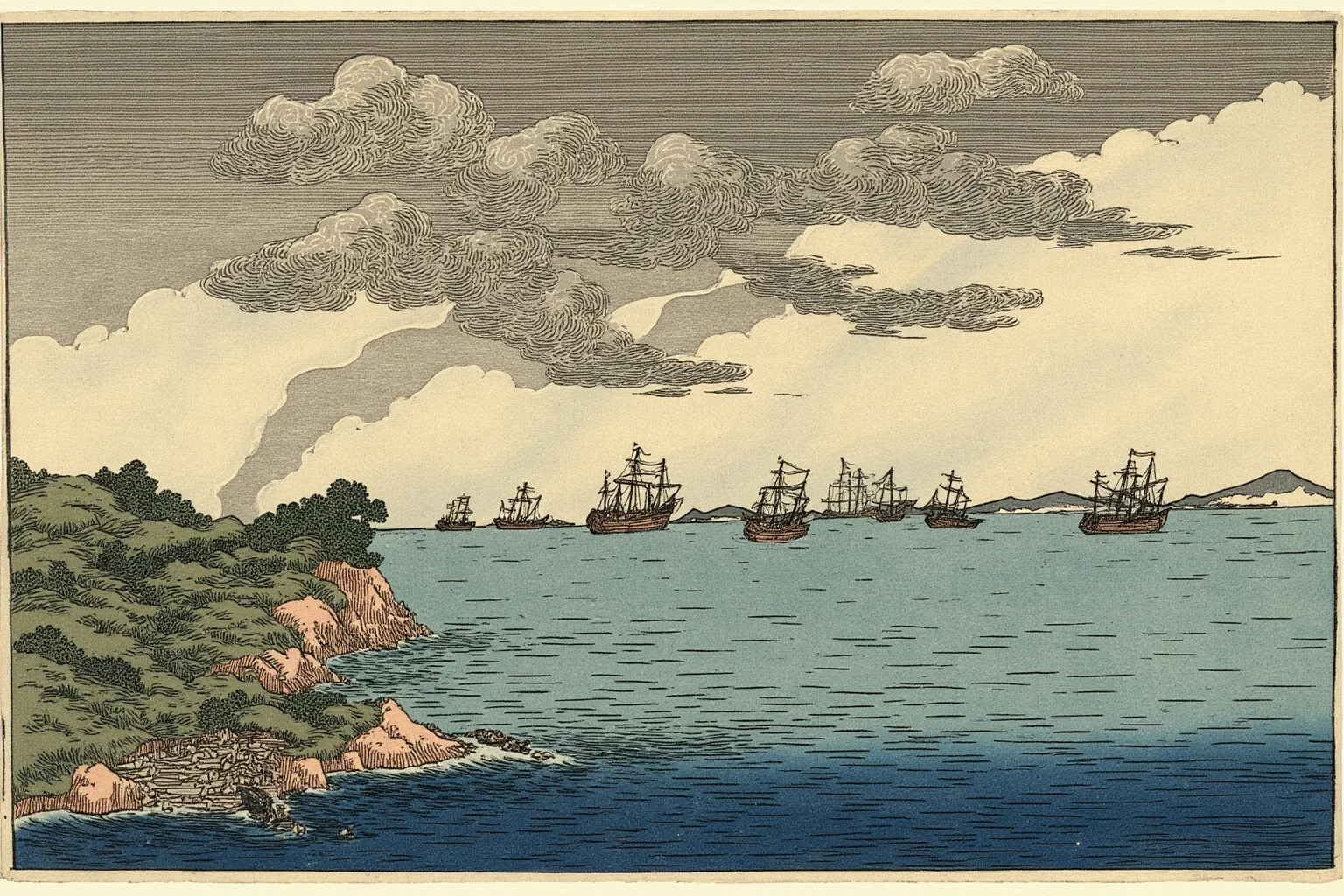
Kublai Khan sent massive invasion fleets toward Japan twice, in 1274 and again in 1281. Both times, typhoons battered the Mongol ships before they could establish a lasting foothold, drowning thousands of soldiers and sinking much of the fleet.
Japanese chroniclers later called these storms kamikaze, or "divine wind," framing them as heaven-sent protection. Modern historians agree the storms were real and devastating, though they debate exactly how decisive they were compared to Japanese resistance on the beaches.
2. The Storm That Scattered the Spanish Armada (1588)
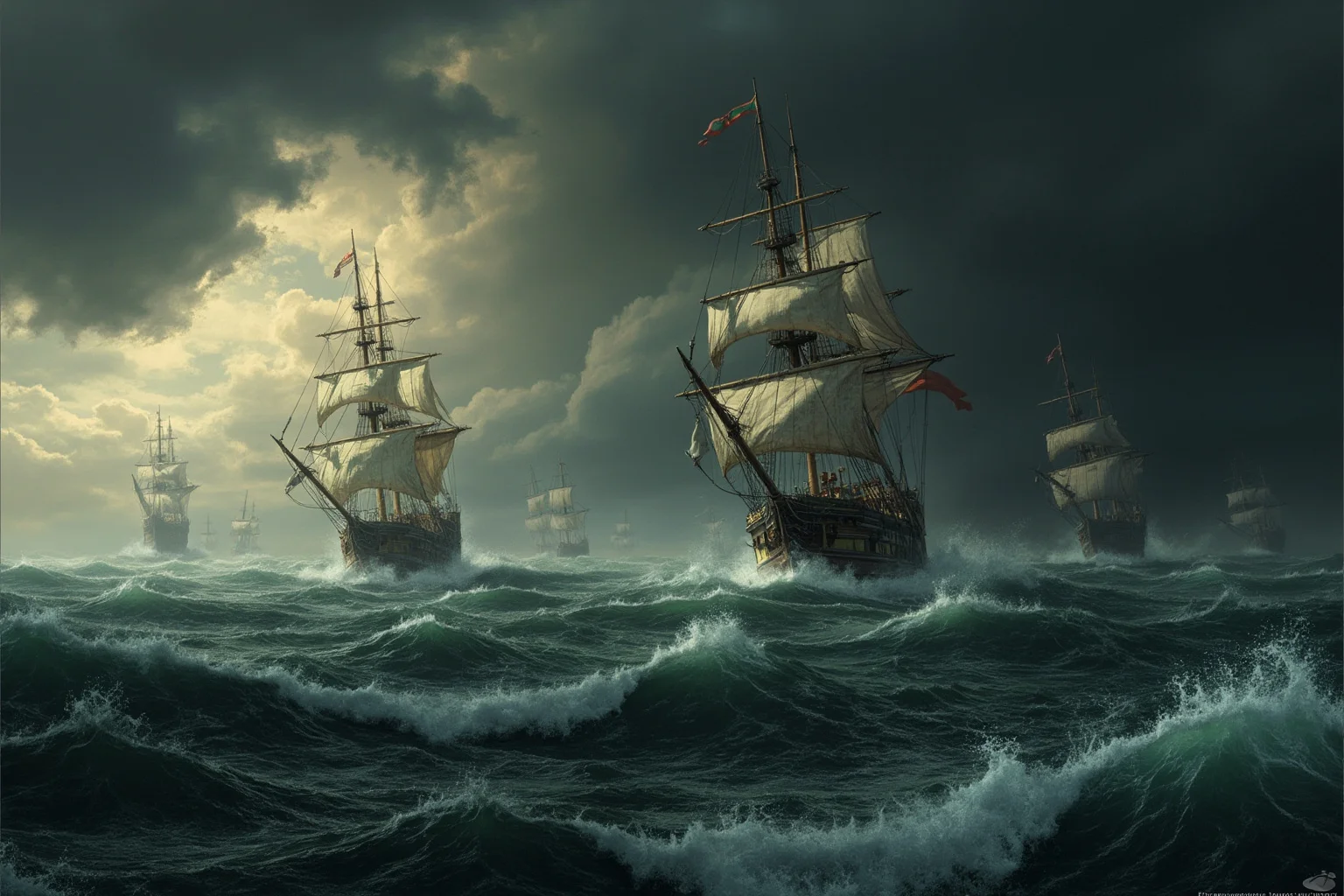
Spain's massive fleet set out to invade England in 1588, and English ships harassed it in the Channel but never delivered a knockout blow. What really broke the Armada was the voyage home, when fierce storms off Scotland and Ireland wrecked dozens of ships.
English Protestants later celebrated the outcome as the work of a "Protestant wind," a phrase that stuck in popular memory. It's a great story, but historians are careful to note that English naval tactics also mattered — the weather finished a fight that combat had already weakened.
3. Fog and Wind That Helped Washington Escape Long Island (1776)
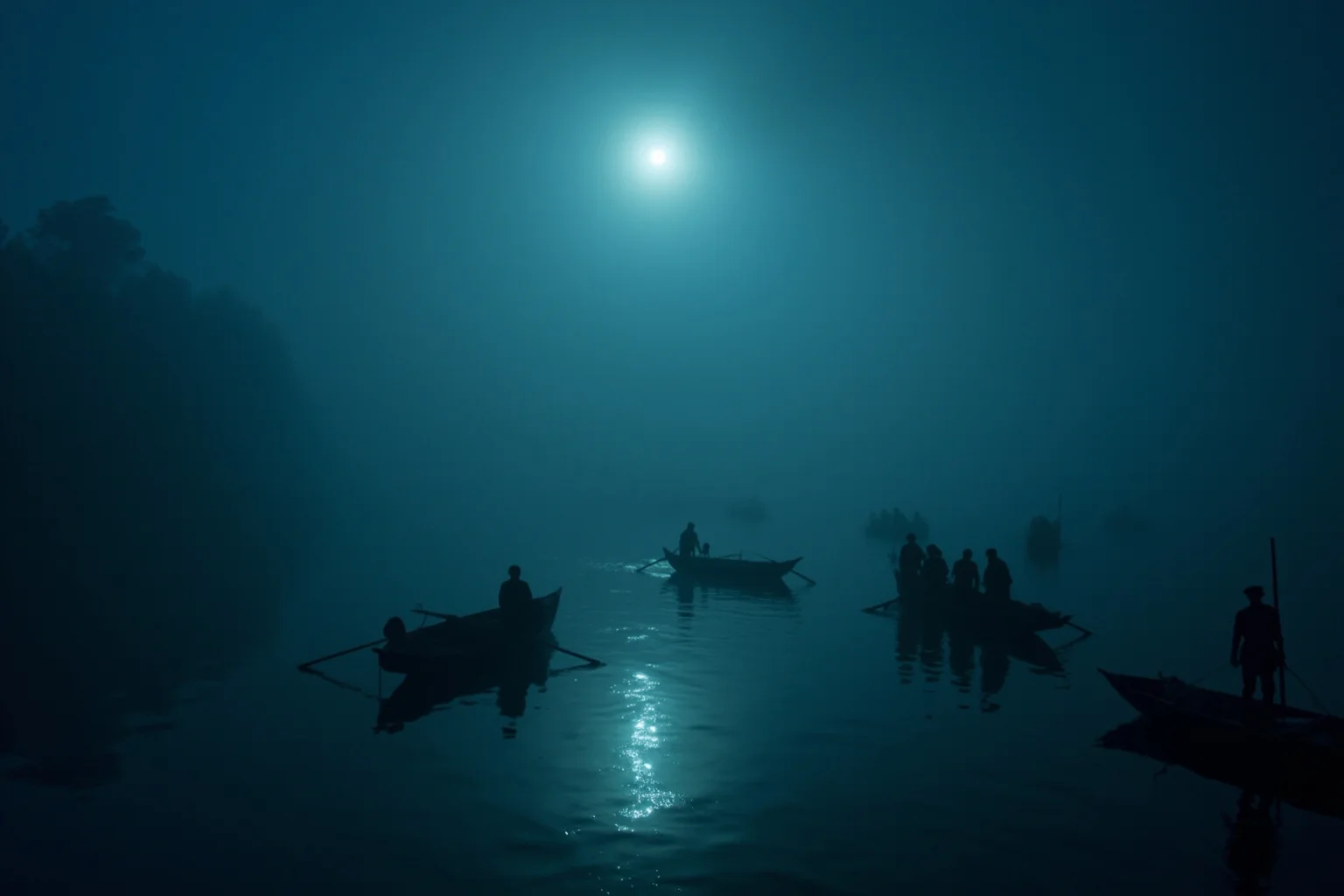
After a crushing defeat at the Battle of Long Island in August 1776, George Washington's army was pinned against the East River with British forces closing in. A thick fog settled over the area on the night of the retreat, screening the Continental Army's movement across the water.
Historians generally treat this fog as a genuine and fortunate assist, even if it wasn't the only factor in the escape. Without it, the American Revolution might have ended that same year.
4. A Christmas Storm That Helped Washington Cross the Delaware (1776)
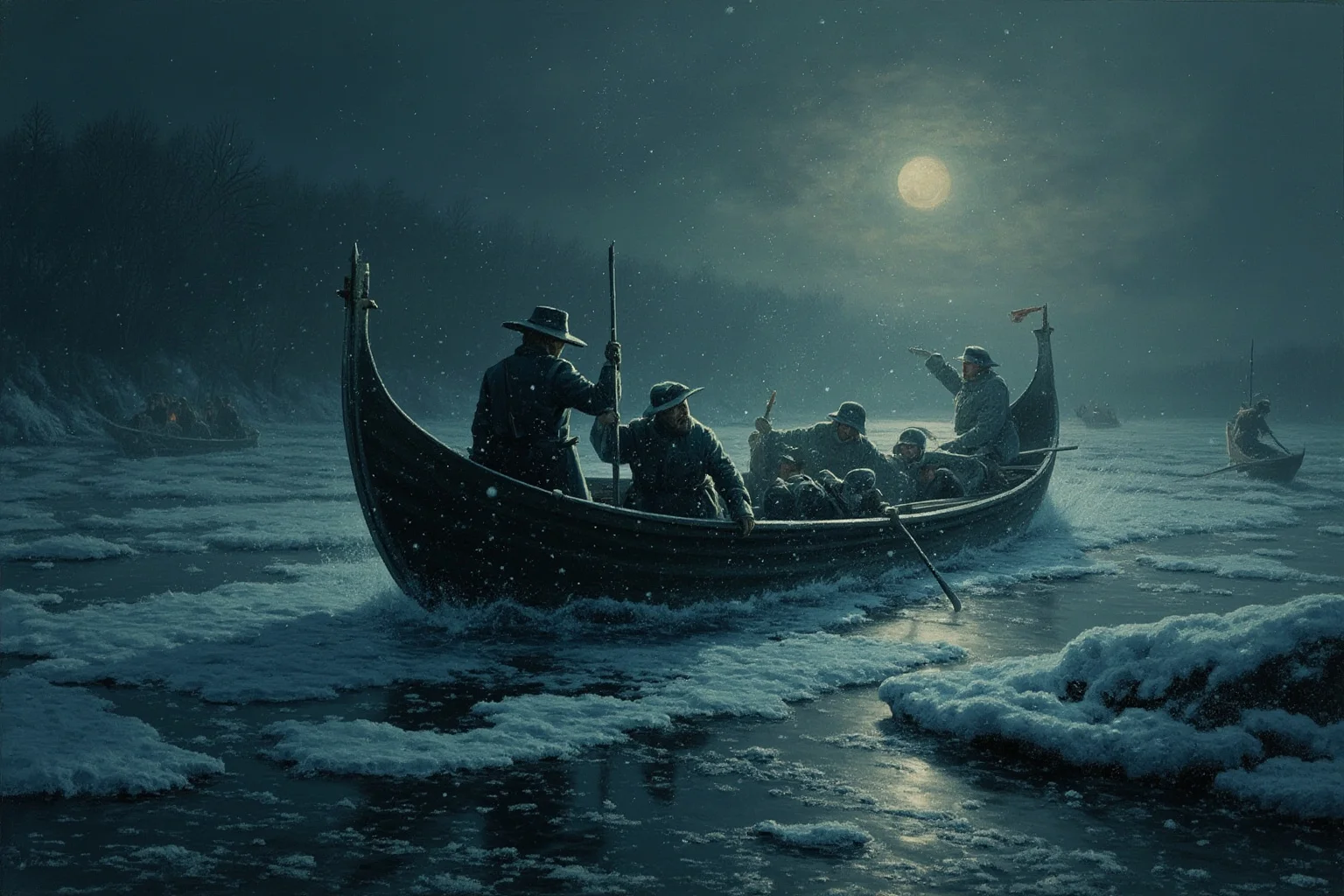
Just months later, Washington needed cover again for his famous crossing of the Delaware River on the night of December 25, 1776. A brutal winter storm brought sleet, snow, and high winds that night.
The miserable weather slowed the crossing itself but also convinced Hessian defenders at Trenton that no attack was coming in such conditions. That false sense of security helped Washington pull off a surprise victory that reenergized the Revolution.
5. The Mud of Agincourt (1415)
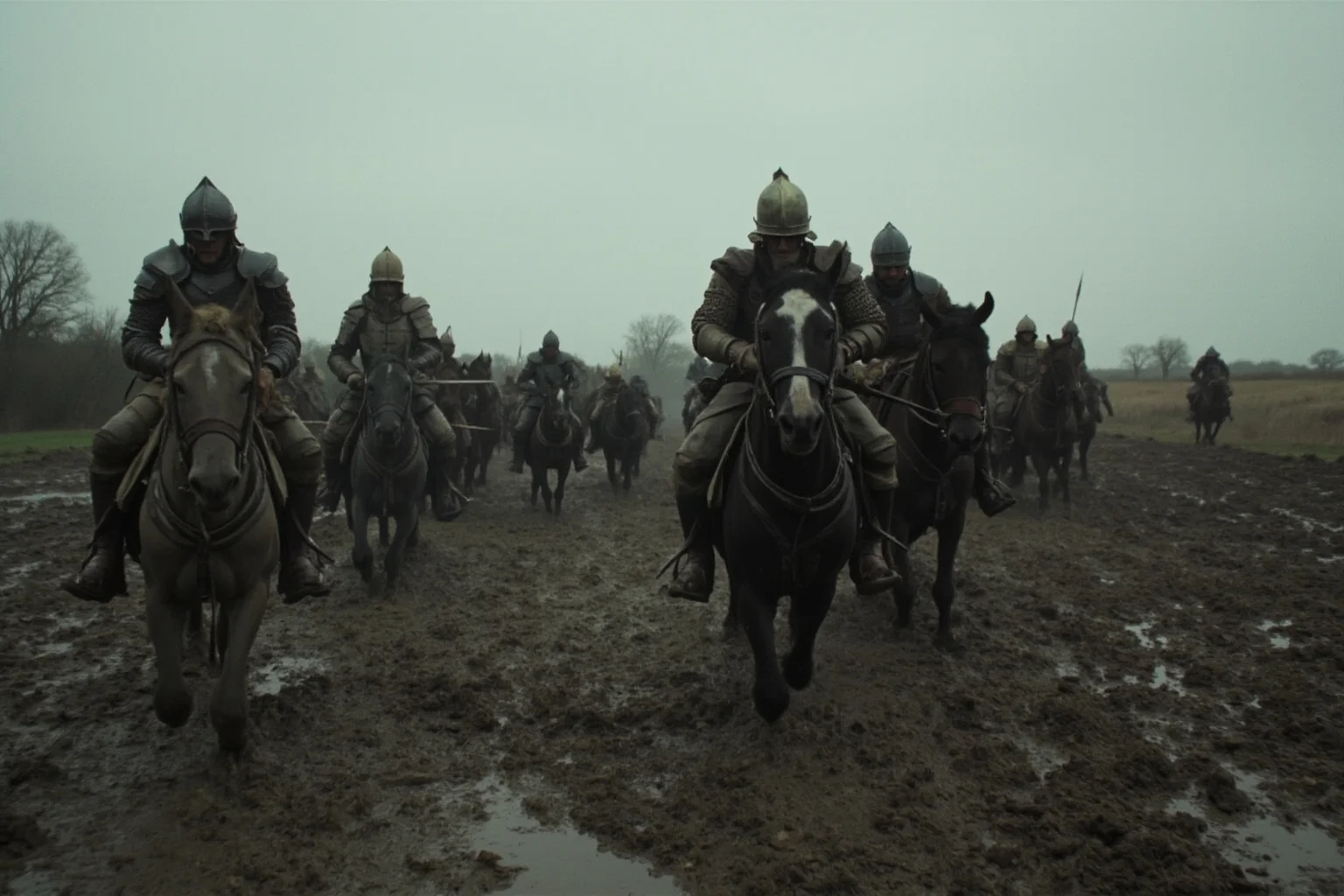
Heavy autumn rain turned the battlefield at Agincourt into a thick, sucking mud pit before the battle even began on October 25, 1415. French knights in full plate armor struggled to move through it, exhausting themselves before they even reached English lines.
English longbowmen, lighter on their feet, took full advantage of the bogged-down French cavalry and infantry. Many historians point to the mud as one of the decisive factors in a battle where England won despite being badly outnumbered.
6. Napoleon's Winter War in Russia (1812)
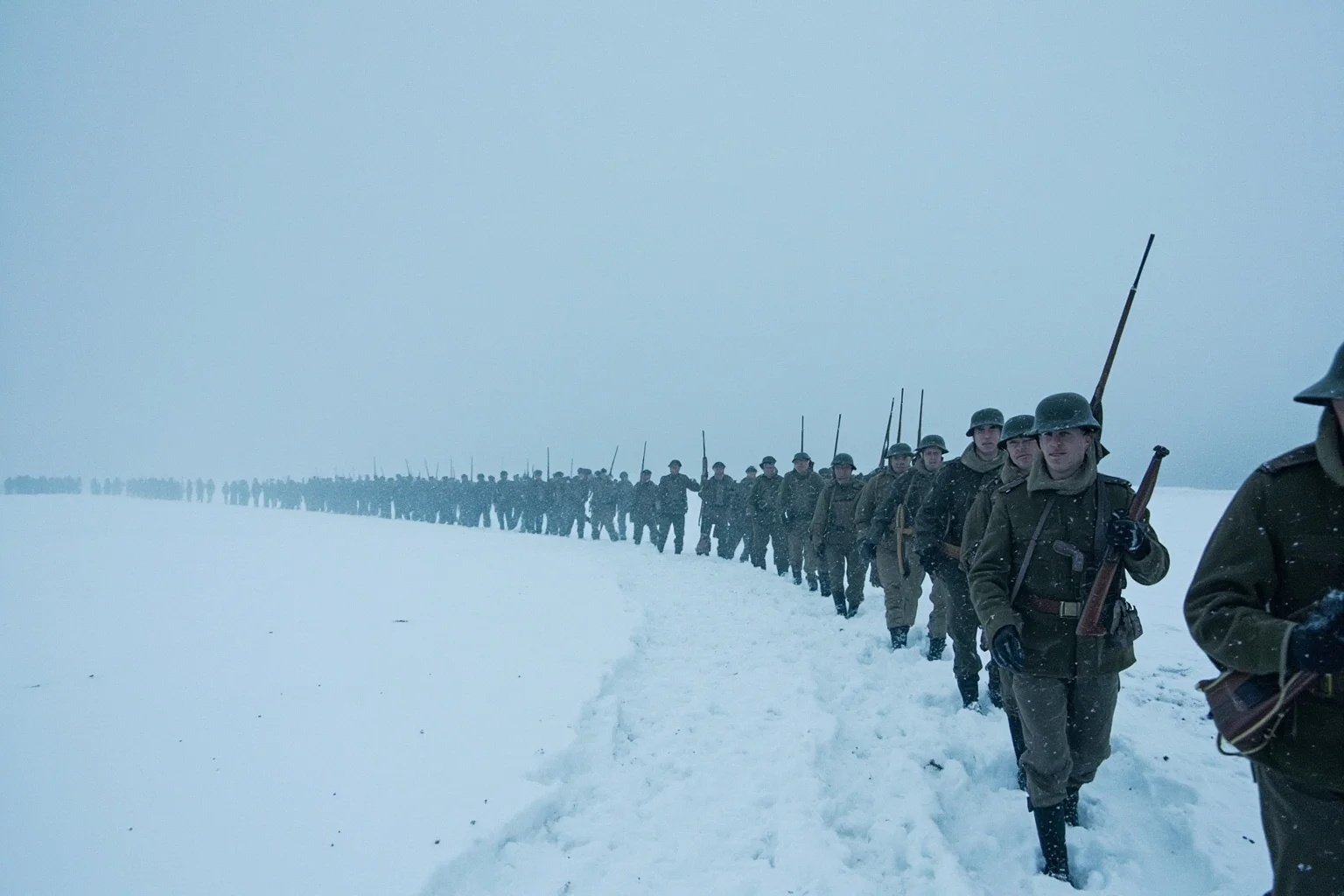
Napoleon marched roughly 600,000 troops into Russia in the summer of 1812, expecting a quick campaign. Instead, after taking Moscow, his army faced a brutal retreat through an early and savage Russian winter, with temperatures plunging far below freezing.
Cold, starvation, and disease killed far more soldiers than combat did during that retreat. It remains one of the most cited examples of when weather changed history on a continental scale, crippling the Grand Armée and setting the stage for Napoleon's eventual downfall.
7. The Mud That Slowed Napoleon at Waterloo (1815)
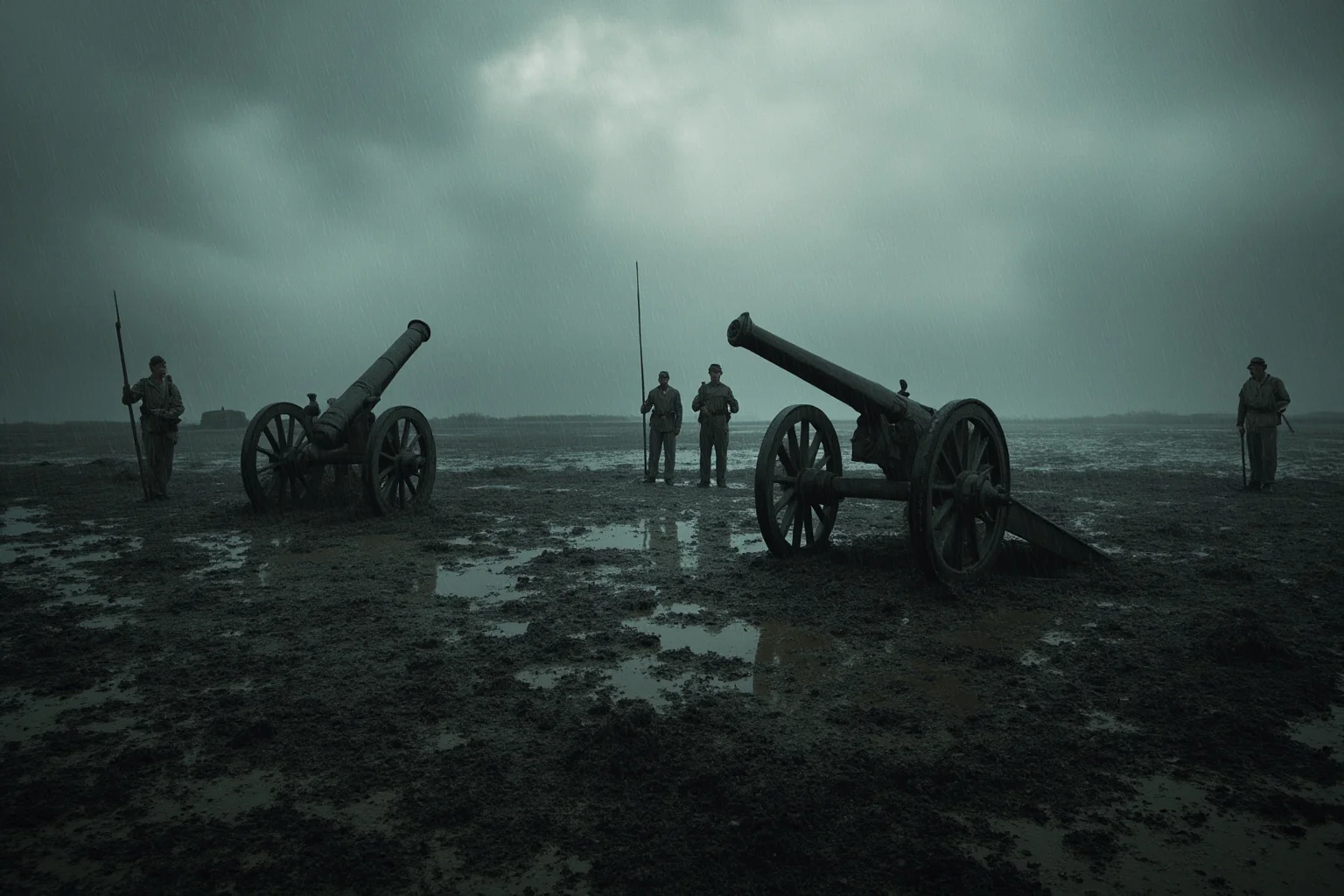
Heavy rain fell the night before the Battle of Waterloo on June 18, 1815, turning the fields into thick mud. Napoleon reportedly delayed his attack until midday to let the ground firm up enough for his artillery to move effectively.
That delay gave Prussian reinforcements under Blücher more time to arrive and join the fight against Napoleon's forces. Historians still debate exactly how much the mud mattered compared to other tactical errors, but it's widely accepted as a contributing factor in Napoleon's final defeat.
8. Hitler's Winter Miscalculation in Operation Barbarossa (1941–42)
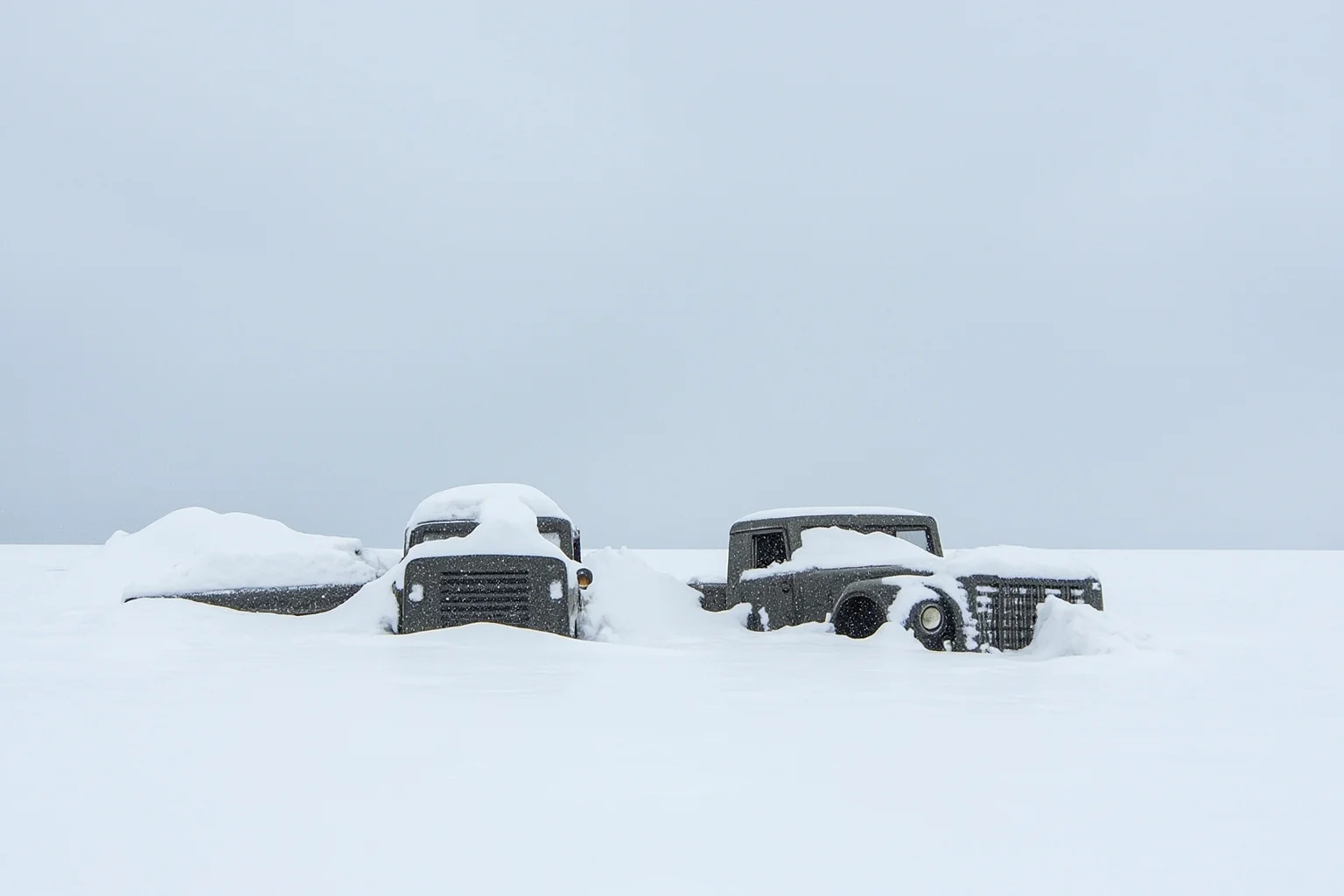
When Nazi Germany launched Operation Barbarossa against the Soviet Union in June 1941, planners expected a fast victory before winter set in. The invasion stalled, and German troops found themselves fighting through an extraordinarily harsh Russian winter without adequate cold-weather gear.
Frostbite, frozen equipment, and stalled supply lines took a severe toll on German forces near Moscow. The failure to account for the coming freeze is widely seen by historians as one of the turning points of the entire Second World War.
9. The Ice Road That Kept Leningrad Alive (1941–1944)
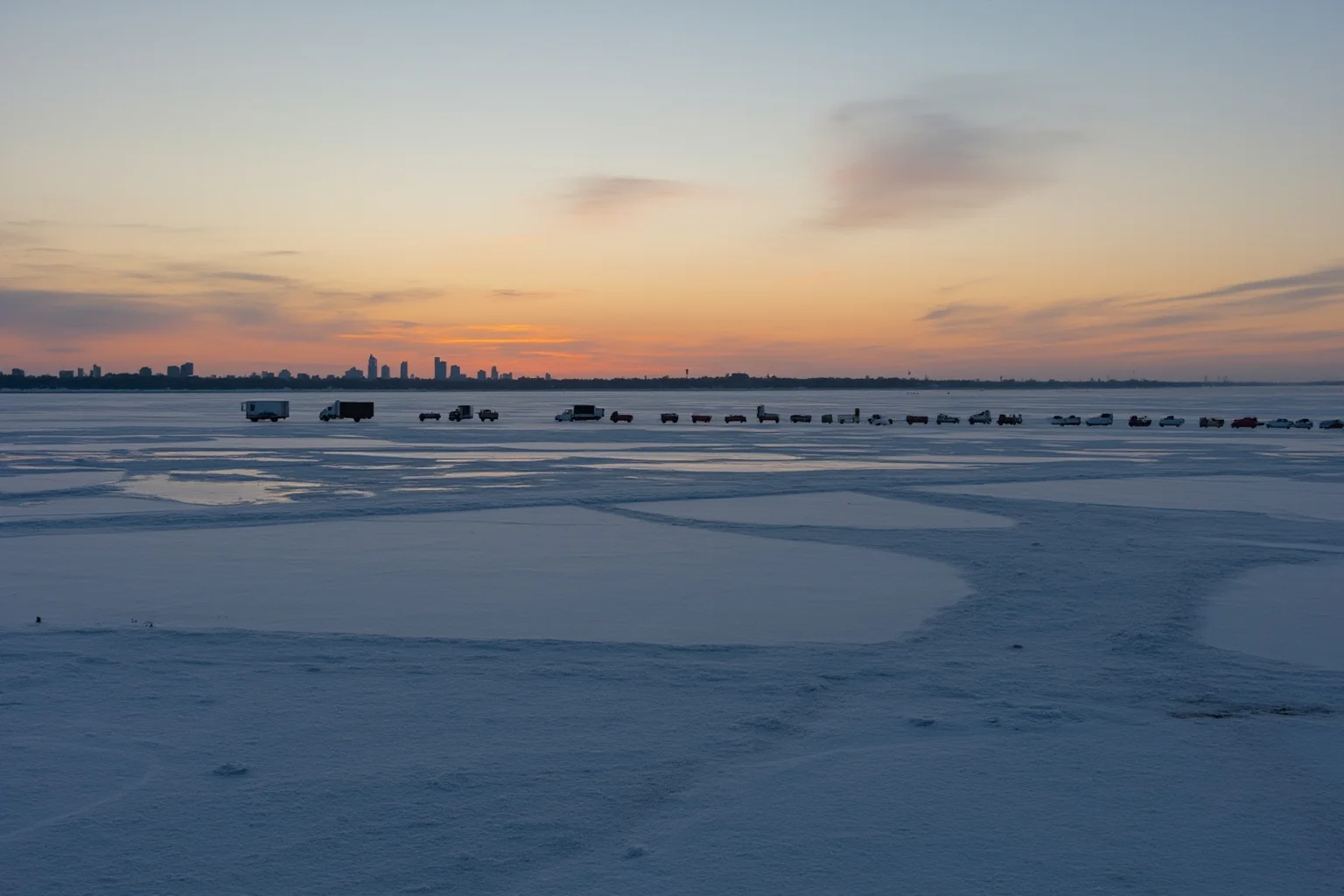
During the brutal Siege of Leningrad, the frozen surface of Lake Ladoga became a literal lifeline for the trapped city. Once the ice grew thick enough, Soviet trucks used it as a supply route, nicknamed the "Road of Life," to bring in food and evacuate civilians.
Without that seasonal freeze, far more of Leningrad's roughly 2.5 million residents might have starved during the siege, which lasted nearly 900 days. It's a rare case where extreme cold, usually a killer in this list, actually helped keep people alive.
10. The Weather Window That Made D-Day Possible (1944)
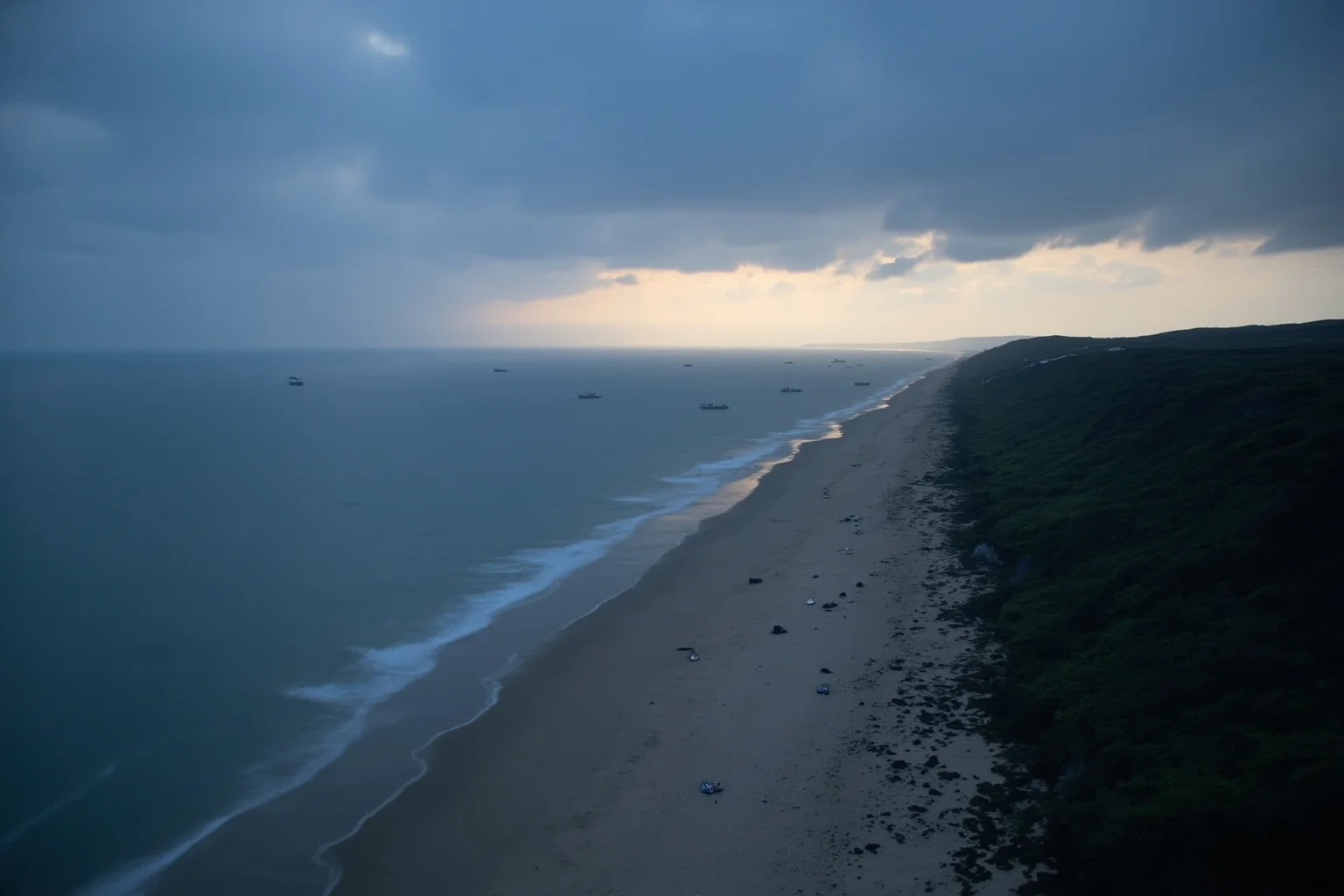
The Allied invasion of Normandy was originally scheduled for June 5, 1944, but rough seas and low clouds forced a postponement. Chief meteorologist Group Captain James Stagg predicted a brief break in the storm pattern, and Eisenhower gambled on launching the invasion on June 6 instead.
German forecasters, working with less advanced data, expected the bad weather to continue and were caught off guard. That short weather window is now seen as one of the most consequential forecasts in military history, directly enabling the success of the D-Day landings.
11. The Year Without a Summer (1816)
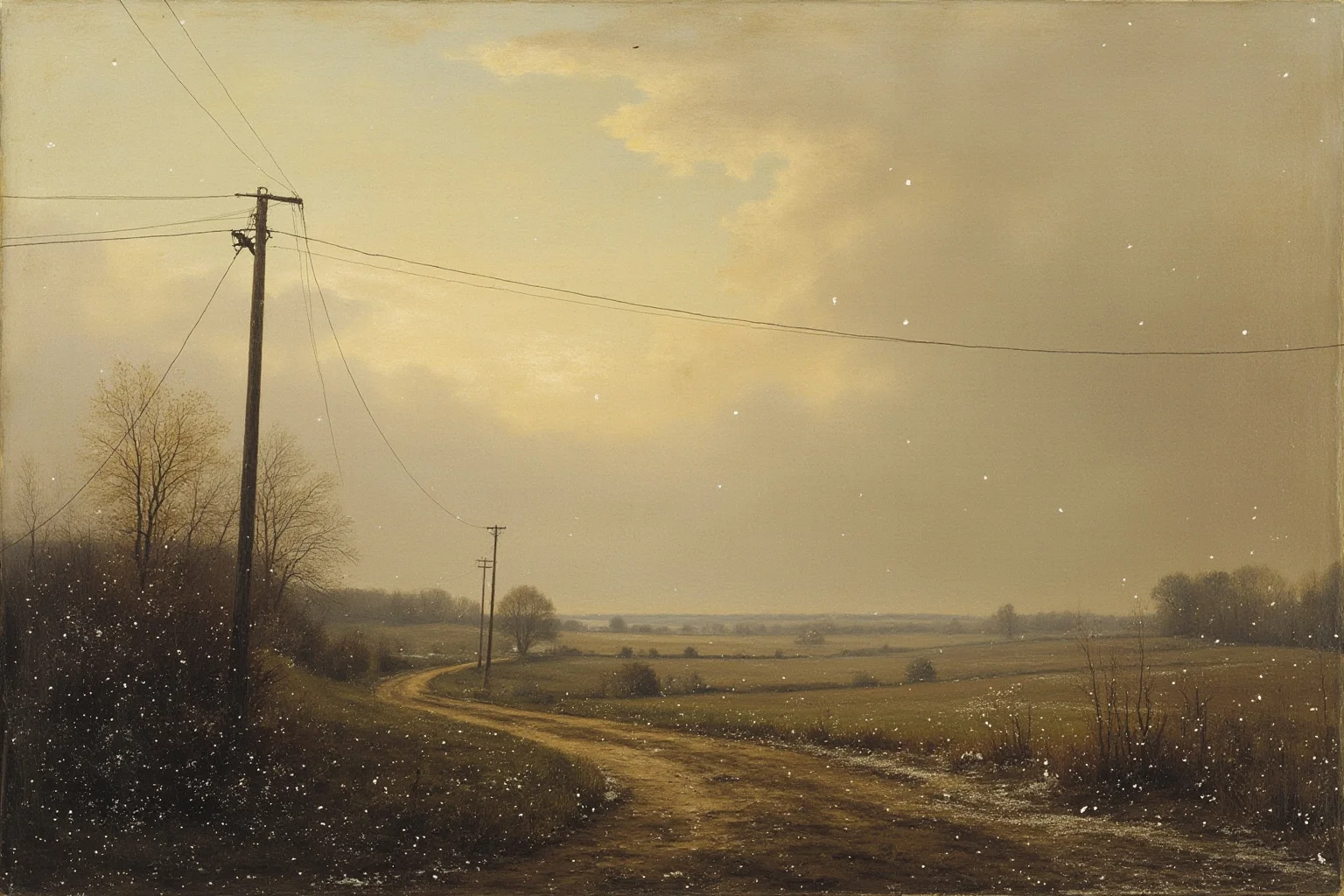
The 1815 eruption of Mount Tambora in Indonesia threw enough ash and sulfur into the atmosphere to cool global temperatures the following year. Crops failed across Europe and North America in 1816, snow fell in June in parts of New England, and food shortages triggered unrest in several countries.
The gloomy, cold summer also had an odd cultural side effect: a group of writers stuck indoors in Switzerland, including Mary Shelley, produced early drafts of what became Frankenstein. It's a striking example of how a single volcanic event can ripple through weather events history far beyond the immediate disaster.
12. The Little Ice Age and the Collapse of Norse Greenland
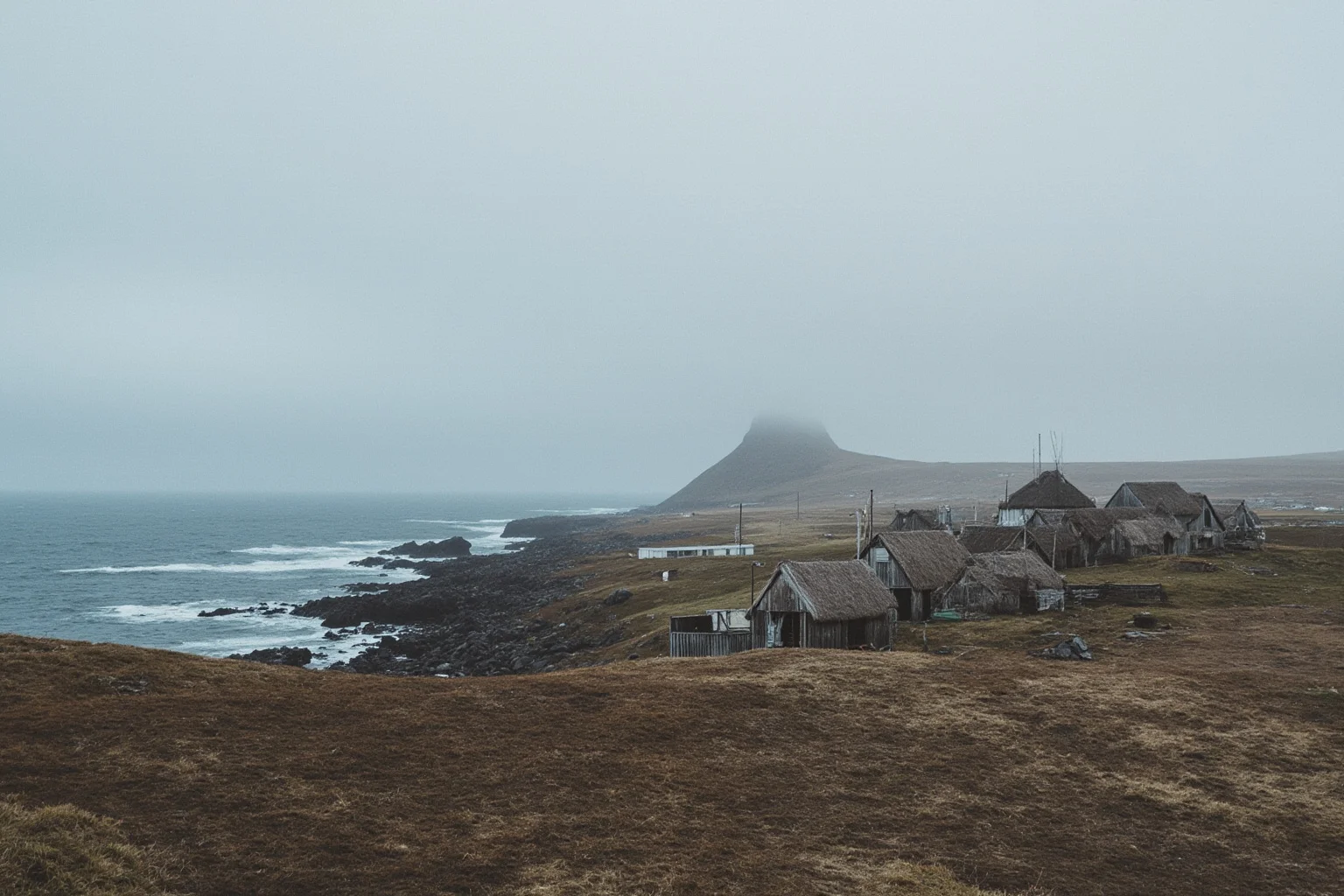
Starting around the 14th century, a centuries-long cooling period known as the Little Ice Age made farming and herding increasingly difficult across the North Atlantic. Norse settlements in Greenland, which had thrived for hundreds of years, gradually declined and were abandoned by the 15th century.
Historians debate how much of the collapse was pure climate versus trade disruptions, resource depletion, and conflict with Inuit populations. Still, the cooling climate is consistently named as a major pressure that made the settlements unsustainable over generations.
13. The Great Drought and the Fall of the Akkadian Empire (c. 2200 BCE)
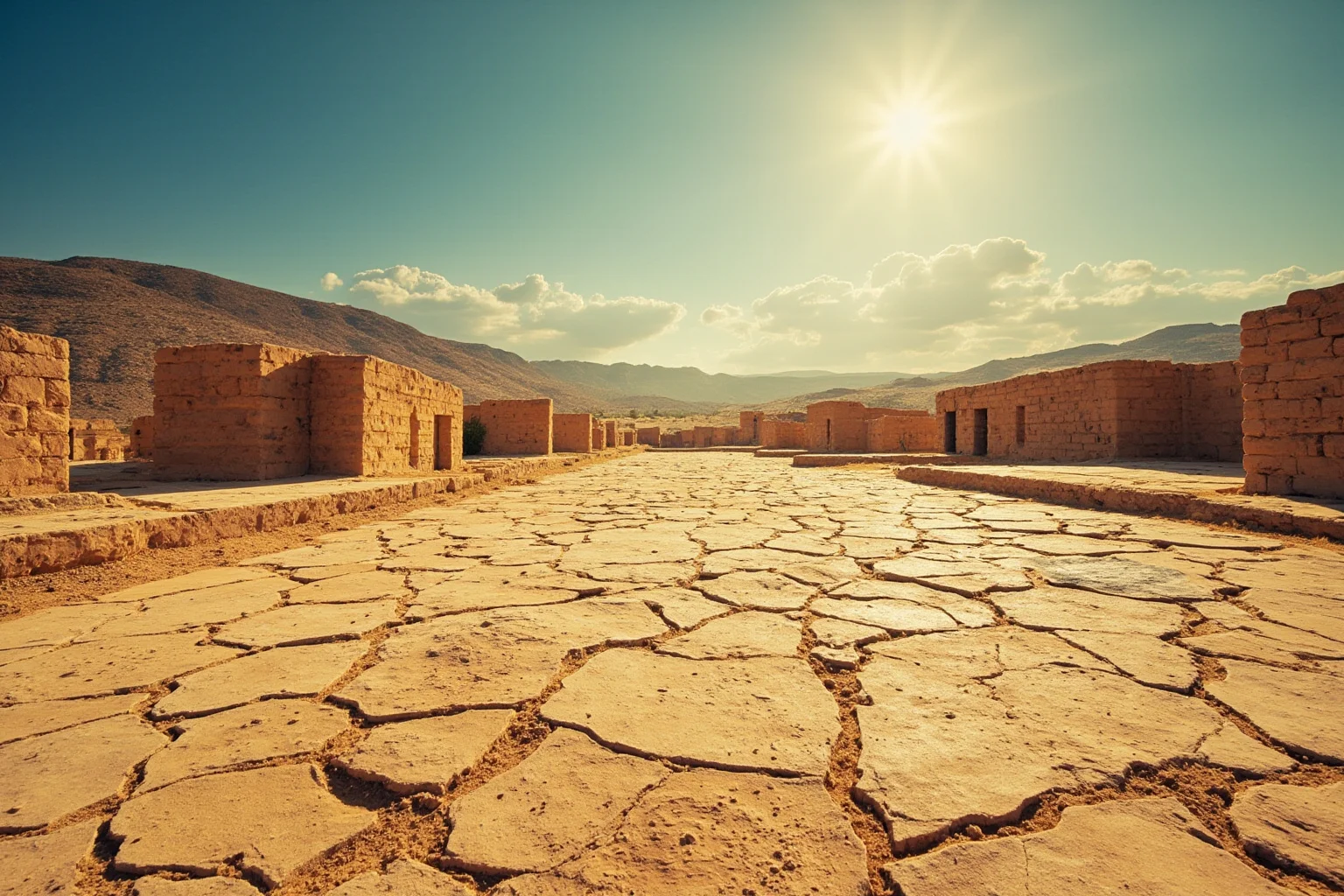
Archaeological and climate data suggest that a severe, centuries-long drought struck Mesopotamia around 2200 BCE, right around the time the Akkadian Empire collapsed. Reduced rainfall would have devastated the agriculture that supported the empire's cities and administration.
This is one of the older entries on this list, and the evidence comes largely from soil cores and sediment analysis rather than written records. Even so, it's frequently cited by climate historians as one of the earliest known cases of drought reshaping the fate of an entire civilization.
14. Rain, Drought, and the Decline of the Classic Maya
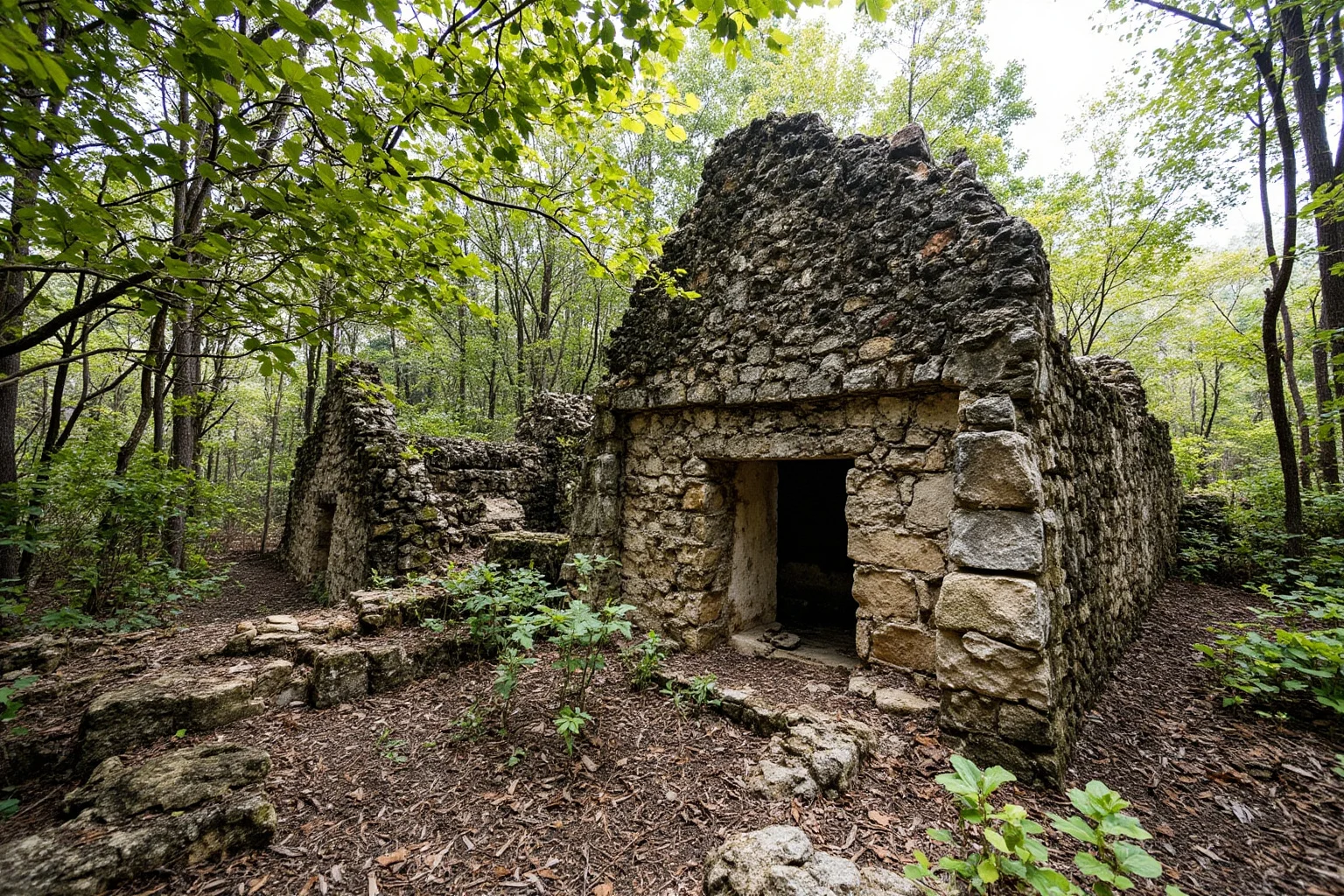
Between roughly 800 and 1000 CE, many great Maya city-states in Central America went into sharp decline. Tree-ring and cave-sediment studies point to a series of intense droughts during this period, likely disrupting the rain-fed agriculture that Maya cities depended on.
Drought almost certainly wasn't the only cause; warfare, political instability, and overpopulation also played roles. But the shortage of rain — a resource so vital that Maya religion built entire deities and rituals around it — is now treated as a major piece of the puzzle by most archaeologists.
15. The Wet Summers That Fed the Irish Potato Famine (1845–1849)
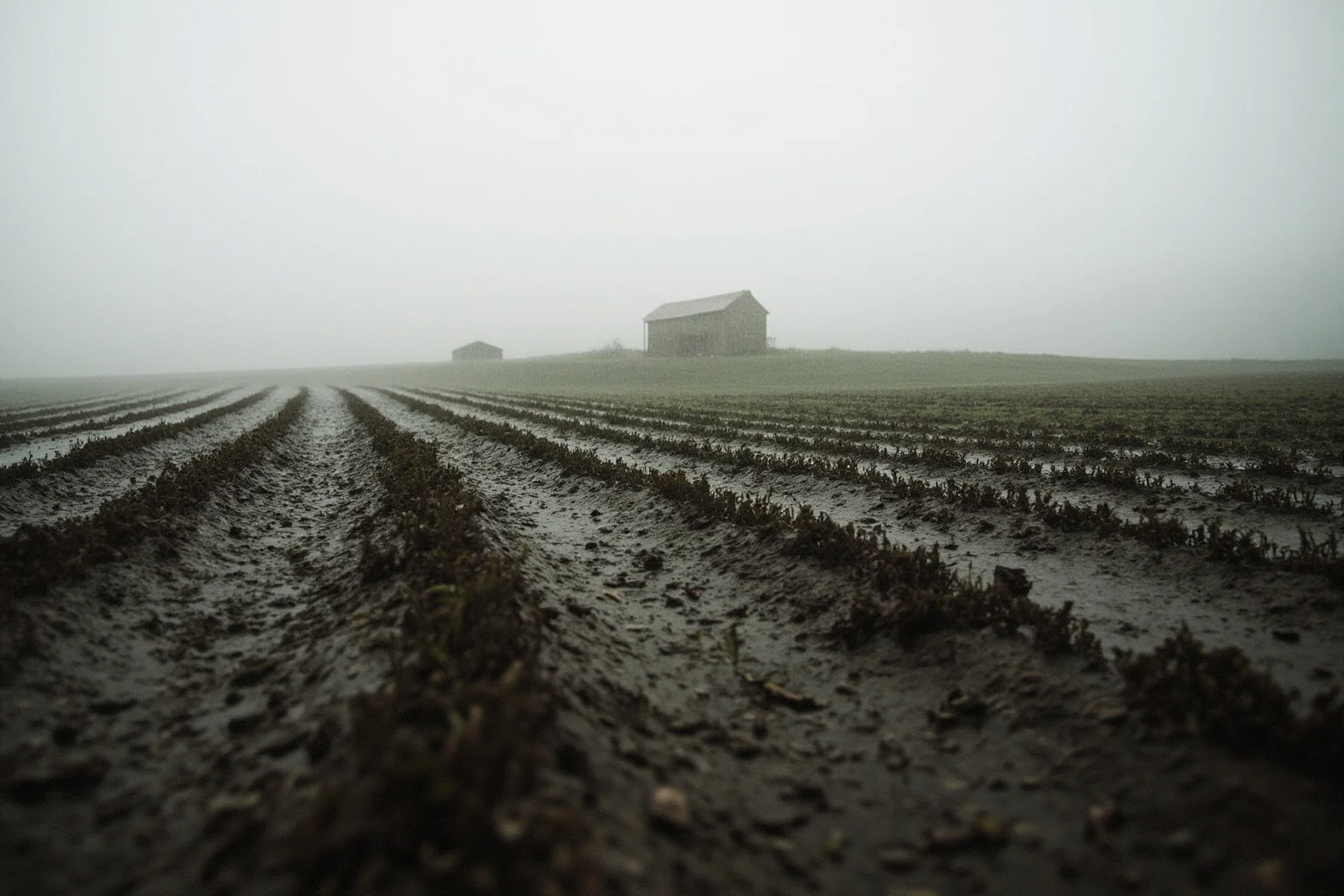
The Irish Potato Famine was triggered by a fungal blight, Phytophthora infestans, but unusually cool, wet weather across several growing seasons created ideal conditions for that blight to spread rapidly. Persistent rain and humidity let the fungus thrive across Ireland's potato fields year after year.
The resulting famine killed roughly a million people and pushed another million or more to emigrate, permanently reshaping Ireland's population and its diaspora across the world. It's a sobering reminder that even ordinary rain, in the wrong pattern, can help unleash a humanitarian catastrophe.
16. The Dust Bowl That Reshaped America (1930s)
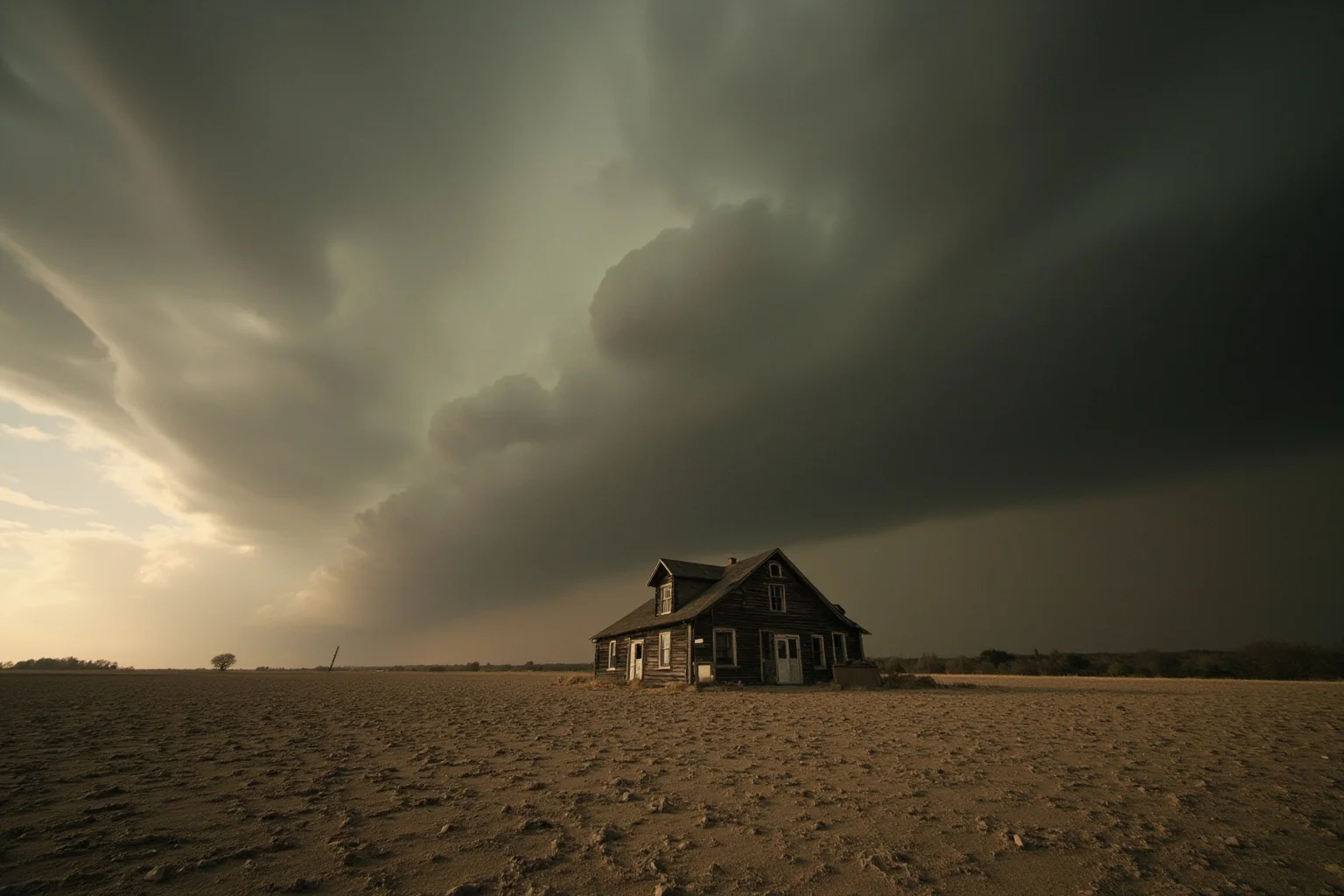
A combination of severe drought and decades of poor farming practices stripped topsoil across the American Great Plains in the 1930s. Massive dust storms, some visible from cities hundreds of miles away, buried farms and destroyed livelihoods across Oklahoma, Texas, Kansas, and neighboring states.
The disaster forced hundreds of thousands of families to migrate, most famously to California, a movement immortalized in John Steinbeck's The Grapes of Wrath. It also pushed the U.S. government to adopt new soil conservation policies that still influence American farming today.
17. The Great Storm of 1703
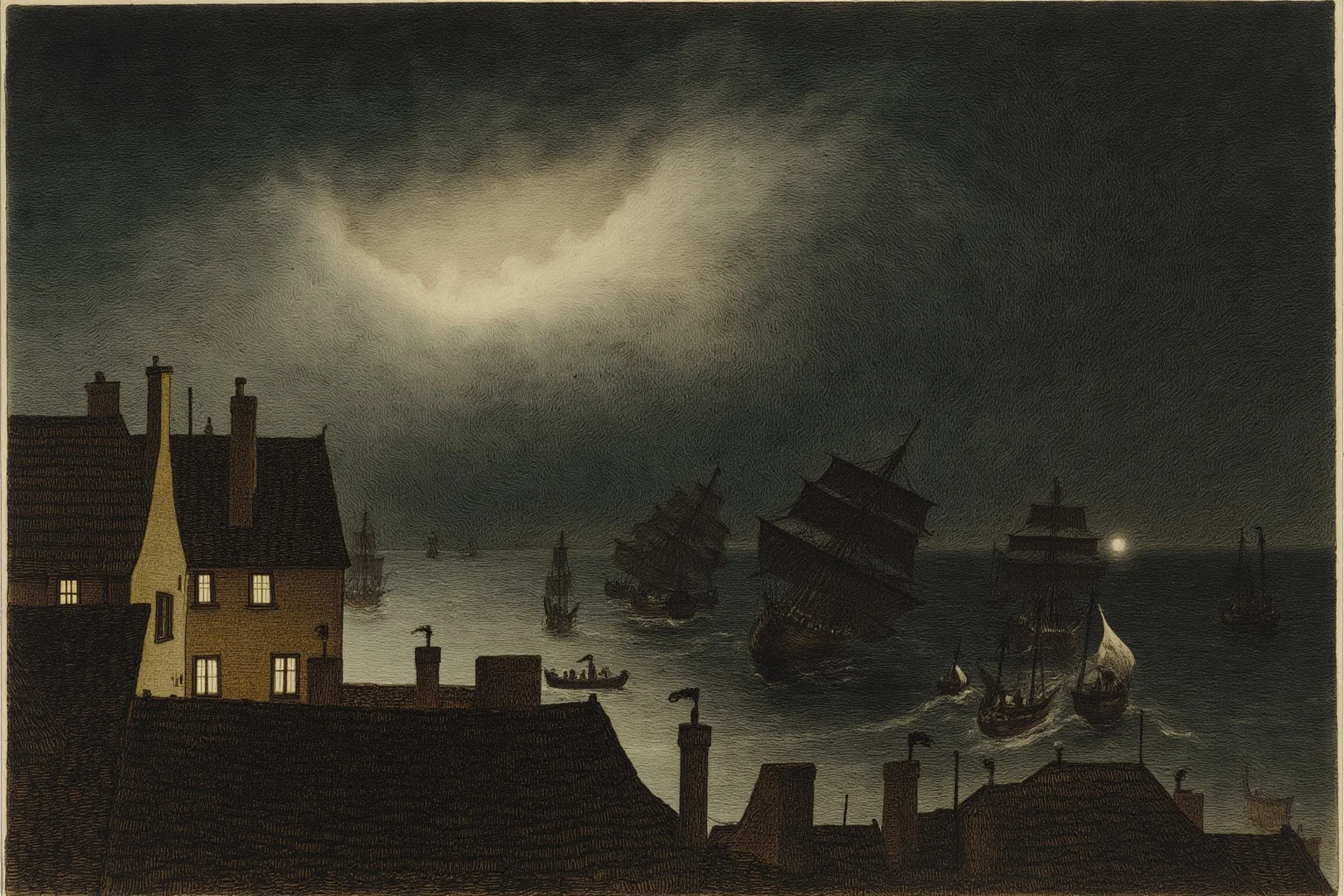
One of the most violent windstorms ever recorded in Britain struck southern England on the night of November 26, 1703. It destroyed roughly 2,000 chimney stacks in London alone, sank a large portion of the Royal Navy's fleet, and killed an estimated 8,000 to 15,000 people.
Writer Daniel Defoe, who later wrote Robinson Crusoe, documented the storm's damage extensively and it's considered one of the earliest detailed weather disaster accounts in English history. The naval losses in particular weakened Britain's maritime power at a sensitive moment during the War of the Spanish Succession.
18. The Galveston Hurricane of 1900
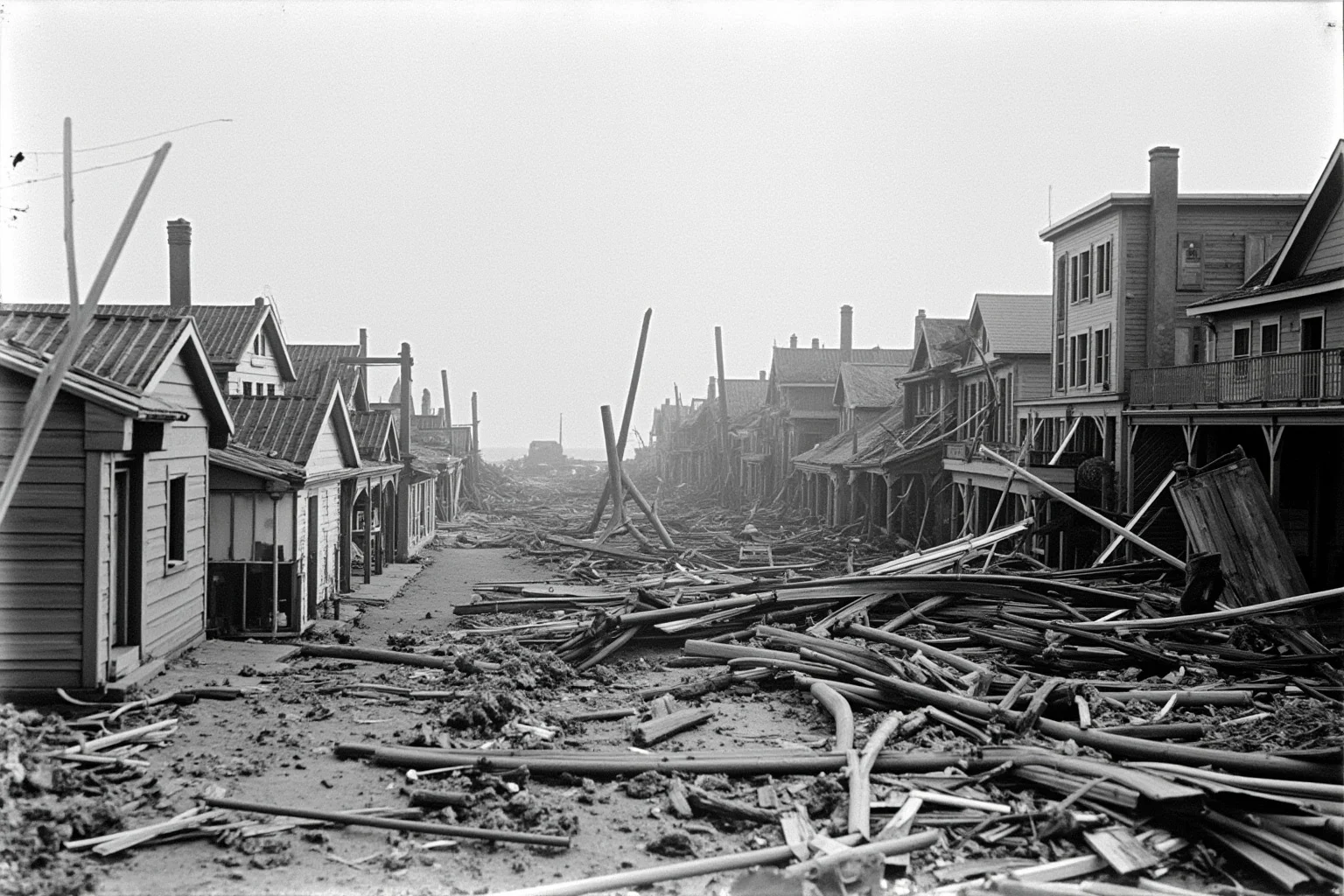
A massive hurricane struck Galveston, Texas, on September 8, 1900, with little advance warning by modern standards. It remains the deadliest natural disaster in United States history, with death toll estimates ranging from about 6,000 to 12,000 people.
The devastation prompted the city to build a massive seawall and literally raise the entire city's elevation using dredged sand. It also accelerated the shift of Texas's commercial power toward Houston, which built a ship channel partly because Galveston's port had been so badly damaged.
19. The Blizzard of 1888 and the Birth of Underground New York
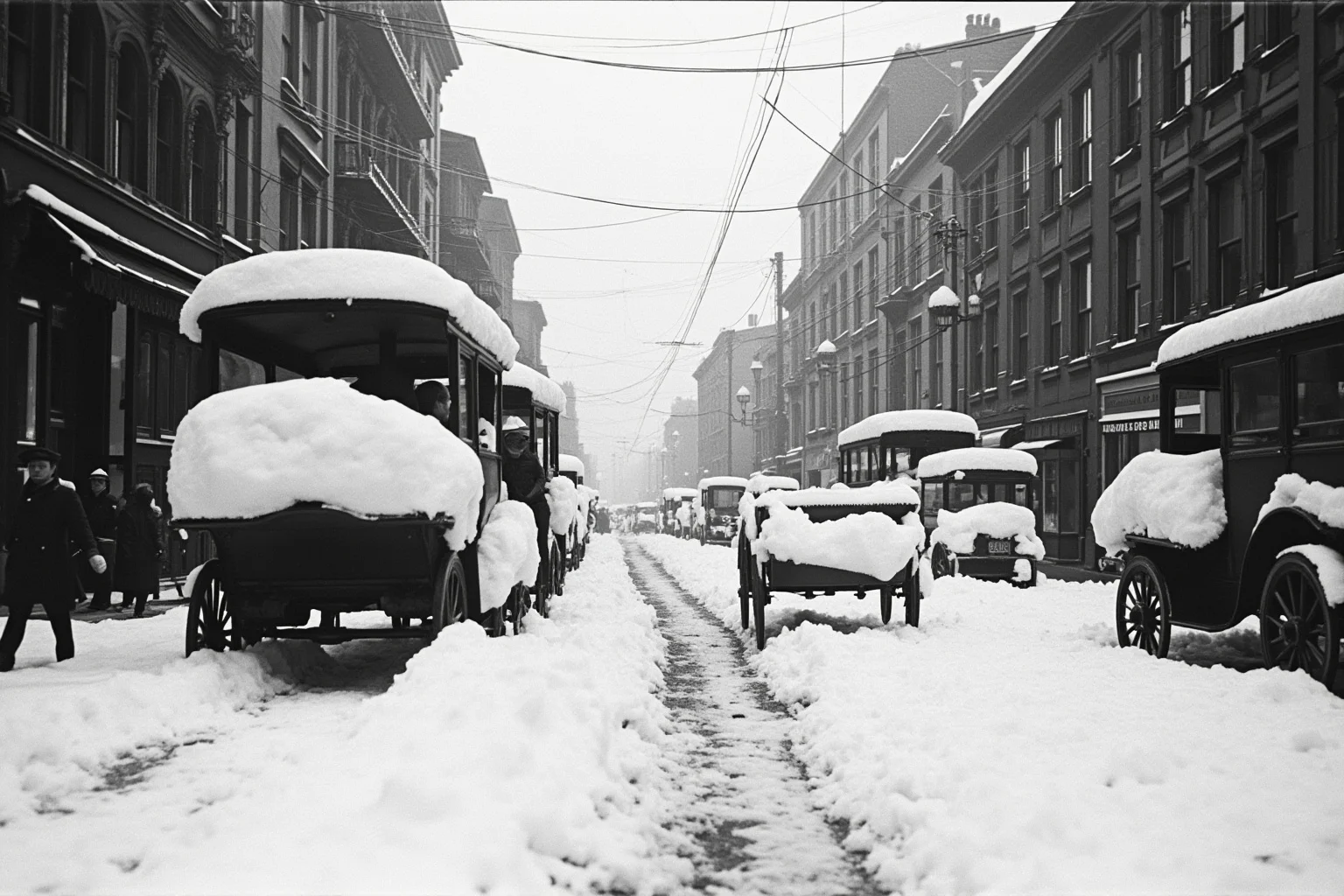
A ferocious blizzard buried the northeastern United States in March 1888, dumping several feet of snow and stranding tens of thousands of people in New York City. Overhead telegraph, telephone, and power lines snapped under the weight of snow and ice, paralyzing communication for days.
The chaos convinced city leaders that critical infrastructure needed to be protected from weather, accelerating the push to bury utility lines and, eventually, to build New York's subway system underground. A single brutal storm helped shape how American cities are still built today.
20. The Monsoon Wars of Burma (1942–1945)
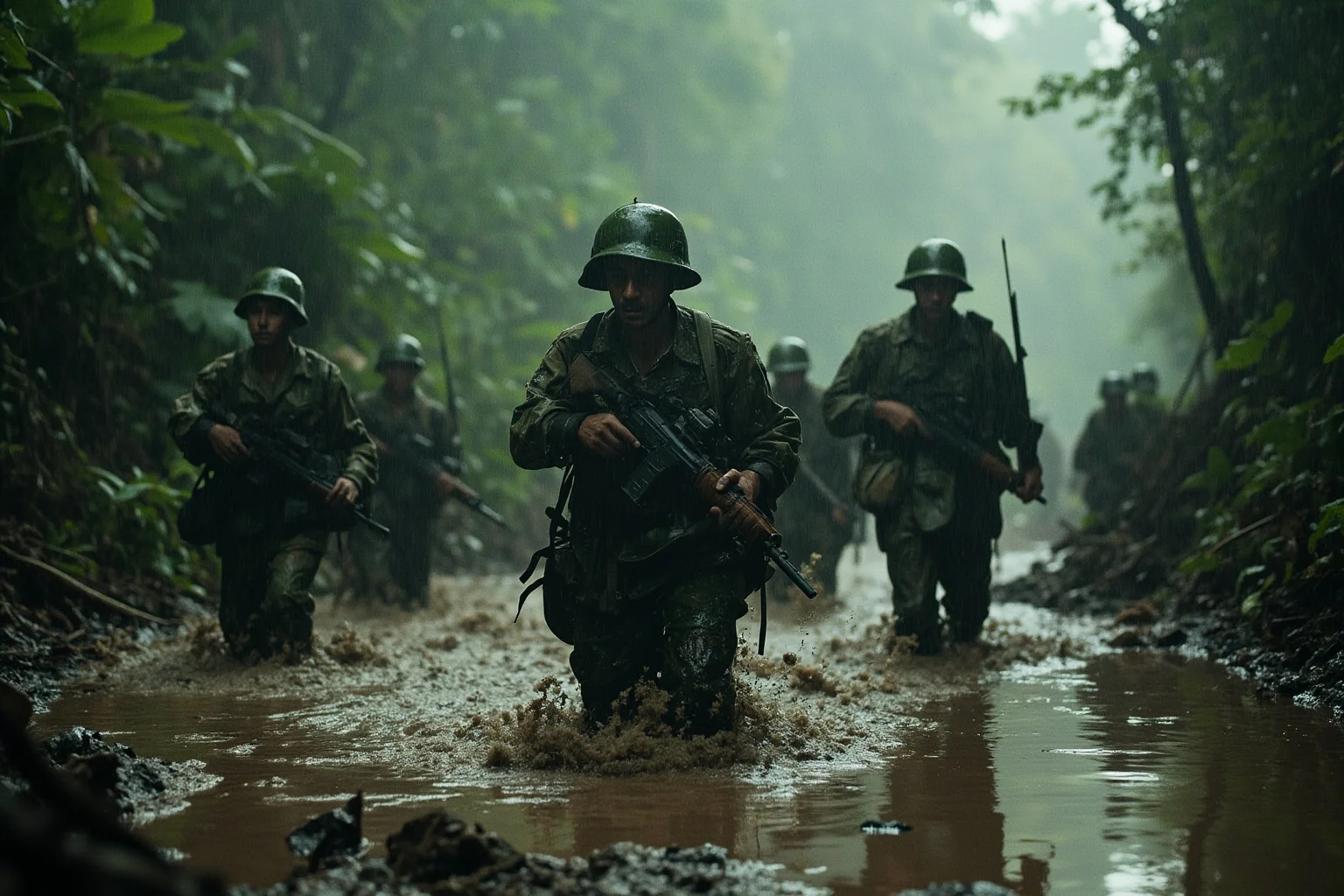
Fighting in the Burma campaign during World War II was heavily dictated by the seasonal monsoon, which brought torrential rain, flooding, and impassable roads for months at a time. Both Allied and Japanese forces had to plan major offensives around the dry season, since the monsoon could strand troops and rot supplies almost overnight.
Disease driven by the wet conditions, including malaria and dysentery, arguably caused more casualties on both sides than combat did in some periods. It's one of the clearest examples of ordinary seasonal rain functioning almost like a third army on the battlefield.
21. Christopher Columbus, a Hurricane, and a Warning Ignored (1502)
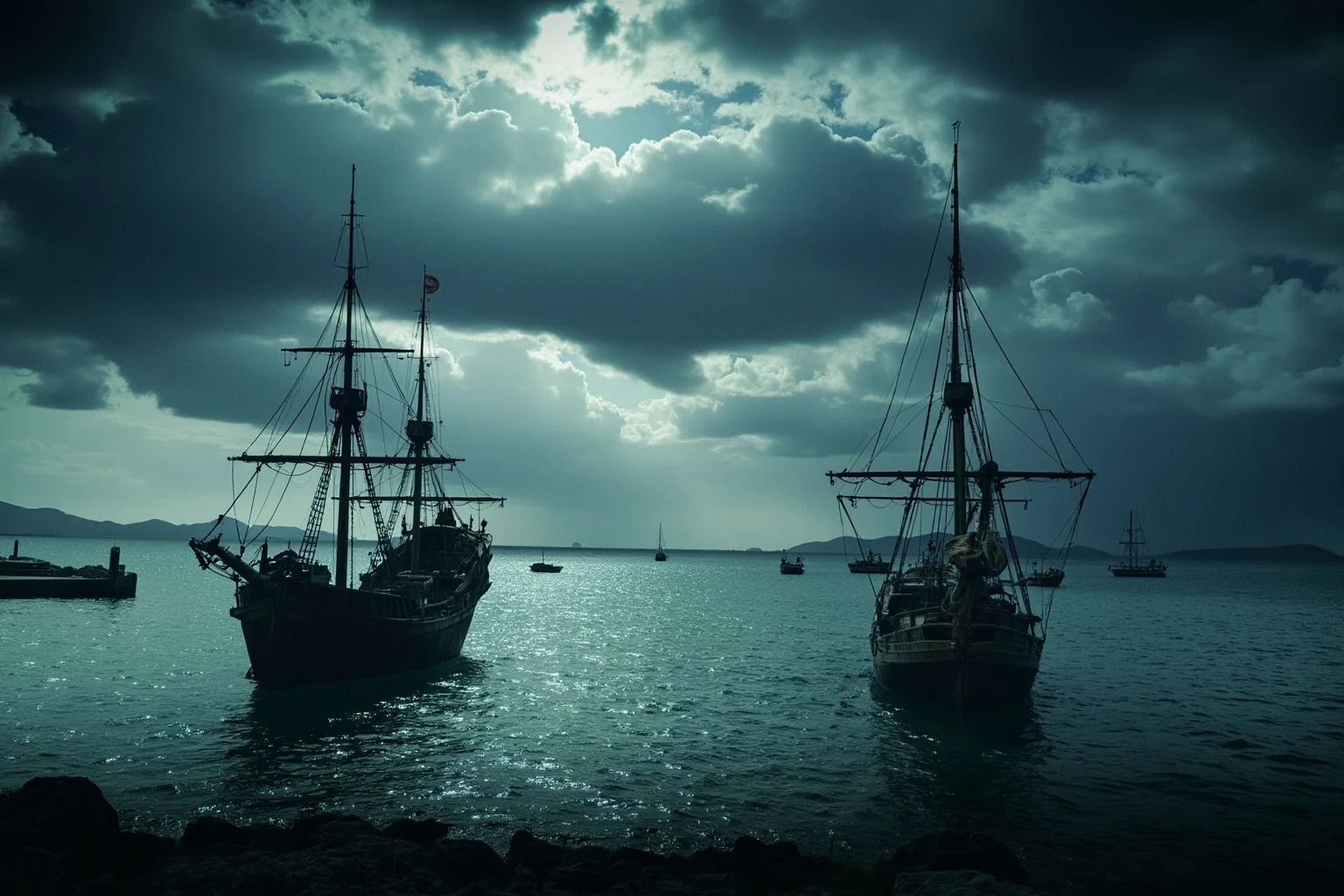
On his fourth voyage in 1502, Columbus reportedly sensed signs of an approaching hurricane near Hispaniola and asked Spanish colonial authorities for shelter in the harbor at Santo Domingo. He was refused, and a treasure fleet that set sail against his advice was largely destroyed by the storm, with significant loss of life.
Accounts of this episode come primarily from later biographical writings, so some details are debated by historians. Still, it's often cited as an early recorded instance of hurricane forecasting knowledge, however rough, being ignored with costly consequences.
22. Hurricane Sandy and the Final Days of a Modern Campaign (2012)

Hurricane Sandy struck the northeastern United States just days before the 2012 presidential election, killing over 100 people and causing tens of billions of dollars in damage. Campaigning was disrupted, and incumbent President Barack Obama toured storm damage alongside New Jersey's Republican governor, a moment widely covered in the press.
Political analysts still debate how much impact the storm actually had on the final vote, and it's worth resisting the urge to overstate it. What's clear is that a major storm inserted itself into the closing days of a national election, showing that historical weather events aren't just a phenomenon of the distant past.
What These Stories Have in Common
Looking across all 22 examples, a pattern emerges: weather rarely acts alone. It tends to amplify decisions that were already risky, exploit weaknesses that already existed, or hand a narrow advantage to whichever side was better prepared to adapt.
Some might jokingly call it the R.A.I.N. effect — Random Atmospheric Interruptions… Now what? — a reminder that even the best-laid military and political plans have always had to answer to the sky. It's a playful label, not a formal historical term, but it captures something real about how often a well-timed storm or drought has forced humans to improvise.
It's also worth staying skeptical of overly tidy weather narratives. Historians generally caution against crediting a single storm or frost with single-handedly deciding a war or empire's fate, since politics, logistics, and human error are almost always tangled up in the outcome too.
Final Thoughts
From typhoons off Japan's coast to a snowstorm on the night Washington crossed the Delaware, the weather has quietly co-authored some of history's biggest turning points. These historical weather events remind us that even the most powerful armies and empires have always been at the mercy of forces no general could command.
The next time a rainstorm delays your plans, spare a thought for the fleets, armies, and empires that learned the hard way just how much the sky can decide. Weather events history isn't just a footnote — in more cases than we'd like to admit, it's been the deciding vote.
Frequently Asked Questions
When has weather changed history the most dramatically?
There are several strong contenders for when weather changed history most dramatically, including the typhoons that wrecked Mongol invasion fleets bound for Japan in 1274 and 1281, and the brutal Russian winters that crippled both Napoleon's 1812 invasion and Nazi Germany's Operation Barbarossa in 1941. Each case involved weather amplifying an already risky military campaign into a full-scale disaster.
Did rain ever actually decide the outcome of a battle?
Yes, several battles were significantly shaped by rain and resulting mud. At Agincourt in 1415, heavy rain turned the field into thick mud that exhausted heavily armored French troops, and at Waterloo in 1815, overnight rain forced Napoleon to delay his attack, giving Prussian reinforcements time to arrive.
What is considered one of the most significant historical weather events?
The 1815 eruption of Mount Tambora, which caused 1816 to become known as 'The Year Without a Summer,' is often cited as one of the most significant historical weather events because it triggered crop failures, famine, and unrest across multiple continents from a single volcanic disruption to global climate.
How did weather affect the D-Day invasion of Normandy?
D-Day was originally planned for June 5, 1944, but rough seas and poor visibility forced a delay. Allied meteorologists spotted a brief break in the storm pattern and gave the go-ahead for June 6, catching German forces off guard since their own forecasters expected the bad weather to continue.
Can drought alone cause the collapse of a civilization?
Most historians and archaeologists are cautious about crediting drought alone, since collapses like the Akkadian Empire's fall around 2200 BCE and the decline of Classic Maya cities also involved political instability, warfare, and resource pressures. Severe, prolonged drought is generally viewed as a major contributing stressor rather than the sole cause.
Is it accurate to say the ‘Protestant wind’ destroyed the Spanish Armada?
It's partly accurate but oversimplified. English naval harassment in the English Channel had already weakened and scattered the Spanish Armada in 1588, and it was severe storms during the fleet's retreat around Scotland and Ireland that caused the heaviest losses, a combination rather than weather acting entirely alone.

Alex Warren
Related Articles