Every era has its rule-followers and its rule-breakers. But the people history remembers longest are usually the ones who looked at an unjust law, a rigid tradition, or an oppressive ruler and simply said no.
From enslaved gladiators to teenage climate activists, rebels in history come from wildly different backgrounds, yet they share one thing: the courage to challenge power when staying quiet would have been far easier.
This list isn’t about glorifying chaos for its own sake. Some of the rebels below used violence, others used pure moral stubbornness, and a few just used a bus seat or a diary of leaflets. What unites them is that they refused to accept the world as it was handed to them, and the world was different afterward because of it.
TL;DR: Across 2,000+ years, rebel leaders and everyday upstanders — from Spartacus to Greta Thunberg — have used everything from armed uprisings to quiet defiance to challenge unjust systems and permanently reshape history.
Why Rebels Matter in History
It’s tempting to think of rebellion as purely destructive, but historical rebels are often the reason societies eventually change course. A rebel leader doesn’t need an army to matter; sometimes a single upstander refusing to comply is enough to expose a system’s cracks.
That’s true whether we’re talking about famous protestors marching in the streets or resistance fighters working in total secrecy.
It’s also worth separating myth from record. Popular culture loves a clean rebel-versus-empire story, but real examples of rebels are usually messier, more complicated, and more human than the movie version. We’ll flag those differences as we go.
Ancient and Medieval Rebels Who Shook Empires
1. Spartacus
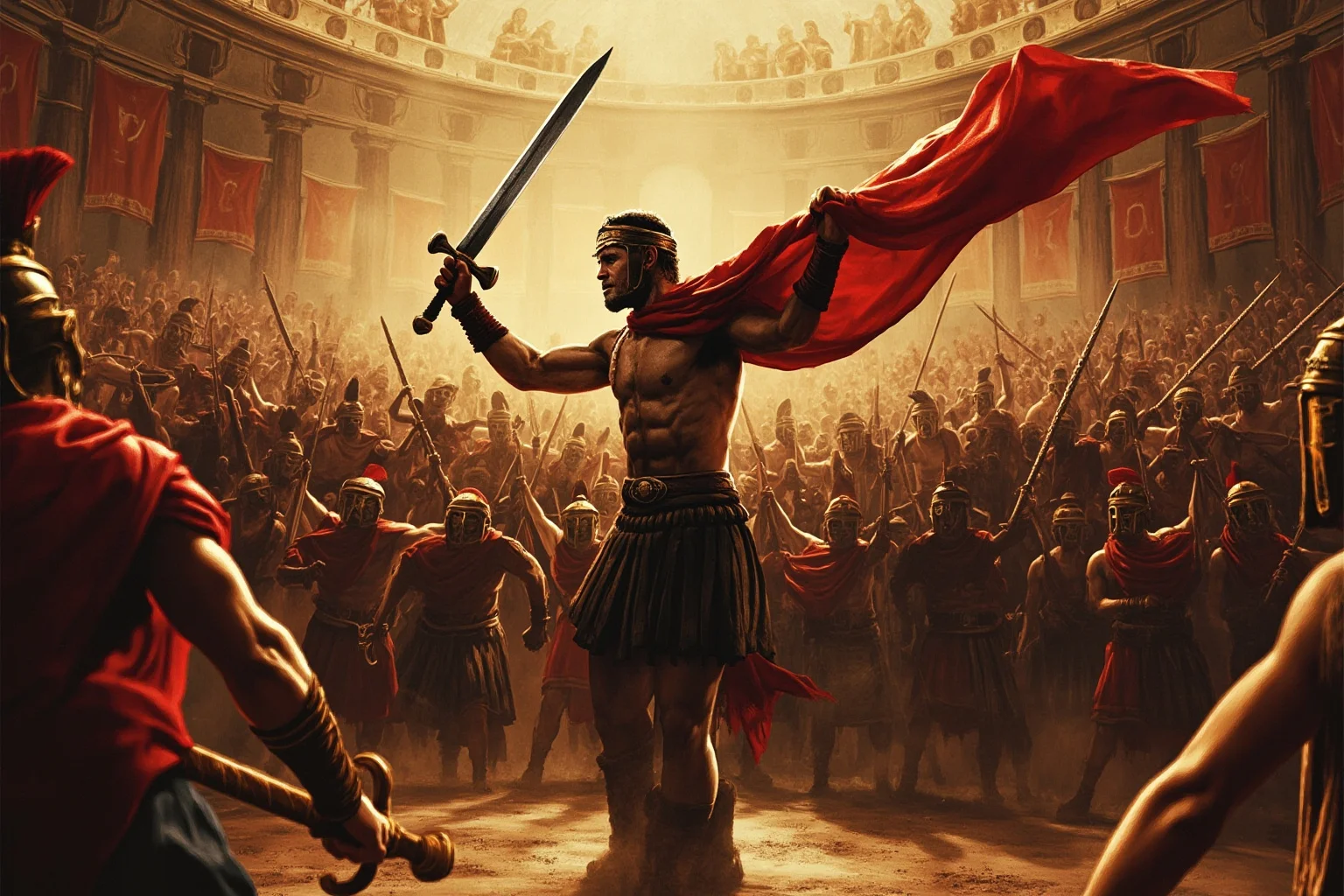
Spartacus was a Thracian gladiator held in captivity in Capua, Italy, who escaped in 73 BCE with a group of fellow gladiators and sparked the Third Servile War. His forces, made up largely of enslaved people, defeated several Roman armies before the Republic finally crushed the revolt in 71 BCE under the general Crassus.
Spartacus never freed Rome’s enslaved population and was eventually killed in battle, but his uprising terrified the Roman elite for two years. He remains one of the most famous rebels in history precisely because he came from the bottom of Roman society and still made an empire tremble.
2. Vercingetorix
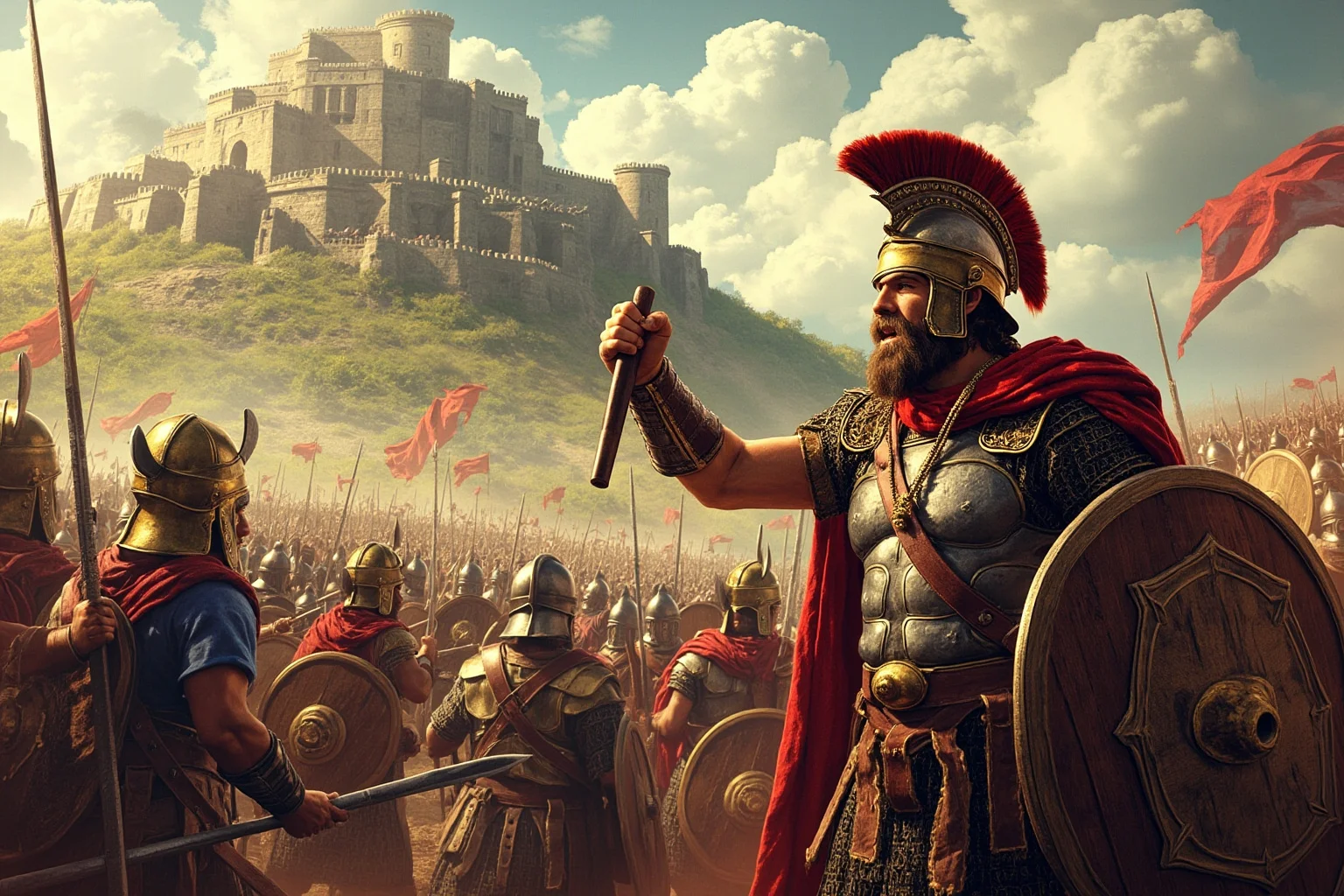
Vercingetorix united the Gallic tribes against Julius Caesar’s legions during the Gallic Wars, leading a determined resistance in 52 BCE. His forces won a notable victory at Gergovia before being besieged and defeated at Alesia, one of the most studied sieges in military history.
He surrendered to Caesar, was imprisoned for years, and was eventually executed in Rome. As a rebel leader, Vercingetorix is remembered in France today as an early symbol of national resistance against foreign domination.
3. Boudica
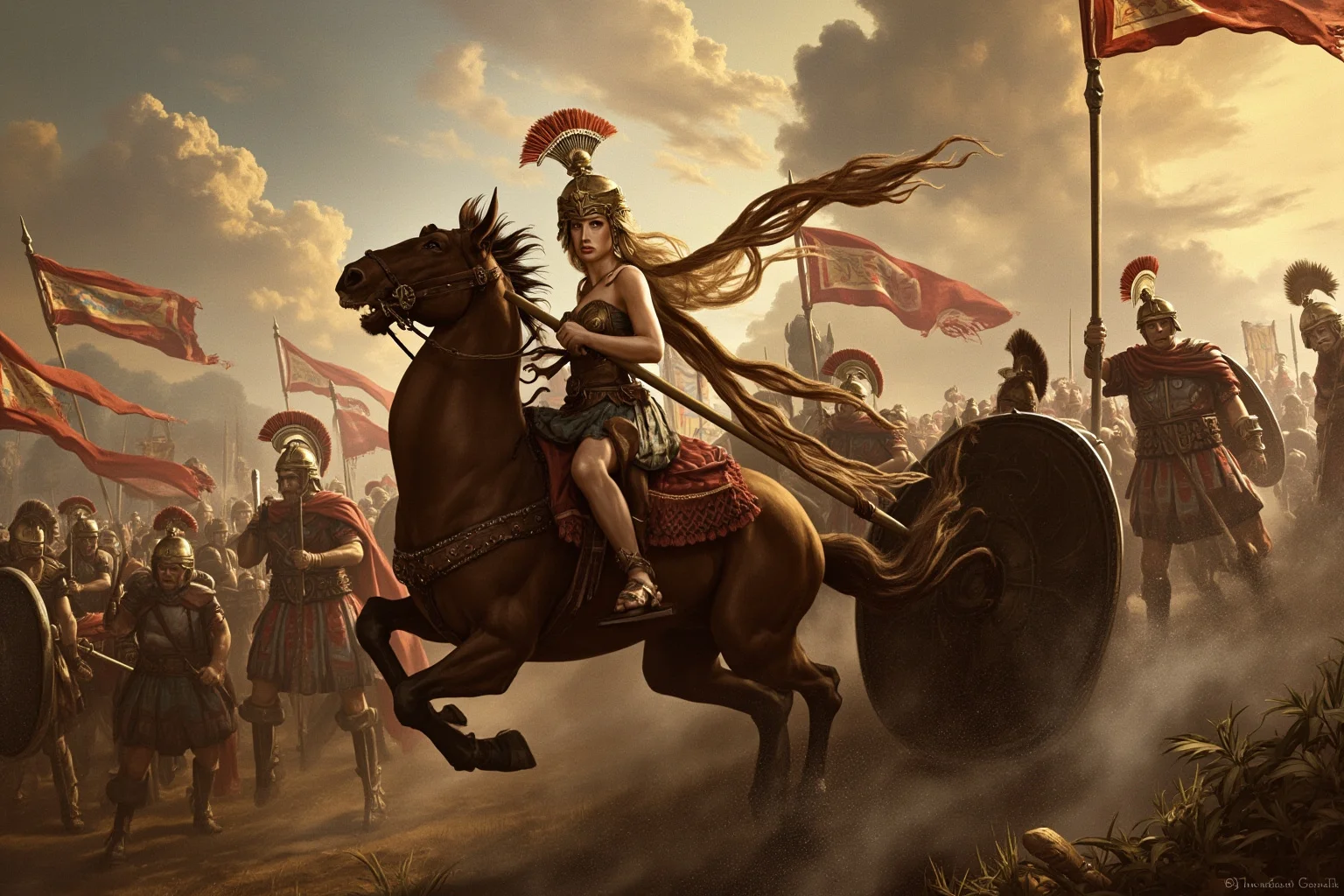
Boudica was queen of the Iceni tribe in Roman Britain who led a major revolt around 60–61 CE after Roman officials seized her family’s land and reportedly abused her daughters following her husband’s death. Her forces burned the Roman settlements of Camulodunum, Londinium, and Verulamium to the ground.
Roman governor Gaius Suetonius Paulinus eventually defeated her army, and Boudica died shortly after, likely by her own hand or from illness (accounts differ, so this detail isn’t settled history). She’s still one of Britain’s most enduring examples of rebels standing up to occupying power.
4. Wat Tyler
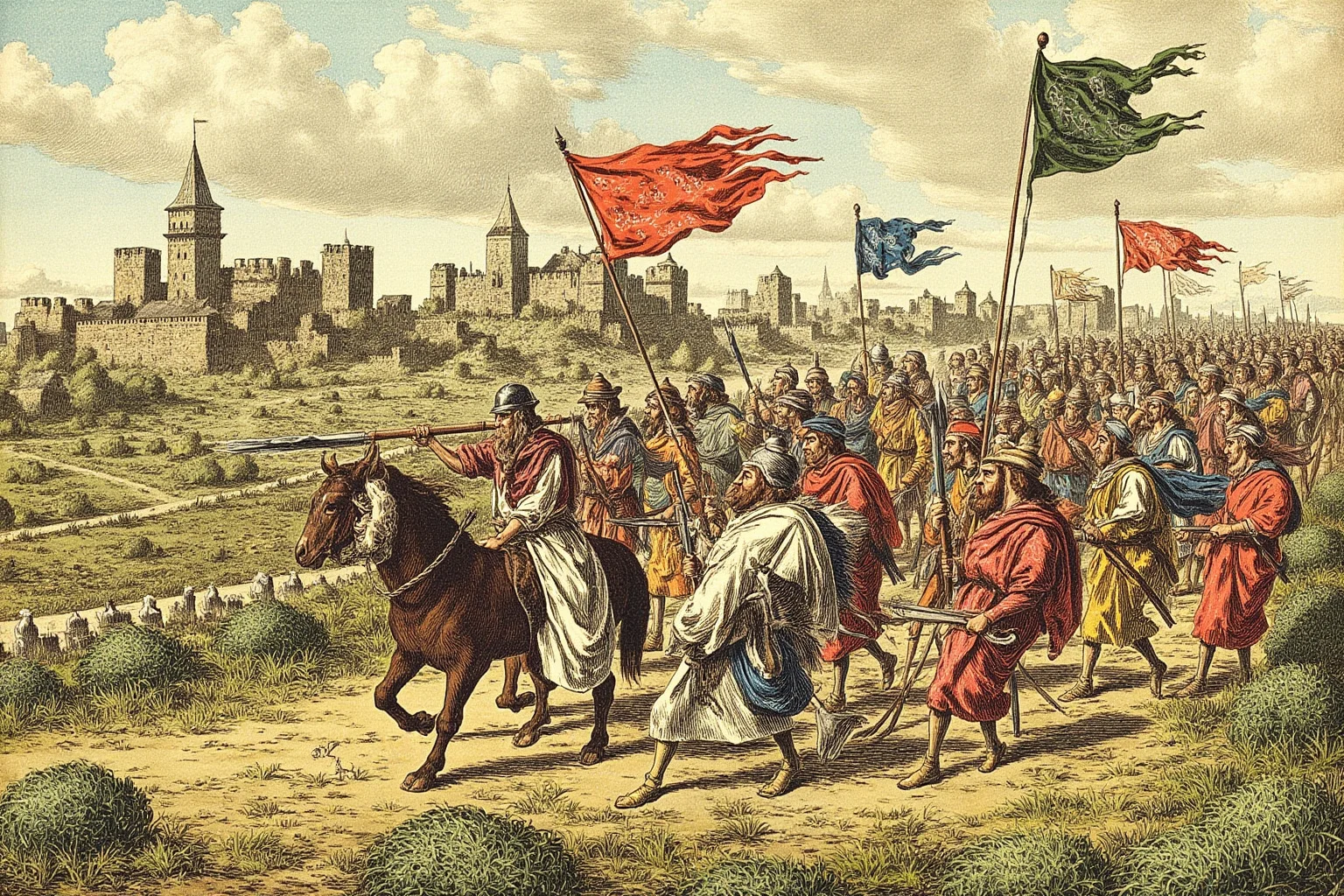
Wat Tyler led the English Peasants’ Revolt of 1381, a mass uprising against a deeply unpopular poll tax and the broader inequality of feudal England. Tens of thousands of rebels marched on London, and Tyler personally negotiated with the teenage King Richard II at Smithfield.
The negotiations collapsed violently, and Tyler was killed by the Lord Mayor of London during the confrontation. Even though the revolt was crushed, historians generally agree it helped speed up the decline of feudal labor obligations in England over the following decades.
5. Joan of Arc
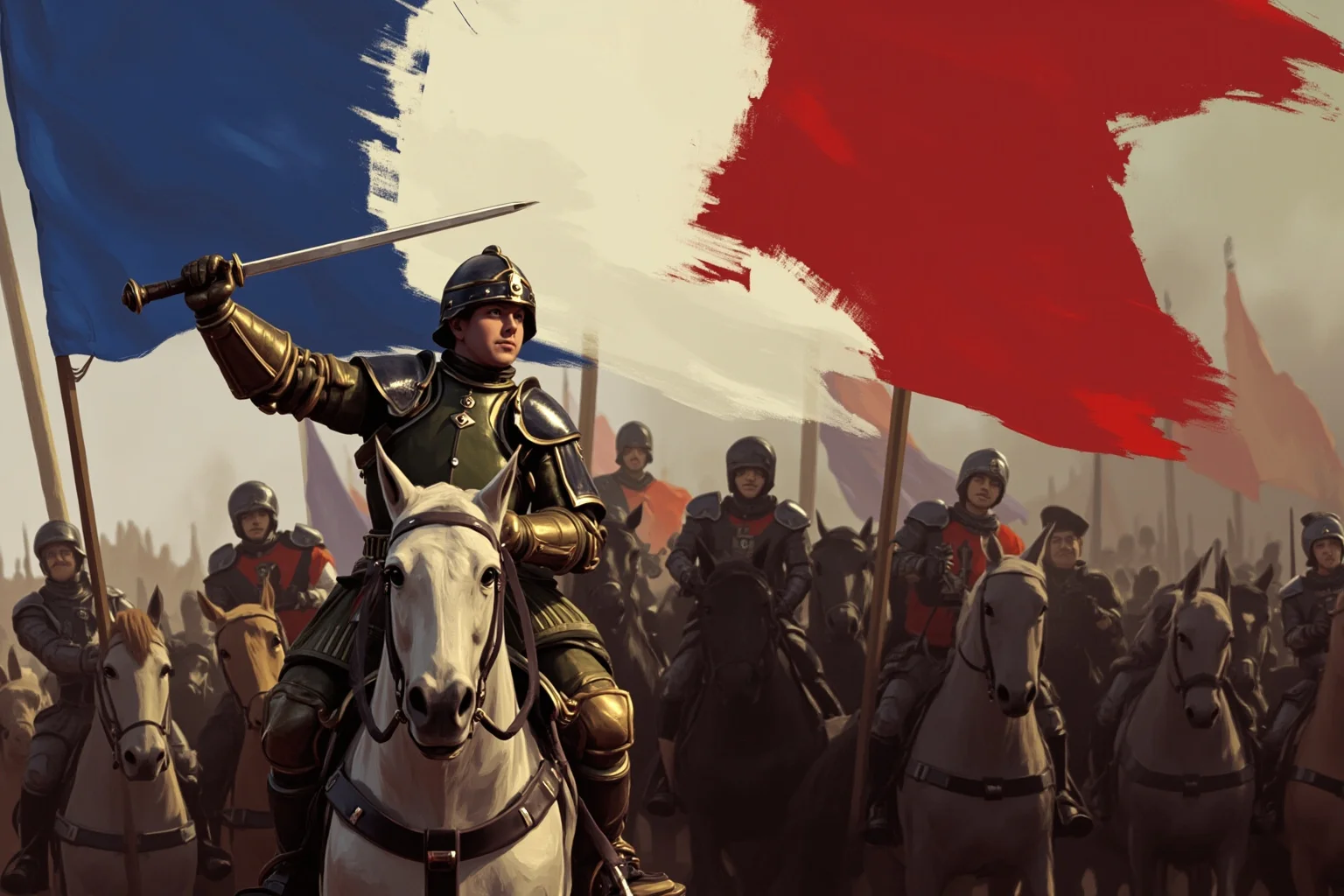
Joan of Arc was a teenage peasant girl who claimed divine visions instructed her to help France’s rightful king during the Hundred Years’ War. She led French troops to a pivotal victory at Orléans in 1429, defying every expectation about who could command an army in medieval Europe.
She was captured, tried by an English-aligned church court, and burned at the stake in 1431 at around age 19. Joan of Arc is a rebel example that shows how challenging the status quo isn’t only about kings and armies — it’s sometimes about who is allowed to lead at all.
A Religious Rebel Who Split a Church
6. Martin Luther
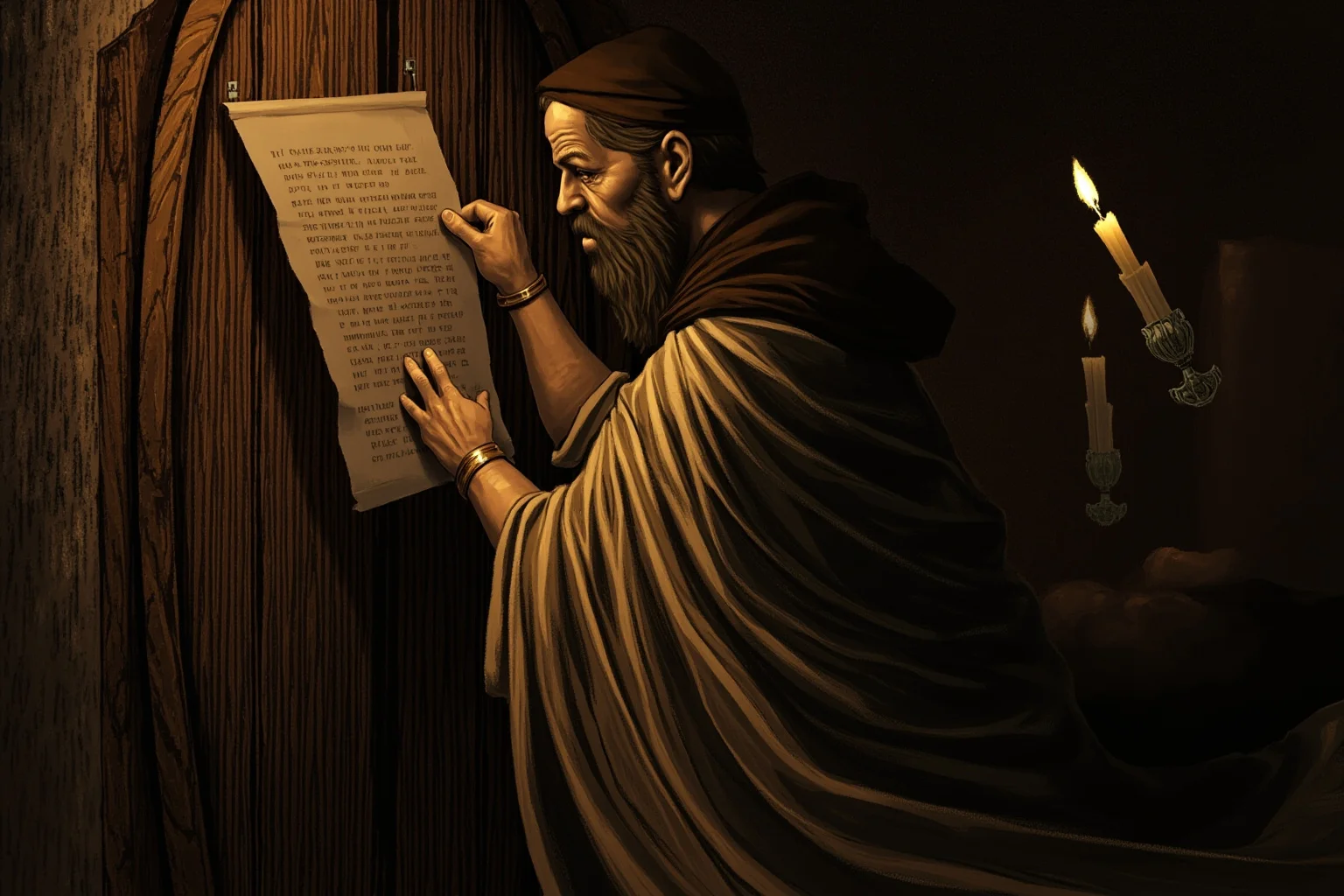
Martin Luther was a German monk whose 1517 critique of Catholic Church practices, especially the sale of indulgences, is traditionally linked to the start of the Protestant Reformation. Whether or not he literally nailed the Ninety-Five Theses to a church door (a detail historians still debate), his ideas spread rapidly thanks to the newly invented printing press.
Luther was excommunicated by the Pope and declared an outlaw by the Holy Roman Empire at the Diet of Worms in 1521. He never intended to fracture Western Christianity permanently, but his rebellion against Church authority reshaped European religion, politics, and even language for centuries.
Revolutionary Leaders Who Led Uprisings Against Empires
7. Túpac Amaru II
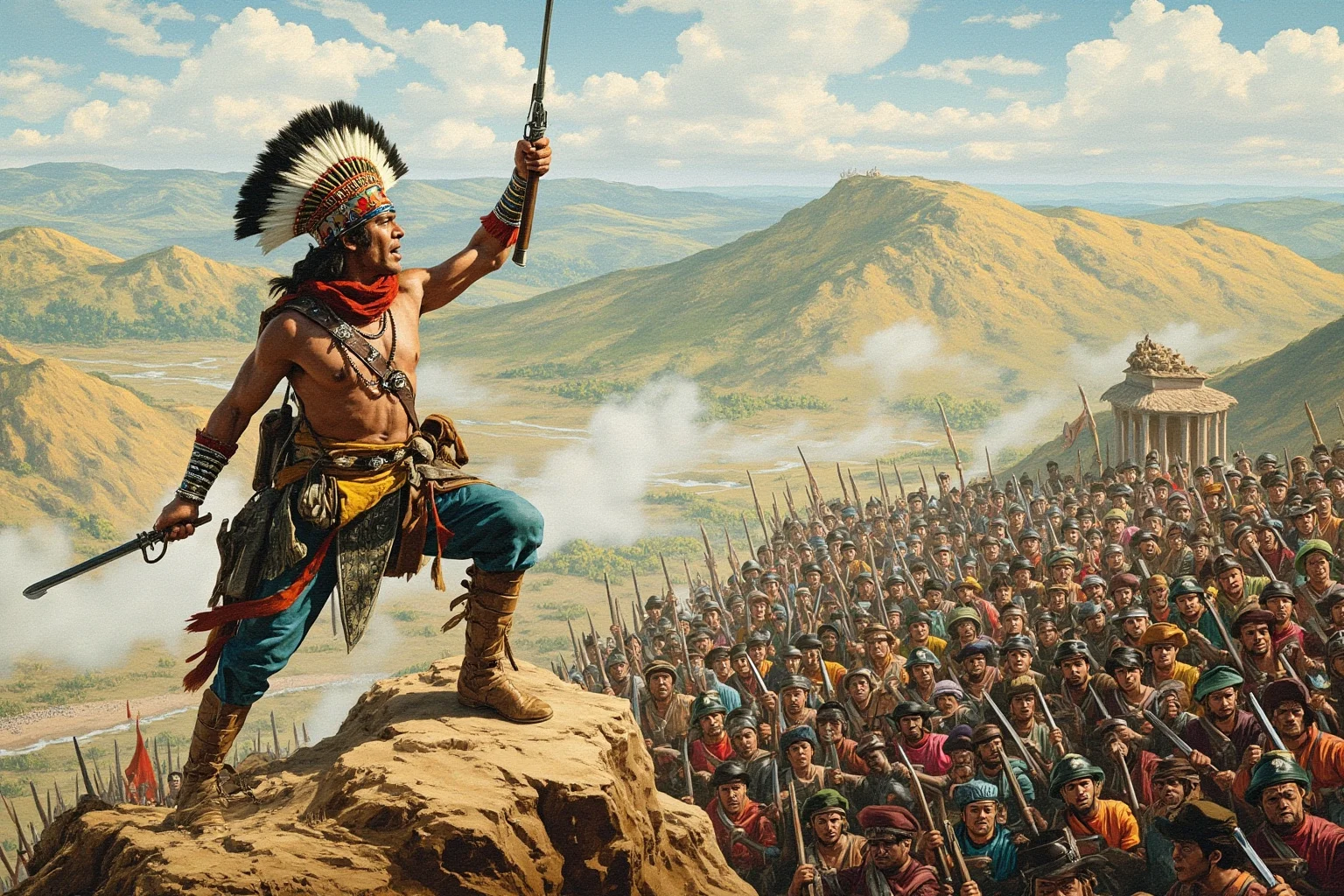
Túpac Amaru II led a major indigenous uprising against Spanish colonial rule in the Peruvian Andes between 1780 and 1781. Taking the name of an earlier executed Inca leader, he rallied thousands of indigenous and mestizo fighters against colonial taxation and abuse.
Spanish forces eventually captured and executed him along with much of his family, but the rebellion exposed deep cracks in Spanish colonial control. He’s still honored across South America as one of the region’s foundational rebel leaders.
8. Toussaint Louverture
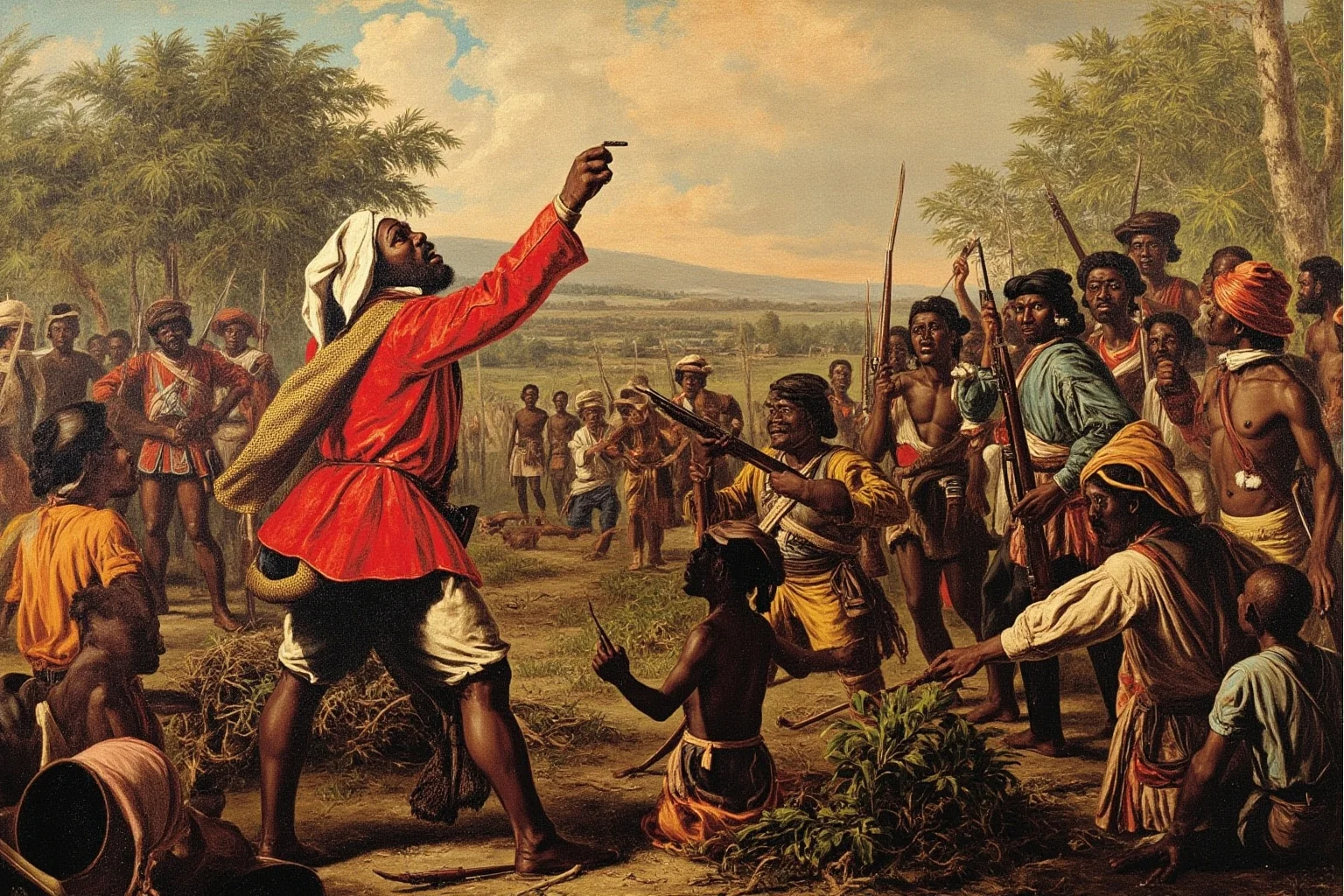
Toussaint Louverture, formerly enslaved himself, became the central military and political leader of the Haitian Revolution starting in 1791. Under his leadership, Haiti’s enslaved population fought French, British, and Spanish forces, eventually abolishing slavery on the island.
Louverture was captured by French forces through a broken truce and died in a French prison in 1803. Haiti declared independence the following year under new leadership, making it the first nation founded by a successful slave rebellion.
9. Simón Bolívar
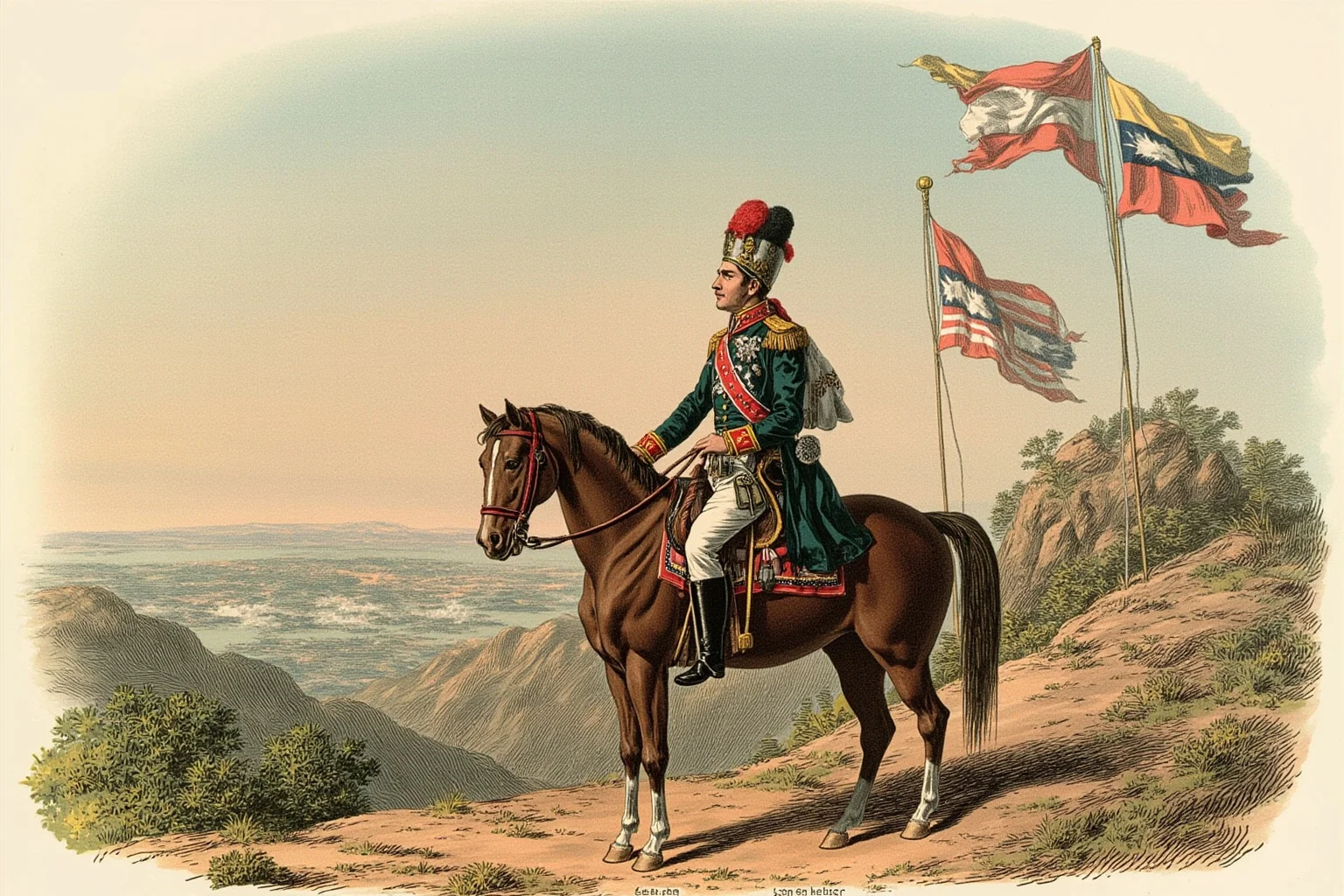
Simón Bolívar led independence movements across much of Spanish South America in the early 1800s, helping liberate territories that became Venezuela, Colombia, Ecuador, Peru, and Bolivia. Known as “El Liberador,” he combined military command with a genuine political vision for a united South America.
That unified vision never fully materialized, and Bolívar died in 1830 disillusioned with the political infighting among the new republics. Still, few rebel leaders in history have reshaped an entire continent’s map as thoroughly as he did.
10. Nat Turner
Nat Turner was an enslaved preacher who led a rebellion in Southampton County, Virginia, in August 1831. The uprising resulted in the deaths of dozens of white residents before state and local militias suppressed it within days.
Turner was captured, tried, and executed later that year. The rebellion led to brutal reprisals against enslaved and free Black communities across the South, and it also hardened pro-slavery laws — a sobering reminder that rebellions don’t always produce immediate justice, even when the cause is righteous.
11. Emiliano Zapata
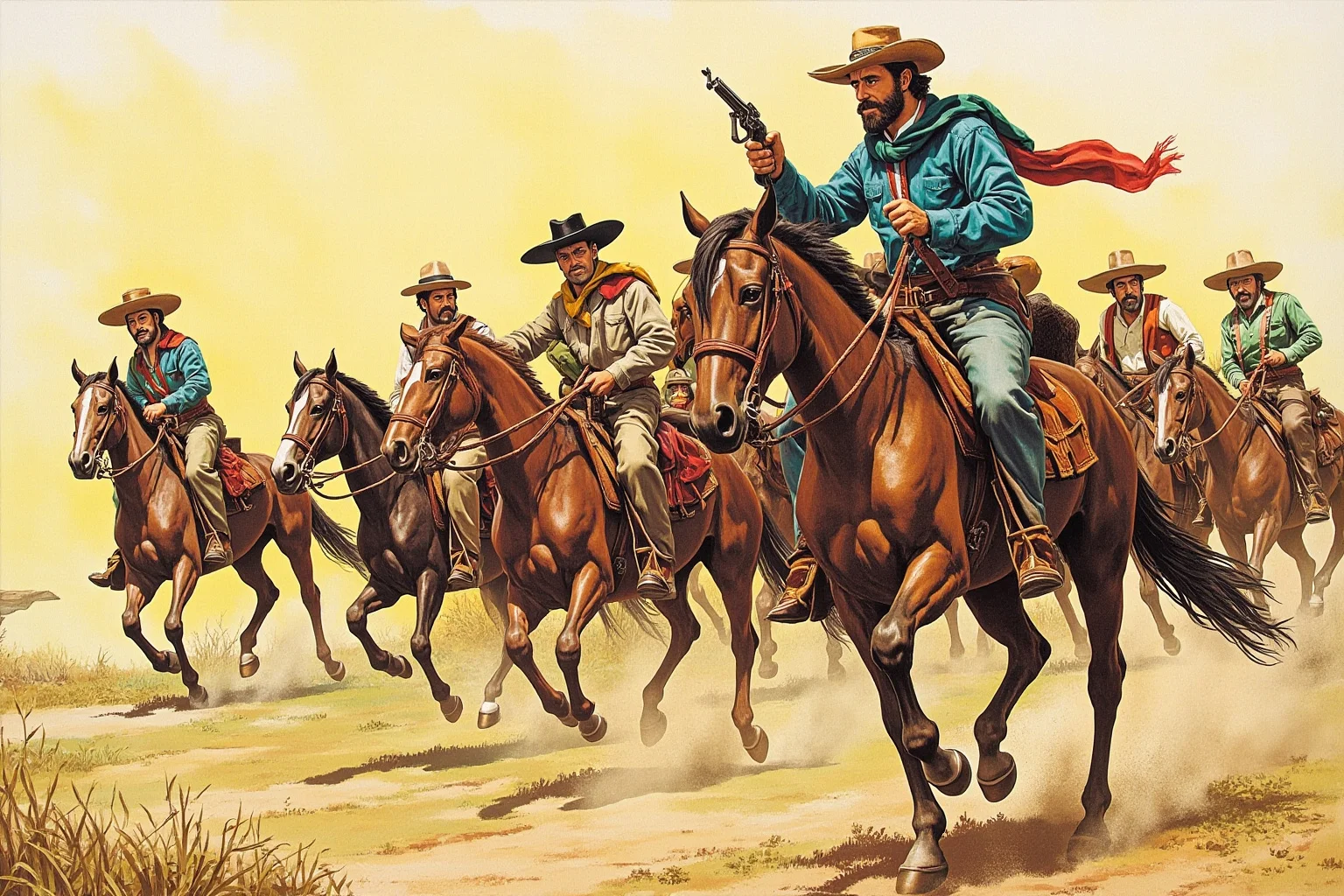
Emiliano Zapata became one of the defining rebel leaders of the Mexican Revolution, fighting from 1910 onward for land reform under the banner “Tierra y Libertad” (Land and Liberty). He led peasant forces in the southern state of Morelos against wealthy landowners and shifting federal governments.
Zapata was assassinated in 1919 after being lured into an ambush by a rival general. His image remains one of the most recognizable symbols of agrarian rebellion in Latin American history.
12. Che Guevara
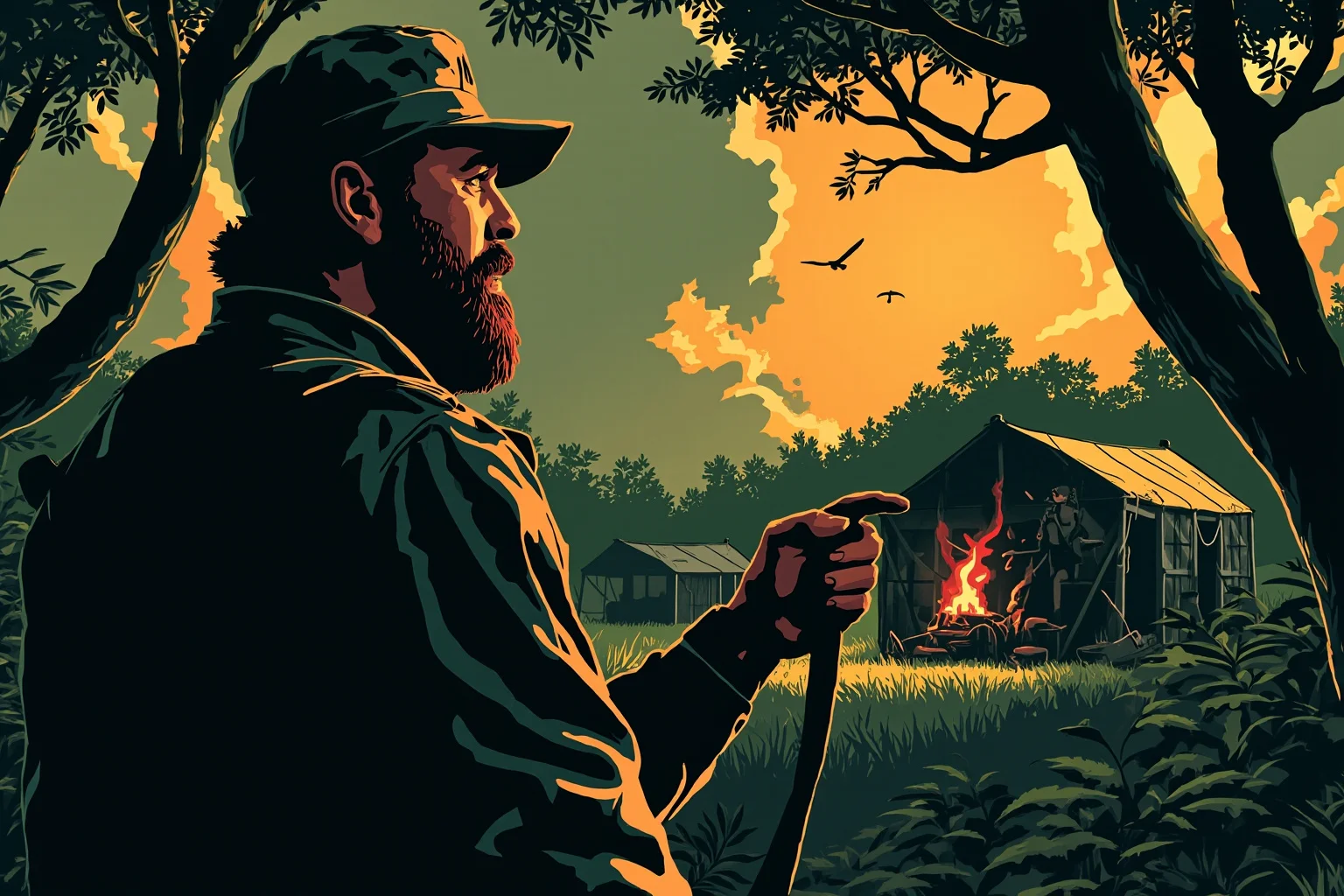
Che Guevara, an Argentine physician turned Marxist revolutionary, played a central role alongside Fidel Castro in overthrowing Cuba’s Batista government during the Cuban Revolution of the 1950s. He later held key roles in Cuba’s new government before leaving to support revolutionary movements elsewhere.
He was captured and executed in Bolivia in 1967 while attempting to spark a similar uprising there. Guevara remains one of the most polarizing rebel examples in modern history — a symbol of anti-imperialist resistance to some, and an enforcer of authoritarian tactics to others.
Nonviolent Upstanders Who Changed the World Without an Army
13. Mahatma Gandhi
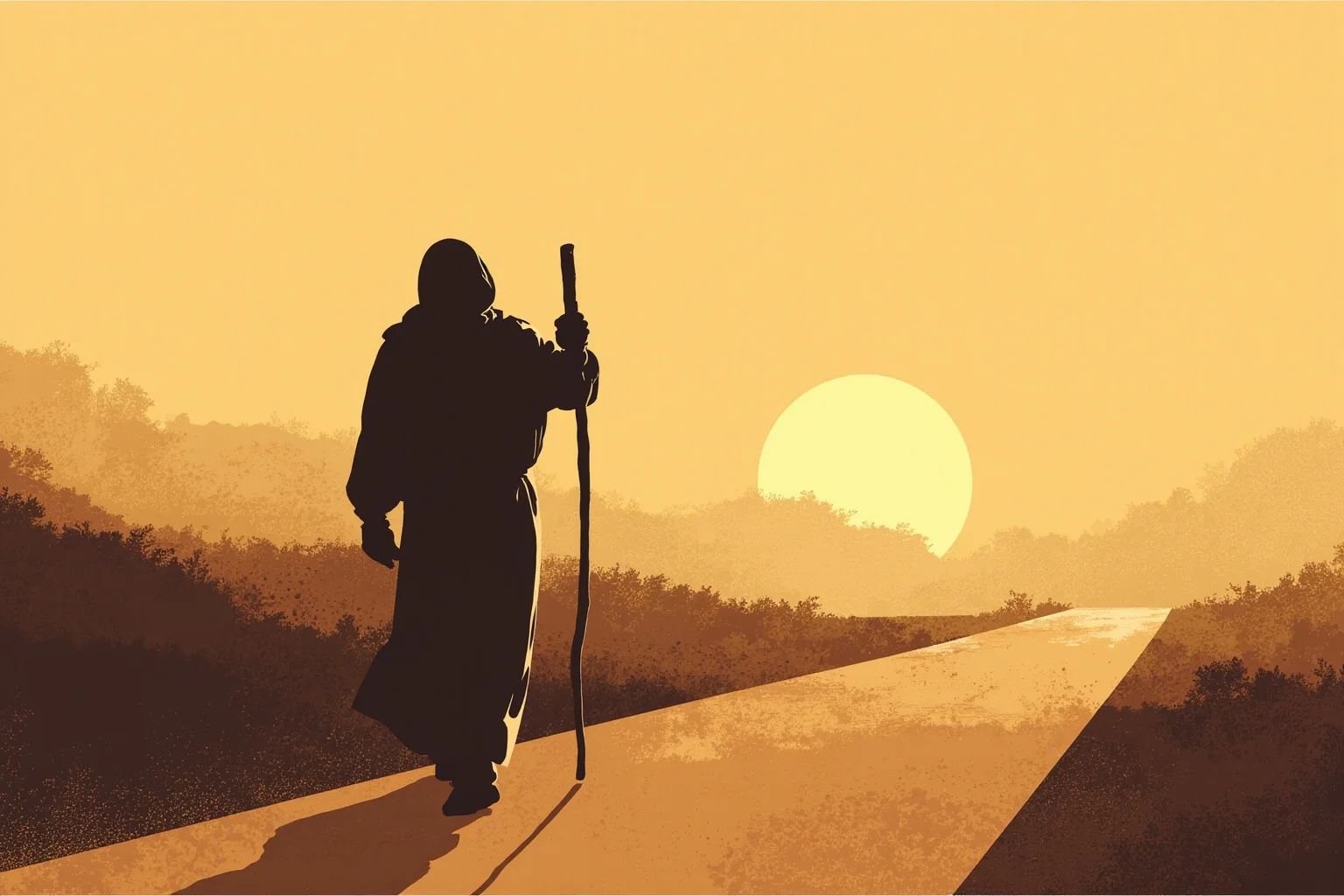
Mahatma Gandhi led India’s independence movement against British colonial rule primarily through nonviolent civil disobedience, most famously the 1930 Salt March protesting the British salt tax. His strategy of organized, disciplined nonviolence became a global model for resisting oppressive power without matching it with violence.
India achieved independence in 1947, and Gandhi was assassinated the following year by a Hindu nationalist opposed to his views on religious unity. He remains one of the clearest historical answers to the question of who led the rebellion against colonial rule through moral force rather than military might.
14. Rosa Parks
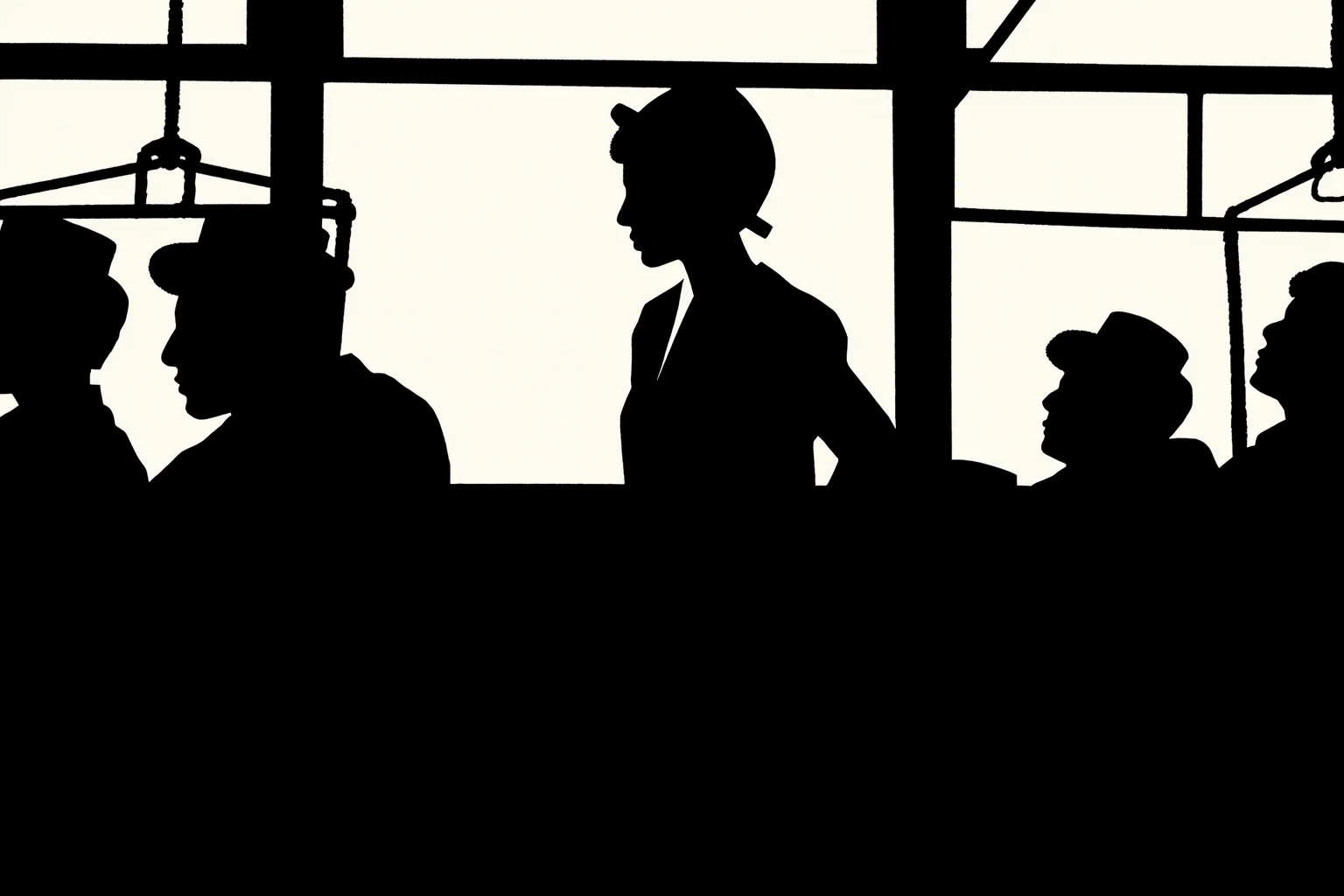
Rosa Parks refused to give up her bus seat to a white passenger in Montgomery, Alabama, in December 1955, in defiance of segregation laws. Her arrest sparked the Montgomery Bus Boycott, a 381-day protest that became a turning point in the American civil rights movement.
Parks was already an experienced NAACP activist before that day, not simply a tired seamstress acting on impulse — a common myth worth correcting. She’s one of the most frequently cited upstanders in history precisely because her act was small, personal, and enormously consequential.
15. Martin Luther King Jr.
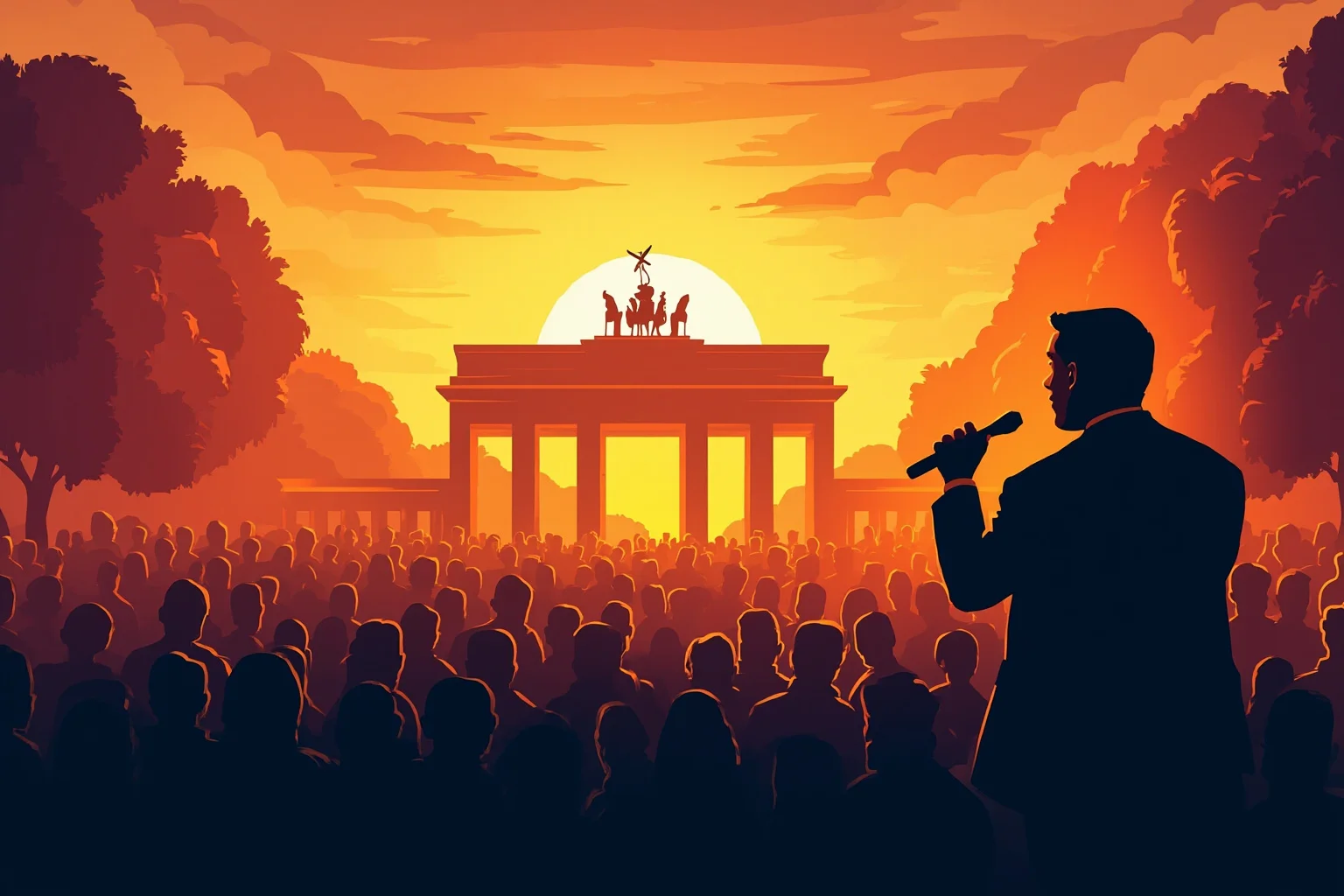
Martin Luther King Jr. became the most prominent leader of the American civil rights movement, organizing nonviolent campaigns against segregation and delivering his “I Have a Dream” speech at the 1963 March on Washington. His approach drew heavily on Gandhian nonviolence combined with Christian theology.
King was assassinated in Memphis in 1968 while supporting a sanitation workers’ strike. He’s remembered globally as both a rebel leader against systemic racism and a moral figure who insisted change could come without matching violence with violence.
16. Nelson Mandela
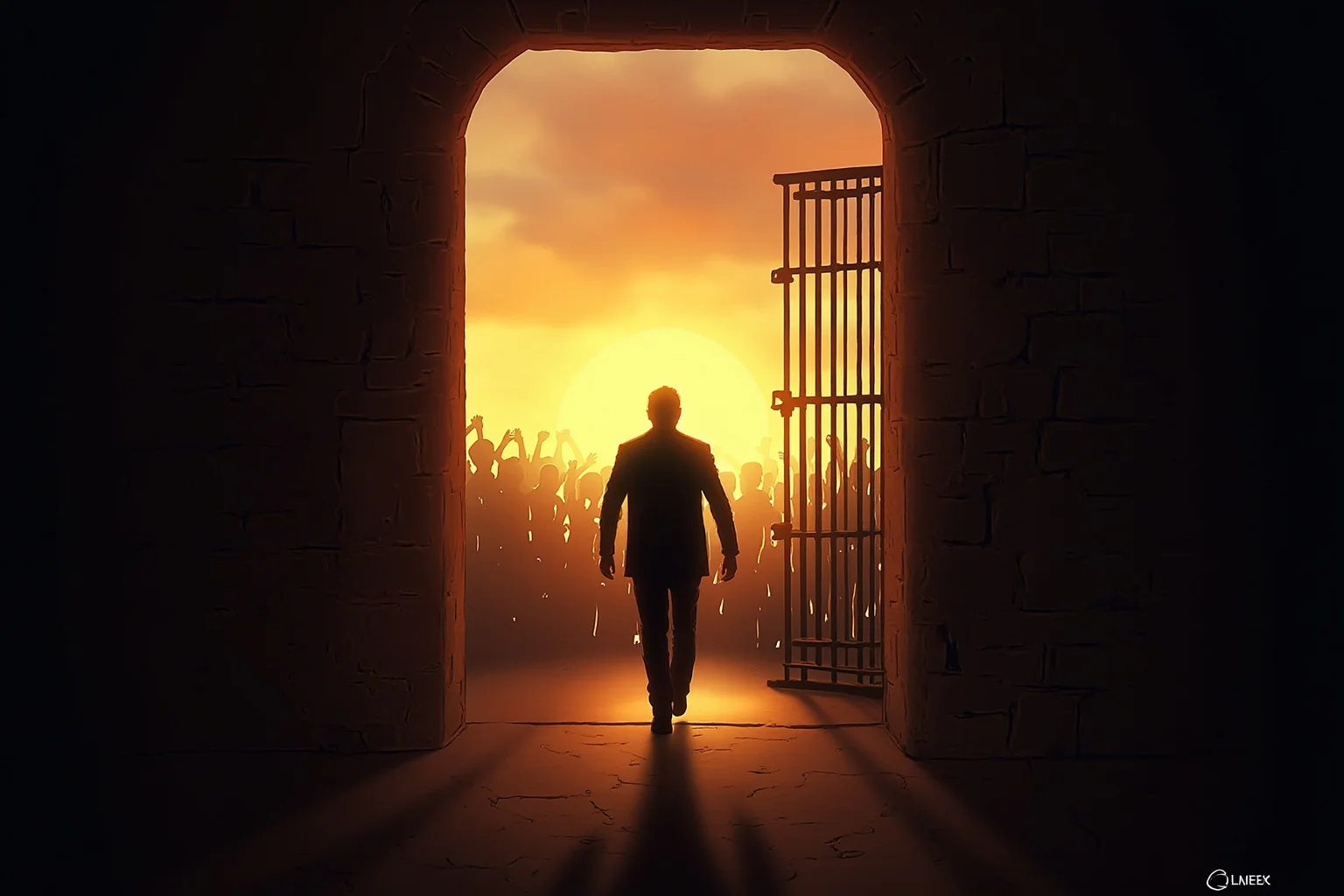
Nelson Mandela led the African National Congress’s long struggle against South Africa’s apartheid system, initially supporting armed resistance before spending 27 years imprisoned for his activism. He emerged in 1990 committed to negotiation rather than retribution, helping guide South Africa toward its first multiracial elections.
Mandela became South Africa’s president in 1994, turning a former rebel movement into a legitimate government. Few examples of rebels show a clearer arc from armed resistance to reconciliation-driven leadership.
17. Emmeline Pankhurst
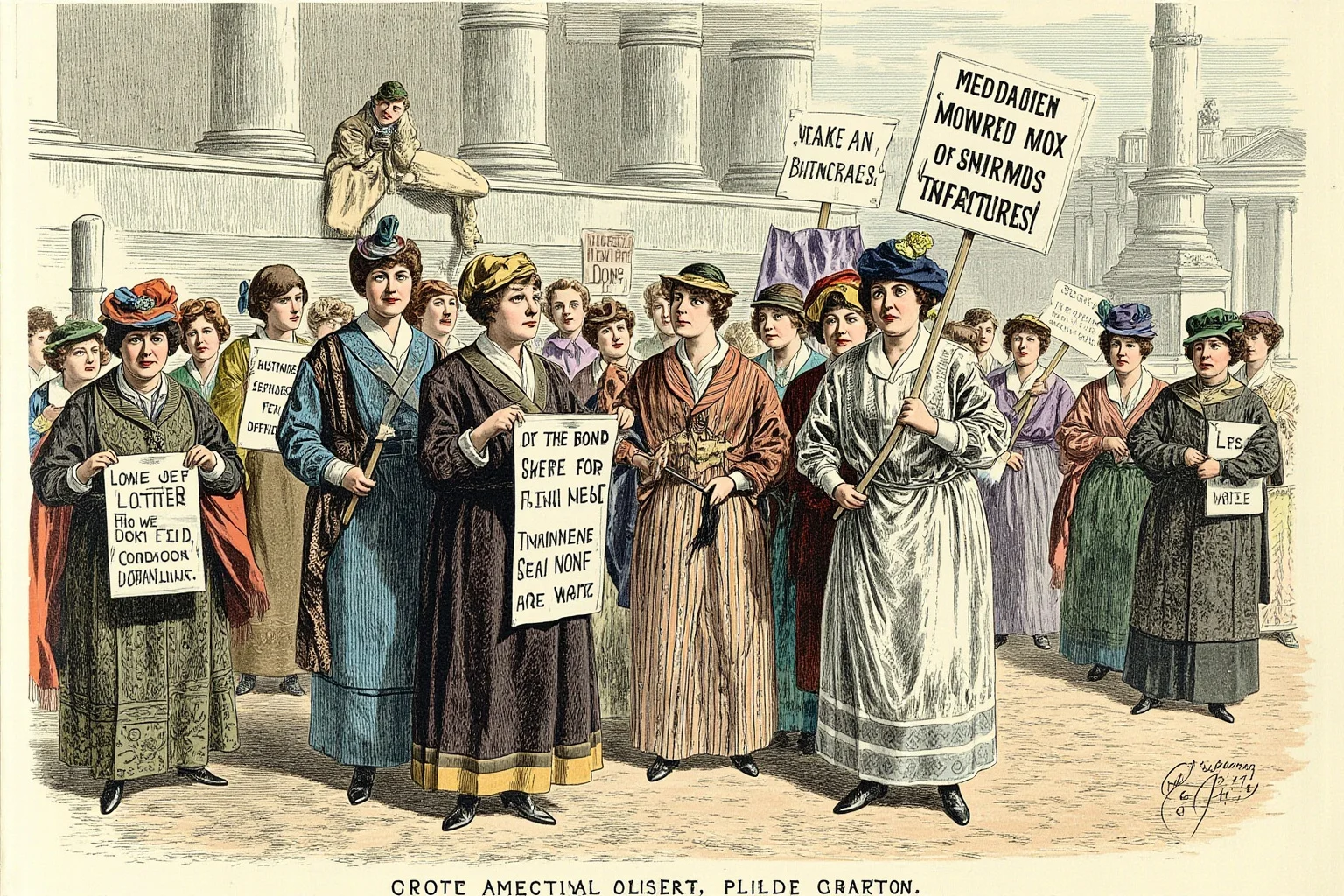
Emmeline Pankhurst founded the Women’s Social and Political Union in Britain in 1903, leading the militant wing of the suffragette movement. Her tactics included hunger strikes, property damage, and public confrontation, which set her apart from more moderate suffrage campaigners of the era.
British women over 30 gained the vote in 1918, with equal voting rights following in 1928, shortly before Pankhurst’s death. She remains one of history’s most famous protestors for demonstrating that disruptive, uncomfortable tactics can force political change when polite petitioning stalls.
Resistance in the Shadow of Fascism
18. Sophie Scholl
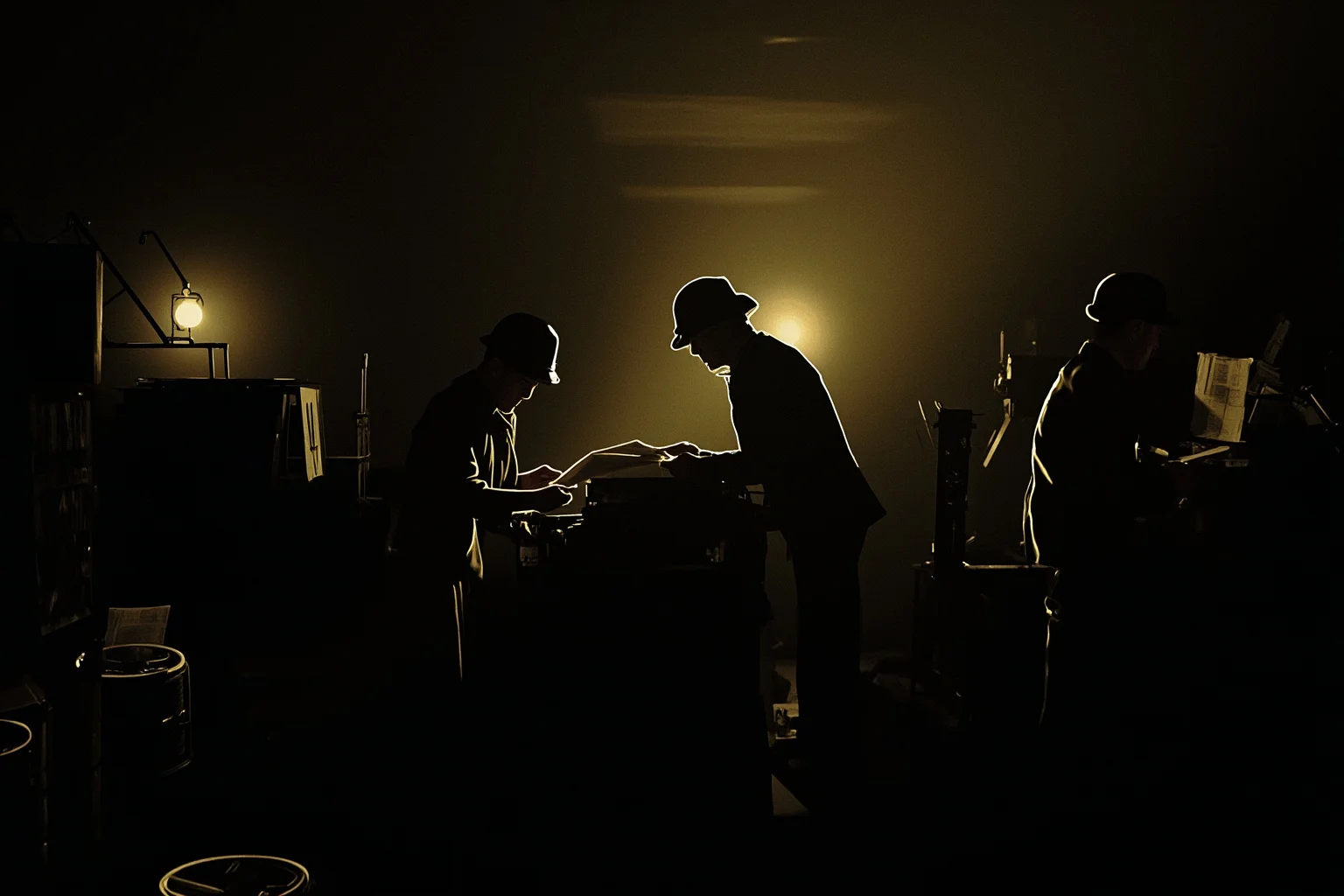
Sophie Scholl was a German university student and member of the White Rose, a small resistance group that distributed anti-Nazi leaflets in Munich starting in 1942. The group had no weapons and no army — just typewriters, a printing press, and enormous risk.
Scholl was arrested in 1943 alongside her brother Hans and was executed by guillotine days later at just 21 years old. She’s remembered as one of history’s quietest and bravest upstanders, proving that rebellion doesn’t always look like a battlefield.
Modern-Day Rebels and Famous Protestors
19. Harvey Milk
Harvey Milk became one of the first openly gay elected officials in the United States when he won a seat on the San Francisco Board of Supervisors in 1977. He used his position to push for LGBTQ rights protections at a time when open discrimination was still legal and widespread.
Milk was assassinated in 1978 by a former city supervisor. His life is often cited in discussions of civil rights history as an example of a rebel leader who worked from inside the political system rather than outside it.
20. Malala Yousafzai
Malala Yousafzai became an advocate for girls’ education in Pakistan’s Swat Valley as a teenager, publicly opposing Taliban restrictions on schooling for girls. In 2012, she survived being shot by a Taliban gunman while riding a school bus.
She recovered and continued her advocacy internationally, becoming the youngest-ever Nobel Peace Prize laureate in 2014. Malala is one of the clearest contemporary examples of rebels who challenge extremist authority using education and public voice rather than weapons.
21. Greta Thunberg
Greta Thunberg started a solitary school strike outside the Swedish parliament in 2018 to demand stronger action on climate change. Her protest grew into the global “Fridays for Future” movement, inspiring student walkouts across dozens of countries.
Thunberg has faced both praise and significant criticism for her confrontational rhetoric toward world leaders. Whatever one’s opinion of her methods, she’s a modern case study in how a single young protestor can shift a global conversation.
Rebels in Movies: Fact vs. Fiction
22. William Wallace and the Braveheart Myth
William Wallace was a real Scottish rebel leader who fought against English rule during the Wars of Scottish Independence, winning a major victory at the Battle of Stirling Bridge in 1297. He was later captured and executed by the English in 1305 after defeat at the Battle of Falkirk.
The 1995 film Braveheart dramatized his story heavily, inventing romantic subplots and compressing timelines in ways historians have long pointed out are inaccurate. It’s a useful reminder that rebels in movies are often loosely inspired by real historical rebels rather than faithful retellings of them.
23. Fictional Rebel Archetypes: Star Wars, Katniss, and Beyond
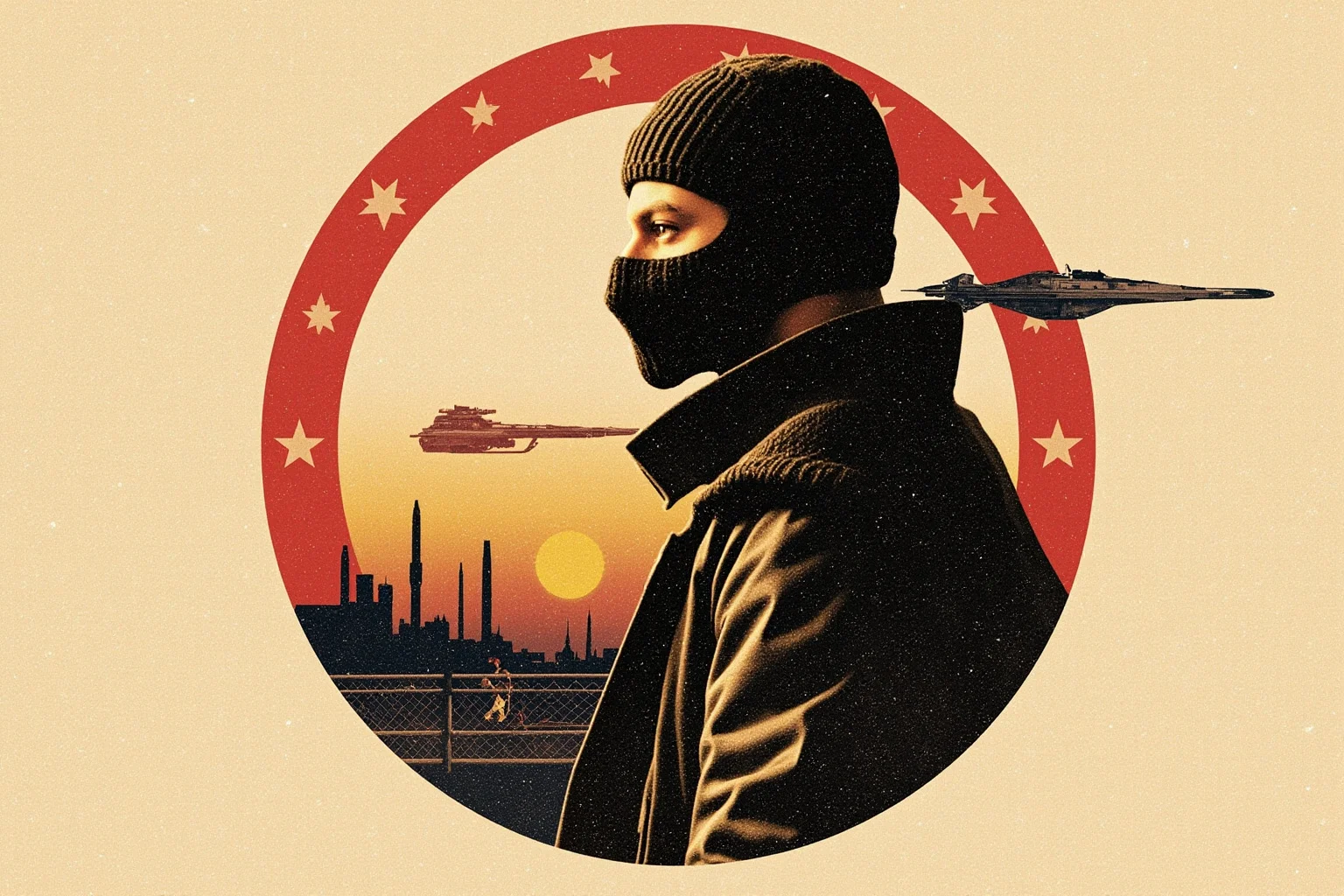
Beyond dramatized biographies, plenty of rebels in movies are entirely fictional but clearly modeled on real revolutionary movements. The Rebel Alliance in Star Wars, Katniss Everdeen leading an uprising in The Hunger Games, and the masked figure of V for Vendetta all borrow the emotional shape of real historical rebellions — an oppressive regime, a spark of resistance, and a charismatic figure who refuses to comply.
Even older works like Les Misérables, set against the backdrop of 19th-century French uprisings, draw on real barricade revolts of the era. These stories endure because the pattern they’re built on — ordinary people challenging an unjust status quo — is one history has repeated many times over, long before it ever became a movie plot.
What These Rebels Have in Common
Across every century and continent on this list, a few patterns show up again and again. Most rebel leaders didn’t start out with grand plans to change the world; they responded to a specific injustice in front of them, whether it was a tax, a segregated bus, or a banned classroom.
Many paid an enormous personal price, from execution to exile to assassination — and plenty were branded traitors by the very powers they defied, even though history remembers them quite differently than history’s most shameless traitors. It’s worth remembering before romanticizing rebellion too much: history rarely rewards defiance quickly or fairly, even when it eventually vindicates the rebel’s cause.
Final Thoughts
Rebels in history rarely fit into one neat category — some led armies, some led boycotts, and some simply refused a single unjust order. What connects Spartacus to Greta Thunberg isn’t tactics or era, but the basic refusal to treat an unjust status quo as permanent.
Studying these examples of rebels isn’t about picking a side in every conflict they were involved in. It’s about recognizing that the systems we take for granted today were often challenged, resisted, and reshaped by people who were once considered dangerously out of line.
Frequently Asked Questions
What are some real-life examples of levers (rebels) who changed history?
If you're searching for "real life examples of levers," you're likely looking for real historical rebels who acted as levers of change in society. Clear examples include Mahatma Gandhi, whose nonviolent resistance helped end British rule in India; Rosa Parks, whose refusal to give up a bus seat helped spark the American civil rights movement; and Nelson Mandela, whose decades-long resistance to apartheid ultimately reshaped South Africa's government.
Who led the rebellion against British colonial rule in India?
Mahatma Gandhi is the most widely recognized leader of India's independence movement, using nonviolent civil disobedience such as the 1930 Salt March. He worked alongside other leaders and organizations, including the Indian National Congress, and India achieved independence from Britain in 1947.
What defines a rebel leader in history?
A rebel leader is someone who organizes or directs resistance against an established authority, whether that authority is a colonial government, an empire, or an unjust social system. Rebel leaders can use armed uprising, as Spartacus and Toussaint Louverture did, or nonviolent resistance, as Gandhi and Martin Luther King Jr. did.
Are the rebels in movies based on real historical figures?
Some are, and some aren't. Figures like William Wallace in Braveheart are based on real historical rebels, though films often exaggerate or invent details for dramatic effect. Other movie rebels, such as the Rebel Alliance in Star Wars or Katniss Everdeen in The Hunger Games, are fictional characters inspired by the general pattern of real historical uprisings rather than any single person.
What’s the difference between a rebel and an upstander in history?
A rebel typically organizes or actively resists an authority, sometimes through armed uprising and sometimes through civil disobedience. An upstander is someone who takes a personal moral stand against injustice, which may or may not involve leading an organized rebellion; Rosa Parks and Sophie Scholl are often described as upstanders in history because their individual acts of defiance had an outsized impact.
Who are some of the most famous protestors in modern history?
Notable modern protestors include Emmeline Pankhurst, who led Britain's militant suffragette movement; Malala Yousafzai, who continued advocating for girls' education after surviving a Taliban assassination attempt; and Greta Thunberg, whose solo school strike grew into a global youth climate movement.

Alex Warren
Related Articles