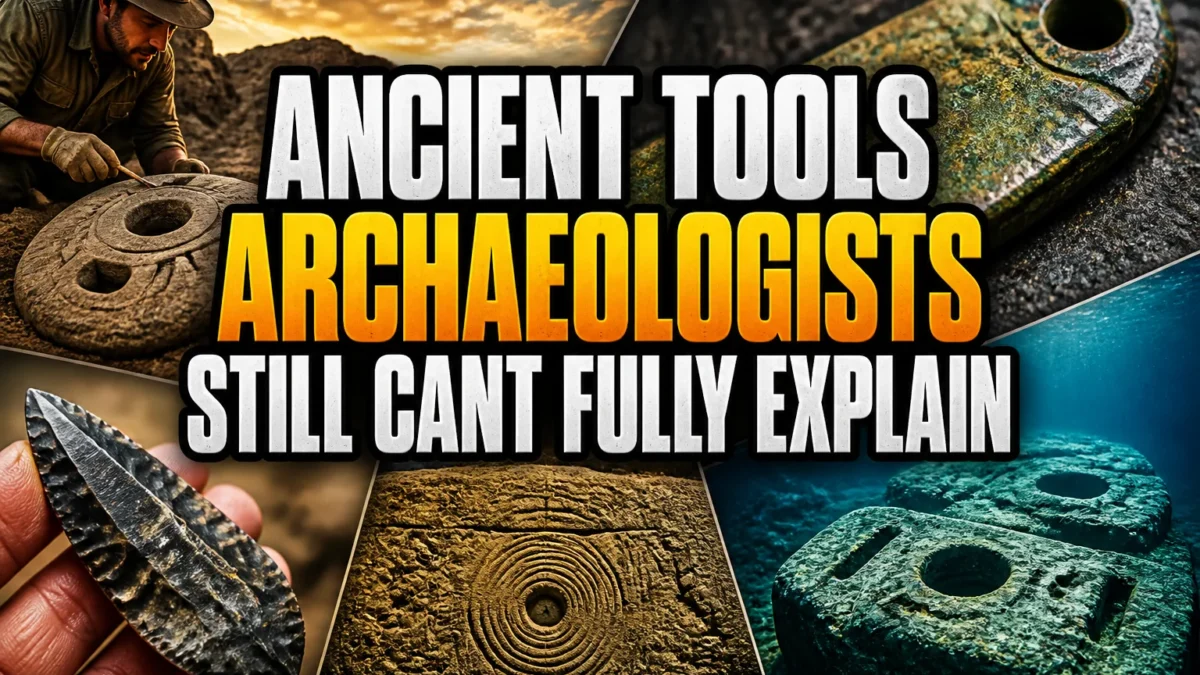
Archaeology is often framed as a puzzle with all the pieces eventually falling into place. Yet some of the most intriguing artifacts ever unearthed remain stubbornly mysterious, their purposes debated for centuries. From intricate geared devices to bizarre stone spheres, these ancient tools hint at knowledge and skill we are only beginning to grasp.
In this post, we examine 20 historic tools that continue to baffle experts. Each item is a genuine archaeological find, but its function, method of manufacture, or cultural significance is still open to interpretation. We will separate fact from speculation and explore the enduring questions these objects raise.
TL;DR: These 20 ancient tools—ranging from the Antikythera mechanism to the Baghdad Battery—remain unexplained, challenging our assumptions about ancient ingenuity.
1. Antikythera Mechanism
Discovered in a shipwreck off the Greek island of Antikythera in 1901, this bronze device is often called the world's first analog computer. Its complex system of at least 30 interlocking gears was designed to predict astronomical positions and eclipses.
Yet many details of its construction and use remain unclear. Scholars still debate whether it was a teaching tool, a navigation aid, or a prestigious display item. The precision of its gearing is extraordinary for its era, and no comparable device is known from the ancient world.
2. Damascus Steel Blades

Damascus steel swords, famed for their wavy patterns and legendary sharpness, were produced in the Middle East from around the 3rd to 17th centuries. The blades could supposedly slice through a silk scarf in midair, though such claims are likely exaggerated.
What truly mystifies researchers is the manufacturing process. The original ore sources and forging techniques appear to have been lost, and modern attempts to replicate the steel have met with limited success. The distinctive banding may result from trace elements like vanadium or from a specific smelting method now forgotten.
3. Roman Dodecahedra

Over 100 of these small, hollow bronze objects have been found across the Roman Empire, dating from the 2nd to 4th centuries AD. Each has 12 pentagonal faces, with circular holes of varying sizes and knobs at the corners. They are remarkably consistent in design yet completely absent from contemporary written records.
Proposed uses range from astronomical devices to knitting tools or even religious artifacts. None of these theories have been confirmed, and no ancient text mentions them. They remain one of archaeology's most enduring enigmas.
4. The Baghdad Battery
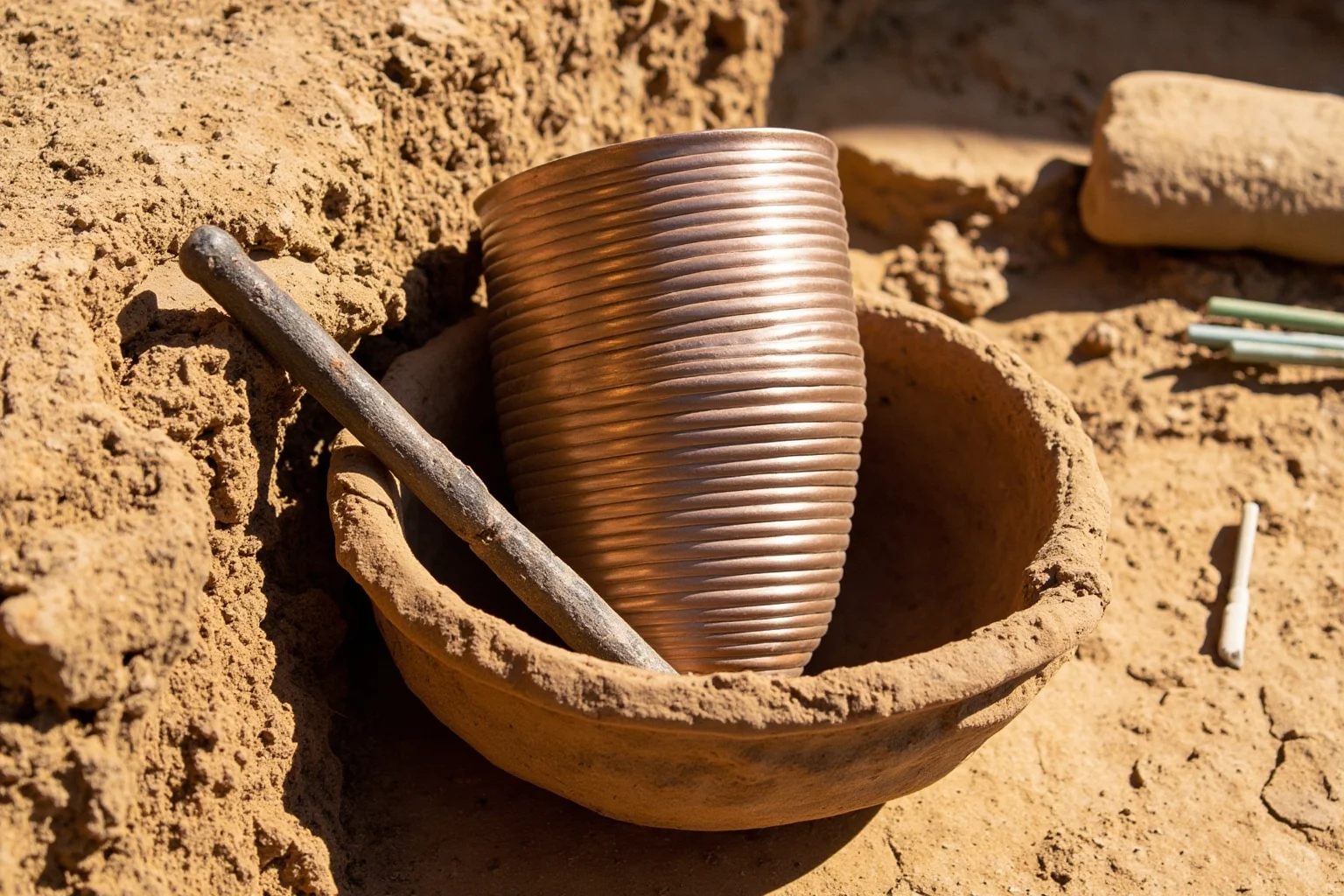
In 1936, a clay jar containing a copper cylinder and an iron rod was found near Baghdad, dating to the Parthian or Sassanid period. If filled with an acidic liquid like vinegar, it could generate a small electric current.
Some researchers suggest it may have been used for electroplating, but no ancient electroplated objects have been found in the region. Others argue it was simply a storage vessel for scrolls. The debate continues, and the "battery" label remains controversial.
5. Greek Fire

Greek fire was an incendiary weapon used by the Byzantine Empire, most famously to repel Arab sieges of Constantinople in the 7th and 8th centuries. It could burn on water and was projected from siphons on ships.
The exact recipe was a closely guarded state secret and is now lost. Historians have proposed mixtures including petroleum, quicklime, sulfur, and naphtha, but no definitive reconstruction exists. The weapon's precise mechanism and deployment also remain subjects of speculation.
6. The Nebra Sky Disk
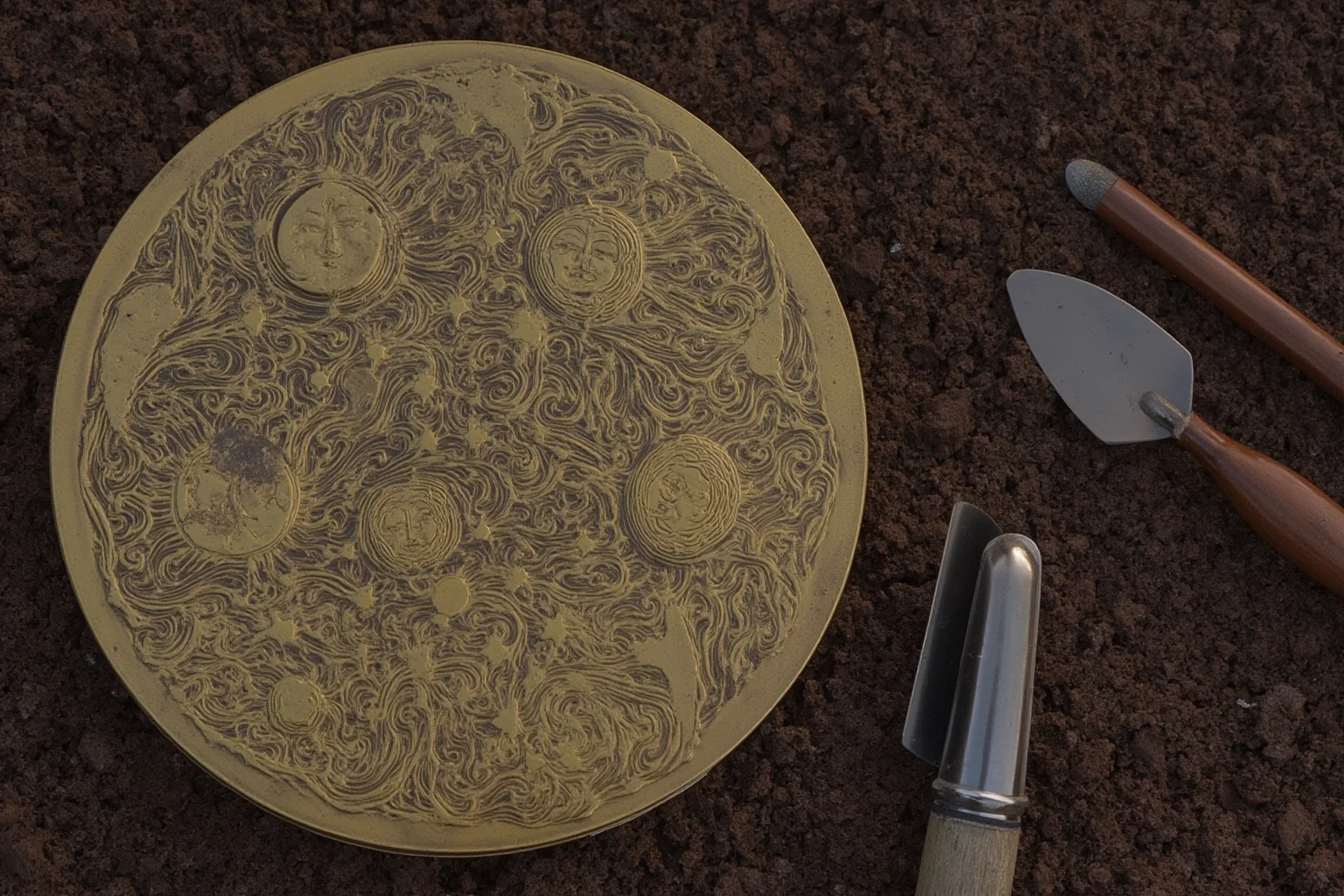
Unearthed in Germany in 1999, this bronze disk with gold appliqués is dated to around 1600 BC. It depicts the sun, moon, and stars, and is considered one of the oldest known representations of the cosmos.
Its function is still debated. Was it an astronomical instrument, a ritual object, or a calendar? The disk's unusual iconography and the circumstances of its discovery have led to discussions about its authenticity, though most scholars now accept it as genuine. Its precise role in Bronze Age society remains unclear.
7. The Piri Reis Map
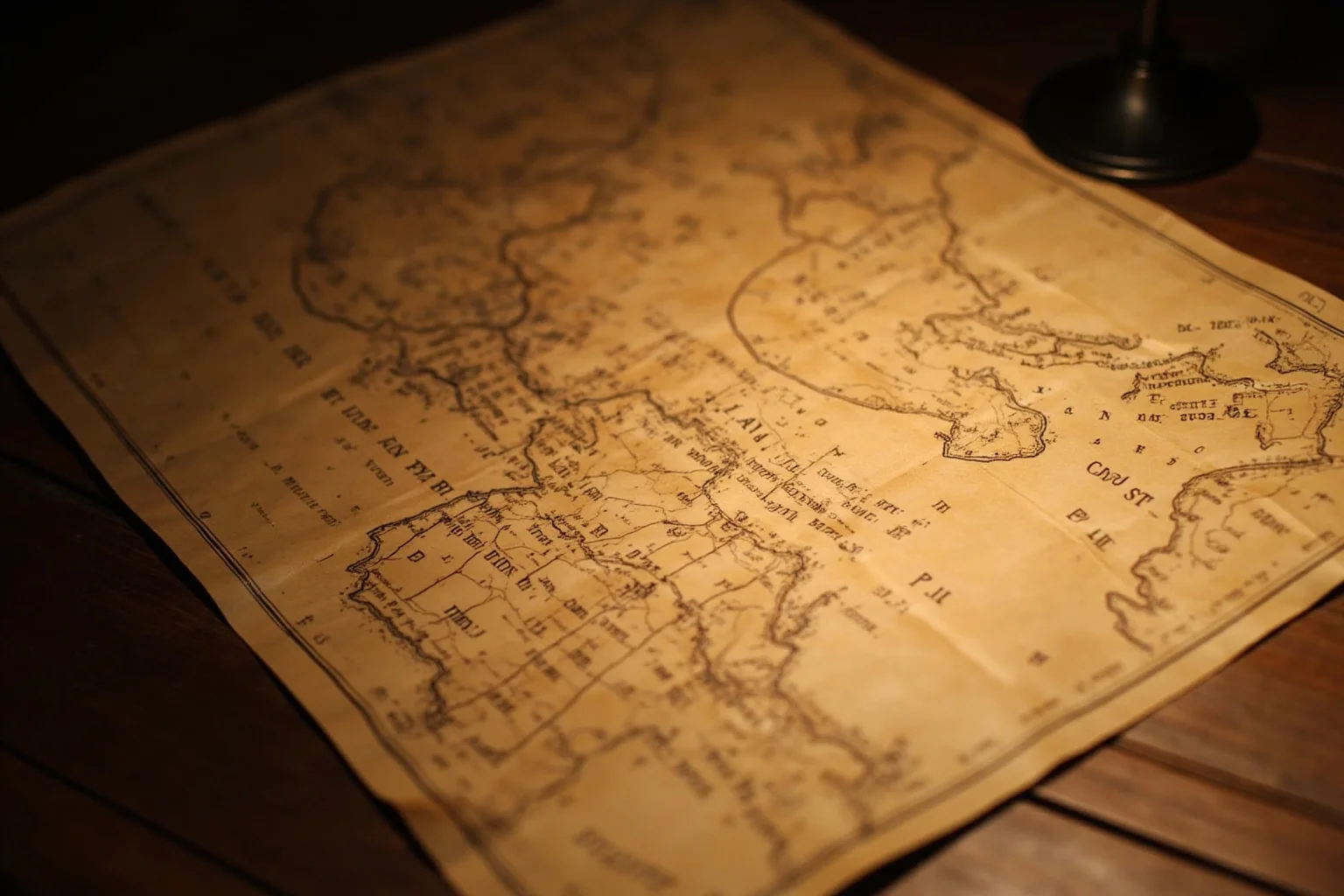
Drawn on gazelle skin in 1513 by Ottoman admiral Piri Reis, this map shows parts of Europe, Africa, and the Americas with surprising accuracy. It even appears to depict a ice-free Antarctica, which has fueled wild theories about advanced ancient civilizations.
However, most historians believe the map was compiled from multiple sources, including Columbus's charts and Ptolemaic maps. The apparent Antarctic coastline may be a misinterpretation or a result of projecting a spherical Earth onto a flat surface. The map's true sources and accuracy continue to be analyzed.
8. Viking Sunstone

Norse sagas mention a "sunstone" that allowed sailors to navigate even under cloudy skies. In 2013, a calcite crystal found in a 16th-century English shipwreck was proposed as a possible example.
Calcite can split light into two beams, potentially helping locate the sun's position. However, no Viking-era sunstone has been definitively identified, and the sagas may be literary inventions. The tool's existence and use remain hypothetical.
9. The Stone Spheres of Costa Rica

Hundreds of perfectly round stone spheres, some weighing up to 15 tons, were carved by the Diquís culture between 500 and 1500 AD. Their purpose is unknown; theories include astronomical markers, burial markers, or symbols of rank.
The precision of their roundness is remarkable given the lack of metal tools. How they were shaped and transported remains a mystery, and many were destroyed or moved before archaeological study.
10. The Iron Pillar of Delhi

This 7-meter-tall iron pillar, dating to the 4th century Gupta Empire, has resisted rust for over 1,600 years. Its metallurgical purity and the absence of corrosion have puzzled scientists.
Modern analysis suggests a thin layer of misawite (a phosphate compound) formed on the surface, protecting the iron. Yet the ancient smiths' ability to create such a massive, nearly pure iron object without modern furnaces is still impressive, and the exact forging method is not fully understood.
11. The Coso Artifact
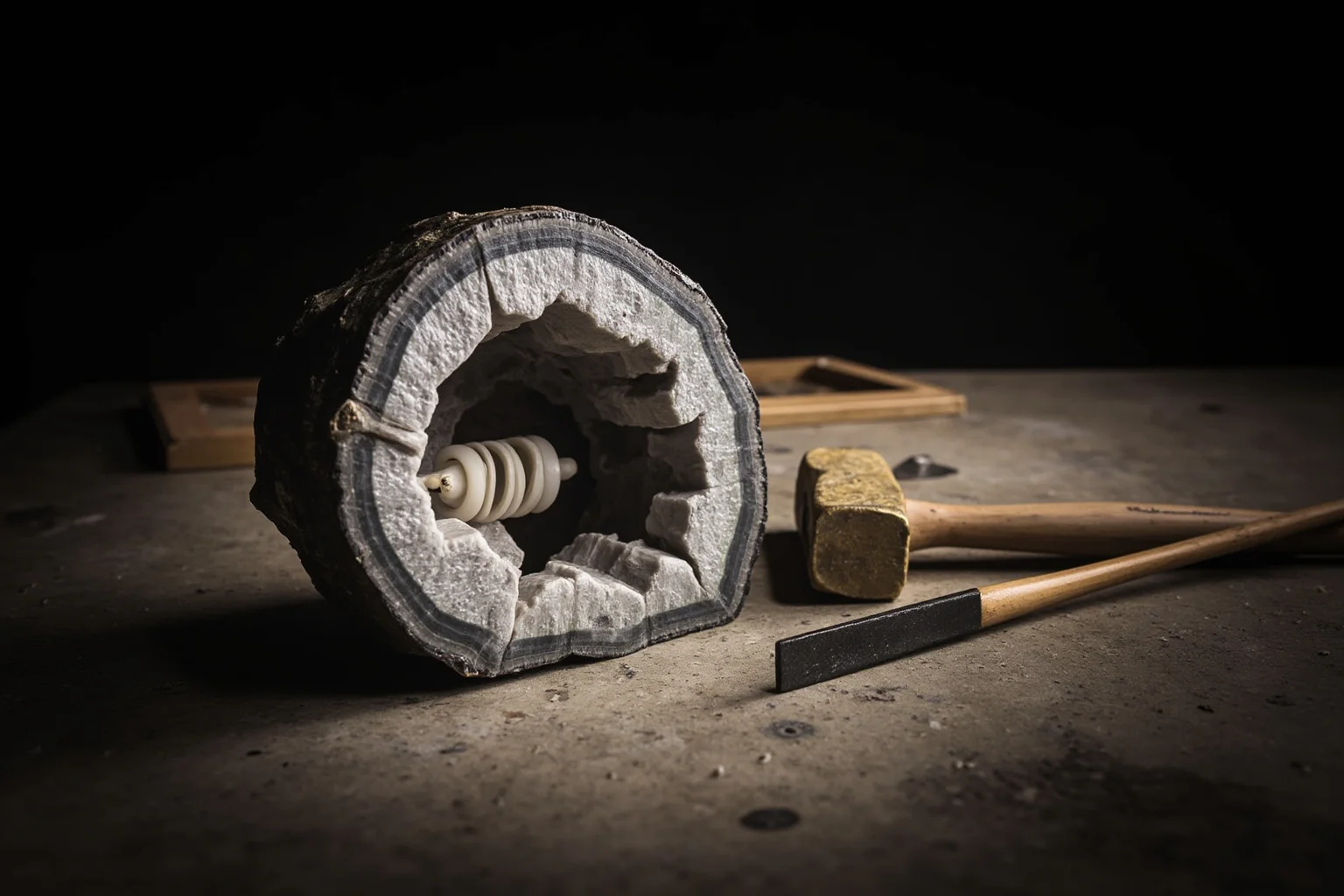
In 1961, a geode from California was found to contain a small spark plug-like object. Some claimed it was a 500,000-year-old advanced artifact, but analysis showed it was a 1920s Champion spark plug encased in a concretion.
The case is often cited as an example of pseudoscience, but it remains a cautionary tale about how unusual finds can be misinterpreted. It is not a genuine ancient tool, yet it still appears in discussions of unexplained artifacts.
12. The Voynich Manuscript

While technically a book, this 15th-century document contains bizarre illustrations of plants, astronomical diagrams, and an undeciphered script. Its purpose and meaning are completely unknown.
Many have tried to decode it, with claims ranging from a lost language to a hoax. Recent carbon dating confirms its age, but the text has resisted all attempts at translation. It may be a cipher, a natural language, or gibberish—no one knows.
13. The Shigir Idol

Carved from larch wood around 11,000 years ago, this tall statue from Russia is the oldest known wooden sculpture. It is covered in geometric patterns and faces, but its meaning is lost.
The idol was found in a peat bog, which preserved it. Its intricate carvings suggest a complex symbolic system, yet no comparable artifacts exist to help interpret it. Its function—religious, territorial, or something else—remains a mystery.
14. The Lanzhou Stone
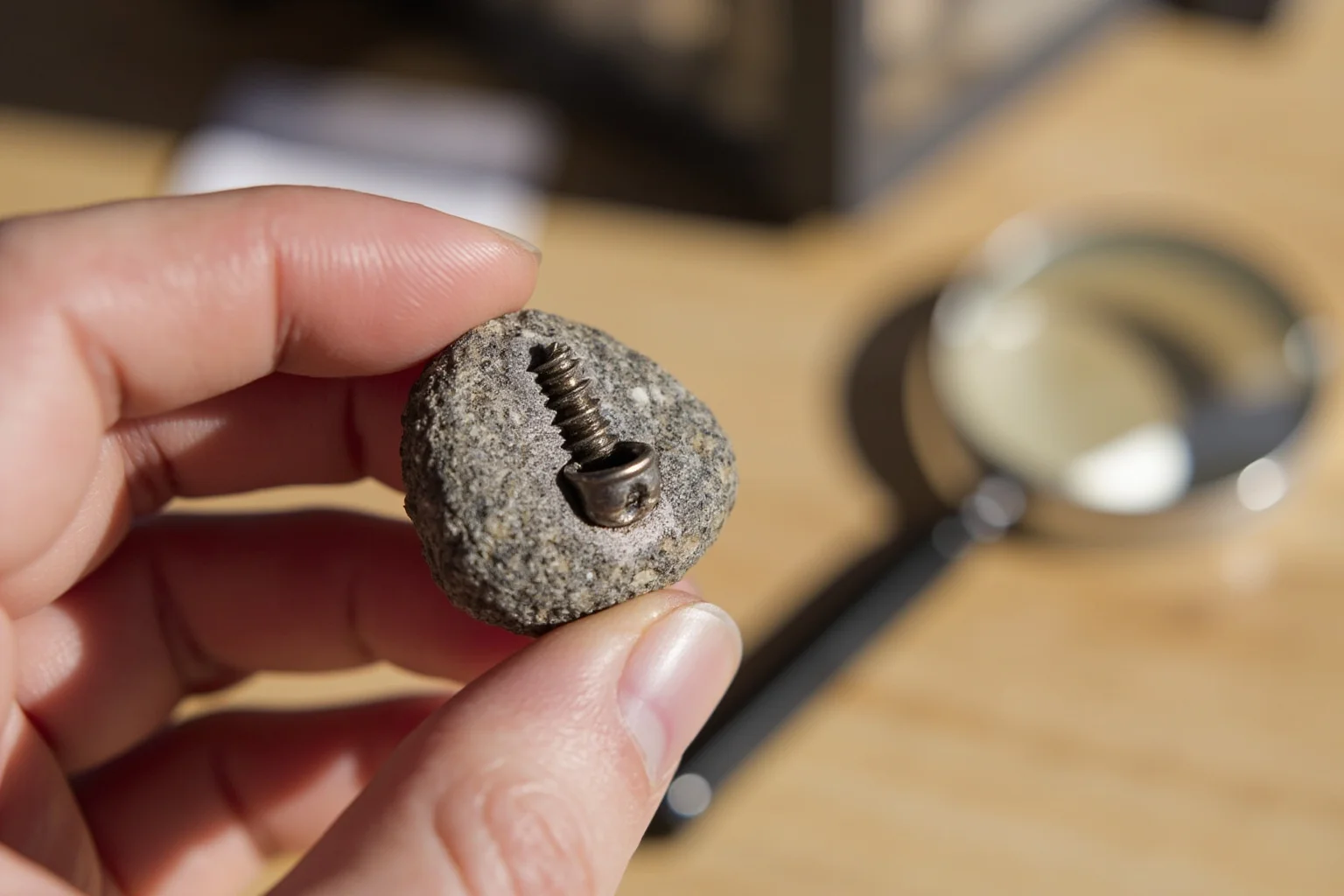
A small stone found in China in 2002 contains a metallic screw-like object. Some claim it is evidence of ancient aliens, but geologists argue it could be a natural formation or a modern artifact embedded in rock.
The stone has not been scientifically studied in detail, and its true nature is uncertain. It is often cited in fringe theories but lacks credible archaeological context.
15. The Baigong Pipes

In China's Qaidam Basin, dozens of pipe-like structures were found in a cave and nearby lakebed. Some are iron, others stone, and they appear to be thousands of years old.
Analysis suggests the iron pipes may be fossilized tree roots or natural formations, but the uniformity of some structures is striking. The site has been proposed as evidence of ancient industrial activity, though no consensus exists. Further study is needed to determine their origin.
16. The Greek Analog Computer (Antikythera Again)

While already mentioned, the Antikythera mechanism deserves a second look because new imaging techniques continue to reveal hidden inscriptions and gear functions. In 2021, researchers announced a new model of the universe based on the device.
Yet we still don't know who built it or why it was on a Roman ship. Its level of miniaturization was not seen again for over a thousand years, making it an anomaly in the history of technology.
17. The Roman Concrete Recipe
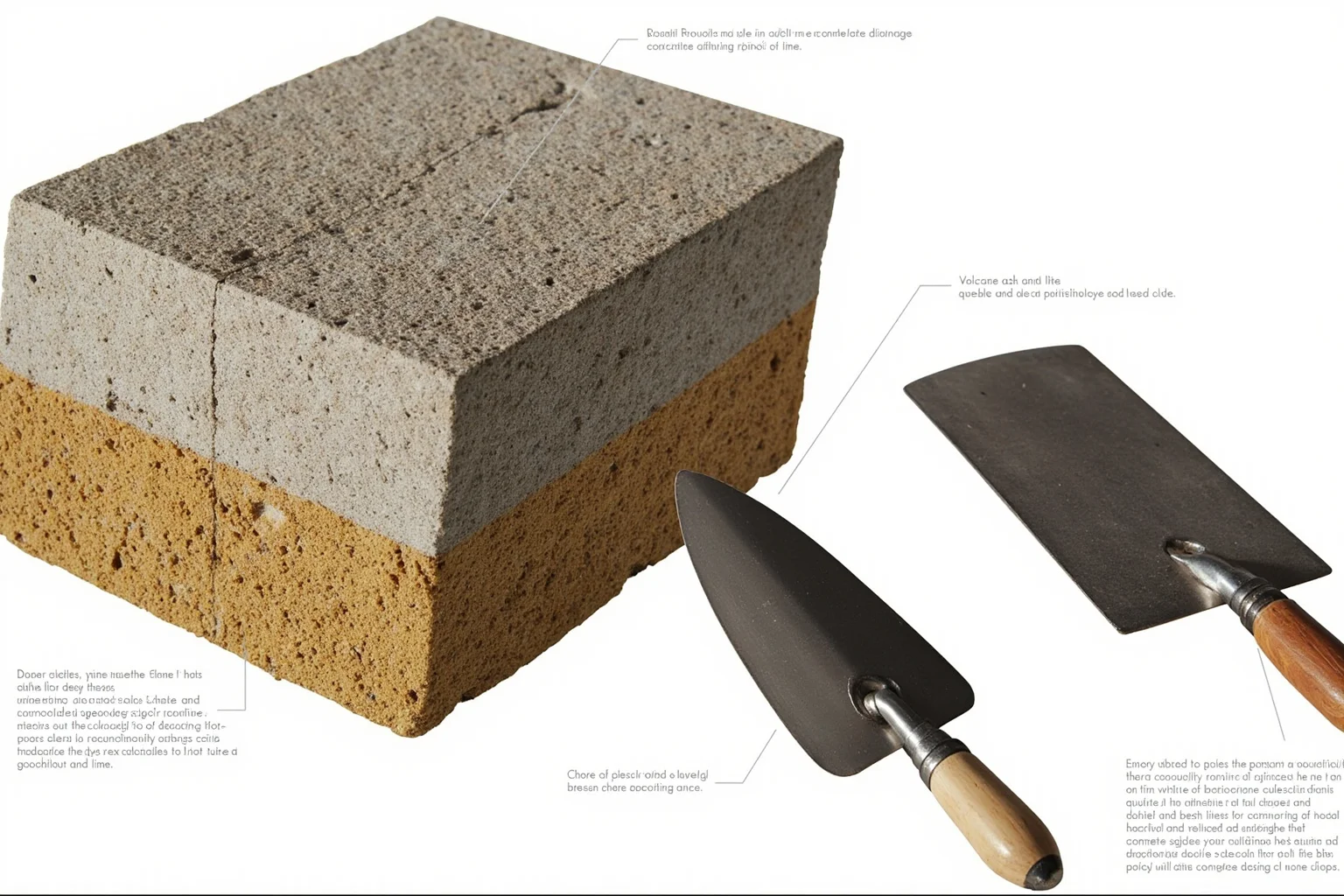
Roman concrete, used in structures like the Pantheon and Colosseum, has withstood millennia while modern concrete often crumbles in decades. The exact recipe was lost after the fall of Rome.
Recent studies show that volcanic ash and seawater played key roles, and that the Romans may have used quicklime in a way that created self-healing properties. However, the full process and the reasons for its durability are still being investigated. It is a tool of construction that defies easy replication.
18. The Nimrud Lens

A rock crystal lens found in the Assyrian city of Nimrud dates to the 7th century BC. It is slightly convex and could have been used as a magnifying glass or even a burning lens.
Some suggest it was part of a telescope, but that is highly speculative. The lens may have been purely decorative or used for starting fires. Its precise purpose remains unknown, and it is the only such object from that time and place.
19. The Phaistos Disc
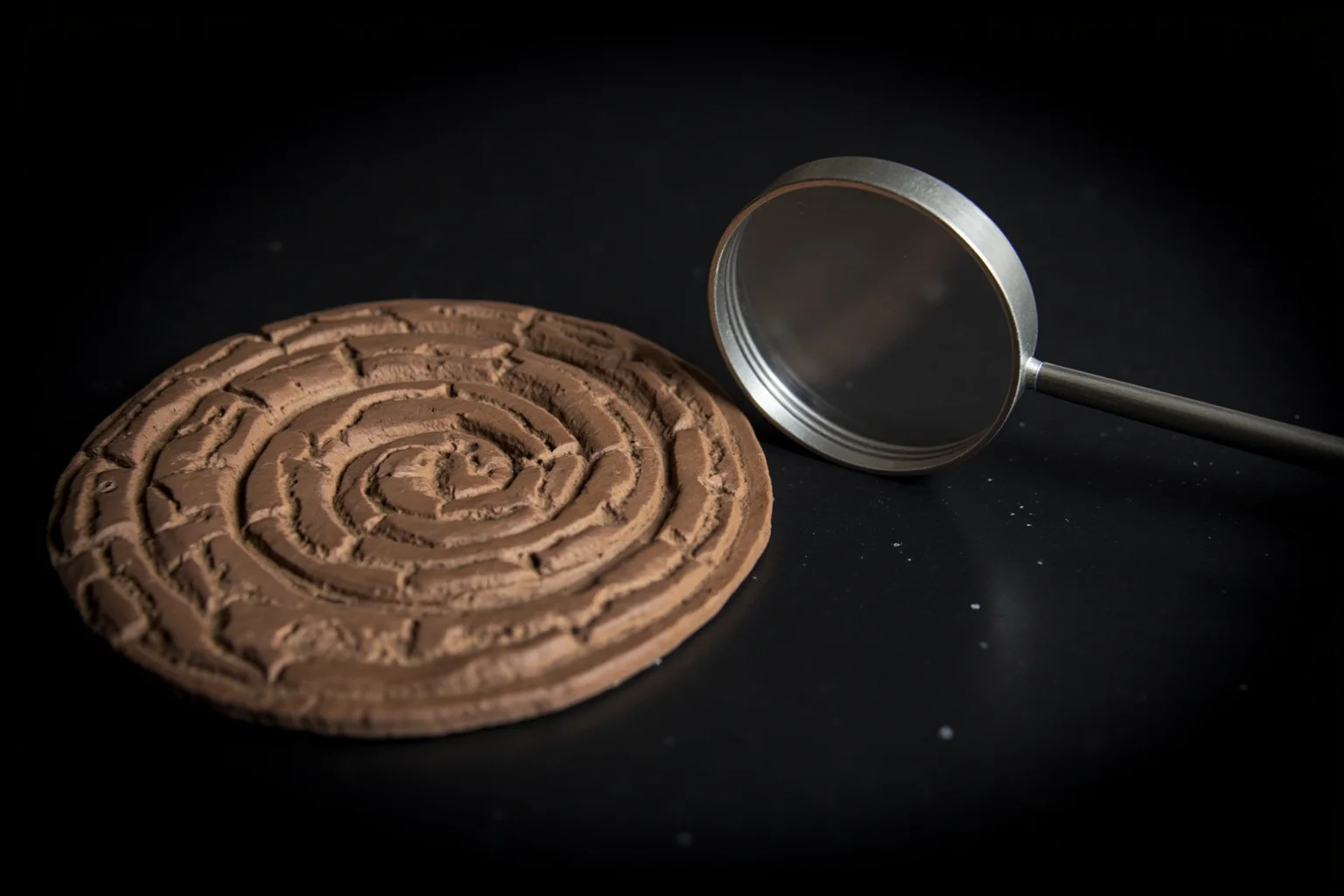
Discovered in Crete in 1908, this fired clay disc is stamped with symbols arranged in a spiral. It dates to the Minoan civilization, around 1700 BC, and its script is undeciphered.
The disc is unique; no other object with the same script has been found. It may be a religious text, a calendar, or a game. Without a key, its meaning is lost, and it remains one of the most famous undeciphered artifacts.
20. The Ubaid Lizardmen Figurines

Small clay figurines from the Ubaid period in Mesopotamia (c. 4000 BC) depict humanoid figures with lizard-like heads. Their purpose is unclear; they may represent deities, demons, or masked priests.
Some fringe theories link them to aliens, but archaeologists consider them part of local religious iconography. Their exact role in Ubaid society is unknown, and no written records explain them.
Why These Tools Matter
These ancient tools challenge our assumptions about the past. They show that human ingenuity is not a linear progression and that knowledge can be lost. Studying them helps us appreciate the complexity of ancient cultures and the limits of our own understanding.
Moreover, they remind us that archaeology is an ongoing process. New technologies and discoveries may one day solve these mysteries, or they may deepen them further. Either way, the quest to understand these tools is a quest to understand ourselves.
Tools from Ancient Greece: A Special Case
Among the artifacts on this list, several come from ancient Greece, including the Antikythera mechanism and the Phaistos Disc. Ancient Greek tools often display a level of sophistication that seems ahead of its time.
The Greeks are also credited with inventions like the water mill, the odometer, and the dioptra, a surveying instrument. Yet even these well-documented tools have aspects that puzzle historians, such as the exact methods of their use and the extent of their distribution.
When people ask about tools from ancient Greece, they often expect simple hand tools, but the reality is far more complex. Greek engineers created devices that would not be equaled for centuries. This makes the study of ancient Greek technology a fascinating and humbling endeavor.
Common Misconceptions About Ancient Tools
One popular myth is that ancient people possessed advanced technology given by aliens or lost civilizations. While it is true that some artifacts are unexplained, there is no credible evidence for extraterrestrial intervention.
Another misconception is that all ancient tools are primitive. In fact, many were highly specialized and required deep knowledge of materials and mechanics. The mystery often lies not in the tool's existence but in the details of its manufacture or purpose.
Finally, some assume that if we can't explain a tool, it must be supernatural. Historians and archaeologists prefer natural explanations and continue to investigate with scientific methods.
Conclusion
The 20 ancient tools in this list are not just curiosities; they are windows into lost worlds. Each one raises questions about what ancient people knew and how they applied that knowledge. While some may eventually be explained, others may remain enigmas forever.
Exploring these historic tools reminds us that history is not a closed book. There is always more to discover, and sometimes the most ordinary-looking object can hold extraordinary secrets. So the next time you see an ancient artifact, remember: it might be waiting to tell a story we are not yet ready to hear.
Frequently Asked Questions
What are some tools from ancient Greece that still puzzle archaeologists?
The Antikythera mechanism is the most famous example, a geared device for predicting celestial events. Other puzzling Greek tools include the dioptra, a surveying instrument whose exact applications are debated, and the Phaistos Disc, which bears an undeciphered script.
What are some common ancient tools names?
Common ancient tools include the hand axe, sickle, plow, loom, potter's wheel, and the abacus. Specific names vary by culture, such as the Roman dolabra (a pickaxe) or the Greek dioptra (a surveying tool).
Why can’t archaeologists fully explain these ancient tools?
Often because there are no written records, the tools are unique with no comparanda, or the manufacturing techniques were lost. In some cases, later contamination or misinterpretation has muddied the evidence.
Are any of these tools evidence of ancient advanced technology or aliens?
No credible evidence supports extraterrestrial involvement. While some artifacts show surprising sophistication, they are best explained by human ingenuity within their historical contexts. Claims of ancient aliens are pseudoscience.
What is the most mysterious ancient tool ever found?
The Antikythera mechanism is often cited as the most mysterious due to its complexity and lack of parallels. Other strong contenders include the Baghdad Battery and the Voynich Manuscript, though the latter is a book rather than a tool.

Alex Warren
Related Articles