TL;DR: Most out of place artifacts are genuine objects with misunderstood contexts, but a few remain genuinely puzzling—and these 25 cases show why healthy skepticism matters more than sensationalism.
Introduction: Why Out of Place Artifacts Capture Our Imagination
Out of place artifacts—often abbreviated as OOPArts—are objects found in contexts that seem to contradict established history. They spark headlines, fuel documentaries, and inspire endless speculation about lost civilizations and ancient technology. Weird artefacts and strange artifacts alike make us wonder: did we get the timeline wrong?
The truth is more nuanced. Many so-called out of place artifacts are genuine objects with misunderstood origins, while others are outright false artifact claims or misidentifications. In this post, we'll explore 25 strange artifacts found where they shouldn't be—separating historical fact from pseudohistorical fiction. We'll cover everything from Roman coins in unexpected places to geological oddities that seem to defy time.
This is not a debunking exercise for its own sake. Instead, it's a celebration of how real archaeology works: through careful analysis, context, and often boring but important details like stratigraphy and provenance. If you enjoy this kind of myth-busting, you might also like our post on random history facts you've never heard before. By the end, you'll understand why some anomalies remain genuinely puzzling and why many others have perfectly reasonable explanations.
What Are Out of Place Artifacts?
The term "out of place artifact" (OOPArt) was coined by American naturalist Ivan T. Sanderson in 1967. It refers to any object found in a geological or archaeological context that seems impossible given its supposed age or technology. For example, a modern-looking spark plug encased in ancient rock would be an OOPArt.
However, the concept is controversial. Many archaeologists reject the term because it implies a mystery where none exists. Often, the "out of place" aspect comes from faulty dating, misidentification, or outright hoaxes. Weird artefacts that make headlines usually turn out to have mundane explanations. For a broader look at genuine artifacts that are impressive without being out of place, see our list of incredible artifacts ever uncovered.
Still, the appeal is undeniable. Strange artifacts challenge our assumptions about the past. They force us to ask: how do we know what we know? And could there be things we've missed? In this post, we'll look at 25 cases, each with its own story. Some are genuine enigmas; others are cautionary tales about jumping to conclusions.
1. The Antikythera Mechanism

In 1901, divers exploring a Roman-era shipwreck near the Greek island of Antikythera found a corroded lump of bronze. For decades, it sat in a museum, ignored. Then, in the 1970s, X-ray imaging revealed a complex array of gears inside.
The Antikythera Mechanism is now recognized as an ancient Greek analog computer, dating to around 100 BCE. It could predict astronomical positions and eclipses decades in advance. Nothing of comparable complexity appears in the historical record for at least another thousand years.
Is it out of place? Not in the sense of being anachronistic—it was built by Greeks, after all. But its technological sophistication is staggering. It shows that ancient engineers were capable of far more than we often assume, and it remains one of the most remarkable strange artifacts ever recovered.
2. The London Hammer
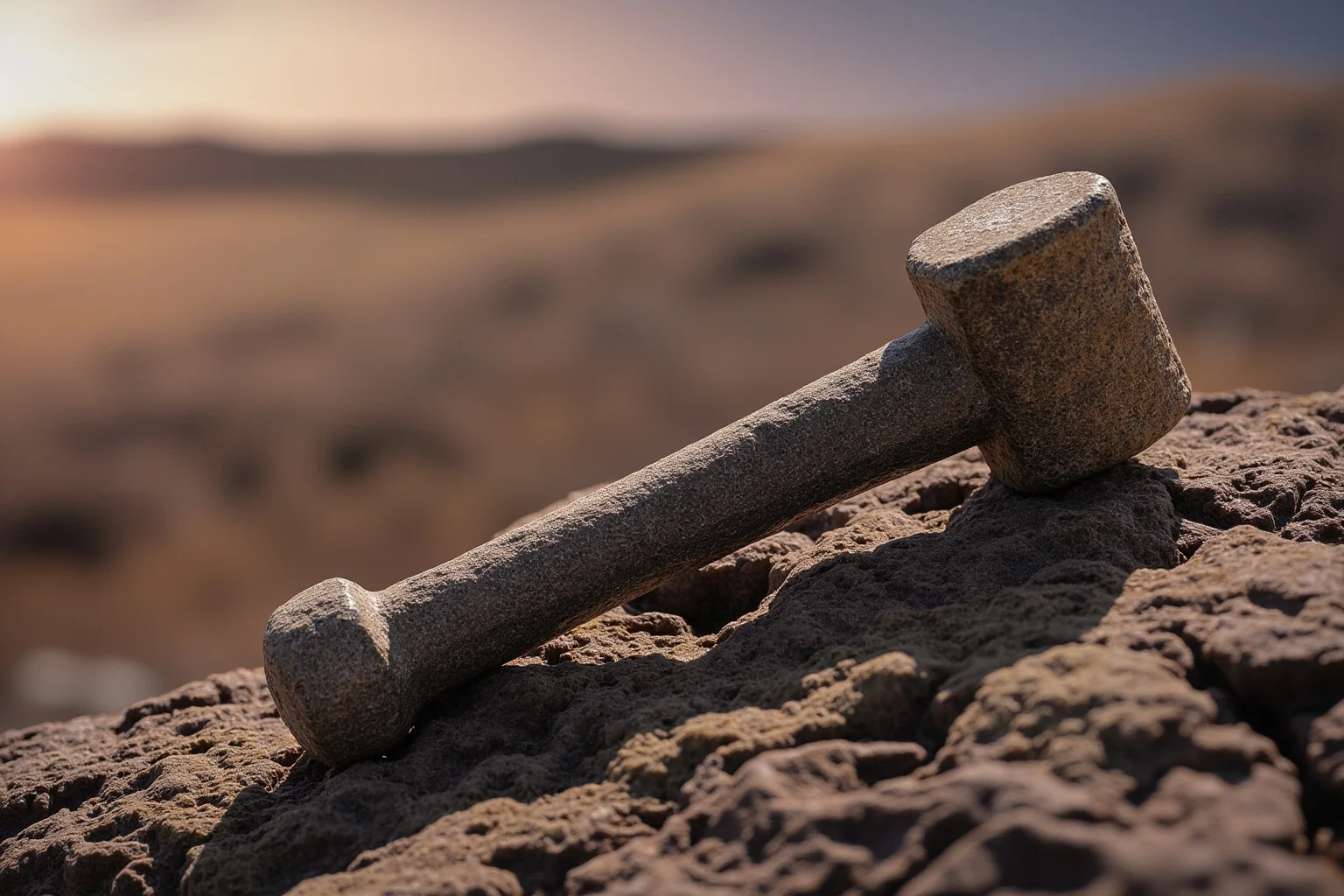
In 1934, a hammer was found embedded in a rock concretion near London, Texas. Creationists seized on it as evidence that humans lived alongside dinosaurs, since the rock was dated to the Cretaceous period—over 65 million years ago.
However, geological analysis told a different story. The hammer's handle was made of modern wood, and the metal head was of a type consistent with 19th-century tools. The rock concretion, while old, had formed around the hammer relatively recently.
This is a classic false artifact: a genuine object that seems out of place until you examine the context. The London Hammer is now a textbook example of how out of place artifacts can be misinterpreted.
3. The Piri Reis Map
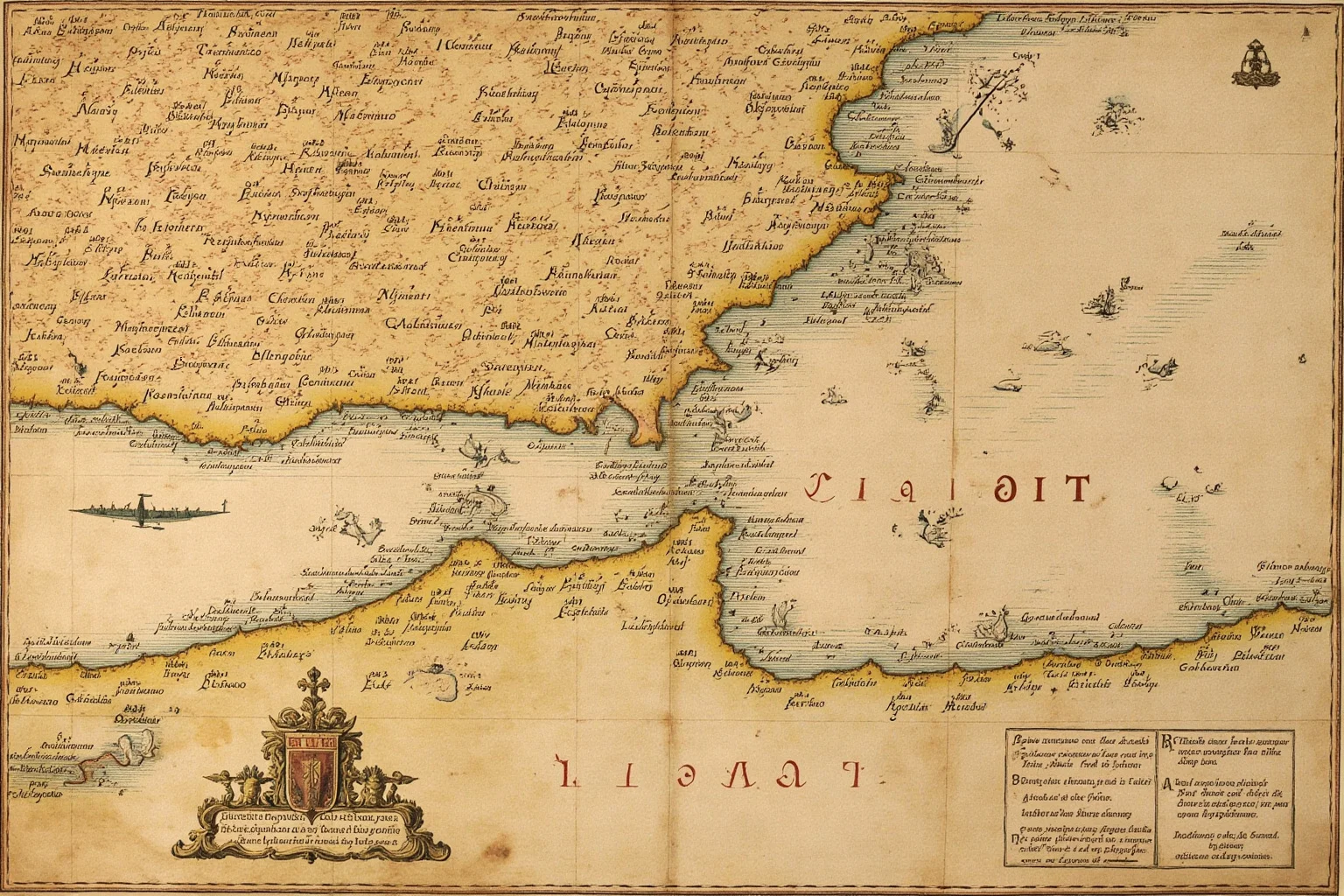
Drawn in 1513 by Ottoman admiral Piri Reis, this map shows the coasts of Europe, Africa, and South America with surprising accuracy. Some claim it depicts Antarctica's coastline as it looked before ice cover, implying ancient knowledge of the continent.
Historians point out that the map's "Antarctica" is likely a misinterpretation of South American geography, stretched and distorted. Piri Reis himself stated he compiled it from older maps, some dating to the time of Alexander the Great. For more on how ancient stories and myths get reinterpreted, see our guide to famous and lesser-known Greek myths.
While the map is a fascinating weird artefact, it does not prove pre-modern knowledge of Antarctica. It does, however, show the sophisticated cartography of the Ottoman Empire.
4. The Coso Artifact
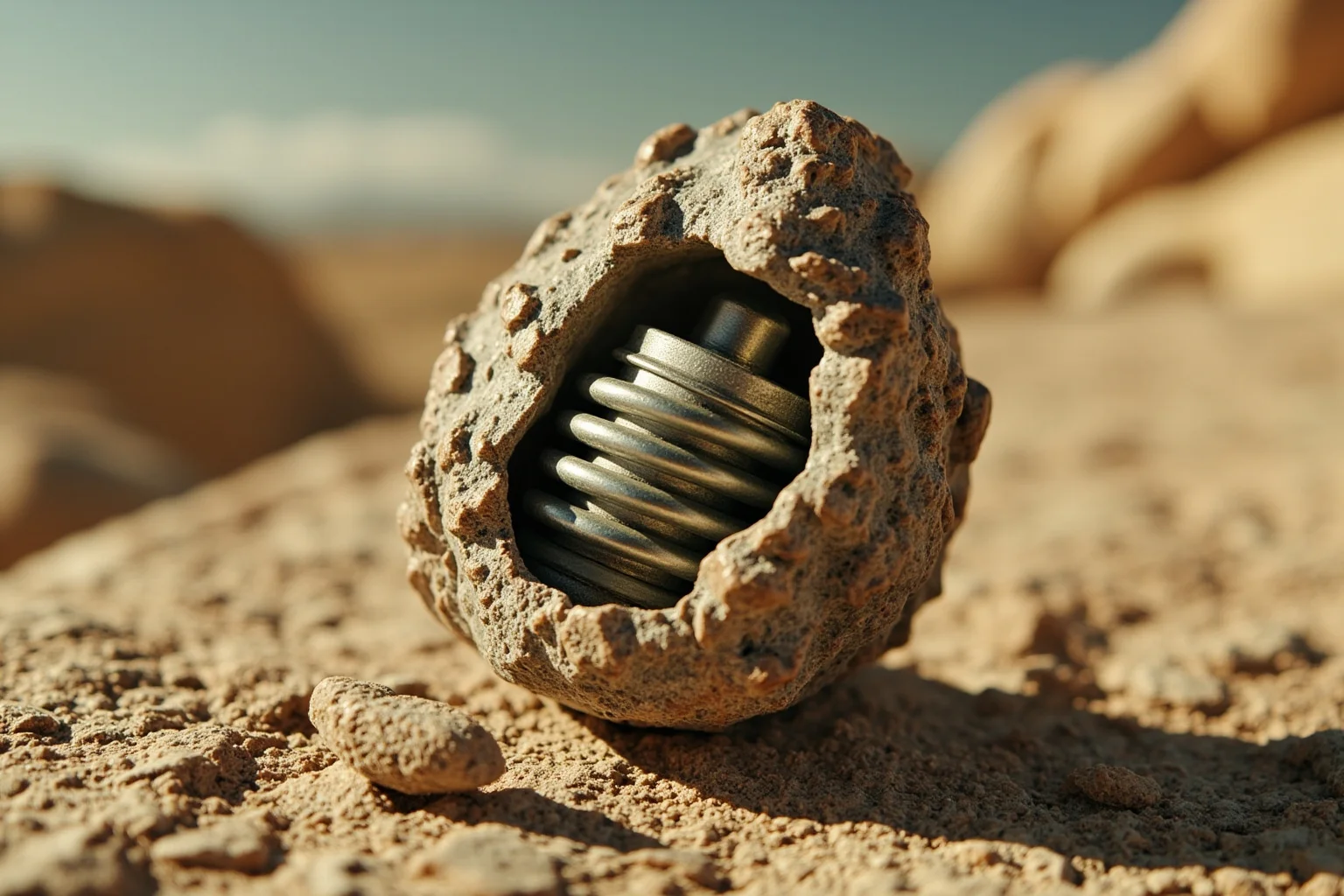
In 1961, a spark plug was found inside a geode in California's Coso Mountains. The discovery sparked claims that ancient humans had access to advanced technology, or that the object was evidence of extraterrestrial visitation.
Investigations revealed that the spark plug was a 1920s Champion brand, and the "geode" was actually a concretion of rust and dirt that had formed around it. The object had likely been dropped by a miner decades earlier.
The Coso Artifact is a prime example of a strange artifact that turned out to be entirely mundane. It's a reminder that out of place artifacts often have simple explanations.
5. The Baghdad Battery

In 1936, a small clay jar containing a copper cylinder and an iron rod was found near Baghdad. Some researchers suggested it could be a galvanic cell—a battery—used for electroplating gold onto silver objects.
Other scholars argue it was simply a storage vessel for scrolls. No wires or conductors were found with it, and ancient Mesopotamian texts don't mention electricity. The "battery" interpretation is speculative at best.
This is a case where an out of place artifact claim gained popularity before rigorous testing. It remains an interesting weird artefact, but not proof of ancient electricity.
6. The Dropa Stones
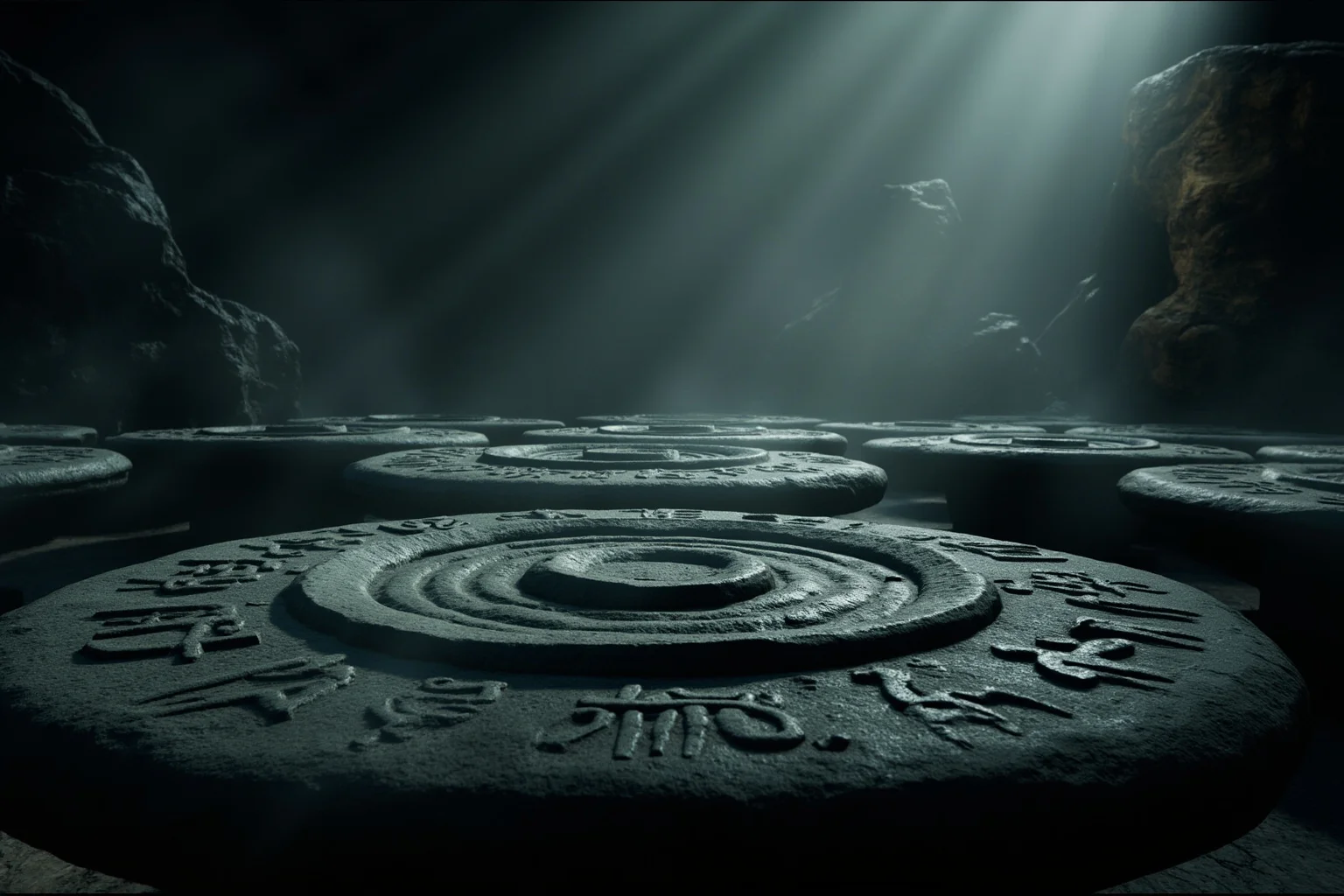
In 1938, Chinese archaeologist Chi Pu Tei allegedly found stone discs in caves near the Chinese-Tibetan border. The discs were said to have spiral grooves containing tiny hieroglyphs telling of an alien race called the Dropa.
The story is almost certainly a hoax. No physical evidence of the discs exists in any museum, and the original account has been debunked repeatedly. The "Dropa" name itself comes from a misreading of a local tribe's name.
The Dropa Stones are a classic false artifact—a fabricated story that became popular in pseudohistorical circles. They illustrate how easily strange artifacts can be invented.
7. The Ica Stones
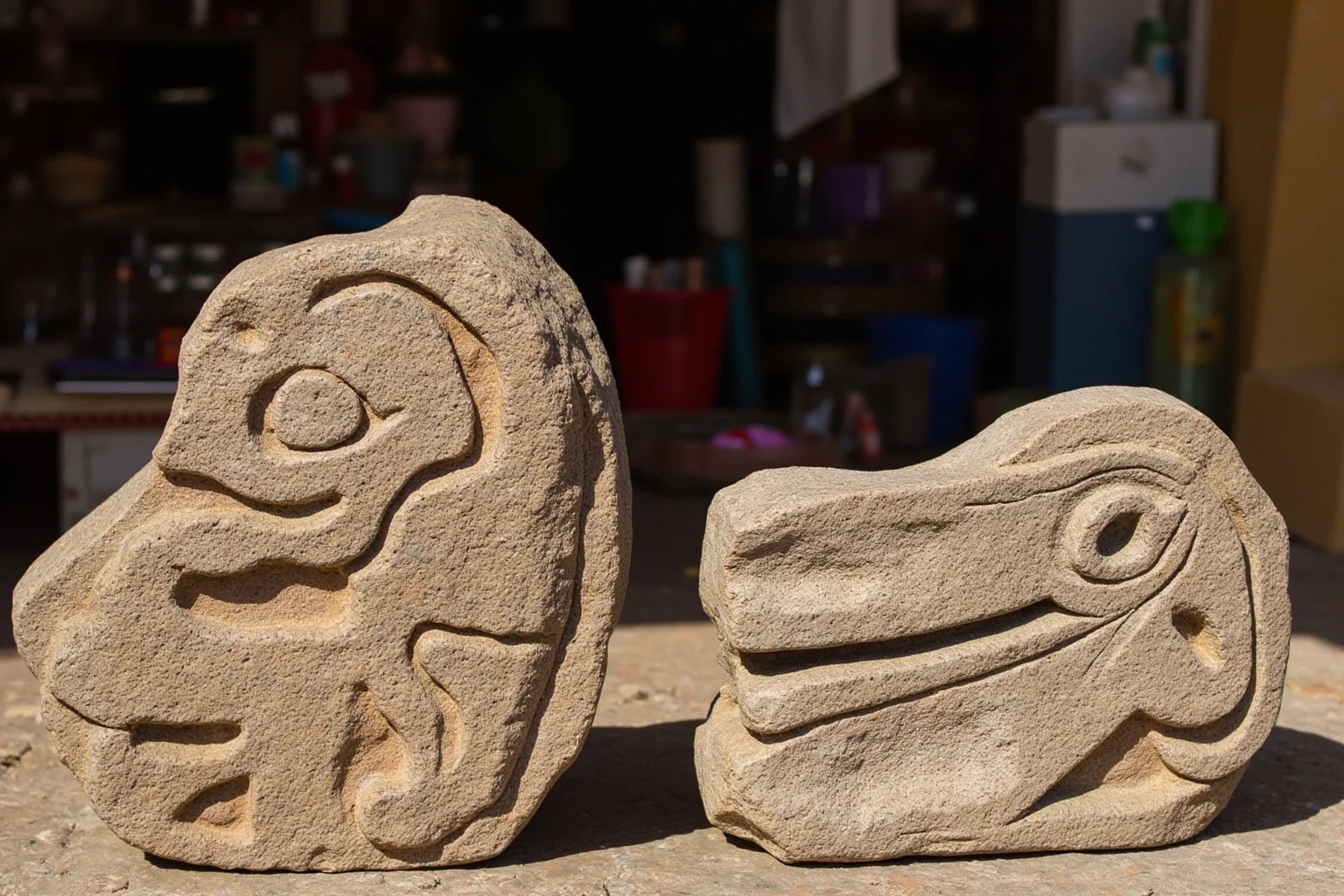
Starting in the 1960s, thousands of carved stones appeared in Ica, Peru. They depict dinosaurs, advanced surgery, and other anachronistic scenes. Local farmer Basilio Uschuya admitted in 1977 that he had carved many of them himself.
Despite this confession, some continue to cite the Ica Stones as evidence of ancient contact with aliens or lost civilizations. The stones are now widely regarded as forgeries.
This is a clear case of a false artifact created for profit. It shows how the market for out of place artifacts can incentivize fraud.
8. The Shroud of Turin
Radiocarbon dating in 1988 placed the Shroud of Turin between 1260 and 1390 CE, suggesting it is a medieval creation. Yet believers argue it is the burial cloth of Jesus, bearing his image.
Scientists have proposed various explanations for the image, including a medieval photographic technique or a burst of radiation. None are conclusive, and the debate continues.
While the Shroud is a religious relic, it is also a strange artifact that challenges our understanding of medieval technology and belief. For more on the strange and sometimes unsettling side of medieval creativity, see our post on the creepiest pieces of medieval art. It remains one of the most studied out of place artifacts.
9. The Maine Penny
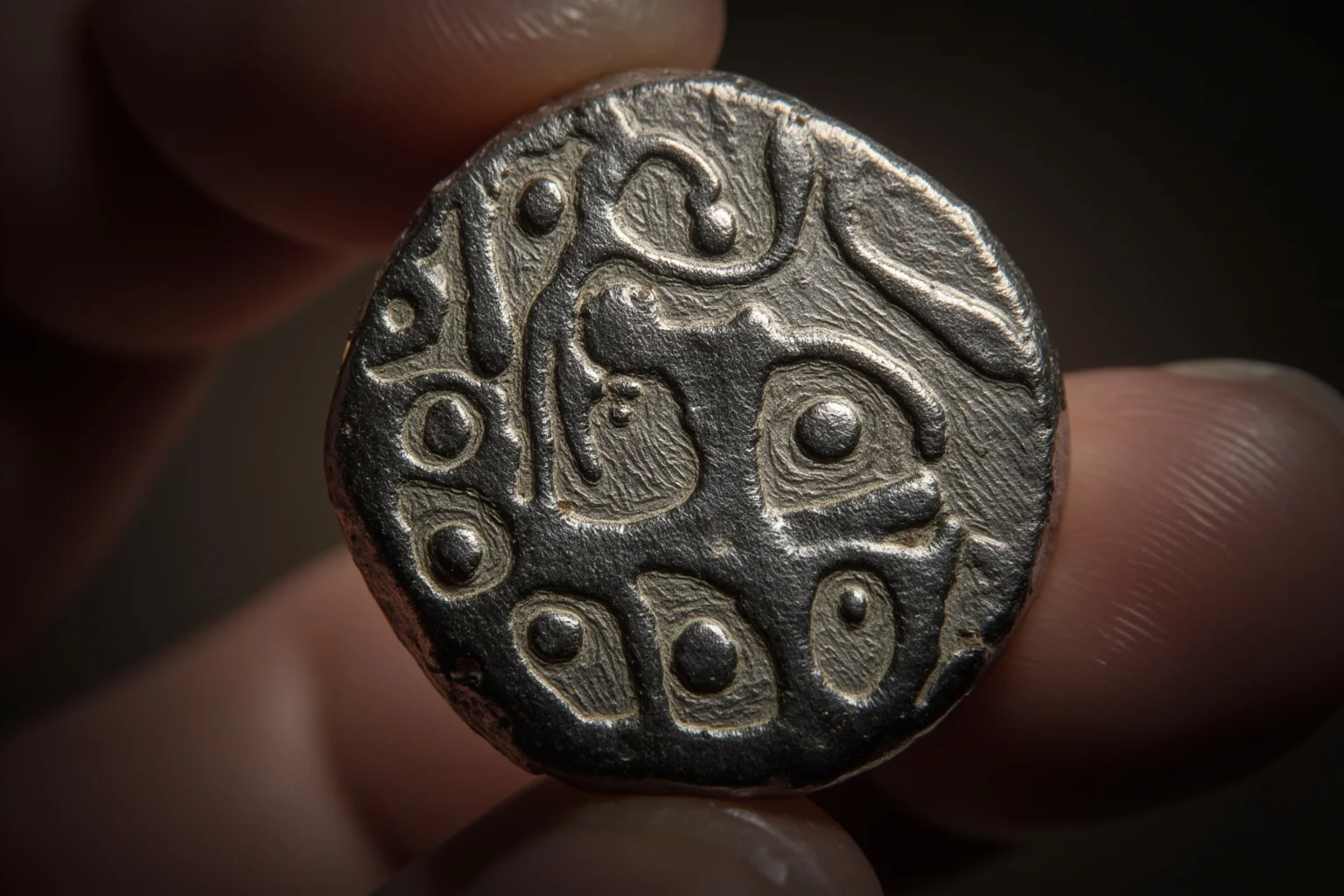
In 1957, a silver penny was found at an archaeological site in Maine. Minted in Norway between 1065 and 1080 CE, it is the only pre-Columbian Norse coin found in the United States.
Does it prove Vikings reached Maine? Not necessarily. The coin could have been traded through native networks over centuries. It's a genuine weird artefact, but its context is debated.
Still, the Maine Penny is a tantalizing hint of early European contact with North America. It's a legitimate out of place artifact that continues to intrigue researchers.
10. The Wolfsegg Iron
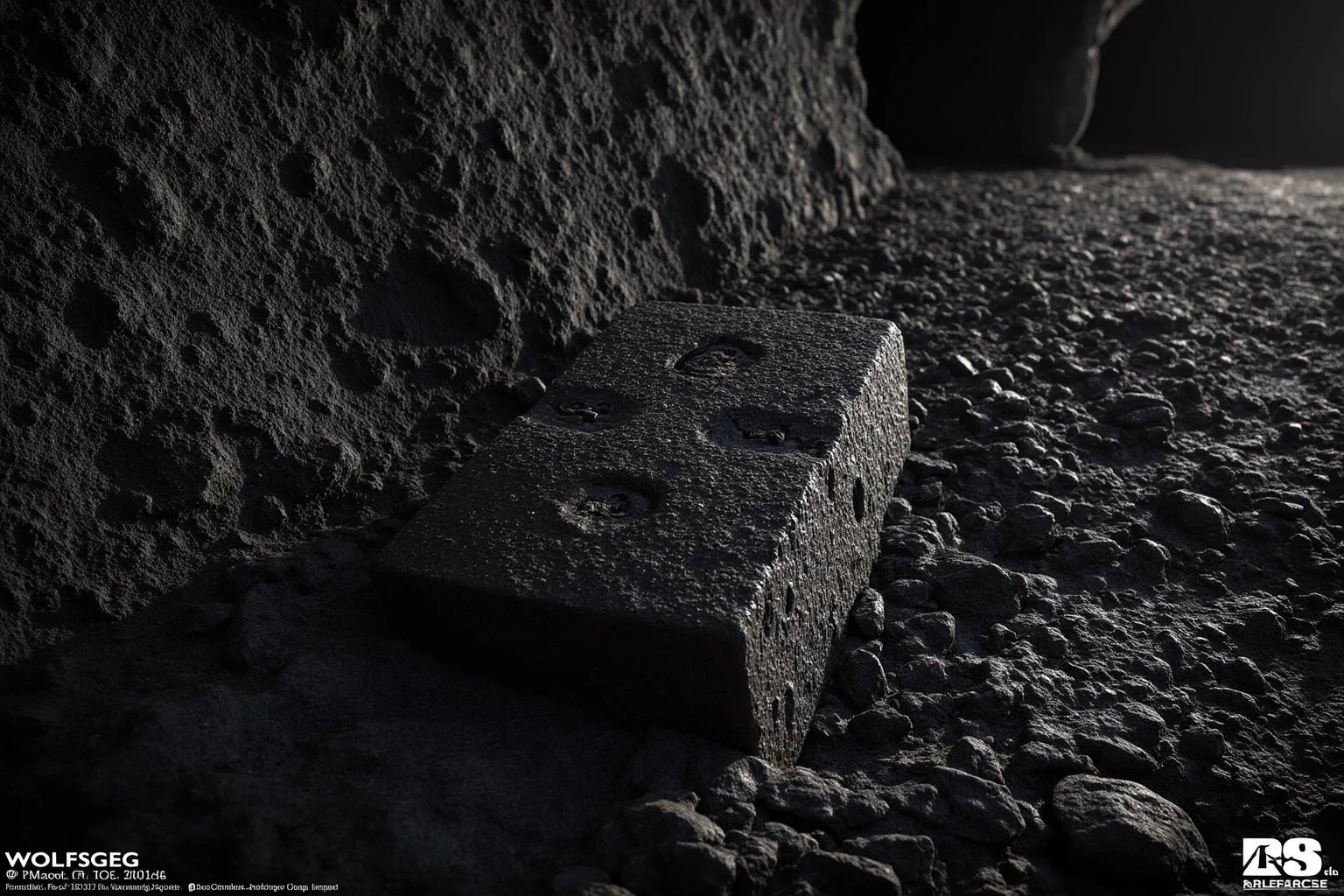
In 1885, a block of iron was found inside a coal seam in Austria. Dubbed the "Wolfsegg Iron," it was initially thought to be a meteorite. Later analysis showed it was a piece of cast iron, likely from a mining tool.
The coal seam was dated to the Tertiary period, millions of years ago, leading to claims of ancient technology. But the iron's shape and composition suggest it was a 19th-century artifact that fell into the seam.
This is a classic case of a strange artifact that seemed out of place until geological context was properly understood.
11. The Klerksdorp Spheres
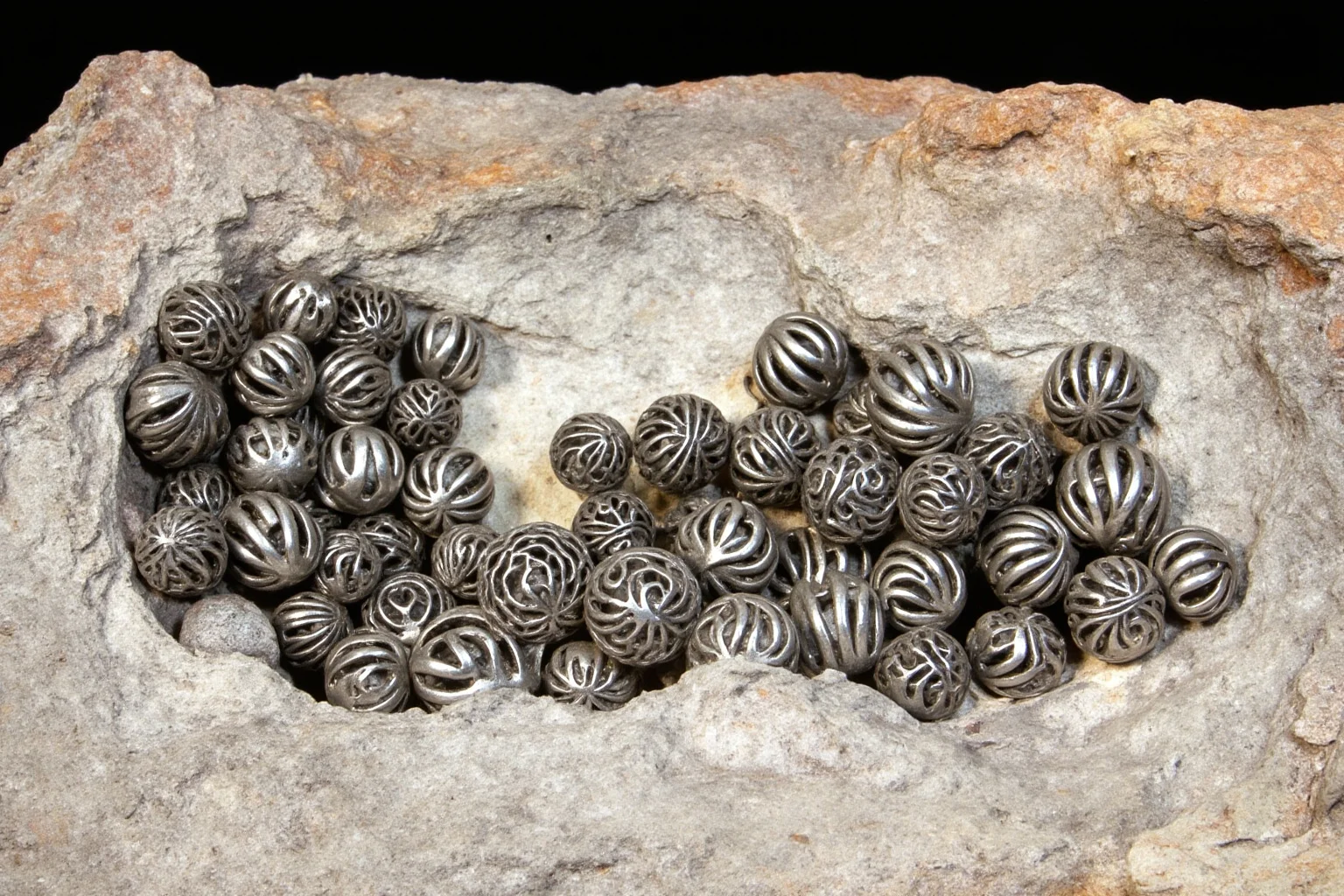
In South Africa, miners found small metal spheres with grooves in pyrophyllite deposits, dated to 2.8 billion years ago. Some claimed they were manufactured by ancient civilizations or aliens.
Geologists identified them as natural concretions formed by mineral precipitation. Similar spheres occur in many geological settings.
The Klerksdorp Spheres are a good example of how natural processes can create objects that look artificial. They are out of place artifacts only if you ignore geology.
12. The Tucson Artifacts
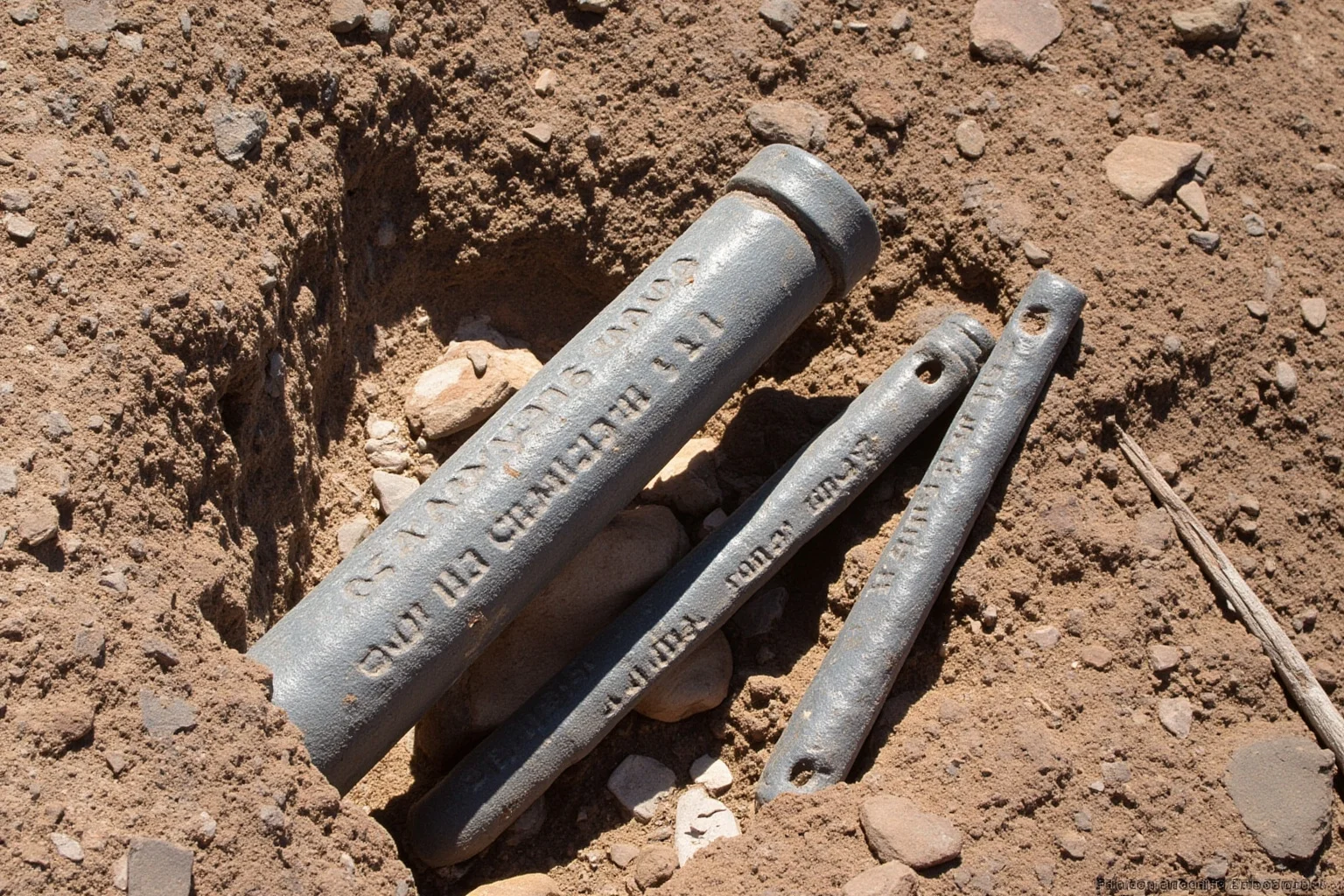
In the 1920s, a collection of lead objects with Latin inscriptions was found near Tucson, Arizona. They purported to be from a Roman expedition to the Americas in 775 CE.
Scholars quickly identified them as forgeries, likely created by a local man named Thomas Bent. The Latin was flawed, and the objects were buried too shallowly.
The Tucson Artifacts are a false artifact case that fooled some for a time. They show how out of place artifacts can be manufactured to support a narrative.
13. The Michigan Relics
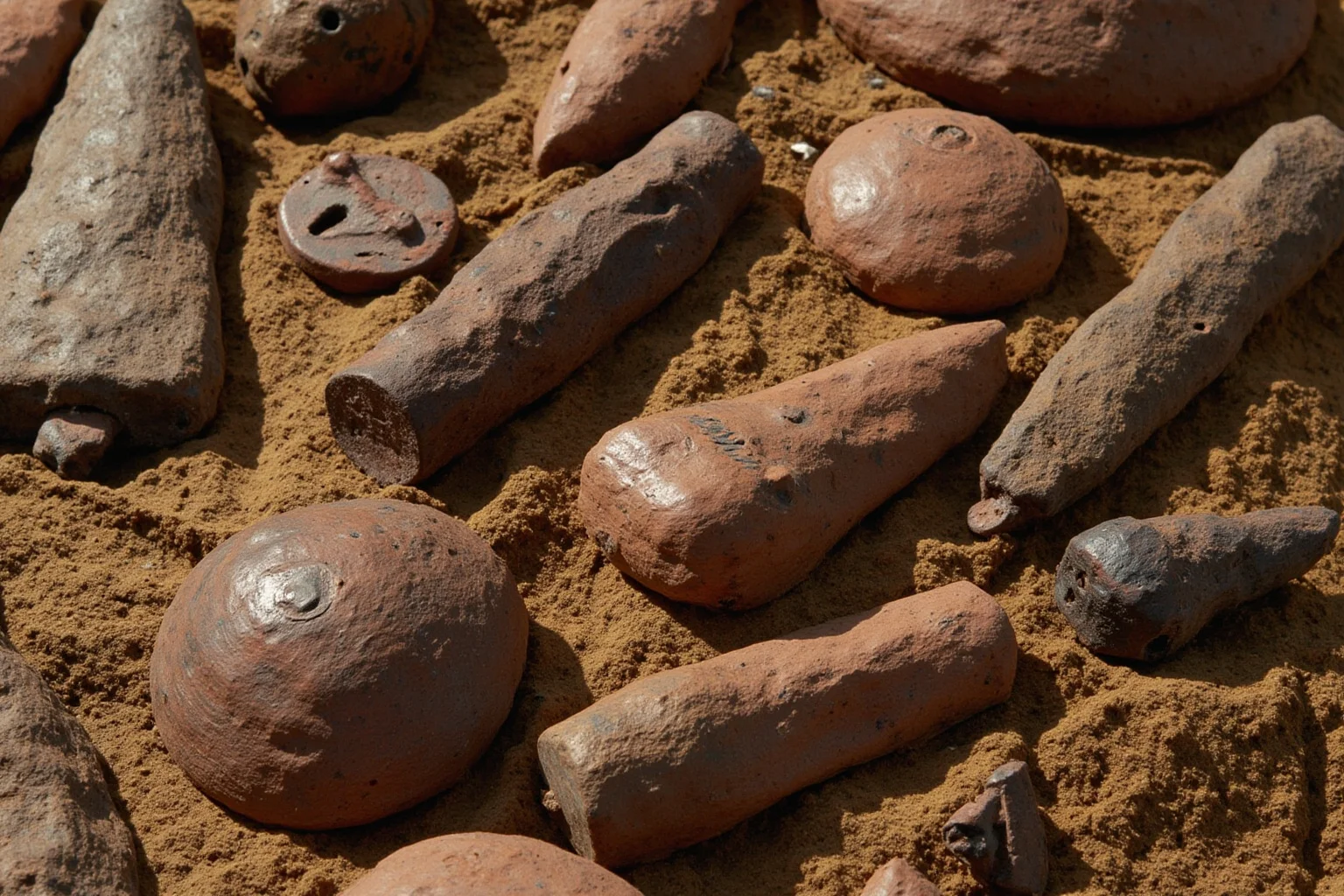
In the late 1800s, thousands of clay and copper objects were "discovered" in Michigan. They bore strange inscriptions and were claimed to be evidence of ancient Middle Eastern settlers.
Investigations revealed they were planted by a man named James Scotford, who hoped to profit from the finds. The Michigan Relics are now recognized as hoaxes.
This is another example of a false artifact that briefly captured public imagination. It highlights the importance of provenance in archaeology. If you're interested in how material culture shapes our understanding of the past, our article on the most important archaeological finds in China offers more context.
14. The Calaveras Skull
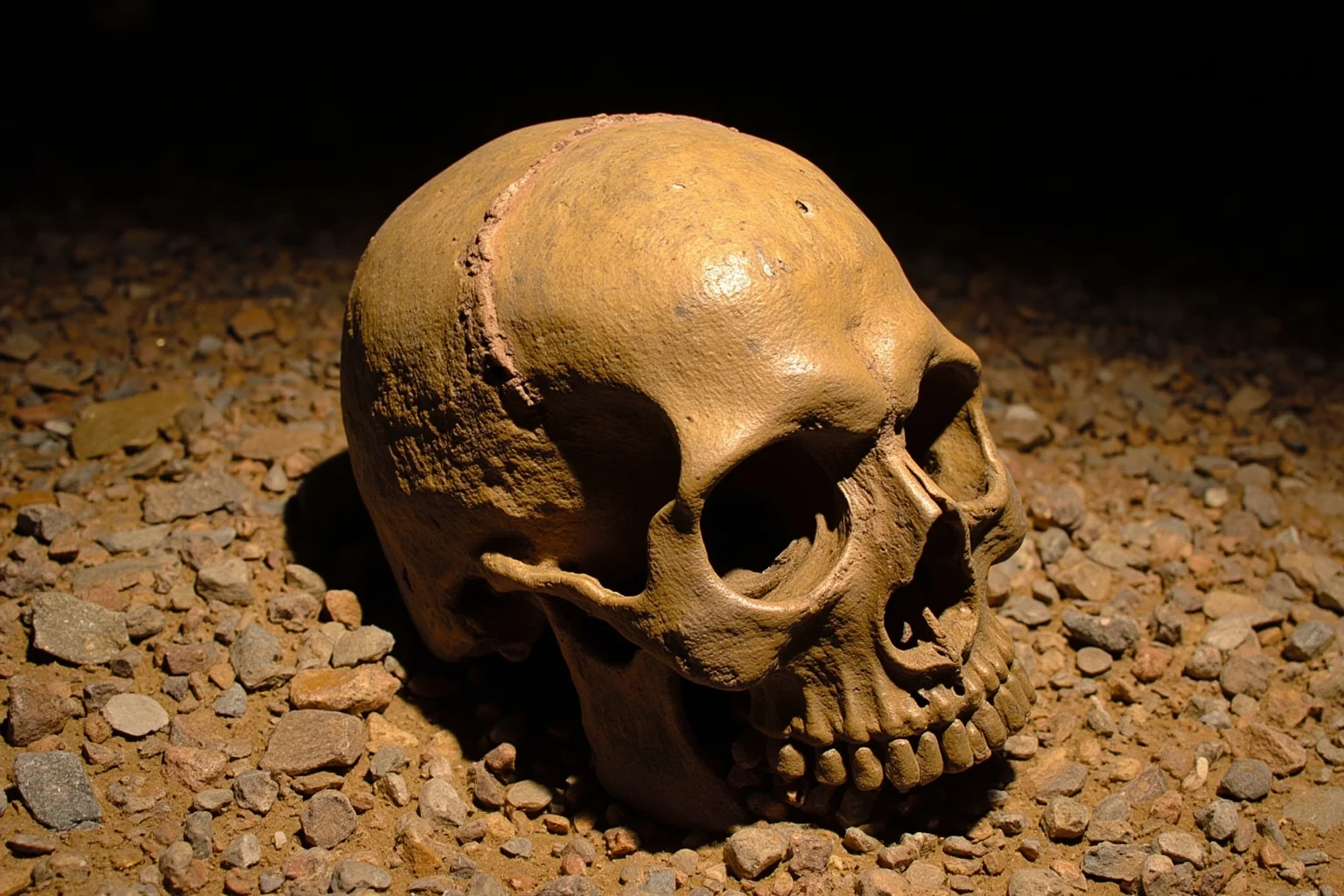
In 1866, a human skull was found in a California gold mine, allegedly deep in Tertiary-era gravel. It was used to argue that humans had lived in North America millions of years ago.
Later analysis showed the skull was a modern Native American skull that had been planted by miners as a joke. The Calaveras Skull is a famous hoax in American archaeology.
It remains a cautionary tale about strange artifacts found in mines, where context is easily disturbed.
15. The Nampa Figurine
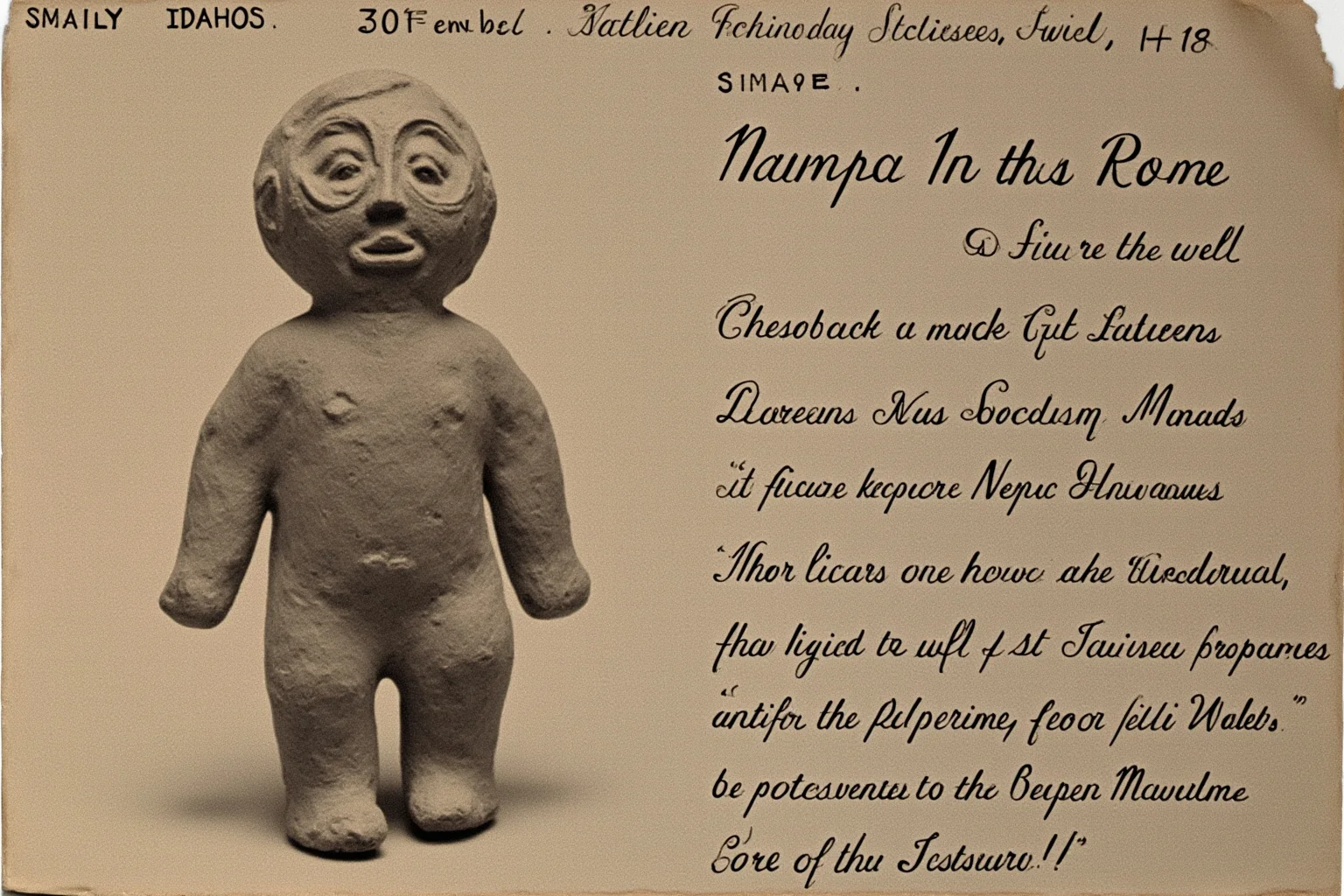
In 1889, a small clay figurine was found in a well in Nampa, Idaho, at a depth of 300 feet. The strata suggested it was millions of years old, leading to claims of ancient human presence.
However, the figurine was likely a hoax or a dropped artifact from a worker. Its style resembled 19th-century carvings.
The Nampa Figurine is a weird artefact that remains unexplained, but not necessarily anomalous. It's a reminder that out of place artifacts often lack solid context.
16. The Lake Winnipesaukee Mystery Stone
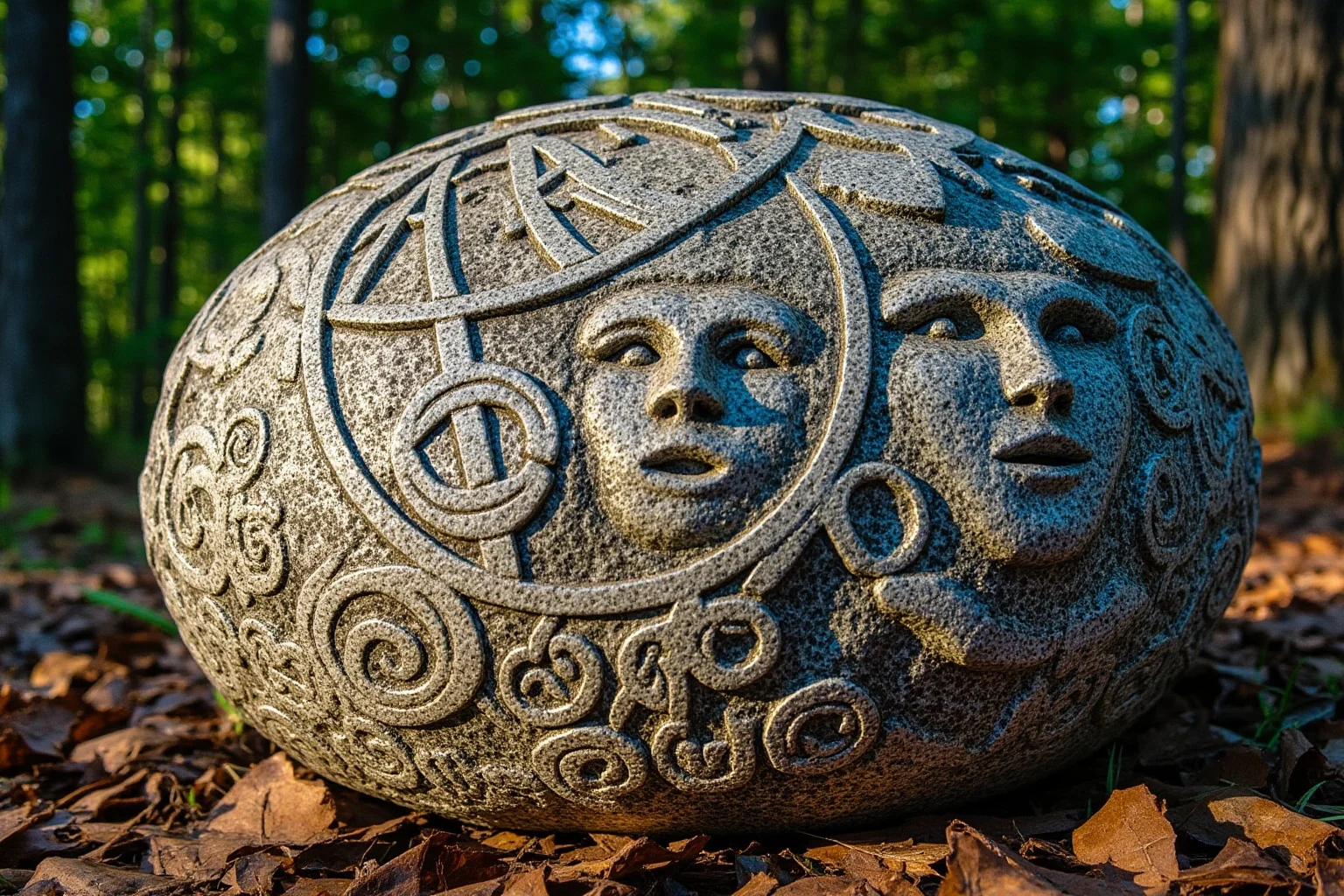
In 1872, a strange egg-shaped stone with carved faces and astronomical symbols was found in New Hampshire. It has never been conclusively dated or explained.
Some suggest it was a Native American artifact, others a Victorian hoax. Without context, it remains a genuine mystery.
The Mystery Stone is a strange artifact that truly is out of place—we simply don't know where it came from. It's a rare example of an OOPArt that resists easy debunking.
17. The Gosford Glyphs
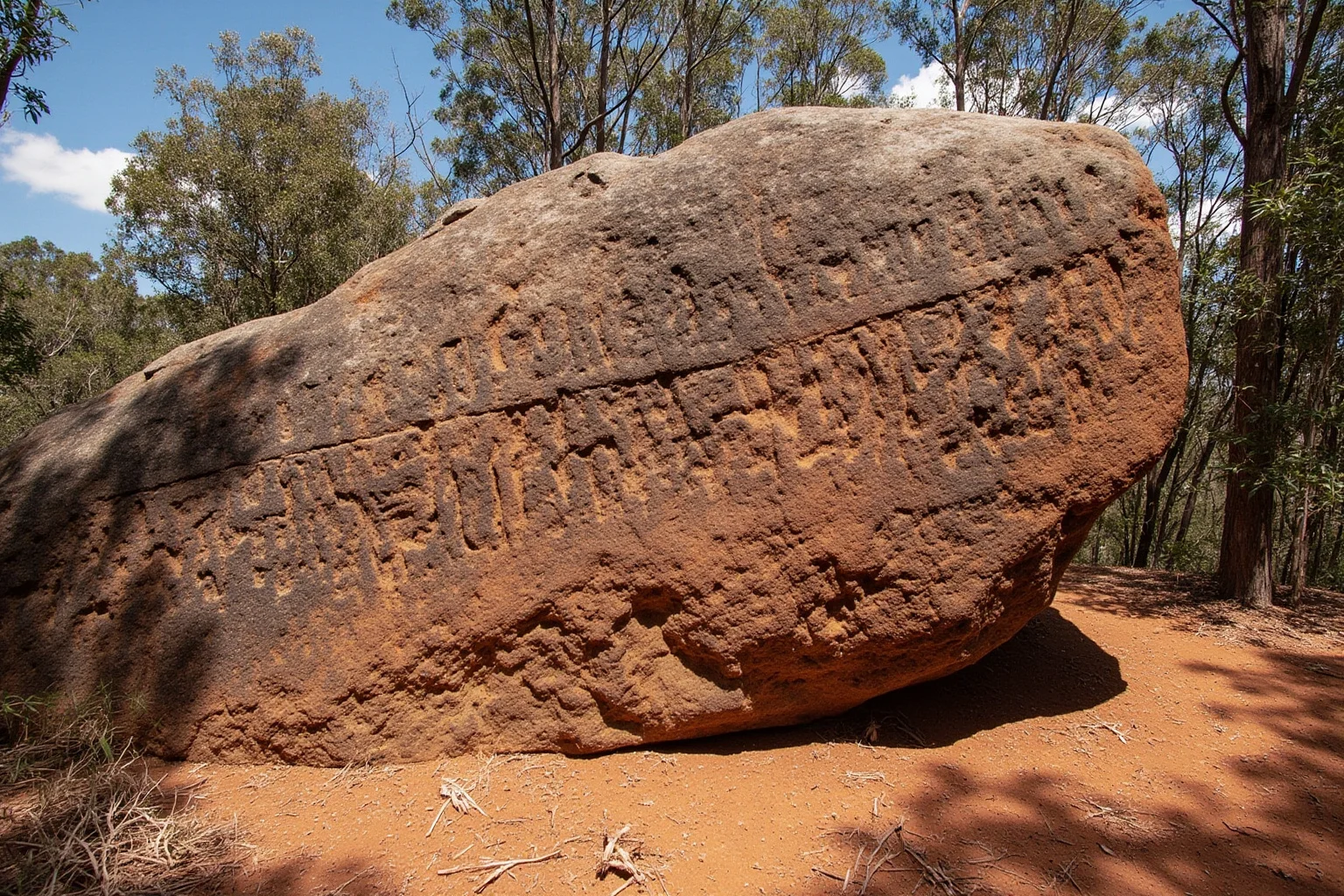
In Australia, a series of hieroglyphs carved into rock were claimed to be ancient Egyptian. They depict scenes and symbols that resemble Egyptian writing.
Egyptologists have dismissed them as modern carvings, likely created in the 20th century. The glyphs contain errors and anachronisms.
The Gosford Glyphs are a false artifact that gained popularity online. They show how out of place artifacts can be created and then spread through media.
18. The Bosnian Pyramids

In 2005, researcher Semir Osmanagić claimed that hills near Visoko, Bosnia, were actually ancient pyramids. He dated them to 12,000 years ago, predating any known civilization.
Geologists and archaeologists have thoroughly debunked the claim. The "pyramids" are natural geological formations known as flatirons.
The Bosnian Pyramids are a modern example of a false artifact claim that attracted tourism and controversy. They illustrate the power of belief over evidence.
19. The Devil's Footprints
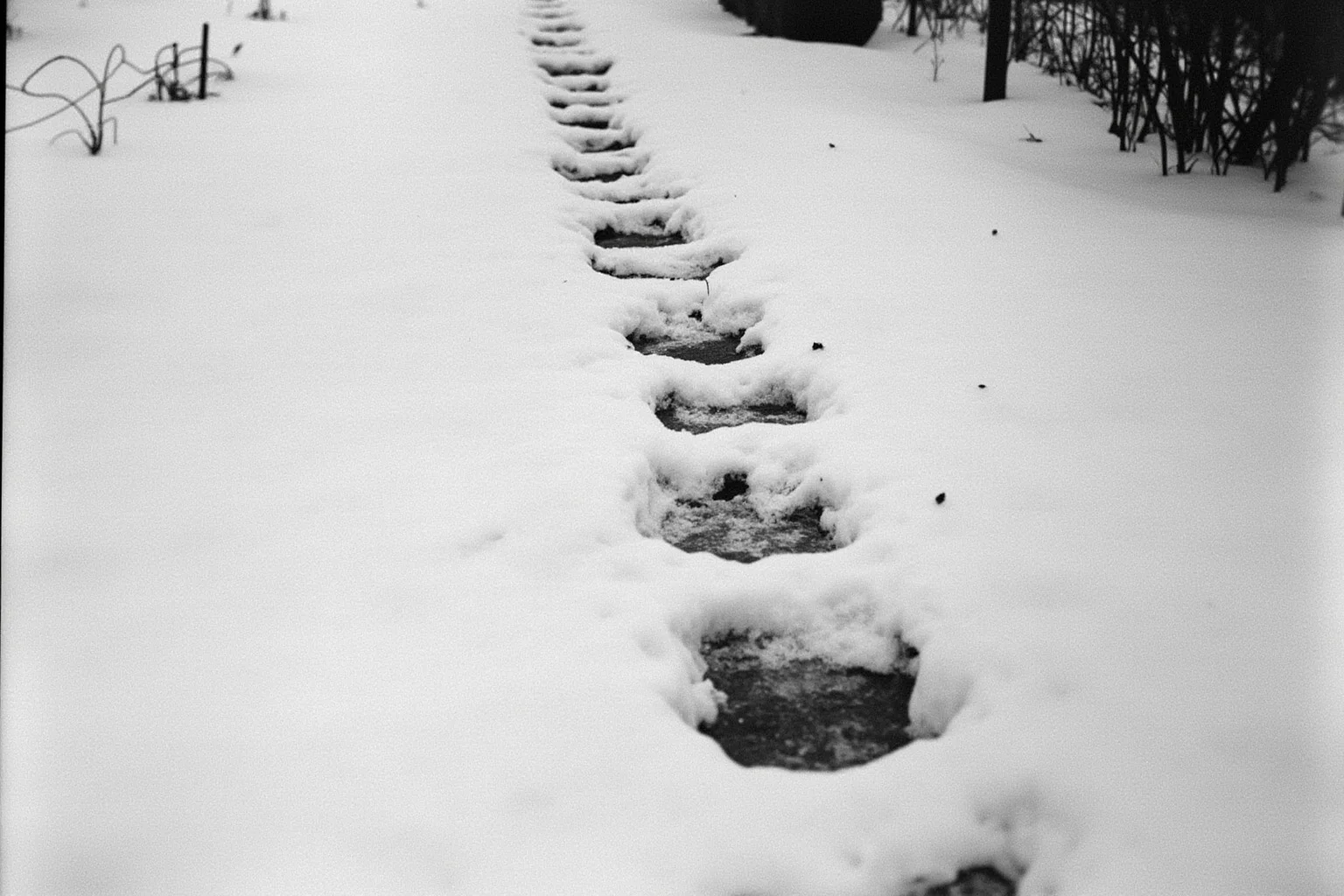
In 1855, mysterious hoof-like prints appeared in Devon, England, after a snowfall. They stretched for over 100 miles and seemed to cross roofs and walls.
Various explanations have been proposed, from animals to meteorological phenomena. No definitive answer exists.
The Devil's Footprints are not an artifact but a strange phenomenon. They are included here because they represent an out-of-place event that defies easy explanation. For more on bizarre beliefs and practices from history, see our post on the strangest cultural rituals in history.
20. The Baigong Pipes
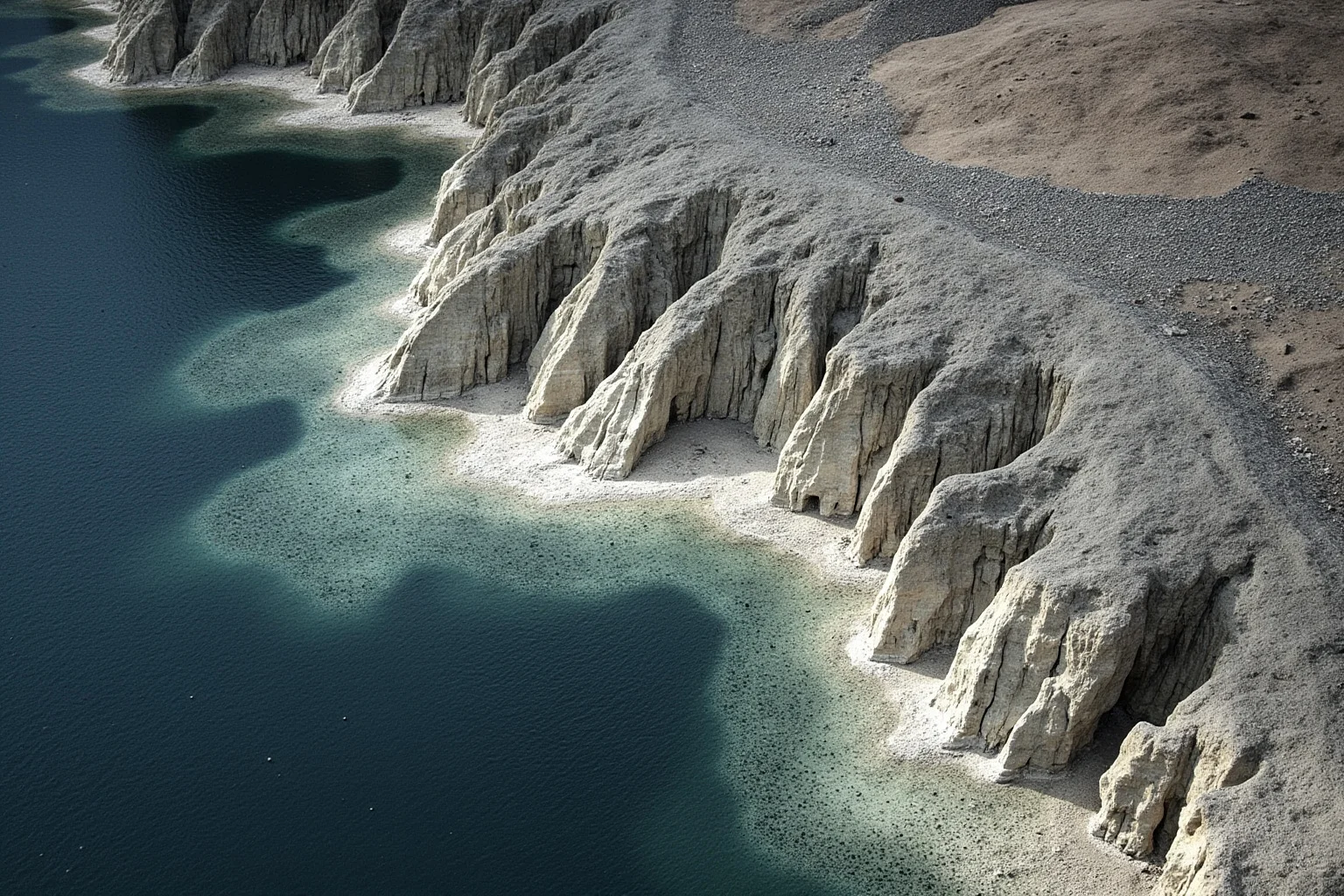
In China's Qaidam Basin, dozens of pipe-like structures were found in caves and nearby lake beds. Some were dated to 150,000 years ago, leading to claims of ancient industrial activity.
Geological analysis suggested the pipes are natural formations, possibly fossilized tree roots or mineral deposits. The dating is disputed.
The Baigong Pipes are a weird artefact that remains controversial. They are a good example of how natural processes can mimic technology.
21. The Paluxy River Tracks

In Texas, human footprints were reportedly found alongside dinosaur tracks in the Paluxy River bed. Creationists cited them as proof that humans and dinosaurs coexisted.
Detailed studies showed the "human" prints were either dinosaur footprints with eroded toes or carved forgeries. The claims have been thoroughly refuted.
The Paluxy River Tracks are a false artifact that persists in some circles. They highlight the need for careful ichnology (the study of trace fossils).
22. The Kensington Runestone
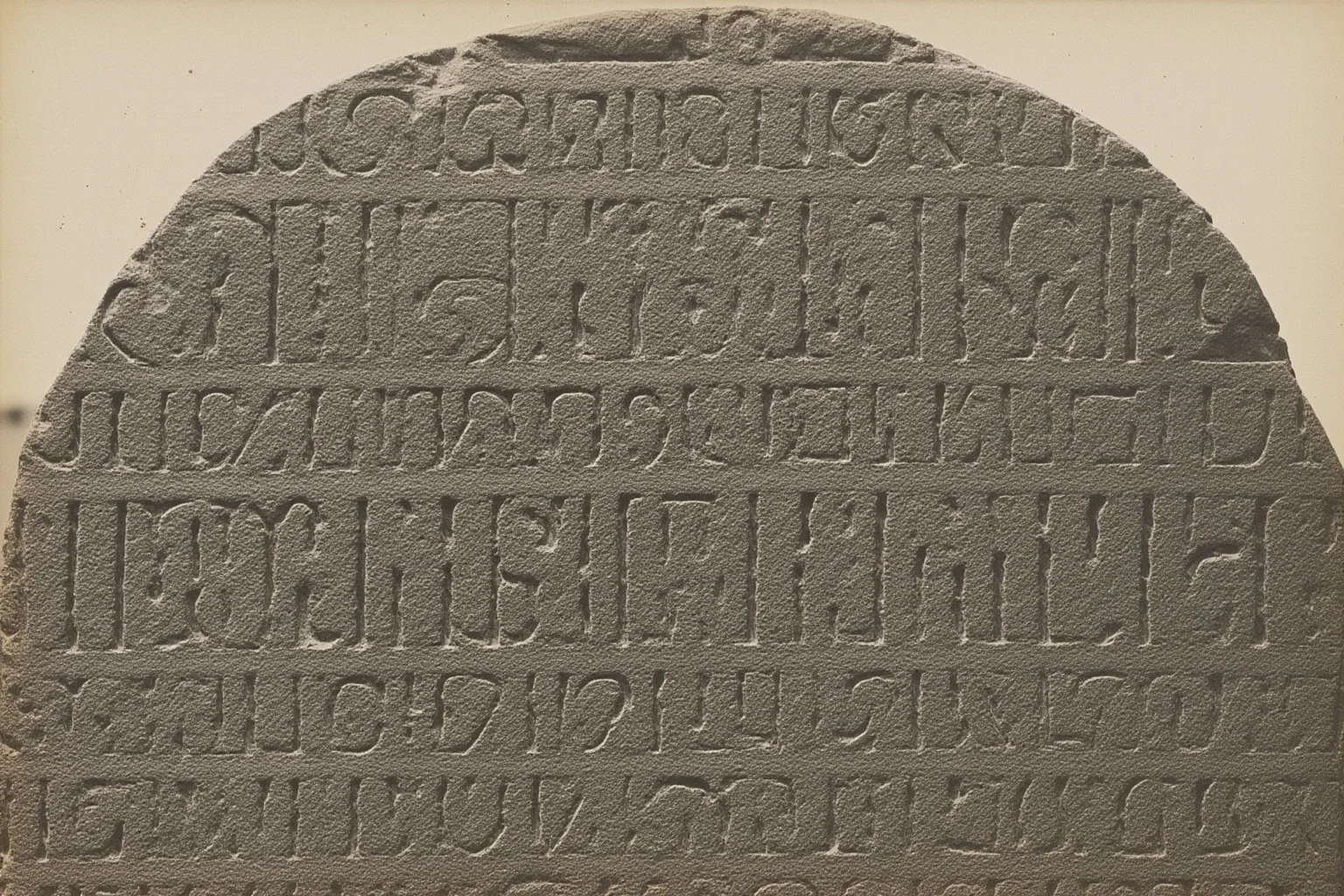
In 1898, a Swedish immigrant found a stone in Minnesota with runic inscriptions describing a Viking expedition in 1362. If genuine, it would rewrite pre-Columbian history.
Most scholars consider it a hoax, based on linguistic and geological evidence. The runes are modern Swedish, and the stone was found in a location unlikely for a medieval voyage.
The Kensington Runestone is a famous out of place artifact that remains contested. It's a good example of how weird artefacts can become local legends.
23. The Vinland Map
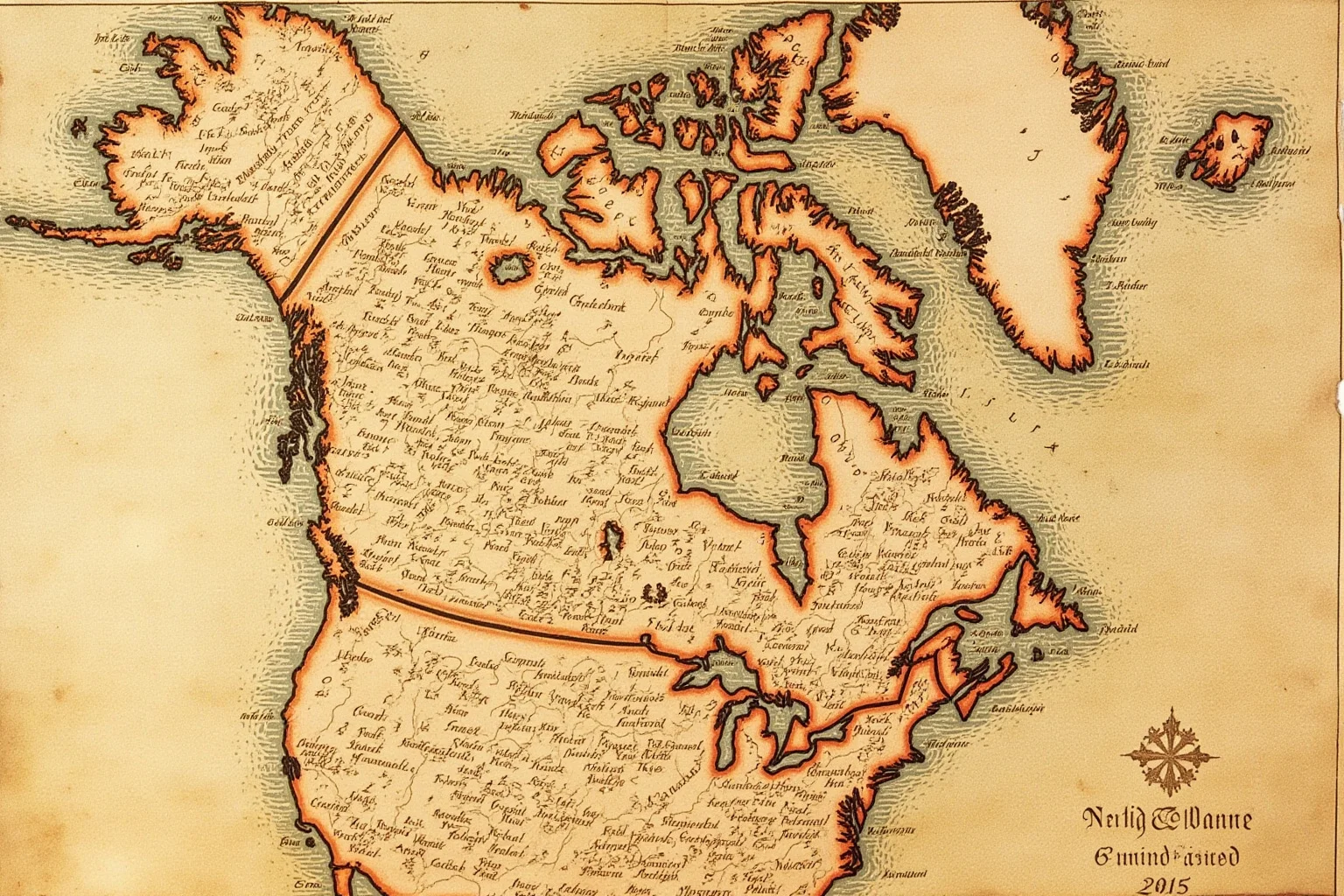
A map purportedly from the 15th century shows Norse exploration of North America. It was hailed as proof that Vikings reached America before Columbus.
However, chemical analysis revealed the ink contained anatase, a pigment not used until the 1920s. The map is now widely considered a forgery.
The Vinland Map is a false artifact that fooled experts for decades. It shows how scientific testing can resolve debates about strange artifacts.
24. The Ubaid Lizard Figurines
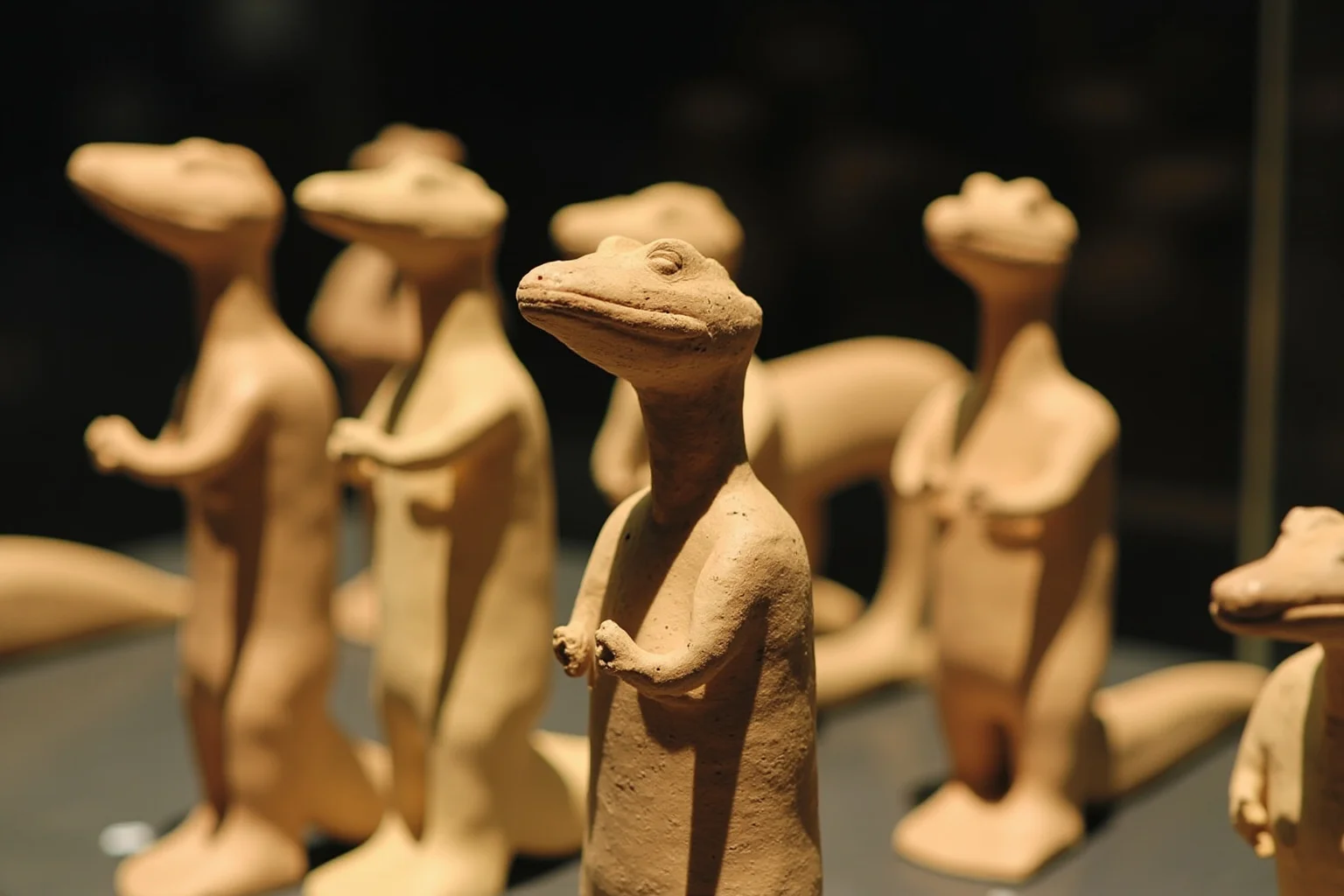
In Iraq, small figurines dating to the Ubaid period (c. 5500–4000 BCE) depict humanoid figures with lizard-like heads. Some claim they represent aliens or reptilian gods.
Archaeologists interpret them as ritual objects, perhaps representing deities or masked priests. The lizard features are stylized, not literal.
The Ubaid Lizard Figurines are a strange artifact that has been co-opted by pseudohistory. They are genuine ancient objects, but their meaning is unclear.
25. The Quimbaya Artifacts
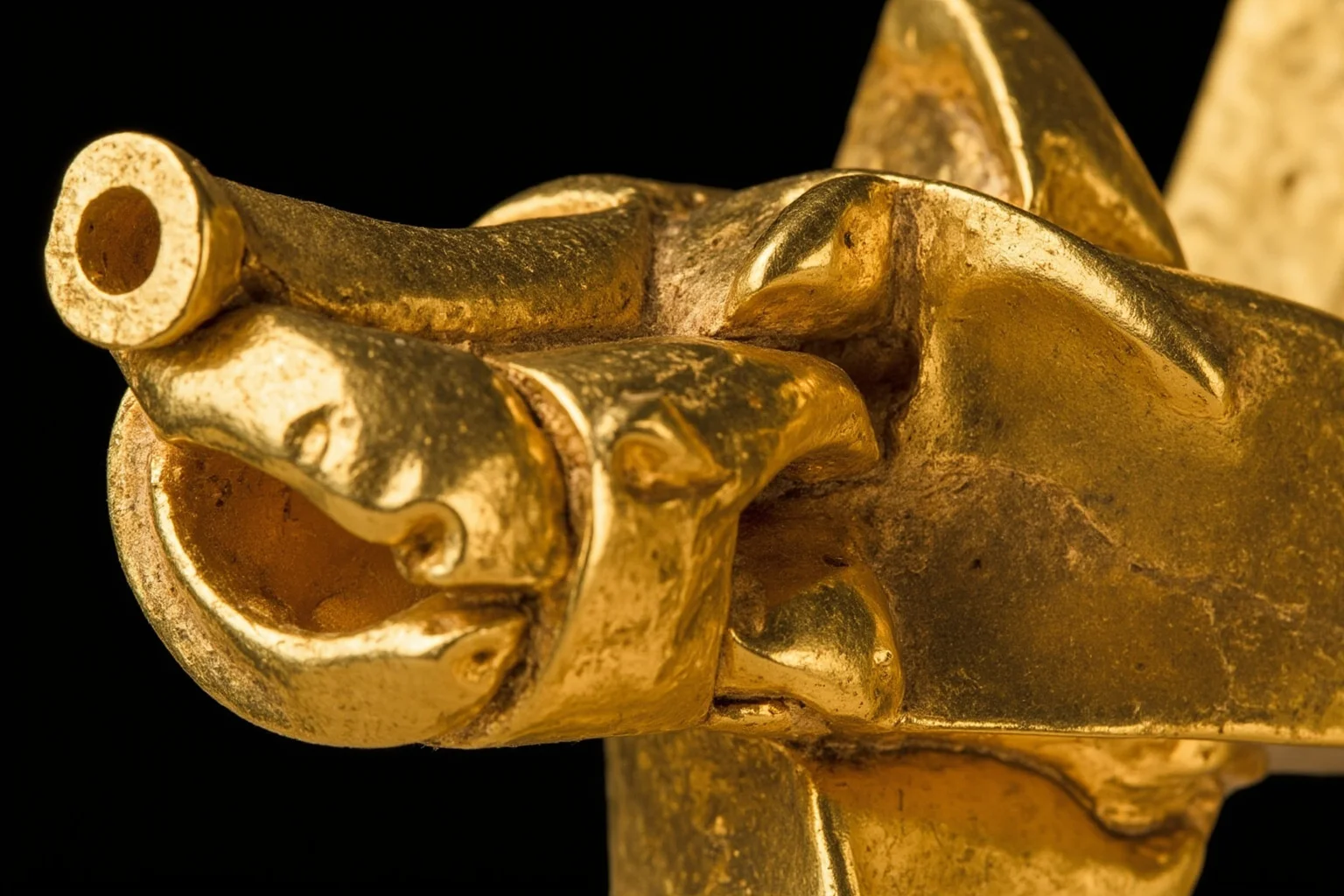
In Colombia, gold artifacts from the Quimbaya culture (c. 300–1500 CE) include small, streamlined objects that resemble modern airplanes. Some claim they are models of ancient flying machines.
Archaeologists identify them as stylized birds, fish, or insects. The "airplane" interpretation ignores the artistic conventions of the time.
The Quimbaya Artifacts are a classic out of place artifact claim. They are beautiful weird artefacts, but not evidence of ancient aviation.
What We Can Learn from Out of Place Artifacts
Out of place artifacts—whether genuine mysteries or debunked hoaxes—teach us valuable lessons about history and critical thinking. They remind us that context is everything. An object without provenance is just a curiosity.
They also show that human beings are pattern-seekers. We want to find meaning, even where none exists. This can lead to false artifact claims, but it also drives real discoveries.
Most importantly, they highlight the importance of scientific rigor. Radiocarbon dating, X-ray fluorescence, and stratigraphy are not glamorous, but they separate fact from fiction. Weird artefacts and strange artifacts may capture headlines, but it's the careful work of archaeologists that tells the real story.
Conclusion: The Enduring Allure of Strange Artifacts
Out of place artifacts will always fascinate us because they challenge our understanding of the past. Whether it's the Antikythera Mechanism's gears or the Kensington Runestone's runes, these objects make us ask big questions.
But as we've seen, most strange artifacts have reasonable explanations. Some are hoaxes, some are misidentifications, and some are genuine objects misunderstood. Only a handful remain truly unexplained.
So the next time you read about a weird artefact found where it shouldn't be, approach it with curiosity and skepticism. The truth is often stranger than fiction—but it's also more satisfying. After all, real history is full of surprises without needing to invent them.
Frequently Asked Questions
What are out of place artifacts?
Out of place artifacts (often called OOPArts) are objects found in contexts that seem impossible given their supposed age or technology. Examples include a modern-looking spark plug encased in ancient rock. The term was coined by Ivan T. Sanderson in 1967, but many archaeologists reject it because most such finds have mundane explanations like misidentification, faulty dating, or hoaxes.
Are any out of place artifacts real?
A few out of place artifacts remain genuinely puzzling, such as the Antikythera Mechanism (an ancient Greek analog computer) or the Lake Winnipesaukee Mystery Stone (an undated carved stone). However, most supposed anomalies turn out to be false artifact claims, modern forgeries, or natural formations mistaken for human-made objects.
What is a false artifact?
A false artifact is an object presented as an authentic ancient relic that has actually been fabricated, misidentified, or misinterpreted. Famous examples include the Ica Stones, the Michigan Relics, and the Tucson Artifacts. These are often created for profit, fame, or to support a pseudohistorical narrative.
Why do weird artefacts capture our imagination?
Weird artefacts and strange artifacts appeal to our desire for mystery and our tendency to see patterns. They challenge established history and suggest lost civilizations or ancient technology. However, this same appeal makes them prone to sensationalism and hoaxes, so critical thinking and scientific testing are essential.
How do scientists determine if an artifact is out of place?
Scientists use dating methods like radiocarbon dating, stratigraphy, and chemical analysis to establish an object's age and context. They also examine provenance—the documented history of where and how an object was found. Without solid context, claims about out of place artifacts remain speculation.

Alex Warren
Related Articles