Weird Facts About Every U.S. President: 24 Unusual, Funny, and Lesser-Known Presidential Facts
Some presidents are remembered for landmark laws and historic speeches. Others are remembered for the truly bizarre details that never made it into the textbooks. From a president who was arrested while wearing a nightshirt to one who kept a pet alligator in the White House, there's a weird fact hiding behind almost every portrait in the National Portrait Gallery. This list runs through every single commander in chief—including the obscure ones—with one strange, funny, or little-known story each.
Whether you're hunting for pub-quiz ammo or just want to win your next family trivia night, these weird facts about U.S. presidents deliver. Some will make you laugh, some will make you raise an eyebrow, and a few might even change how you see a familiar face on Mount Rushmore.
TL;DR: Every U.S. president, from Washington to Biden, has at least one genuinely weird, funny, or obscure fact that history class never mentioned—and this list covers all 24 of them.
1. George Washington: The $1 Million Whiskey Distillery
George Washington wasn't just a farmer at Mount Vernon—he was one of the largest whiskey producers in early America. By 1799 his distillery reportedly churned out nearly 11,000 gallons of rye whiskey in a single year, making it one of the biggest operations of its kind in the young country. The reconstructed distillery still stands at Mount Vernon today, and visitors can buy a bottle of whiskey made from Washington's original recipe.
2. John Adams: The Naked Swimmer Who Nearly Drowned
John Adams was an enthusiastic swimmer who liked to take a daily dip in the Potomac. According to his own letters, he once nearly drowned while swimming and had to be rescued—an embarrassing admission for a man known for his propriety. He also held the odd distinction of being the first president to live in the White House, which was still unfinished and damp when he moved in.
3. Thomas Jefferson: A Sloth and Two Grizzly Cubs at the White House
Thomas Jefferson received some unusual diplomatic gifts, including a live mockingbird named Dick that he let fly around his study. Even stranger, he briefly housed two grizzly bear cubs gifted by explorer Zebulon Pike, keeping them in a pen on the White House grounds before eventually sending them to a museum. He was also fascinated by fossils and once displayed mammoth bones in the White House to prove that American wildlife was bigger than Europe's.
4. James Madison: The Smallest President at 5'4"
James Madison was famously tiny—often listed at around 5 feet 4 inches and roughly 100 pounds—making him the smallest president in U.S. history. Despite his frame, he had a booming voice and legendary intellect, and he reportedly once commented that his physical stature made him less appealing to voters than taller rivals. His wife, Dolley, was actually taller than him, which made for some memorable dinner-party gossip.
5. James Monroe: The President With a Sword Scar
James Monroe carried a visible scar from a musket ball and sword wound sustained during the Revolutionary War, making him one of the only presidents to have a visible battle scar. He also died on July 4, 1831—the third of three consecutive presidents to die on Independence Day, one of the historical events everyone always remembers incorrectly. Monroe was also the last president to wear colonial-era knee breeches and a powdered wig in everyday life, which made him look increasingly old-fashioned in his later years.
6. John Quincy Adams: Skinny-Dipping at 6 a.m.

John Quincy Adams was famous for swimming nude in the Potomac River at dawn, sometimes for over an hour at a time. He even gave an interview to a female journalist while standing in the water after she tracked him down for a story—a scene that shocked Victorian-era readers. He remains the only president to serve in the House of Representatives after leaving the White House, where he became a fierce anti-slavery voice.
7. Andrew Jackson: The President Who Killed a Man in a Duel
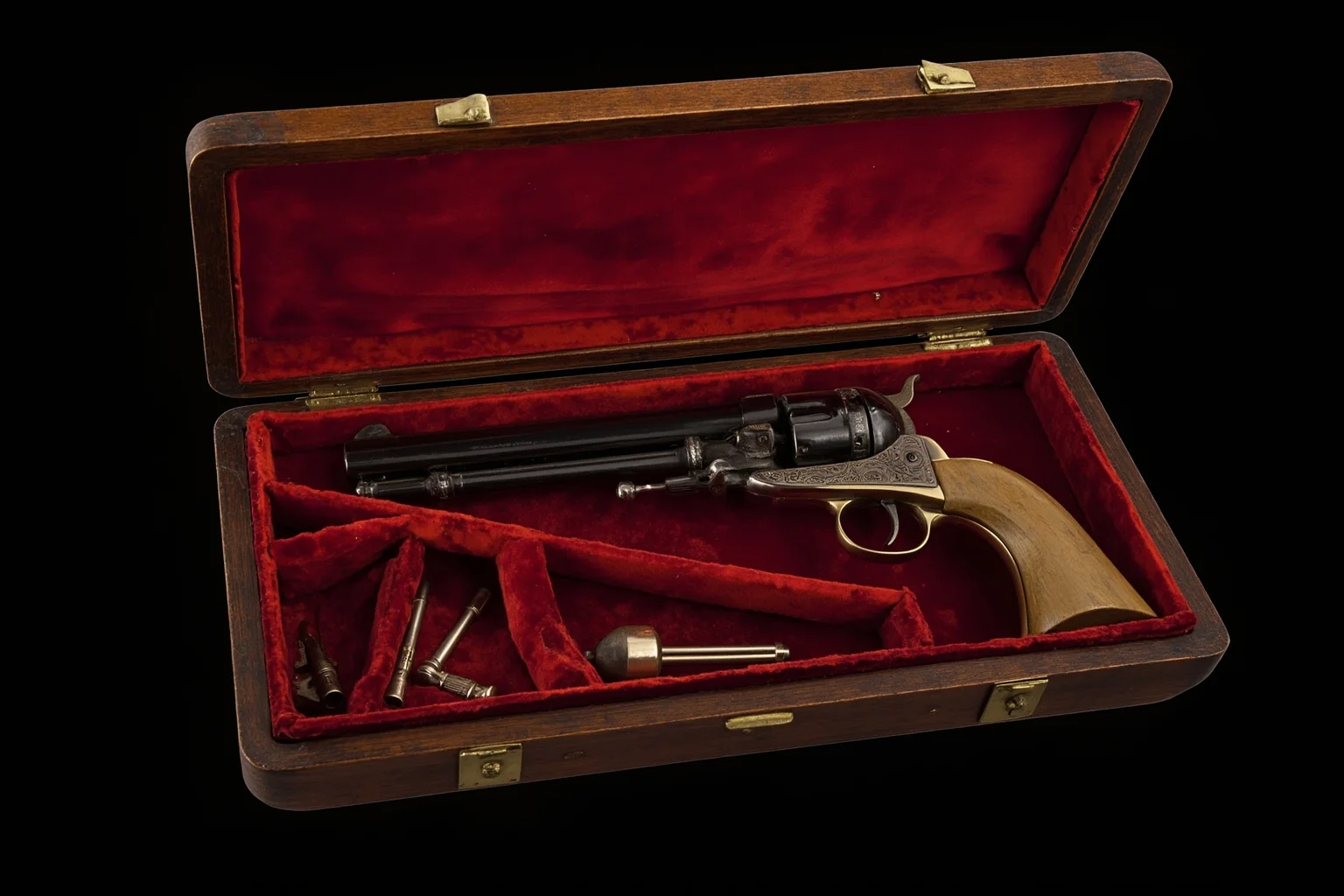
Before becoming president, Andrew Jackson killed a man named Charles Dickinson in an 1806 duel after Dickinson insulted Jackson's wife. Jackson was shot in the chest during the duel but still fired and killed Dickinson, carrying the bullet near his heart for the rest of his life. His pet parrot, Poll, reportedly had to be removed from Jackson's funeral because it kept swearing loudly in two languages.
8. Martin Van Buren: The First President Born a U.S. Citizen
Martin Van Buren holds a quirky first: he was the first president born after the Declaration of Independence, making him the first who was a U.S. citizen by birth rather than a British subject at birth. He was also the only president who spoke English as a second language, having grown up speaking Dutch in Kinderhook, New York. His nickname, "Old Kinderhook," is often cited as one possible origin of the phrase "OK."
9. William Henry Harrison: The Shortest Presidency—and a Moldy Speech
William Henry Harrison served only about 31 days as president, dying of what was likely typhoid fever contracted from contaminated water, not—contrary to popular myth—from giving a long inaugural speech in bad weather. The longest inaugural address in history (over 8,000 words) was a symptom of his desire to prove his toughness, but modern historians generally dismiss the "caught a cold from the speech" story as legend. Regardless, his month-long term remains the shortest of any president.
10. John Tyler: The President With 15 Children
John Tyler had more children than any other U.S. president—15 in total, spanning two marriages. He fathered children across a remarkable 44-year span, meaning some of his grandchildren may have lived into the 21st century. Tyler was also the first vice president to assume the presidency after the death of a sitting president, setting the precedent that the VP fully becomes president—not merely acting president—despite the Constitution's vague wording.
11. James K. Polk: The Speaker Who Kept His Promises
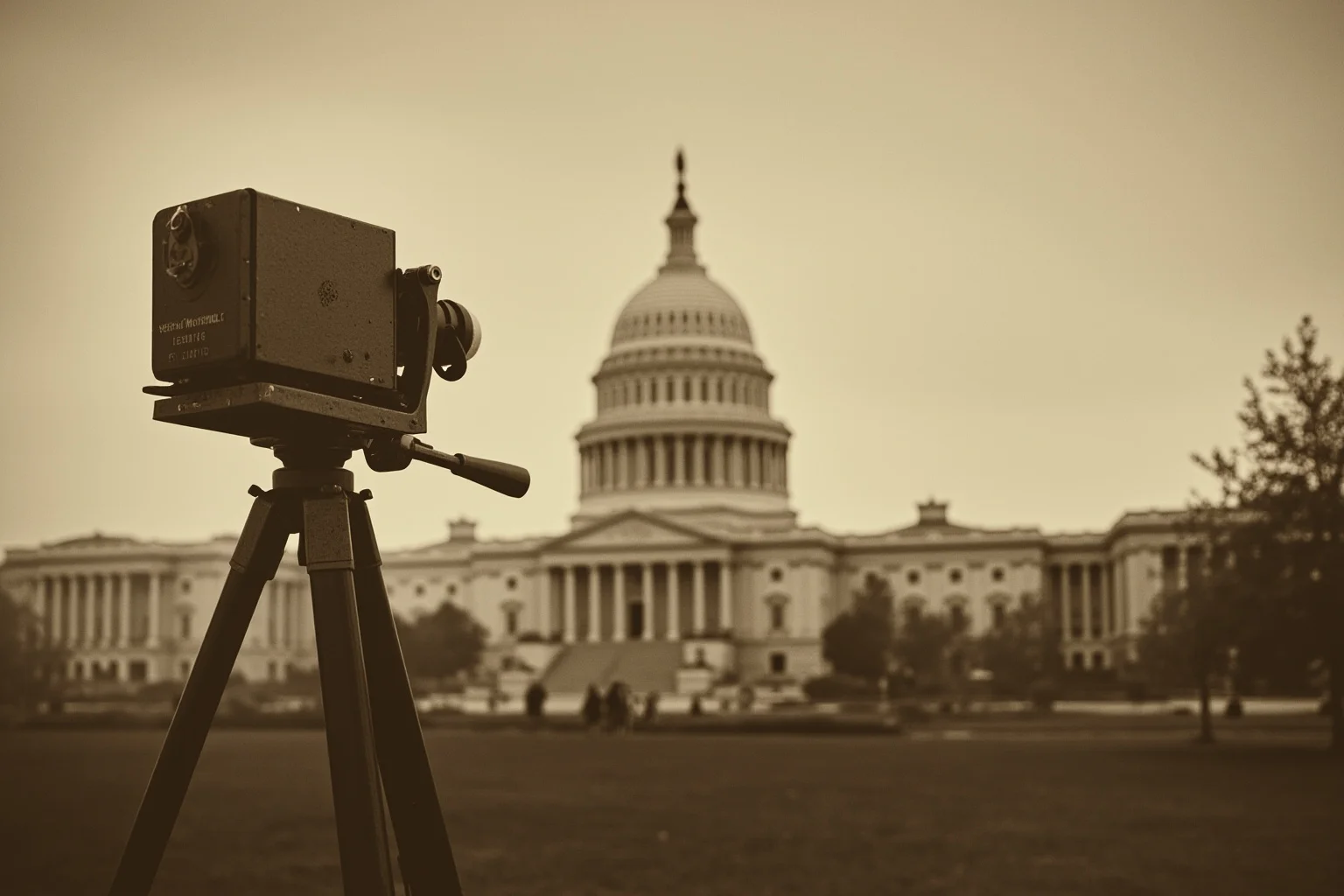
James K. Polk is often called the most effective one-term president in history because he accomplished everything he set out to do and then left office as promised. On a weirder note, he was the first president to have his inauguration photographed, leaving us an early visual record of the ceremony. He died just 103 days after leaving office—the shortest retirement of any former president.
12. Zachary Taylor: The President Who Was Related to Robert E. Lee

Zachary Taylor was a distant cousin of Robert E. Lee through the Lee family of Virginia, making the future Confederate general a relative of a sitting U.S. president. Taylor was also nicknamed "Old Rough and Ready" for his unpolished style, and he reportedly never registered a political party affiliation until he ran for president. He died just 16 months into his term after eating cherries and milk at a July 4 celebration, though the illness is now generally attributed to gastroenteritis rather than the food itself.
13. Millard Fillmore: The President Who Installed the First Bathtub?
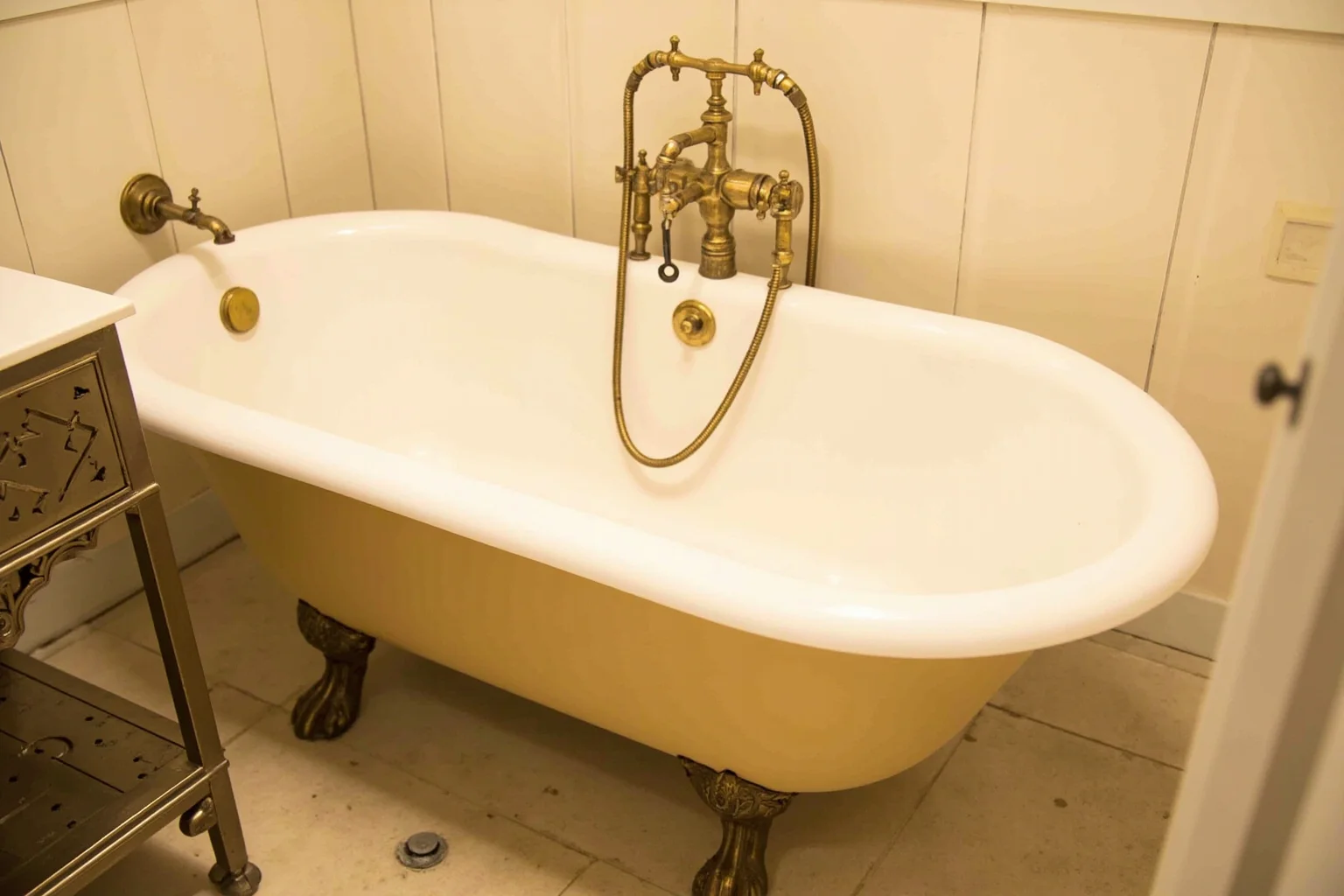
Millard Fillmore is often credited with installing the first bathtub in the White House, though the story is one of the American history facts that are totally wrong, popularized by a satirical newspaper article. What's verifiably true is that Fillmore was a bookworm who helped found the Buffalo Historical Society and actually installed the first White House library. The bathtub legend endures because it's just weird enough to sound real, and historians have spent decades trying to set the record straight.
14. Franklin Pierce: The President Who Swore Instead of Using a Bible
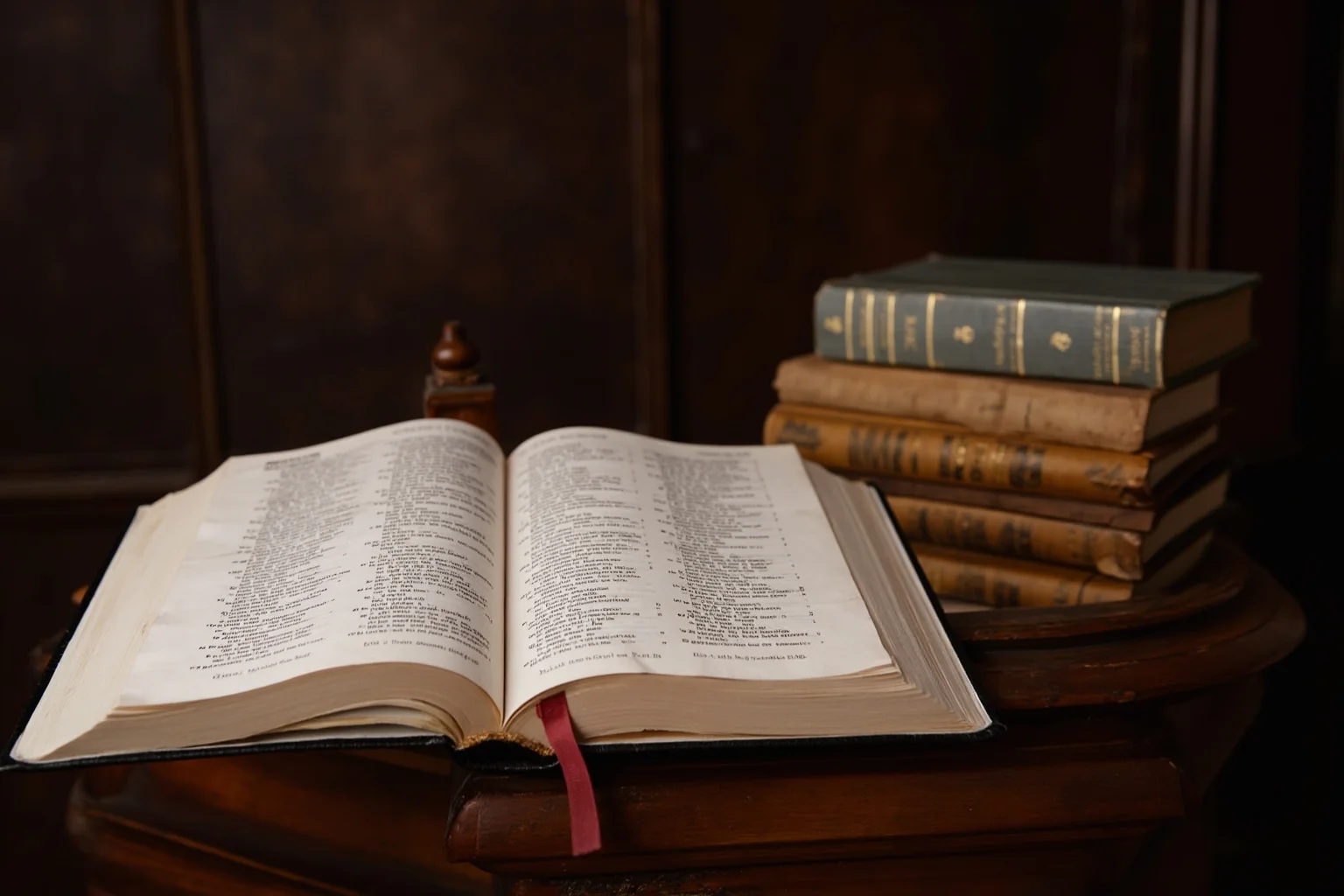
Franklin Pierce was the only president to affirm his oath of office instead of swearing it on a Bible, reportedly because he wanted to avoid the appearance of hypocrisy. He was also involved in one of the first significant train accidents involving a president-elect—the 1853 Andover derailment that killed his young son, Benny. His wife, Jane, never really recovered from the tragedy, and Pierce's presidency was shadowed by personal grief.
15. James Buchanan: The Only Bachelor President
James Buchanan is the only U.S. president who never married, making him the sole bachelor commander in chief. His close relationship with Alabama senator William Rufus King fueled persistent rumors, and the two were so inseparable that Andrew Jackson reportedly called them "Miss Nancy and Aunt Fancy." Whatever the exact nature of the relationship, Buchanan stayed single his entire life and remains one of the most obscure presidents in modern memory.
16. Abraham Lincoln: The Wrestling Champion
Abraham Lincoln was a skilled wrestler in his youth and reportedly lost only one match in roughly 300 bouts, earning him a place in the National Wrestling Hall of Fame. He also loved cats and famously let his son Tad's pet goat ride in the White House carriage during family outings. And before the presidency, he was granted a patent for a device to lift boats over shoals—making him the only president to hold a patent.
17. Andrew Johnson: The President Who Learned to Read as an Adult
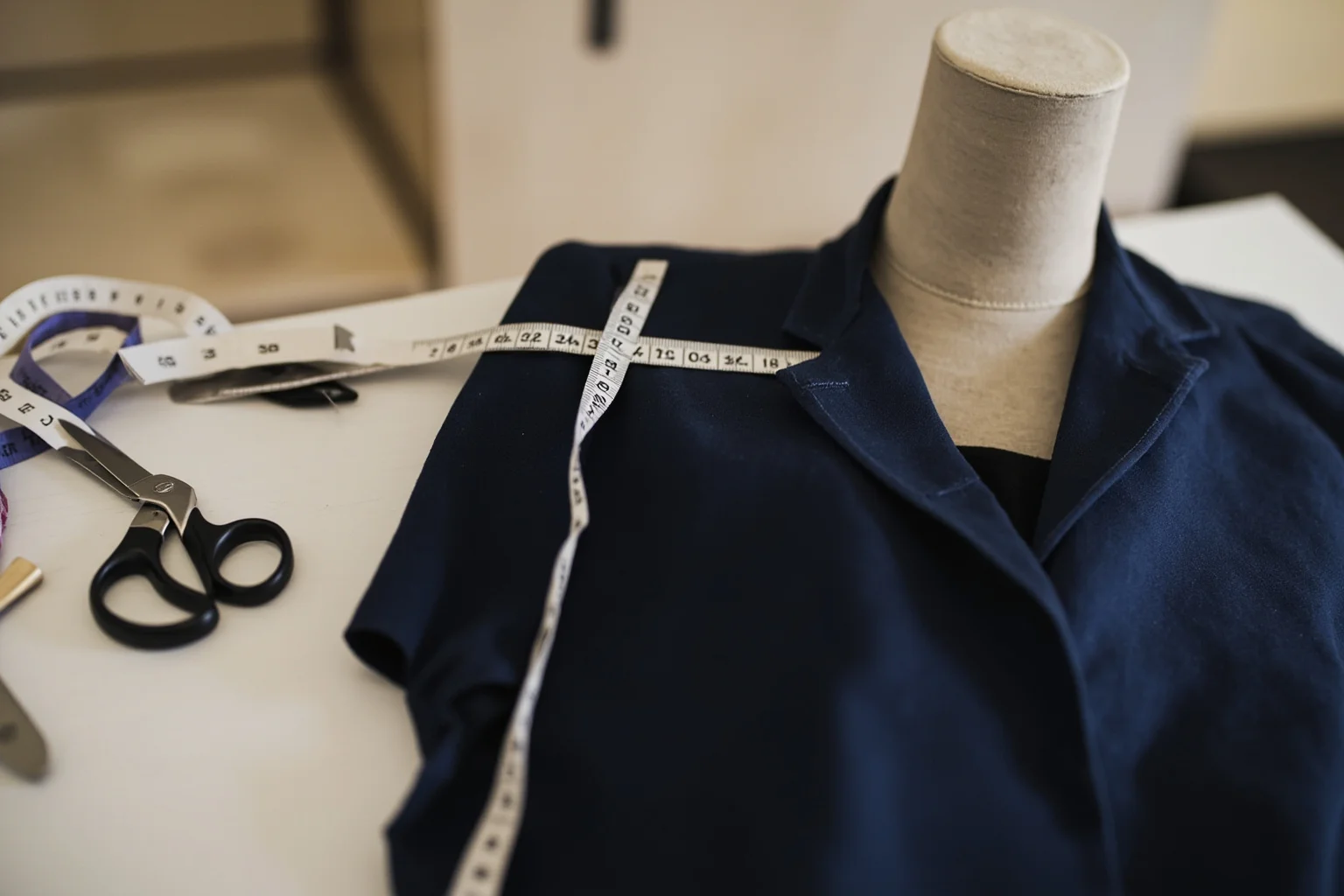
Andrew Johnson never went to school and taught himself to read and write as a young adult. He was also the only president who made his own suits, working as a tailor before entering politics, and he reportedly stitched his own vice-presidential inauguration outfit. His stubbornness during Reconstruction made him the first president to be impeached, though he was acquitted by one vote in the Senate.
18. Ulysses S. Grant: The Speeding President
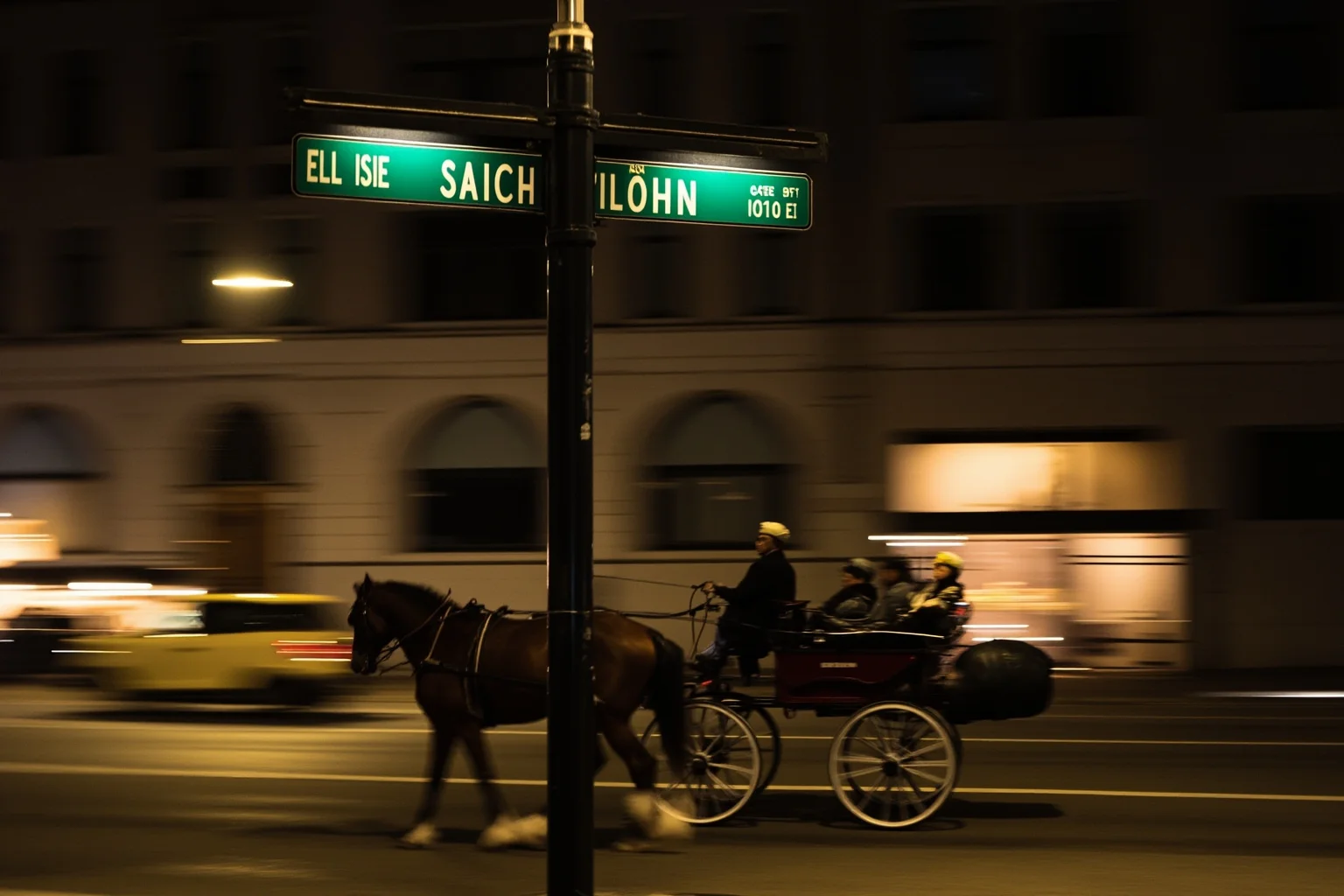
Ulysses S. Grant was arrested for speeding in his horse-drawn carriage in Washington, D.C., and was reportedly forced to pay a fine like any other citizen. He also once received a $20 fine for the offense, which made headlines because a sitting president had been hauled in by the police. His presidency was marked by scandals, but Grant himself was widely regarded as personally honest—and he died writing his memoirs to save his family from bankruptcy.
19. Rutherford B. Hayes: The President Who Banned Alcohol From the White House
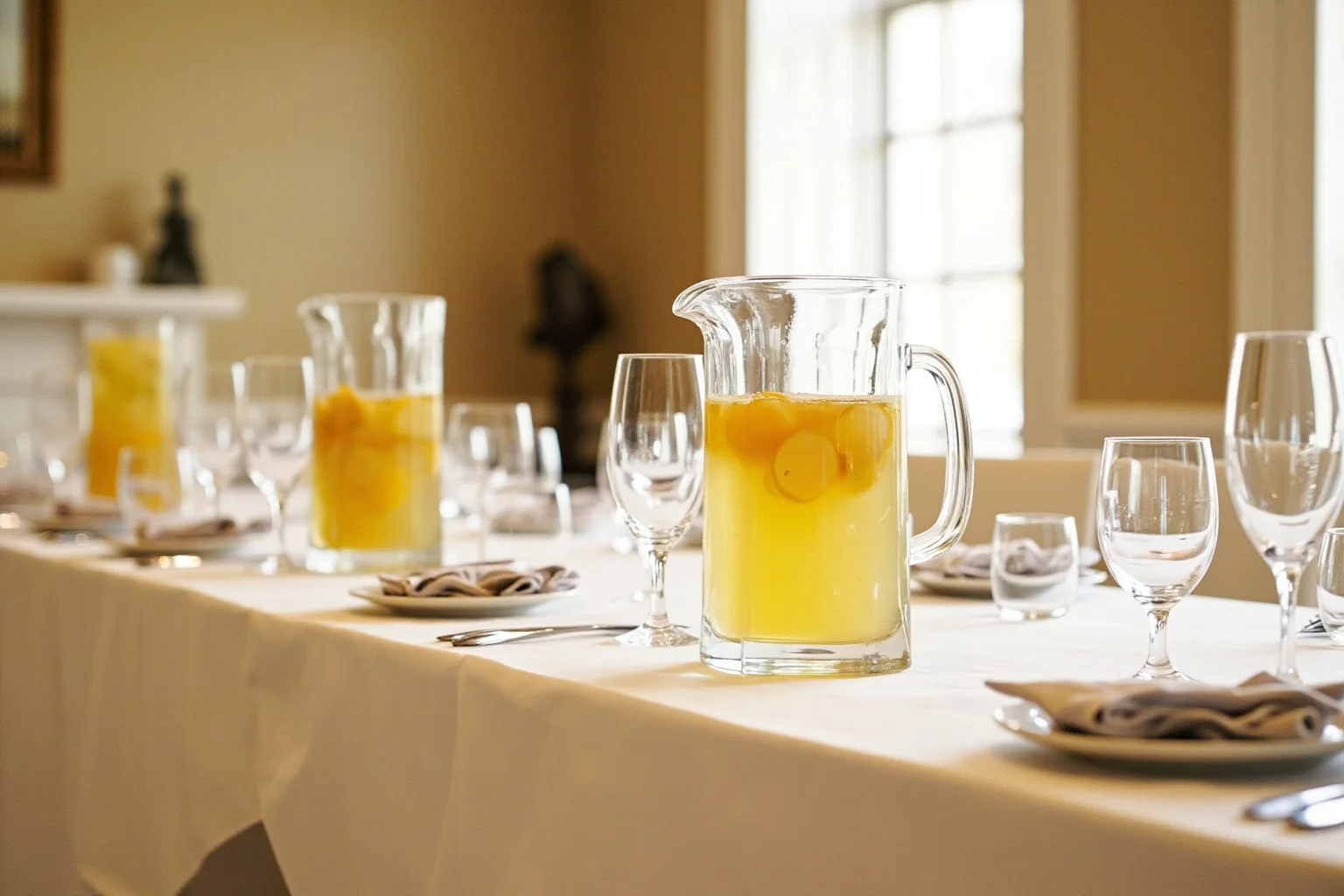
Rutherford B. Hayes and his wife, Lucy, banned alcohol from the White House during his presidency, earning her the nickname "Lemonade Lucy." Visitors in the diplomatic corps were apparently not thrilled, since wine had been a staple of White House entertaining for decades. Hayes was also the first president to take the oath of office inside the White House, and his contested 1876 election was settled by a special congressional commission.
20. James A. Garfield: The Ambidextrous Multitasker
James A. Garfield could reportedly write Latin with one hand and Greek with the other at the same time—a party trick that stunned people who knew him. He also proved the Pythagorean theorem as a sitting congressman in a published mathematical proof, showing off his intellect before entering the White House. His presidency was cut short by an assassin's bullet less than a year in, and his death was likely worsened by doctors' unsterile probing of his wounds.
21. Chester A. Arthur: The President With the Best Wardrobe
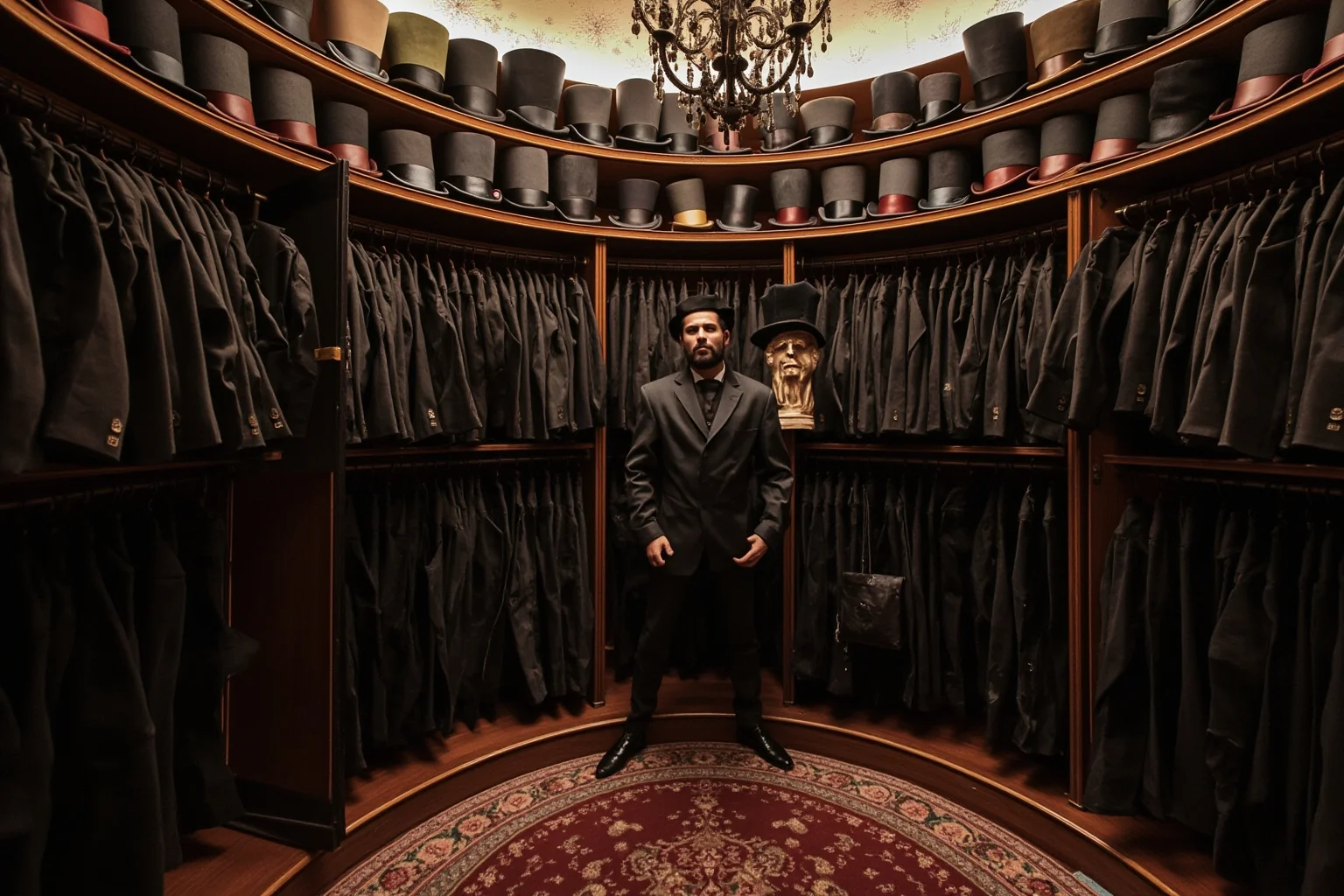
Chester A. Arthur was a dandy who changed outfits multiple times a day and reportedly owned over 80 pairs of trousers. He refused to move into the White House until it had been redecorated to his taste, spending money on lavish furniture and a Tiffany-designed interior. His most obscure quirk? He was reportedly one of only two presidents to have a pet cat given by a foreign dignitary, though records are spotty.
22. Grover Cleveland: The President Who Was a Hangman
Grover Cleveland, before becoming president, served as sheriff of Erie County, New York, and personally carried out two executions as the official hangman. He was also the only president to serve two non-consecutive terms, and he secretly underwent surgery on a yacht to remove a cancerous tumor from his jaw during his second term—keeping the operation hidden from the public for years. He was a bachelor when first elected and reportedly paid a substitute to serve in the Civil War in his place, which was legal at the time.
23. Benjamin Harrison: The President With Electric Christmas Lights
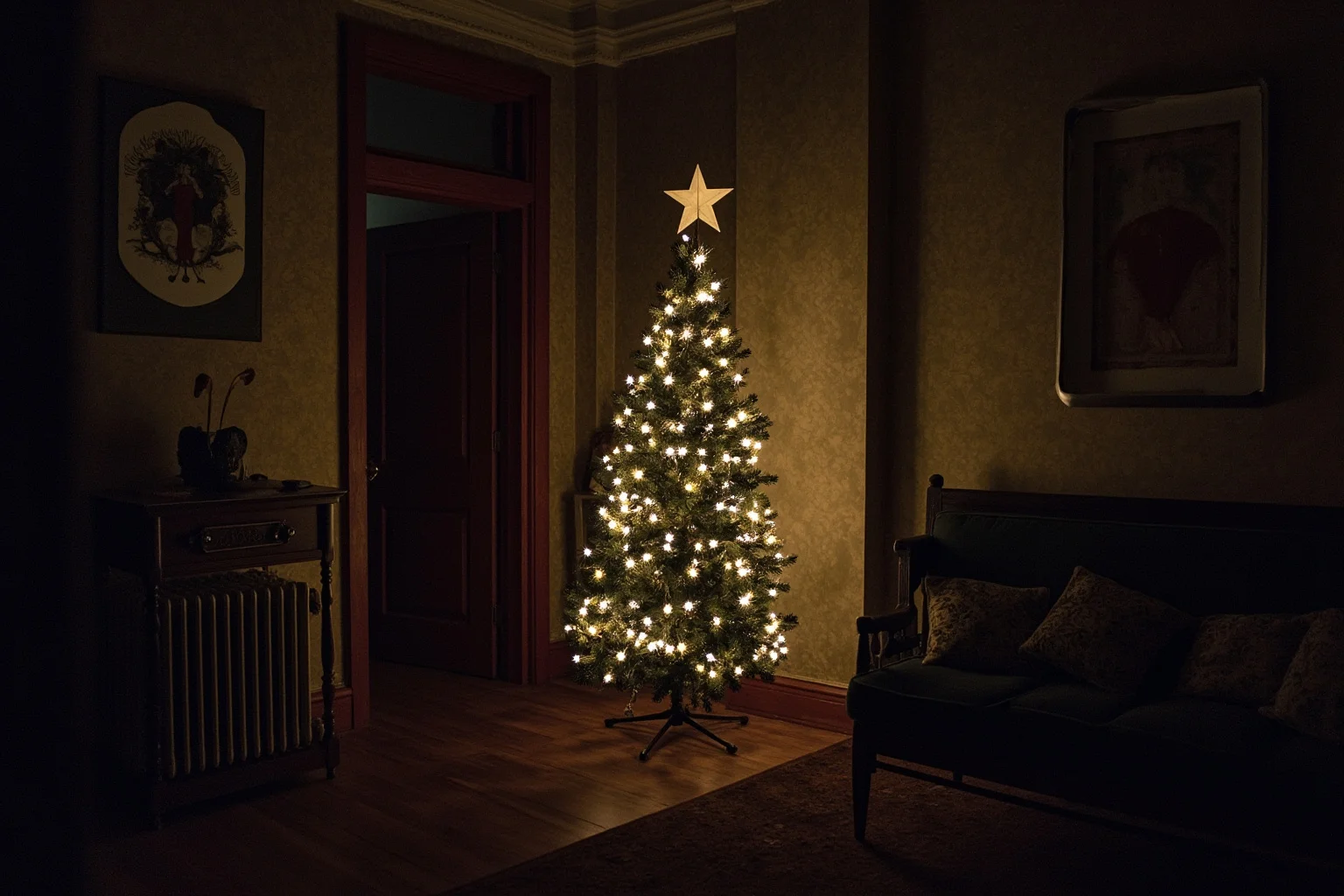
Benjamin Harrison was the first president to have a Christmas tree with electric lights in the White House, a novelty when electricity was still a rare and slightly feared technology. He was also the grandson of William Henry Harrison, making him the only president who was the grandson of another president. His wife, Caroline, was responsible for the first official White House ornament collection, which later inspired a long-running tradition.
24. Grover Cleveland (Again) and the Rest: The Most Obscure Oddities
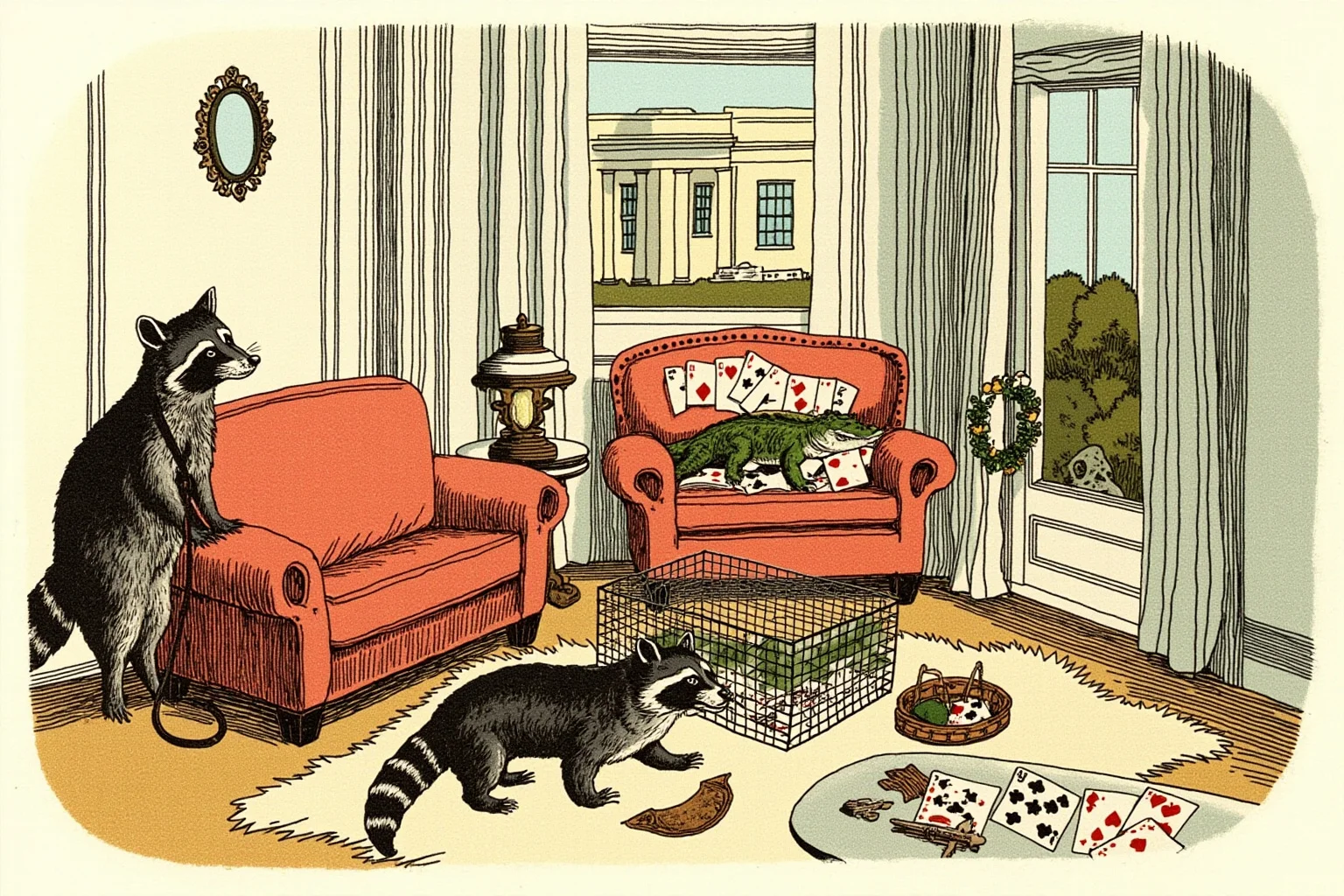
Grover Cleveland's second term aside, the most obscure presidents remain a goldmine of presidential fun facts—William Howard Taft reportedly got stuck in a White House bathtub (a story often exaggerated but rooted in his size), and Warren G. Harding played poker with a cabinet known as the "Poker Cabinet." Calvin Coolidge reportedly had a pet raccoon named Rebecca that he walked on a leash, and Herbert Hoover's son had two pet alligators that roamed the White House grounds. The tradition of presidential weirdness, in other words, didn't stop at the 19th century—it just kept evolving into the modern era with pets, pastimes, and personal quirks that textbooks rarely have space for.
Why These Presidential Facts Still Matter
Weird facts about U.S. presidents aren't just trivia—they're a reminder that the people who held the highest office were human, with hobbies, bad habits, and embarrassing moments that don't fit neatly into a civics lesson. Learning that Washington ran a whiskey distillery or that Lincoln patented a boat-lifting device makes history feel less like a monument and more like a story. It's also a great way to get younger readers hooked on U.S. history without overwhelming them with dates and legislation. If you're hungry for more surprising stories, check out these most recognized historical figures from around the world.
If you're building a trivia night, teaching a class, or just winning arguments at the dinner table, these unusual facts about presidents are endlessly reusable. They bridge the gap between the obscure presidents most people can't name and the famous ones everyone thinks they already know. And there are still more—library archives, presidential libraries, and local historical societies are full of strange details waiting to be unearthed.
How to Use These Facts (Without Spreading Myths)
Some of the best-known presidential weirdness turns out to be exaggerated or invented, like the Fillmore bathtub story or the claim that Harrison's inauguration speech killed him. The safest approach is to enjoy the legend but double-check the record, since presidential libraries and the National Archives are increasingly digitized and searchable. When in doubt, cite the source and note when a story is contested rather than presenting it as settled fact.
Myth-busting can actually make the real facts more interesting—knowing that Harrison likely died of contaminated water, not a cold, doesn't make his story less tragic. Likewise, Taft's bathtub story is funnier when you know it's partly embellished, because it shows how quickly a rumor becomes history. The best presidential trivia is the kind that survives scrutiny and still makes you smile.
Frequently Asked Questions
What are some unusual facts about presidents?
Some of the most unusual facts include John Quincy Adams swimming nude in the Potomac at dawn, Andrew Jackson's parrot reportedly swearing at his funeral, and Grover Cleveland personally serving as a hangman before his presidency. Others range from Thomas Jefferson keeping grizzly cubs on the White House grounds to Calvin Coolidge walking a pet raccoon on a leash. These stories show that presidents were far quirkier than standard history lessons suggest.
Which U.S. president had the strangest pet?
Several presidents had odd pets, but Calvin Coolidge's raccoon named Rebecca and John Quincy Adams's alligator (reportedly kept in a White House bathroom) are often cited as the strangest. Herbert Hoover's son also kept two alligators that roamed the grounds, and Andrew Jackson's foul-mouthed parrot is a fan favorite. Martin Van Buren reportedly kept a pair of tiger cubs gifted by a foreign dignitary, though records on that one are less clear.
Who is the most obscure U.S. president?
Millard Fillmore, Franklin Pierce, Chester A. Arthur, and James Buchanan are frequently ranked among the most obscure presidents. Fillmore is often remembered mainly for a myth about the first White House bathtub, while Buchanan is the only president who never married. Their relative obscurity is part of what makes the weird facts about them so surprising.
Did any president hold a patent?
Yes—Abraham Lincoln is the only U.S. president to hold a patent. In 1849 he received a patent for a device designed to lift boats over shoals and other obstructions in rivers, though the invention was never commercially produced. The patent model is now part of the Smithsonian collection, and it's a popular presidential fun fact.
Which president had the shortest term in office?
William Henry Harrison served the shortest term of any U.S. president, dying about 31 days after his inauguration in 1841. The popular story that his long inaugural speech in cold weather caused his death is now widely considered a myth—historians generally attribute his illness to typhoid fever from contaminated water. His grandson, Benjamin Harrison, later became the 23rd president.

Alex Warren
Related Articles