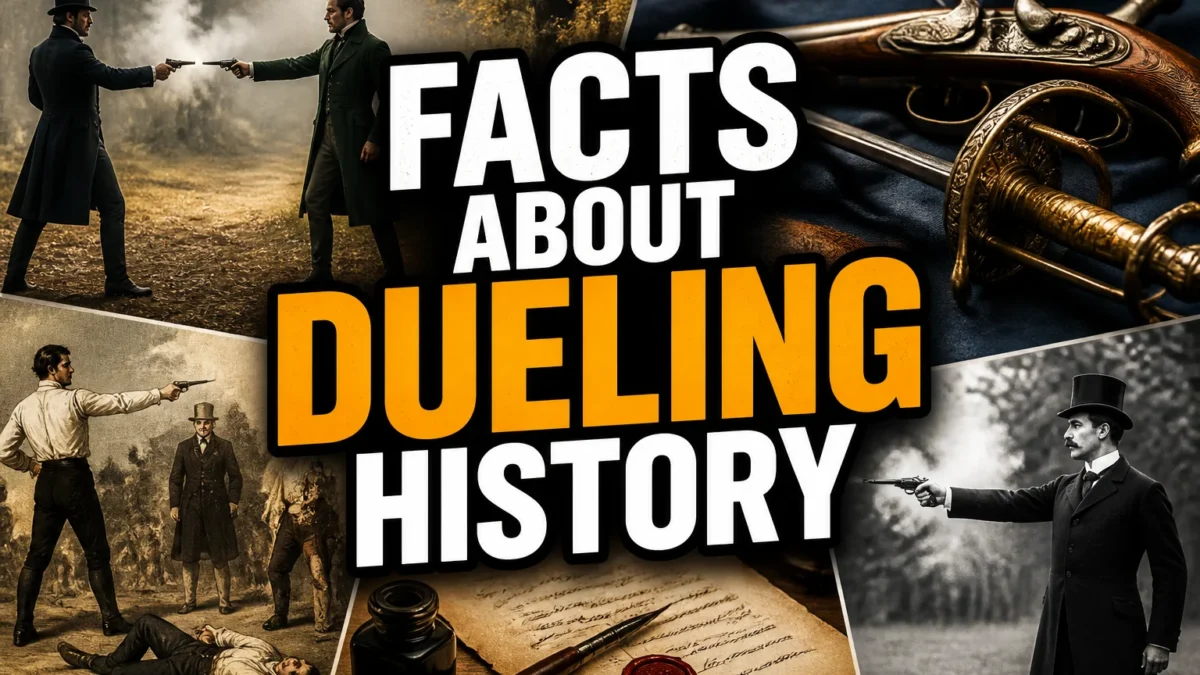
Dueling has a reputation as the ultimate test of courage, a ritual of honor where gentlemen settled disputes with pistols at dawn. But the real history is far stranger, bloodier, and more rule-bound than any Hollywood version. From medieval trials by combat to the last gasps of formal dueling in the early 20th century, these 20 facts explore how duels actually worked, who fought them, and why the practice persisted for so long.
TL;DR: Dueling was never lawless chaos — it was a highly codified ritual of honor, complete with seconds, written rules, and elaborate etiquette that varied wildly by country and century.
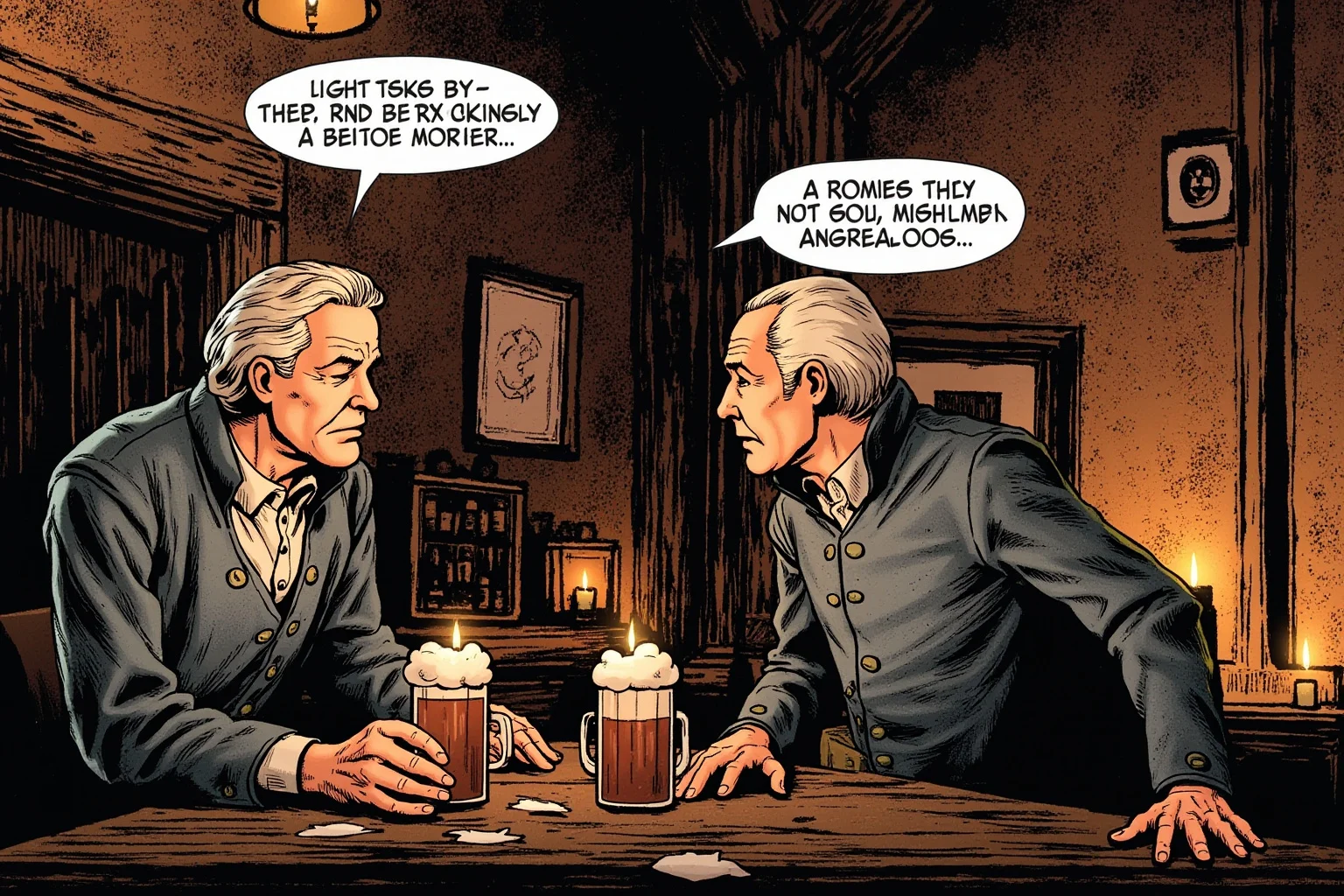
What Was Dueling, Really?
A duel was a prearranged, private fight between two people using deadly weapons, governed by agreed rules and witnessed by representatives called seconds. It was not a random brawl but a formalized social performance, designed to restore honor rather than simply kill an opponent. The practice peaked in Europe and the Americas between the 16th and 19th centuries, though its roots stretch back to the medieval period and earlier eras.
Crucially, dueling was rarely about the original dispute. It was about reputation. A man who refused a challenge risked being branded a coward and shunned by his social circle, which could be just as ruinous as a bullet.
1. Dueling Has Roots in Medieval Trial by Combat
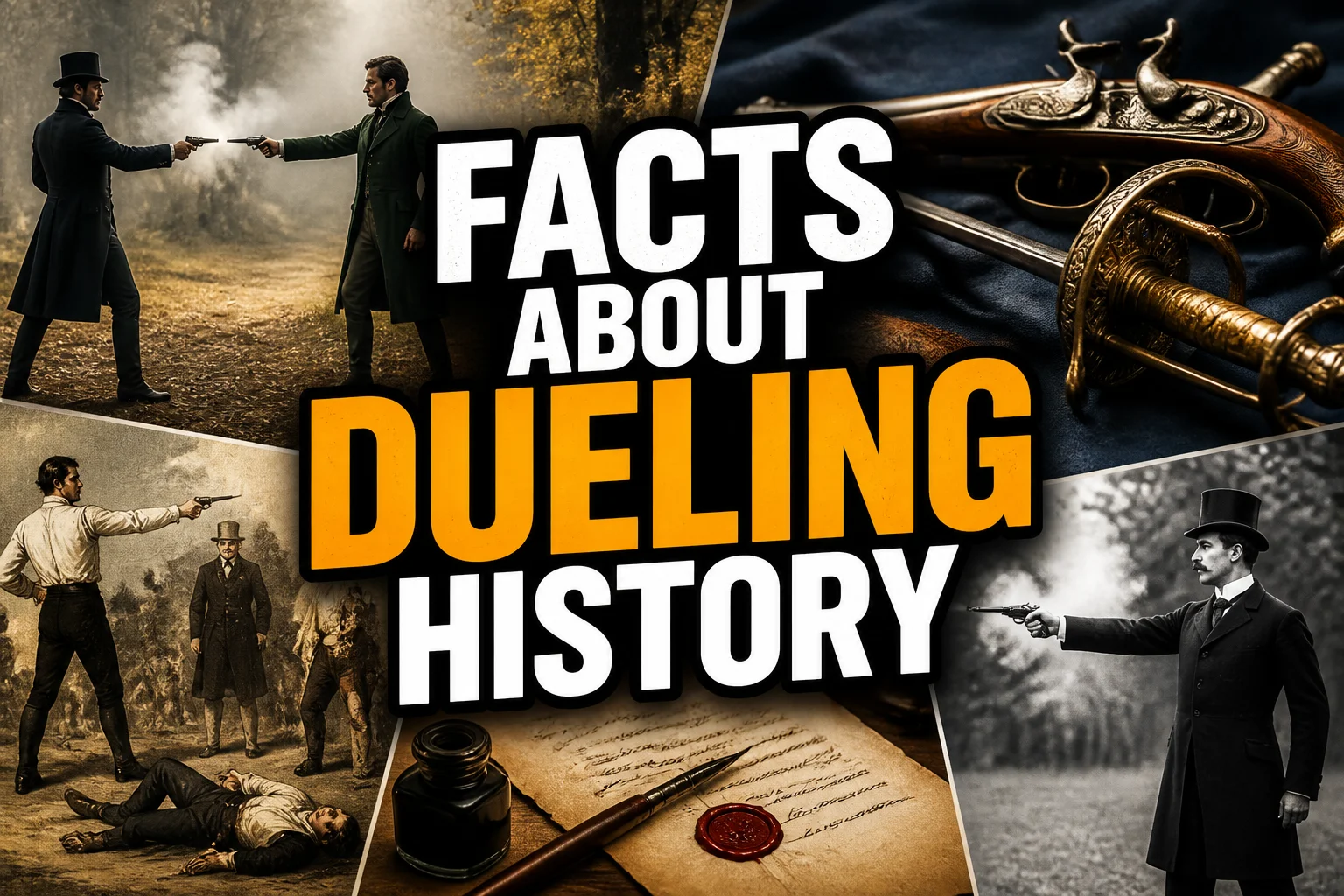
Before the gentleman's duel existed, medieval Europe used trial by combat, a judicially sanctioned fight where God was believed to grant victory to the innocent. Unlike later duels, these were legal proceedings, not private affairs. A judge or lord could order two parties to fight to settle a case when other evidence was lacking.
This practice appears in legal codes across medieval Europe, including Norman England and parts of Germany. It gradually fell out of favor as legal systems developed more rational methods of proof, but the idea that combat could reveal truth lingered in the culture.
2. The Word "Duel" Comes From Latin
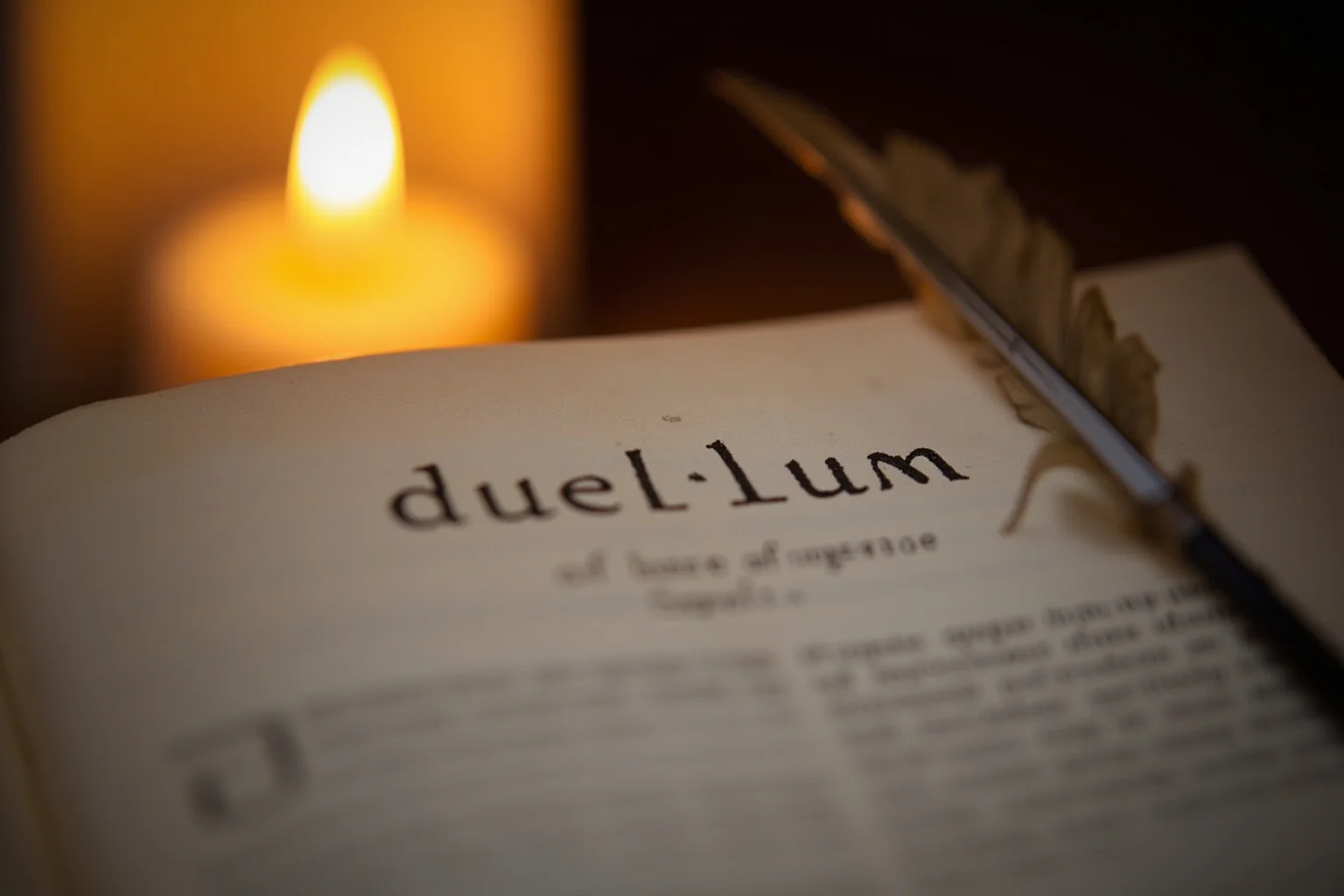
The term duel derives from the Latin duellum, an archaic form of bellum, meaning war. Over time, duellum came to mean a war between two people rather than nations. This linguistic shift captures the essence of the practice: a private war fought under public rules.
The related word "duelist" or "duellist" (the British spelling) describes a participant. The distinction between "dueling" and "duelling" is simply a matter of American versus British spelling conventions, not a difference in the activity itself.
3. Seconds Were the Backbone of Every Duel
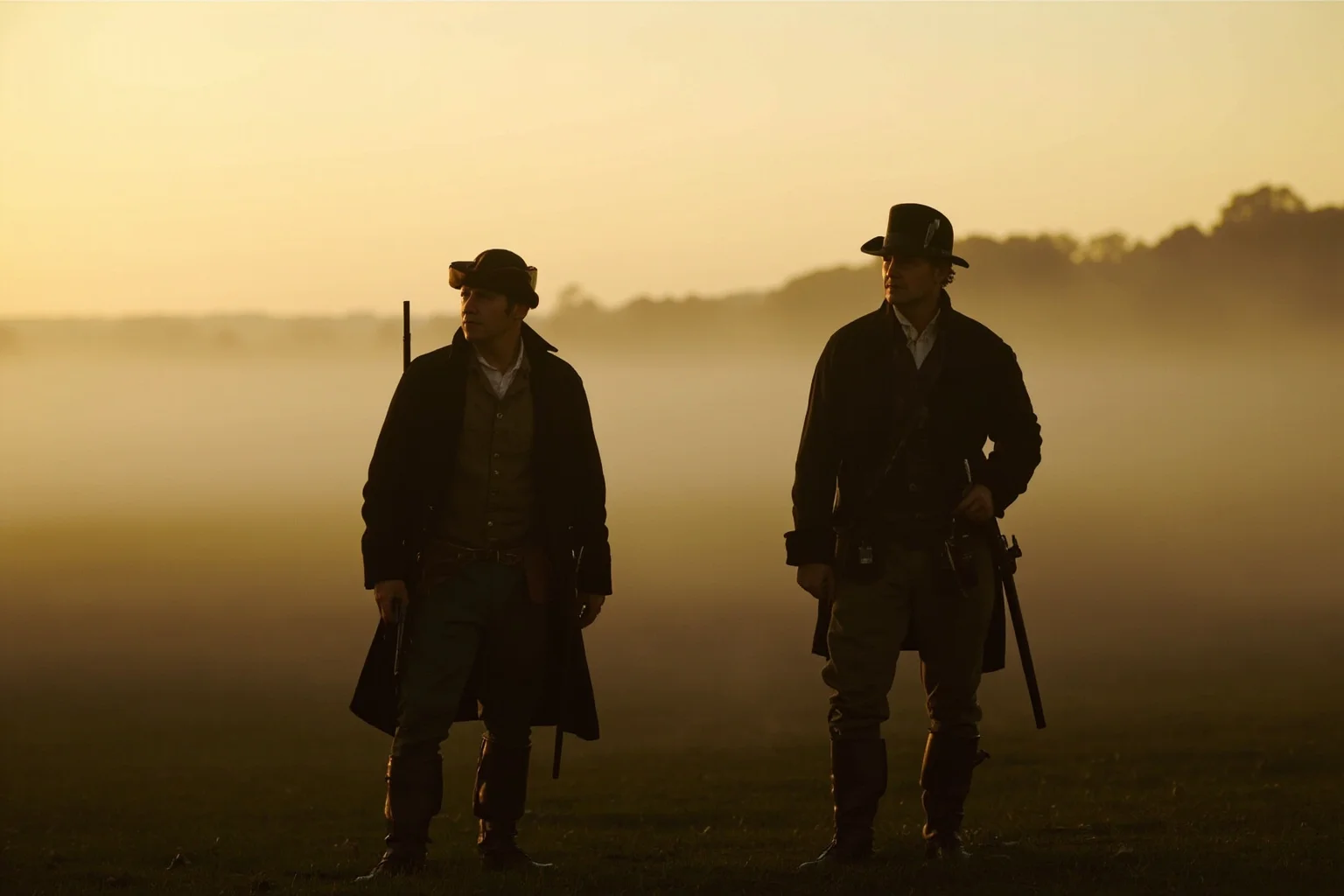
A second in a duel was a trusted representative who accompanied each combatant, and their role went far beyond mere spectatorship. Seconds negotiated the terms of the fight, checked weapons, set distances, and often tried to reconcile the parties before blood was shed. They also served as witnesses to ensure the rules were followed.
If a duelist died, his second might be responsible for his affairs and could even be legally liable. In some codes, seconds were expected to fight if the principals survived but remained unsatisfied. Their presence turned a private grudge into a semi-public, regulated event.
4. The Code Duello Formalized the Rules
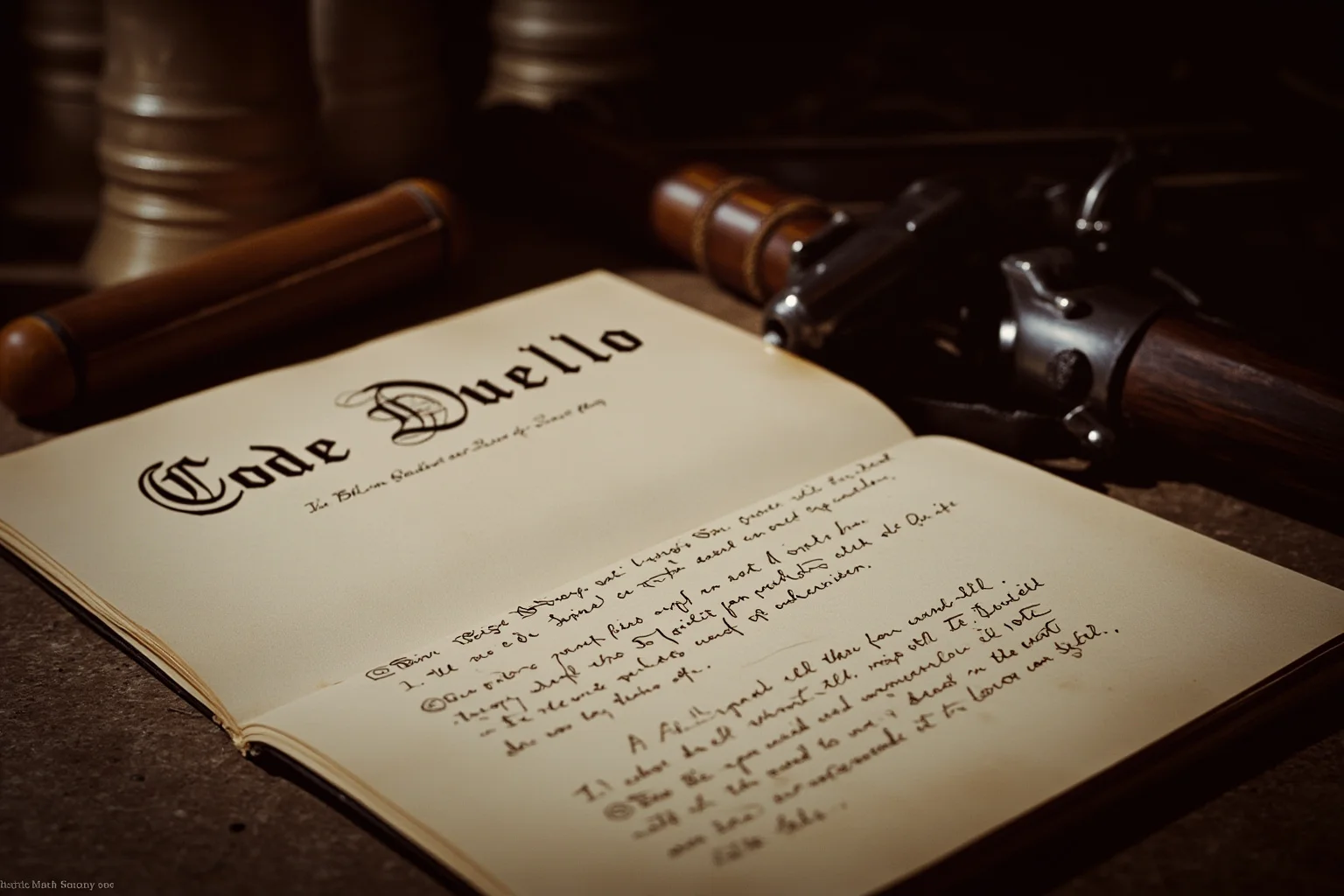
In 1777, Irish gentlemen drafted a set of rules known as the Code Duello, which became one of the most influential frameworks for dueling. It specified everything from the choice of weapons to the number of exchanges and the circumstances under which a duel could be called off. This code spread to Britain, America, and beyond.
Different regions adapted their own versions. The French had their own elaborate codes, and the American South developed a reputation for strict adherence to honor culture. These written rules are why dueling history is so well documented.
5. Pistols Did Not Become Standard Until the 18th Century
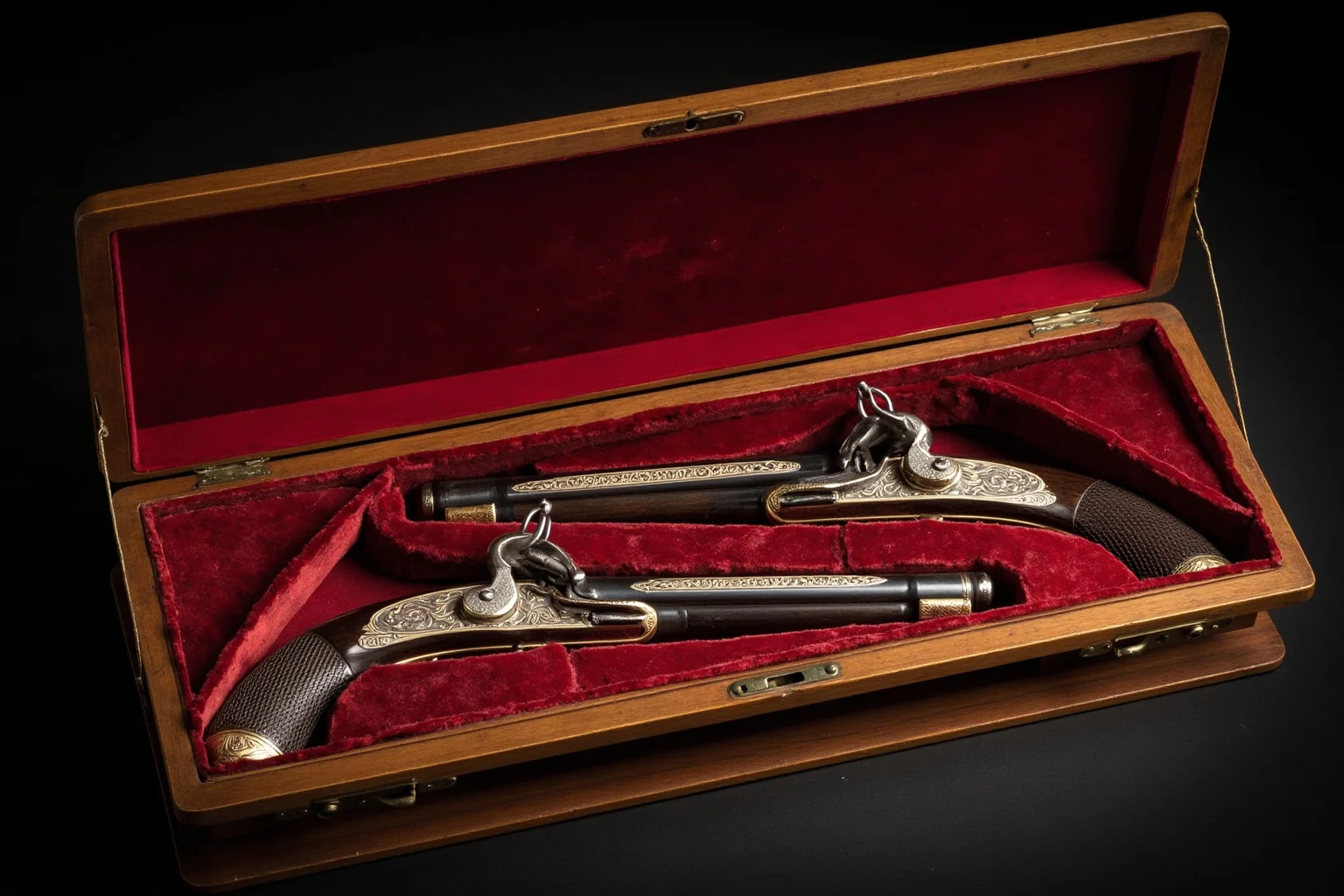
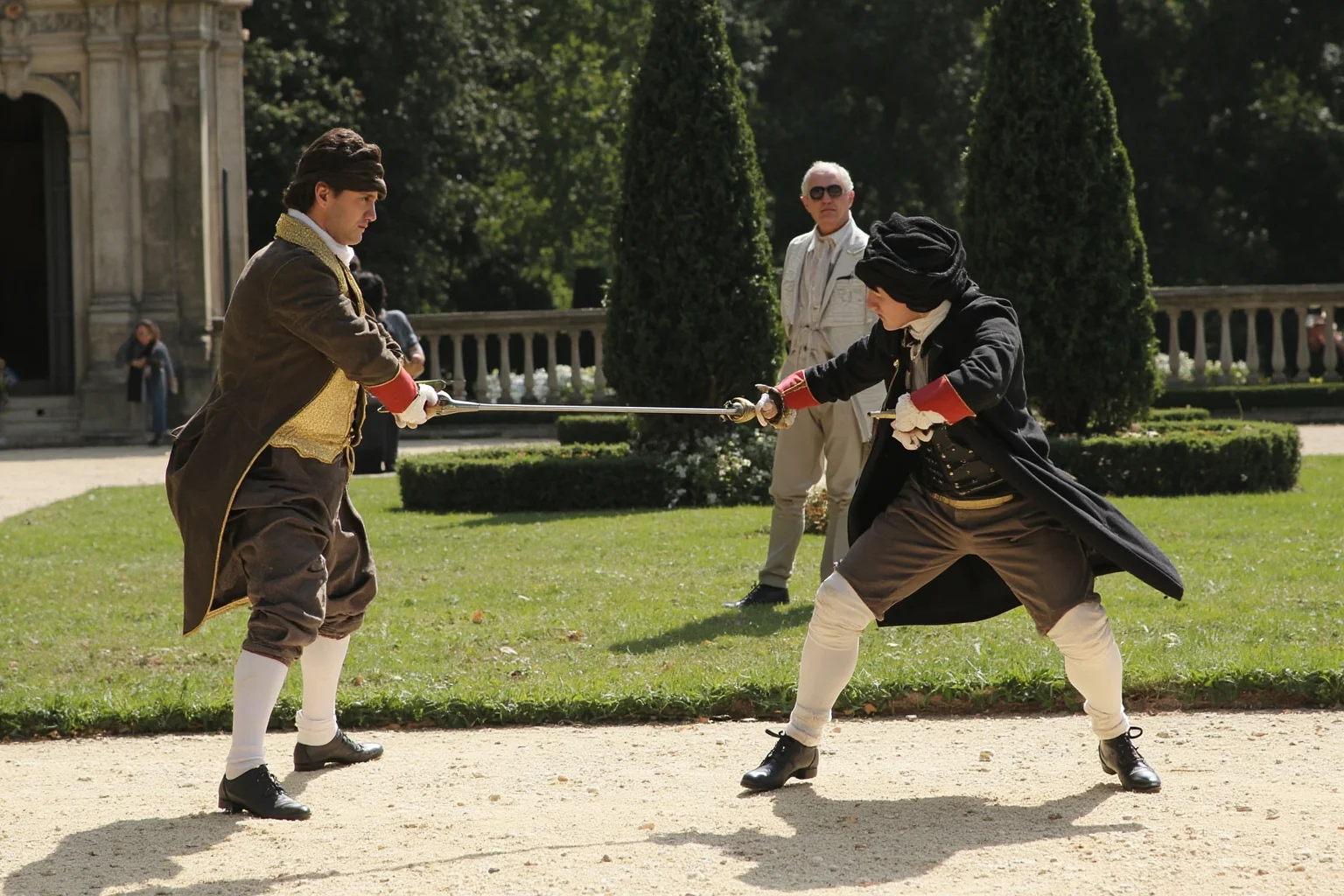
Early duels were fought with swords, rapiers, and even daggers. The shift to pistols happened gradually during the 18th century, as firearms became more reliable and accessible. Pistol duels were seen as more egalitarian because they required less training than swordsmanship.
However, early pistols were notoriously inaccurate, which actually made duels less lethal than modern audiences assume. Many exchanges ended with both parties missing entirely, allowing honor to be satisfied without bloodshed.
6. Duels Were Often Fought Over Trivial Insults
A perceived slight, a rude remark, or a dispute over a card game could trigger a challenge. In one notorious case, a Frenchman allegedly dueled over the pronunciation of a word. The point was not the insult itself but the principle that one's honor could not be trampled.
This sensitivity seems absurd today, but in honor cultures, reputation was a form of social currency. Letting an insult slide could invite further disrespect and undermine a man's standing in his community.
7. "Deloping" Was a Deliberate Miss
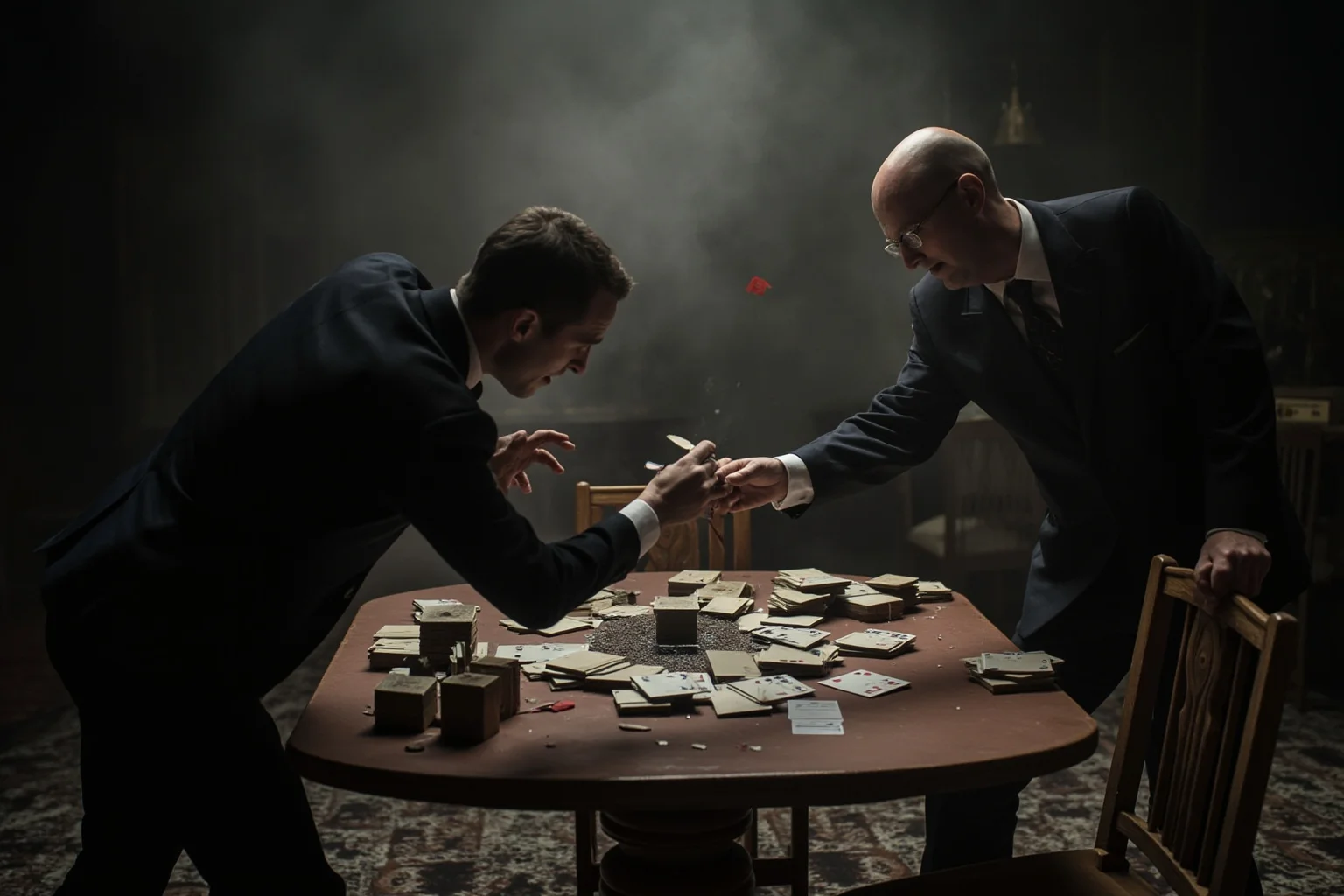
Deloping refers to the practice of intentionally firing wide or into the ground rather than at one's opponent. It was a way to satisfy the demands of honor while avoiding killing or being killed. The term is sometimes spelled "delopement" and was considered by some codes to be a sign of cowardice and by others a mark of gentlemanly restraint.
Deloping was risky because an opponent might not reciprocate. Some dueling codes explicitly forbade it, insisting that a participant either fire to hit or not fire at all. The ambiguity around deloping shows how duels balanced ritual and real danger.
8. The Dueling Second Could Fight in Place of the Principal
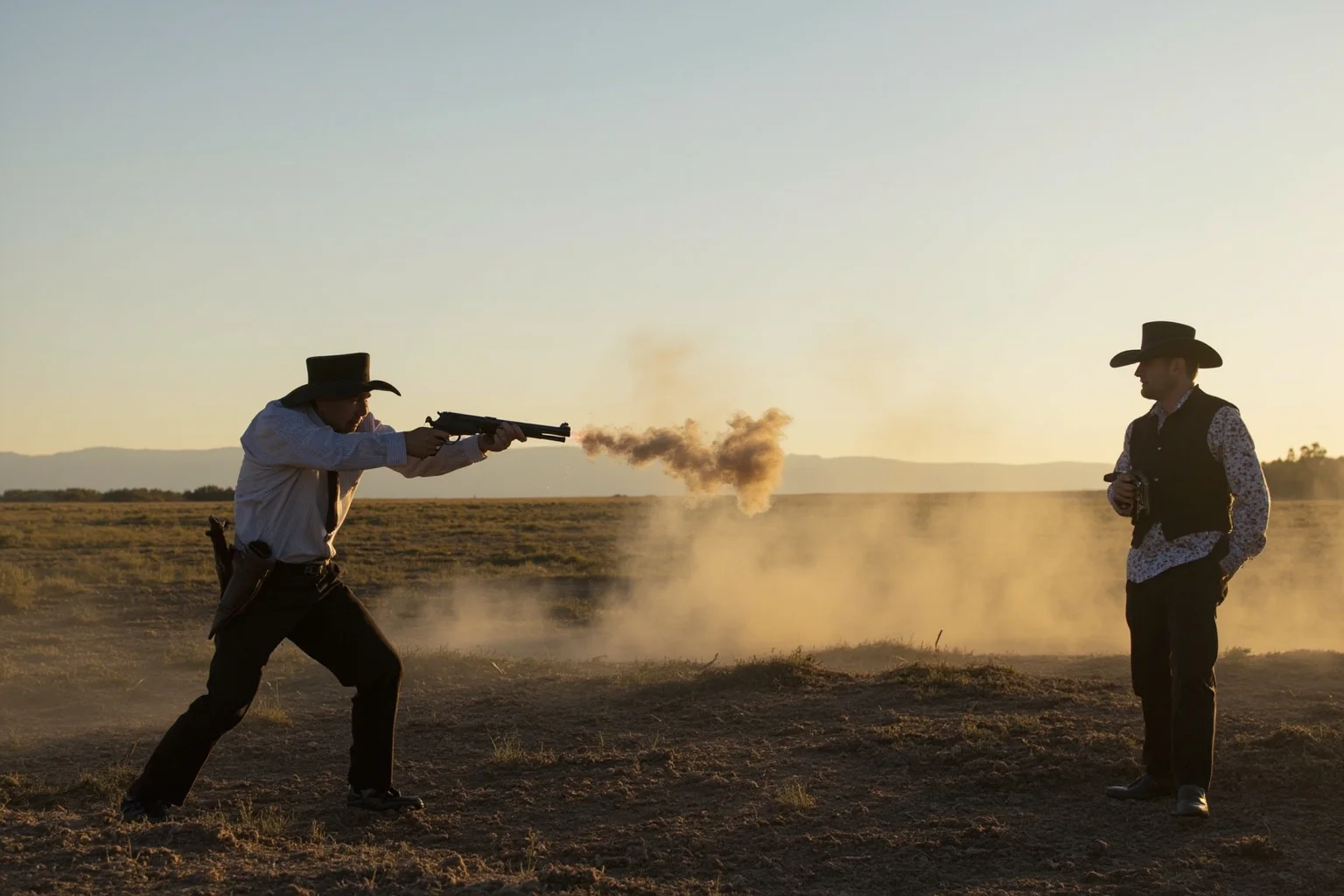
If a principal was unable or unwilling to fight, a second could sometimes take his place, though this was uncommon and usually required agreement from both sides. More often, seconds acted as intermediaries who might duel each other if the principals' dispute remained unresolved after the first exchange.
This layered structure meant a single disagreement could spiral into multiple fights. The dueling second was therefore not just a helper but a potential combatant, bound by the same code of honor.
9. France Produced Some of the Most Prolific Duelists
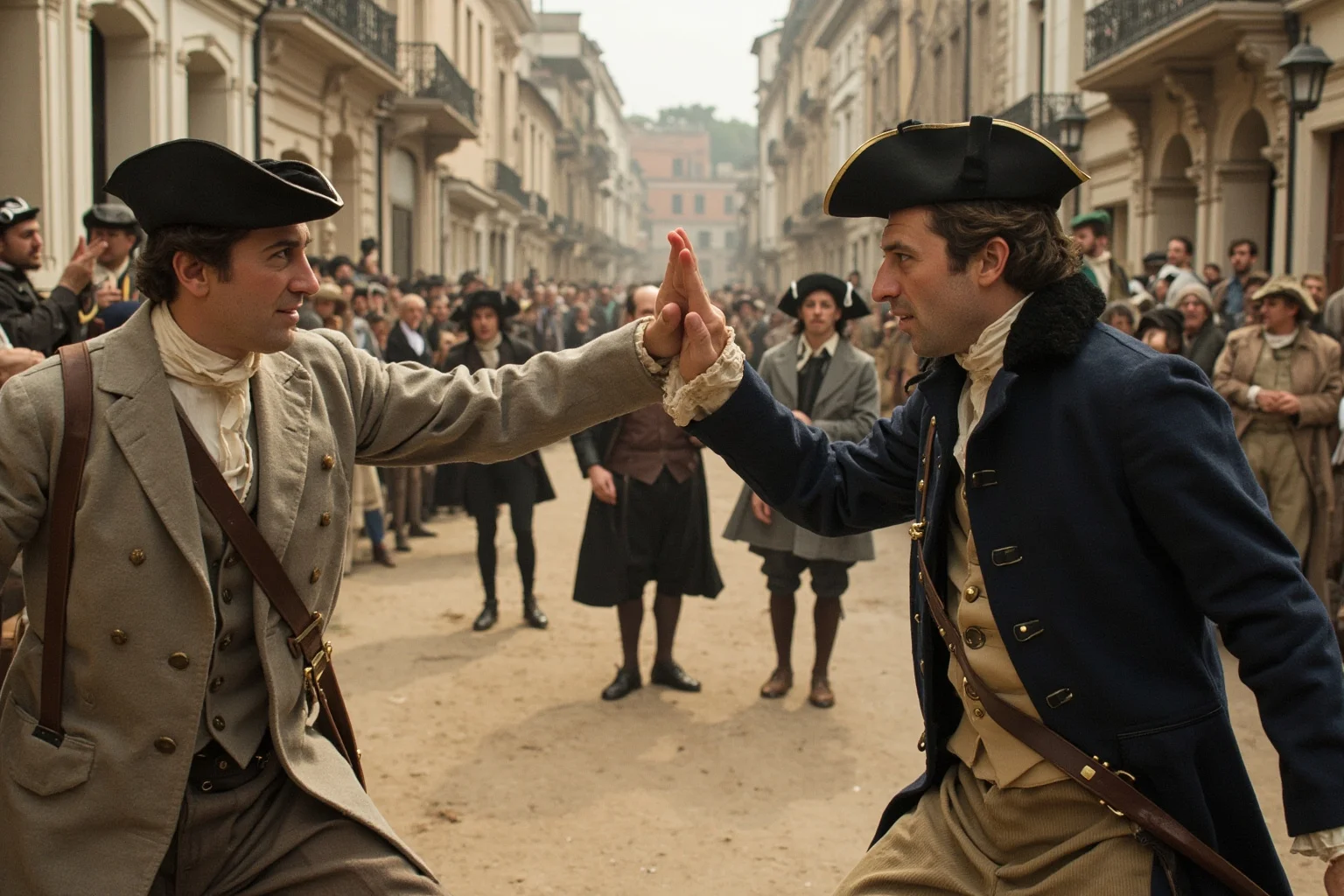
During the 19th century, France saw thousands of duels, many of them fought with swords and resulting in relatively few fatalities. French duels were often more theatrical, with elaborate rituals and a preference for first blood rather than death. Newspapers of the era reported duels with the same regularity as sporting events.
Famous French duelists included figures from politics, literature, and the military. The sheer volume of duels in France helped refine the codes and etiquette that influenced dueling elsewhere.
10. American Dueling Was Concentrated in the South
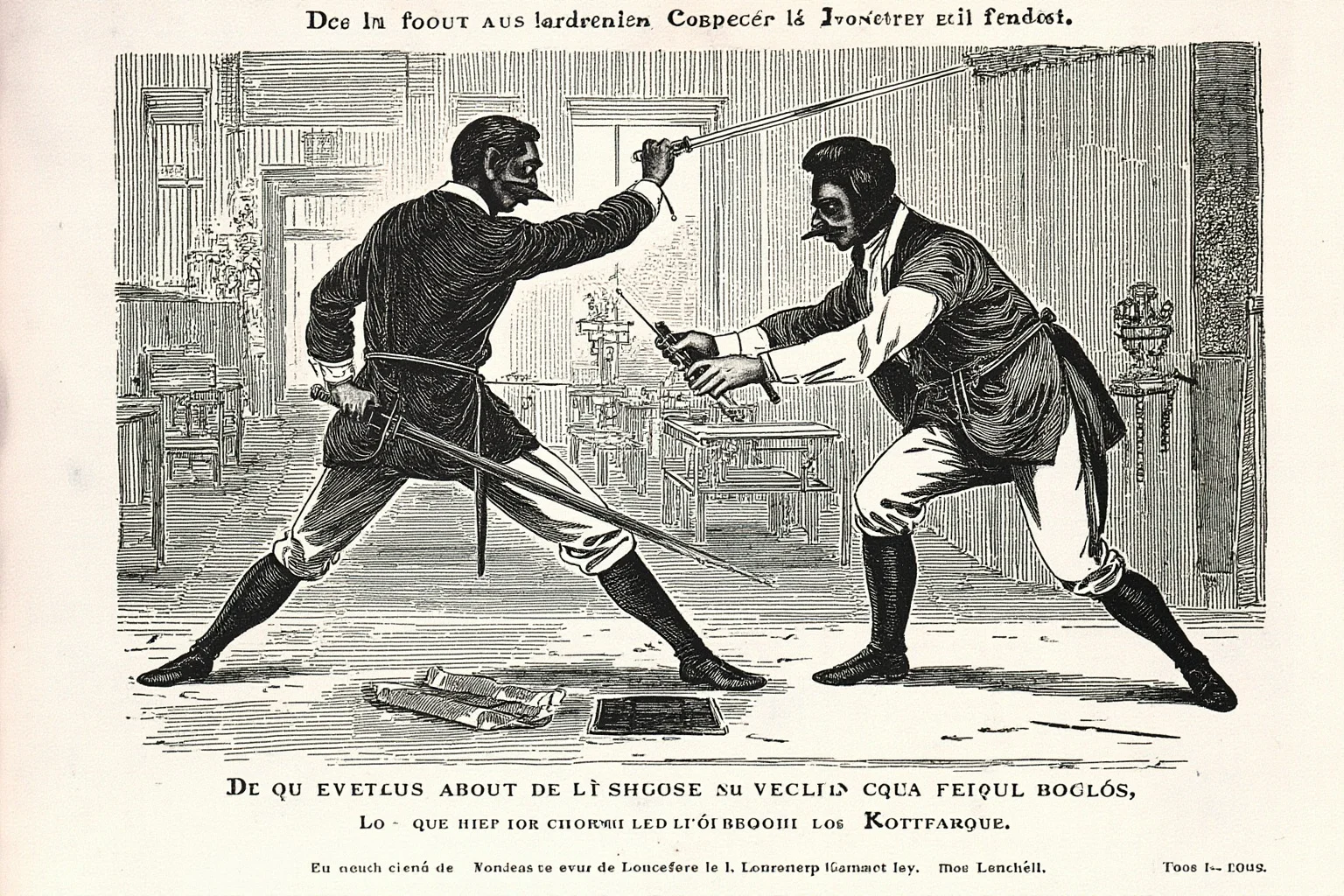
In the United States, dueling was most prevalent in the antebellum South, where honor culture ran deep. Planters, politicians, and military officers frequently engaged in affairs of honor, sometimes with fatal results. The most famous American duel is probably the 1804 encounter between Alexander Hamilton and Aaron Burr, which ended Hamilton's life; the pistols from that duel survive today among the most remarkable artifacts of American history.
Northern states largely outlawed or discouraged dueling earlier, but the practice persisted in the South until the Civil War and beyond. Public opinion gradually turned against it as the death toll mounted.
11. Laws Against Dueling Were Often Ignored
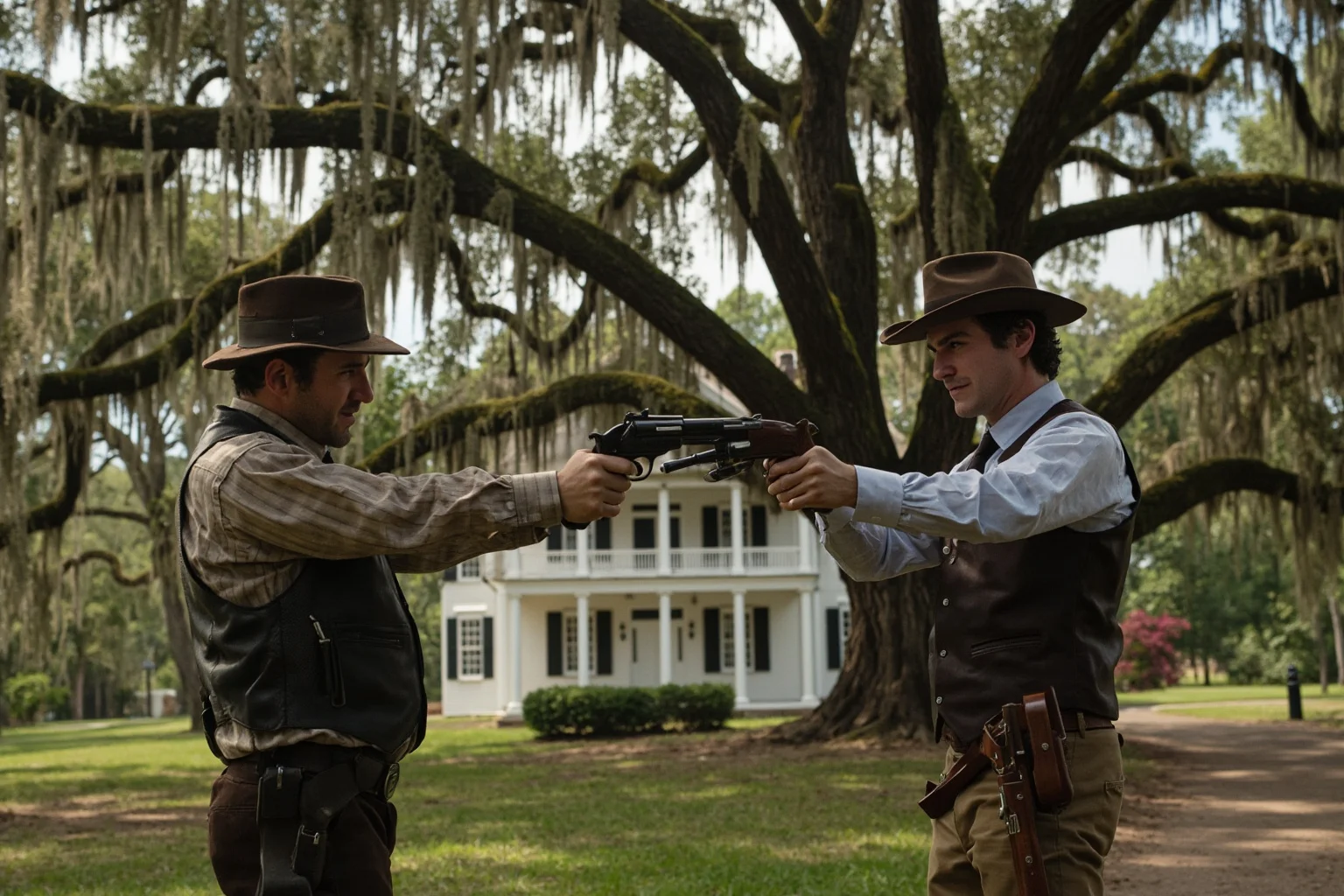
Despite anti-dueling statutes in many countries, enforcement was inconsistent. Juries frequently acquitted duelists, viewing the practice as a matter of personal honor rather than criminal violence. In some places, participants were tried but received light sentences or pardons.
This legal tolerance reflected a society that was ambivalent about dueling. It was technically illegal but socially sanctioned, a contradiction that allowed the practice to survive for centuries.
12. Women Occasionally Fought Duels
While dueling was overwhelmingly a male activity, history records instances of women dueling, often to defend their honor or the honor of a loved one. One famous case involved two Frenchwomen in the 17th century who fought with swords over a romantic dispute. Such events were rare and sensationalized.
Women also served as seconds in some cases, though this was even less common. These exceptions challenge the assumption that dueling was exclusively a male ritual.
13. Dueling Was Banned in Britain but Persisted in Ireland
England began cracking down on dueling in the 18th century, and the practice largely died out there by the early 19th century. Ireland, however, retained a strong dueling tradition, and Irish code duello was exported to America. The last fatal duel in England occurred in 1852, while Ireland saw duels later than that.
The British military also had a dueling culture, and officers sometimes fought over matters of regimental honor. Public pressure and legal reform eventually curbed the practice.
14. The Choice of Weapons Could Be Decided by the Challenged Party
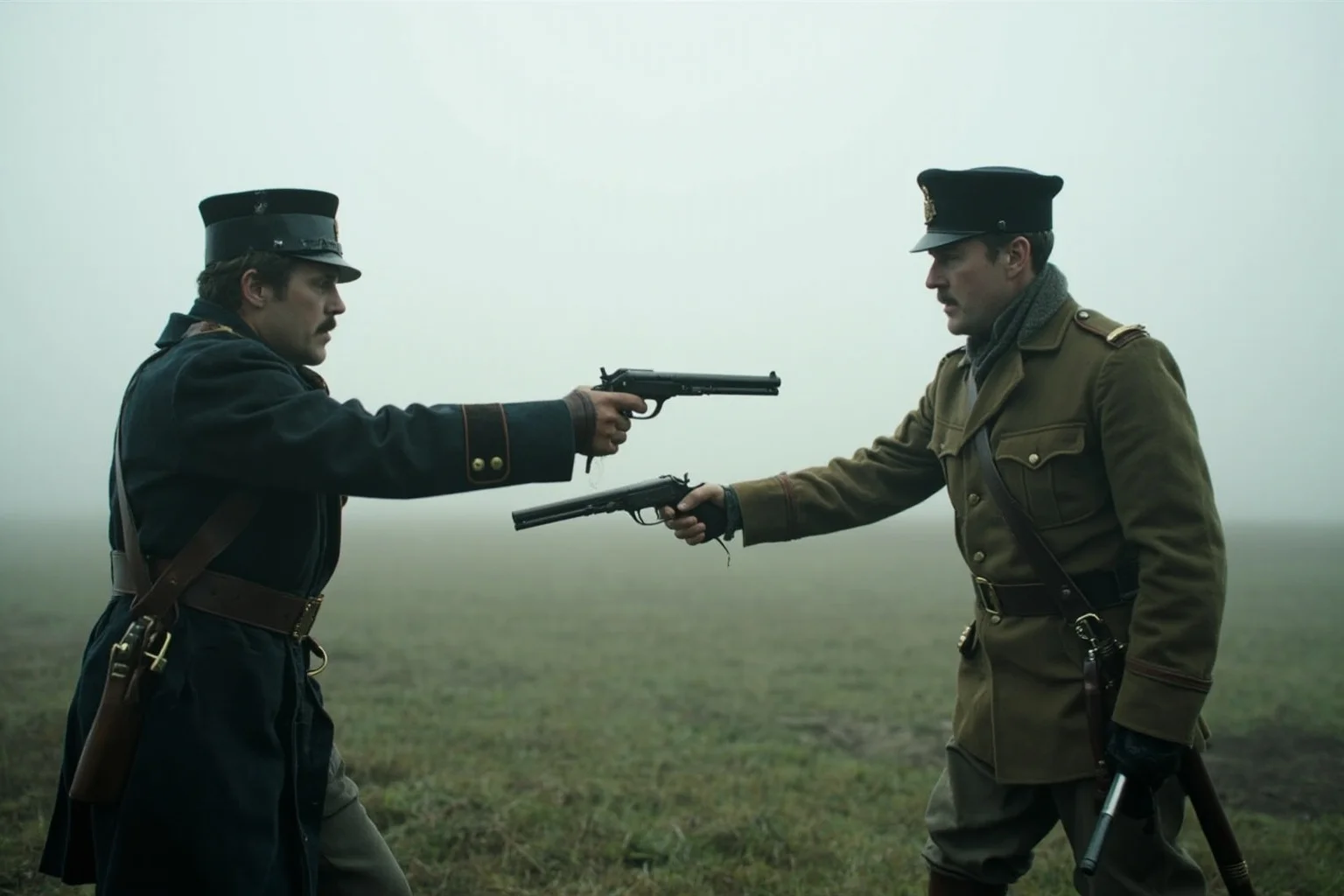
In many codes, the person who was challenged had the right to choose the weapon, which was a significant advantage. This rule prevented challengers from picking a weapon they were exceptionally skilled with. It also meant that a skilled swordsman might be forced to fight with pistols, leveling the field.
Sometimes the choice was left to chance, or a neutral party decided. The negotiation over weapons was one of the most delicate parts of arranging a duel.
15. Seconds Often Tried to Prevent the Duel
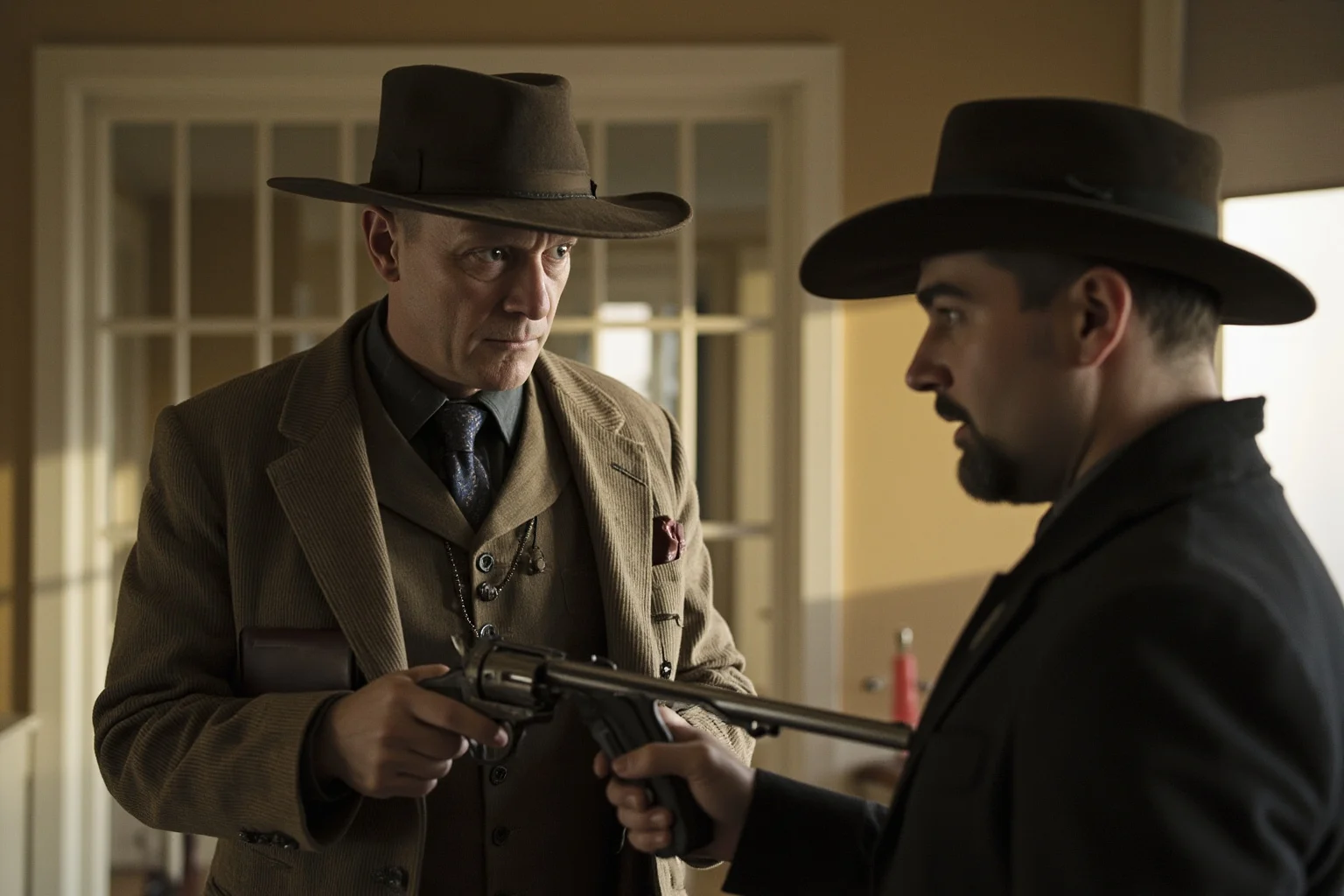
Despite their role in facilitating the fight, seconds frequently attempted to reconcile the parties before shots were fired. They might apologize on behalf of their principal or find a face-saving compromise. In many duels, the mere act of showing up and going through the motions was enough to restore honor.
This reconciliatory function is often overlooked. The seconds were not bloodthirsty enablers; they were often the voice of reason, seeking to avoid tragedy while preserving dignity.
16. Dueling Pistols Were Often Sold in Pairs
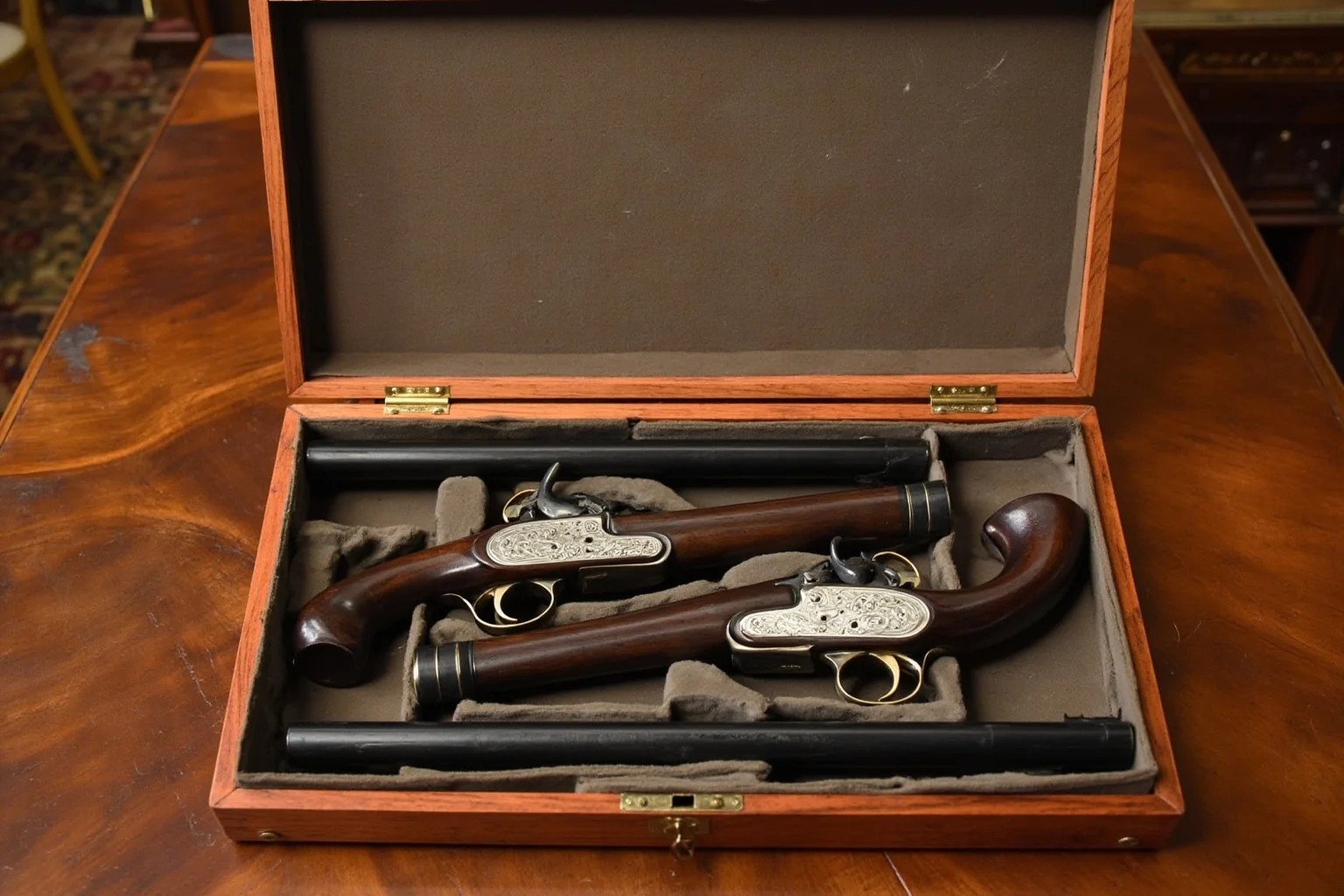
Specialized dueling pistols, usually smoothbore flintlocks, were crafted in matched pairs and sold in fitted cases. They were designed for accuracy and reliability, with hair triggers and balanced barrels. The possession of such a pair was a status symbol among gentlemen.
These pistols were not the same as everyday sidearms. They were ceremonial objects, often ornate, and sometimes passed down through generations — much like other prized heirlooms and one-of-a-kind objects from earlier centuries that can still be seen in museum collections. Their existence shows how deeply dueling was embedded in elite culture.
17. The Duel of Hamilton and Burr Changed American Politics
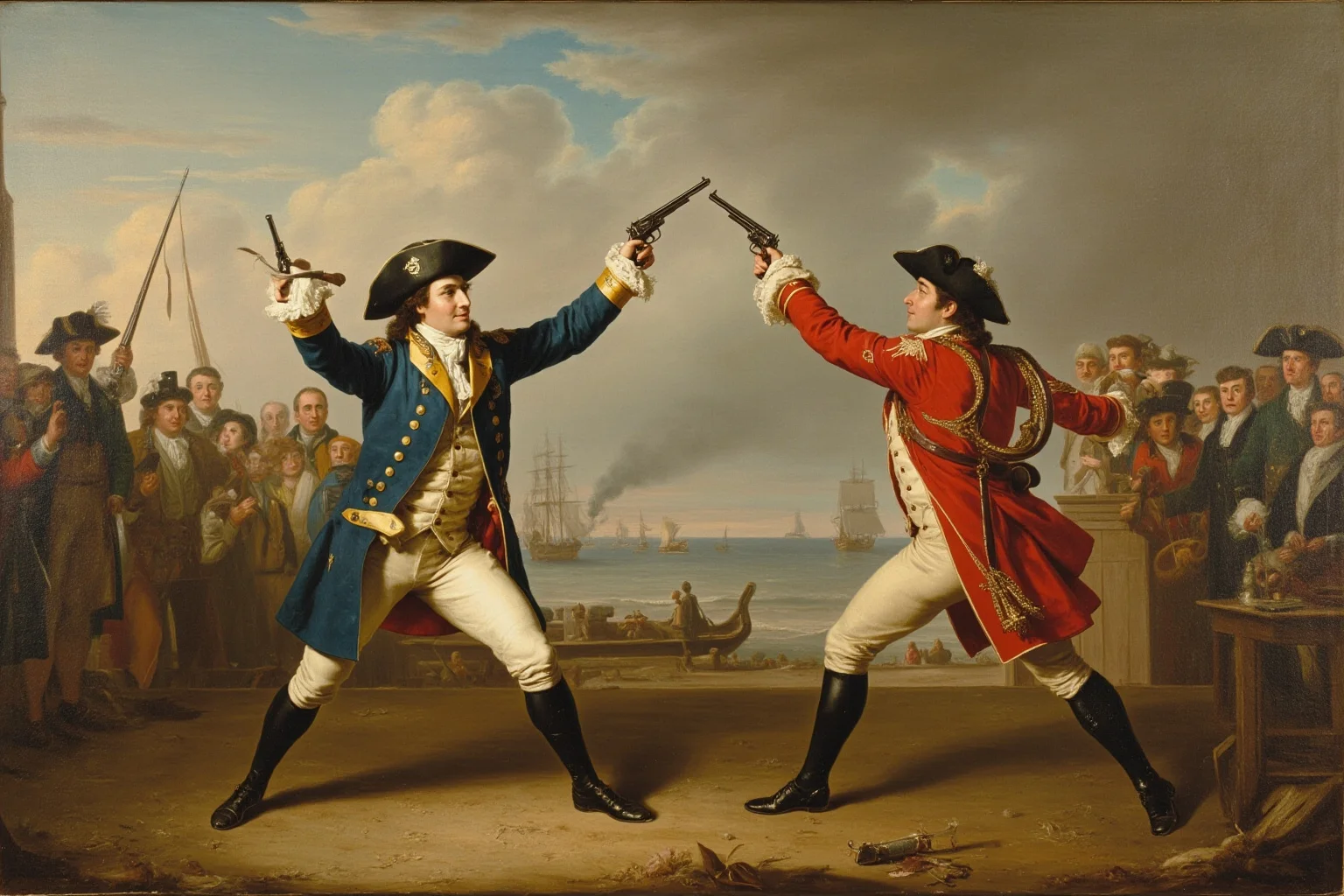
The 1804 duel between Alexander Hamilton and Aaron Burr is perhaps the most famous in American history. Burr, then Vice President, challenged Hamilton after a series of political slights. Hamilton was mortally wounded and died the next day.
The duel shocked the nation and effectively ended Burr's political career. It also became a cautionary tale about the dangers of honor culture in a young republic. The pistols used in the duel still survive in museum collections.
18. Dueling Declined as Societies Modernized
By the late 19th century, dueling was in steep decline across Europe and the Americas. Urbanization, stronger legal systems, and changing social values made the practice seem archaic. The rise of libel laws and formalized dispute resolution gave men new ways to defend their reputations.
The First World War is often cited as a final blow, as the scale of industrialized warfare made personal duels seem trivial. By the 1920s, a decade that would later define the modern era, dueling had largely vanished from Western society.
19. Some Duels Were Fought with Unusual Weapons
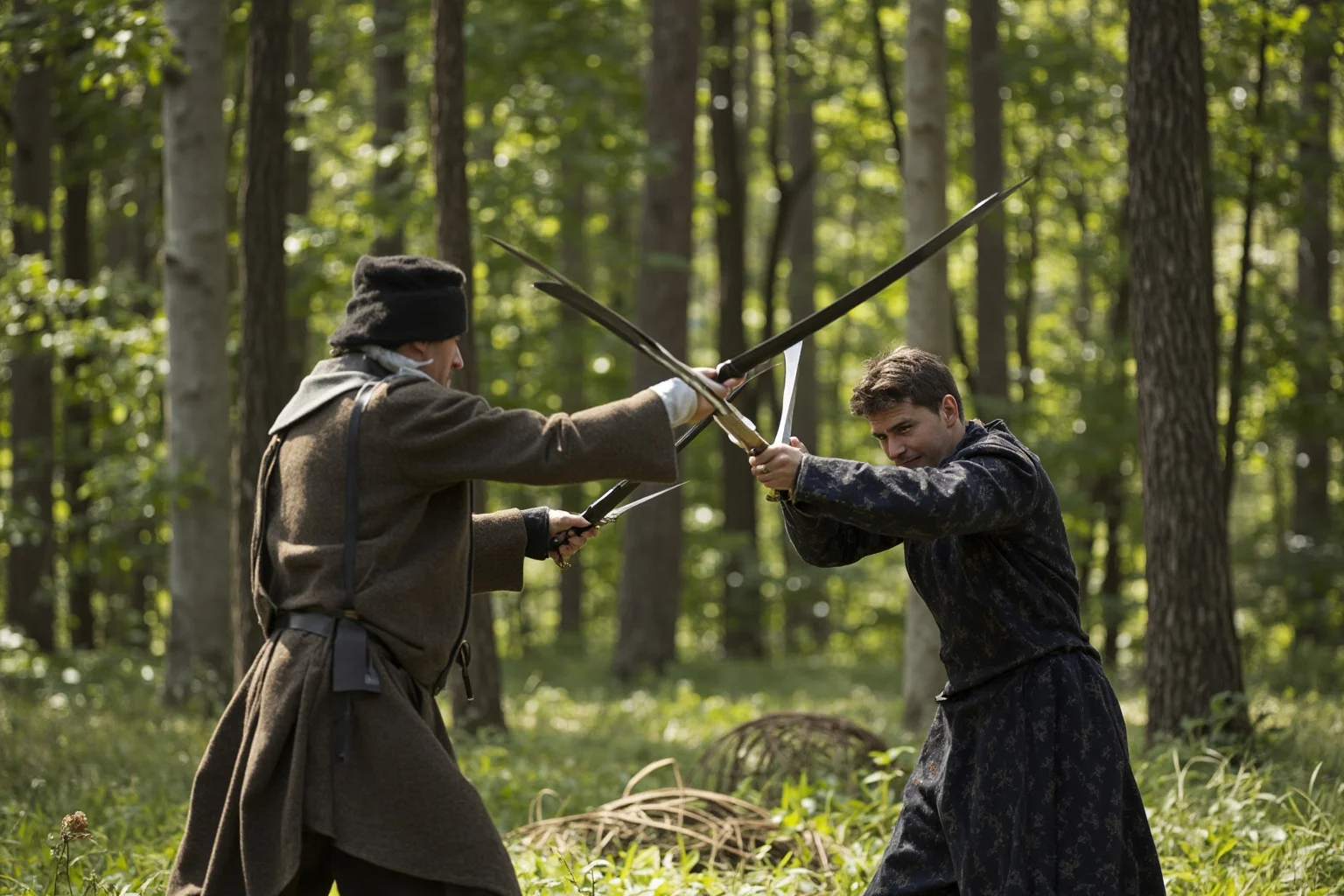
While swords and pistols dominated, history records duels fought with rifles, sabers, and even more exotic weapons. In some cases, combatants used axes, and there are accounts of duels with bows and arrows. These were exceptions, but they show that any weapon could be chosen if both parties agreed.
The strangest duels often arose from eccentric challenges or attempts to gain an advantage. They remind us that dueling was a flexible ritual, not a single fixed practice.
20. Dueling Left a Cultural Legacy in Literature and Film
The drama of the duel has inspired countless books, plays, and movies, from Pushkin's Eugene Onegin to modern Westerns. The imagery of two men facing each other at dawn, pistols raised, has become a cultural shorthand for honor, courage, and tragedy.
Understanding the real history behind these scenes enriches our appreciation of the past. Dueling was a complex social institution, and its story is as much about etiquette and law as it is about violence.
Why Dueling Still Fascinates Us
Dueling history is a window into how past societies defined honor, masculinity, and justice. It shows that even lethal violence can be governed by elaborate rules and that social pressure can be as powerful as any law. The next time you see a duel in a film, you will know that the reality was far more ritualized — and often far stranger — than fiction.
Whether spelled "dueling" or "duelling," the practice remains a compelling subject because it forces us to confront a world where reputation could be worth dying for. And that is a fact worth remembering.
Frequently Asked Questions
What is a second in a duel?
A second in a duel is a trusted representative who accompanies each combatant. Their duties include negotiating the terms of the fight, checking weapons, setting distances, and attempting to reconcile the parties before violence occurs. Seconds also serve as witnesses to ensure the rules are followed and may even fight in place of their principal if necessary.
How did duels work in practice?
Duels followed a formal code, often the Code Duello. A challenger issued a challenge, and the challenged party chose the weapon. Seconds negotiated details like time, place, and distance. At the duel, combatants took positions, and after an exchange of shots or blows, the seconds could declare honor satisfied. Many duels ended without injury, especially if deloping occurred.
What does deloping mean in dueling?
Deloping is the act of intentionally firing a pistol wide or into the ground instead of at one's opponent. It was a way to satisfy honor without killing or being killed. Some dueling codes considered it cowardly, while others saw it as a gentlemanly gesture of restraint. The practice was risky because an opponent might not reciprocate.
Was dueling ever legal?
Dueling was rarely legal in the modern sense, but enforcement was inconsistent. Medieval trial by combat was a legally sanctioned proceeding, but later private duels were typically outlawed. However, juries often acquitted duelists, and penalties were light, reflecting social tolerance for the practice in many honor cultures.
What is the difference between dueling and duelling?
There is no difference in meaning. 'Dueling' is the standard American spelling, while 'duelling' is the British spelling. Both refer to the same practice of a prearranged, rule-governed fight between two people.

Alex Warren
Related Articles