TL;DR: Surviving the Great Depression meant pooling resources, growing food, and embracing frugality — lessons that remain surprisingly relevant for anyone wondering how to survive a depression economy today.
Could You Survive the Great Depression?
Imagine waking up one morning to find your savings wiped out, your job gone, and your neighbors lining up for free bread. That was reality for millions of Americans after the stock market crash of 1929. The Great Depression wasn't just an economic downturn — it was a decade-long test of human resilience that reshaped how an entire generation thought about money, work, and family.
So how did people survive the Great Depression? The answer isn't a single trick or government program. It was a combination of practical strategies, community cooperation, and psychological grit that kept families fed and housed through the worst economic crisis in modern history — as these 20 facts about the Great Depression make clear. Let's break down 20 of the most important survival realities from that era.
20 Survival Realities of the Great Depression
1. Bartering Replaced Cash
When money became scarce, people traded goods and services directly. A farmer might swap a bushel of potatoes for a dentist's services or a seamstress's repairs. This informal economy kept communities functioning when formal currency was hoarded or simply unavailable.
Bartering wasn't just a rural phenomenon, either. Urban workers traded skills like plumbing or carpentry for food and rent. Surviving the Great Depression often meant relearning the value of a direct exchange.
2. Soup Kitchens and Breadlines Became Lifelines
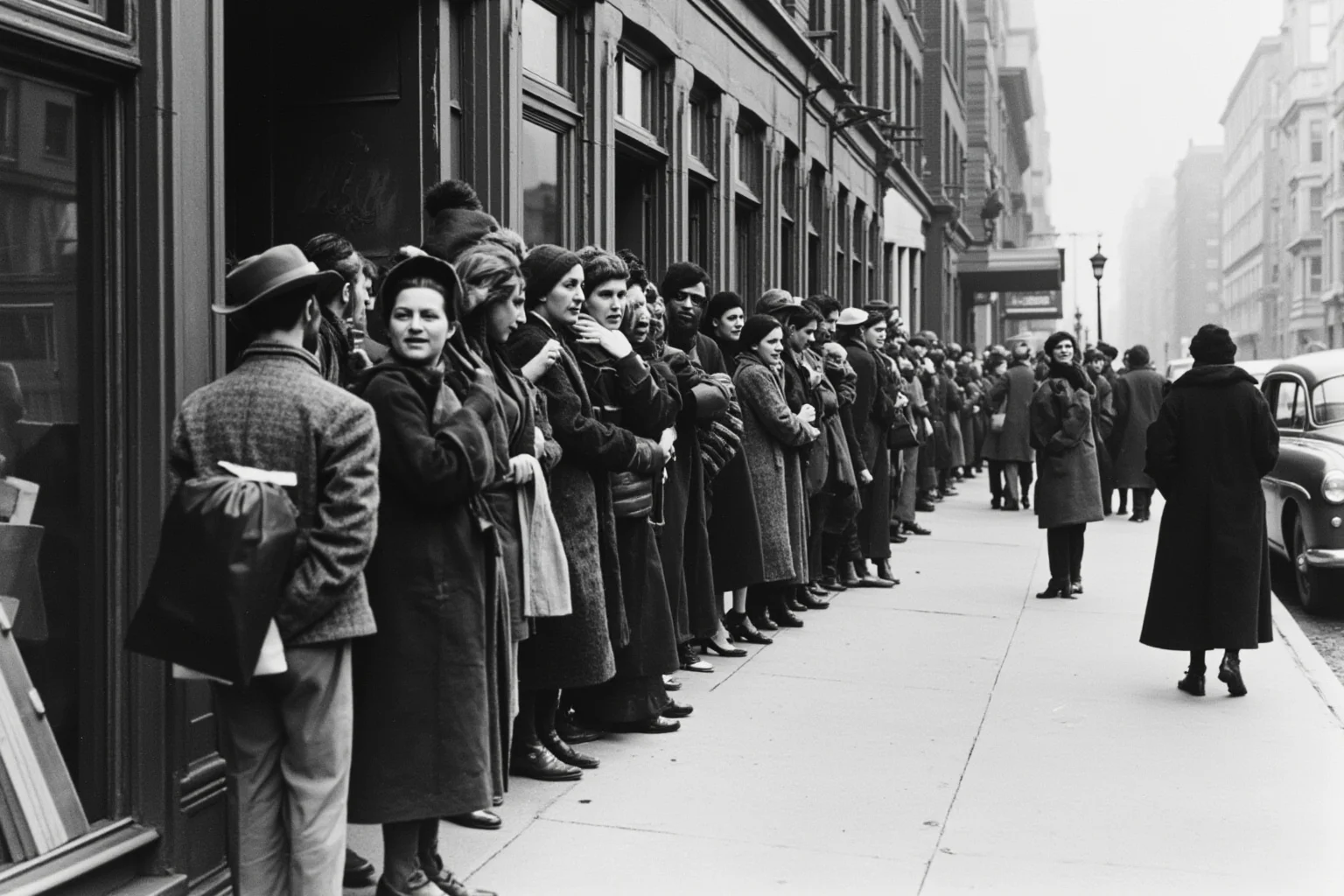
Municipal governments and charities set up soup kitchens across the country. Lines stretched for blocks in cities like New York and Chicago, with people waiting hours for a single hot meal. These kitchens were often the only reliable source of nutrition for the unemployed.
Private organizations like the Salvation Army and local churches played a huge role in feeding the hungry. For many families, the breadline wasn't a symbol of shame — it was simply survival.
3. Families Doubled Up in Shared Housing

When rent became impossible, relatives moved in together. It was common for three generations to share a single apartment or farmhouse. This reduced costs but also created cramped, tense living situations.
In some cities, families took in boarders to help cover rent. While this provided income, it also meant sacrificing privacy and personal space. Sharing housing was one of the most widespread strategies for how families survived the Great Depression.
4. Home Gardens Kept Food on the Table
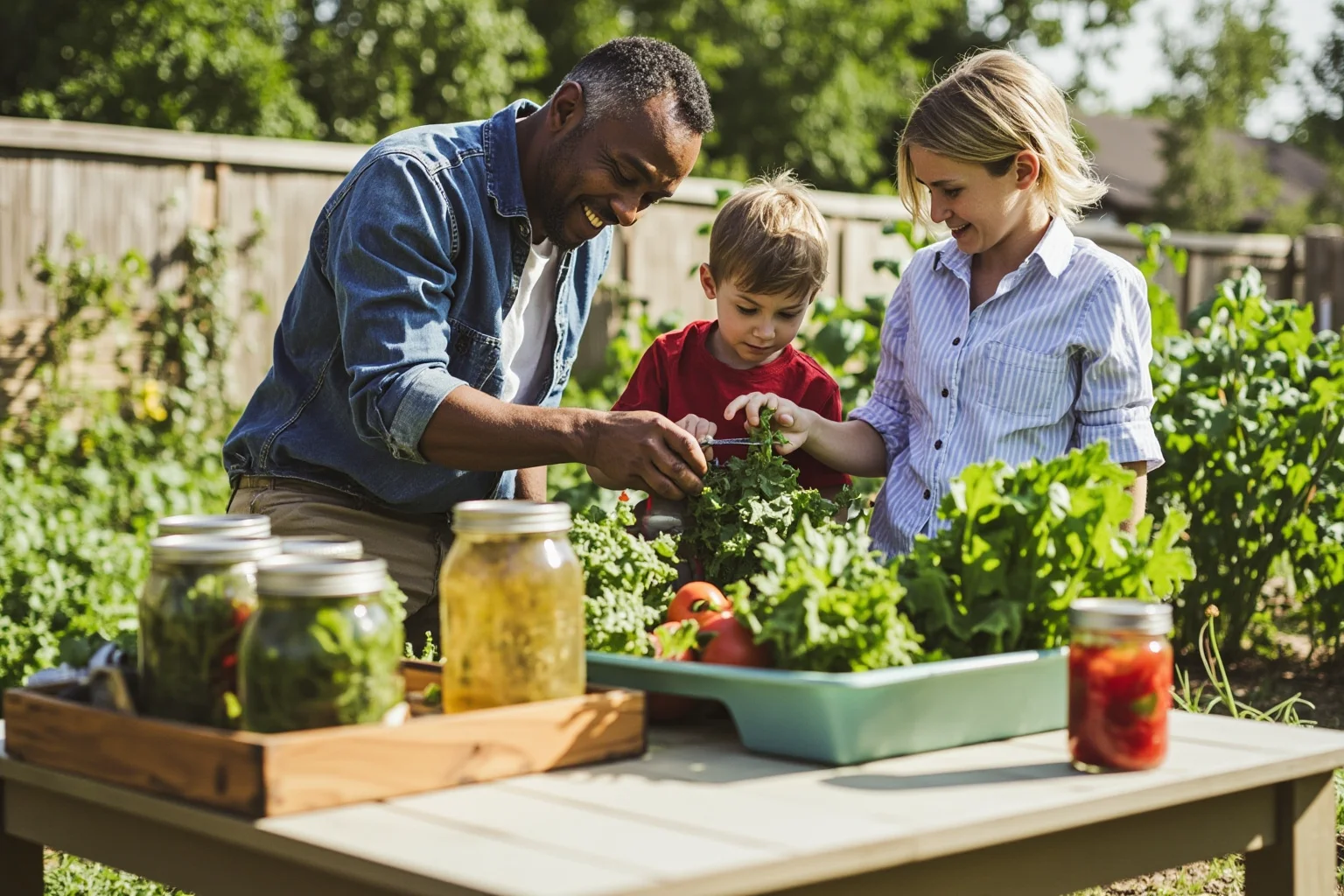
Growing your own vegetables wasn't just a hobby — it was a necessity. Families planted "victory gardens" style plots in backyards, on rooftops, and even in vacant lots. A single well-tended garden could feed a family through the summer and provide canned goods for winter.
Home canning became a critical skill. Women especially took on the labor of preserving fruits and vegetables, often working in groups to share the workload. This self-sufficiency reduced grocery bills dramatically.
5. "Make Do and Mend" Became a Way of Life
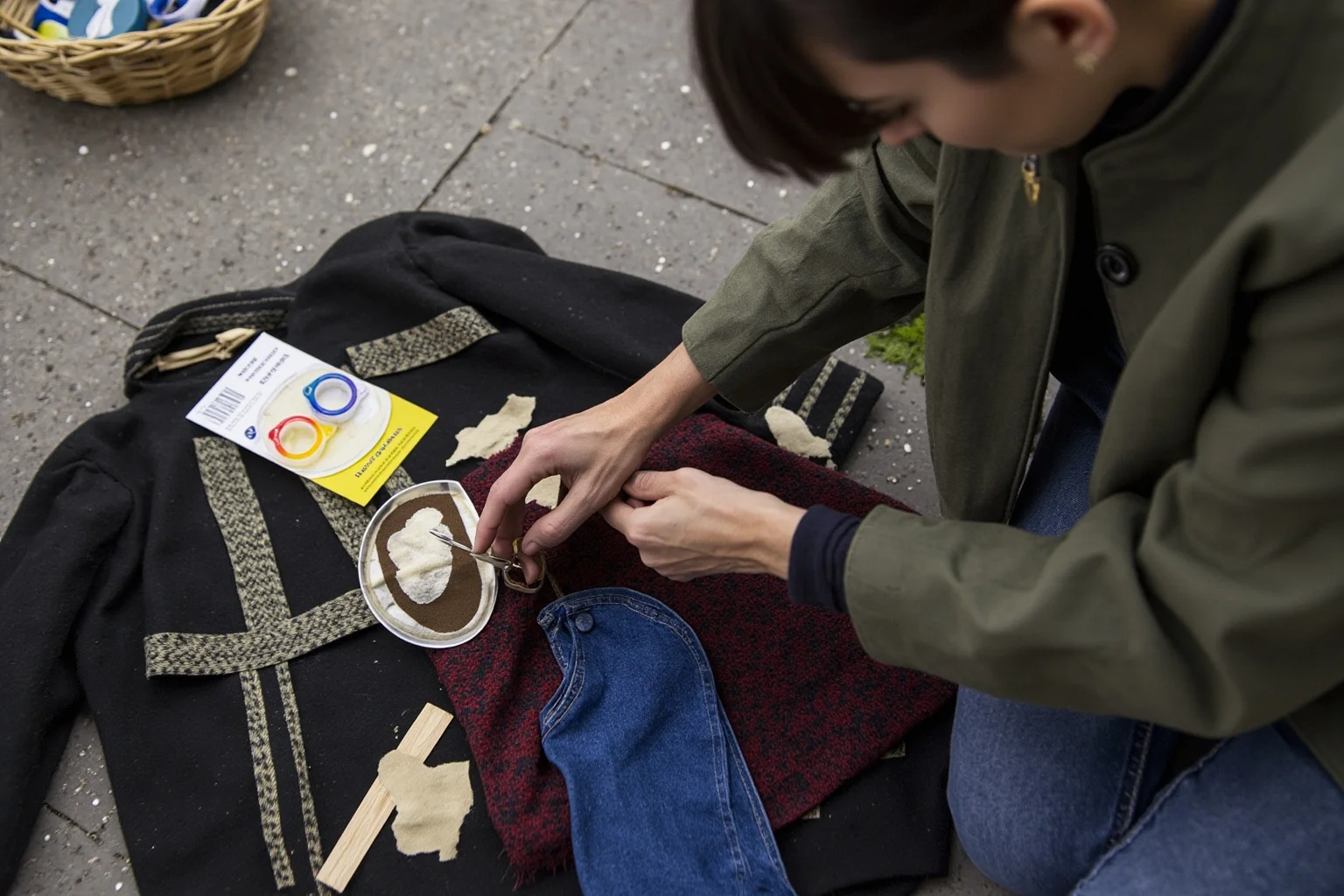
Clothing was patched, re-patched, and handed down until it literally fell apart. People learned to sew, darn socks, and repurpose old fabrics into new garments. Nothing was thrown away if it could be fixed.
Shoes were resoled repeatedly, and children often wore hand-me-downs from older siblings or neighbors. This frugality wasn't just about saving money — it was a mindset that defined the era.
6. Government Relief Programs Provided a Safety Net
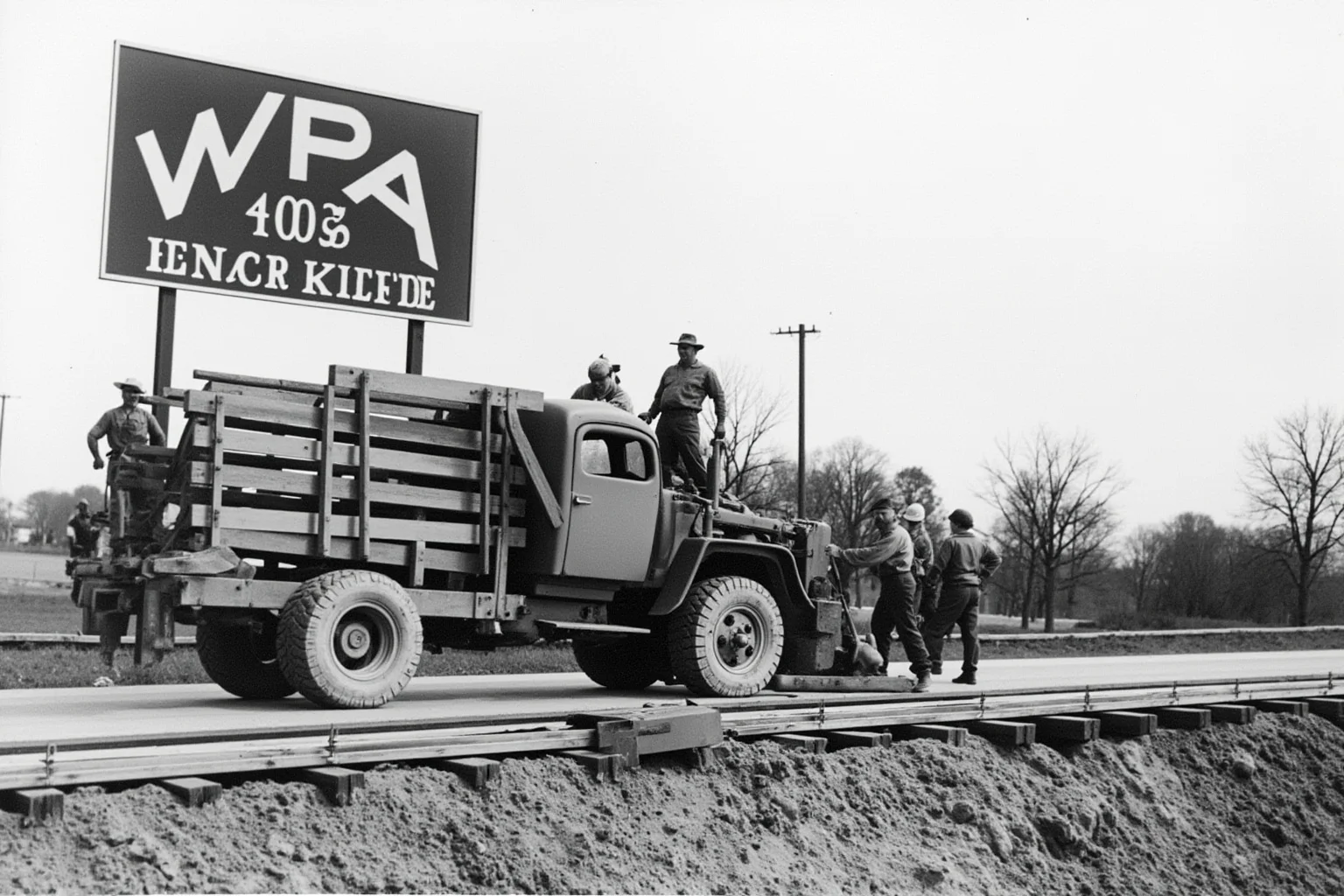
President Franklin D. Roosevelt's New Deal introduced programs like the Works Progress Administration (WPA) and the Civilian Conservation Corps (CCC). These provided jobs building roads, parks, and public buildings. While wages were low, they offered a lifeline to millions.
The Social Security Act of 1935 created a lasting safety net for the elderly and unemployed. For many, these programs were the difference between starvation and survival. However, relief wasn't universal, and many still fell through the cracks.
7. Migration in Search of Work
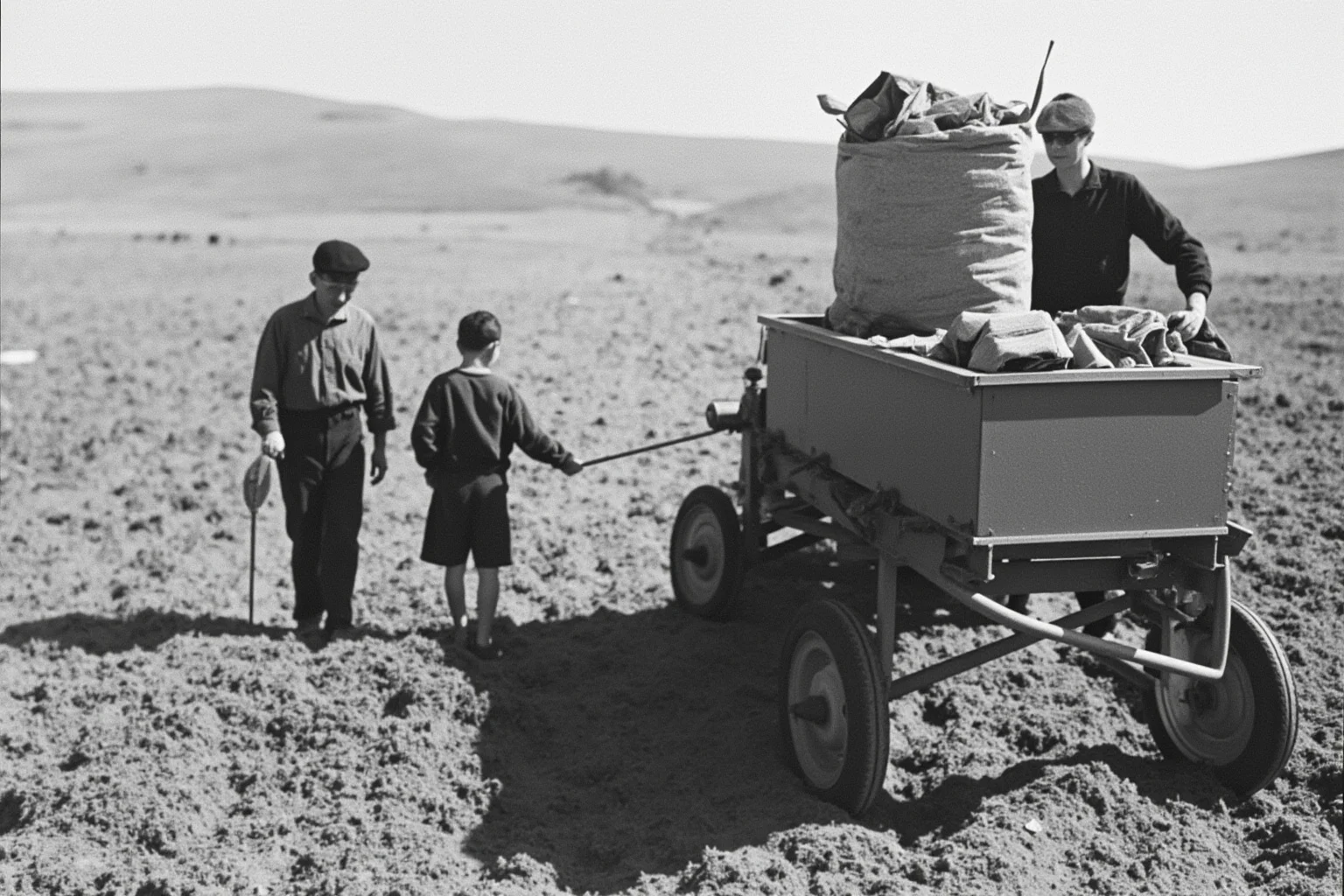
Millions of people left their homes looking for jobs. The Dust Bowl forced farmers from Oklahoma, Texas, and neighboring states to migrate west to California. These "Okies" faced hostility and harsh conditions but kept moving in hope of a better life.
Others rode the rails as hobos, hopping freight trains in search of work. While romanticized in some folklore, this life was dangerous and often lonely. Migration was a desperate gamble that sometimes paid off and sometimes didn't.
8. Community Mutual Aid Networks
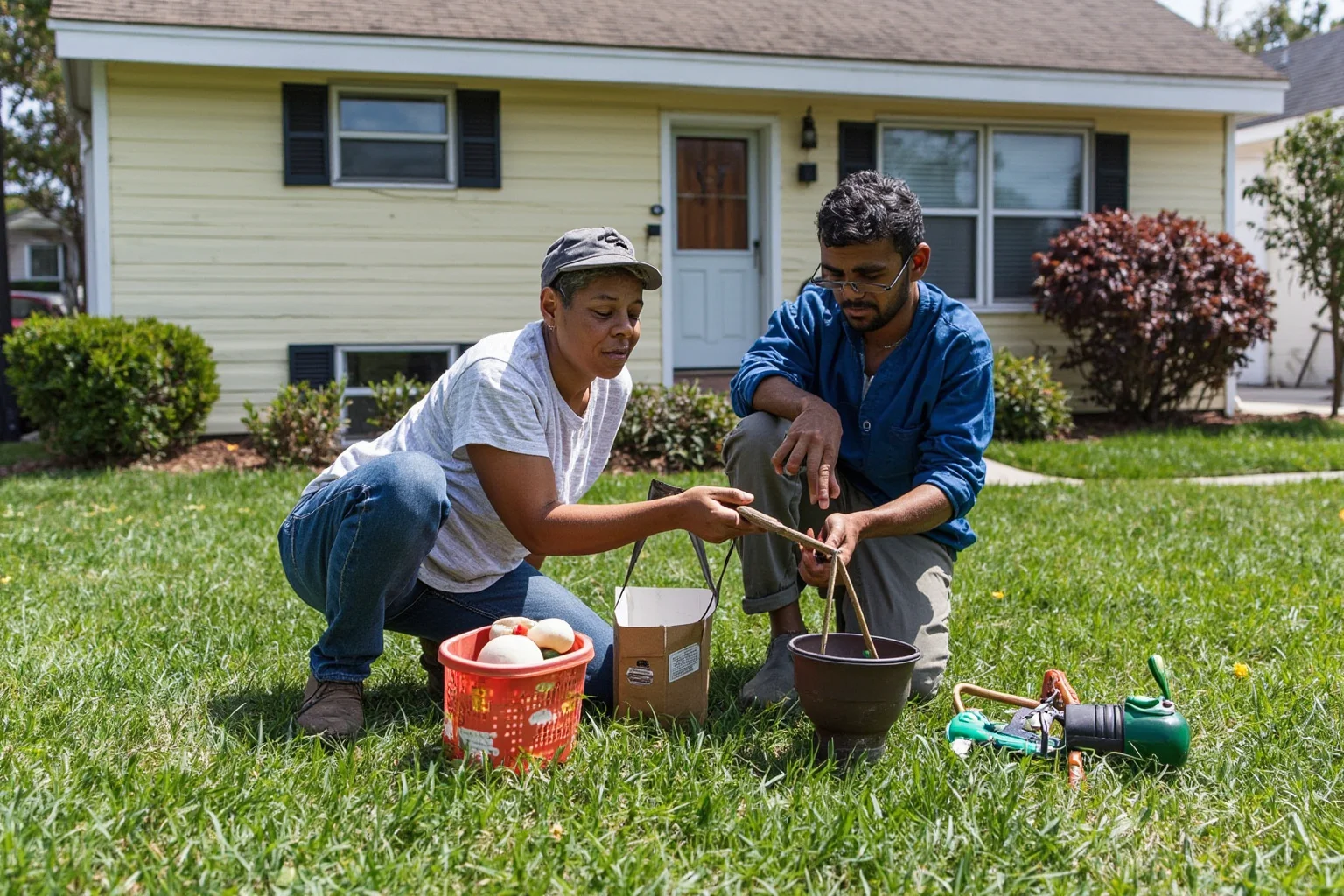
Neighbors helped neighbors in ways that formal institutions couldn't. They shared tools, watched each other's children, and pooled resources for bulk purchases. These informal networks were crucial for surviving the Great Depression.
In many immigrant communities, mutual aid societies provided insurance, funeral expenses, and emergency loans. This collective approach to hardship was a powerful buffer against total destitution. It also strengthened social bonds that lasted for generations.
9. Cutting Back on Everything Non-Essential
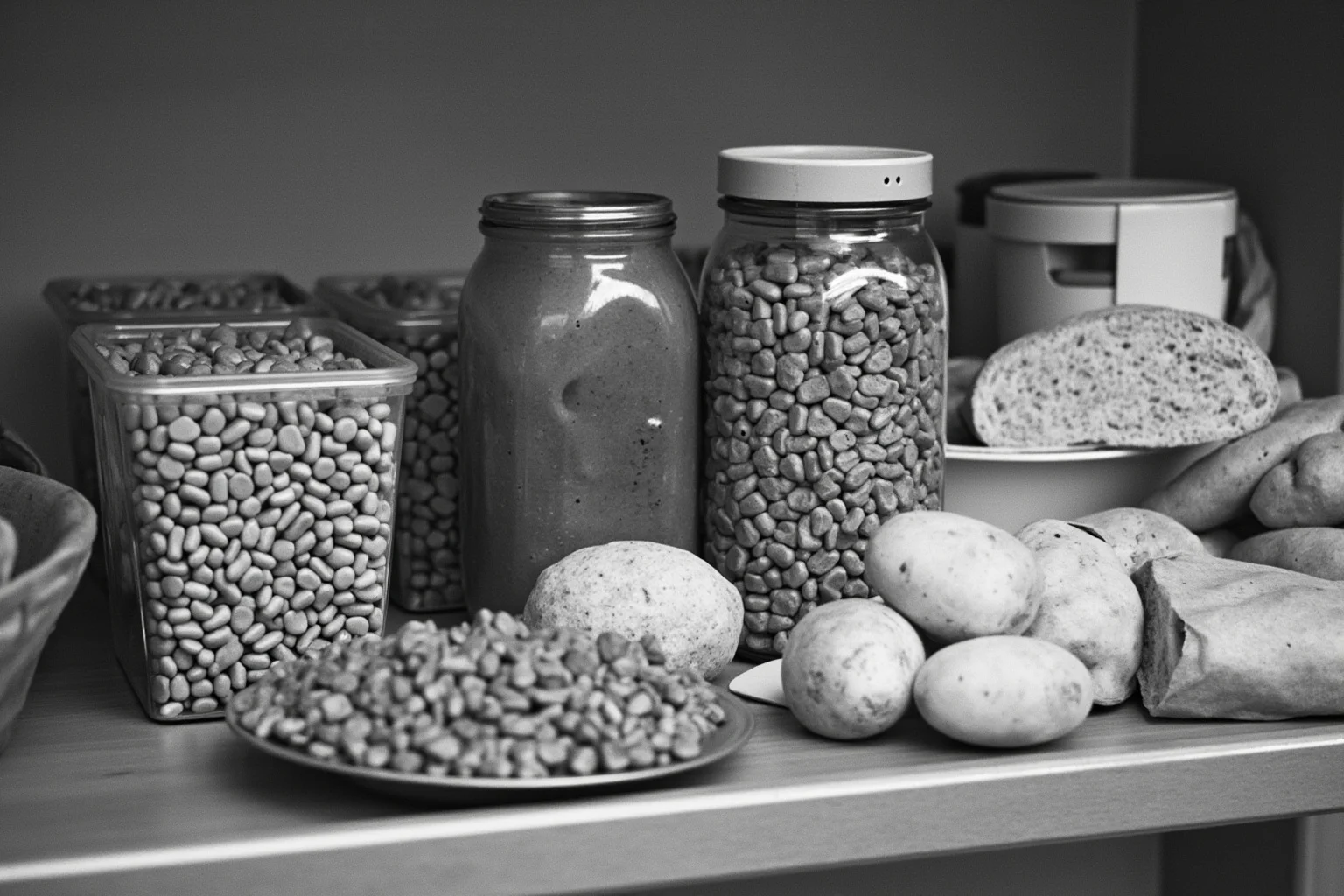
People stopped buying new cars, radios, and other luxuries. Entertainment shifted to free activities like reading library books, listening to the radio, and playing cards. Even coffee and sugar were rationed in some households.
Families learned to repair rather than replace. A broken chair was fixed, not discarded. This mentality of extreme frugality wasn't just practical — it became a point of pride for many.
10. The Rise of Thrift Stores and Secondhand Markets
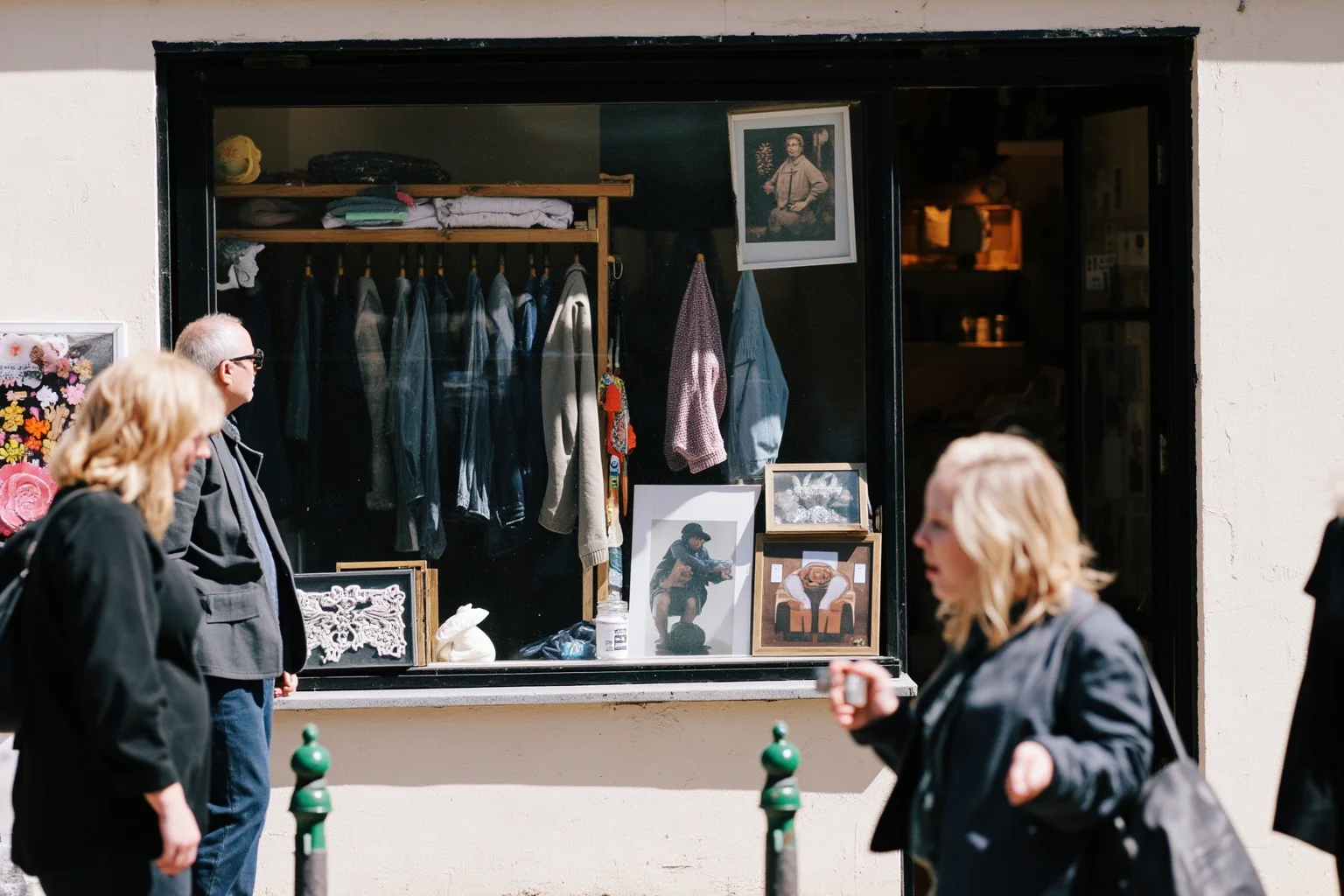
Buying used goods became normal, even for the middle class. Thrift stores, rummage sales, and secondhand shops thrived as people sought affordable clothing and household items. This extended the life of products and reduced waste.
For those who couldn't afford new items at all, scavenging and recycling became common. People collected scrap metal, rags, and paper to sell. Surviving the Great Depression often meant seeing value in what others discarded.
11. Women Entered the Workforce in Greater Numbers

While men were traditionally the breadwinners, many women took jobs to keep their families afloat. They worked in factories, as domestic servants, and in clerical positions. This shift challenged traditional gender roles, though women were often paid less than men.
Some women took in laundry or sewing work from home. Others opened their homes as boarding houses. Their contributions were essential to how families survived the Great Depression, even if their work was often undervalued.
12. Children Took on Adult Responsibilities
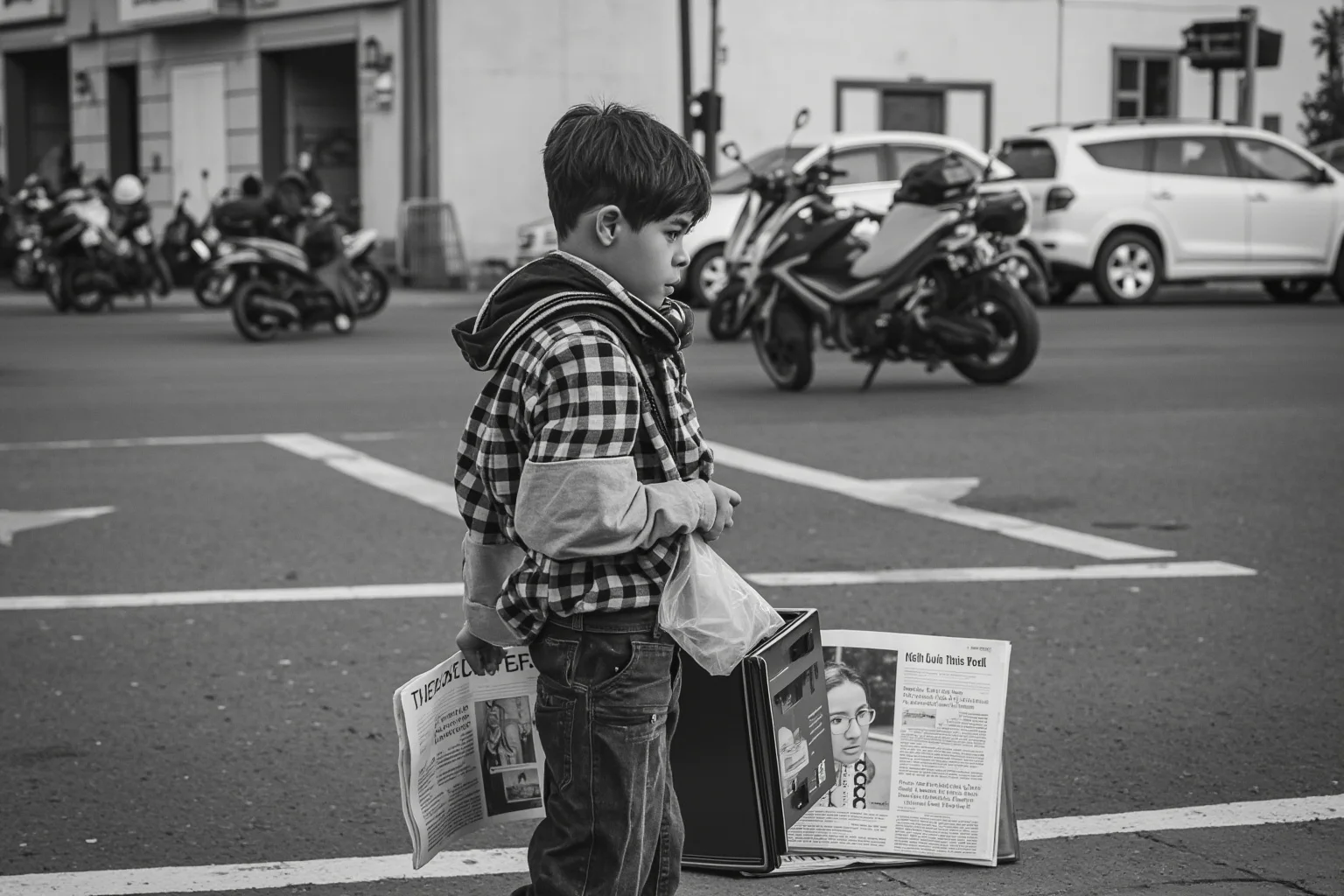
Many children left school to work and help support their families. They took jobs as newsboys, farmhands, or factory workers. This meant sacrificing education, which had long-term consequences for their futures.
Even younger children contributed by doing chores, gardening, and caring for siblings. The Depression robbed many of a carefree childhood, but it also instilled a resilience that stayed with them for life.
13. Banking on Credit Unions and Local Banks
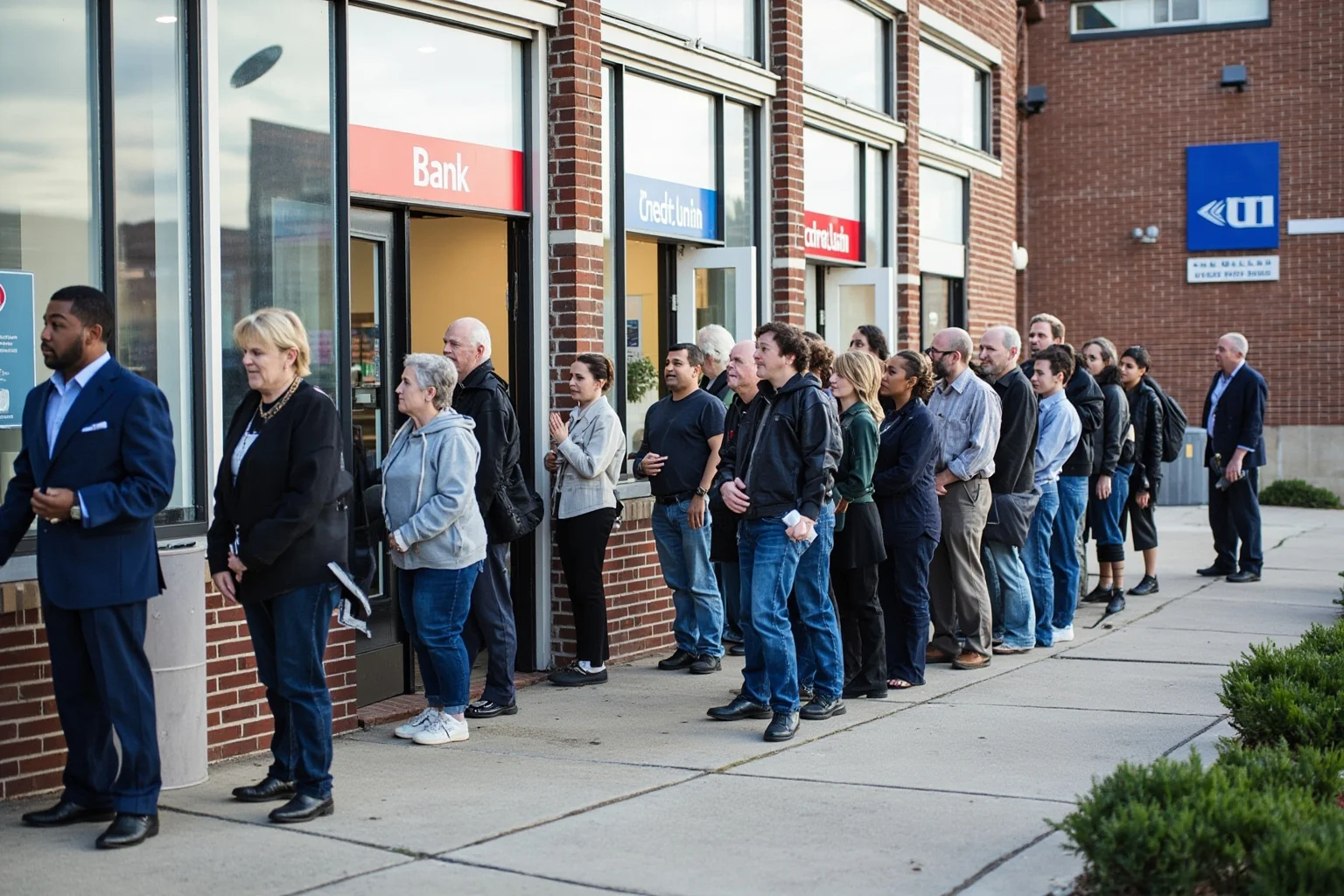
After thousands of banks failed, people grew distrustful of large financial institutions. Credit unions and local savings banks, which were often more community-focused, became preferred alternatives. These institutions were seen as safer and more accountable.
The creation of the Federal Deposit Insurance Corporation (FDIC) in 1933 helped restore some faith by insuring deposits. This was a crucial step in preventing future bank runs. Still, many people kept cash hidden at home, wary of another collapse.
14. The Psychology of Optimism and Humor

Despite the hardship, many people maintained a sense of humor and hope. Radio comedies, movies, and music provided cheap escapes from daily struggles. Songs like "Happy Days Are Here Again" became anthems of resilience.
Community gatherings, church services, and sporting events offered moments of normalcy. These psychological lifelines were just as important as material aid. Surviving the Great Depression wasn't just about food and shelter — it was about keeping spirits alive.
15. The Dust Bowl Forced Innovation in Farming
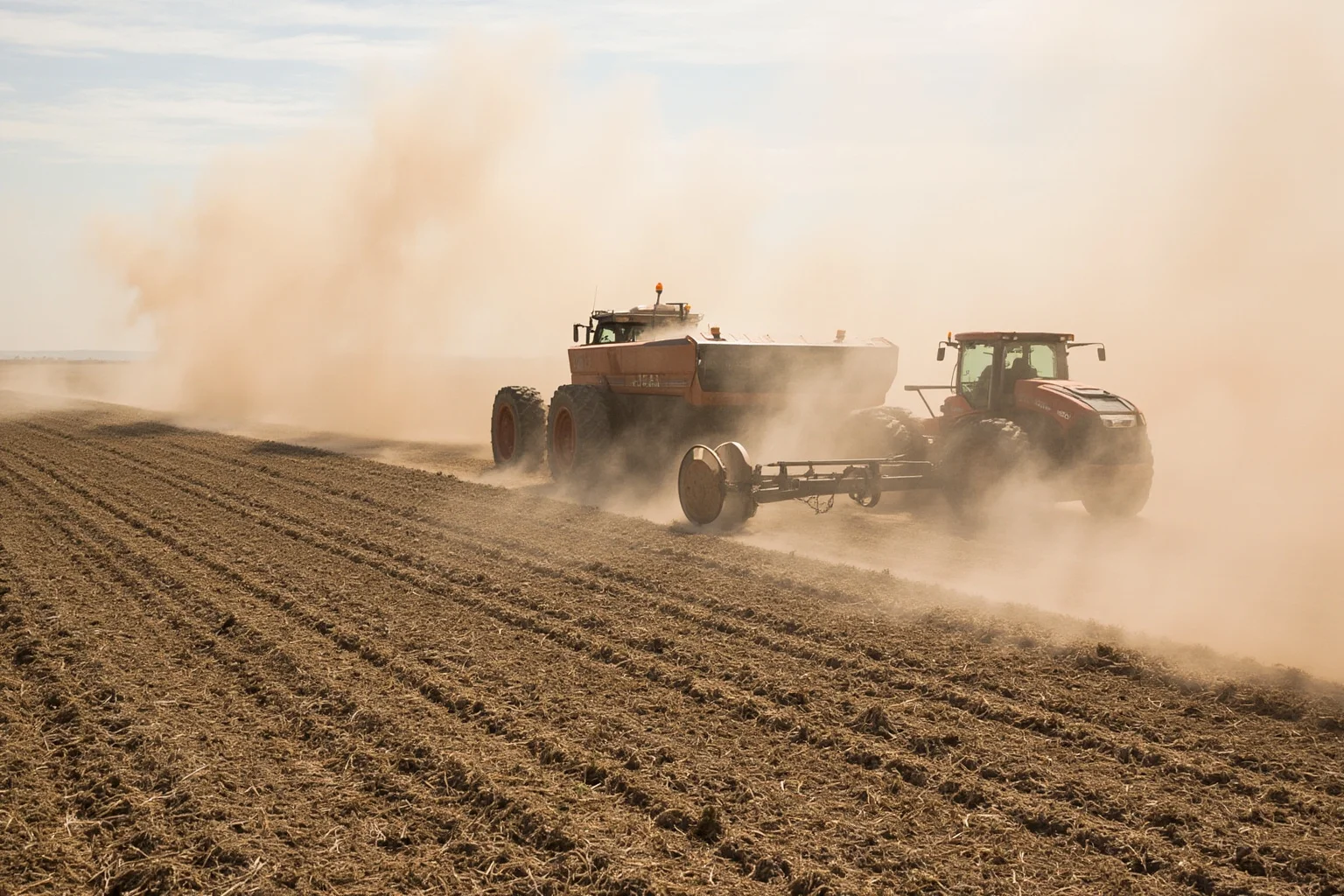
Farmers in the Great Plains suffered through drought and dust storms that destroyed crops and livestock. In response, they adopted new techniques like contour plowing and crop rotation. These methods helped prevent soil erosion and improved yields over time.
The government also stepped in with programs like the Soil Conservation Service. While these changes were slow to take effect, they laid the groundwork for modern sustainable agriculture. The Dust Bowl was a harsh teacher, but it forced necessary innovation.
16. Unions and Labor Strikes Gained Power
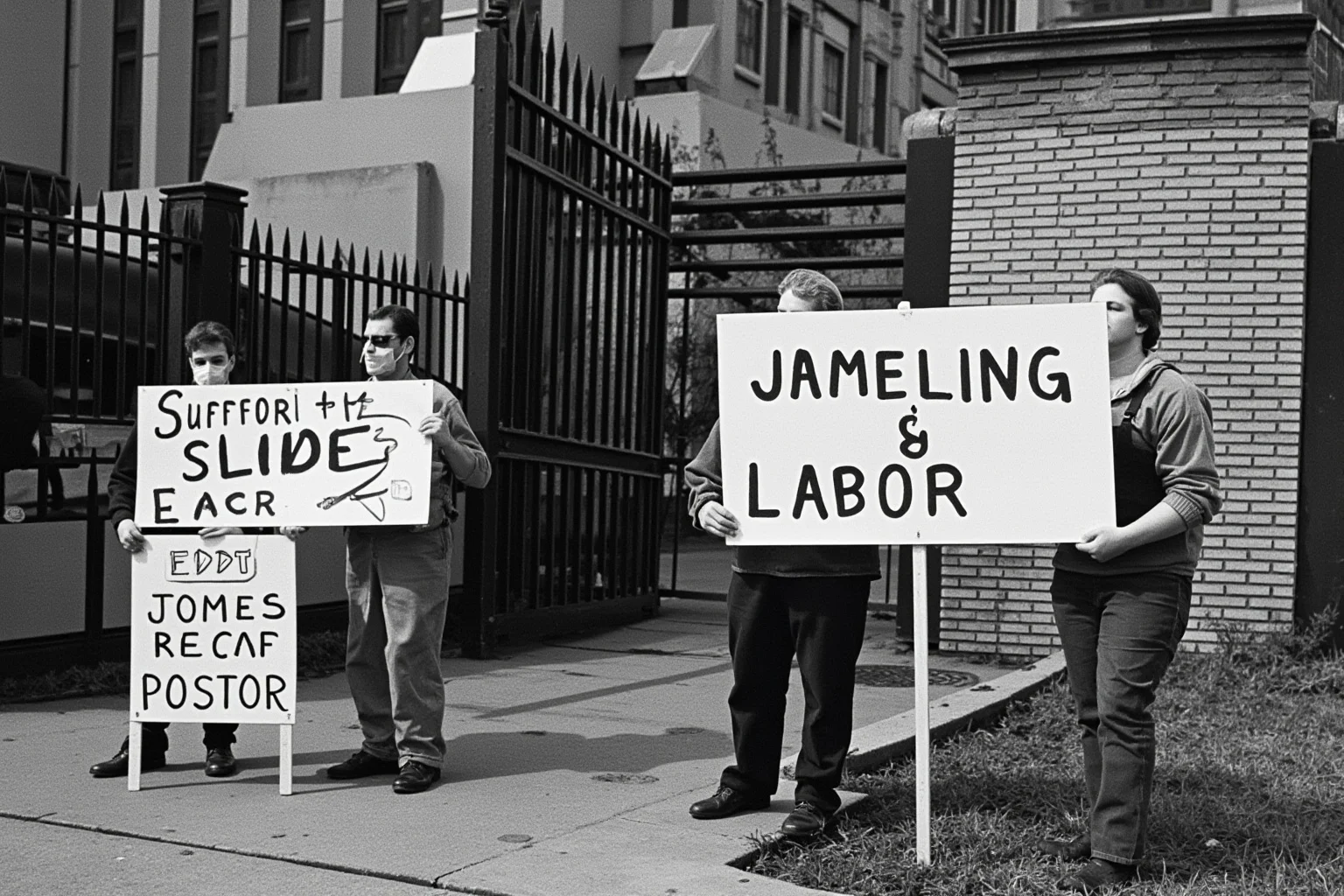
The Depression exposed the vulnerability of workers, leading to a resurgence in union membership. Strikes like the Flint Sit-Down Strike of 1936–37 won better wages and working conditions. The Wagner Act of 1935 protected workers' rights to organize.
While unions didn't end poverty, they gave workers a collective voice. This was a crucial development in how to survive a depression economy by demanding fair treatment. It also set the stage for the modern labor movement.
17. Scraping By on Very Little Food
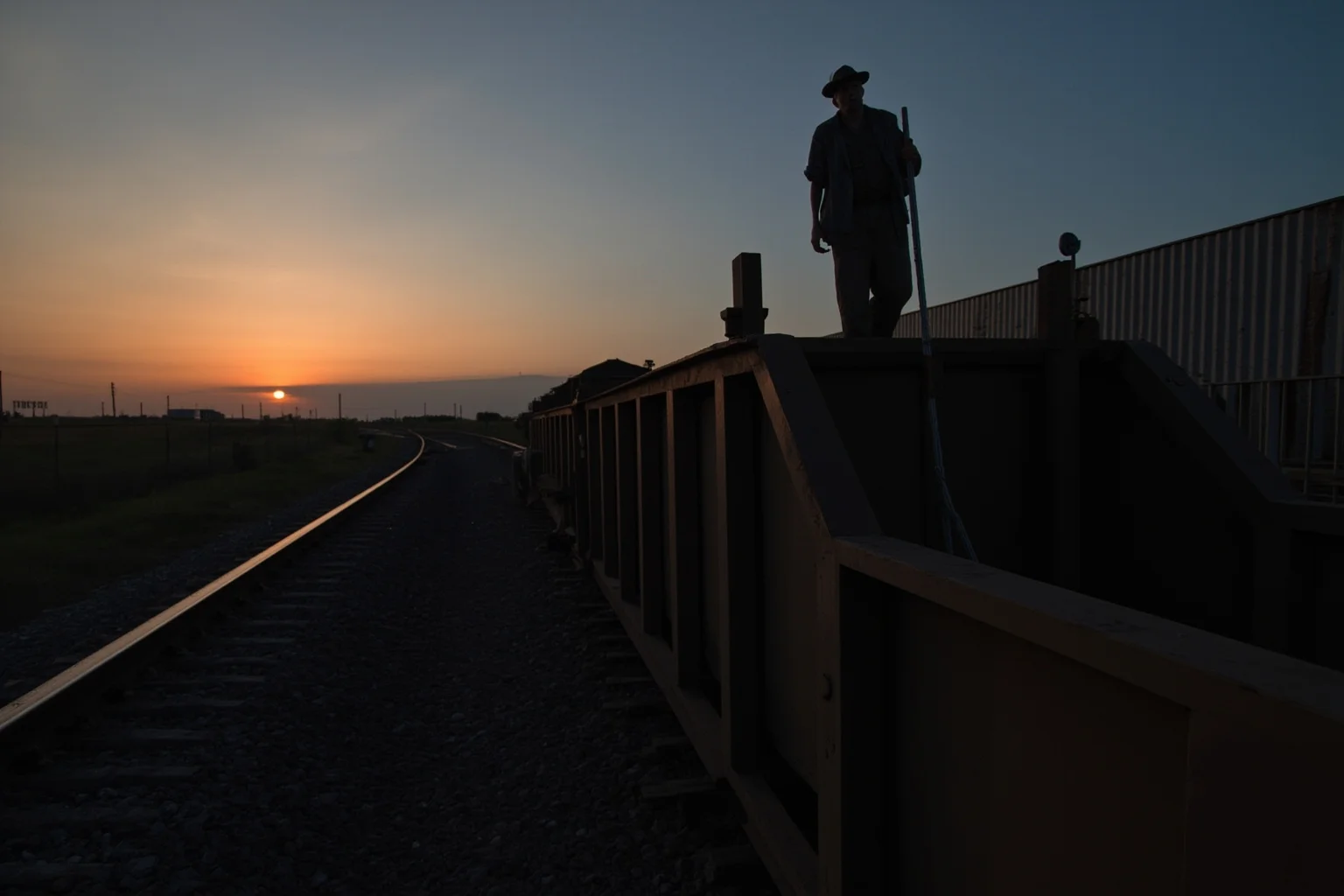
Meals became simple and repetitive: beans, bread, potatoes, and whatever could be grown or bartered. Meat was a luxury many couldn't afford. People learned to stretch ingredients — adding breadcrumbs to meatloaf or water to soup.
Malnutrition was a real problem, especially for children. School lunch programs and relief food boxes helped, but hunger was widespread. The experience left a lasting mark on those who lived through it, shaping their relationship with food for decades.
18. Riding the Rails and Hobo Culture
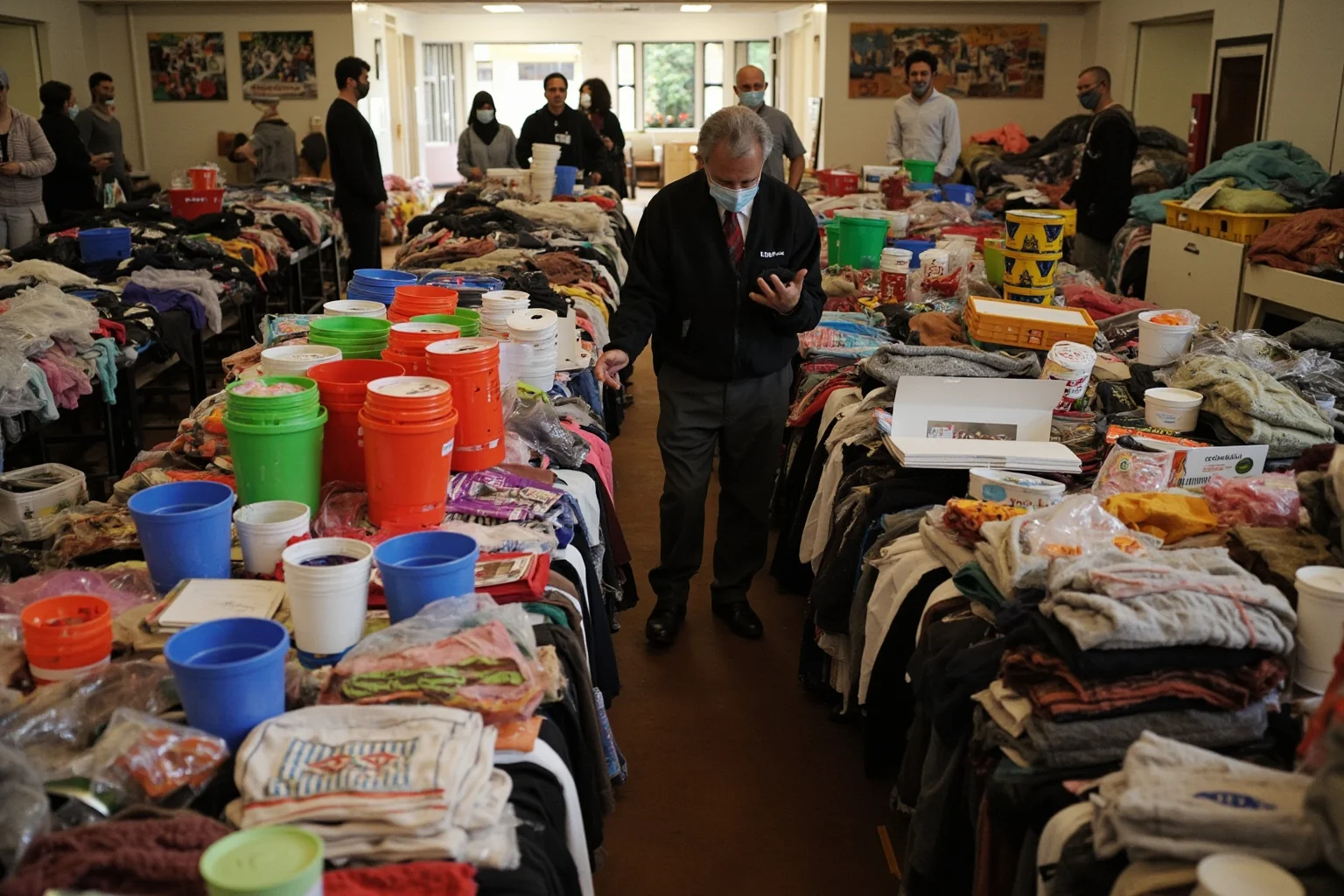
Some young men (and a few women) took to the road, hopping freight trains in search of work. This subculture had its own codes and networks, often sharing information about where to find food and shelter. While often romanticized, it was a life of constant danger and uncertainty.
Railroad companies hired guards to keep hobos off trains, and many were arrested or injured. Yet for some, it was the only way to avoid starvation at home. Surviving the Great Depression sometimes meant leaving everything behind.
19. The Importance of Local Churches and Charities

Churches, synagogues, and community centers became hubs of support. They distributed food, clothing, and sometimes cash to those in need. Their role was often more immediate and personal than government relief.
Charitable organizations like the Red Cross and Catholic Charities also provided aid. These groups relied on donations from those who still had something to give. Their efforts showed that survival was often a collective endeavor.
20. Lessons That Shaped a Generation

The generation that lived through the Great Depression became known for its frugality and self-reliance. They saved aggressively, avoided debt, and reused everything. These habits stayed with them even after prosperity returned.
Their experiences also influenced policies like Social Security and unemployment insurance. The question of how the Great Depression could have been avoided continues to be studied by economists. But for those who lived it, survival was a personal victory.
What Can We Learn From Great Depression Survival Strategies?
Looking back, the Great Depression survival strategies weren't just about enduring a crisis — they were about community, adaptability, and resourcefulness. Looking further back at how historical time periods are defined shows just how sharply this decade broke from what came before. People learned to rely on each other and to find value in things others overlooked. These lessons remain relevant today for anyone wondering how to survive in a depression economy.
Modern crises may look different, but the core principles are the same: reduce debt, build savings, grow some of your own food, and strengthen local networks. While we can't predict the future, history offers a blueprint for resilience. The Great Depression showed that even in the darkest times, human ingenuity and solidarity can carry us through.
So could you survive the worst parts of the Great Depression? Maybe. But more importantly, could you apply its lessons to your own life? That's a question worth answering.
Frequently Asked Questions
How did people survive the Great Depression?
People survived the Great Depression through a mix of self-sufficiency, community support, and government aid. Families grew their own food, bartered goods, shared housing, and relied on soup kitchens and relief programs like the WPA. Migration and entering the workforce also helped many endure the crisis.
How did families survive the Great Depression?
Families survived by pooling resources, doubling up in shared housing, and cutting all non-essential spending. Women often took in laundry or boarders, children worked after school, and everyone contributed to gardening and mending clothes.
How could the Great Depression have been avoided?
Economists still debate this, but many point to factors like unregulated banking, excessive speculation, and poor monetary policy. Avoidance might have required stricter banking regulations, a more proactive Federal Reserve, and international economic cooperation.
What were the most common survival strategies during the Great Depression?
The most common strategies included bartering, growing food, thrift and mending, sharing housing, and using government relief programs. Community mutual aid and local charity networks were also critical lifelines.
How to survive a depression economy today?
Modern strategies include reducing debt, building an emergency fund, learning practical skills like gardening and repair, and strengthening local community ties. Diversifying income sources and avoiding excessive risk are also key.

Alex Warren
Related Articles