Introduction
History books have a habit of remembering a select few. Look closely at the famous dead women in history, and you'll notice a pattern: the same handful of names, repeated endlessly. Yet behind almost every great era, there were historical female figures whose work was buried, erased, or credited to men.
These forgotten women of history weren't minor players. They cured diseases, mapped stars, spied for nations, and authored the laws that later generations claimed as their own. This list celebrates twenty of them, and along the way it corrects a few stubborn myths.
TL;DR: These 20 overlooked women didn't just contribute to history, they shaped it in ways that were later erased or quietly credited to someone else.
Why So Many Women Fell Through the Cracks
For much of recorded history, women were excluded from universities, professional guilds, and publishing houses. That meant their discoveries often entered the world through a male relative, a husband, or a colleague who signed his name to their work. Historians call this pattern "Matilda's effect," and it quietly erased millions of achievements.
The problem grew worse in the era of institutional science. When a woman wasn't allowed to publish under her own name, her findings could be dismissed simply by rewriting who discovered them. Over time, the real geniuses vanished — while their ideas lived on under someone else's byline.
That's why these famous dead women in history so often seem to appear out of nowhere. They didn't. Someone just removed their name from the record.
20 Overlooked Women Who Shaped History
1. Enheduanna (c. 2285–2250 BCE)
Enheduanna was a high priestess in the Sumerian city of Ur and the earliest author known by name in world literature. She composed hymns to Inanna and temple poems that scholars still study today, roughly 4,300 years later.
She was literally labeled the "first author in history" — yet she rarely appears in standard literary timelines. If any historic female figure deserves a slot in a writing textbook, it's her.
2. Hatshepsut (c. 1479–1458 BCE)
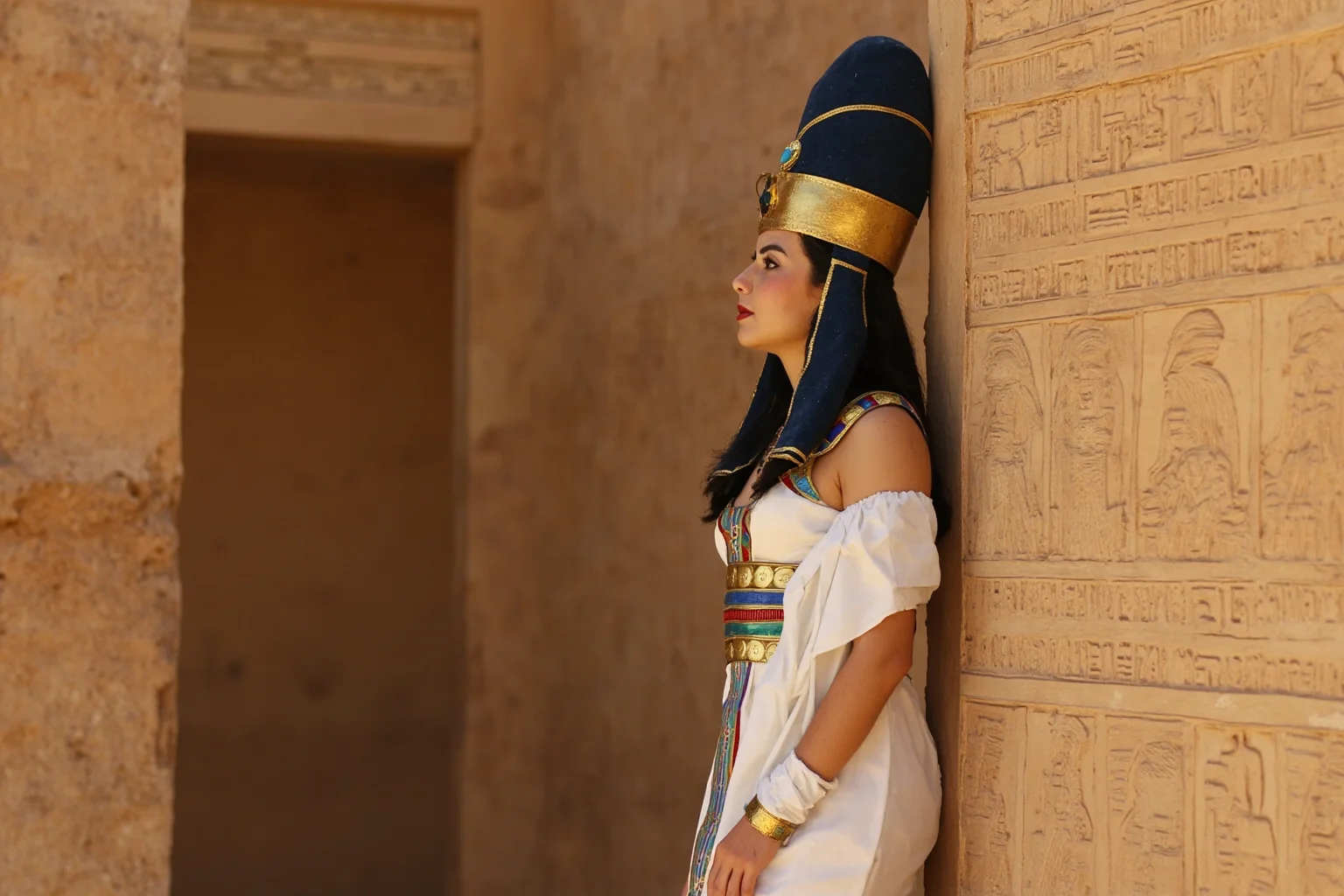
Hatshepsut ruled Egypt as a female pharaoh, not a queen consort. She launched major trade expeditions, built temples that still stand, and governed during a period of unusual peace and prosperity.
After her death, her successor Thutmose III ordered her images and names chiseled away. For centuries, Egyptologists debated whether a "female king" had existed at all. It took modern archaeology to restore her to the record.
3. Artemisia I of Caria (c. 5th century BCE)
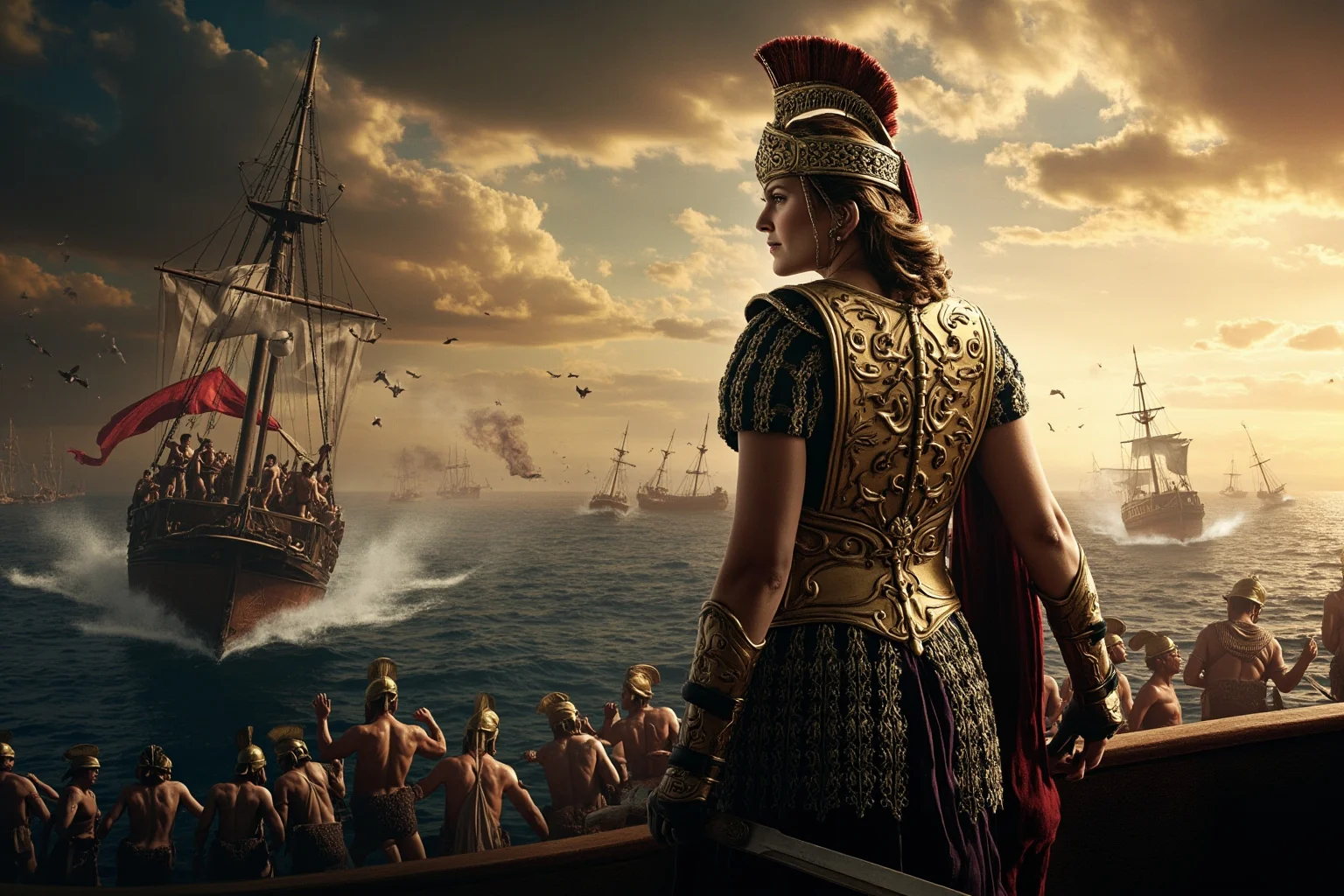
Artemisia commanded ships for the Persian king Xerxes during the Battle of Salamis. Her tactics reportedly impressed both sides — Xerxes is said to have remarked that his female commander had acted like a man and his male commanders like women.
She then disappears from most Western textbooks, which focus on the Greek victors. She's a rare example of a woman whose competence was acknowledged in her own time and forgotten afterward.
4. Agnodice of Athens (c. 4th century BCE)
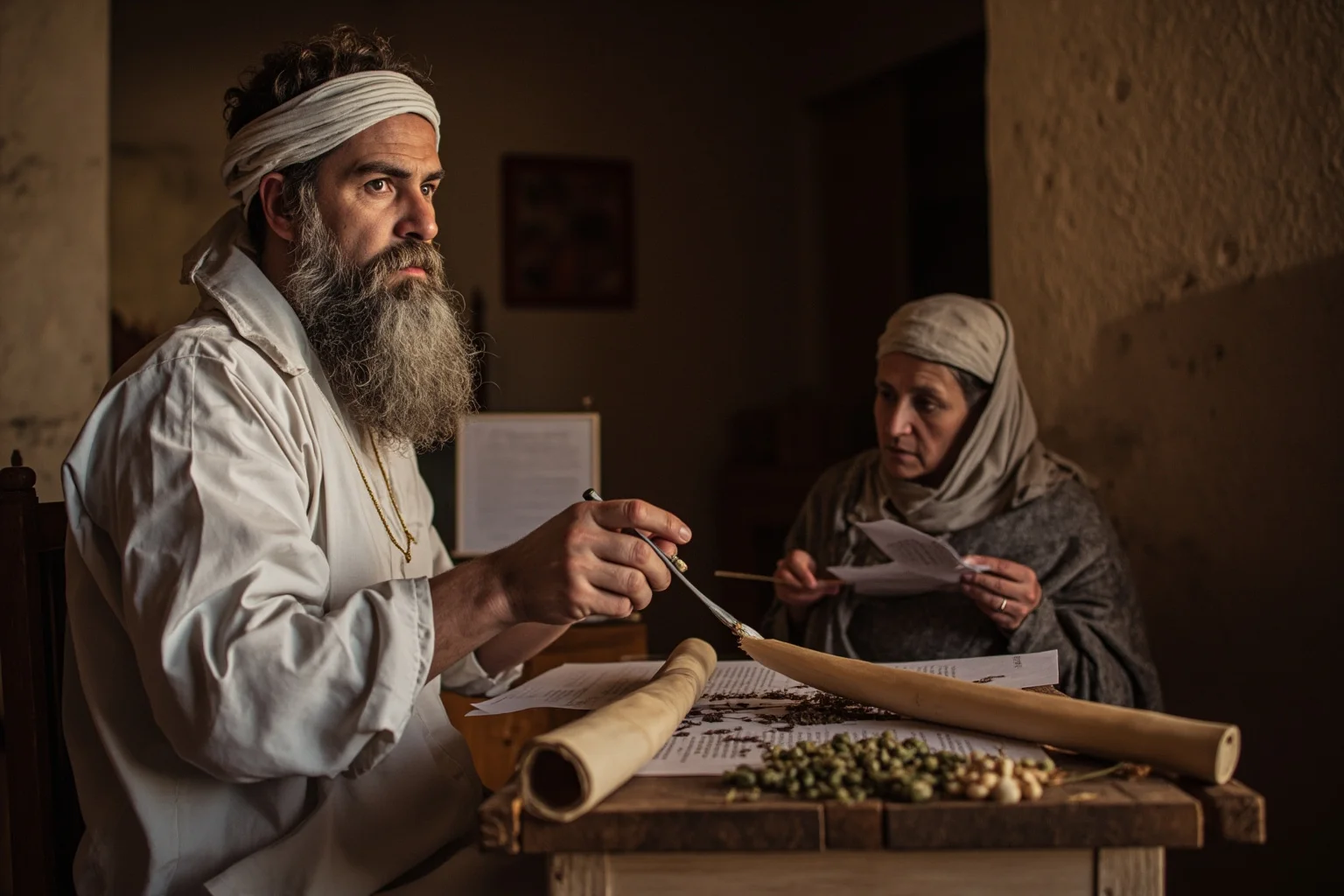
According to ancient writers, Agnodice disguised herself as a man to study medicine, then revealed her identity to treat women who refused male doctors. She was supposedly put on trial, and public outrage secured her acquittal.
Historians debate how much of her story is legend, and that uncertainty should be acknowledged. Still, she's part of a recurring pattern: ancient women forced to hide their identities to do public work.
5. Hypatia of Alexandria (c. 350–415 CE)
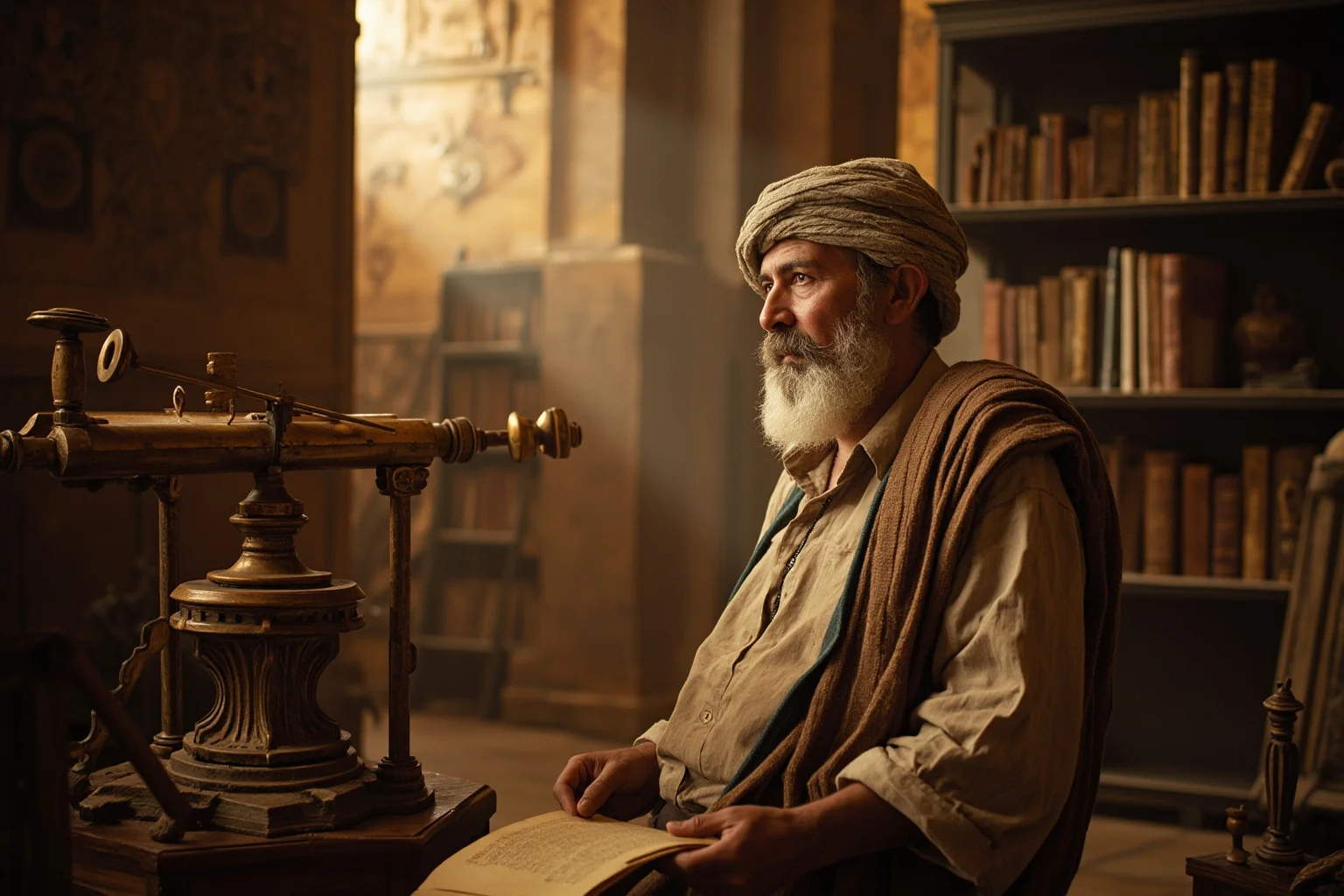
Hypatia was a mathematician, astronomer, and Neoplatonist philosopher who led an influential school in Alexandria. She taught astronomy, wrote commentaries on geometry, and attracted students from across the Mediterranean.
She was murdered by a mob, and her work was largely lost. For centuries she was remembered mainly as a martyr rather than as a serious scholar — an unfair reduction of a genuine intellectual.
6. Trota of Salerno (12th century)
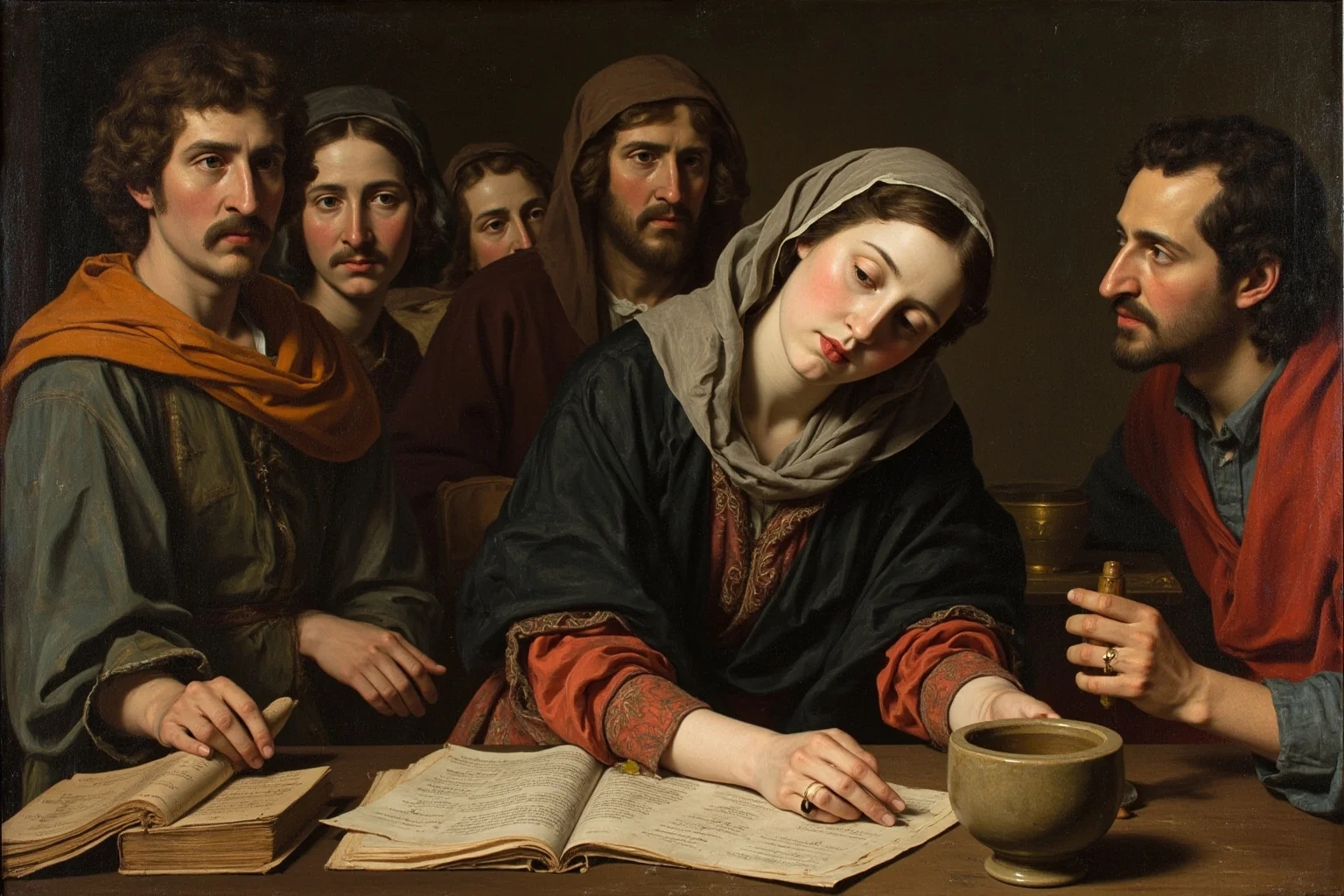
Trota was a physician associated with the famous medical school of Salerno in Italy. A collection of women's medicine known as the Trotula circulated under her name for centuries, shaping European gynecology well into the medieval period.
Some historians argue that other male writers later hijacked her name to lend authority to their own texts. Either way, her legacy proves medieval women could practice and teach medicine in elite settings.
7. Christine de Pizan (c. 1364–c. 1430)
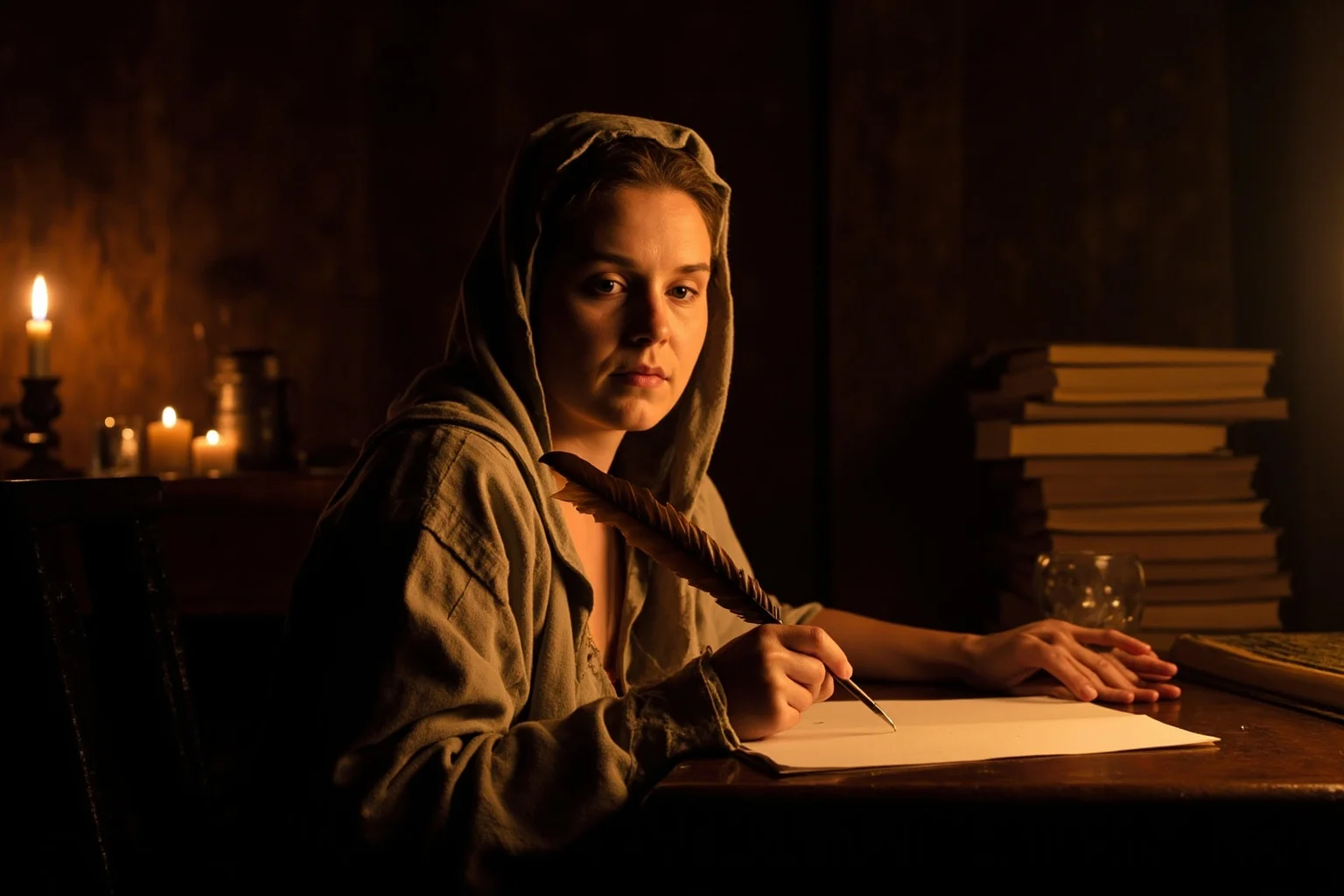
Christine de Pizan was the first professional female writer in medieval Europe. She supported her family with her pen after being widowed, and her "Book of the City of Ladies" defended women against misogynistic claims.
She was well known in her own era and is often called a proto-feminist for good reason. Yet she remains obscure next to male contemporaries like Chaucer, despite comparable literary influence.
8. Margaret of Anjou (1430–1482)
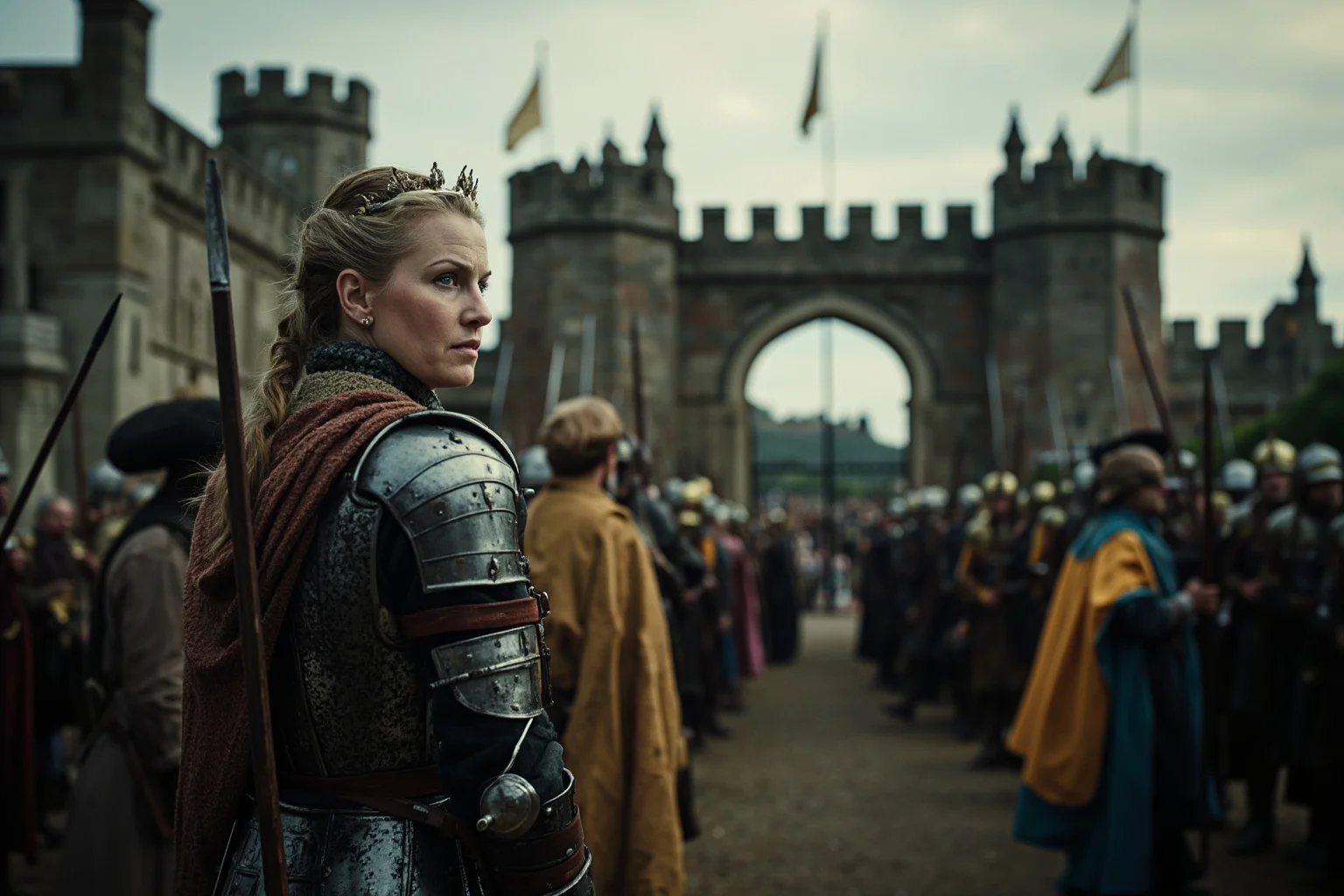
Margaret was Queen of England during the Wars of the Roses and effectively led the Lancastrian cause for years. She raised armies, negotiated alliances, and fought to secure the crown for her son.
Later Tudor-era writers demonized her as a "she-wolf," a smear that stuck for centuries. Shakespeare's portrayal cemented the caricature, making her one of the most distorted historic female figures in English history.
9. Nzinga Mbande (c. 1583–1663)
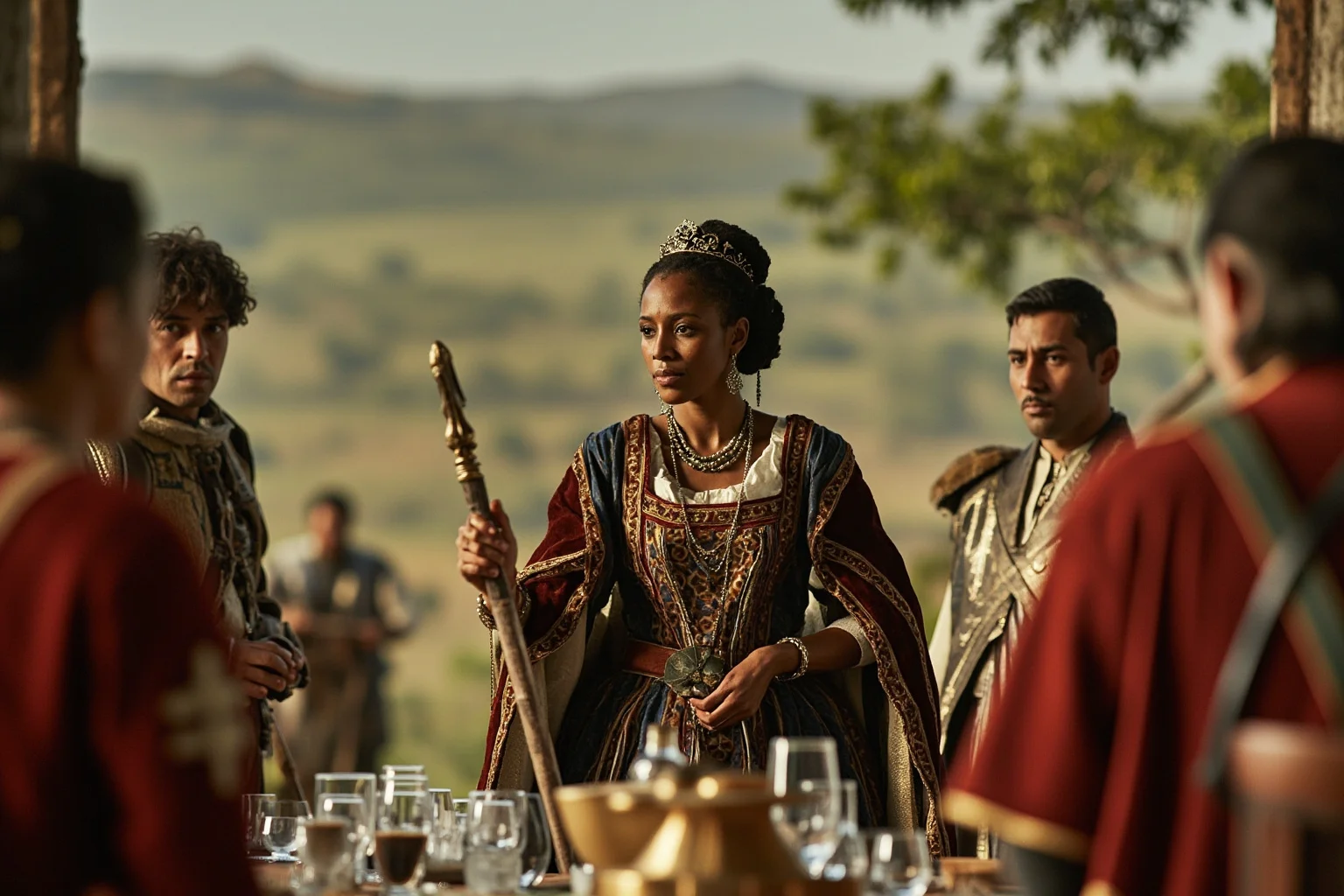
Nzinga ruled the kingdoms of Ndongo and Matamba in present-day Angola. She fought Portuguese colonial expansion for decades, using diplomacy and military strategy to protect her people's independence.
She's widely honored in Angola as a national hero but remains a footnote in much of the world's colonial history. That imbalance says more about which stories get told than about her actual importance.
10. Maria Sibylla Merian (1647–1717)
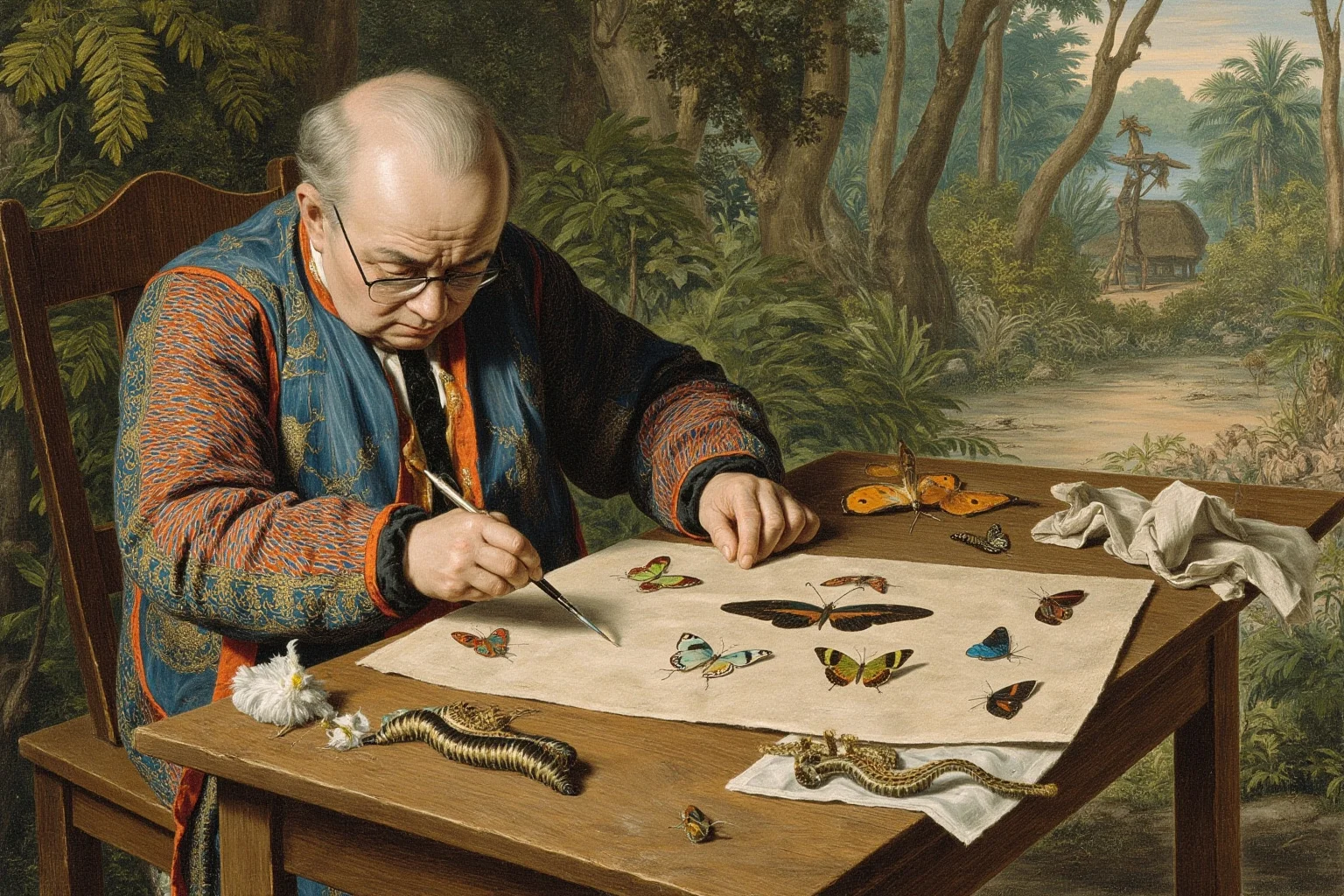
Merian was a naturalist and scientific illustrator who documented insect metamorphosis in vivid detail. Her 1705 book on Surinamese insects was among the first works to show that caterpillars become butterflies through direct observation.
The prevailing belief at the time was that insects spawned spontaneously from mud. Her careful illustrations helped overturn that idea, making her one of the most consequential lesser known women in history.
11. Émilie du Châtelet (1706–1749)
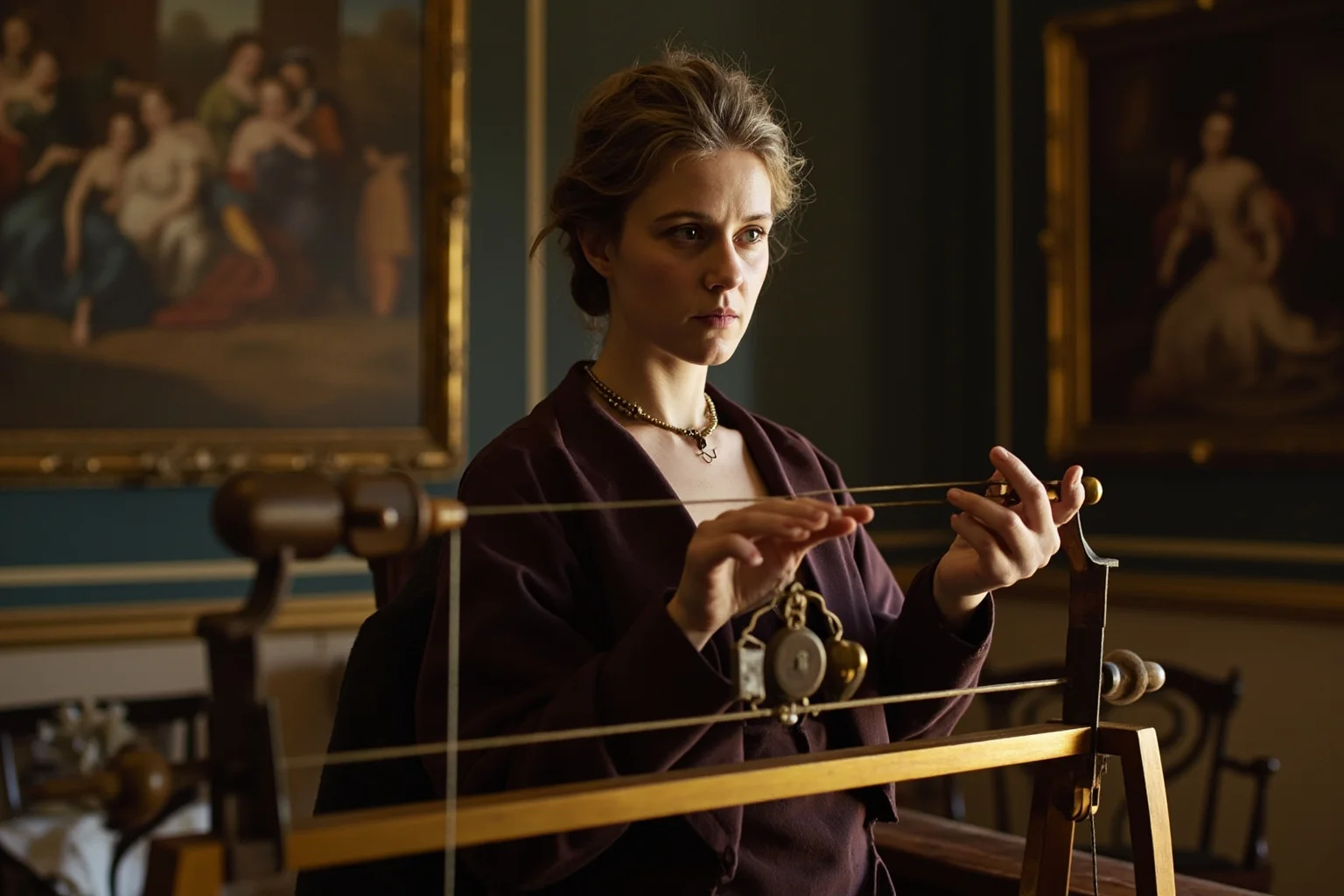
Du Châtelet was a French mathematician and physicist who translated Newton's "Principia" into French. Her edition, published after her death, included commentary that helped confirm the concept of energy conservation.
She was also a serious experimental scientist and corresponded with leading thinkers of the Enlightenment. Yet for decades she was remembered mainly as Voltaire's mistress, not as a scholar in her own right.
12. Sybilla Masters (c. 1676–1720)
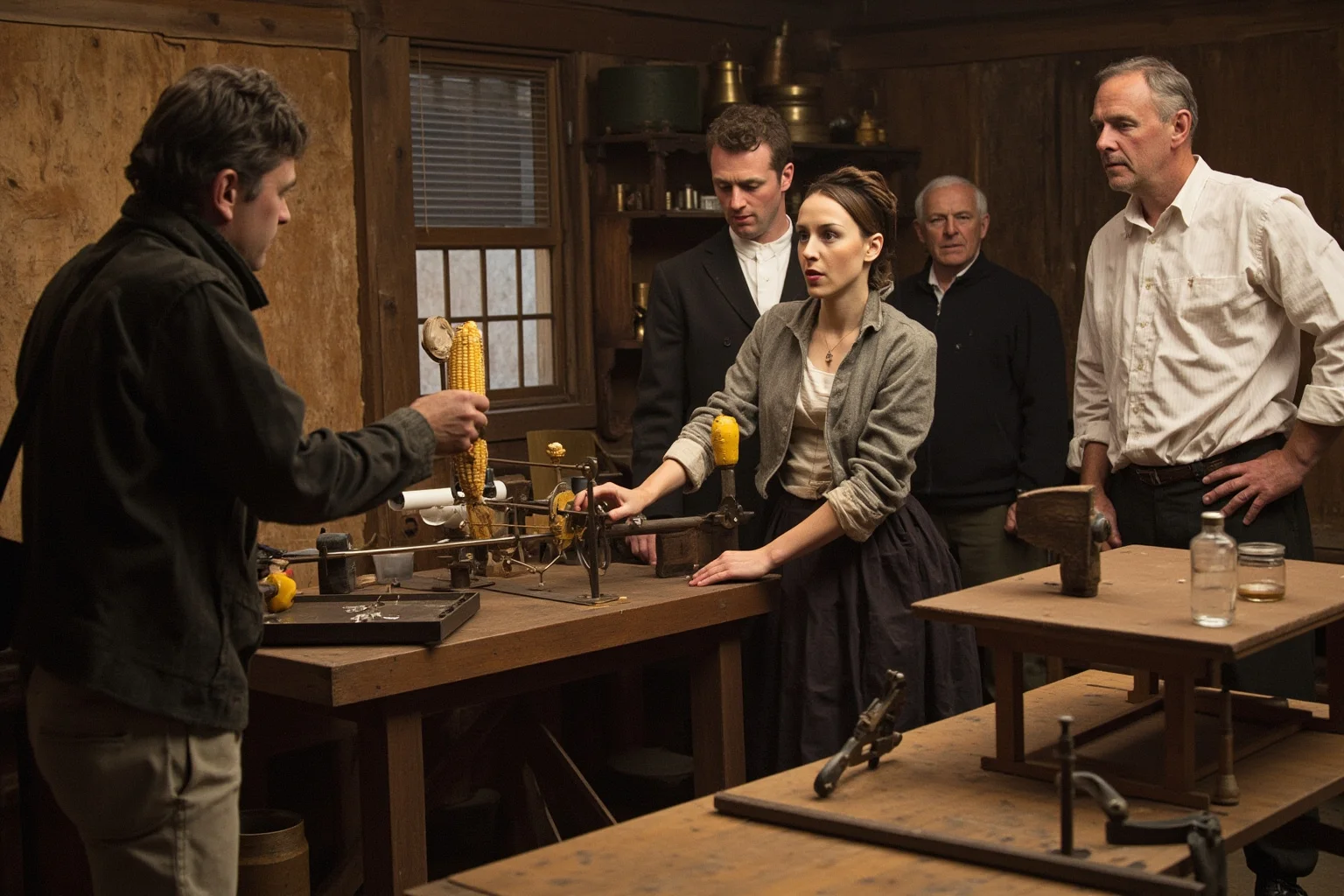
Sybilla Masters invented a method for processing corn into a food product and a process for cleaning and curing Indian corn. In 1715, the English patent office issued the patent in her husband Thomas's name because a married woman could not hold one herself.
This was the first recorded patent issued for an American invention — and the credit went to a man. Her case is a textbook example of why so many unknown women in history exist in the first place.
13. Caroline Herschel (1750–1848)
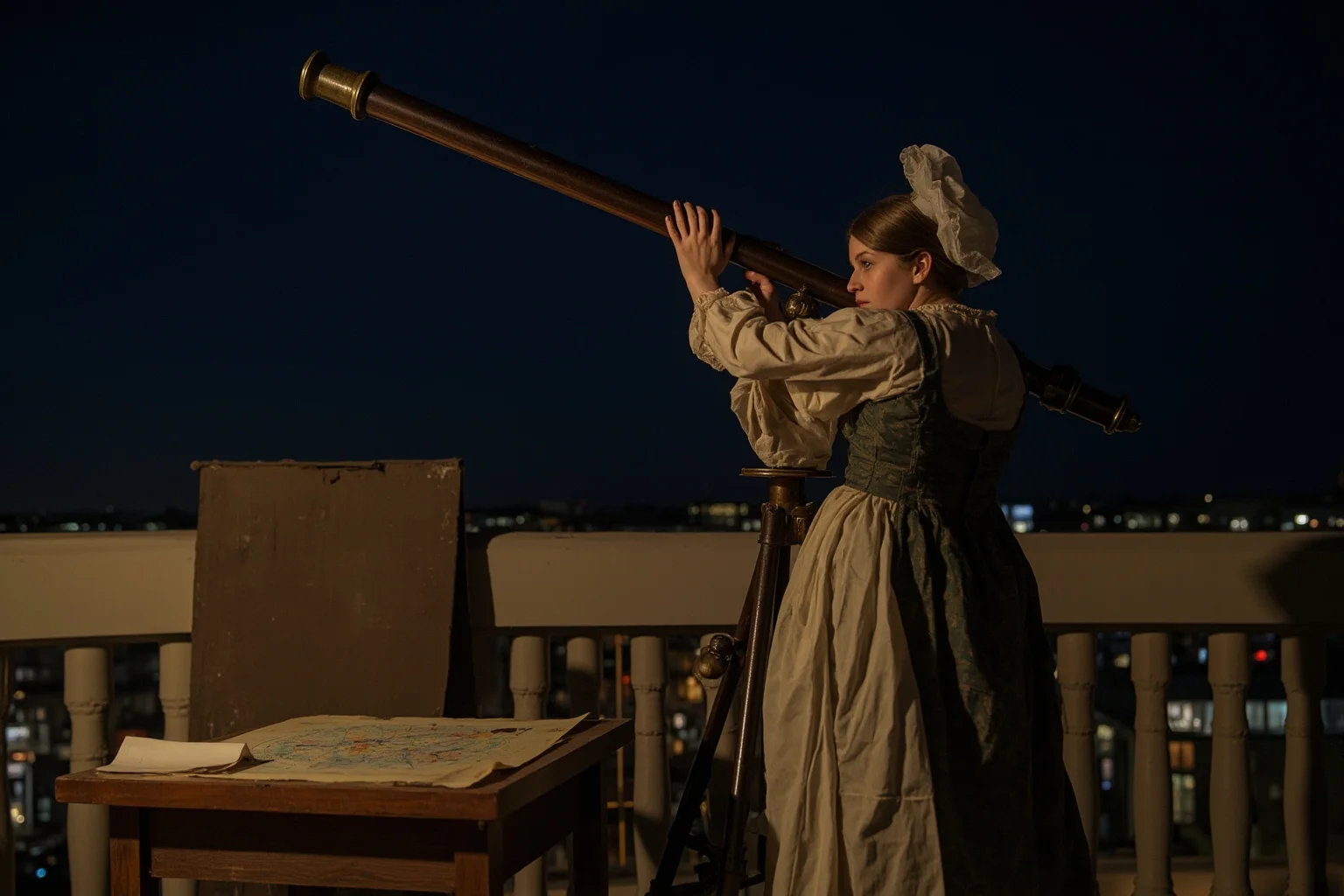
Caroline Herschel discovered several comets and was the first woman to receive a salary as a professional astronomer. She also assisted her brother William and independently catalogued hundreds of stars and nebulae.
She was awarded the Royal Astronomical Society's Gold Medal in 1828, a major recognition at the time. Despite this, her contributions are often minimized as "assistance" to William rather than independent work.
14. Mary Anning (1799–1847)
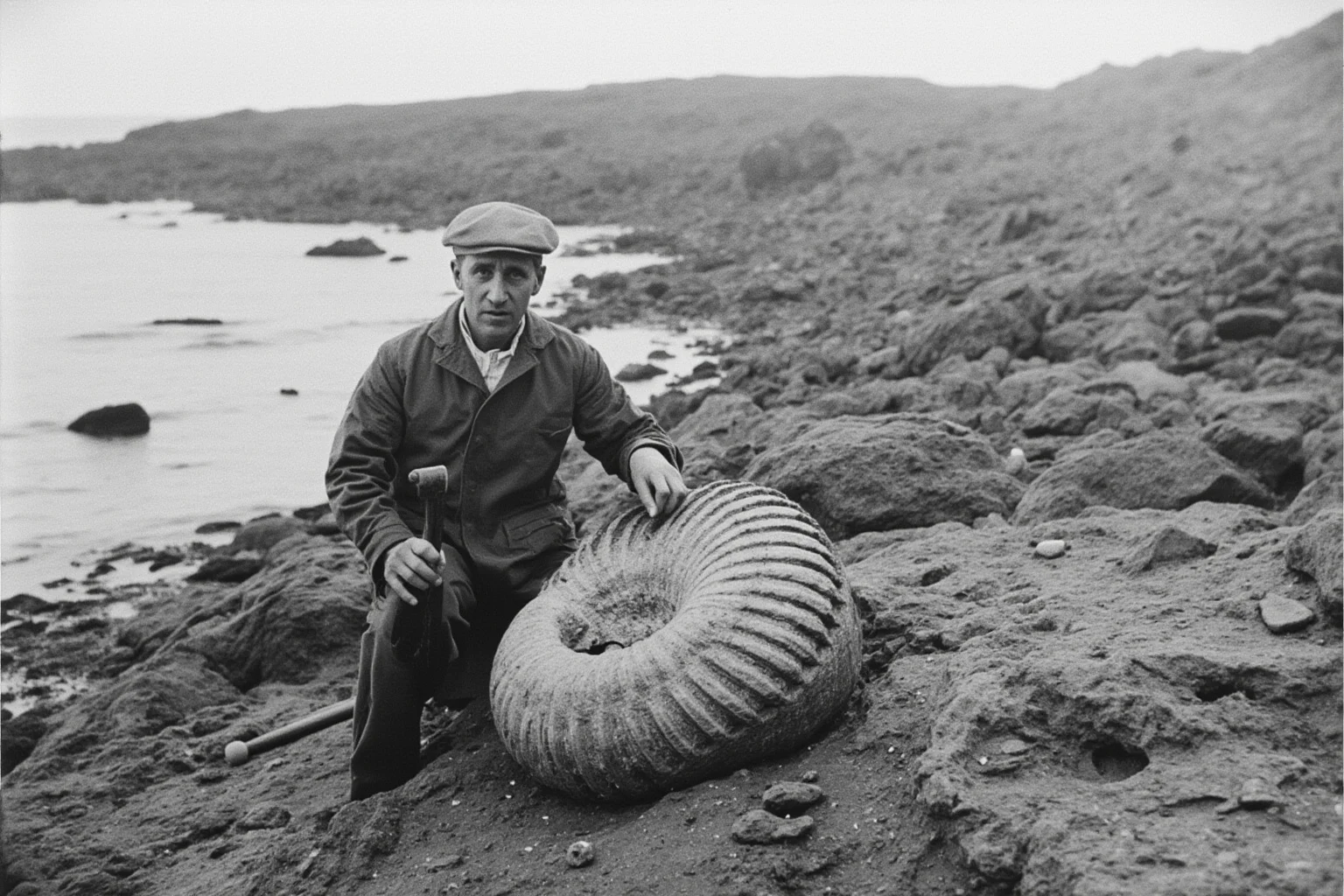
Mary Anning was a self-taught fossil hunter whose finds along the English coast transformed paleontology. She discovered the first correctly identified ichthyosaur skeleton, plus a plesiosaur and a pterosaur.
As a working-class woman, she was barred from the Geological Society of London and rarely credited in scientific papers. Male scientists built careers on the specimens she excavated while she struggled financially.
15. Ada Lovelace (1815–1852)
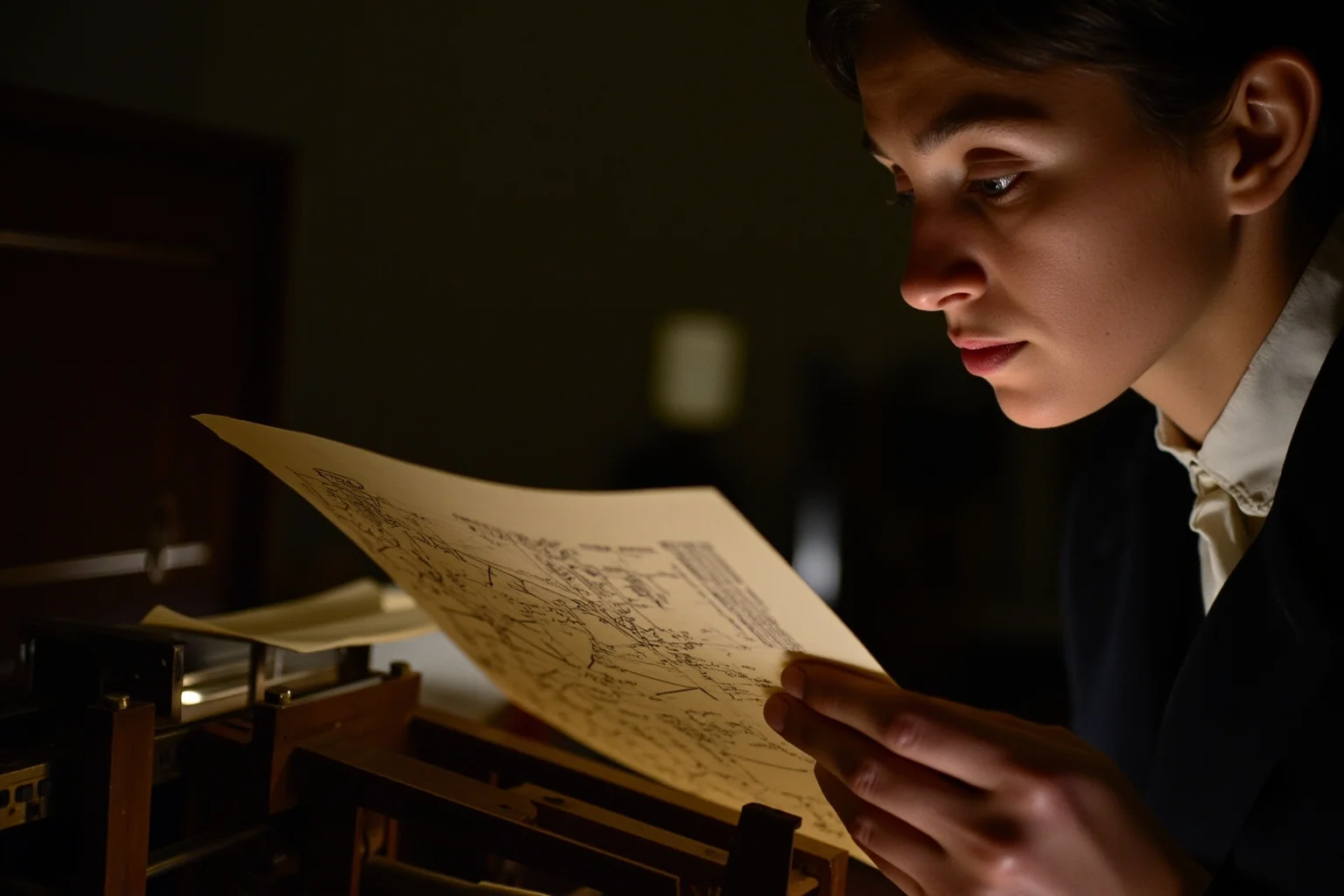
Ada Lovelace wrote extensive notes on Charles Babbage's Analytical Engine, including what many consider the first algorithm intended for a machine. She also speculated that such machines might one day compose music and manipulate symbols.
Her work was largely ignored until the mid-20th century, when computer pioneers rediscovered it. She's now a patron saint of computing, but it took roughly a hundred years for the credit to arrive.
16. Mary Seacole (1805–1881)
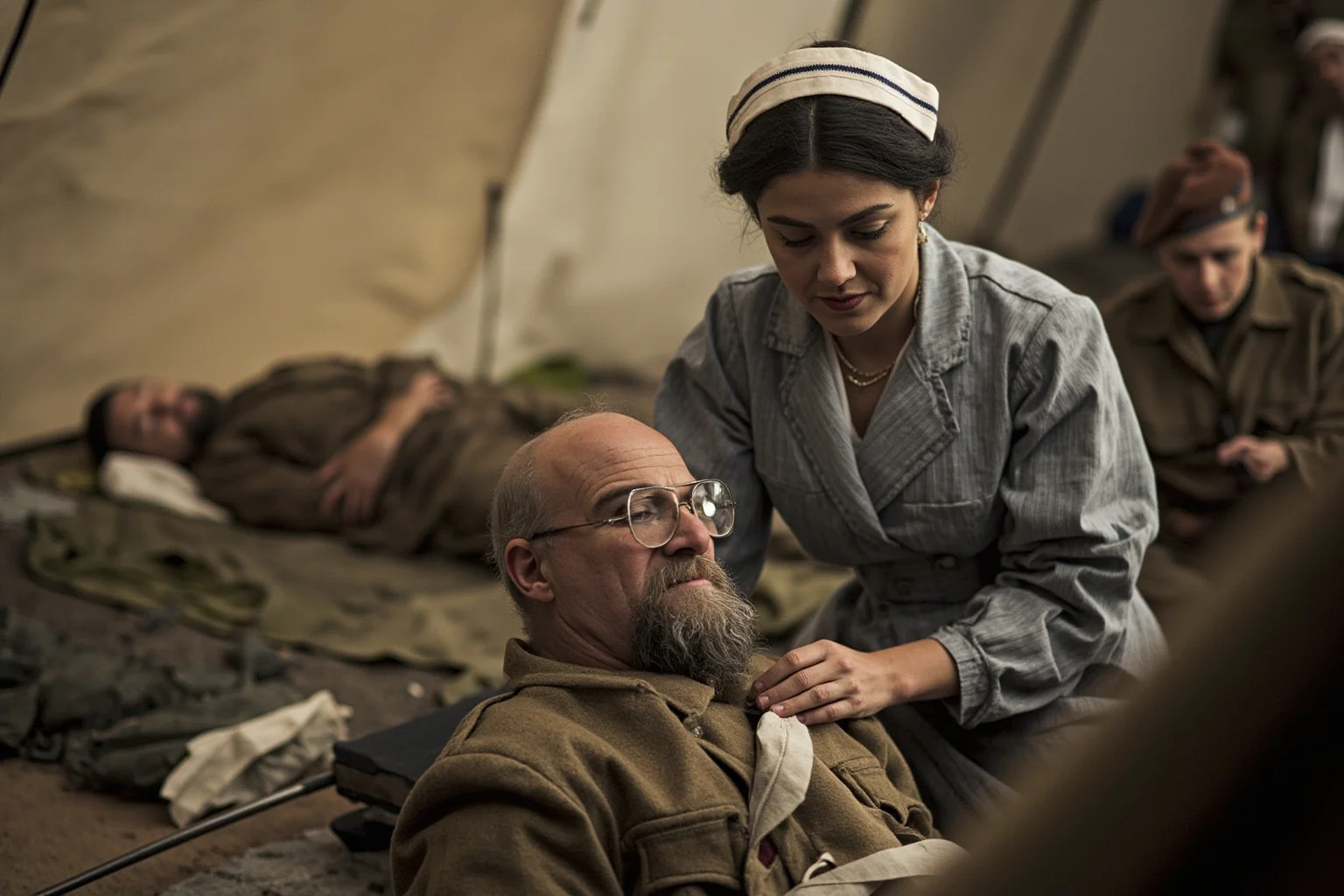
Mary Seacole was a Jamaican-British nurse who set up a boarding house and treated wounded soldiers during the Crimean War. She traveled to the front after British authorities rejected her offer to serve officially.
For a long time, her story was overshadowed by Florence Nightingale's, partly because it fit a different narrative. Recent scholarship has restored Seacole to prominence, particularly in Britain and the Caribbean.
17. Nadezhda Suslova (1843–1918)
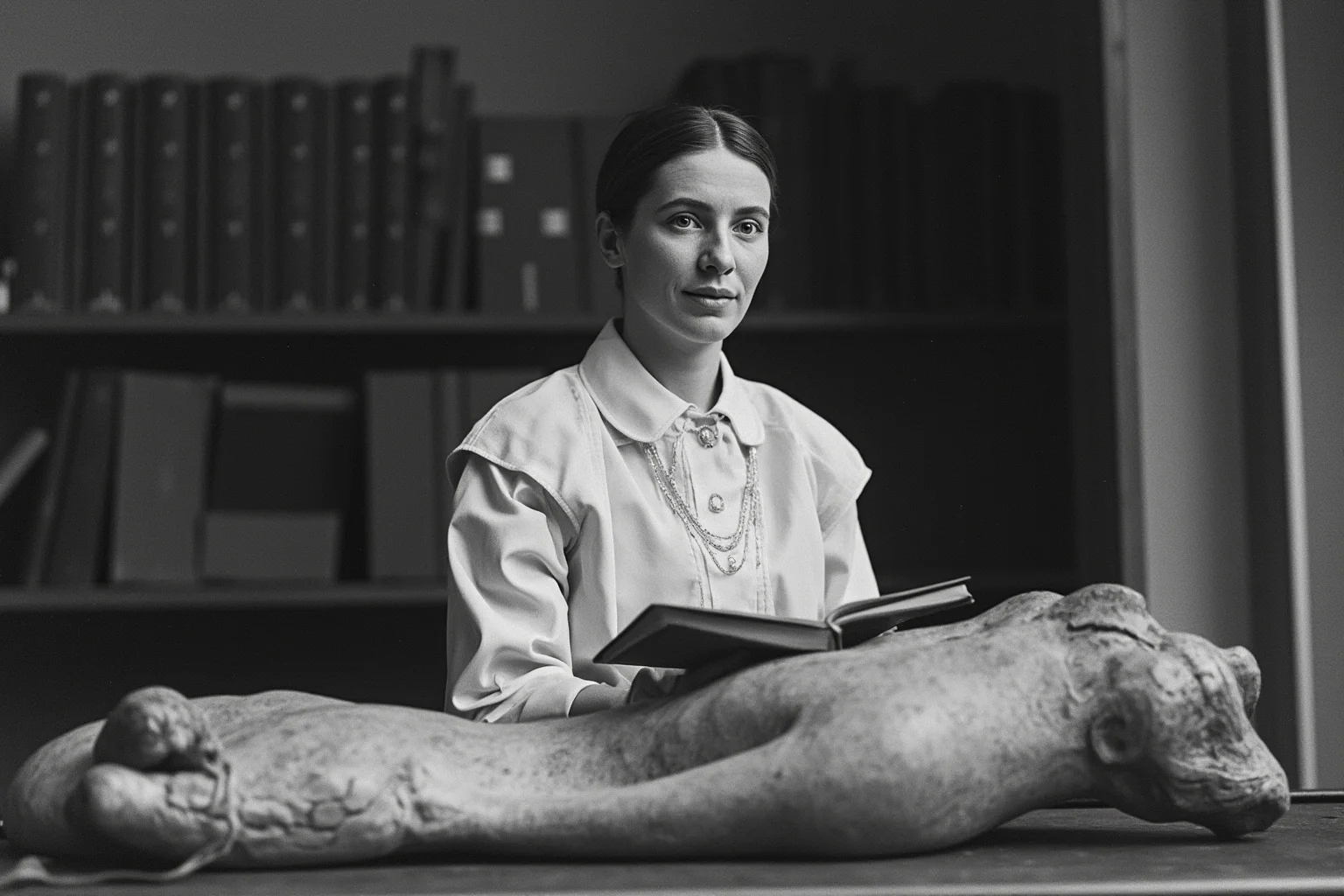
Suslova became one of the first women to earn a medical degree in Europe, graduating from the University of Zurich in 1867. She paved the way for Russian women to study medicine abroad when they were barred at home.
She later returned to Russia and worked to expand healthcare access for poor communities. Despite opening doors for thousands, her name is rarely mentioned even in histories of medicine.
18. Harriet Tubman (c. 1822–1913)
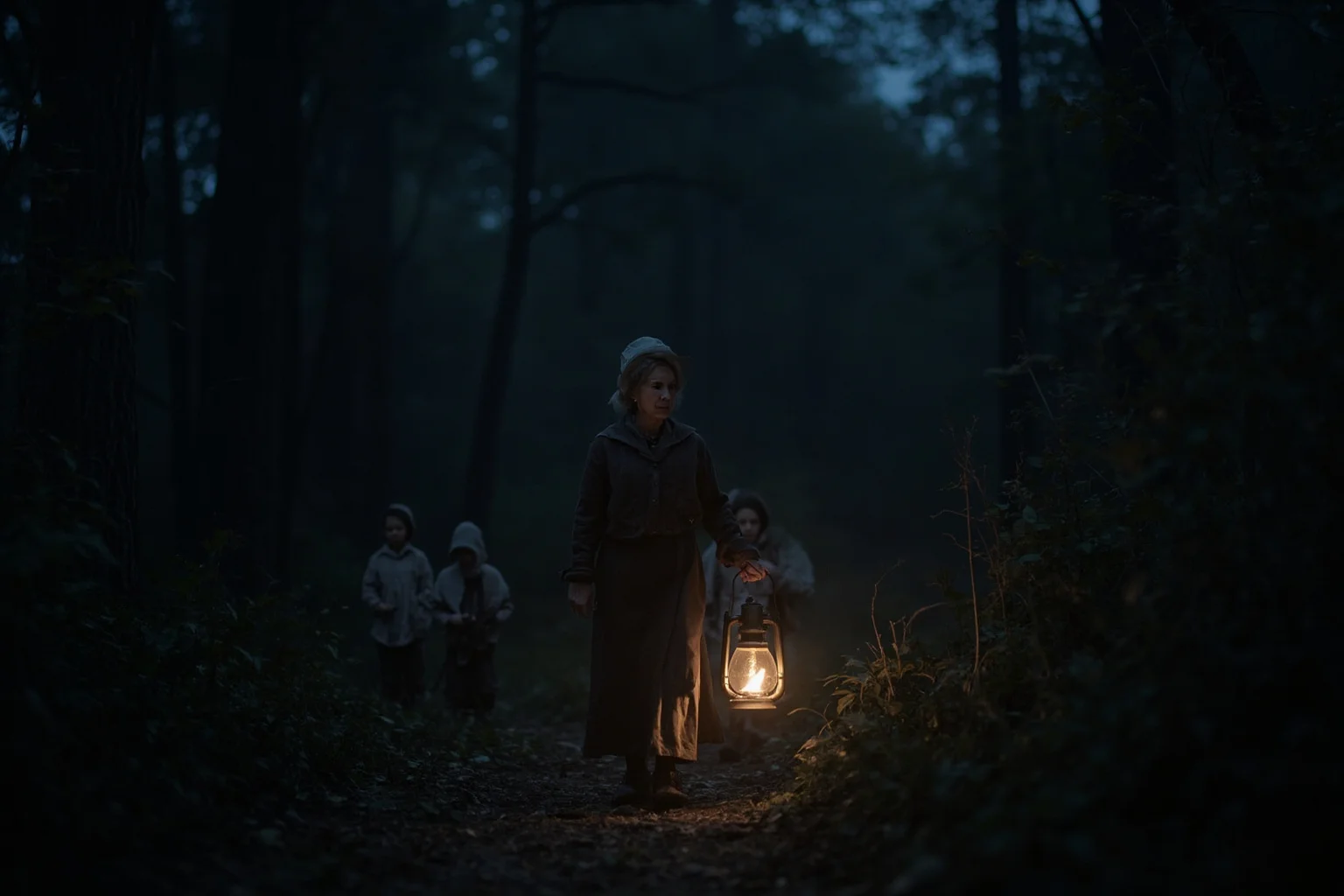
Harriet Tubman escaped slavery and then returned repeatedly to lead others to freedom along the Underground Railroad. During the Civil War, she served as a scout, spy, and nurse, and helped lead the Combahee River Raid.
She was denied a government pension for decades despite her wartime service. She's better known today than many on this list, but her military and espionage roles are still underappreciated.
19. Katherine Johnson (1918–2020)
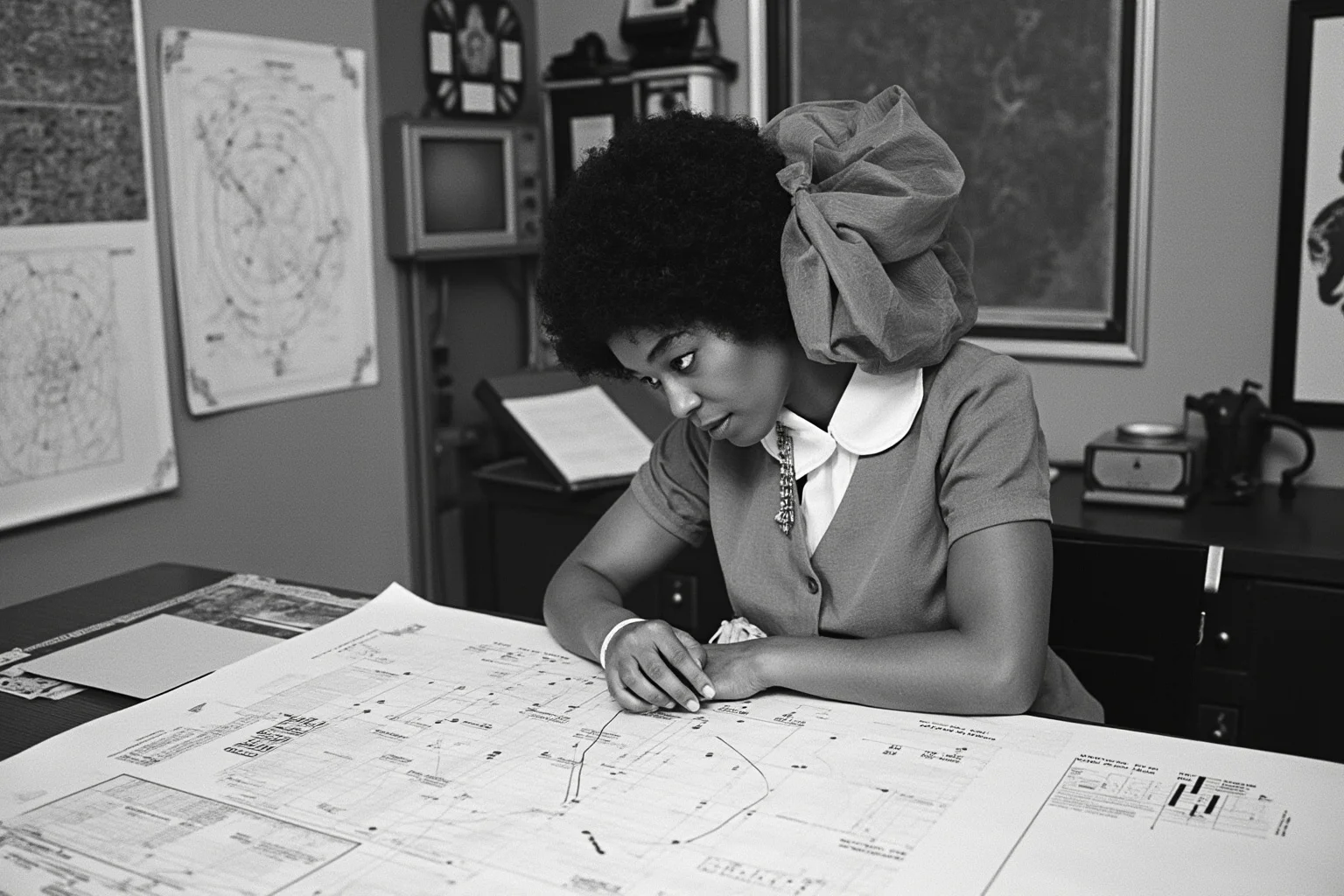
Katherine Johnson was a NASA mathematician whose trajectory calculations were critical to early American spaceflight. John Glenn famously requested that she personally verify the electronic computer's orbital figures before his 1962 flight.
She worked in the segregated West Area Computers unit and faced daily discrimination despite her precision. She received the Presidential Medal of Freedom in 2015, finally earning mainstream recognition late in life.
20. Chien-Shiung Wu (1912–1997)

Wu was a Chinese-American physicist who designed the experiment disproving conservation of parity in weak interactions. Her 1956 experiment confirmed a theoretical prediction by Tsung-Dao Lee and Chen-Ning Yang, who won the 1957 Nobel Prize.
Wu herself was not included in the award, one of the most widely cited omissions in Nobel history. She was later nicknamed "the First Lady of Physics" — a compliment that still carries a note of exclusion.
Separating Myth From Fact About Forgotten Women
It's tempting to turn every forgotten woman into a legend, but that risks replacing one distortion with another. Some stories, like Agnodice's, survive only through ancient writers who may have embellished them. Honest history means saying so.
Others, like Mary Anning, Katherine Johnson, and Chien-Shiung Wu, are documented in painstaking detail. With those women, the erasure wasn't about mystery at all. It was simply about whose names were considered worth printing.
One widely shared quote — framed as a defiant "I am a proud ignorant woman" — circulates online as a feminist statement. Its true origin is murky and often misattributed, so it's safer to treat it as a modern motto rather than a genuine historical quotation.
How These Women Were Erased
Four mechanisms show up again and again. First, women were legally barred from publishing, so their work appeared under a husband's or brother's name. Second, institutions like universities and royal societies excluded them, cutting off resources and credibility at the source.
Third, later writers sanitized or villainized them. Margaret of Anjou became a "she-wolf," while Caroline Herschel became William's "helper." Fourth, plain neglect did the rest: archivists preserved male correspondence and discarded women's letters as unimportant.
Recognizing these patterns matters, because the same forces still shape whose stories get told. Fixing the record isn't about charity. It's about accuracy.
How Historians Recover These Stories
Modern researchers dig through parish records, court documents, and household accounts — places where women's names survive when formal records fail. Researchers re-examine old discoveries for signs that a man merely published a woman's findings.
DNA testing, forensic genealogy, and digitized archives have reopened dozens of cold cases. But recovery work is slow, and a lot of the forgotten women in history may never get their due.
That's a reason to treat these names not as trivia but as a to-do list. Every recovered figure pushes the historical record a little closer to reality.
Frequently Forgotten, Rarely Ordinary
The thread running through all twenty of these women is competence. They weren't saints or curiosities. They were people who did hard, important work in systems designed to ignore them.
That makes them worth remembering for exactly the reason they were forgotten: they were inconvenient to the stories of their time. Fortunately, history isn't fixed. Each generation can choose whose names to carry forward.
If these forgotten women of history teach us anything, it's that "unknown" is rarely the same as "unimportant." Sometimes it just means no one bothered to write the name down until now.
Frequently Asked Questions
Who are the real women in hidden figures, and were they based on actual people?
Yes. The film Hidden Figures was based on a real group of Black women mathematicians at NASA, including Katherine Johnson, Dorothy Vaughan, and Mary Jackson. They worked as human "computers" in the segregated West Area unit and made critical contributions to early American spaceflight.
Why do so many women disappear from historical records?
Women were often barred from universities, guilds, and publishing. As a result their discoveries were published under a male relative's name, or their work was minimized as mere assistance. Institutions also preserved men's papers and discarded women's.
What is the earliest known female author in history?
Enheduanna, a Sumerian high priestess who lived around 2285 to 2250 BCE, is generally recognized as the earliest author known by name. Her hymns and temple poems survive and are still studied by scholars today.
Was there a real female pharaoh of ancient Egypt?
Yes. Hatshepsut ruled as a female pharaoh during the 18th Dynasty, roughly from 1479 to 1458 BCE. After her death, her successor ordered her names and images removed, and it took modern archaeology to fully restore her to the record.
Did any women win Nobel Prizes for work that was later challenged?
It's more common that they were left out. Chien-Shiung Wu's 1956 experiment disproved conservation of parity, but only the male theorists received the 1957 Nobel Prize. Her omission remains one of the most discussed in the award's history.

Alex Warren
Related Articles