Every generation believes the names its parents chose were hopelessly ordinary. Then a few decades pass, those names stop belonging to your classmates, and they start belonging to history — which is exactly what has happened to the baby names of the 1960s.
Open a 1960s yearbook and you will find an almost comically consistent roster: row after row of Michaels, Davids, Lisas, and Karens. That sameness was real, and it is part of what makes these names so interesting to revisit now.
Some never went away. Others are quietly waiting for a second act. A few are probably best left on the shelf, and knowing which is which is the whole point of looking back.
TL;DR: The 1960s produced some of the most durable baby names in American history — Michael and Lisa each ruled the charts for years — and many still work beautifully today, as long as you know which ones carry dated baggage.
Why Popular Names of the 1960s Look So Consistent
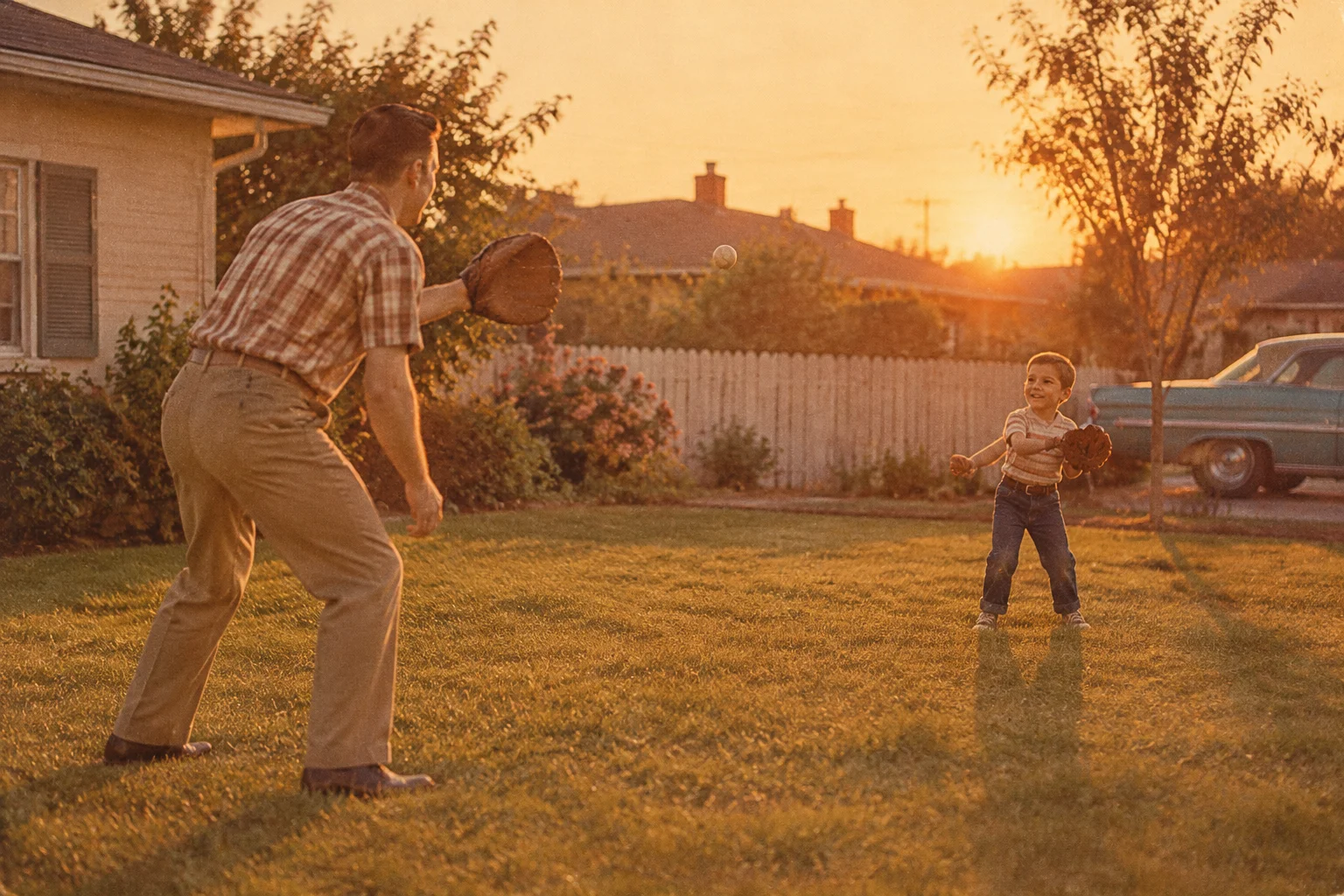
The 1960s sat at the demographic heart of the postwar baby boom. Roughly 76 million Americans were born between 1946 and 1964, and the decade itself accounted for an enormous share of that total.
Naming was also far more concentrated back then. Parents were choosing from a much smaller shared menu, so a handful of names could absorb a huge portion of an entire birth cohort.
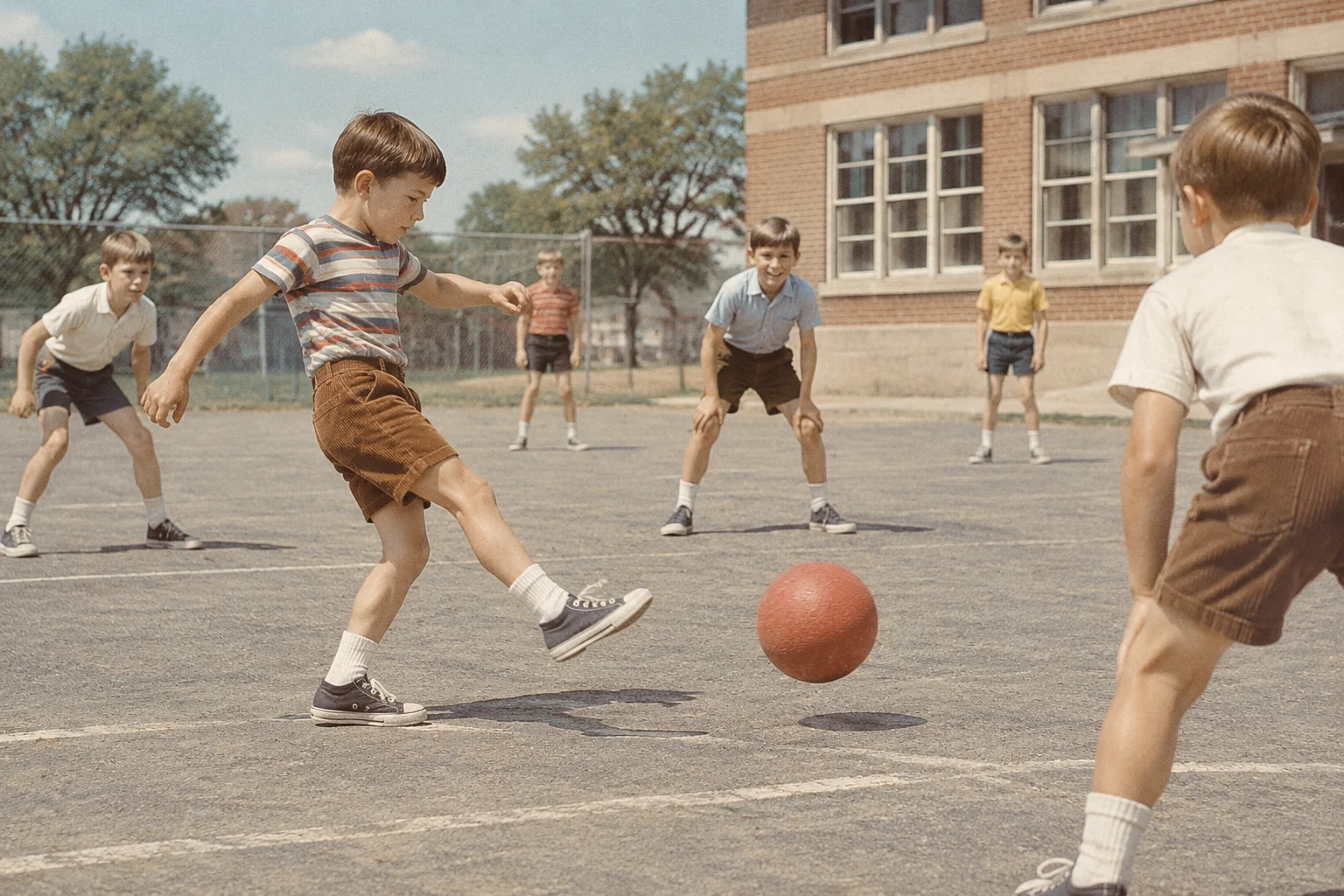
Compare that with today, when the top names spread across a much wider field. The result is that a 1960s class photo looks like a template, while a modern one looks more like a collage.
The Forces Behind Names From the '60s
Mass media was the biggest single factor. By the early 1960s, network television had become a shared national campfire, and Top 40 radio pushed the same songs into millions of homes at once. A hit show or a hit single could nudge a name upward across the entire country in a way that had no real precedent.
Religion still mattered enormously. Biblical names such as Michael, David, Timothy, Mary, and Teresa were safe, familiar choices that carried weight in church, synagogue, and community life alike.
The decade also loved nicknames. Short, friendly, two-syllable names like Cindy, Tammy, Julie, Lisa, and Donna dominated the girls' charts, and several of them began life as pet forms of longer names. That preference for warmth over formality is one of the clearest fingerprints of 1960s taste.
Surnames used as first names were another signature of the era. Scott, Todd, and Kimberly all follow that pattern, and the trend accelerated through the decade before peaking in the 1970s.
Finally, heritage played a role. Irish names like Kevin and Brian and Norse-derived names like Eric all gained ground as mid-century America grew more comfortable with names that were not strictly Anglo-Saxon.
The Boys' Names That Dominated the 1960s
1. Michael
Michael was the number one boy's name in the United States in every single year of the 1960s. It held the top spot from 1954 through 1998, a 44-year run unmatched by any other American boy's name in the Social Security Administration's records. That kind of dominance simply does not happen anymore.
Its appeal was equal parts tradition and momentum. The name has deep biblical roots, and the Highwaymen's "Michael Row the Boat Ashore" topped the Billboard Hot 100 in 1961, keeping it in constant rotation. Today Michael still ranks among the most common boy's names in the country, though nowhere near its mid-century peak.
2. David
David sat just behind Michael for most of the 1960s, and in a few years it came close to overtaking it. Like Michael, it is a biblical heavyweight — the shepherd boy who became king of Israel — which gave it instant familiarity in Christian, Jewish, and secular households alike.
The nickname Dave kept it casual, and the spelling never caused anyone trouble. David has never really fallen out of the top 30, which arguably makes it the safest vintage pick on this entire list.
3. Mark
Mark was a fixture of the boys' top 10 throughout the 1960s, and its peak years fell squarely inside the decade. It is short, crisp, and carries both a biblical pedigree (the Gospel of Mark) and a literary one (Mark Twain).
The name's one-syllable punch made it a natural fit for the era's plainspoken style. It has cooled considerably since, which is precisely why it can now read as understated and slightly retro rather than dated.
4. Steven
The 1960s were the decade when the American spelling Steven finally overtook the traditional Stephen in national rankings. Both forms come from the Greek Stephanos, meaning "crown," but the -ven version came to feel more modern and less formal.
Stevie Wonder's breakthrough as "Little Stevie Wonder" in 1963 put the nickname on the radio constantly. Steven remains a strong, familiar name that pairs easily with both classic and contemporary middle names.
5. Timothy
Timothy spent the 1960s inside the boys' top 10, helped along by its biblical pedigree — Timothy was a companion of the apostle Paul — and by its friendly, approachable sound. The nickname Tim and the diminutive Timmy gave parents useful flexibility, which mattered in an era that adored nicknames.
The name has faded since its mid-century peak, but it has a gentle, trustworthy quality that keeps it in circulation. For parents who want something recognizable without being crowded, it is a solid candidate.
6. Gregory
Gregory ranked among the ten most popular boys' names in the United States for much of the 1960s. It has Greek roots meaning "watchful" or "alert," and it always carried a slightly formal, grown-up tone that parents found reassuring.
Gregory Peck was one of Hollywood's biggest stars of the decade, winning an Oscar for To Kill a Mockingbird in 1963. Greg Brady then arrived on The Brady Bunch in 1969, a fitting bookend for the era.
7. Scott
Scott is a Scottish surname that made the jump to first name, and the 1960s were its breakout decade. It cracked the national top 10 and stayed there for years, helped by its single-syllable snap and its outdoorsy, unpretentious feel.
Star Trek's "Scotty" debuted in 1966, giving the name a pop-culture boost at exactly the right moment. Scott has cooled sharply since, which makes it feel more distinctive now than it ever did in a 1960s classroom.
8. Brian
Brian was a top-10 staple through the 1960s, riding the wave of Irish heritage names that had been building in American naming for decades. Its roots reach back to Old Irish and are often linked to the high king Brian Boru.
The decade handed the name plenty of cultural company. Brian Wilson was writing Pet Sounds for the Beach Boys, Brian Jones was in the Rolling Stones, and Brian Epstein managed the Beatles. Few names had a stronger 1960s résumé.
9. Kevin
Kevin climbed steadily through the 1960s and became one of the decade's defining boys' names. It comes from the Irish Caoimhín, related to a word meaning dear or gentle, and it was part of a broader mid-century embrace of Irish names.
Kevin is one of the few names on this list that got bigger after the 1960s, peaking in later decades. It has slipped since, which means it now sits in a sweet spot: familiar to everyone, but no longer crowded.
10. Eric
Eric has Norse roots, related to the Old Norse Eiríkr, and it rose into the American top 20 during the 1960s. Its two syllables and hard consonant ending gave it a modern, faintly edgy feel at the time.
Eric Clapton was making his name with the Yardbirds and Cream, while Eric Burdon was fronting the Animals, so the name had genuine rock credentials. It has since become uncommon enough to feel fresh again.
11. Todd
Todd is the quintessential 1960s name that never made it to the 21st century. It comes from an English surname meaning "fox," and it fits the decade's love of short, surname-style boys' names perfectly.
Todd peaked in the 1960s and then slid steadily for decades, eventually dropping out of the national top 100. That decline is exactly what makes it interesting now: it is unmistakably mid-century, with no ambiguity about when it belongs.
12. Jeffrey
Jeffrey is a medieval English form of Geoffrey, and it spent the 1960s comfortably inside the boys' top 10. The nickname Jeff gave it a relaxed, easygoing feel that matched the mood of the era.
The name's fortunes have faded since, and Jeffrey is now heard far less often than it was in a 1960s school hallway. For parents who like the idea of reviving a genuinely uncommon classic, that gap is the opportunity.
The Girls' Names That Ruled the 1960s
13. Lisa
Lisa was the number one girl's name in the United States from 1962 through 1969, an eight-year run that made it the defining girls' name of the decade. It is a short form of Elizabeth, which gave it a familiar pedigree without the formality.
Its rise was remarkably fast, going from a modest presence in the 1950s to total dominance within a few years. No single song, film, or celebrity fully explains the surge, which is one of the genuine puzzles of American naming. Lisa still feels warm and usable today, though it is far less common than it once was.
14. Mary
Mary was the number one girl's name in the United States for most of the twentieth century, including 1960 and 1961, before Lisa overtook it. Its staying power is unmatched anywhere in the Social Security Administration's records.
The name's religious weight is enormous, and it has been carried by countless saints, queens, and fictional heroines. Mary now feels traditional rather than trendy, but it never truly disappears — and it remains one of the most reliable middle names in English.
15. Karen
Karen was a top-10 girls' name through most of the 1960s. It began as a Danish short form of Katherine and spread through English-speaking countries via immigration and popular fiction.
Its modern reputation is complicated. Since around 2019, "Karen" has been used online as a slang label for a particular style of complaining behavior, and that association is now part of the name's baggage whether parents like it or not. That does not make Karen unusable, but it is worth going in with open eyes.
16. Kimberly
Kimberly rocketed up the charts during the 1960s, moving from a rare choice to a national favorite within a single decade. It began as an English surname derived from a place name, and it carried a polished, modern sound that parents of the era loved.
The nickname Kim gave it flexibility, and the name kept climbing into the 1970s. Kimberly has since become a marker of a specific generation, which is precisely why it can feel fresh to a parent who has never met a young one.
17. Michelle
Michelle surged into the girls' top 10 during the 1960s, helped in no small part by the Beatles. Paul McCartney's "Michelle" appeared on Rubber Soul in 1965 and won the Grammy for Song of the Year in 1967.
The name itself is the French feminine form of Michel, which gave it a chic, continental feel. Michelle remains an elegant, internationally friendly choice that works comfortably in English, French, and Spanish-speaking households.
18. Donna
Donna spent the 1960s inside the girls' top five. It is an Italian word meaning "lady," which gave it a distinctly romantic, continental flavor that set it apart from the era's plainer choices.
Pop culture did its part: Ritchie Valens had a hit with "Donna" in 1958, Dion followed with "Donna the Prima Donna" in 1963, and The Donna Reed Show ran on television from 1958 to 1966. The name has cooled a great deal since, making it one of the more distinctive revivals available today.
19. Teresa
Teresa, along with the common variant Theresa, was a top-10 girls' name for most of the 1960s. It carries a strong spiritual association through St. Teresa of Ávila and Thérèse of Lisieux, both of whom are widely venerated.
The name has a warm, melodic quality that travels well across languages, and the nicknames Tess, Tessa, and Terri give it useful range. Teresa feels traditional without being old-fashioned, which is a rare balance to strike.
20. Cindy
Cindy is a diminutive of Cynthia, and in the 1960s it escaped its parent name entirely to become a given name in its own right. Cynthia was a top-10 favorite, but Cindy was the version that felt sunny and unpretentious.
The Brady Bunch introduced Cindy Brady in 1969, cementing the name's association with the decade. Cindy has since fallen out of fashion, which makes it a charmingly specific choice for parents who want a name with a clear era attached.
21. Tammy
Tammy barely existed as a given name before 1957, when the film Tammy and the Bachelor and Debbie Reynolds's title song became national hits. The song won the Academy Award for Best Original Song and reached number one on the charts, and the name exploded almost immediately.
By the early 1960s, Tammy was a fixture in the girls' top 50, and Tammy Wynette's country career kept it visible later in the decade. It has been rare for decades now, which makes it feel unmistakably retro rather than merely dated.
22. Julie
Julie was a top-10 girls' name throughout much of the 1960s. It started life as a nickname for Julia and Juliet, but by the 1960s it stood on its own as a complete, self-sufficient name.
Julie Andrews was one of the biggest movie stars in the world in the mid-1960s, starring in Mary Poppins in 1964 and The Sound of Music in 1965. That visibility helped keep Julie at the front of parents' minds, and the name remains pleasant and easy to live with today.
23. Laura
Laura has Latin roots, generally traced to laurus, the laurel tree, and it climbed steadily through the 1960s, reaching the top 10 by the end of the decade. It is a soft, classic name that never needed a nickname to work.
The name had a long literary and cinematic life before that, from Renaissance poetry to the 1944 film noir Laura and its haunting theme song. Laura Ingalls Wilder's Little House books, which became a hit television series in 1974, kept the name in the cultural conversation for another generation.
24. Dawn
Dawn rose steadily through the 1960s, carried by its simple, hopeful imagery and its crisp single syllable. Frankie Valli and the Four Seasons had a hit with "Dawn (Go Away)" in 1964.
Tony Orlando and Dawn would keep the name in the spotlight into the 1970s. Dawn has since become uncommon, which gives it a clean, uncluttered quality that many parents find appealing.
25. Sandra
Sandra was a top-10 girls' name for much of the 1960s, peaking in the early years of the decade. It comes from the Greek Alexandra, meaning "defender of the people," which gives it a surprisingly strong meaning behind its soft sound.
The nickname Sandy was everywhere in the 1960s and 1970s, and the name's friendly, unpretentious feel made it a natural fit for the era. Sandra now reads as distinctly mid-century, which is either a drawback or the entire appeal, depending on your taste.
Names From the 1960s That Fell Out of Favor
Not every 1960s favorite survived the trip to the present. Gary, Cheryl, Deborah, Brenda, and Pamela were all top-10 names during the decade and are now rare enough to raise eyebrows on a modern playground.
The pattern is familiar to anyone who studies naming. A name rises with one generation, becomes strongly associated with that generation, and then feels old to the children and grandchildren who follow.
Karen is a special case, because its decline is tied to a specific and recent cultural shift rather than to the ordinary passage of time. That distinction matters if you are weighing the name seriously.
How to Bring a 1960s Name Into the 21st Century

The easiest way to use a vintage name without committing fully is to put it in the middle spot. A 1960s classic like Donna, Todd, or Sandra works beautifully between a modern first name and a family surname.
Another approach is to choose a fresher variant of the same root. Teresa can become Tess or Tessa, Sandra can become Sasha, and a formal Elizabeth can yield Lisa-adjacent options like Eliza or Betsy.
It also helps to check current data before deciding. The Social Security Administration publishes annual name rankings going back to 1880, and a quick look will tell you whether a name is genuinely rare or quietly climbing.
Finally, consider how the name sounds with your surname and whether the nicknames it generates are ones you can live with. A 1960s name that produces a nickname you dislike is a much harder sell than one that does not.
The Bottom Line on Baby Names From the 1960s
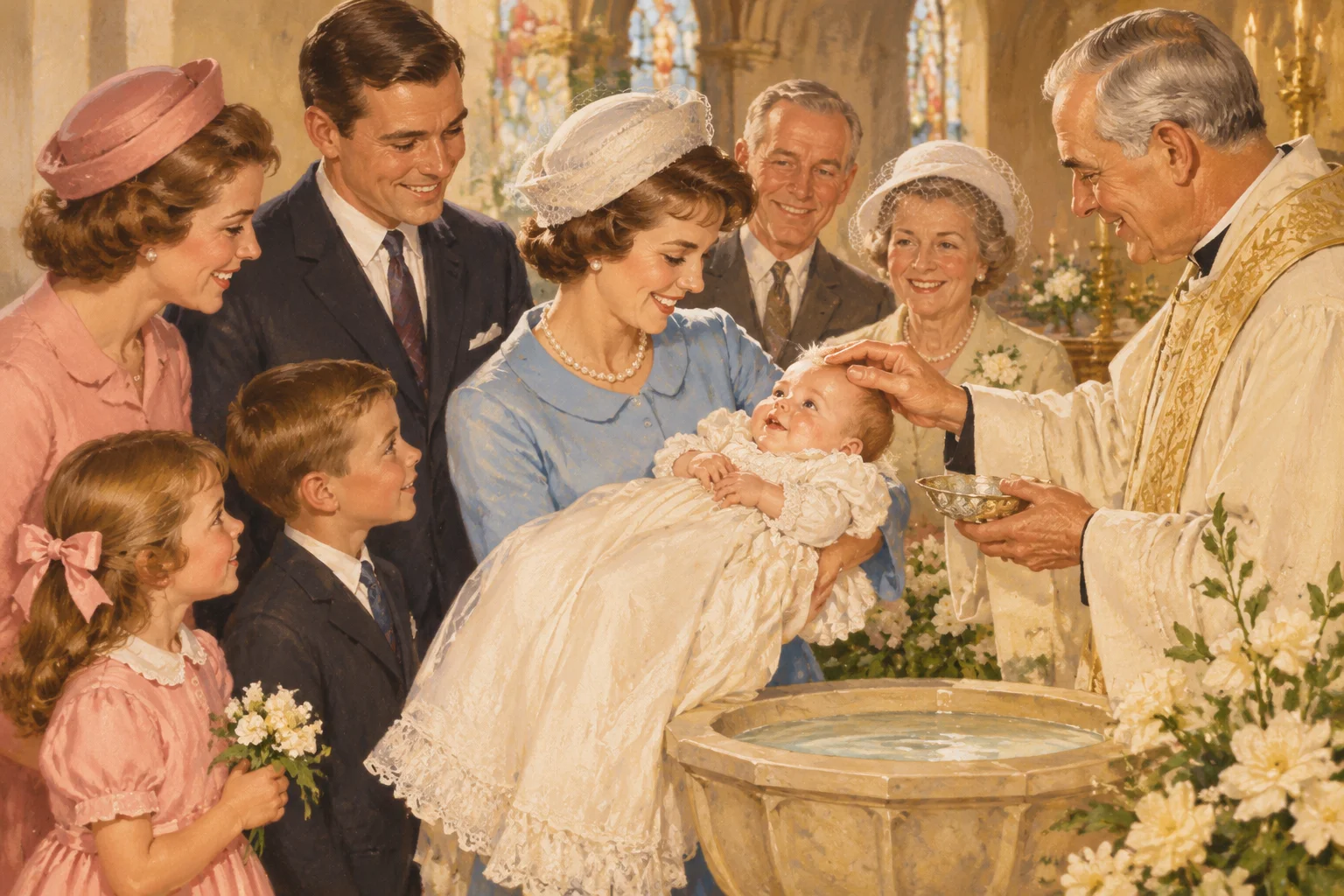
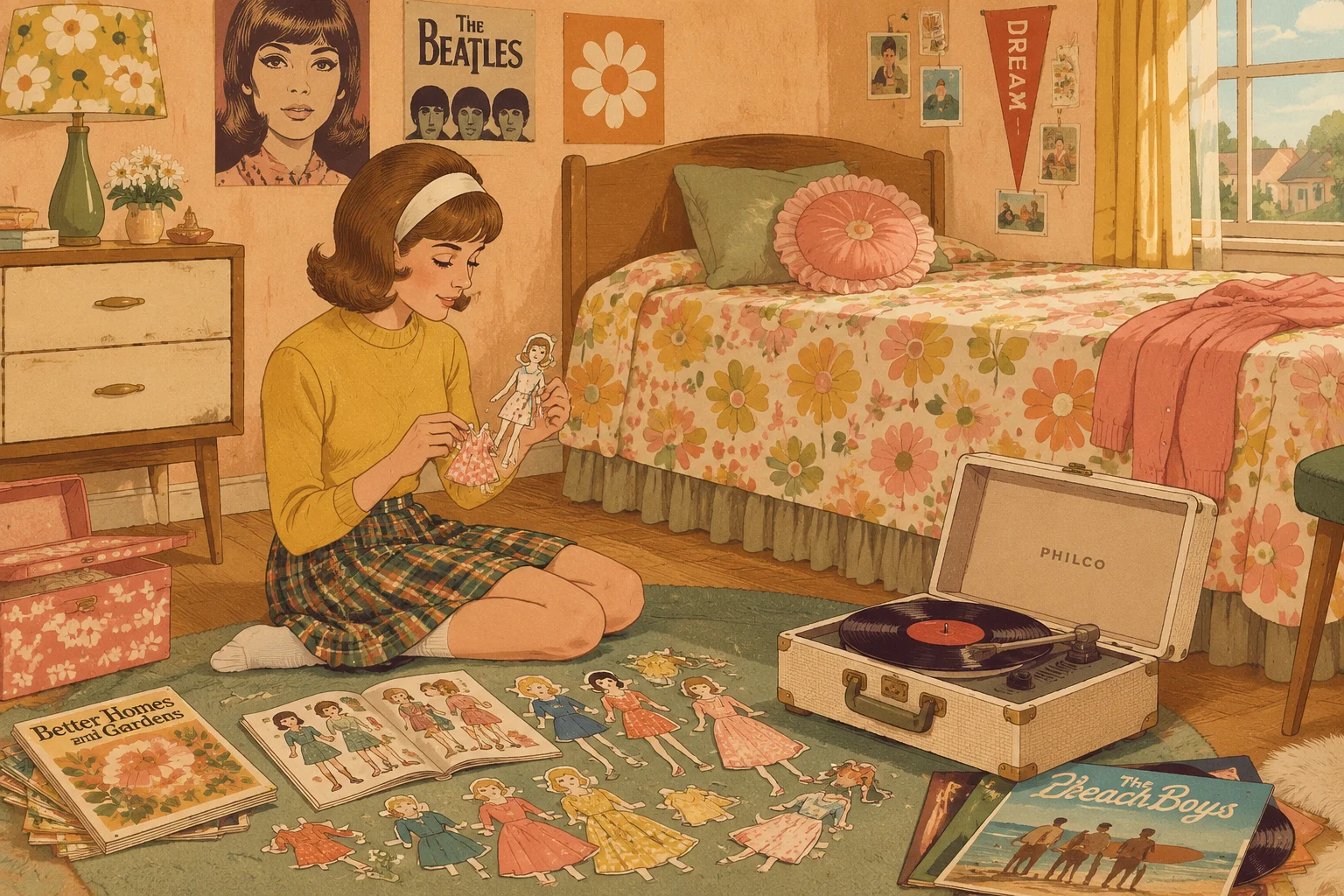
Names from the 1960s are not a monolith. Some, like Michael, David, and Laura, never left the top tier and still feel completely natural on a modern child. Others, like Todd, Tammy, and Sandra, are unmistakably of their time — which is exactly what makes them appealing to parents who want a name with a story.
The real lesson of the decade is how quickly taste moves. The names that filled 1960s classrooms were themselves a break from the Edwards, Mildreds, and Harolds of an earlier generation, and today's favorites will look just as specific to the 2020s in fifty years.
If you are drawn to a 1960s name, the honest test is simple. Say it out loud with your surname, picture it on a classroom list, and check how it is actually used today. If it still sounds good after all that, you have found something worth keeping.
Frequently Asked Questions
What were the most popular names from the 1960s?
In the United States, Michael was the number one boy's name in every year of the 1960s. On the girls' side, Mary held the top spot in 1960 and 1961, and Lisa then held it from 1962 through 1969.
Which names from the 1960s are still popular today?
Michael, David, Laura, Julie, and Michelle all remain familiar and usable in the 2020s. Names like Todd, Tammy, Gary, and Cheryl, by contrast, have faded sharply and now read as distinctly mid-century.
What were the most popular baby names in 1960 specifically?
For boys, Michael led the national rankings in 1960, with David close behind. For girls, Mary was still number one, followed by names such as Susan, Linda, and Karen.
Why were 1960s baby names so much more common than today’s?
Naming was more concentrated in the 1960s because parents drew from a smaller shared pool, and mass media spread the same influences to millions of families at once. Today's distribution is far more spread out, so even the top name covers a much smaller share of births.
What are some unusual or forgotten names from the 1960s?
Names like Rhonda, Dwayne, Yvonne, Cheryl, and Brenda were common in the 1960s but are rare now. For parents who want something genuinely uncommon but still historically grounded, that category is a rich place to look.
Should I avoid a 1960s name because it might sound dated?
Not necessarily, because "dated" is a moving target — a name that sounds old to one generation often sounds charming to the next. The practical test is whether the name creates an unwanted association for you, as with Karen, and whether the nicknames it produces are ones you actually like.
How can I tell if a 1960s name is becoming popular again?
The Social Security Administration publishes baby name data for every year since 1880, and it is free to search. Checking the last five to ten years of rankings for a specific name will show you whether it is flat, rising, or declining.

Alex Warren
Related Articles