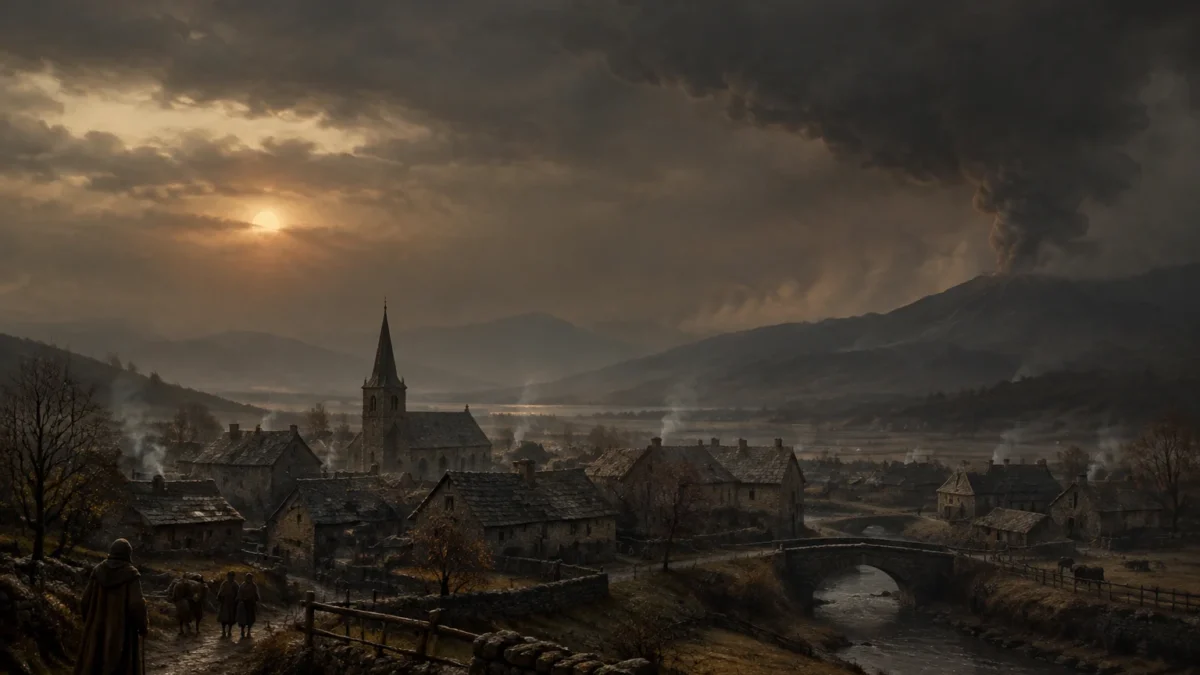
TL;DR: There is no single, objectively "worst" time to be alive, but historians consistently point to a handful of genuinely catastrophic eras — and the years around 536–537 CE, the Black Death of 1347–1351, and the crises of the 20th century all have serious claims to the title.
Introduction: Can We Even Rank Human Suffering?
People love to ask which era was the worst time in human history. It's a natural question, and it usually comes with a hidden second question: could it happen again?
The honest answer is that ranking suffering is a judgment call, not a math problem. Different eras inflicted different kinds of misery on different numbers of people, and we don't have reliable data for most of the past. That doesn't mean we can't compare them — it means we have to be careful about what we're actually measuring.
The Problem With Crowning a "Darkest Period"
When someone calls an era the darkest period in history, they're usually weighing a mix of factors: how many people died, how quickly, how much they suffered before dying, and whether society had any escape route. A plague that kills half a population in four years hits differently than a slow famine that grinds on for a century.
Scale matters too, but so does proportion. Losing 60% of Europe's population to plague is staggering when you consider what that meant for survivors — abandoned villages, collapsed harvests, and grief on a scale that's hard to imagine. The same absolute number of deaths in a larger, richer society might not shatter the social fabric the same way.
There's also a selection problem. We know far more about literate, recorded societies than about prehistoric ones, so ancient catastrophes often leave no written trace. A terrible century in Neolithic Europe could have been just as brutal as anything Rome endured, and we'd simply never know.
What Historians Actually Look For
When scholars try to identify the worst year in human history, they tend to focus on a few measurable signals. Mortality spikes, climate disruptions, crop failures, state collapse, and the breakdown of trade and law all point toward genuine catastrophe.
They also look for compounding crises. A single bad event is survivable; several arriving at once — famine, disease, war, and volcanic winter — is what turns a hard year into a civilization-shaking one. That's the pattern behind most of the eras on this list.
How We Ranked These Eras
No list like this is neutral, so here's the framework we used. We weighed four things: estimated death toll as a share of the affected population, duration of the suffering, whether multiple catastrophes overlapped, and the long-term social damage.
This isn't a scored formula, and reasonable historians would order these differently. What it is, is a way to move past vibes and internet arguments toward something closer to informed comparison. We've also flagged where the evidence is thin, because pretending certainty about the ancient world is how myths get started.
We've organized the list into distinct eras and episodes, each with its own case for the title. Some are famous, some are nearly forgotten, and a few are more myth than history once you dig in.
1. The Year Without a Summer and the Volcanic Winter of 536 CE
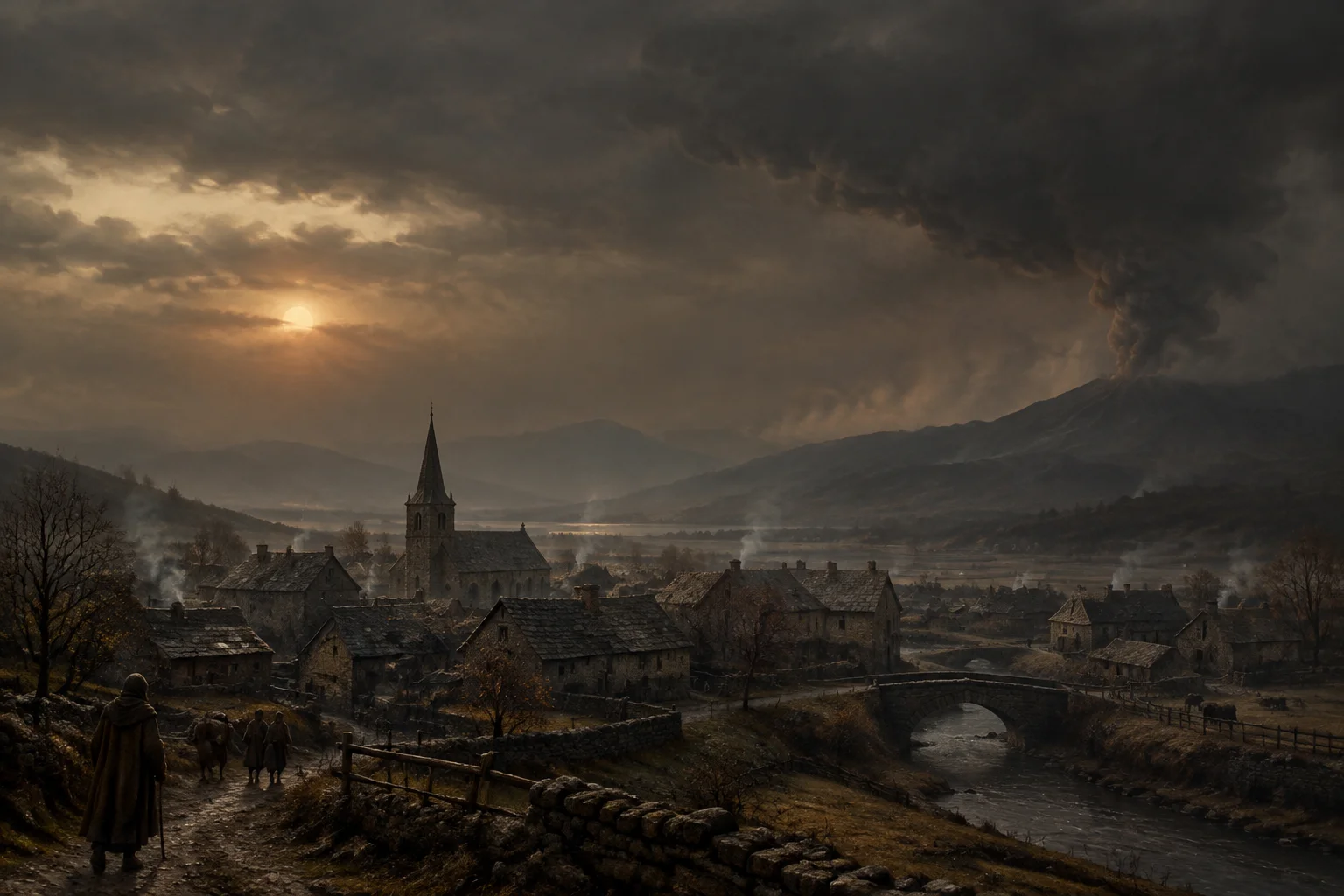
In 536 CE, something happened that nobody at the time could explain. The sun dimmed for months, temperatures dropped across the Northern Hemisphere, and chroniclers from Byzantium to China recorded a strange, persistent gloom. Tree-ring and ice-core data now point to a massive volcanic eruption, with a second major eruption striking in 540 and perhaps a third in 547.
The result was a genuine volcanic winter that lasted years. Crops failed across Europe and Asia, famine spread, and populations weakened just in time for the first pandemic of bubonic plague to arrive. Some researchers have called 536 the worst year to be alive, though the suffering clearly stretched over a decade rather than a single calendar year.
2. The Plague of Justinian (541–549 CE)
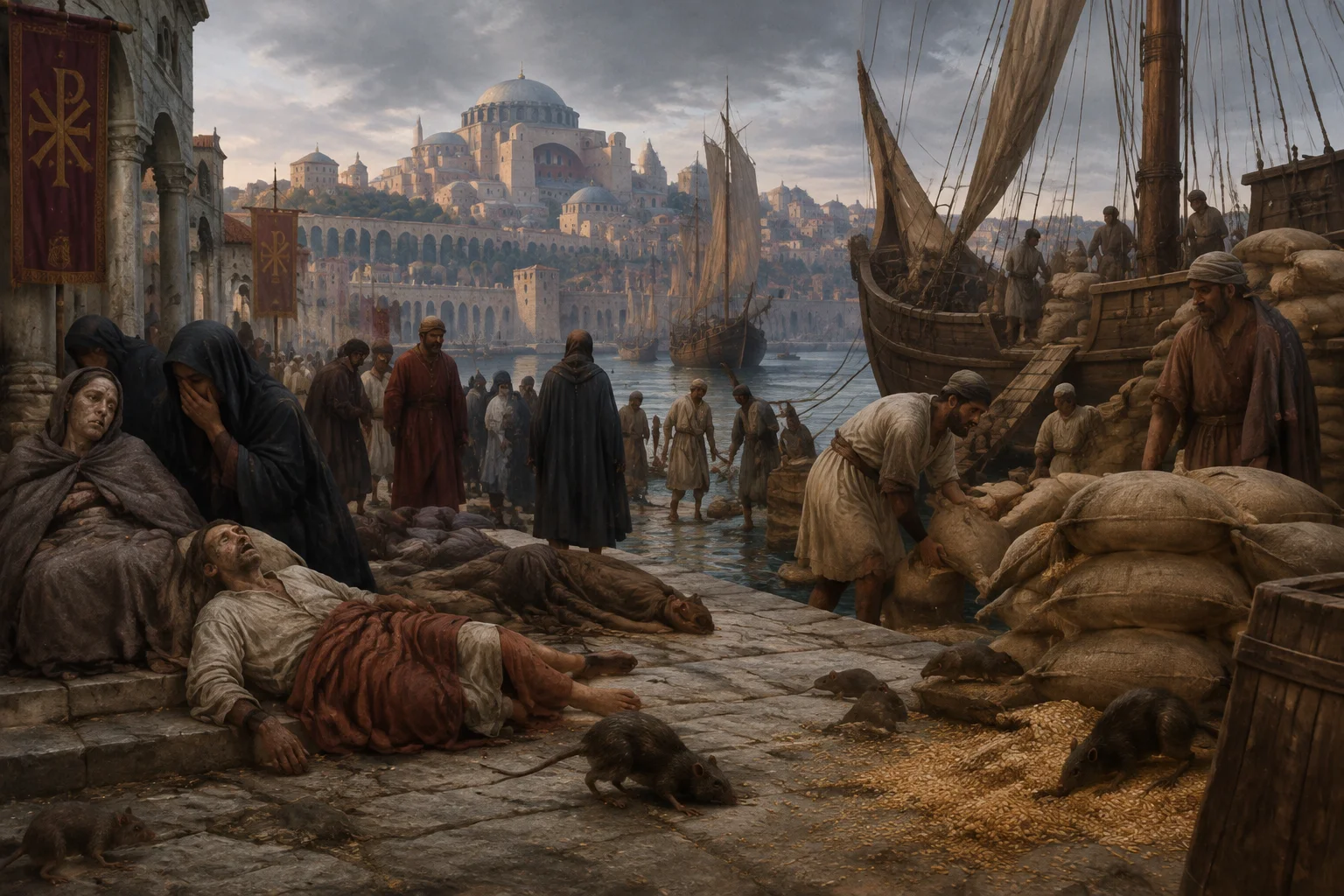
When the bubonic plague reached the Byzantine Empire in 541, it found a population already weakened by years of crop failure. The disease spread along the empire's trade routes, hitting Constantinople hard before moving through the Mediterranean world. Some contemporary accounts claimed the death toll ran into the millions, though those numbers are notoriously unreliable.
Modern estimates vary widely, and the evidence from ancient DNA has complicated the picture. What's clear is that the plague recurred in waves for roughly two centuries afterward, and it coincided with the collapse of the late Roman order that Justinian had been trying to rebuild. The empire survived, but it never fully recovered its old strength.
3. The Late Bronze Age Collapse (c. 1200–1150 BCE)
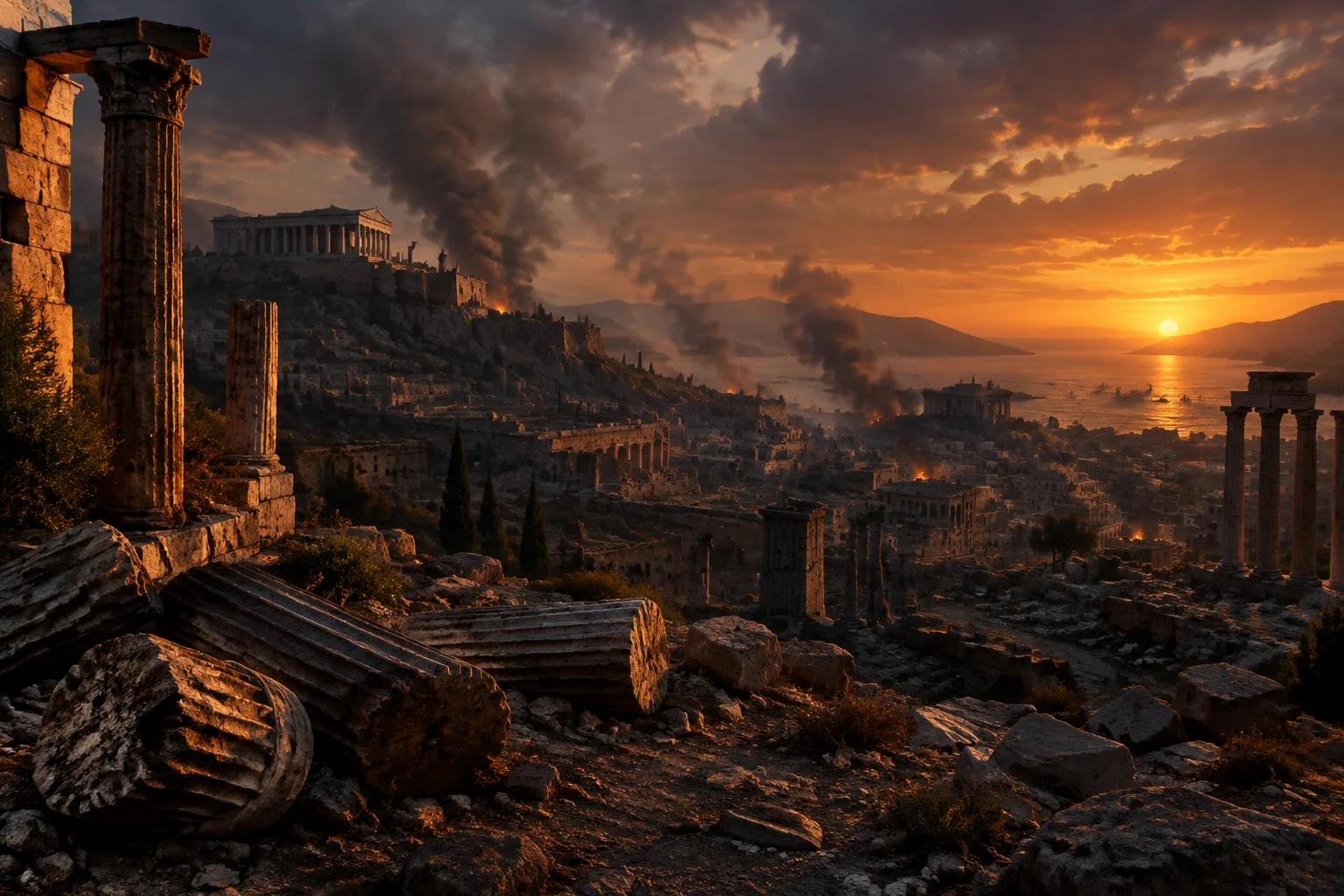
Around 1200 BCE, a network of civilizations stretching from Greece to Egypt fell apart within a few decades. The Mycenaean palaces burned, the Hittite empire vanished, Ugarit was destroyed, and trade routes that had functioned for centuries went silent. Egypt survived but was badly weakened.
What caused it remains one of history's great debates. Candidates include drought and climate stress, earthquakes, internal revolt, and the mysterious "Sea Peoples" named in Egyptian inscriptions. Most likely it was all of the above, with each crisis making the next one worse. For the ordinary people caught in it, the collapse meant the loss of writing, cities, and organized government across much of the eastern Mediterranean.
4. The Crisis of the Third Century (235–284 CE)
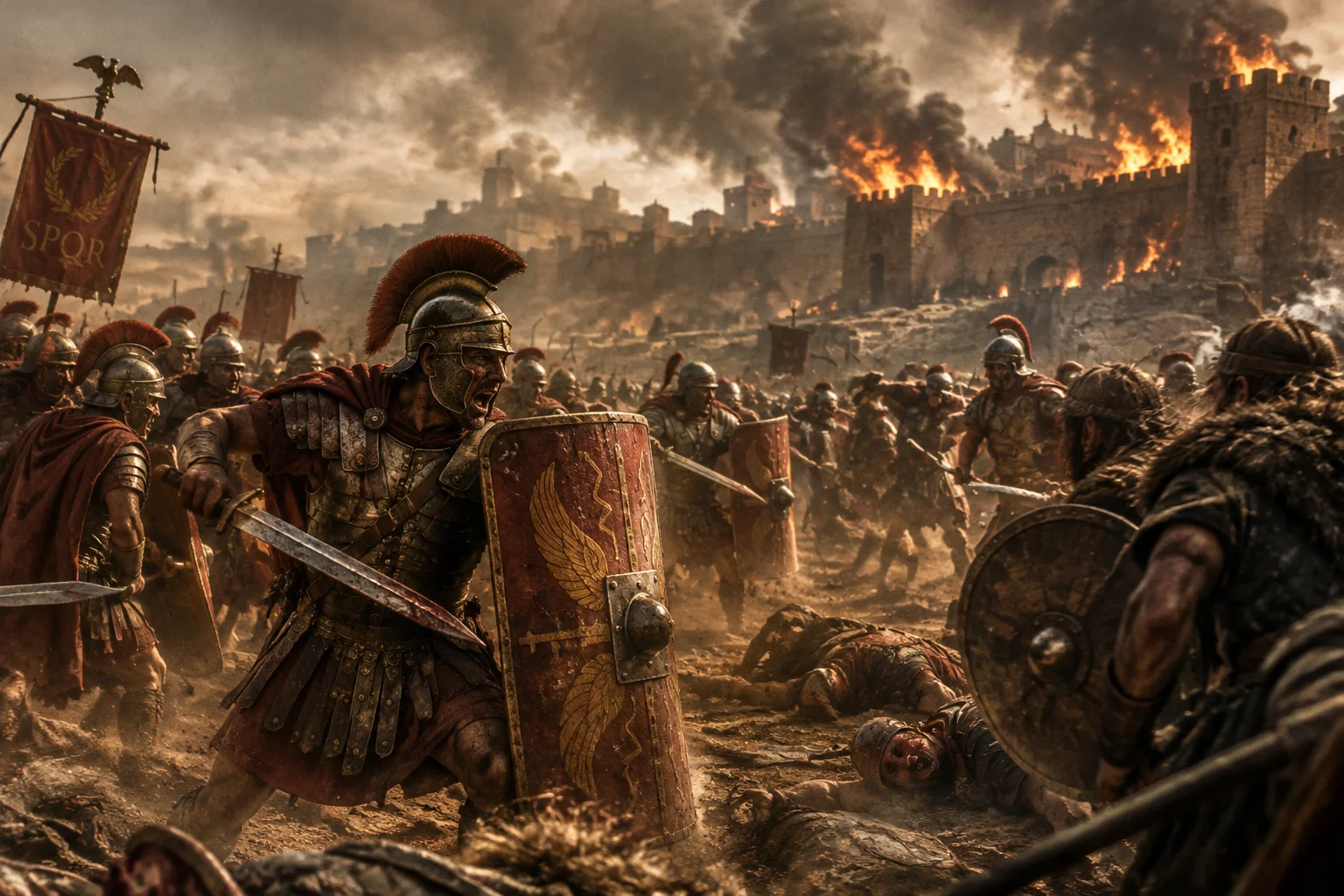
The Roman Empire nearly tore itself apart during the third century. In fifty years, more than twenty men claimed the imperial title, and the empire briefly split into three rival states. Plague swept through the army, currency collapsed, and the frontier buckled as Goths and Persians pressed in.
It's a reminder that "worst time period" doesn't require a single dramatic disaster. The Third Century was a grinding, exhausting half-century of constant war and instability, and it permanently changed Roman government and society in ways that echo through later history.
5. The Fall of the Western Roman Empire (476 CE and After)
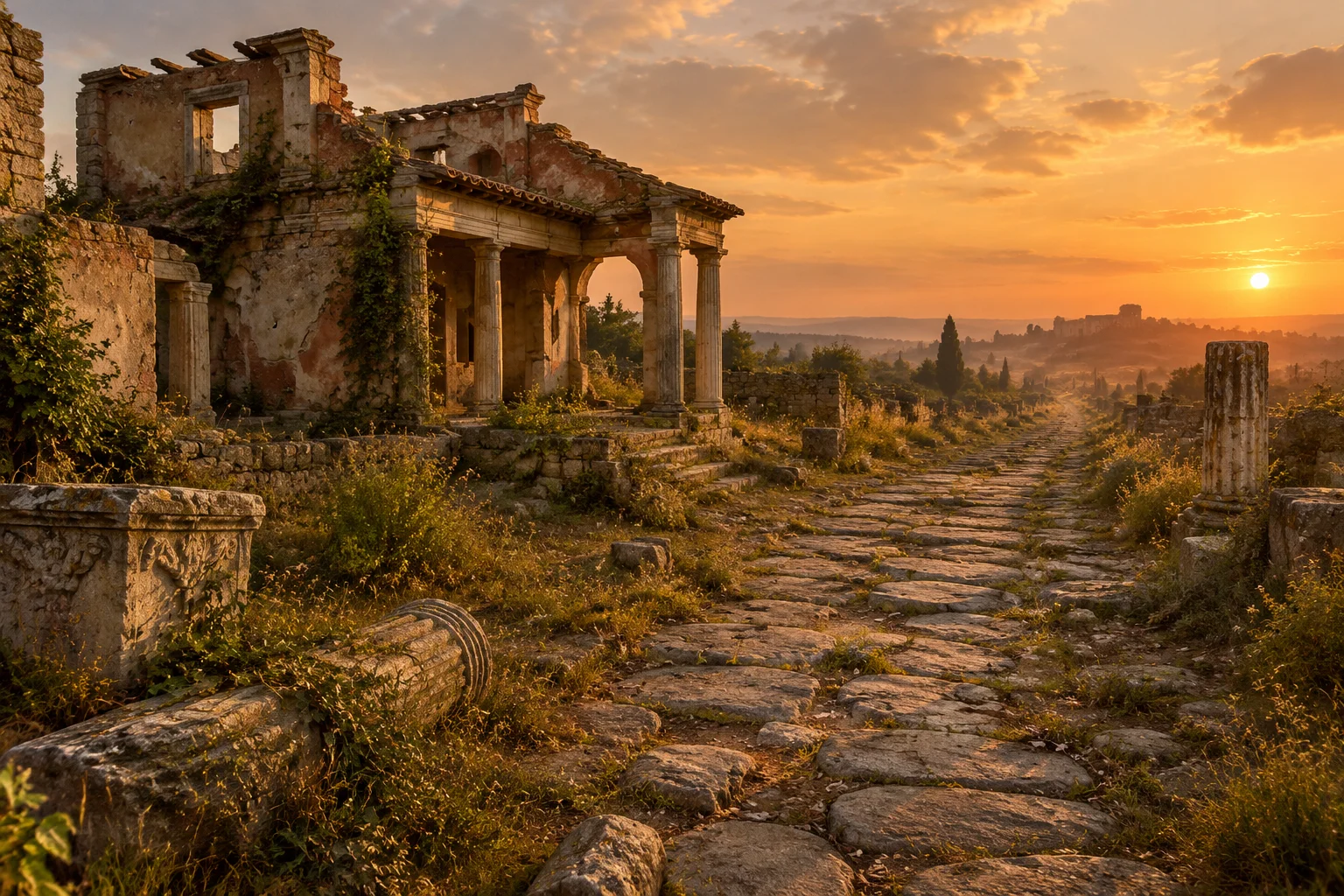
In 476 CE, Odoacer deposed the last western Roman emperor, a teenager named Romulus Augustulus. That event is often taught as the fall of Rome, but the reality was more gradual and messier — a slow unraveling of institutions, tax revenue, and infrastructure over generations.
For many people in the West, the collapse of Roman administration meant the breakdown of roads, trade networks, and legal systems they'd depended on. It didn't happen overnight, and local life often continued for decades, but the loss of central authority reshaped European society for centuries. The eastern empire, meanwhile, kept going for another thousand years.
6. The Late Middle Ages and the Great Famine (1315–1317)
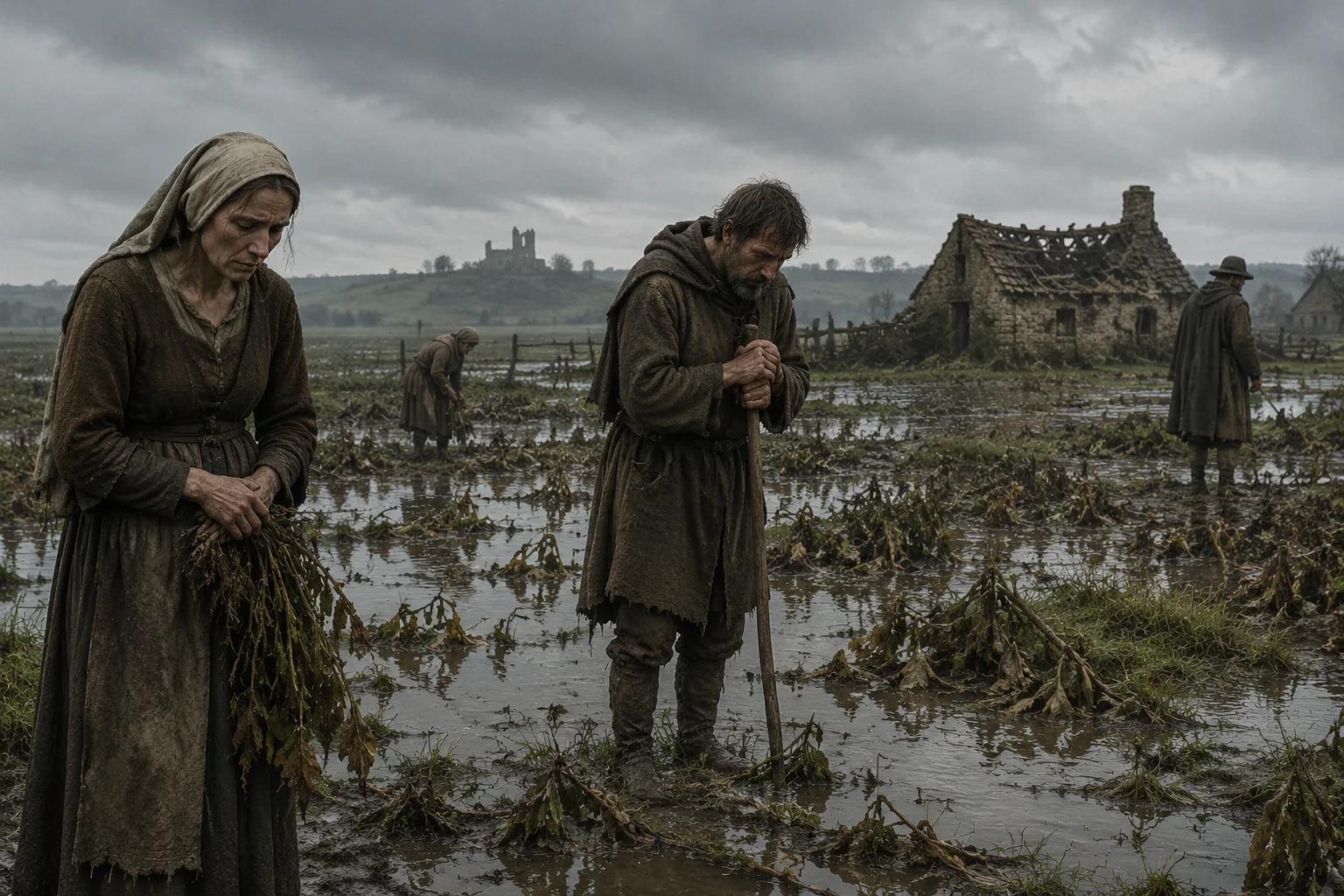
The Great Famine of 1315–1317 was northeast Europe's own compounded catastrophe. Prolonged rain ruined harvests across Britain, France, and the Low Countries, and because medieval agriculture had little surplus, the effects cascaded quickly. Some estimates suggest 10–25% of affected populations died, though figures vary widely.
The famine would be grim enough on its own, but it matters here because it primed the ground for what came next. A weakened, malnourished population was far more vulnerable to the plague that arrived just three decades later.
7. The Black Death (1347–1351) — A Genuine Contender for Worst Time Period
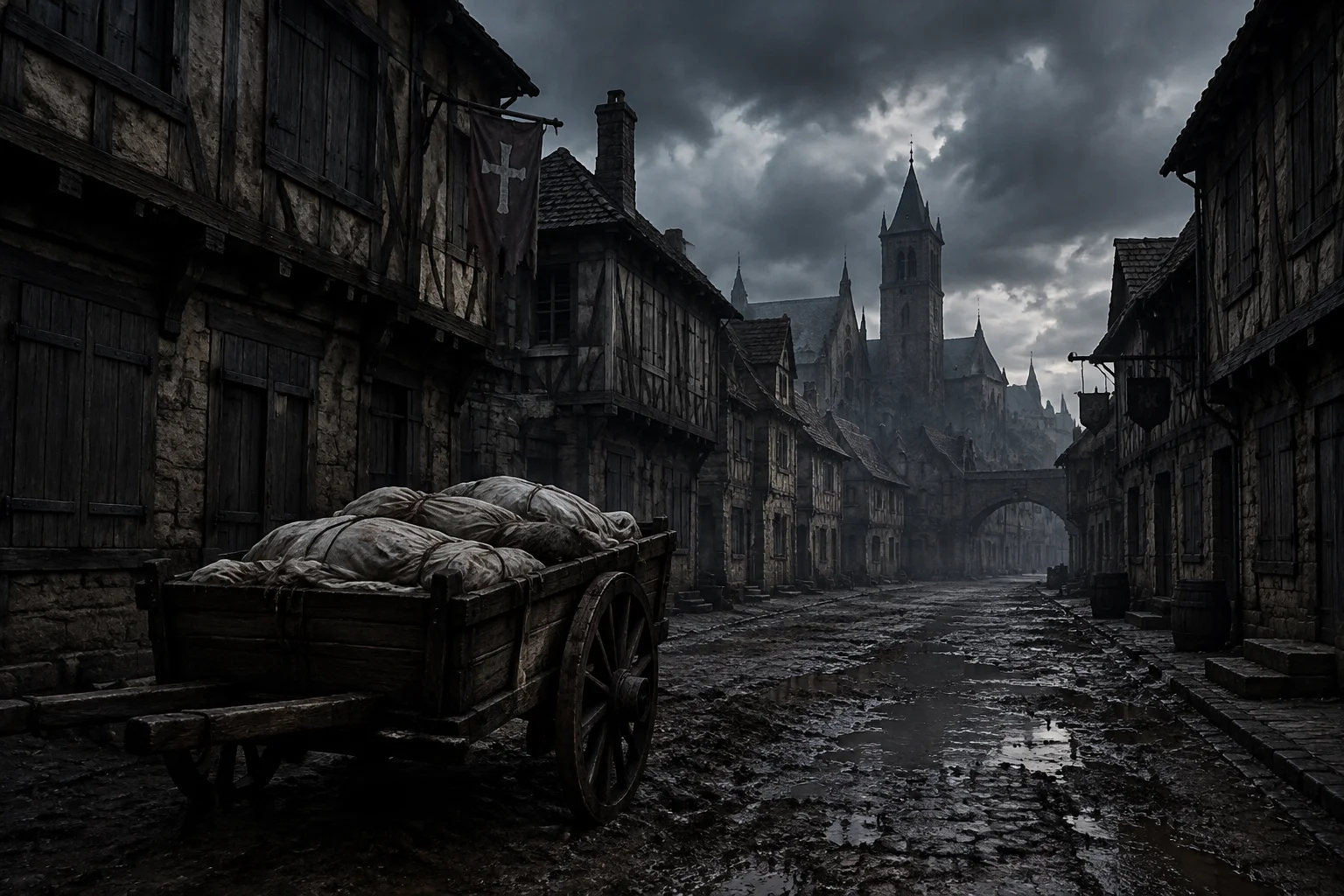
The Black Death is the catastrophe most people name when they ask about the worst year in human history, and it has a strong case. Between 1347 and 1351, bubonic plague — caused by Yersinia pestis — killed somewhere between one-third and one-half of Europe's population. That's a death toll proportionally unmatched in recorded European history.
Whole villages were abandoned, crops rotted in fields, and survivors faced a world where labor was suddenly scarce and mourning was constant. Yet the aftermath was complicated. Labor shortages gave surviving peasants more bargaining power, wages rose, and the old feudal bonds loosened in ways that eventually reshaped European society — a point historians now take seriously.
8. The Hundred Years' War (1337–1453)
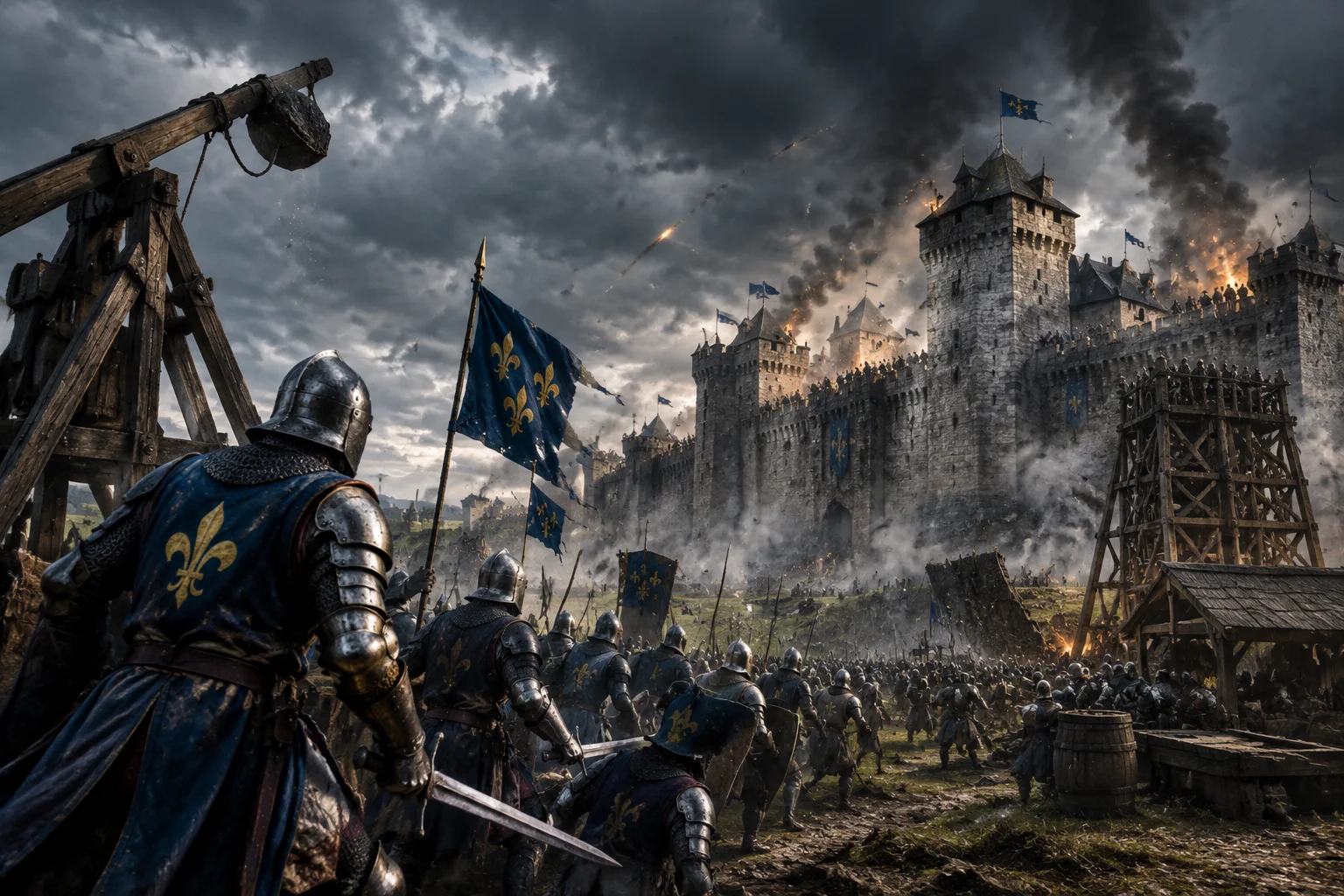
Running alongside the plague, the Hundred Years' War between England and France turned northern France into a recurring battlefield. Raids and sieges wrecked farmland, disrupted trade, and forced civilians to pay for armies they had no control over. For the people living in the war's path, it meant generation after generation of disruption.
It's worth noting that the war was not one continuous campaign but a series of conflicts spread over more than a century. Even so, the cumulative toll on ordinary life in the affected regions was severe, and it shaped French and English national identity for centuries afterward.
9. The Thirty Years' War (1618–1648)
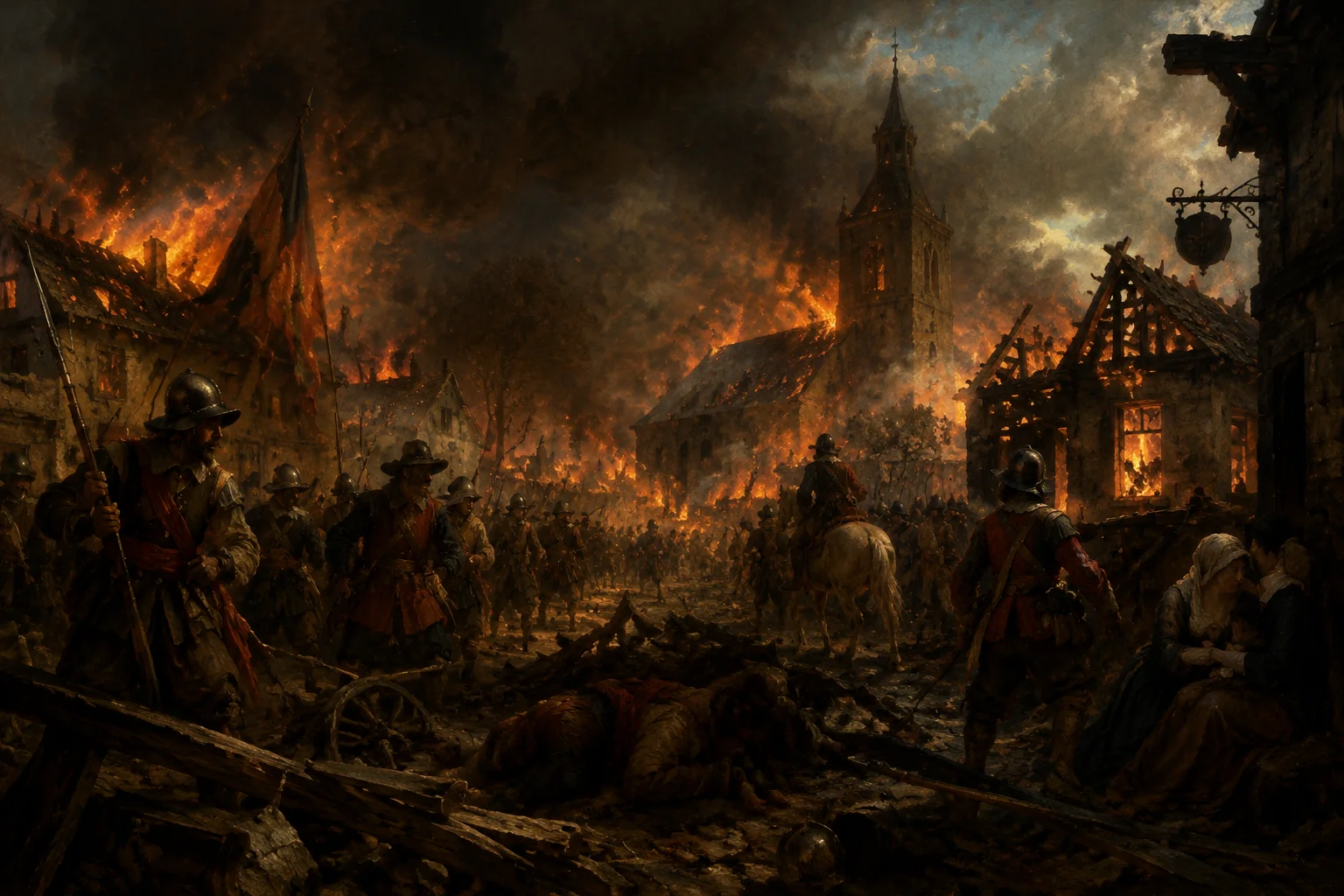
The Thirty Years' War began as a religious conflict and became a general European war fought mainly on German soil. Armies lived off the land, which meant they took whatever they needed from civilians, and the resulting famine and disease killed far more people than combat did. Some regions of Germany reportedly lost a third or more of their population.
The war ended with the Peace of Westphalia, which helped establish the idea of sovereign states. But for the people who lived through it, the legends of marauding soldiers and ruined villages described a very real, decades-long catastrophe.
10. The Crossing of the Atlantic and the Columbian Exchange
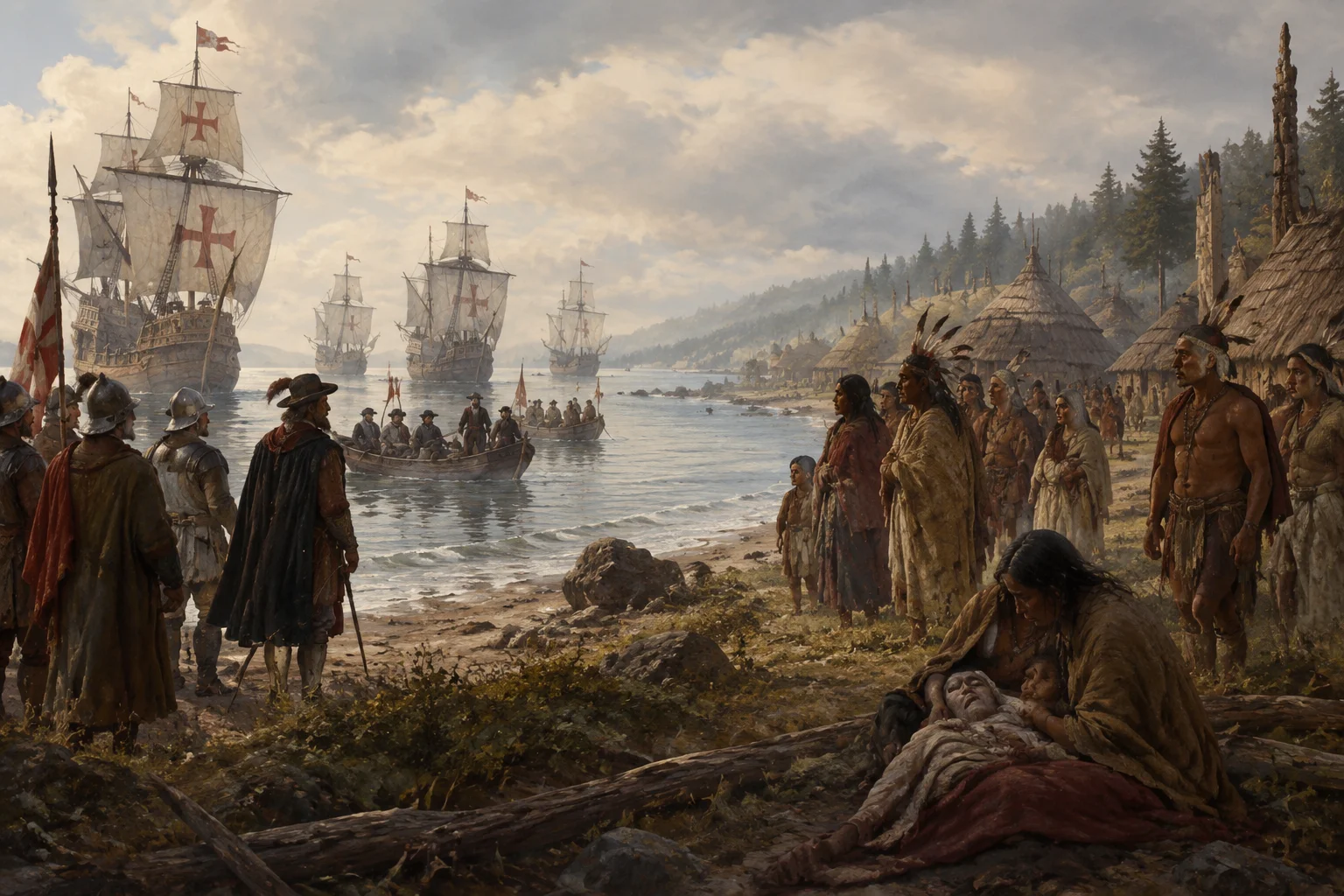
After 1492, European contact with the Americas triggered one of the largest demographic disasters in recorded history. Diseases brought from Europe — smallpox, measles, influenza — swept through populations that had no acquired immunity, and the death toll was catastrophic. Many scholars estimate that 80–95% of Indigenous populations in some regions died from epidemic disease and related collapse.
The consequences extended far beyond disease. Forced labor, warfare, and displacement compounded the loss, and the exchange of plants, animals, and people remade the entire world. This era is one of the clearest cases where a "worst time period" title isn't about one event but a chain of interlocking disasters.
11. The Little Ice Age (c. 1300–1850)
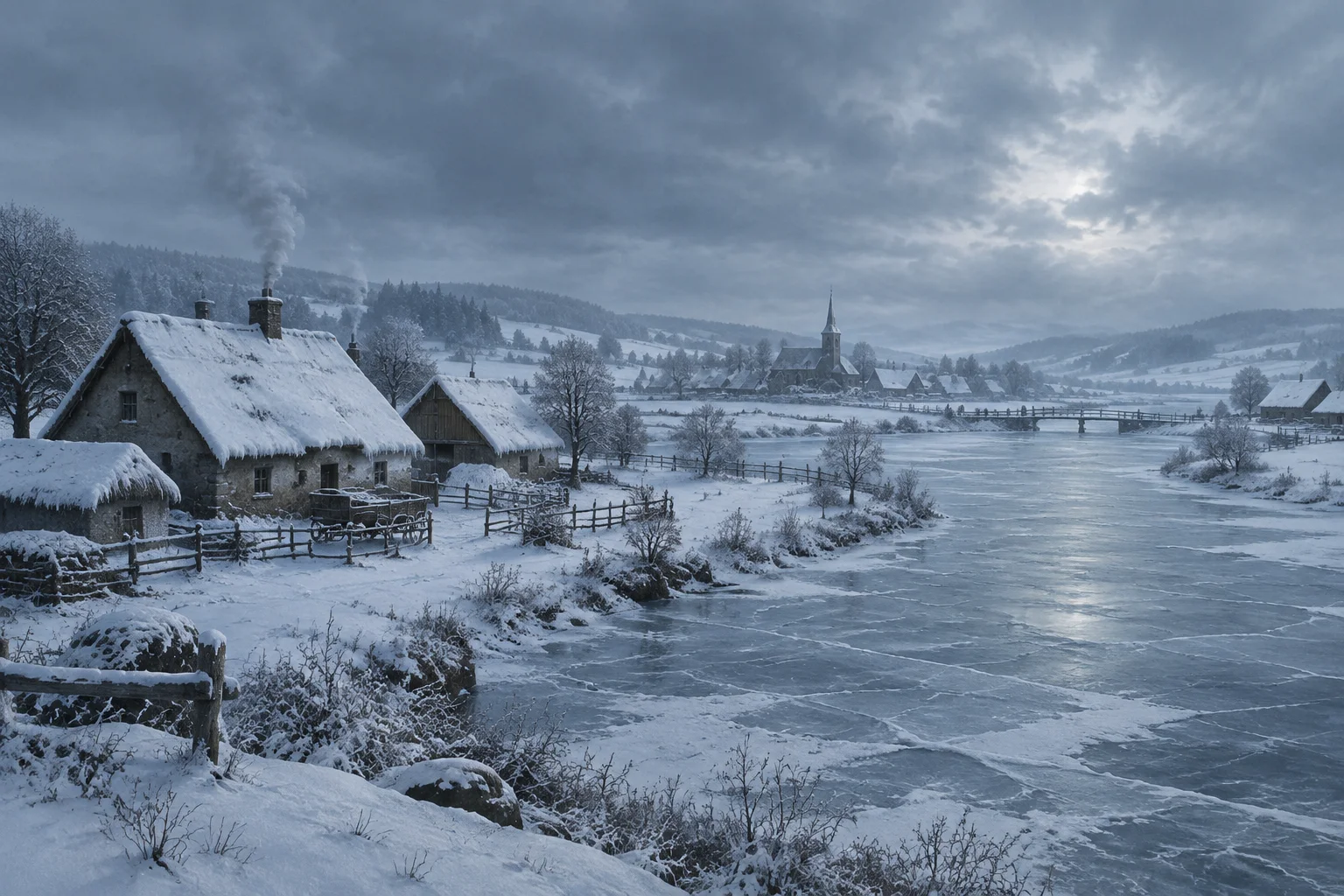
The Little Ice Age was a centuries-long cooling period that brought colder winters, shorter growing seasons, and more frequent crop failures to much of the Northern Hemisphere. It wasn't uniformly cold, and its causes and exact dates remain debated, but its effects on agriculture were real and recurring.
Colder weather meant more famines, more food riots, and less margin for error in societies that already lived close to the edge. It also coincided with some of the worst winters on record in Europe, including the brutal winter of 1709.
12. The Winter of 1709 and the Great Frost
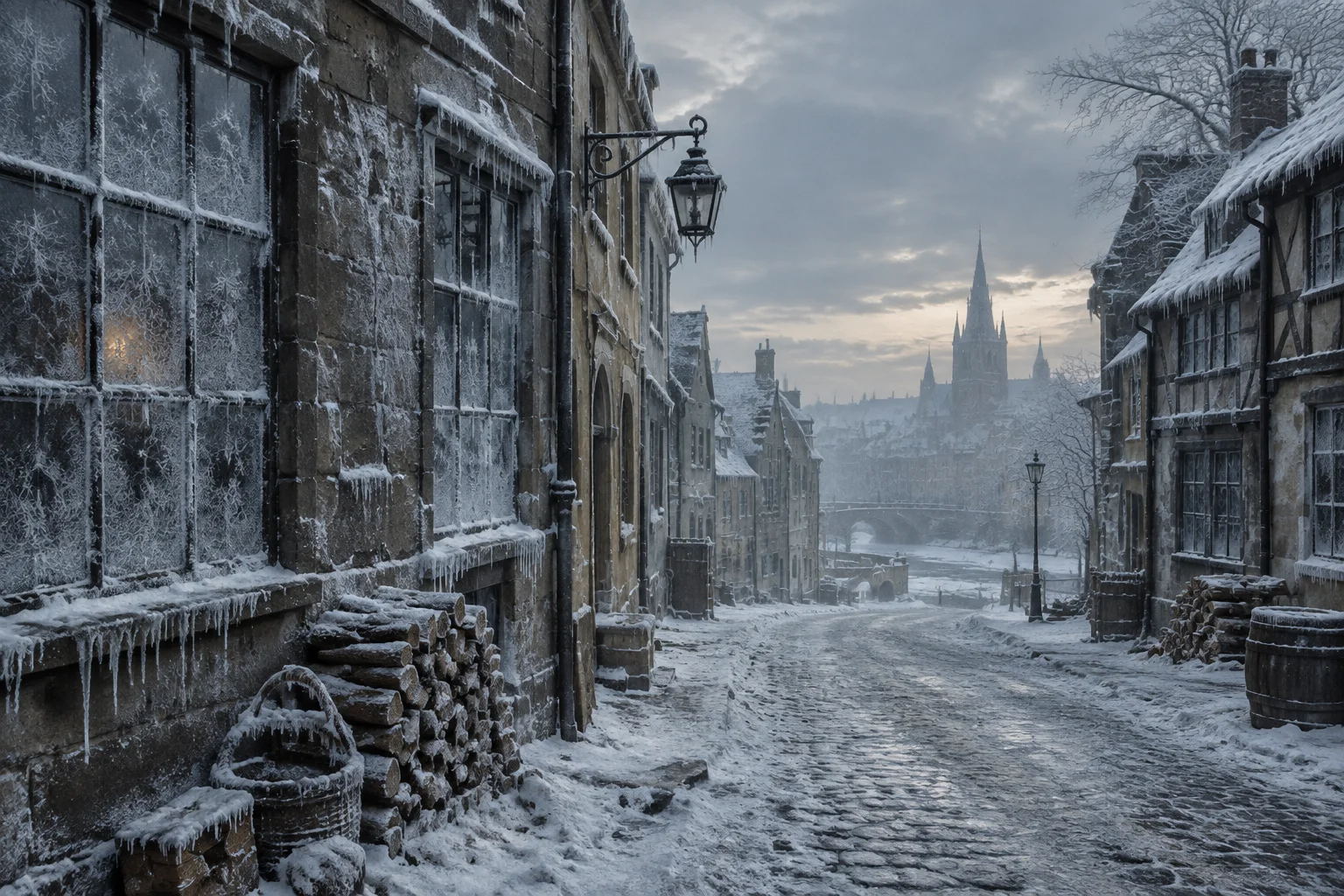
The winter of 1709 was one of the coldest in European history. Temperatures plunged across the continent, livestock froze in fields, and crops were destroyed before they could be planted. Bread prices spiked, and hunger spread through cities and countryside alike.
It's a reminder that a single season can produce a catastrophe. Unlike a war or a plague, a brutal winter is completely indifferent to human plans, and pre-industrial societies had almost no defense against it. The death toll was substantial, and economic disruption lasted well into the following years.
13. The Irish Potato Famine (1845–1852)
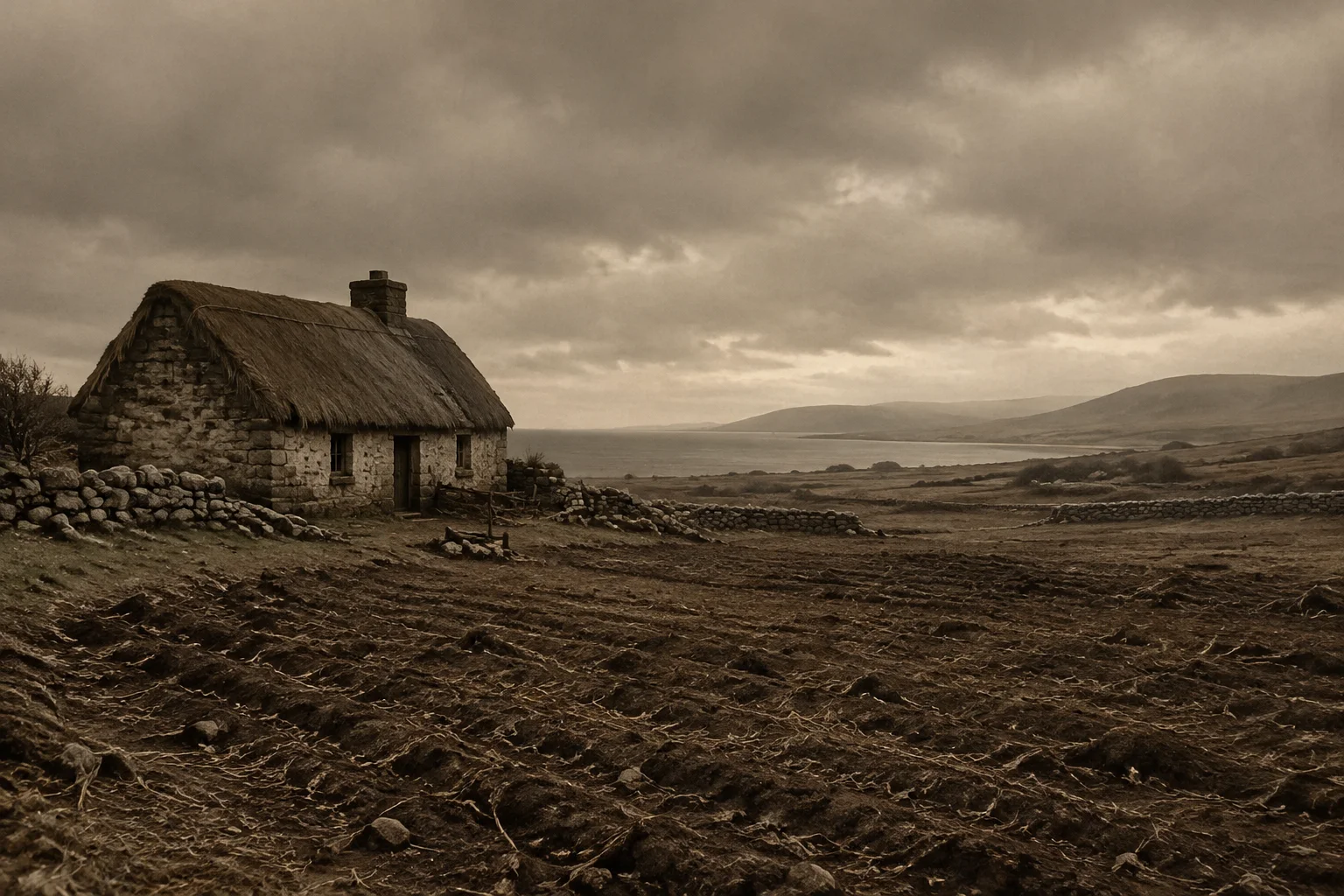
The Great Famine in Ireland killed roughly a million people and forced another million to emigrate, shrinking the island's population by about a quarter. A potato blight destroyed the crop that most of the poor depended on, and the response from British authorities was widely criticized even at the time.
What makes this one distinctive is that the food existed. Ireland continued exporting other crops while its poorest citizens starved, a fact that has shaped Irish memory and politics for generations. The famine is a case study in how political decisions can turn an agricultural problem into a humanitarian catastrophe.
14. World War I (1914–1918)
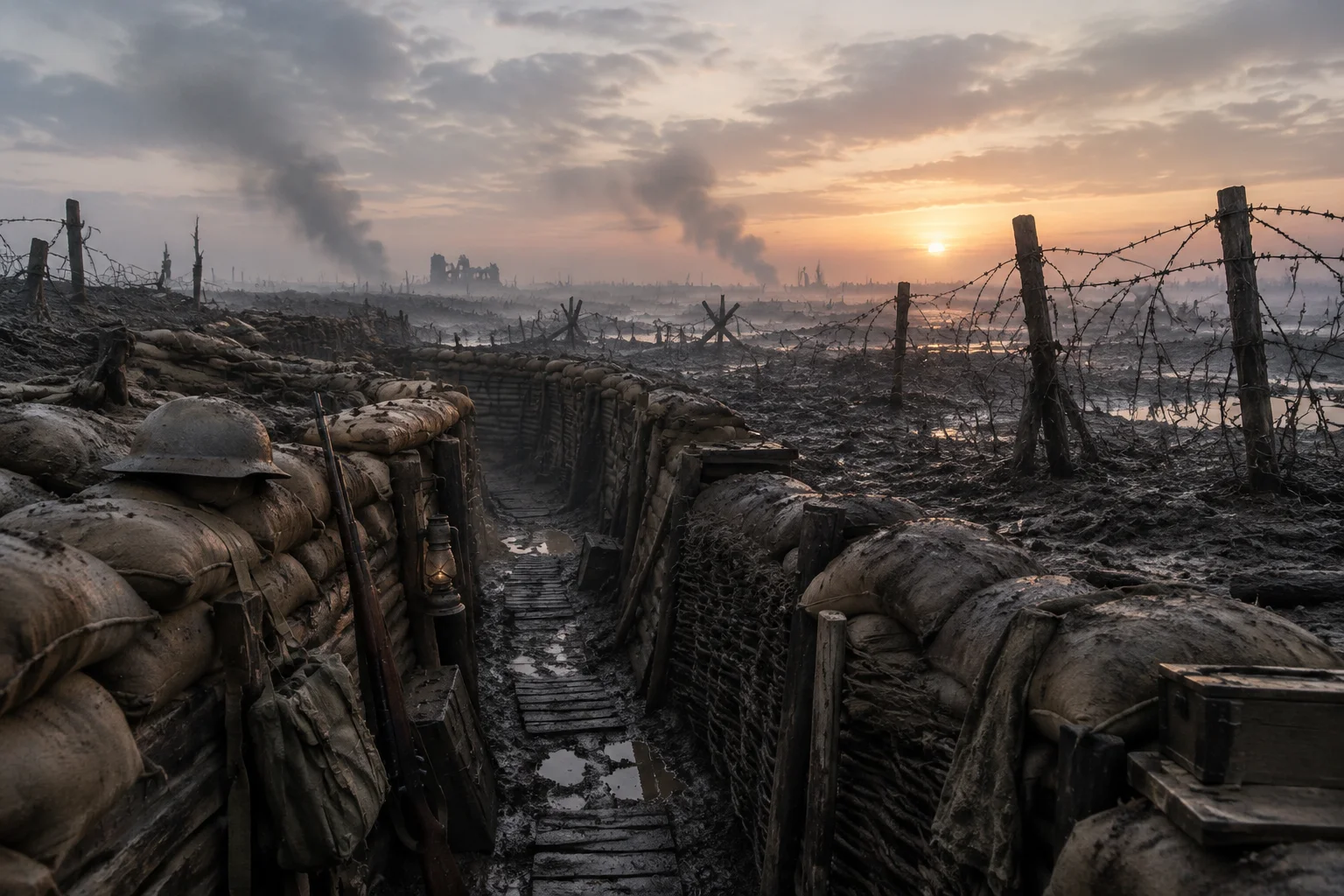
World War I industrialized killing in a way the world had never seen. Artillery, machine guns, and poison gas produced casualties on a scale that shattered the belief in steady human progress, and around 20 million people died. The trenches of the Western Front became a symbol of pointless, grinding slaughter.
Beyond the battlefield, the war collapsed empires, triggered revolutions, and redrew borders across Europe and the Middle East. The settlement that followed helped set the stage for even worse conflicts to come, which is why many historians treat 1914–1918 as the hinge on which the century turned.
15. The Spanish Flu Pandemic (1918–1920)
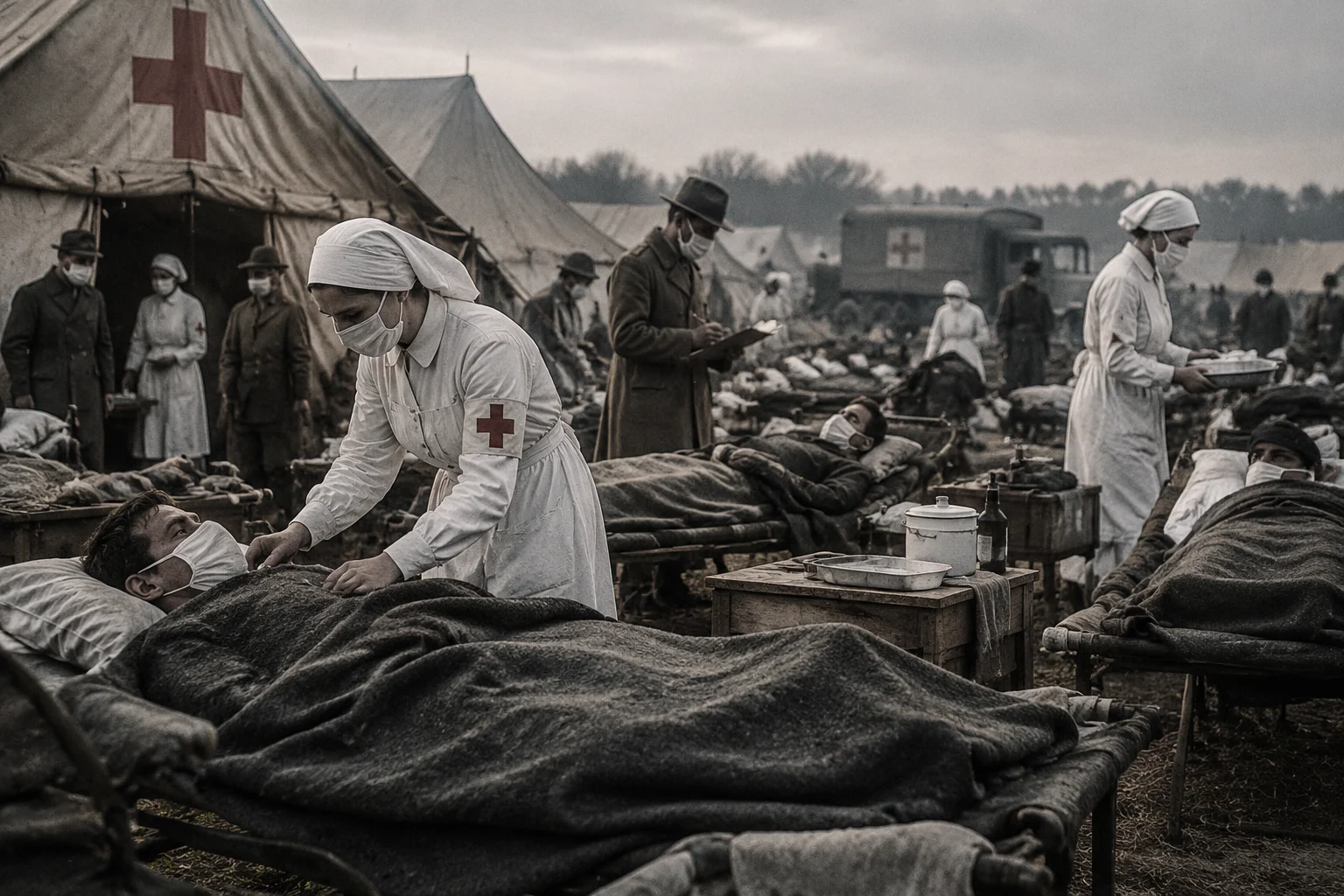
As World War I ended, a lethal influenza pandemic swept the globe. It infected roughly a third of the world's population and killed an estimated 50 million people or more, with some estimates considerably higher. It was unusual in that it killed many healthy young adults, not just the very old and very young.
Making matters worse, wartime censorship and troop movements helped spread the virus and delayed an effective public health response. The pandemic is often overshadowed by the war, but for millions of families it was the deadliest event of their lifetimes.
16. The Great Depression (1929–1939)
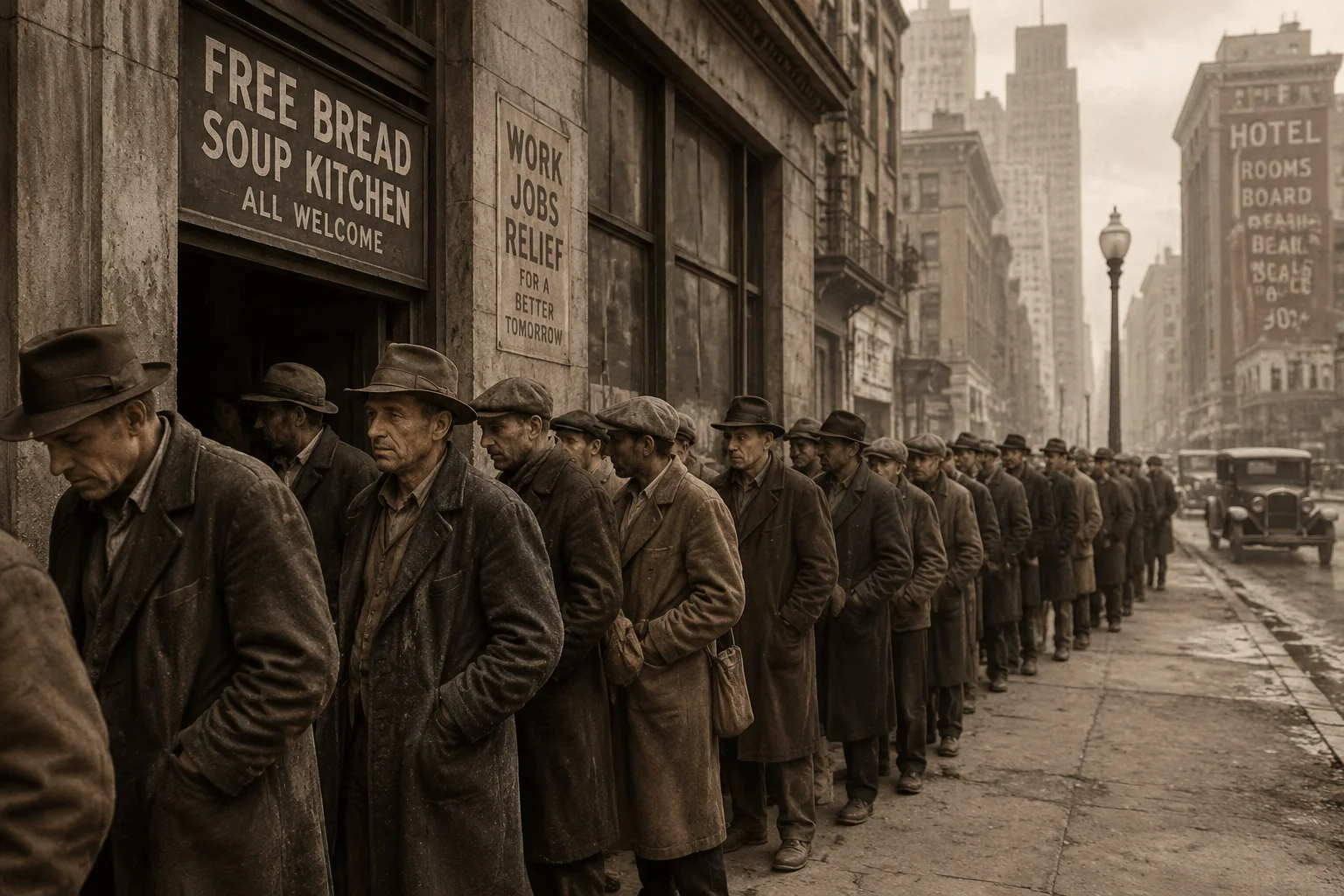
The Great Depression wasn't a mass-death event, but its impact on human well-being was enormous. Unemployment soared, savings vanished, and millions of families lost homes and livelihoods. The psychological toll on societies that had expected steady progress was immense.
It's a useful corrective to the idea that the worst periods are always the deadliest ones. Prolonged economic collapse can destabilize democracies, fuel extremism, and leave scars that outlast the recovery — which is exactly what happened in the 1930s.
17. World War II (1939–1945)
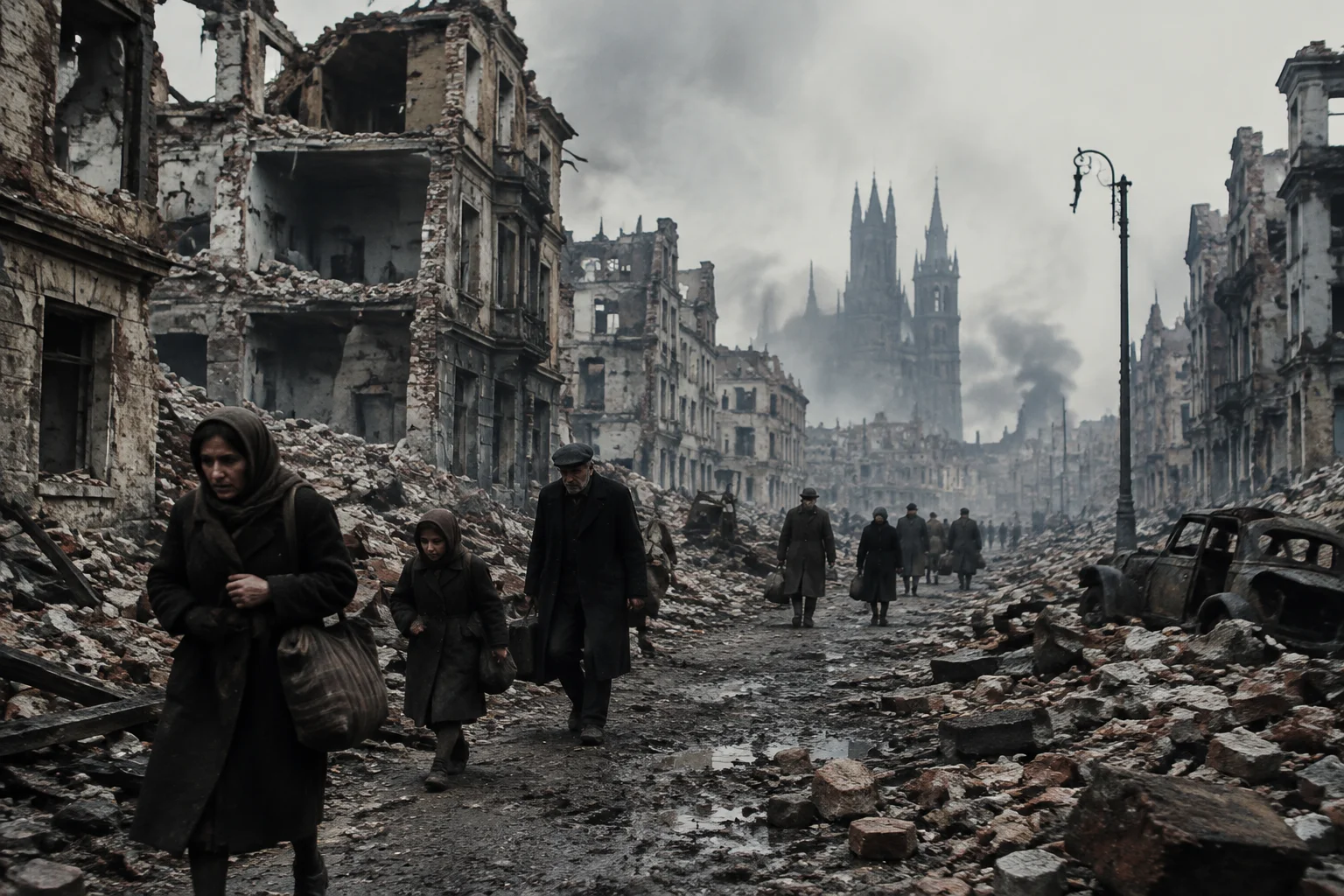
World War II is often described as the deadliest conflict in human history, with total deaths estimated at 70–85 million, most of them civilians. The Holocaust, carried out by Nazi Germany and its collaborators, murdered six million Jews and millions of others, and it stands as one of the most systematic atrocities ever documented.
The war also brought the first and only use of nuclear weapons in warfare, at Hiroshima and Nagasaki. Somewhere between 50% and 60% of the total death toll is thought to have been civilian, which is part of why the war reshaped international law and the very idea of crimes against humanity.
18. The Soviet Famine of 1932–1933 and Stalin's Terror
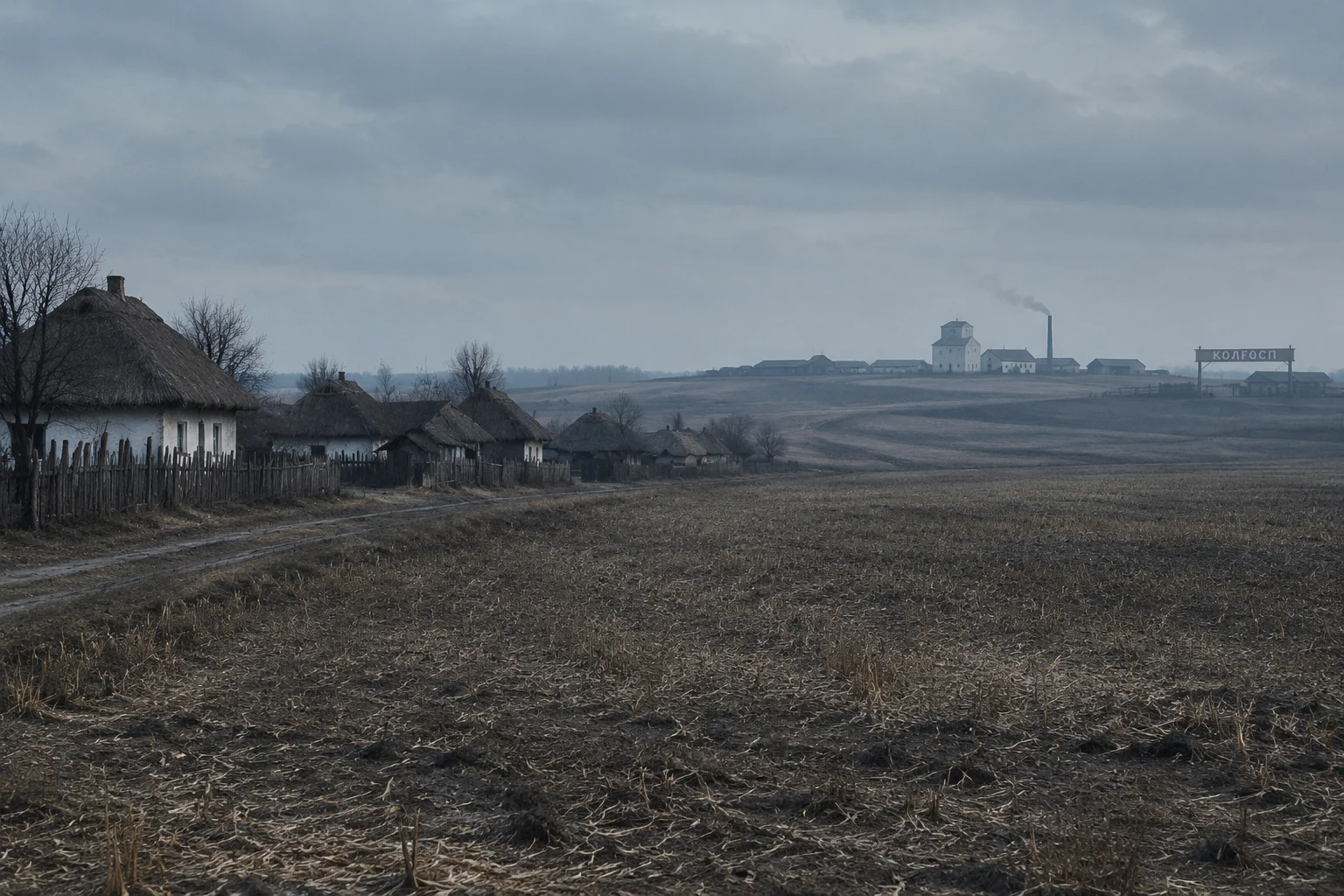
The early 1930s brought a man-made famine to parts of the Soviet Union, especially Ukraine, where it's known as the Holodomor. Forced collectivization and grain requisitions left millions without food, and the death toll is estimated in the millions. Scholars debate whether the famine constituted genocide, but its man-made character is not seriously disputed.
Alongside the famine, Stalin's purges and the Gulag system inflicted suffering on millions more. This era illustrates why "worst period" questions often come down to human choices rather than natural disasters, because the suffering here was substantially the product of deliberate policy.
19. The Cambodian Genocide (1975–1979)
The Khmer Rouge regime that took power in Cambodia in 1975 emptied cities, abolished money and private property, and set out to remake society from scratch. An estimated 1.5 to 2 million people died from execution, starvation, disease, and overwork — roughly a quarter of the country's population.
The regime fell in 1979, but the country suffered years of instability and the effects of the broader Cold War in Southeast Asia. It's one of the most concentrated cases of mass violence in the 20th century, largely because it targeted its own population at such a rapid pace.
20. The Congo Free State (1885–1908)
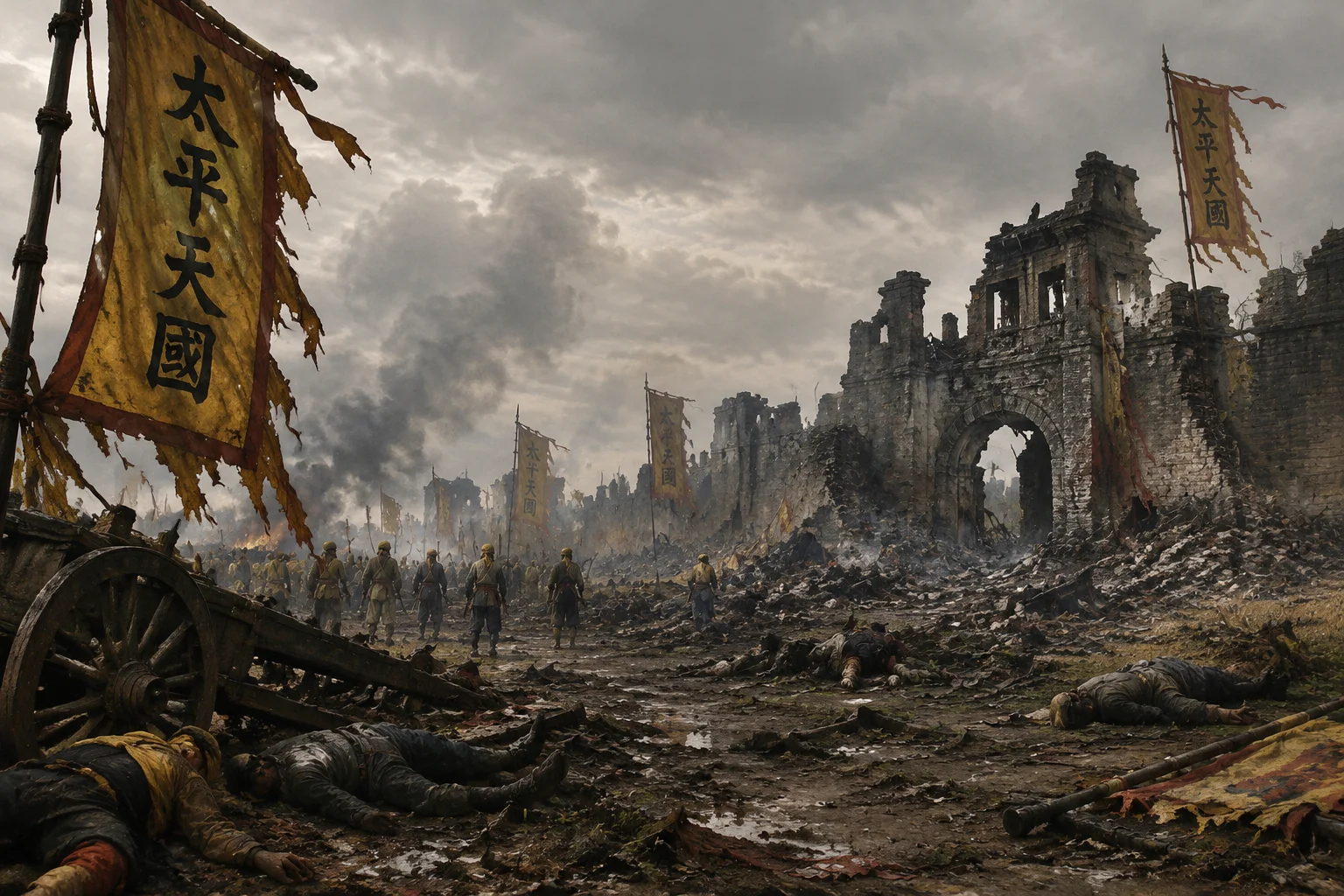
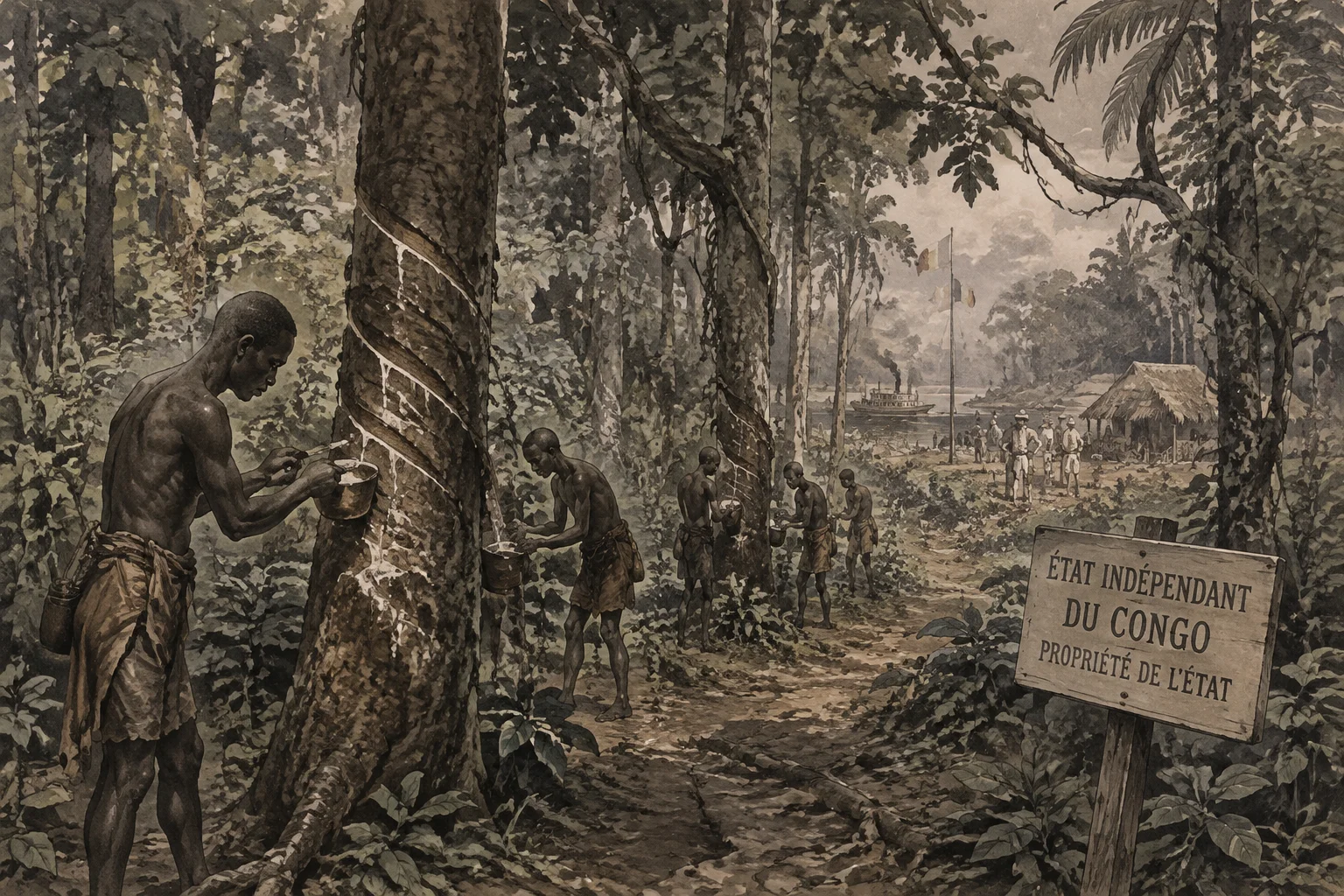
The Congo Free State was nominally a humanitarian project, but in practice it was a brutal forced-labor regime under King Leopold II of Belgium. Quotas for rubber and ivory were enforced with violence, and the failure to meet them could mean mutilation or death. Estimates of the population decline during this period vary widely, but most scholars agree the toll was enormous.
International outrage eventually forced Belgium to take over the territory in 1908. The episode is often left out of popular history, despite being one of the clearest examples of colonial exploitation causing mass death.
21. The Taiping Rebellion (1850–1864)
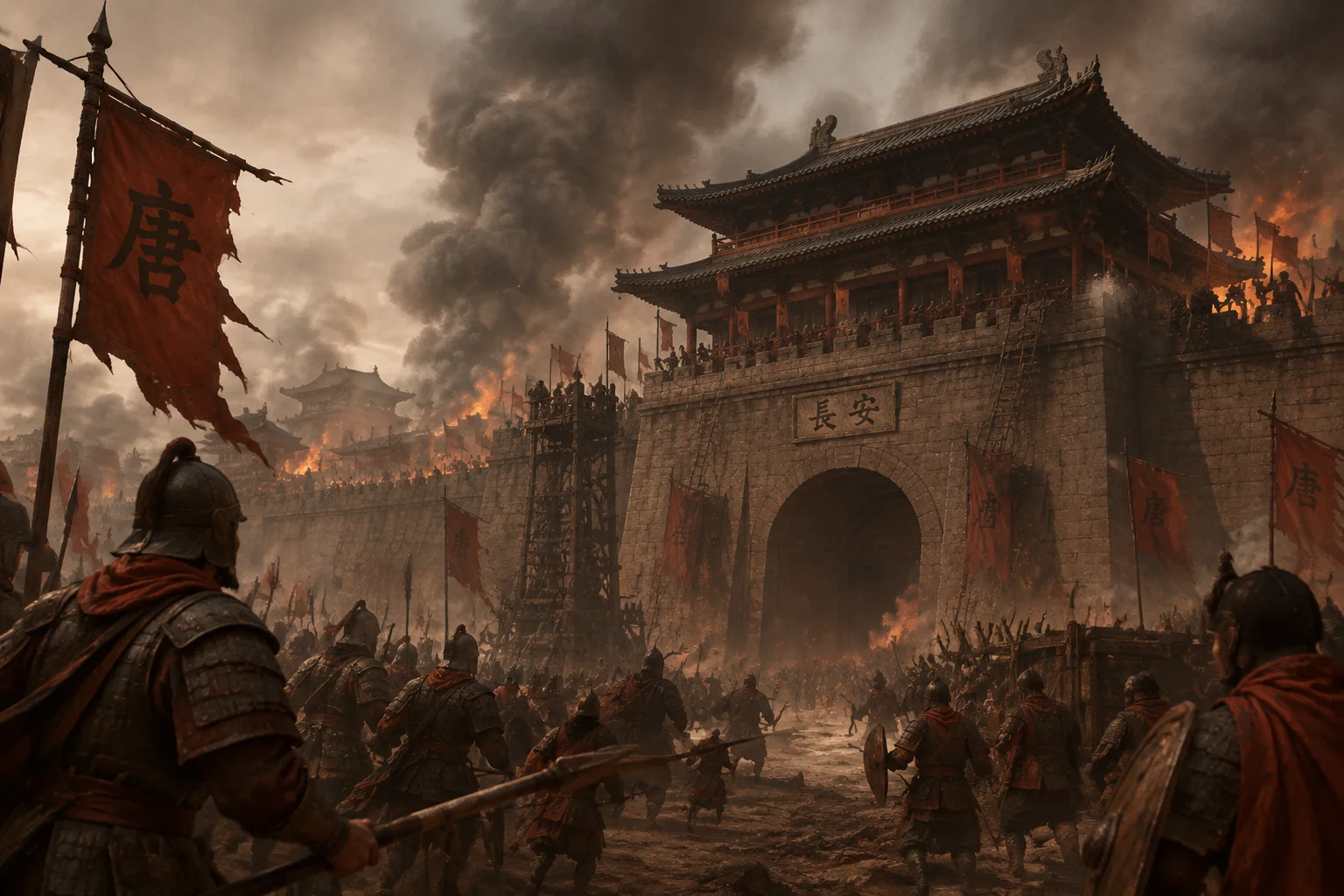
The Taiping Rebellion was one of the deadliest civil wars in history, a massive uprising against China's Qing dynasty. It's estimated to have killed somewhere between 20 and 30 million people, though figures vary widely and reliable records are scarce. Famine, disease, and combat all contributed to the toll.
The Qing eventually won, but the war drained the empire and accelerated its decline. It's a striking example of how a catastrophe can be enormous in absolute numbers while remaining unfamiliar to audiences in other parts of the world.
22. The An Lushan Rebellion (755–763 CE)
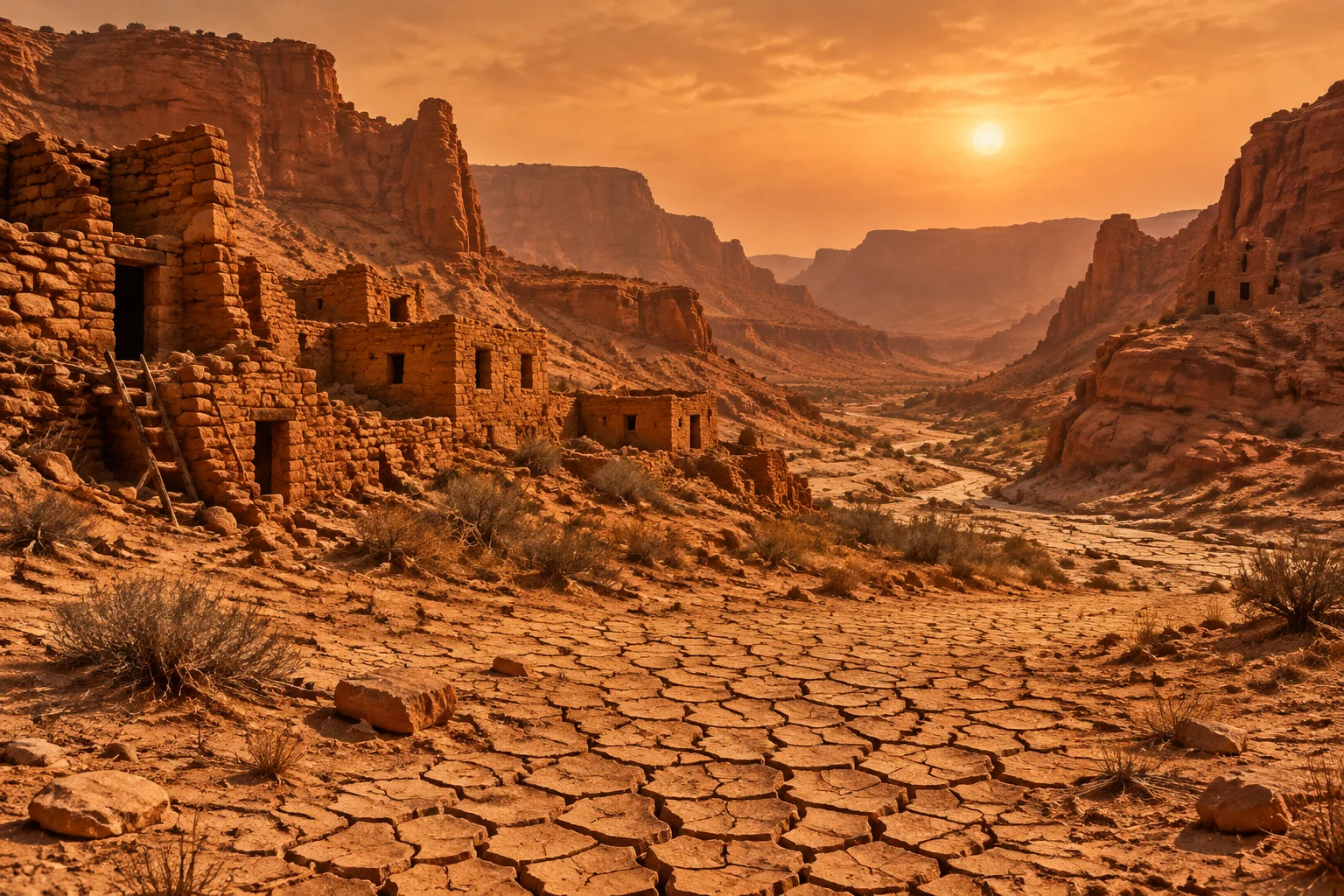
The An Lushan Rebellion nearly destroyed Tang dynasty China. Contemporary estimates claimed millions dead, and while those figures are debated, the war did devastate the empire's population and economy. The Tang never fully recovered its earlier strength, and China's political center of gravity shifted afterward.
Large-scale civil wars like this one are a recurring theme on lists of the worst periods, because they combine battlefield deaths with famine, disease, and the collapse of the state services people depend on.
23. The Megadroughts of the Medieval Period
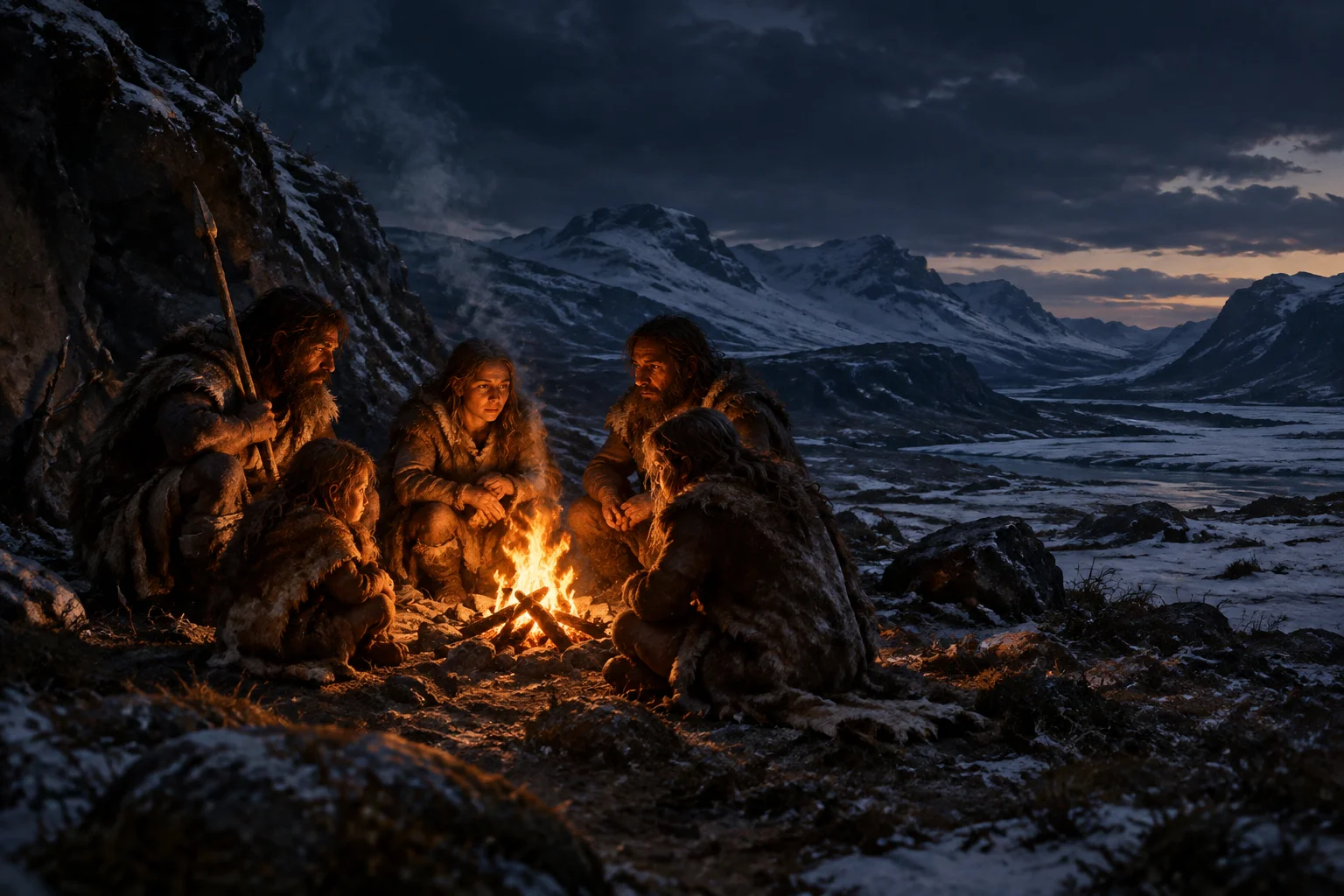
Tree-ring evidence shows that parts of North America and other regions experienced megadroughts during the medieval period — decades-long dry spells that would be catastrophic by modern standards. In the American Southwest, these droughts are linked to the decline of some Ancestral Puebloan communities.
Droughts rarely appear on lists of the worst periods because they're slow and leave few dramatic stories. But for agricultural societies, a multi-decade drought is an existential threat, and it can drive migration, conflict, and the collapse of entire settlements.
24. The Prehistoric Population Bottleneck
Genetics suggests that early human populations passed through at least one severe bottleneck, in which the number of breeding individuals dropped dramatically. The most famous claim — that humans were reduced to a few thousand individuals — is debated, and the timing is uncertain, so it should be treated with caution.
Still, if any event comes close to the literal worst time in human history, a near-extinction event would qualify. The evidence here is indirect and the argument is contested, so it belongs on the list as a possibility rather than a settled fact.
Which Period Wins the Title?
If forced to pick, most scholars would point to the years around 536–540 CE or the Black Death of 1347–1351. The 536 volcanic winter struck at a global scale and set off a chain of famine and plague, while the Black Death killed a staggering share of Europe's population in just a few years.
But the 20th century deserves serious weight too, if we're counting absolute suffering. Two world wars, a genocide, a pandemic, and multiple state-made famines produced death tolls that dwarf anything the medieval world could record. The difference is that modern catastrophes were largely human-made, which matters a great deal to how we judge them.
The "Worst Person" Question and Why It's Tricky
People who search for the worst person in history are usually looking for the same thing as people searching for the worst year: a way to measure evil against a scale. It's a natural instinct, and it's worth taking seriously rather than dismissing.
The trouble is that ranking individuals is even harder than ranking eras. We can compare death tolls, but intent, ideology, and context never line up neatly, and the historical record is uneven. A figure responsible for mass death through neglect is not quite the same as one who ordered killing directly, even if the body counts overlap.
Conclusion: The Real Lesson of the Darkest Periods
If there's a common thread across these catastrophes, it's compounding. Virtually every contender on this list combines natural disaster with human failure — bad harvests made worse by bad policy, plagues spread by trade and war, famines caused by choices as much as weather. The worst periods aren't usually one thing going terribly wrong. They're several things going terribly wrong at once.
That's also the hopeful part. Societies that built resilience — stored grain, maintained trade, protected public health, and limited the damage of bad decisions — tended to endure these crises better than those that didn't. We can't stop volcanoes or plagues, but we have a lot more control over what happens next than people in 536 CE or 1347 ever did.
Frequently Asked Questions
Who is the worst person in history?
There's no objective answer, because measuring evil across different eras and contexts is a judgment call rather than a calculation. Historians generally avoid declaring a single worst person, but figures most often discussed in this context include Adolf Hitler, whose regime was responsible for the Holocaust and tens of millions of deaths in World War II, and Joseph Stalin, under whom millions died in famines, purges, and the Gulag system. Other names like Pol Pot, Leopold II of Belgium, and Genghis Khan appear in these debates as well. The honest answer is that different metrics — intent, scale, duration, and political context — produce different rankings, and most serious historians treat the question as a prompt for discussion rather than a factual question with one correct answer.
What was the worst year in human history?
Many historians point to 536 CE, when a massive volcanic eruption dimmed the sun, cooled the climate, and triggered crop failures across the Northern Hemisphere. A second major eruption followed in 540, and the resulting famine weakened populations just as the bubonic plague arrived. That said, the suffering stretched over a decade rather than a single year, and other candidates include 1348, the peak of the Black Death, and 1942, the height of World War II and the Holocaust. The question has no definitive answer because it depends on whether you measure by death toll, proportion of population, or duration of suffering.
Was the Black Death really the worst period in human history?
By proportion, the Black Death has one of the strongest claims of any recorded event, killing roughly one-third to one-half of Europe's population between 1347 and 1351. No other documented catastrophe in European history eliminated that large a share of the population so quickly. However, the Americas after 1492 saw even higher proportional losses among Indigenous populations, with some regions losing 80–95% of their people to disease, warfare, and forced labor. So the Black Death is a leading contender, but not an uncontested winner.
What makes a period qualify as the darkest period in history?
Historians typically weigh a few factors: how many people died, what proportion of the population that represented, how long the suffering lasted, and whether multiple disasters overlapped. They also consider whether the catastrophe was natural, human-made, or a combination of both, since deliberate policy choices tend to weigh heavier in moral judgments. Compounding crises — famine plus plague plus war, for instance — are what usually turn a hard year into a civilization-shaking one.
Was there ever a time when humans nearly went extinct?
Genetic evidence suggests early human populations passed through at least one severe bottleneck in which the number of breeding individuals dropped sharply. The most famous claim, that humans were reduced to just a few thousand individuals, is contested among researchers, and the timing is uncertain. So while a population bottleneck likely happened, treating it as a near-extinction event is an interpretation rather than an established fact. It's a plausible candidate for the literal worst time in human history, but the evidence is indirect.
Could a period as bad as these happen again?
Large catastrophes are always possible, but some of the historical safeguards are stronger now. International public health systems, global food reserves, and rapid communication make events like the 536 volcanic winter more survivable than they once were. At the same time, modern societies are more interconnected, which means a serious crisis in one region can spread quickly. The real variable, as the historical record shows, is usually political: societies that respond with resilience and coordination endure far better than those that don't.

Alex Warren
Related Articles