

Every word you speak has a history, and many of those histories are far stranger than you would guess. The everyday vocabulary we treat as ordinary often began with drunken gambling, medieval laws, and playful mistakes that somehow stuck.
These 23 stories trace some of the weirdest word origins in English, from terms born in taverns to phrases invented by accident. Along the way, you will also pick up tips for spotting myths, because etymology is full of them.
TL;DR: Everyday words like sandwich, quarantine, and music have surprisingly weird origins rooted in gambling, plague laws, and ancient mythology.
Why So Many Words Have Strange Origins
English is a borrower's language, stitched together from Germanic roots, Latin, French, Norse, and dozens of other sources. That layered history is why English is packed with words with interesting etymologies that seem to come out of nowhere. Each wave of invaders, traders, and inventors left its own vocabulary behind.
Many words also drifted far from their original meanings. A term can start as slang, get picked up by a wider audience, and then harden into standard usage within a generation or two. That drift is what makes the study of words history so rewarding and so full of surprises.
The Trickiest Word Origin of All
Before the list, meet the word that has launched a thousand internet debates. Many people wonder what the most random word ever is, and the honest answer is that "random" is doing a lot of work in that question. If we mean a word with an origin that seems to come from nowhere, candidates include "gaga," "ballyhoo," and "humbug," all of which appeared suddenly with no clear parent language.
If we mean a word whose spelling and meaning are unpredictable, "colonel" is a strong contender. It is spelled one way and pronounced another, a mismatch that puzzles even native speakers.
1. Sandwich — A Gambling Table Snack
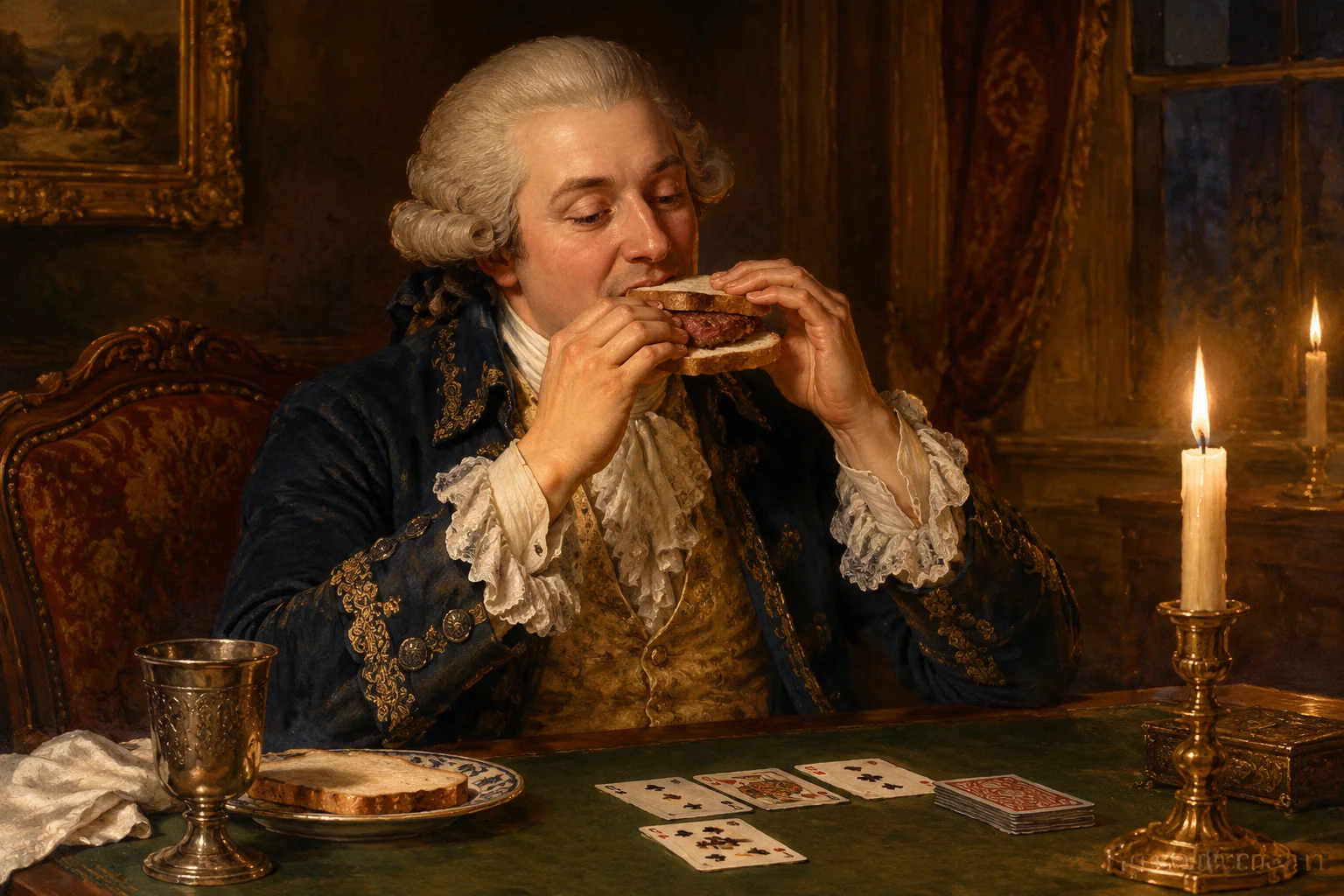
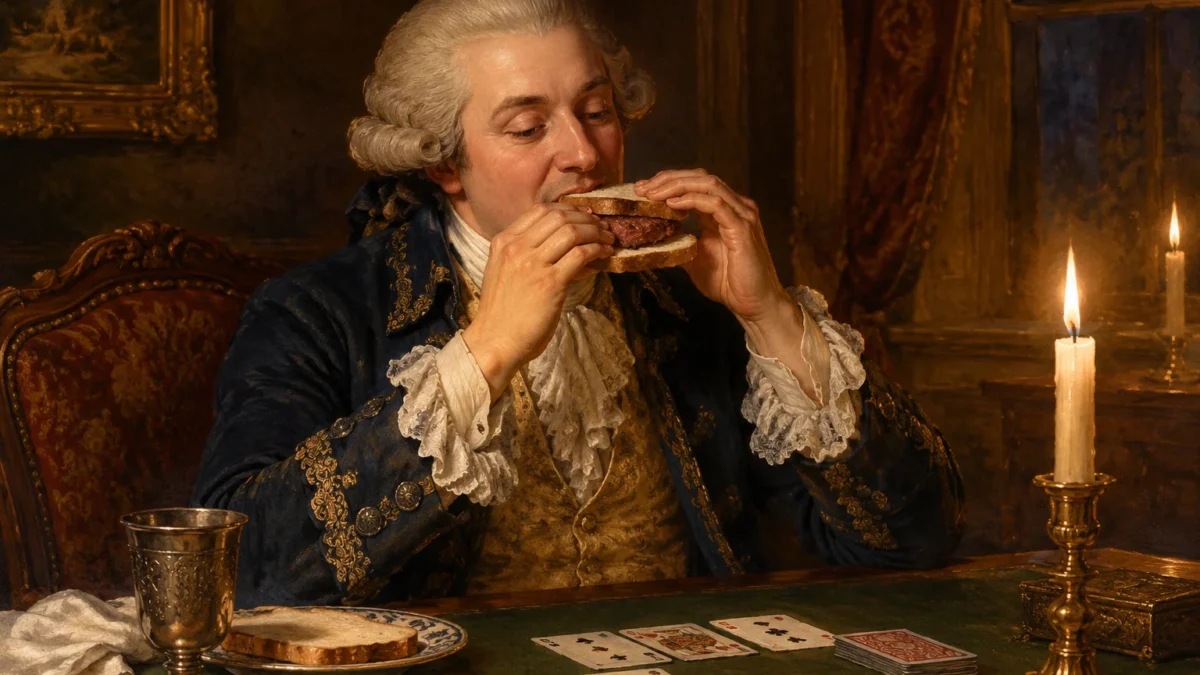
The sandwich is named after John Montagu, the Fourth Earl of Sandwich, an eighteenth-century British aristocrat. According to the most commonly cited account, he asked for meat between slices of bread so he could keep eating without leaving a long gambling session. The name caught on, and the food has outlived the card game.
Writers of the era, including Edward Gibbon, mentioned the term, which helped cement it in the language. The earl may not have invented the idea of food between bread, since similar dishes existed around the world. What he did do, apparently, was give the portable meal a name.
2. Salary — Paid in Salt?
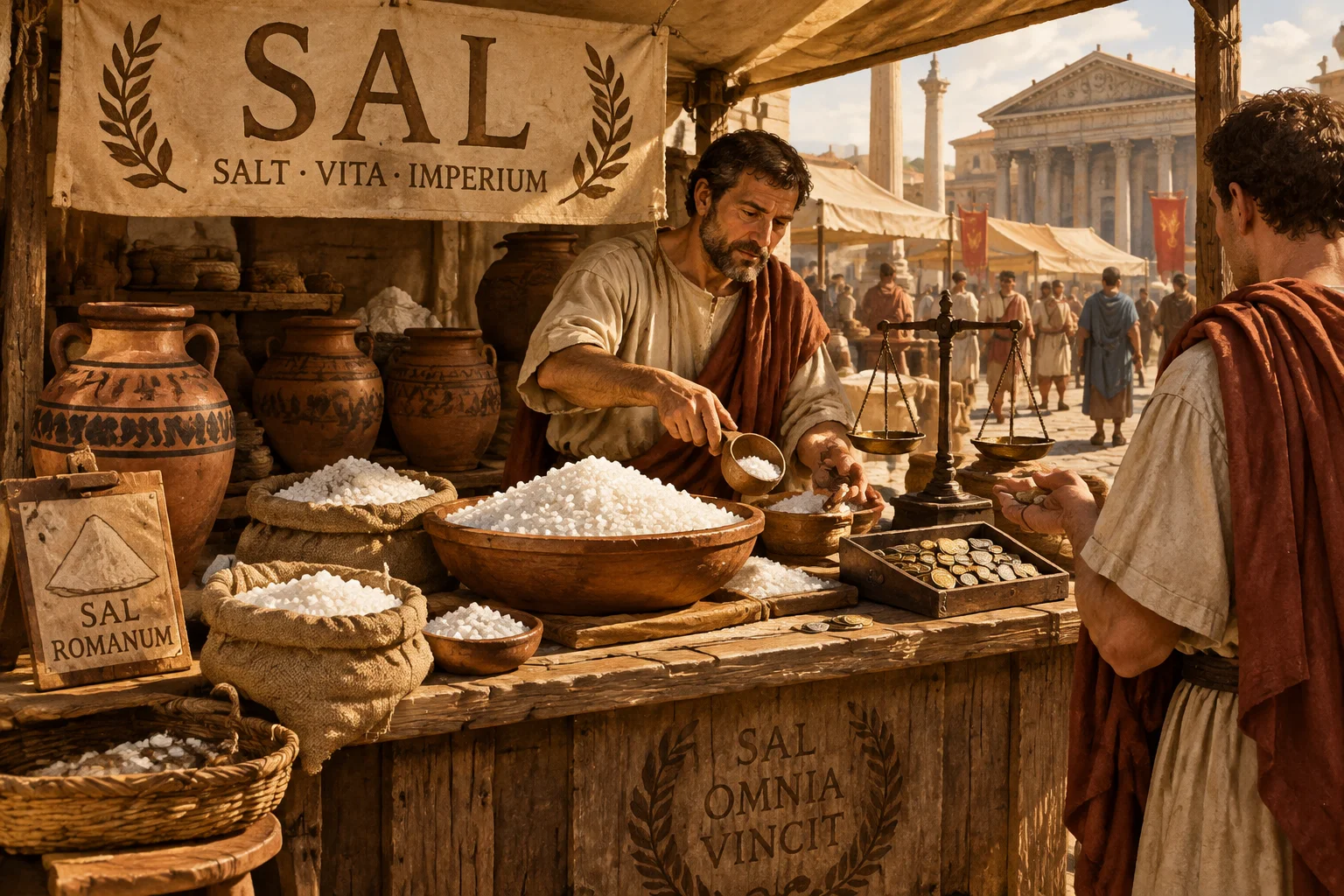
The popular story says Roman soldiers were paid in salt, which is why we call it a salary. It is a great story, but historians treat it as mostly legend. The Latin word "salarium" does relate to salt, and it likely referred to a soldier's allowance for buying salt or to payments tied to the valuable salt trade.
The key point is that "salary" genuinely descends from the Latin root for salt. That makes this one of the more satisfying strange word origins, even if the literal salt-payment image is oversimplified.
3. Quarantine — Forty Days of Isolation

Quarantine comes from the Venetian word "quaranta," meaning forty. During plague outbreaks in the fourteenth and fifteenth centuries, ships arriving at ports like Ragusa and Venice were held for about forty days before crews and cargo could come ashore.
The practice spread across Europe and became a standard public health measure. The word survived long after the forty-day rule faded, and today we use it for any period of enforced isolation.
4. Malaria — Bad Air

Malaria is an Italian phrase meaning "bad air." Before germ theory, people believed the disease came from the foul-smelling air of marshes and swamps.
The name turned out to be a misunderstanding, since the real culprit is a parasite spread by mosquitoes. Still, the word stuck, and it now sits oddly alongside our modern understanding of how the disease actually spreads.
5. Nightmare — A Demon, Not a Horse
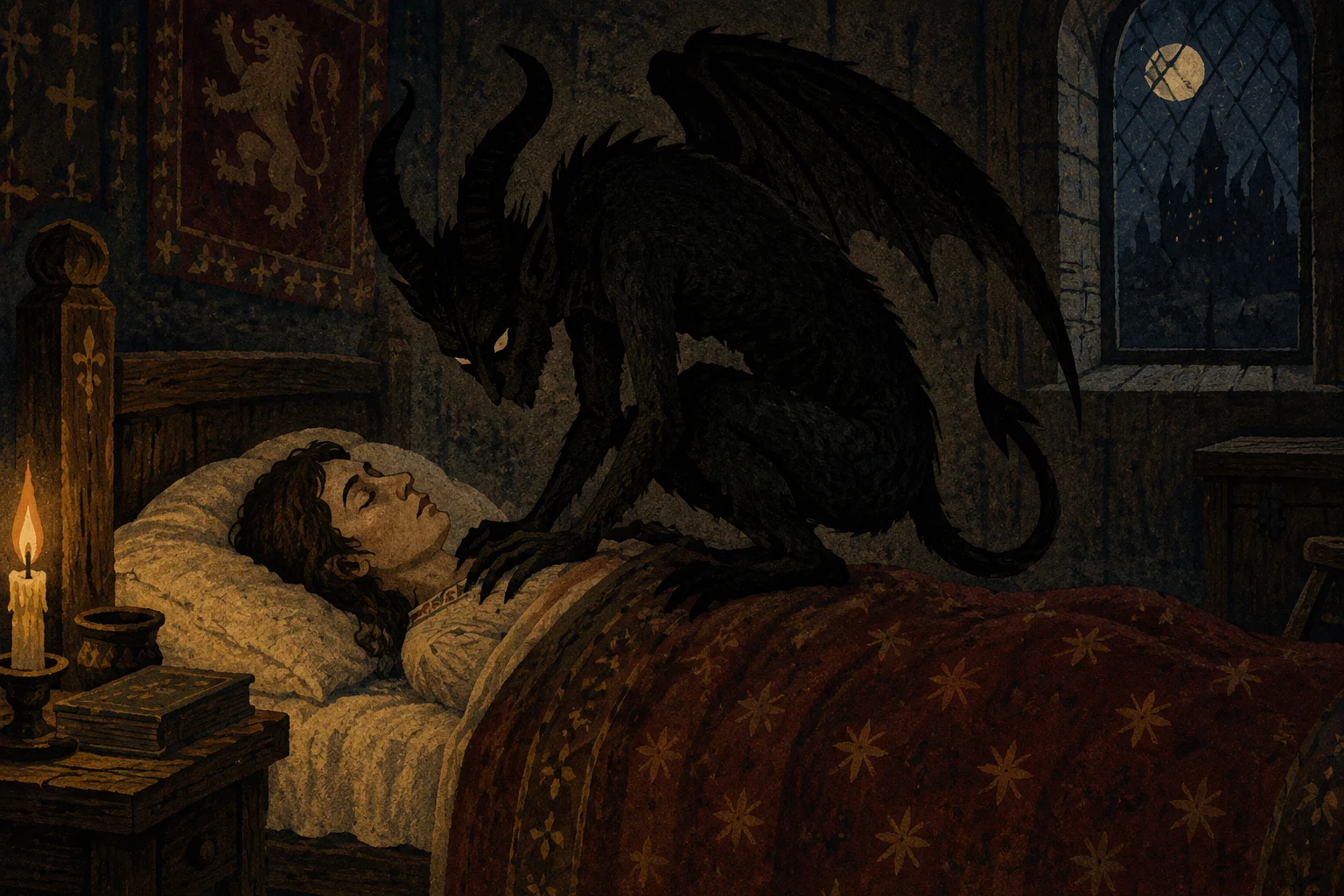
A nightmare has nothing to do with female horses. The "mare" in the word comes from an Old English term for a demon or incubus believed to sit on a sleeper's chest and cause bad dreams.
That folk belief gave us the word for the frightening dream itself. It is a good reminder that many funny word origins hide something genuinely eerie underneath.
6. Muscle — Little Mouse
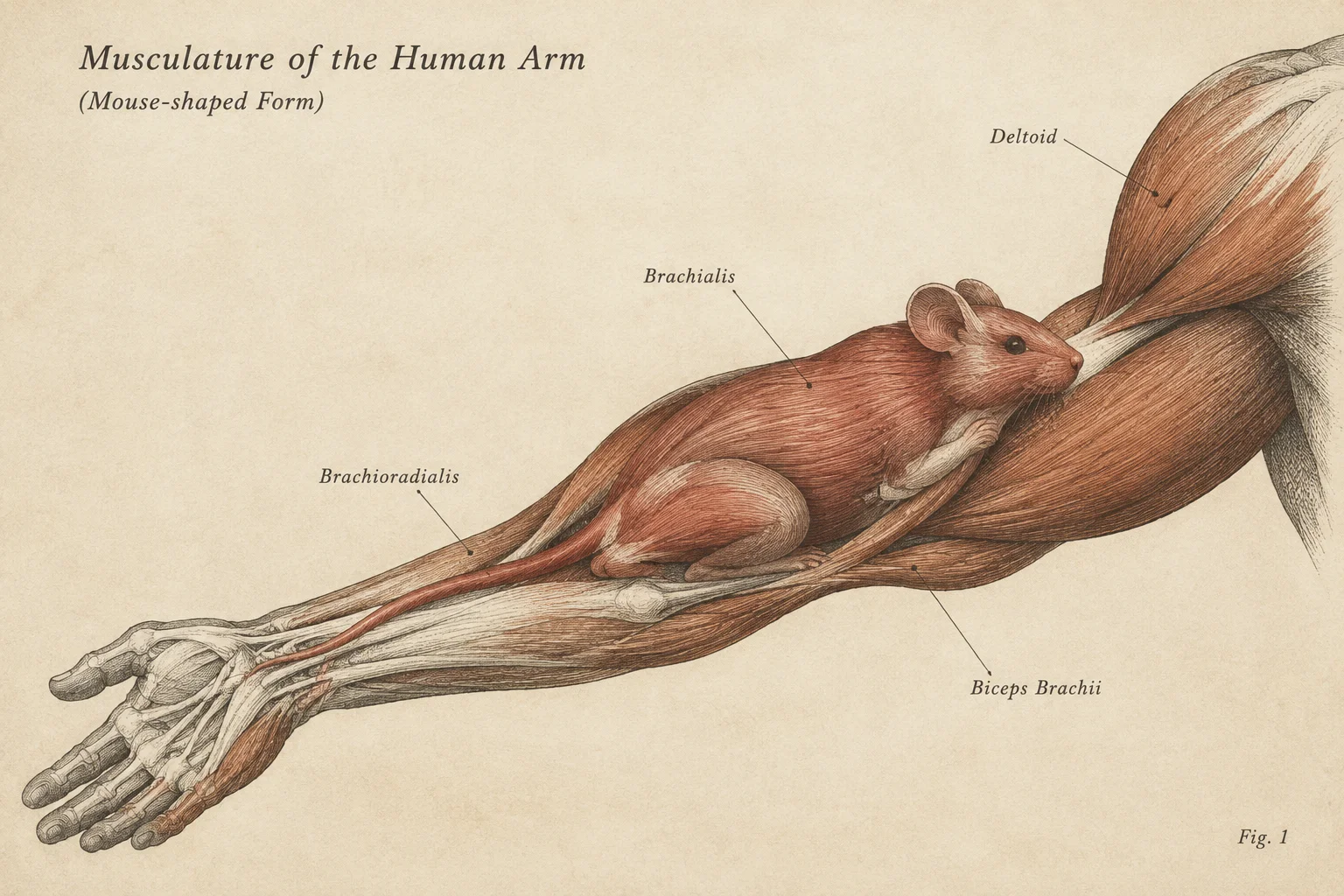
Muscle comes from the Latin "musculus," a diminutive of "mus," meaning mouse. The name likely came from the way a flexing muscle looks like a small mouse moving under the skin.
Anatomical writers in the ancient world used vivid comparisons like this constantly. It is one of the cool word origins that shows how much imagination early scientists brought to naming the body.
7. Muscle's Cousin: Mussel — The Shellfish
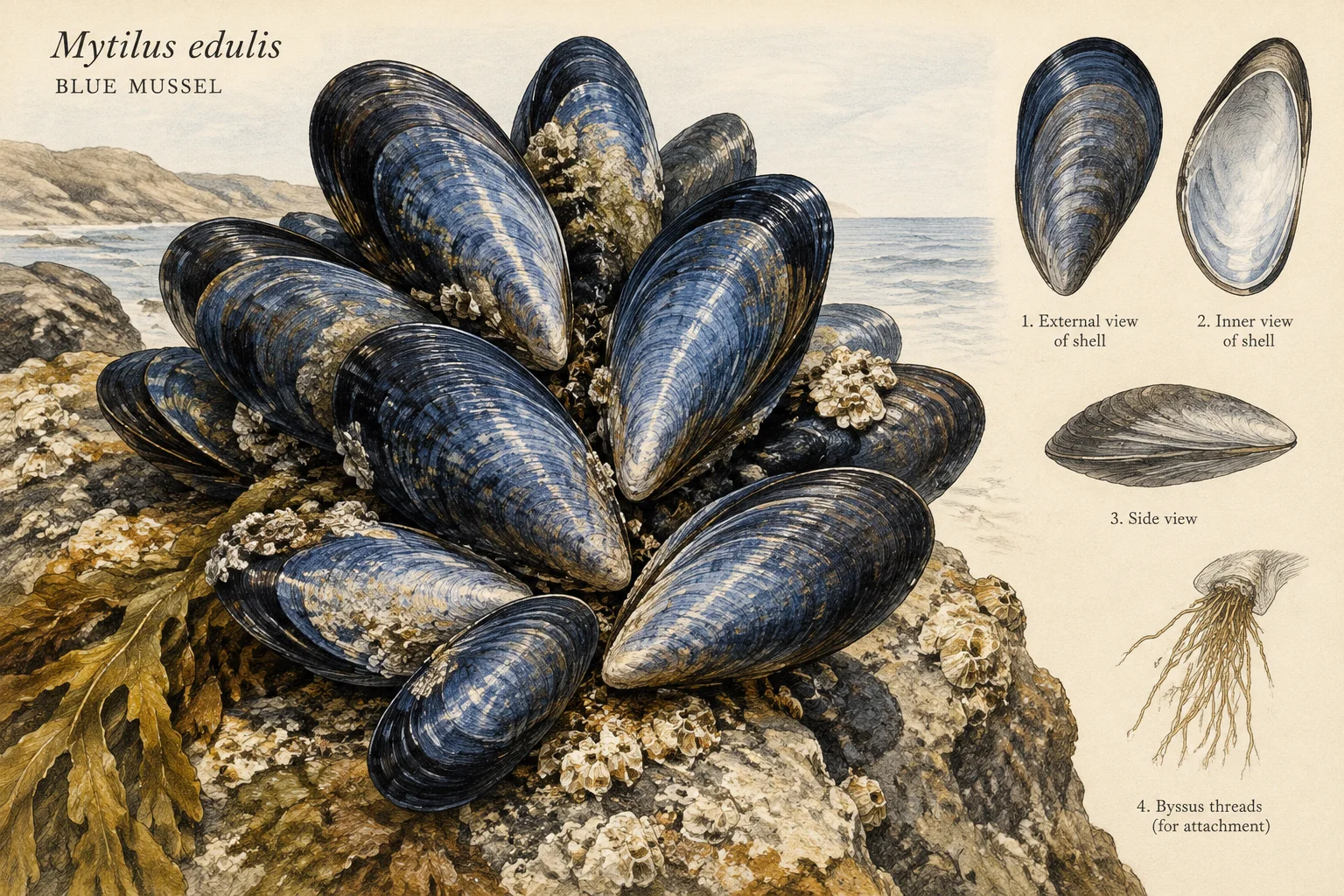
The shellfish called a mussel shares the same Latin root as muscle. Both words trace back to "musculus," and both evoke the shape of a small mouse.
English kept the two spellings distinct, but their shared ancestry is a neat example of how one root can branch into unrelated modern meanings.
8. Clue — A Ball of Thread

Clue originally meant a ball of thread, and it is tied to the Greek myth of Theseus and the Minotaur. Ariadne gave Theseus a thread to help him find his way out of the labyrinth after slaying the beast.
Over time, the word shifted from the literal thread to the figurative idea of something that guides you toward an answer. That is why a detective follows clues, even though nobody is carrying string anymore.
9. Panic — Fear of the God Pan

Panic comes from the Greek god Pan, a woodland deity associated with flocks and wild places. The Greeks believed sudden, groundless fear could be caused by his presence, especially in lonely rural areas.
The word kept the meaning of sudden terror while losing the god. Today it describes the emotion, not the deity who supposedly inspired it.
10. Avocado — A Testicle, Linguistically Speaking
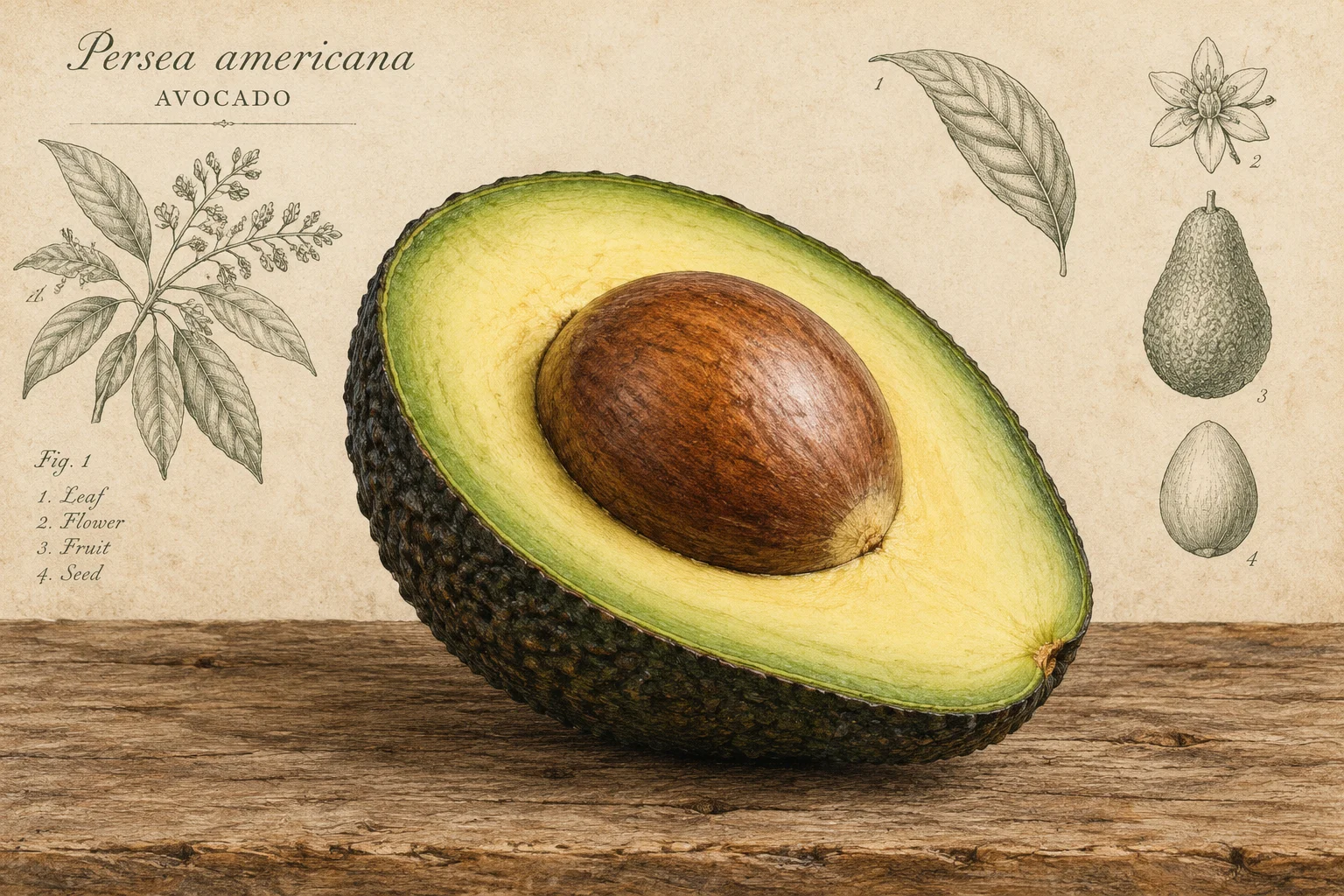
The word avocado comes from the Nahuatl "ahuacamolli," the ancestor of "guacamole." The first part, "ahuacatl," was also used as a term for a testicle, apparently because of the fruit's shape.
Spanish speakers adapted the word, and English borrowed it later. Few people eating toast at brunch realize they are using a term with such earthy roots.
11. Candidate — Dressed in White
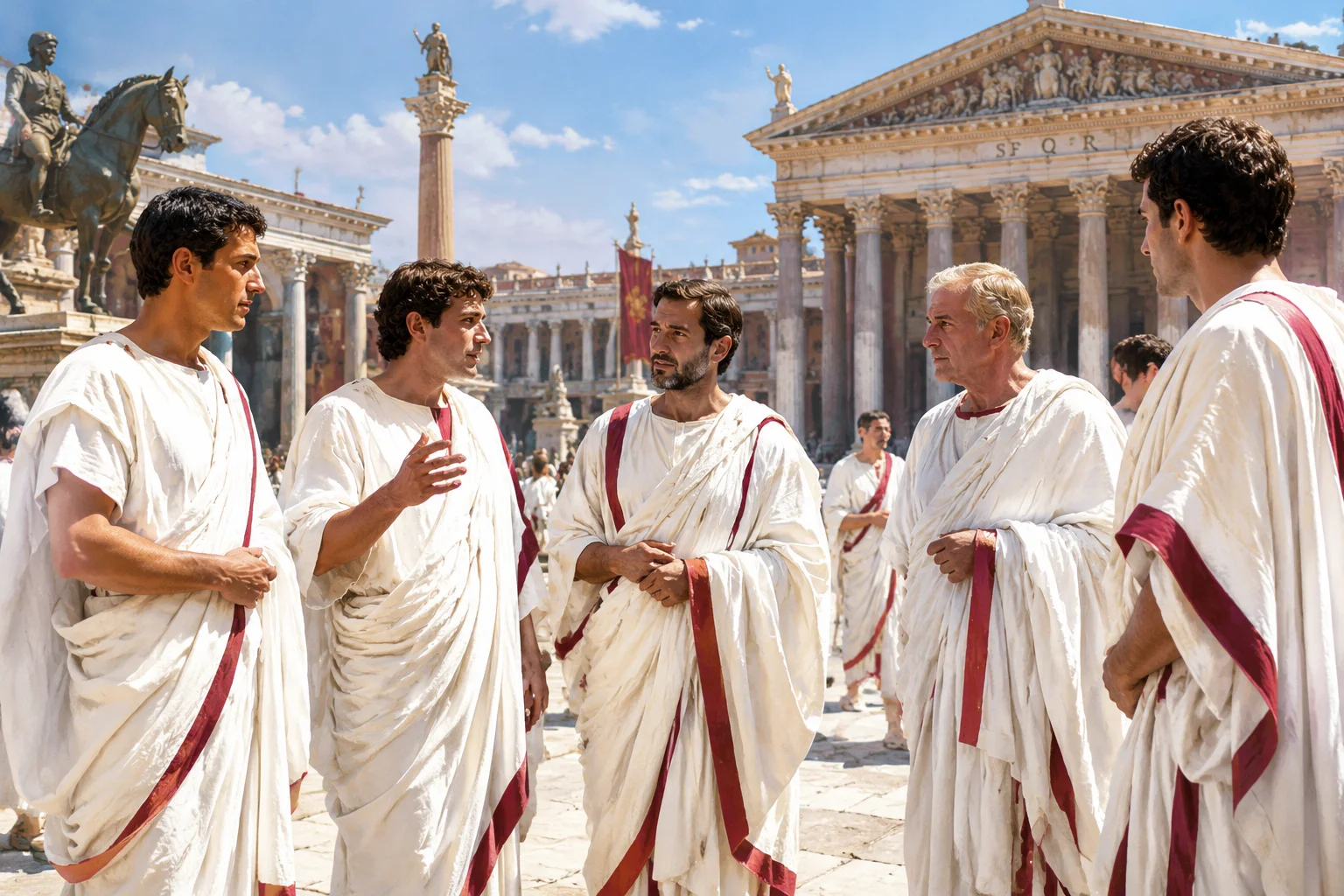
Candidate traces to the Latin "candidatus," meaning "clothed in white." In ancient Rome, men running for public office wore a specially whitened toga to stand out in a crowd.
The Latin root "candidus" also gave us "candid," meaning honest or open. So a candidate was, quite literally, a person dressed to be seen.
12. Checkmate — The King Is Dead

Checkmate comes from the Persian phrase "shah mat," meaning roughly "the king is helpless" or "the king is dead." It traveled through Arabic and Old French before reaching English.
Persian is also the source of the word "chess" itself, via "shah." The next time you say it at the end of a game, you are echoing a phrase that has been in use for well over a thousand years.
13. Algebra — Reunion of Broken Parts

Algebra comes from the Arabic "al-jabr," which appears in the title of a ninth-century mathematical text by al-Khwarizmi. The word is often translated as "reunion of broken parts," referring to techniques for solving equations.
The same scholar's name also gives us "algorithm." That makes algebra one of the clearest examples of words history carrying an entire intellectual tradition across languages.
14. Alcohol — A Powder, Not a Drink

Alcohol comes from the Arabic "al-kuhl," which referred to a fine powder, often antimony sulfide, used as eye makeup. The word entered European languages through alchemy.
Alchemists applied it to distilled substances, and over time it narrowed to the intoxicating liquid we know today. The journey from eyeliner to bar menu is a strange one, but it is well documented.
15. Left — The Sinister Side

Left descends from Old English "lyft," meaning weak or worthless. The word for the left hand carried negative connotations in many cultures, partly because most people are right-handed.
The Latin counterpart, "sinister," meant left and also came to mean unlucky or evil. English inherited that bias, which is why "sinister" still sounds more menacing than "left" does today.
16. Right — The Lawful Side

Right comes from Old English "riht," meaning straight or just. It carried senses of correctness, moral goodness, and legal entitlement long before it meant the opposite of left.
The double meaning survives in phrases like "human rights" and "the right answer." It is a tidy contrast with left, and it shows how a single word can scatter into several different meanings.
17. Mortgage — A Dead Pledge

Mortgage combines Old French "mort" (dead) and "gage" (pledge). The idea was that the agreement would end, or "die," once the debt was paid or the property was forfeited.
English lawyers borrowed the term in the Middle Ages, and it has survived centuries of real estate law. It is a grim little phrase hiding inside a very ordinary monthly payment.
18. Robe — Stolen Clothing
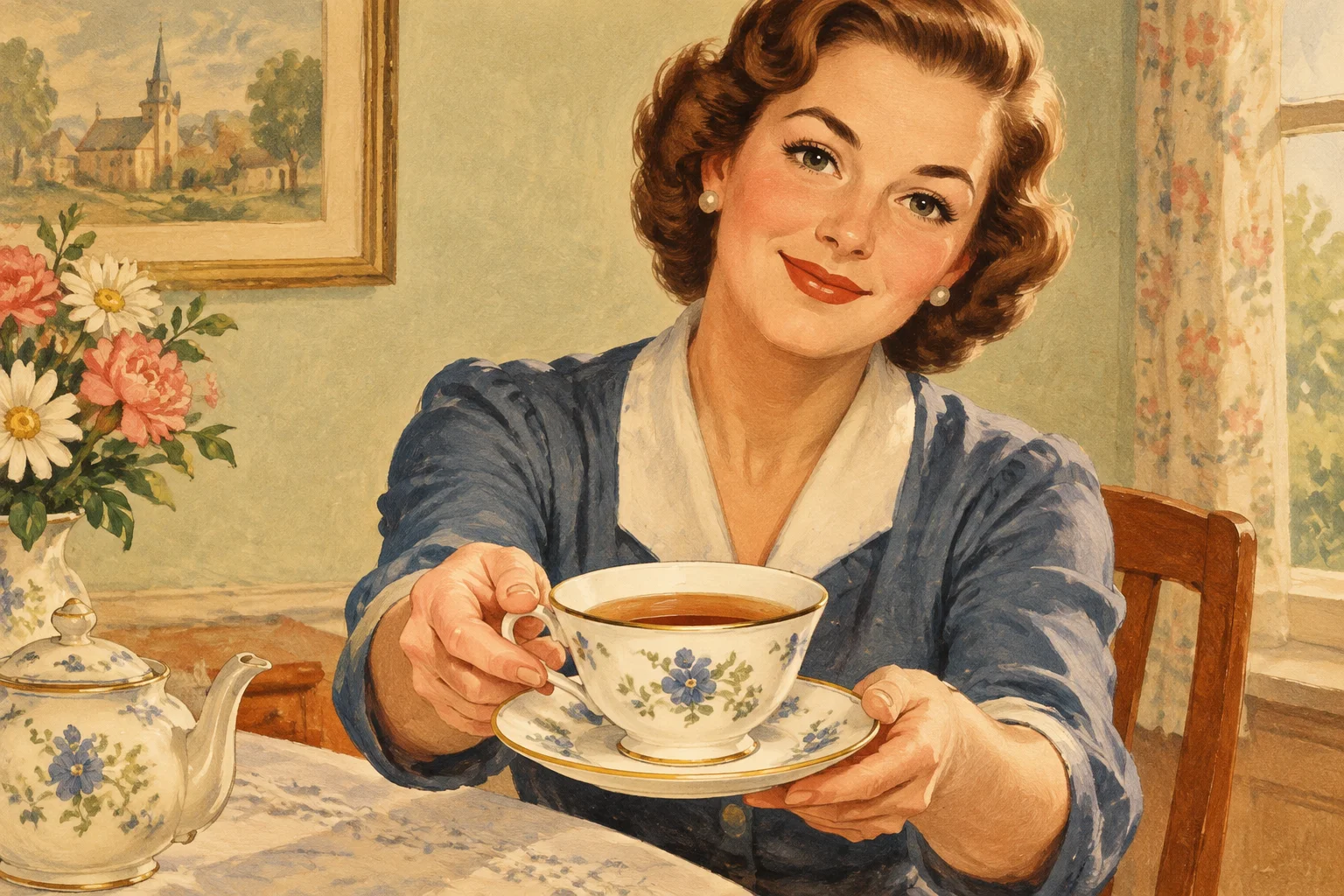
Robe comes from Old French "robbe," meaning booty or plunder, and it shares a root with "rob." The connection is that clothing taken as plunder became associated with the word itself.
The meaning shifted to a garment, especially an elegant or ceremonial one. It is one of the funniest word origins on this list, since a bathrobe is technically descended from the language of theft.
19. Nice — From Ignorance to Approval
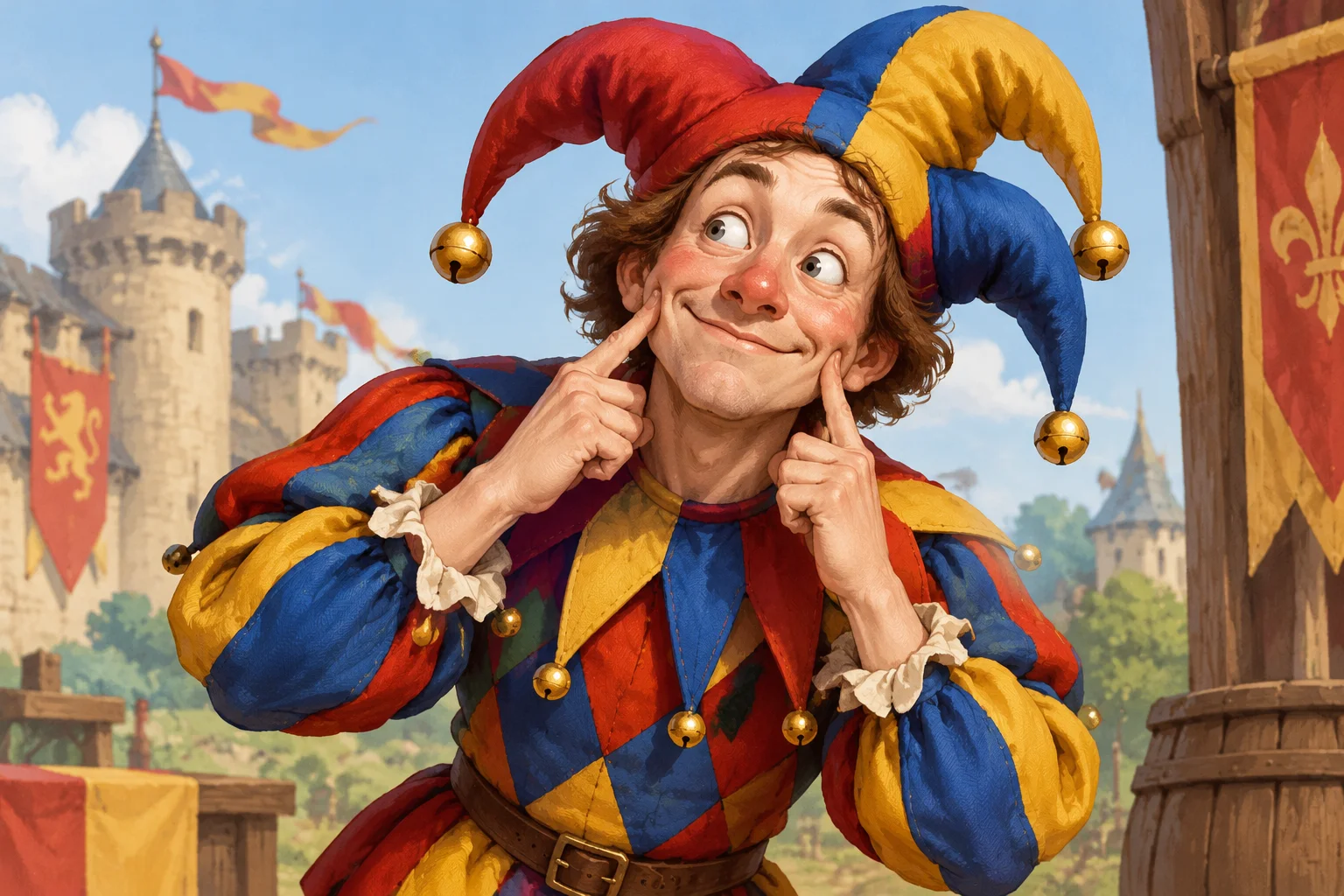
Nice entered English from Latin "nescius," meaning ignorant, by way of Old French. For centuries it meant foolish, then fussy, then precise, before settling into its modern sense of pleasant or agreeable.
The word's long slide from insult to compliment is a classic case of semantic drift. It also proves that a word's meaning can flip entirely over a few hundred years.
20. Silly — Blessed, Then Foolish

Silly began as Old English "saelig," meaning happy, blessed, or fortunate. Over time it picked up senses of innocent, then weak, then foolish.
By the time Shakespeare used it, the modern meaning was largely in place. Tracing its path is a good example of how words history often shows a slow erosion of dignity rather than a sudden change.
21. Berserk — Bear-Shirt Warrior
Berserk comes from the Old Norse "berserkr," usually interpreted as "bear-shirt." It referred to fierce warriors who were said to fight in a trance-like frenzy, possibly wearing bear skins.
Scholars still debate details of the tradition, and the surviving sources are limited. What survives clearly is the word, which now describes anyone who loses their temper completely.
22. Music — The Art of the Muses
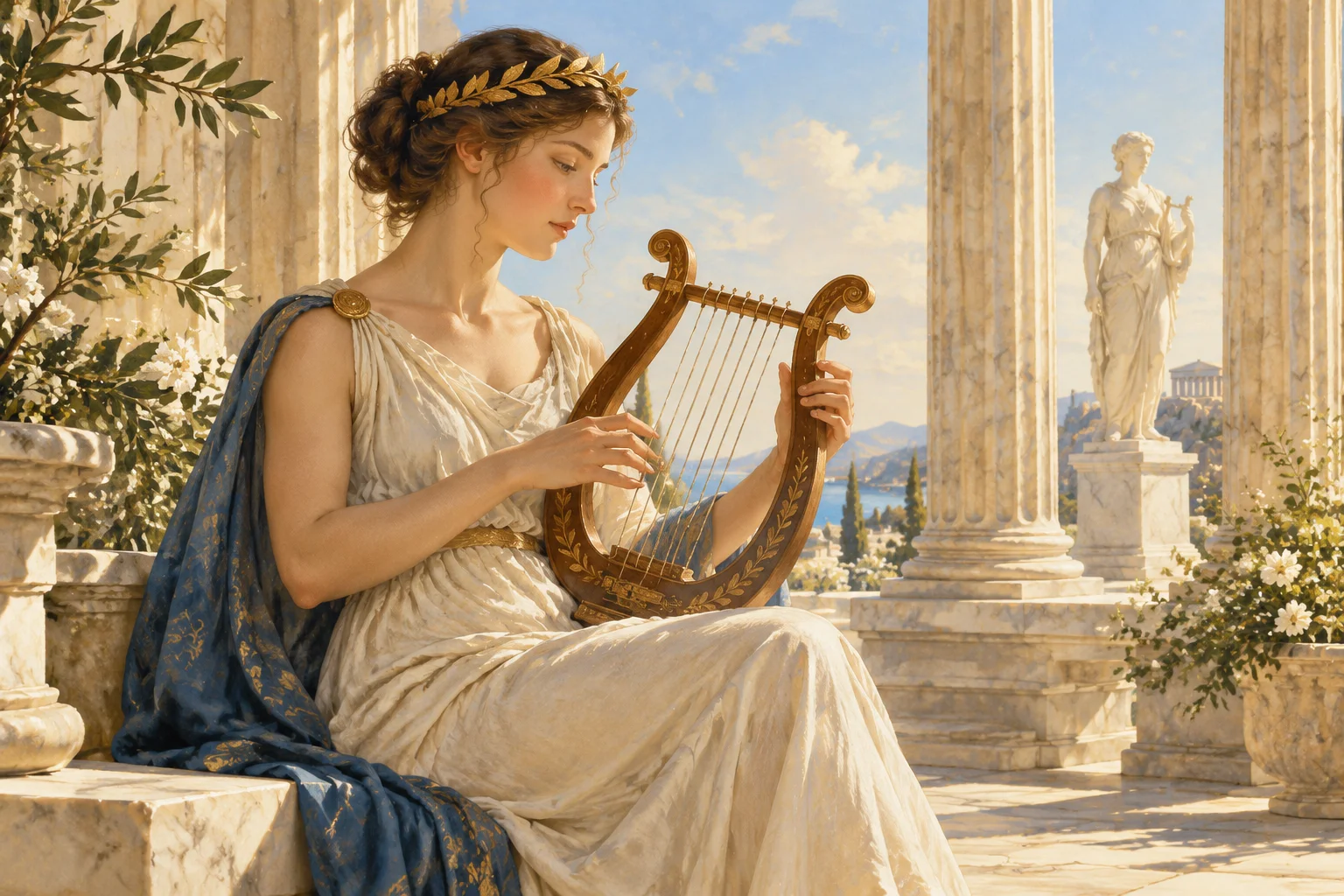
Music comes from the Greek "mousike," meaning the art of the Muses. The Muses were goddesses who inspired poetry, song, and learning, so the term originally covered far more than melody.
Over time it narrowed to the organized sound we call music today. The same root also gives us "museum," a place originally devoted to the Muses and the arts.
23. Cool — From Cold to Composed

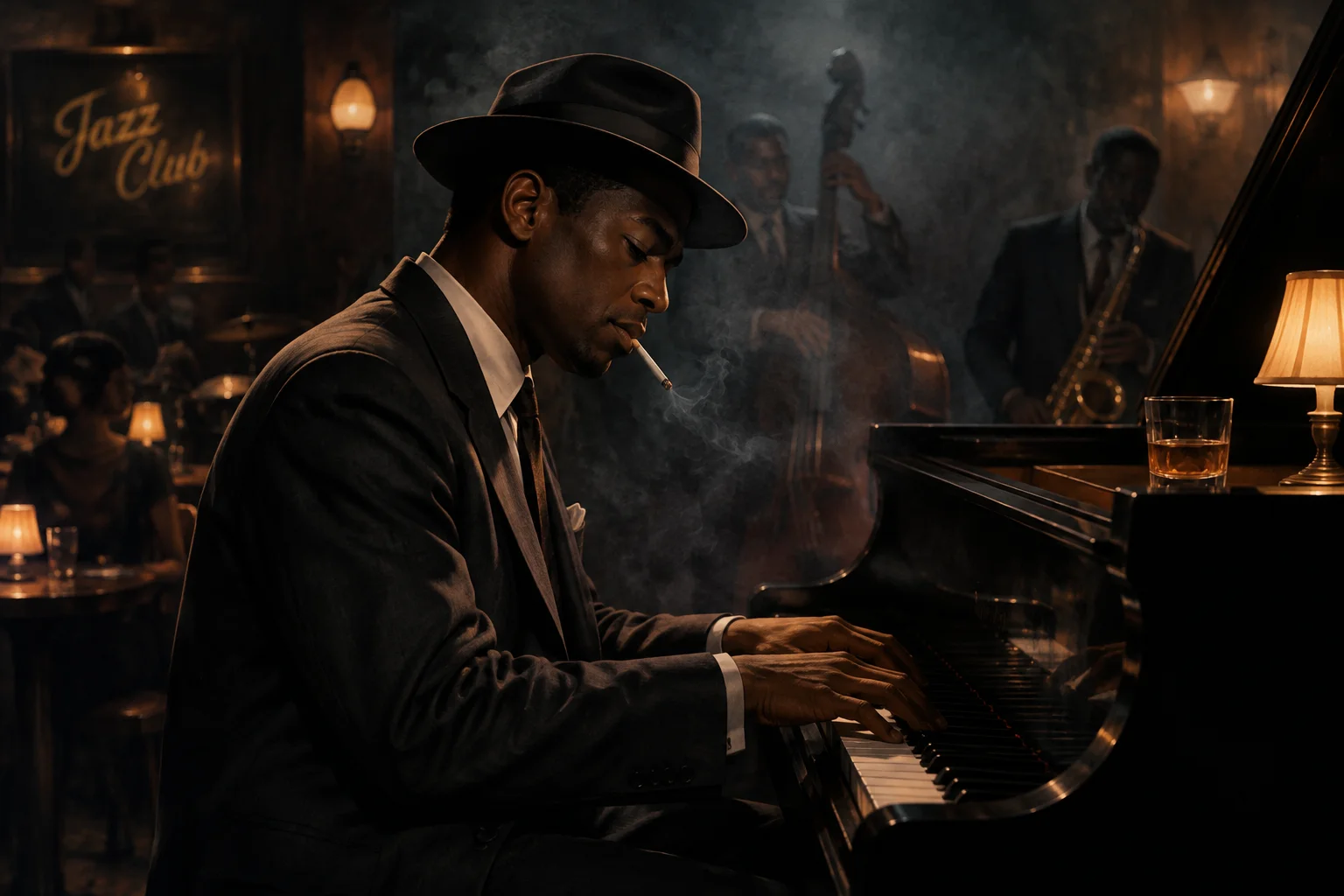
If you have ever wondered where did the word cool come from, the answer starts with temperature. Old English "col" simply meant moderately cold, from the same Germanic root as "cold."
By the twentieth century, jazz musicians were using "cool" to describe a restrained, understated style. That sense of calm self-possession spread into slang, and it eventually came to mean stylish or admirable in general.
How to Spot a Fake Word Origin
Etymology attracts folklore the way a picnic attracts ants. A tidy story about an acronym or a famous person is often invented after the fact, even when the real history is more interesting.
A few warning signs can help you separate fact from fiction. Treat these as useful heuristics, not absolute rules, because real etymologies sometimes do involve acronyms.
The Acronym Trap
Many popular origin stories claim a word began as an acronym, but most of these are false. "Ship High In Transit" for a common expletive and "For Unlawful Carnal Knowledge" for another are both modern inventions.
Genuine acronym origins tend to be recent and well documented, such as "scuba" or "laser." If a story claims a medieval acronym, be skeptical until you find a source.
The Big Name Trap
Another common pattern credits a famous person with inventing a word on the spot. Shakespeare did coin or popularize many expressions, but he did not invent nearly as many as the internet claims.
The Earl of Sandwich story has real documentary support, which is part of why it endures. Other celebrity attributions often collapse once you check earlier written evidence.
Why Weird Word Origins Still Matter
Learning where words come from is more than trivia. It sharpens your writing, because understanding a word's history helps you use it with precision.
It also connects you to centuries of human experience. The next time you order a sandwich, check your email for spam, or stay home sick, you are repeating words that once meant something completely different.
Frequently Asked Vocabulary Mysteries
Some words resist easy explanation. "Spam" for unwanted email, for example, is usually traced to a Monty Python sketch, but the exact path into computing culture is debated.
"OK" has a surprisingly well-documented origin as a nineteenth-century joke abbreviation, yet it still feels arbitrary. That mixture of evidence and mystery is what keeps etymology lively.
Words Worth Sharing
Words carry the fingerprints of the people who shaped them, from Roman office-seekers to Norse warriors to jazz musicians. The 23 entries above show that even the most ordinary vocabulary is layered with weird word origins worth retelling.
Pick a few and share them at your next dinner conversation. You might just change how someone hears a word they have used their entire life, and that is a small but genuine pleasure.
Frequently Asked Questions
What is the most random word ever?
If by "random" you mean a word with no clear ancestor, candidates include "gaga," "ballyhoo," and "humbug," all of which appeared suddenly with uncertain origins. If you mean a word whose spelling and pronunciation seem unrelated, "colonel" is a strong contender. There is no single agreed-upon answer, which is part of the fun.
Did Roman soldiers really get paid in salt, giving us the word salary?
This is a popular legend, but historians treat it as oversimplified. The Latin word "salarium" is related to salt and may have referred to a soldier's allowance for buying salt. The word salary genuinely descends from that root, but the literal image of salt payments is not well supported.
Where did the word cool come from?
Cool comes from Old English "col," meaning moderately cold. In the twentieth century, jazz musicians used it to describe a restrained, understated style. That sense of calm self-possession spread into slang and eventually came to mean stylish or admirable.
Why is quarantine forty days?
The word comes from the Venetian "quaranta," meaning forty. During plague outbreaks, ships arriving at ports like Venice and Ragusa were held for about forty days before people and cargo could come ashore. The practice spread across Europe and gave us the word we use for isolation today.
Is it true that Shakespeare invented hundreds of words?
Shakespeare did coin or popularize many expressions, but the claim that he invented hundreds of words is often exaggerated. Many words attributed to him appear earlier in other texts. He was a brilliant stylist, but he was also writing in a period of rapid language change.
Are acronym origin stories for words usually true?
Most popular acronym origin stories are false, especially for older words. Claims like "Ship High In Transit" are modern inventions with no historical support. Genuine acronym origins tend to be recent and well documented, such as scuba or laser.

Alex Warren
Related Articles





