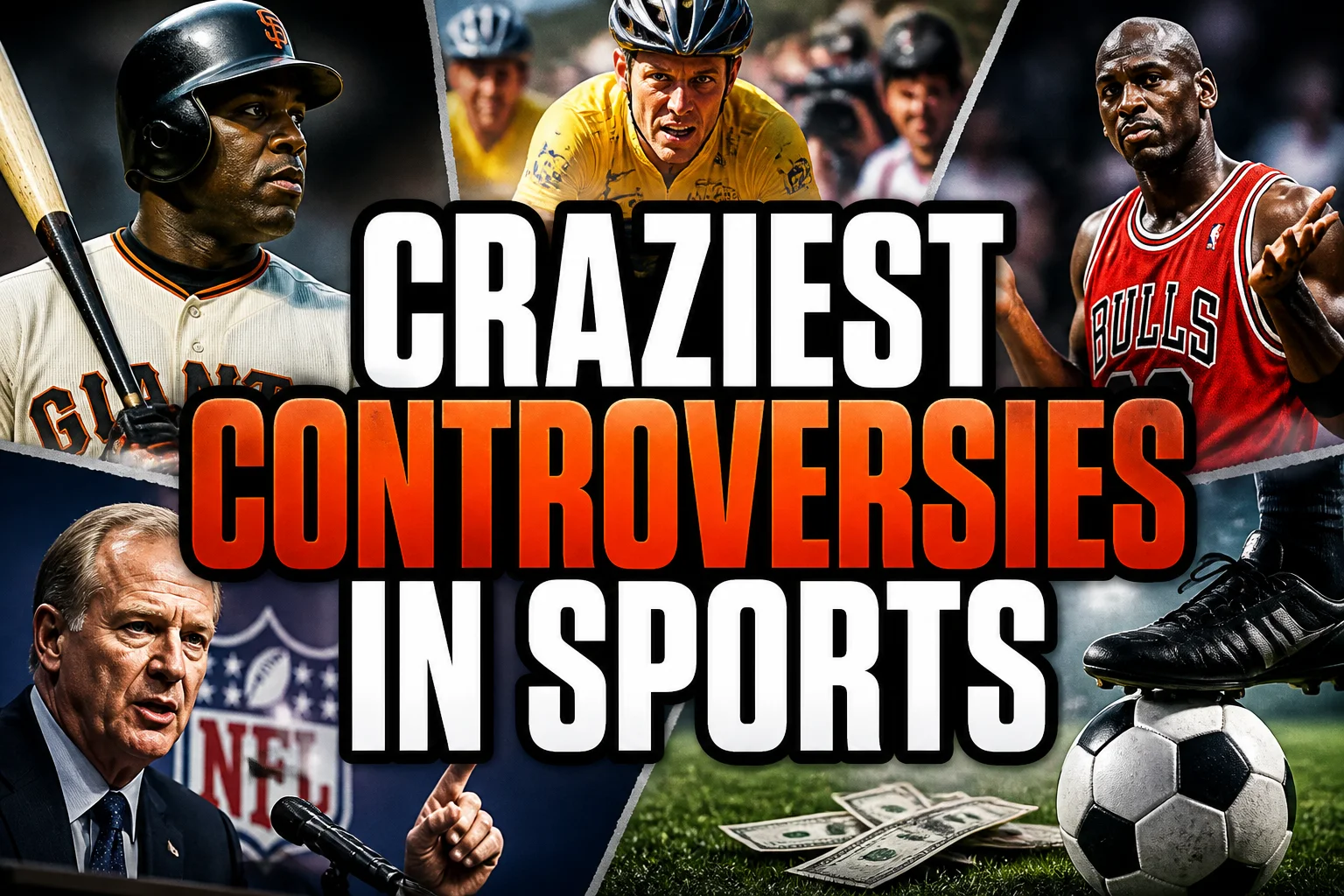
Sports are supposed to be a simple escape: a clean field, a fair contest, a clear winner. Yet almost from the moment people started keeping score, controversy in sports has been part of the story. Gambling, doping, dirty tactics, and outright cheating have followed athletics through every era.
Some of the biggest sports scandals changed the rules forever. Others changed how we think about controversial athletes and the line between gamesmanship and fraud. Here are 22 of the craziest controversies in sports, each with real historical context and consequences.
TL;DR: The wildest sports controversies reveal that cheating, gambling, and scandal are as old as competition itself, and many of today's rules exist because of them.
1. The Black Sox Scandal (1919)
Eight members of the Chicago White Sox were accused of intentionally losing the 1919 World Series to the Cincinnati Reds. The players were reportedly paid by gamblers, and the fallout was enormous. A grand jury investigation and a highly publicized trial followed in 1921.
The players were acquitted in court, but baseball's new commissioner, Kenesaw Mountain Landis, banned all eight for life anyway. The scandal, including the famous "Say it ain't so, Joe" line attributed to a young fan, remains one of the biggest sporting scandals in American history.
2. The 1972 Olympic Men's Basketball Final
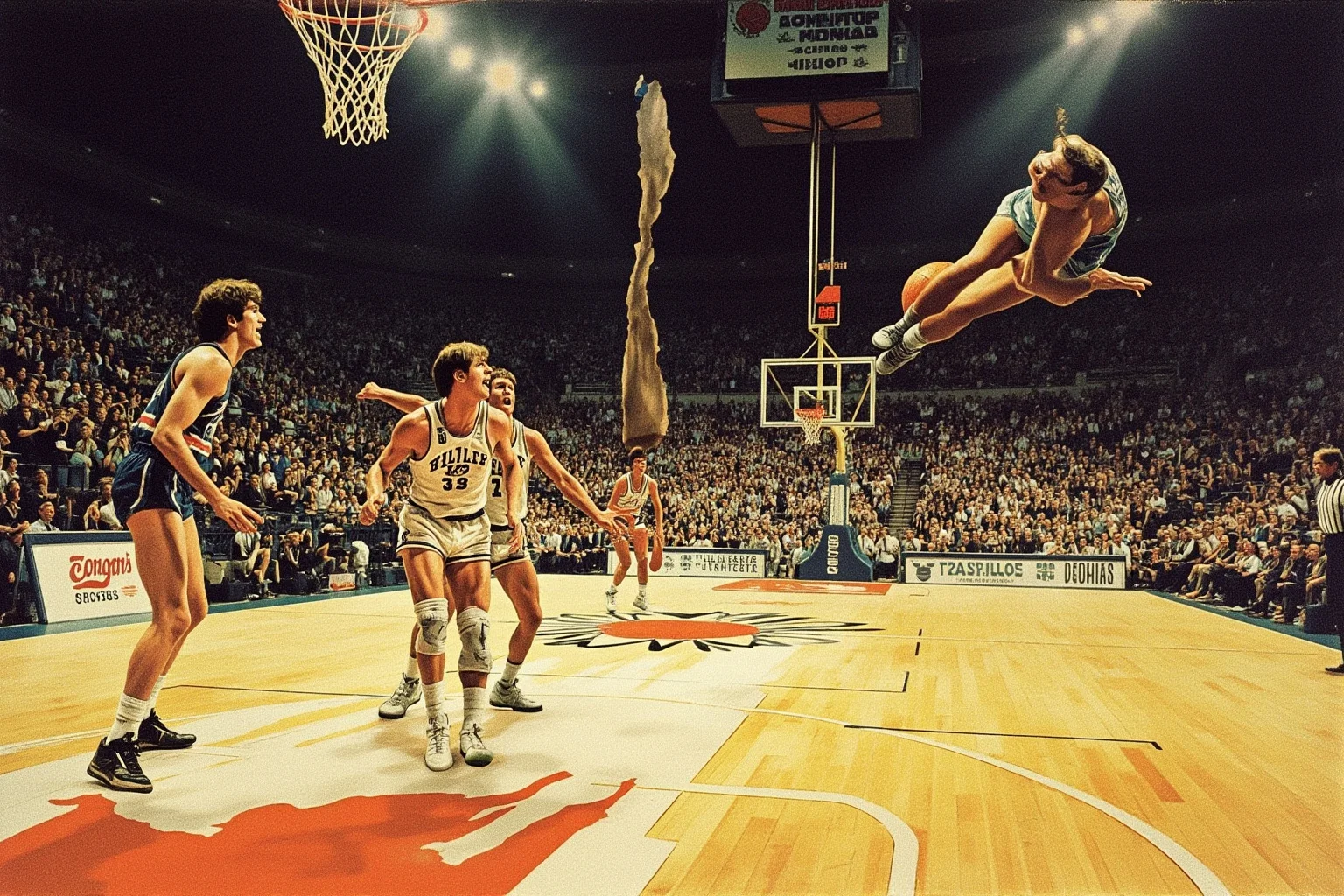
The United States appeared to beat the Soviet Union 50-49 in the final seconds of the 1972 Munich Olympic final. Then officials ordered the final three seconds replayed, not once but twice, under confusing circumstances. The Soviets scored on the second replay and won 51-50.
The American team refused their silver medals, and many players still decline to accept them today. The controversy in sports over that ending has never fully faded. It remains a landmark example of how officiating decisions can overshadow athletic achievement.
3. Ben Johnson's Disqualification (1988)
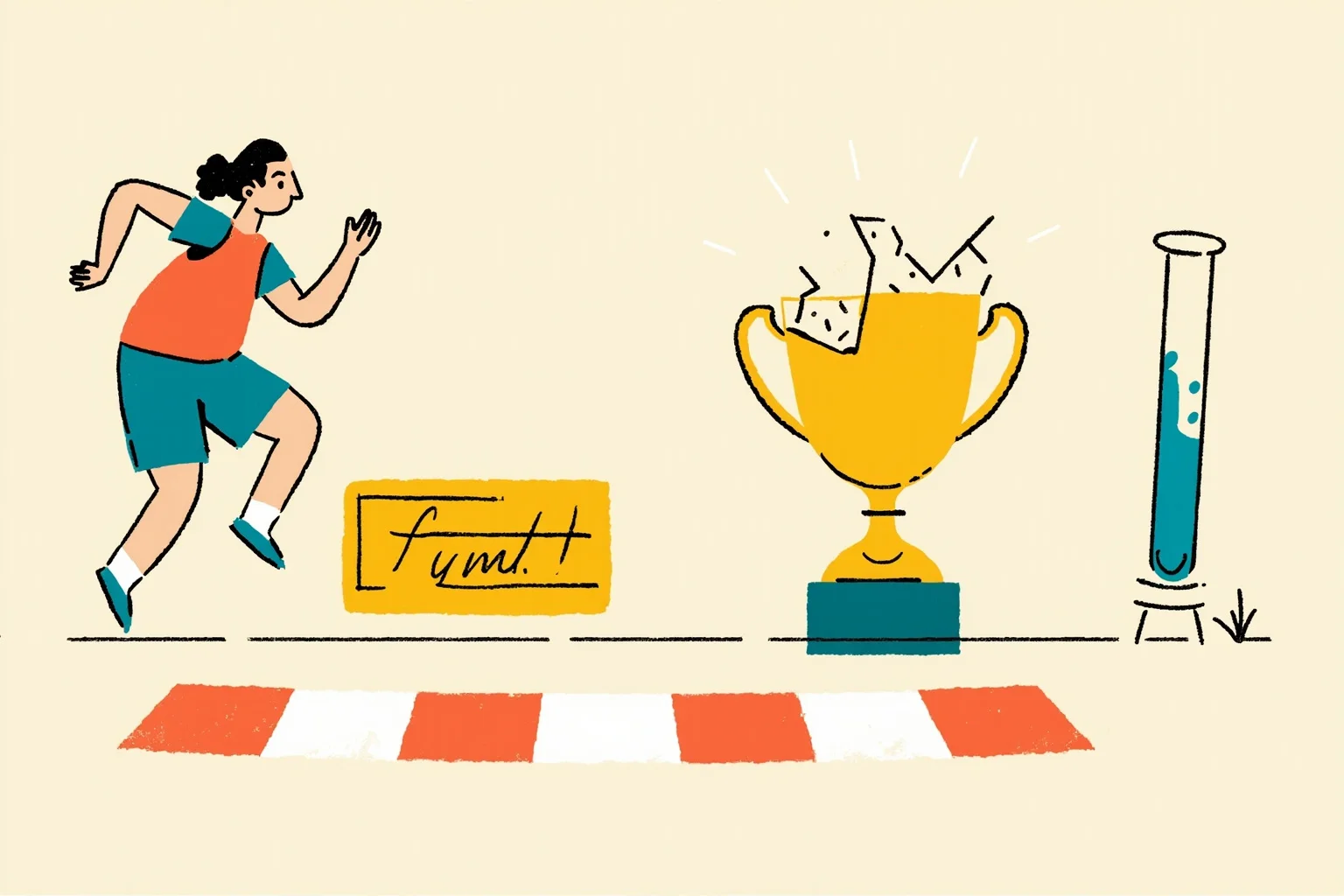
Canadian sprinter Ben Johnson won the 100-meter final at the 1988 Seoul Olympics in a stunning world-record time of 9.79 seconds. Just days later, he tested positive for the anabolic steroid stanozolol. He was stripped of his gold medal and his record.
The scandal became a defining moment for the anti-doping era in track and field. Johnson later admitted to years of steroid use, making him one of the most controversial athletes of his generation. The episode pushed sports governing bodies toward stricter testing protocols.
4. Tonya Harding and Nancy Kerrigan (1994)

Figure skater Nancy Kerrigan was struck on the knee with a baton after a practice session in January 1994, just before the U.S. Figure Skating Championships. The attack was later linked to associates of rival skater Tonya Harding. Harding denied involvement but pleaded guilty to hindering the investigation.
The scandal became a media frenzy, and both skaters competed at the 1994 Winter Olympics under intense scrutiny. Kerrigan won silver, while Harding finished eighth. The episode remains one of the most bizarre sports controversies in modern memory.
5. The 2002 Salt Lake City Bribery Scandal
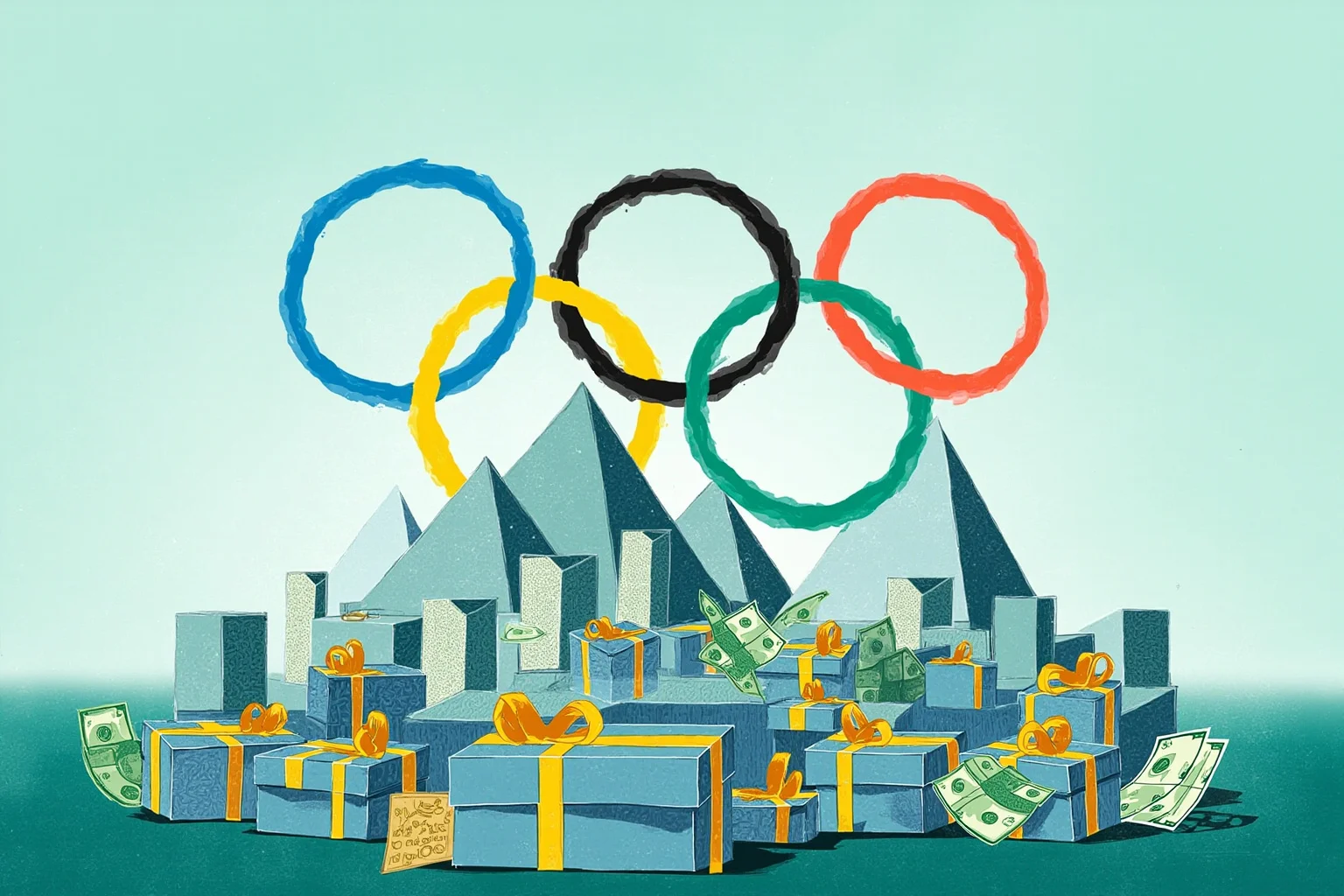
Salt Lake City won the right to host the 2002 Winter Olympics, but the victory came with a dark cloud. Investigators found that bid committee officials had given cash, gifts, and scholarships to International Olympic Committee members. Several IOC members resigned or were expelled.
The scandal reshaped how Olympic host cities are selected and how the IOC operates. It also raised broader issues and controversies sports in society around corruption in international governance. Salt Lake City still hosted the Games, but the reform pressure was lasting.
6. The Tim Donaghy Betting Scandal (2007)

NBA referee Tim Donaghy pleaded guilty in 2007 to federal charges related to betting on games he officiated. He admitted to providing inside information to gamblers and betting on games himself. The league conducted an internal review and insisted Donaghy was a rogue official.
Fans and analysts still debate how far the problem went, and Donaghy later made unverified claims about other referees. The scandal forced the NBA to tighten its monitoring of officials and gambling activity. It remains a sore point in discussions of issues in sports integrity.
8. The New England Patriots' Spygate (2007)
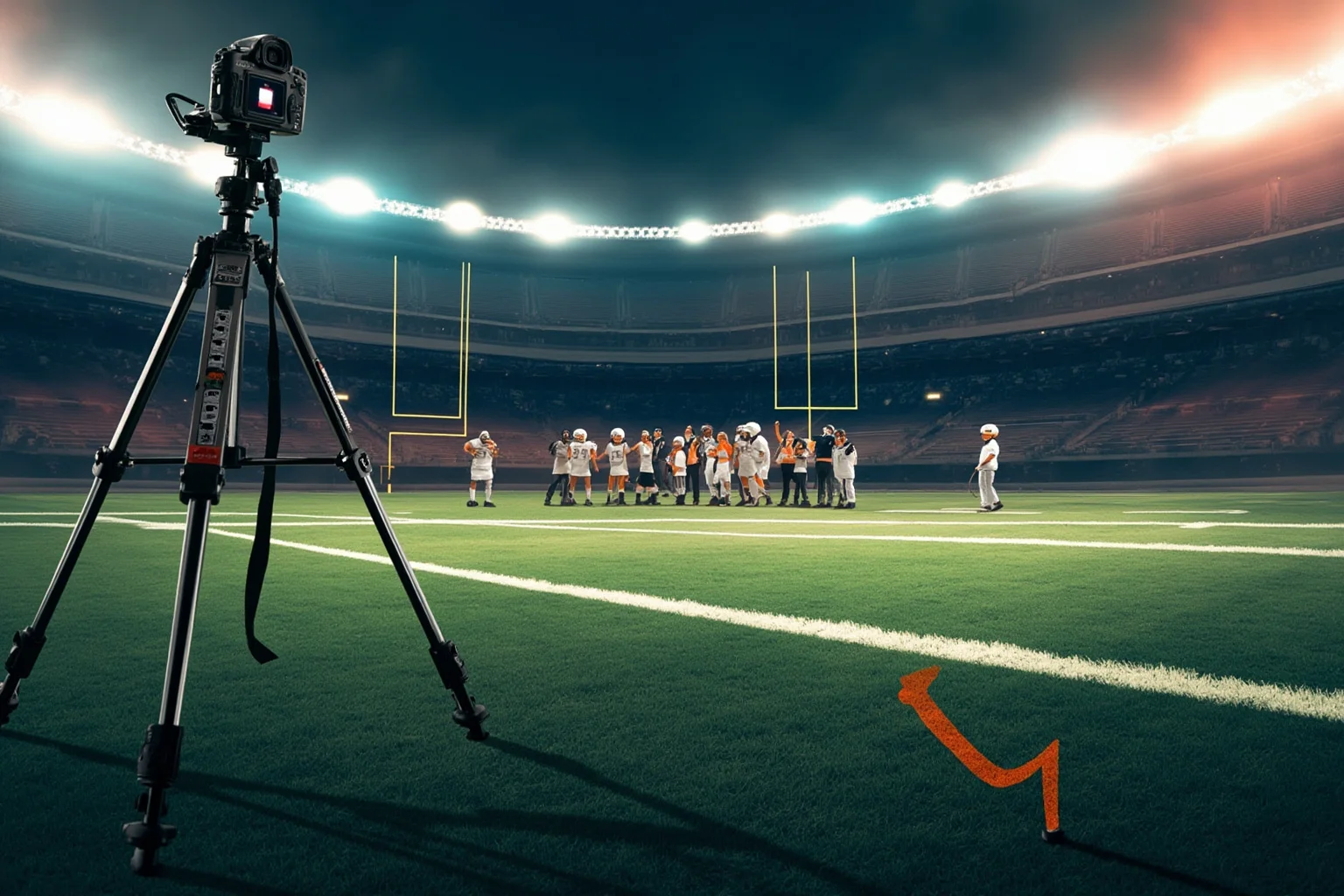
The Patriots were caught videotaping New York Jets defensive coaches' signals from the sideline during a 2007 game, violating NFL rules. Commissioner Roger Goodell fined head coach Bill Belichick and the team, and stripped the Patriots of a first-round draft pick. The team argued the taping was for internal use and did not affect play.
Spygate fueled years of debate about whether the Patriots' dynasty was built partly on rule-bending. It became one of the most debated controversial sports takes of the 2000s. The league later destroyed the tapes, which only deepened suspicion among fans.
9. Lance Armstrong's Doping Admission (2013)
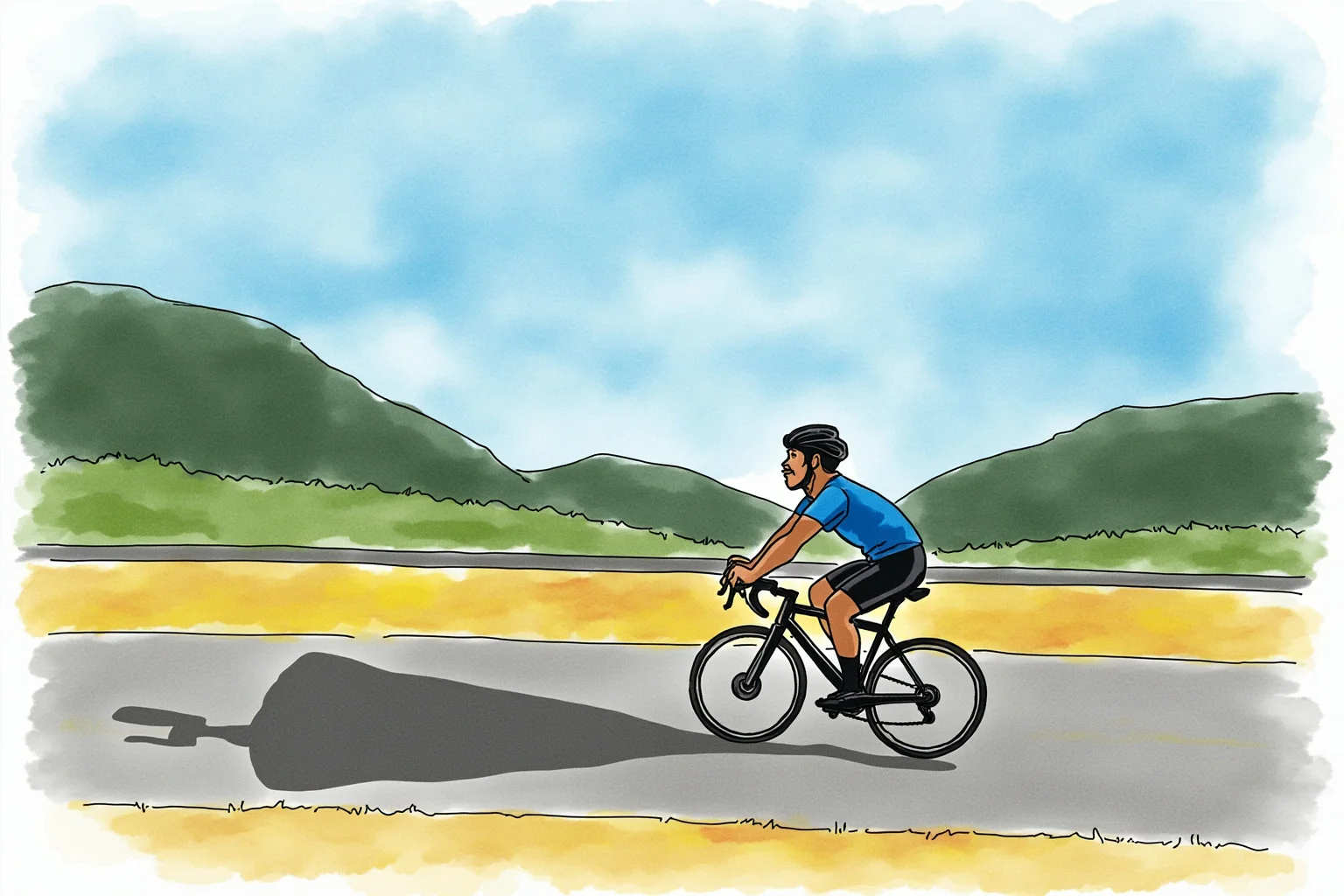
Lance Armstrong won seven consecutive Tour de France titles from 1999 to 2005, becoming a global symbol of resilience after surviving cancer. For years he denied doping allegations, but a federal investigation and testimony from former teammates built a damning case. In 2013, Armstrong admitted to using performance-enhancing drugs in an interview with Oprah Winfrey.
He was stripped of all seven Tour titles and banned from cycling for life. The case became the defining modern example of how far some controversial athletes will go to protect a lie. It also reshaped public expectations around anti-doping enforcement.
10. Deflategate (2015)
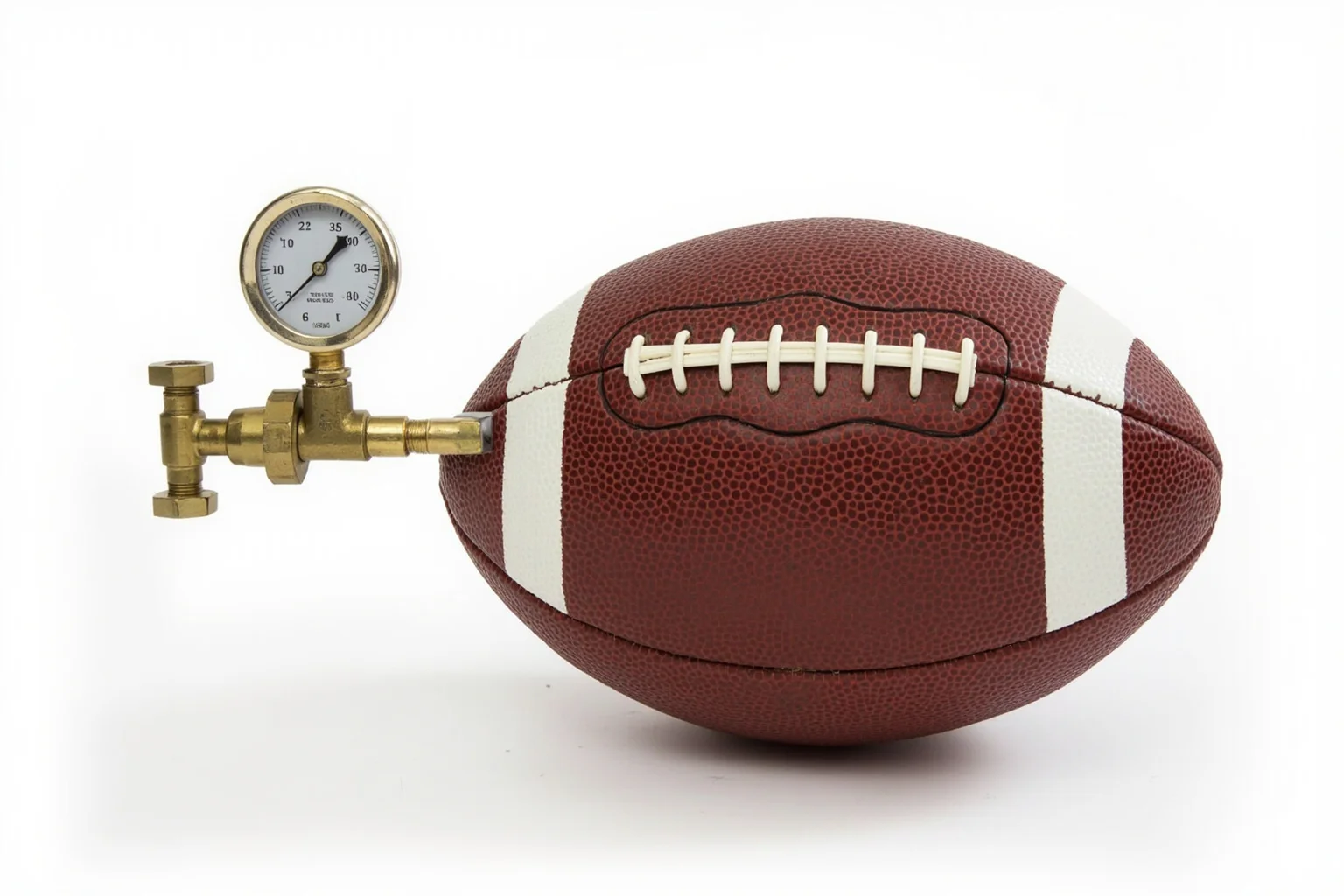
The Patriots were again at the center of a rules controversy when the NFL found that footballs used in the 2015 AFC Championship Game were underinflated. Quarterback Tom Brady was suspended four games, and the team was fined and docked draft picks. Brady fought the suspension in court before ultimately serving it.
The science of the air pressure measurements was fiercely debated, and the scandal became a cultural flashpoint. Deflategate showed how a relatively minor equipment issue can become a massive sports controversy. It also cemented Brady's complicated legacy as both a great and a polarizing figure.
11. The 1912 Stockholm Olympics and Jim Thorpe
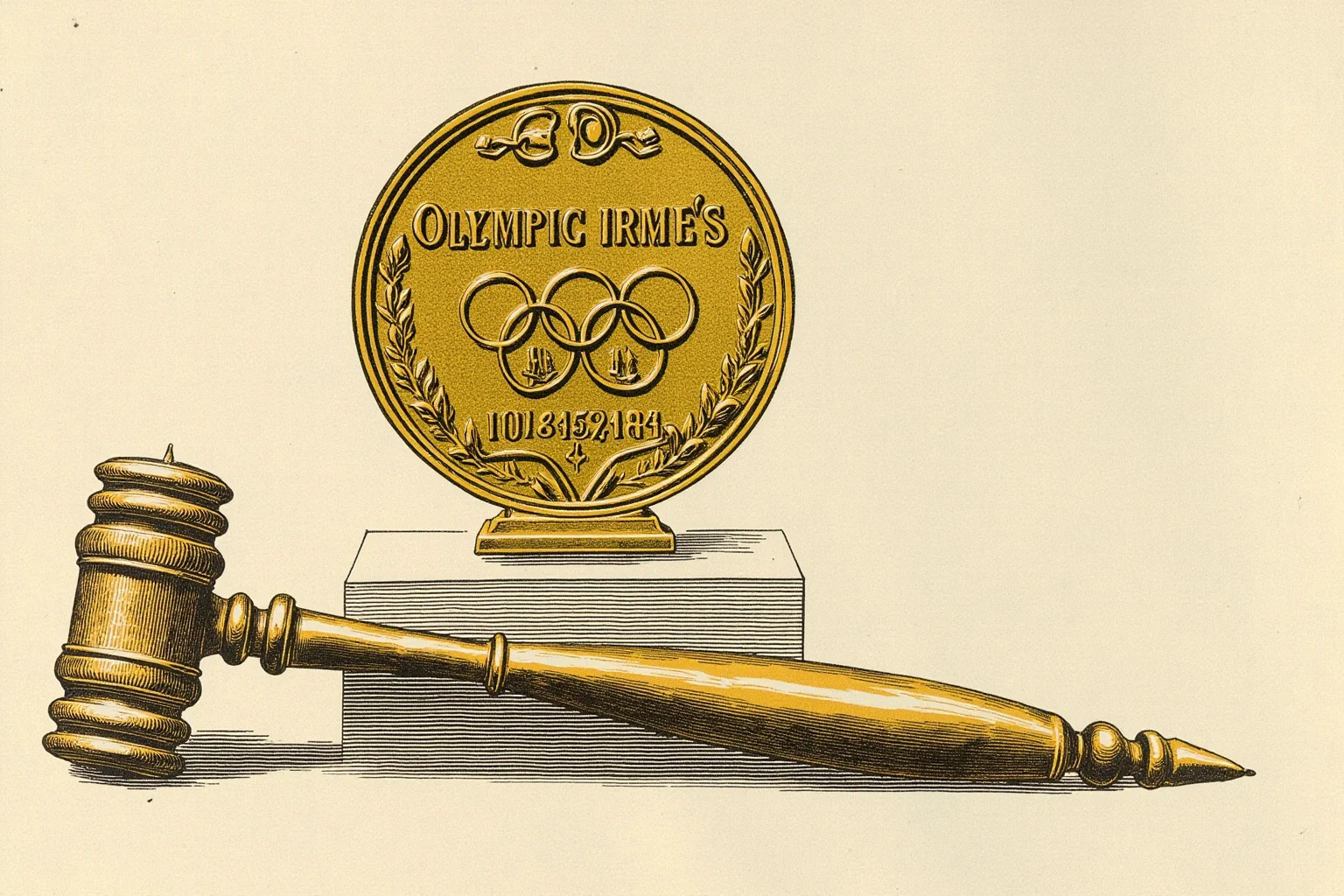
Jim Thorpe won gold medals in the pentathlon and decathlon at the 1912 Stockholm Olympics, and Sweden's king reportedly called him the greatest athlete in the world. But in 1913, officials stripped Thorpe of his medals after learning he had played semi-professional baseball before the Games. The decision was based on strict amateurism rules of the era.
Thorpe's medals were restored posthumously in 1983, and his case became a symbol of how amateurism rules harmed Indigenous and working-class athletes. It remains one of the most historically significant sports controversies in Olympic history.
12. The 2006 Italian Football Scandal (Calciopoli)
Italian football was rocked when wiretaps revealed that executives at Juventus and other clubs had influence over referee assignments. The scandal, known as Calciopoli, led to Juventus being stripped of two Serie A titles and relegated to the second division for the first time in its history. Other clubs received point deductions and fines.
The case exposed deep issues in sports governance and raised questions about the impartiality of Italian officiating. Juventus eventually returned to the top flight, but the scandal permanently altered the club's reputation. It is often cited among the biggest sports scandals in European football.
13. The 1986 Hand of God Goal
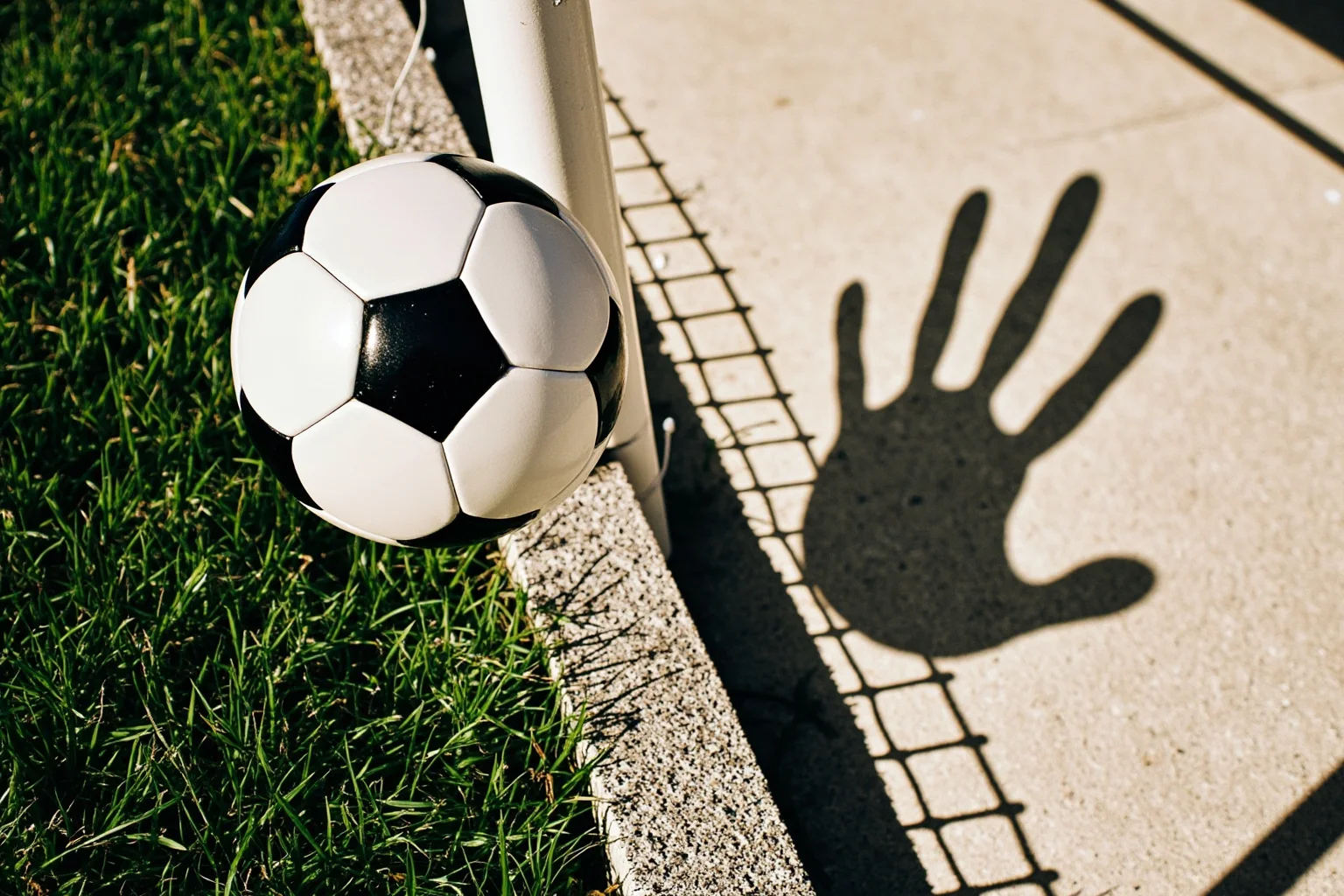
Diego Maradona scored one of the most infamous goals in World Cup history during Argentina's quarterfinal against England in 1986. Maradona punched the ball into the net with his left hand, and the referee allowed the goal. He later said the goal was scored "a bit with the head of Maradona and a bit with the hand of God."
The moment became a symbol of both Maradona's genius and his willingness to bend rules. Minutes later he scored a stunning solo goal often called the Goal of the Century. The two moments together cemented his legacy as one of the most controversial athletes in soccer history.
14. The 1999 Women's World Cup Penalty Shootout Controversy
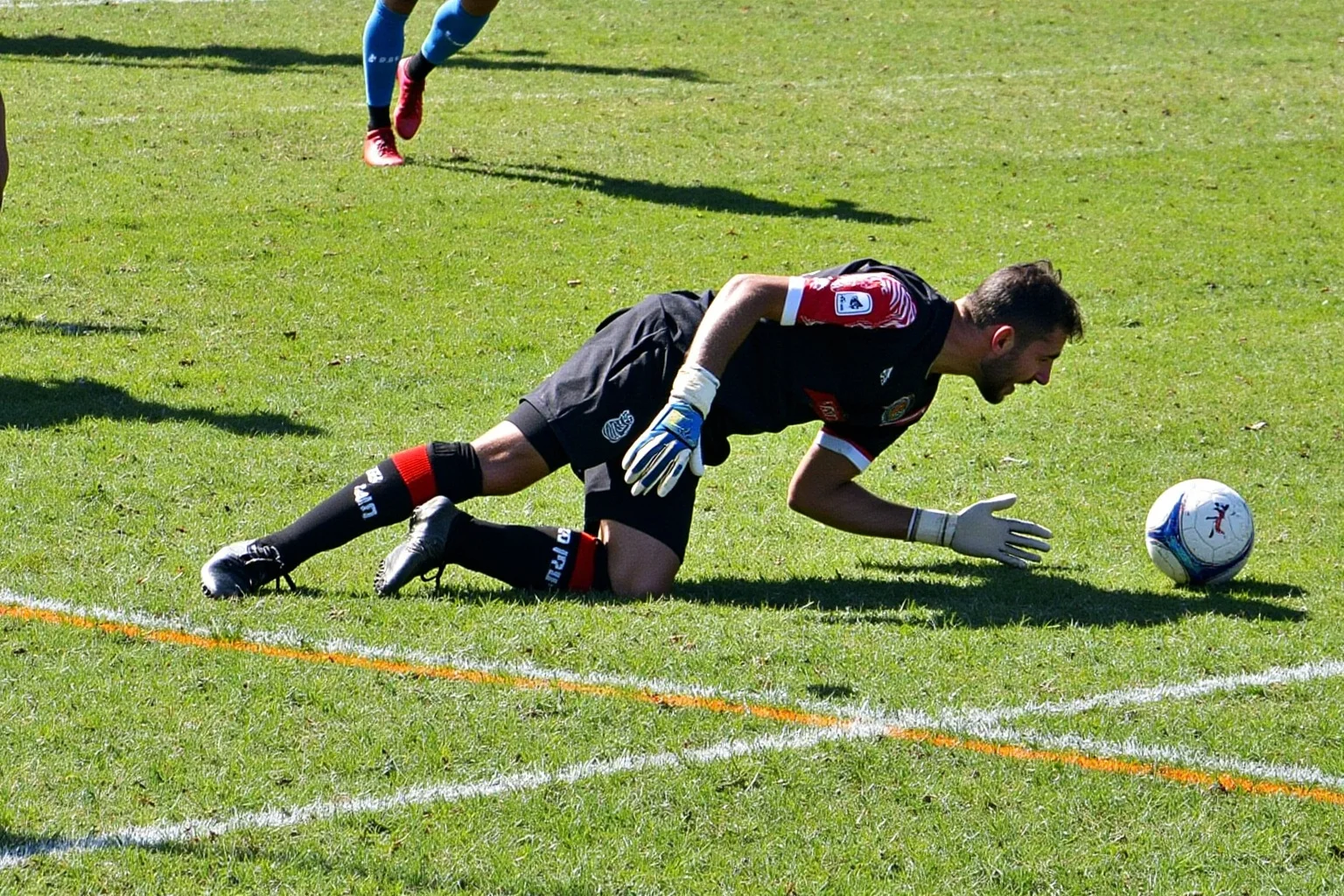
The 1999 Women's World Cup final between the United States and China ended in a dramatic penalty shootout. American goalkeeper Briana Scurry saved a decisive penalty, but replays showed she had moved well off her goal line before the kick was taken. The save stood, and the United States won the title.
Fans of China and neutral observers still debate whether the shootout should have been retaken. The controversy in sports over goalkeeper positioning in shootouts has persisted ever since. FIFA later adjusted guidance on enforcing the rule more consistently.
15. The 2008 Crash at the Singapore Grand Prix
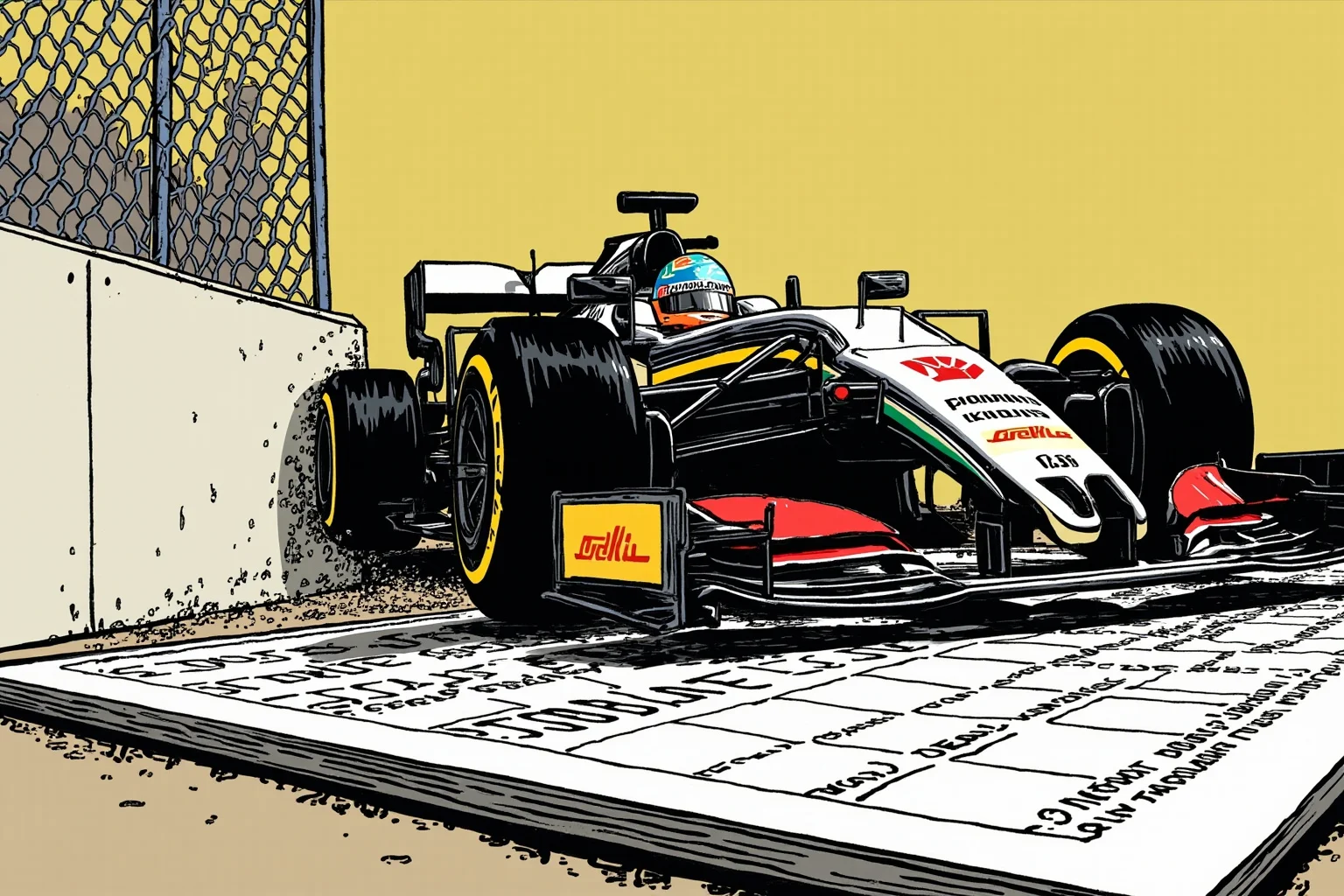
Formula One driver Nelson Piquet Jr. later revealed that his team, Renault, had ordered him to crash deliberately during the 2008 Singapore Grand Prix. The crash triggered a safety car period that helped his teammate Fernando Alonso win the race. Renault's team principal, Flavio Briatore, was eventually banned from the sport.
The scandal, known as Crashgate, exposed how far teams would go to manipulate race outcomes. It became a defining example of ethical failure in motorsport and one of the biggest sporting scandals of the 2000s. The case also raised serious questions about driver safety being sacrificed for strategy.
16. The 1976 East German Doping Program

East Germany's systematic state-sponsored doping program helped its athletes win an astonishing number of Olympic medals in the 1970s and 1980s. Swimmers and track athletes, some of them teenagers, were given performance-enhancing drugs, often without informed consent. The full scale of the program only became clear after German reunification and later trials.
Many athletes later suffered serious health problems, and some received compensation. The case is a sobering reminder of how issues and controversies sports in society can involve state power and medical ethics. It permanently changed how the world views Olympic success from that era.
17. The 1994 Baseball Strike and Canceled World Series
The 1994 Major League Baseball strike began in August and dragged on for 232 days, wiping out the World Series for the first time in 90 years. The dispute centered on a proposed salary cap and revenue sharing. Fans were furious, and attendance dropped sharply when play resumed in 1995.
The strike remains one of the most damaging labor disputes in sports history. It highlighted how issues in sports extend far beyond the field into economics and ownership. The sport's popularity recovered only after the home run chase of 1998 helped win back fans.
18. The 2018 Australian Ball-Tampering Scandal
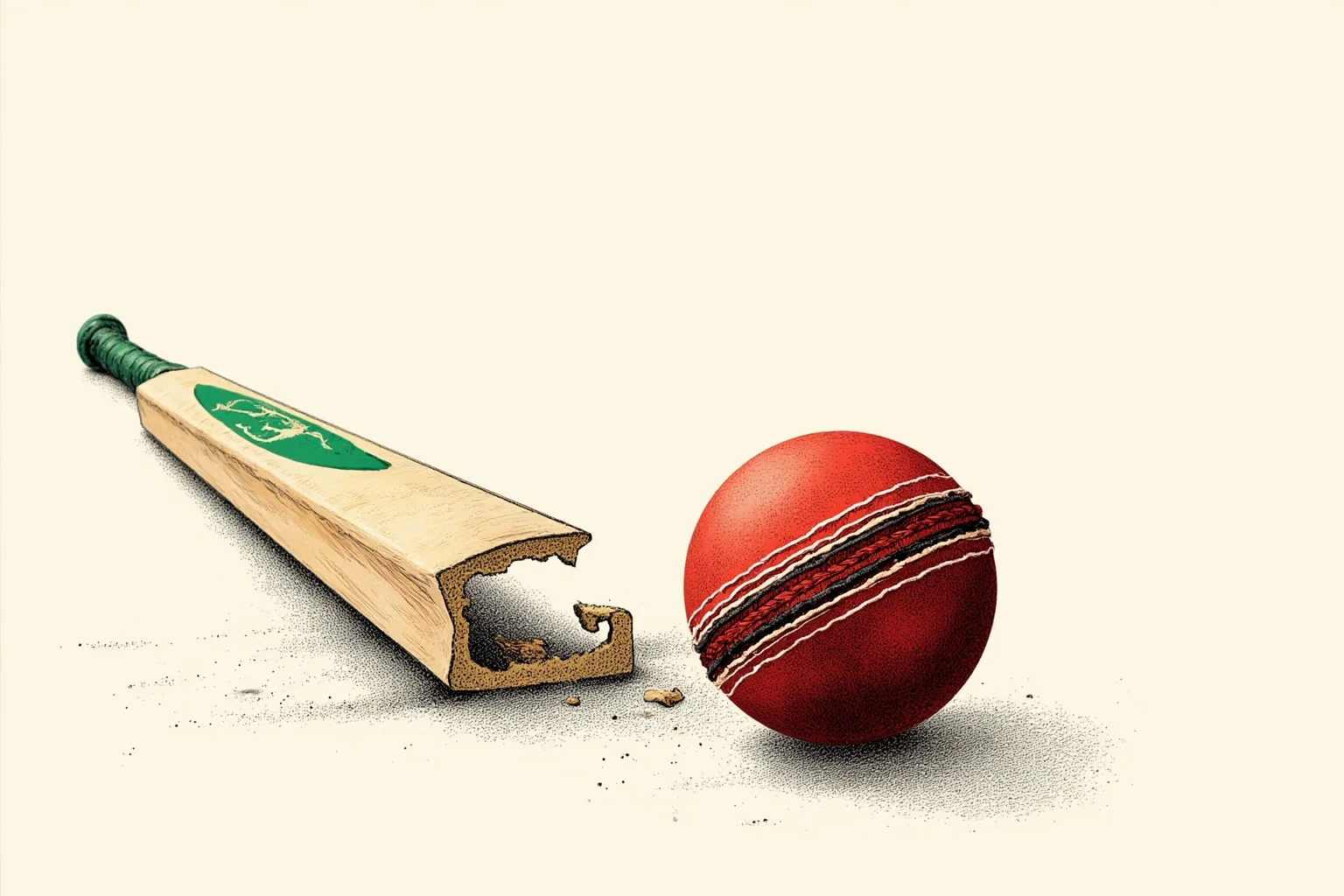
During a 2018 test match in South Africa, Australian cricketer Cameron Bancroft was caught on camera using sandpaper to rough up the ball. Captain Steve Smith and vice-captain David Warner were found to have known about the plan. All three received bans, with Smith and Warner suspended for a year.
The scandal triggered a national reckoning in Australia about the team's culture and aggression. It became one of the most significant sports controversies in cricket history. The players eventually returned, but the episode remains a cautionary tale about win-at-all-costs culture.
19. The 2012 Lance Armstrong Era USADA Report

Before Armstrong's public confession, the United States Anti-Doping Agency released a massive report in 2012 detailing what it called the most sophisticated doping program in sports history. The report drew on testimony from eleven former teammates. It alleged that Armstrong ran the program on his U.S. Postal Service team for years.
The report's release stripped away any remaining doubt about the scale of the problem. It also implicated team managers, doctors, and others who enabled the scheme. The case continues to shape current sports controversies around doping enforcement and athlete accountability.
20. The 1980 Olympic Boycott
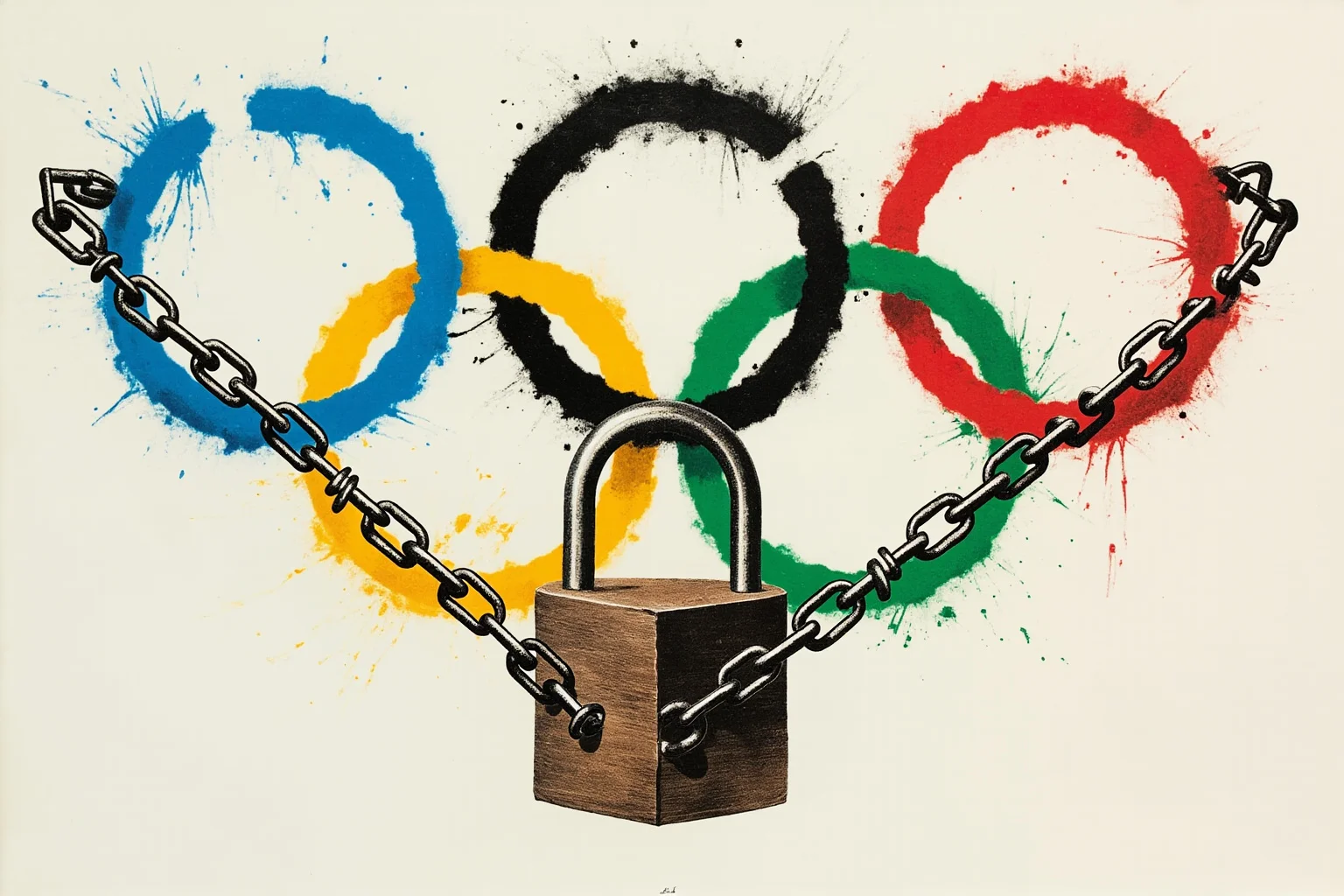
The United States led a boycott of the 1980 Summer Olympics in Moscow to protest the Soviet invasion of Afghanistan. More than 60 countries joined the boycott, and the Games proceeded with a reduced field. The Soviet Union and its allies later boycotted the 1984 Los Angeles Olympics in response.
The boycotts turned the Olympics into a Cold War battleground and denied many athletes their only Olympic chance. They remain a powerful example of how sports controversy can be driven by geopolitics rather than anything athletes do. The legacy still influences debates over whether sports and politics should mix.
21. The 2015 FIFA Corruption Scandal

Swiss authorities, acting on a U.S. investigation, arrested several FIFA officials at a Zurich hotel in 2015. The charges included racketeering, wire fraud, and money laundering tied to the awarding of World Cup hosting rights and broadcast contracts. FIFA president Sepp Blatter later resigned and was banned from football.
The scandal was one of the biggest sports scandals ever to hit international sport. It exposed decades of alleged corruption inside soccer's governing body. Reform efforts followed, but trust in FIFA has never fully recovered.
22. The 1998 Festina Doping Affair

The 1998 Tour de France was thrown into chaos when a team car belonging to the Festina squad was found loaded with performance-enhancing drugs. The team was expelled from the race, and riders eventually confessed to systematic doping. The scandal nearly ended the Tour de France that year.
The Festina affair was a turning point that forced cycling to confront its doping culture. It foreshadowed the Lance Armstrong revelations that would follow more than a decade later. Many historians of the sport see it as the moment the old, silent era of doping began to collapse.
Why Controversy in Sports Keeps Happening
Scandal has never been a modern invention. Ancient Olympic athletes were punished for bribery, and chariot racers faced accusations of sabotage. The patterns repeat because the incentives are enormous: money, fame, national pride, and the pressure to win at all costs.
What changes over time is the technology used to cheat and the tools used to catch it. Drug testing, instant replay, and financial audits all exist because past controversies in sports forced reform. Every rule about tampering, doping, and gambling has a scandal behind it.
Controversial sports takes will always flourish because fans see the same event differently. What one fan calls gamesmanship, another calls cheating. That tension is part of why we watch, argue, and keep coming back.
The Legacy of Sports Scandals
The biggest sports scandals do more than punish individuals. They reshape institutions, rewrite rulebooks, and change public trust. The Black Sox scandal created the modern commissioner system. Doping scandals created the World Anti-Doping Agency. Betting scandals pushed leagues toward stricter monitoring and, eventually, more open partnerships with gambling companies.
Controversial athletes often become cultural symbols as much as cautionary tales. Some, like Maradona, are remembered for both genius and transgression. Others, like Armstrong, see their entire legacy redefined by what they hid.
Understanding these controversies helps us see sports as a mirror of larger society. The same pressures around money, power, and fairness play out in boardrooms and parliaments. Sports just make them visible in ninety minutes or nine innings.
The next scandal is probably already brewing somewhere. The only question is whether the rules will catch up before it happens.
The Takeaway for Fans
None of this means sports are hopelessly corrupt or that every great performance is suspect. Most athletes compete honestly, and most games are decided by skill and effort. But ignoring the history of controversy in sports would be naive.
The scandals on this list matter because they reveal the gap between the ideal of fair play and the reality of competition. They show that rules are not natural laws but choices made after someone found a loophole. And they remind us that watching critically is part of being an informed fan.
Current sports controversies will keep arriving, and new scandals will join this list. The best response is not cynicism but attention. Ask questions, demand accountability, and enjoy the games for what they are: a human drama with all the flaws that come with it.
Frequently Asked Questions
What are the biggest issues and controversies sports in society today?
Current issues and controversies sports in society include doping and performance-enhancing drugs, athlete mental health and exploitation, gender equity and pay gaps, corruption in governing bodies, sports betting integrity, and the role of politics in athletics. Historical scandals like FIFA corruption and state-sponsored doping show these problems are not new, but technology and media attention have made them more visible.
What is the biggest sports scandal in history?
Many historians point to the 1919 Black Sox scandal as the biggest sports scandal in American history because it directly led to the creation of the baseball commissioner's office and a permanent ban for eight players. Globally, the FIFA corruption scandal and Lance Armstrong's doping case are also frequently cited among the biggest sports scandals of all time.
Why do athletes cheat even when the risks are so high?
Athletes cheat for a mix of financial incentives, fame, national pride, and intense competitive pressure. When the rewards for winning are enormous and the chances of getting caught seem low, some athletes rationalize rule-breaking as a necessary edge. Scandals like the Ben Johnson and Lance Armstrong cases show how doping programs can become systematic under those pressures.
Which controversial athletes changed the rules of their sport?
Several controversial athletes have forced lasting rule changes. Ben Johnson's positive test accelerated stricter anti-doping protocols in track. Tom Brady's Deflategate led the NFL to tighten ball-handling procedures. Tim Donaghy's betting scandal pushed the NBA to expand referee monitoring. In each case, the athlete's controversy in sports led directly to new governance.

Alex Warren
Related Articles