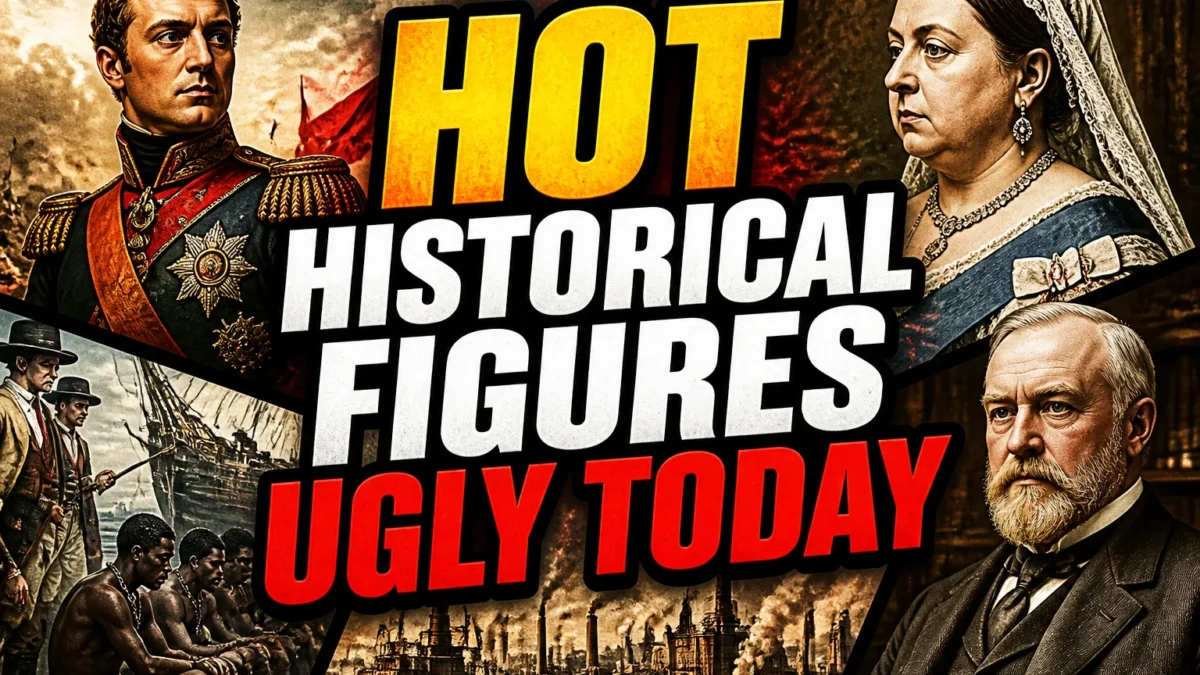
If you think modern beauty standards are confusing, try stepping back a few centuries. The hottest historical figures often owed their legendary appeal to ideals that would make most people today do a double take. Beauty has never been static, and what one era adored, the next one forgot.
This post looks at some of the most attractive historical figures through a modern lens. To be clear, calling anyone "ugly" is subjective and a little unfair. The point is that their fame as hot people in history came from very specific cultural standards, not timeless good looks.
TL;DR: Many of history's hottest figures were celebrated for beauty standards like pale skin, full figures, or unusual features that modern eyes often read as plain or strange.
Why Historical Beauty Standards Were So Different
Before modern photography, most people only ever saw a few dozen faces in their lifetime. Beauty was judged against local norms, not global celebrity culture. A person who was the talk of their town might never have been considered attractive two villages over.
Ideals also shifted with economics and health. In times when most people did hard outdoor labor, pale skin signaled wealth and leisure. When food was scarce, plumpness was gorgeous. Today, in a world of desk jobs and abundant calories, we often prize the opposite.
So when historians call someone one of the most attractive historical figures of their era, that says more about the era than the face. The list below gathers people whose reputations as hot people in history were huge in their day, but whose appeal has not aged well by modern standards.
1. Cleopatra VII
Cleopatra is probably the most famous example of a historical figure whose beauty is more myth than fact. Ancient sources that mention her appearance focus on her voice, wit, and charisma, not her face. Roman writers were often more impressed by her intelligence than her looks.
Coins minted during her reign show a woman with a prominent nose, sharp chin, and strong features. By modern Hollywood standards, she would not be cast as a classic beauty. Yet she captivated two of the most powerful men in Rome, which made her one of the hottest historical figures of the ancient world.
Her real appeal was political and intellectual. She spoke multiple languages, ruled a wealthy kingdom, and understood power. That made her magnetic in a way that had little to do with symmetrical features. She remains one of the most beautiful women in history, though her legend says more about power than about her face.
2. King Henry VIII
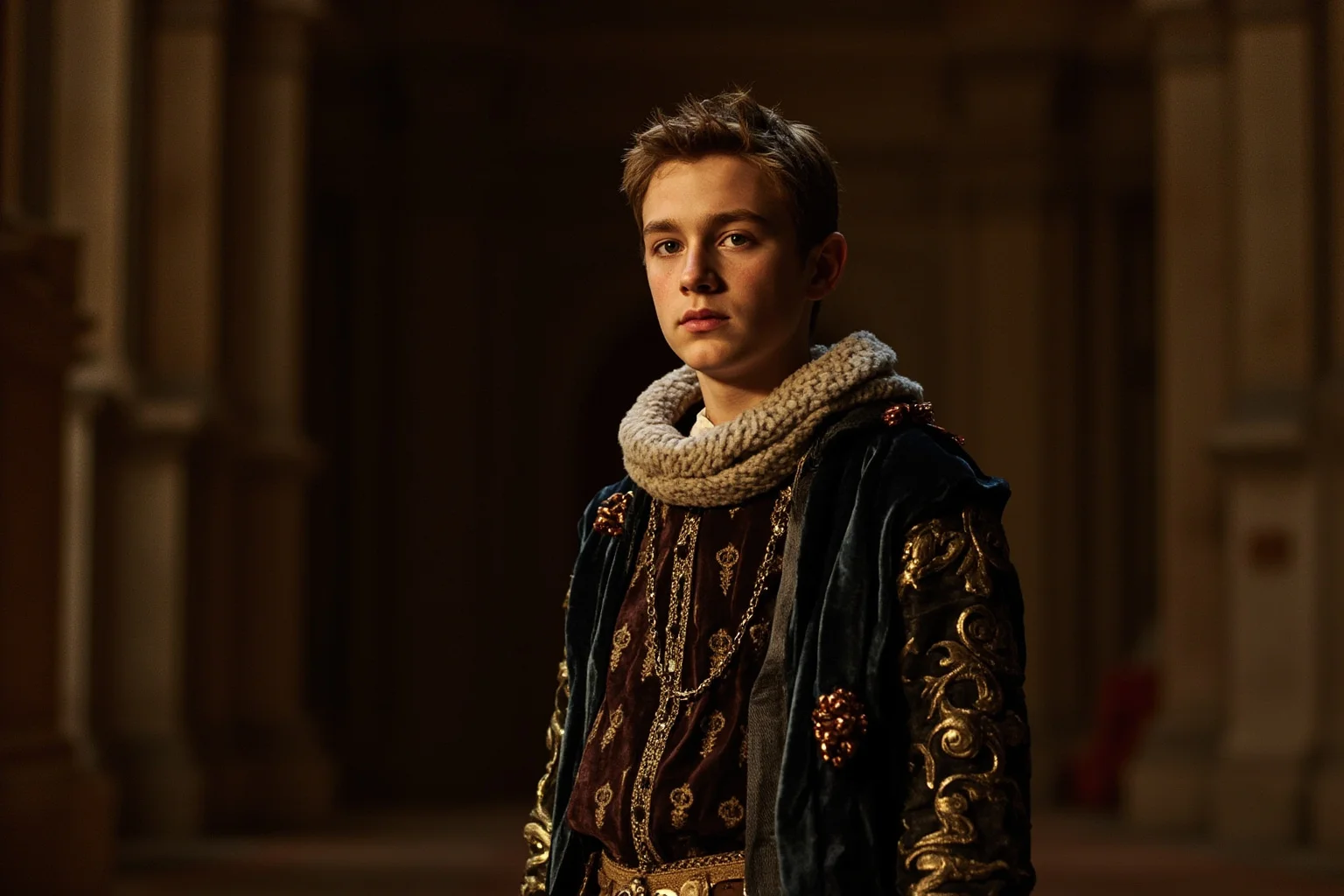
Henry VIII was considered a handsome and athletic young king in his early reign. Tall, broad-shouldered, and energetic, he embodied the Renaissance ideal of a virile monarch. Courtiers praised his legs, his skill at jousting, and his commanding presence.
But the Henry most people picture today is the later version: enormous, ulcerated, and increasingly tyrannical. Even at the time, his appearance declined so dramatically that foreign ambassadors commented on it. His status as one of the handsome historical figures of his youth is a reminder that power itself was attractive.
Modern eyes tend to focus on the later portraits. The contrast between the dashing young king and the bloated older one is one of the most striking glow-downs in royal history.
3. Queen Elizabeth I
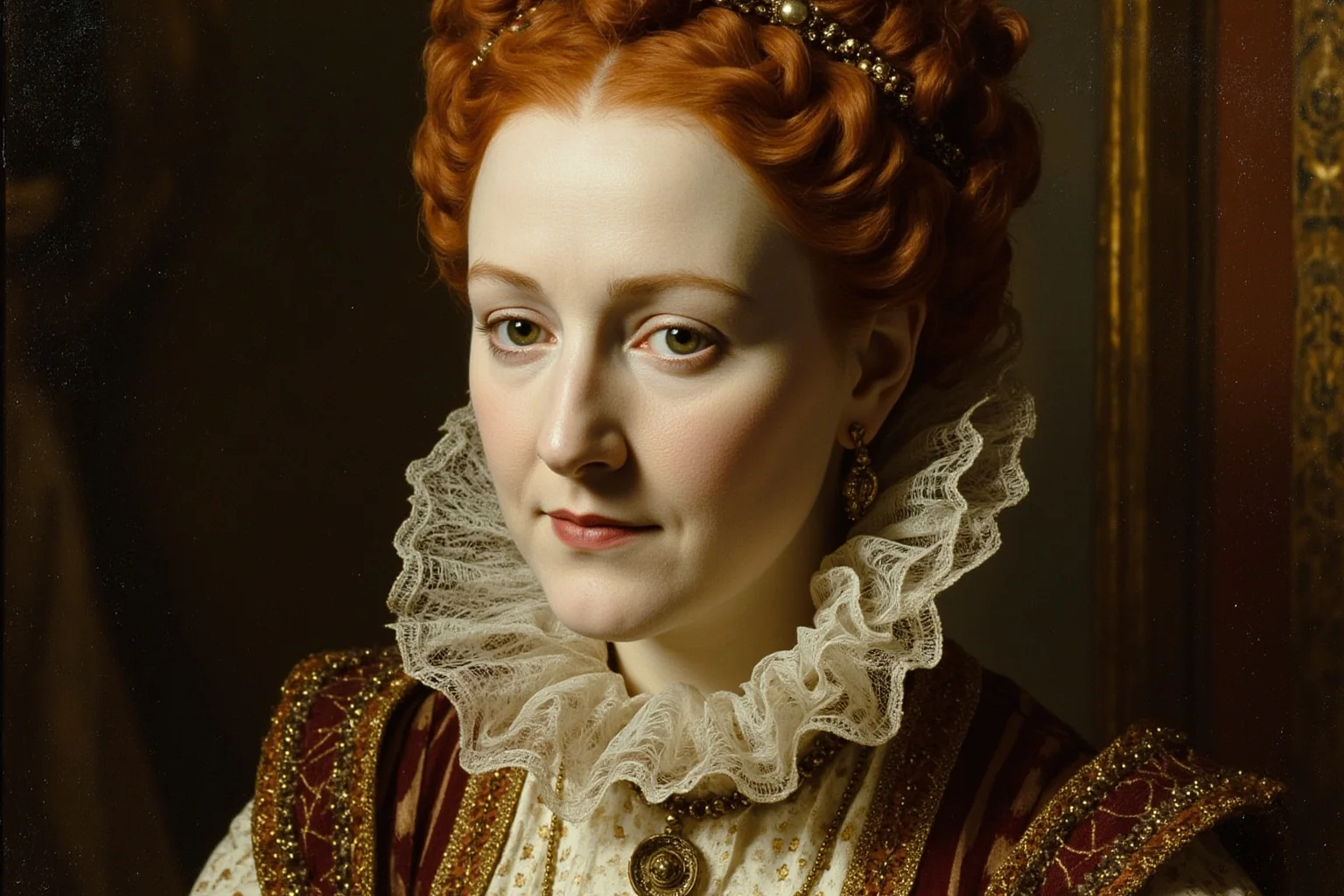
Elizabeth I was praised as a beauty in her youth, with golden-red hair, pale skin, and a slender figure. She leaned into the Tudor beauty ideal aggressively, whitening her face with lead-based makeup and emphasizing her hair. She was considered one of the most attractive historical figures of her court.
The look, however, has not aged well. The stark white face, thin lips, and high forehead that Elizabeth cultivated read as unsettling to modern eyes. Later portraits show a woman whose public image became more artificial and mask-like over time.
Her real achievement was controlling her image. She understood that being seen as beautiful was a political tool, and she used it masterfully for decades. Like many of history's most powerful women, Elizabeth turned image into influence.
4. Charles II of Spain
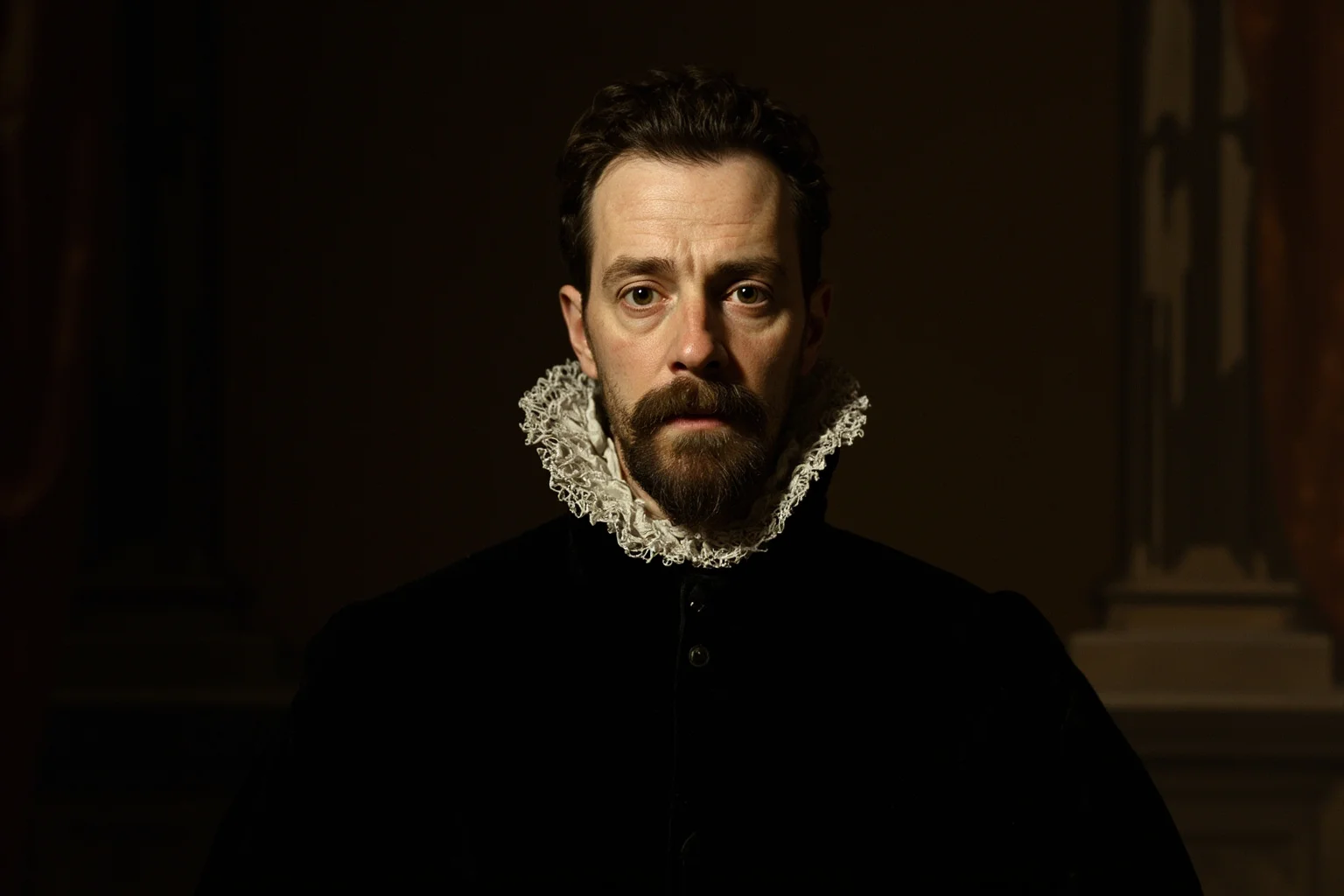
Charles II is an odd inclusion on a list of hot people in history, because he was never considered handsome. But he represents the dark side of dynastic beauty standards. His family prized certain features, like the prominent Habsburg jaw, as marks of royal blood.
Within that narrow aristocratic circle, the exaggerated chin and protruding lower lip were seen as noble traits. To modern eyes, the Habsburg jaw looks like a severe genetic disorder, which it largely was. Generations of inbreeding made the feature more extreme with each marriage.
Charles II was the tragic endpoint. His jaw was so pronounced he struggled to chew, and he was described as frail and sickly. His case shows how beauty standards can become dangerously disconnected from health.
5. Madame de Pompadour
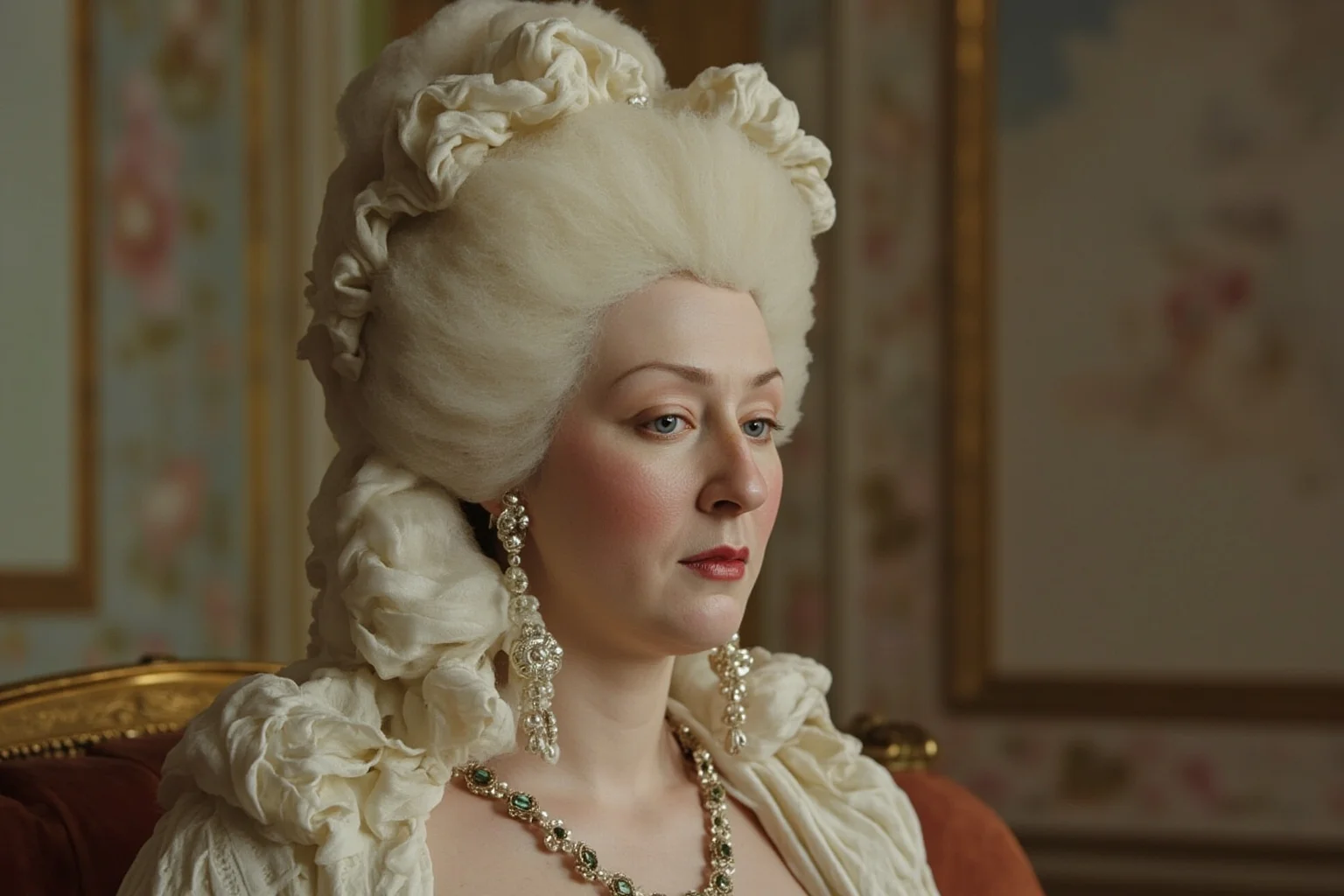
Madame de Pompadour was the official mistress of King Louis XV and one of the most celebrated beauties of 18th-century France. Her portraits show a woman with a pale, powdered face, rosy cheeks, and elaborately styled hair. She set fashion trends across Europe.
The Rococo look she embodied is now a bit jarring. The heavy powder, artificial blush, and towering hairstyles can look clownish to modern eyes. Yet in her day, she was the gold standard of attractiveness and sophistication.
Pompadour's influence went far beyond looks. She was a patron of the arts, a political advisor, and a tastemaker. Her beauty was as much about style and wit as about her face.
6. Lord Byron
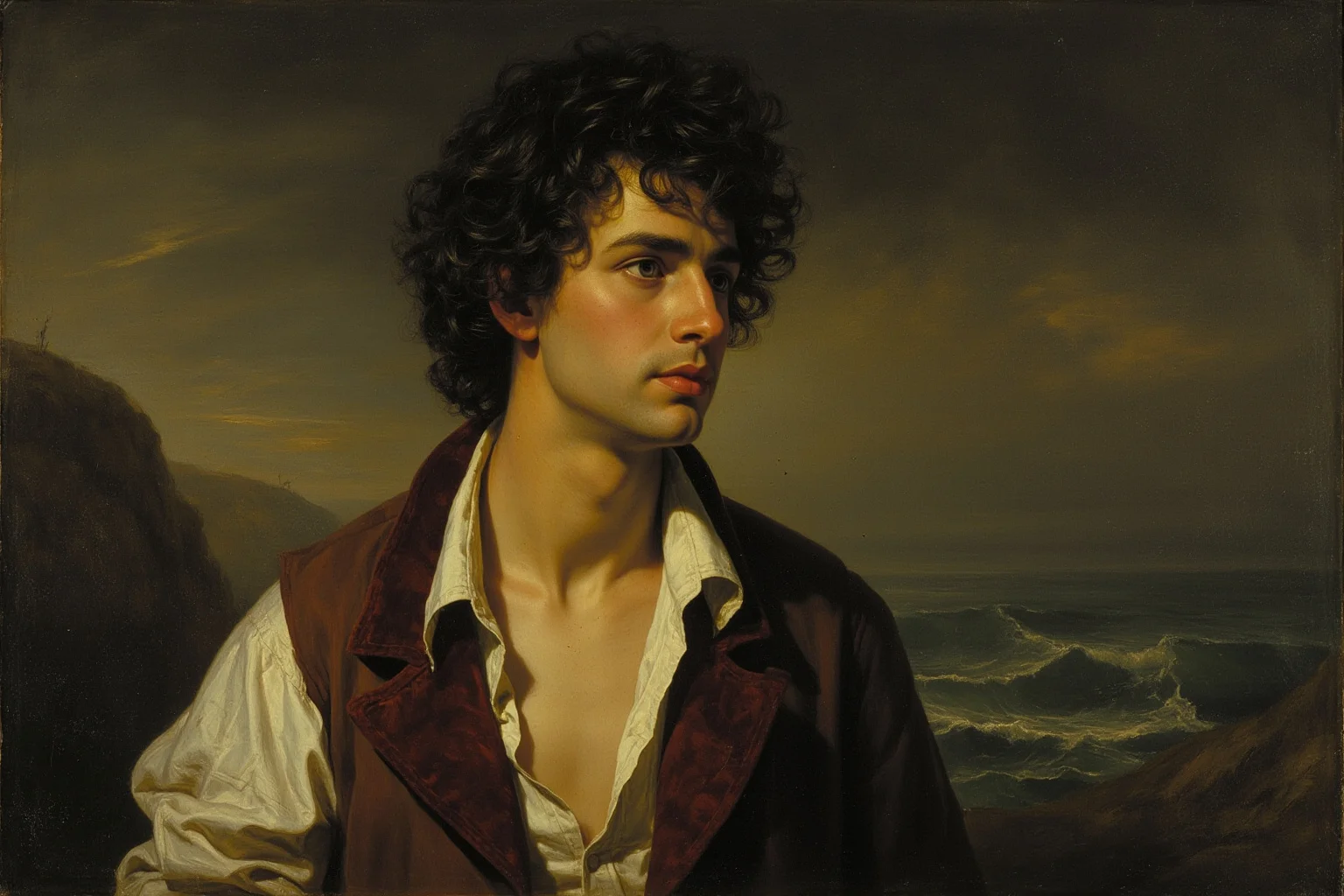
Lord Byron was described as "mad, bad, and dangerous to know," and women across Europe swooned for him. He was pale, curly-haired, and had a slight limp, which he was deeply self-conscious about. Still, he became the archetype of the brooding Romantic hero.
Modern readers might find the Byronic look a bit theatrical. The open collars, dramatic poses, and moody stares can read as try-hard rather than hot. But in the early 19th century, this was the peak of male attractiveness.
Byron's fame as one of the handsome historical figures of his era was as much about his poetry and scandalous reputation as his face. He proves that charisma and fame have always done heavy lifting in the attractiveness game.
7. Empress Elisabeth of Austria (Sisi)
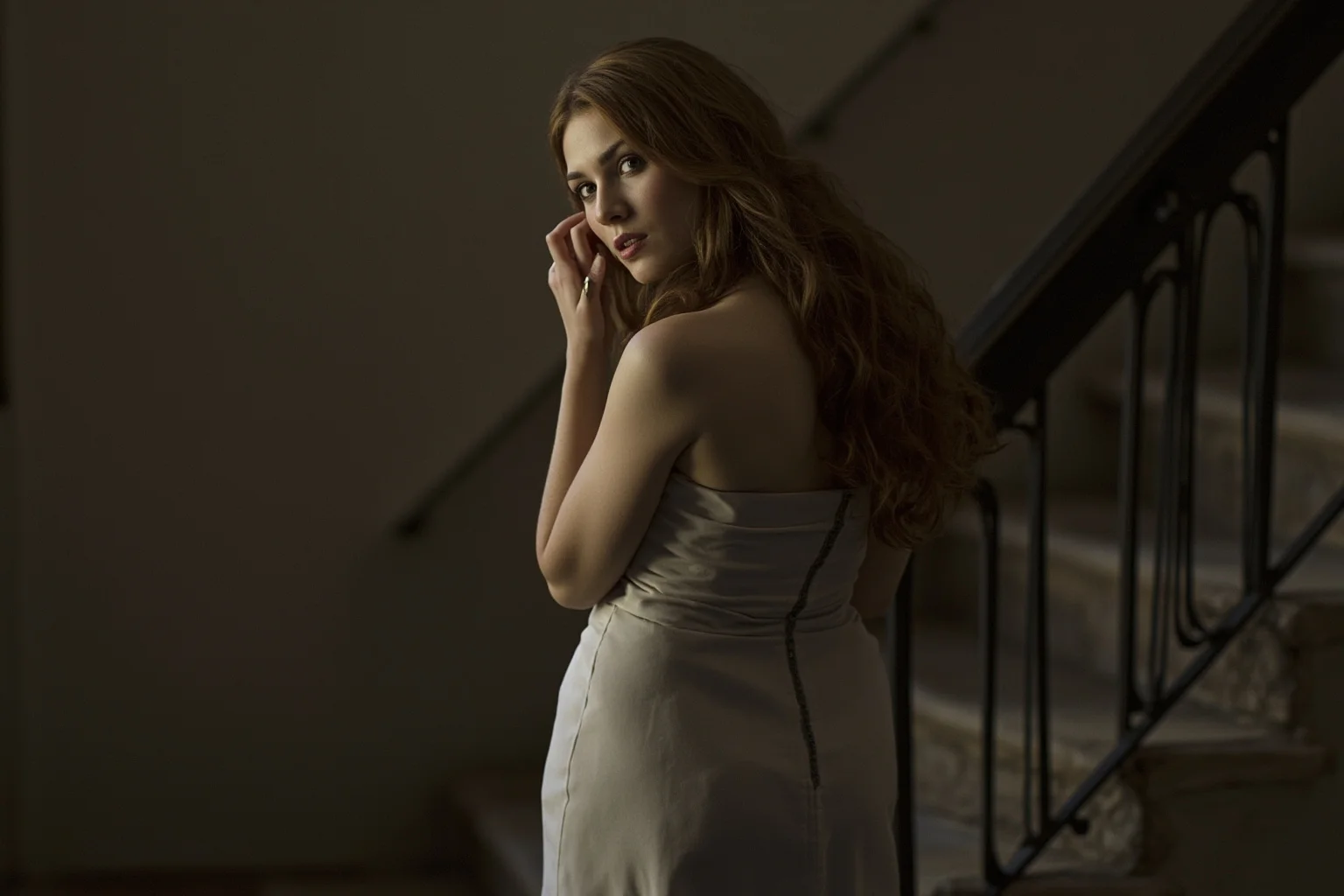
Empress Elisabeth, known as Sisi, was obsessed with her beauty and famously maintained an extreme diet and exercise routine. She was tall for her time, with long chestnut hair that reached the floor. Her portraits show a strikingly slender woman with a small waist and delicate features.
By modern standards, Sisi's look is complicated. Her extreme thinness, achieved through near-starvation and obsessive exercise, would raise serious health concerns today. The corseted waist she was famous for now reads as a symbol of unhealthy body standards.
She was undeniably one of the most attractive historical figures of her time, but her beauty routine was punishing. Her story is a cautionary tale about the cost of being the era's ideal woman.
8. Franz Liszt
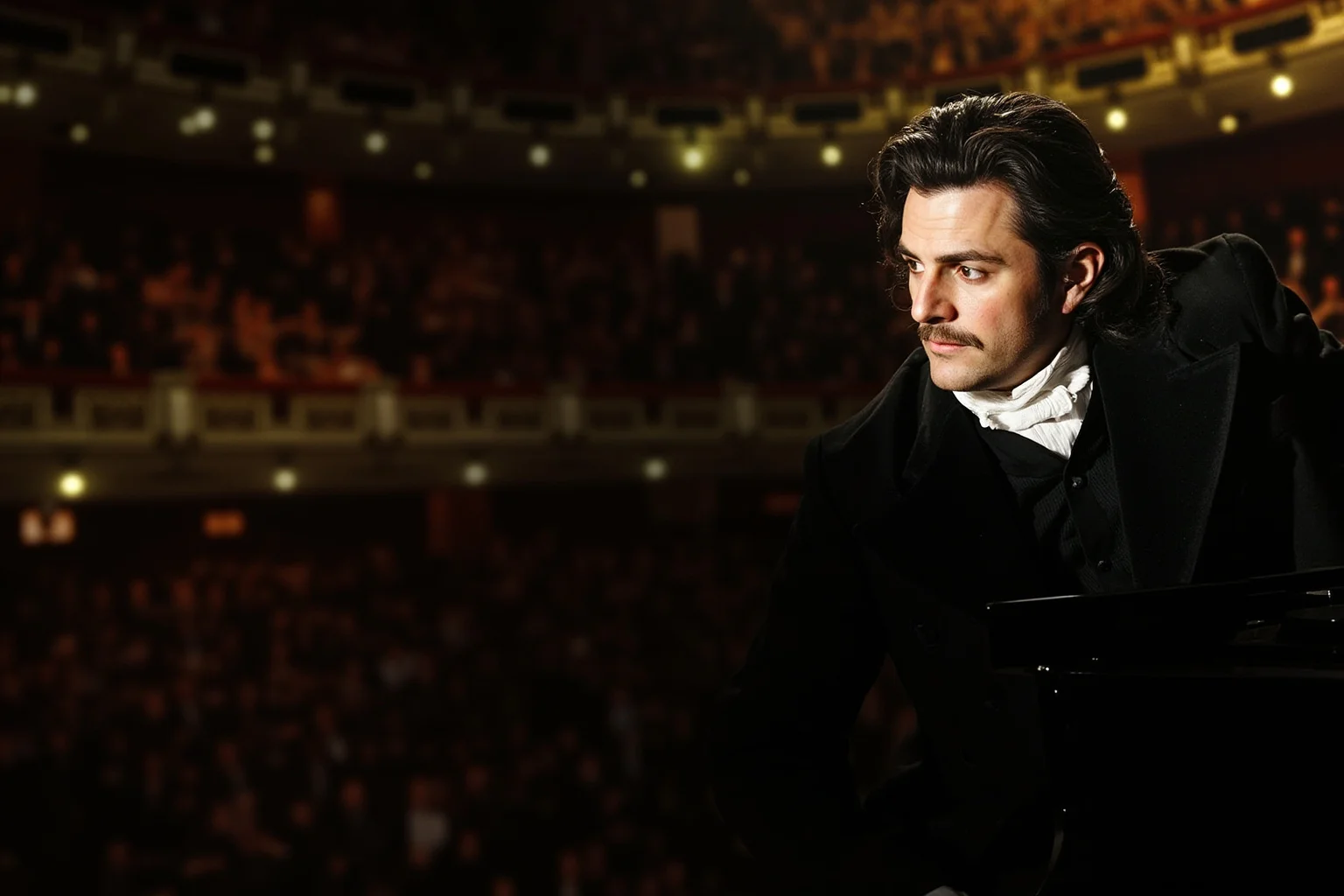
Franz Liszt was the original rock star. The Hungarian pianist and composer caused mass hysteria at his concerts, with women fainting, fighting over his discarded gloves, and wearing his portrait in lockets. The phenomenon even got a name: Lisztomania.
His look was striking for the era: long dark hair, intense eyes, and dramatic stage presence. Modern observers might find the hair and theatricality a bit much, but the frenzy was real. He was one of the hottest historical figures of the 19th century.
Liszt's appeal was performance-driven. He understood that talent plus drama equaled charisma, and charisma has always been attractive. The fact that his looks alone might not hold up today hardly mattered to his fans.
9. Queen Victoria
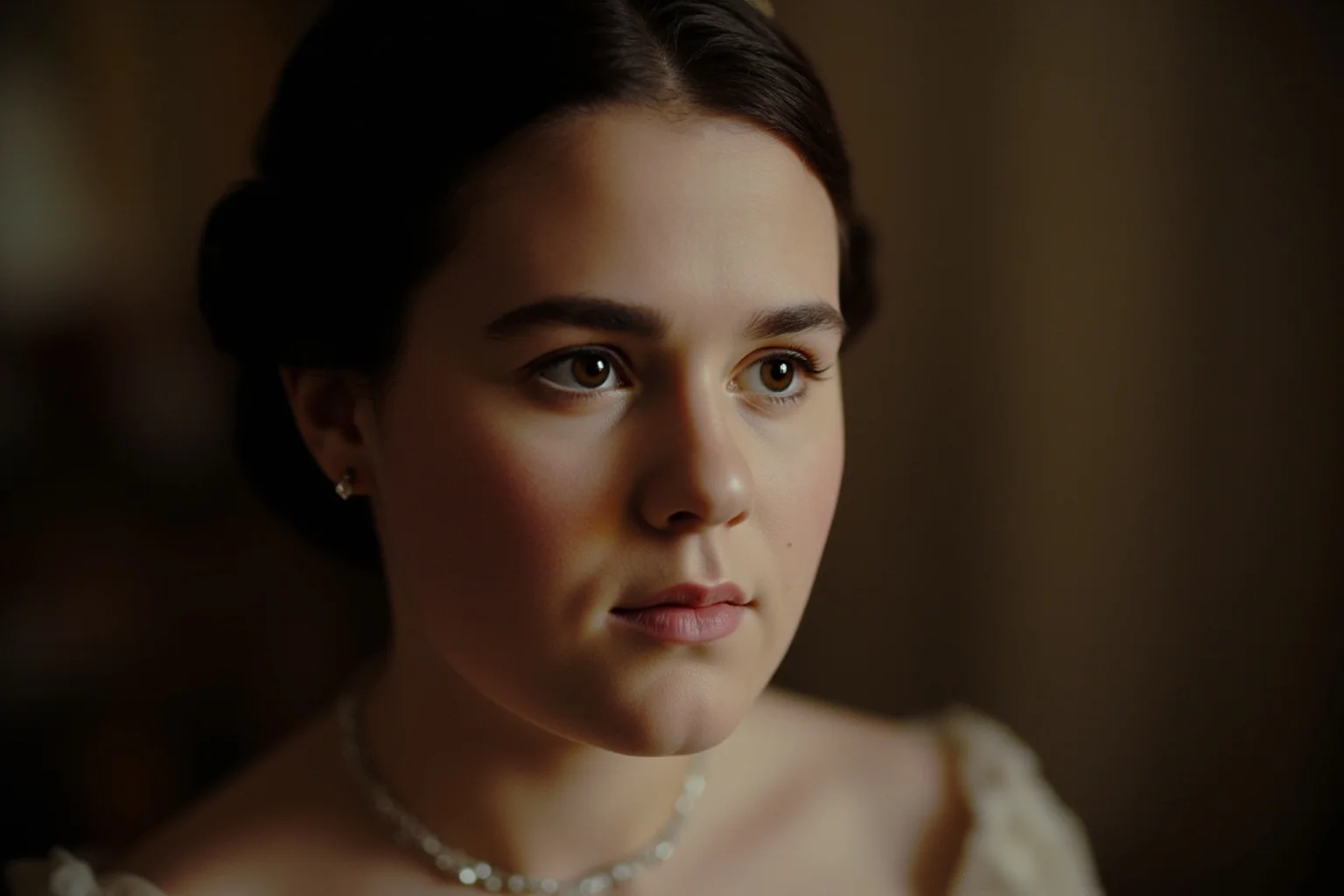
Queen Victoria was considered pretty in her youth, with a small figure, round face, and clear complexion. Early portraits show a lively young woman who was genuinely admired. Her marriage to Prince Albert was a genuine love match, and she was seen as a romantic figure.
Later in life, Victoria's image became fixed as the stern, black-clad widow. The heavy mourning dress and unsmiling expression shaped how generations remembered her. Modern viewers often struggle to reconcile the young queen with the dour older one.
Her case is a reminder that historical beauty is often frozen at a particular moment. The young Victoria was admired, but the widow Victoria is the image that stuck.
10. Lillie Langtry
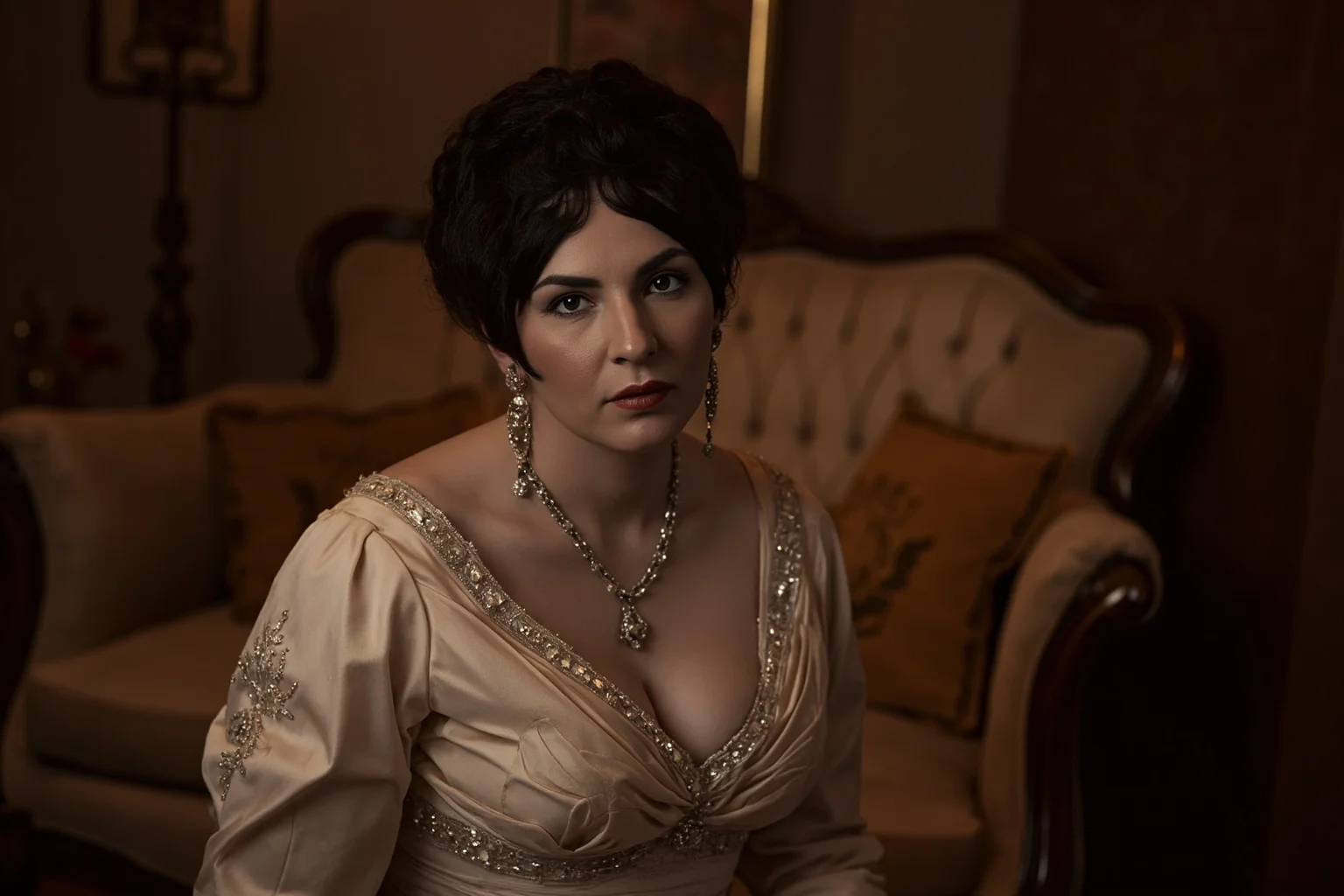
Lillie Langtry was the most famous professional beauty of the Victorian era. Her face appeared on postcards, advertisements, and in endless society columns. She was the mistress of the future King Edward VII and a celebrated actress.
Her look was very much of its time: pale skin, dark hair, and a full, rounded figure. Victorian beauty prized softness and curves, and Langtry had both. Modern eyes might find her look matronly or unremarkable compared to today's sharper, more angular ideals.
But in her day, she was one of the hottest historical figures in the English-speaking world. Her fame shows how much beauty depends on the cultural moment.
11. King Louis XIV
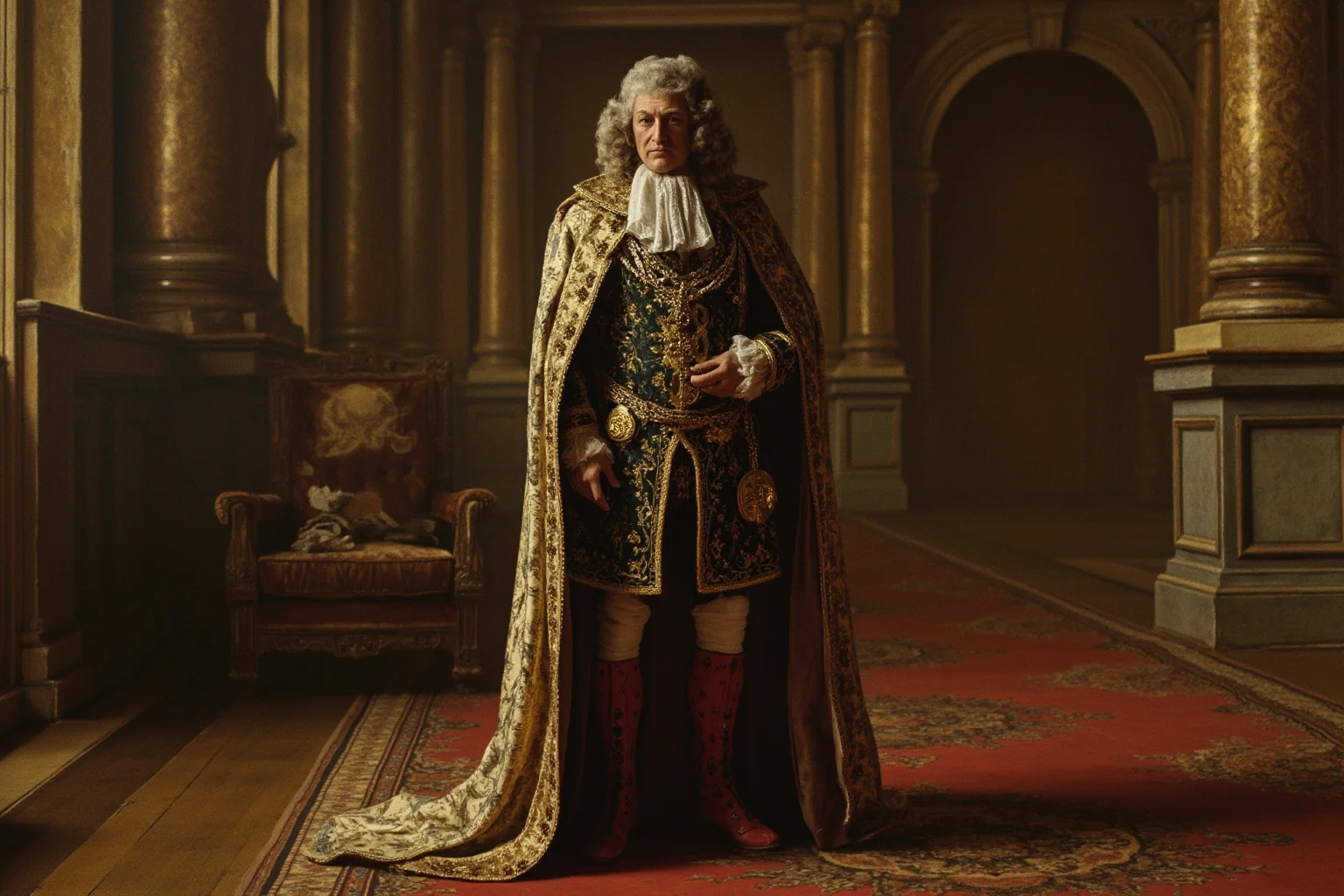
Louis XIV was considered handsome and impressive in his youth, with a commanding presence and a love of dance and spectacle. He performed in court ballets, often as the sun or a classical god, and his appearance was carefully managed to project power.
The Sun King's look, however, is hard to appreciate today. The elaborate wigs, red heels, and heavy makeup were the height of 17th-century male fashion but now read as costume. His towering hairstyle and ornate clothing were designed to make him seem larger than life.
Louis understood that being seen as magnificent was a form of attractiveness. His look was about power and theater, not conventional beauty. That made him one of the most talked-about figures of his age.
12. Marie Antoinette
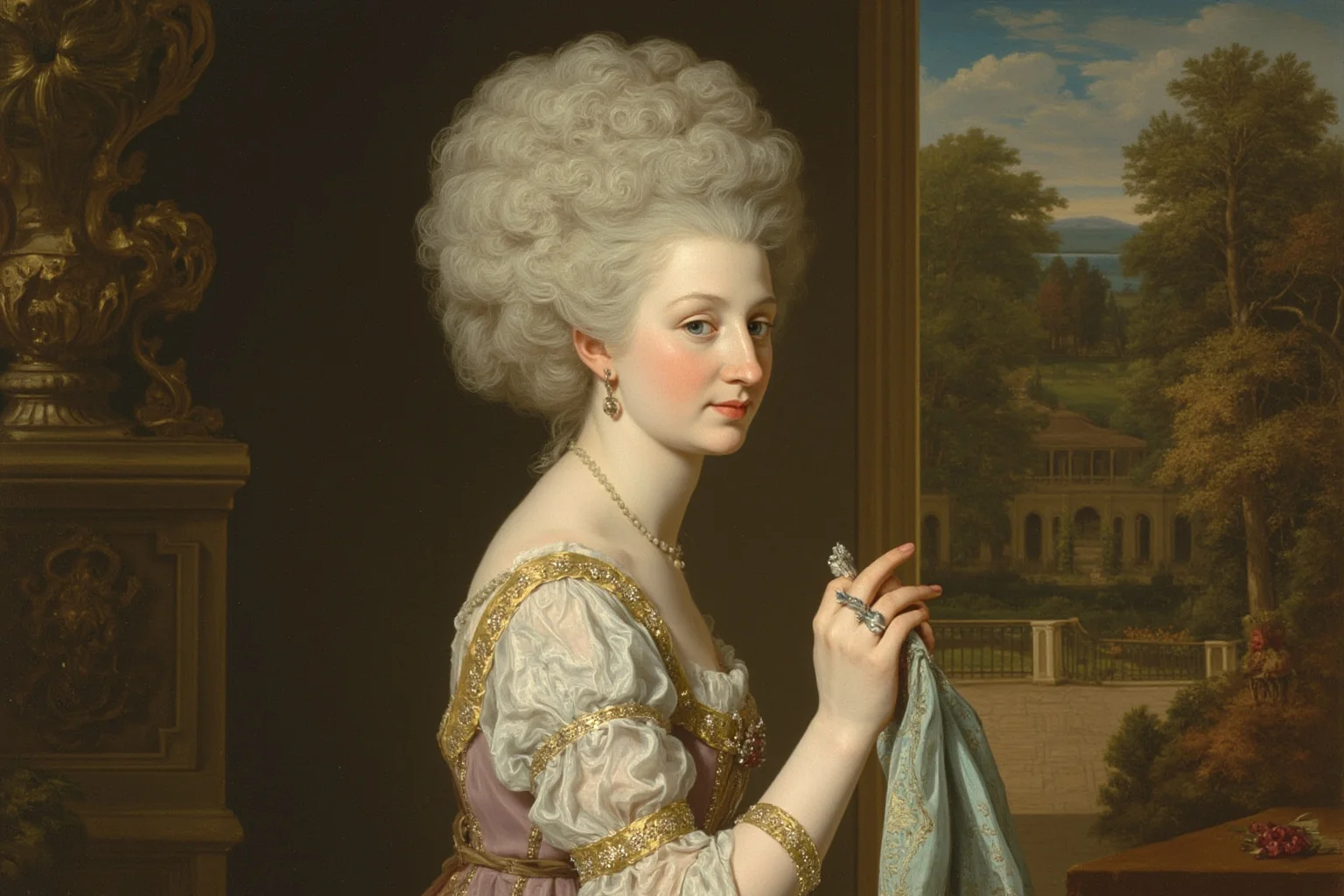
Marie Antoinette was praised for her beauty as a young Austrian archduchess, with fair hair, blue eyes, and a graceful figure. She became the center of French fashion, setting trends with her towering powdered hairstyles and elaborate gowns.
The full Rococo look she championed now seems excessive. The poufs, powder, and pastel overload can look more like a costume party than high fashion. Yet at the time, she was the most imitated woman in Europe.
Her reputation as one of the most attractive historical figures of her era was tied to her status and style. When the Revolution turned against her, the same image that had made her a beauty became a symbol of everything people hated.
13. Abraham Lincoln

Abraham Lincoln is not usually discussed as one of the handsome historical figures of his time, but his contemporaries often commented on his striking appearance. His height, deep-set eyes, and distinctive face made him memorable. Some found him ugly, others found him fascinating.
Lincoln himself joked about his looks, reportedly saying that if he were two-faced, he would not be wearing the one he had. His gaunt frame and weathered face reflected a hard life of frontier labor and political struggle. Modern viewers might see his face as kind but not conventionally attractive.
What made Lincoln attractive to his supporters was his character and intellect. His speeches and moral clarity gave him a presence that photographs alone cannot capture.
14. Sarah Bernhardt
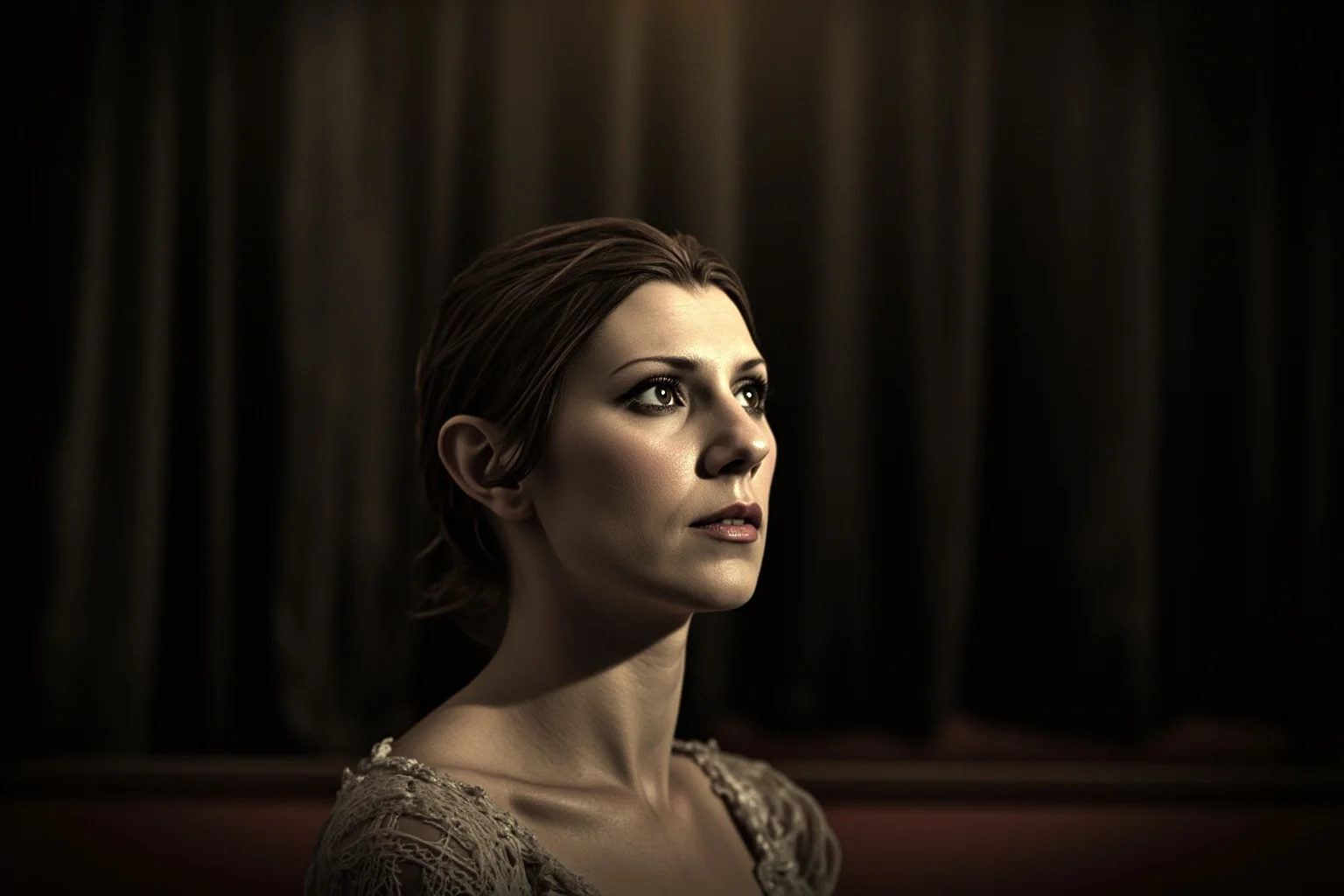
Sarah Bernhardt was the most famous actress of the late 19th century and a global celebrity. Her thin, almost frail figure was unusual for an era that prized fuller women. She was striking rather than classically beautiful, with sharp features and a magnetic stage presence.
Bernhardt's look was ahead of its time. Her slenderness, dramatic eyes, and unconventional beauty would likely translate better today than many of her contemporaries. But in her own day, she was seen as exotic and even scandalous rather than traditionally pretty.
She was one of the hottest historical figures in the theater world, adored by audiences on both sides of the Atlantic. Her fame shows that unconventional beauty can be just as powerful as the mainstream ideal.
15. Napoleon Bonaparte
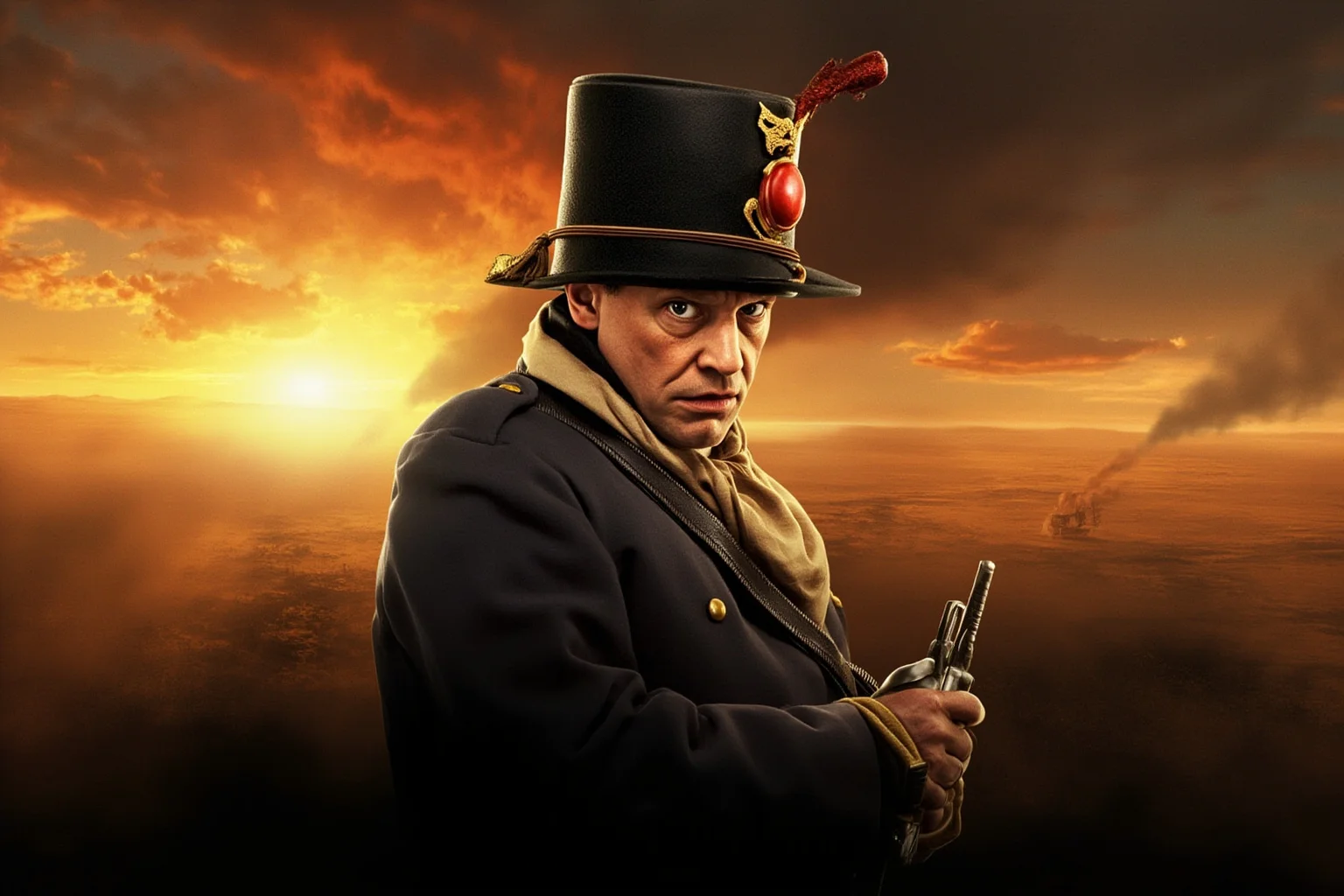
Napoleon was not considered a classically handsome man, but he had an intense, commanding presence that many found compelling. He was short by modern standards, though probably average for his time, and he was lean and energetic in his youth.
What made Napoleon attractive was his ambition and confidence. Soldiers and followers described him as magnetic in person. Portraits show a man with a strong gaze and a sense of purpose that transcends his plain features.
Modern audiences often focus on the "short Napoleon" myth, which undercuts his historical image. But those who met him were often struck by his force of personality. Charisma, it turns out, has never needed perfect features.
16. George IV of the United Kingdom
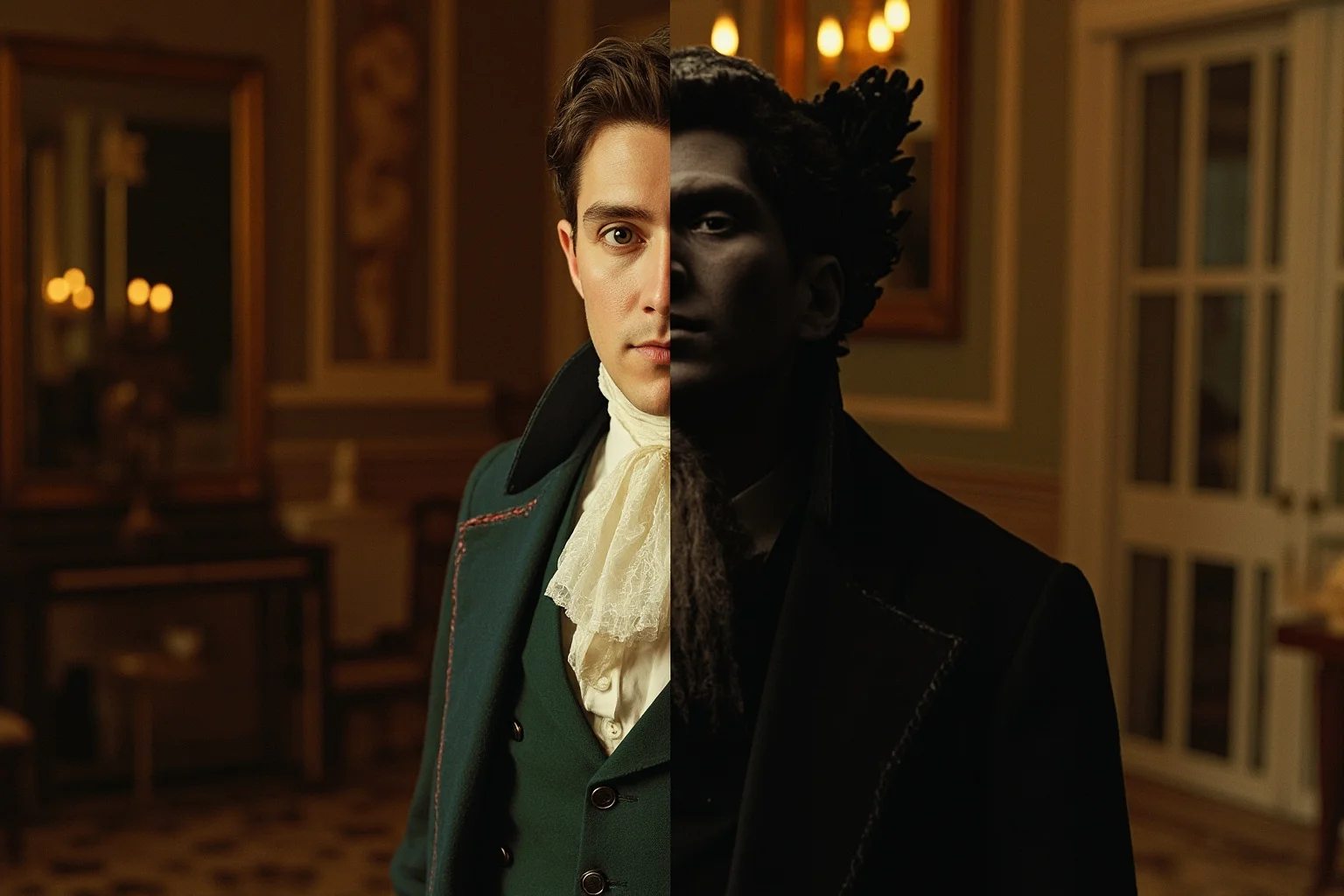
George IV was considered the most stylish and handsome prince of his generation. As a young man, he was tall, athletic, and fashion-obsessed. He set trends in men's clothing and was a patron of the arts.
His decline was spectacular. By the time he became king, he was enormously fat, ill, and addicted to laudanum. Cartoonists had a field day with his bloated appearance. The contrast between the dashing prince and the obese king is one of history's great cautionary tales.
George IV is a perfect example of how attractiveness can be squandered. He had every advantage in youth and ended up a figure of ridicule.
17. Mata Hari
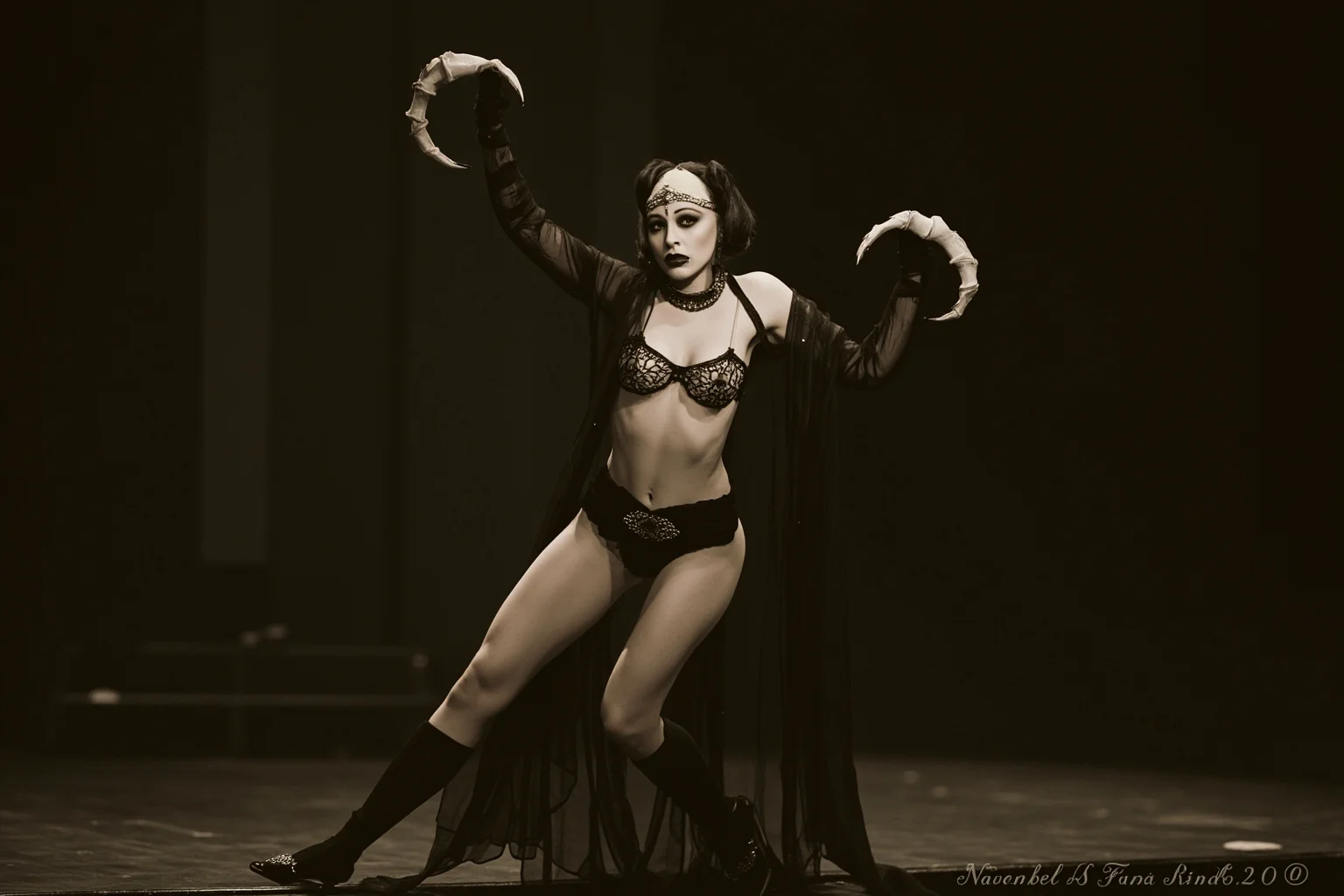
Mata Hari was an exotic dancer and courtesan whose beauty and mystique made her famous across Europe before World War I. She performed in revealing costumes and claimed to be a Javanese princess, though she was actually Dutch. Her dark hair, olive skin, and dramatic performances made her a sensation.
Her look was built on Orientalist fantasy, which is now rightly criticized as cultural appropriation and exoticism. Modern viewers might find her performances less alluring and more problematic. Yet in her day, she was one of the most desired women in Europe.
Mata Hari's story is a reminder that attractiveness is often tied to power, performance, and the fantasies of an era. Her beauty was real, but it was also a carefully crafted act.
18. Oscar Wilde
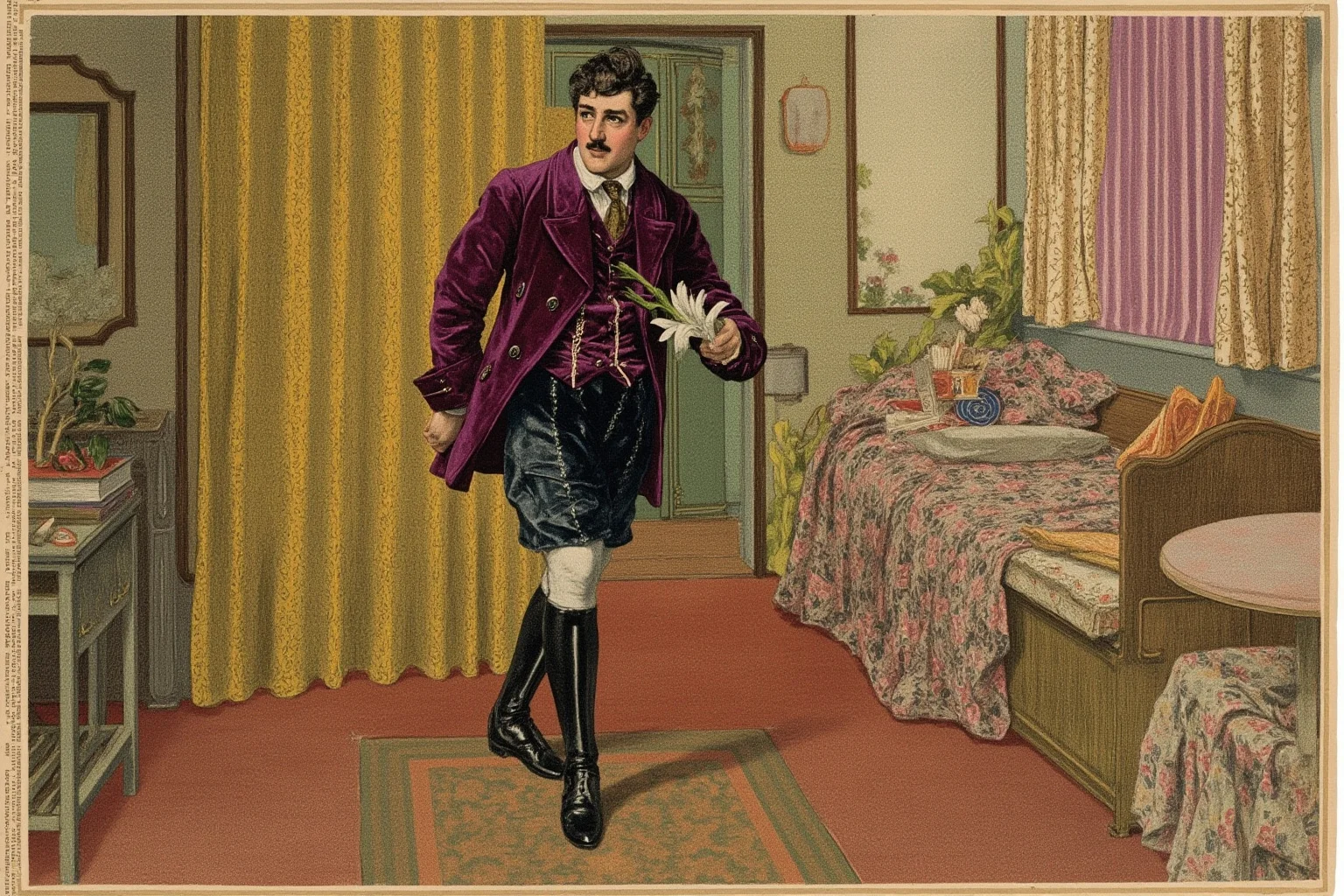
Oscar Wilde was known for his wit, style, and distinctive appearance. He was tall, somewhat heavyset, and had long hair and a flamboyant dress sense. His aesthetic movement look, complete with velvet jackets and knee breeches, was deliberately provocative.
Modern viewers might find Wilde's look charmingly eccentric rather than conventionally hot. But in his day, he was a celebrity and a tastemaker. His lectures on beauty and art drew huge crowds.
Wilde's attractiveness was intellectual and performative. He understood that being interesting could be more compelling than being handsome. That lesson still holds true today.
19. Queen Nefertiti
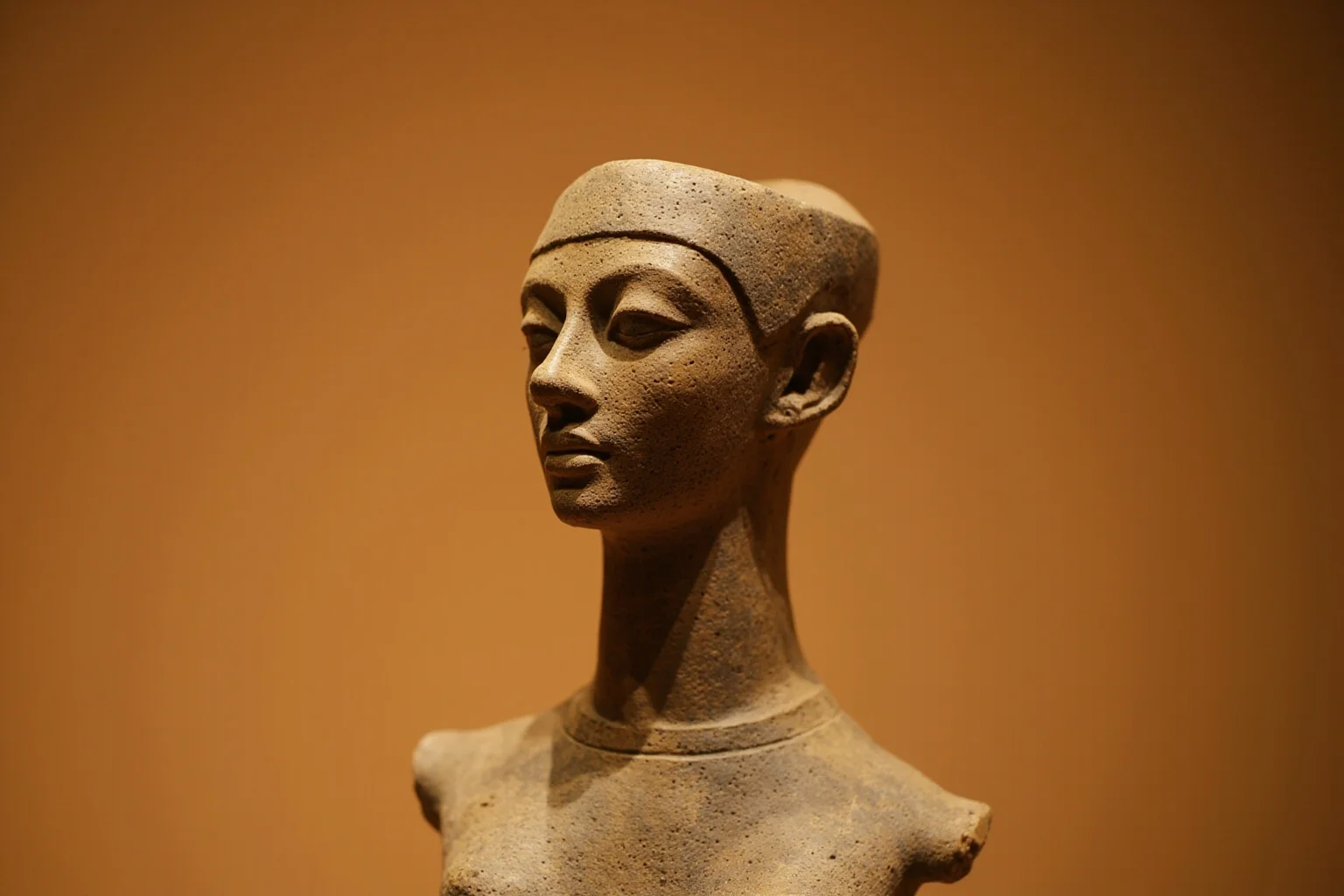
Nefertiti's famous bust shows a woman with striking features: a long neck, high cheekbones, and symmetrical face. She is often called one of the most beautiful women in history. Her name even means "a beautiful woman has come."
The bust, however, is an idealized artistic representation, not a photograph. We have no reliable evidence of what Nefertiti actually looked like. The bust's beauty may say more about the sculptor's skill and the era's ideals than about the queen herself.
Nefertiti is a perfect example of how art shapes our idea of historical beauty. She remains one of the hottest historical figures in popular imagination, even though her real appearance is unknown.
20. Louis Antoine de Saint-Just
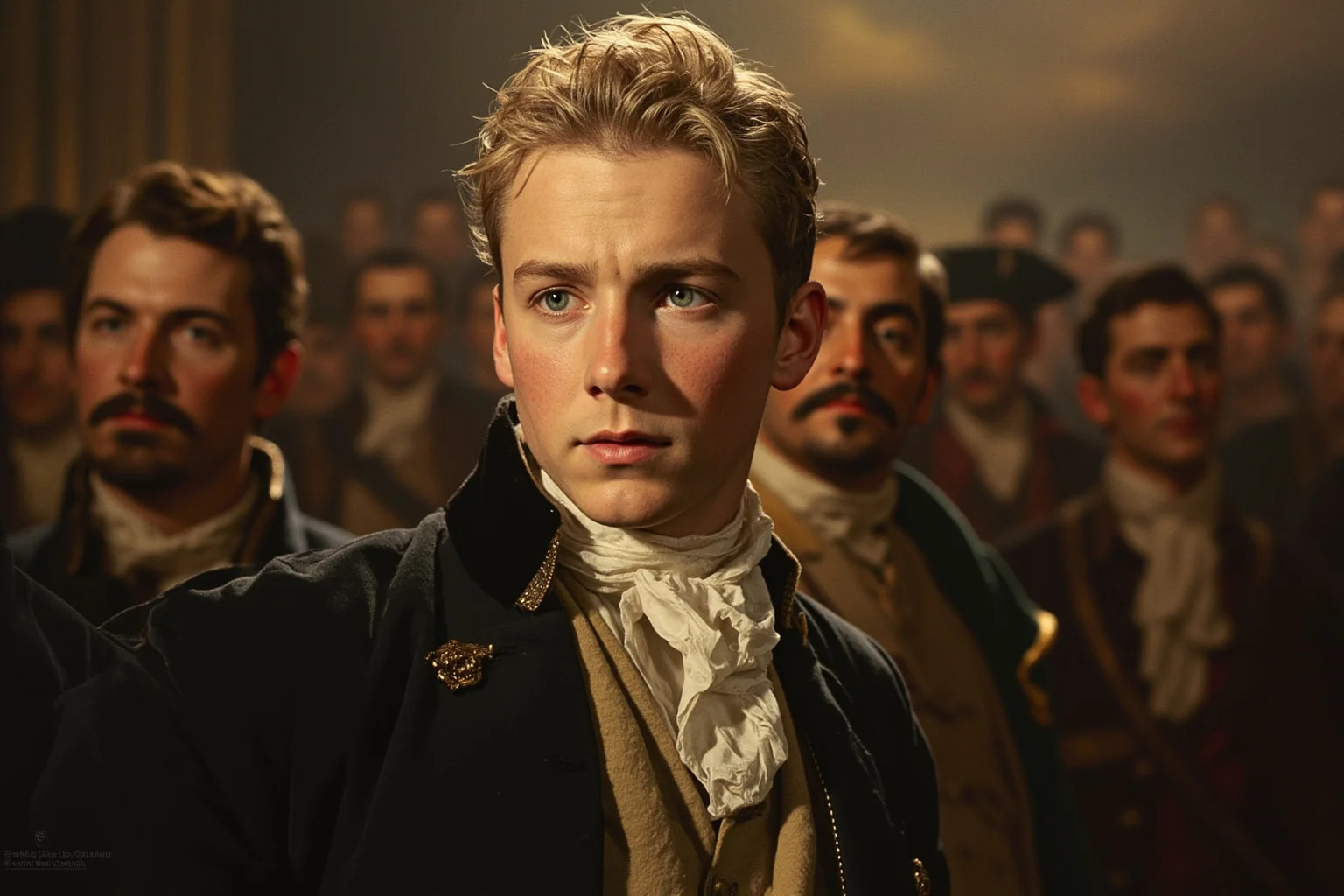
Saint-Just was a radical leader of the French Revolution known for his youth, intensity, and striking looks. He was nicknamed the "Angel of Death" for his combination of beauty and ruthlessness. Contemporary accounts describe him as handsome, with fair hair and piercing eyes.
His appeal was as much ideological as physical. He was a true believer in revolutionary virtue, and his uncompromising stance made him magnetic to some and terrifying to others. Modern viewers might find his fanaticism chilling rather than attractive.
Saint-Just shows how dangerous charisma can be. He was one of the handsome historical figures of the Revolution, and he used his appeal to push for the guillotine.
21. Lucrezia Borgia
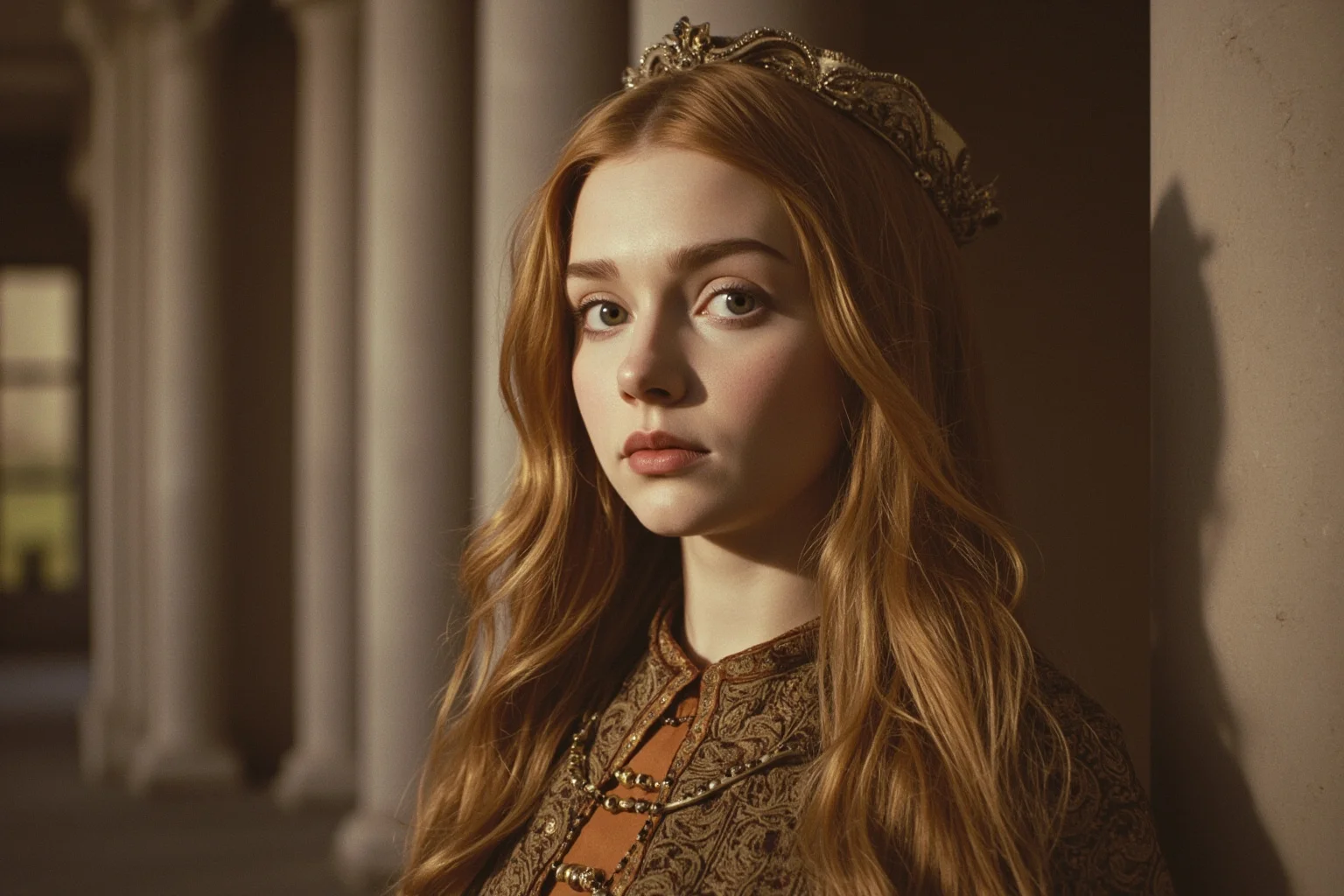
Lucrezia Borgia was famous for her golden hair, which was considered the ideal in Renaissance Italy. She was rumored to be a poisoner and schemer, though modern historians doubt most of the lurid stories. Her beauty was celebrated in poetry and art.
The Renaissance ideal of blonde hair and pale skin was partly achieved through bleaching and other treatments. Modern eyes might find the look washed out or artificial. But in her day, Lucrezia was one of the most attractive historical figures in Italy.
Her reputation as a femme fatale has kept her famous for centuries. Whether the real Lucrezia lived up to the legend is another question entirely.
22. Peter the Great
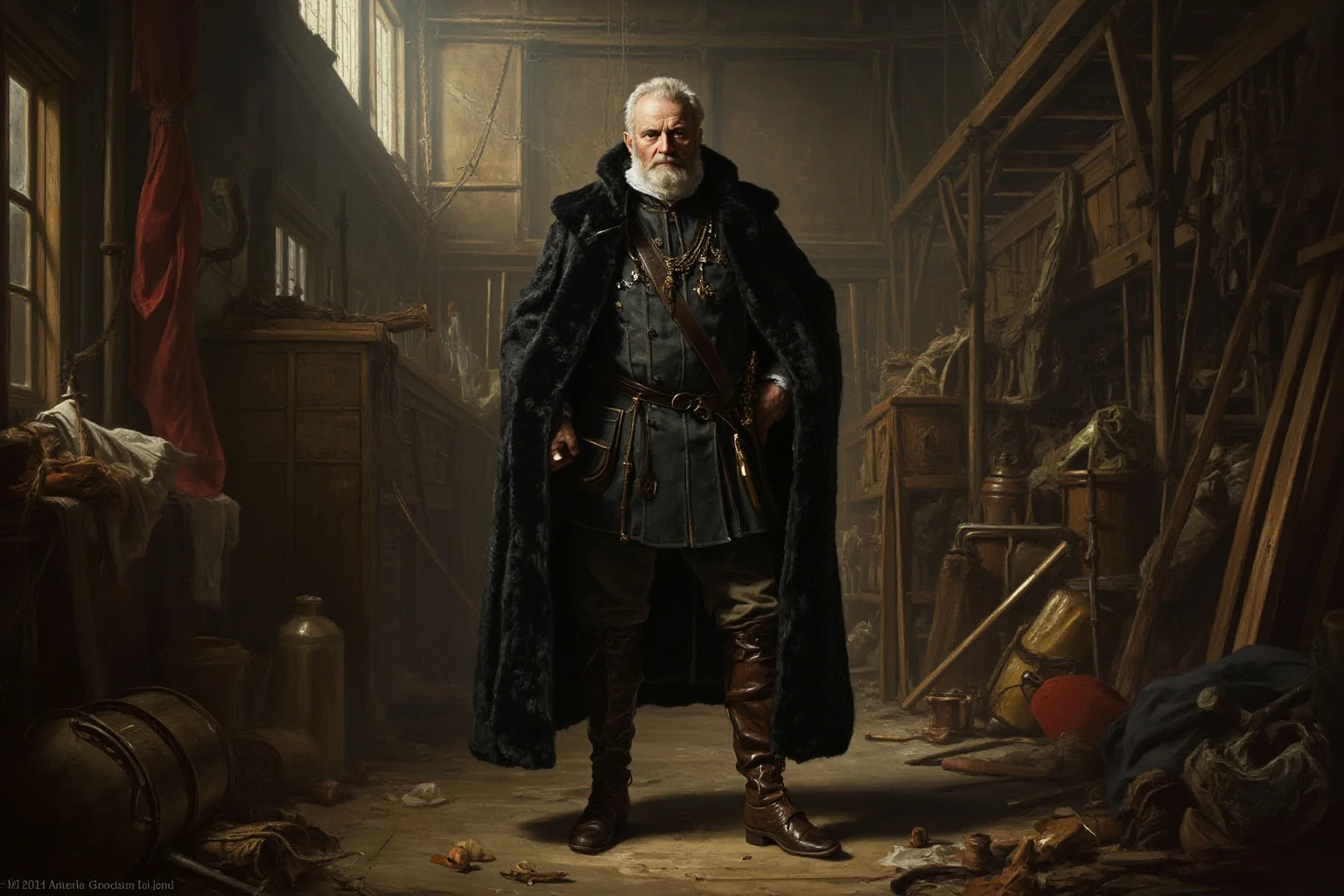
Peter the Great was a towering figure, nearly seven feet tall, with a commanding presence and boundless energy. He was not conventionally handsome, but his size and force of personality made him unforgettable. He dragged Russia into the modern era almost single-handedly.
Modern viewers might find his portraits intimidating rather than attractive. His face shows a man who worked hard, drank hard, and ruled hard. But his contemporaries were often awed by him.
Peter's attractiveness was about power and will. He was a force of nature, and that kind of energy has always drawn people in.
23. Theda Bara
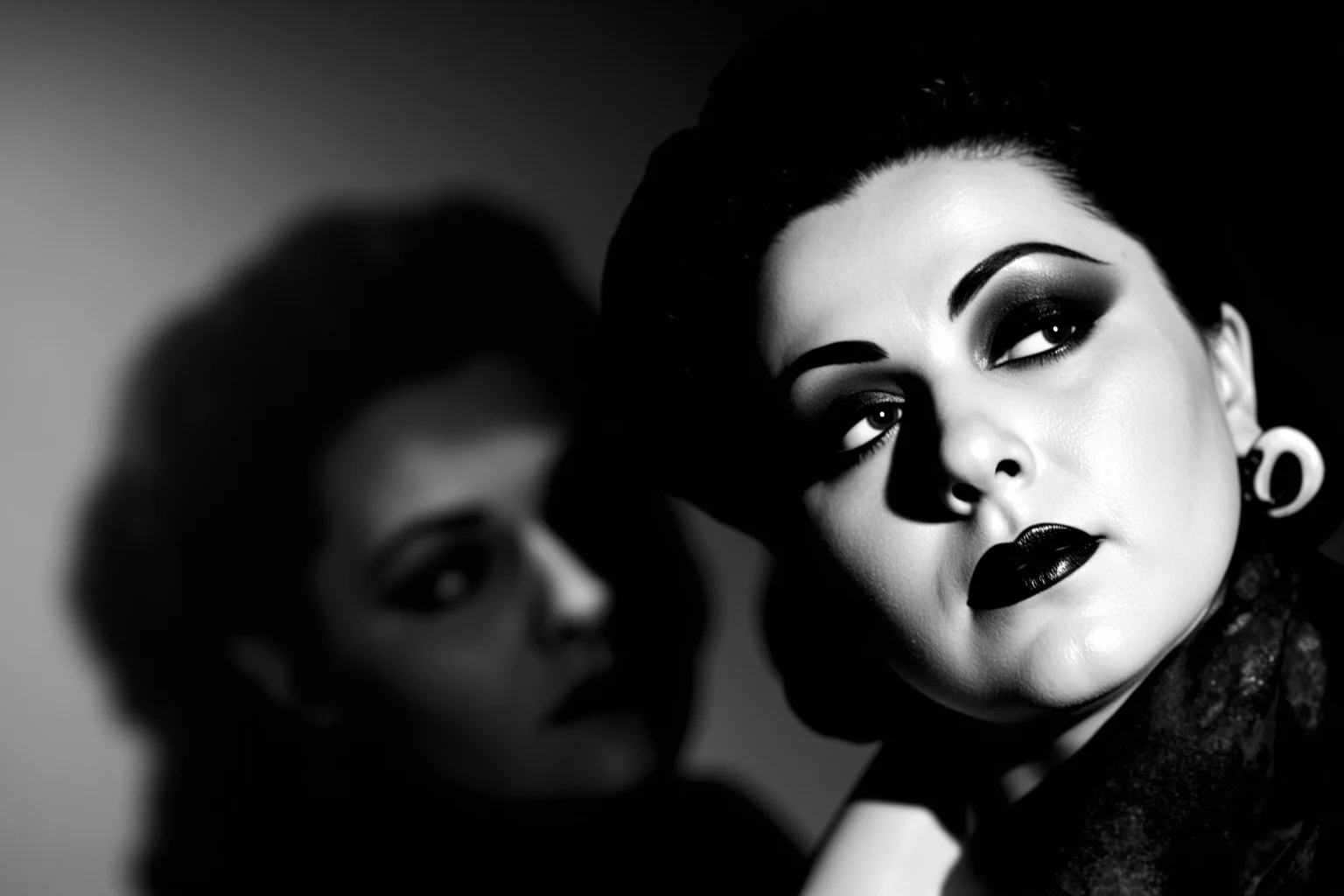
Theda Bara was one of the first sex symbols of the silent film era. She played vamp characters with heavy kohl-lined eyes, dark makeup, and revealing costumes. Her studio invented an exotic backstory for her, claiming she was born in the shadow of the Sphinx.
Her look was deliberately theatrical and now reads as campy. The heavy eye makeup and dramatic poses were designed for black-and-white film and live audiences. Modern viewers might find the vamp aesthetic more funny than alluring.
But in the 1910s, Theda Bara was one of the hottest historical figures in American pop culture. She paved the way for every screen siren who followed.
24. Benjamin Franklin
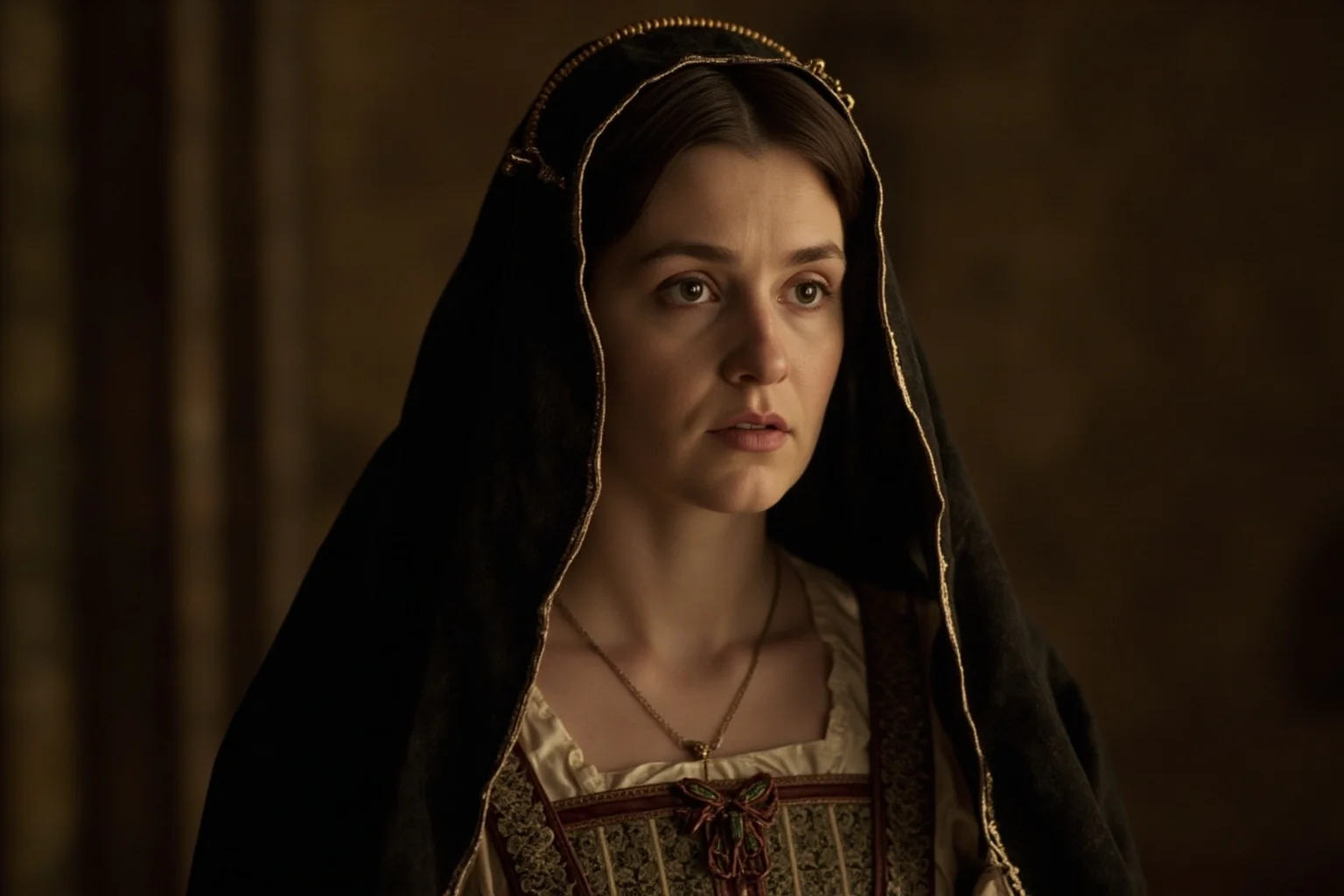
Benjamin Franklin was not a beauty icon, but he was famously charming, especially with women. He was witty, intelligent, and successful, qualities that made him attractive despite a plain face and a paunchy build. French society adored him during his time as ambassador.
Franklin's appeal was almost entirely about personality. He understood people and knew how to make them feel interesting. Modern dating advice often repeats what Franklin practiced centuries ago: confidence and wit beat conventional looks.
He is a useful reminder that the most attractive historical figures were not always the best-looking. Charm has always been a superpower.
25. Anne Boleyn
Anne Boleyn was not considered a great beauty by the standards of her time. She was dark-haired and dark-eyed in an era that prized blonde hair and pale skin. Yet she captivated King Henry VIII so completely that he broke with the Catholic Church to marry her.
Contemporary accounts describe her as striking, witty, and magnetic rather than classically pretty. Her French manners and fashion sense set her apart at the English court. Modern viewers might find her portraits austere, but her charisma was legendary.
Anne is proof that being one of the hot people in history is about more than a pretty face. Intelligence, style, and personality can be just as powerful.
What These Stories Tell Us About Beauty
Beauty standards are not timeless truths. They are cultural inventions that shift with economics, technology, and power. What one era calls gorgeous, the next calls plain, strange, or even ugly.
The people on this list were considered the hottest historical figures of their time for reasons that often had little to do with modern notions of attractiveness. Pale skin, full figures, elaborate wigs, and dramatic makeup all had their moment.
Understanding this can make us more humble about our own beauty standards. The features we prize today will look just as strange to future generations as the Rococo pouf looks to us.
The most attractive historical figures also teach us that charisma, intelligence, and power have always done much of the work. Cleopatra, Byron, and Liszt were not just faces. They were forces.
How to Think About Historical Attractiveness
When historians describe someone as beautiful, they are usually reporting what contemporaries believed. That belief was shaped by art, fashion, politics, and economics. It was rarely an objective assessment.
Portraits and busts are not photographs. Artists flattered their subjects, followed stylistic conventions, and often idealized faces to match the era's ideals. A famous bust like Nefertiti's tells us about ancient Egyptian aesthetics, not necessarily about the real queen.
So the next time you see a list of the most attractive historical figures, ask what standards were being applied. The answer usually reveals more about the era than about the person.
Beauty is a moving target. That is what makes the history of attractiveness so fascinating, and so full of surprises.
Closing Thoughts
The phrase "hot then, ugly today" is really just a way of saying that beauty standards change. The people on this list were genuinely admired in their time, and many of them would probably be considered attractive today too, just in different ways.
What makes someone one of the hot people in history is rarely just their face. Power, talent, style, and personality have always been part of the equation. Those qualities are more timeless than any particular look.
So the next time you see a portrait that seems plain or strange, remember: someone, somewhere, once thought that face was the most beautiful thing they had ever seen.
Frequently Asked Questions
Who are some of the hottest historical figures that people considered attractive in their own time?
Some of the hottest historical figures include Cleopatra, Lord Byron, Franz Liszt, Lillie Langtry, and Madame de Pompadour. Each was celebrated for beauty standards specific to their era, such as pale skin, dramatic style, or full figures. Their appeal was often tied to charisma, talent, and status as much as physical appearance.
Why do historical beauty standards seem so strange today?
Historical beauty standards were shaped by economics, health, and social class. Pale skin signaled wealth when most people worked outdoors, and fuller bodies were prized when food was scarce. Modern life reversed many of these signals, so features once considered gorgeous now look unfamiliar or even unattractive to contemporary eyes.
Were there any hot people in history who are still considered attractive by modern standards?
Yes, some hot people in history had features that translate well across eras, such as symmetrical faces or striking bone structure. Figures like Nefertiti and Sarah Bernhardt are often cited as examples. However, even their images are filtered through art and photography, making it hard to know exactly how they appeared in person.
Did power and status make historical figures more attractive?
Absolutely. Power, wealth, and fame have always influenced attractiveness. Many handsome historical figures, like King Henry VIII in his youth or Louis XIV, were admired partly because of their royal status. Charisma and authority can make a person magnetic even when their features are not conventionally beautiful.
How do historians know what attractive historical figures actually looked like?
Historians rely on written descriptions, portraits, sculptures, and coins, but all of these sources have limits. Artists often idealized their subjects or followed stylistic conventions. Written accounts can be flattering or hostile. That means our sense of the most attractive historical figures is always partly based on interpretation and cultural context.

Alex Warren
Related Articles