
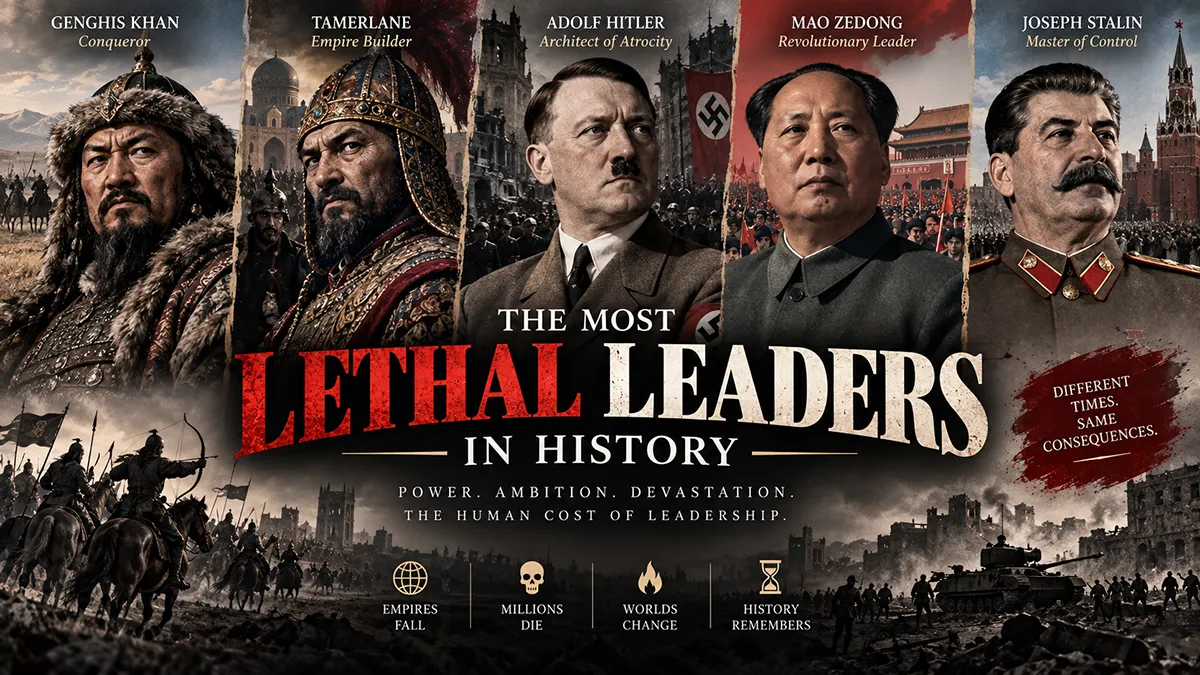
Ask a room full of history buffs “who killed the most people in history?” and you’ll get a dozen different answers. Some will shout Hitler. Others will say Stalin, Mao, or Genghis Khan — all names that keep turning up among the most recognized historical figures of all time.
The honest answer is messier than any single name, because these death tolls come from historians piecing together incomplete records, disputed census data, and decades of scholarly argument.
This list rounds up the leaders most commonly cited by historians and demographers as the deadliest in recorded history. We’re not ranking them to shock or sensationalize. We’re ranking them so you can see, with real historical context, how these numbers were arrived at, why they’re still debated, and why “biggest” doesn’t always mean what you’d expect.
TL;DR: Depending on how you count famine, war, and direct killing, historians most often point to Genghis Khan, Mao Zedong, Adolf Hitler, and Joseph Stalin as the deadliest leaders in history, each linked to tens of millions of deaths, though exact figures remain fiercely debated.
How Historians Actually Measure a Death Toll
Before diving into the list, it’s worth understanding why these numbers vary so wildly from source to source. A leader’s death toll can include people killed directly through massacres or executions, deaths caused indirectly through famine or forced labor, and deaths from wars that a ruler started or escalated. Each of these categories is measured differently, and historians don’t always agree on which ones should count.
The political scientist R.J. Rummel coined the term “democide” to describe murder by government, distinct from ordinary war deaths. His estimates, along with work from scholars like Frank Dikötter and Timothy Snyder, form the backbone of most modern death-toll research. Even so, these researchers often land on very different totals for the same regime, sometimes by tens of millions.
Context matters too. A ruler in the 13th century operated in a world with a much smaller global population than a 20th-century dictator, so raw numbers alone don’t capture relative impact. That’s why some historians prefer to talk about the percentage of a population killed, not just the headline figure.
With all that in mind, here’s how the historical record generally stacks up.
The Most Lethal Leaders in History, Ranked by Estimated Death Toll
1. Genghis Khan
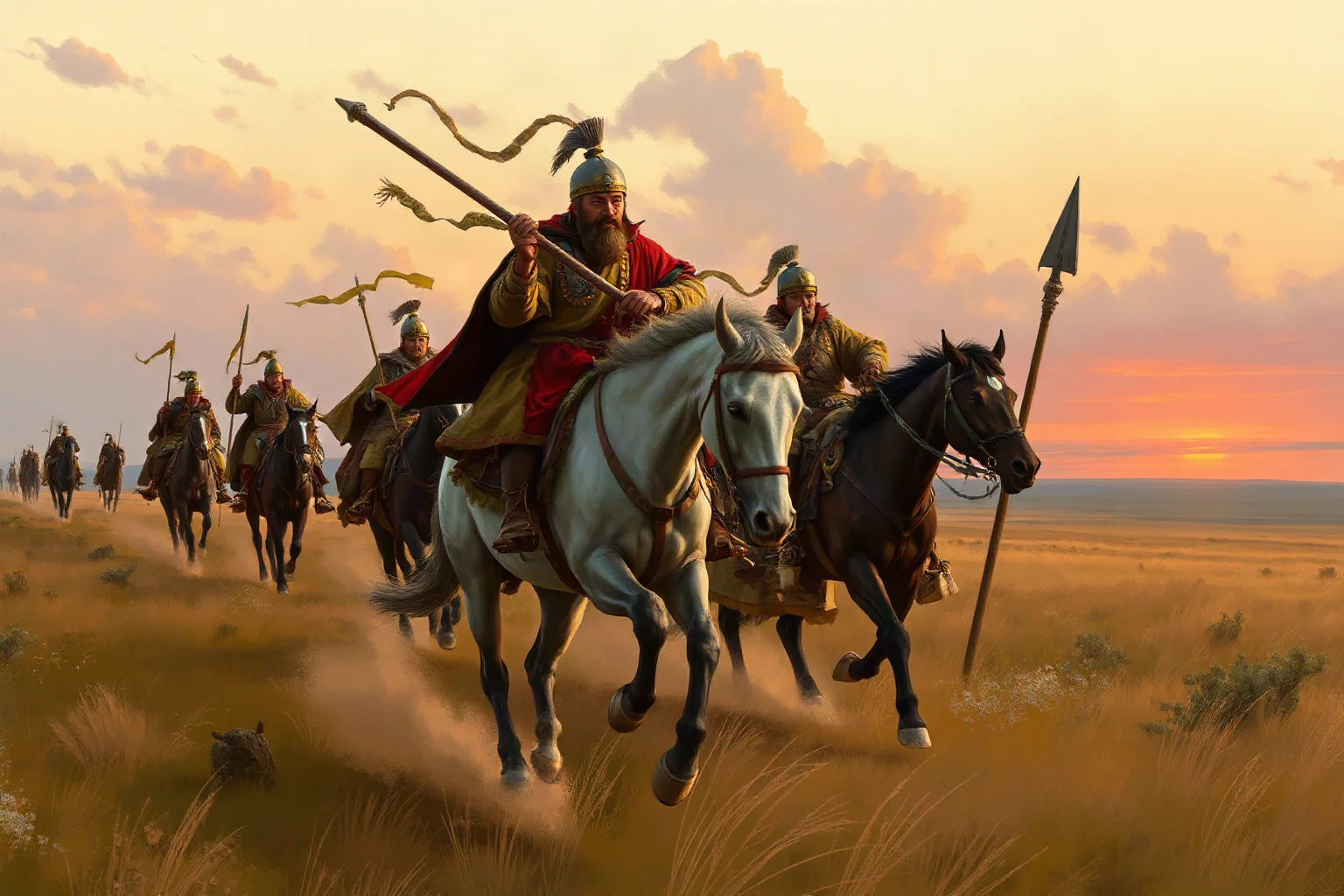
Genghis Khan founded the Mongol Empire in the early 13th century and led military campaigns across Central Asia, China, and Persia. Historians estimate his conquests contributed to around 40 million deaths, through direct slaughter, destroyed irrigation systems, and famine that followed in the wake of his armies.
Some scholars argue this era’s chaos also caused a temporary dip in global carbon levels due to abandoned farmland, illustrating just how disruptive these campaigns were. The figures are necessarily rough, since 13th-century record-keeping was nowhere near modern standards.
Still, Genghis Khan is consistently near the top of any serious list answering who killed the most people in history, largely because of the sheer geographic scale of Mongol conquest.
2. Mao Zedong

Mao Zedong led the Chinese Communist Party and ruled the People’s Republic of China from 1949 until his death in 1976. The most devastating episode under his leadership was the Great Leap Forward, a disastrous economic campaign that triggered a famine historians like Frank Dikötter estimate killed at least 45 million people between 1958 and 1962.
The Cultural Revolution, launched in 1966, added political persecution, forced labor, and violence that killed hundreds of thousands to a few million more. Combined, many historians place Mao’s total death toll higher than any other 20th-century leader, though Chinese state estimates differ sharply from independent scholarship.
This makes Mao a frequent answer to “which dictator killed the most people,” even though his methods relied more on policy failure and famine than direct mass execution.
3. Adolf Hitler
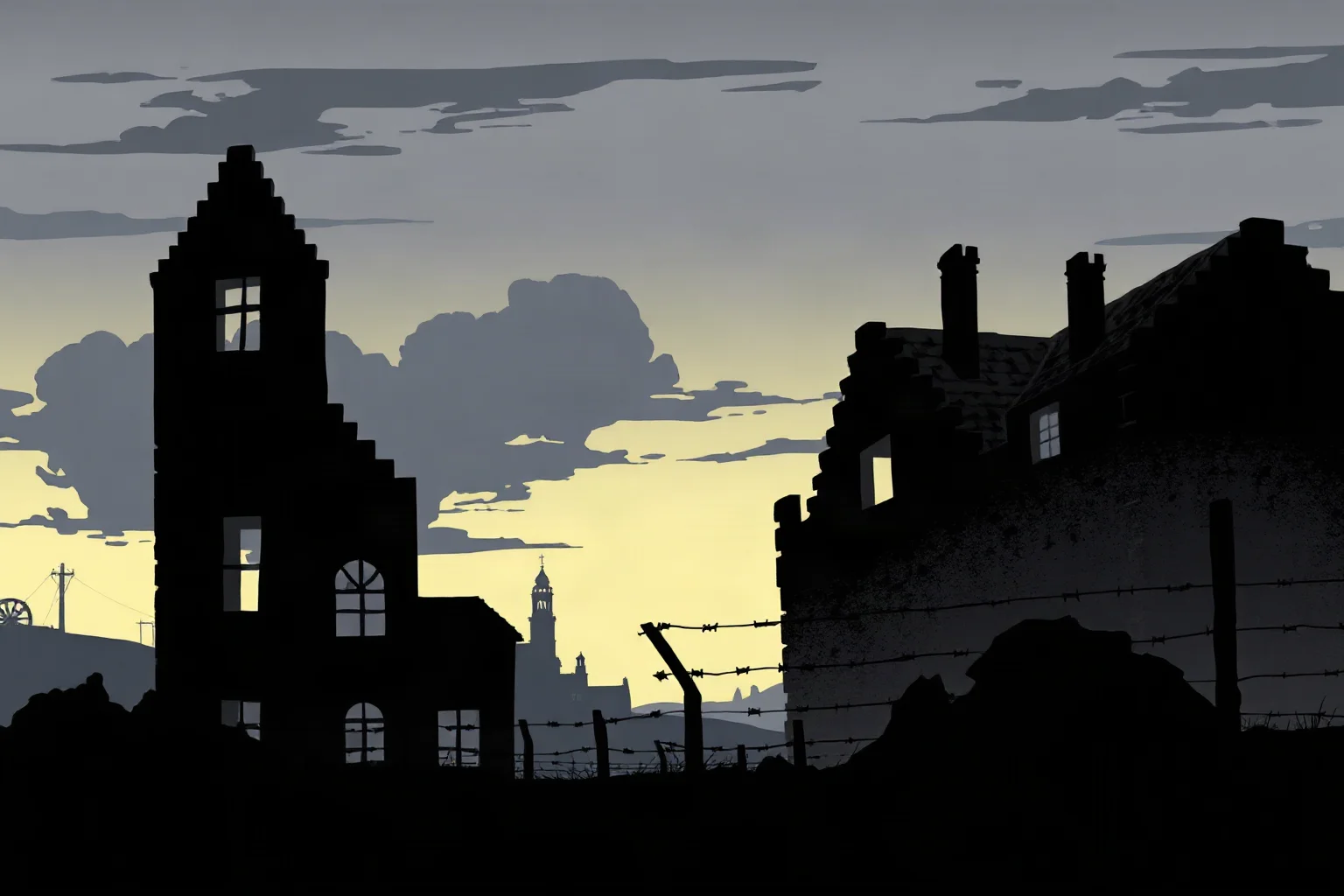
Adolf Hitler’s twelve years as leader of Nazi Germany triggered the deadliest conflict in human history. World War II killed an estimated 70 to 85 million people worldwide, and the Holocaust alone murdered around 6 million Jews along with millions of Roma, disabled people, Soviet prisoners of war, and other targeted groups.
When people search for “Adolf Hitler kill count,” they’re often looking for one clean number, but historians typically separate the Holocaust’s roughly 6 million Jewish victims (11 million including other Nazi genocide victims) from the broader war deaths his invasions set in motion. Both figures matter, and both are horrifying in different ways.
Hitler remains the most universally cited example when people ask about evil leaders or the worst leader in history, largely because of the deliberate, industrialized nature of the Holocaust.
4. Joseph Stalin
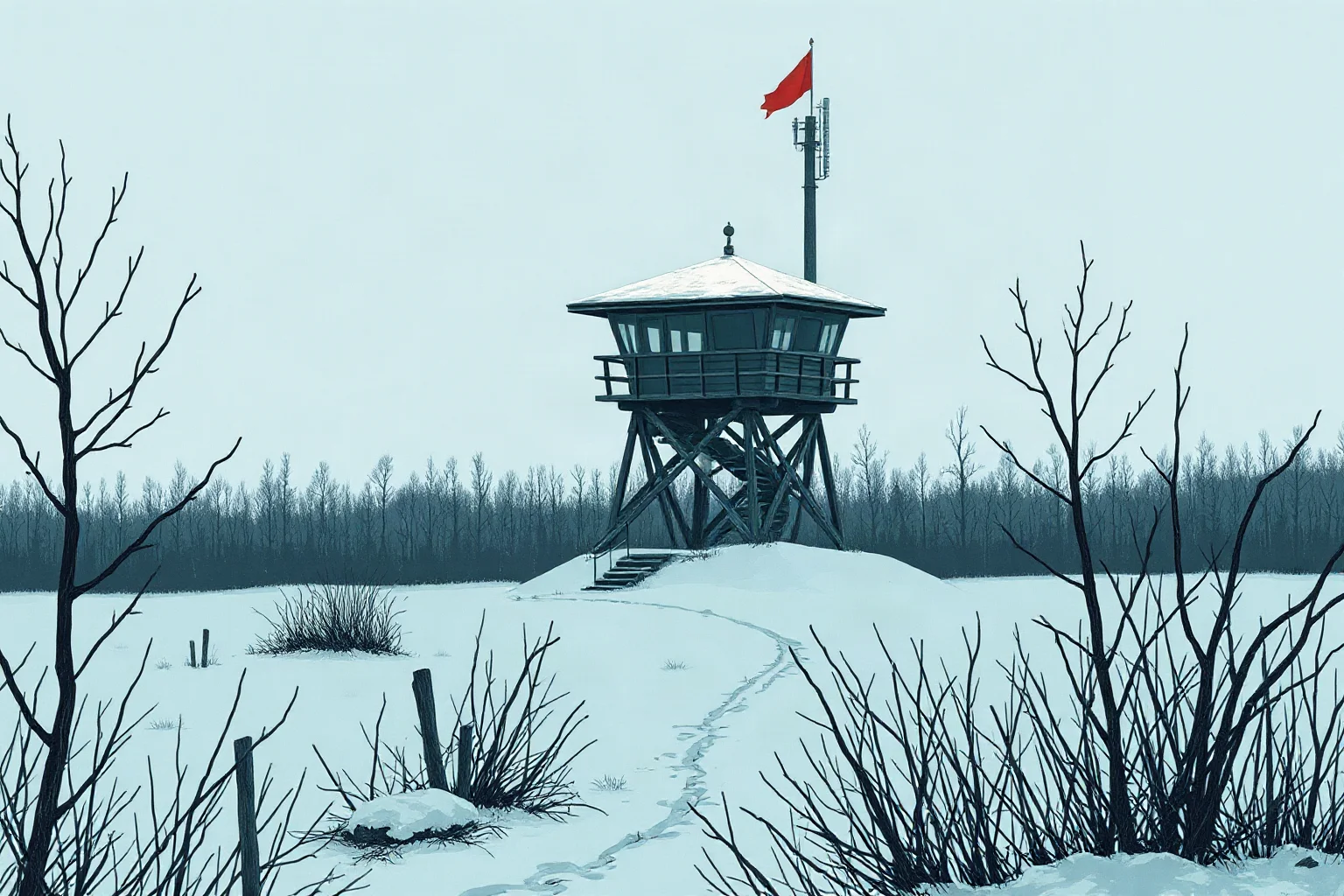
Joseph Stalin ruled the Soviet Union from the late 1920s until 1953. His policies included the Great Purge, forced collectivization, the Gulag labor camp system, and the Holodomor, a man-made famine in Ukraine that killed millions in 1932 and 1933.
Estimates of Stalin’s total death toll range from around 20 million to as high as 40 million, depending on how deaths from famine, deportation, and the Gulag system are counted. Some historians argue certain famine deaths were the result of catastrophic policy failure rather than deliberate intent, which is part of why estimates vary so much.
Stalin regularly appears alongside Hitler and Mao in any serious discussion of the most ruthless leaders in history.
5. Tamerlane (Timur)
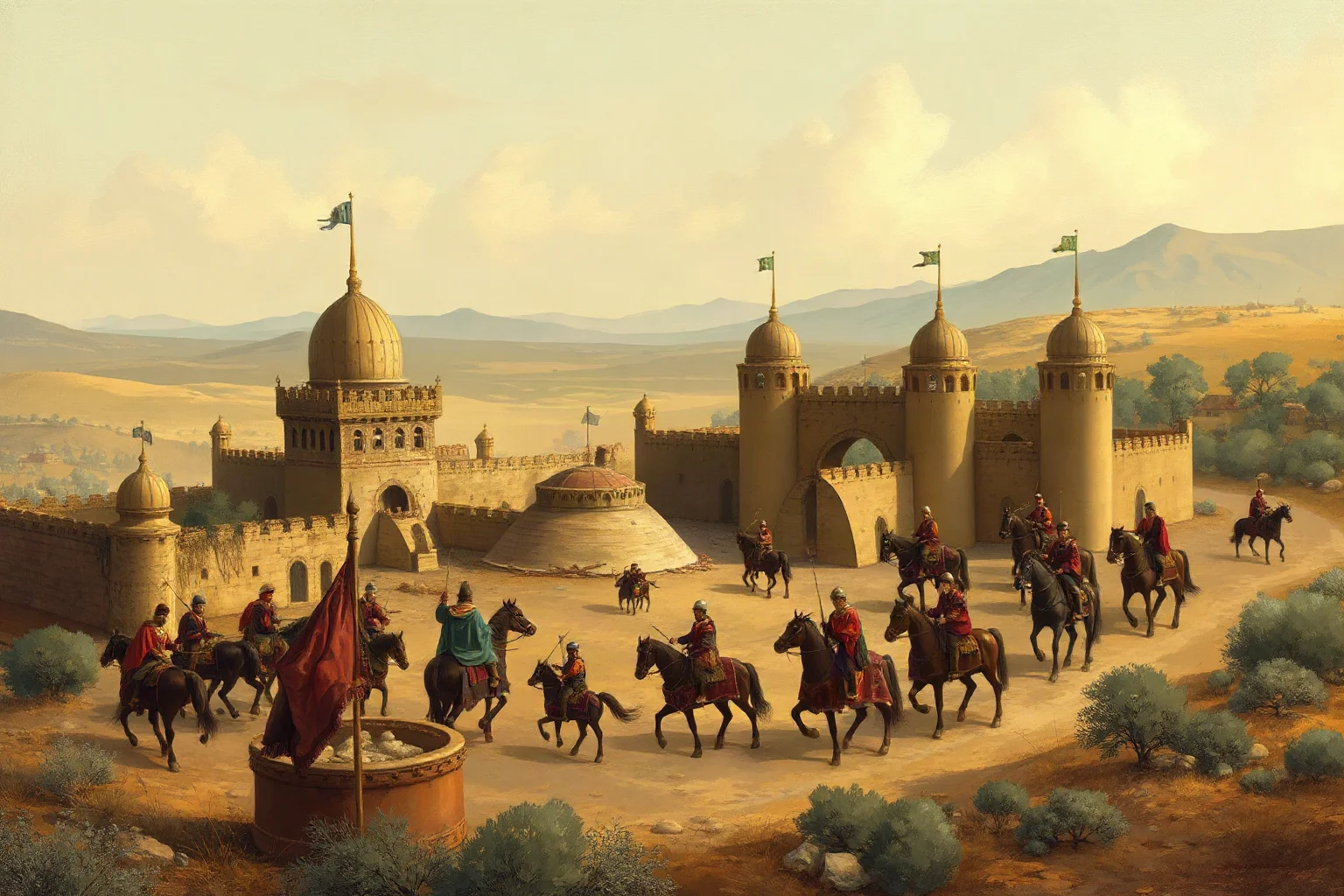
Timur, often known as Tamerlane, built a Central Asian empire in the late 14th century through relentless military campaigns. Historians estimate his conquests killed around 17 million people, a staggering figure that some researchers believe amounted to roughly 5% of the world’s population at the time.
His armies were known for building towers out of skulls after conquering cities that resisted, a detail confirmed across multiple historical accounts of his campaigns. Timur’s brutality was calculated, aimed at terrifying future opponents into surrender.
Because of the era’s limited records, exact figures are impossible to verify, but Timur is consistently ranked among history’s deadliest conquerors.
6. King Leopold II of Belgium
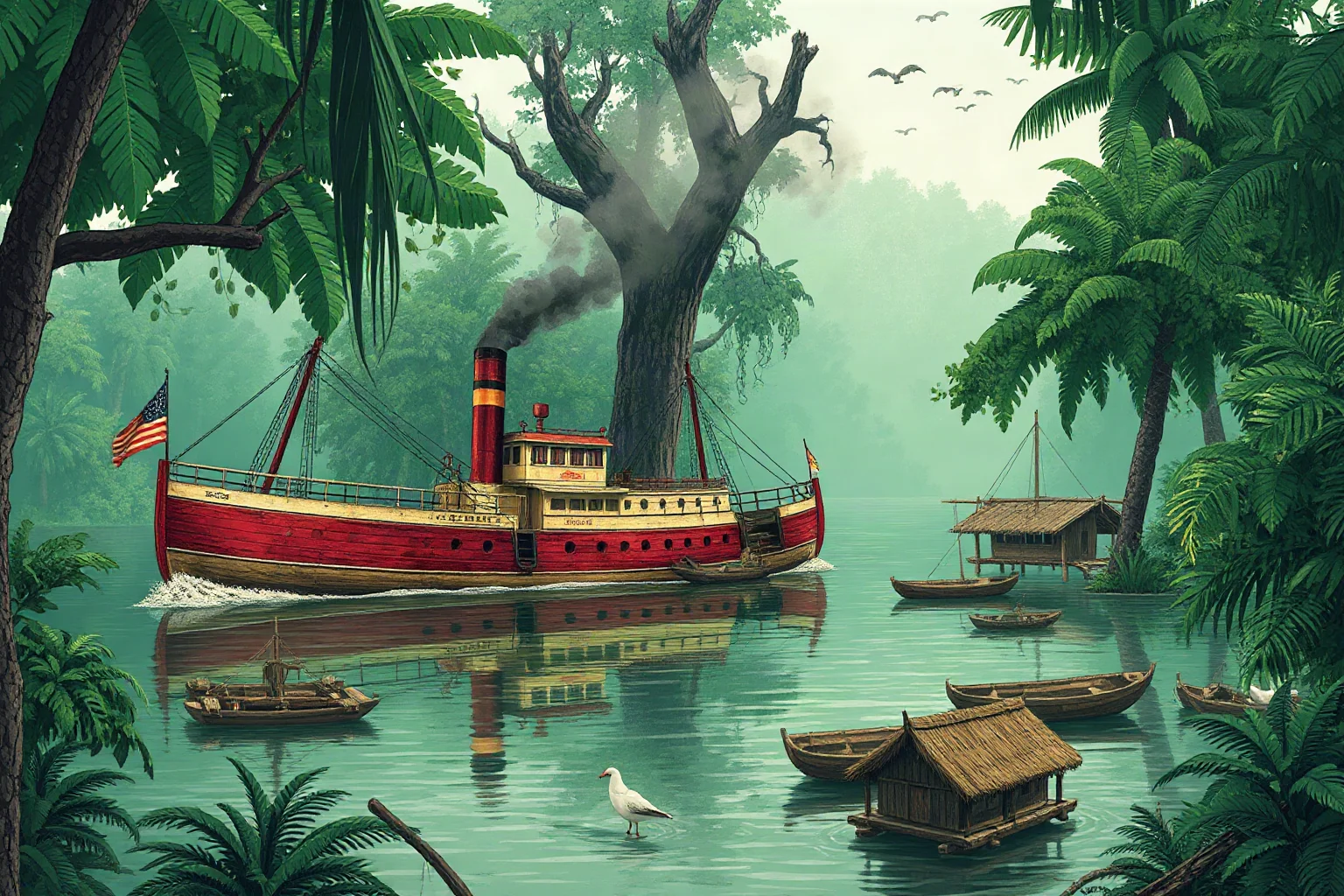
King Leopold II never set foot in the Congo, yet his personal colonial project, the Congo Free State, is blamed for one of the deadliest atrocities in colonial history. Forced labor, mutilation, and disease under his rule are estimated to have killed around 10 million people between 1885 and 1908.
Unlike wartime death tolls, these deaths stemmed from a for-profit rubber and ivory extraction system enforced through brutal violence against Congolese communities. Belgian and international historians continue to debate the precise figure, but the scale of suffering is well documented.
Leopold’s case is often raised in discussions about biggest genocide in human history, even though it unfolded gradually over decades rather than through concentrated massacres.
7. Hideki Tojo and Imperial Japan’s Wartime Leadership
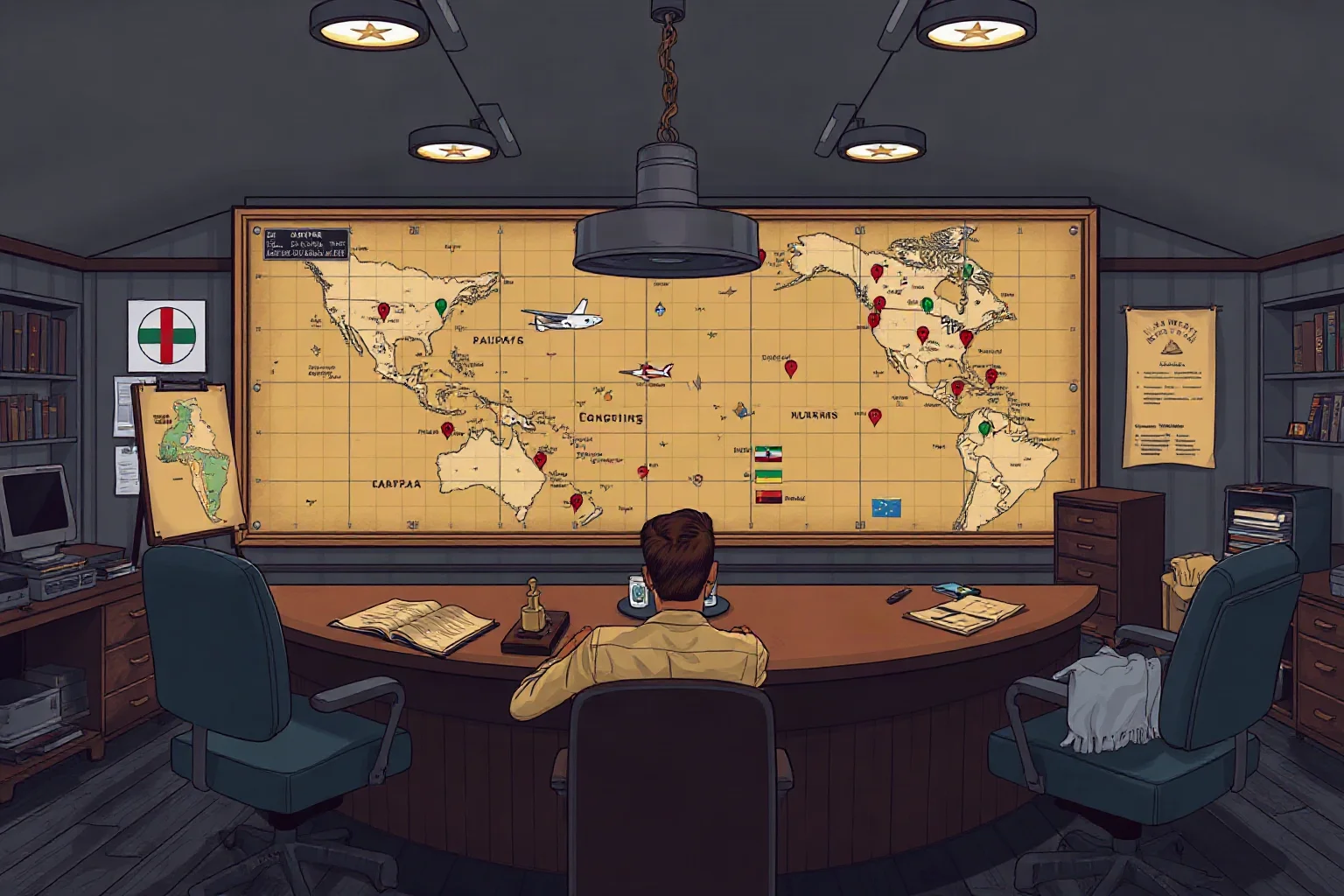
Hideki Tojo served as Prime Minister of Japan during much of World War II and was a key architect of Japan’s military expansion across Asia. Historian R.J. Rummel estimated Japanese democide, atrocities against civilians separate from combat deaths, at somewhere between 3 million and 10 million people.
This includes the Nanjing Massacre, forced labor programs, and brutal treatment of prisoners of war and occupied populations across China, Korea, and Southeast Asia. Tojo was tried and executed for war crimes after Japan’s surrender in 1945.
His case is frequently cited among those who has killed the most people in war, since much of the death toll stemmed directly from military campaigns rather than domestic policy.
8. Napoleon Bonaparte
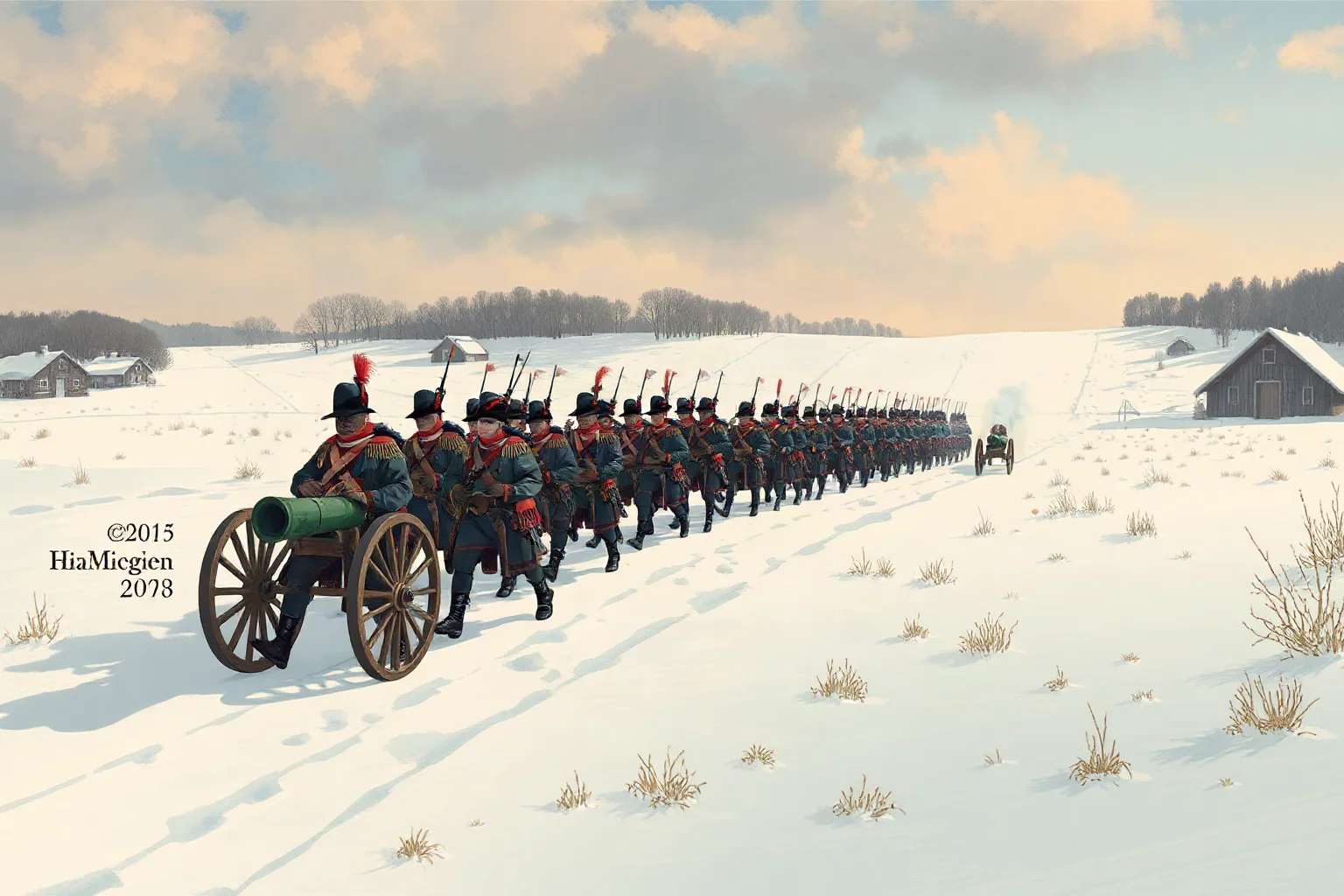
Napoleon Bonaparte’s military campaigns reshaped Europe between 1803 and 1815. The Napoleonic Wars are estimated to have killed somewhere between 3 million and 6 million soldiers and civilians across the continent.
Unlike some names on this list, Napoleon wasn’t accused of deliberate genocide or mass civilian extermination. His death toll comes almost entirely from prolonged, large-scale warfare across multiple countries over more than a decade.
He’s a useful reminder that “deadliest leader” doesn’t always mean the same thing as “most evil,” since motives and methods varied enormously across history.
9. Kim Il-sung and North Korea’s Founding Regime
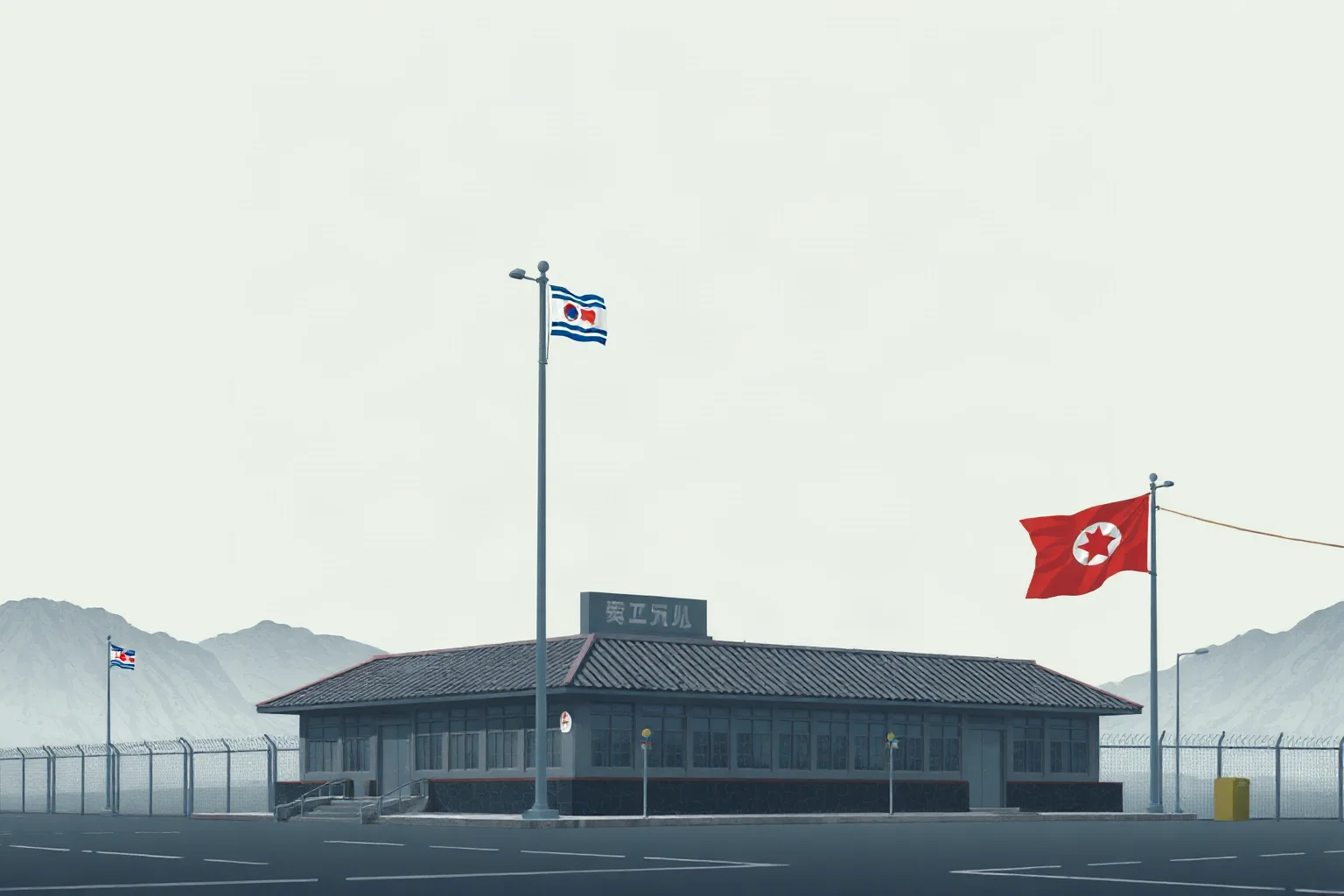
Kim Il-sung founded North Korea in 1948 and led the country until his death in 1994. His decision to invade South Korea in 1950 triggered the Korean War, which killed an estimated 3 million people, including huge numbers of civilians on both sides.
Beyond the war itself, North Korea’s system of political prison camps and periodic famines, continuing under his successors, has been linked to hundreds of thousands of additional deaths. Because North Korea remains one of the most closed societies on earth, independent verification of these numbers is extremely difficult.
His regime is often mentioned by people researching evil leaders in the world due to both the war and the ongoing human rights situation it created.
10. Pol Pot

Pol Pot led the Khmer Rouge, which ruled Cambodia from 1975 to 1979. In under four years, the regime’s forced labor camps, executions, and starvation policies killed an estimated 1.5 to 2 million people, roughly a quarter of Cambodia’s population at the time.
The Khmer Rouge specifically targeted intellectuals, ethnic minorities, and anyone associated with the previous government in what’s often described as one of the 20th century’s clearest cases of genocide. Mass graves known as the “Killing Fields” remain a haunting record of the era.
Pol Pot’s short but catastrophic rule is frequently used as a case study in how quickly a regime can inflict mass death when it moves fast and faces little resistance.
11. Shaka Zulu
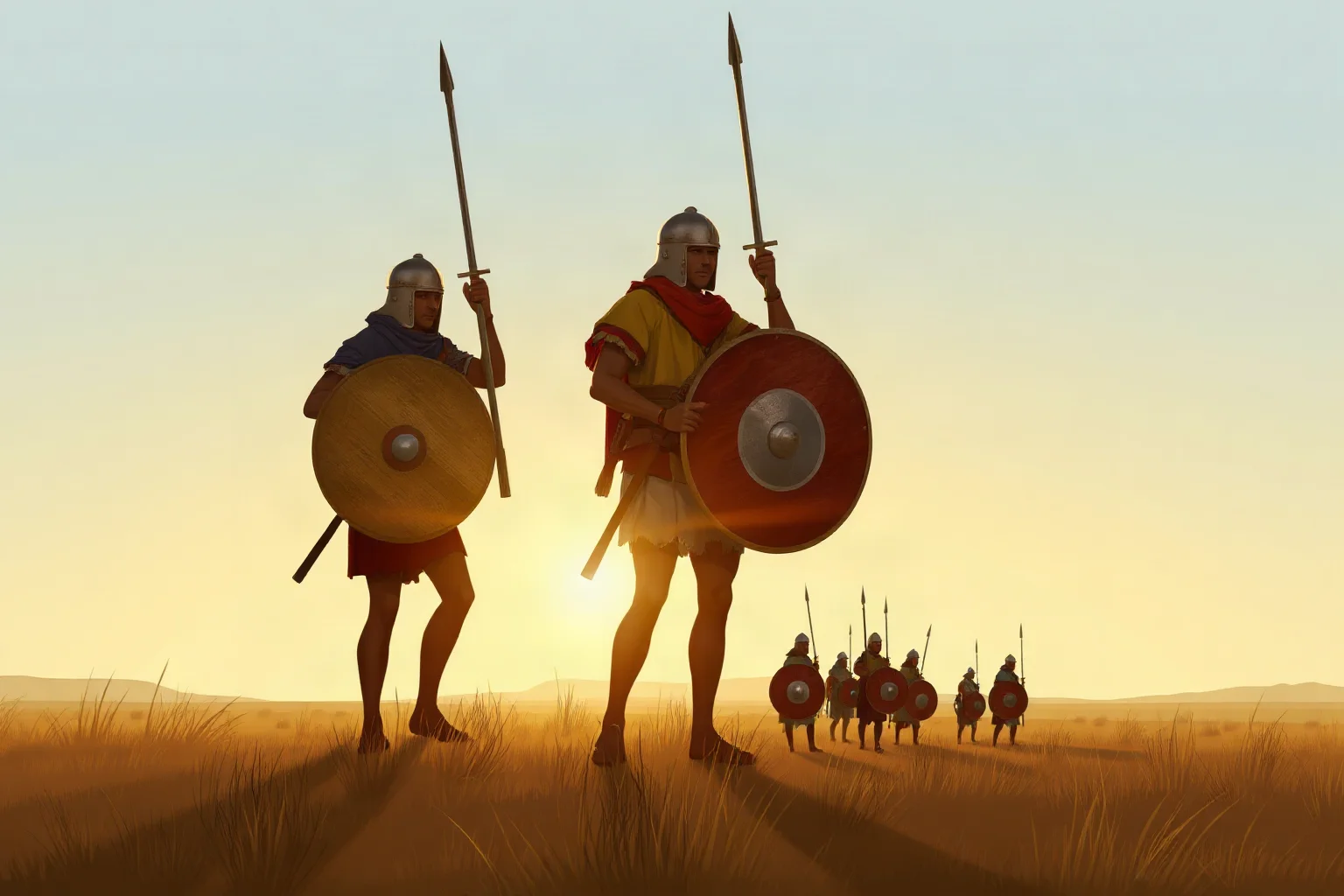
Shaka Zulu founded the Zulu Kingdom in southern Africa in the early 19th century through a combination of military innovation and ruthless conquest. His campaigns are linked to the Mfecane, a period of widespread upheaval and warfare that displaced and killed an estimated 1 to 2 million people across the region.
Historians debate how much of the Mfecane’s death toll should be attributed directly to Shaka versus broader regional conflicts and drought that were already underway. What’s not disputed is that his military reforms permanently altered the balance of power in southern Africa.
He remains a significant, if sometimes overlooked, figure in global discussions of history’s most consequential military leaders.
12. Saddam Hussein
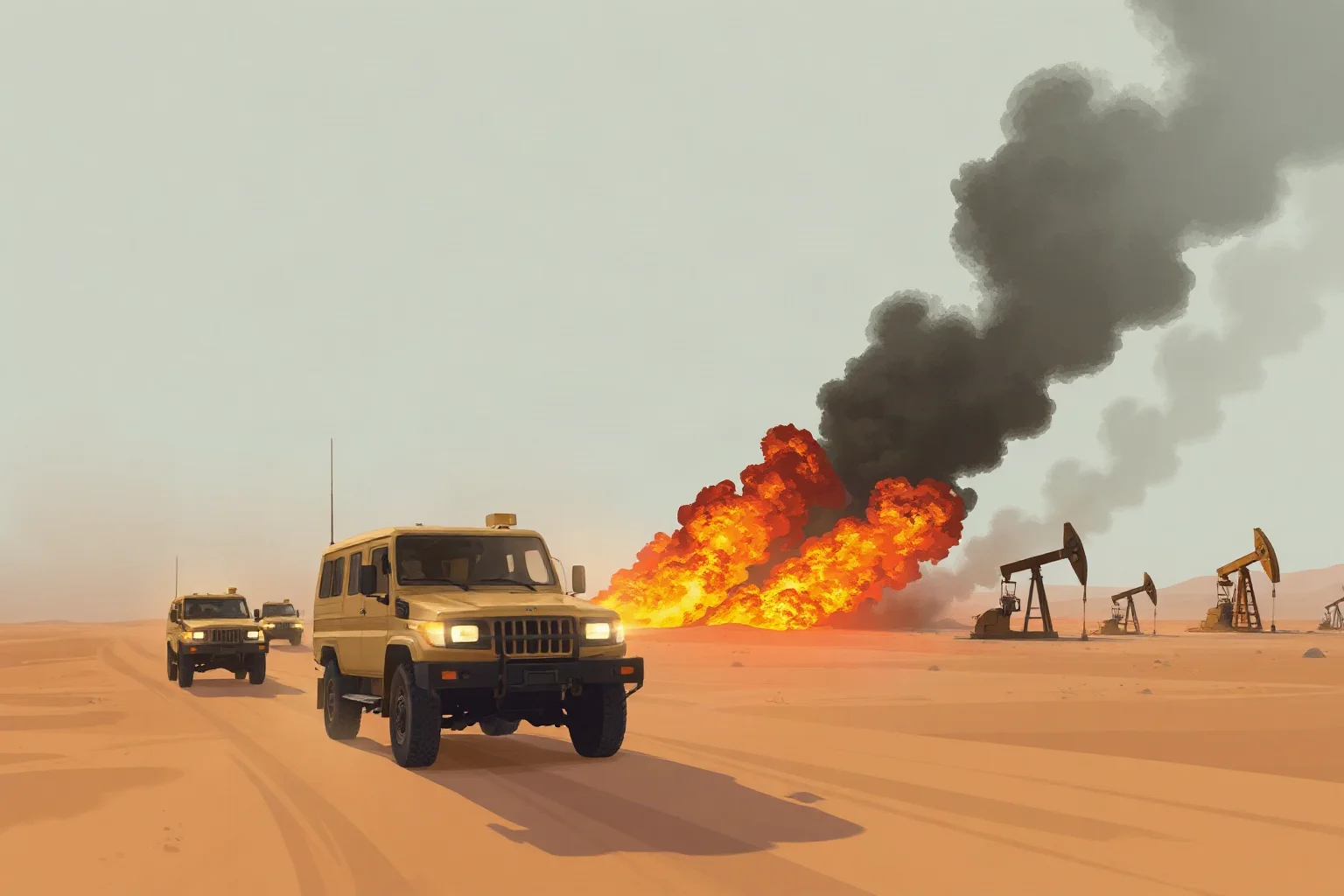
Saddam Hussein ruled Iraq from 1979 to 2003 and was responsible for the brutal Anfal campaign against Iraqi Kurds, which killed an estimated 50,000 to 182,000 people through chemical weapons attacks and mass executions. His decision to invade Iran in 1980 also triggered the Iran-Iraq War, which killed an estimated 500,000 to 1 million people on both sides.
His 1990 invasion of Kuwait added further casualties from the resulting Gulf War. Combined, historians estimate his total death toll, from war and internal repression, at well over a million people.
Saddam was captured in 2003, tried by an Iraqi tribunal, and executed in 2006.
13. Qin Shi Huang
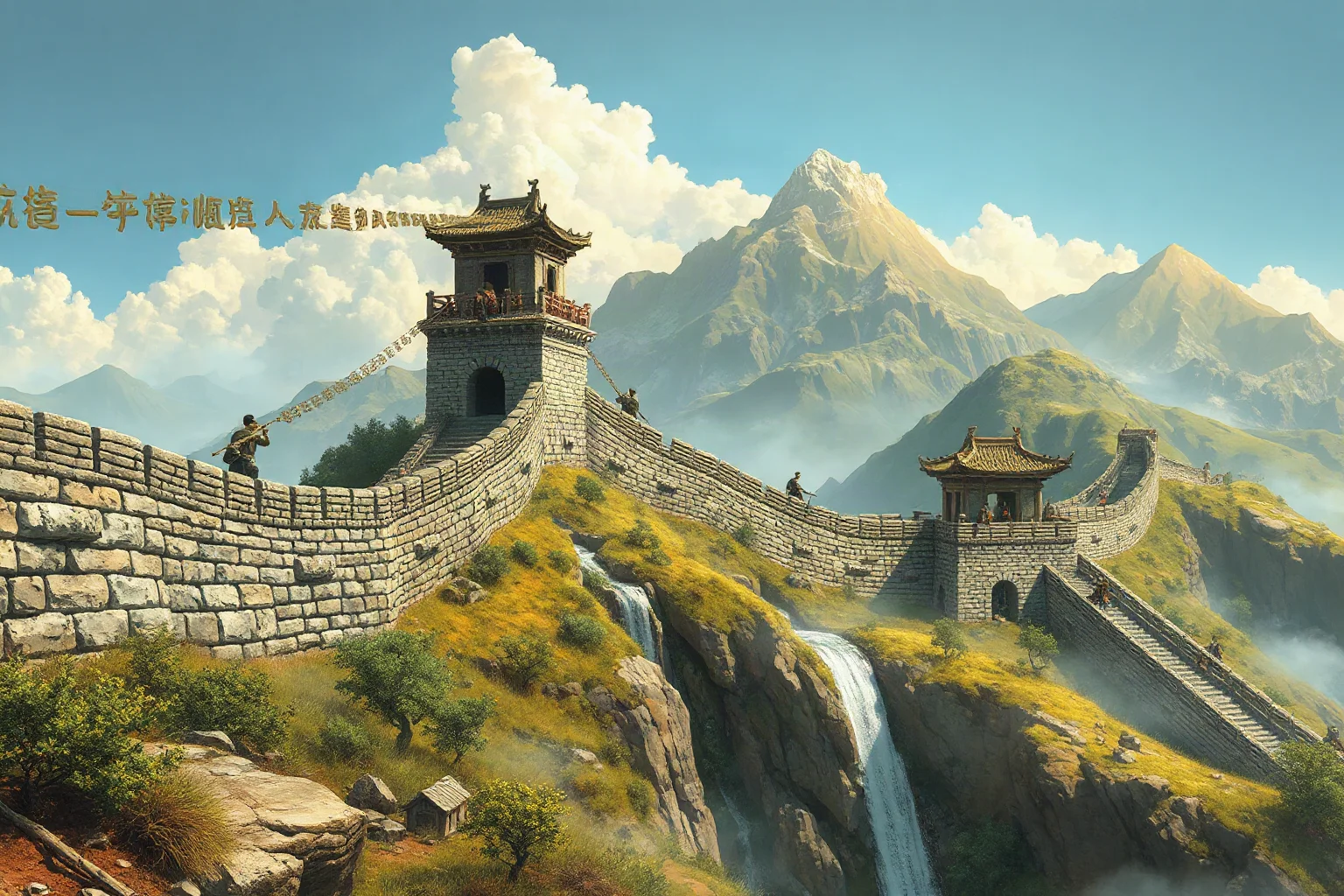
Qin Shi Huang unified China in 221 BCE and became its first emperor, but his reign came at an enormous human cost. Construction projects like the early Great Wall and his massive mausoleum relied on forced labor that historians estimate killed hundreds of thousands, possibly close to a million people, though ancient records make exact figures unreliable.
His military campaigns to unify rival Chinese states also caused significant bloodshed. Despite the brutality of his methods, his reign left a lasting legacy through standardized writing, currency, and infrastructure across China.
His story is a useful reminder that ancient death tolls are almost always rough estimates built from limited surviving records.
14. Idi Amin
Idi Amin ruled Uganda from 1971 to 1979 and became one of the 20th century’s most notorious dictators. Human rights organizations estimate his regime killed between 100,000 and 500,000 Ugandans through executions, torture, and forced disappearances.
Amin targeted political rivals, specific ethnic groups, and anyone perceived as a threat to his rule. His erratic, violent leadership style made Uganda a byword for dictatorship abuse throughout the 1970s.
He fled into exile after being overthrown in 1979 and died in Saudi Arabia in 2003, never facing trial for his actions.
15. Slobodan Milošević
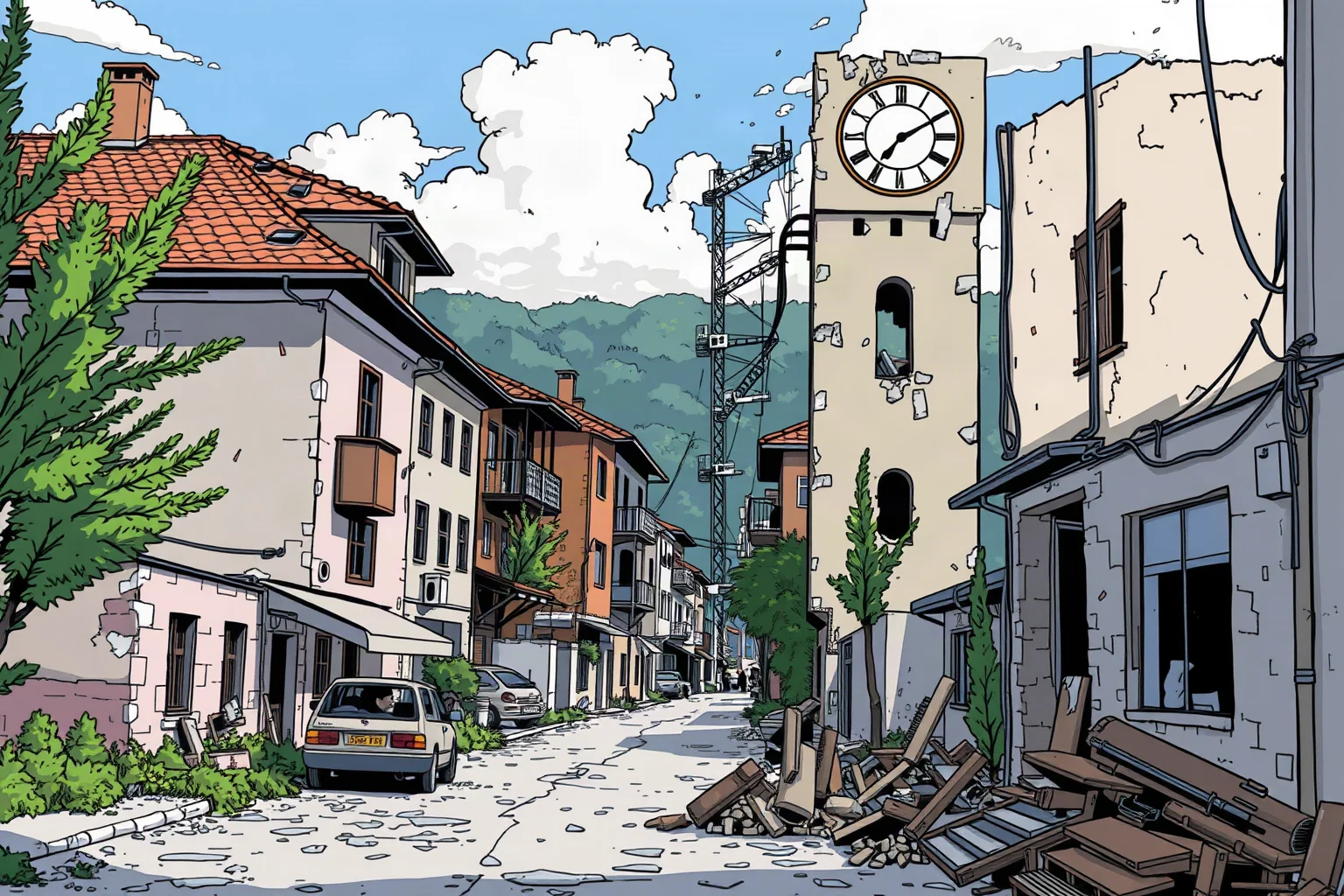
Slobodan Milošević led Serbia during the breakup of Yugoslavia in the 1990s, a period marked by ethnic cleansing campaigns in Bosnia and Kosovo. The Bosnian genocide alone, centered on the 1995 Srebrenica massacre, killed an estimated 8,000 Bosnian Muslim men and boys in a matter of days.
Across the broader Yugoslav Wars, deaths attributed to campaigns he oversaw or encouraged are estimated at over 100,000 people. Milošević was eventually charged with genocide and war crimes by an international tribunal.
He died in 2006 during his trial at The Hague, before a verdict was reached.
16. Francisco Franco
Francisco Franco led the Nationalist faction to victory in the Spanish Civil War and then ruled Spain as a dictator from 1939 until 1975. Estimates of deaths from the war itself range widely, but Franco’s postwar repression, executions, and prison camps are believed to have killed an additional 100,000 to 200,000 people.
His regime specifically targeted political opponents, labor organizers, and anyone associated with the defeated Republican side. Many of these deaths were only fully documented decades later, as mass graves continued to be uncovered well into the 21st century.
Franco remained in power until his death, one of the longest-ruling dictators of the 20th century.
17. Vlad the Impaler
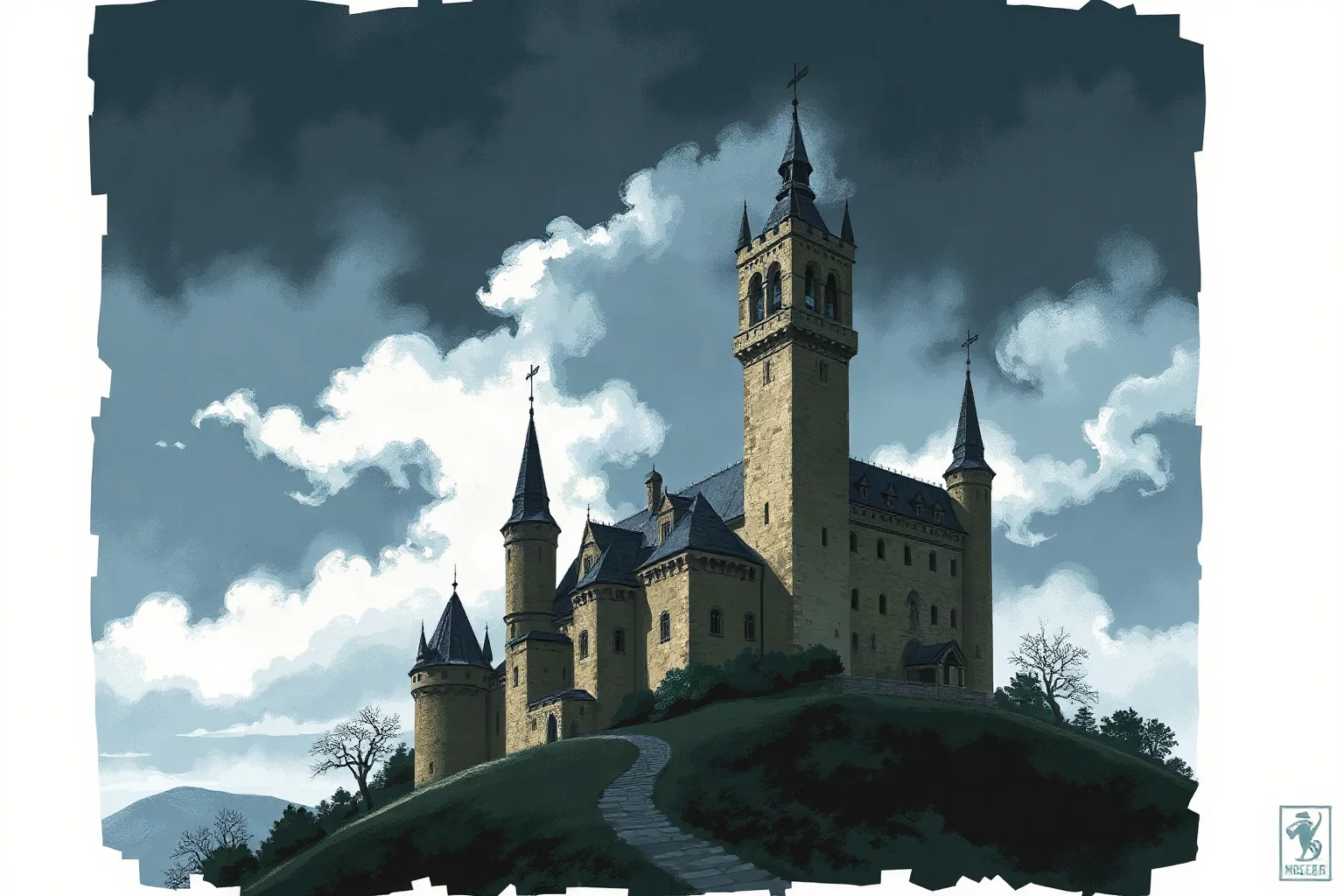
Vlad III, better known as Vlad the Impaler, ruled Wallachia in the 15th century and earned his nickname from his preferred method of execution. Historical estimates suggest he killed somewhere between 40,000 and 100,000 people, primarily political rivals, invading Ottoman soldiers, and suspected criminals.
His reputation for cruelty was so extreme that it later inspired Bram Stoker’s Dracula, blending historical fact with centuries of exaggerated legend. Separating the real Vlad from the folklore is genuinely difficult, since much of what we “know” comes from hostile propaganda written by his enemies.
He’s a frequent answer when people search for the most feared people in history, even though his death toll is far smaller than the empire-builders higher on this list.
18. Maximilien Robespierre and the Reign of Terror
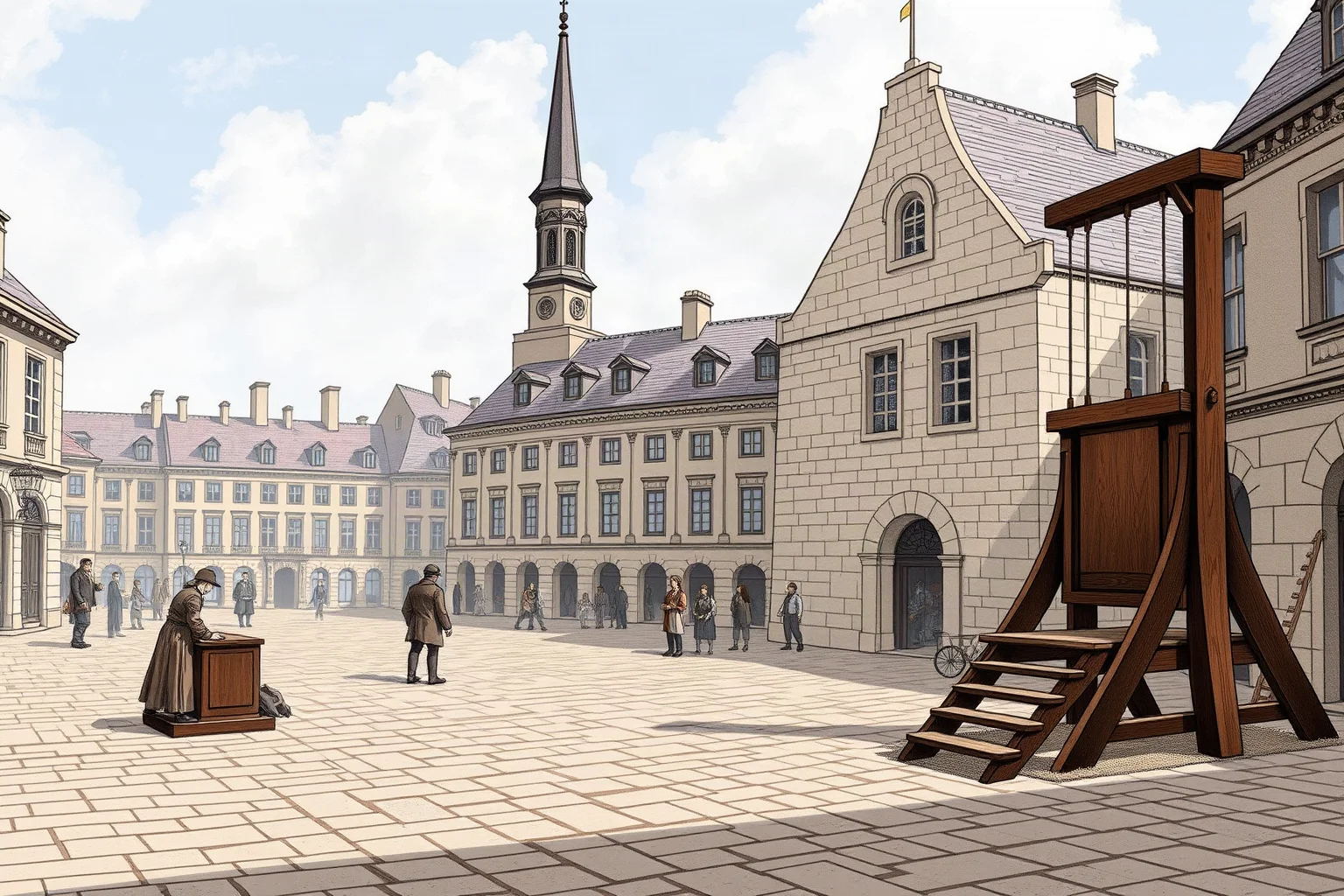
Maximilien Robespierre was a leading figure during the French Revolution’s Reign of Terror, a roughly ten-month period from 1793 to 1794, and remains one of the era’s most iconic revolutionary figures, for better or worse. Historians estimate that about 16,000 to 17,000 people were formally executed by guillotine or other means during this period, with some broader estimates, including deaths in prison and summary killings, reaching closer to 40,000.
The Terror was driven by fear of counter-revolution and foreign invasion, and it ultimately consumed Robespierre himself, who was executed in July 1794. So when people ask how many people died in the Reign of Terror, the honest answer depends on whether you count only formal executions or the wider wave of revolutionary violence.
Either way, it remains one of the most studied examples of state-directed political violence in Western history, a theme that echoes decades later in cases like John Brown’s attempt to ignite a war against slavery at Harpers Ferry.
19. Ivan the Terrible
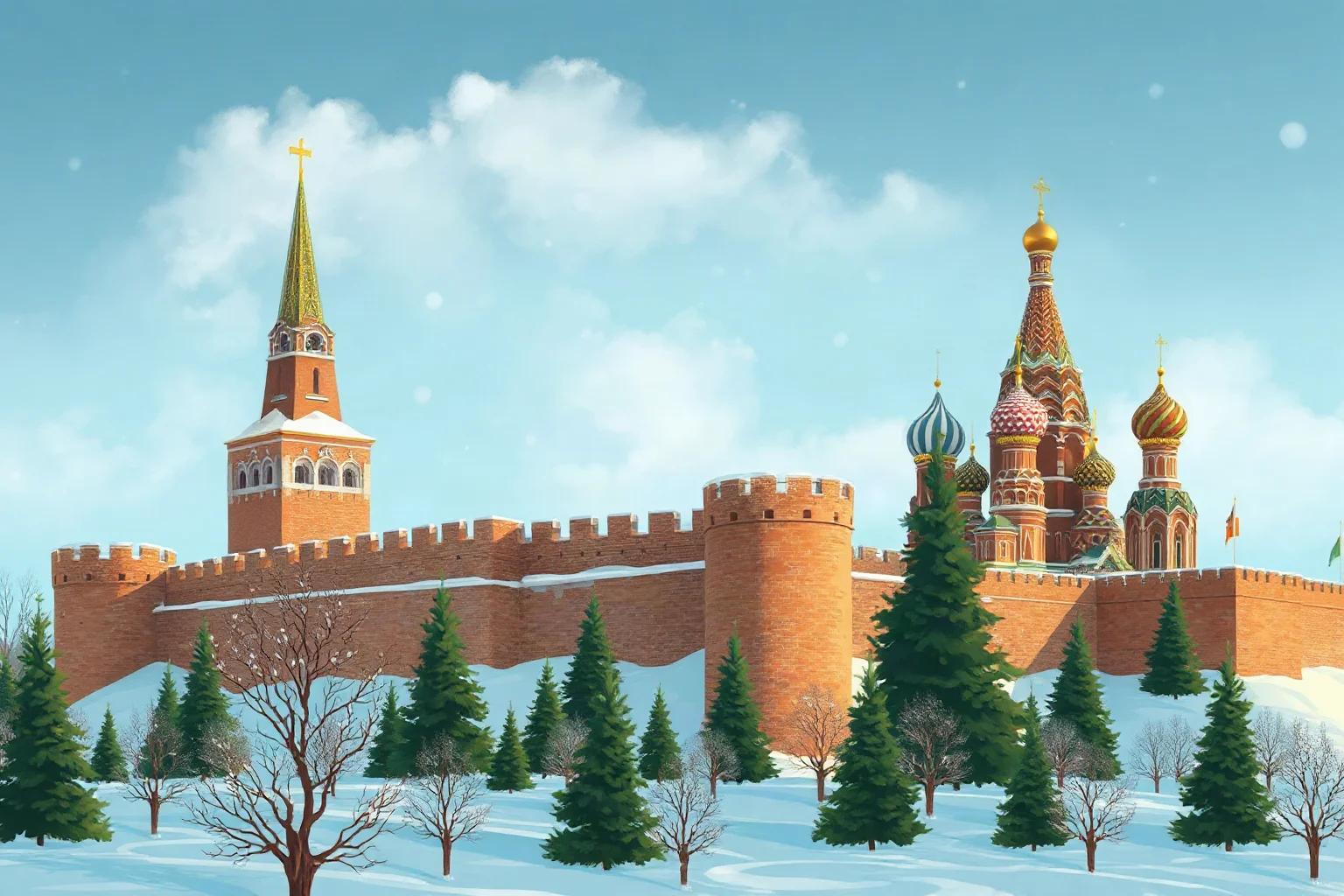
Ivan IV of Russia, known as Ivan the Terrible, became the first Tsar of Russia in 1547. His later reign was marked by increasing paranoia and violence, particularly through the Oprichnina, a secret police force that terrorized the nobility and ordinary citizens alike.
The 1570 massacre of Novgorod alone is estimated to have killed thousands of people, and total deaths attributed to his repressive policies likely reach into the tens of thousands. While his death toll is far smaller than history’s largest-scale killers, his reign helped define what “ruthless king” means in Russian historical memory.
He remains a common reference point in discussions of the most ruthless king in history.
20. Attila the Hun
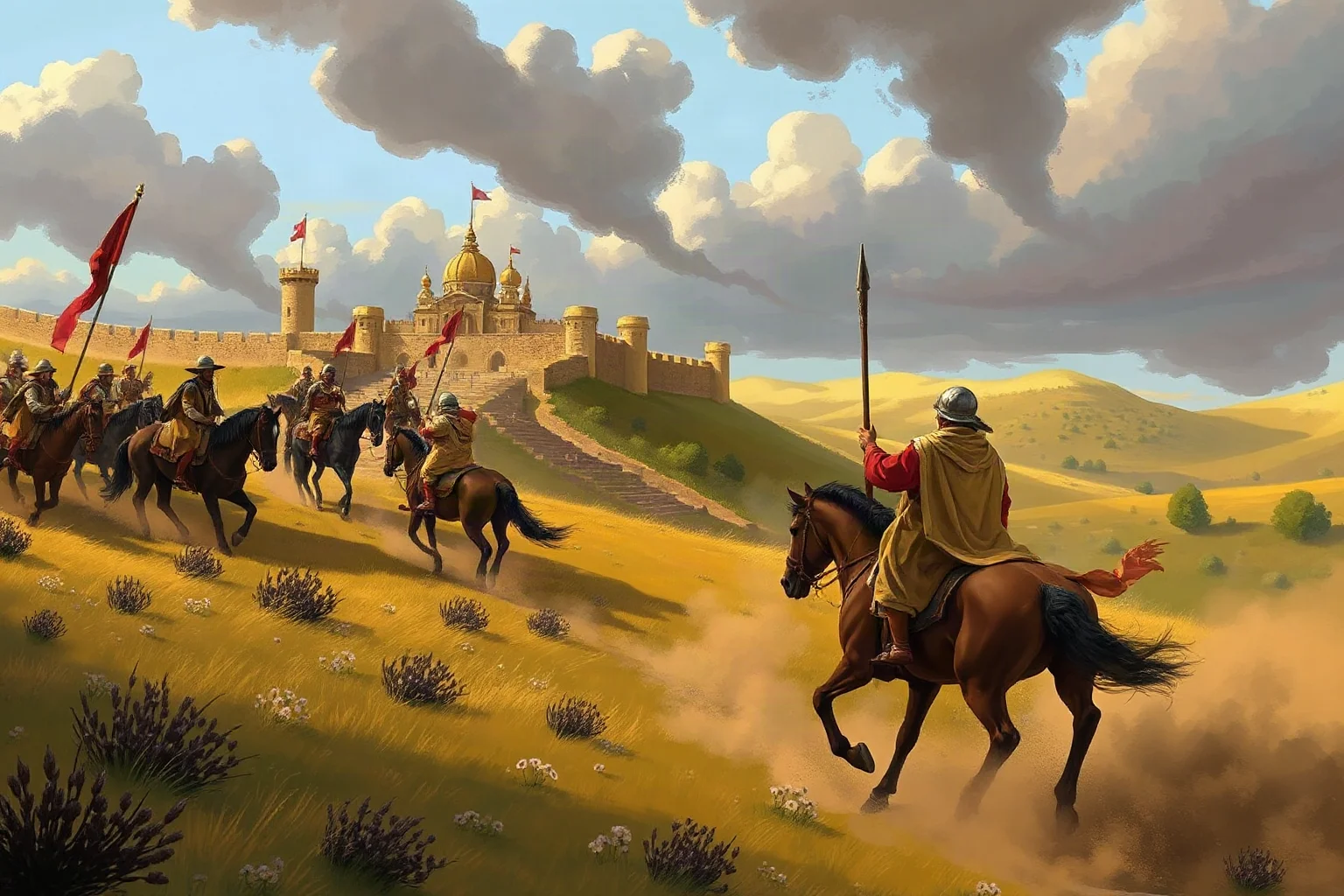
Attila the Hun led the Hunnic Empire in the 5th century and terrorized both the Eastern and Western Roman Empires through repeated invasions. Ancient and medieval sources describe widespread devastation across the Balkans, Gaul, and Italy, but no reliable death toll for his campaigns actually exists.
This is worth emphasizing because so many people search for how many people did Attila the Hun kill, expecting a hard number. The truth is that Roman-era record-keeping simply wasn’t detailed or reliable enough to produce a defensible figure, and later chroniclers had strong incentives to exaggerate his brutality.
Attila earned the nickname “Scourge of God” for a reason, but modern historians treat any specific death toll attached to his name as legend rather than verified history.
21. Suleiman the Conqueror Era Comparisons and the Limits of This List
Many other rulers, from ancient Assyrian kings to colonial-era generals, are sometimes included on lists like this one, but their death tolls are even harder to verify than the names above. This entry exists as a deliberate reminder that this list isn’t exhaustive, and it can’t be, because so much of premodern history was recorded by the victors, the religious institutions, or the rulers themselves.
Whenever you see a confident, round number attached to an ancient or medieval figure’s death toll, it’s worth treating it as an estimate rather than a fact. The deeper you go into original sources, the more you find historians openly disagreeing with each other.
That uncertainty doesn’t make the suffering any less real. It just means intellectual honesty requires acknowledging what we don’t actually know.
Beyond Individual Leaders: What Has Killed the Most People in History?
It’s tempting to assume the deadliest force in human history must be a person, but that’s not quite right. When people ask what thing has killed the most people in history, the honest answer points to disease, not any single ruler or war.
Malaria, transmitted by mosquitoes, is estimated to have killed more humans throughout history than any other single cause, potentially in the range of hundreds of millions of people across centuries. Smallpox alone is believed to have killed around 300 million people in the 20th century before its eradication in 1980, and that’s without counting the centuries before.
The Black Death, a bubonic plague pandemic in the 14th century, killed an estimated 75 to 200 million people across Europe, Asia, and North Africa in just a few years. Put simply, no dictator or conqueror in history comes close to the death toll caused by disease.
What About “Most Kills” by an Individual Person?
Some searches around this topic aren’t really about leaders at all, they’re about individual combat records, like who has the most confirmed kills in the world. That’s a different category entirely from democide or genocide, and it usually refers to military snipers or soldiers with officially documented kill counts from war records.
Finnish sniper Simo Häyhä, active during the 1939-1940 Winter War against the Soviet Union, is often cited with around 500 confirmed kills, one of the highest verified individual combat records in military history. These figures come from military records and after-action reports, which is a very different kind of evidence than the population-level estimates used for leaders and regimes.
It’s an important distinction: a leader’s death toll reflects the consequences of policy and command decisions, while an individual soldier’s kill count reflects direct combat action. Both get discussed under similar search terms, but they measure completely different things.
Why These Rankings Matter, and Why They’re Always Debated
It’s worth stepping back and asking why we keep revisiting these grim rankings in the first place. Partly it’s morbid curiosity, but there’s a more useful reason too: understanding how mass death actually happens, through famine, forced labor, war, and deliberate policy, helps later generations recognize warning signs earlier.
Historians will likely never fully agree on exact numbers for any name on this list. Archives get destroyed, propaganda distorts records on both sides, and demographic reconstruction is an inexact science even with modern tools. What remains constant is the historical consensus that these regimes and rulers caused immense, avoidable human suffering, regardless of the precise final number.
When you see a specific death toll cited online without any range or caveat, it’s usually oversimplified. The most historically responsible answer to “who killed the most people in history” isn’t a single name, it’s a short list of contenders whose rankings shift depending on methodology, time period, and what counts as a death “caused” by that leader.
Final Thoughts
There’s no single, uncontested answer to who has killed the most people in the world, and that’s not a cop-out, it’s just how historical scholarship actually works. Genghis Khan, Mao Zedong, Hitler, and Stalin consistently top the list, but the exact ordering shifts depending on which historian you ask and which categories of death you include.
What’s far more useful than memorizing a single number is understanding the patterns: unchecked power, wartime chaos, forced economic policy, and the deliberate targeting of civilian populations show up again and again across every entry on this list. Recognizing those patterns is arguably more valuable than any death toll ranking could ever be.
Frequently Asked Questions
Who killed the most people in history?
There's no single agreed-upon answer, but Genghis Khan, Mao Zedong, Adolf Hitler, and Joseph Stalin are the names historians most commonly cite, each linked to death tolls in the tens of millions. The exact ranking depends on whether you count direct killings, war deaths, or famine caused by policy, which is why credible sources give ranges rather than one exact figure.
How many people died in the Reign of Terror?
Around 16,000 to 17,000 people were formally executed during France's Reign of Terror from 1793 to 1794. Some broader estimates, including deaths in prison and extrajudicial killings during the same period, put the total closer to 40,000.
How many people did Attila the Hun kill?
There's no reliable historical figure for how many people Attila the Hun killed. Ancient and medieval sources describe widespread destruction across the Roman Empire during his 5th-century campaigns, but record-keeping at the time wasn't detailed enough to produce a verifiable death toll, so any specific number should be treated as legend rather than fact.
Who is the most dangerous person in the world?
This is a subjective, present-day question rather than a settled historical fact, and answers change depending on current events. Historically, though, leaders like Hitler, Stalin, and Mao are the figures most often described as the most dangerous people in history because of the scale of death and destruction tied to their rule.
What thing has killed the most people in history?
Disease, not any individual leader, has killed the most people throughout history. Malaria alone is estimated to have killed hundreds of millions of people over the centuries, and pandemics like smallpox and the Black Death each killed well over 75 million people in relatively short periods.
Who is the most chopped person in the world?
This phrase most likely refers to Vlad the Impaler, the 15th-century Wallachian ruler infamous for executing enemies by impalement, a form of brutal "chopping" punishment. There's no verified historical record of an actual person holding a formal record for being "most chopped," so this is best understood as folklore tied to Vlad's grim historical reputation rather than a documented fact.
Which dictator killed the most people?
Mao Zedong is often cited as the dictator with the highest death toll, with historian Frank Dikötter estimating at least 45 million deaths from the Great Leap Forward famine alone. Stalin and Hitler are close behind, and the ranking shifts depending on whether famine deaths, war deaths, or direct executions are counted.
Who all dies in Armageddon?
Armageddon is a biblical and apocalyptic concept from the Book of Revelation, referring to a prophesied final battle, not a documented historical event with a real death toll. It isn't connected to the historical death tolls covered by this article, which focuses on verified or historically estimated events.

Alex Warren
Related Articles