

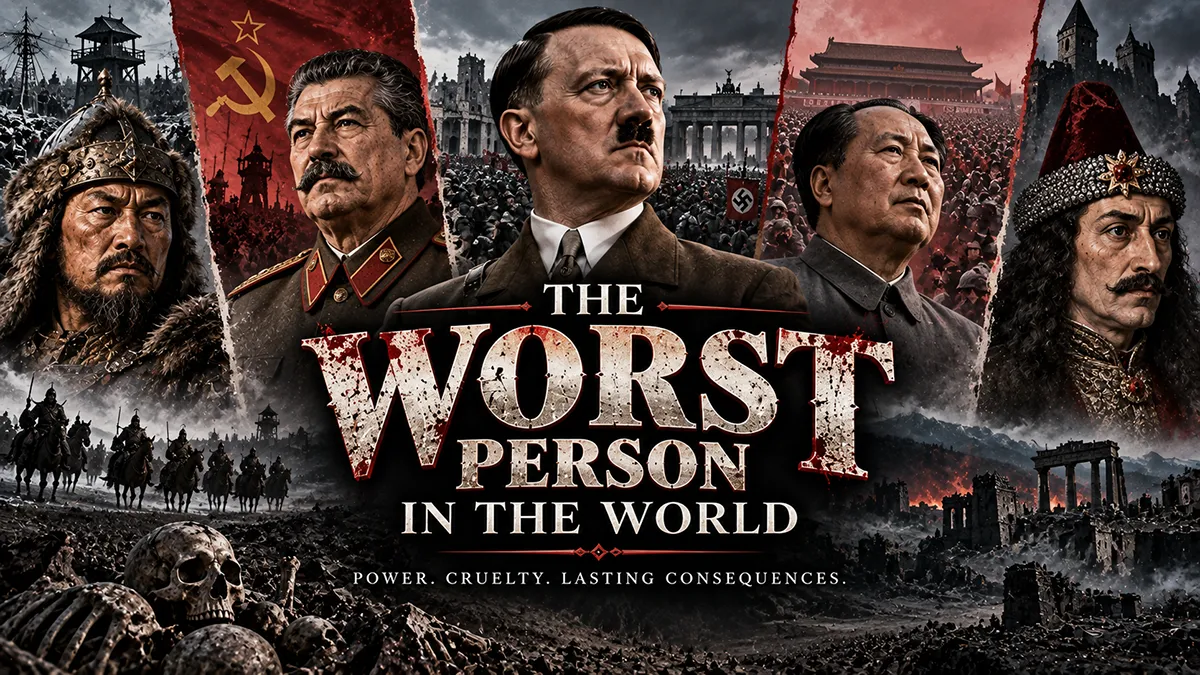
Ask ten people to name the worst person in the world, and you’ll probably get ten different answers. Some will point to genocidal dictators, others to serial killers, cult leaders, or con artists who ruined thousands of lives without ever picking up a weapon.
There’s no scientific formula for ranking evil, but history does leave behind a long, grim paper trail of body counts, testimonies, and documented atrocities that make certain names impossible to defend.
This list pulls together some of the most infamous, most hated, and most genuinely dangerous individuals from across recorded history. It’s not a competition with a single “winner” — it’s a sobering tour through what happens when power, ideology, and cruelty collide.
TL;DR: No single person can be crowned the objective worst in history, but figures like Hitler, Stalin, Mao, and Pol Pot are consistently ranked among the most evil people ever because of the scale, documentation, and deliberateness of the suffering they caused.
What Makes Someone One of the Worst People in History?
Historians and psychologists generally look at a few factors when discussing bad historical figures: the scale of harm, the intent behind it, and how much power the person had to act on their cruelty. A petty tyrant with no army is limited in how much damage he can do. A head of state with a secret police force and a compliant bureaucracy is a different story entirely.
Scale matters, but so does deliberateness. Natural disasters and famines kill people too, but they don’t involve moral choice the way a policy of mass execution or forced starvation does. That distinction is why dictators who engineered famines or genocides tend to rank above rulers who simply presided over hard times.
It’s also worth noting that “evil” isn’t a diagnosis — it’s a moral judgment applied after the fact, usually with the benefit of hindsight and documentation the victims never had. Many bad historical people were popular, even beloved, by parts of their own population while they were alive.
How We Approached This List
Separating verified history from myth and propaganda is genuinely difficult, especially for older historical figures. Some names on this list — like Vlad the Impaler or Ivan the Terrible — come with centuries of exaggeration layered on top of very real cruelty, and it’s not always easy to tell where the documented history ends and the legend begins.
Wherever a claim is more legend than fact, we’ve tried to say so rather than presenting rumor as settled history. For twentieth-century figures, the record is far better documented through government archives, survivor testimony, and independent historical research, which is part of why so many of the most evil people in history come from the modern era.
The Worst People in History, Ranked
This is not a definitive, scientific ranking — no such thing exists for something as subjective as human cruelty. Instead, think of it as a tier list of the individuals most historians, survivors, and the general public agree caused catastrophic, deliberate harm.
1. Adolf Hitler
As leader of Nazi Germany from 1933 to 1945, Adolf Hitler orchestrated the Holocaust, a systematic genocide that killed six million Jews along with millions of Roma people, disabled individuals, political prisoners, and others deemed “undesirable.” His invasion of Poland triggered World War II, a conflict that killed an estimated 70 to 85 million people worldwide.
Hitler remains the figure most people picture when asked who is the worst person in history, and he’s also one of the most recognized historical figures of all time, largely because the Nazi regime documented its own atrocities so thoroughly. That paper trail, combined with the sheer industrial scale of the killing, is why his name has become shorthand for absolute evil.
2. Joseph Stalin
As leader of the Soviet Union from the late 1920s until his death in 1953, Joseph Stalin oversaw forced collectivization, mass deportations, and the Great Purge, in which hundreds of thousands of perceived political enemies were executed. Historians estimate his policies, including the man-made famine in Ukraine known as the Holodomor, contributed to the deaths of millions of Soviet citizens.
Unlike Hitler, Stalin died in power, never facing trial or public reckoning for his actions. His use of state terror, secret police, and forced labor camps (the Gulag system) makes him one of history’s most-cited worst leaders of all time.
3. Mao Zedong

Mao Zedong founded the People’s Republic of China in 1949 and led it until his death in 1976. His Great Leap Forward, an economic and agricultural campaign launched in 1958, led to a famine that historians estimate killed tens of millions of people between 1959 and 1961.
His later Cultural Revolution unleashed further chaos, persecution, and death targeting intellectuals, officials, and anyone deemed insufficiently loyal. Mao remains a complicated figure in China, officially honored by the state while historians outside China widely count him among the deadliest leaders of the twentieth century.
4. Pol Pot

Pol Pot led the Khmer Rouge regime in Cambodia from 1975 to 1979, attempting to forcibly transform the country into an agrarian communist society. The result was the Cambodian genocide, in which an estimated 1.5 to 2 million people, roughly a quarter of the population, died from executions, starvation, and forced labor.
Educated people, ethnic minorities, and anyone associated with the previous government were specifically targeted. Pol Pot died in 1998 without ever being convicted for the atrocities carried out under his rule.
5. Genghis Khan
Genghis Khan founded the Mongol Empire in the early thirteenth century, and his military campaigns are estimated by some historians to have caused tens of millions of deaths across Asia and the Middle East. Entire cities were destroyed for resisting Mongol rule, and the conquests reshaped the demographics of much of the medieval world.
It’s worth noting the empire he built also enabled trade, cultural exchange, and relative religious tolerance across Eurasia, which is why historians debate his legacy rather than viewing him purely through a modern moral lens. Even so, the sheer death toll of his campaigns keeps him firmly on lists of history’s most destructive conquerors.
6. Ivan the Terrible
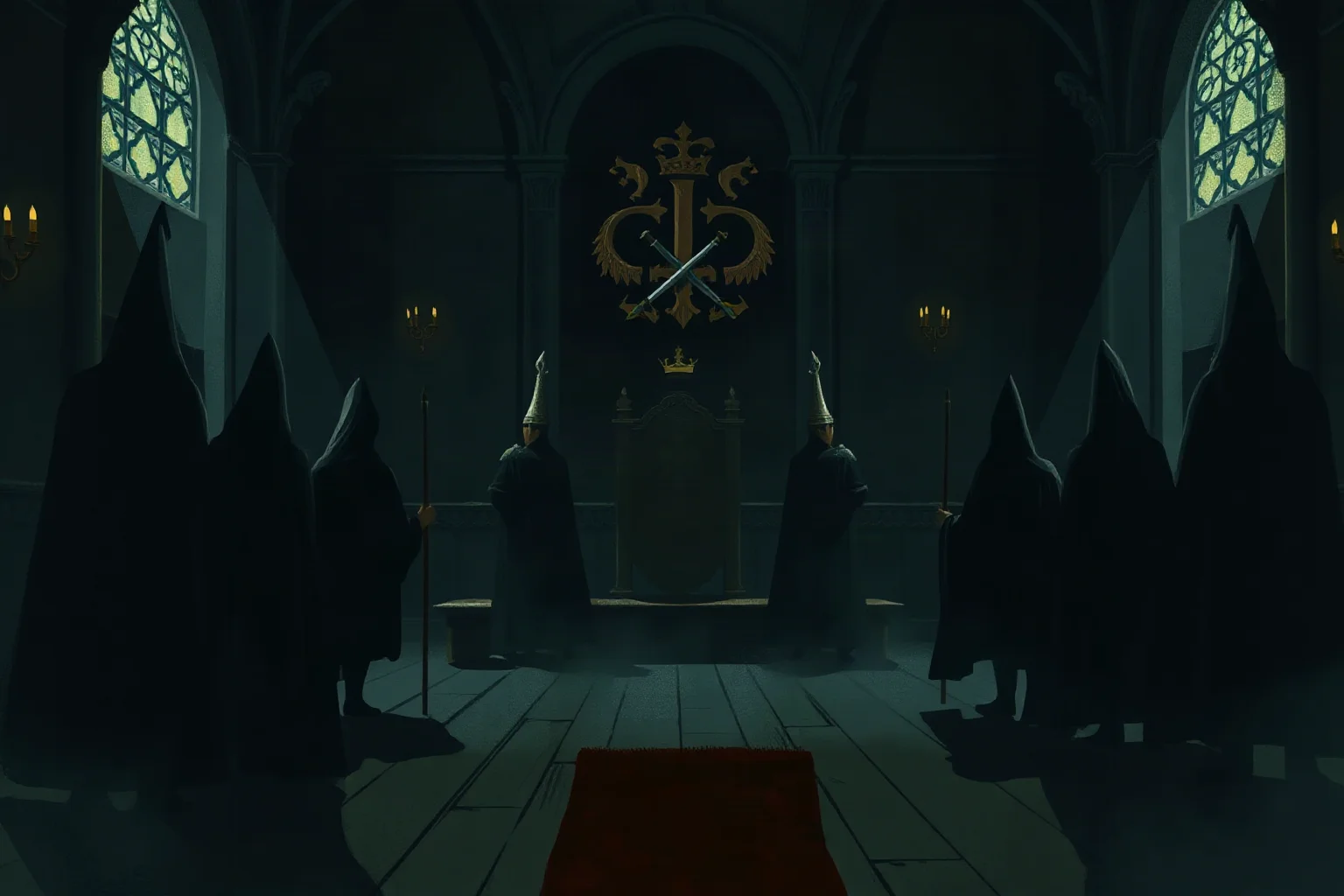
Ivan IV of Russia, known as Ivan the Terrible, expanded Russian territory significantly during his reign in the sixteenth century, but he’s remembered mostly for his paranoid brutality. He created the Oprichnina, a private police force that terrorized and executed suspected enemies, and he’s widely believed to have killed his own son in a fit of rage, though some historical details of that event are debated.
His reign of terror against the nobility and ordinary citizens alike earned him a reputation as one of history’s most feared rulers. Much of what’s known comes from contemporary chronicles, which weren’t always neutral, so some specific stories about him should be read with a degree of caution.
7. Vlad III, “The Impaler”
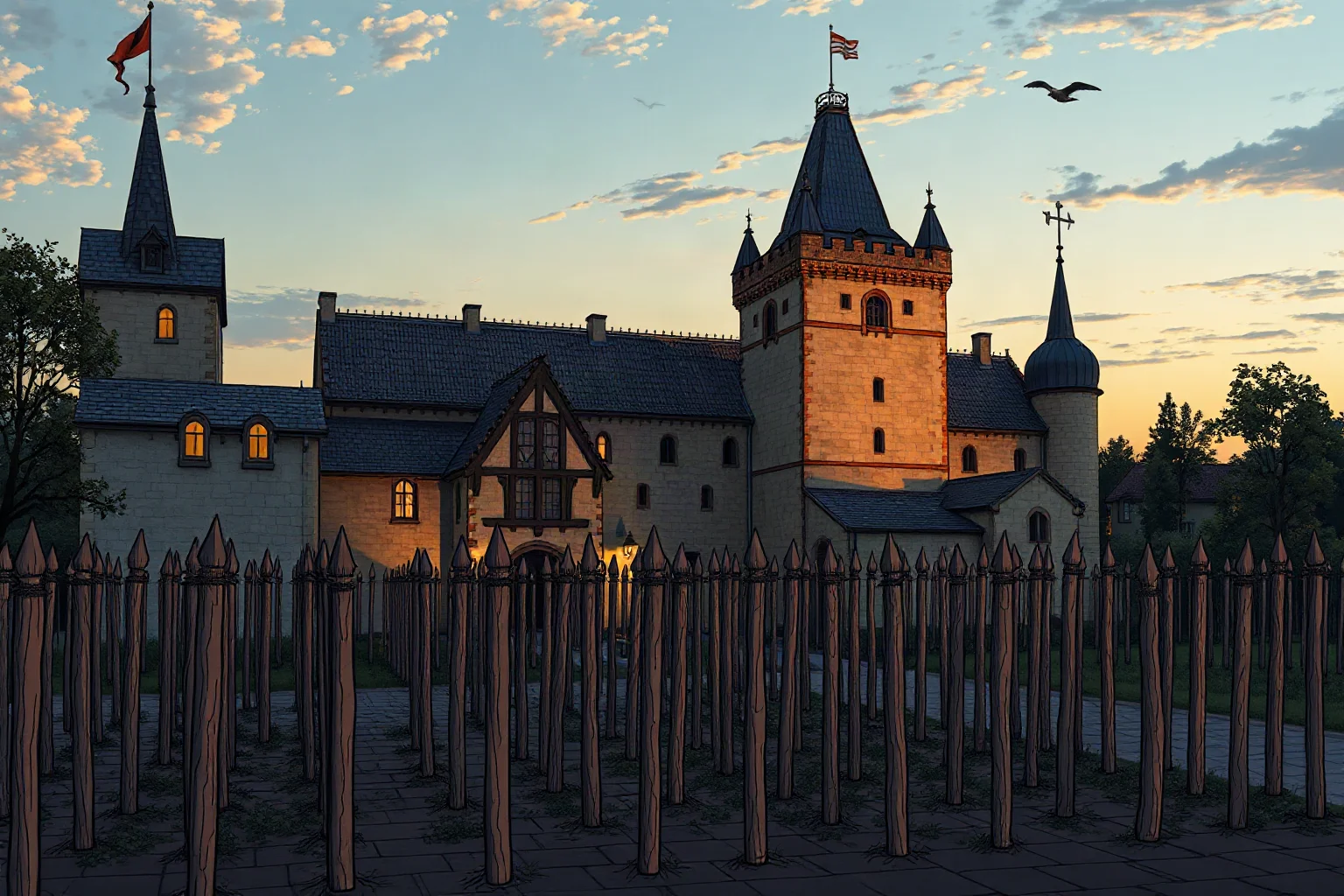
Vlad III of Wallachia, the historical inspiration for Dracula, earned his grim nickname for allegedly impaling thousands of enemies, criminals, and captured Ottoman soldiers on stakes as a form of punishment and psychological warfare. Contemporary accounts, some written by his political rivals, describe forests of impaled bodies left as warnings.
While the goriest tales have almost certainly grown in the retelling over five centuries, the historical consensus is still that Vlad was an unusually brutal ruler even by the standards of his violent era. He’s a good example of how legend and documented cruelty can blur together over time.
8. Idi Amin
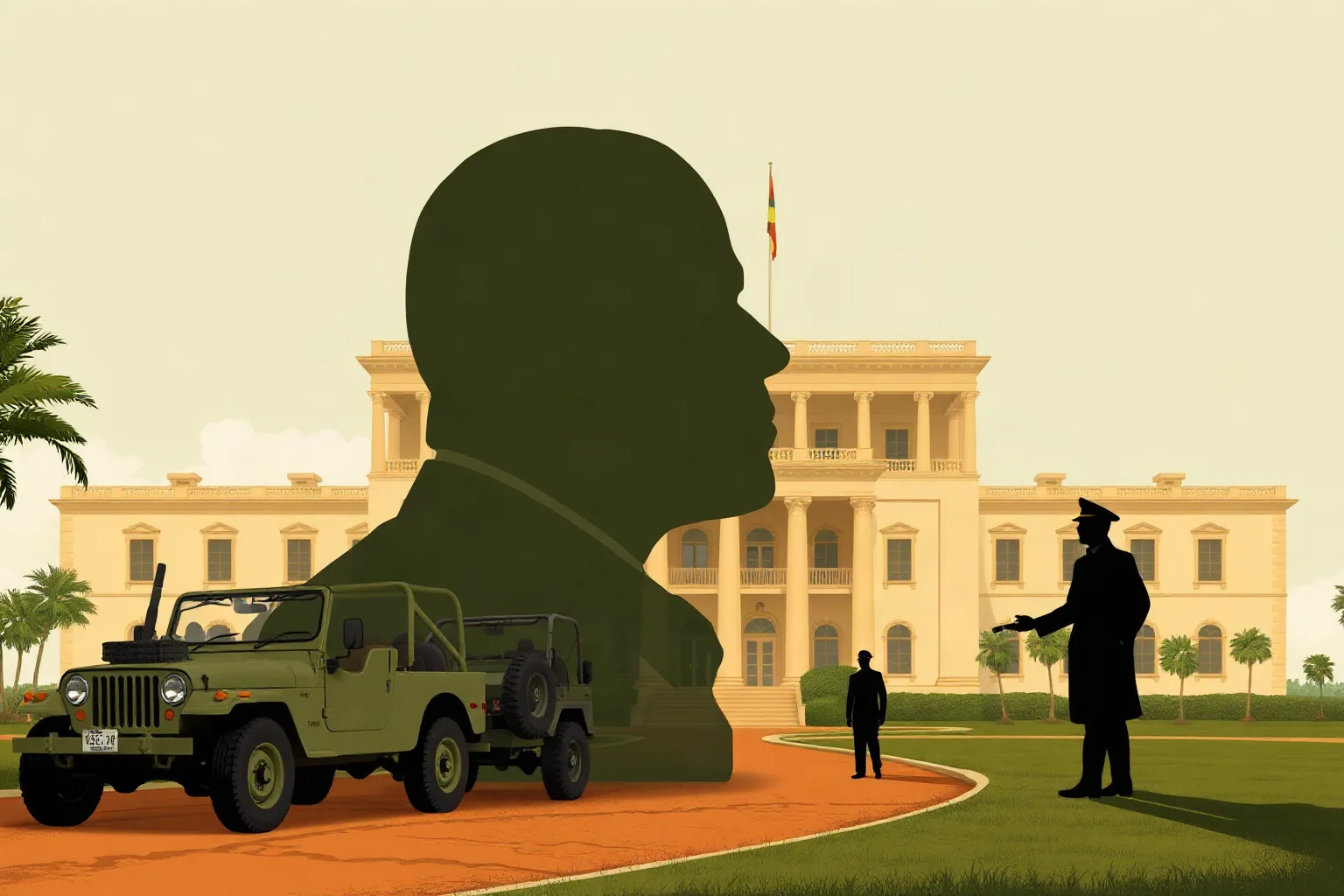
Idi Amin ruled Uganda from 1971 to 1979 after seizing power in a military coup. His regime is estimated to have killed between 100,000 and 500,000 Ugandans through extrajudicial killings, torture, and persecution of ethnic and religious groups.
Amin expelled Uganda’s Asian minority in 1972, devastating the country’s economy, and cultivated a bizarre public persona that made him internationally infamous even as reports of atrocities mounted. He fled into exile in 1979 and died in Saudi Arabia in 2003 without facing trial.
9. Elizabeth Báthory
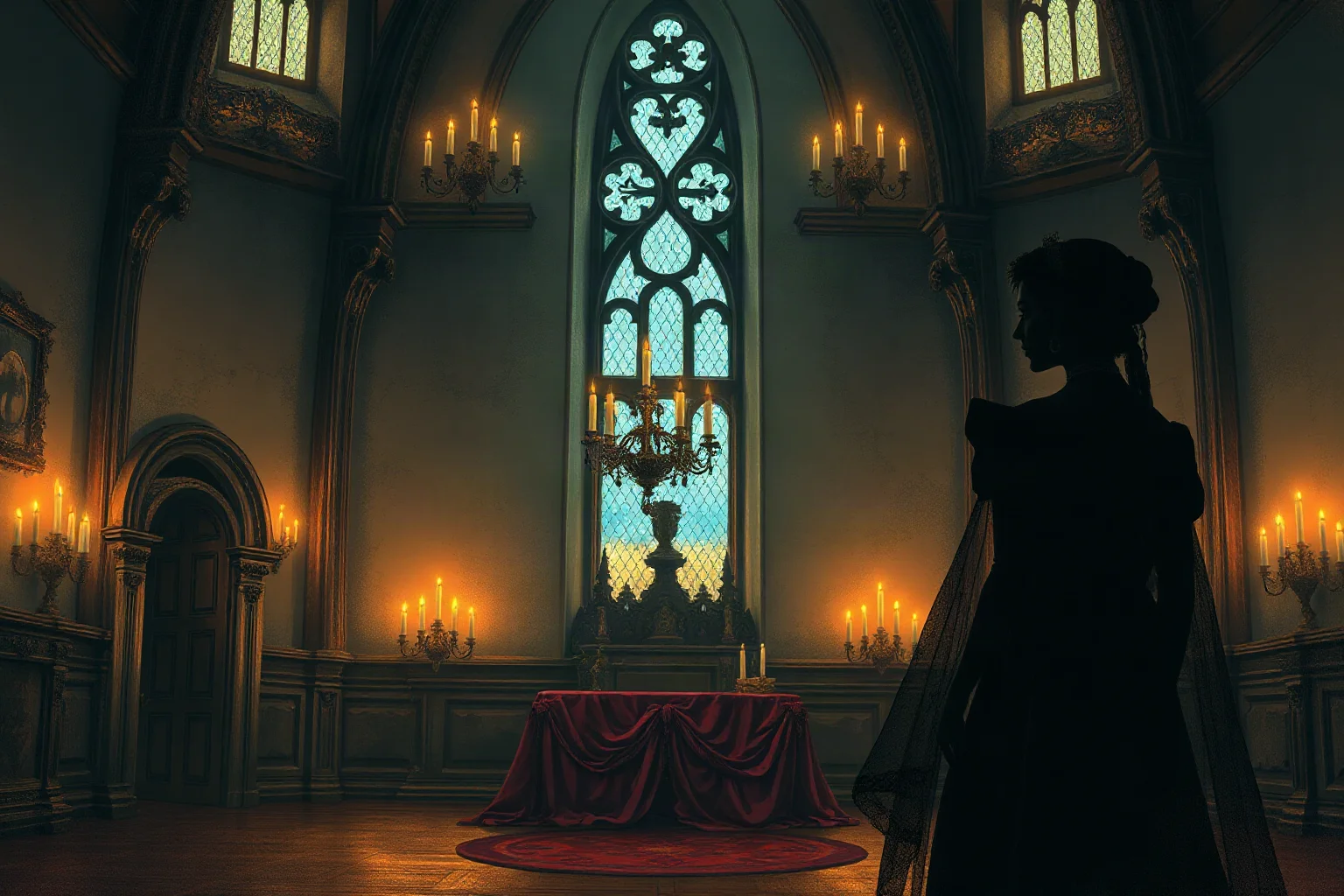
Elizabeth Báthory was a Hungarian countess accused in the early 1600s of torturing and murdering dozens, possibly hundreds, of young women, mostly servants. She was arrested in 1610 based on testimony from witnesses and surviving victims, and she spent the rest of her life confined to her castle.
Her exact death toll is disputed by historians, since some of the more sensational legends (including bathing in blood) likely emerged after her death and may have been exaggerated by political rivals. Even accounting for that, the surviving trial testimony still describes genuine and horrifying abuse.
10. Heinrich Himmler
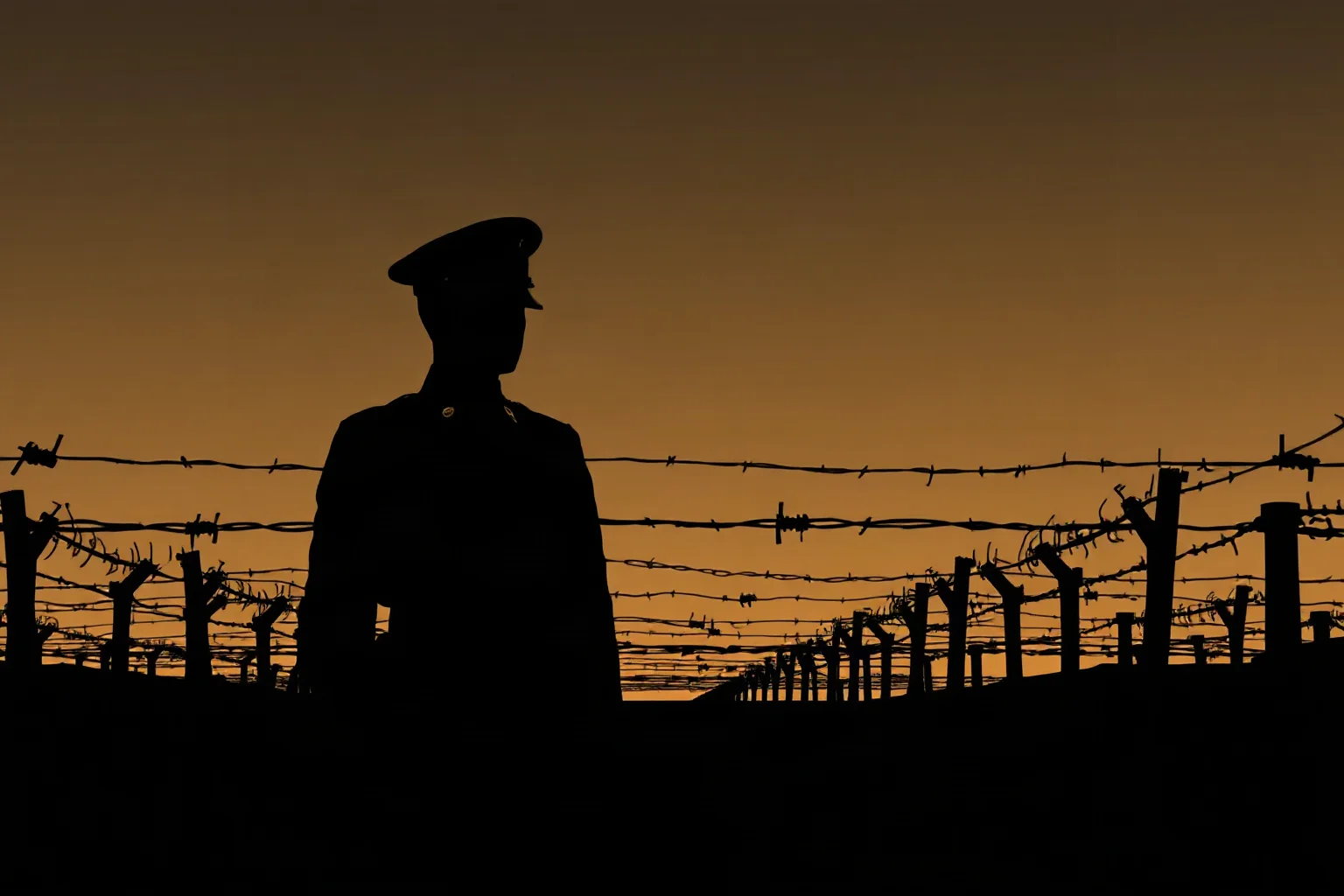
As head of the SS and one of the chief architects of the Holocaust, Heinrich Himmler oversaw the concentration camp system and the logistics of mass murder across Nazi-occupied Europe. He was one of the most powerful men in the Third Reich, directly responsible for implementing the machinery of genocide.
Himmler was captured by Allied forces in 1945 and died by suicide before he could be tried at Nuremberg. His meticulous, bureaucratic approach to mass murder is often cited by historians as an example of how ordinary administrative systems can be turned toward horrific ends.
11. Josef Mengele
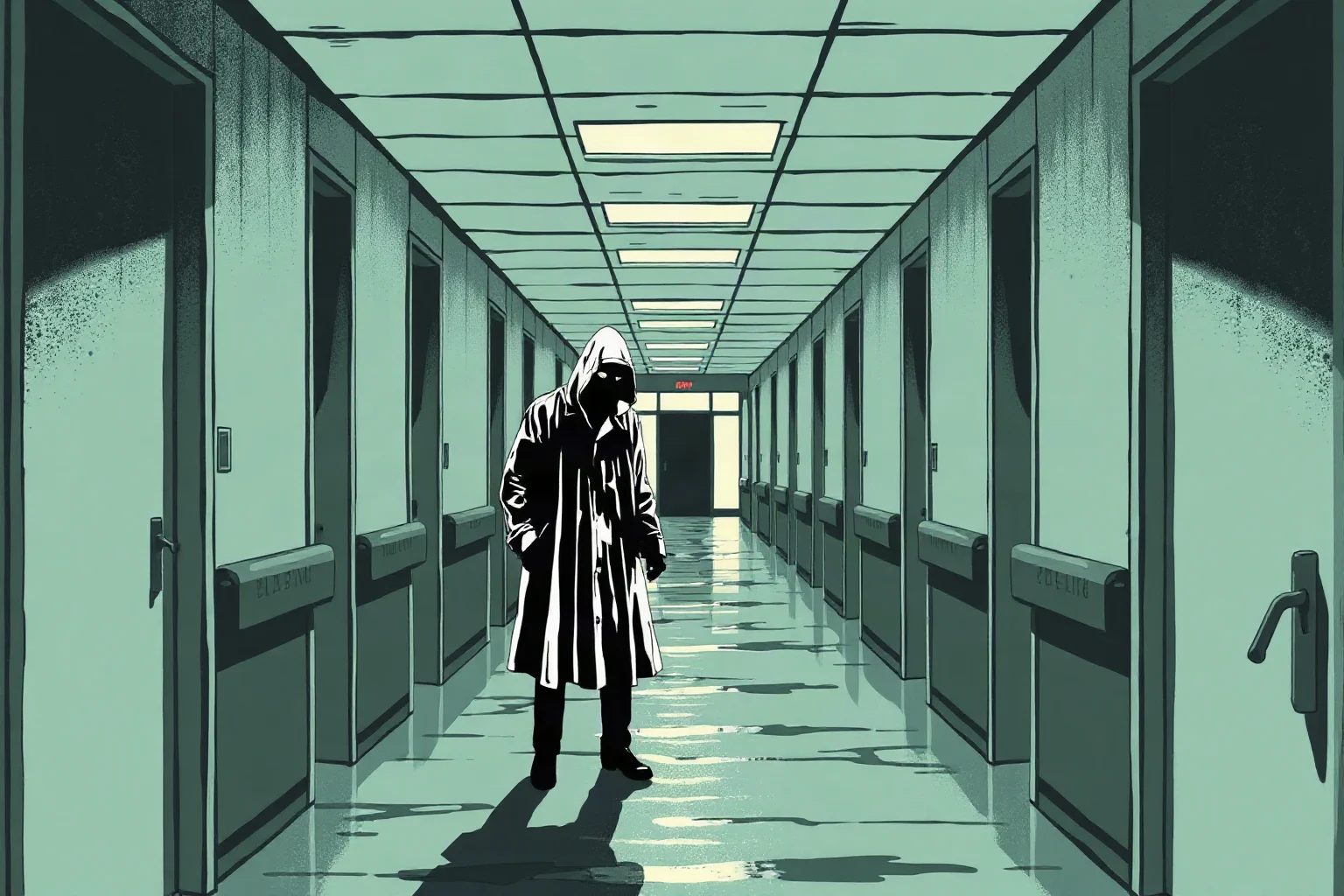
Known as the “Angel of Death,” Josef Mengele was a physician at Auschwitz who performed brutal, often fatal experiments on prisoners, including children and twins, under the guise of medical research. He also participated in selecting which prisoners would be sent to the gas chambers upon arrival.
Mengele fled to South America after the war and evaded capture for decades, reportedly dying in Brazil in 1979 without ever facing trial. His case remains one of the starkest examples of medical ethics being weaponized for cruelty.
12. King Leopold II of Belgium
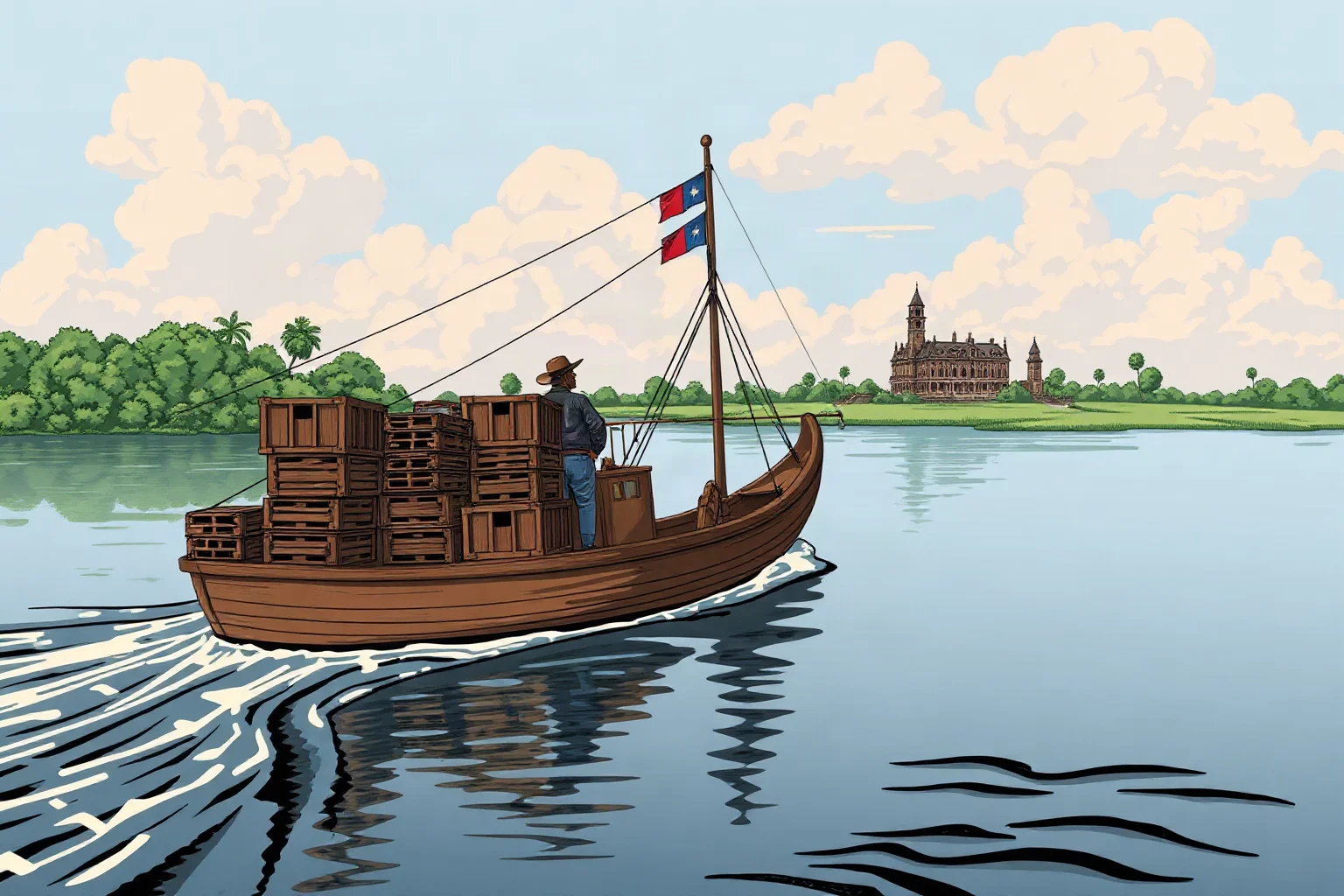
Leopold II personally controlled the Congo Free State from 1885 to 1908 as a private commercial venture, extracting rubber and ivory through forced labor enforced with mutilation, hostage-taking, and execution. Historians estimate that millions of Congolese people died during his rule from violence, disease, and exhaustion tied to this exploitative system.
International outrage over reports and photographic evidence of atrocities eventually forced the Belgian government to take over the colony in 1908. Leopold never set foot in the Congo himself, running the entire operation from Belgium for personal profit.
13. Emperor Nero

Nero ruled the Roman Empire from 54 to 68 CE and is remembered for his erratic cruelty, including the execution of his own mother and, according to ancient sources, his wife. He’s also associated with the brutal persecution of early Christians, whom he reportedly blamed for the Great Fire of Rome in 64 CE.
Some details from ancient historians like Tacitus and Suetonius were written decades after Nero’s death and may reflect political bias against him, so modern historians treat a few of the more dramatic stories with appropriate caution. Even with that caveat, his reign is still widely regarded as one of ancient Rome’s darkest chapters.
14. Caligula

Caligula became Roman emperor in 37 CE and quickly developed a reputation for extreme cruelty, extravagance, and erratic behavior, according to surviving Roman accounts. Ancient sources describe forced humiliations, arbitrary executions, and a general disregard for the lives of those around him, including senators and family members.
As with Nero, much of what survives about Caligula comes from historians writing after his assassination in 41 CE, some of whom had political reasons to paint him as a monster. The consistent picture across multiple ancient sources, however, still points to a genuinely brutal and unstable ruler.
15. Tomás de Torquemada
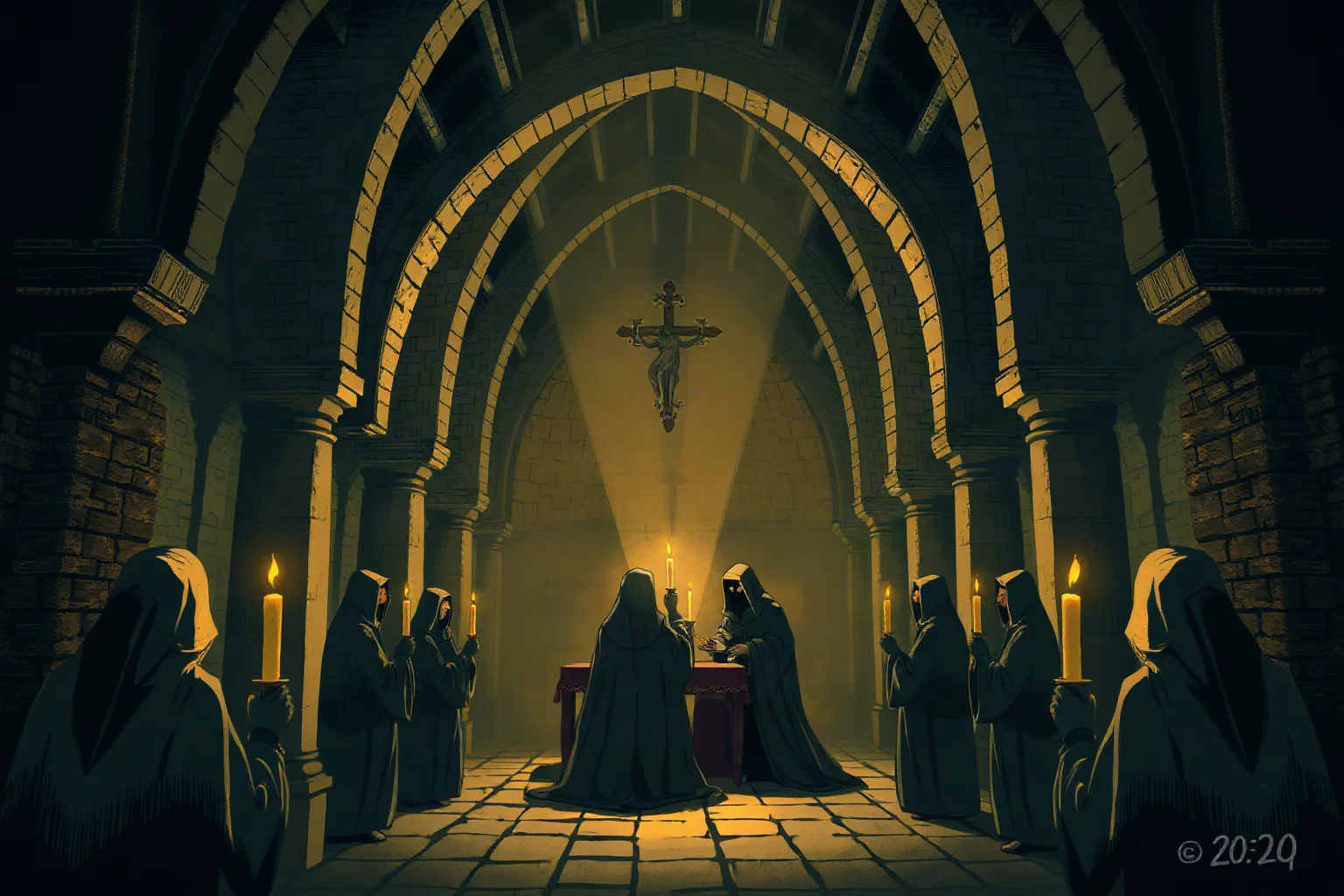
Tomás de Torquemada was the first Grand Inquisitor of the Spanish Inquisition, established in 1478 to enforce religious orthodoxy in Spain. Under his direction, thousands of people, many of them Jewish converts to Christianity suspected of secretly practicing Judaism, were interrogated, tortured, and in some cases executed.
Historians debate the exact number of deaths directly attributable to Torquemada’s tenure, but the systematic use of torture and forced confessions under his authority is well documented. His name has become a byword for religious persecution carried out through institutional power.
16. Nicolae Ceaușescu
Nicolae Ceaușescu ruled communist Romania from 1965 until his execution in 1989, building one of the most oppressive surveillance states in the Eastern Bloc through his secret police, the Securitate. His regime banned contraception and abortion to boost the population, leading to a well-documented humanitarian crisis in state orphanages where children were neglected and abused.
Ceaușescu also pursued grandiose construction projects while ordinary Romanians faced severe shortages of food and basic goods. He and his wife were captured and executed following a popular uprising in December 1989, a rare case of a dictator facing immediate consequences.
17. Saddam Hussein
Saddam Hussein ruled Iraq from 1979 to 2003, running a government built on fear, surveillance, and brutal suppression of dissent. His regime carried out the Anfal campaign against Kurdish civilians in the late 1980s, including chemical weapons attacks on towns like Halabja that killed thousands.
He also launched a costly war against Iran in the 1980s and the invasion of Kuwait in 1990, actions that led to devastating regional conflicts. Hussein was captured by U.S. forces in 2003, tried by an Iraqi tribunal, and executed in 2006.
18. Osama bin Laden

As founder and leader of al-Qaeda, Osama bin Laden orchestrated the September 11, 2001 attacks, which killed nearly 3,000 people in the United States and remain among the deadliest terrorist attacks in modern history. He had previously orchestrated or inspired other attacks against U.S. and international targets throughout the 1990s.
Bin Laden became arguably the most hunted person of the modern age, evading capture for nearly a decade after 9/11 before being killed by U.S. Navy SEALs in Pakistan in 2011. His ideology continues to influence extremist movements, which is part of why he’s still cited as one of the most dangerous people in modern history.
19. Jim Jones

Jim Jones founded the Peoples Temple, a cult that relocated from the United States to a settlement in Guyana called Jonestown. In November 1978, Jones orchestrated a mass murder-suicide in which more than 900 followers, including over 300 children, died from cyanide poisoning, most of them coerced or forced rather than acting freely.
The Jonestown massacre remains one of the largest single losses of American civilian life caused by one person’s actions until September 11, 2001. It’s frequently cited as a case study in how charismatic manipulation and isolation can be used to control and ultimately destroy an entire community.
20. Ted Bundy

Ted Bundy was an American serial killer who murdered at least 30 people, and likely more, across several U.S. states during the 1970s. He was notable for his ability to appear charming and unremarkable, which allowed him to gain victims’ trust before attacking them.
Bundy escaped custody twice before finally being recaptured, convicted, and executed in Florida in 1989. His case significantly shaped public and law enforcement understanding of serial killer psychology and profiling.
21. Jeffrey Dahmer

Jeffrey Dahmer murdered 17 men and boys in Wisconsin between 1978 and 1991, many of whose remains were discovered in his apartment when he was finally arrested. His crimes included extreme acts of violence that shocked investigators even by the standards of serial murder cases.
Dahmer was convicted in 1992 and sentenced to life in prison, where he was killed by a fellow inmate in 1994. His case remains one of the most studied and discussed in American criminal history, partly because of how long his crimes went undetected.
22. Charles Manson

Charles Manson led a cult known as the “Manson Family” in California in the late 1960s and directed followers to carry out a series of murders in 1969, including the killing of actress Sharon Tate. Manson himself didn’t personally commit most of the killings, but he was convicted of murder under a legal theory holding him responsible for orchestrating them.
He spent the rest of his life in prison, becoming a lasting symbol of cult manipulation and the darker side of 1960s counterculture. Manson died in prison in 2017, having been denied parole multiple times.
23. Slobodan Milošević
Slobodan Milošević served as President of Serbia and later of Yugoslavia during the brutal Balkan wars of the 1990s, which included ethnic cleansing campaigns against Bosnian Muslims and Kosovar Albanians. The Srebrenica massacre of 1995, in which more than 8,000 Bosnian Muslim men and boys were killed, is widely recognized as genocide by international courts.
Milošević was eventually indicted by the International Criminal Tribunal for the former Yugoslavia and stood trial in The Hague. He died in custody in 2006 before a verdict was reached, leaving some legal questions about his personal culpability formally unresolved even though the broader historical record of the atrocities is well documented.
24. Kim Il Sung

Kim Il Sung founded North Korea in 1948 and ruled it until his death in 1994, establishing the totalitarian, dynastic system that his son and grandson later inherited. His regime built an extensive network of political prison camps, enforced strict information control, and cultivated a personality cult that persists in North Korea today.
The famine and repression that followed under his successors have roots in the political and economic system he established. Because North Korea remains so closed off, much of what’s known relies on defector testimony and satellite evidence rather than open government records, but the consistent picture is one of severe, ongoing human rights abuses.
A Word on Race, Nationality, and Evil
It’s worth addressing directly: cruelty and atrocity are not tied to any single race, nationality, or ethnicity. History’s worst leaders and killers have come from virtually every continent, culture, and belief system, which is exactly why historians reject the idea that any one race or people is inherently “the most vile.”
What these cases actually have in common is opportunity: unchecked power, weak institutions, dehumanizing propaganda, and a population or bureaucracy willing to go along with orders. Blaming an entire race or nationality for the actions of individual tyrants isn’t historically accurate, and it’s the same kind of dehumanizing logic many of the people on this list used to justify their own crimes.
Who Are the Most Hated and Most Dangerous People Today?
Modern “most hated person in the world” searches usually reflect internet controversies, celebrity scandals, or breaking news rather than documented historical atrocity, and public opinion on living figures can shift quickly. That’s very different from the kind of decades-long historical record used to evaluate the names on this list.
When it comes to genuinely dangerous people alive today, security researchers and journalists generally point to leaders of active terrorist organizations, warlords in ongoing conflicts, and heads of authoritarian states with track records of human rights abuses, rather than any single named individual. Because these situations are current and often disputed, unverified, or politically charged, we’ve deliberately avoided naming specific living private citizens here.
Why Do People Become Evil? A Brief Look at the Psychology
Psychologists generally reject the idea that evil people are simply born broken. Research on figures like Nazi officials and cult leaders points instead to a mix of factors: obedience to authority, gradual desensitization to cruelty, dehumanizing ideology, and social environments that reward ruthlessness.
The famous (and controversial) Milgram obedience experiments in the 1960s suggested that ordinary people can be led to inflict harm on others under the right institutional pressure — echoing philosopher Hannah Arendt’s concept of the “banality of evil,” one of the ideas explored in our rundown of renowned historical philosophers. That doesn’t excuse the individuals on this list, but it does help explain how so many of history’s worst atrocities were carried out with help from thousands of otherwise “ordinary” participants.
It’s also worth separating clinical concepts like psychopathy from the broader idea of “evil.” Not every dictator or serial killer meets diagnostic criteria for a personality disorder, and not everyone with such a diagnosis commits atrocities, so the two shouldn’t be treated as interchangeable.
Final Thoughts
There’s no single, universally agreed-upon answer to who the worst person in history really is, and that’s probably a good thing. It means we’re still willing to weigh evidence, question exaggeration, and separate documented fact from legend rather than settling on easy villains.
What these 24 stories do share is a warning: unchecked power, dehumanizing ideology, and silence from bystanders are the ingredients that keep showing up again and again. Remembering these names accurately, rather than through myth or propaganda, is part of what makes it harder for the next version of this story to play out unnoticed.
Frequently Asked Questions
Who is the worst person in the world?
There's no single, universally agreed-upon answer, since "worst" is a moral judgment rather than a measurable fact. Historically, figures like Adolf Hitler, Joseph Stalin, and Pol Pot are most frequently cited due to the documented scale and deliberateness of the suffering they caused.
Who is the most hated person in the world?
This varies a lot depending on whether you mean historical figures or current public figures. Historically, Adolf Hitler is the name most consistently associated with universal condemnation, largely because of the extensively documented Holocaust and World War II.
What makes someone one of the worst people in history?
Historians generally weigh three factors: the scale of harm caused, whether the harm was intentional, and how much power the person had to act on their intentions. That's why heads of state with access to armies, police forces, or bureaucracies tend to rank above individuals acting alone.
Is Hitler considered the most evil person in history?
He's the figure most commonly named in surveys and historical discussions, largely due to the well-documented scale of the Holocaust and World War II. However, historians generally avoid declaring any single person the definitive "most evil," since other regimes and individuals caused comparably devastating harm through different means.
Why are people so evil?
Psychologists point to a mix of factors rather than any single cause, including obedience to authority, dehumanizing ideology, gradual desensitization to violence, and social environments that reward cruelty. Most large-scale atrocities also required the cooperation of many ordinary participants, not just one evil mastermind.
Which race in history is the most vile?
None — cruelty and atrocity have appeared across virtually every race, nationality, and culture throughout history. The idea that any single race is inherently more vile is a harmful myth, and it uses the same dehumanizing logic that many historical tyrants used to justify their own crimes.
Who is the most hated person on earth right now?
That answer shifts constantly based on current events, scandals, and news cycles, and is generally too subjective and time-sensitive to answer definitively. It's also quite different from historical rankings, which rely on decades of documented evidence rather than real-time public opinion.
I feel like a horrible person — does that mean I actually am one?
Feeling guilty or self-critical is common and doesn't put you anywhere near the same category as the historical figures on this list, who caused documented, large-scale, deliberate harm. If these feelings are persistent or distressing, it can help to talk to a trusted friend, doctor, or mental health professional rather than trying to self-diagnose.
Who is considered the most dangerous person in the world today?
Rather than one named individual, security researchers and journalists typically point to leaders of active terrorist organizations, warlords in ongoing conflicts, or authoritarian heads of state with documented human rights abuses. Because these situations are current, disputed, and often unverified, specific claims should be treated cautiously and checked against reliable news sources.
Who is the dumbest person in history?
There's no verified historical record ranking anyone as the objectively "dumbest" person ever, since intelligence is hard to measure and even harder to compare across centuries. This idea is more of an internet meme than a serious historical claim.

Alex Warren
Related Articles