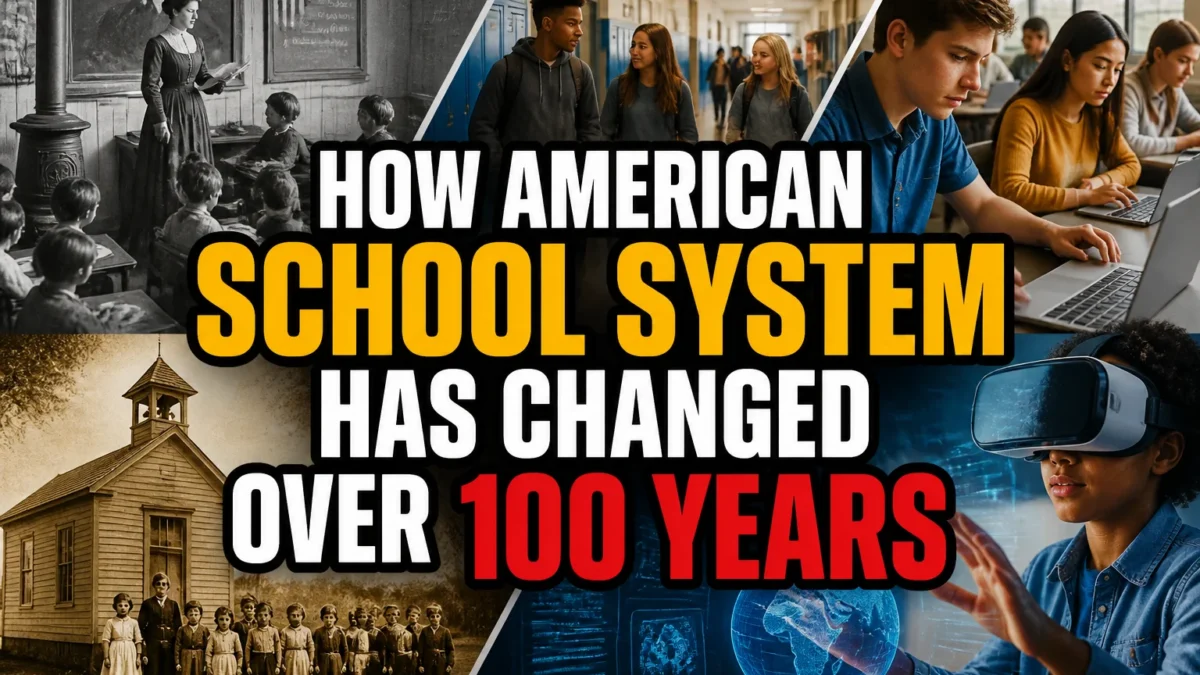
If you stepped into an American classroom in 1925, you might not recognize it at first. Wooden desks bolted to the floor, a potbellied stove in the corner, and a single teacher managing students from six to sixteen would feel like a scene from another world. Yet many of the routines we assume are timeless — homework, report cards, summer vacation — actually took shape relatively recently in the long story of how long schools have been around.
Understanding what school was like 100 years ago helps us see today's debates about testing, technology, and funding in a clearer light. The story of how education has changed over time is not a simple march of progress. It is a messy mix of reforms, political battles, economic pressures, and changing ideas about what children need to thrive.
TL;DR: Over the past century, American schools shifted from small, rural, locally controlled one-room schoolhouses to large, standardized, technology-filled institutions shaped by federal policy, civil rights, and evolving ideas about childhood.
The One-Room Schoolhouse Was Still Common
When people picture schools 100 years ago, they usually imagine the iconic one-room schoolhouse. That image is accurate for a huge portion of the country, especially in rural areas. In 1925, roughly 150,000 one-room schools were still operating across the United States.
These buildings typically housed grades one through eight under a single teacher. The teacher often had no formal training beyond high school, and in some places, the job went to whoever could handle the winter commute.
A typical school 100 years ago in rural America might have 15 to 35 students spread across all eight grades. The youngest children sat in the front rows while older students worked independently in the back. Discipline was strict, and the teacher's authority was rarely questioned in the classroom.
Urban Schools Were Crowded and Factory-Like
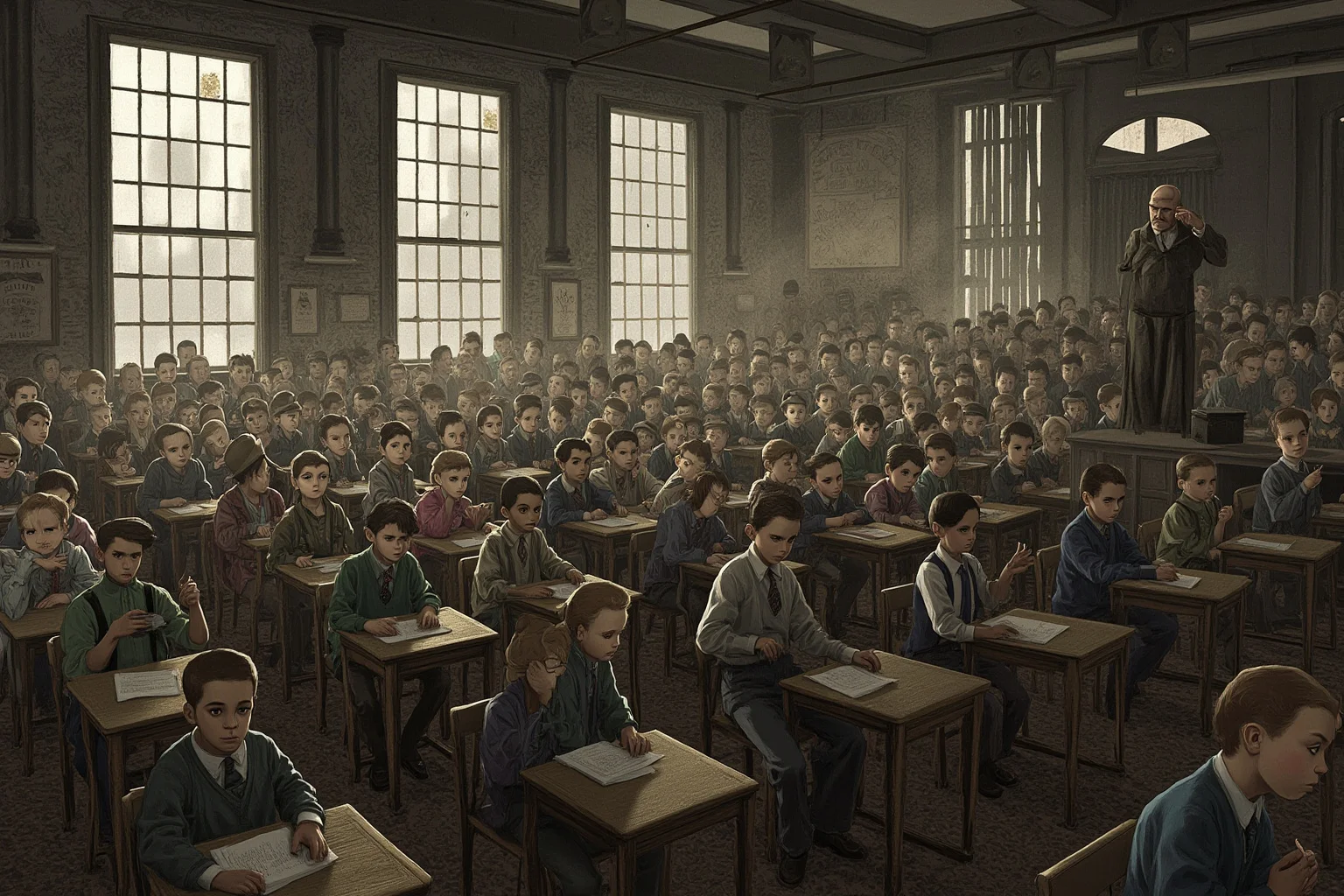
City schools in the 1920s were a completely different experience from their rural counterparts. Waves of immigration and urbanization had packed classrooms with 40, 50, or even 60 students. School buildings in cities like New York and Chicago were often dark, overcrowded, and poorly ventilated.
Reformers of the era openly compared these schools to factories. Students moved through grade levels like products on an assembly line, with bells signaling when to shift from one subject to the next. This factory model was considered modern and efficient at the time.
Despite the grim conditions, urban schools offered something rural schools often could not. They had specialized teachers, libraries, and a wider range of subjects. This urban-rural divide would shape American education policy for decades to come.
Compulsory Attendance Laws Were Still New
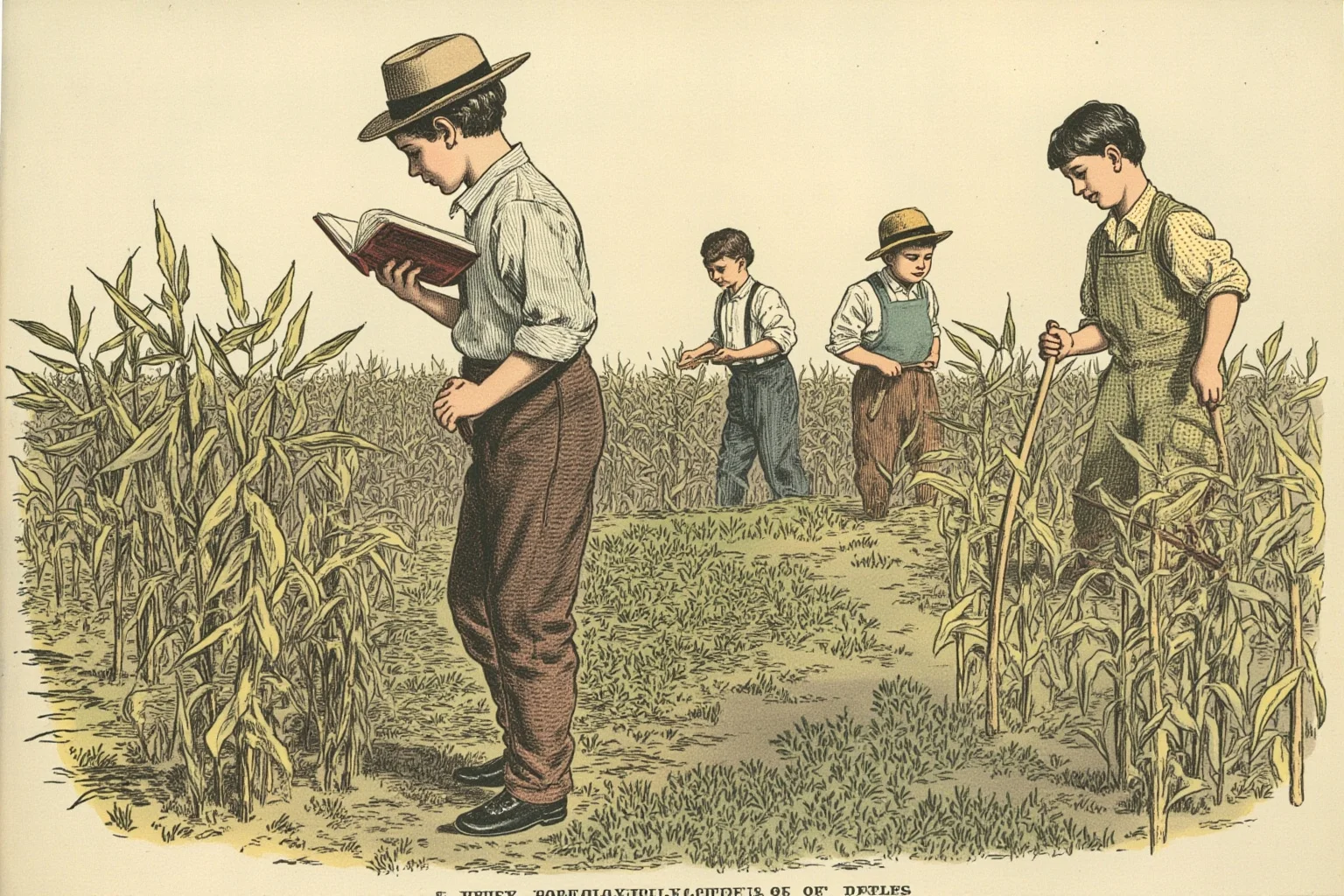
It surprises many people to learn that mandatory schooling was not yet universal in the 1920s. How long have schools been around? Formal public schools existed for over two centuries, but requiring children to attend them was a much newer idea. Most states only passed compulsory attendance laws between 1852 and 1918.
By 1925, every state had some form of compulsory education law on the books. However, enforcement was wildly uneven. In rural areas, children routinely missed school for weeks at a time during planting and harvest seasons.
Child labor remained common, especially in agriculture and textile mills. The idea that all teenagers should stay in school until age 18 would have seemed strange, even radical, to most Americans of the era. High school was still seen as an optional path for the ambitious few.
High School Was a Privilege, Not an Expectation
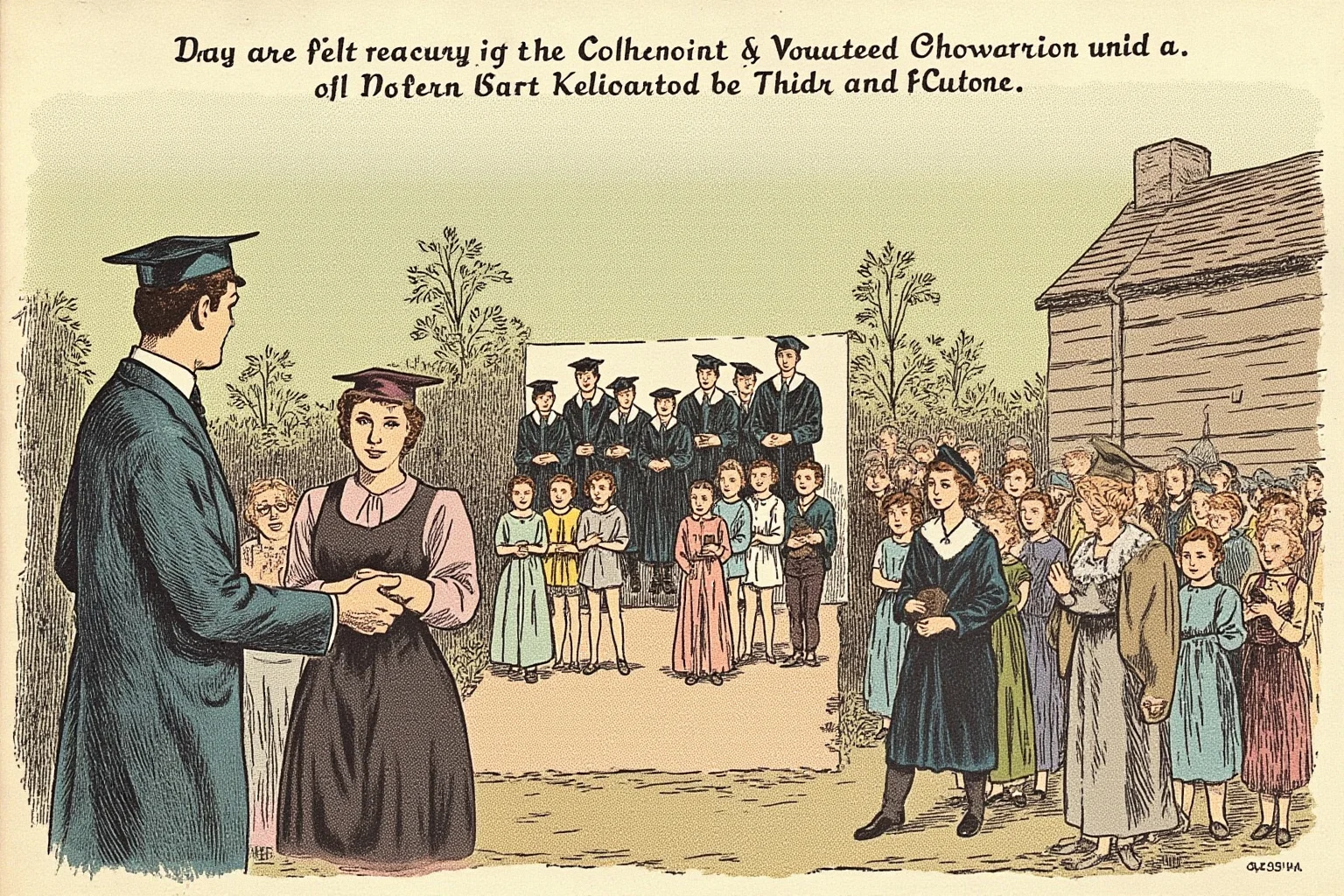
Today, dropping out of high school is treated as a crisis. A century ago, graduating from high school was an achievement that set you apart. In 1920, only about 16 percent of 17-year-olds were enrolled in high school.
That number began to climb dramatically during the 1920s and 1930s. The Great Depression, ironically, pushed more young people into school because there were no jobs to lure them away. By 1940, high school enrollment had more than tripled from its 1920 level.
This shift changed the fundamental character of American secondary education. Schools that once prepared a small elite for college now had to serve a broad cross-section of teenagers. The comprehensive high school was born out of this pressure.
The Curriculum Looked Very Different
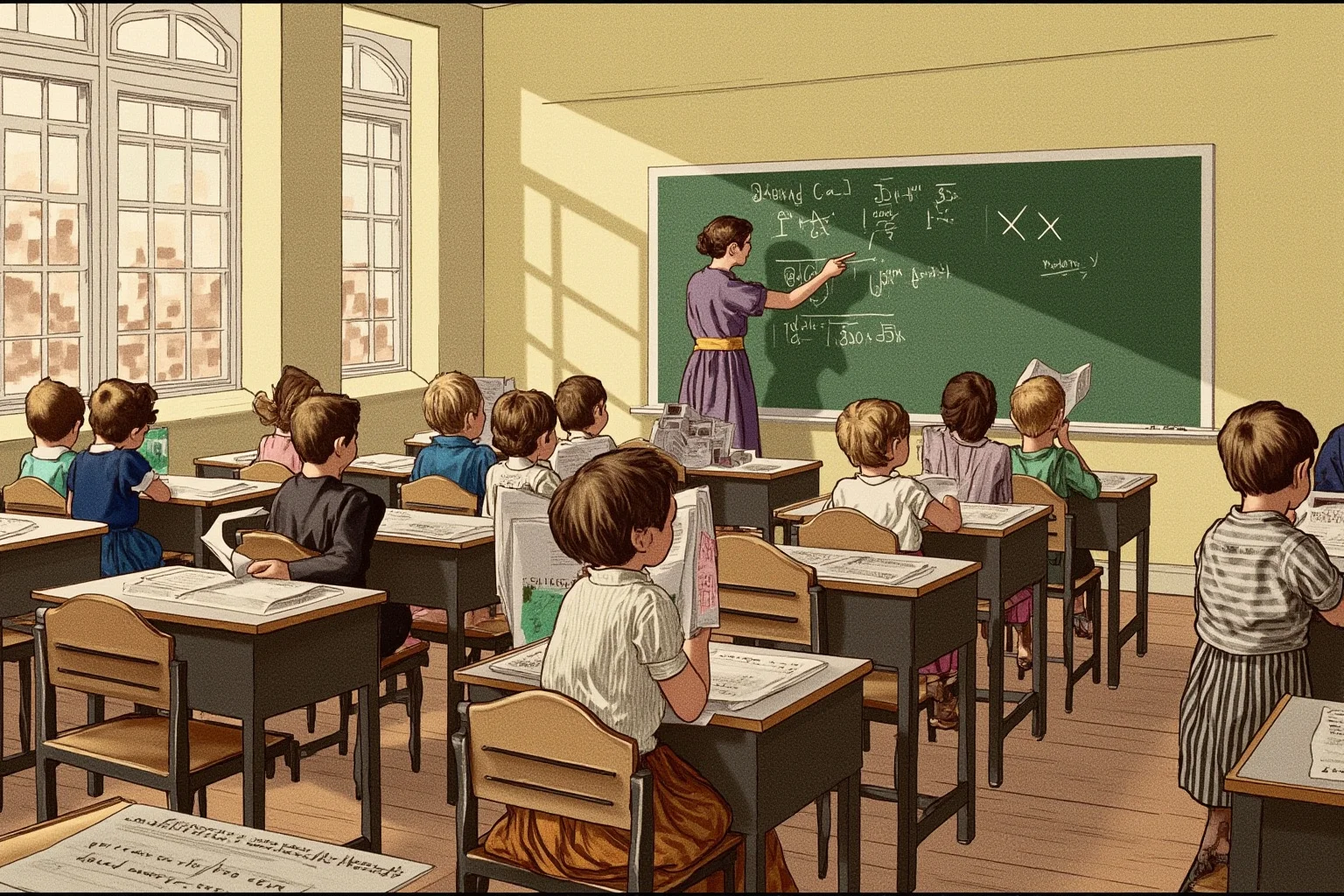
What was school like 100 years ago in terms of daily lessons? The three Rs — reading, writing, and arithmetic — dominated the elementary curriculum. History and geography were taught through memorization and recitation. Science was often limited to nature study and simple experiments.
High school students in the 1920s took a curriculum that would feel narrow by today's standards. Latin, algebra, English literature, and ancient history were common requirements. Vocational courses like shop and home economics were just beginning to gain acceptance.
The progressive education movement, led by thinkers like John Dewey, was pushing for more child-centered, hands-on learning. However, these ideas were more talked about in teacher colleges than practiced in most actual classrooms. Rote memorization remained the default method.
Teachers Had Far Less Training
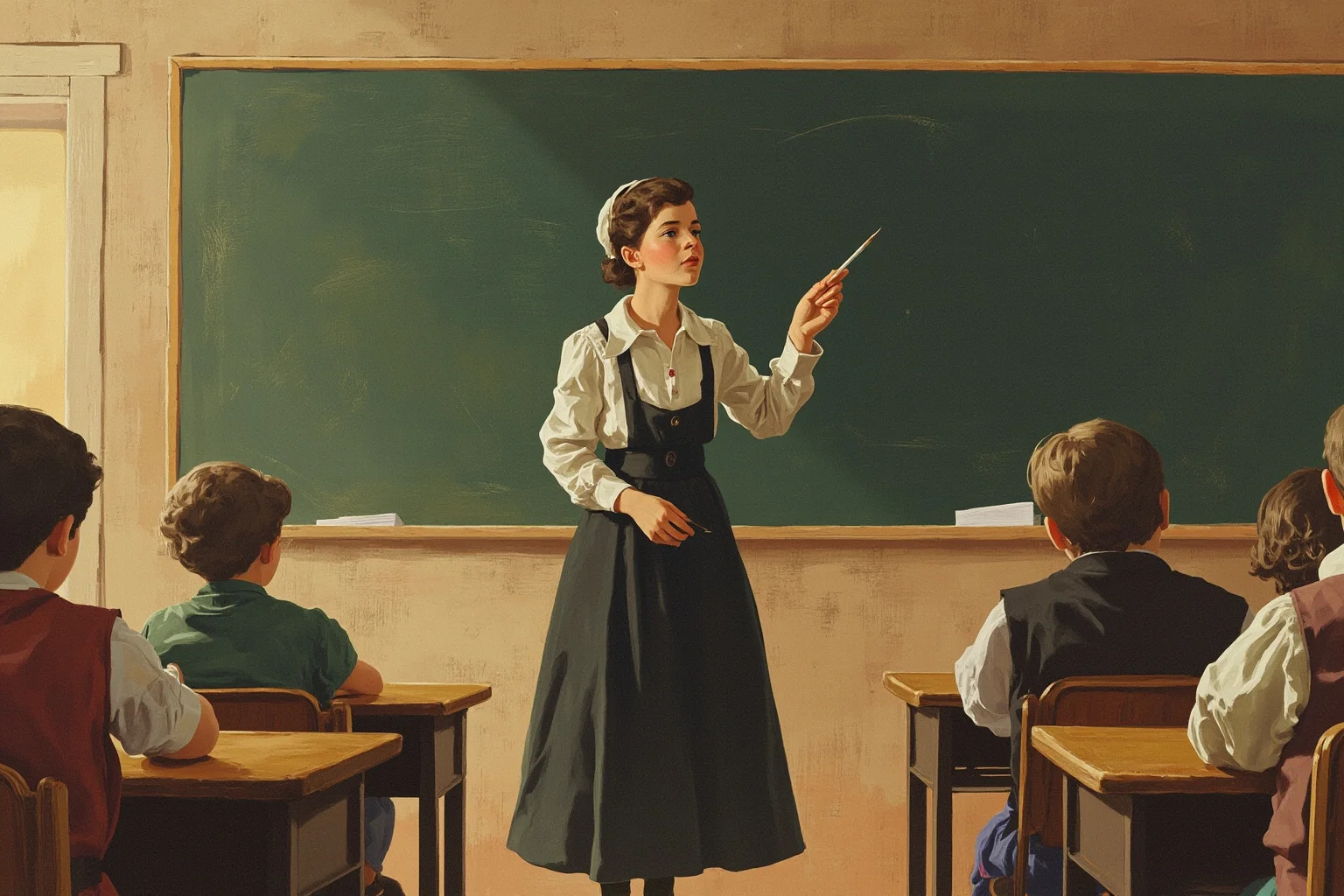
Becoming a teacher in 1925 required nowhere near the preparation expected today. Many states only required a high school diploma plus a short training course, often just six weeks to two years at a normal school. In rural areas, teachers as young as 17 or 18 stood in front of classrooms.
Pay was appallingly low, especially for women, who made up the vast majority of the teaching force. A 1925 report found that the average teacher salary was around $1,200 per year, roughly equivalent to $20,000 today. Many teachers lived with local families or boarded in spare rooms because they could not afford their own homes.
Teachers also faced strict moral codes, especially women. Contracts often prohibited female teachers from marrying, smoking, or even being seen in public after certain hours. These rules began to relax during the labor shortages of World War II.
Schools Were Deeply Segregated by Race
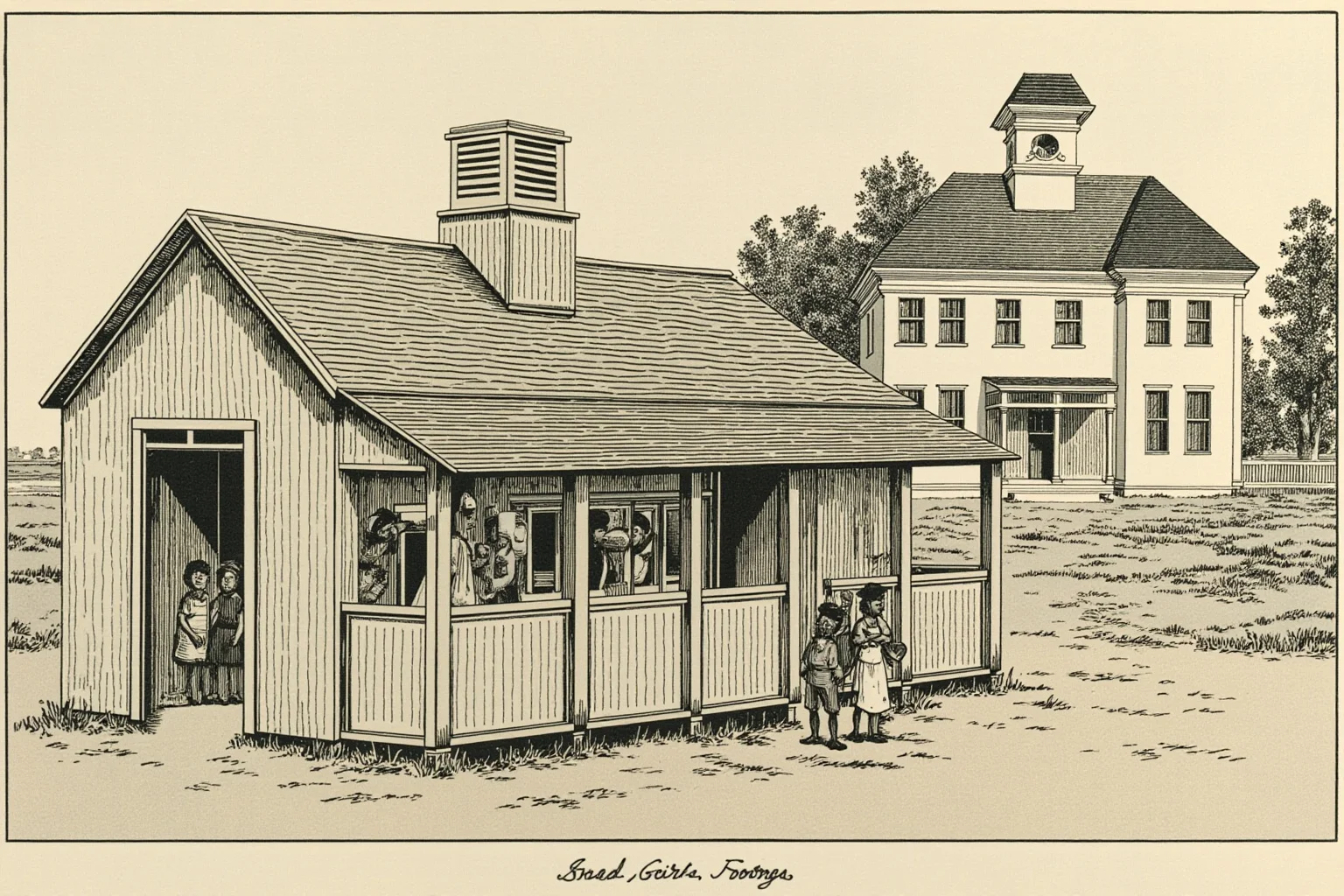
No honest discussion of American education history can avoid the reality of racial segregation. In 1925, schools across the South were legally segregated under Jim Crow laws. Black schools received dramatically less funding, often operating in crumbling buildings with outdated textbooks.
The situation was not limited to the South. Many Northern cities practiced de facto segregation through housing policies and school district boundaries. Black children routinely attended overcrowded, underfunded schools in every region of the country.
Native American children faced a different but equally damaging system. Federal boarding schools forcibly separated Indigenous children from their families and suppressed their languages and cultures. These schools operated well into the 20th century, with some not closing until the 1970s.
The GI Bill Transformed Higher Education
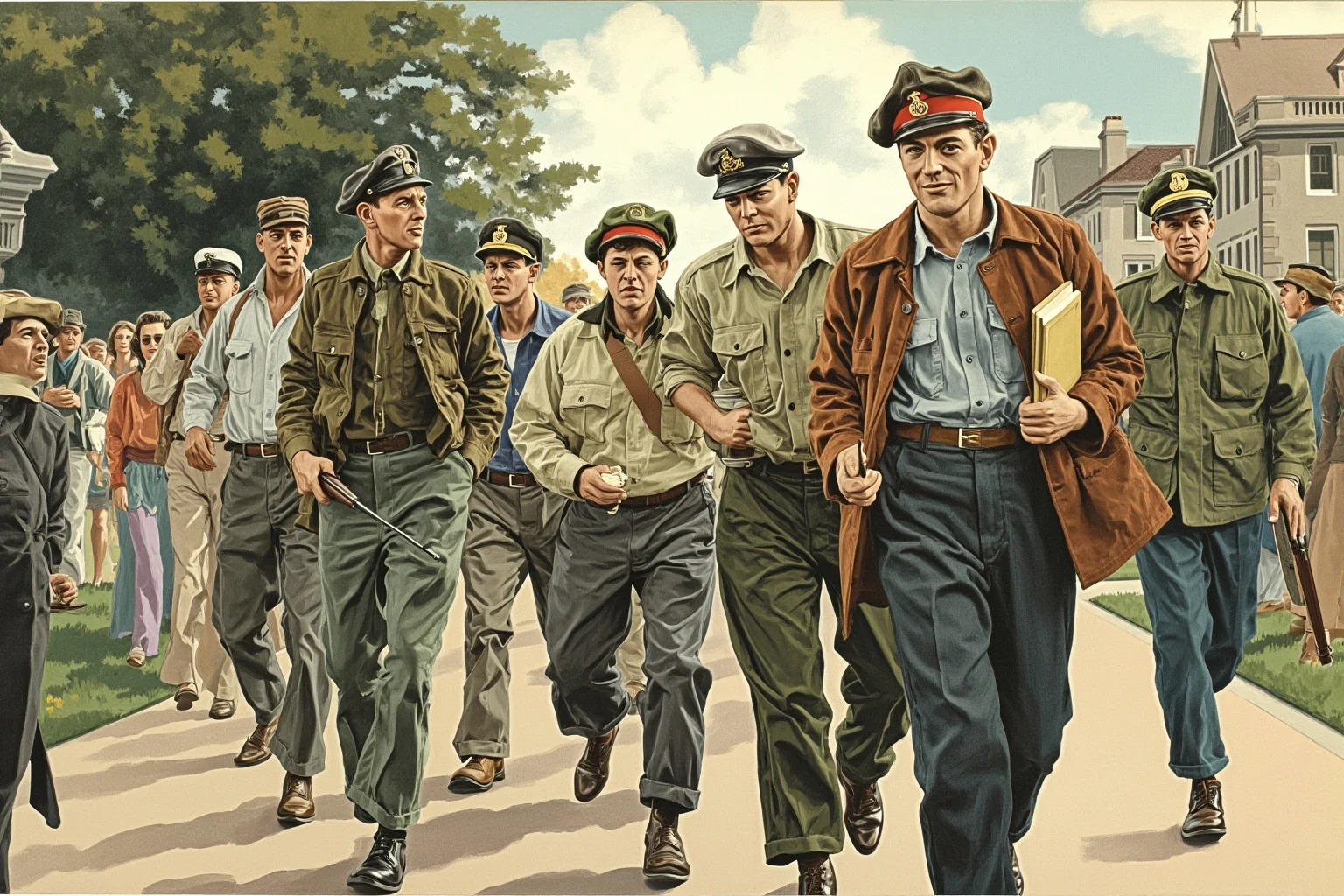
One of the most consequential changes in how education has changed over time came not from schools themselves but from a veterans' benefit. The Servicemen's Readjustment Act of 1944, better known as the GI Bill, sent millions of veterans to college. Before the war, college was a luxury for the wealthy few.
The GI Bill shattered that assumption. By 1947, veterans made up nearly half of all college enrollment in the United States. They flooded campuses, often bringing spouses and children, and forced colleges to expand rapidly.
This expansion permanently changed American expectations about higher education. College went from an elite privilege to a realistic goal for the middle class. The ripple effects on high schools, which now had to prepare far more students for college, were enormous.
Brown v. Board of Education Reshaped Everything
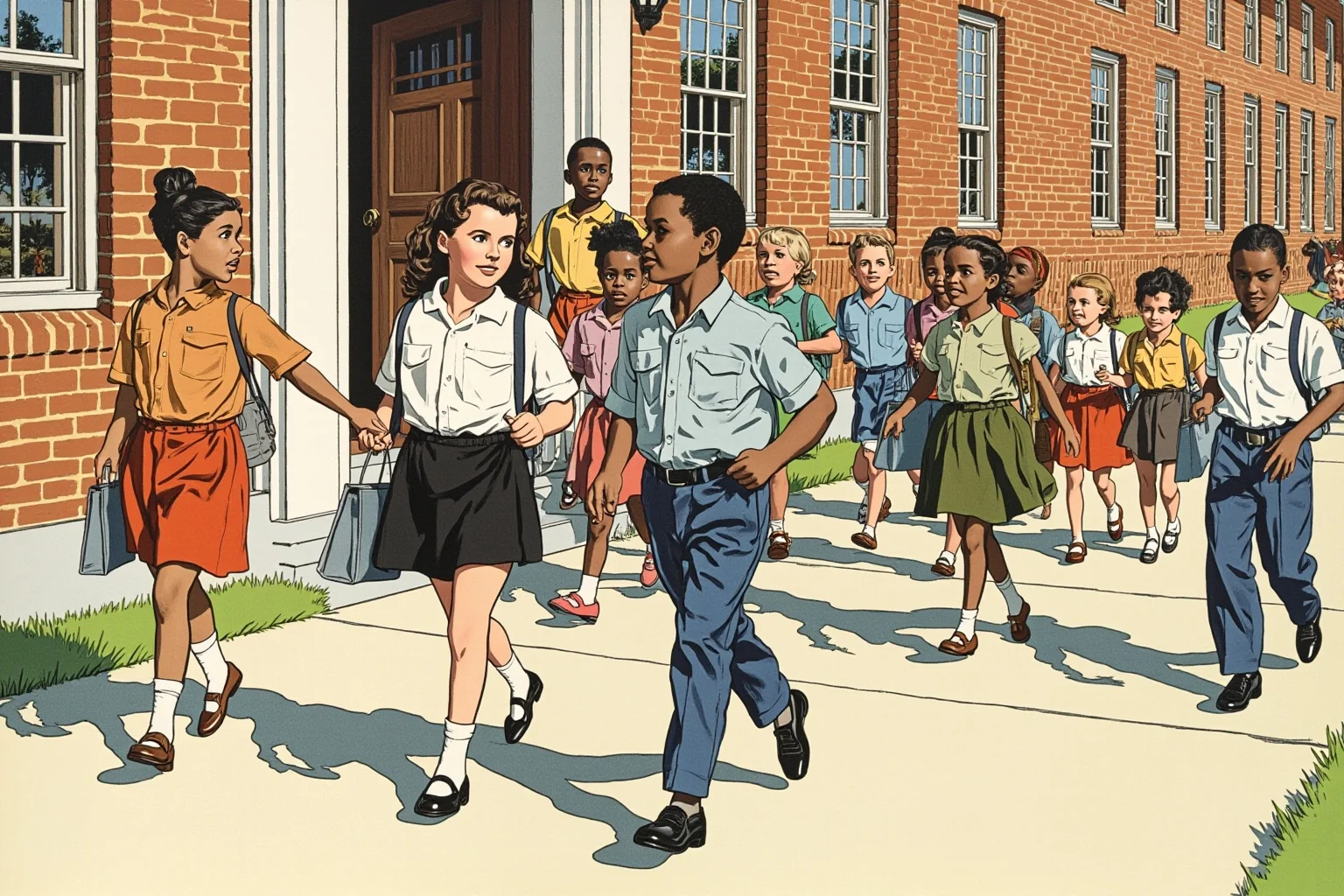
The 1954 Supreme Court decision in Brown v. Board of Education declared racial segregation in public schools unconstitutional. It overturned the "separate but equal" doctrine that had governed American education for nearly six decades. The ruling was a legal earthquake.
Actual desegregation moved slowly and painfully. Many Southern states resisted for years, with some districts shutting down public schools entirely rather than integrate. Federal troops were required to escort Black students into Little Rock Central High School in 1957.
Despite the slow implementation, Brown fundamentally changed the legal landscape. It established that education was a right that could not be denied or diminished based on race. The ruling also energized the broader civil rights movement and set the stage for later educational equity laws.
The Space Race Poured Money Into Math and Science
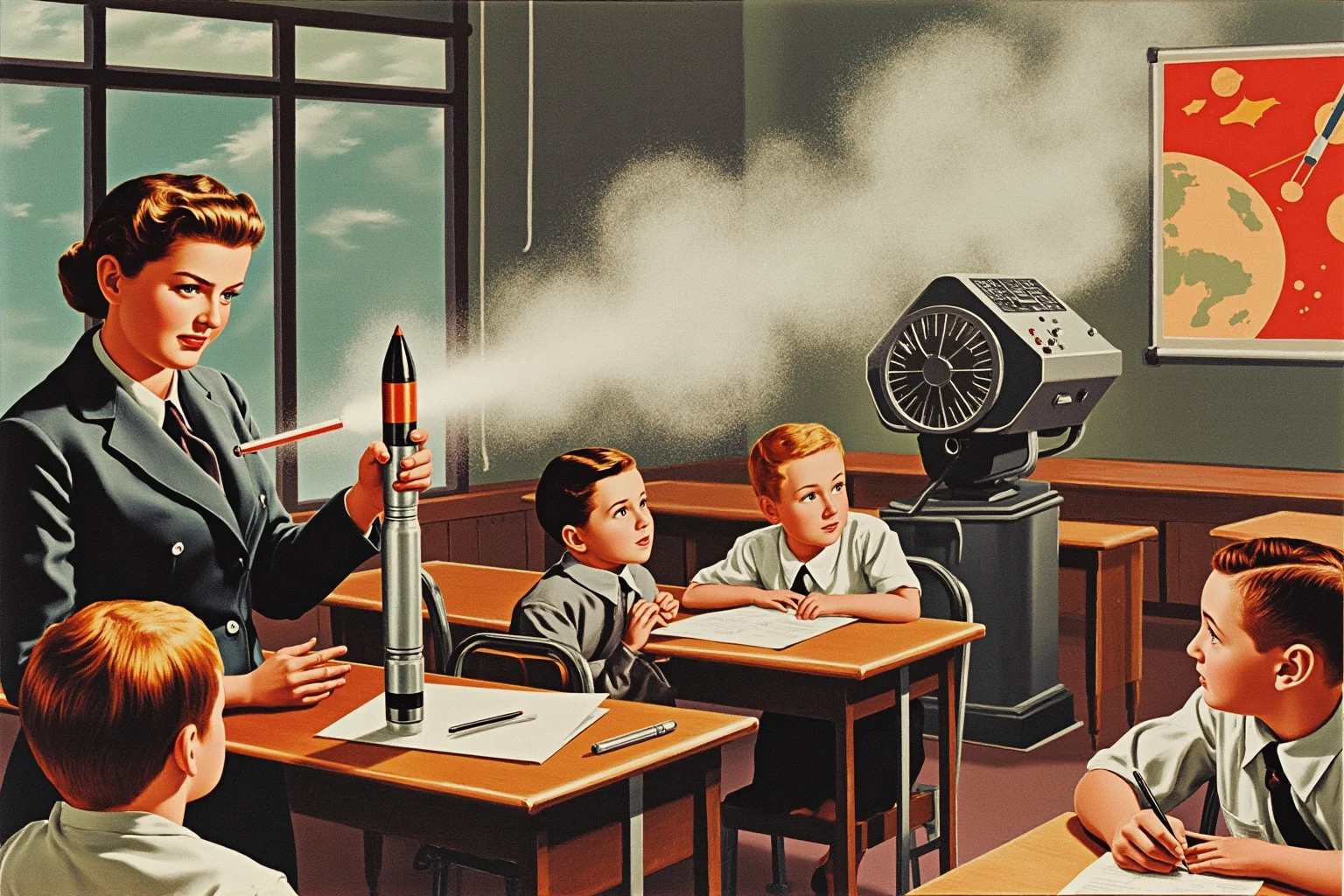
When the Soviet Union launched Sputnik in 1957, American policymakers panicked. The fear that the United States was falling behind in science and technology led to the National Defense Education Act of 1958. This law poured federal money into math, science, and foreign language instruction.
The Space Race era marked a turning point in federal involvement in schools. Before Sputnik, education was almost entirely a state and local matter. The federal government now had a clear justification for funding and shaping curriculum priorities.
The emphasis on rigorous science and math education persisted long after the immediate crisis faded. Standardized testing, advanced placement courses, and gifted programs all grew out of this era's anxiety about intellectual competition with the Soviet Union.
Standardized Testing Exploded
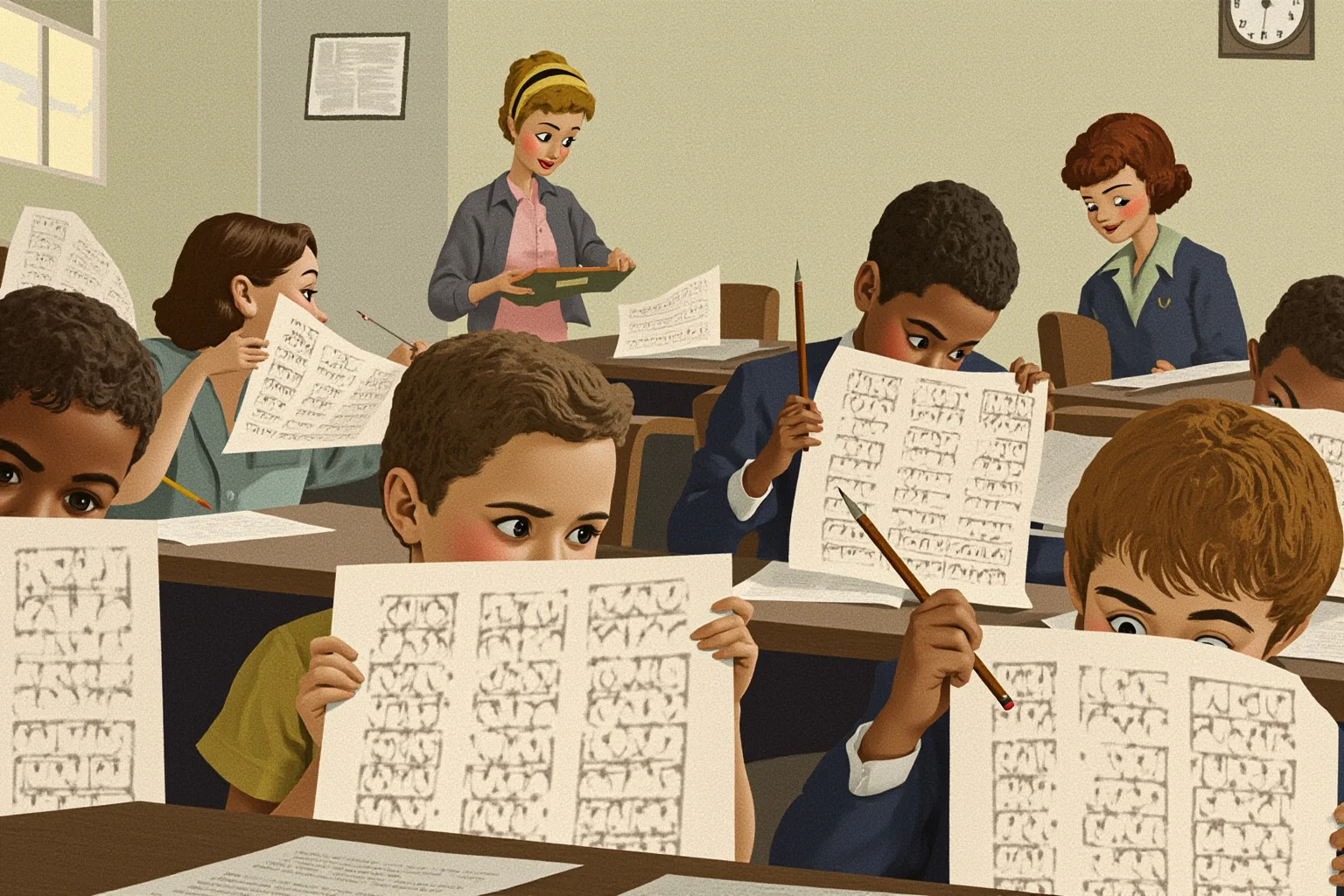
Tests have been part of schooling for centuries, but the modern era of high-stakes standardized testing is relatively recent. The SAT, first administered in 1926, was originally designed to measure innate intelligence rather than academic achievement. Its creators believed studying for it was pointless.
By the 1960s and 1970s, standardized tests were everywhere. Statewide achievement tests, IQ tests for placement, and college entrance exams became routine parts of the school experience. Critics argued the tests were culturally biased and narrowed the curriculum.
The 2001 No Child Left Behind Act took testing to a new level. Schools were required to test students annually in reading and math, with serious consequences for low scores. This law, and its 2015 successor the Every Student Succeeds Act, cemented testing as a central feature of American education.
Technology Transformed the Classroom
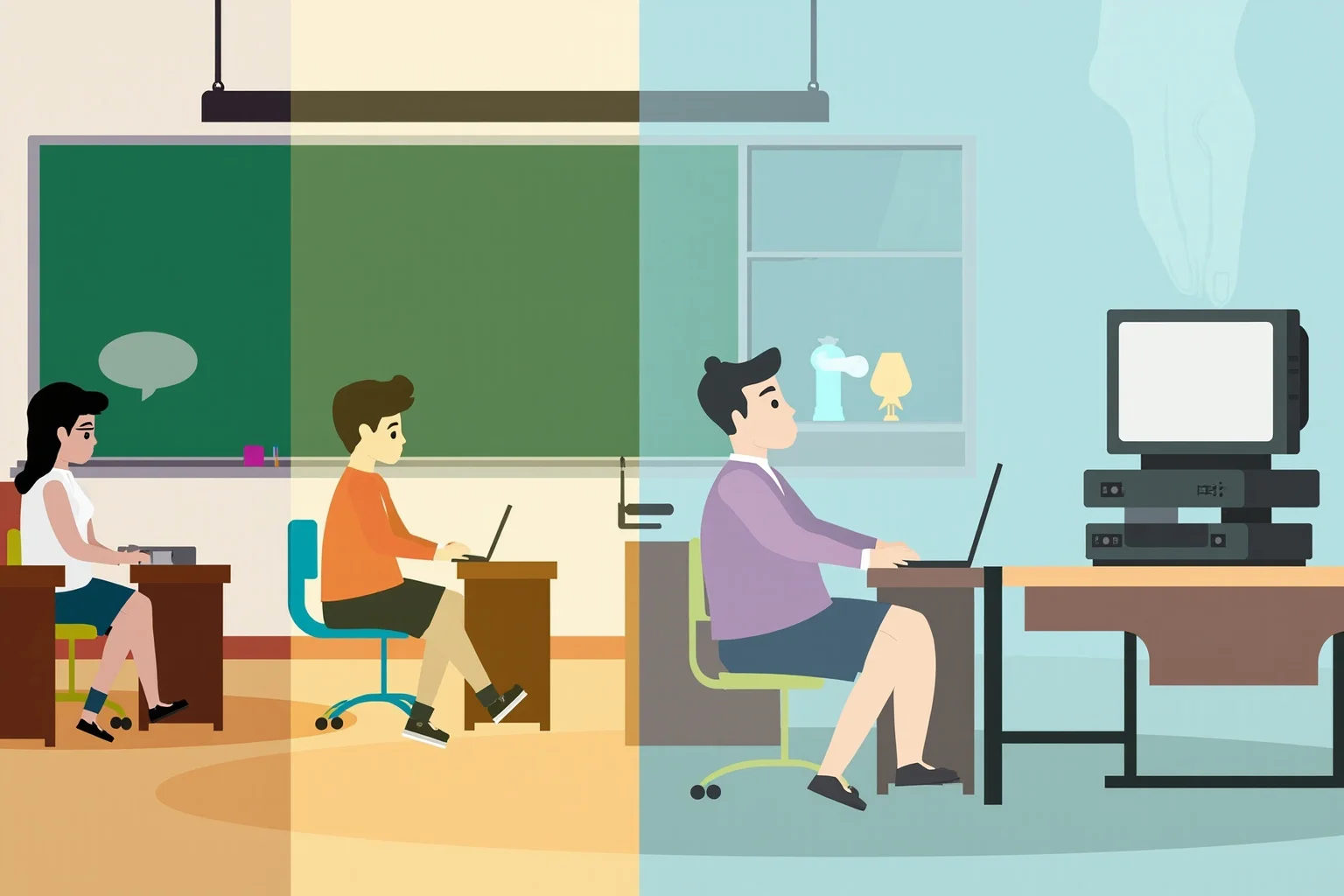
Perhaps the most visible change in how schools have changed over time is the presence of technology. A classroom 100 years ago had chalkboards, paper, and maybe a few maps. Today's classrooms have interactive whiteboards, laptops, and internet access.
The pace of technological change accelerated dramatically in the late 20th century. Film projectors and radios were novelties in the 1920s and 1930s. Television arrived in classrooms in the 1950s. Personal computers appeared in the 1980s, and the internet followed in the 1990s.
The COVID-19 pandemic forced a sudden leap to remote learning in 2020. Within weeks, millions of students were attending school via video calls. The long-term effects of this experiment are still being studied, but it clearly accelerated the adoption of educational technology.
The School Year and School Day Shifted
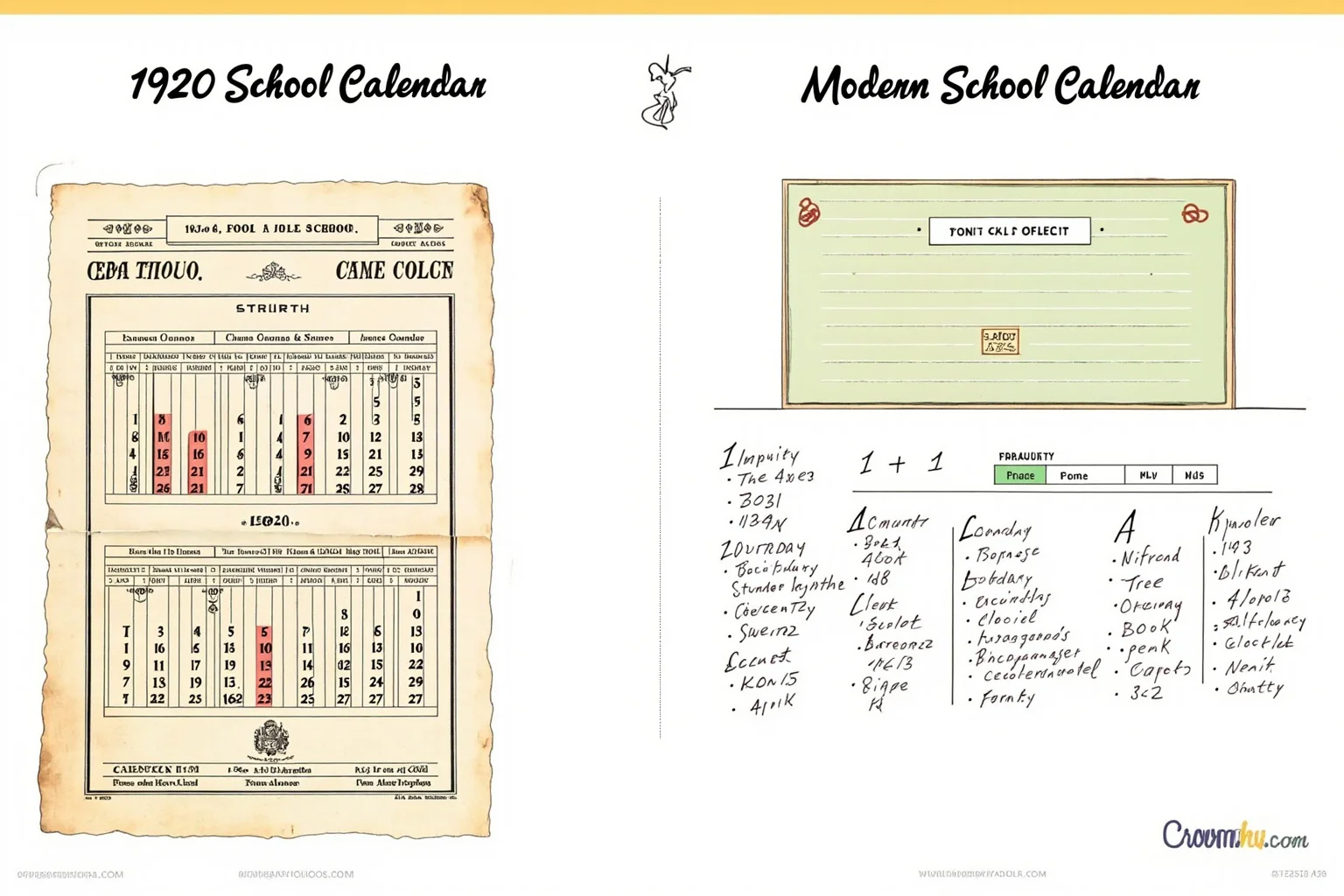
The familiar rhythm of the American school year — roughly September to June, with summers off — was not designed with learning in mind. The agrarian calendar is partly a myth. The real reasons for the long summer break were urban heat and the need for wealthy families to escape the city.
In the early 20th century, many rural schools held shorter terms, sometimes only four or five months. Urban schools often ran year-round or had much longer terms than they do today. The standardized 180-day school year emerged gradually through the early and mid-20th century.
The length of the school day has also shifted. A school 100 years ago often ran from 9 a.m. to 4 p.m., but many children went home for lunch. The modern school day, with its early start times and packed schedules, is a product of busing logistics, working parents, and extracurricular activities.
The Rise of the Modern High School Culture
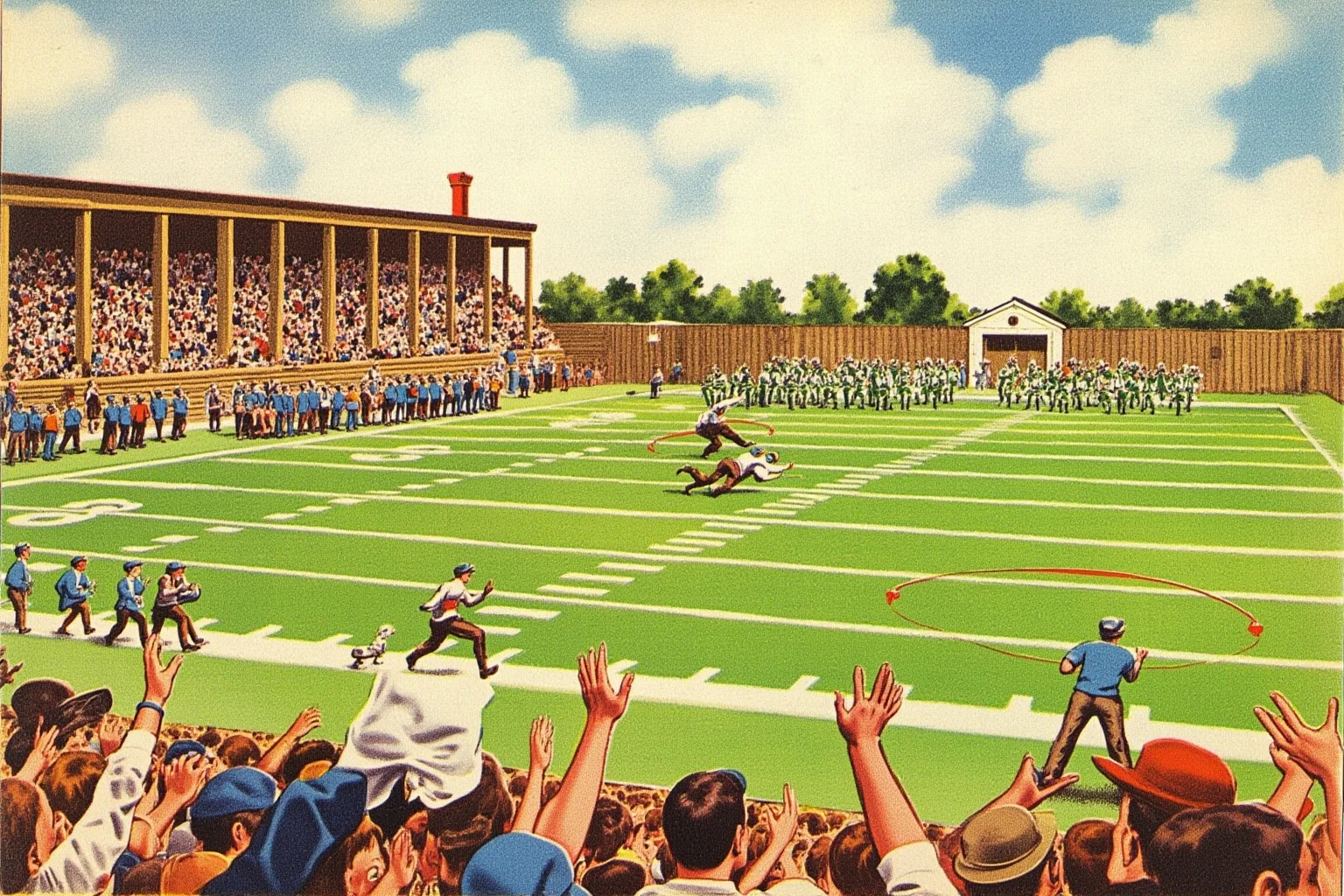
Ask anyone what school was like 100 years ago, and they rarely picture pep rallies, prom, or football games. Yet these iconic features of American high school life emerged in the 1920s and 1930s. The modern American high school experience, with its clubs, sports, and social hierarchy, is roughly a century old.
High school sports exploded in popularity during this era. Football, basketball, and track became major community events, especially in small towns. Schools built gymnasiums and stadiums, and the star athlete became a celebrated figure.
Extracurricular activities multiplied as well. Student newspapers, debate teams, drama clubs, and service organizations all became standard parts of the high school experience. These activities were seen as ways to build character and keep teenagers productively occupied.
Special Education Became a Right
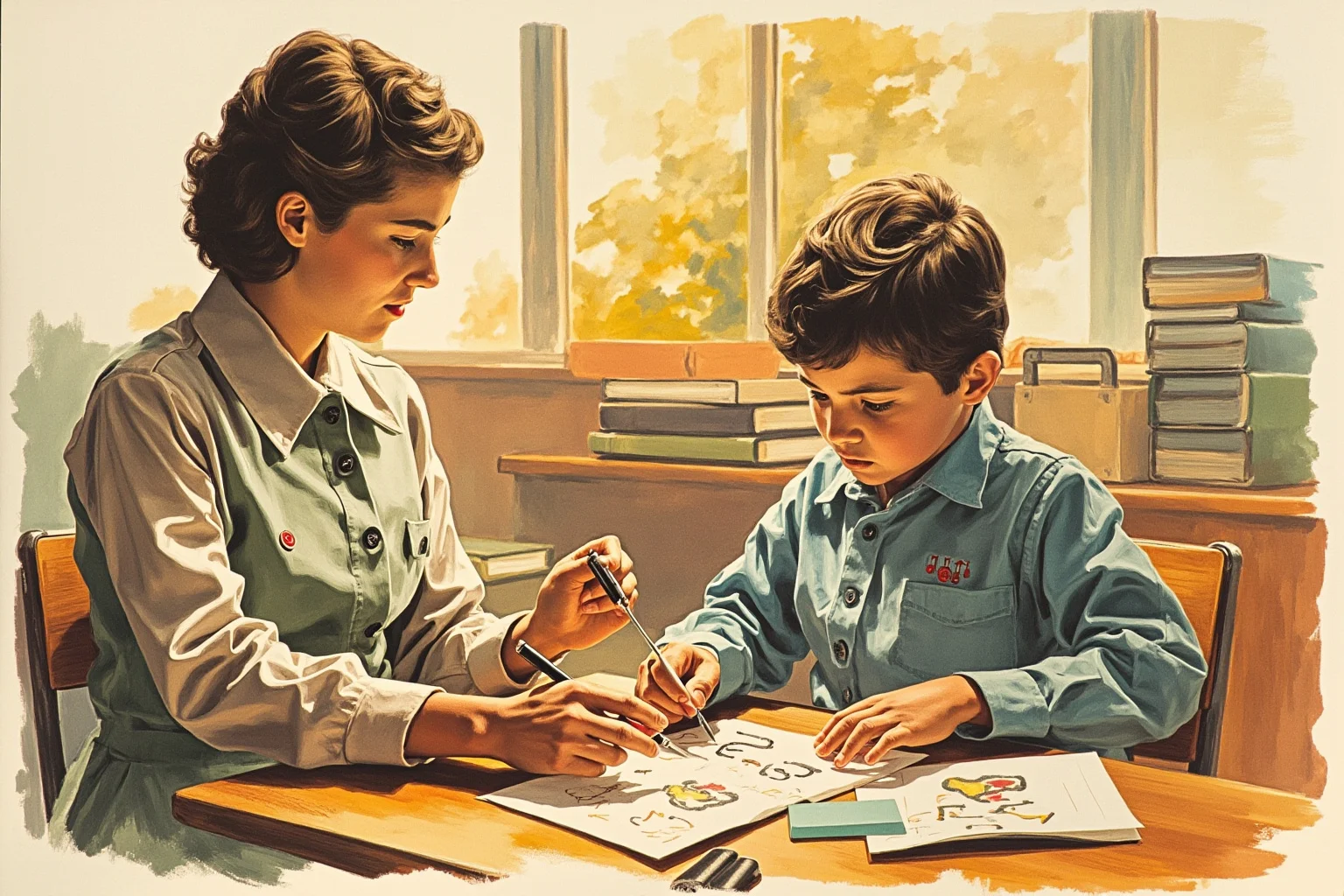
For most of American history, children with disabilities were often excluded from public schools entirely. Many states had laws explicitly barring children deemed "uneducable" from attending. Families were left to manage on their own, often with no support at all.
This began to change in the 1960s and 1970s. The Education for All Handicapped Children Act of 1975, later renamed the Individuals with Disabilities Education Act, guaranteed a free and appropriate public education for all children with disabilities. It was a landmark civil rights victory.
The law required schools to create individualized education plans and educate children in the least restrictive environment possible. This transformed how schools operated, requiring new staff, new facilities, and new approaches to teaching. The effects are visible in every modern classroom.
The Teaching Profession Grew More Professional
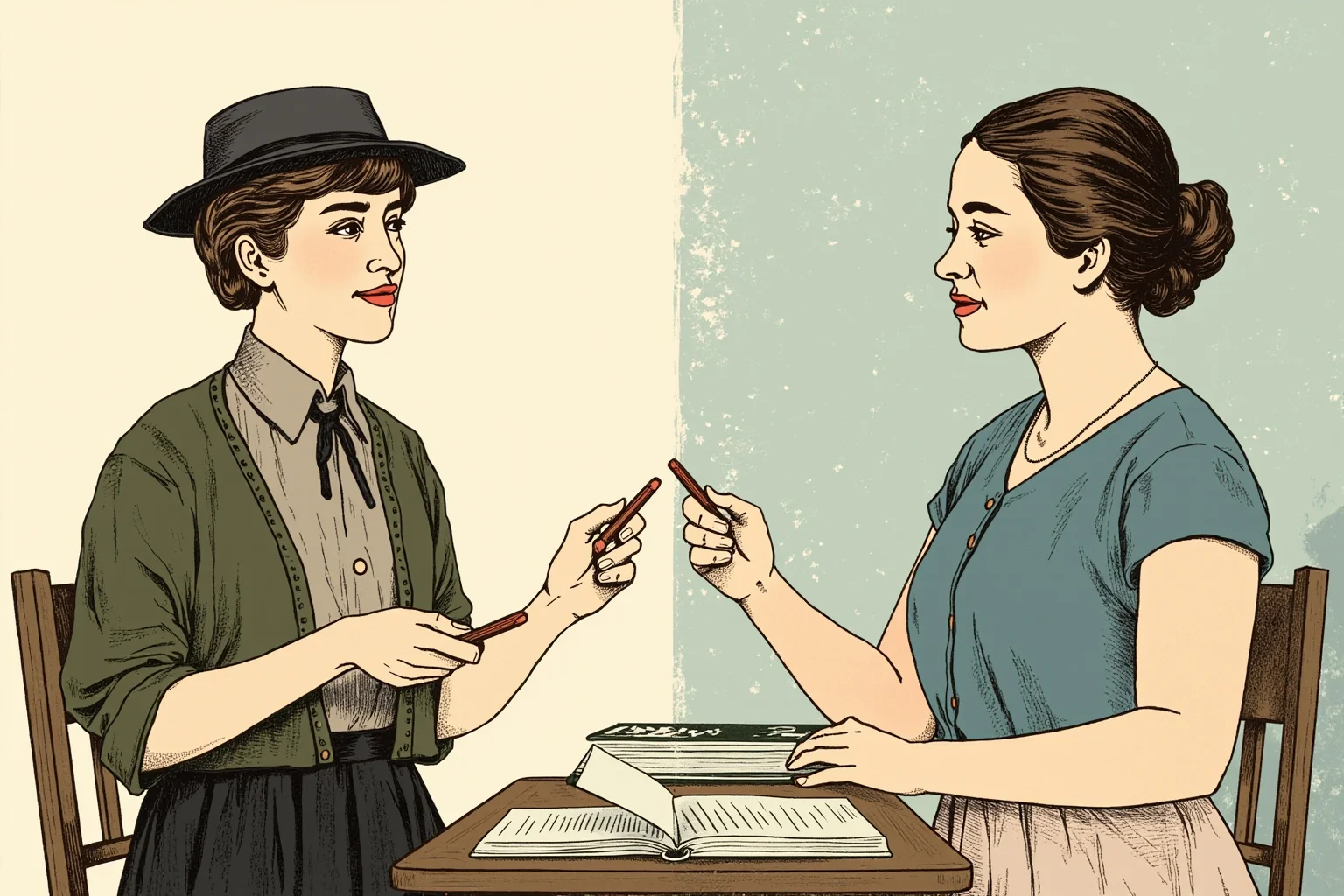
Over the past century, teaching has become far more professionalized. The normal schools of the 1920s evolved into teachers colleges and then into full university education departments. By the late 20th century, most states required a bachelor's degree and a teaching credential.
Teacher pay improved significantly, especially after unionization efforts in the 1960s and 1970s. The National Education Association and the American Federation of Teachers grew into powerful political forces. Collective bargaining gave teachers a voice in salaries, working conditions, and curriculum decisions.
The profession also became more diverse in some ways and less so in others. Women have always dominated teaching, but the proportion of male teachers declined through the mid-20th century. Efforts to recruit more men and people of color into teaching continue today.
Federal Involvement Grew Steadily
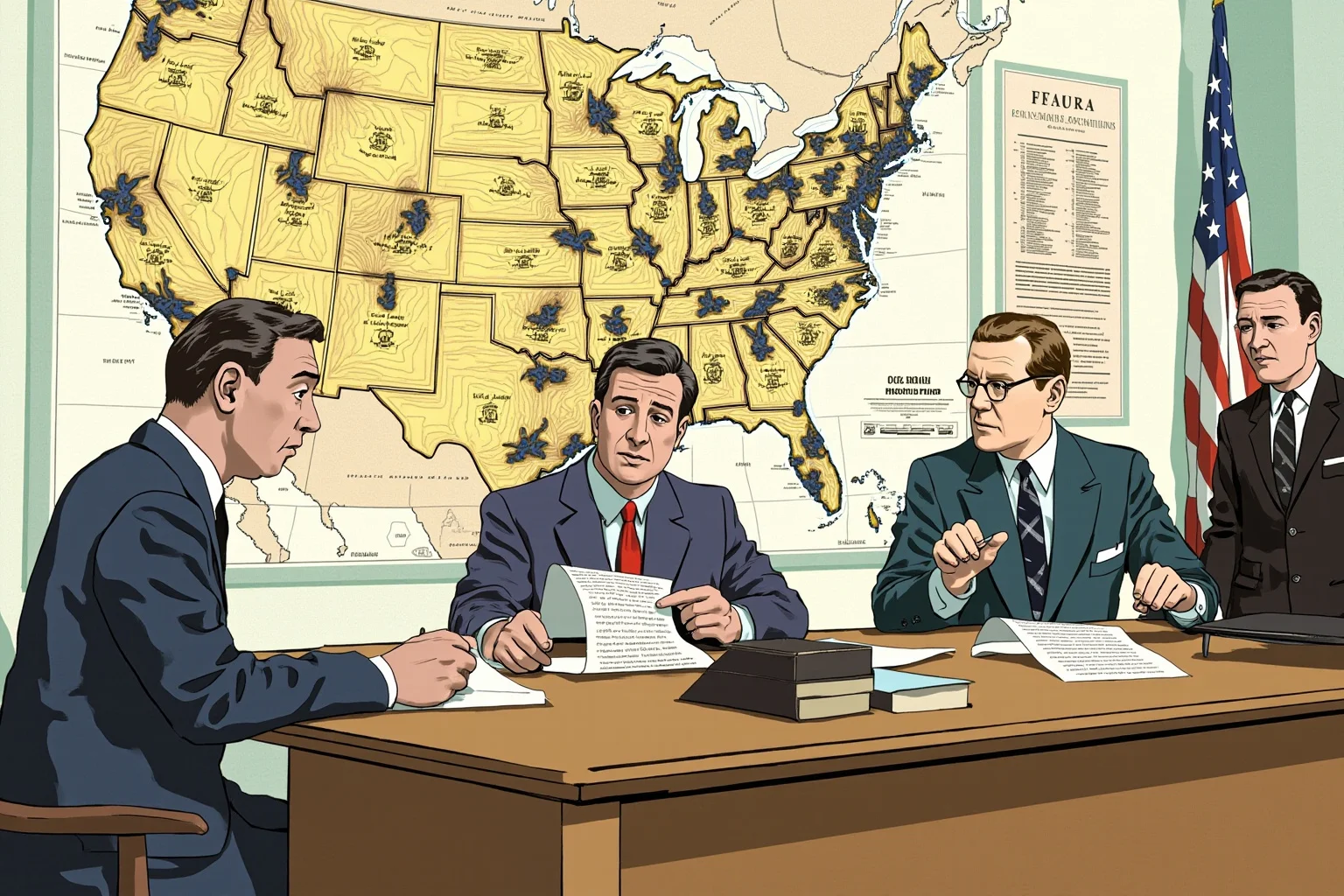
For the first century and a half of American history, the federal government had almost no role in education. The Constitution does not mention schools, and education was considered a state and local responsibility. How did late 19th century public schools change? They grew and standardized, but mostly through state and local action.
The federal role expanded dramatically in the 20th century. The GI Bill, the National Defense Education Act, and the Elementary and Secondary Education Act of 1965 all brought federal money and federal priorities into local schools. Title I funding, which supports schools serving low-income students, became a permanent feature.
The Department of Education was elevated to a cabinet-level agency in 1979. Federal civil rights laws, from Brown to Title IX, reshaped who could attend which schools and what opportunities they had to access. The balance between local control and federal oversight remains a central tension in American education.
The Curriculum Expanded to Reflect a Wider World
The curriculum of 1925 was overwhelmingly white, male, and Eurocentric. History textbooks focused on presidents and wars, with little attention to the experiences of women, people of color, or working people. Literature courses featured almost exclusively white male authors.
The civil rights movement, the women's movement, and the ethnic studies movements of the 1960s and 1970s challenged this narrow canon. Schools began adding Black history, women's history, and multicultural literature to their courses. This expansion was often controversial and remains politically contested today.
New subjects entered the curriculum as well. Computer science, environmental science, and media literacy are now common offerings. Physical education, art, and music, once seen as extras, became standard parts of the school experience in most districts.
Classrooms Became More Student-Centered
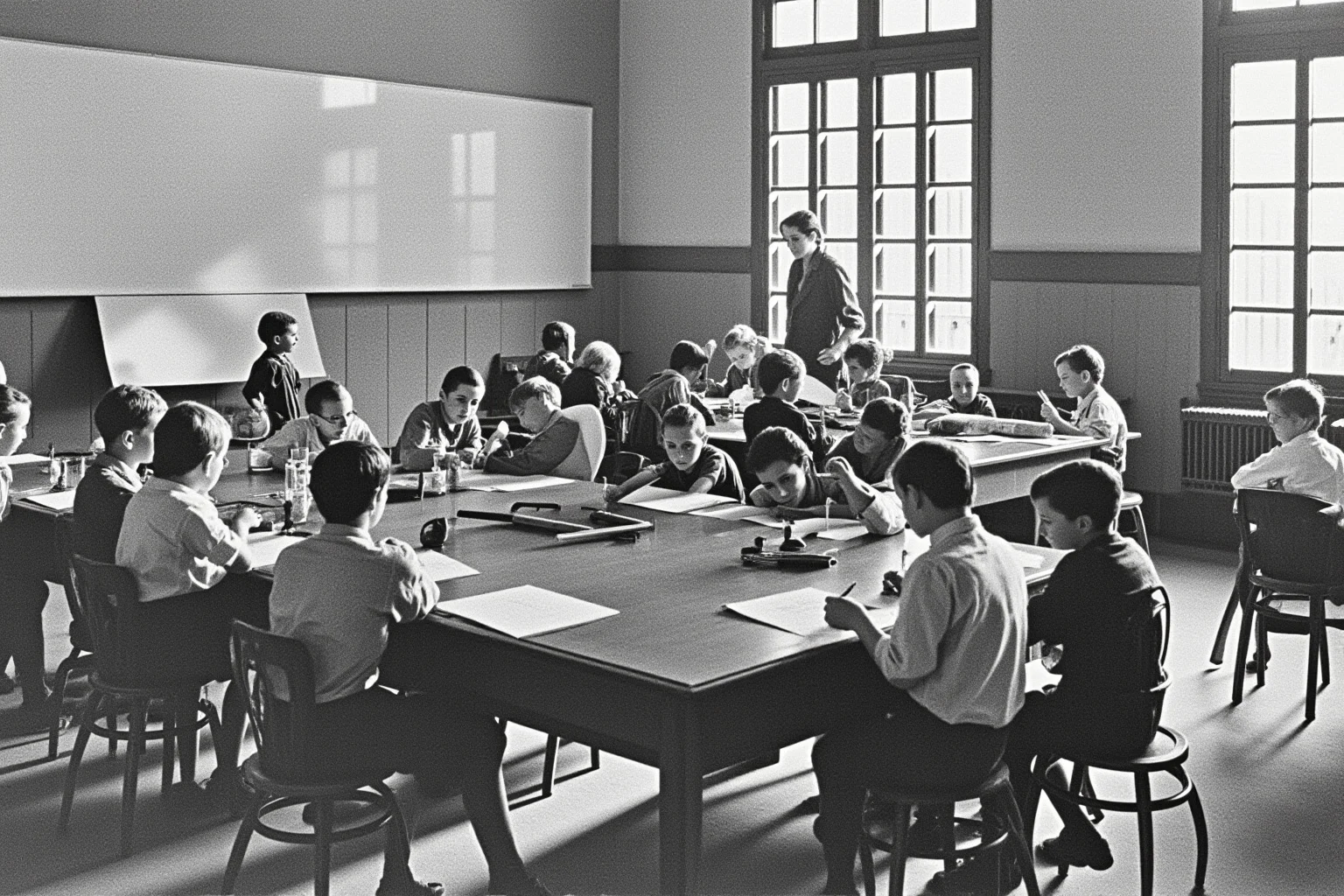
The progressive ideas of John Dewey and his followers took decades to filter into mainstream practice, but they eventually did. The rigid, teacher-centered classroom of 1925, where students sat silently and recited facts, gave way to more varied approaches. Group work, hands-on projects, and discussion-based learning became common.
Discipline changed too. Corporal punishment, routine in schools 100 years ago, was banned in most states by the late 20th century. The teacher's role shifted from authoritarian taskmaster to facilitator and guide. These changes were gradual and uneven, but the overall direction was clear.
The physical classroom changed as well. Desks bolted to the floor in neat rows were replaced by movable furniture arranged for collaboration. The stark, institutional look of early 20th century schools gave way to brighter, more flexible learning spaces.
The Demographic Face of American Schools Changed
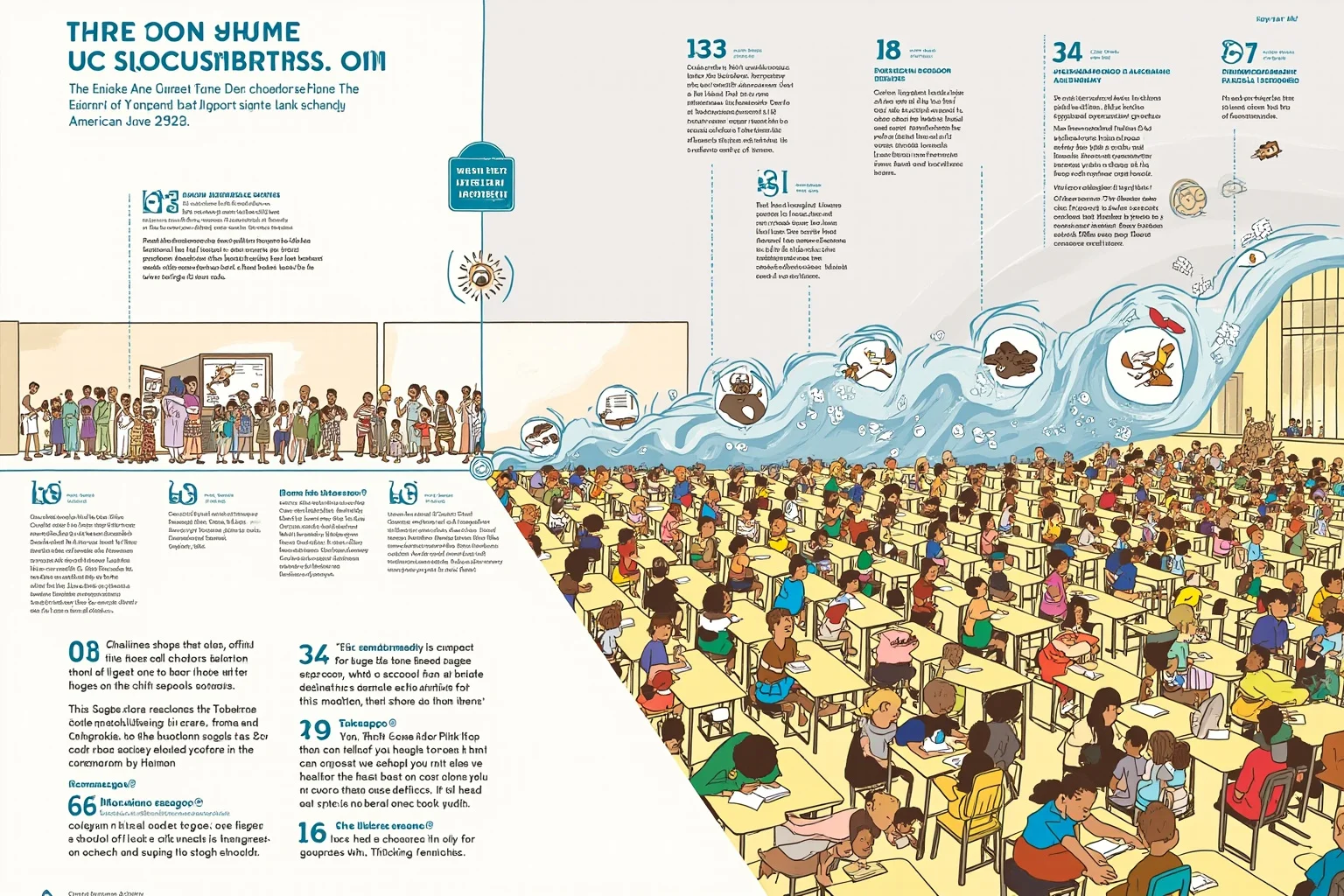
American schools in 1925 were overwhelmingly white, and the student body reflected an earlier era of immigration. The children of Irish, Italian, and Eastern European immigrants filled urban classrooms. Immigration restrictions in the 1920s would soon reduce the flow of newcomers.
The Immigration and Nationality Act of 1965 reopened the doors. Waves of immigrants from Asia, Latin America, and Africa transformed American demographics. Today, students of color make up more than half of public school enrollment.
This demographic shift has enriched schools while also exposing persistent inequalities. Schools serving large populations of students of color and low-income students often receive less funding and fewer resources. The achievement gaps that result are among the most pressing challenges in American education today.
The Purpose of School Itself Is Debated Anew
What is school actually for? The answer has shifted repeatedly over the past century. In the 1920s, schools were seen primarily as institutions for transmitting knowledge and Americanizing immigrants. By the 1950s, they were weapons in the Cold War. By the 1980s, they were expected to make the nation economically competitive.
Today, schools are asked to do far more than teach reading and math. They provide meals, counseling, health services, and after-school care. They are expected to address inequality, prepare students for college and careers, and support mental health.
This expansion of expectations has created real tensions. Teachers report feeling overwhelmed by the scope of their responsibilities. Debates over curriculum, testing, and school choice reflect deeper disagreements about what education should accomplish. The question of purpose is more contested now than at any point in the past century.
Conclusion: A Century of Change, a Constant Mission
How has education changed over time? In almost every measurable way, it has transformed beyond recognition. The one-room schoolhouse gave way to sprawling campuses. Chalkboards became smartboards. A high school diploma went from a mark of distinction to a bare minimum.
Yet some things have remained remarkably constant. The core rhythm of the school year persists. The teacher-student relationship remains central. And the belief that education is the key to opportunity, however imperfectly realized, still drives American families and policymakers alike.
Understanding what school was like 100 years ago helps us appreciate how far we have come while recognizing how much work remains. The next century of American education will bring changes we cannot yet imagine, but the stakes will be just as high as they were when a teacher first rang a handbell in a one-room schoolhouse.
Frequently Asked Questions
What were schools like 100 years ago?
Schools 100 years ago varied widely by location. Rural areas often used one-room schoolhouses where a single teacher taught grades one through eight together, with children walking miles to attend. Urban schools were large, crowded, and factory-like, sometimes holding 50 or more students per classroom. Discipline was strict, lessons relied heavily on memorization, and many children left school early to work on farms or in factories.
How long have schools been around in America?
Formal schools have existed in America since the 1600s, when the first public school, Boston Latin School, was founded in 1635. However, compulsory public education for all children is much newer. Most states did not pass mandatory attendance laws until between 1852 and 1918, and universal high school attendance only became common in the mid-20th century.
What was school like 100 years ago for teachers?
Teachers a century ago often had minimal training, sometimes just a high school diploma plus a short normal school course. Pay was very low, averaging around $1,200 per year in 1925. Female teachers faced strict moral codes, with contracts in many districts prohibiting marriage, smoking, or socializing after certain hours.
How has education changed over time in the United States?
American education has changed through compulsory attendance laws, desegregation, federal funding, standardized testing, special education rights, and technology. The curriculum expanded from the three Rs to include sciences, arts, and multicultural perspectives. Classrooms became more student-centered, and high school transformed from an elite privilege into a universal expectation.
How did late 19th century public schools change compared to earlier schools?
In the late 19th century, public schools became more standardized and systematic. Compulsory attendance laws spread, grade levels became more uniform, and urban school systems adopted factory-like efficiency models. Teacher training improved through normal schools, and the curriculum expanded beyond basic literacy to include history, geography, and science.

Alex Warren
Related Articles