What Makes Nondomestic Animals Different
Biologists define domestication as a multi-generational process in which humans selectively breed a species for predictable traits. Those traits often include a calmer temperament, earlier maturity, or a willingness to reproduce in captivity. A tamed individual is not domesticated, because only a breeding population can pass on those changes.
That distinction helps explain why many nondomestic animals appear in the historical record. Some were tamed, paraded, or penned for centuries without becoming as genetically changed as dogs or cattle. When a captive-management tradition fades, the species may look like an animal we no longer domesticate even if it never truly was domestic.
When Taming Masquerades as Domestication
Ancient art can make a wild species look like a household pet. A collared gazelle in an Egyptian tomb or a leashed cheetah in a Persian miniature proves that humans controlled an individual animal, but it does not prove that the whole species was domesticated. Without evidence of controlled breeding over generations, we are looking at taming, not domestication.
That gap is why the same species can appear on one list as historically kept and on another as never domesticated. The distinction matters for conservation and for understanding ancient economies. It also helps explain why some animals vanished from human management when the social status that supported them disappeared.
A Non-Domesticated Animals List: 10 Species That Exited the Fold
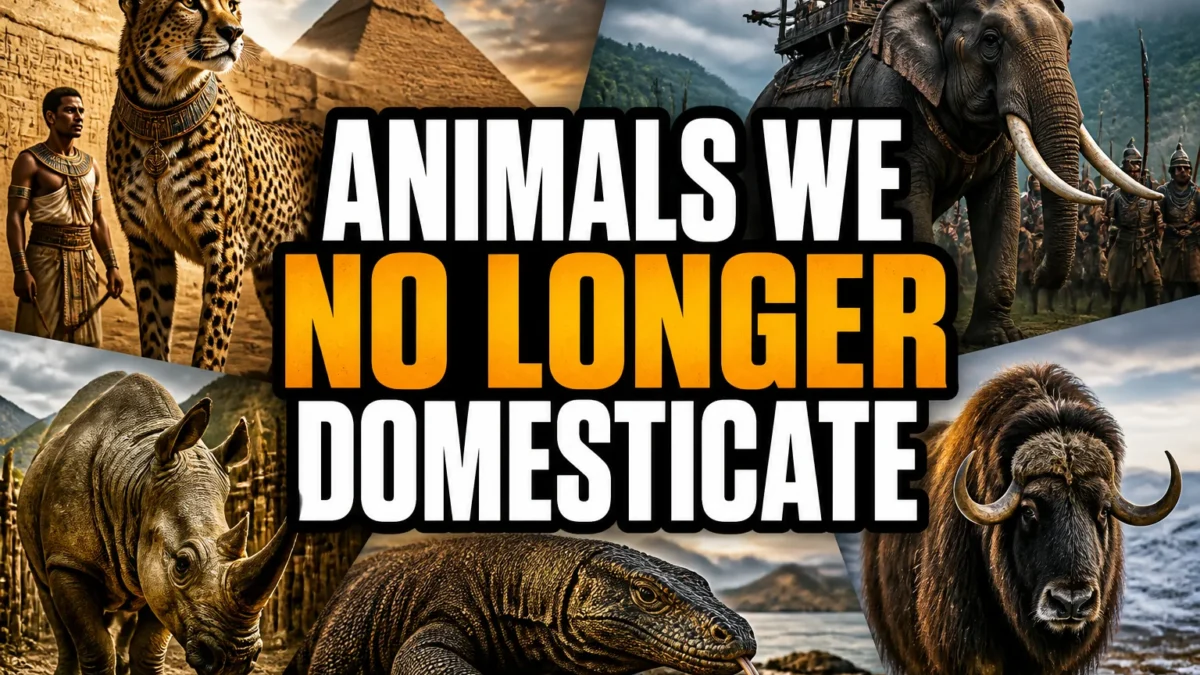
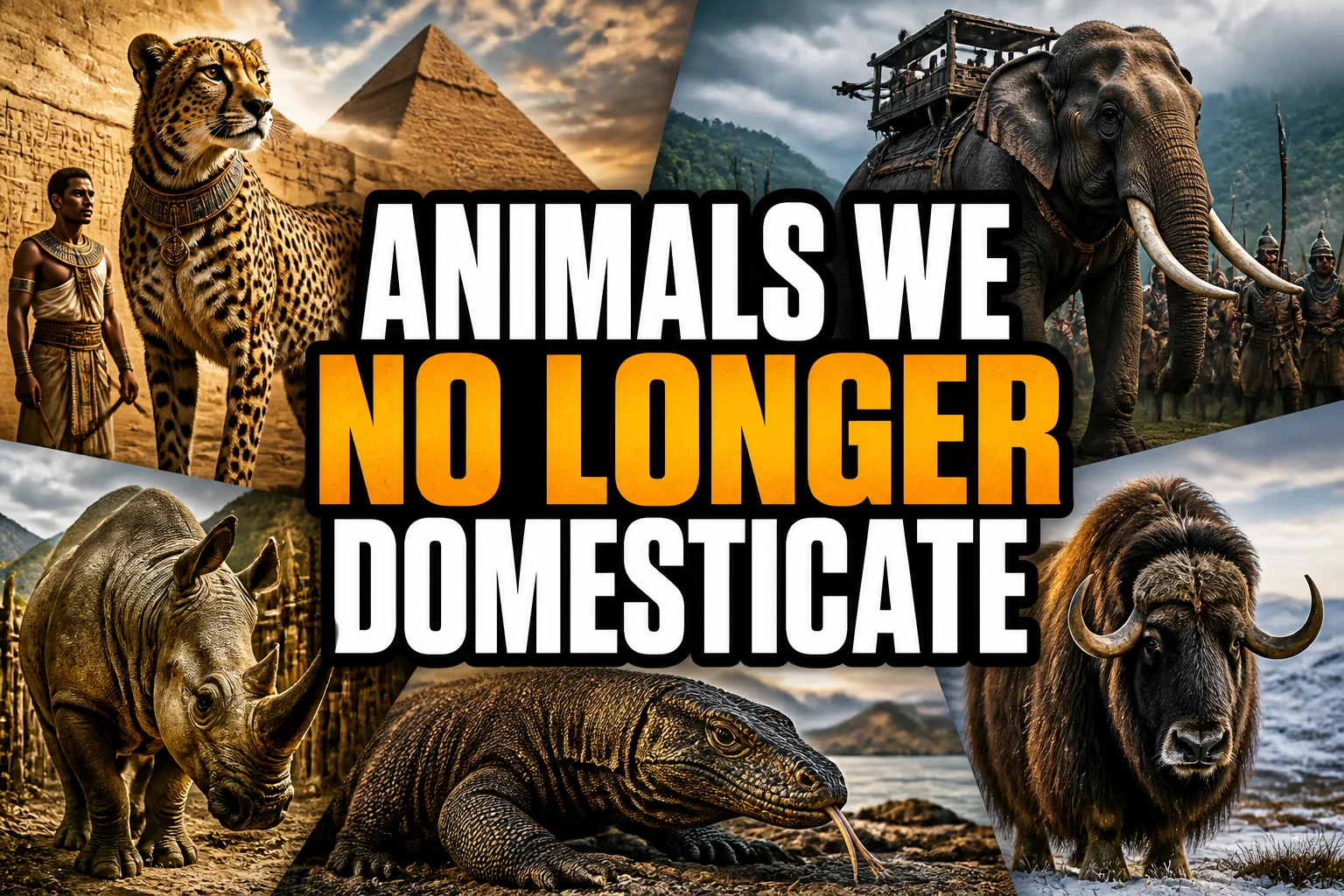
The animals below were historically captured, tamed, or managed in ways that look domestic at first glance. Most were never fully domesticated in the biological sense, and their captive traditions have largely disappeared or become rare. They belong on a non-domesticated animals list because they sit in the gray zone between wild and household.
1. Cheetah
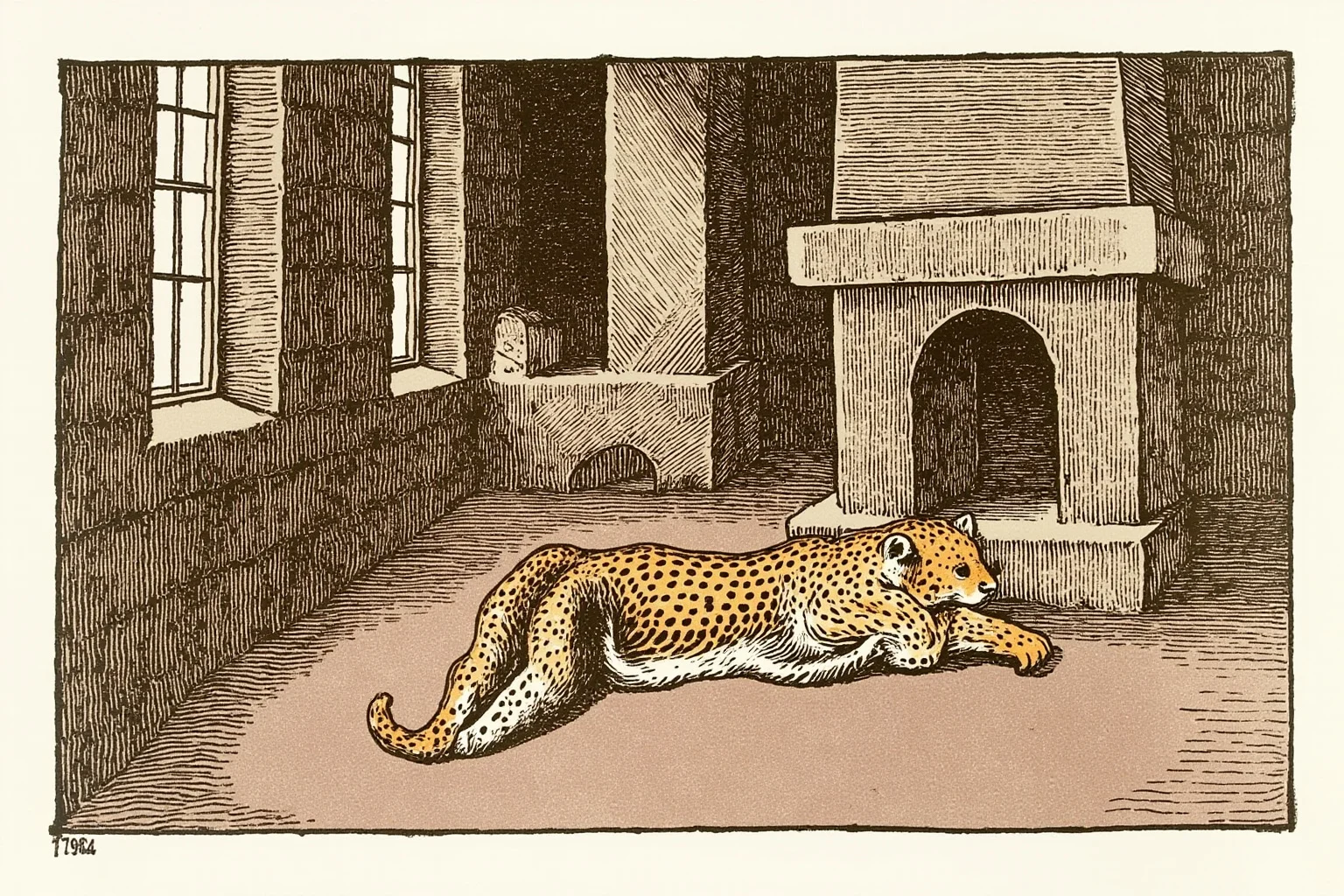
Ancient Egyptian, Persian, and Mughal courts prized cheetahs as hunting companions, and Mughal sources record hundreds of cheetahs kept for coursing game. Handlers tamed individual animals, but cheetahs rarely reproduced reliably under human care. That reproductive barrier kept them outside the domesticated category.
The historical record suggests that most hunting cheetahs were captured from the wild. Even the most skilled keepers had trouble breeding them in captivity, which meant the species never passed through the selective breeding bottlenecks of true domestication. This is a classic case of taming without domestication.
By the twentieth century, the tradition collapsed under habitat loss, legal restriction, and the difficulty of breeding cheetahs in captivity. Today, cheetahs are protected wild animals, not domestic partners.
2. Onager (Syrian Wild Ass)
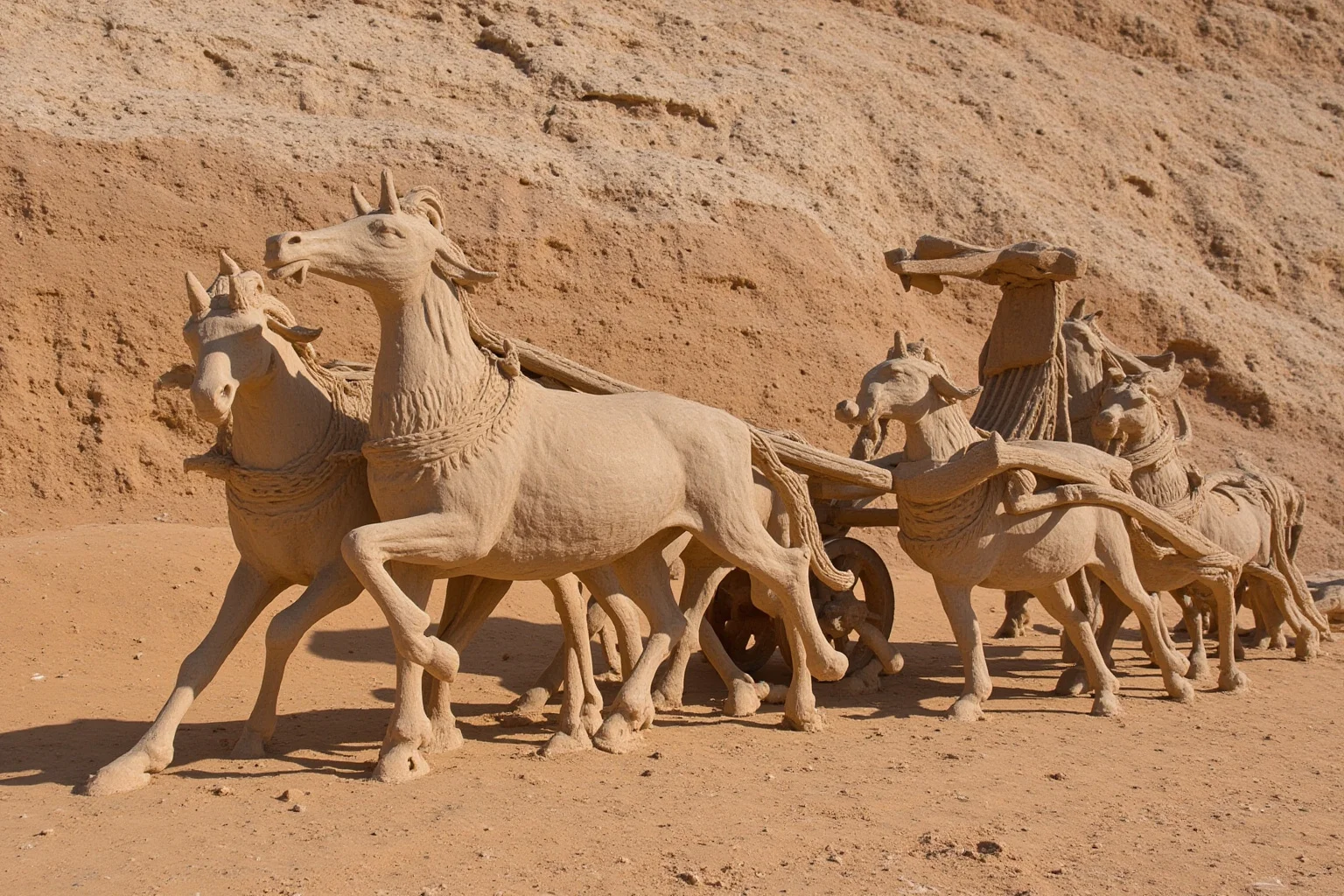
Mesopotamian art and texts show onagers being driven or harnessed, and some early war wagons may have used these wild asses before horses and donkeys became common. Onagers were strong and fast, but they remained aggressive and hard to breed in large numbers. That made them poor candidates for full domestication.
The animals shown in Sumerian and Akkadian imagery were often equids, but scholars debate whether they were onagers, donkeys, or hybrids. The practical limits of managing wild onagers likely pushed ancient societies toward the more tractable donkey. That transition is visible in later art and administrative records.
As domesticated horses and donkeys spread, onagers lost their practical role. The Syrian wild ass subspecies is now extinct, and surviving onager species remain wild or only lightly managed.
3. North African Forest Elephant
Carthage famously used elephants in the Punic Wars, and these animals were likely the smaller North African forest elephant, now extinct. Ancient sources describe them as trained for battle, which required human handling from a young age. But war elephants were mostly captured from the wild, not bred in stables at scale.
Training a wild elephant for battle is an enormous feat, but it is not the same as domesticating it. A captive elephant can learn commands and still remain genetically wild, because its reproduction is not controlled over many generations. The logistical cost of capturing and training wild elephants limited their use.
The species disappeared, so the question of domesticating it became moot. Its story is a reminder that an animal can be harnessed for empire without becoming a domestic species.
4. Edible Dormouse
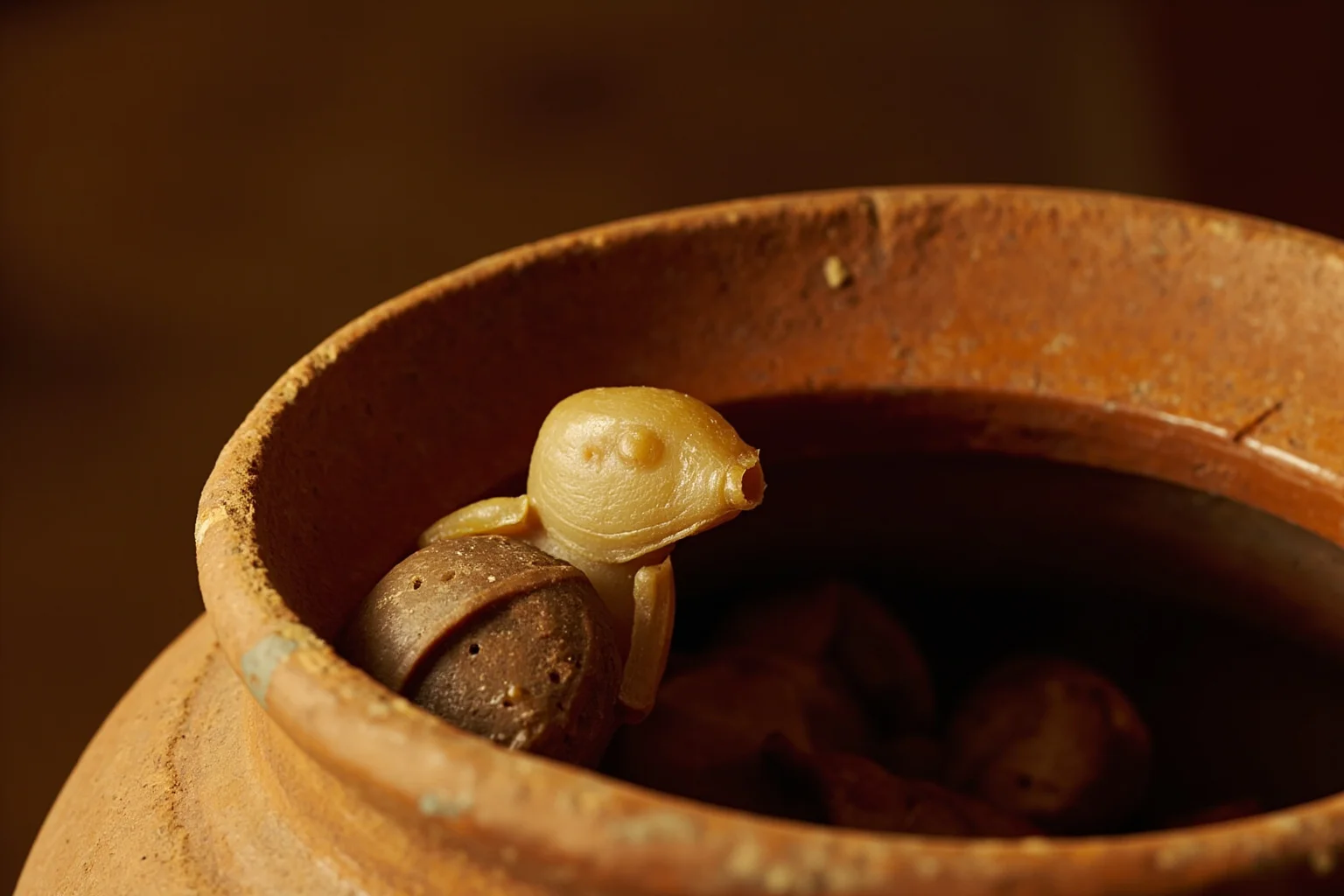
Romans farmed edible dormice in terra-cotta containers called gliraria and considered them a delicacy. The animals were confined, fattened on nuts, and harvested for feasts, which makes them a rare example of managed small game in antiquity. However, dormice were not bred into a distinct domestic form.
Roman recipes and agricultural writings treat dormouse husbandry as a specialized rural skill. The process was more like fattening captured wild animals than raising true livestock. No ancient source describes selective breeding for color, size, or temperament in dormice.
After the Roman period, dormouse farming faded from European cuisine. The species remains wild, and its brief domestic-like management did not produce a lasting domestic breed.
5. Genet
Medieval Europeans sometimes kept genets as mousers or exotic companions before the domestic cat became common. Genets are slender, agile carnivores that can become tame if raised with people, but they do not have the same social flexibility as cats. They were probably individual tames rather than a managed breeding population.
Genets appear in European art and household accounts as status animals, especially in the Mediterranean world. They were useful against rodents, but their solitary nature and sharp needs made them less convenient than cats. The spread of the domestic cat undercut their niche.
As cats spread through Europe, genets lost their special role. Today they are occasional exotic pets in some regions, but they are not considered domesticated animals.
6. Sacred Baboon
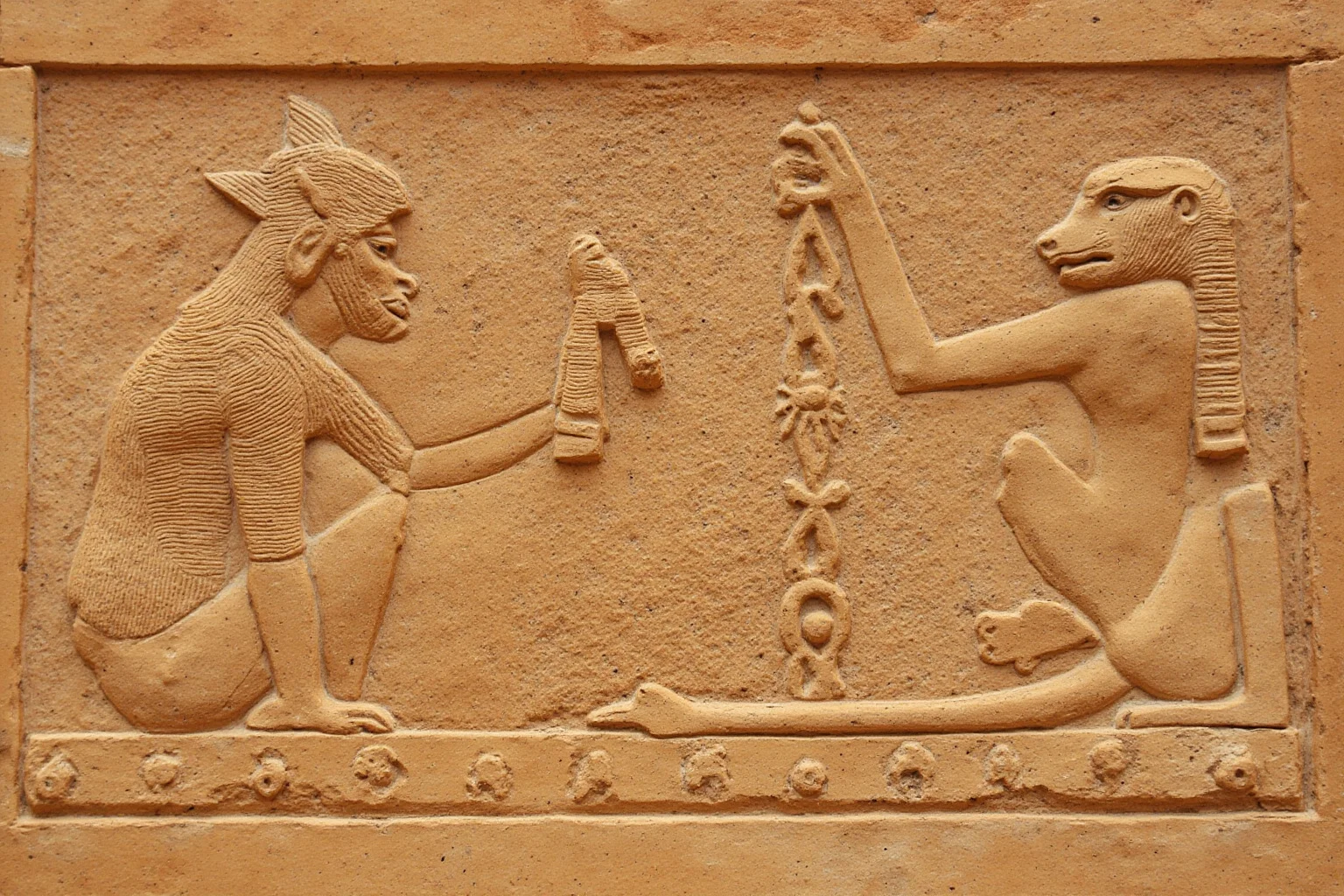
Ancient Egyptians kept baboons in temple contexts, and art shows baboons performing tasks or sitting beside handlers. Some were mummified in large numbers, which indicates a supply system and captive care. Yet baboons remained dangerous, intelligent primates rather than true domesticates.
Baboons were probably imported from Nubia and the Red Sea hills, then maintained for religious display. Their aggressive social behavior and long maturation made them unsuitable for ordinary domestic breeding. Skeletal evidence from Egyptian sites suggests many baboons suffered poor health in captivity.
No continuous baboon domestic breed emerged, and the practice died out with the religious culture that supported it. Baboons today are wild animals, and keeping them is generally discouraged or regulated.
7. Striped Hyena
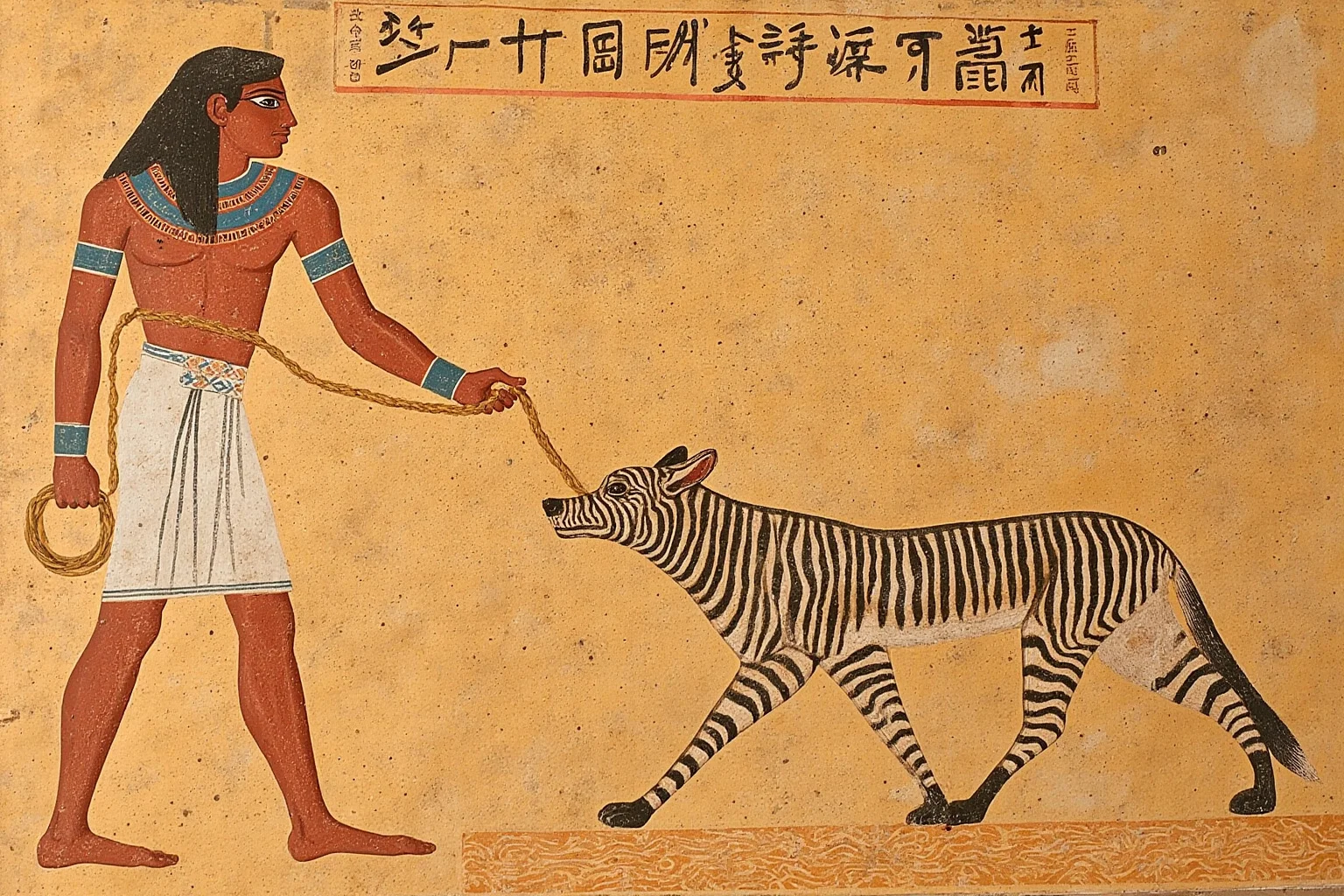
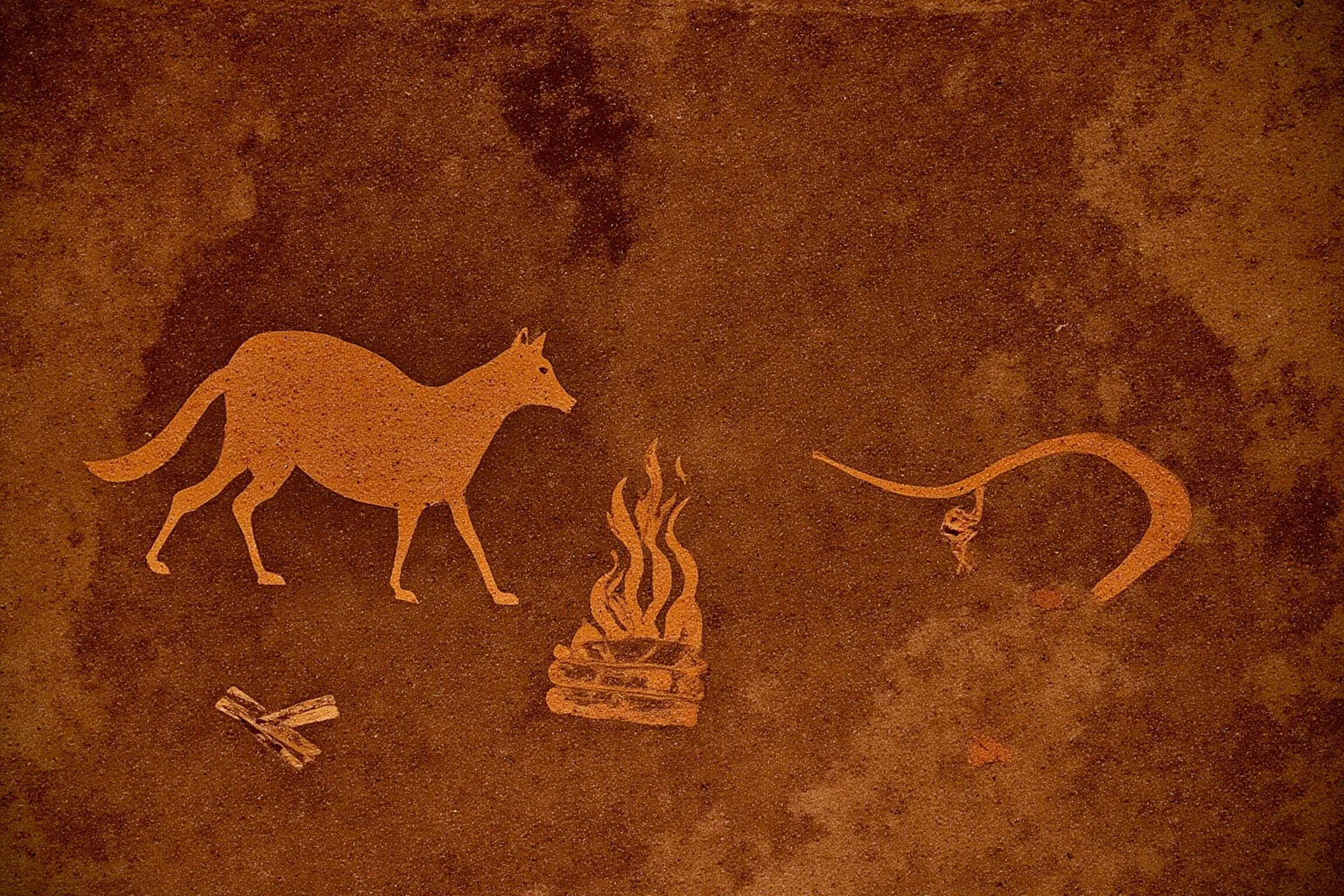
Egyptian tomb scenes appear to show striped hyenas being force-fed or held on leashes, which suggests people sometimes captured and fattened them for food or display. This does not prove domestication, because we lack evidence of controlled breeding or a managed population. Hyenas are powerful carnivores with complex social behavior.
Ancient Egyptian art sometimes shows hyenas as hunted game, while other scenes may show them in captivity. The evidence is ambiguous, and scholars caution against reading every leash as proof of a domestic relationship. A captive hyena was likely a dangerous display animal rather than a farm animal.
The practice never became a lasting tradition, and striped hyenas remain wild across Africa and Asia. They show up on many non domesticated animals list discussions because of this odd historical footnote.
8. Mongoose
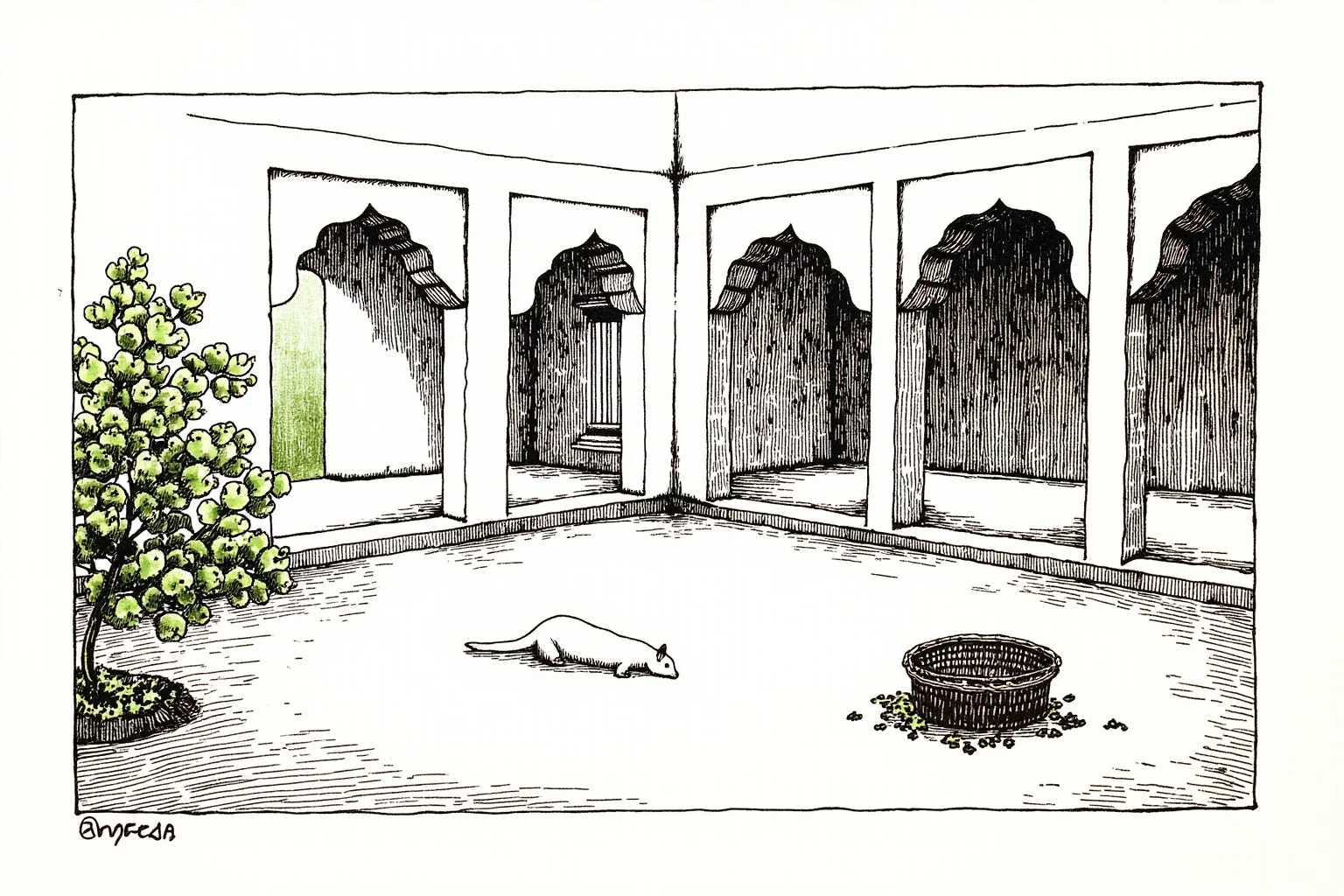
In South Asia and parts of Africa, mongooses were sometimes kept to kill rats and snakes around homes and markets. Individual mongooses can become tame and form bonds with people, but they rarely breed well in close captivity. That limits their status to tamed wild animals.
Colonial accounts and older Indian texts mention mongooses as household protectors, especially in areas with venomous snakes. Their quickness and resistance made them effective, but they remained wild in their breeding behavior. People usually captured or bought individual mongooses rather than raising stable populations.
Mongoose keeping still occurs in some places, but it is not part of a formal domestication system. Most species remain wild, and local wildlife laws often restrict keeping them.
9. Oryx
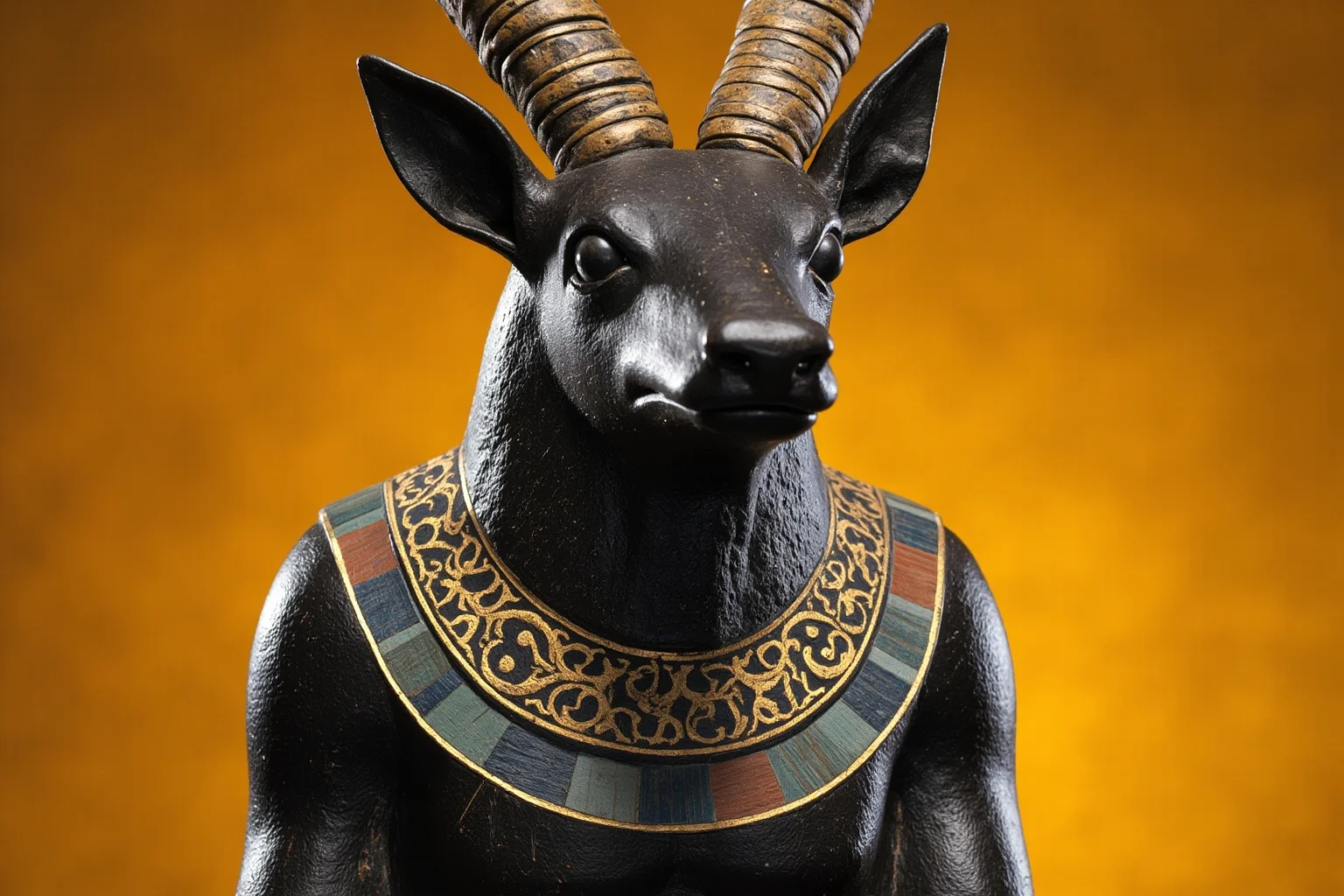
Ancient Egyptian and Near Eastern art depicts oryx with collars or in managed herds, and some may have been kept for meat or ritual. These antelope are desert-adapted and can be calm around humans if raised carefully. Still, evidence for long-term selective breeding is thin.
Oryx appear in tomb paintings and as offerings, which suggests elite or religious control over some individuals. They may have been tamed for processions or fattened for sacrifice, but their temperament is more fragile than cattle or goats. Ancient keepers likely captured young animals from the desert.
Oryx management never became widespread domestic farming. Today, some oryx are raised in conservation programs, but they remain essentially wild species.
10. Gazelle
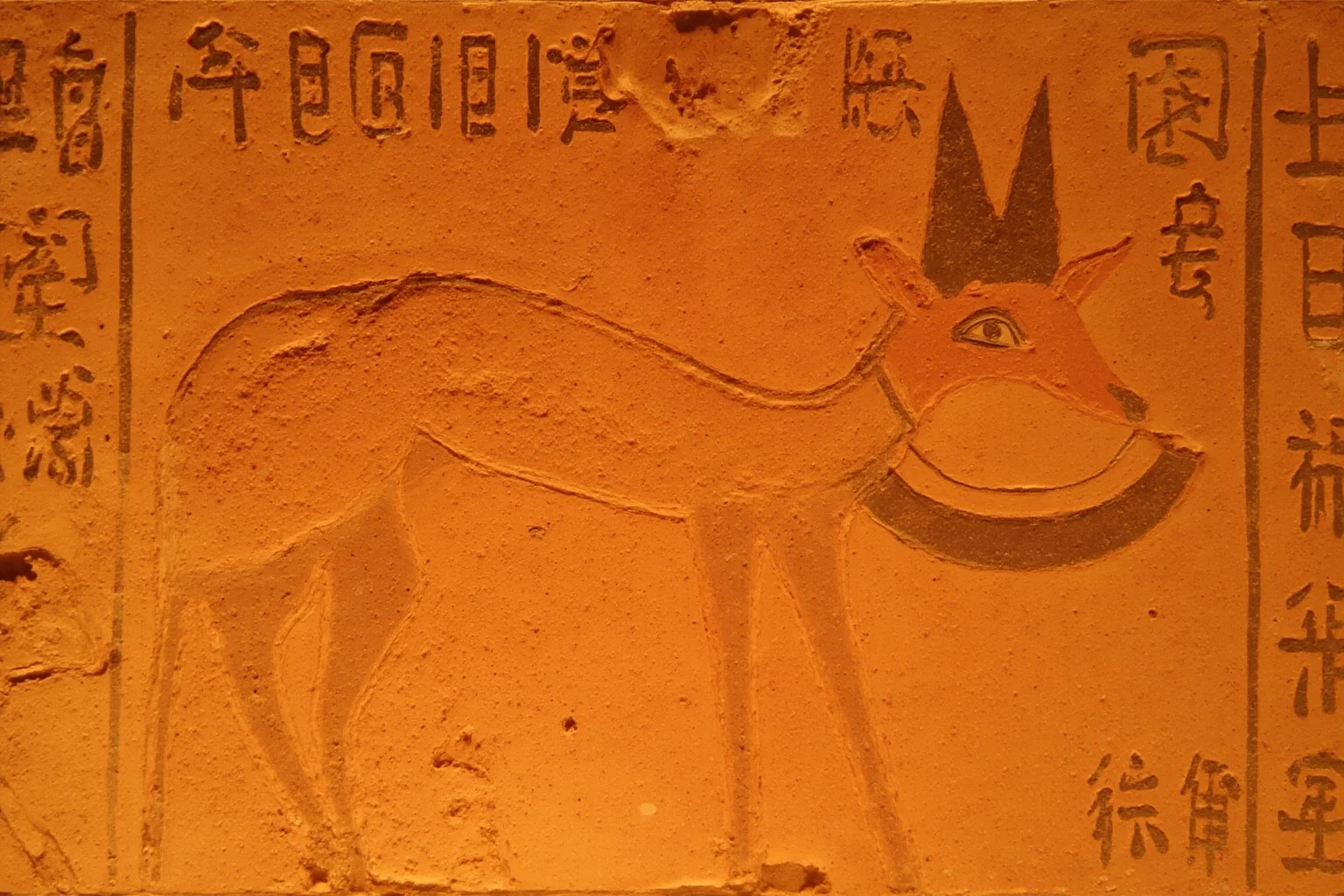
Gazelles appear in Egyptian tombs and Mesopotamian art as pets or offerings, sometimes wearing collars. Ancient people likely tamed young gazelles for beauty or religious use, but gazelles are nervous and fragile in captivity. They did not become a stable domestic animal.
Tomb scenes show gazelles standing under chairs or being led by handlers, which implies a close human-animal bond. However, there is little evidence of breeding populations or specialized domestic types. These animals were probably captured as fawns and raised by hand.
The tradition faded, and gazelles are now wild or conserved in reserves. They belong on a non-domesticated animals list because their historical taming never crossed into domestication.
The Traits That Keep an Animal Wild
Many of the species above failed as domesticates because they lacked one or more traits that make domestication possible. They were too aggressive, too slow to reproduce, too solitary, or too hard to feed. That is why they remained non-domesticated species even when people kept them for centuries.
A true domesticate usually belongs to a social species with a clear hierarchy, so it can accept human leadership. It also needs a flexible diet, a short flight distance, and the ability to breed in confined conditions. Animals that panic easily or refuse to mate in captivity stay wild.
These biological filters help explain why the world has fewer than a dozen major livestock species. Domestication is not simply a matter of human effort. Many ancient societies tried to domesticate local animals, but few species passed the test.
10 Animals We Still Domesticate
The next ten species are the opposite: they have undergone genuine genetic and behavioral changes through thousands of years of selective breeding. They are not just tamed individuals but domesticated populations that reproduce under human management. Most of them are now global partners in food, work, or companionship.
11. Dog
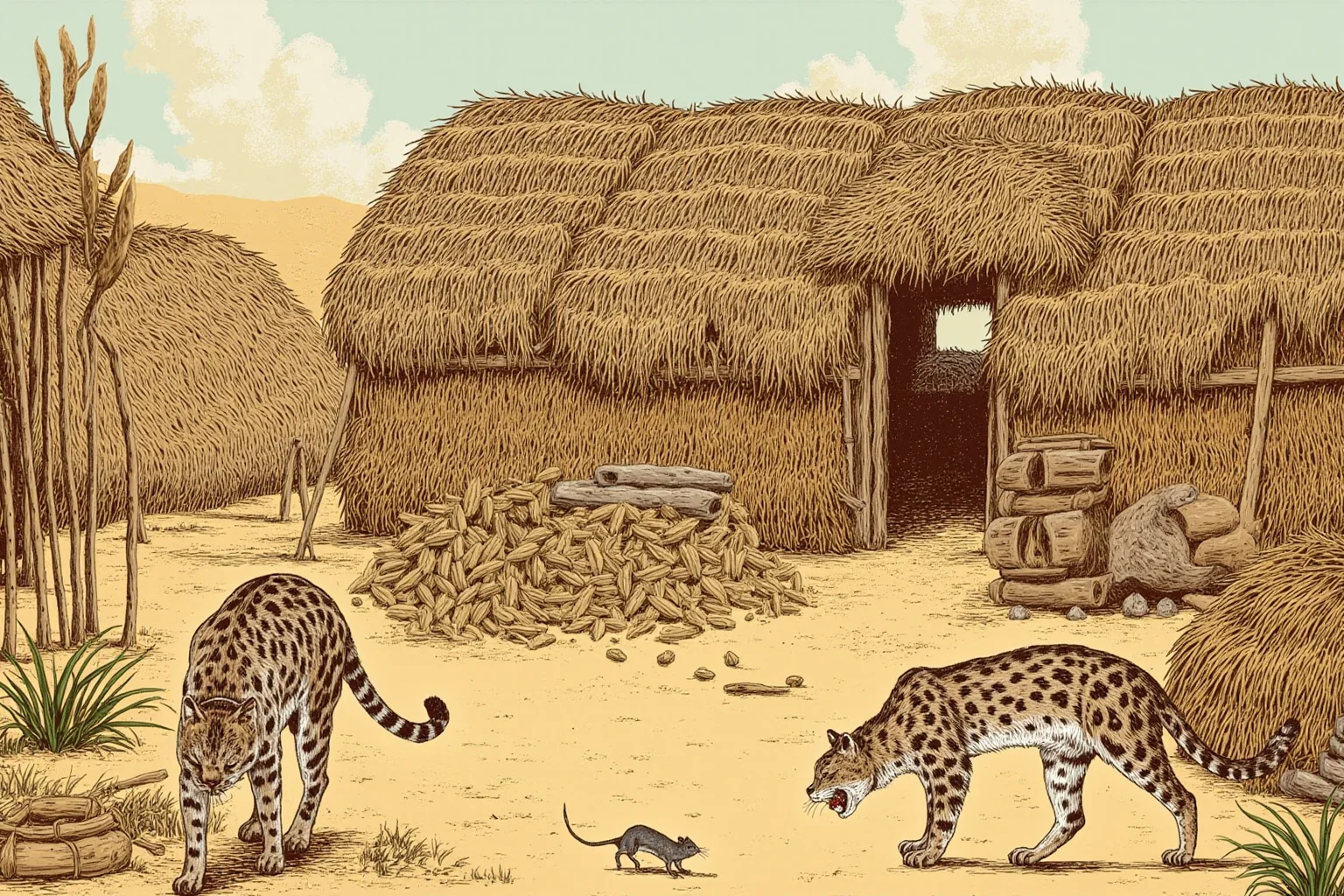
Dogs were the first domesticated animal, with archaeological and genetic evidence pointing to domestication from wolves tens of thousands of years ago. They were shaped for guarding, herding, hunting, and companionship long before written history. No other animal matches their range of breeds and roles.
The dog's social nature and ability to read human gestures made it uniquely suited to domestication. Over time, humans selected dogs for traits that ranged from herding sheep to sitting in laps. This deep genetic partnership is the opposite of the temporary taming seen in cheetahs or baboons.
Dogs remain fully domesticated and are found on every continent. Their long partnership with humans makes them the clearest contrast to the tamed-but-wild species above.
12. Cat
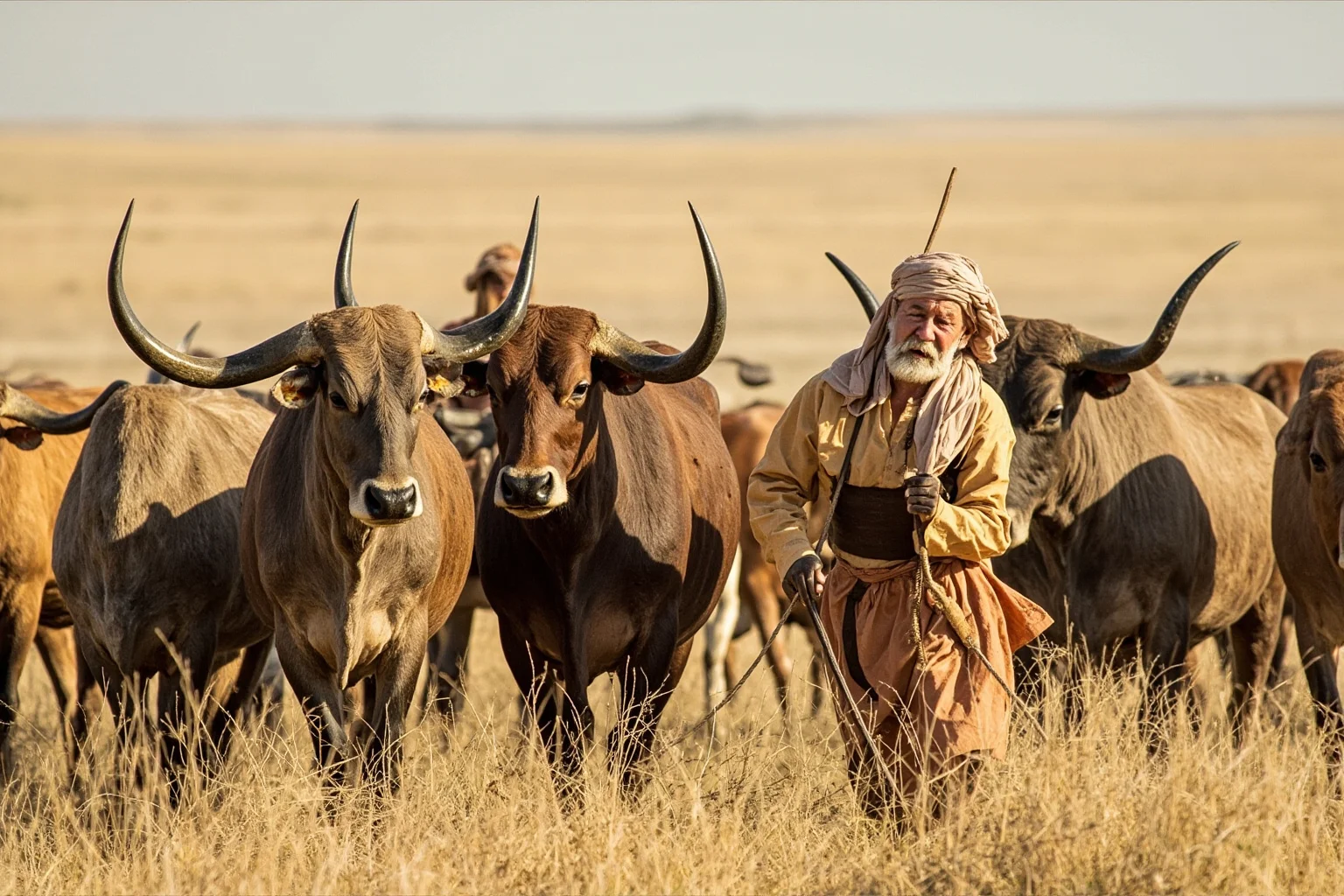
Cats likely domesticated themselves by living near early grain stores and hunting rodents, with genetic evidence linking domestic cats to wildcats in the Near East. They retain more independence than dogs, but their breeding has been shaped by human selection for temperament and appearance. The cat is a true domestic animal despite its wild attitude.
Unlike many livestock, cats may have entered human settlements on their own terms. Their utility as pest control made them valuable, but their independent hunting style meant they needed less direct management. Over centuries, people selected for calmer and more sociable cats.
Cats spread globally through trade and ships, and today they are among the most popular pets. Their domestication history shows that not every domestic species begins with deliberate capture.
13. Cattle
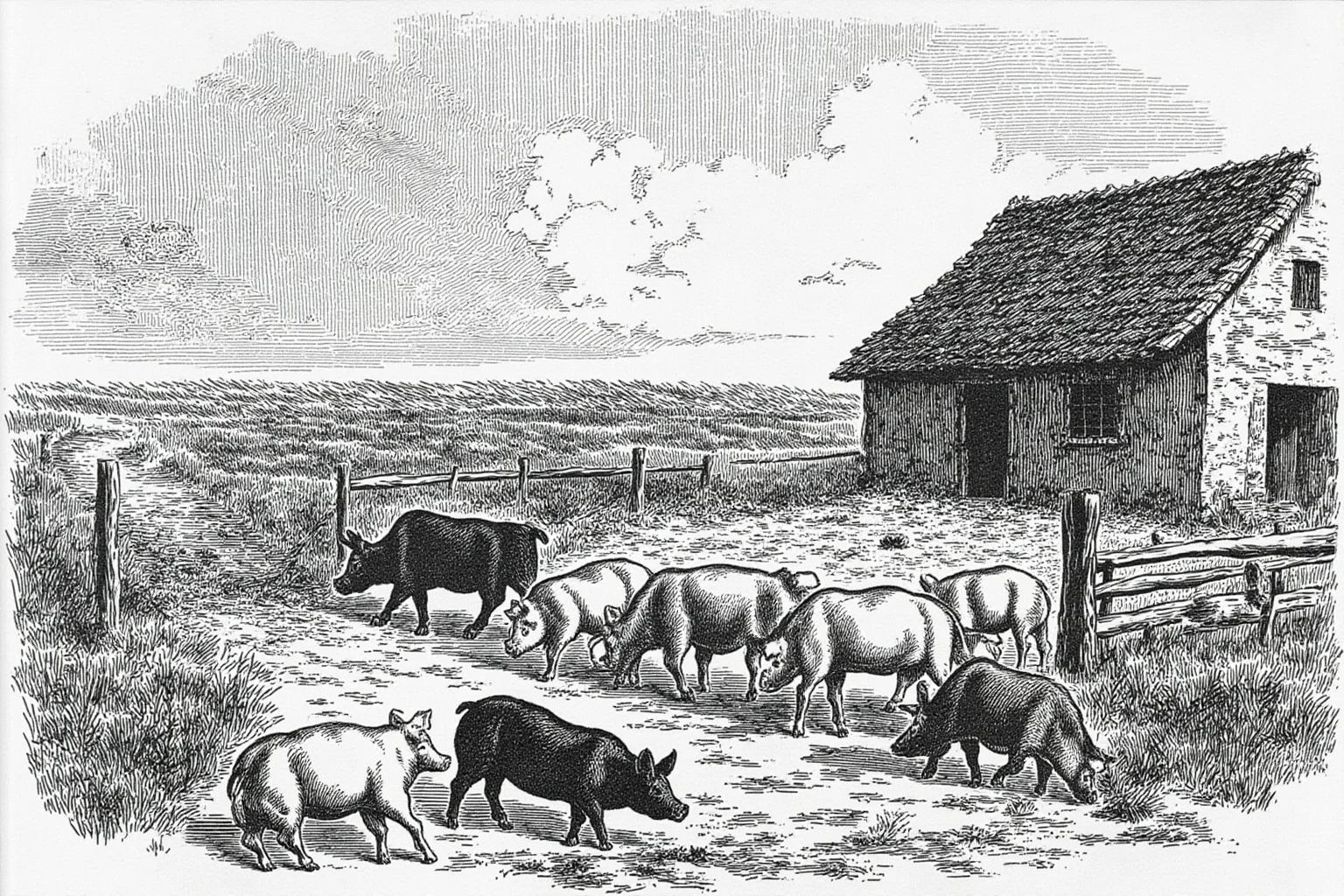
Cattle descend from the wild aurochs and were domesticated at least twice, once in the Near East and once in South Asia. They became central to agriculture as sources of milk, meat, leather, and traction. Selective breeding produced specialized dairy, beef, and draft breeds.
The wild aurochs was large and formidable, and early cattle domestication required patient selection for smaller, more manageable animals. Ancient farmers gradually built herds that could be milked and yoked. That process took thousands of years and left clear genetic marks.
Cattle are still domesticated worldwide, with over a billion animals under human management. Their ancestors are extinct, but the domestic forms are firmly established.
14. Pig
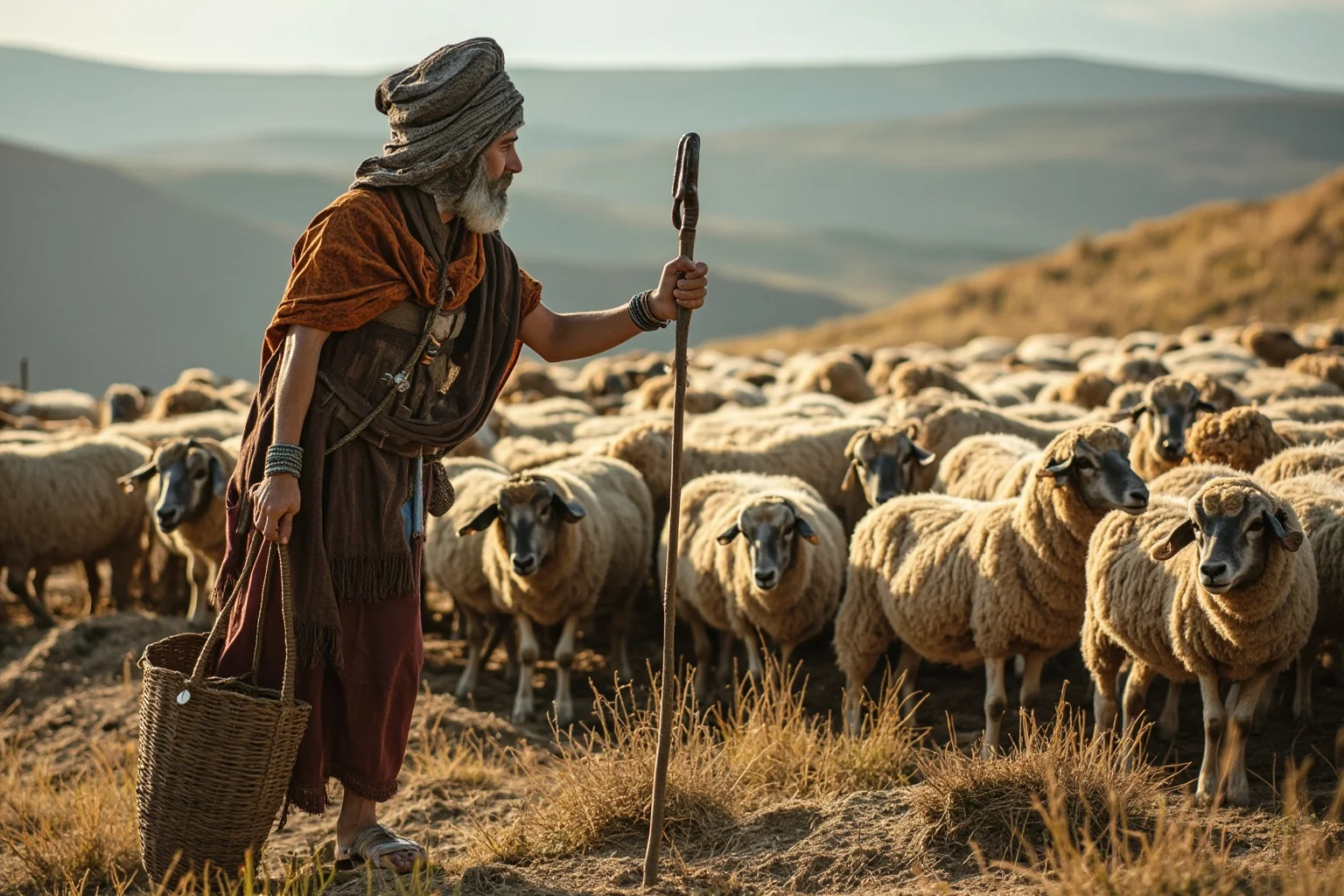
Pigs were domesticated from wild boar in multiple regions, including the Near East and East Asia. They convert food waste into meat efficiently and reproduce quickly, which made them valuable to early farmers. Unlike cattle or sheep, pigs do not provide wool or milk at scale, but their meat has been a staple for millennia.
Pigs are highly intelligent and adaptable, traits that helped them survive in human settlements. Early farmers selected them for faster growth and a less aggressive temperament. The domestic pig's shorter snout and curled tail show up in archaeological remains as clear signs of human influence.
Modern pig breeds are highly domesticated and globally raised. Their history is a good example of humans turning a wary wild ancestor into a productive farm animal.
15. Sheep
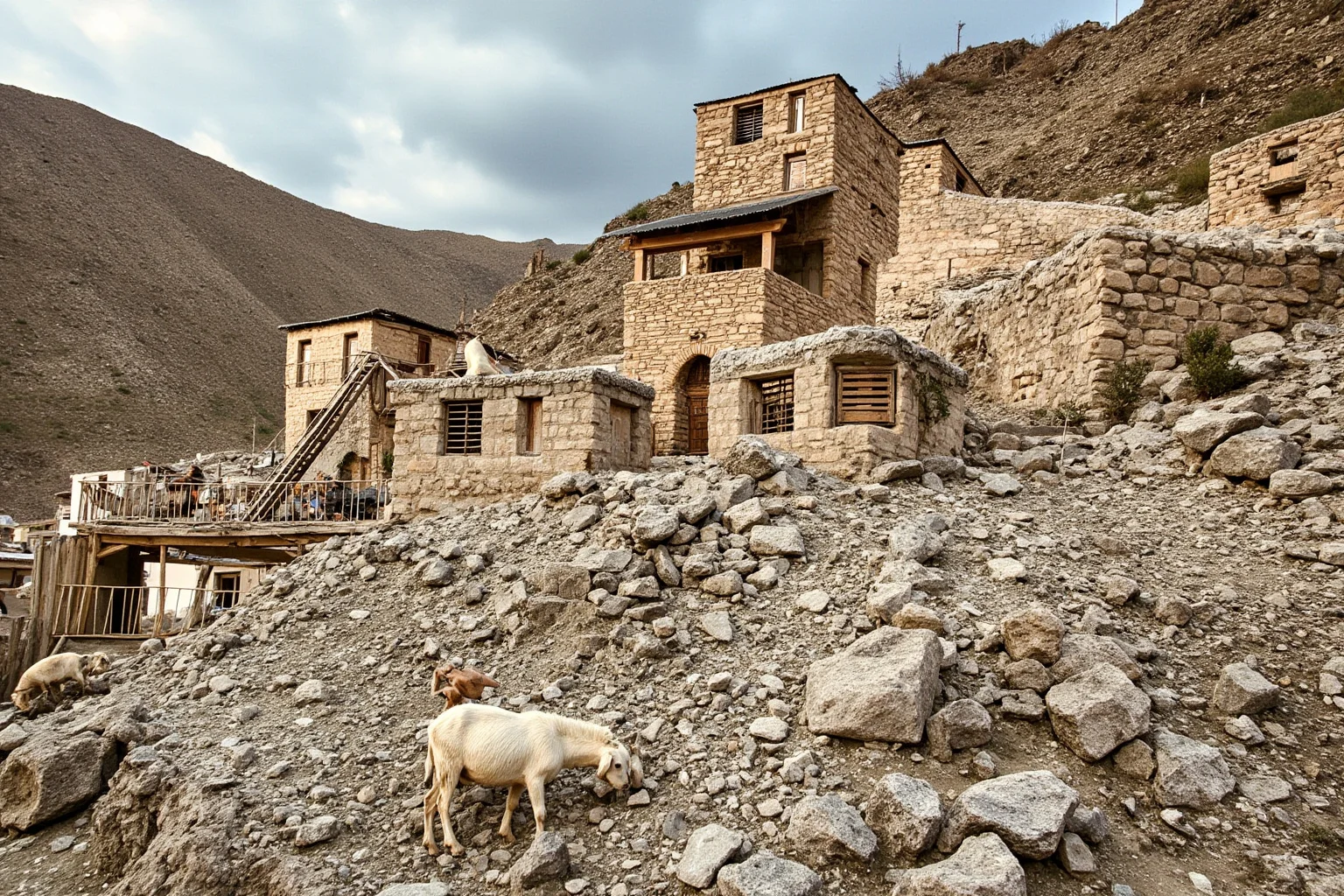
Sheep were among the earliest livestock, domesticated from wild mouflon in the Near East around ten thousand years ago. They gave early societies wool, milk, meat, and hides, and their flocking behavior made them easier to manage than many wild species. Selective breeding created hundreds of breeds for different climates and products.
The shift from hairy wild sheep to woolly domestic sheep was a major economic event. Ancient texts and textiles show how central wool became to trade, clothing, and state economies. Sheep also thrive on marginal land that cannot support cattle or pigs.
Sheep remain essential in agriculture on every inhabited continent. They are a classic domesticate that still supports rural economies.
16. Goat
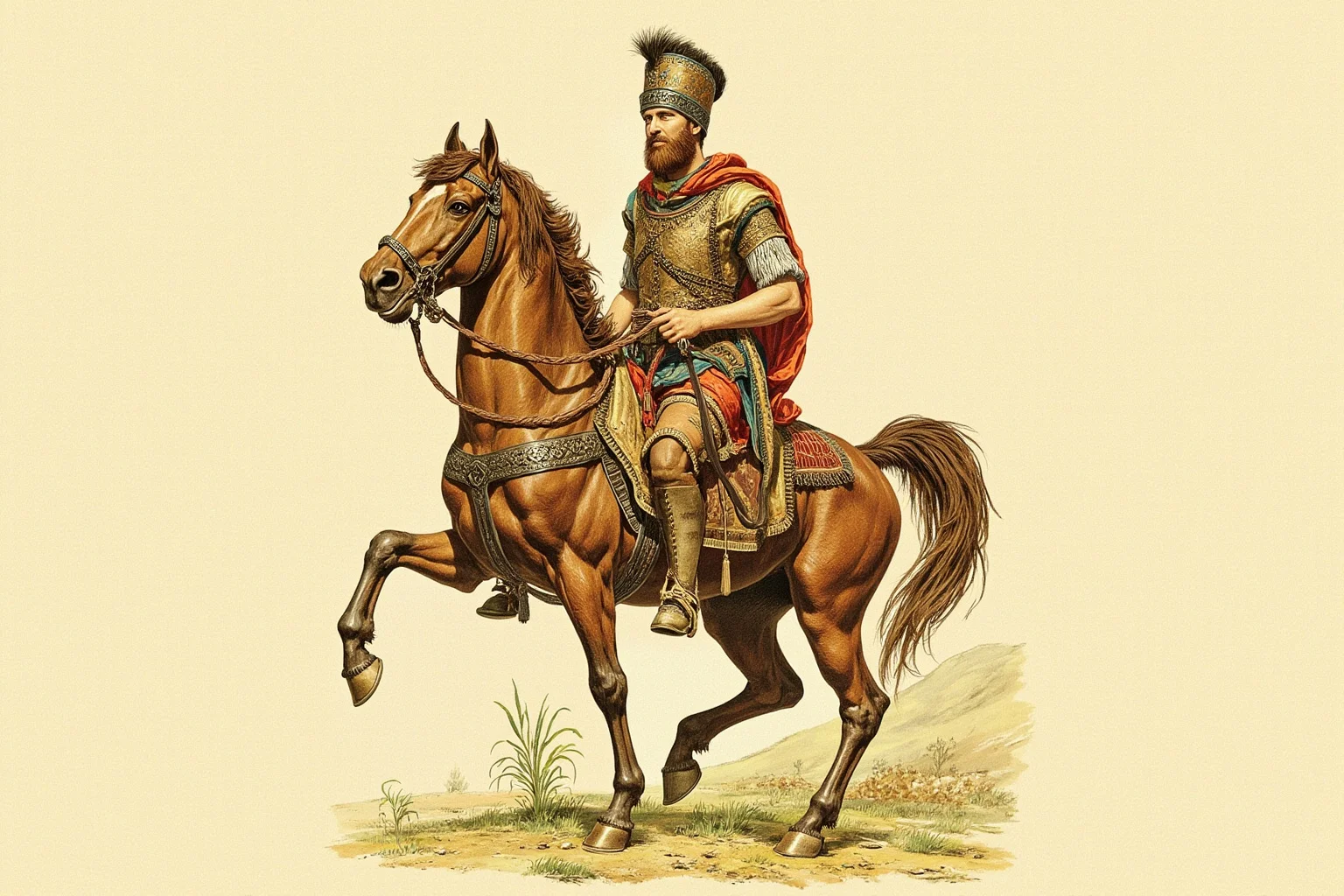
Goats were domesticated alongside sheep in the Near East, likely from the wild bezoar ibex. They thrive on rough terrain and browse shrubs that sheep or cattle cannot use. That adaptability made goats ideal for mountains, drylands, and small farms.
Goats are curious, social, and willing to follow a herder, which helped early pastoralists control them. They provided milk, meat, and fiber with less water and better climbing ability than sheep. Their remains are common at some of the earliest farming villages in the Fertile Crescent.
Goats are still kept for milk, meat, and fiber, and they are especially important in arid regions. Their domestication is one of the oldest and most successful livestock stories.
17. Horse
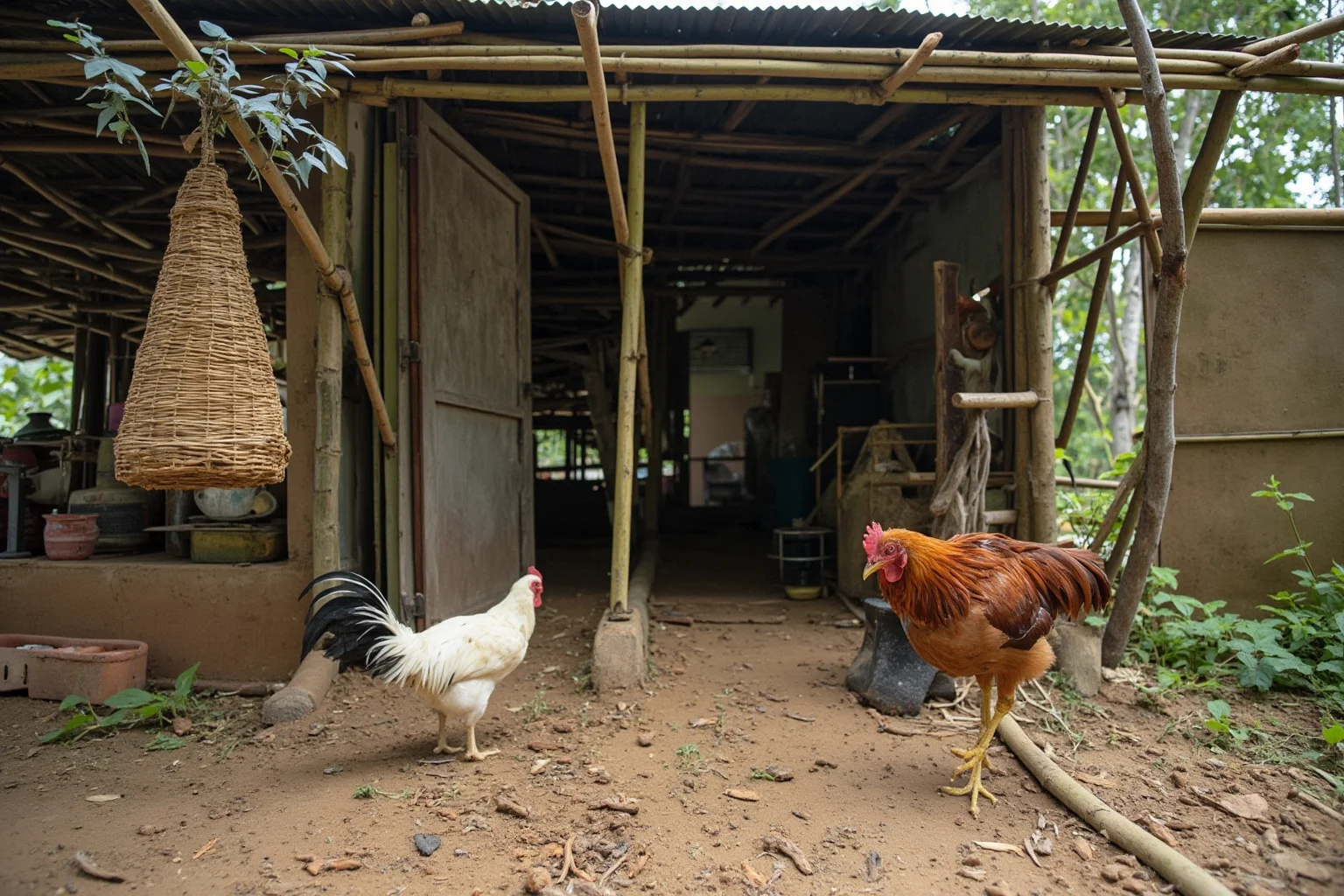
Horses were domesticated on the Eurasian steppe around five to six thousand years ago, probably for milk and meat before riding became common. Once people learned to ride and drive horses, transport, warfare, and trade changed dramatically. The horse became one of the most influential domestic animals in history.
Ancient DNA shows that domestic horses spread from a specific steppe population, replacing earlier wild horse lineages. The horse's speed and carrying capacity connected distant cultures and reshaped empires. Selective breeding for war, work, and racing produced vastly different types, from heavy drafts to light riding horses.
Today horses are still bred for sport, work, therapy, and companionship. Though machines replaced most draft horses, the species remains fully domesticated and culturally central.
18. Chicken
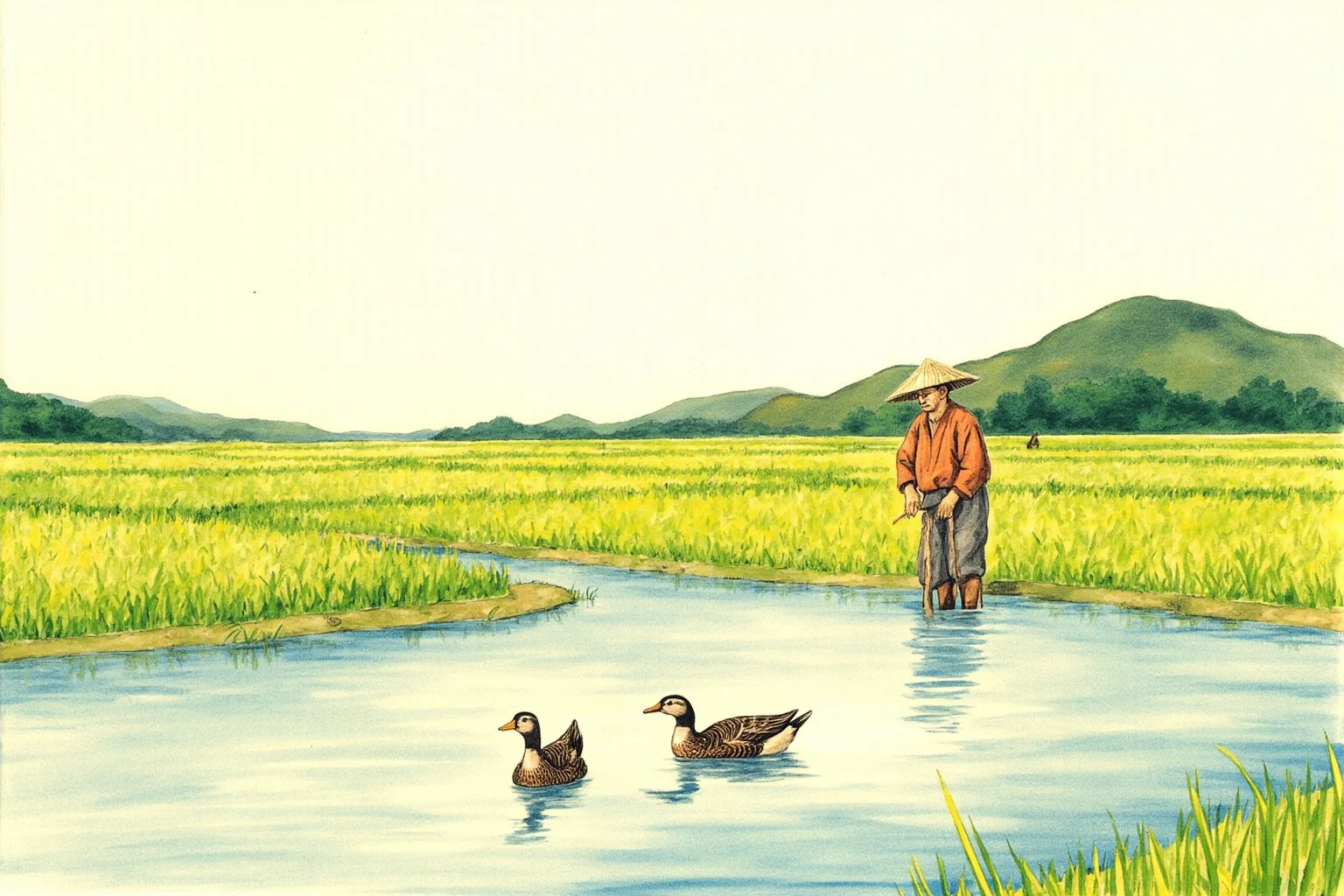
Chickens descend from red junglefowl in Southeast Asia and were domesticated more than several thousand years ago. They spread through trade and empire, becoming the most common bird on Earth. Chickens provide eggs and meat with relatively low space and feed requirements.
The chicken's small size and short generation time allowed rapid genetic change under human selection. Ancient traders carried chickens across Asia, Africa, and Europe, and they became a staple in many cuisines. Their bones appear in archaeological sites far from their tropical homelands.
Modern poultry breeding has created specialized meat and egg lines. The chicken is a clear example of a species transformed by domestication.
19. Duck

Domestic ducks descend mainly from the mallard, with the Muscovy duck domesticated separately in South America. Ducks have been kept for eggs, meat, and down for thousands of years. They remain more water-dependent than chickens but thrive on small farms and in rice paddies.
Duck domestication happened independently in different regions, which shows that humans repeatedly shaped waterfowl to local needs. Farmers selected ducks for size, egg production, and calm behavior around water. The Muscovy duck developed in South America from a different wild ancestor than the mallard-based ducks of Eurasia.
Today ducks are still common domestic animals worldwide. They also illustrate that domestication is not a single event but a pattern that can occur in separate places.
20. Honeybee
Honeybees sit at the edge of domestication, but they have been managed for honey and wax for thousands of years. Ancient Egyptian and Near Eastern cultures kept hives, and selective breeding has produced gentler, more productive strains. They are not tame in the same way as a dog or sheep, but they are domestic in the sense of managed breeding.
Beekeepers have long selected queens from calm and productive colonies, which changes bee behavior over generations. Honeybees remain capable of surviving in the wild, unlike many fully domesticated mammals. Their relationship with humans is therefore closer to managed semi-domestication.
Beekeeping remains widespread, and honeybees are vital pollinators for agriculture. Their continued management shows that domestication is not limited to mammals and birds.
Why Some Animals Stop Being Domesticated
A species usually drops out of domestic use when a better substitute appears or when the social system that supported it disappears. Horses replaced onagers for speed and temperament, and cats replaced genets as mousers. Religious or elite fashions also played a role, especially in ancient Egypt and Rome.
Extinction can end the question entirely, as with the North African forest elephant. Legal protection and conservation ethics now discourage keeping many exotic animals that were once status symbols. Not every historical taming tradition was sustainable.
Why the Distinction Matters Today
Calling an animal domesticated can shape how people treat it, regulate it, or try to keep it as a pet. Wild species like cheetahs and mongooses suffer when treated like domestic cats or dogs. Conservation laws often depend on whether a population is wild, feral, or domestic.
Knowing which animals are not domesticated also helps us appreciate the rare outcome that true domestication really is. The species we live with today passed a narrow biological filter. Most of the animals humans ever tamed did not.
The Bottom Line
A tamed cheetah or a collared gazelle may look like a domestic animal in ancient art, but domestication requires generations of genetic change. The species on this non domesticated animals list were mostly managed, not transformed. They had their moment in human courts and farms, then returned to wild status or faded with their cultures.
The animals we still domesticate earned their place through reproductive success, utility, and temperament. Understanding the difference helps us read history more carefully and treat wild animals with appropriate respect.
Frequently Asked Questions
What is a non domesticated animals list?
A non domesticated animals list names species that are wild or only tamed, not biologically domesticated. Examples include cheetahs, zebras, elephants, hyenas, and many antelope. These animals have not undergone the multi-generational genetic changes seen in dogs, cattle, or chickens.
Why are some animals not domesticated?
Domestication requires a species to reproduce readily in captivity, grow quickly, have a social or manageable temperament, and accept human control. Animals like zebras and cheetahs fail one or more of these tests. Even centuries of taming individuals will not domesticate a species without selective breeding.
Which animals did humans stop domesticating?
Humans largely stopped managing species such as cheetahs, onagers, edible dormice, genets, and sacred baboons as captive or tamed animals. These traditions faded when substitutes appeared, cultural priorities changed, or the species became extinct. They are not considered part of the global domestic animal pool today.
Are elephants domesticated?
Elephants are tamed for work, ceremony, and transport, especially in South and Southeast Asia, but they are not domesticated. Most working elephants are captured from the wild or bred in small numbers without the deep genetic changes of domestication. North African forest elephants once used in war were tamed, not domesticated, and are now extinct.

Alex Warren
Related Articles