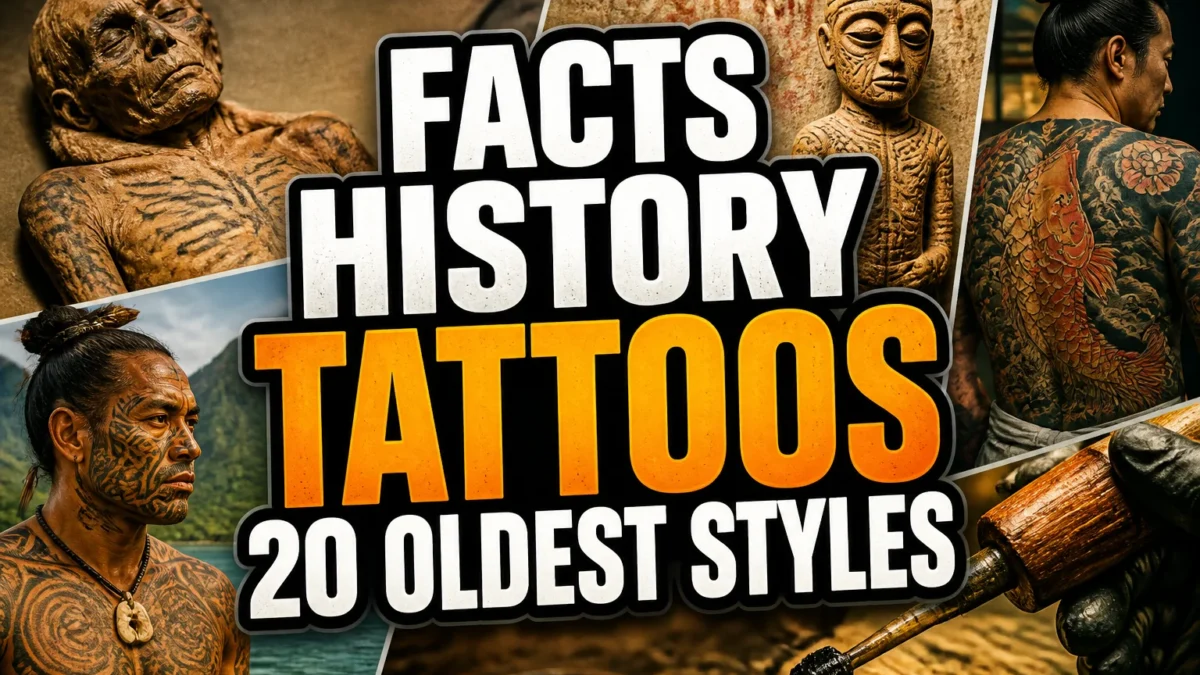
Tattoos can feel like a modern trend, but the real tattoo facts tell a much older story. Archaeologists have found preserved human skin and ancient art that push tattoo in history back more than 5,000 years. Across continents, people used marks on the body for healing, protection, punishment, status, and group identity.
These interesting facts about tattoos challenge the idea that body art is new or rebellious. They show that what is the history of tattoos is really a global story of shared human symbolism. The oldest styles below range from mummified remains to living hand-tapped traditions.
TL;DR: The oldest tattoo evidence includes Ötzi the Iceman, Egyptian mummies, and Polynesian tatau, proving body marking is one of humanity’s most widespread ancient arts.
Earliest Tattoo Evidence: Mummies and Marked Skin
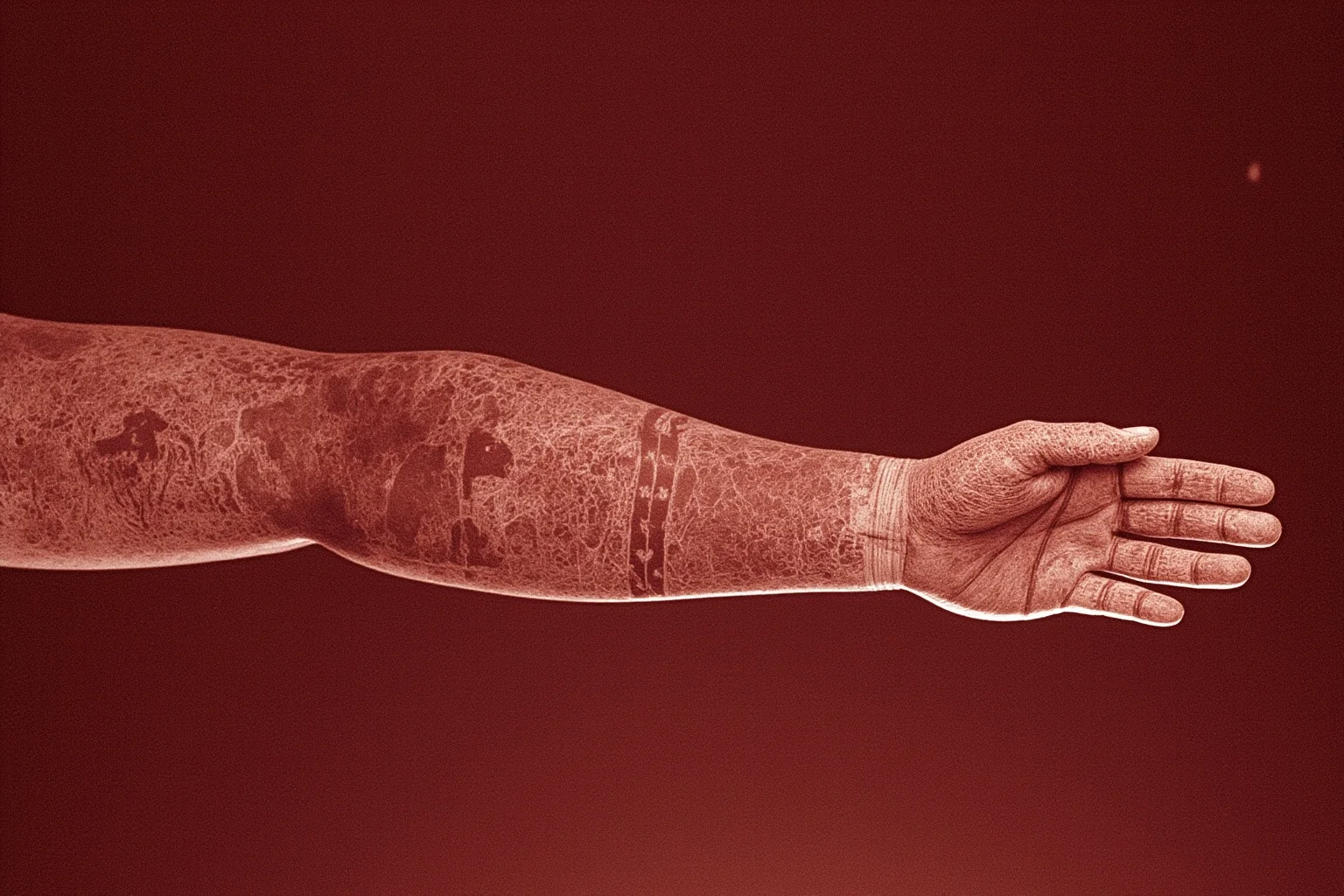
This section covers the oldest direct evidence of tattooing, mostly from preserved skin. These tattoos in history survive because dry, cold, or anaerobic conditions kept the skin intact.
1. Ötzi the Iceman’s Copper-Age Marks
Ötzi, the 5,300-year-old mummy found in the Alps in 1991, carries 61 tattoos arranged in simple short lines and crosses. They cluster near the lower back, left wrist, right ankle, and knees. Most are not pictorial scenes but small geometric marks.
Many researchers think the placement matches areas of joint wear, which suggests a therapeutic or pain-relief purpose. That interpretation is plausible, but it is not the only possibility. The marks may also have been social or spiritual, since ancient people rarely separated medicine from belief.
Ötzi remains one of the most studied mummies in Europe. His tattoos are a key reference point whenever researchers discuss early tattooing. They also remind us that simple marks can predate elaborate picture tattoos by millennia.
2. Predynastic Egyptian Tattoos at Gebelein
Two naturally mummified Egyptians from Gebelein, now in the British Museum, date to roughly 3351–3017 BCE. Infrared imaging revealed tattoos that were nearly invisible to the naked eye. One man has a wild bull and a Barbary sheep on his upper arm, while a woman has S-shaped and linear motifs on her shoulder and arm.
These are the oldest known figural tattoos in Africa and among the earliest anywhere. The bull and sheep may signal strength, hunting, or ritual status. Because they were hidden under clothing or faded, researchers had overlooked them for decades.
The Gebelein tattoos survived because the bodies were preserved naturally in hot sand. Infrared imaging changed how archaeologists study ancient skin, revealing marks invisible under normal light. This method is now used on mummies around the world.
3. The Chinchorro Mummy’s Upper-Lip Mark
In northern Chile, a Chinchorro mummy bears a thin dark line above the upper lip that some archaeologists interpret as a tattoo. The Chinchorro culture is famous for some of the world’s oldest artificial mummification, and its dates can reach several thousand years BCE. However, precise dating of this tattoo remains debated, so it should be described cautiously.
This find matters because it may represent early tattooing in the Americas. Even if the exact date is uncertain, it shows that body marking was present among early coastal Andean peoples. Future research may sharpen the timeline.
The Chinchorro people were coastal fisher-hunter-gatherers who developed mummification before Egypt. Their funerary practices suggest a complex spiritual life. Whether the upper-lip mark is tattoo or pigment, it belongs to a culture that cared deeply about the body after death.
4. Nubian Women’s Dotted Patterns
Ancient Nubian mummies from the C-Group period, roughly 2400–1550 BCE, show dotted tattoos on the abdomen, thighs, and sometimes the chest. These marks appear especially on women. The patterns are often simple rows or clusters of dots rather than large images.
Scholars link these tattoos to fertility, protection during pregnancy, or social identity. The placement on the lower body suggests a private or ritual function. Nubian tattoo traditions later reappear in Meroitic imagery and grave art, showing long continuity.
Nubia was Egypt’s southern neighbor, and the two cultures traded ideas and goods. Even so, Nubian tattoos have their own character and should not be treated as Egyptian imitations. That local distinctiveness is important for understanding ancient Northeast Africa.
5. Tarim Basin Geometric Tattoos
Mummies from the Tarim Basin in present-day Xinjiang, China, have revealed geometric tattoos on hands, wrists, and faces. These remains date broadly to the early second millennium BCE. The designs include circles, lines, and repeating shapes rather than animals or human figures.
The dry desert environment preserved both skin and textiles in remarkable condition. Because the Tarim population had extensive cultural contacts, the tattoos may reflect local identity or shared motifs. Researchers avoid claiming a single meaning without written records.
Some Tarim burials include elaborate clothing, hats, and grave goods. The tattoos may have been part of a broader system of personal ornament. Without texts, researchers rely on patterns and placement to infer meaning.
6. Egyptian New Kingdom Symbols of Protection
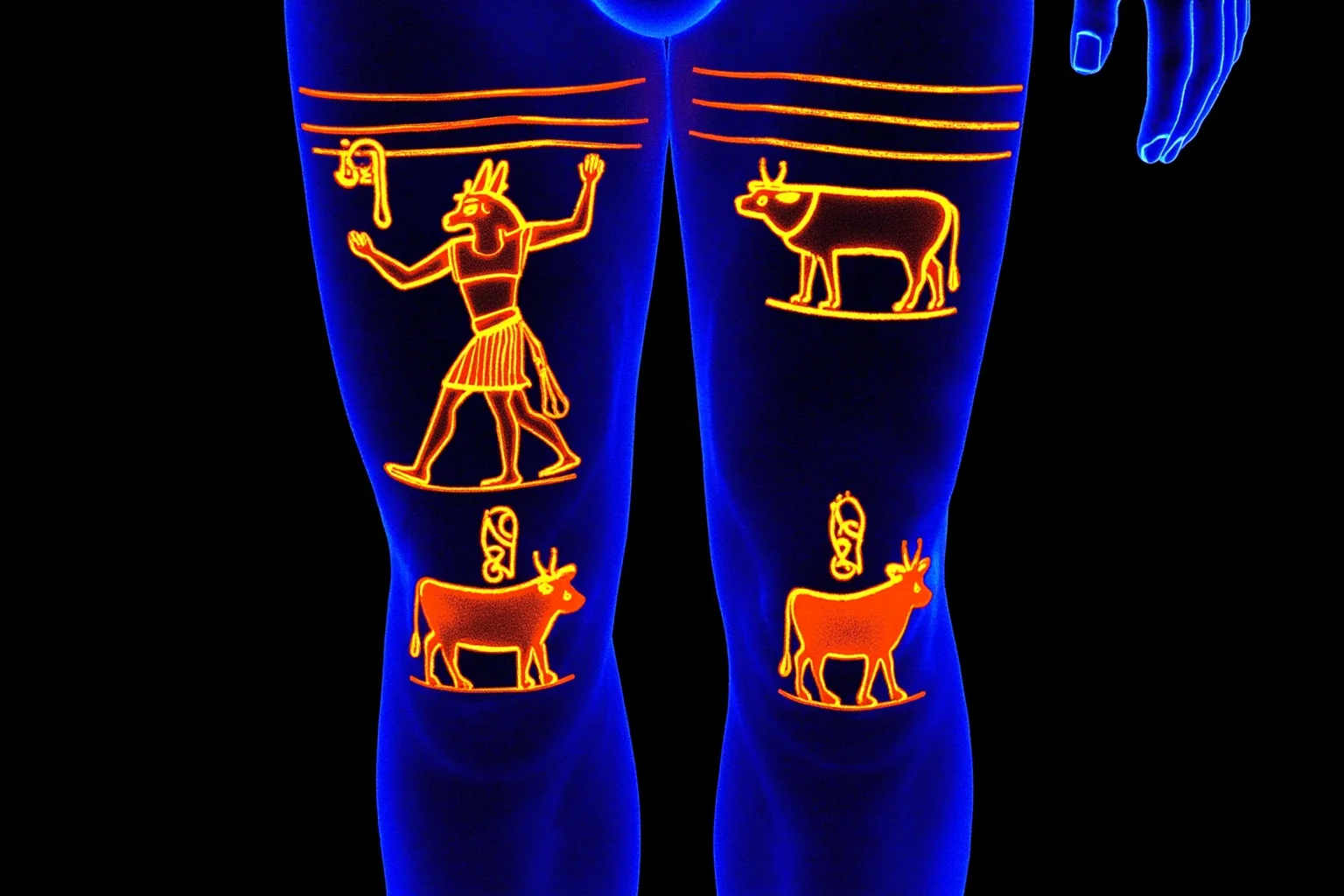
By Egypt’s New Kingdom, around 1550–1070 BCE, some women at the village of Deir el-Medina had tattoos of protective deities. Infrared images show images of Bes, a household guardian, on thighs and hips. Other marks include cows, lotus-like shapes, and eyes.
These tattoos cluster on the body in places linked to fertility, childbirth, and sexuality. They differ from the earlier Gebelein designs because they include recognizable divine imagery. This shift suggests tattoos became more visibly tied to magical protection.
Most of the tattooed mummies from Deir el-Medina are adult women. That pattern has led scholars to connect the marks with pregnancy, childbirth, and female ritual knowledge. Men were not the primary bearers of this New Kingdom tradition.
7. Pazyryk Scythian Animal Tattoos
Ice-preserved Scythian mummies from the Pazyryk kurgans in Siberia, dated to the fifth and third centuries BCE, carry elaborate animal tattoos. Designs include curling deer, griffins, fish, and predators. They flow across shoulders, arms, and legs in a dynamic animal style.
These tattoos are more complex than the geometric marks found on Ötzi. Some scholars think they marked status, clan, or spiritual power within a mounted warrior culture. The frozen conditions make them among the best-preserved ancient tattoo examples in the world.
The Pazyryk people belonged to the wider Scythian world, known for horse riding and elaborate metalwork. Tattoos may have functioned like permanent versions of the animals on their clothing and ornaments. They transformed the body into a canvas for art and belief.
Power, Punishment, and Protection in the Ancient Mediterranean and Asia
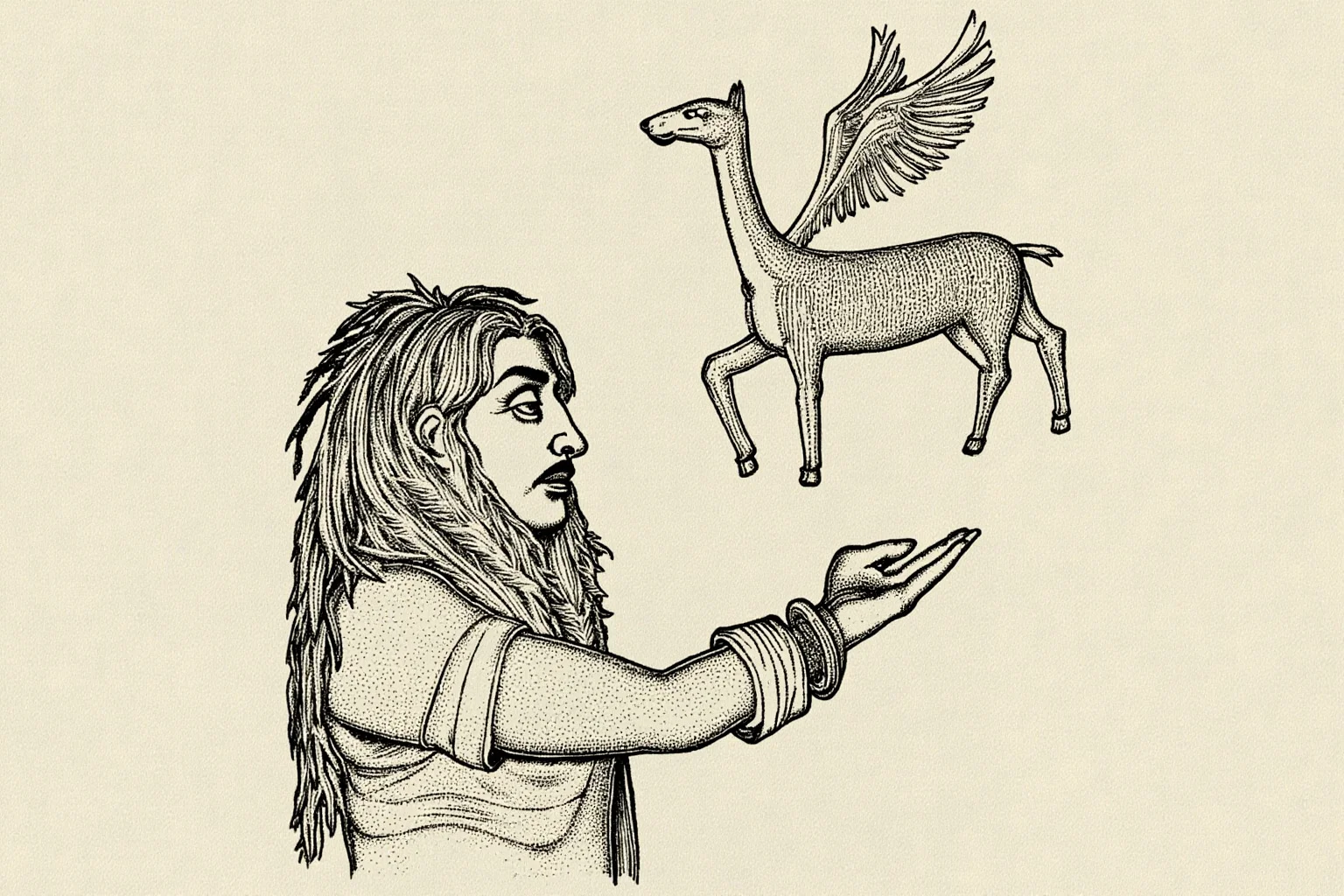
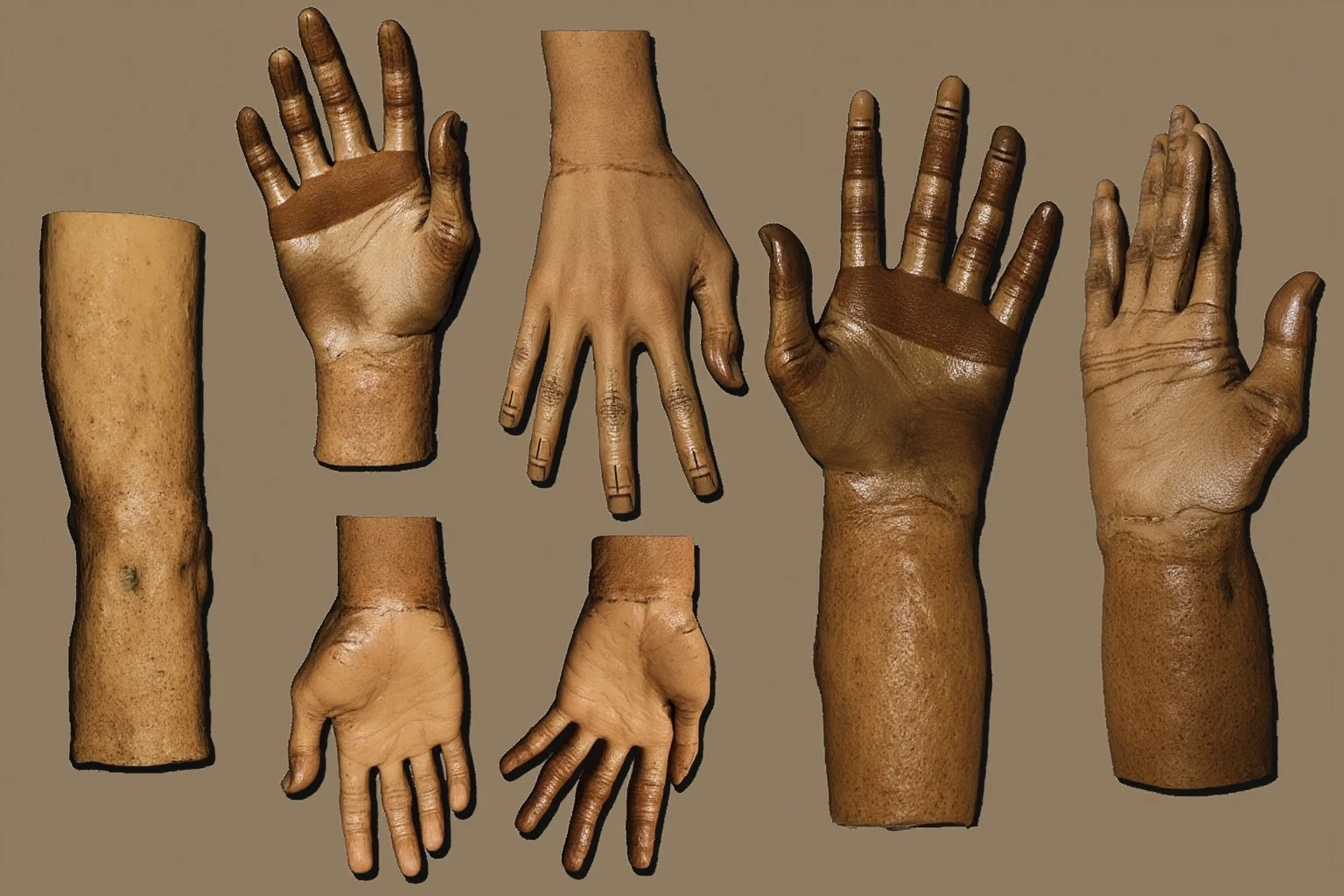
The next group of tattoo facts shows how marks could mean punishment or identity in the ancient world. Written sources become more helpful here, even when physical skin rarely survives.
8. Greek “Stigma” and Punitive Marking
Ancient Greek texts use the term stigma for tattoo-like marks pricked into the skin. Tattoos in history often labeled enslaved people, prisoners of war, or criminals. The mark could be a letter or symbol placed on the forehead or hands.
Greek authors sometimes described foreign tattoo practices with curiosity or disdain. Because stigma carried shame, early Christians later adopted the word in a spiritual sense. That negative association shaped European attitudes for centuries.
The Greek word stigma originally meant a mark or puncture, not necessarily shameful. Over time it came to mean a mark of disgrace, which is the sense still used in English. That linguistic shift tracks changing social attitudes toward body marking.
9. Roman Slave and Criminal Tattoos
Roman practice followed Greek precedent by tattooing or branding enslaved people and convicts. Latin sources distinguish between permanent marks on the face and other penalties. Over time, some emperors discouraged facial tattooing, but body marking continued.
These punitive marks were meant to be visible and permanent. They also served as a form of identification before photography or paperwork. By late antiquity, Christian imagery and imperial law changed some of these practices.
Most Roman tattoos are known from legal texts, inscriptions, and literature rather than preserved skin. This makes the practice different from mummified examples where the marks survive directly. Written sources can be biased, but they still reveal real legal customs.
10. Ancient British and Pictish Body Markings
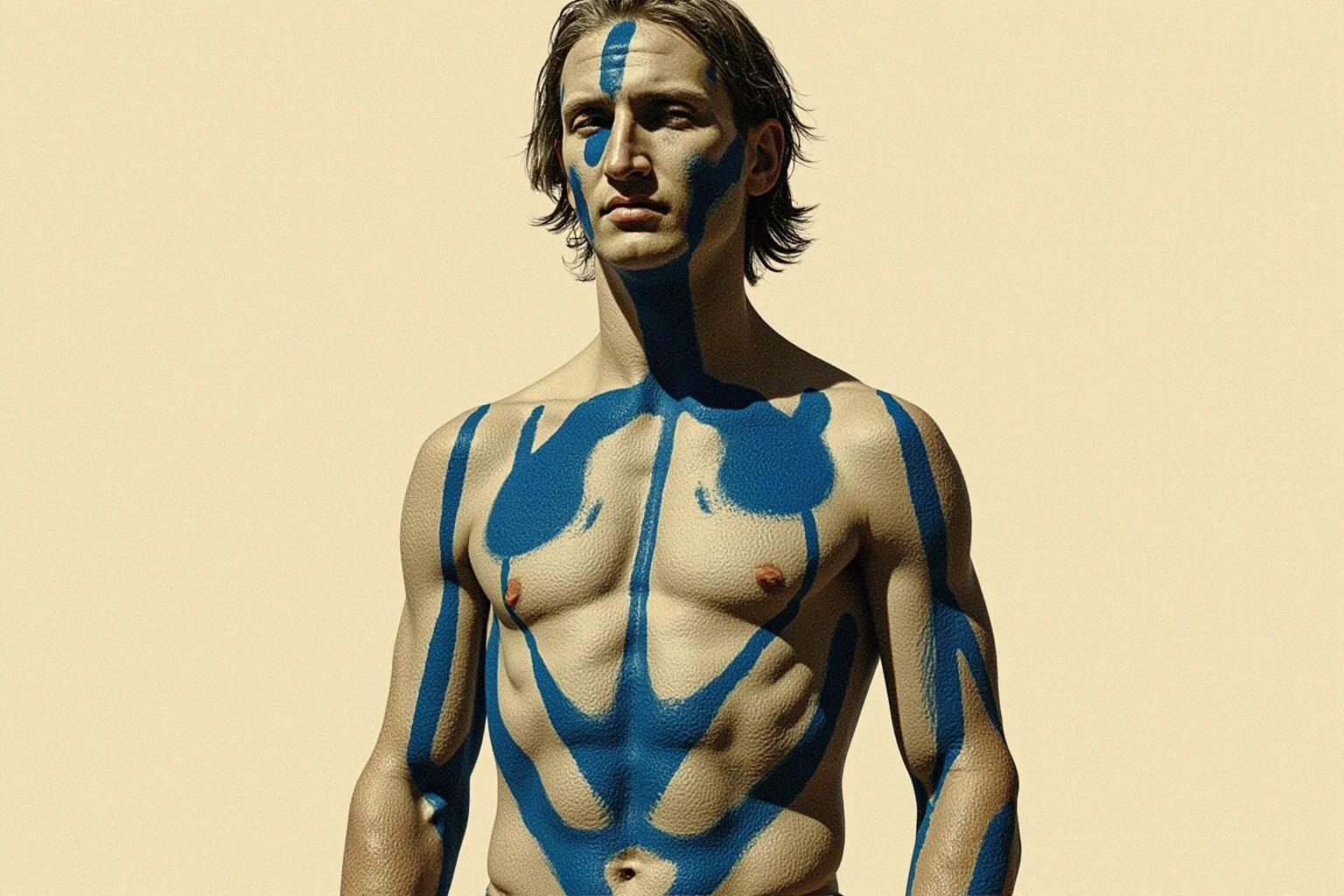
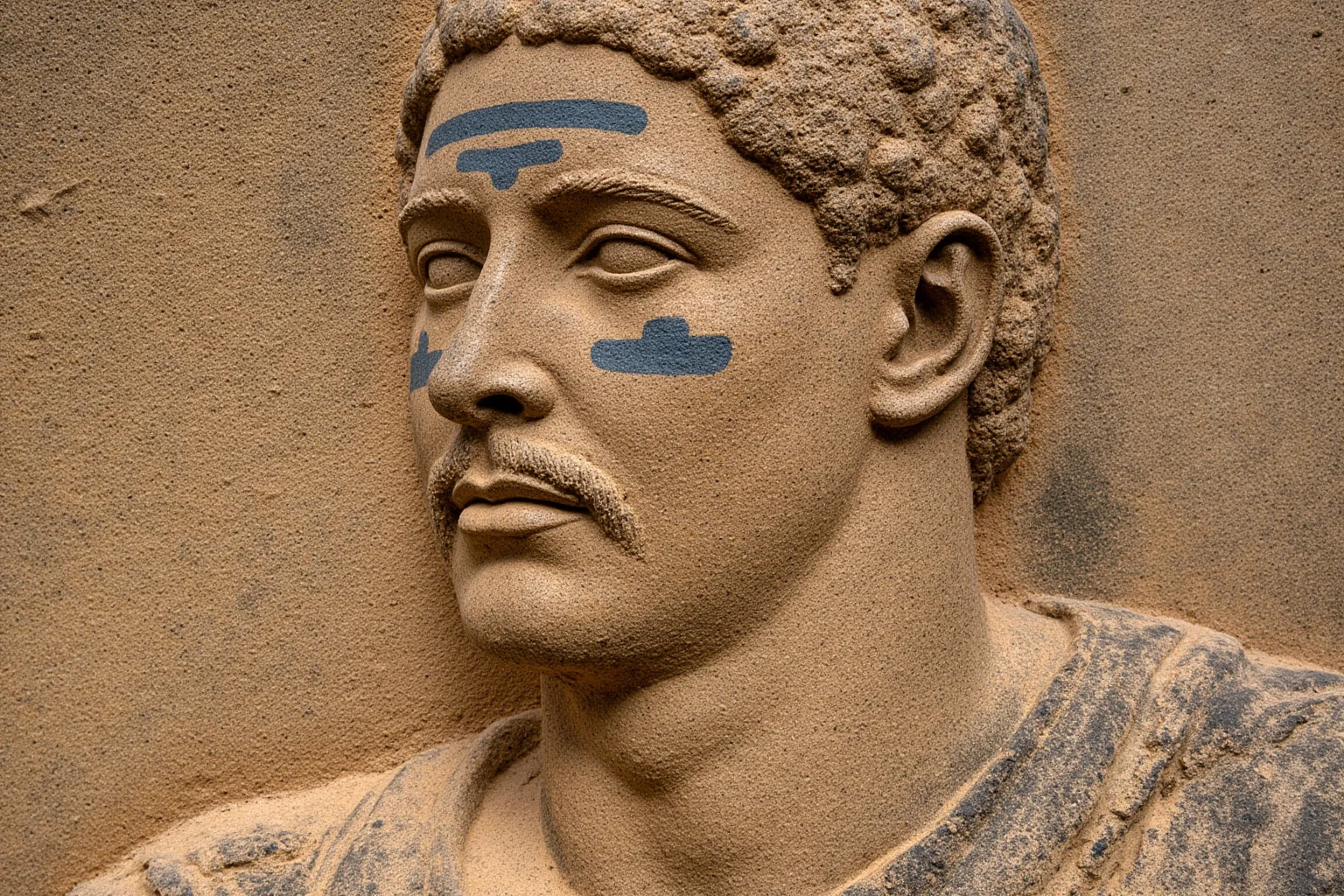
Roman writers, including Julius Caesar, described inhabitants of Britain with blue designs or markings. The exact substance is disputed: it may have been woad body paint rather than permanent tattoo. Because the Latin word can be ambiguous, modern writers should avoid calling this a proven tattoo style.
Later Pictish stones show human figures with possible body decoration, but the evidence is indirect. The idea of painted or tattooed Britons remains popular, yet it rests on limited and biased classical sources. We can treat it as a possibility, not a settled fact.
Modern depictions often show ancient Britons covered in blue tattoos, but that image is based on shaky evidence. The popularity of the idea says more about later British identity than about Iron Age practice. Critical readers should hold both possibilities open.
11. Indus Valley Figurines and the Debate Over Early Indian Tattoos
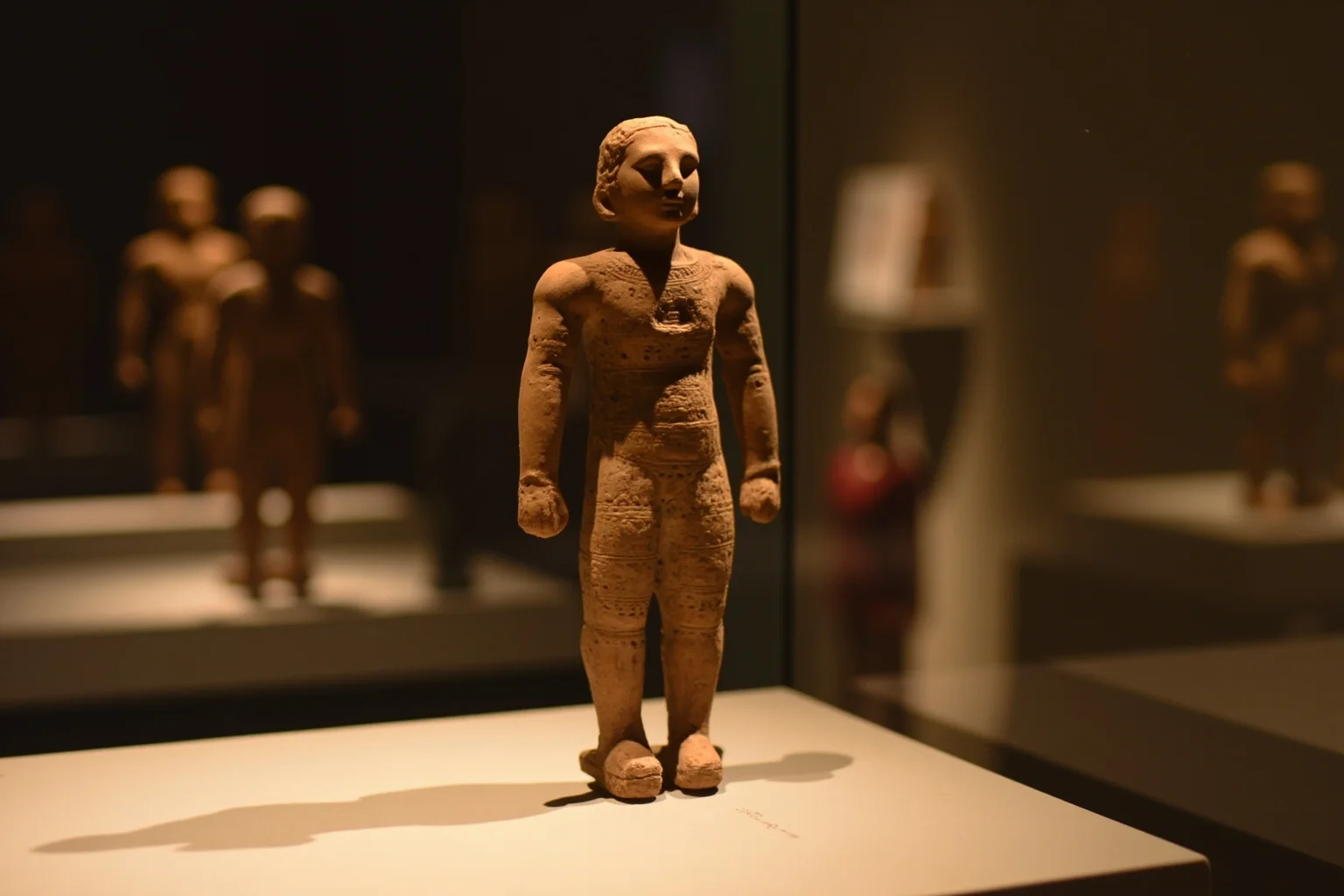
Some terracotta figurines from the Indus Valley civilization have incised patterns on their bodies. It is tempting to read these as tattoos, but they may represent jewelry, scarification, or painted decoration. The absence of preserved skin means scholars cannot be certain.
India clearly has deep tattoo traditions, including later godna and tribal marking. The Indus evidence is suggestive rather than conclusive. This is a good example of why archaeologists use careful language.
Later written and colonial records describe tattoo traditions among groups such as the Rabari, Gond, and Baiga. These practices are well documented but much younger than the Indus Valley. The gap between suggestive ancient figurines and modern tribal tattooing is still unresolved.
12. The Birth of “Tattoo” in Polynesia
Captain James Cook’s 1769 voyage to the Pacific brought the Polynesian word tatau into English as tattoo. In Tahitian, Tongan, and Samoan languages, tatau refers to striking or marking. The term spread through European travel writing and eventually became global.
Polynesian tattooing was already ancient by the time Cook arrived. Tools, designs, and ritual knowledge had developed across thousands of miles of ocean. The word’s journey is a reminder that European contact reshaped how the world named an older art.
Some of Cook’s sailors received Polynesian tattoos, helping spread the style and the word. By the late eighteenth century, tattooed sailors were common in European ports. This contact created a global tattoo culture that still exists, though it often borrowed motifs out of context.
Pacific and Asian Living Traditions
Several Pacific and Asian styles preserve techniques and meanings that are centuries old. They show how tattoos remained central to identity, protection, and genealogy.
13. Samoan Tatau as Living Heritage
Samoan tatau is one of the most famous living Polynesian tattoo traditions. Men received a heavy pe’a from waist to knee, while women received a malu on the thighs. The process uses handmade tools, ink, and ritual experts in a structured ceremony.
The designs encode family history, service, and social rank. Because the practice never fully disappeared, Samoa offers an unbroken link to older Polynesian methods. Today it remains both a cultural duty and a source of pride.
The pe’a is not a single image but a connected field of patterns over the lower body. Its application is painful and takes days or weeks, depending on the practitioner and protocol. Receiving tatau is a serious undertaking, not casual adornment.
14. Māori Tā Moko and Chiseled Genealogy
Māori tā moko is not merely a tattoo style but a record of ancestry and personal history. Artists traditionally carved the skin with chisels called uhi, leaving grooves rather than a flat surface. Facial moko patterns identify a person’s lineage, role, and achievements.
European colonization disrupted tā moko, but the tradition survives and has revived with new tools. The patterns are deeply personal and must be understood within Māori protocols. They are not interchangeable designs to copy.
During the nineteenth century, some Māori preserved tattooed heads became objects of European trade, a painful and complex history. Modern Māori institutions have worked to repatriate these remains from museums abroad. This context is part of any ethical discussion of tā moko.
15. Japanese Irezumi and Ainu Mouth Tattoos
Japan has a layered tattoo history that includes both punishment and artistry. During the Edo period, irezumi developed into large pictorial body suits, often worn by firefighters and laborers. At the same time, Ainu women in northern Japan traditionally wore mouth and hand tattoos.
Ainu mouth tattoos were part of female adulthood and spiritual practice, not decoration in the modern sense. Japanese authorities later banned many tattoo practices, pushing irezumi into the margins. That complex past explains why tattoos still carry mixed meanings in Japan today.
Edo firefighters often wore full-body irezumi as markers of courage and group loyalty. The designs could include dragons, peonies, and Buddhist or Shinto symbols. Over time, organized crime groups adopted similar body suits, which shaped negative stereotypes.
16. Southeast Asia’s Sak Yant Protective Tattoos
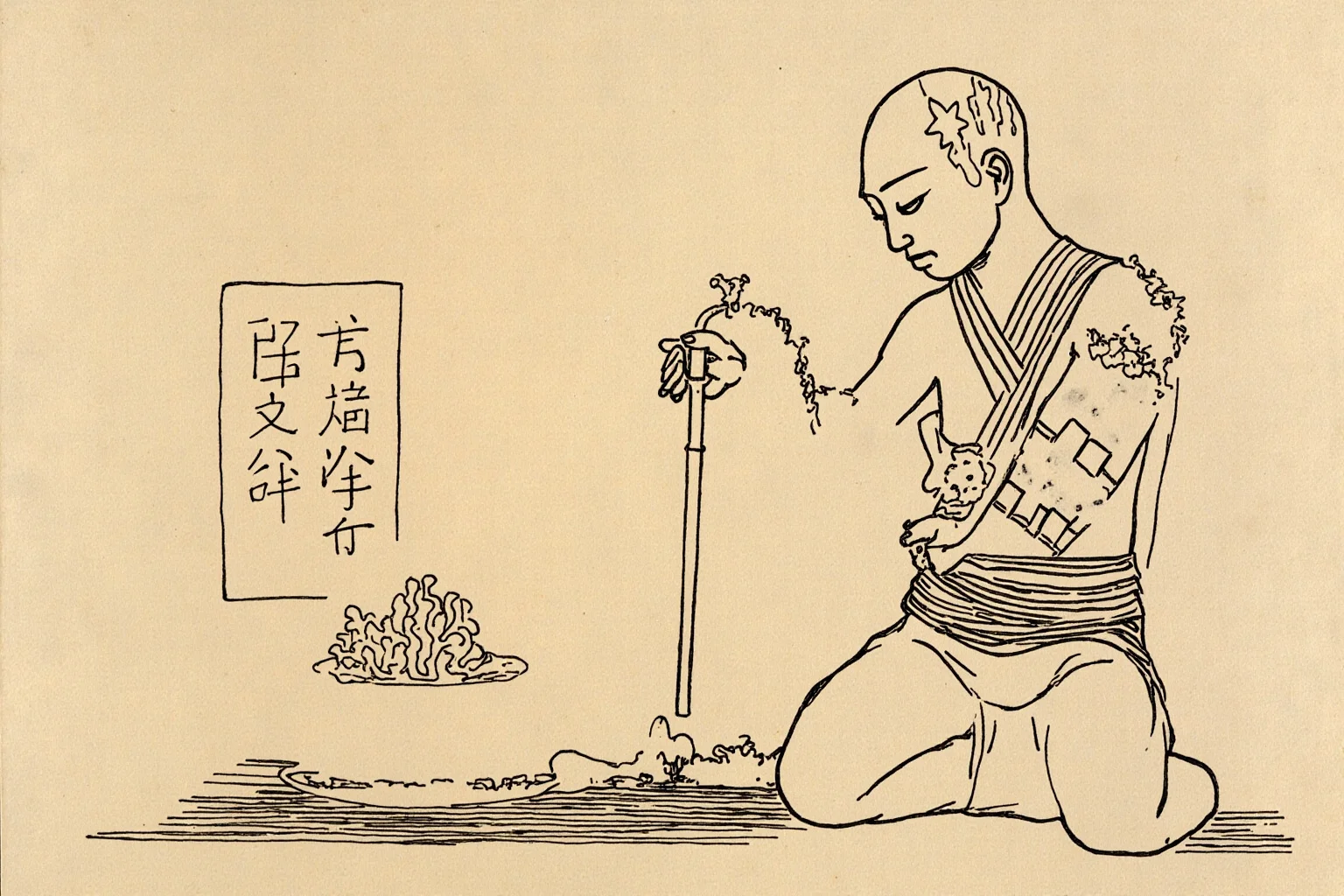
Sak Yant tattoos in Thailand, Cambodia, Laos, and Myanmar combine Buddhist, Hindu, and animist elements. A specialist applies sacred geometric patterns and Pali or Khmer script with a metal rod. Recipients follow rules such as dietary or moral restrictions to maintain the tattoo’s power.
The tradition draws on centuries of Khmer and Thai religious practice. Many people seek protection, luck, or strength rather than simple decoration. Western travelers have popularized Sak Yant, but the ritual context remains essential.
Different masters and temples have specific rules, such as avoiding alcohol or certain foods. Some Sak Yant designs are restricted to particular genders or vocations. Violating the ritual rules is believed by practitioners to weaken the tattoo’s protective effect.
17. Filipino Batek and the Pintados
Spanish chroniclers called parts of the Philippines Las Islas de los Pintados, or the Islands of the Painted Ones, because of heavily tattooed people. Indigenous groups such as the Kalinga practiced batek, a hand-tapped method using citrus thorns and soot. Tattoos marked headhunting success, bravery, and community standing.
In the Kalinga tradition, the elderly tattooist Whang-od has become famous, but she belongs to a much older system. The designs are geometric and often resemble local textiles and nature. Despite modernization, batok has seen renewed interest among younger Filipinos.
Traditional batok uses a bamboo or wooden stick, a thorn or needle, and soot mixed with water. The process leaves a distinctive dot-work texture. This technique is shared in various forms across Southeast Asia and the Pacific.
18. Borneo’s Dayak Hand-Tapped Tattoos
Dayak groups in Borneo developed hand-tapped tattoos using a mallet, needle, and soot-based ink. Designs include stylized plants, animals, and protective motifs known as aso or rosettes. Tattoos could mark achievements, healing, and spiritual protection.
European visitors described Dayak tattooing in the nineteenth century, but the practice is far older. The hand-tapping technique connects Borneo to a wider Southeast Asian and Pacific tattooing world. Today some Dayak artists are working to preserve and adapt the tradition.
Dayak tattoo motifs often draw from nature and cosmology, including the aso dog-dragon and the rosette. These symbols could indicate protection in battle or a successful journey. Because meanings vary by subgroup, outsiders should not assume a single interpretation.
Arctic, African, and Cross-Cultural Tattoo Facts
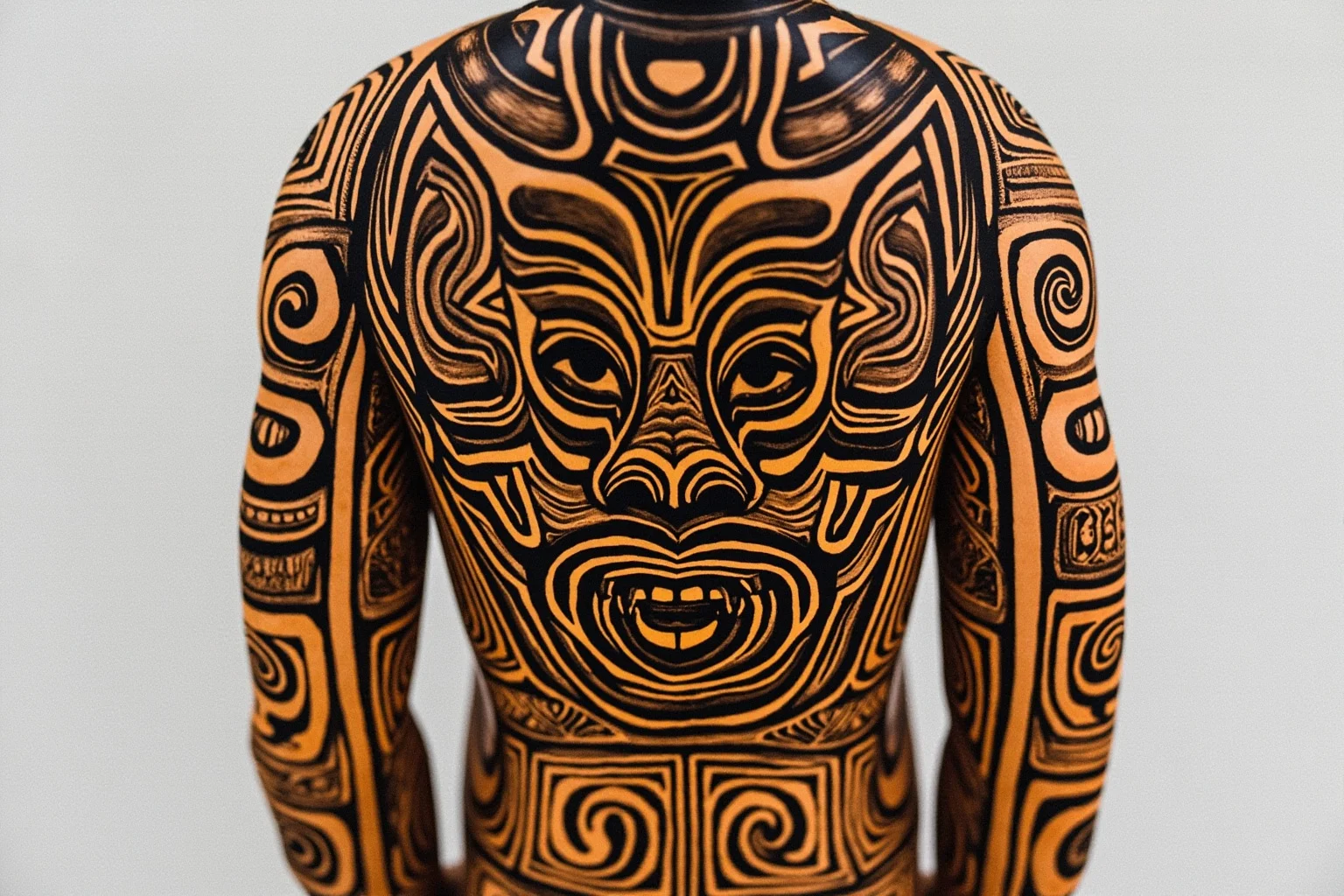
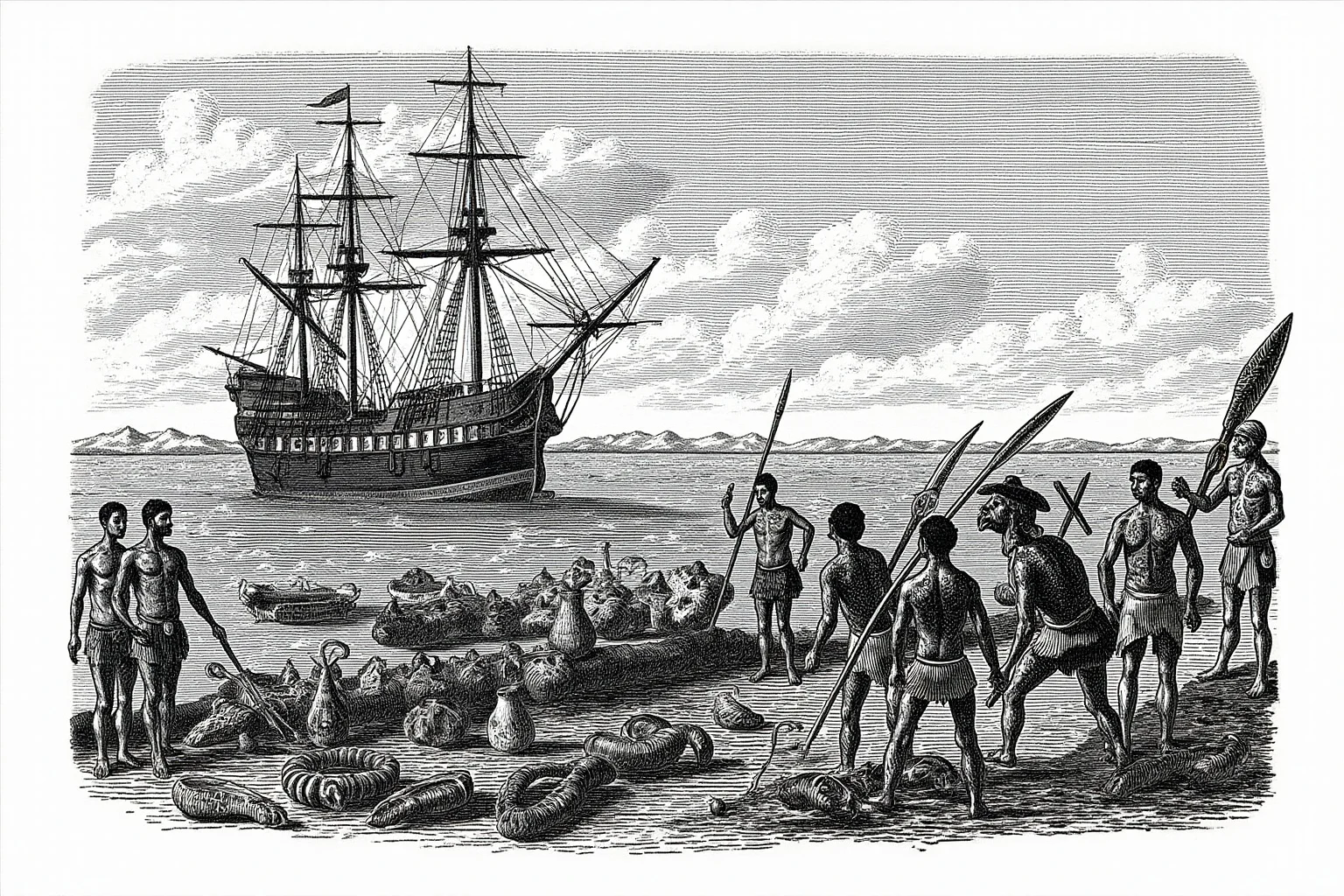
The final set of tattoo fun facts spans the Arctic and North Africa. These examples show that tattoos could be intimate, public, sacred, or all three at once.
19. Inuit and Yupik Women’s Chin Tattoos
Inuit and Yupik women across the Arctic traditionally received chin stripes and other facial tattoos. The lines marked transitions such as puberty, marriage, or readiness to bear children. In some communities, tattoos also carried spiritual and protective meanings.
Missionaries and colonial governments suppressed these practices in the nineteenth and twentieth centuries. Many Indigenous women and artists are now reviving them as acts of cultural healing. The motifs are specific to families and regions, so they should not be separated from their context.
Although facial tattoos are most often associated with women, some Arctic men also received marks for hunting or bravery. The designs and meanings differed across communities from Alaska to Greenland. Colonization disrupted these distinctions, and many records were lost.
20. Amazigh (Berber) Facial Tattoos
Across North Africa, Amazigh or Berber women historically wore facial tattoos using geometric dots, lines, and crosses. The marks often appeared on the chin, forehead, or cheeks. Meanings vary by region and may include identity, beauty, protection, or fertility.
Some practices may have ancient roots, but written evidence is limited. French colonial rule and modern religious views led many families to stop facial tattooing. Today the tradition is often remembered through photographs, jewelry motifs, and older women’s stories.
For some Amazigh communities, the marks were believed to guard against spirits or the evil eye. Others linked them to fertility, marriage, or tribal identity. The same symbol can mean different things in different valleys, so generalization is risky.
What the Oldest Tattoo Styles Teach Us
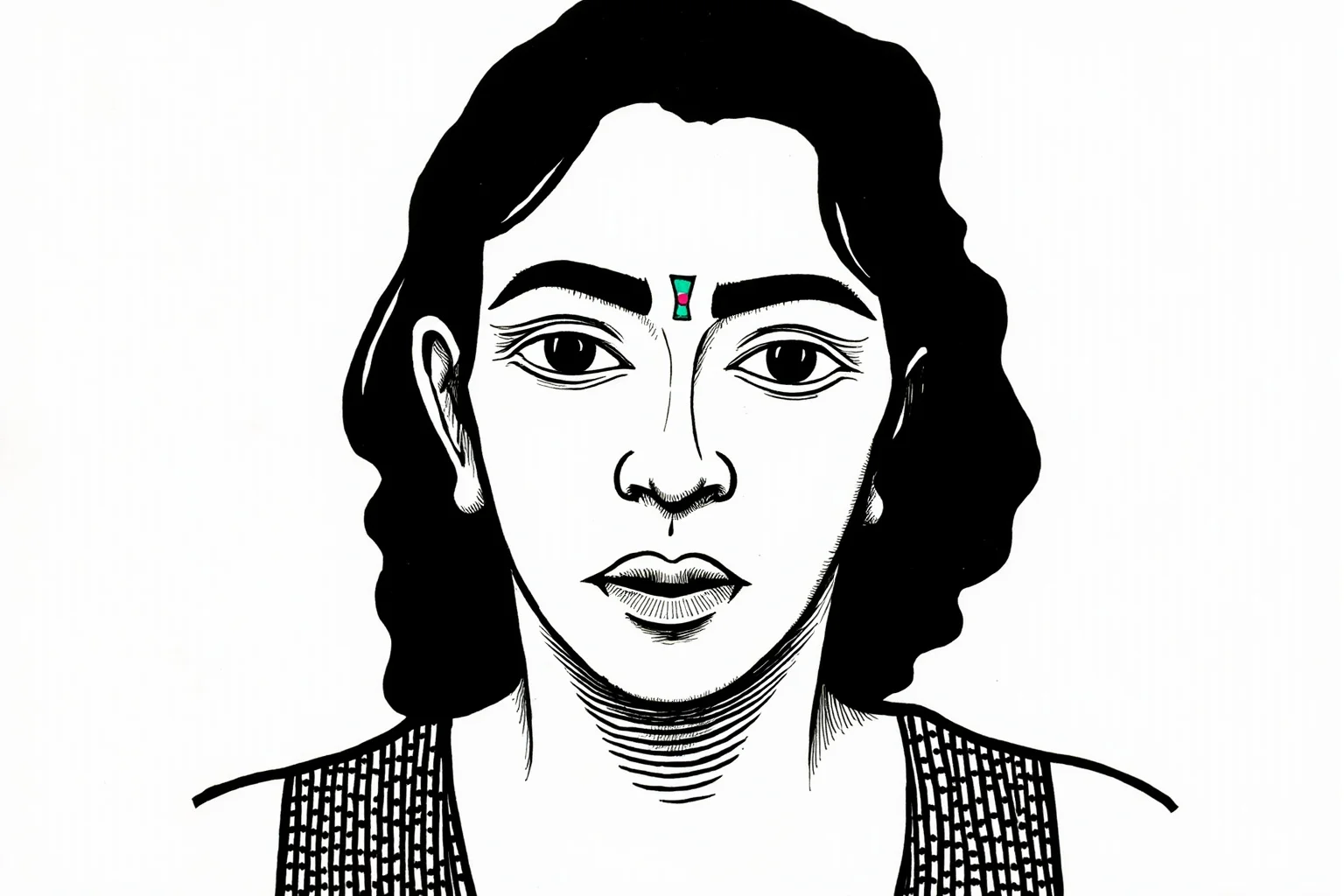
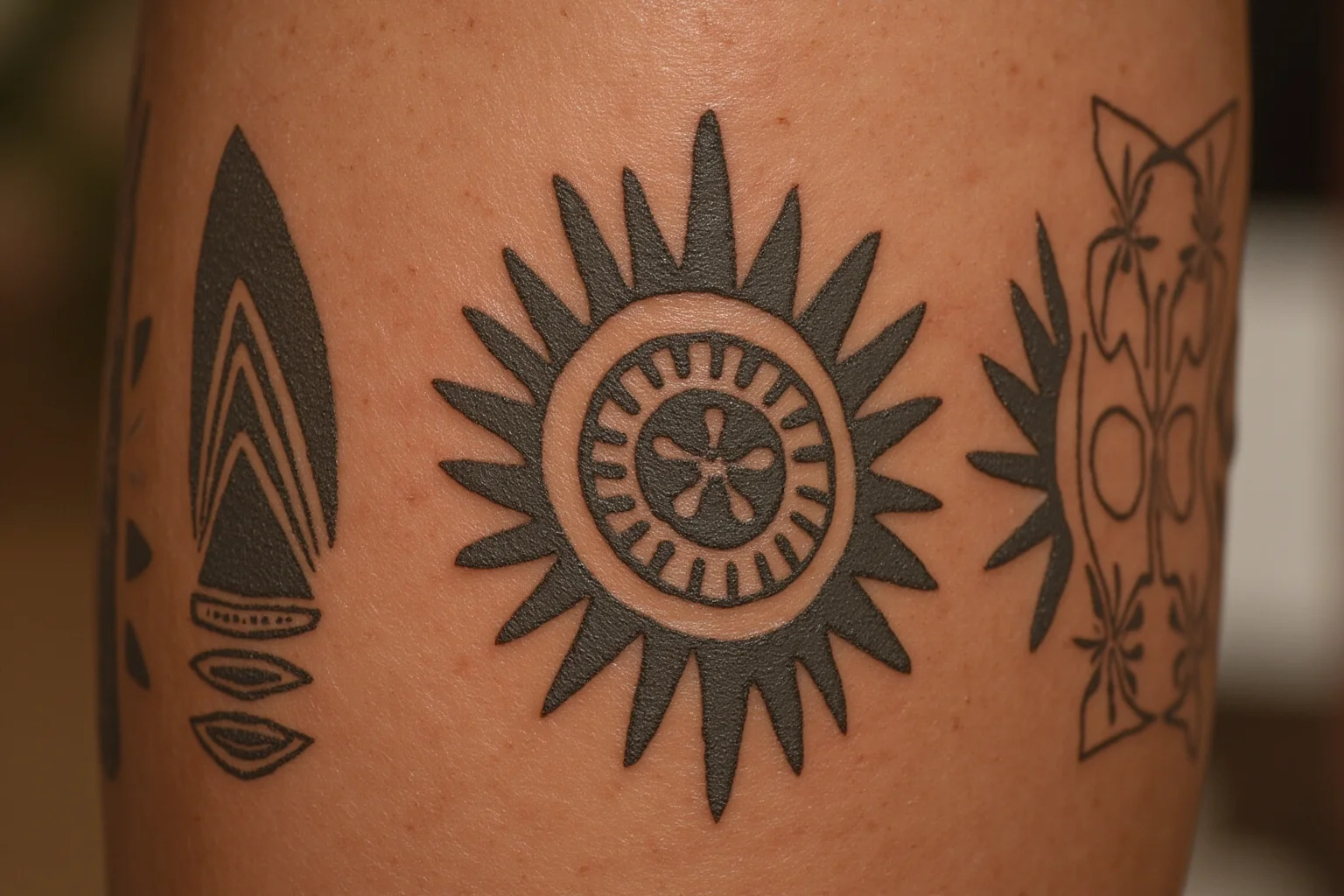
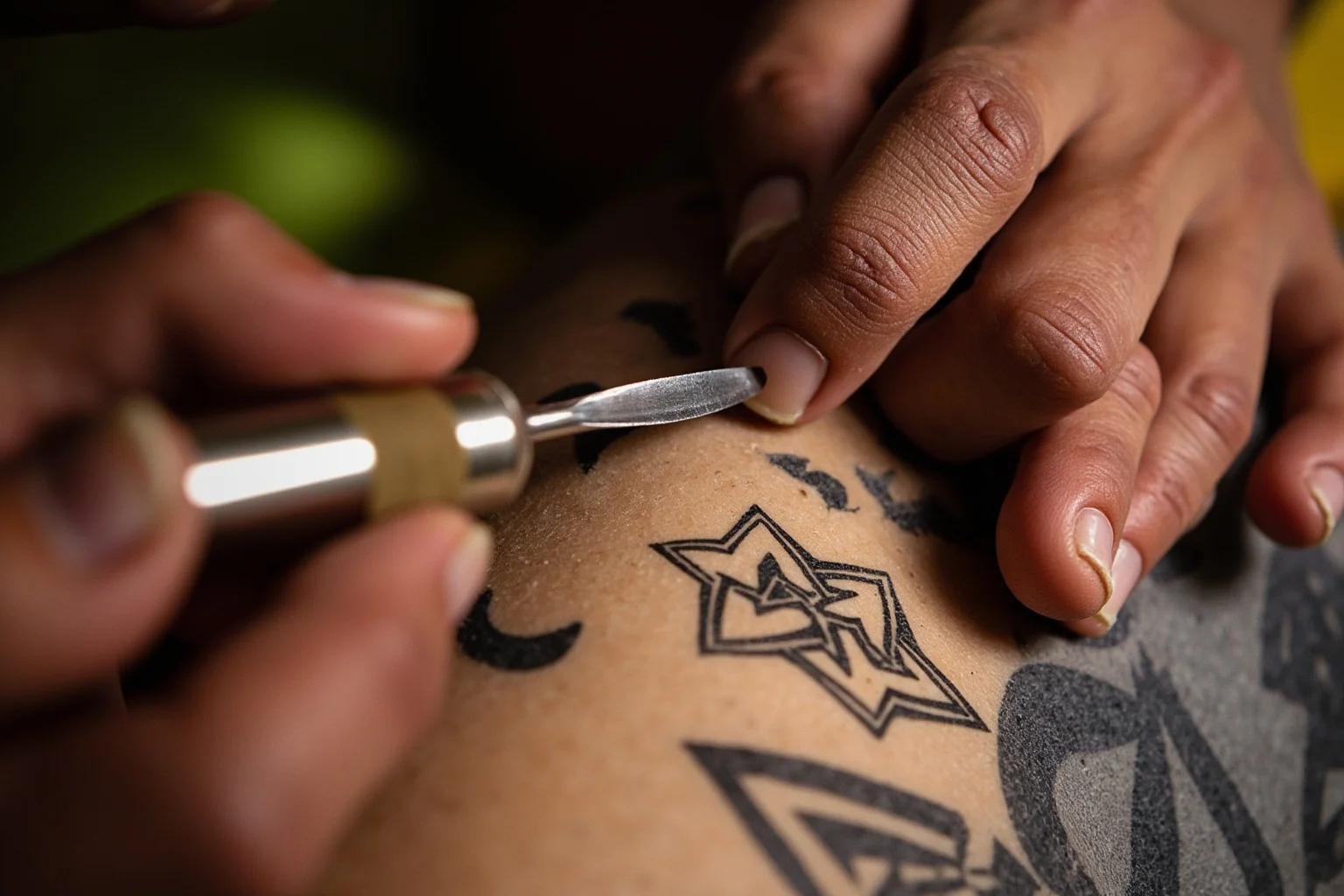
These facts about tattoos show that body marking has been reinvented many times around the world. It has never had a single origin or one fixed meaning. Instead, tattoos in history served as medical records, spiritual armor, punishment, and personal biography.
The oldest styles survive not only in museums but in living communities that adapt them. Fun facts about tattoos can be entertaining, but the deeper lesson is about human identity. We mark our skin to say who we are, where we belong, and what we believe.
Whether you call it tatau, moko, irezumi, or ink, the impulse is ancient. Studying these traditions reminds us to separate verified evidence from colonial myths and modern assumptions. That is the most useful tattoo fact of all.
Frequently Asked Questions
What is the history of tattoos?
The history of tattoos stretches back at least 5,300 years to Ötzi the Iceman and includes ancient Egyptian, Nubian, Scythian, Polynesian, Japanese, and Indigenous traditions. Tattoos served as healing marks, spiritual protection, punishment, and identity. Different regions developed their own methods and meanings independently over thousands of years.
Where was the oldest known tattoo found?
The oldest known tattooed human remains belong to Ötzi the Iceman, who dates to about 3370–3100 BCE and was found in the Alps on the Italy-Austria border. His 61 tattoos are mostly short parallel lines and crosses on joints. Predynastic Egyptian mummies from Gebelein are nearly as old and show the oldest known figural tattoos.
What does the word tattoo come from?
The English word tattoo comes from the Polynesian word tatau, first recorded in English after Captain James Cook’s 1769 Pacific voyage. In Polynesian languages, tatau refers to striking or marking. Earlier European terms for the practice included stigma or pricking.
Were ancient tattoos always accepted?
No, attitudes varied widely. In ancient Greece and Rome, tattoos could be used to mark enslaved people or criminals and carried shame. In Polynesia, the Arctic, and parts of Africa and Asia, tattoos often marked honor, protection, or belonging. Context determined whether a tattoo was prized or stigmatized.

Alex Warren
Related Articles