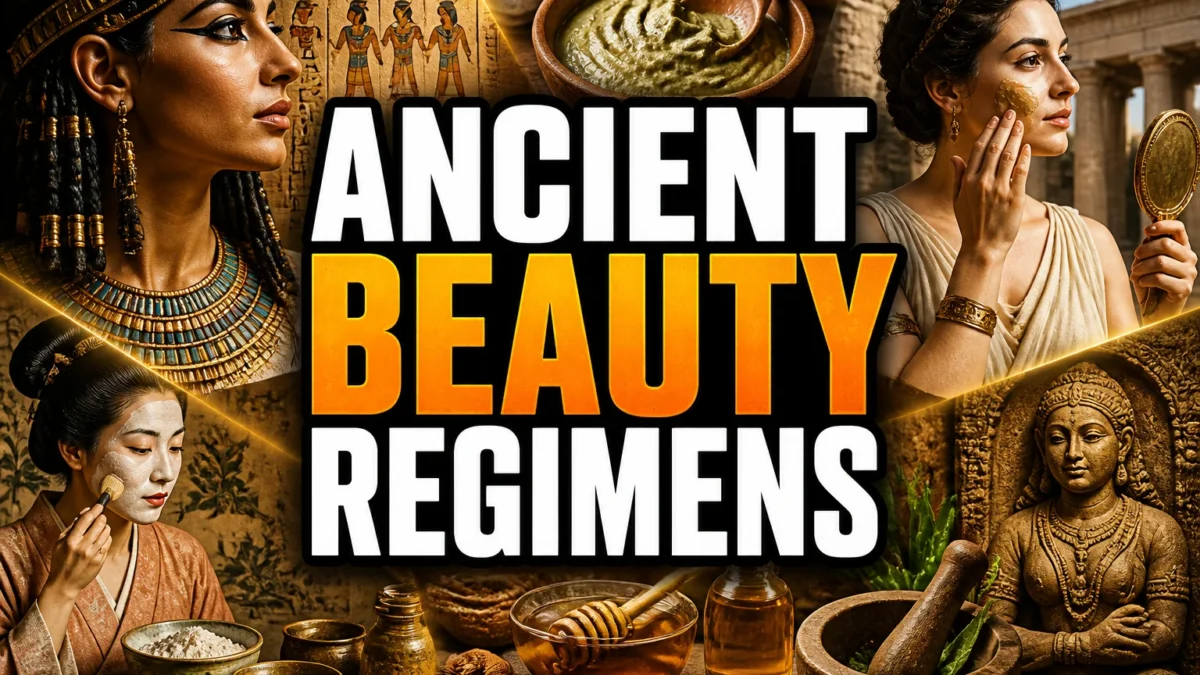
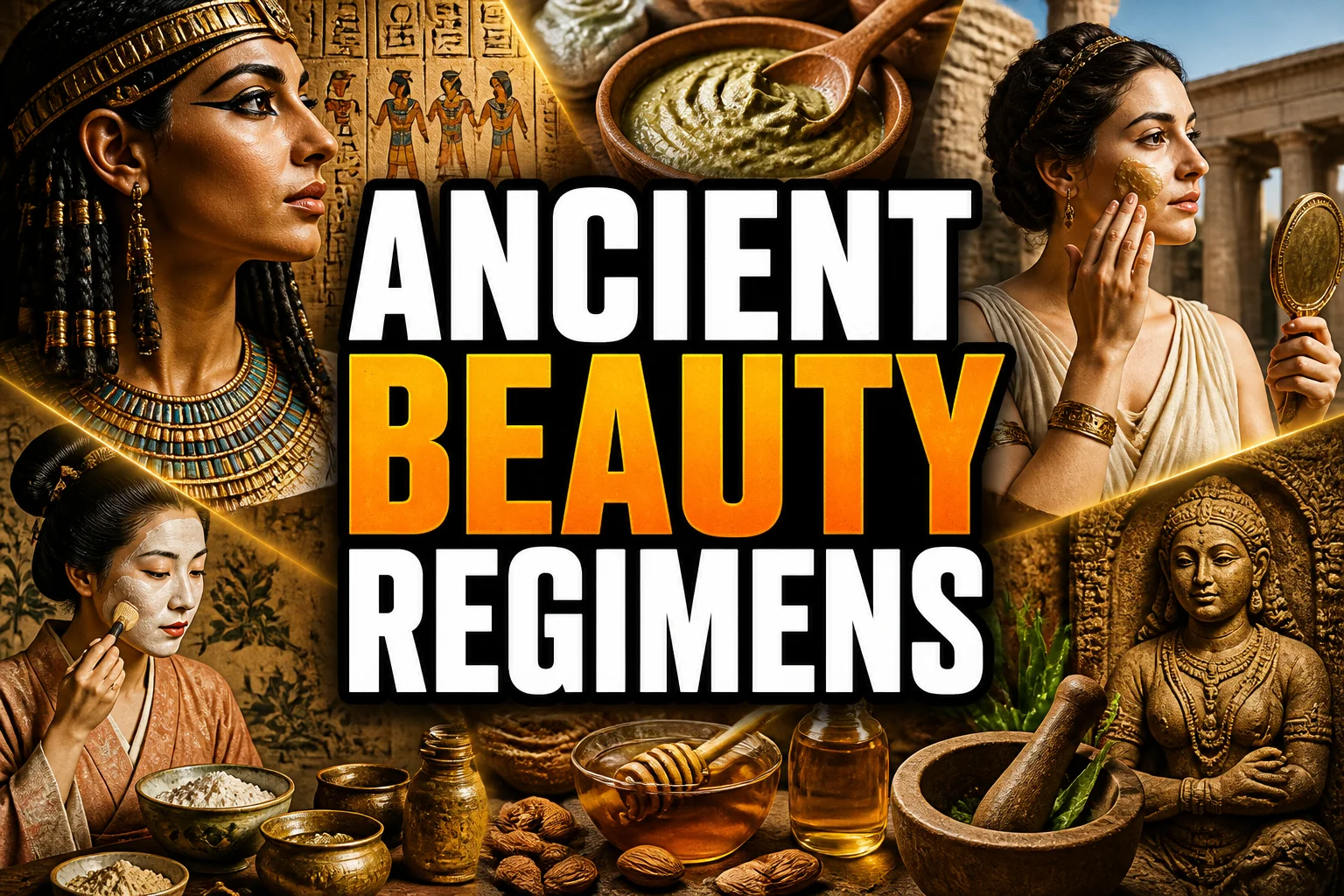
Modern beauty routines may feel like a recent invention, but the impulse to groom, paint, and protect the skin is ancient. Civilizations around the Mediterranean, Asia, and beyond developed skincare and cosmetic rituals that were tied to status, health, religion, and self-presentation. Their ancient beauty practices still echo in the ingredients and tools we reach for today.
This post walks through twenty regimens from antiquity, moving across Egypt, Greece, Rome, China, India, Mesopotamia, and more. Some were surprisingly elegant, while others were dangerous or flat-out strange. We will also separate what we know from what later myth-making added.
TL;DR: Ancient beauty was a mix of practical skincare, ritual identity, and social display, with many regimens using olive oil, honey, clay, and mineral pigments long before modern beauty brands existed.
How We Know About Ancient Beauty Practices
Archaeologists reconstruct ancient beauty routines from cosmetic palettes, unguent jars, stone bowls, metal mirrors, and traces of pigment inside containers. Egyptian tomb paintings and Greek vase art show how kohl, rouge, and elaborate hairstyles were worn in life and in idealized form. Written recipes in medical and cosmetic texts provide another layer of evidence.
Still, some gaps remain. Organic ingredients like milk, honey, and plant pastes degrade quickly, so modern researchers often rely on residue analysis and written references. That means we can describe common historical skincare patterns without claiming every recipe worked exactly as advertised.
Ancient beauty standards varied by time and place. Many elite urban societies in Egypt, Greece, Rome, and China valued pale, unblemished skin as a sign of leisure, while body paint and red pigments carried ritual meanings across Africa, Asia, and the Americas.
Historical Skincare: The Complexion Playbook
These regimens show how seriously people approached ancient skincare and ancient skin care long before modern dermatology. Many were practical, using oils, waxes, honey, and minerals to clean, soften, and protect the skin. Others reveal how ancient beauty standards pushed people toward risky ingredients.
1. Red Ochre: The Original Complexion Enhancer
Red ochre, a natural clay colored by iron oxide, is one of the oldest cosmetic pigments known. Archaeological sites in Africa, Europe, and the Levant contain ground ochre pieces with use-wear marks that point to body painting. The exact meaning is not always clear, but ochre may have served as sun protection, ritual marking, or social display.
Because ochre survives far better than plant-based color, it dominates the archaeological record of early beauty practices. Some scholars think it was mixed with animal fat to create a spreadable paste. That would make it an early ancestor of the tinted moisturizer, though with far more cultural weight.
We should not call red ochre a simple cosmetic in the modern sense. Its use crossed into burial rites, cave art, and body marking, so beauty and meaning were intertwined. Still, the visual effect on the skin was real and long lasting.
2. Egyptian Milk-and-Honey Cleansing
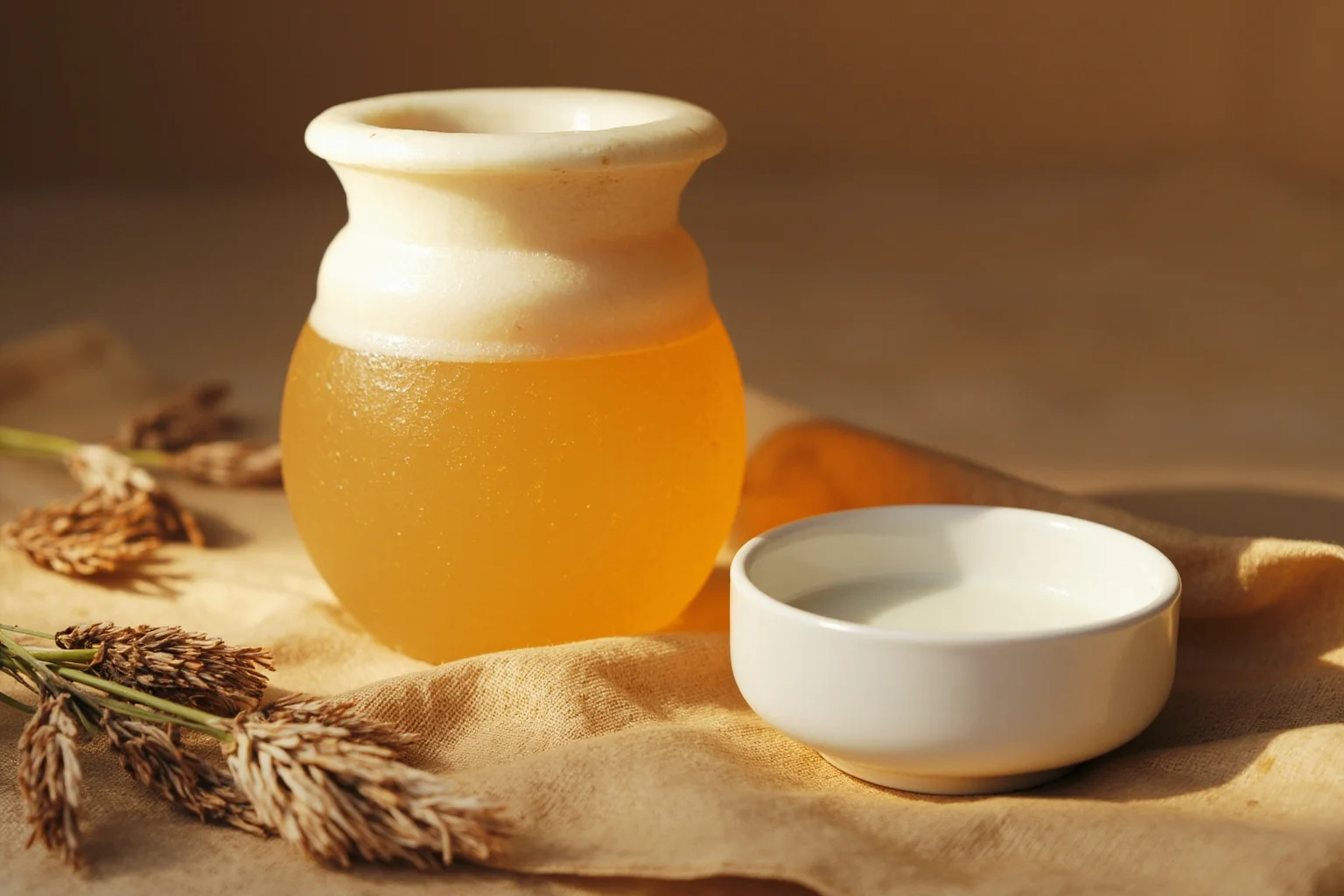
Ancient Egyptian elites valued smooth, fragrant skin and used milk and honey in cosmetic preparations. Honey has natural humectant and antibacterial properties, which made it a useful base for historical skincare. Milk contains lactic acid, an ingredient that modern science recognizes as a gentle exfoliant, though ancient users would not have described it that way.
The image of Cleopatra bathing entirely in milk is a later romantic flourish rather than a settled documentary fact. What is more certain is that milk, honey, and oils appear together in Egyptian cosmetic and medical traditions. They were luxury goods, which made them a clear marker of status.
Egyptian recipes also included natron, a natural salt used for cleansing, and aromatic resins that added fragrance. These ingredients were shared between temple, tomb, and toilette. The line between hygiene and ritual was not as firm as it often seems today.
3. Greek Olive Oil and Honey Masks
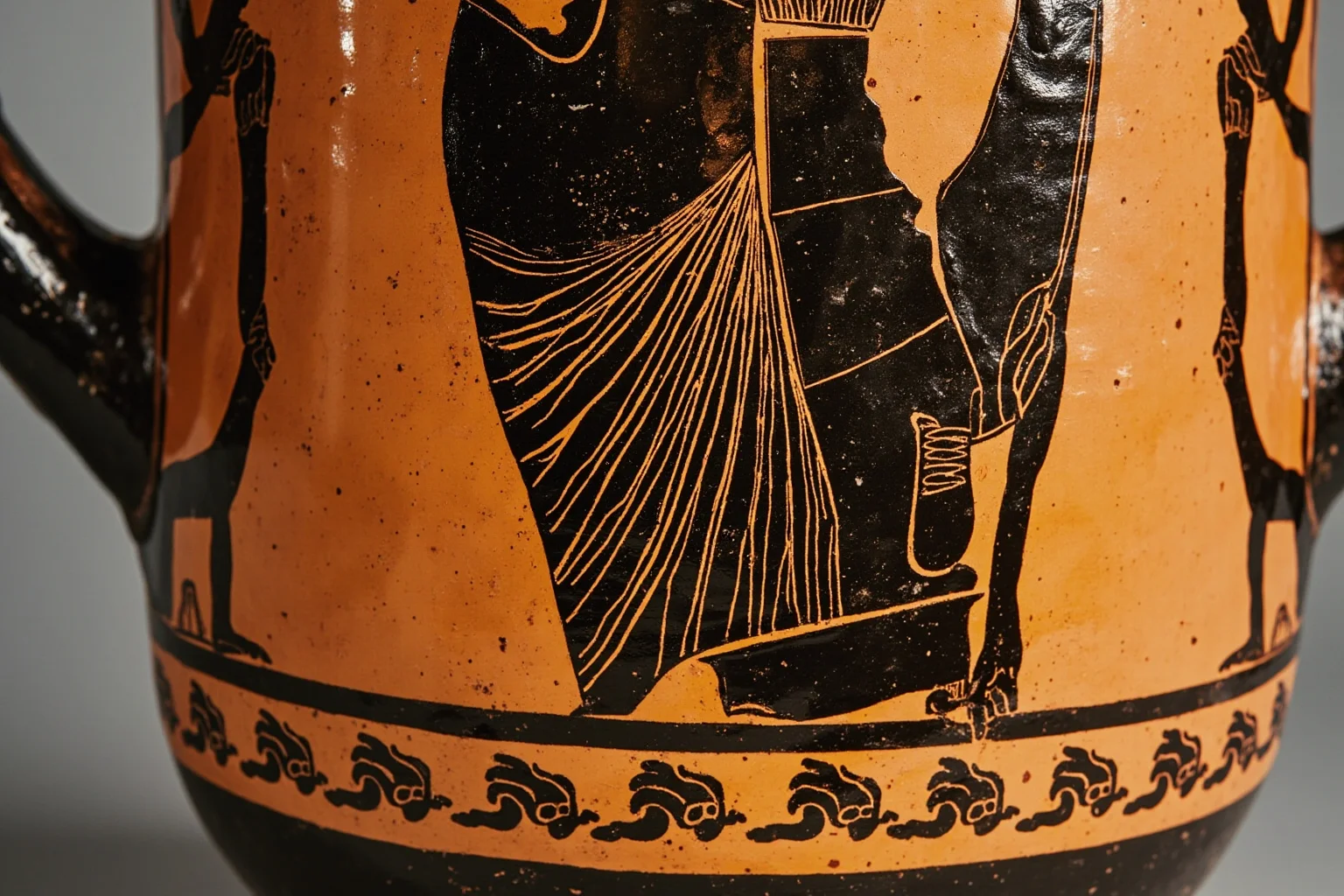
In ancient Greece, olive oil served as both a cleanser and a moisturizer. People applied it before exercise or bathing, then scraped it off along with dirt and sweat. Honey was often added to masks and salves to soften the skin, making this one of the most practical ancient skincare routines.
Greek medical writers also recommended barley flour and water pastes to cleanse and refine the complexion. These gentle abrasives worked like an early manual exfoliant. Such practices influenced later Roman bathing culture and still show up in modern natural beauty recipes.
The Greek emphasis on balance, or krasis, extended to skin care. A healthy complexion was often described in terms of moisture and tone rather than pure whiteness. That did not stop many Greek women from also using white powders, but the honey and oil routine remained a sensible core.
4. Mycenaean Blush: Bronze Age Rouge Before Instagram
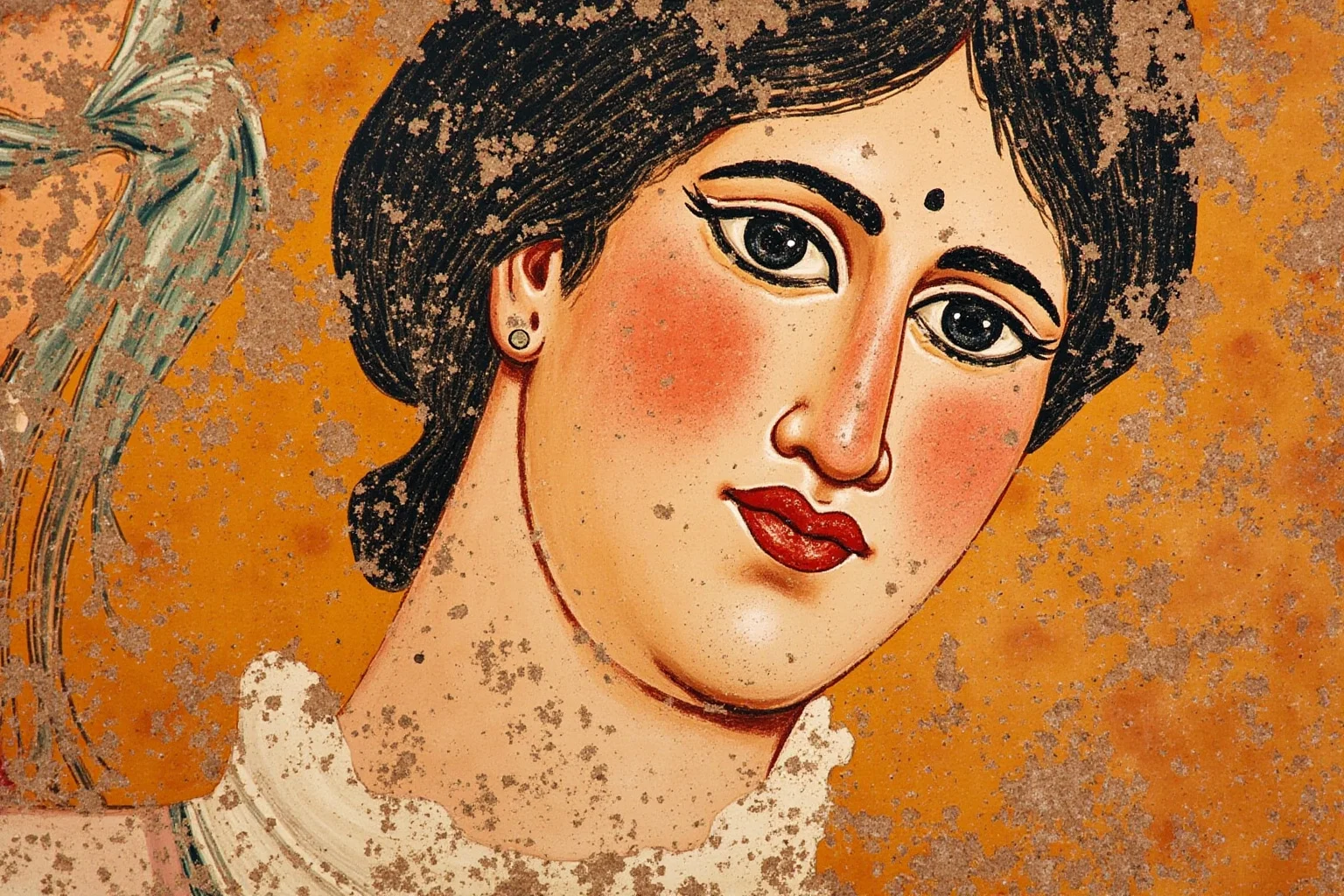
The term Mycenaean blush describes a Bronze Age look that appears in Mycenaean palace frescoes, where women are shown with red-tinted cheeks and lips. Red ochre and other mineral pigments have been found in cosmetic containers at Mycenaean sites. This suggests that elite women, at least in art, used rouge to meet ancient beauty standards.
We should be careful not to reconstruct an exact application tutorial from a fresco. Artists may have idealized or exaggerated the look, and the archaeological evidence does not preserve precise recipes. Still, Mycenaean blush is a useful reminder that the desire for a healthy, flushed complexion is thousands of years old.
Some scholars connect these pigments to broader Bronze Age trade networks that moved minerals, oils, and luxury goods. That would make a red cheek not just a style choice but a display of access. In palace societies, beauty and power often wore the same face.
5. Greco-Roman White Lead Complexion
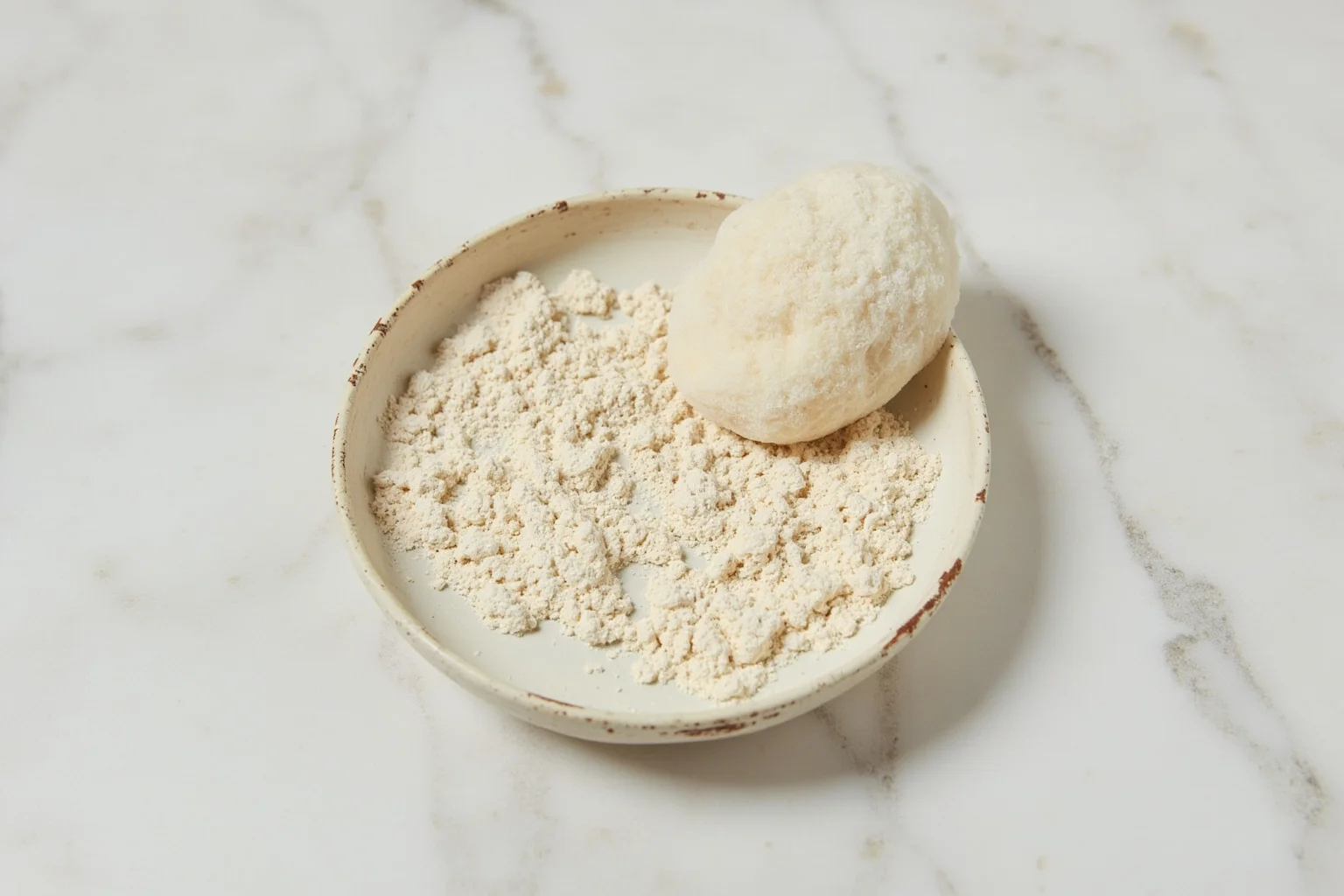
In many Greek and Roman cities, pale skin became a marker of leisure and refinement. Women, and some men, used white lead powder to lighten their faces, a practice that fits a long tradition of dangerous beauty standards. We now know lead is poisonous, but the white finish was desirable enough to tolerate the risk.
Some ancient writers complained about thick chalky makeup and warned that lead could harm the skin. These were not modern safety regulations, but they show an awareness of side effects. The practice remained popular across the Mediterranean world, proving that ancient beauty could be as much about status as health.
Alternatives such as chalk and rice flour also appeared, though they may not have lasted as well on the skin. The pursuit of a pale face continued in later European and Asian beauty cultures. This is a stark reminder that historical skincare was not inherently safer than modern chemistry.
6. Roman Cold Cream
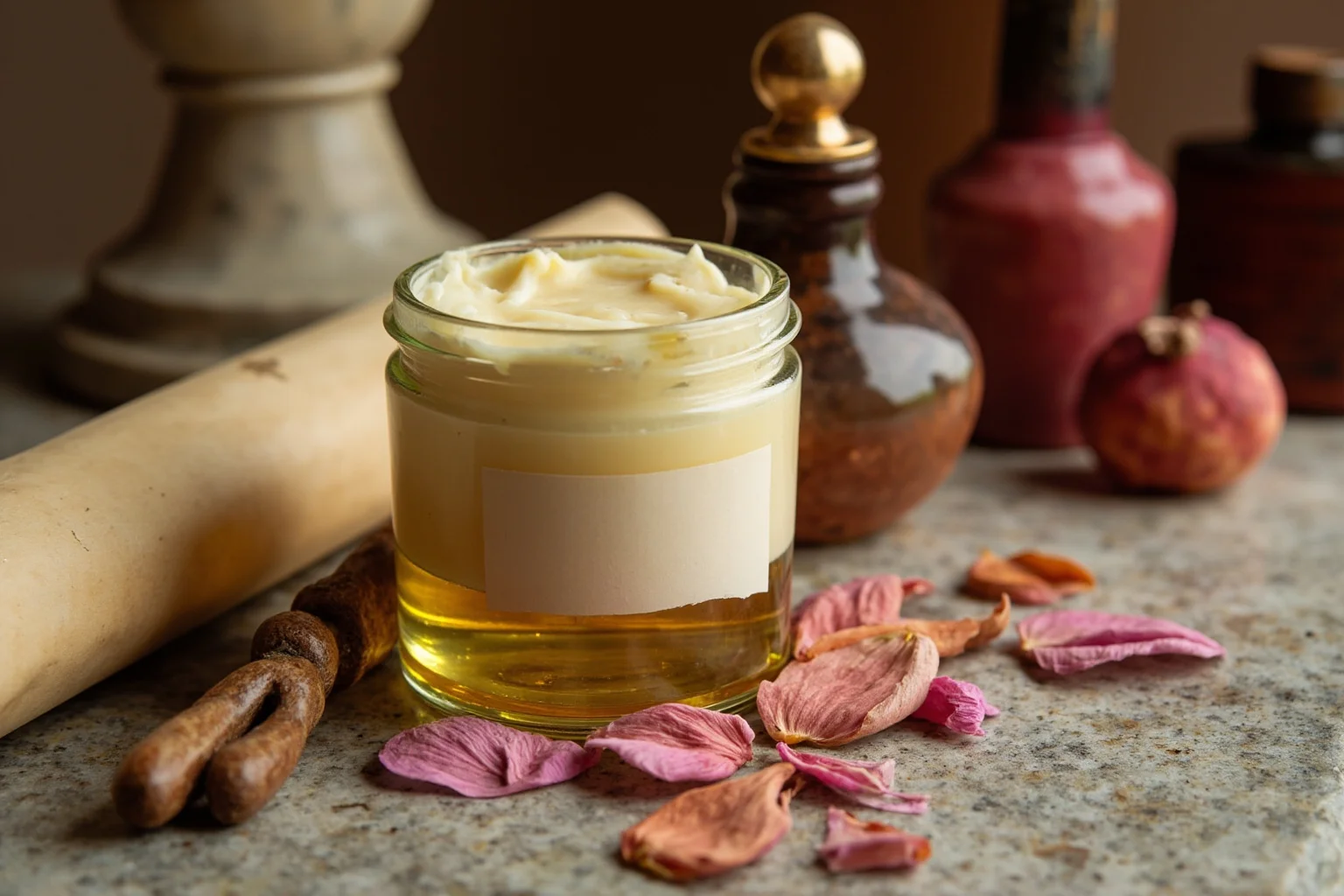
The physician Galen, writing in the second century CE, recorded an early version of cold cream. His recipe combined beeswax, olive oil, and water, often scented with rosewater, and it was used as a cleansing product. Modern cold cream still follows a similar basic principle.
Roman cosmetics were not exclusively feminine. Men also used skin preparations, especially in bathing culture, where grooming and health overlapped. Galen's recipe shows that historical skincare could be systematic and not just folk custom.
The name cold cream comes from the cooling sensation created as water evaporated from the emulsion. That cooling effect made it a pleasant step after sun, bath, or shaving. Few ancient products have had such a direct afterlife on modern bathroom shelves.
7. Oil and Strigil Exfoliation
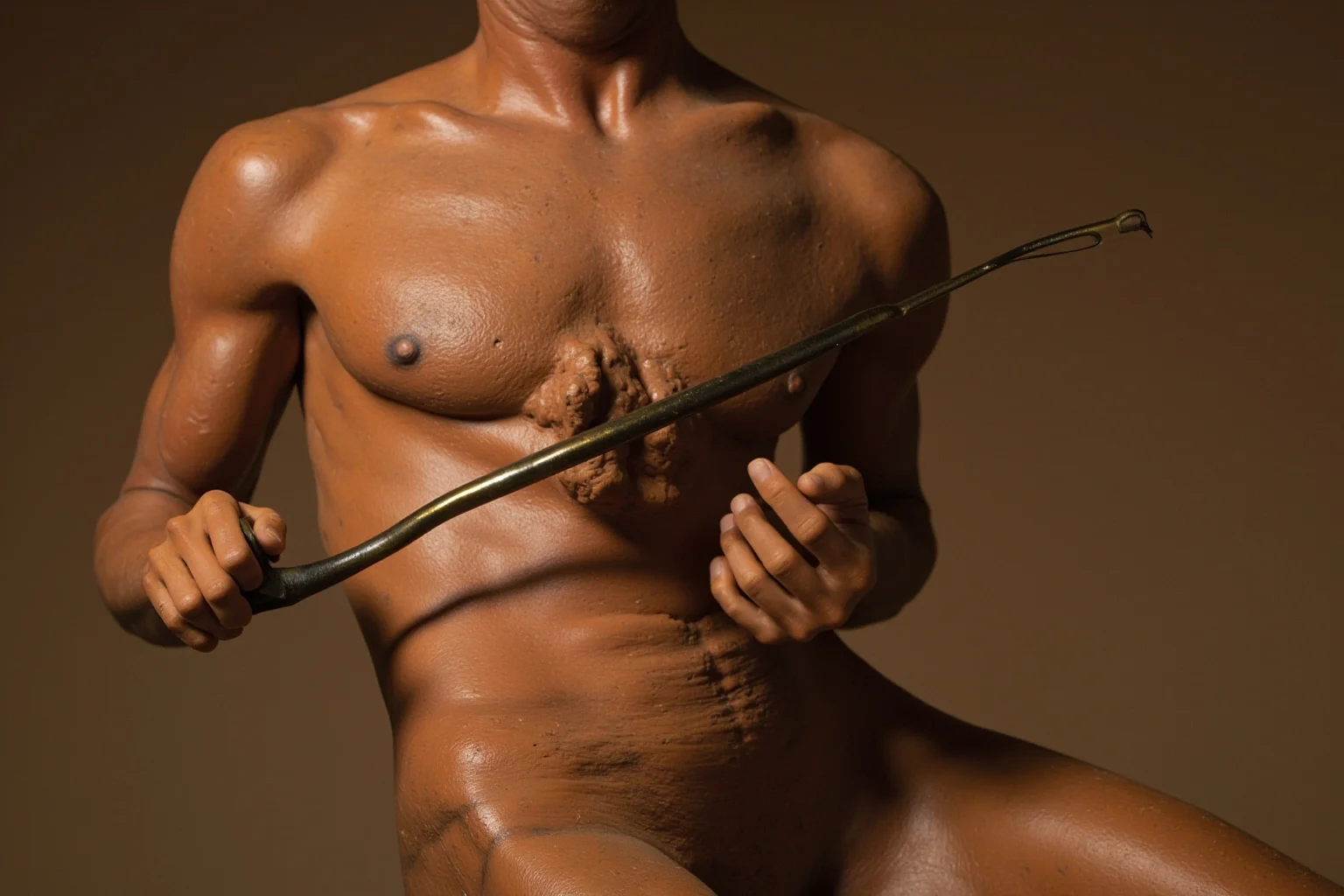
The strigil, a curved metal scraper, was a staple of Greek and Roman bathing. After oiling the skin, an athlete or bather would scrape the mixture away to remove dirt, sweat, and dead skin. This was physical exfoliation built into a broader social routine.
Roman bathhouses took the ritual further with warm rooms, cold plunges, and massage. While strigil use was often associated with athletes, it was also part of ordinary cleanliness for many people. Some later cosmetics borrowed the idea of oil cleansing, minus the public bathhouse crowd.
Strigils were personal objects, sometimes buried with their owners or dedicated in sanctuaries. This tells us that grooming tools could carry identity and even religious meaning. A simple scraper, then, opens a window into everyday ancient skin care.
8. Ancient Acne Remedies
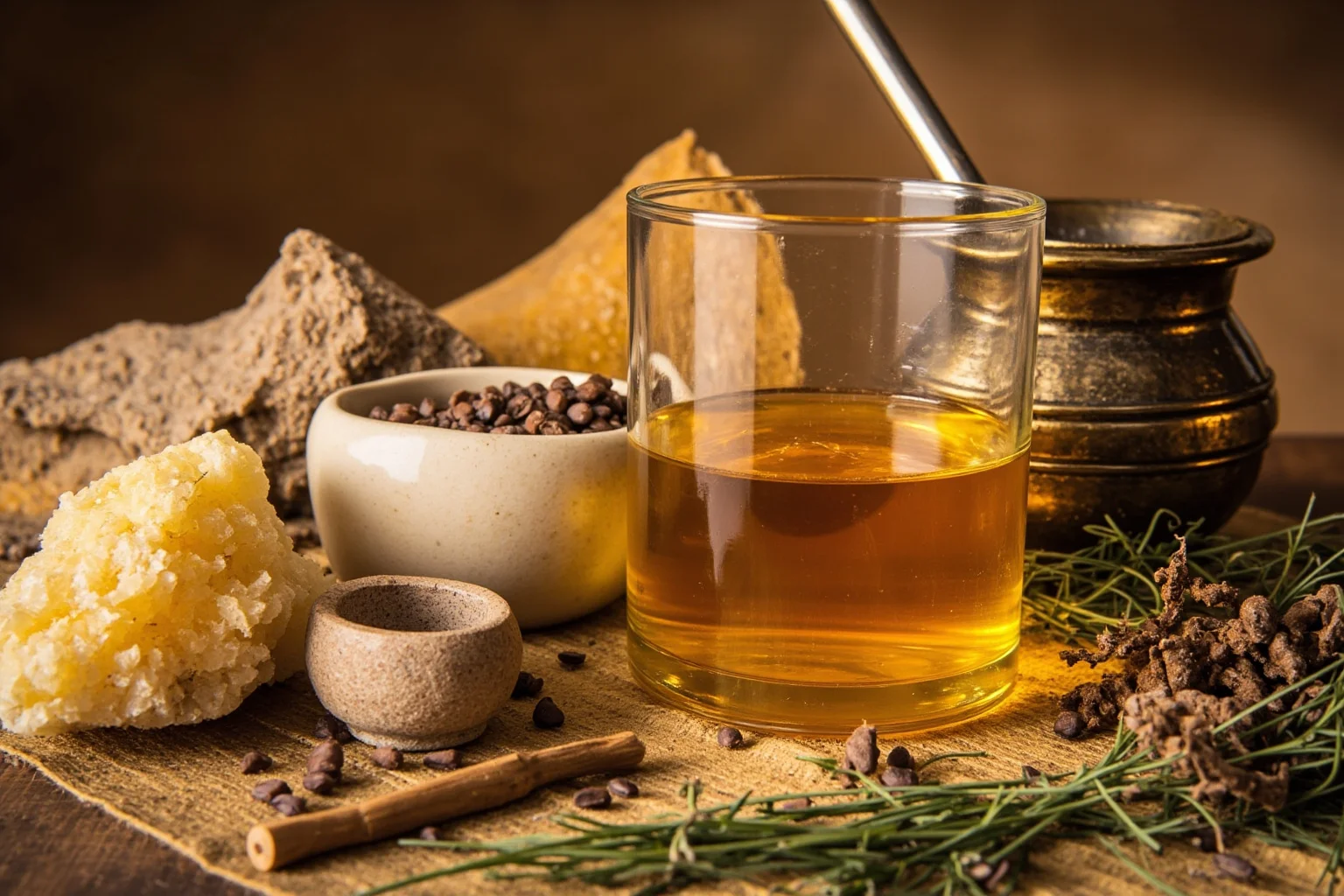
People in antiquity certainly experienced skin eruptions, though they did not use the modern medical category of acne. Egyptian medical papyri, Greek medical texts, and Roman writers describe pustules, spots, and inflamed skin. Their remedies often relied on sulfur, honey, vinegar, myrrh, and herbal pastes.
Sulfur has mild antimicrobial and keratolytic properties, so some ancient treatments may have helped mild cases. Other recipes, especially those involving lead or mercury, would have made skin worse. This is a good example of why ancient skincare should be understood in context rather than imitated wholesale.
Ancient writers also connected diet, digestion, and skin health, which sounds surprisingly modern. They did not have hormonal theories of acne, but they noticed that outbreaks changed with age and season. That observational approach was an early form of skin care advice.
Ancient Eyes, Lips, and Color
Eyes, lips, and cheeks carried some of the most elaborate color in antiquity. Many of these regimens doubled as protection against sun, glare, insects, or evil spirits, making them far more than simple decoration.
9. Egyptian Kohl Eyeliner
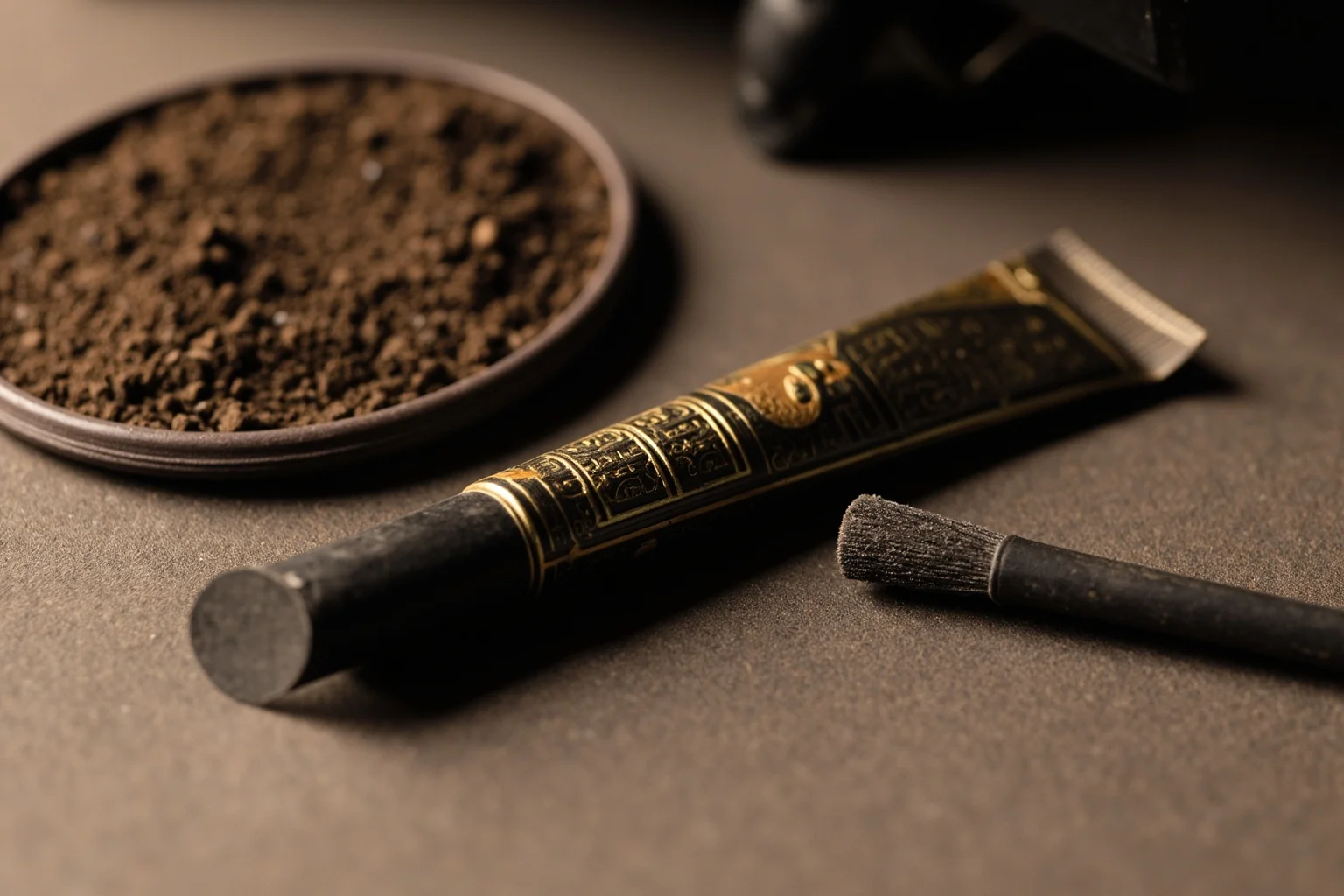
Kohl is one of the best-known ancient beauty practices, especially in Egypt. Made from ground galena or other dark minerals, it was applied around the eyes with a small stick or brush. Men, women, and children could wear kohl, which complicates the modern idea that eye makeup was only feminine.
Kohl may have reduced glare and offered some protection against eye irritation, though researchers still debate how effective the lead-based versions were. It also had strong symbolic and religious meaning, appearing in tomb art and amulets. That layered purpose made kohl a daily staple rather than a special occasion product.
Egyptian kohl pots and applicators survive in huge numbers, often shaped like small tubes or reeds. They were compact enough to carry, suggesting that touch-ups were normal. This is one ancient beauty ritual that still shapes eye makeup today.
10. Malachite Green Eyeshadow
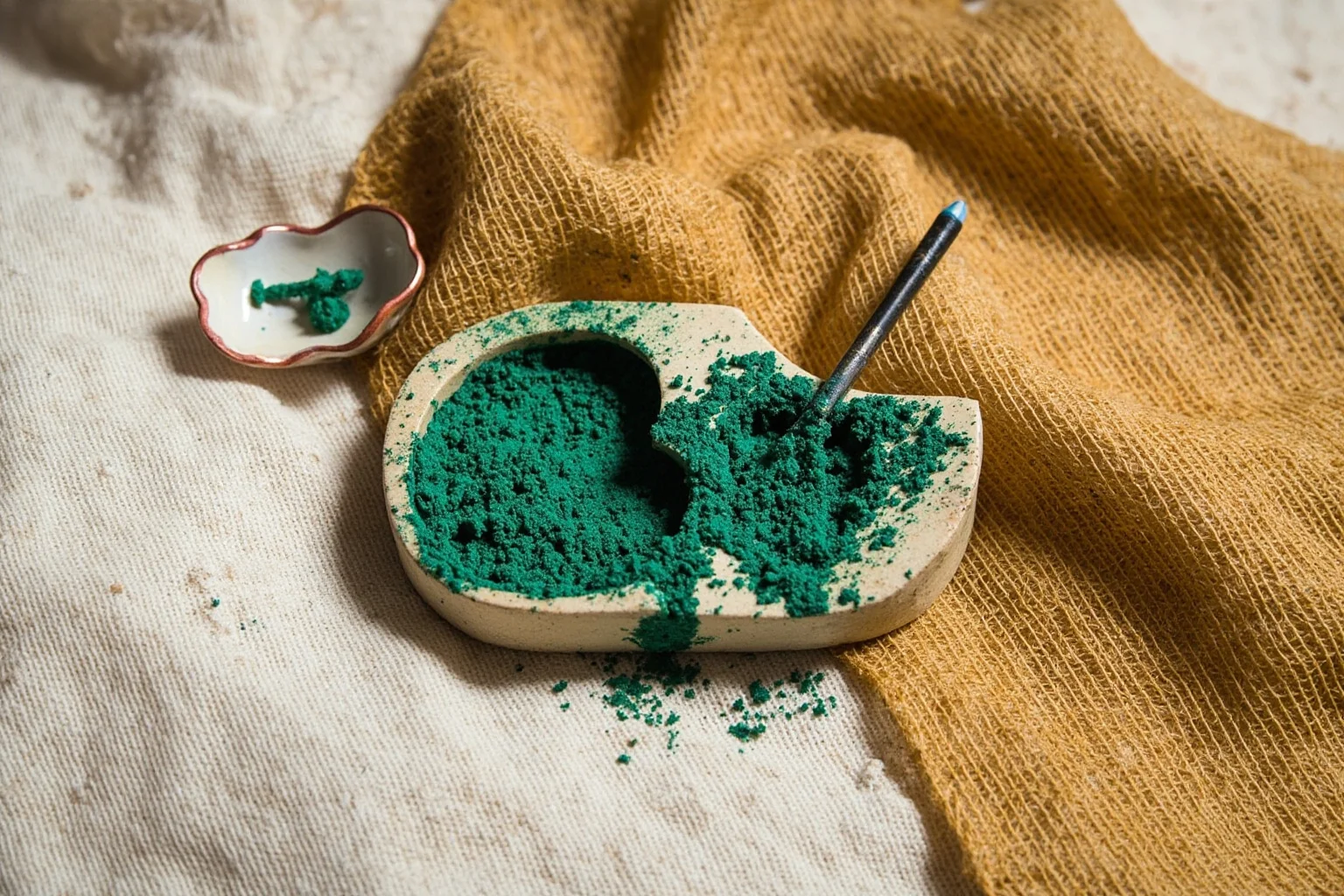
Alongside black kohl, Egyptians used ground malachite to create green eyeshadow. Powdered minerals were mixed with oils or animal fats to form a paste. The green color may have represented fertility, rebirth, or simply aesthetic preference, but exact meanings varied over time.
Malachite is a copper mineral, and grinding it would have been labor intensive. That made green shadow a luxury associated with elites and deities in art. Its use shows how ancient color cosmetics drew directly from the mineral world.
Green pigment also appears on cosmetic palettes from the Predynastic period onward. These palettes could be purely functional, but many were beautifully carved. Cosmetics, then, were never just about the face; they were about objects, status, and ritual.
11. Persian Sormeh and Rouge
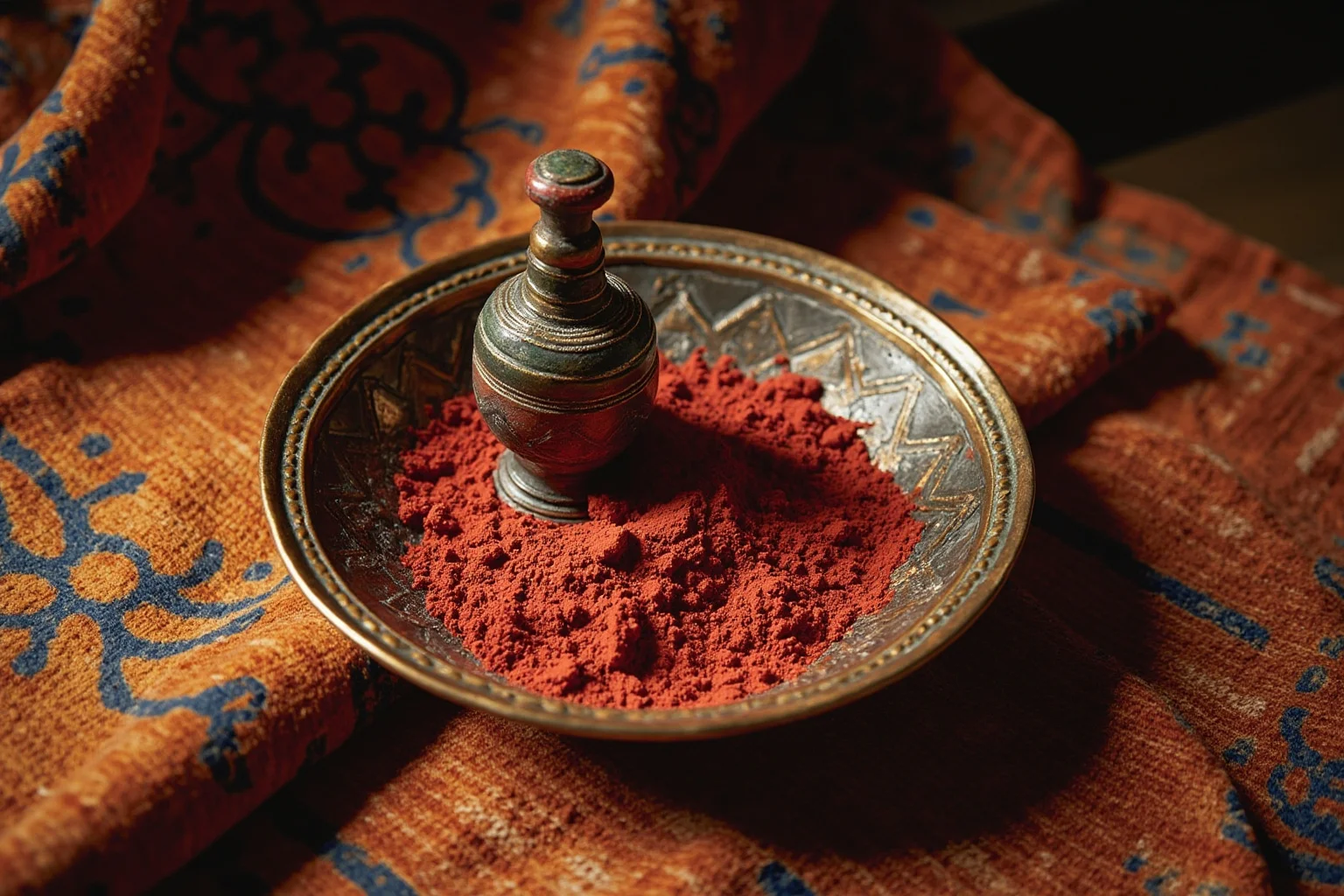
In ancient Iran, kohl-like sormeh lined the eyes, while red pigments brightened the cheeks and lips. Cosmetic bowls and applicators found at sites across the Iranian plateau suggest a well-developed beauty culture. These practices likely intersected with perfume, jewelry, and courtly display.
Persian beauty standards often emphasized large, dark eyes, so eye definition was especially important. Some recipes used antimony or other minerals, which modern readers should not assume were safe. The visual effect, however, was central to elite self-presentation across the Achaemenid and later periods.
Persian court culture also prized fragrance and elaborate clothing, making cosmetics part of a larger polished image. The same visual language appears in miniature painting centuries later. That continuity shows how durable some beauty practices can be.
12. Chinese Rice Powder and Pearl Complexion
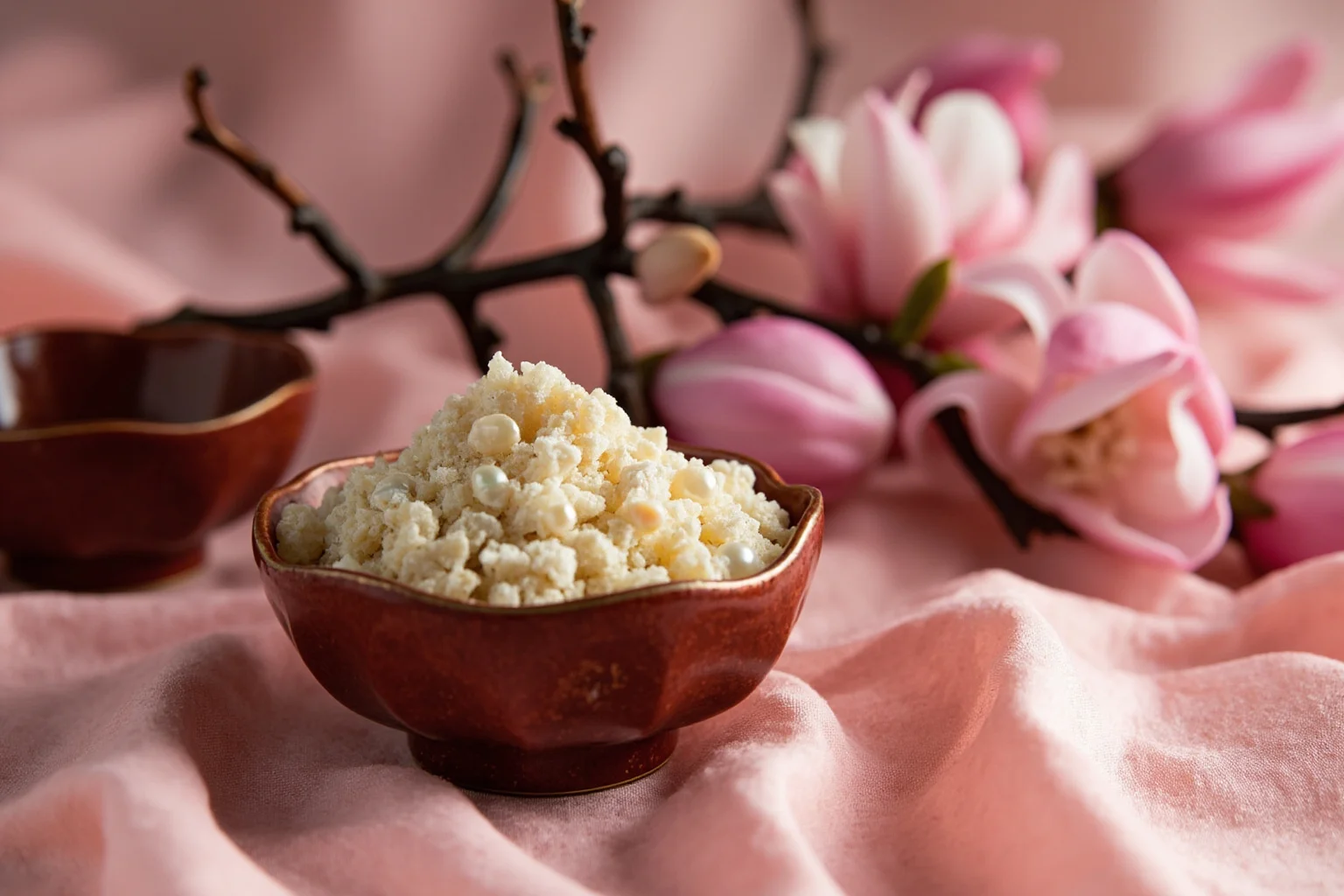
In ancient and imperial China, a smooth, pale complexion was often associated with high status. Women used finely ground rice powder to mattify and whiten the face, a practice that later became famous in Chinese beauty culture. The powder created a matte, porcelain-like finish.
Ground freshwater pearl was another luxury ingredient added to powders and pastes in traditional skin care. It was prized for a luminous effect and became part of Chinese historical skincare tradition. These products were expensive, so they also marked wealth and refinement.
Chinese texts also mention facial applications made from herbs and minerals to correct uneven tone. Some were gentle, while others contained heavy metals. The ideal of a pale, smooth face remained influential across many dynasties.
13. Chinese Eyebrow Art
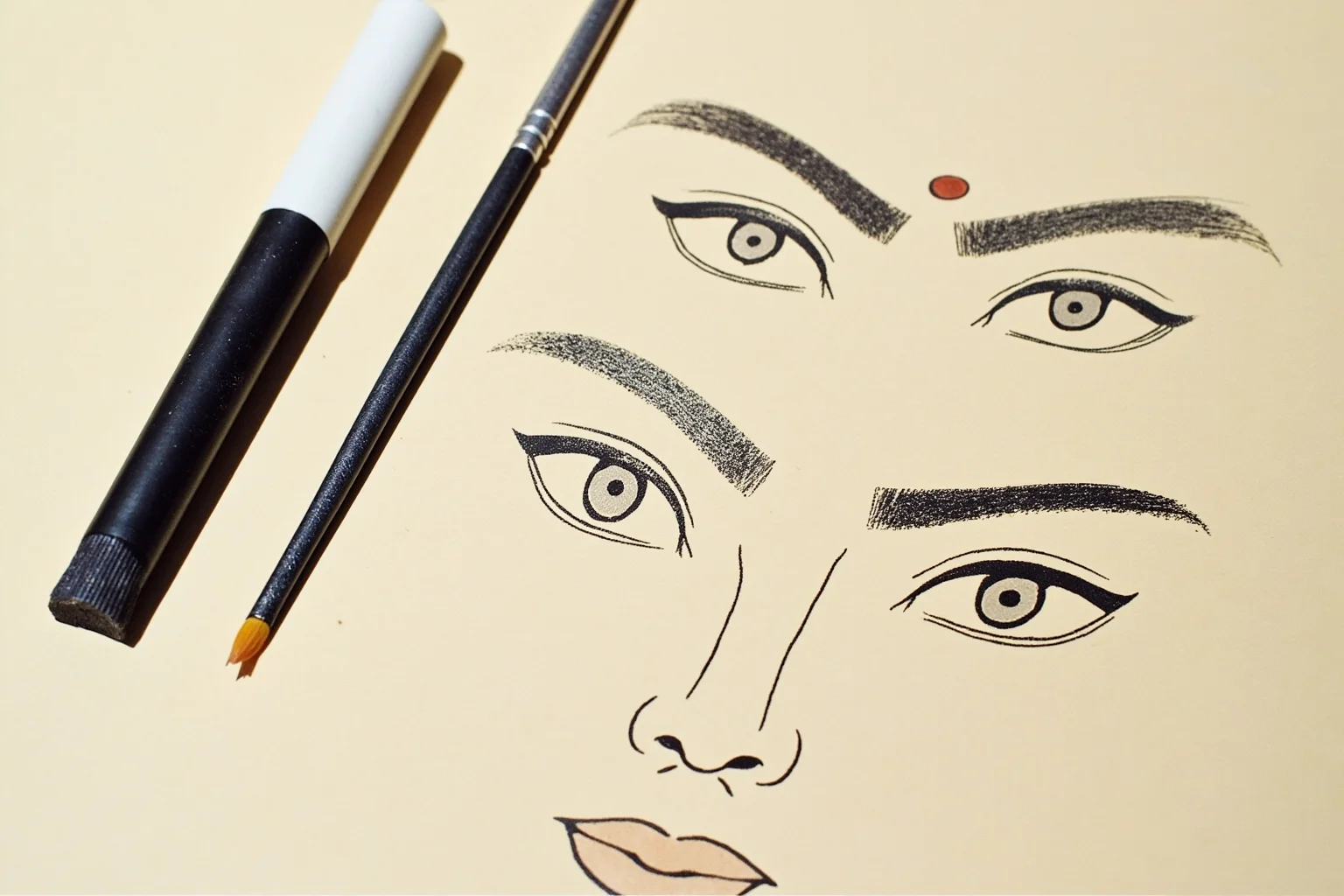
Eyebrows were a major focus in ancient Chinese beauty, with styles changing dramatically from one dynasty to the next. Women shaved or plucked their natural brows and painted new shapes with charcoal, ink, or colored pigments. Names like 'distant mountain brows' and 'moth antennae brows' reflect the aesthetic vocabulary of the time.
The ideal brow shape could signal period, class, and even political fashion. What looks extreme to modern eyes was a normal part of everyday grooming for elite women. This makes eyebrow styling one of the clearest examples of how ancient beauty standards could be highly stylized.
Chinese poetry and painting sometimes praised a brow shape as a marker of refinement. These trends could spread quickly through court culture and literature. The eyebrows were tiny, but they carried enormous social information.
14. Indian Kajal and Kohl
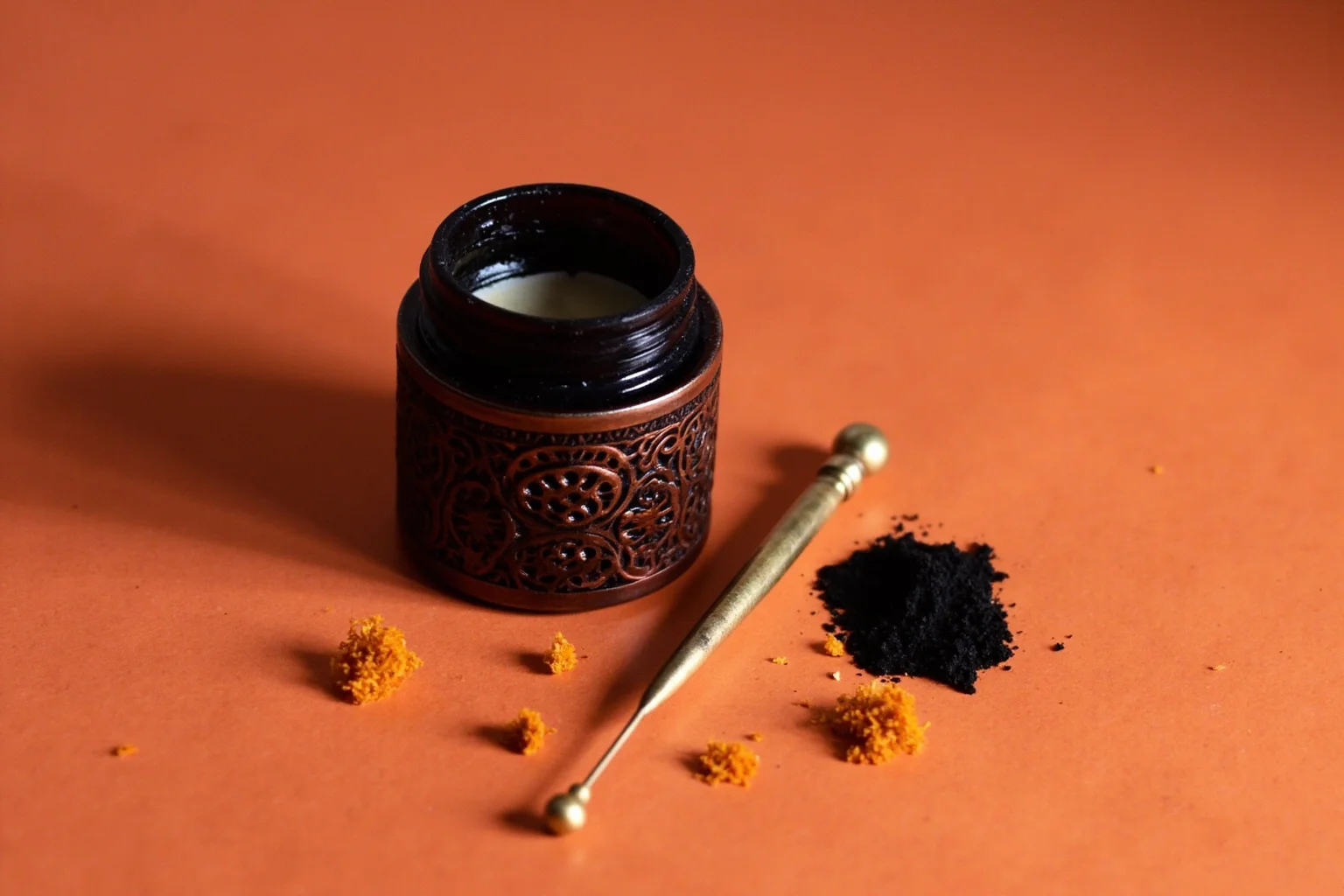
In the Indian subcontinent, kajal or kajjal was applied to the eyes using a dark paste often made from lampblack and oils or ghee. Like Egyptian kohl, it was worn by women, men, and children, and it carried protective and cultural meanings. The practice appears in early South Asian texts and visual traditions.
Kajal kept the eyes defined and was believed to shield them from harsh light and spiritual harm. Its preparation was often domestic, with family recipes passed down. That combination of beauty and care keeps kajal one of the longest lived ancient beauty practices in the world.
Some recipes included cooling herbs such as sandalwood or rose water. The aim was not only dark pigment but comfort in bright, dusty climates. This practical side helps explain why kajal remained common for so long.
15. Henna on Hands, Nails, and Hair
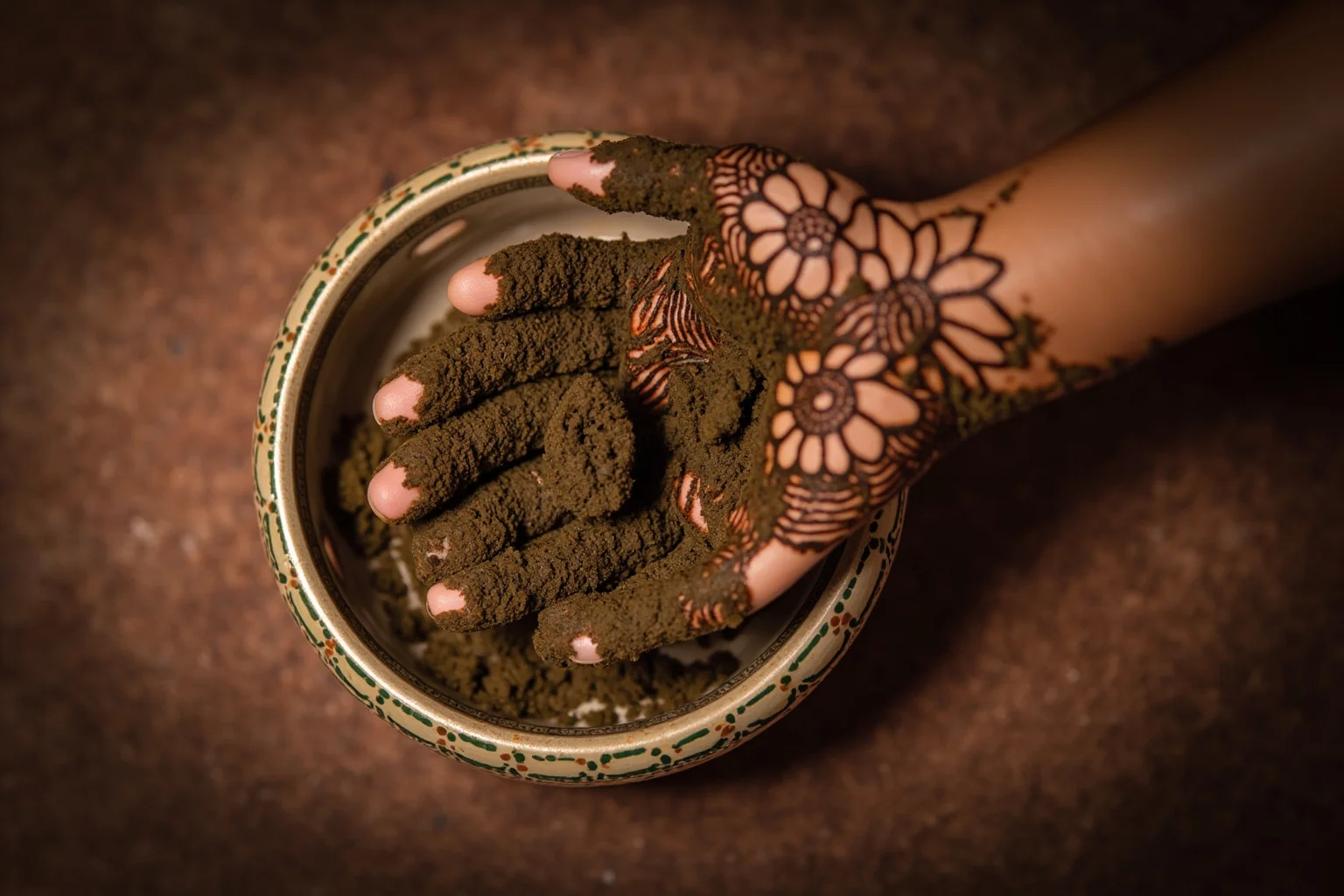
Henna has been used for thousands of years across Egypt, North Africa, the Arabian Peninsula, and South Asia. The crushed leaves of the henna plant release a reddish dye that stains skin, nails, and hair. Ancient Egyptians used it on mummies and the living alike, while Indian and Persian traditions developed intricate body art.
Henna was not just decorative; it may have offered cooling and antifungal benefits in hot climates. Because the stain was temporary but long lasting, it balanced beauty with practicality. Its use across so many regions shows how one plant could shape ancient beauty practices in very different ways.
Henna designs also marked celebrations, weddings, and transitions. The plant itself was easy to carry and cultivate, which helped it spread along trade routes. That makes henna a quiet but persistent thread in the history of body adornment.
Body, Hair, and Ritual Beauty Practices
The final group of regimens moves beyond the face to hair, body, fragrance, and ritual. These beauty practices connected personal care to religion, hygiene, and social identity.
16. Egyptian Perfumed Wax Cones
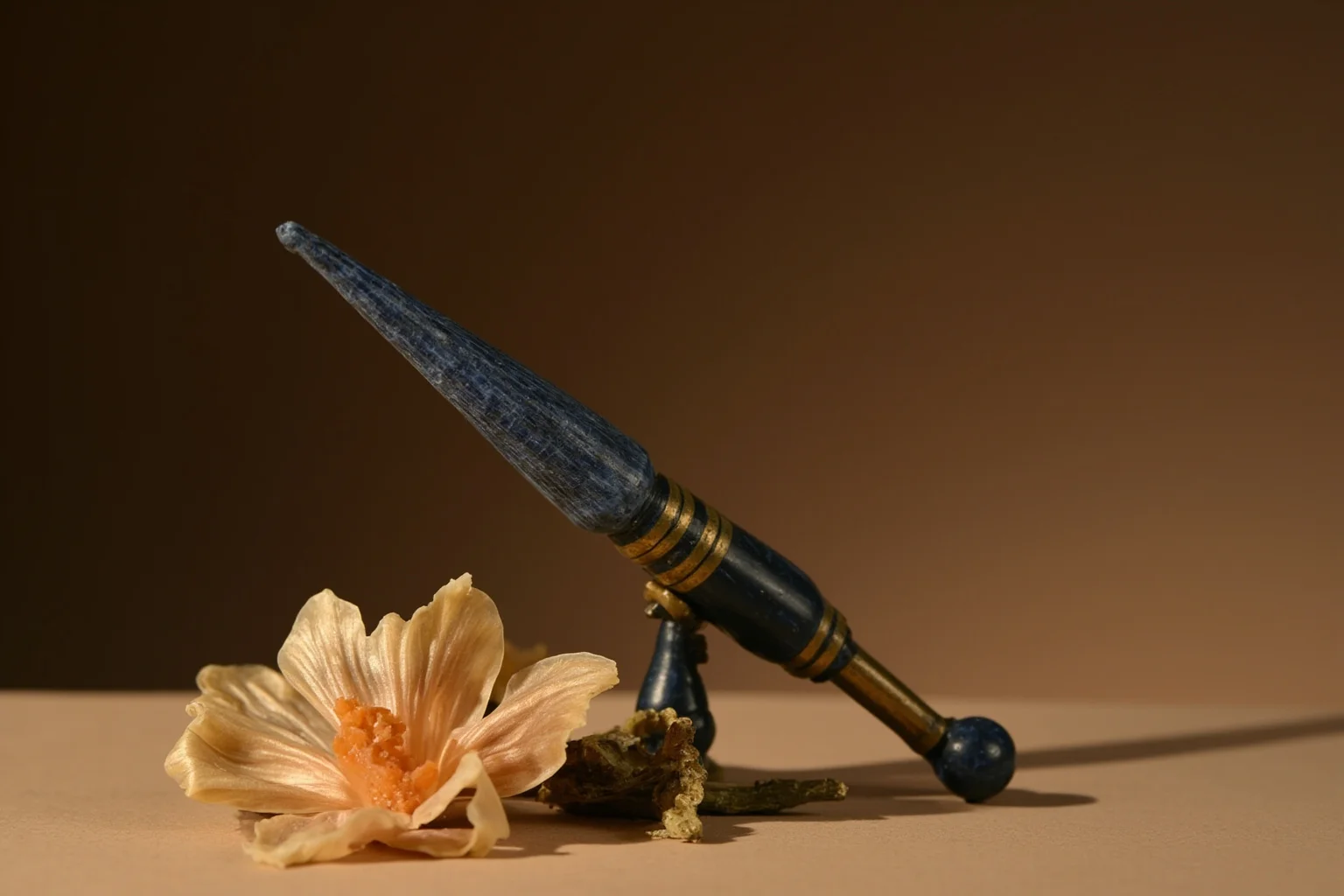
Egyptian tomb paintings often show banquet guests wearing cone-shaped objects on their heads. These are usually interpreted as perfumed wax or fat cones that melted slowly, releasing fragrance into the hair and skin. Archaeological evidence for the cones themselves is rare, so some aspects of their use remain uncertain.
Residue studies at Amarna have suggested that some cones may have been made from animal fat and aromatic resins. They may have functioned more like slow-release fragrance than modern cosmetics. Either way, they capture the Egyptian obsession with scent and bodily freshness.
The cones are a good myth-busting moment because their exact use is still debated. Art may exaggerate a funerary ideal rather than showing ordinary dinner parties. Yet the association between scent, status, and the body is well supported by other evidence.
17. Indian Turmeric and Sandalwood Pastes
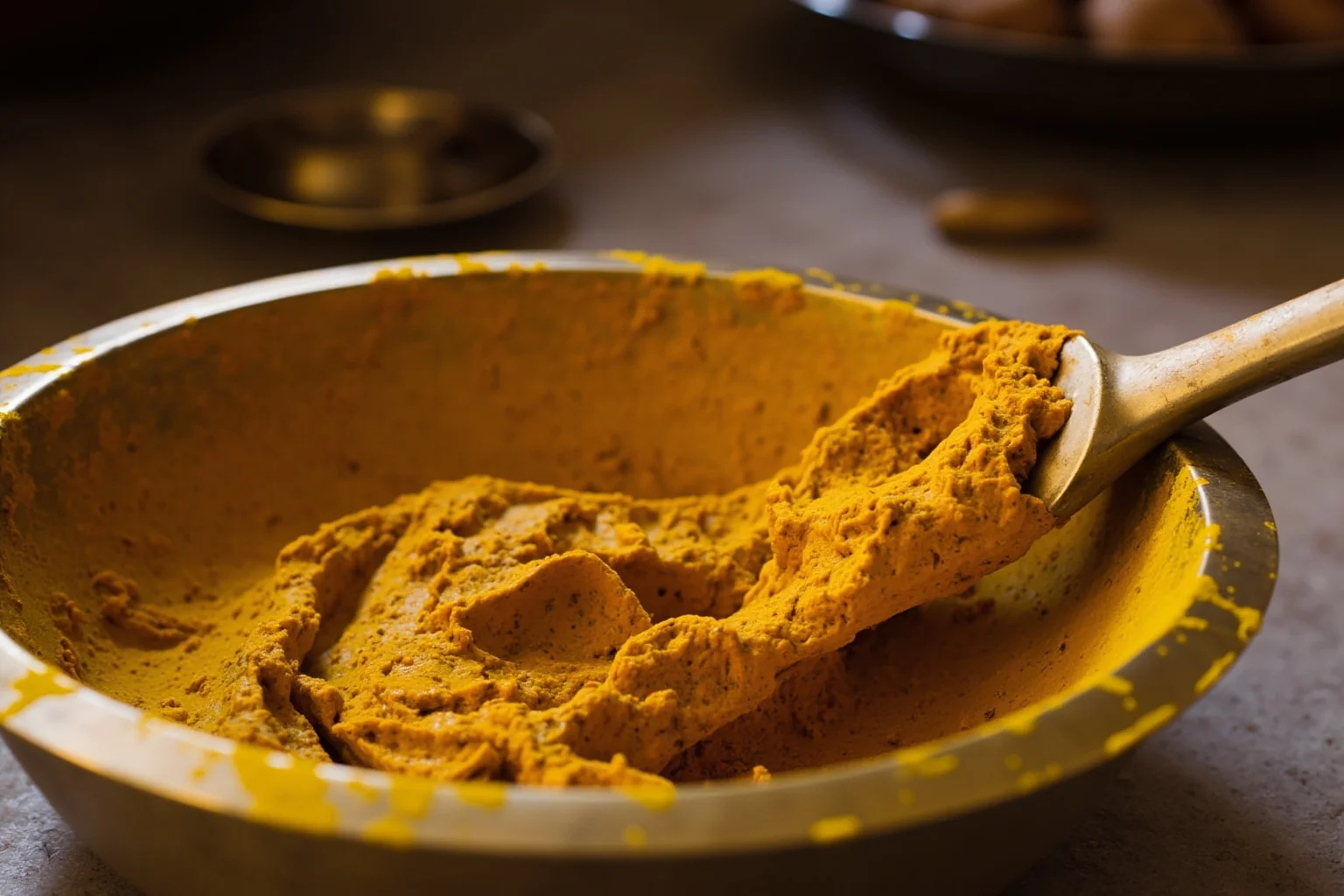
Turmeric and sandalwood have deep roots in South Asian body care. Early Ayurvedic traditions used turmeric for its antibacterial and anti-inflammatory qualities, often mixing it with sandalwood paste, milk, or gram flour to cleanse and brighten the skin. These mixtures were used in wedding and ritual preparations as well as daily grooming.
Sandalwood was prized for its cooling fragrance and smooth texture. Together with turmeric, it formed a plant-based skincare system that remains recognizable today. This is one example of ancient skin care that modern wellness culture has revived, sometimes with less nuance about its origins.
The turmeric paste tradition also had social and ceremonial dimensions. A bride's preparation, for example, was not only about appearance but about purification and blessing. That context is easy to lose when a practice becomes a trend.
18. Mesopotamian Perfumed Oils and Salves
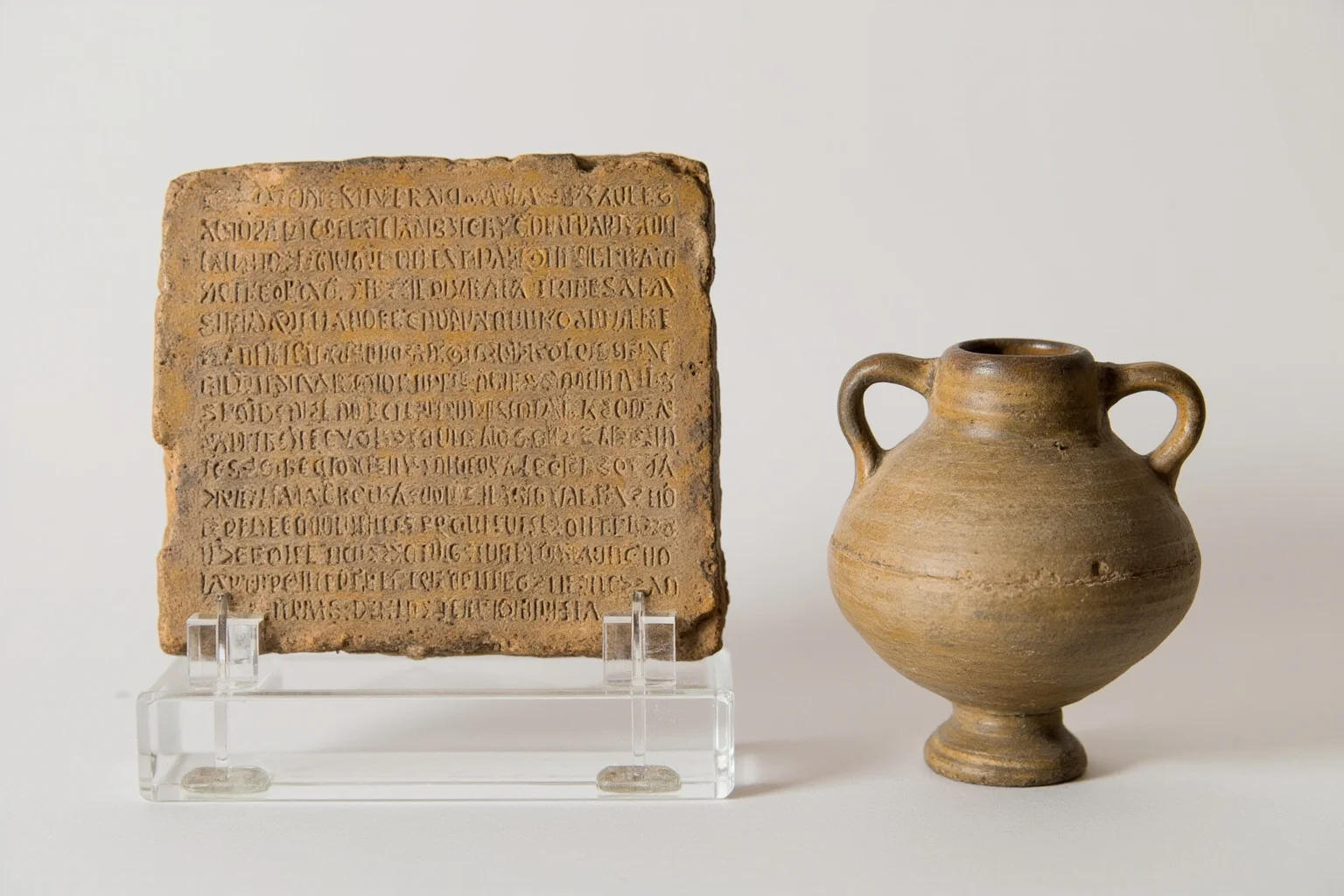
Mesopotamian cuneiform tablets contain recipes for perfumed oils, salves, and cleansers made from cedar, cypress, myrrh, and other resins. These preparations were used in temples, palaces, and private homes. Fragrance and cleanliness often blurred together in ancient Mesopotamia.
Some recipes were remarkably precise, listing quantities and heating methods, which tells us that early chemists were already systematizing ancient skincare. Perfumed oils also served as status markers and trade goods. This long tradition influenced later Greek, Roman, and Islamic cosmetic practices.
The raw ingredients often arrived by long-distance trade, especially cedar and resins from mountainous regions. That made fragrance a costly luxury with political and economic weight. A good scent, then, could announce power before a word was spoken.
19. Roman Hair Dye and Wigs
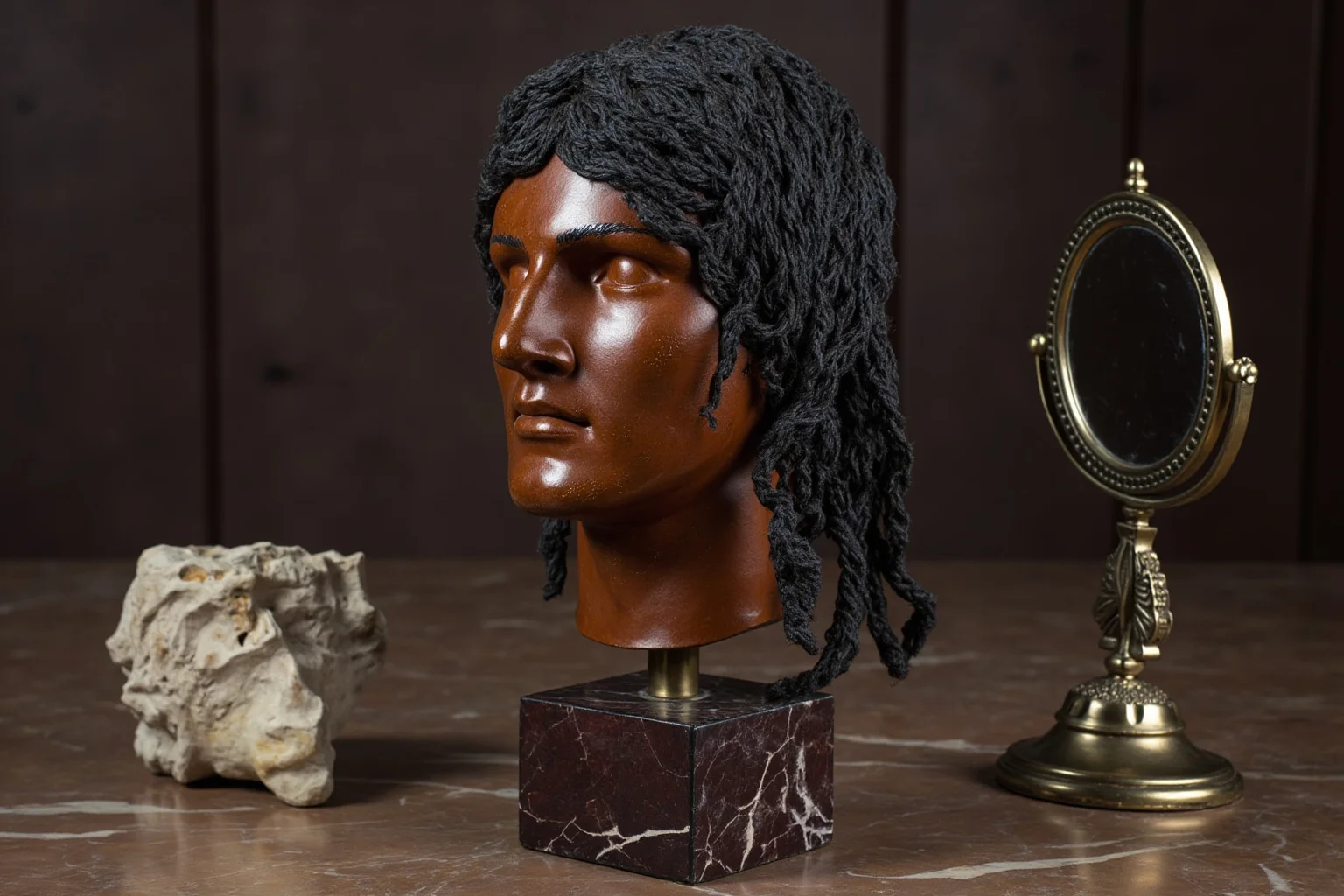
Roman fashion cared deeply about hair, including its color, style, and sometimes its absence. Wigs and hairpieces were common, especially among elite women who wanted to display elaborate braided looks. Hair could be dyed or darkened with walnut, leeches, vinegar, or other compounds, and some recipes were highly unpleasant.
Blond was fashionable in certain Roman circles, and Germanic hair was sometimes imported for wigs. These trends show that ancient beauty could involve global trade and painful maintenance. The Roman hair economy was a reminder that grooming has always had a supply chain.
Roman poets and satirists mocked women whose hair looked different in public and private. That criticism tells us that beauty practices were common enough to become a literary theme. Even the jokes are useful evidence for how much effort Roman styling required.
20. Hebrew Olive Oil and Myrrh
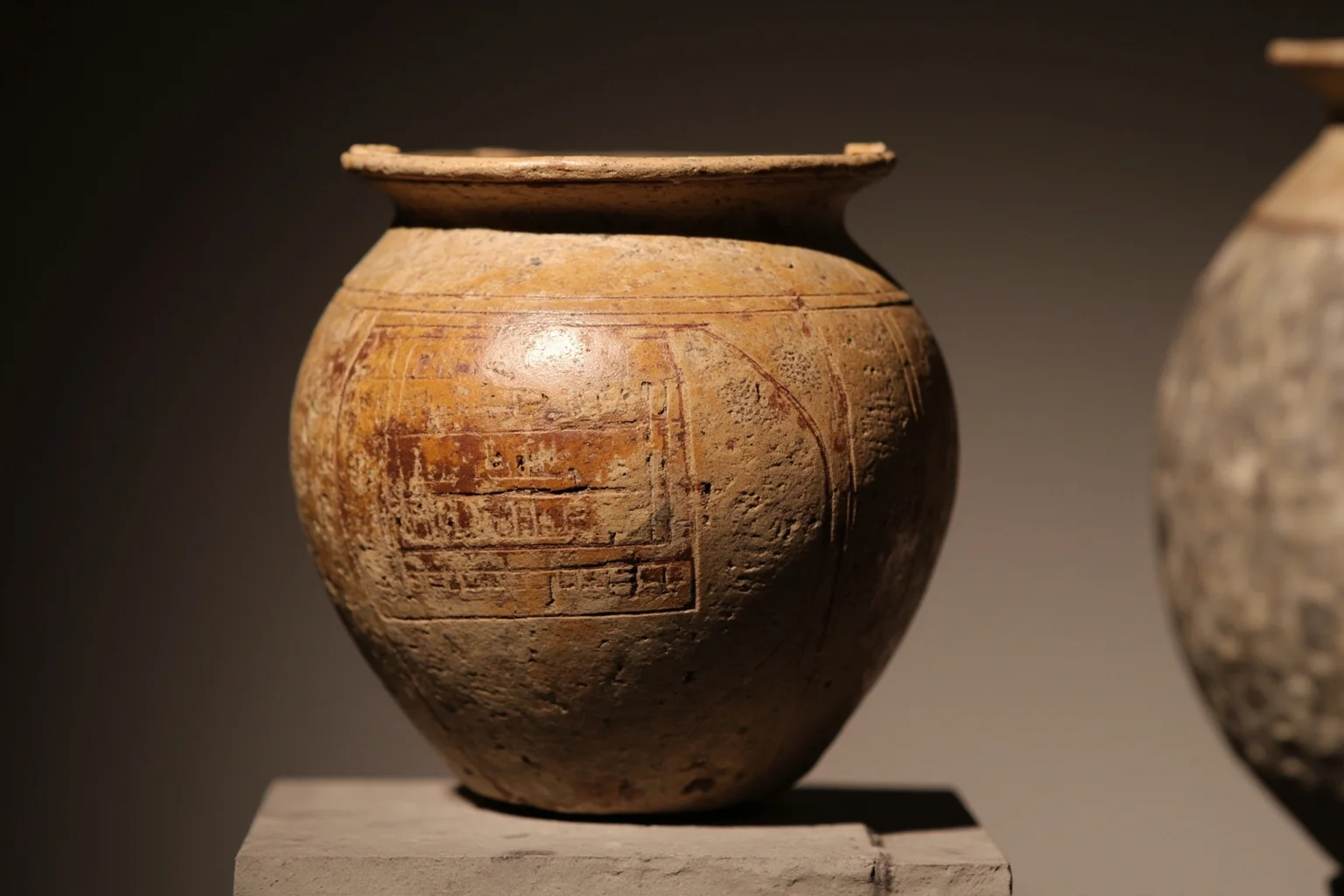
In the ancient Levant, olive oil, myrrh, frankincense, and balsam appear repeatedly in biblical and historical texts about anointing and purification. Olive oil served as a base oil for cleaning and softening skin, while resins added fragrance and perceived healing value. These practices merged personal care with hospitality and religious ritual.
Myrrh and frankincense were expensive imports, so their use signaled wealth and devotion. While the texts often describe ceremonial anointing rather than a daily beauty routine, the same ingredients appear in ordinary skin preparations. They show how ancient skin care could carry both sacred and mundane meanings.
The dry climate and strong sun made oils and salves practical for protecting exposed skin. Aromatic resins also masked odors in a world without modern deodorants. This blend of function and fragrance appears across the ancient Near East.
What Ancient Beauty Can Still Teach Us
The most useful lesson from ancient beauty is that skincare and grooming have never been separate from culture. People used available plants, minerals, oils, and animal fats to pursue ideals that changed over time. Some ingredients, like olive oil, honey, and clay, remain genuinely useful in modern routines.
Other ancient formulas are better left in the past. Lead, mercury, and untested minerals were dangerous by modern standards, even when they were fashionable. Historical skincare is not a simple guide to copy, but it does reveal how humans have always cared about appearance, health, and belonging.
When you see a kohl-lined eye, a red cheek, or a honey mask today, you are looking at a very old impulse. The packages have changed, but the desire to care for the skin and shape identity through beauty practices has not.
Frequently Asked Questions
Did people in ancient times have acne?
Yes. Ancient people would not have used the word acne, but Egyptian medical papyri, Greek texts, and Roman writings describe pustules, spots, and inflamed skin. Remedies included honey, sulfur, myrrh, and herbal pastes, though not all were safe or effective.
What were common ingredients in ancient skincare?
Olive oil, honey, milk, beeswax, clay, rice powder, turmeric, sandalwood, and plant resins appear across Egyptian, Greek, Roman, Chinese, Indian, and Mesopotamian traditions. Mineral pigments like ochre, malachite, and kohl were used for color. Some ingredients, such as lead and mercury, were dangerous by modern standards.
Were ancient beauty standards the same everywhere?
No. Many elite urban societies prized pale, smooth skin, especially in Egypt, Greece, Rome, and China, but standards varied by region and period. Body paint, red pigments, kohl, and hairstyles could carry different meanings depending on culture, class, and ritual.
Can I recreate ancient beauty treatments safely?
Some simple recipes, like olive oil or honey masks, are generally gentle, but many historical formulas used toxic ingredients. Do not copy antique recipes without modern safety research. Treat ancient skincare as cultural history, not a direct DIY guide.

Alex Warren
Related Articles