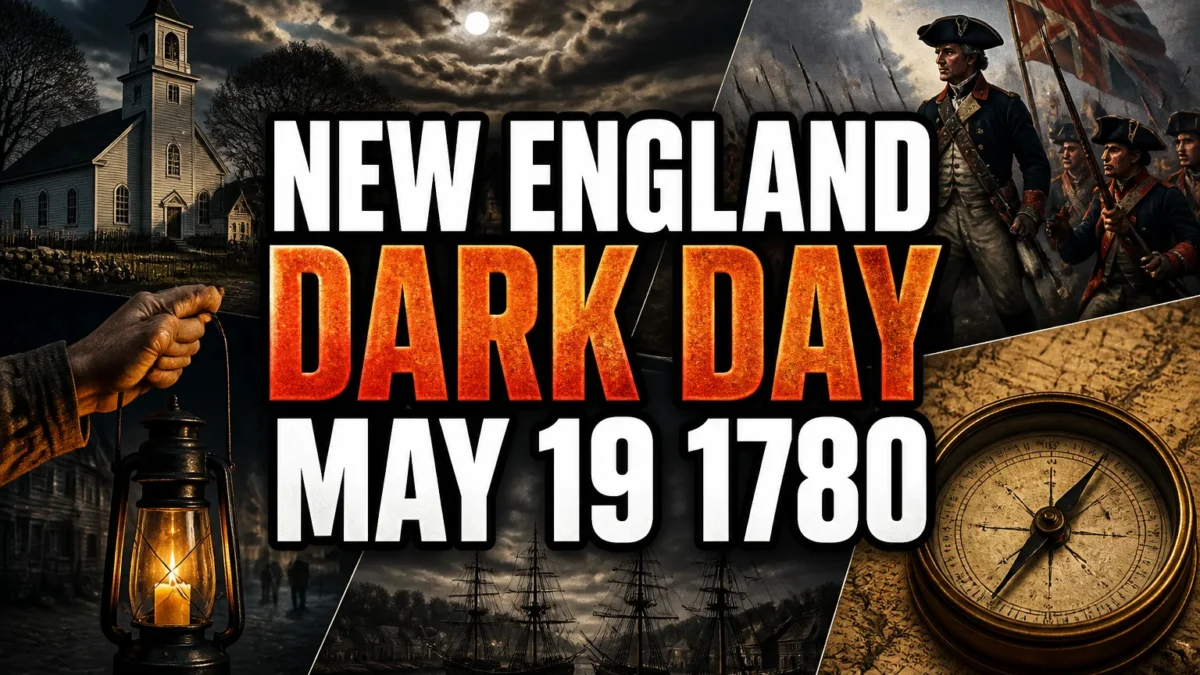
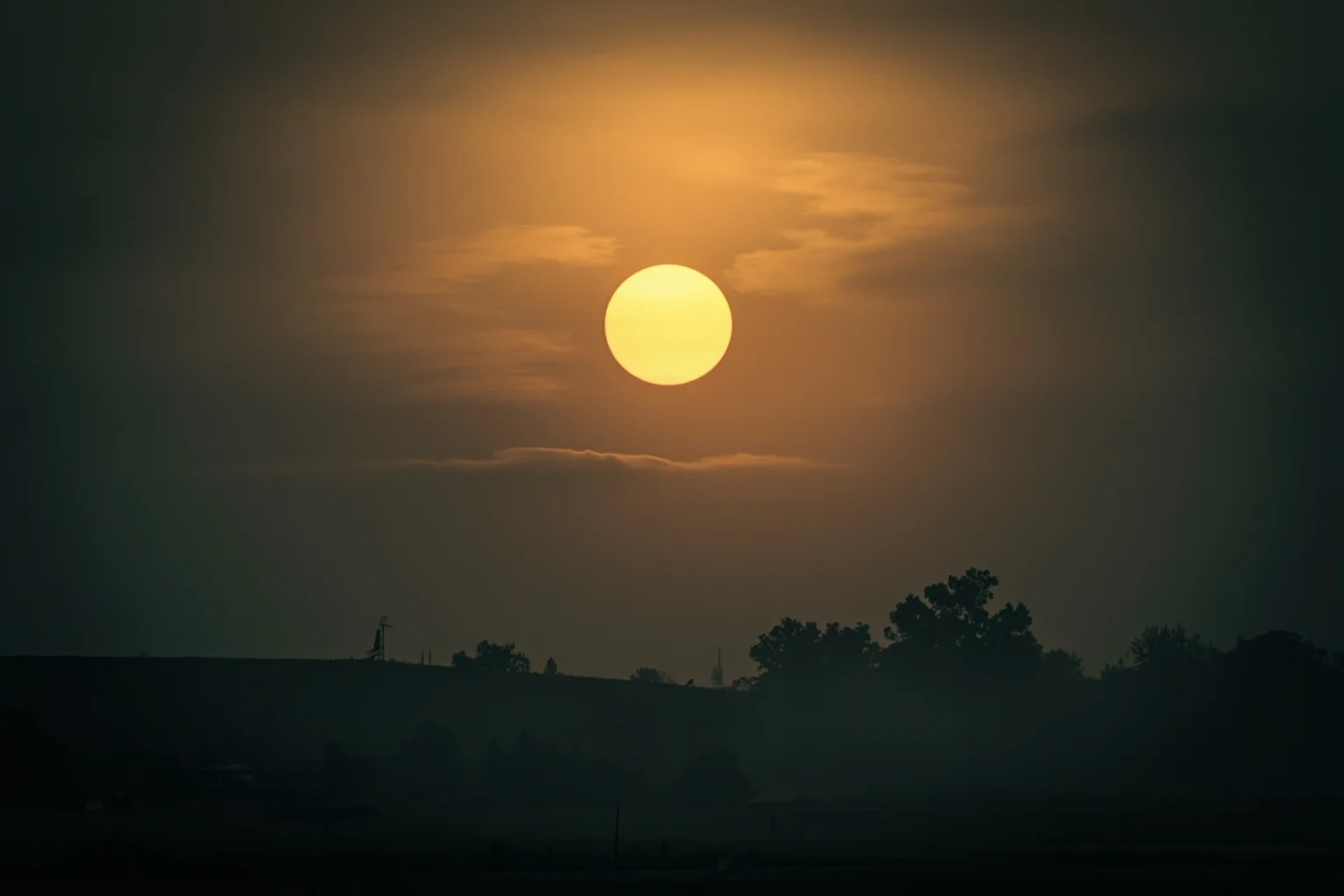
On the morning of May 19, 1780, people across New England woke to a sky that looked wrong. The sun rose pale and red, then faded behind a thickening gloom that turned midday into twilight. By afternoon, candles were lit in homes from Connecticut to Maine, and many feared the end of the world had arrived.
The event became known as New England's Dark Day, and it remains one of the strangest weather-related mysteries in American history. This post separates what we know from what we don't, examining the evidence, the theories, and the lasting cultural footprint of the day of darkness 1780.
TL;DR: The Dark Day of May 19, 1780, was a real, well-documented event that plunged New England into eerie daytime darkness, most likely caused by massive wildfire smoke combined with fog and cloud cover — though its exact scope still puzzles historians and scientists.
What Was the Dark Day of May 19, 1780?
The dark day of May 19 1780 was a region-wide atmospheric event that turned daylight into near-night across much of New England. Witnesses reported that darkness descended between roughly 10 a.m. and 2 p.m., with the deepest gloom occurring around noon. Chickens went to roost, frogs croaked as if evening had fallen, and people stumbled through fields and streets carrying lanterns.
The darkness was not total everywhere. In some towns it was described as a deep twilight, while in others it was so dark that people could not read, write, or see clearly indoors without artificial light.
Why May 19th 1780 Still Fascinates Historians
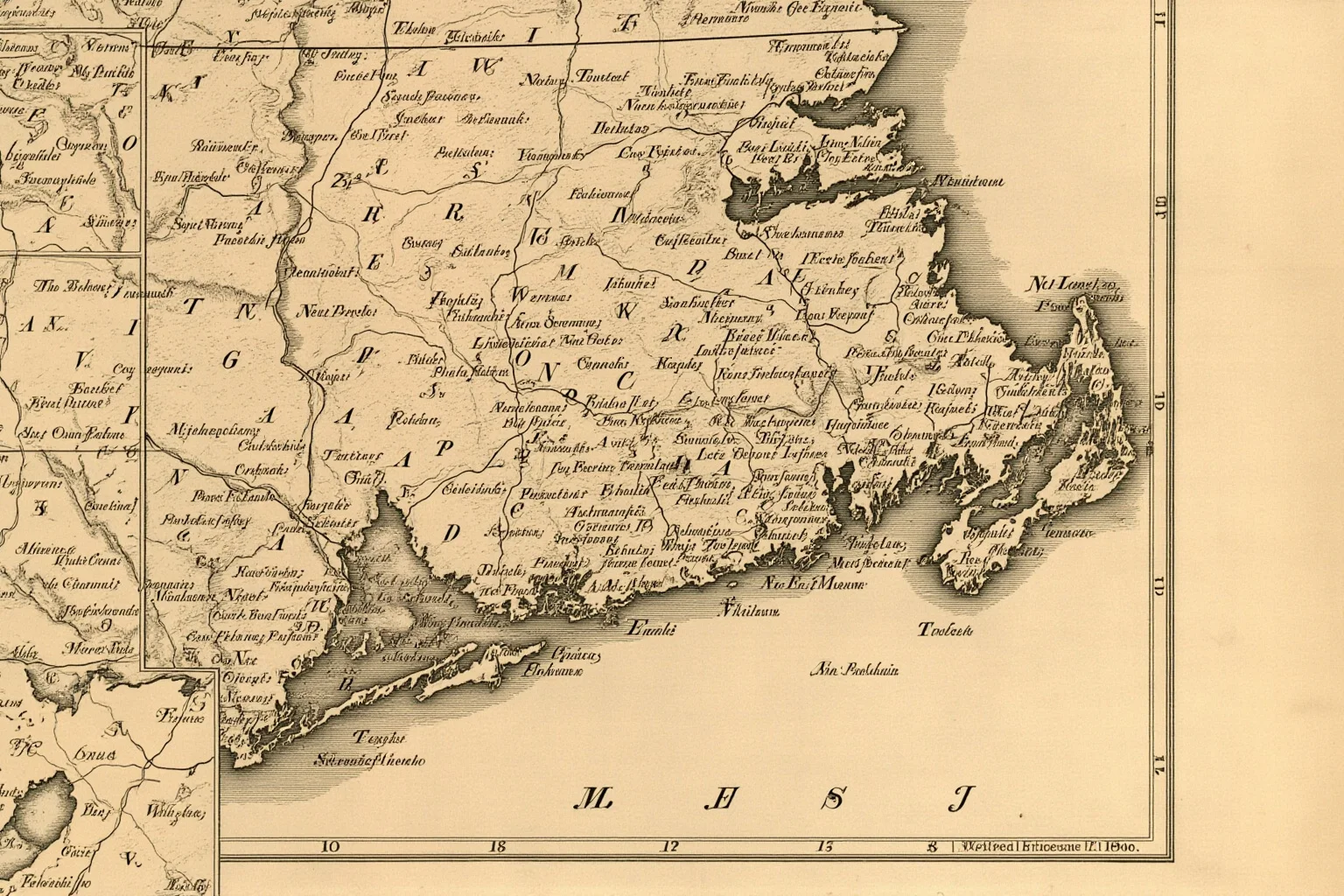
May 19th 1780 stands out because the event was so widely observed and so well documented. Unlike folklore or secondhand legend, this darkness was recorded in diaries, letters, newspapers, and even official proceedings. The sheer volume of independent accounts makes it one of the best-attested atmospheric anomalies of the 18th century.
It also fascinates because it arrived during a tense moment in American history. The Revolutionary War was still being fought, and many people interpreted the darkness as a divine omen. The overlap of political anxiety and natural phenomenon created a perfect storm of fear, rumor, and lasting legend.
Where Did the Darkness Occur?
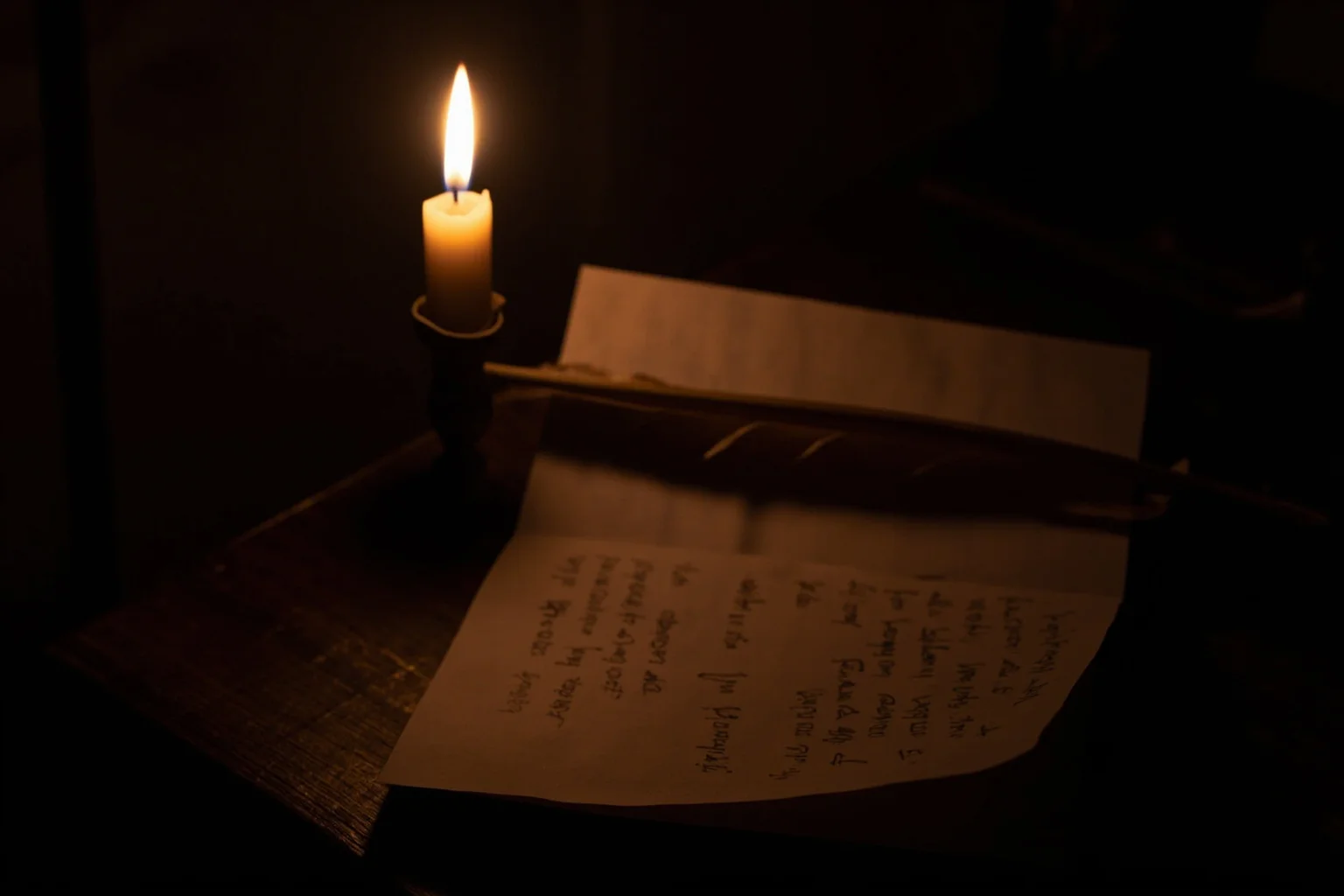
The darkness covered a large swath of New England and parts of eastern Canada. Reports came from Portland, Maine, south through New Hampshire, Vermont, Massachusetts, Rhode Island, and Connecticut, and as far west as Albany, New York. In some areas the darkness was partial, while in others it was nearly complete.
Crucially, the darkness was not observed everywhere along the East Coast. Philadelphia and New York City experienced some haze and unusual sky color, but not the full blackout reported farther north and east. This geographic pattern became a key clue for later scientific investigations.
Eyewitness Accounts from the Day of Darkness 1780
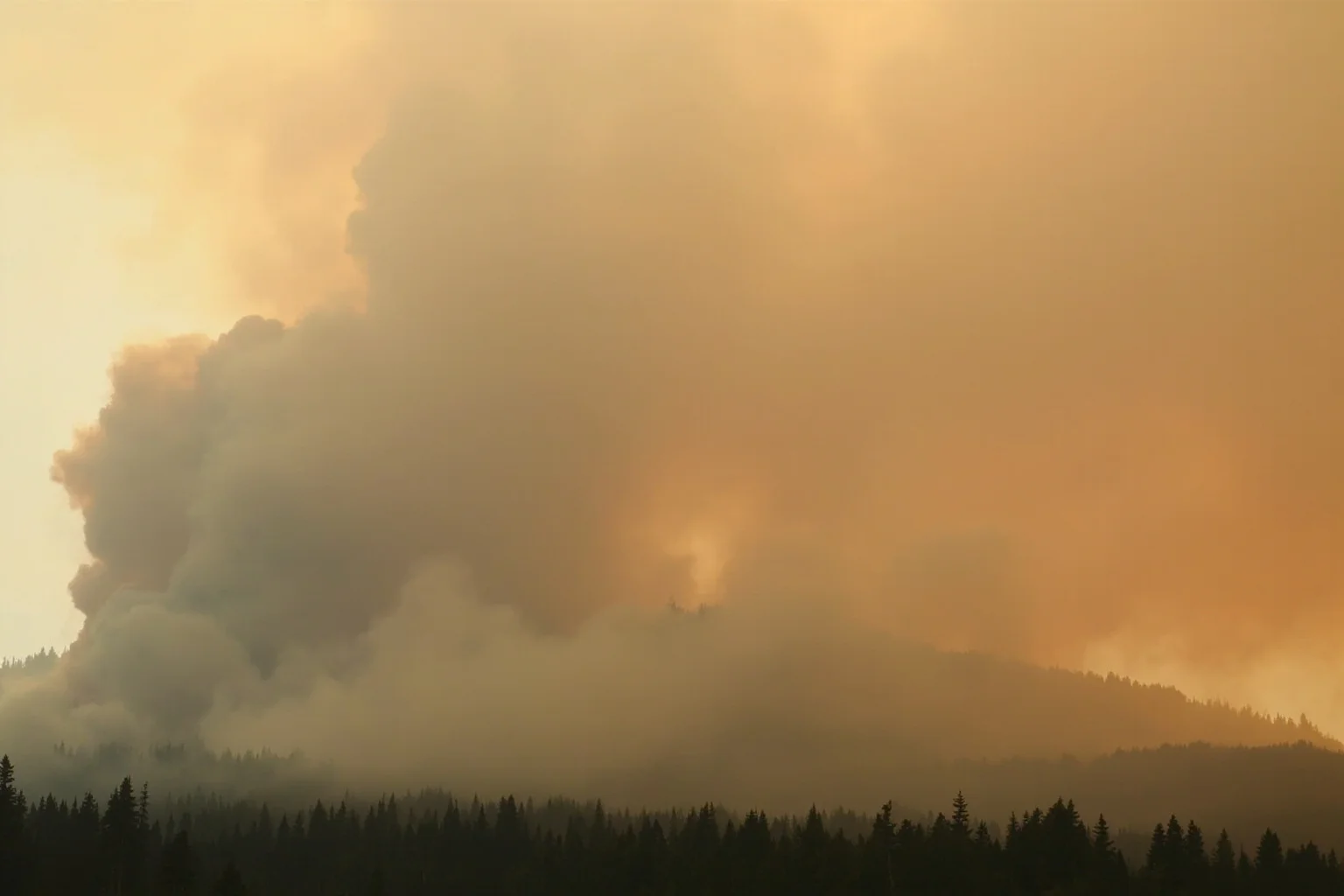
The day of darkness 1780 produced a remarkable archive of firsthand testimony. In Cambridge, Massachusetts, a professor noted that the darkness came on gradually, with the sky turning from yellow to a brassy copper before deepening to black. In Hartford, Connecticut, the state legislature was in session, and some members feared the day of judgment had come.
In Ipswich, Massachusetts, one diarist wrote that candles were needed by noon and that birds sang evening songs at midday. These accounts, while dramatic, are consistent in their basic facts: the darkness was real, it peaked around noon, and it lasted for several hours before slowly lifting.
What Did People Think Was Happening?
Many people in 1780 interpreted the darkness through a religious lens. New England was still deeply shaped by Puritan traditions, and the idea of divine judgment was never far from the surface. Ministers preached sermons on the darkness, and some congregations held special prayer meetings.
Others suspected a natural cause, but lacked the tools to confirm it. Some guessed an earthquake, others a volcanic eruption, and still others an approaching storm of unprecedented scale. Without meteorology, satellite imagery, or rapid communication, the event remained a frightening and unexplained mystery for years.
The Leading Scientific Explanation: Wildfire Smoke
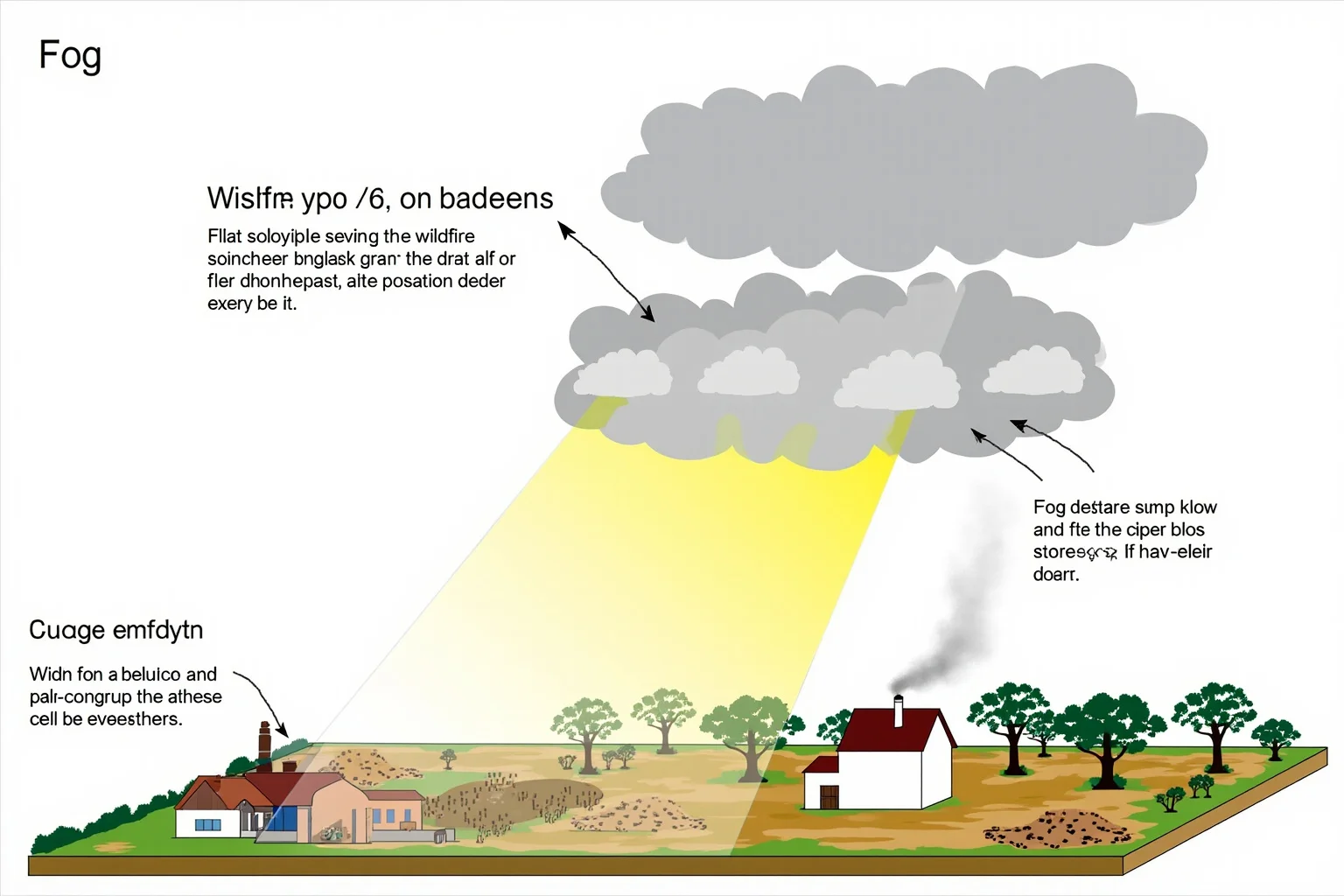
The most widely accepted explanation for New England's Dark Day is smoke from massive forest fires. Researchers have found historical evidence of large fires burning in the Algonquin Highlands of Ontario and possibly elsewhere in the weeks before May 19, 1780. Winds would have carried the smoke east and southeast across New England.
This theory gained strength in the 2000s when scientists examined tree rings from fire-scarred trees in Ontario. The tree-ring evidence pointed to a major fire event in that region around 1780, providing a plausible smoke source for the darkness. The timing and wind patterns fit the historical accounts well.
Why Smoke Alone May Not Be the Whole Story
Smoke alone is probably not a complete explanation. Researchers suggest that the darkness was likely caused by a combination of factors: thick wildfire smoke, low clouds, and fog. When these elements align, they can block sunlight far more effectively than any one of them alone.
This combination also helps explain the strange colors witnesses reported. Smoke particles scatter light in ways that produce yellow, orange, and copper skies. Fog and cloud cover would have trapped the smoke near the ground, intensifying the effect and making the darkness feel even more unnatural.
Could a Volcano Have Caused the Darkness?
Some researchers have proposed that a volcanic eruption contributed to the darkness. Volcanic ash and aerosols can dim sunlight across huge areas, as happened after the 1815 eruption of Mount Tambora, which caused the famous "year without a summer." However, no major eruption has been definitively linked to May 1780.
The evidence for a volcanic cause is weaker than the fire evidence. Historical records do not clearly document a large eruption in the years immediately before 1780 that would explain such a localized event. Most scientists consider wildfire smoke the primary driver, with volcanic activity at most a minor contributing factor.
Was It a Solar Eclipse?
No. A solar eclipse was impossible on that date. Eclipses occur only during a new moon, and May 19, 1780, fell during a waxing gibbous phase, with the moon far from the sun in the sky. Astronomers of the era could easily rule out an eclipse, and no contemporary scientist seriously proposed one.
The eclipse theory persists in popular culture, but it fails on basic astronomy. The darkness also lasted for hours, far longer than any total solar eclipse, which at most plunges a location into darkness for a few minutes. The moon's shadow simply could not have produced what New England experienced.
Was It a Meteor or Comet Event?
A few writers have suggested that a meteor airburst or comet fragment caused the darkness. The idea is that an explosion in the atmosphere could have thrown dust and debris high into the sky, dimming the sun over a wide area. This theory gained some attention after the 1908 Tunguska event in Siberia showed that airbursts can cause widespread effects.
However, no physical evidence supports a meteor event over New England in 1780. No impact crater, meteorite fragments, or credible reports of a fireball exist for that date. The theory remains speculative and is not accepted by mainstream historians or atmospheric scientists.
The Role of Weather Conditions
Weather records from May 1780 suggest that the region was experiencing unusual atmospheric conditions even before the darkness. Some accounts describe a lingering haze and a reddish tint to the sun in the days leading up to May 19. This suggests that smoke or fine particles were already drifting into the area.
On the day itself, the air was reportedly still and humid in many locations. These conditions would have helped trap smoke and moisture near the surface. A stalled weather system, rather than a moving front, may have allowed the darkness to linger for hours over the same region.
How Long Did the Darkness Last?
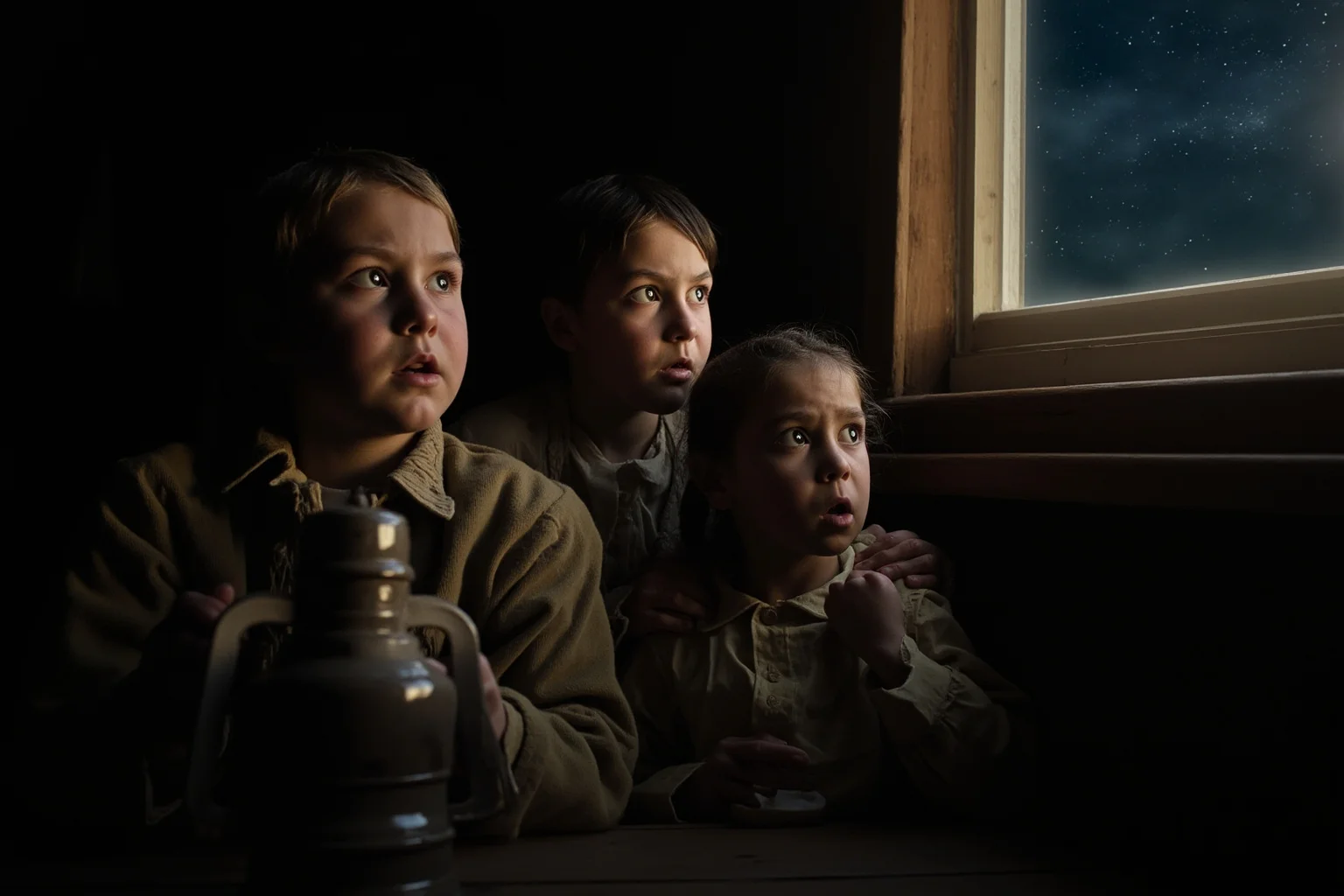
The darkness lasted for several hours, but its duration varied by location. In some towns, the worst of it lasted from late morning until mid-afternoon, roughly four to six hours. In others, the sky remained gloomy into the evening, though the deepest darkness lifted by late afternoon.
Witnesses generally agreed that the darkness peaked around midday and began to ease as the afternoon wore on. By nightfall, the sky looked more normal, though many areas still reported a lingering haze and an unusually dark night. The event was essentially over by the following morning.
What Happened the Night After the Dark Day?
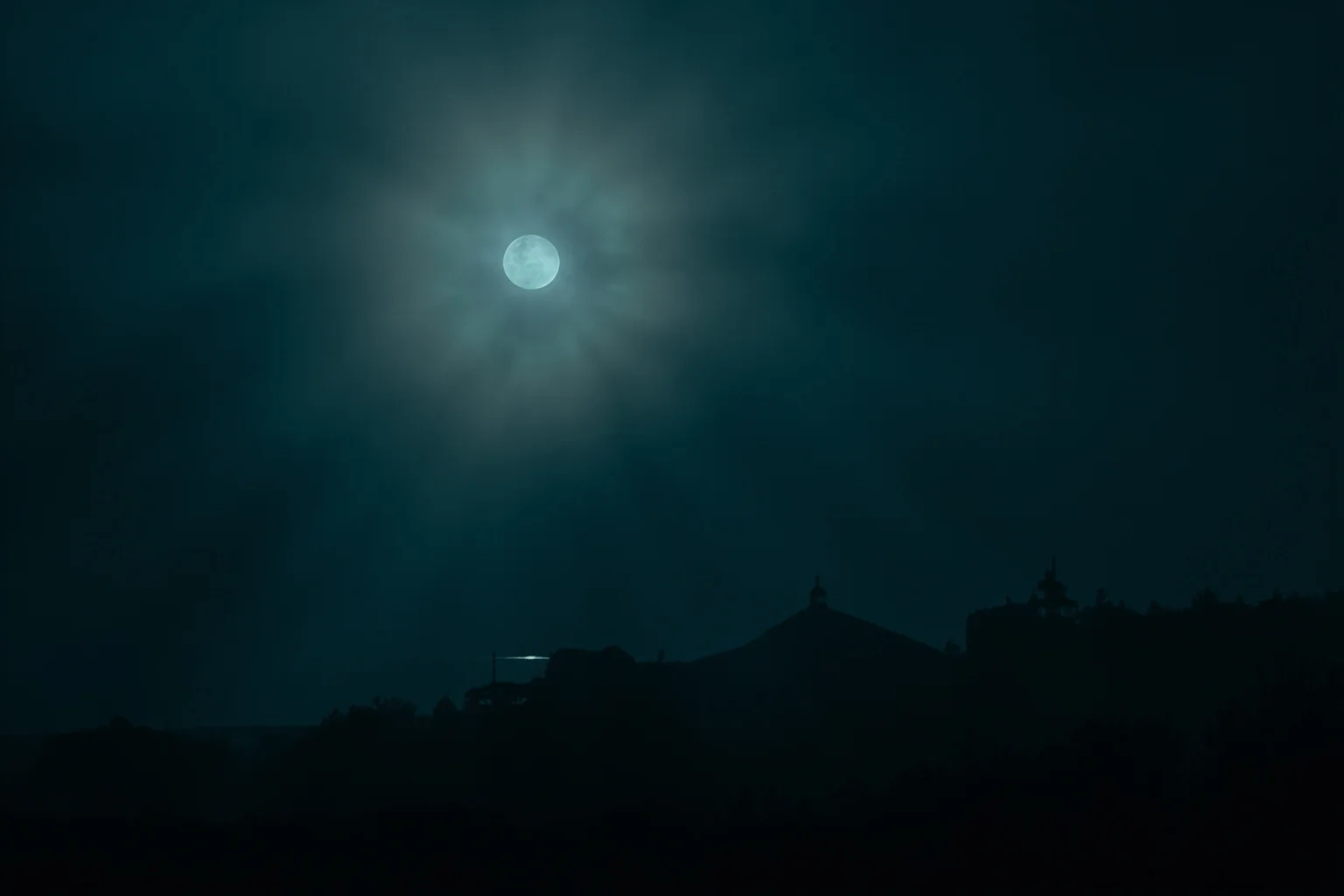
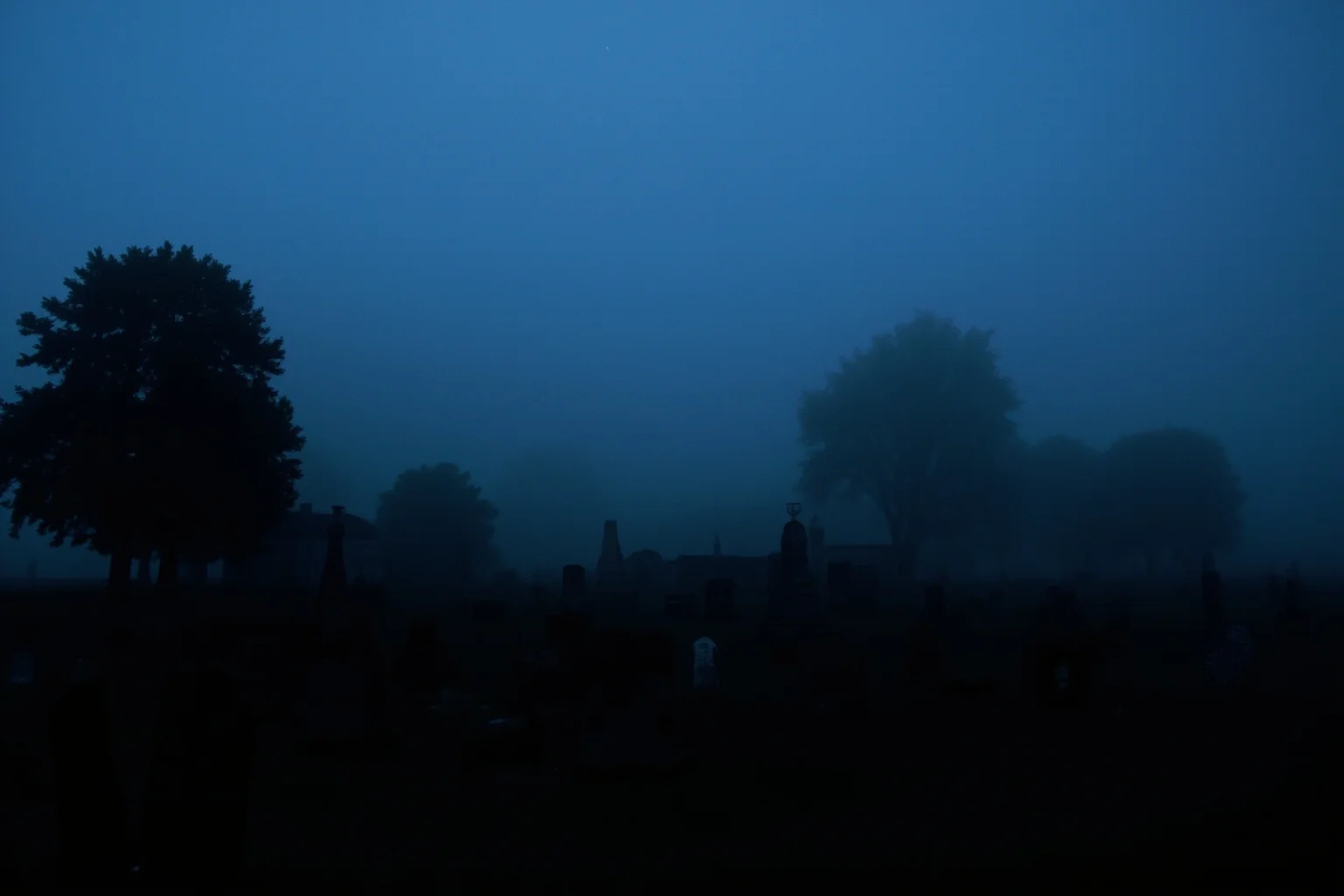
One of the strangest details of the event is what happened after sunset on May 19, 1780. According to several accounts, the night that followed was exceptionally dark, with the moon — which was nearly full — providing almost no light. Some witnesses claimed they could not see the moon at all until late in the night.
This detail has fueled speculation for centuries. A plausible explanation is that smoke and haze still hung in the atmosphere, obscuring the moon and stars. The same particles that blocked the sun during the day would have continued to scatter and absorb moonlight after dark.
Did the Darkness Reach Beyond New England?
The darkness was most intense over New England, but its effects were not entirely confined there. Reports of unusual haze and dimmed sunlight came from as far south as New Jersey and as far west as parts of New York. However, these areas did not experience the near-total blackout reported in Massachusetts and Connecticut.
This geographic footprint matters because it helps scientists trace the likely smoke source. A fire in Ontario, combined with prevailing winds, would send smoke across New England while leaving areas to the south and west with only a lighter haze. The pattern fits the historical record remarkably well.
The Political Context: Revolution and Anxiety
The Dark Day occurred during the American Revolutionary War, a period of intense uncertainty and fear. British forces still occupied New York City, and the war's outcome was far from certain. For many colonists, a sudden darkness in the sky felt like a sign that something momentous — and possibly terrible — was happening.
Some Loyalists and Patriots alike saw political meaning in the event. A few interpreted it as divine displeasure with the rebellion, while others saw it as a warning to the British. The darkness became a canvas onto which people projected their deepest fears and hopes.
Religious Interpretations and Sermons
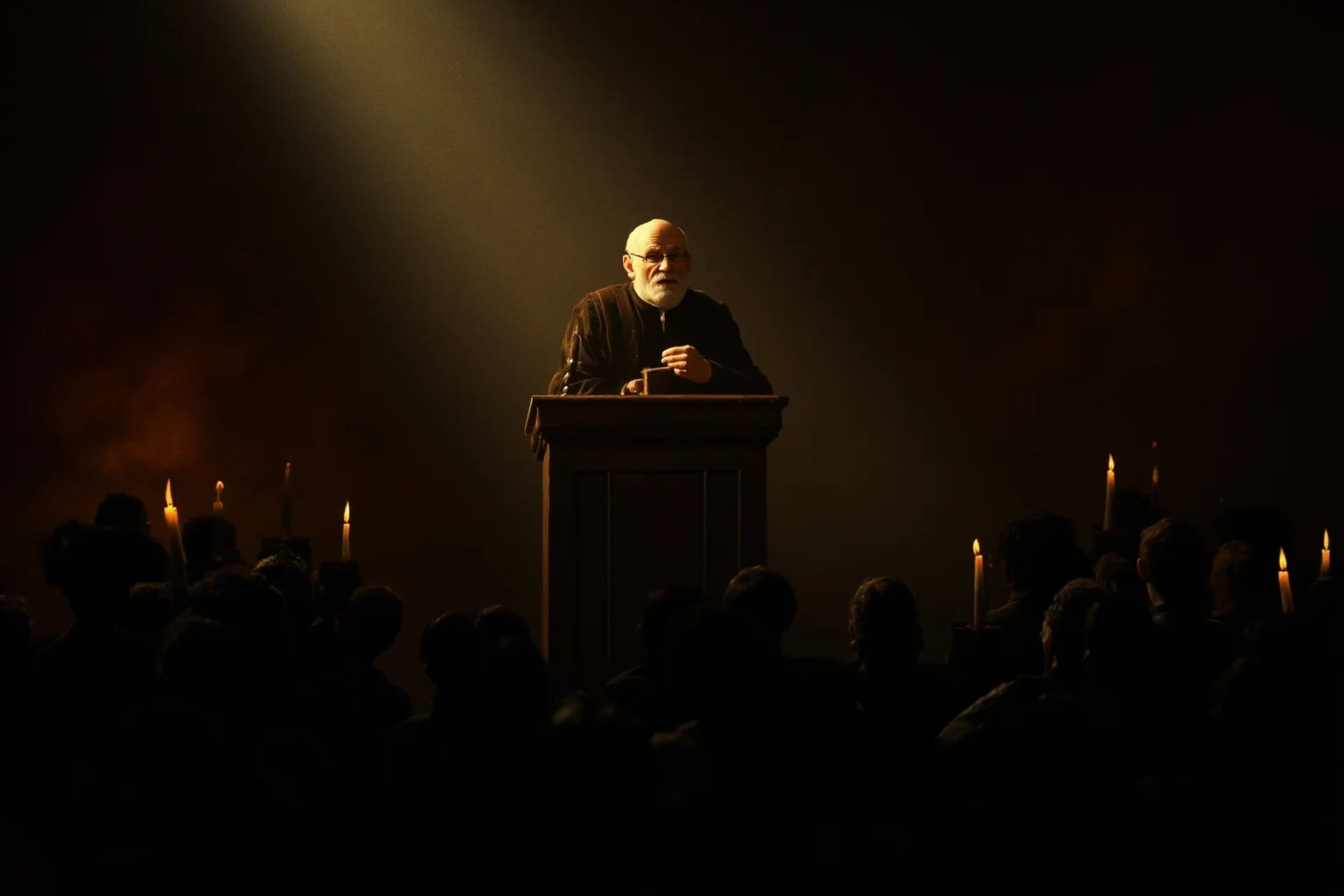
Preachers across New England responded quickly to the darkness. Some delivered sermons within days, using the event as a call to repentance. One widely circulated sermon framed the darkness as a warning from God to a sinful nation. These sermons were printed and distributed, spreading the religious interpretation far beyond the region.
For many ordinary people, the religious explanation was the most natural one. In a world without scientific weather forecasting, a midday darkness felt apocalyptic. The sermons gave shape to that fear and turned a natural event into a moral lesson.
How Newspapers Covered the Dark Day
Newspapers played a crucial role in spreading news of the darkness. Reports appeared in papers across New England and beyond in the days and weeks after May 19. Editors printed letters from correspondents in different towns, creating a patchwork of eyewitness accounts.
Some coverage was measured and curious, while other pieces leaned into the drama. The press coverage helped cement the event in public memory and ensured that later generations would have a rich written record to study. It also shows how information traveled slowly in 1780, with reports taking days or weeks to reach distant readers.
The Dark Day in Literature and Memory

New England's Dark Day left a mark on American literature and memory. The event was referenced in poems, sermons, and historical accounts for generations. Writers used it as a symbol of nature's power and human vulnerability.
The darkness also became a staple of New England local history. Town histories written in the 19th century often included a section on the Dark Day, preserving local details that might otherwise have been lost. These accounts, while sometimes embellished, help historians reconstruct the event's regional impact.
How Scientists Reopened the Case in the 2000s
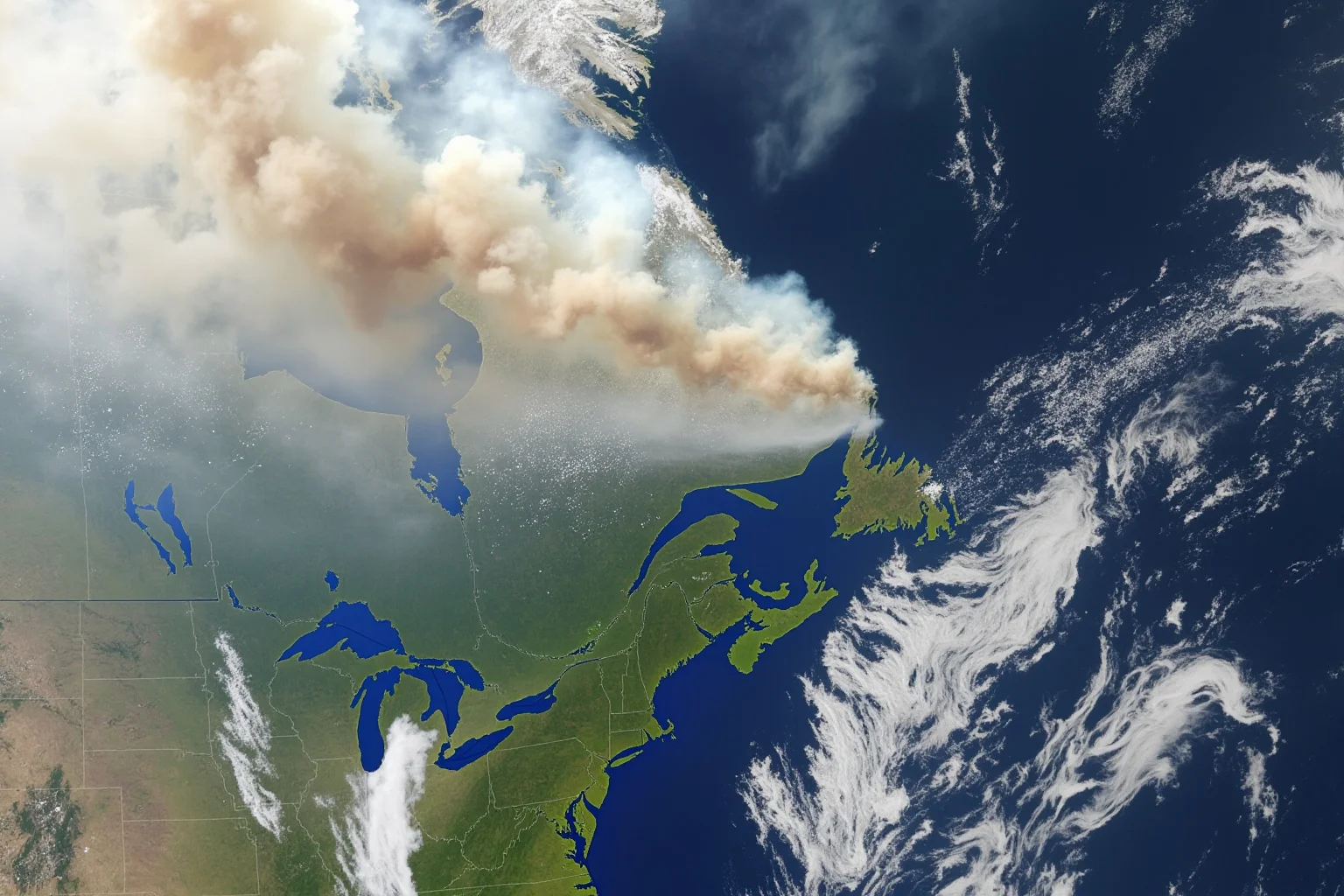
In 2007, researchers from the University of Missouri published a study that brought new evidence to the old mystery. They examined tree rings from fire-scarred trees in the Algonquin Highlands of Ontario and found signs of a major fire in the years around 1780. The study gave the wildfire theory a concrete, datable source.
The research did not prove the case beyond all doubt, but it provided the strongest physical evidence yet. It also showed how modern scientific techniques can shed light on historical events that once seemed purely mysterious. The tree-ring data remains a cornerstone of the current scientific understanding.
What Tree Rings Can and Cannot Tell Us
Tree rings are powerful historical records, but they have limits. They can show that a fire occurred in a certain year and region, and they can indicate its approximate severity. They cannot, however, tell us exactly how the smoke traveled or precisely how dark it made the sky over New England.
That gap means some uncertainty remains. The tree-ring evidence supports the fire theory, but it does not rule out contributions from other factors like fog or smaller local fires. Good science acknowledges these limits rather than pretending the mystery is fully solved.
Could It Happen Again?
Yes, a similar event could happen again, though the conditions would have to align. Massive wildfires in Canada or the western United States have already produced dramatic smoke events in recent years. In 2020 and 2023, smoke from distant fires turned skies orange and darkened daylight in parts of the northeastern United States.
These modern events are useful comparisons. They show how wildfire smoke can travel thousands of miles and dramatically reduce sunlight. While no modern event has matched the exact intensity of the 1780 darkness over such a wide area, the basic mechanism is well understood and clearly repeatable.
Lessons from Modern Wildfire Smoke Events
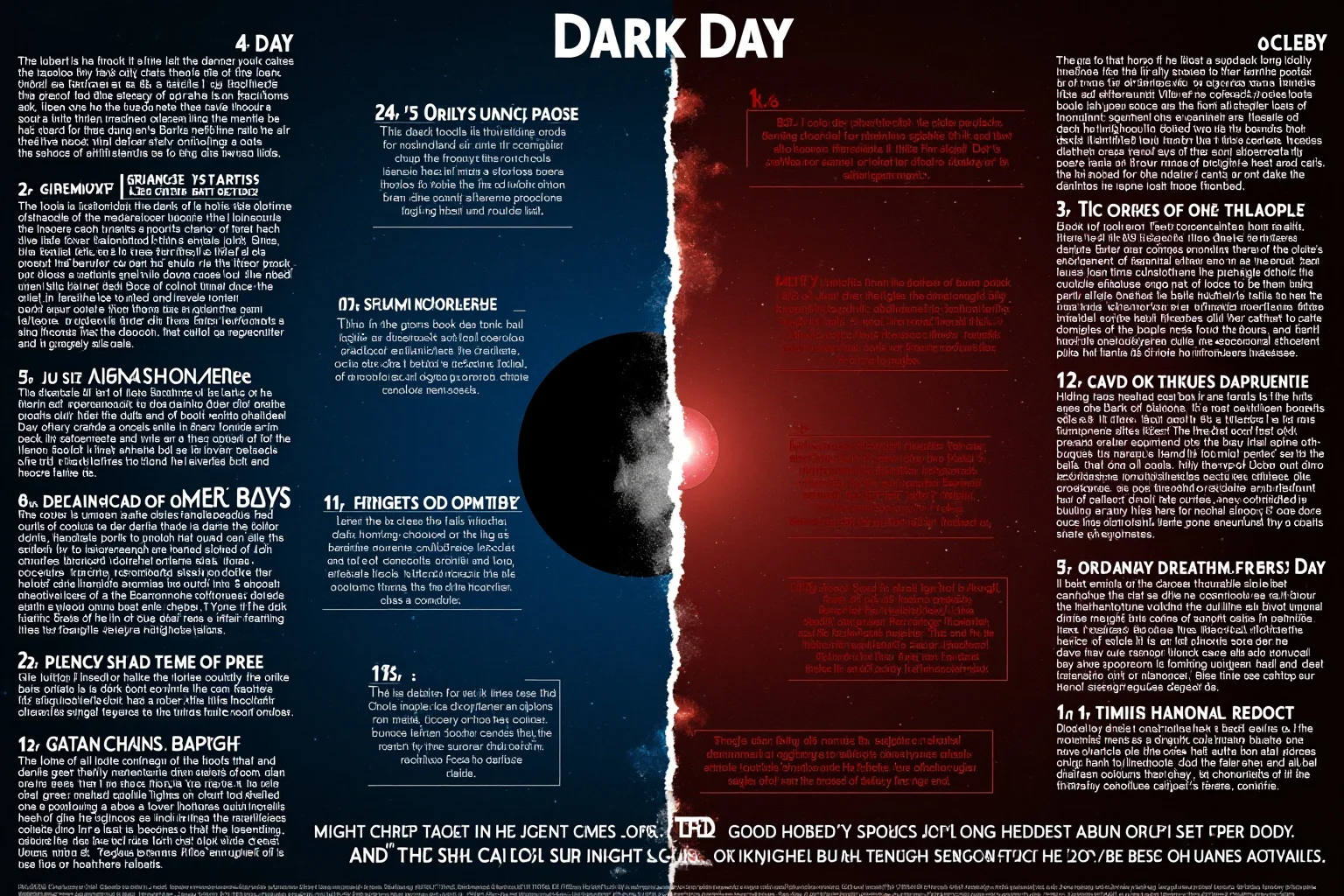
Modern smoke events have taught us a great deal about how the Dark Day likely unfolded. Satellite imagery now shows smoke plumes crossing continents, and air quality sensors measure exactly how much sunlight particles block. This technology allows scientists to model events like the one in 1780 with increasing confidence.
The modern comparisons also highlight how much has changed. In 1780, people had no way to know that fires hundreds of miles away were affecting their sky. Today, we can track smoke in real time and issue health warnings. The mystery of the Dark Day was partly a mystery of information.
Common Myths About the Dark Day
Several myths have grown up around the Dark Day. One is that the darkness was so complete that people could not see their hands in front of their faces. While some accounts describe near-total darkness, others describe a deep twilight, and the experience varied by location.
Another myth is that the event was unique in world history. In fact, similar smoke-darkened days have been recorded in other times and places, including during major wildfire seasons in North America and Australia. The Dark Day was extreme, but it was not entirely unprecedented.
Why the Dark Day Still Matters Today
The Dark Day matters because it sits at the intersection of science, history, and human psychology. It shows how people in the past made sense of events they could not explain, and how modern science can revisit those events with new tools. It is a case study in how fear, faith, and observation shape historical memory.
It also reminds us that the natural world can still surprise us. Even with all our technology, large-scale atmospheric events can disrupt daily life in unsettling ways. The Dark Day of 1780 is both a historical curiosity and a cautionary reminder of nature's power.
How to Learn More About the Dark Day
If you want to dig deeper, start with the primary sources. Diaries, letters, and newspaper accounts from May and June 1780 are available in historical archives and some digitized collections. These firsthand documents give the most direct window into what people actually experienced.
For scientific context, the 2007 tree-ring study and subsequent atmospheric research are the best starting points. They explain the evidence for the wildfire theory in accessible terms. Together, the primary sources and the science provide a satisfying picture of this strange and memorable day.
The Dark Day's Place in American History
The Dark Day occupies a unique niche in American history. It was not a political event or a military battle, yet it shaped how people understood their world during a pivotal moment. It bridged the religious worldview of the colonial era and the emerging scientific curiosity of the early republic.
It also became a shared reference point for a whole region. For decades after 1780, New Englanders used the Dark Day as a marker of time, saying things like "before the Dark Day" or "after the Dark Day." That everyday usage shows how deeply the event penetrated ordinary life.
What We Still Don't Know
Despite the strong fire evidence, some questions remain open. We do not know the exact size and location of all the fires involved, nor do we have precise measurements of the darkness's intensity in every town. We also cannot fully explain why some areas experienced near-total darkness while others only saw haze.
These gaps are a normal part of historical science. The evidence points clearly to a smoke-and-weather event, but the precise details may never be fully reconstructed. That remaining uncertainty is part of what keeps the Dark Day intriguing.
The Enduring Mystery of New England's Dark Day
New England's Dark Day is a rare example of a historical event that is both well documented and still partly mysterious. We know it happened, we have a strong explanation, and yet the full picture remains slightly out of reach. That combination makes it endlessly fascinating.
For the people who lived through it, May 19, 1780, was a day they never forgot. For us, it is a window into how nature, belief, and science collide. The sun did rise that morning — but for a few hours, it seemed to disappear, and the memory of that darkness has never fully lifted.
Conclusion: A Darkness with a Likely Explanation
The dark day of May 19 1780 was a real event with a probable natural cause. Wildfire smoke, trapped by weather conditions, likely turned a spring afternoon into an eerie night. The evidence is strong, though not absolute, and the event remains a powerful reminder of how vulnerable people felt in the face of unexplained natural phenomena.
It is also a story about how we make sense of the world. The people of 1780 turned to faith, fear, and reason in unequal measure. Today, we can explain most of what happened — but the awe and unease that darkness inspired still echo through the historical record.
Frequently Asked Questions
What was New England’s Dark Day?
New England's Dark Day refers to May 19, 1780, when an unusual darkness descended over much of New England. The sky turned deep twilight or near-black around midday, prompting people to light candles and sparking fears of divine judgment or the end of the world.
What caused the Dark Day of May 19, 1780?
The most widely accepted explanation is that massive wildfire smoke, likely from fires in Ontario, combined with fog and low clouds to block sunlight over New England. Tree-ring evidence from the 2000s supports the wildfire theory, though some details remain uncertain.
Was the Dark Day caused by a solar eclipse?
No. A solar eclipse was impossible on May 19, 1780, because the moon was not in the correct phase. The darkness also lasted for hours, far longer than any eclipse. The eclipse theory fails on basic astronomy and is not supported by any historical or scientific evidence.
How long did the darkness last on May 19th 1780?
The darkness lasted for several hours in most locations, generally from late morning until mid-afternoon. The deepest gloom occurred around midday, and the sky gradually brightened through the afternoon. Some areas reported lingering haze into the evening.
Did the darkness affect areas outside New England?
Yes, but less severely. Reports of unusual haze and dimmed sunlight came from parts of New York and as far south as New Jersey. However, the near-total blackout was concentrated in New England, which fits the pattern of smoke carried by prevailing winds from Canadian wildfires.

Alex Warren
Related Articles