

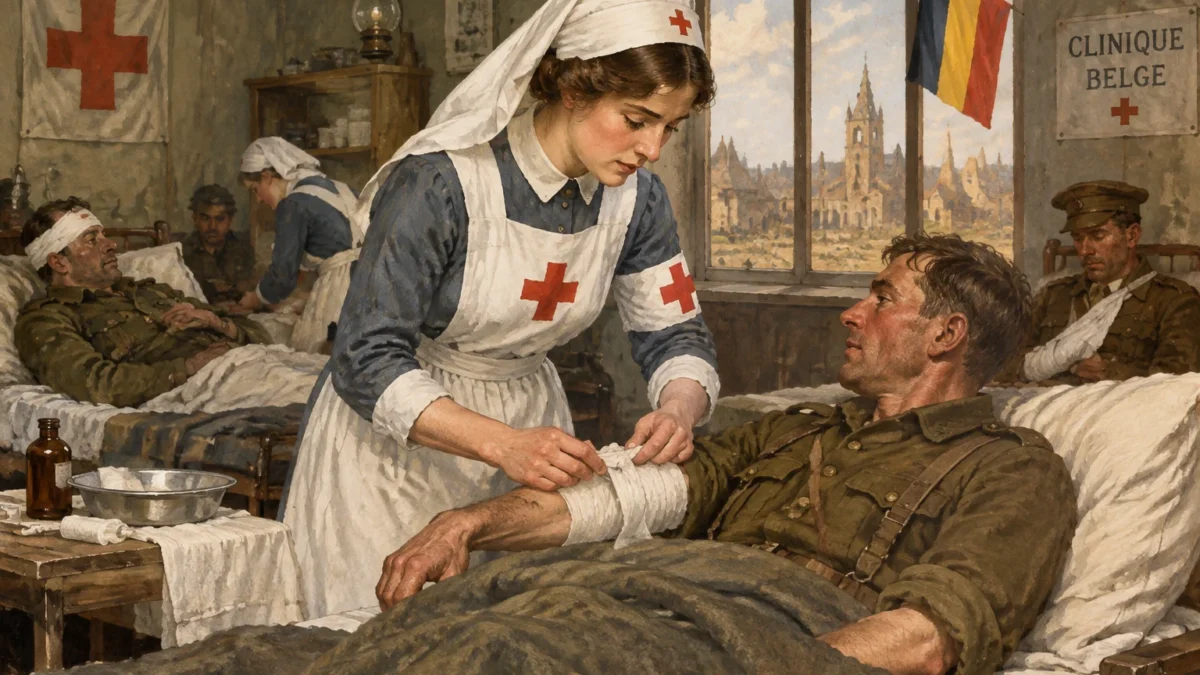
When people picture World War I, they often imagine muddy trenches, weary soldiers, and roaring artillery. Yet behind the front lines, an equally important revolution was unfolding. Women stepped into roles once reserved for men, serving as spies, doctors, soldiers, and factory workers. Their contributions reshaped the war effort and permanently altered the course of women's rights.
These 20 women are among the many unsung heroes of WWI. Some are famous, while others have been largely forgotten. By exploring their stories, we can better understand what women did during WW1—and why their legacy still matters today.
TL;DR: From undercover spies to battlefield medics, these 20 women prove that the heroes of WWI were not all men—and their courage helped redefine women's roles forever.
What Did Women Do During WW1? The Big Picture
Before diving into individual stories, it's worth understanding the scope of women's involvement. When war broke out in 1914, millions of men left their jobs to fight. Women filled the gaps in factories, farms, hospitals, and offices. They also served near the front lines as nurses, ambulance drivers, and canteen workers. Some even took up arms or worked as spies.
In Britain alone, over one million women entered the workforce between 1914 and 1918. In the United States, women joined the Army Nurse Corps and Navy Nurse Corps in record numbers. The war became a catalyst for social change, proving that women could handle jobs—and dangers—previously thought beyond their capabilities.
1. Edith Cavell: The Nurse Who Saved Soldiers From Both Sides
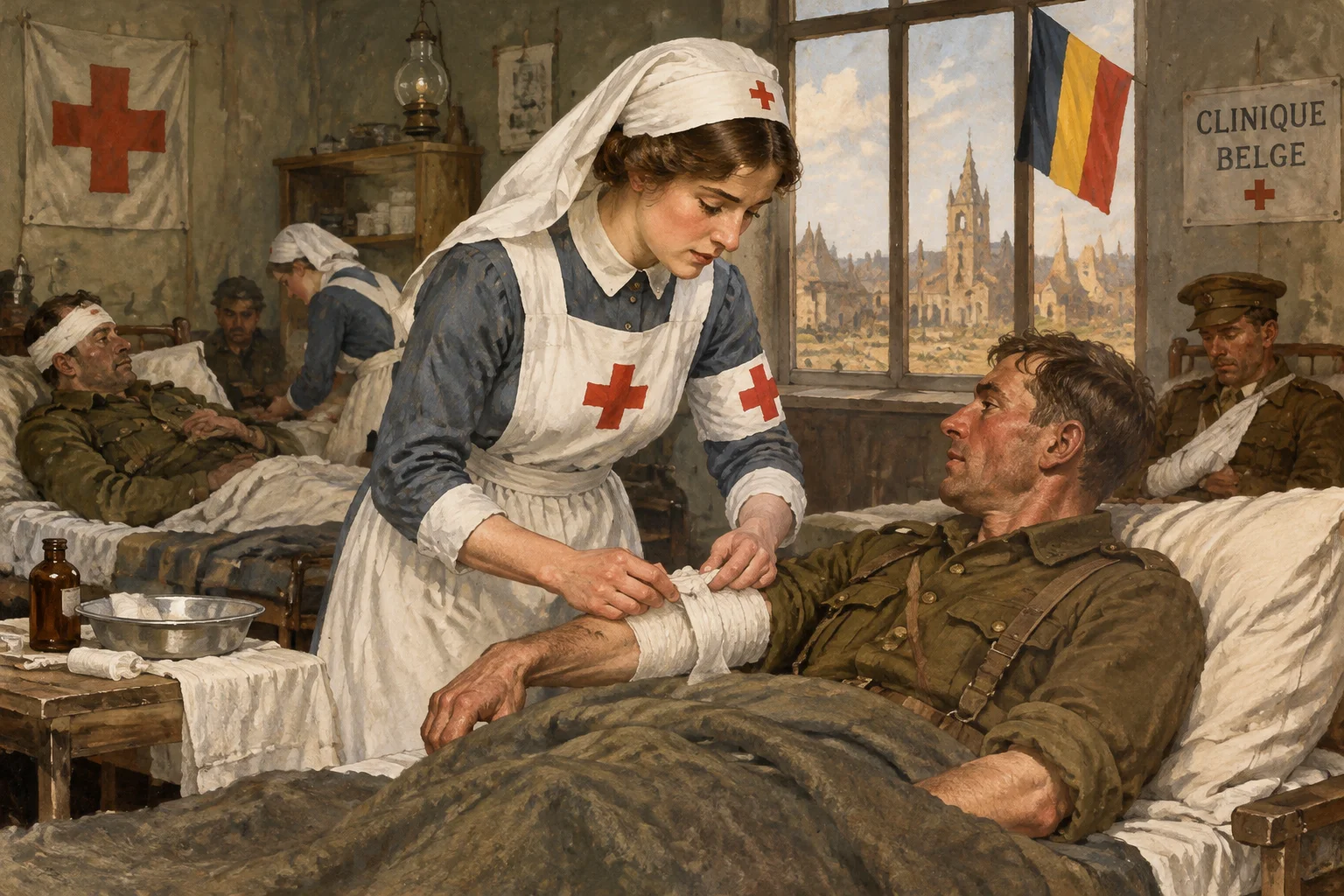
Edith Cavell was a British nurse working in German-occupied Belgium. She helped over 200 Allied soldiers escape to neutral Netherlands, hiding them in her clinic. Arrested by German authorities, she was executed by firing squad in October 1915.
Her death caused international outrage. Cavell became a symbol of Allied martyrdom, and her story inspired thousands of women to volunteer as nurses. She famously said, "Patriotism is not enough. I must have no hatred or bitterness towards anyone"—a quote that still resonates.
2. Mata Hari: The Exotic Dancer Turned Alleged Spy
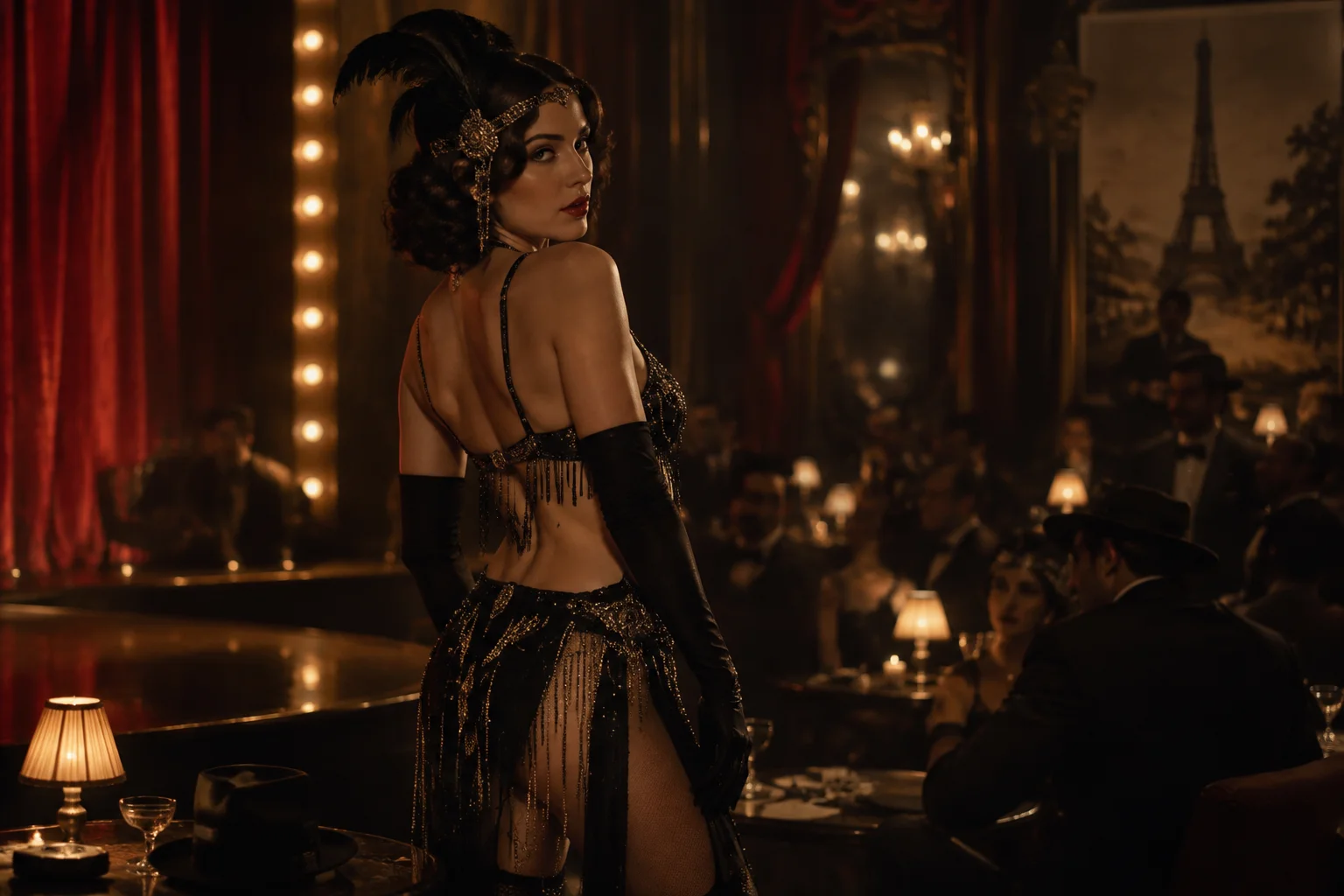
Mata Hari, born Margaretha Zelle, was a Dutch exotic dancer living in Paris. During the war, French intelligence accused her of being a double agent for Germany. She was arrested, tried, and executed in 1917.
Historians still debate whether she was truly a spy or a convenient scapegoat. What is certain is that her story captivated the public and added to the myth of women as dangerous seductresses. Her case underscores the paranoia and sexism that women faced in intelligence roles.
3. Elsie Inglis: The Doctor Who Refused to Take No for an Answer
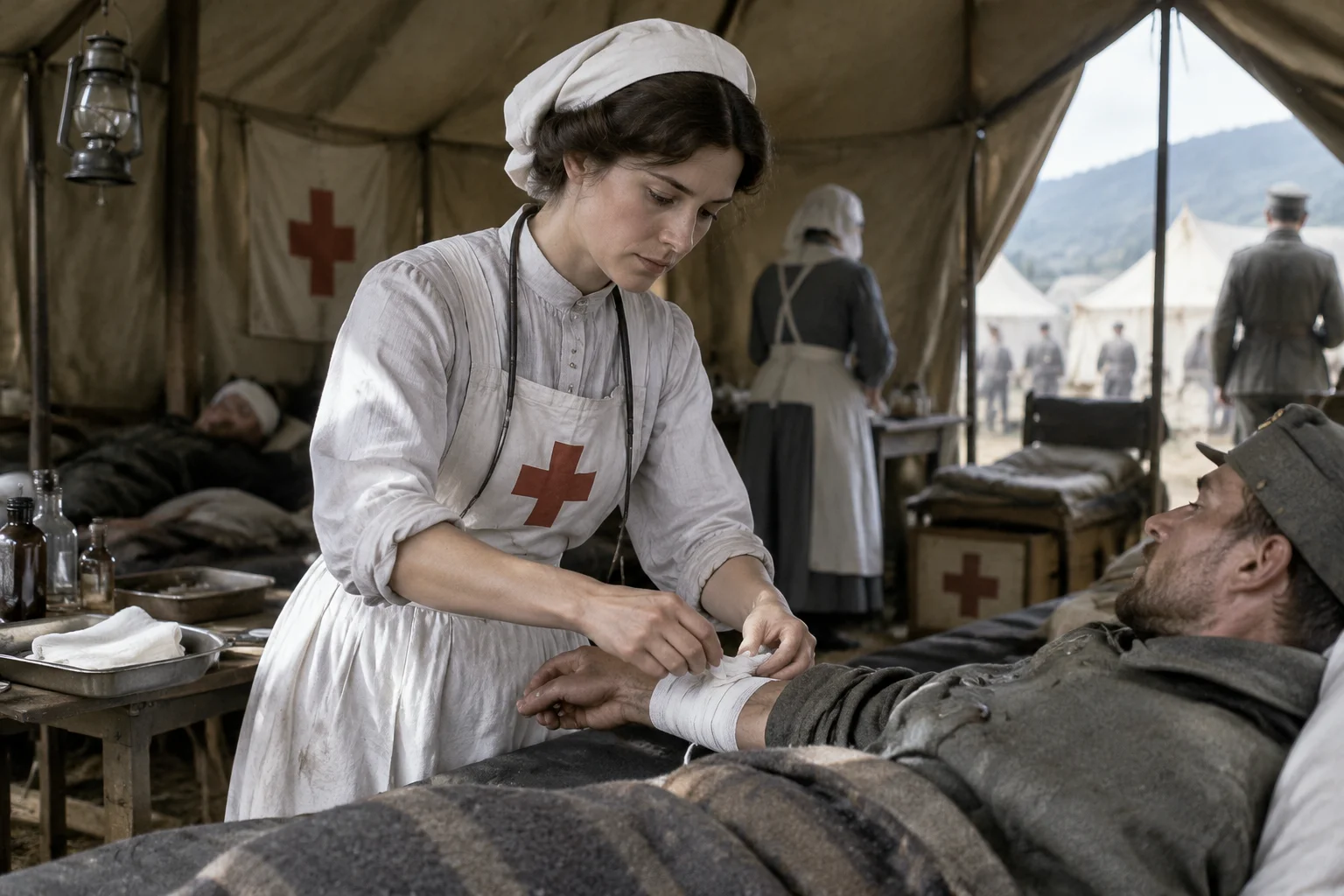
Dr. Elsie Inglis was a Scottish physician and suffragist. When she offered her medical services to the British War Office, she was told, "Go home and sit still." She ignored that advice.
Instead, Inglis founded the Scottish Women's Hospitals, which sent all-female medical units to France, Serbia, Russia, and Romania. She personally served in Serbia and Russia, enduring harsh conditions. Her teams saved countless lives, and she became the first woman to receive the Serbian Order of the White Eagle.
4. Flora Sandes: The Only British Woman to Fight as a Soldier
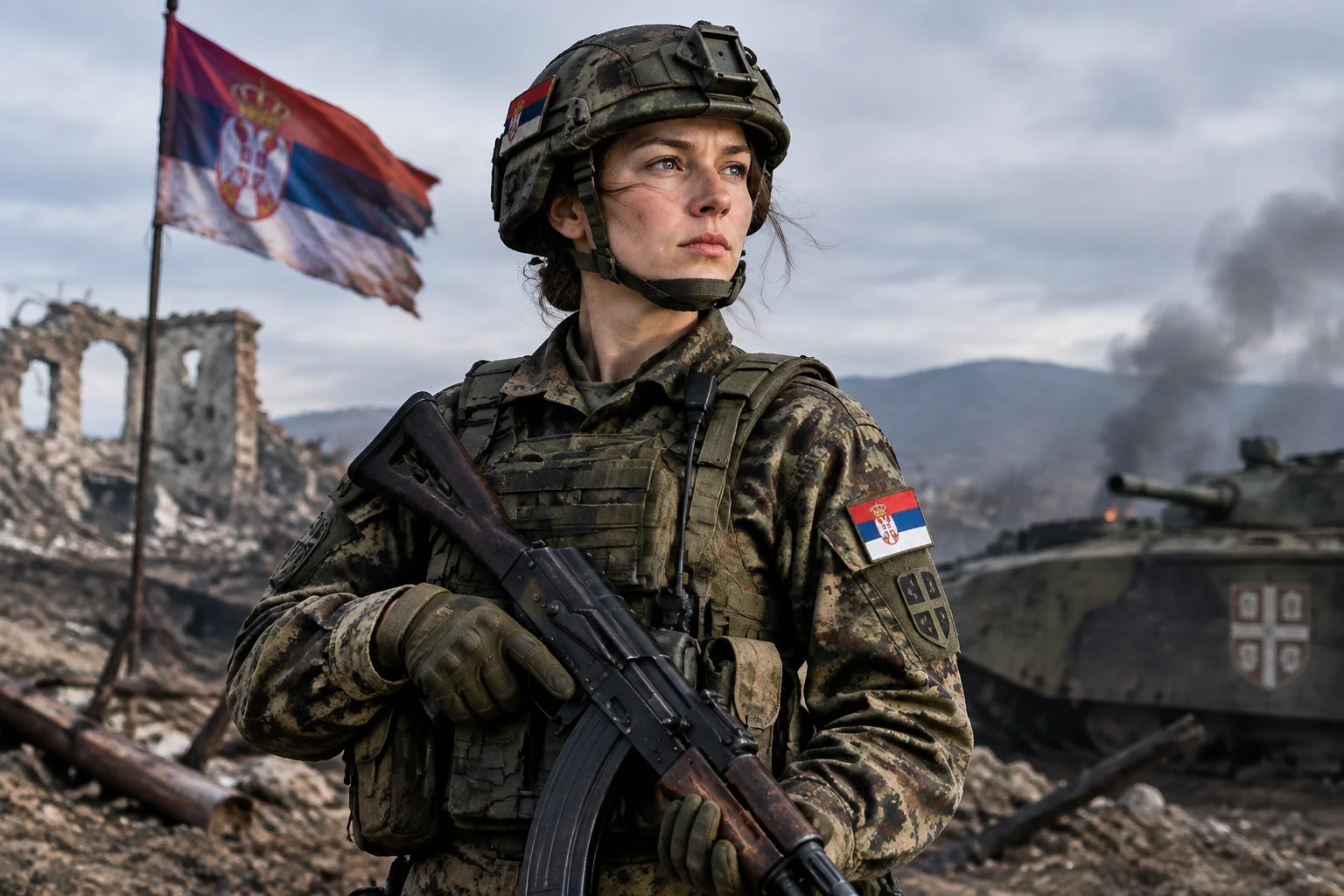
Flora Sandes was a British woman who volunteered as a nurse in Serbia. But she soon joined the Serbian army as a soldier, rising to the rank of sergeant major. She fought on the front lines and was wounded by a grenade in 1916.
After recovering, she returned to combat. Sandes was the only British woman to officially serve as a soldier in WWI. Her memoir, An English Woman-Sergeant in the Serbian Army, became a bestseller.
5. Milunka Savić: Serbia's Most Decorated Female Soldier
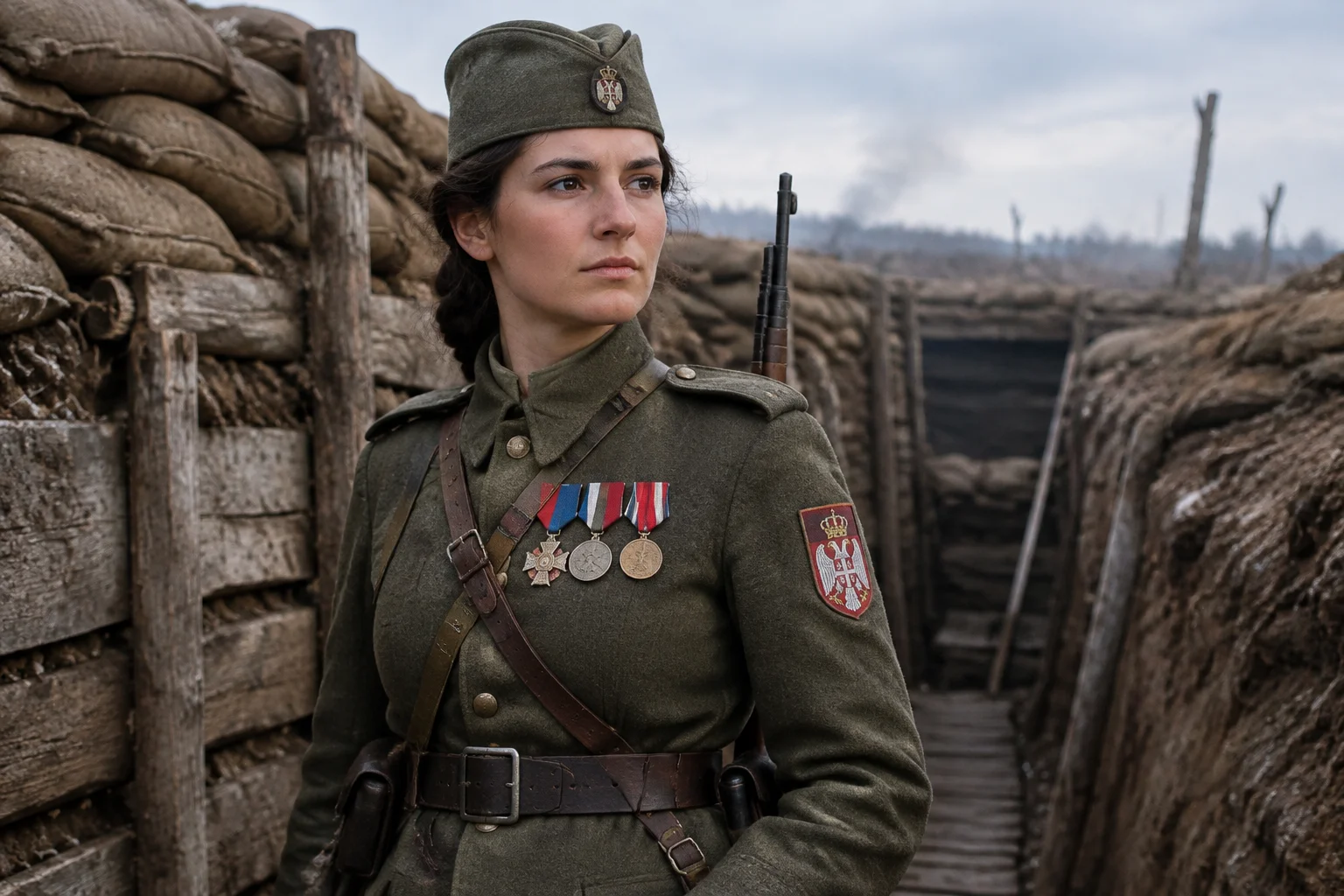
Milunka Savić disguised herself as a man to join the Serbian army after her brother was called up. She fought in the Balkan Wars and WWI, earning the Karađorđe's Star with Swords and the French Légion d'Honneur. She was wounded nine times.
SavIć is often called the most decorated female combatant in military history. Her bravery was legendary, and she later became a symbol of Serbian resistance.
6. Maria Bochkareva: The Woman Who Led the Russian Women's Battalion of Death
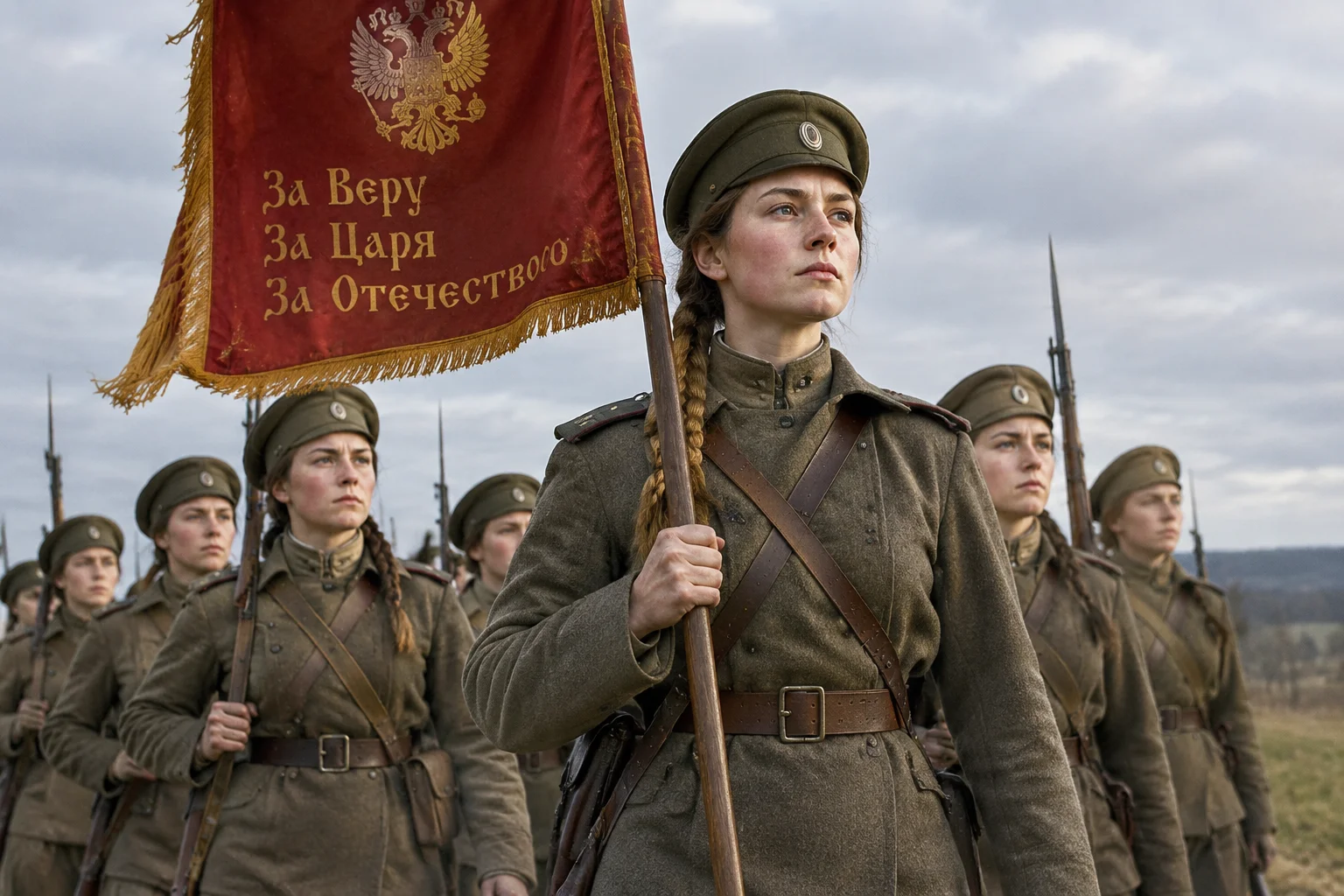
Maria Bochkareva was a Russian peasant woman who joined the army after her husband was killed. She distinguished herself in battle and, in 1917, persuaded the government to form an all-female unit: the Women's Battalion of Death.
The battalion fought with distinction, but Bochkareva's story ended tragically. She was executed by the Bolsheviks in 1920. Her unit inspired other women's battalions, though they were short-lived.
7. Loretta Perfectus Walsh: The First American Woman to Enlist in the Navy
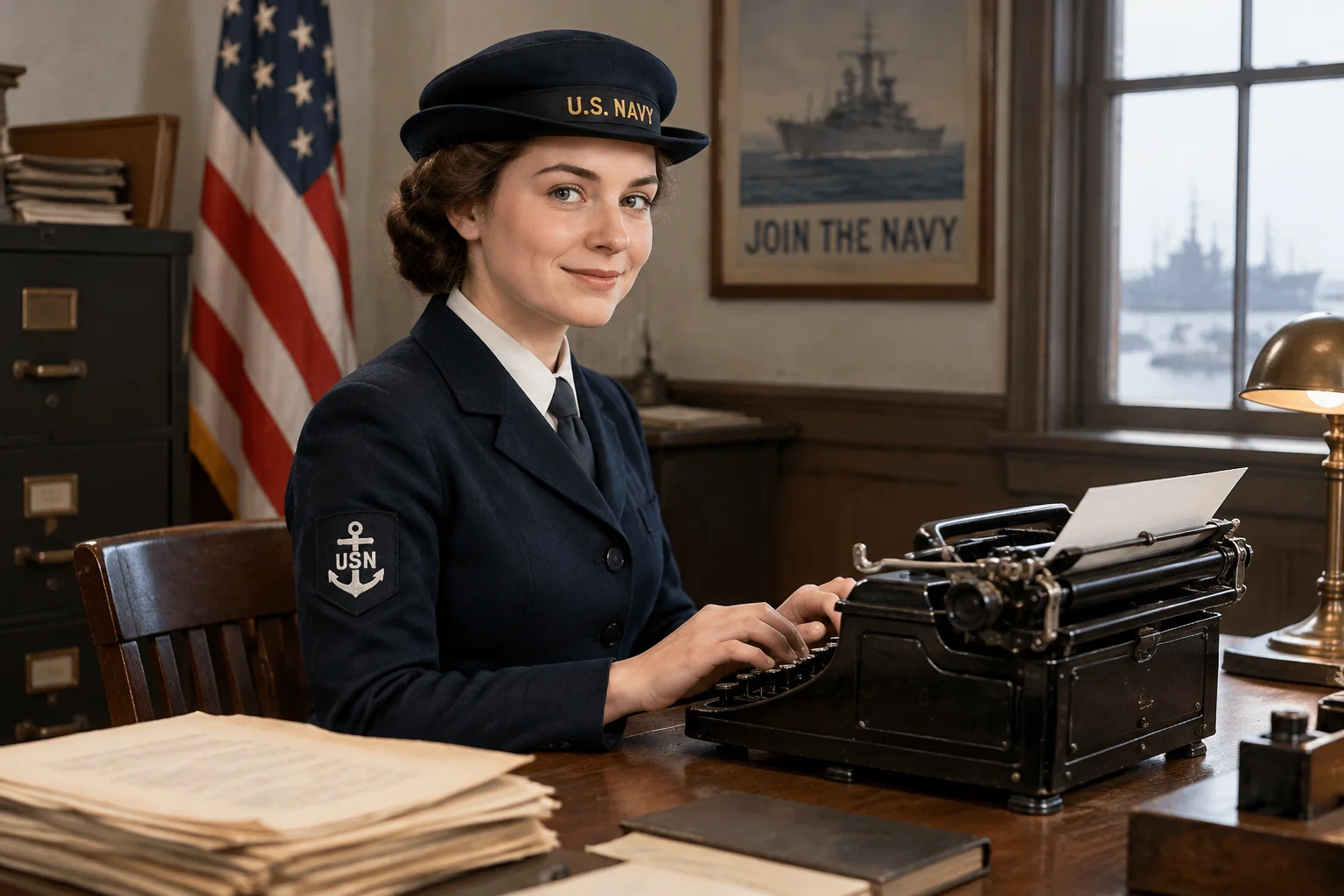
In March 1917, Loretta Walsh became the first woman to enlist in the U.S. Navy, not just as a nurse but as a yeoman (chief petty officer). Her enlistment opened the door for over 11,000 women to serve in the Navy during WWI.
Walsh's role was clerical, but her symbolic importance was enormous. She proved that women could serve in non-nursing military roles, paving the way for future generations.
8. Marion Crandell: The First American Woman Killed in WWI
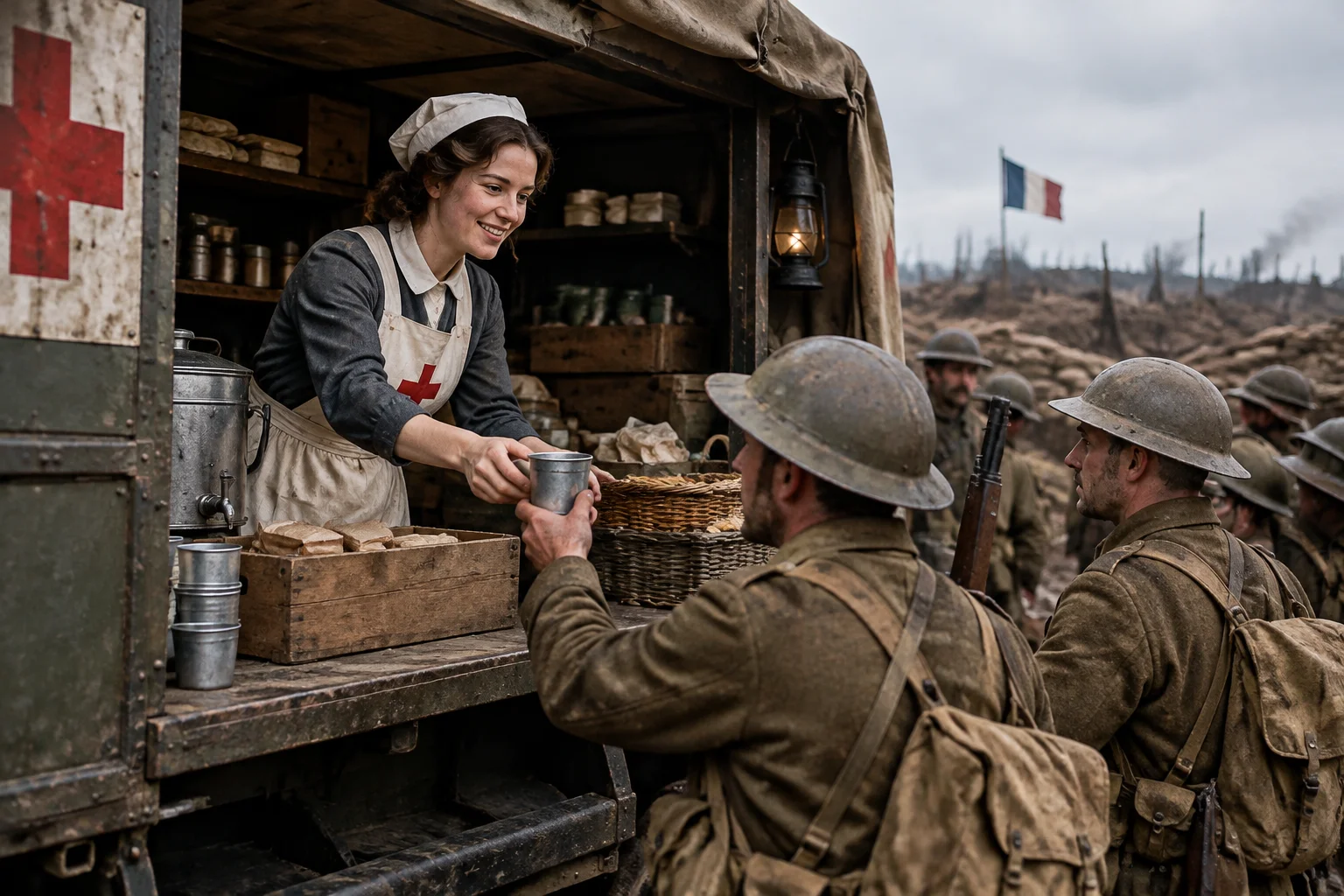
Marion Crandell was a French teacher from Iowa who volunteered with the American Fund for French Wounded. She drove a canteen truck near the front lines, delivering supplies to soldiers.
In March 1918, she was killed by a German shell near Sainte-Menehould, France. Crandell was the first American woman to die in active service during WWI. Her sacrifice highlighted the risks women faced even in support roles.
9. Julia Stimson: The Chief Nurse Who Revolutionized Military Nursing
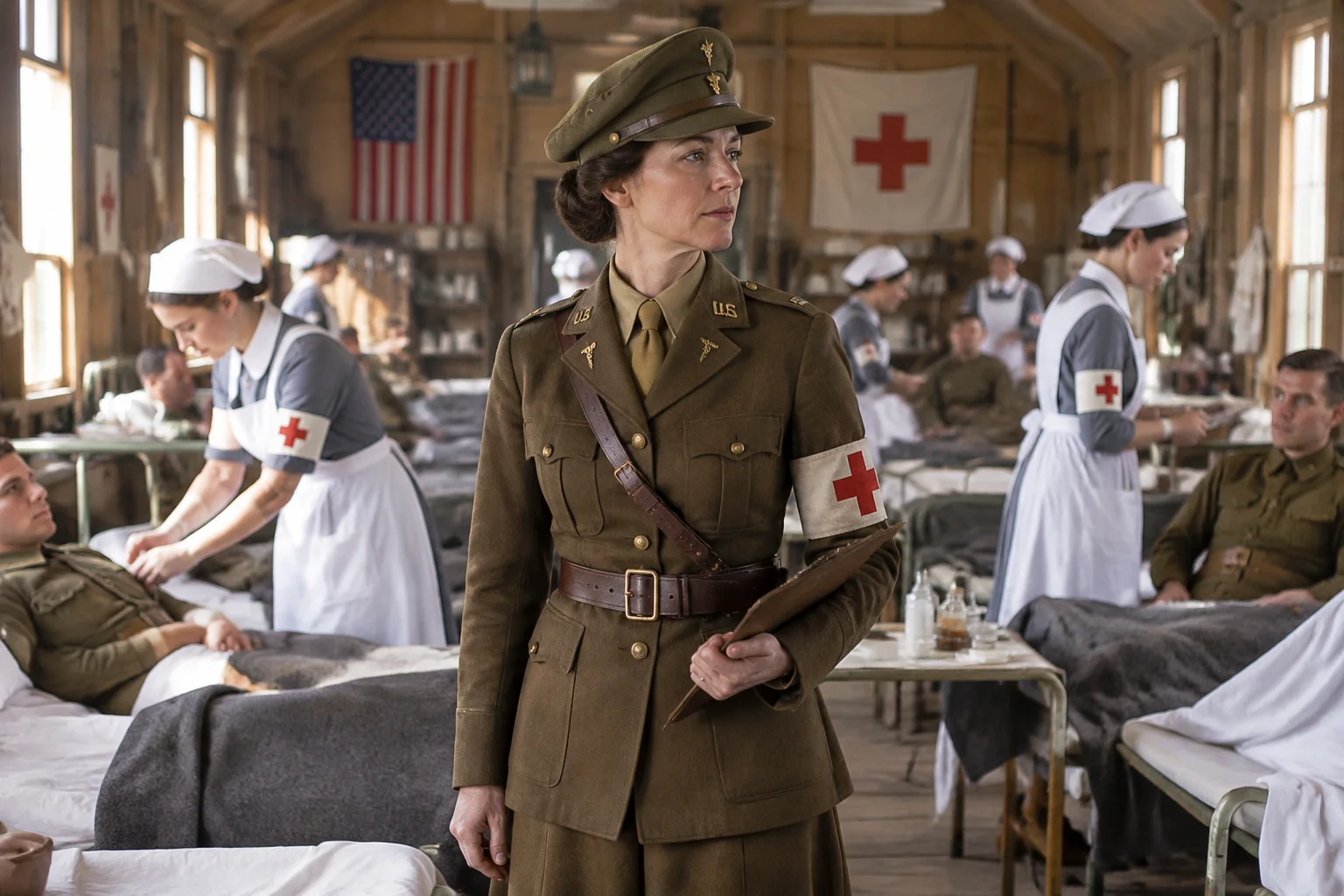
Julia Stimson was a well-educated nurse who became the chief nurse of the American Red Cross in France. She oversaw thousands of nurses and fought for their recognition as officers.
Stimson later became the first woman to hold the rank of major in the U.S. Army. Her leadership improved conditions for military nurses and set standards for professional nursing.
10. Helen Fairchild: The Nurse Who Died From Mustard Gas Exposure
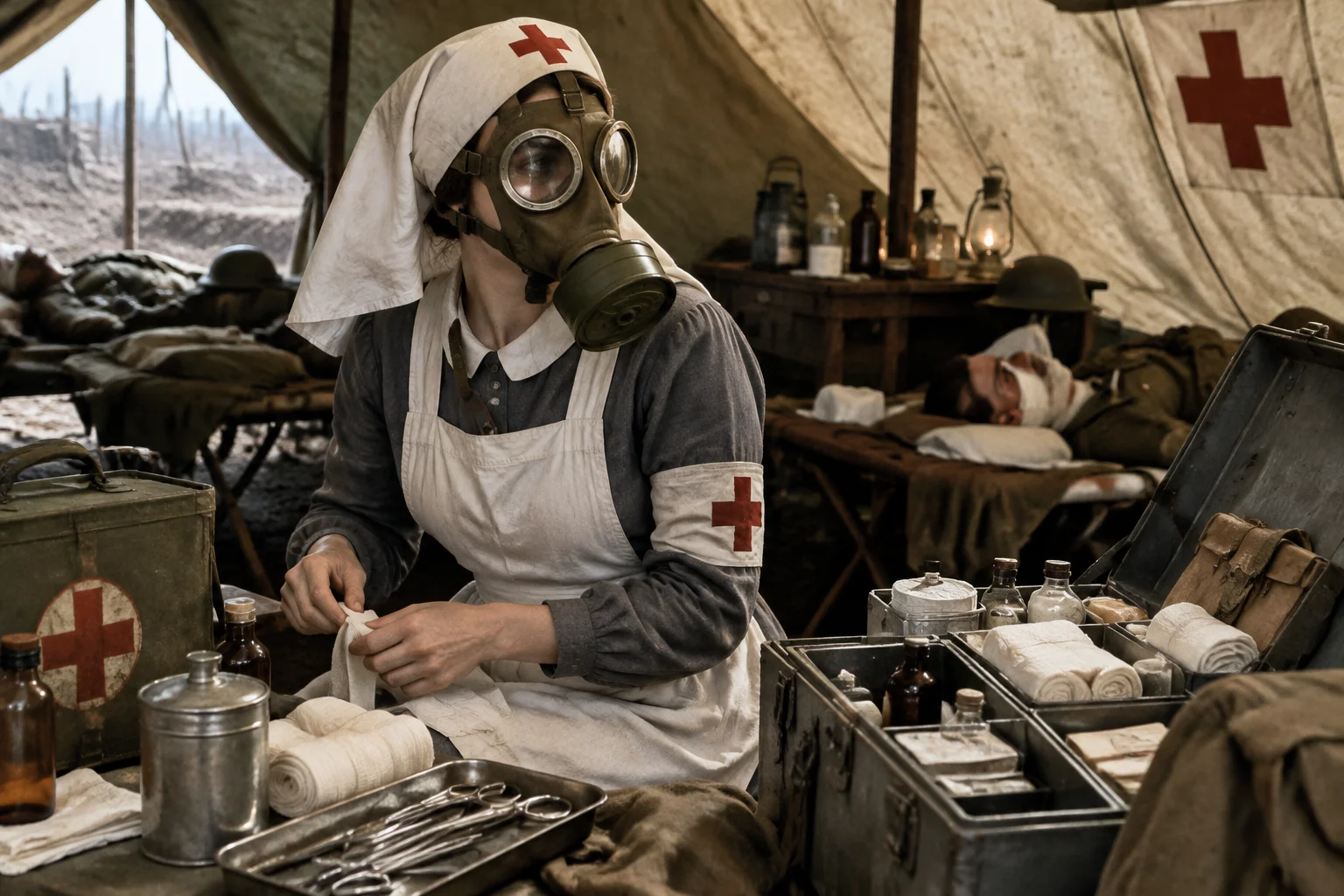
Helen Fairchild was an American nurse who served near the front lines in France. She was exposed to mustard gas during the Battle of Passchendaele and died in January 1918 from complications.
Her letters home described the horrors of trench warfare and the inadequate care for wounded soldiers. Fairchild's death drew attention to the dangers nurses faced and the need for better protective gear.
11. Vera Brittain: The Writer Who Chronicled a Generation
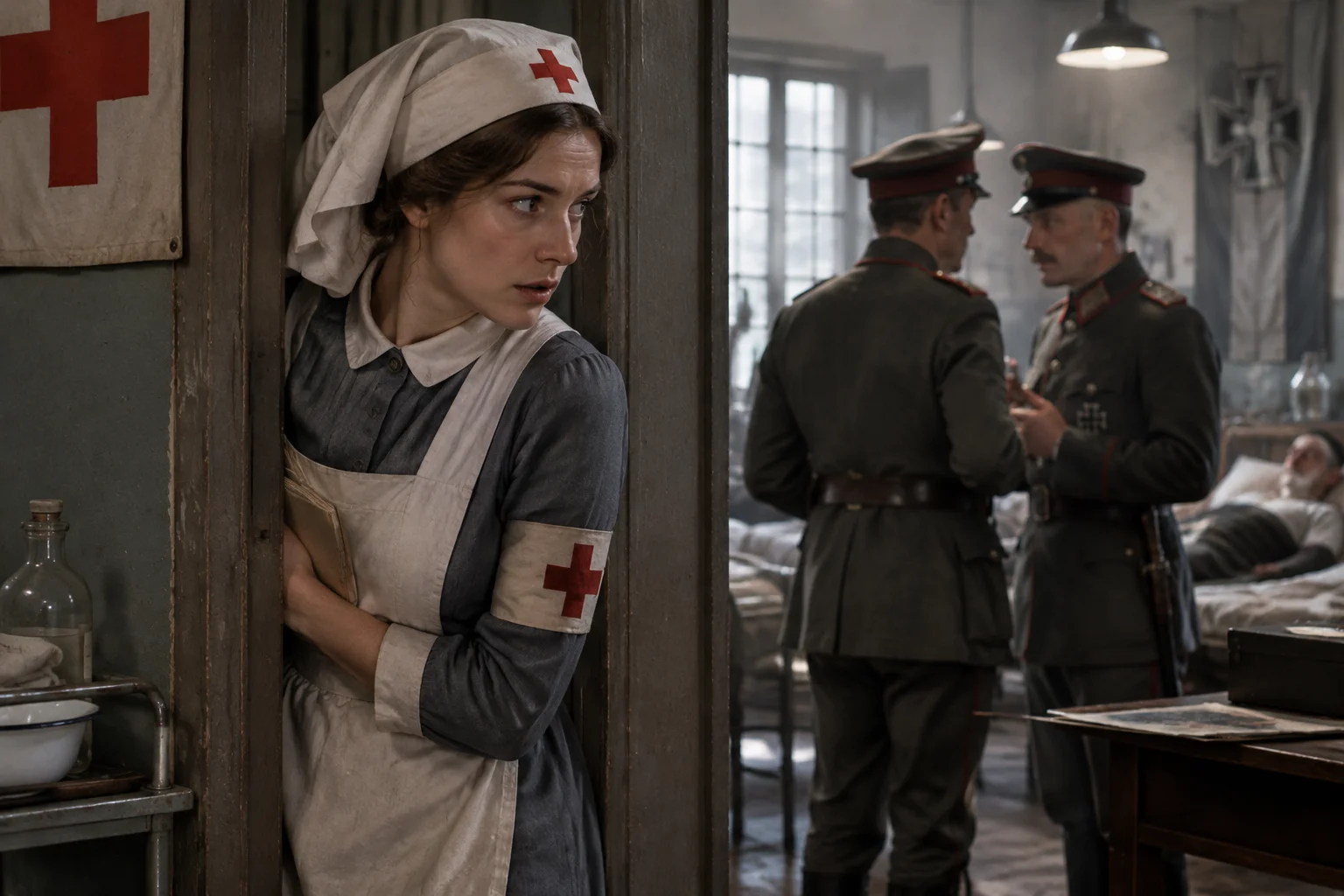
Vera Brittain was a British nurse who served in Malta, France, and England. She lost her fiancé, brother, and two close friends in the war. Her memoir, Testament of Youth, became one of the most powerful anti-war books of the 20th century.
Brittain's writing gave voice to the grief and disillusionment of her generation. She later became a pacifist and feminist, advocating for peace and women's rights.
12. Madeleine Zabelle: The French Spy Who Fooled the Germans
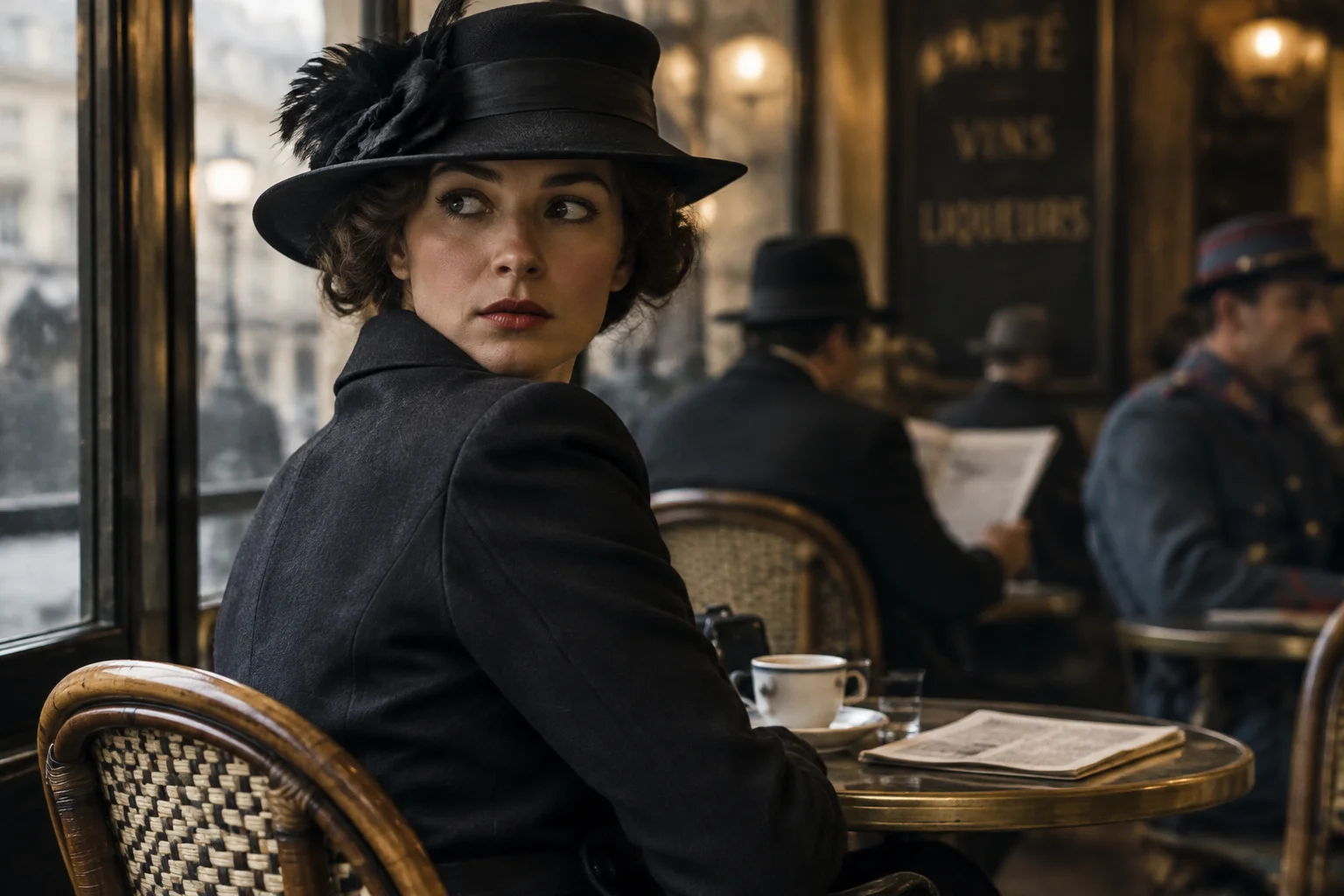
Madeleine Zabelle was a Frenchwoman who ran a network of spies in occupied France. She posed as a seamstress and used her shop as a cover for intelligence gathering. Her network provided crucial information to the Allies.
Zabelle was arrested by the Germans but survived the war. Her story exemplifies the many women who risked their lives in espionage, often without recognition.
13. Marthe Cnockaert: The Belgian Nurse and Spy
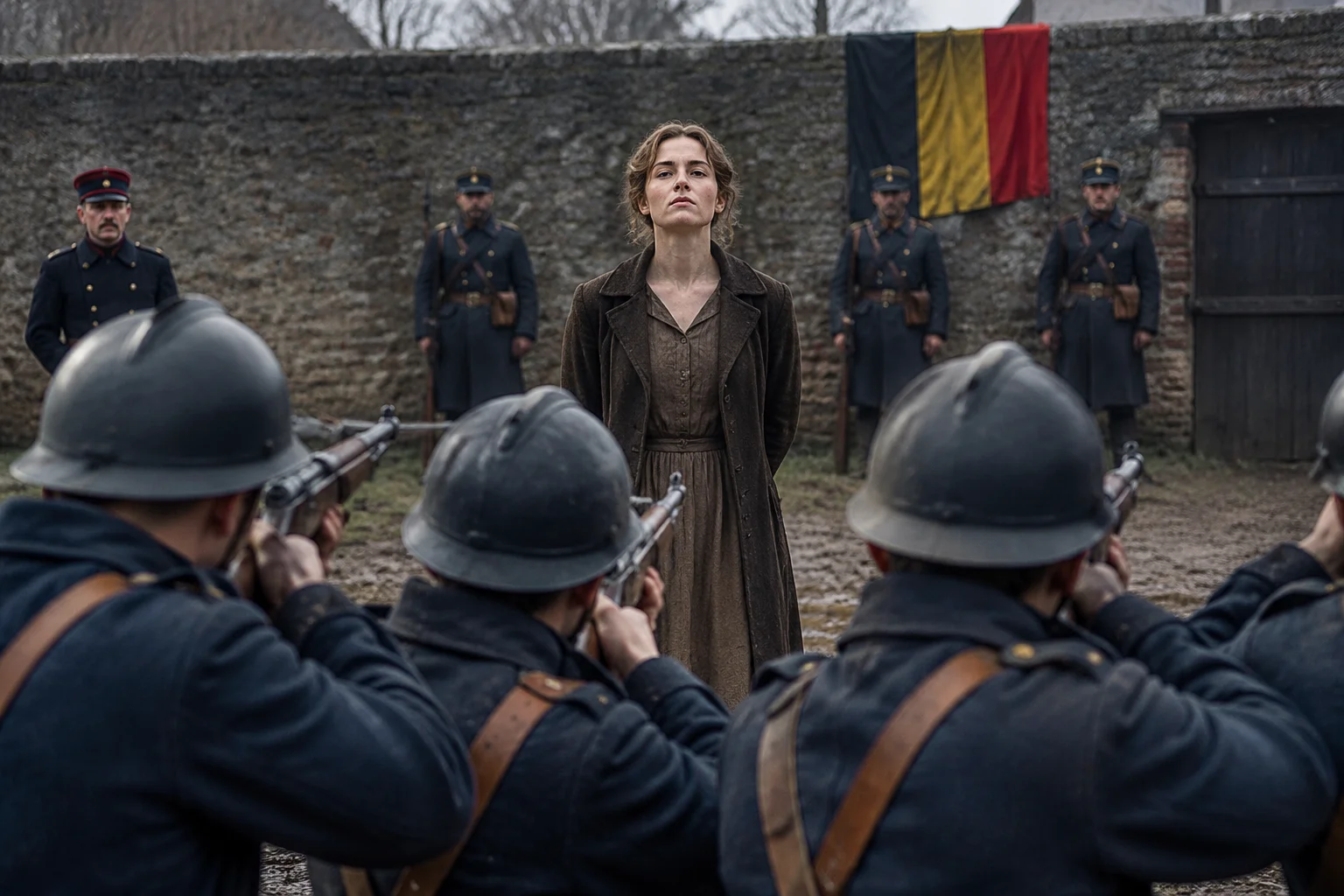
Marthe Cnockaert was a Belgian nurse who worked in a German military hospital while secretly spying for the British. She passed information about German troop movements and was eventually arrested.
Sentenced to death, she was reprieved at the last minute and spent the rest of the war in prison. After the war, she was awarded the Iron Cross by the Germans (for her nursing) and the British Military Medal. Her double life was extraordinary.
14. Louise de Bettignies: The Queen of Spies
Louise de Bettignies was a Frenchwoman who organized an extensive spy network in Lille. Using the alias Alice Dubois, she gathered intelligence on German positions and helped Allied soldiers escape.
She was arrested in 1915 and sentenced to forced labor. She died in a German prison in 1918. De Bettignies was posthumously awarded the Croix de Guerre and the British Military Medal.
15. Gabrielle Petit: The Belgian Martyr
Gabrielle Petit was a Belgian shop girl who became a spy for the British. She provided detailed reports on German troop movements and fortifications. Arrested in 1916, she refused to betray her comrades.
She was executed by firing squad at age 23. Her defiant courage made her a national heroine in Belgium, and statues were erected in her honor.
16. Anna Coleman Ladd: The Sculptor Who Restored Faces
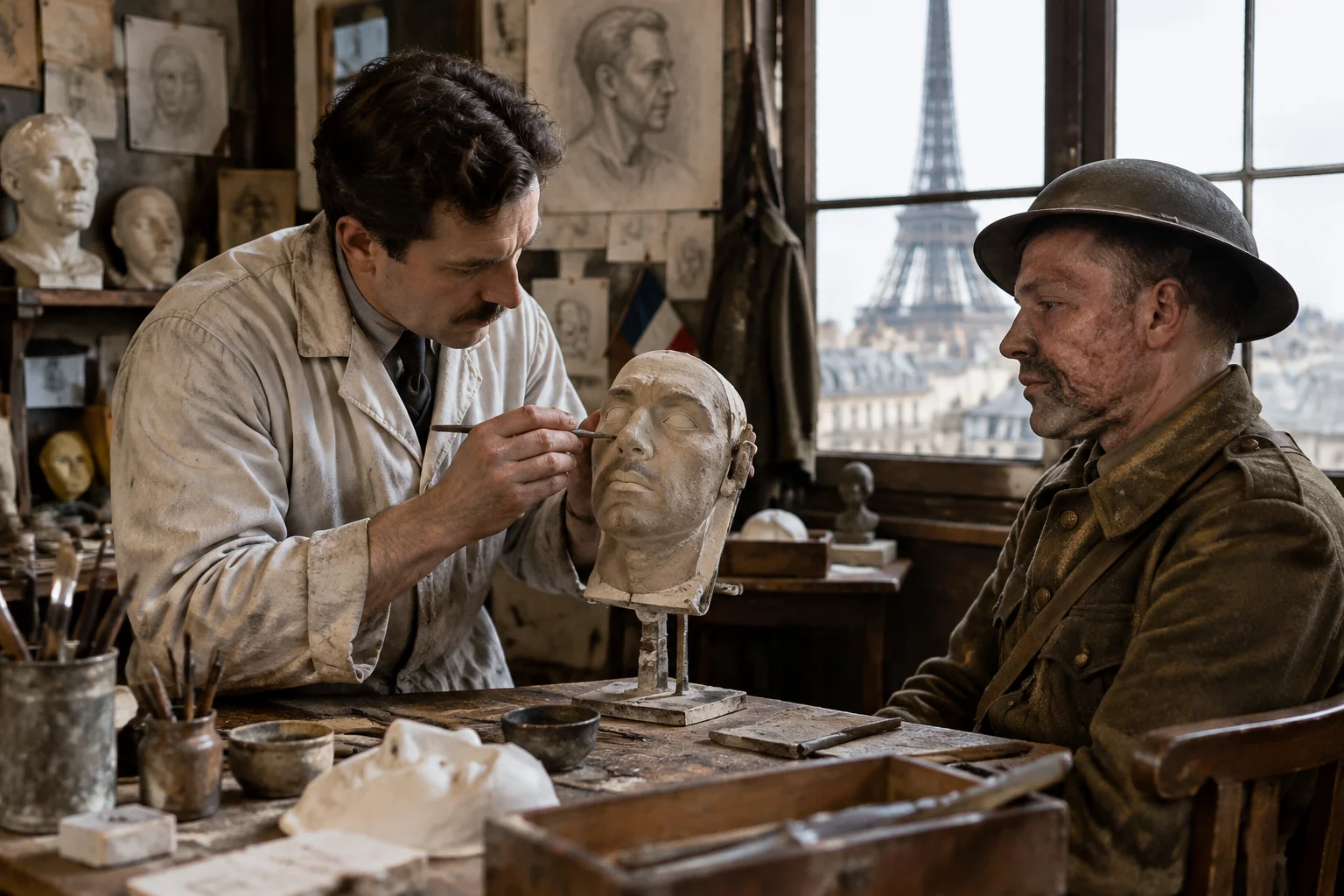
Anna Coleman Ladd was an American sculptor who moved to Paris to help disfigured soldiers. She created facial prosthetics made of galvanized copper that were painted to match the wearer's skin.
Her studio, the American Red Cross Studio for Portrait Masks, provided hundreds of masks to soldiers with severe facial injuries. Ladd's work restored dignity and confidence to men who feared facing the world.
17. Mary Riter Hamilton: The Painter of the Battlefields
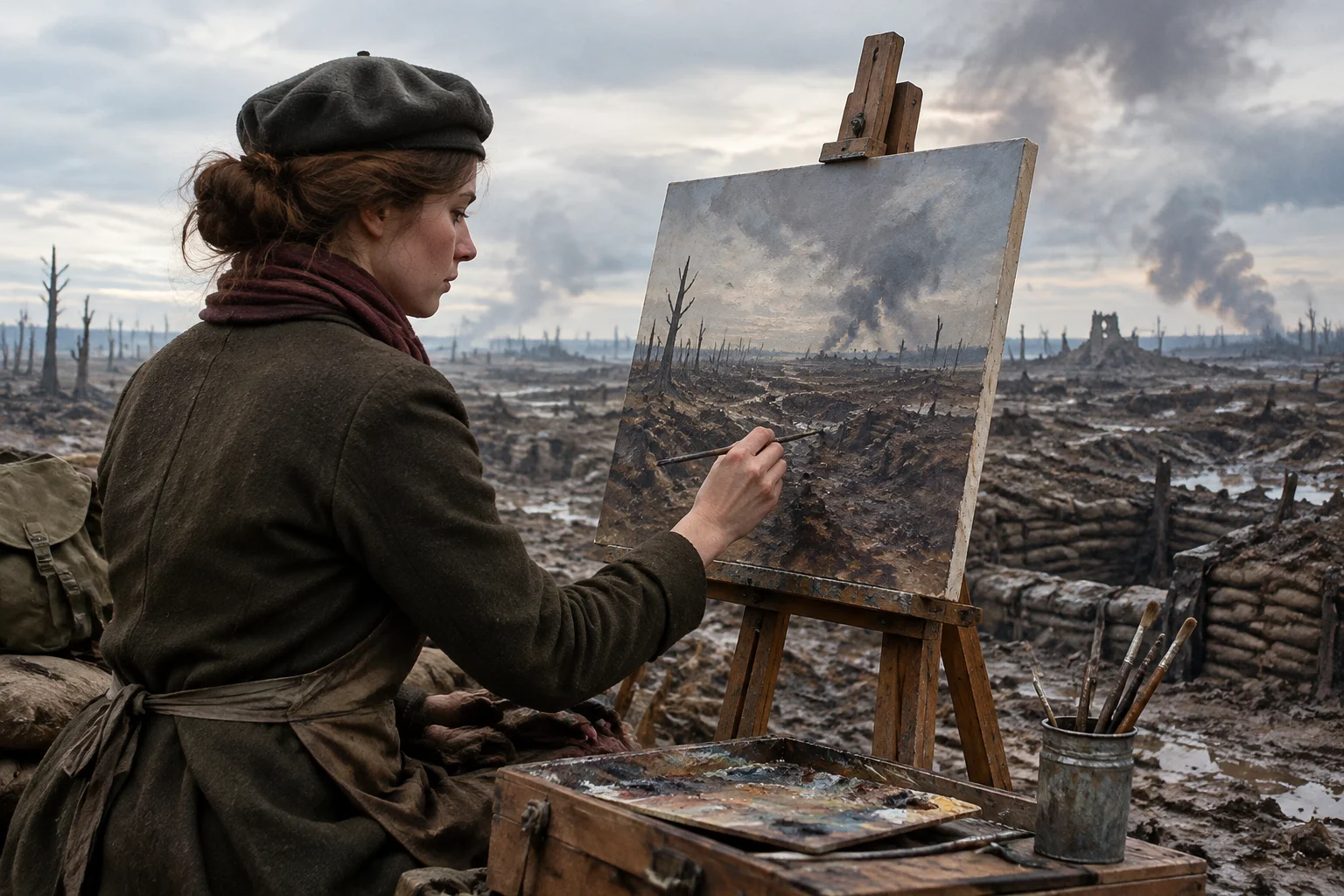
Mary Riter Hamilton was a Canadian artist who traveled to Europe after the war to paint the battlefields. She faced harsh conditions and financial hardship but produced over 300 paintings.
Her works captured the devastation and the haunting beauty of the scarred landscapes. Despite her talent, she struggled to gain recognition and died in poverty. Her art remains a vital visual record of WWI.
18. Jeannette Rankin: The Congresswoman Who Voted Against the War
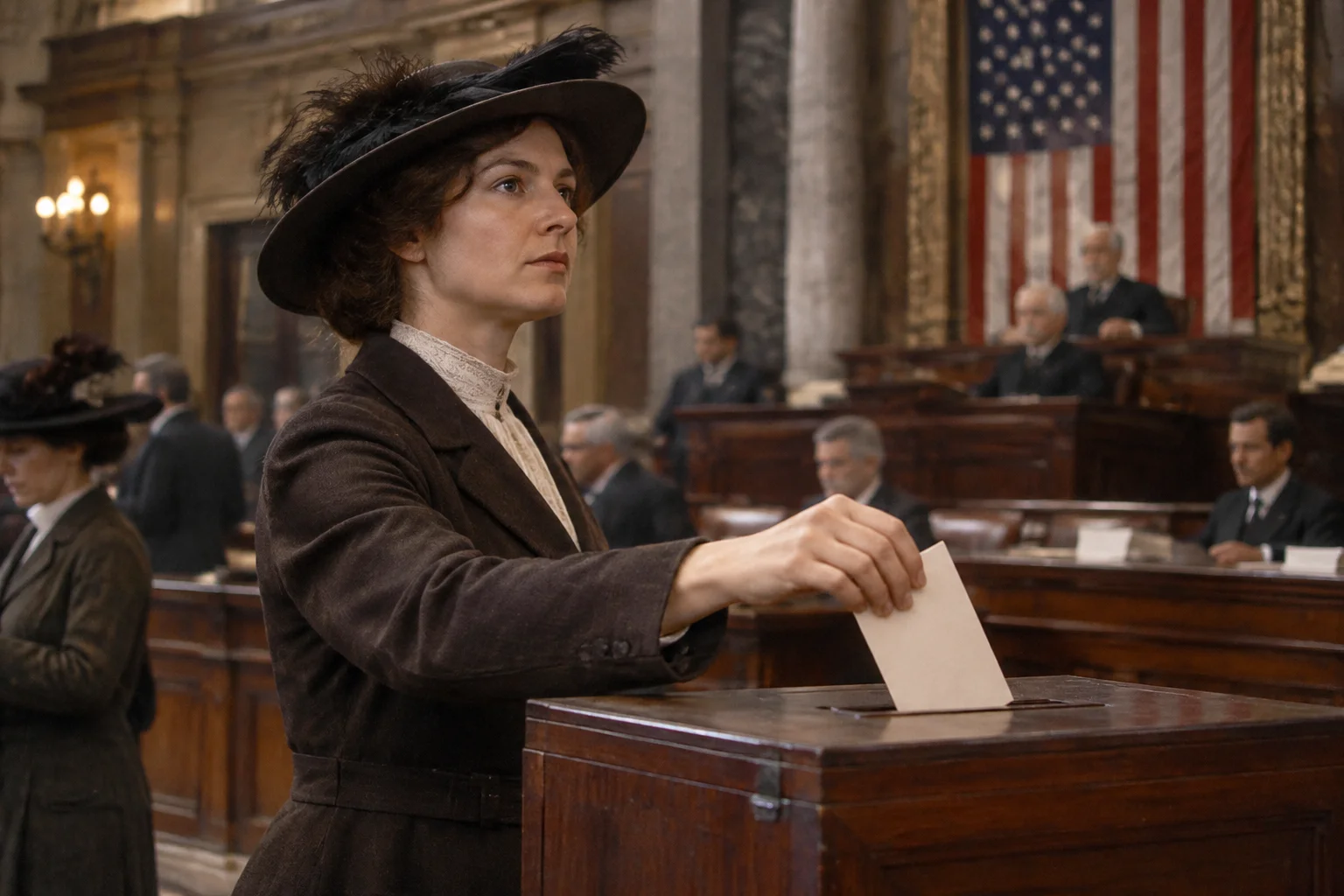
Jeannette Rankin was the first woman elected to the U.S. Congress. In 1917, she voted against declaring war on Germany, citing her pacifist beliefs. Her vote cost her politically, but she stood by her principles.
Rankin later helped pass the 19th Amendment, giving women the right to vote. Her courage to dissent made her a hero to many, even if her stance was unpopular.
19. Alice Paul: The Suffragist Who Pushed Through the Vote
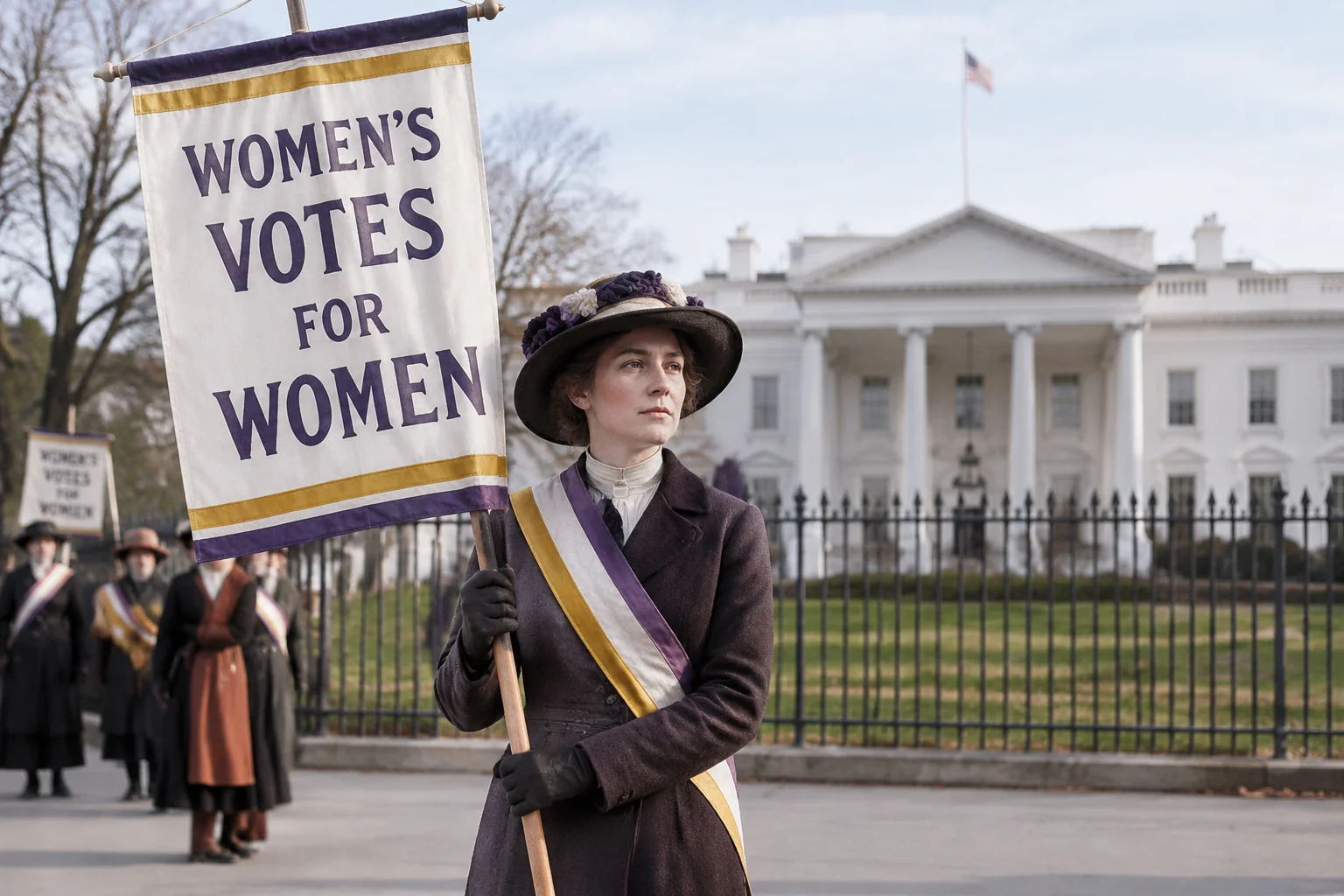
Alice Paul was a suffragist who picketed the White House during the war, demanding votes for women. Many saw her protests as unpatriotic, and she was arrested multiple times.
Her unwavering activism, however, helped pressure President Wilson to support women's suffrage. The 19th Amendment was ratified in 1920, largely due to the momentum built during the war years.
20. The Hello Girls: America's First Female Soldiers
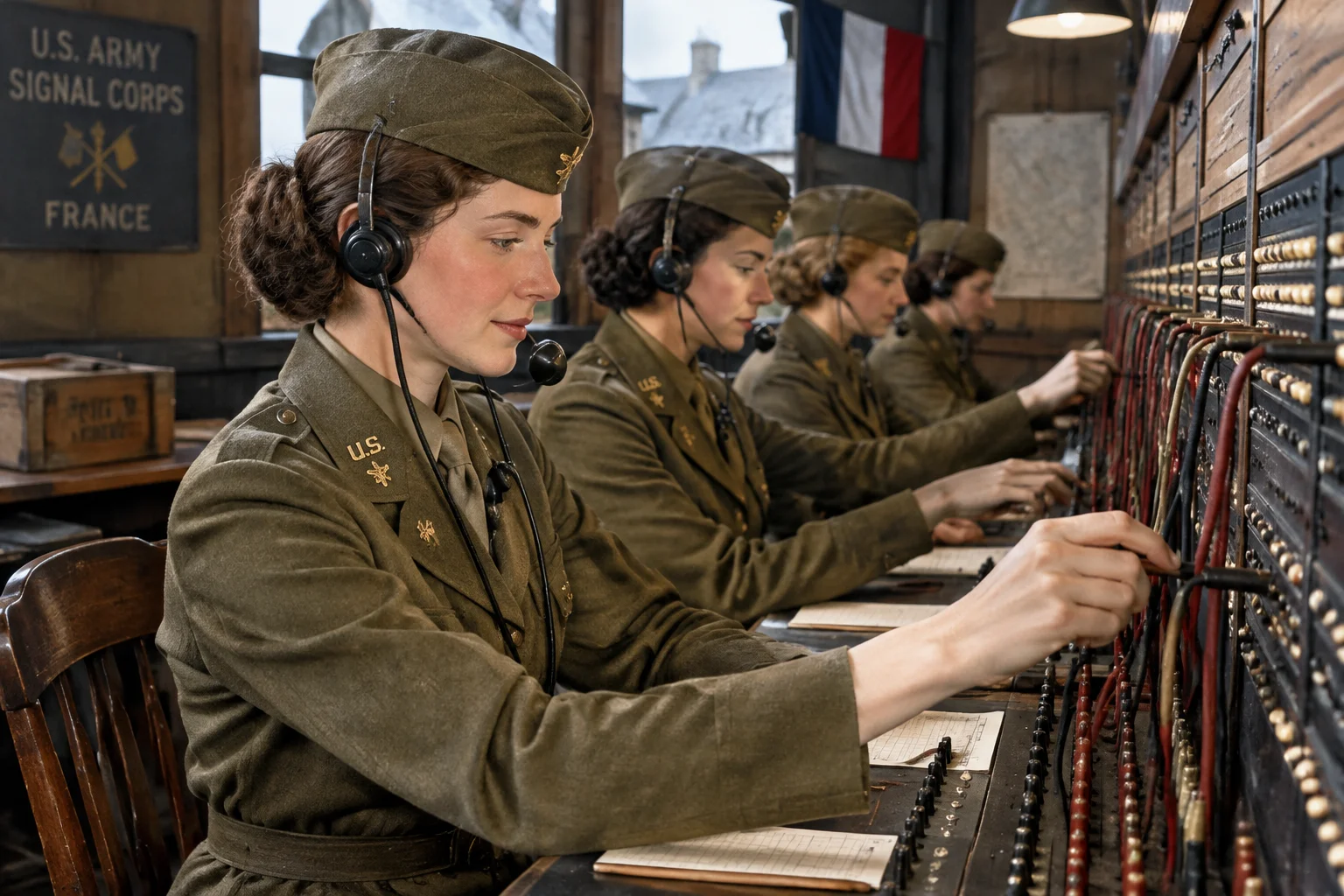
The Hello Girls were a group of American women who served as telephone operators in France. They were recruited by the U.S. Army Signal Corps to connect calls between generals and units.
They worked near the front lines and were crucial to communication. Despite their service, they were denied veteran status until 1977. Their fight for recognition is a powerful reminder of how women's contributions were often erased.
The Legacy of WWI Women Heroes
The women of WWI did not just fill in for men; they transformed society. They proved their competence in fields ranging from medicine to espionage. Their efforts helped push forward women's suffrage and opened doors for future generations.
Yet their stories are often overlooked in traditional accounts of the war. By remembering these 20 incredible women, we honor all those who served in ways both visible and invisible. Their legacy reminds us that heroism knows no gender.
Frequently Asked Questions (FAQ)
What did women do during WW1? Women during WW1 took on a wide range of roles. They worked in factories, farms, and offices; served as nurses, ambulance drivers, and canteen workers; and some even fought as soldiers or worked as spies. Their contributions were vital to the war effort and helped change perceptions of what women could do.
Who were some famous women of WW1? Notable women include Edith Cavell, Mata Hari, Elsie Inglis, Flora Sandes, and Maria Bochkareva. American women like Loretta Walsh, Julia Stimson, and Jeannette Rankin also made significant contributions.
Did women fight in combat during WW1? Yes, some women fought in combat roles. Flora Sandes served in the Serbian army, Milunka Savić disguised herself as a man to fight, and Maria Bochkareva led an all-female Russian battalion. However, most women served in support roles.
How did WW1 change women's lives? WW1 opened up new employment opportunities and proved women's capabilities. It helped shift public opinion towards women's suffrage, leading to the 19th Amendment in the U.S. and similar laws elsewhere. The war also changed social attitudes about women's work and independence.
What was the role of American women in WW1? American women served as nurses, telephone operators, and in clerical roles. Over 11,000 women joined the Navy as yeomen, and others volunteered with the Red Cross. The first American woman killed in active service was Marion Crandell.
Why are these women called unsung heroes? Many women's contributions were overlooked or downplayed after the war. Some, like the Hello Girls, were denied veteran status for decades. Their stories are only recently being fully recognized.
How can I learn more about women in WW1? You can read memoirs like Testament of Youth by Vera Brittain, visit museums like the Imperial War Museum, or explore online archives such as the National WWI Museum and Memorial.
Frequently Asked Questions
What did women do during WW1?
Women during WW1 took on a wide range of roles. They worked in factories, farms, and offices; served as nurses, ambulance drivers, and canteen workers; and some even fought as soldiers or worked as spies. Their contributions were vital to the war effort and helped change perceptions of what women could do.
Who were some famous women of WW1?
Notable women include Edith Cavell, Mata Hari, Elsie Inglis, Flora Sandes, and Maria Bochkareva. American women like Loretta Walsh, Julia Stimson, and Jeannette Rankin also made significant contributions.
Did women fight in combat during WW1?
Yes, some women fought in combat roles. Flora Sandes served in the Serbian army, Milunka Savić disguised herself as a man to fight, and Maria Bochkareva led an all-female Russian battalion. However, most women served in support roles.
How did WW1 change women’s lives?
WW1 opened up new employment opportunities and proved women's capabilities. It helped shift public opinion towards women's suffrage, leading to the 19th Amendment in the U.S. and similar laws elsewhere. The war also changed social attitudes about women's work and independence.
What was the role of American women in WW1?
American women served as nurses, telephone operators, and in clerical roles. Over 11,000 women joined the Navy as yeomen, and others volunteered with the Red Cross. The first American woman killed in active service was Marion Crandell.
Why are these women called unsung heroes?
Many women's contributions were overlooked or downplayed after the war. Some, like the Hello Girls, were denied veteran status for decades. Their stories are only recently being fully recognized.
How can I learn more about women in WW1?
You can read memoirs like Testament of Youth by Vera Brittain, visit museums like the Imperial War Museum, or explore online archives such as the National WWI Museum and Memorial.

Alex Warren
Related Articles





