

The honeymoon is one of the most cherished traditions of modern marriage. The image of newlyweds sipping champagne on a tropical beach or wandering the streets of Paris feels as old as marriage itself. But here's the myth-busting truth: the honeymoon as we know it is a surprisingly recent invention. Its origins are tangled up in abduction, mead, and the Grand Tour. Let's unpack the strange, winding history of how the post-wedding vacation became a normal part of getting married.
TL;DR: The romantic honeymoon is a relatively modern concept, evolving from ancient customs of ritual seclusion and bride abduction into the 19th-century travel tradition that shaped today's post-wedding getaway.
The Curious Origin of the Honeymoon
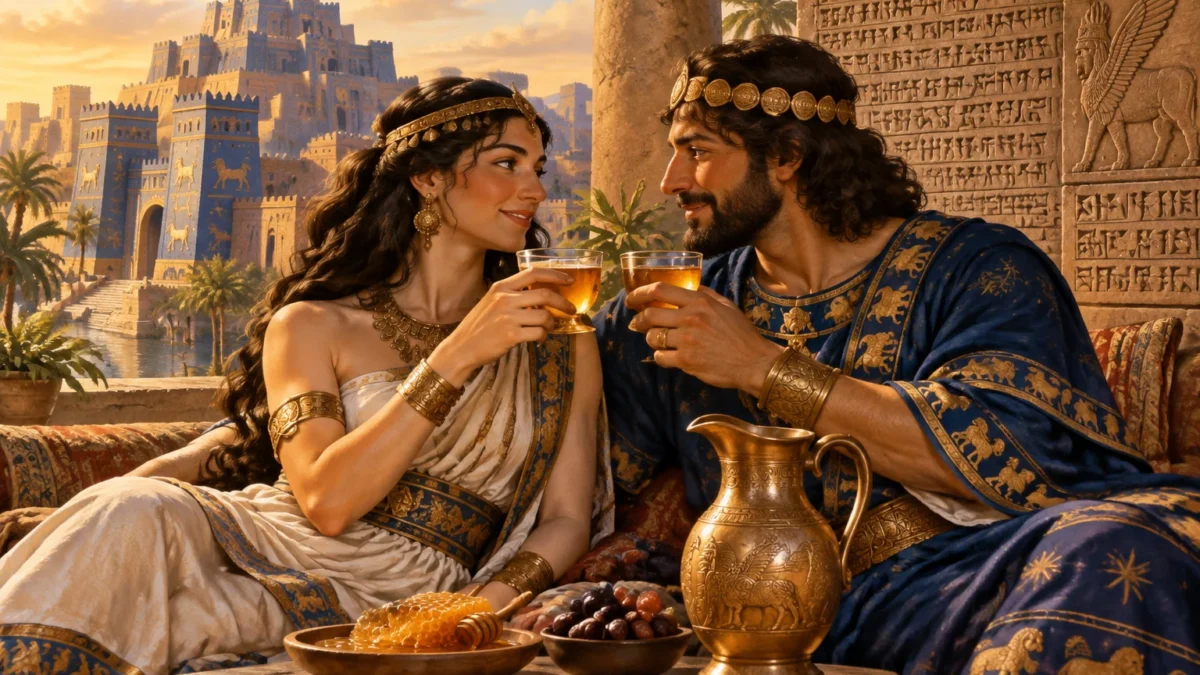
The phrase "honeymoon origin" often leads people to one of two popular theories. One traces it back to ancient Babylon, where a bride's father supposedly supplied his new son-in-law with honey mead for a month after the wedding. This "honey month" was said to ensure fertility and good fortune. The problem? There is no written record of this Babylonian custom. It is a romantic legend that historians have been unable to substantiate.
Another common tale points to ancient Rome. Some claim Romans celebrated a "honey moon" by eating honey for 30 days after marriage. Again, no ancient Roman text supports this specific ritual. The word "honeymoon" itself does not appear in English until the 16th century, and its earliest uses had nothing to do with a vacation. So where did the term honeymoon come from? That answer is more linguistic than romantic.
The Linguistic Roots: Honey, Moon, and the Fading Sweetness
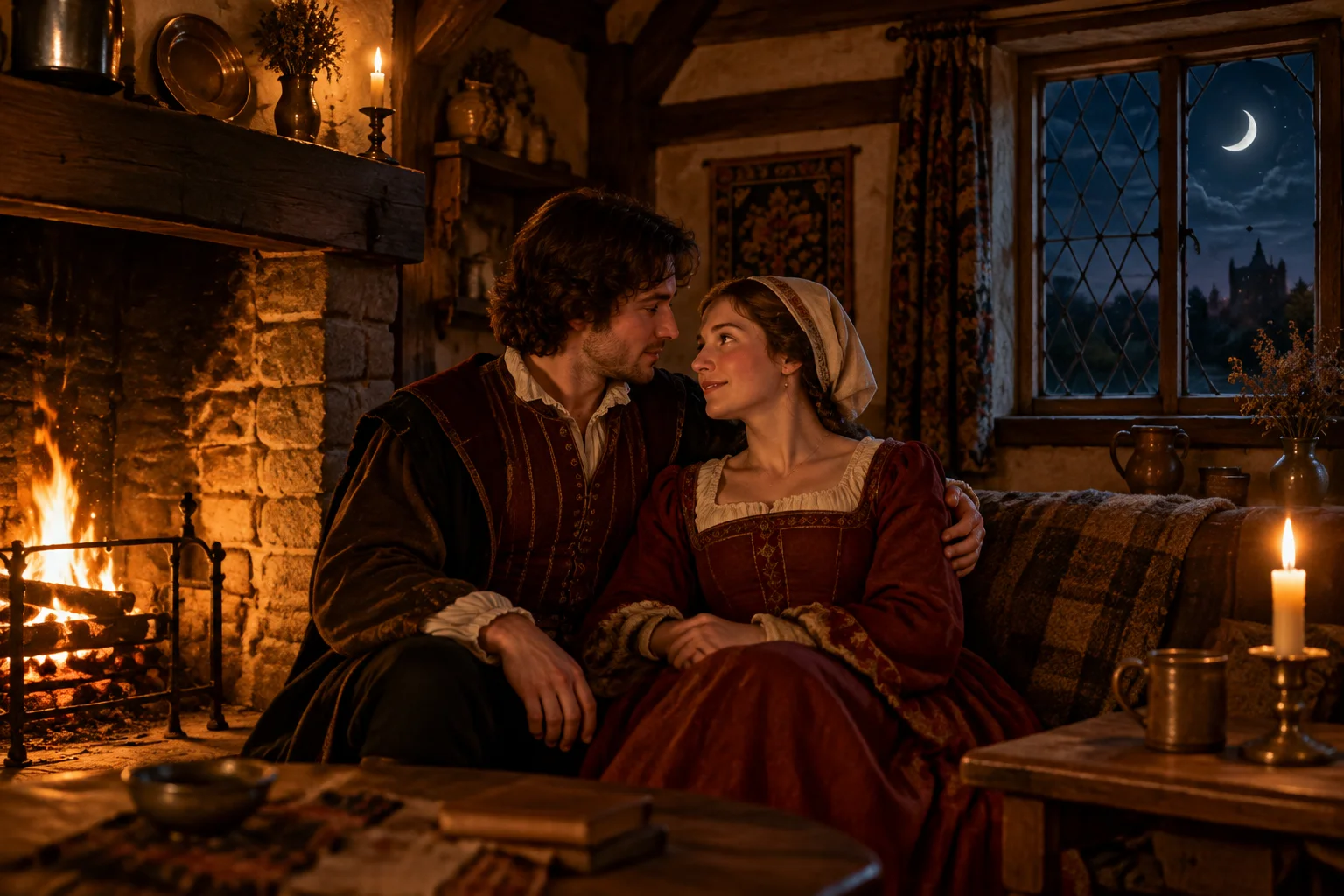
By the 1540s, English writers began using the word "hony moone" to describe the first month of marriage. The "honey" part referred to the sweetness and tenderness of new love. The "moon" part hinted that this sweetness, like the moon, would soon wane. In other words, the original honeymoon was not a trip. It was a warning about the fleeting nature of early marital bliss.
One of the earliest recorded uses comes from 1552, in a collection of letters by Richard Huloet. He wrote, "When a man is newly married, he is said to be in his honey moone." This usage suggests the term was already common by the mid-16th century, but it described a period, not a place. The couple stayed home. They did not pack their bags.
When Did Honeymoons Start? The Shift from Seclusion to Travel
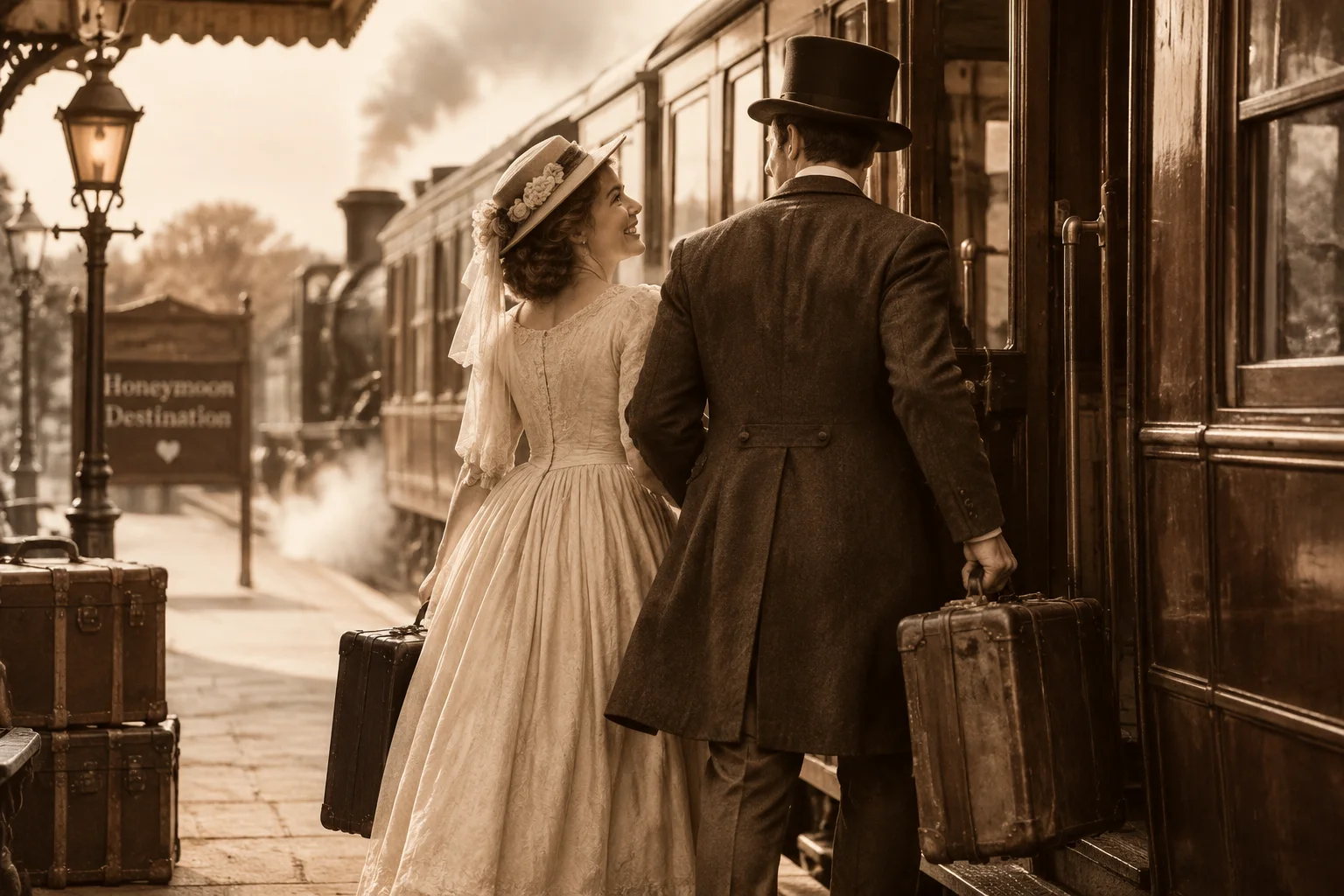
For centuries, the idea of a honeymoon involved staying close to home. In many European cultures, newlyweds were expected to remain in seclusion for a period after the wedding. This seclusion served practical purposes: it allowed the couple to bond, consummate the marriage, and begin their life together away from prying eyes. In some rural communities, friends and family would even play tricks on the couple to interrupt their privacy.
The word "honeymoon" evolved to describe this period of private celebration. It was not until the 19th century that the notion of traveling for a honeymoon took hold. The Industrial Revolution brought railways, making travel cheaper and more accessible. The rise of the middle class created a new group of people with disposable income and a desire to emulate the aristocracy. Suddenly, a post-wedding trip became a status symbol.
The Grand Tour Influence: Aristocratic Travel as a Blueprint
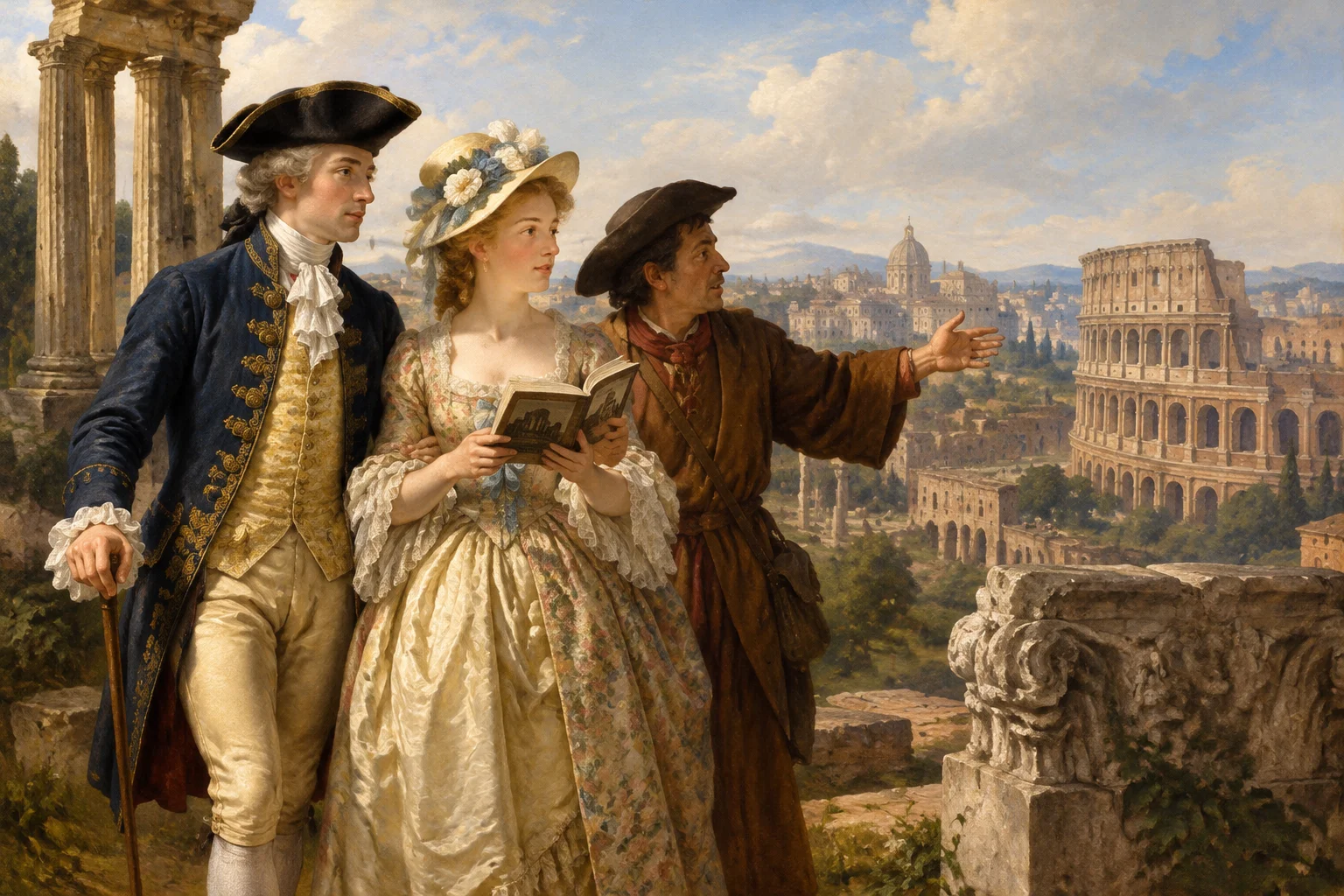
In the 18th and 19th centuries, young aristocratic men embarked on the Grand Tour, a months-long journey through Europe to finish their education. Some newly married couples adapted this idea into a wedding trip. Instead of a solo educational voyage, they traveled together to visit relatives, see historic sites, or simply enjoy leisure time. These trips were not yet called honeymoons in the modern sense, but they set a precedent.
By the mid-19th century, the term "honeymoon" began to merge with the idea of a wedding journey. British and American newspapers started using the phrase to describe the newlyweds' post-wedding travels. The romantic connotations of the word—sweetness, intimacy, a brief magical time—fit perfectly with the growing ideal of companionate marriage based on love.
The Victorian Era: Honeymoons as a Bourgeois Ritual
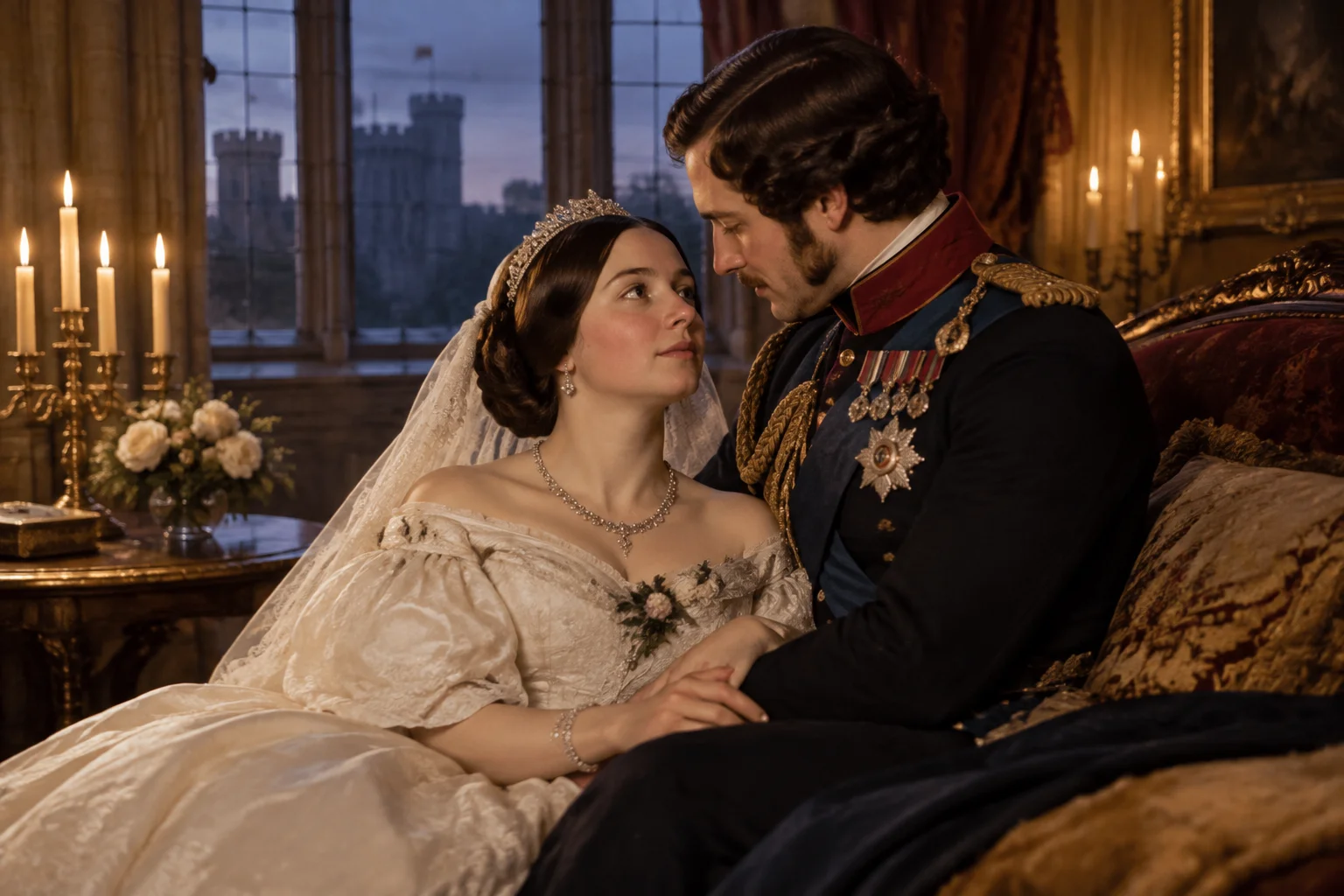
Queen Victoria and Prince Albert helped popularize the honeymoon trip in Britain. After their wedding in 1840, they spent a short honeymoon at Windsor Castle. While not a grand tour, their example made the post-wedding retreat fashionable. The growing railway network allowed ordinary couples to take trips to seaside resorts or countryside inns. Guidebooks began recommending destinations for newlyweds.
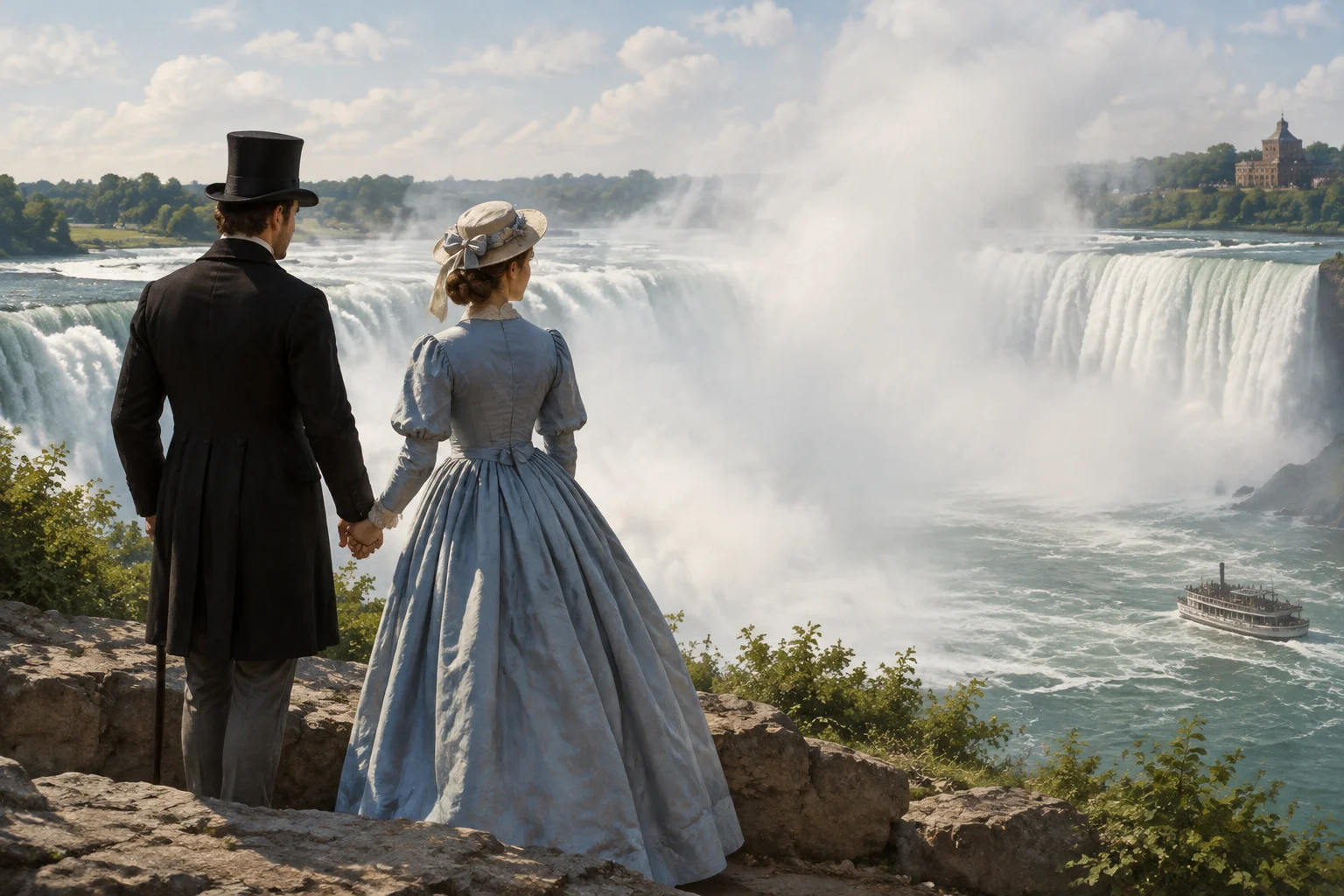
In the United States, the honeymoon became a common practice among the middle class by the late 19th century. Niagara Falls emerged as a top destination, promising romance and natural wonder. The phrase "honeymoon" was now firmly associated with a trip, not just a month of marriage. By the early 20th century, the tradition had spread across social classes.
Is the Honeymoon Real? Separating Myth from Modern Reality
Many people ask, "is the honeymoon real?" The answer depends on what you mean. The emotional honeymoon period—the blissful early phase of a relationship—is a real psychological phenomenon. Studies in relationship science have identified a "honeymoon phase" where couples feel intense satisfaction and optimism. But the idea that this phase always fades into misery is also a myth. Many couples maintain high satisfaction for years.
The honeymoon trip itself is a cultural invention, not a universal human instinct. Not all cultures have a tradition of post-wedding travel. In some societies, the couple moves in with extended family immediately. In others, the wedding itself is the only celebration. So while the honeymoon is real in the sense that millions of people take one, it is not an inevitable part of marriage.
The 20th Century: Honeymoons Go Mainstream
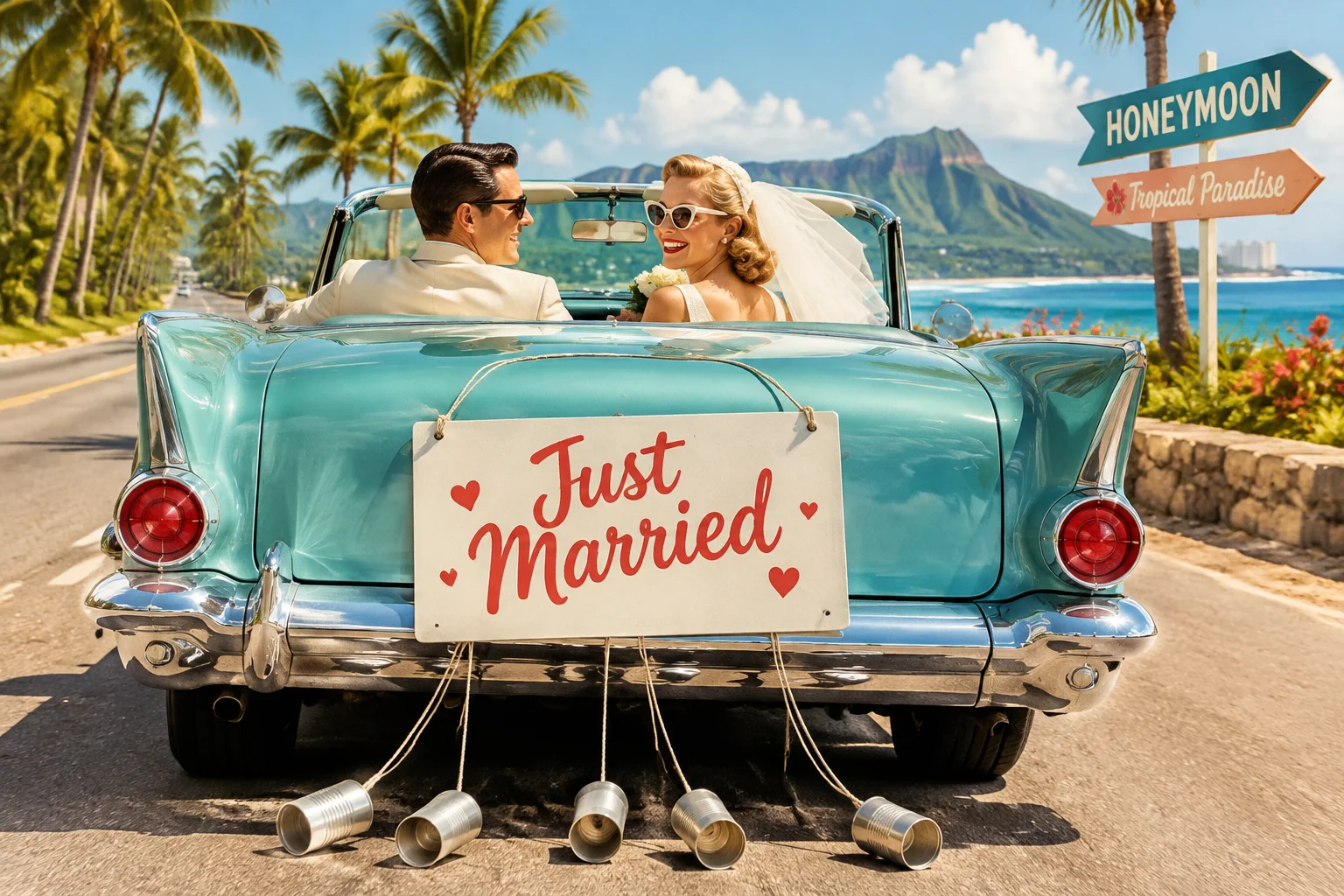
After World War II, the honeymoon industry exploded. Commercial air travel made far-flung destinations accessible. Hawaii, the Caribbean, and Mexico became popular honeymoon spots for Americans. The postwar economic boom gave more couples the means to travel. Magazines and movies reinforced the ideal of a romantic escape.
By the 1950s, the honeymoon was a standard expectation for newlyweds in the West. Wedding etiquette books advised couples on where to go and how long to stay. The average honeymoon length settled around one to two weeks. The tradition had become so normalized that not taking a honeymoon was seen as unusual or unfortunate.
The Modern Honeymoon: From Luxury to Budget-Friendly
Today, honeymoons range from lavish month-long adventures to weekend getaways. The average American couple spends several thousand dollars on their honeymoon. Popular destinations include Italy, France, Japan, and tropical islands. But there is also a growing trend of "mini-moons"—short trips taken right after the wedding, with a longer trip delayed until later.
Some couples now opt for a "honeymoon registry" instead of traditional gifts, asking guests to contribute to their trip. Others choose a "buddymoon," inviting friends and family along. The tradition is evolving, but its core purpose remains: to give newlyweds private time to celebrate their union.
Why the Honeymoon Became Normal: Social and Economic Forces
Several factors converged to make honeymoons a normal part of getting married. The first was the rise of romantic marriage. Before the 18th century, many marriages were arranged for economic or political reasons. As love became the primary reason to marry, the idea of a private romantic escape gained appeal.
The second factor was economic. The middle class grew, and people had more money to spend on leisure. The third was technological. Railways, steamships, and later airplanes made travel affordable and comfortable. Finally, cultural reinforcement through media and etiquette books cemented the honeymoon as a social expectation.
Honeymoon Rituals Around the World

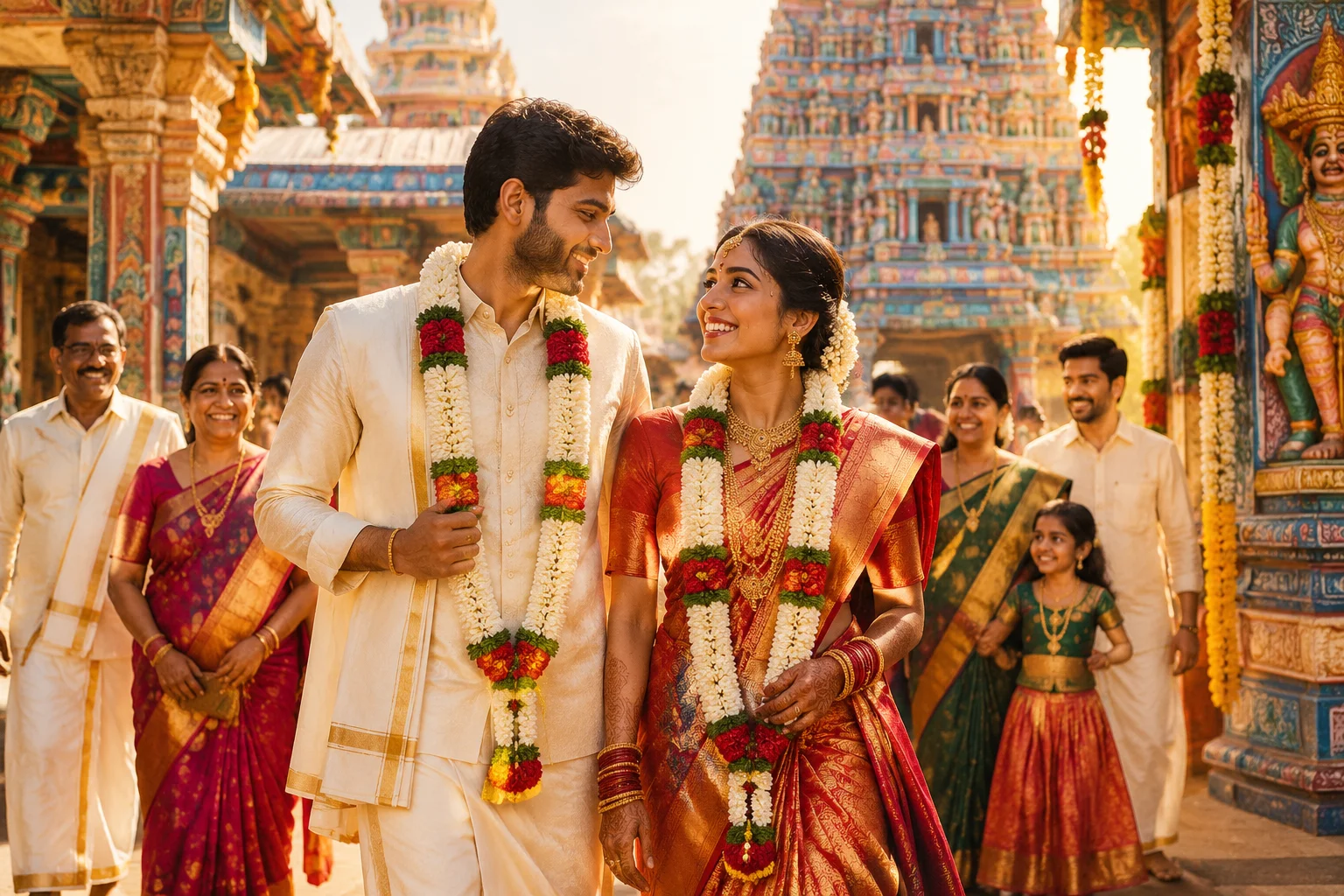
Not every culture has a honeymoon, but many have post-wedding traditions that serve similar purposes. In some Indian communities, the couple may visit a temple or spend time with relatives after the wedding. In Japan, newlyweds often take a short trip called a "honeymoon" (ハネムーン), influenced by Western customs. In Brazil, the couple might go to a beach resort for a few days.
In parts of Scandinavia, the honeymoon is less about travel and more about setting up the new household. In some African cultures, the bride may stay with the groom's family for a period of adjustment. These variations show that the need for a transition period after marriage is universal, even if the specific form differs.
Debunking the Babylonian Mead Myth
The most persistent myth about the honeymoon origin is the Babylonian mead story. According to the legend, the bride's father supplied mead for a month to ensure the couple's fertility. The problem is that no ancient source confirms this. The story likely originated in the 19th century as a romantic explanation for the word.
Historians have searched Babylonian texts and found no reference to a honeymoon or honey month. The Babylonians did value honey, but they did not have a ritual matching this description. The myth persists because it is charming, but it is not supported by evidence. The true origin is linguistic, rooted in the English language's own evolution.
The Role of Religion in Shaping Honeymoons
Religious traditions have influenced honeymoon practices in various ways. In some Christian denominations, the honeymoon was seen as a time for the couple to pray and bond away from community pressures. Jewish tradition includes the week of sheva brachot, when the couple is celebrated with festive meals, but this does not typically involve travel.
In Islamic cultures, the honeymoon may be a trip to a holy site or a family visit. The concept of a private romantic getaway is not universal in religious contexts. However, as secularism spread in the West, the honeymoon became more about personal pleasure than religious observance.
Honeymoons in the Age of Social Media
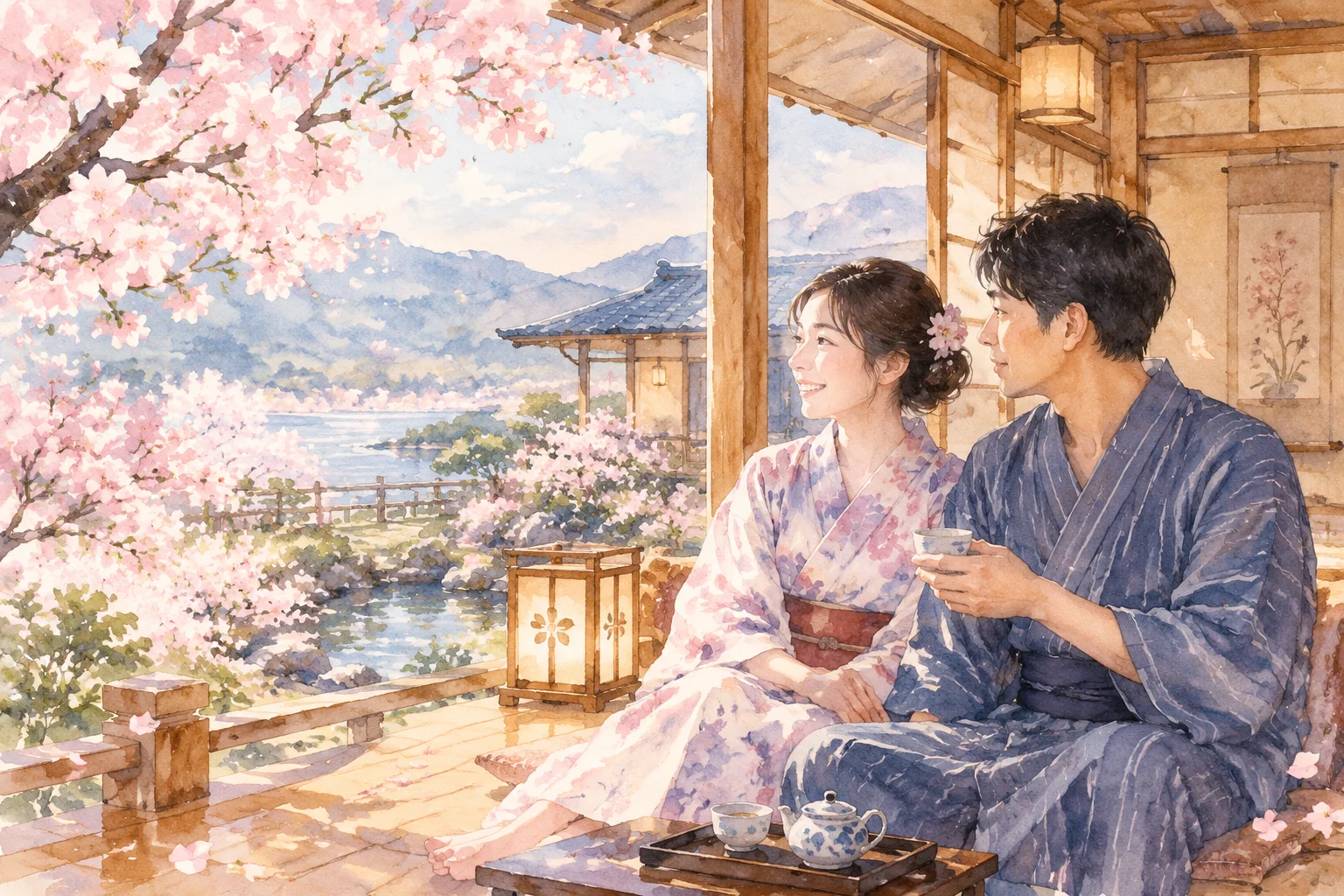
Social media has transformed how couples approach honeymoons. Many now choose photogenic destinations and share every moment online. This has created a new kind of pressure: the "Instagram honeymoon" where the goal is to capture the perfect image. Some couples feel they must take an elaborate trip to prove their love.
On the other hand, social media has also democratized travel. Couples can find budget tips, off-the-beaten-path destinations, and real reviews from other newlyweds. The honeymoon is no longer just for the wealthy. It is a shared cultural experience that many can access.
The Future of the Honeymoon Tradition

As marriage evolves, so does the honeymoon. Some couples now take a "familymoon," bringing children from previous relationships. Others choose a "workcation" or a "staycation" due to financial constraints. The COVID-19 pandemic disrupted many honeymoon plans, leading to postponed or scaled-down trips.
Despite these changes, the honeymoon remains a meaningful ritual. It marks a transition from single life to married life. It provides a pause for celebration before the routines of daily life set in. Whether it is a weekend in a nearby cabin or a month in Bali, the honeymoon endures because it fulfills a human need for ritual and romance.
Conclusion: A Tradition Invented by Modernity
So when did honeymoons become a normal part of getting married? The answer is not ancient Babylon or Rome. It is the 19th century, when travel became affordable and romantic marriage became the ideal. The honeymoon origin is a mix of linguistic accident and social evolution. From a warning about love's fleeting sweetness to a global industry, the honeymoon has come a long way.
Today, it is a cherished tradition for millions, but it is not a universal one. Understanding its history helps us appreciate how culture shapes even our most personal rituals. Whether you take a grand trip or a quiet weekend away, the honeymoon is what you make of it—a private celebration of a public commitment.
Frequently Asked Questions
Where did the term honeymoon come from?
The term 'honeymoon' first appeared in English around the 1540s. It combined 'honey,' referring to the sweetness of new love, and 'moon,' suggesting that this sweetness would wane like the moon. It originally described the first month of marriage, not a trip.
When did honeymoons start?
Honeymoons as a travel tradition began in the 19th century. The rise of railways and the middle class made post-wedding trips popular. Before that, the 'honeymoon' was a period of seclusion at home, not a vacation.
Is the honeymoon real?
The honeymoon trip is a cultural tradition, not a universal human practice. The psychological 'honeymoon phase' is real, but it varies by couple. The trip itself is a social invention that became normal in the 20th century.
Did ancient Babylonians invent the honeymoon?
No. There is no historical evidence that Babylonians had a honeymoon ritual involving mead. This is a popular myth that historians have debunked. The word 'honeymoon' originated in English, not Babylonian.
Why is Niagara Falls a popular honeymoon destination?
Niagara Falls became popular in the 19th century because it offered a romantic natural wonder easily accessible by train. It was considered an ideal spot for newlyweds to enjoy privacy and beauty away from home.

Alex Warren
Related Articles





