

Long before movie studios and reality TV, P.T. Barnum understood something almost nobody else did: people will pay good money to be amazed, confused, and a little bit tricked. From a rented room in lower Manhattan to a traveling circus empire that toured the world, Barnum built an entertainment machine out of curiosity itself, mixing real human performers with outright hoaxes and never being too worried about which was which.
This list digs into the real history behind the legend, separating the documented facts from the myths that grew up around America's most famous circus promoter. Some of these acts were genuine performers who found fame, fortune, and community through the sideshow stage. Others were carefully staged humbugs designed to get people talking, buying tickets, and coming back for more.
TL;DR: P.T. Barnum's "Greatest Show on Earth" blended real performers, staged hoaxes, and shameless marketing into a spectacle that reshaped American entertainment forever.
1. Joice Heth, the "161-Year-Old" Nurse
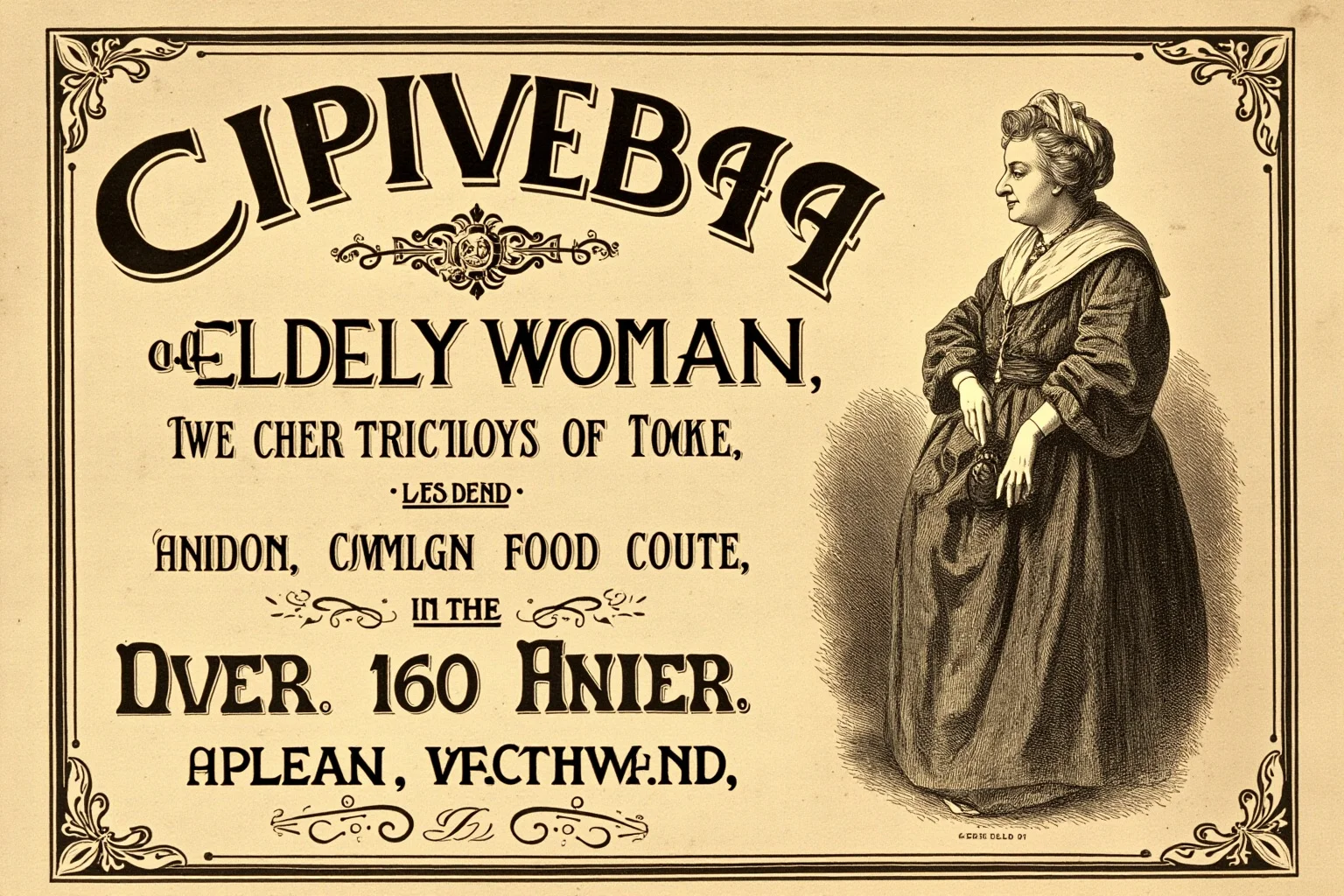
Barnum's very first big exhibit, back in 1835, wasn't a circus act at all. It was an elderly enslaved woman named Joice Heth, whom Barnum billed as George Washington's 161-year-old former nursemaid.
He leased her from her owner and built an entire promotional campaign around the claim, complete with a supposed bill of sale dated 1727. Doctors and skeptics eventually challenged the story, and after Heth's death an autopsy suggested she was likely in her seventies or eighties, not over a century and a half old.
This early exhibit set the tone for Barnum's career, showing how comfortable he was blurring the line between entertainment and outright deception, and it remains one of the darker chapters historians point to when discussing his methods.
2. The Feejee Mermaid
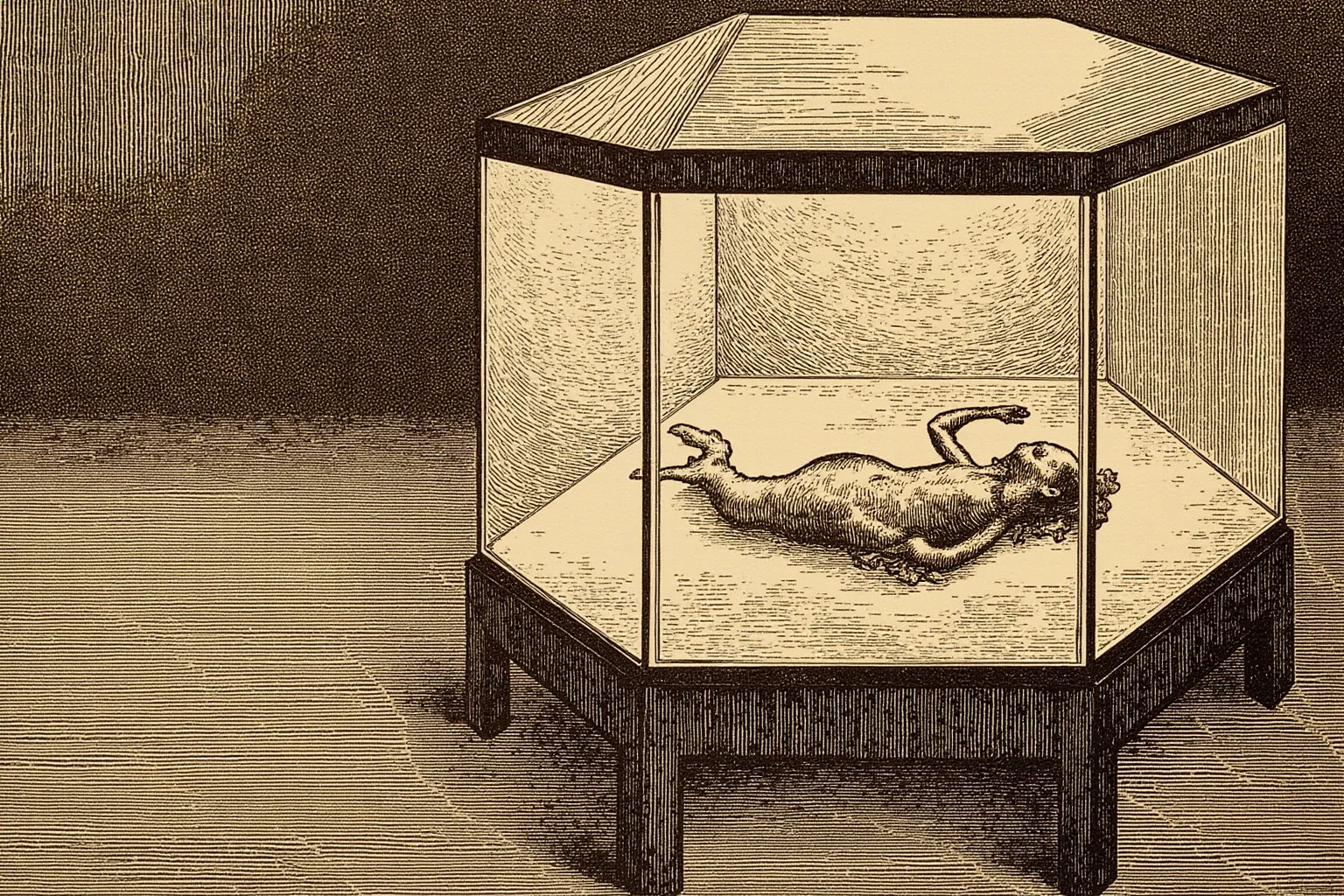
In 1842, Barnum unveiled what he called a genuine mermaid, supposedly caught near the Feejee Islands. Visitors to his American Museum in New York lined up to see the shriveled, grotesque little figure displayed in a glass case.
In reality, the "mermaid" was a manufactured curiosity, likely the torso and head of a juvenile monkey sewn onto the tail of a fish, a type of craft souvenir that had circulated in parts of Asia for years before Barnum got hold of one. He never definitively confirmed it was fake, preferring to let the mystery and the debate sell tickets.
The Feejee Mermaid became one of the most famous hoaxes in American entertainment history and a textbook example of Barnum's approach to "humbug."
3. General Tom Thumb
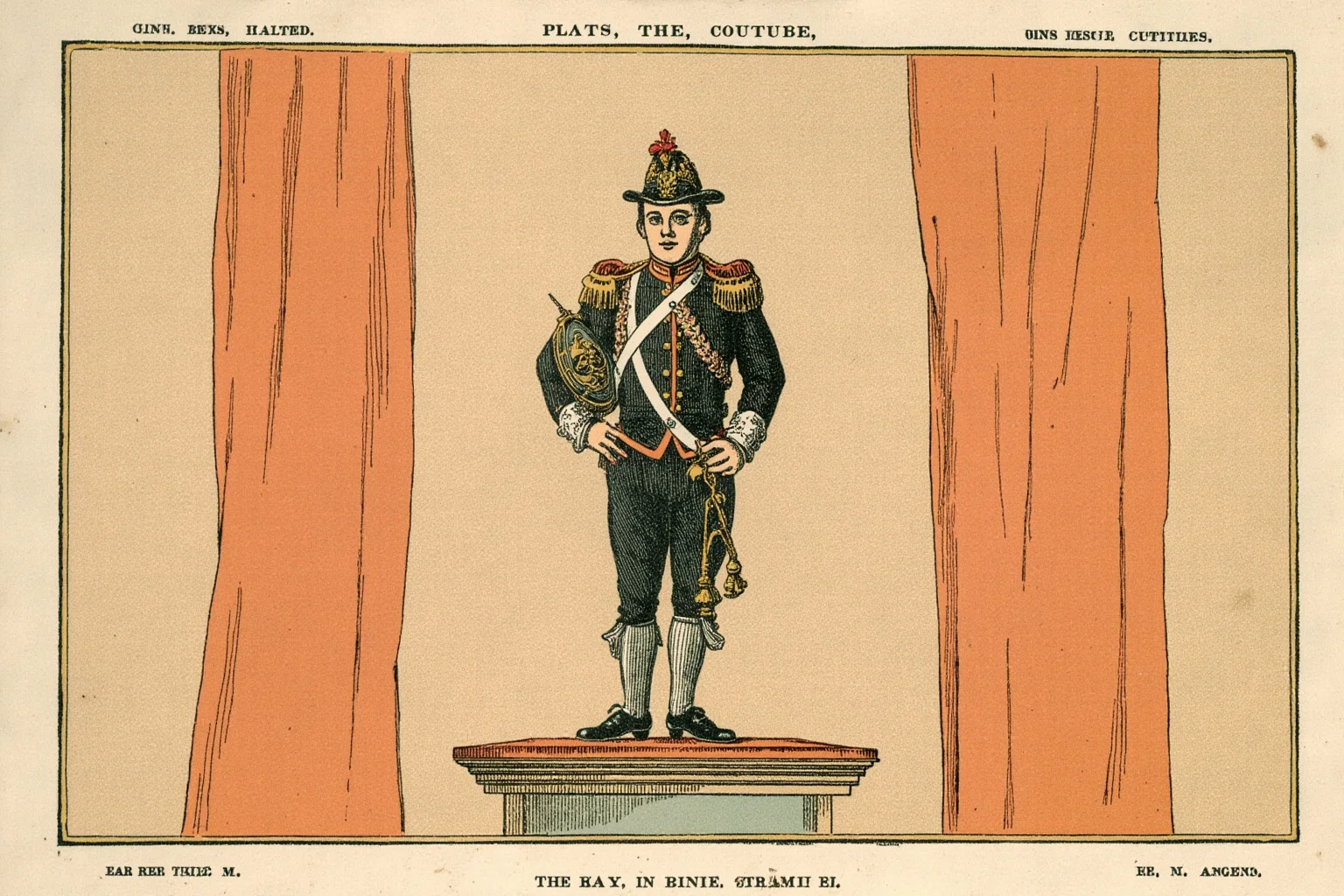
Charles Sherwood Stratton, a boy from Bridgeport, Connecticut, was only a few years old and around two feet tall when Barnum discovered him in 1842. Barnum trained him extensively and rebranded him as "General Tom Thumb," teaching him songs, impressions, and comic routines well beyond his years.
Stratton became a genuine international celebrity, performing for packed theaters across the United States and Europe. Unlike many of Barnum's exhibits, Tom Thumb was a real, gifted performer whose charisma carried the act, not just his stature.
4. Tom Thumb's Meeting With Queen Victoria
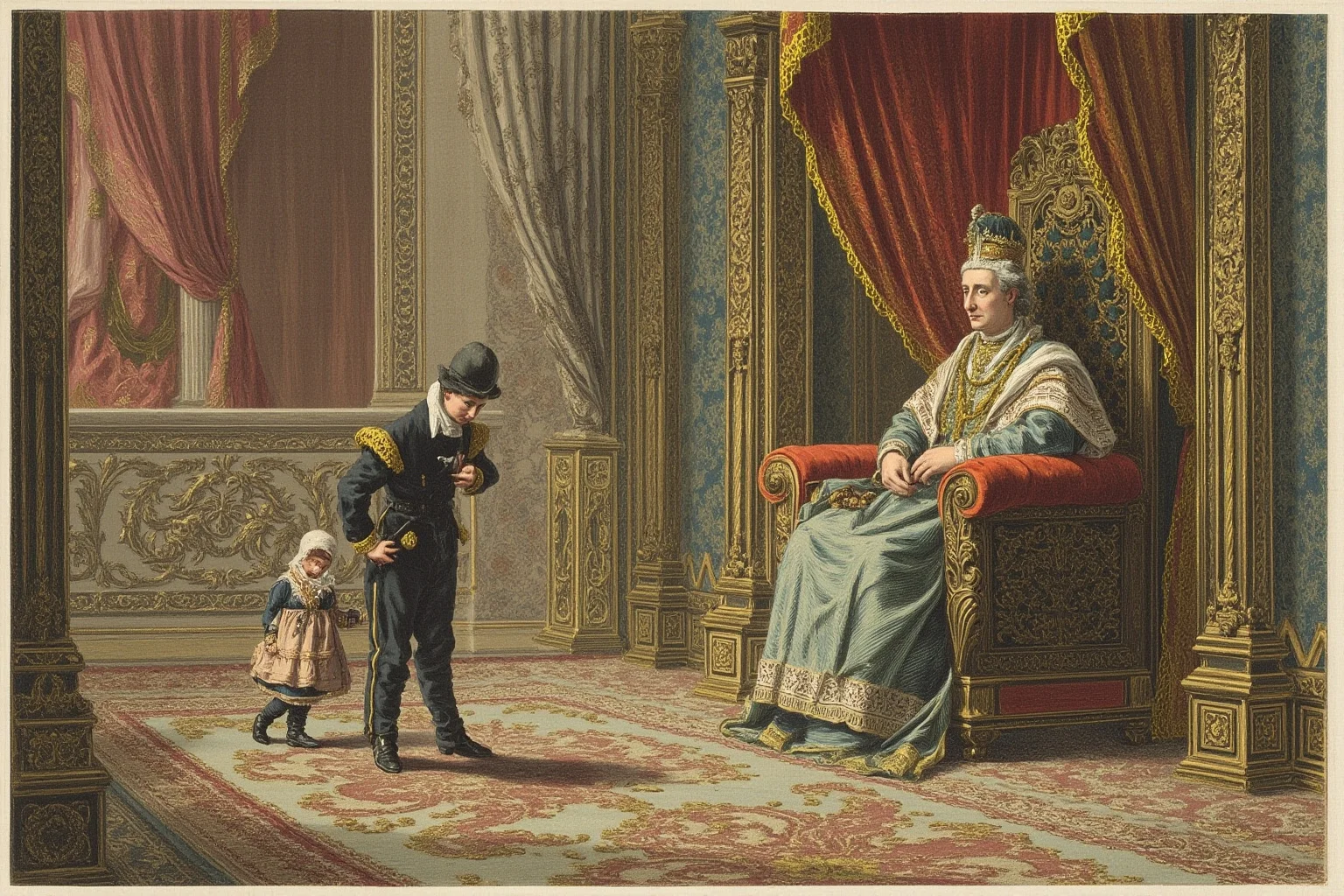
One of the most talked-about moments in Barnum's early career involved actual royalty. In 1844, during a European tour, Barnum arranged for Tom Thumb to be presented at Buckingham Palace before Queen Victoria and Prince Albert.
The young performer reportedly charmed the royal court with songs and impressions, and the visit was widely reported in the press on both sides of the Atlantic. The PT Barnum Queen Victoria connection became a huge marketing tool, since a royal seal of approval, even an informal one, gave the show enormous credibility back home in America.
5. Chang and Eng Bunker
Born in Siam in 1811, Chang and Eng Bunker were conjoined twins connected at the torso who toured internationally as performers years before Barnum brought them into his orbit. Their birthplace gave rise to the now-outdated and offensive term "Siamese twins," which stuck to the broader medical description for over a century.
By the time they worked with Barnum in the 1860s, the brothers were already wealthy, well-traveled businessmen in their own right, having settled in North Carolina, married, and raised large families. Their story complicates the simple narrative of exploitation, since they exercised real control over their own careers and finances.
6. Anna Swan, the Nova Scotia Giantess
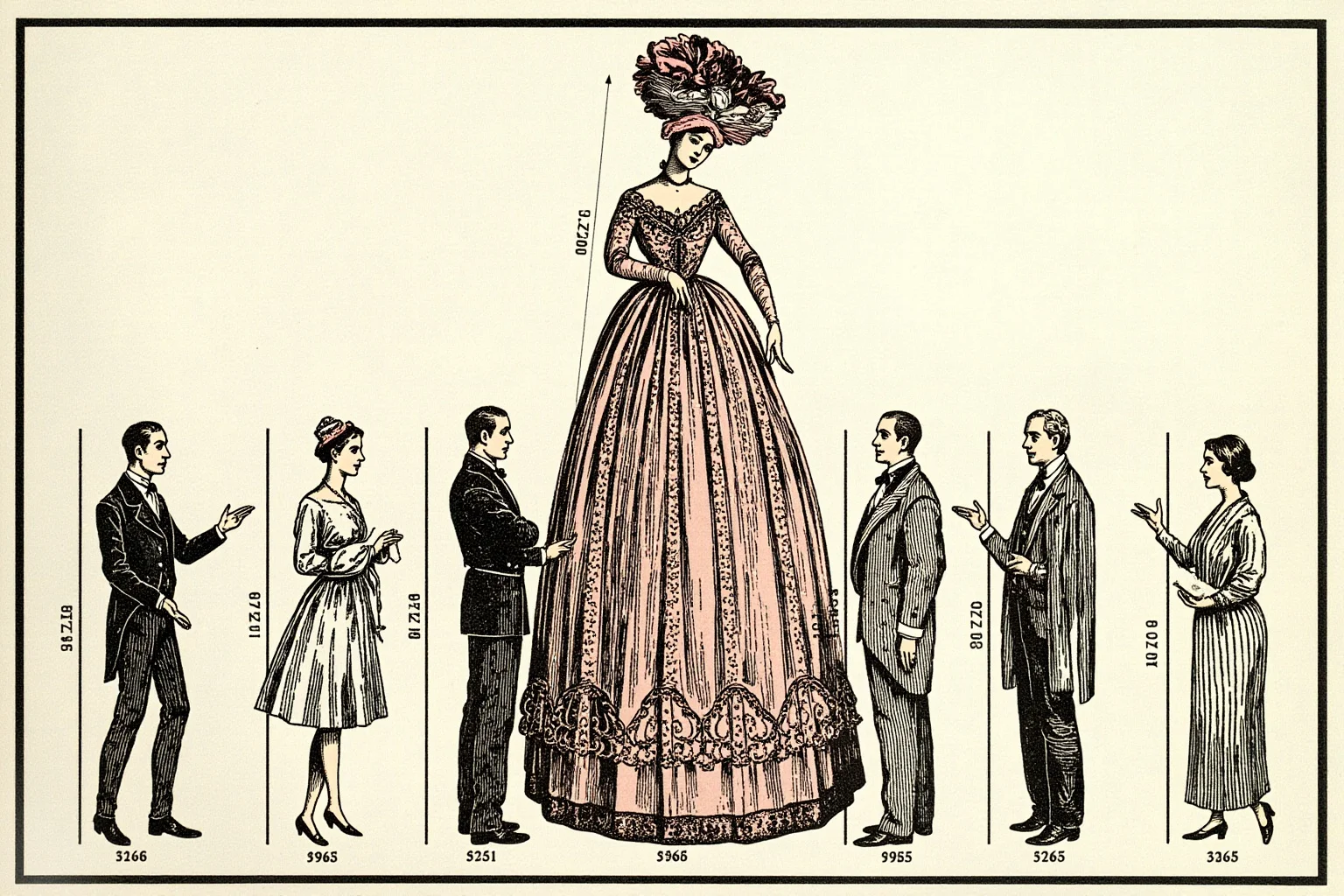
Standing around seven feet, eleven inches tall, Anna Swan joined Barnum's American Museum in the 1860s and became one of the most famous "giants" of the era. She was reportedly well educated, articulate, and popular with audiences who expected a spectacle but found a sharp, personable performer instead.
Swan survived a fire at Barnum's museum in 1865, an incident that reportedly required special effort to rescue her given her size. She later married another famously tall performer, Martin Van Buren Bates, in a wedding that made headlines around the world.
7. Zip and the "What Is It?" Exhibit
Few acts generate as many search questions today as Barnum's infamous "What Is It?" exhibit. First introduced around 1860, the show featured a Black performer, most famously William Henry Johnson, who performed under the stage name "Zip."
Barnum marketed him with deliberately vague, dehumanizing language, suggesting audiences decide for themselves whether he was human, animal, or something in between. The pt barnum's what is it exhibit traded on 19th-century racist pseudoscience about human evolution, and it remains one of the most uncomfortable and widely discussed parts of Barnum's legacy. Johnson himself performed under this billing for decades, reportedly earning a steady living from it well into the 20th century.
8. Annie Jones, the Bearded Lady
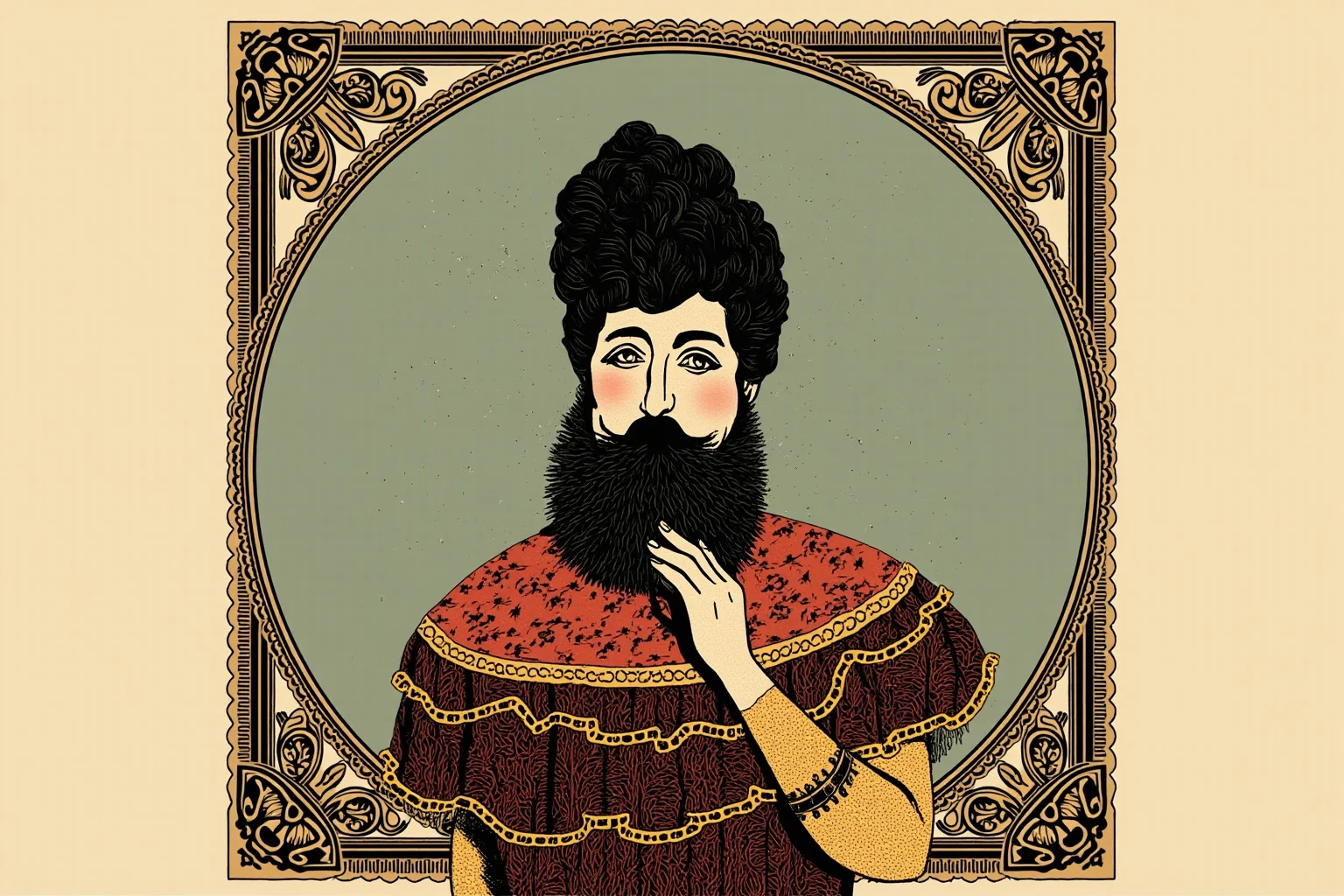
Annie Jones was born in Virginia in 1865 with a rare condition that caused significant facial hair growth, and she began performing with Barnum's shows as a young child. She grew into one of the most famous "bearded ladies" in circus history, eventually pushing back publicly against the term "freak" and advocating for more respectful treatment of sideshow performers.
Jones was reportedly well paid and well regarded within the circus community, and she used her platform later in life to speak out on behalf of her fellow performers. Her story is often cited by historians trying to complicate the simple "exploitation only" reading of Barnum's shows.
9. Jumbo the Elephant
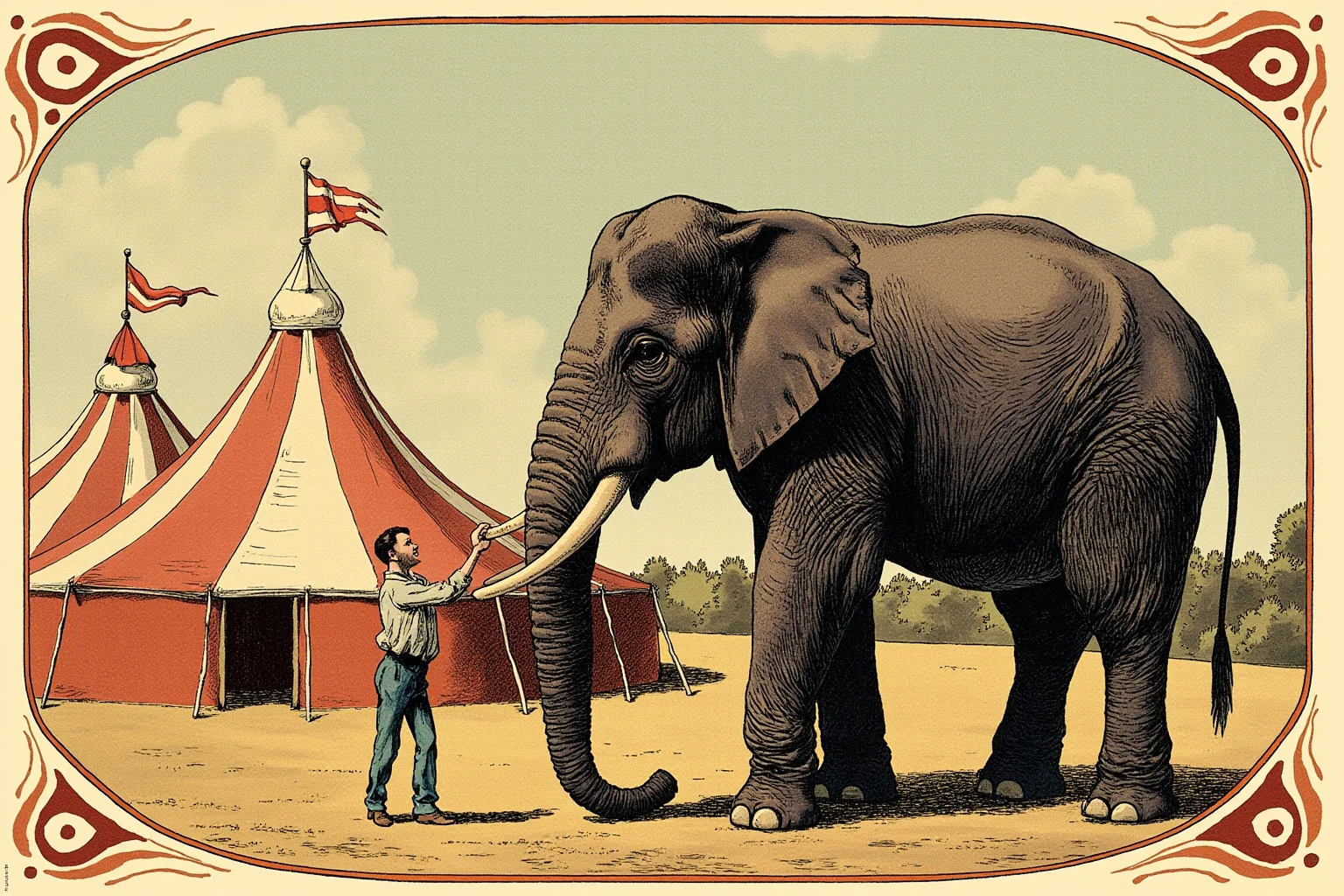
Not every attraction in Barnum's shows was human. Jumbo, an African elephant acquired from the London Zoo in 1882, became one of the most famous animal celebrities in the world, drawing enormous crowds under Barnum's traveling circus banner.
Standing around 11 feet tall at the shoulder, Jumbo's name eventually entered the English language as a synonym for anything oversized. His death in 1885, after being struck by a train, was mourned publicly and covered extensively in newspapers of the day.
10. Lavinia Warren
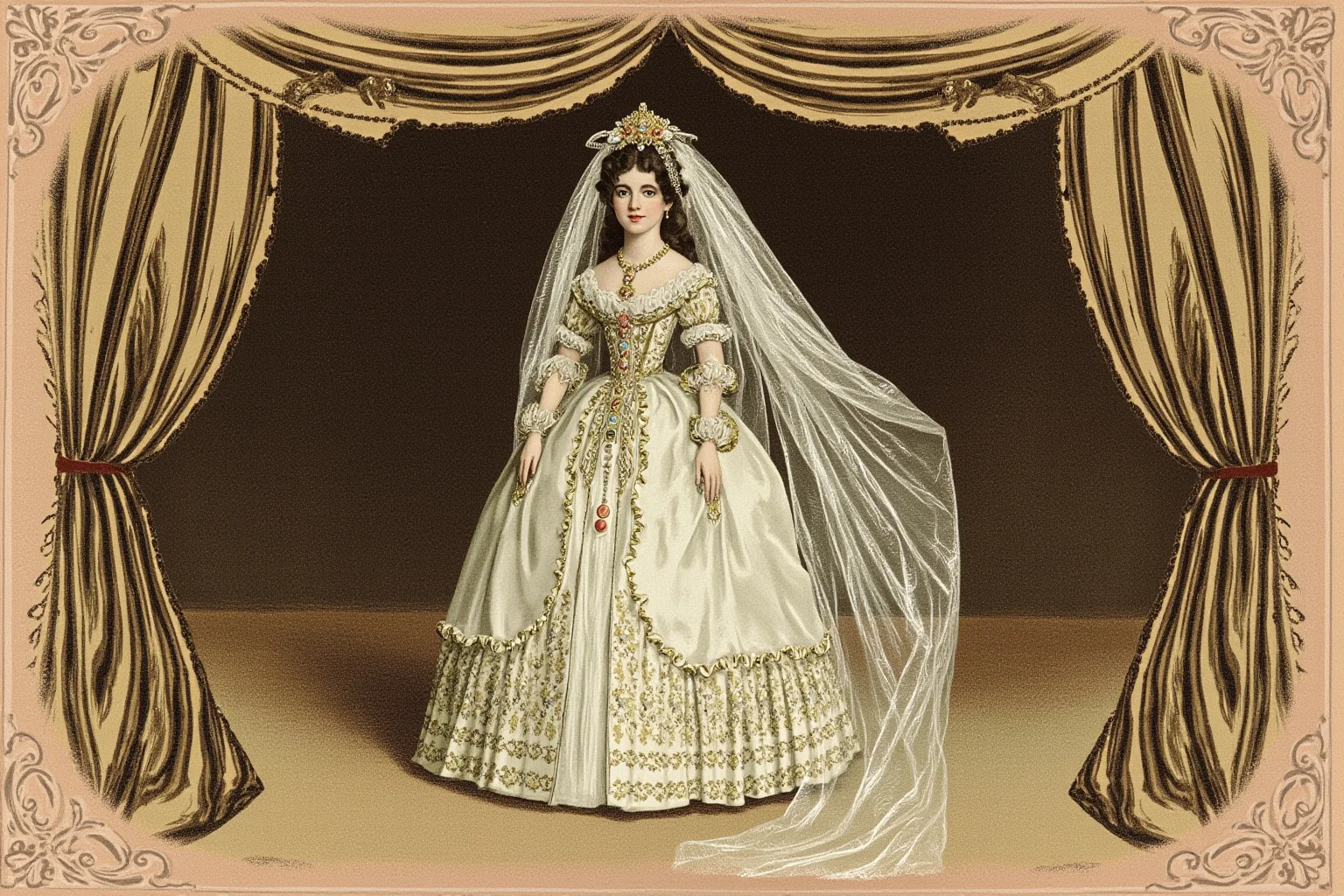
Lavinia Warren, a small-statured performer discovered after Tom Thumb had already found fame, became one of Barnum's most popular attractions in her own right. Her 1863 wedding to Tom Thumb was a massive media event, drawing thousands of spectators and extensive newspaper coverage.
The couple later toured internationally together, and Warren continued performing for years after Stratton's death in 1883. She was known for her intelligence and stage presence, not merely her height.
11. The Wild Men of Borneo
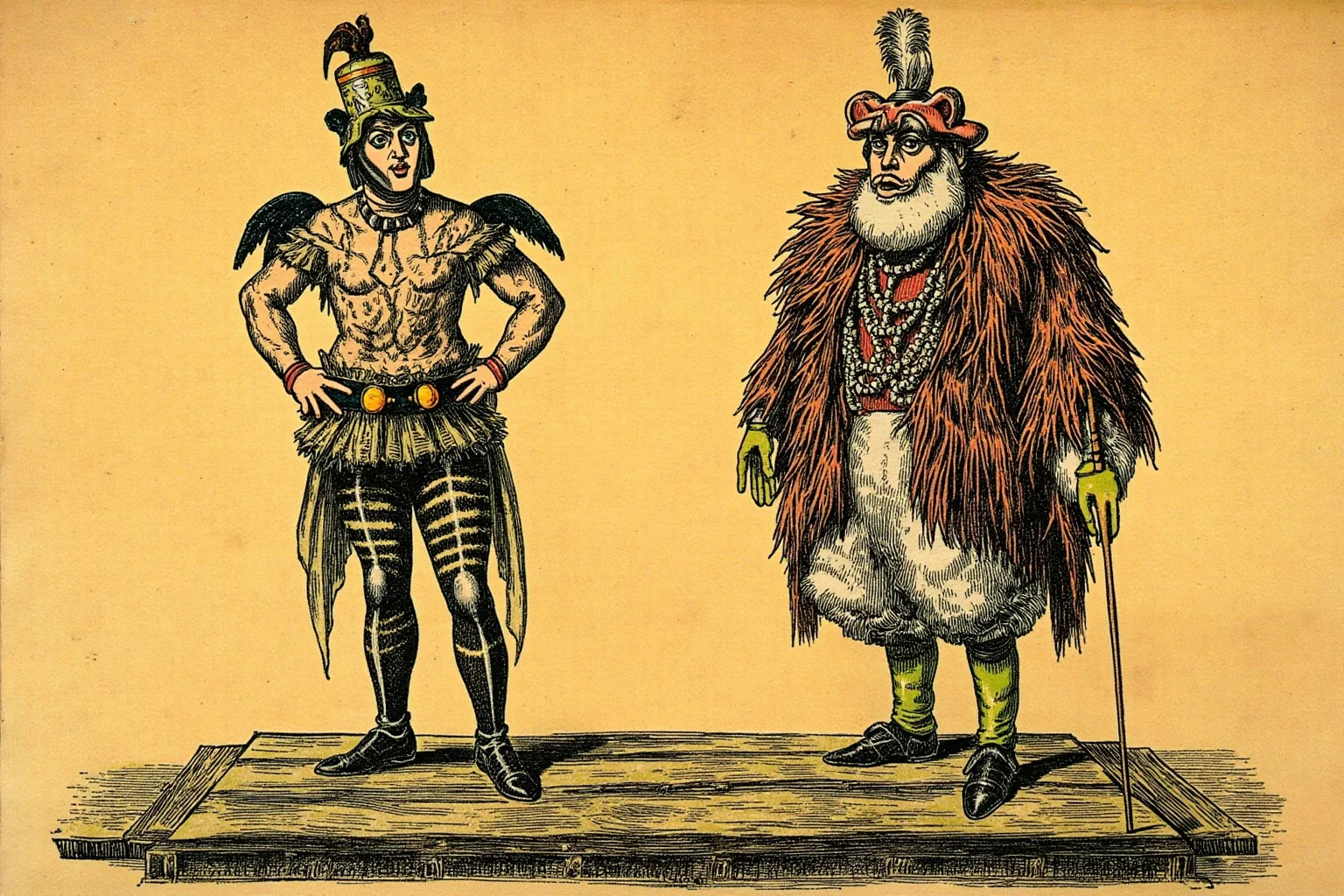
Billed as savage, uncivilized "wild men" captured from the jungles of Borneo, this act actually featured two American brothers, Hiram and Barney Davis, who had a developmental disability. Barnum and other promoters dressed them in exotic costumes and constructed an entirely fictional backstory to make them seem exotic and dangerous.
The act is now widely cited by historians as one of the clearest examples of how sideshow promoters fabricated identities for performers who had little say in how they were presented. It stands in sharp contrast to acts like Chang and Eng, where the performers retained more control over their own narrative.
12. Chang the Chinese Giant
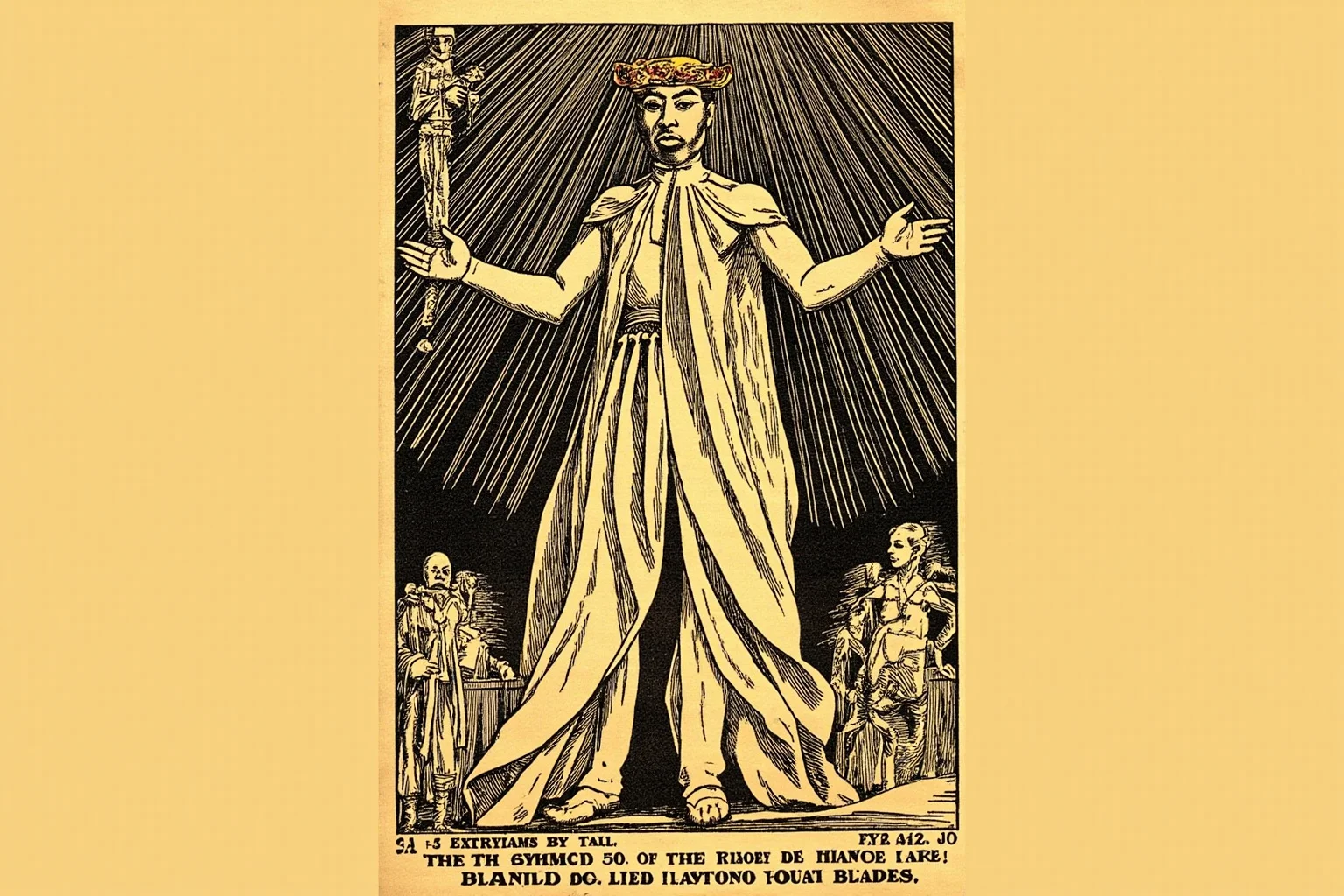
Standing roughly eight feet tall, Chang Woo Gow toured with various circus and museum exhibits, including engagements associated with Barnum's broader entertainment network, during the late 19th century. He was reportedly fluent in several languages and was often billed with more dignity than many other performers of the era, presented as a scholarly gentleman rather than a curiosity to be gawked at.
His popularity in both Europe and America highlights how audiences of the period were fascinated by extremes of human height, an obsession Barnum was quick to capitalize on repeatedly throughout his career.
13. The Living Skeleton
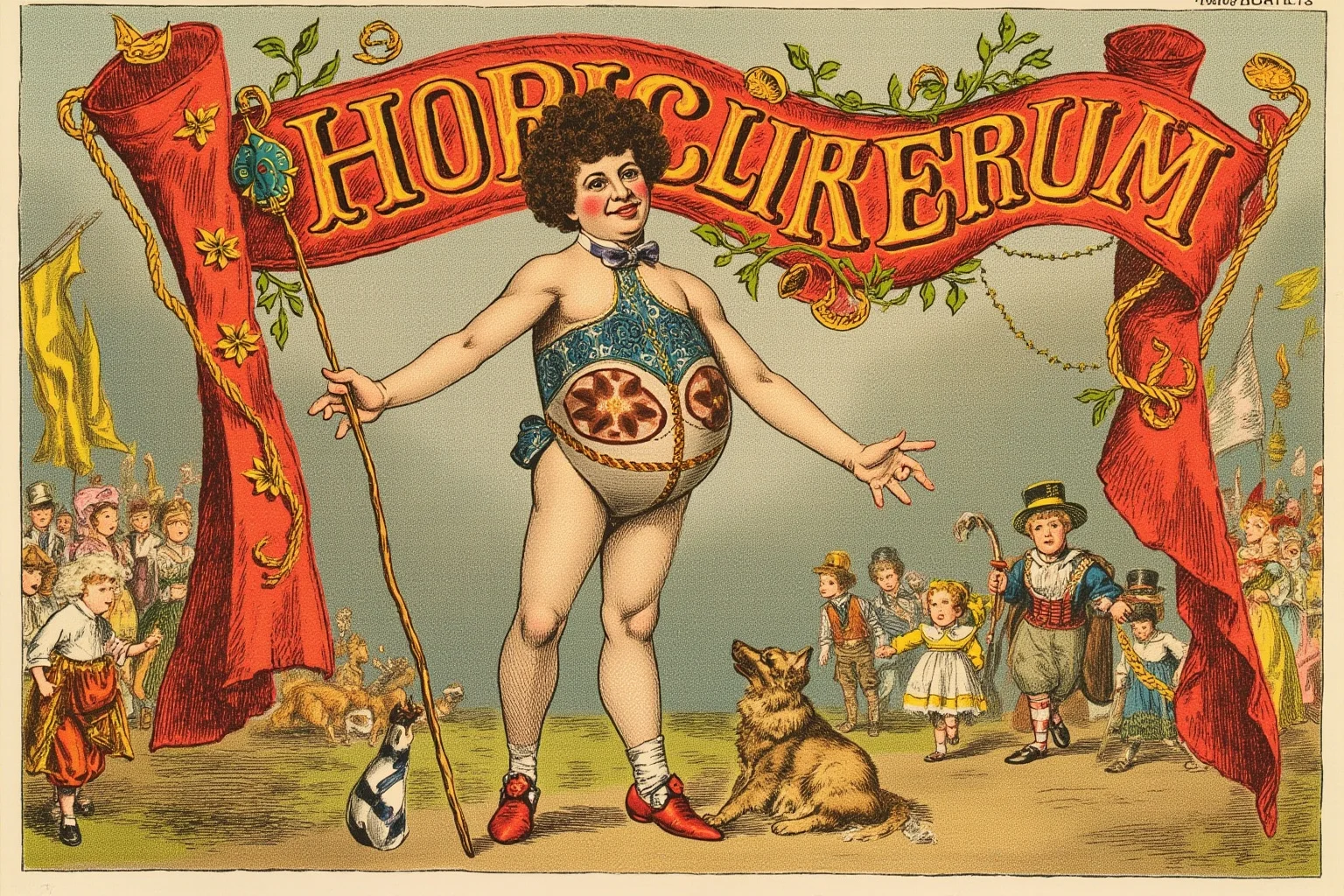
Extremely thin performers billed as "Living Skeletons" appeared across multiple sideshows in the 19th century, including exhibits connected to Barnum's museum and later circus ventures. These performers, often affected by conditions that made it difficult to gain weight, were displayed alongside "fat ladies" and giants as part of the era's fascination with bodily extremes.
While individual names varied across different shows and decades, the format remained a sideshow staple for years, reflecting Victorian audiences' appetite for physical difference presented as entertainment.
14. Jo-Jo the Dog-Faced Boy
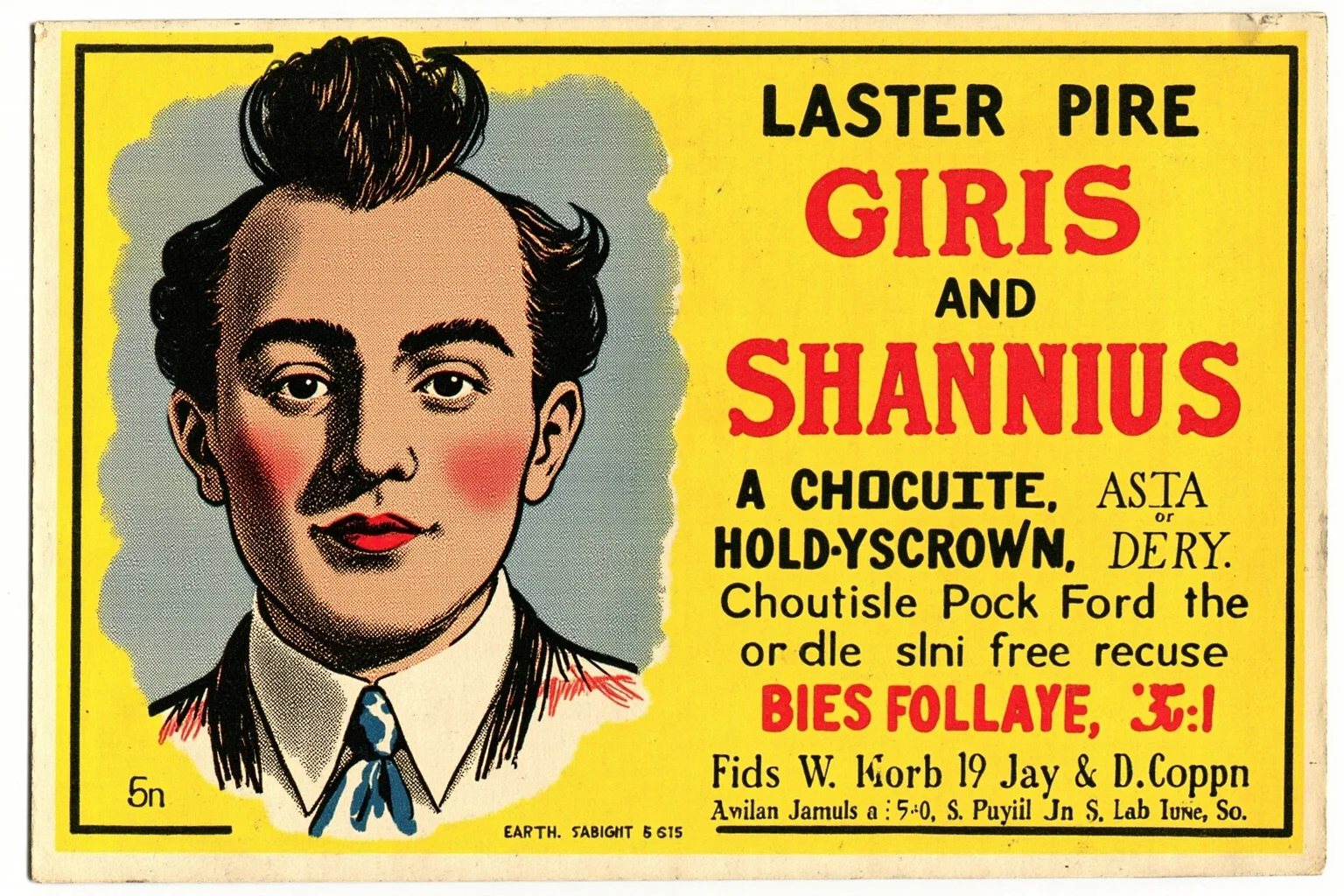
Fedor Jeftichew, a performer from Russia with a rare condition causing excessive facial hair (hypertrichosis), toured with Barnum's circus starting in the 1880s under the stage name "Jo-Jo the Dog-Faced Boy." Promotional materials claimed he had been captured in a forest, a fabricated backstory typical of how Barnum's shows dramatized ordinary human medical conditions.
Jeftichew became one of the most recognizable sideshow performers of his generation, and his image appeared widely on circus posters and advertising cards for decades.
15. The Cardiff Giant Hoax
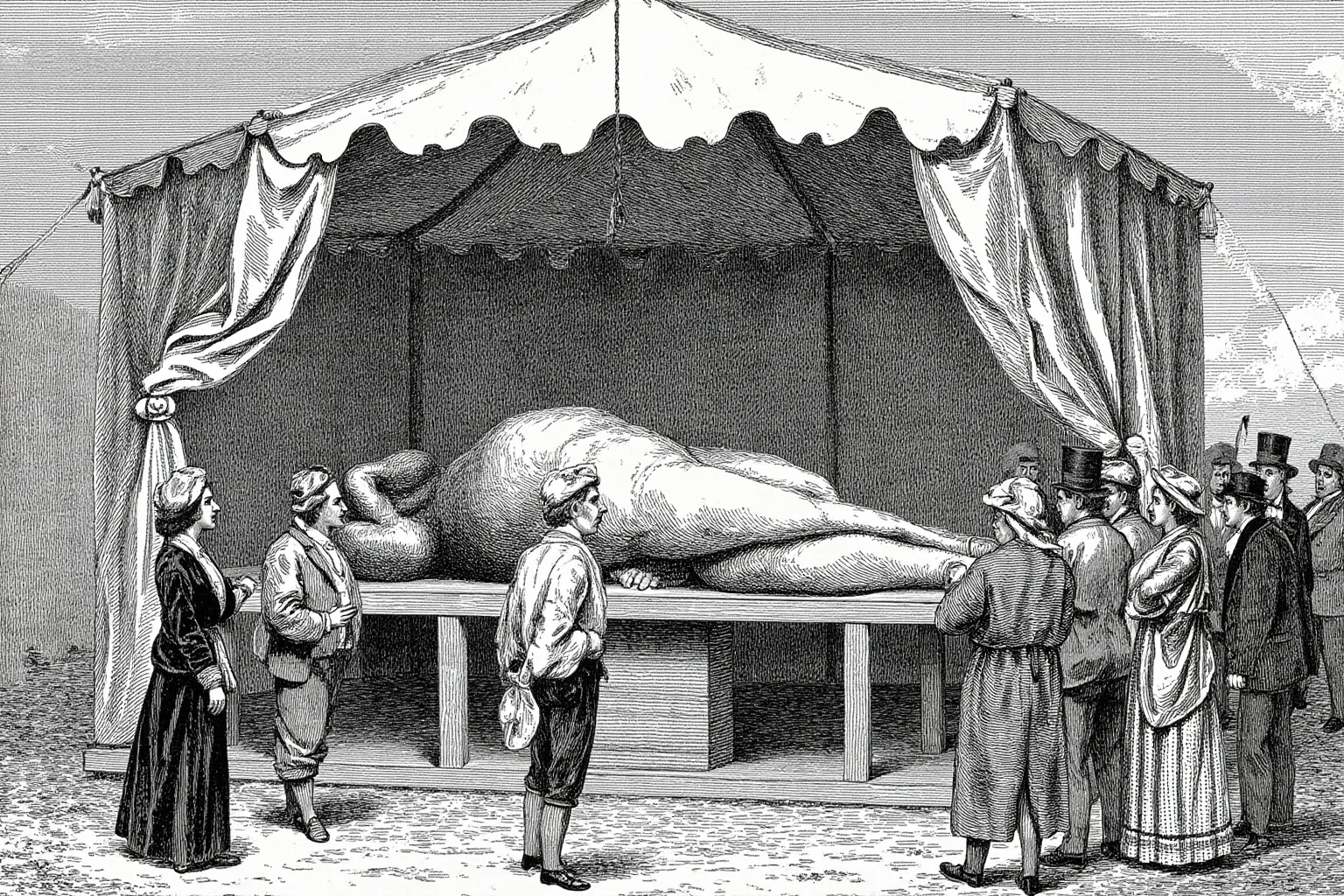
Barnum didn't create every famous 19th-century hoax, but he was eager to profit from them. When the so-called Cardiff Giant, a supposed ten-foot petrified man, was unearthed in New York in 1869, Barnum tried to buy or lease it for display.
When the owners refused, he simply commissioned his own plaster replica and exhibited that instead, openly claiming his fake was the real curiosity. The original giant itself was later exposed as a hoax constructed by a tobacconist, meaning audiences at the time were essentially paying to see a fake of a fake.
16. Krao Farini
Billed as the "missing link" and marketed with pseudoscientific claims about human evolution, Krao Farini was a young performer with a rare condition causing dense body hair. She toured extensively across Europe and America in exhibitions connected to the broader Barnum-era sideshow circuit during the 1880s.
Her act reflects how Victorian showmen exploited the era's fascination with Darwinian evolution, twisting genuine scientific curiosity into exploitative marketing built around a real person's appearance.
17. Millie-Christine McKoy
Born into slavery in North Carolina in 1851, Millie-Christine McKoy were conjoined twins who became remarkable singers and performers, eventually touring with shows associated with Barnum's broader circus network later in their careers. They billed themselves as "The Two-Headed Nightingale" and were known for genuinely impressive vocal talent, not just their physical condition.
After gaining their freedom following the Civil War, they took control of their own bookings and finances, becoming financially successful performers who used their fame to support their family and community.
18. The Broader World of Sideshow Oddities
Beyond the individually famous names, Barnum's exhibitions regularly featured a rotating cast of performers billed as albinos, tattooed men and women, sword swallowers, contortionists, and various other novelty acts. These pt barnum circus performers filled out the midway alongside the headline attractions, keeping the overall show feeling fresh for repeat visitors.
Many of these acts have been lost to history, known only through surviving posters, advertising cards, and newspaper mentions, since detailed biographical records were rarely kept for lesser-known performers.
19. The American Museum Fires

Barnum's original American Museum in New York burned down in a devastating fire in 1865, destroying countless exhibits, animals, and curiosities in the process. He rebuilt and reopened a new museum, only for that one to also burn down just a few years later in 1868.
The repeated fires effectively pushed Barnum away from the fixed museum model and toward the traveling circus format that would eventually define the rest of his career and cement his reputation as history's most famous circus promoter.
20. The Merger That Created Barnum & Bailey
Many people searching for the pt barnum real circus want to know when the show actually became the traveling circus most people picture today. That happened in 1881, when Barnum partnered with fellow showman James Bailey to merge their two circus operations into P.T. Barnum's Greatest Show on Earth, later renamed the Barnum & Bailey Circus.
The combined show toured by rail across the country, an innovation that allowed it to reach far more towns than earlier tented circuses that traveled by wagon. This merger is really the origin point of the massive traveling circus most people associate with Barnum's name today.
21. The Three-Ring Circus Innovation
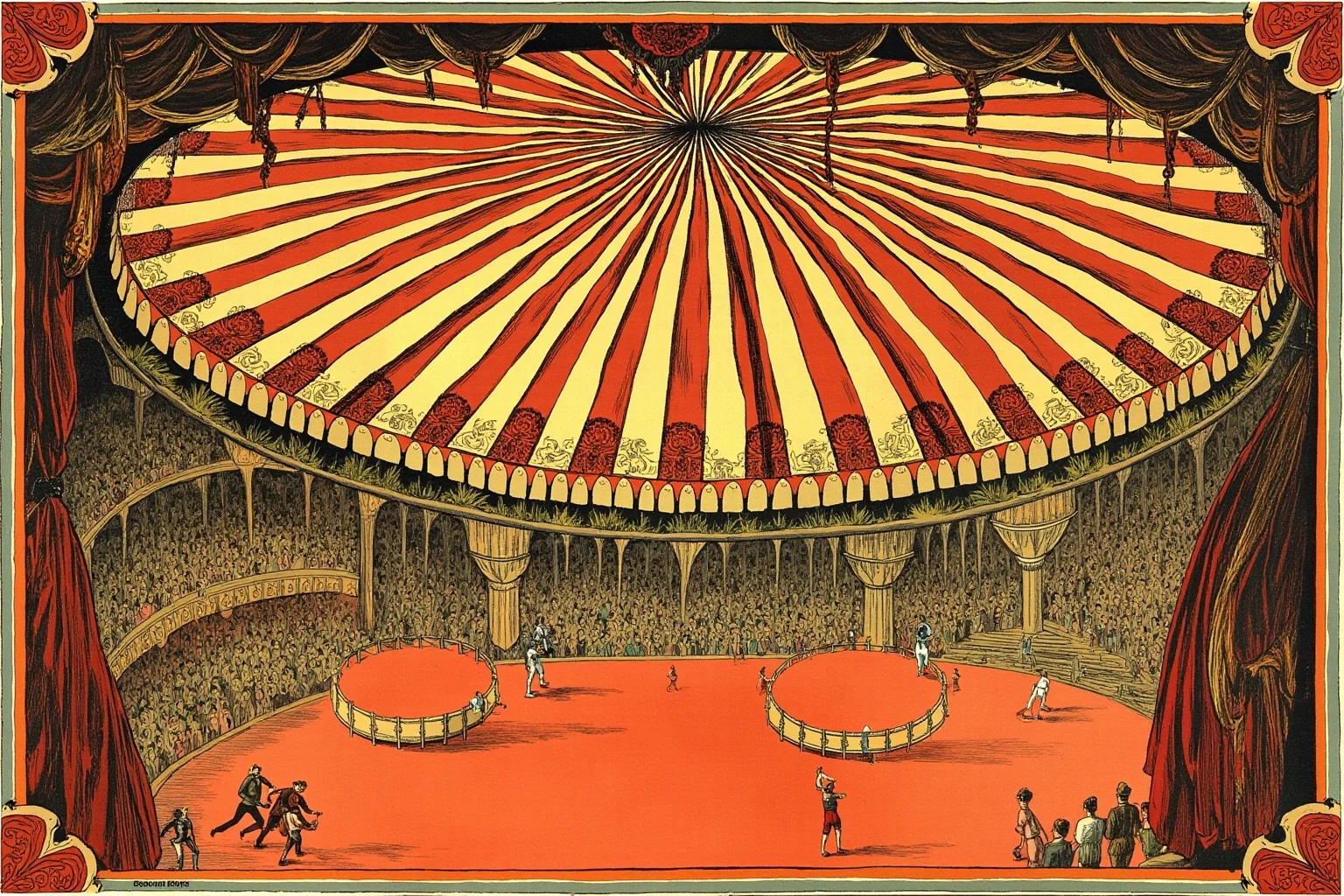
One of Barnum and Bailey's genuinely lasting contributions to circus history was popularizing the three-ring format, allowing multiple acts to run simultaneously under one big top. This let the show pack far more spectacle into a single performance and kept massive audiences engaged from multiple angles at once.
The format became so associated with American circuses that "three-ring circus" entered everyday language as a phrase describing any chaotic, overstuffed spectacle.
22. The Humbug Philosophy Behind the Show
Barnum openly embraced the idea of "humbug," a term for harmless exaggeration and showmanship rather than outright fraud, at least in his own telling. He argued that audiences enjoyed being fooled as part of the entertainment, so long as they got a good show for their money.
One famous line often attributed to him, "there's a sucker born every minute," has never been reliably traced to anything Barnum actually said or wrote, and most Barnum historians consider it a myth invented by rivals or later biographers, much like many of the best insults in history that get attached to famous names long after the fact. It's a good reminder to approach quotes about pt barnum circus freaks and hoaxes with the same skepticism he applied to his own exhibits.
23. The Decline of the Sideshow and a Changing Legacy
By the early 20th century, changing medical understanding, disability rights advocacy, and shifting public taste led to a steady decline in traditional freak shows and sideshow exhibitions. What had once been billed as astonishing curiosities came to be seen, correctly, as exploitative displays of people with genuine medical conditions and disabilities.
Modern retellings, including the popular 2017 musical film sometimes referenced by searches for p.t. barnum the greatest showman, have romanticized this history considerably. Historians generally caution that the real story involved far more genuine hardship, racism, and exploitation than the movie's uplifting musical numbers suggest, even as some performers did find real fame, wealth, and agency within the system.
What This History Actually Teaches Us
Barnum's story isn't a simple tale of villainy or a simple tale of triumph, and it resists being flattened into either version. Some performers, like the Bunker brothers or Annie Jones, exercised real control over their careers and profited handsomely from their fame.
Others, like Joice Heth or the men billed as the Wild Men of Borneo, had their identities fabricated entirely for someone else's profit, with little power to object. Understanding P.T. Barnum's circus acts means holding both of these truths at once, appreciating the genuine entertainment innovation while acknowledging the exploitation baked into much of it.
Today's circuses, museums, and even reality television still borrow from Barnum's playbook of spectacle, controlled mystery, and relentless promotion. His legacy as America's original circus promoter is inseparable from both the wonder he created and the harm he sometimes caused along the way, cementing his place among the most recognized historical figures of all time.
Frequently Asked Questions
What exactly was the P.T. Barnum freak show?
The P.T. Barnum freak show wasn't one single act but a broad category of exhibits at his American Museum and later circus, featuring performers with unusual physical traits, staged hoaxes, and novelty acts billed together as human curiosities. Performers included people with dwarfism, giantism, conjoined twins, and rare medical conditions, alongside outright fabrications like the Feejee Mermaid.
What was Barnum’s ‘What Is It?’ exhibit?
The 'What Is It?' exhibit featured performer William Henry Johnson, known by the stage name Zip, who was marketed with deliberately vague and dehumanizing language inviting audiences to guess whether he was human or animal. It traded on racist 19th-century pseudoscience and remains one of the most criticized parts of Barnum's career.
Did P.T. Barnum really meet Queen Victoria?
Barnum himself didn't meet the Queen in this famous instance, but his star performer, General Tom Thumb, was presented before Queen Victoria at Buckingham Palace in 1844 during a European tour. The visit generated enormous publicity and helped cement Tom Thumb's international fame.
Was Barnum’s circus a real circus, or just a museum sideshow?
It was both at different points in his career. Barnum started with a fixed museum of curiosities in New York before merging his operation with James Bailey's circus in 1881 to create the traveling railroad circus that became known as Barnum & Bailey's Greatest Show on Earth.
Did P.T. Barnum actually say ‘there’s a sucker born every minute’?
There's no reliable historical evidence Barnum ever said this. Most historians believe the phrase was either invented by rivals to discredit him or attributed to him after his death, making it one of the most persistent myths surrounding his legacy.
How accurate is ‘The Greatest Showman’ movie about Barnum’s life?
The 2017 musical takes significant creative liberties and largely omits the more troubling aspects of Barnum's career, including hoaxes like the Joice Heth exhibit and the racist framing of acts like the 'What Is It?' show. It's best enjoyed as entertainment rather than treated as an accurate historical record.

Alex Warren
Related Articles





