


Walk through almost any major art museum and you’ll eventually stand in front of her: a marble woman, arms often missing, torso turned in a soft twist, belly gently rounded, hips wide and unhurried. She has been called many things over the centuries, but most people simply call her Aphrodite.
Today her name has jumped from mythology books into fitness apps, style quizzes, and body-positivity posts, where “the Aphrodite body type” gets discussed as if it were a scientific category.
So where did this idea actually come from, and does it hold up against what we know about the real ancient goddess? This guide separates the myth from the marketing, walking through Aphrodite’s actual physical description in ancient sources, the statues that built her visual legacy, and how a 2,000-plus-year-old goddess ended up lending her name to a modern body-shape label.
TL;DR: The “Aphrodite body” blends real ancient Greek art and mythology with a modern body-shape label, and both versions endure because they celebrate a fuller, softer feminine ideal rather than a narrow one.
Who Was Aphrodite, Really?
Aphrodite was the ancient Greek goddess of love, beauty, desire, and fertility, and she sat among the twelve Olympian deities. Her Roman counterpart, Venus, absorbed most of her stories and imagery, which is why the two names get used almost interchangeably in art history.
Her origin story actually has two competing versions in ancient literature. Hesiod’s “Theogony,” written around the 7th century BCE, describes her rising fully formed from sea foam near Cyprus, while Homer’s “Iliad” calls her the daughter of Zeus and the goddess Dione.
Both versions were taken seriously by different ancient communities, so there was never one single “official” backstory. This matters because it shows that even the Greeks themselves treated her as a layered, evolving figure rather than a fixed character with one agreed-upon appearance.
What People Mean by “Aphrodite Body” Today
When people search for the aphrodite body or the aphrodite body type online, they’re usually not asking about mythology at all. They’re referencing a modern, informal body-shape category used in fashion and fitness content, one of several “goddess body types” alongside labels borrowed from Athena, Artemis, or Hera.
In most of these popular frameworks, the Aphrodite body type describes a figure with a fuller bust and hips, a defined but not extremely narrow waist, and proportionally balanced shoulders and hips. It’s frequently described as a softer, curvier cousin of the classic hourglass shape.
It’s worth being upfront that this classification system is a modern invention, not an ancient Greek measurement standard. The Greeks never ran body-type quizzes, so “aphrodite body type” is really a contemporary label inspired by classical art rather than a historically documented category.
Aphrodite’s Physical Appearance in Myth and Poetry
Ancient texts describe Aphrodite’s beauty constantly, but they’re surprisingly light on physical detail. Homer and the Homeric Hymns praise her as radiant, golden-haired, and irresistibly charming, with epithets like “golden Aphrodite” appearing again and again.
What these sources emphasize is effect, not measurement. Ancient poets focus on how she made others feel, how gods and mortals alike lost their composure around her, rather than describing waist size or body proportions the way a modern profile might.
This is an important myth-busting point. Much of what people now picture as “Aphrodite’s physical appearance” actually comes from later visual art, especially Hellenistic and Roman sculpture, rather than from the earliest written myths themselves.
The Body of Aphrodite in Ancient Greek Art
The visual template most people picture when they hear “Aphrodite” was largely shaped by sculpture created centuries after Homer. Early Greek art often showed Aphrodite clothed and dignified, similar to other goddesses, without special emphasis on nudity.
That changed dramatically in the 4th century BCE with the sculptor Praxiteles. His Aphrodite of Knidos is widely considered the first life-size nude female statue in Greek art, and it caused genuine controversy in its time precisely because full nudity had previously been reserved for male figures like athletes and gods such as Apollo.
The original Knidos statue no longer survives, but ancient writers described crowds traveling specifically to see it, and Roman-era copies still exist in museums today. This single artistic choice reshaped how Aphrodite, and later the female nude in general, would be represented in Western art for centuries.
The Aphrodite Belly and Tummy: Why the Statues Look That Way
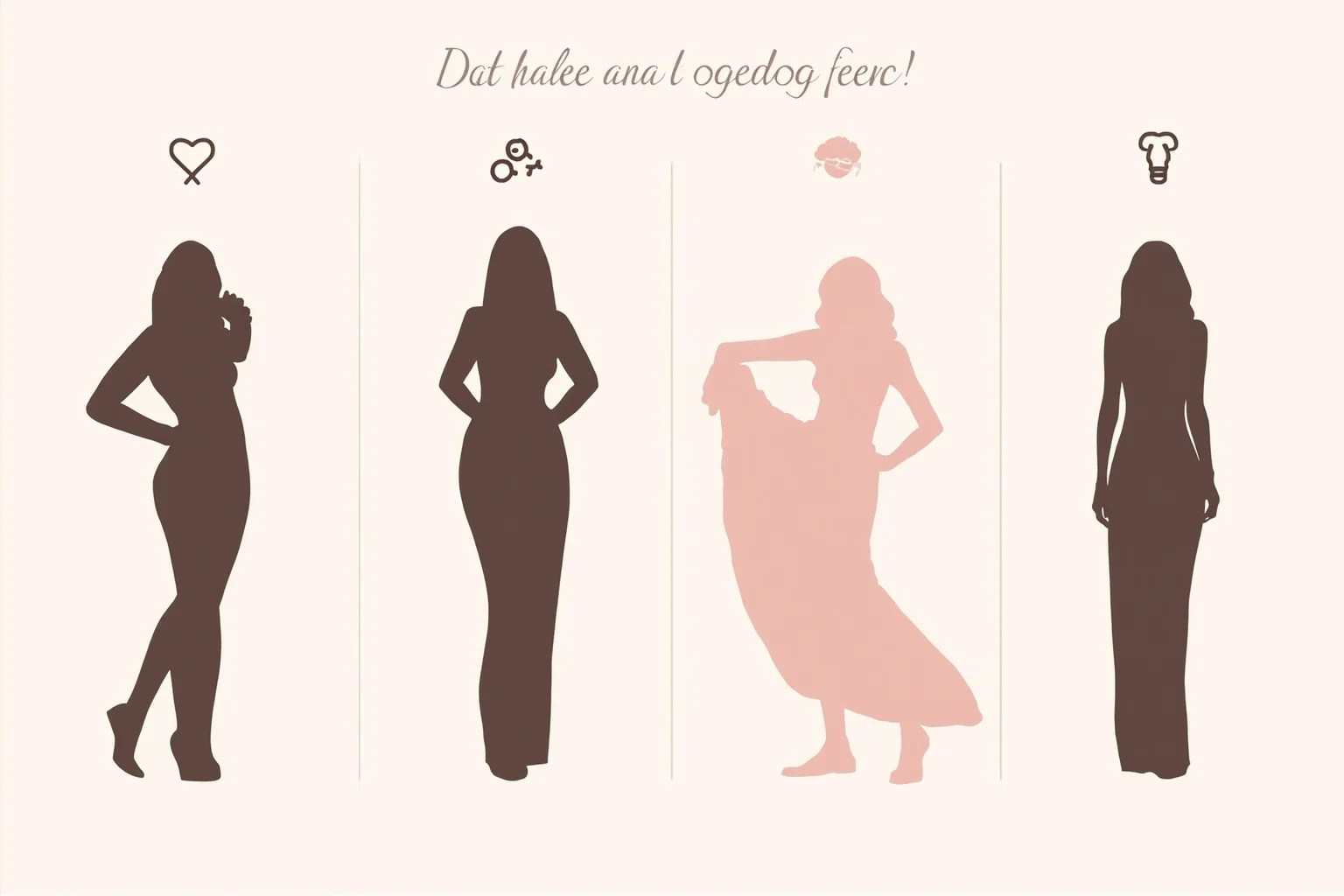
One detail that surprises a lot of modern viewers is the soft, slightly rounded lower belly visible on classical Aphrodite and Venus statues. This look, sometimes referred to casually today as the “Aphrodite belly” or “Aphrodite tummy,” wasn’t a sculpting flaw or an accident.
Greek and Roman sculptors were working within an idealized aesthetic that valued softness, fertility, and mature womanhood over the lean, flat-stomach standard that dominates a lot of modern imagery. A gently curved lower abdomen was read as healthy and womanly, not as something to disguise or minimize.
This is one reason the Aphrodite body has become such a popular reference point in body-positivity conversations. People point to statues like the Venus de Milo and note that even an idealized goddess, carved by master artists working under strict artistic conventions, was given a soft belly rather than a flat one.
Famous Statues That Built Aphrodite’s Visual Legacy
A handful of specific artworks are responsible for almost everything people now associate with “Aphrodite’s body.” The Venus de Milo, created around the 2nd century BCE and now housed in the Louvre, is probably the single most famous depiction, admired for its balanced proportions and dramatic missing arms.
The Aphrodite of Knidos, discussed above, established the nude standing pose with one hand near the body that later became known in art history as the “Venus pudica” gesture. Centuries later, the Venus de’ Medici and the Capitoline Venus, both Roman-era marble works, continued and refined that same basic pose.
There’s also the Aphrodite Kallipygos, a Roman copy of a Greek original whose name literally translates to “Aphrodite of the beautiful buttocks.” Its existence alone shows that ancient audiences were entirely comfortable praising specific body features, not just an abstract idea of beauty.
Greek Goddess Bodies: How Aphrodite Compares to Athena, Artemis, and Hera
Aphrodite wasn’t the only goddess with a distinct visual identity in ancient art. Athena, goddess of wisdom and war, was almost always shown fully armored and upright, her body language projecting strength and authority rather than softness.
Artemis, goddess of the hunt, was typically depicted as athletic and youthful, often in a short hunting tunic that allowed for movement. Hera, queen of the gods, was usually shown as mature, regal, and fully draped, emphasizing dignity over physical display.
So when modern content talks about “greek goddess bodies” or “goddess bodies” as a broader category, it’s really describing this range of ancient visual archetypes: the warrior, the huntress, the queen, and the goddess of love. Each one reflected a different value the Greeks associated with that deity, not a single universal body standard.
Where the Modern “Goddess Body Type” Trend Comes From
The practice of naming body shapes after goddesses is a relatively recent cultural habit, gaining real traction through fashion styling guides, fitness marketing, and social media body-type quizzes over the past couple of decades. These systems typically sort women’s body shapes into a small handful of categories, often four or five, each named after a different Greek goddess.
Aphrodite usually represents the fuller-figured, curvier category in these frameworks, while other goddess names get attached to leaner, more angular, or more athletic shapes. It’s a catchy, mythologically flavored branding choice rather than a system with roots in actual ancient body classification.
It’s worth treating these categories as loose style or fitness marketing tools rather than medical or scientific standards. Real human bodies are far more varied than any four- or five-category system can capture, goddess-themed or otherwise.
What Is an Aphrodite Body Type, Specifically?
In most popular versions of this framework, an Aphrodite body type is described as having a bust and hip measurement that are roughly similar in width, with a waist that is defined but noticeably softer or less dramatic than a classic hourglass silhouette. Some versions also mention slightly fuller thighs and a rounder lower belly as part of the profile.
The comparison to classical statues is intentional. Marketing and styling content built around this label leans heavily on imagery from the Venus de Milo and similar sculptures to visually anchor the concept, even though, again, this isn’t an ancient Greek classification.
If you’ve seen the term “aphrodite’s body type” used as a style or fitness category, this is almost always what’s being referenced. It’s a descriptive shorthand borrowed from art history, not a diagnosis or a fixed biological category.
The Deeper Aphrodite Body Meaning

Beyond measurements and silhouettes, there’s a symbolic layer to why people talk about “aphrodite body meaning” at all. Aphrodite herself represented desire, fertility, and love in Greek religion, and her sculptors chose to express those qualities through softness and roundness rather than athletic leanness.
That symbolic choice still resonates because it pushes back against the idea that only one narrow shape counts as beautiful. Choosing a goddess of love and connecting her to fuller proportions sent a clear cultural message in antiquity, and that message still lands with modern audiences looking for body-positive icons from history.
It also helps explain why the phrase keeps circulating in body-positivity spaces specifically. Pointing to a goddess statue with a soft belly and rounded hips gives people a historical anchor point when arguing that idealized beauty has never been one single shape.
Why the Aphrodite Body Continues to Be Praised
Part of the staying power comes from sheer visibility. The Venus de Milo alone is one of the most reproduced artworks in history, appearing in textbooks, postcards, and countless parody images, which keeps her silhouette culturally present generation after generation.
Another factor is the built-in mythological weight. Because Aphrodite was literally the goddess of love and beauty in her own culture’s belief system, praising her form carries a kind of ancient endorsement that a generic modern image simply doesn’t have.
Finally, there’s the body-positivity angle already mentioned. In an era saturated with heavily edited images, a 2,000-year-old marble statue with a soft stomach and no flat-abs standard feels almost rebellious, which gives the Aphrodite body renewed relevance in current conversations about realistic beauty standards.
Common Misconceptions Worth Correcting
It’s easy to assume the ancient Greeks had one fixed idea of the “perfect body,” but that’s an oversimplification. Different city-states, time periods, and artists all had varying tastes, and even Aphrodite’s depictions changed noticeably between the Classical and Hellenistic periods.
Another common misconception is that Aphrodite was always shown nude in Greek art. Nudity for Aphrodite actually became common only after Praxiteles’ Knidos statue in the 4th century BCE, meaning earlier depictions typically showed her clothed like other goddesses.
Finally, it’s worth repeating that the “Aphrodite body type” quiz-and-chart system is modern pop culture, not ancient anthropology. Treating it as a historically documented classification would be presenting a marketing concept as settled fact, which isn’t accurate.
The Cultural Legacy, From Ancient Cyprus to Modern Feeds
Aphrodite’s image has had an unusually long cultural run, moving from temple worship in ancient Cyprus and Cythera, to Roman reinterpretation as Venus, through Renaissance paintings like Botticelli’s “The Birth of Venus,” and now into social media captions and fitness apps. Few ancient figures have kept this level of visual relevance across so many centuries.
That longevity says something real about the appeal of her form specifically. Plenty of ancient deities faded from popular visual culture, yet Aphrodite’s soft-bodied, confidently posed silhouette kept getting rediscovered by new generations of artists, sculptors, and, eventually, content creators.
Whether people are studying her in an art history class or scrolling past a body-type infographic, they’re engaging with the same basic visual legacy that started with sculptors working more than two thousand years ago. That thread connecting ancient marble to modern screens is a big part of why the Aphrodite body still gets talked about at all.
Final Thoughts
The Aphrodite body is really two things layered together: a genuine, well-documented piece of ancient Greek art history, and a modern body-shape label that borrows her name and imagery for very contemporary purposes. Both are worth understanding on their own terms, especially if you want to use the phrase accurately rather than repeating internet shorthand as historical fact.
What ties both versions together is a consistent celebration of fuller, softer femininity as something worth admiring rather than minimizing. That’s a message the ancient sculptors clearly believed in, and it’s one reason the Aphrodite body keeps getting praised, discussed, and reinterpreted more than two millennia later.
Frequently Asked Questions
What is an Aphrodite body type?
An Aphrodite body type is a modern, informal body-shape label used in fashion and fitness content, generally describing a figure with a fuller bust and hips, a softer defined waist, and proportions inspired by classical statues of the goddess like the Venus de Milo. It's not an ancient Greek classification system, just a contemporary label that borrows her name and imagery.
Is the Aphrodite body type a real medical or scientific category?
No, it's a popular styling and fitness marketing concept rather than a medical or scientific classification. Human body shapes vary far more than any small set of goddess-named categories can accurately capture.
Why do ancient statues of Aphrodite have a soft belly?
Greek and Roman sculptors idealized softness and fuller proportions as signs of health, fertility, and mature femininity, rather than favoring a flat-stomach standard. The gently rounded belly seen on statues like the Venus de Milo reflects that ancient aesthetic choice, not a sculpting flaw.
Was Aphrodite always depicted nude in Greek art?
No. Earlier Greek depictions typically showed Aphrodite clothed, similar to other goddesses. Nude depictions became common only after the sculptor Praxiteles created the Aphrodite of Knidos in the 4th century BCE, which is considered the first life-size nude female statue in Greek art.
What is the difference between Aphrodite and Venus?
Aphrodite is the Greek goddess of love and beauty, while Venus is her Roman counterpart. The Romans adopted much of Aphrodite's mythology and imagery for Venus, which is why the two names are often used interchangeably in art history, especially for statues like the Venus de Milo.
How is the Aphrodite body type different from an hourglass shape?
Both feature balanced bust and hip proportions, but the Aphrodite body type is usually described as having a softer, less dramatically defined waist compared to a classic hourglass shape. The distinction is largely a styling and marketing nuance rather than a strict physical measurement.

Alex Warren
Related Articles





