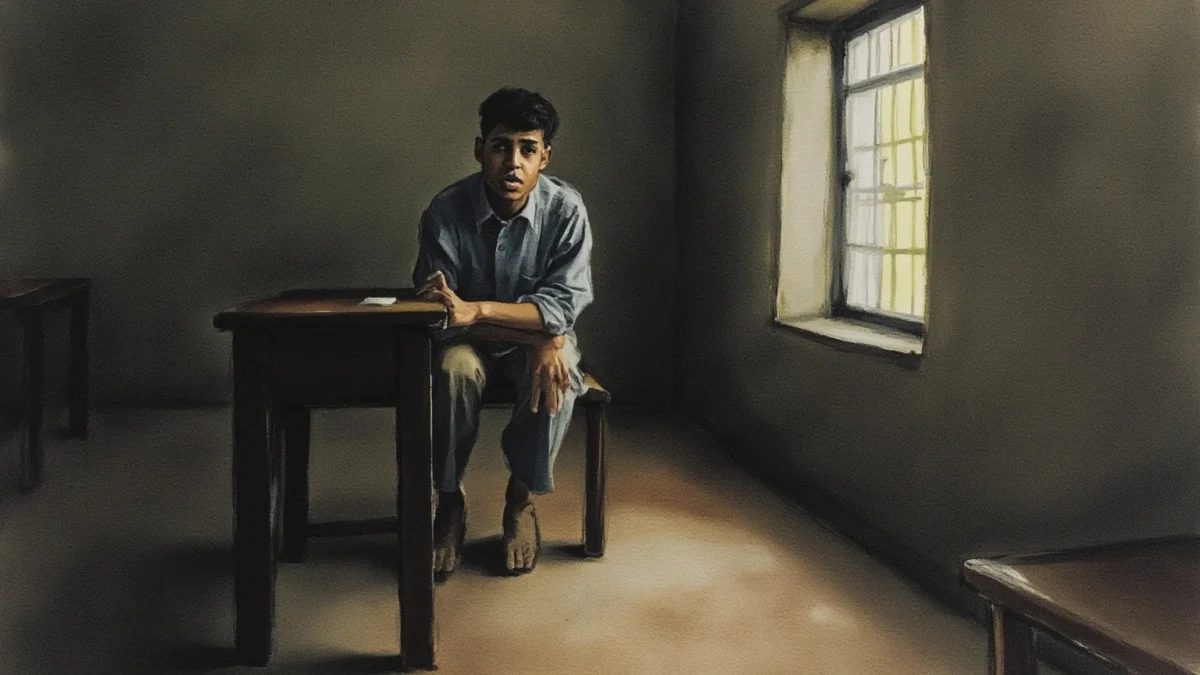
Most people know Mahatma Gandhi as the man who led India to independence through nonviolent resistance. His image is everywhere—on banknotes, in statues, in history textbooks. Yet behind the famous round glasses and spinning wheel hides a life far stranger and more surprising than the popular legend suggests.
Gandhi was a lawyer who failed in court and a husband who admitted his own flaws. He walked thousands of miles, wrote millions of words, and made decisions that still spark debate today. This post rounds up 20 of the most interesting facts about Mahatma Gandhi that often get left out of the standard story.
TL;DR: Mahatma Gandhi was a complex, flawed, and endlessly surprising figure whose life story goes far beyond the simple image of a peaceful independence leader.
1. His Full Name Had Nothing to Do With "Mahatma"
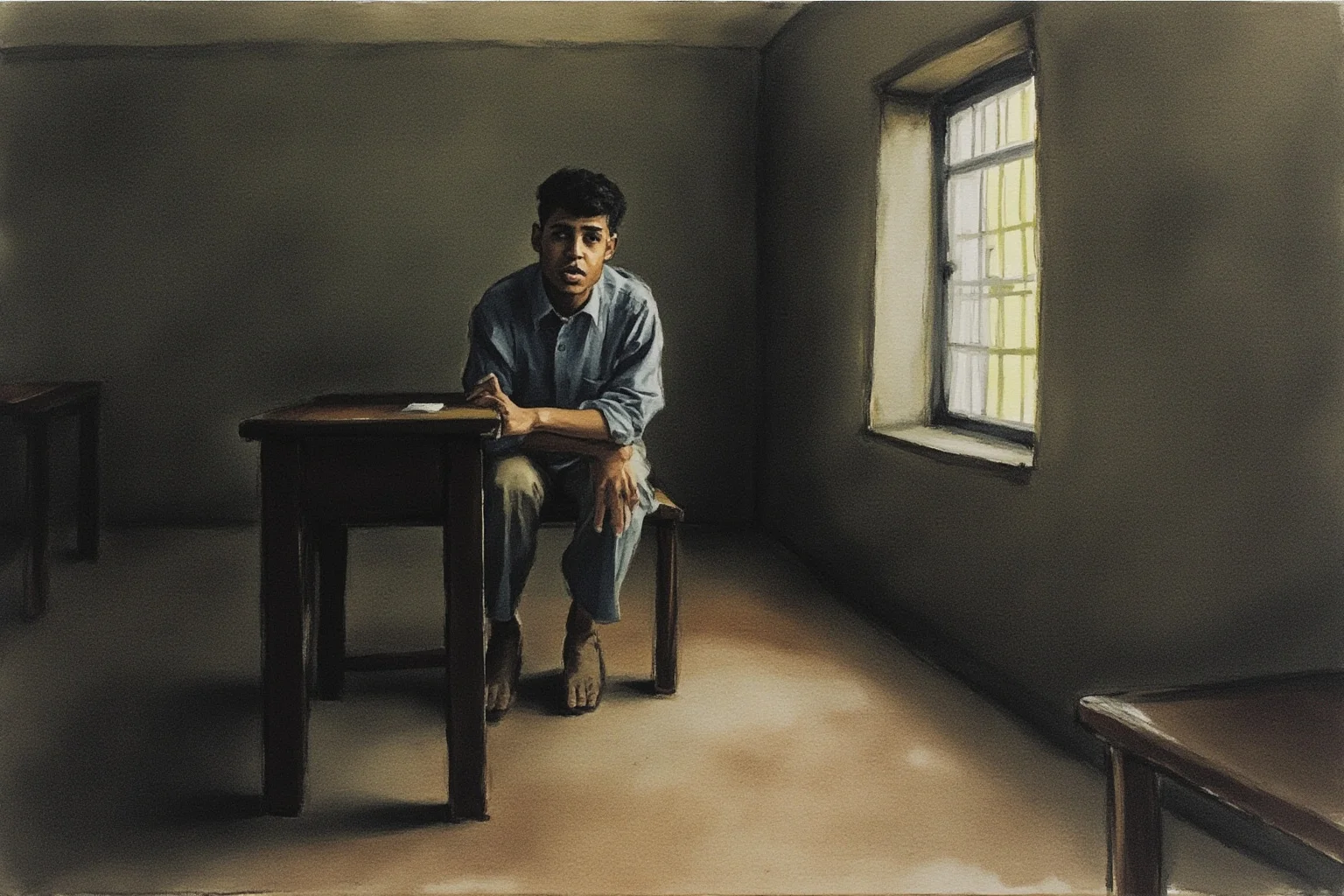
Gandhi was born Mohandas Karamchand Gandhi on October 2, 1869, in Porbandar, a coastal town in Gujarat. "Mahatma" is an honorific meaning "great soul," and it was not his given name. Rabindranath Tagore is often credited with popularizing the title, though its exact origin is debated among historians. The most recognized historical figures often have titles that eclipse their given names, as Gandhi's did.
Gandhi himself reportedly never felt fully comfortable with the label. He once wrote that he did not consider himself worthy of such a grand title. This modesty is one of the more humanizing facts about Gandhi that rarely makes it into the headlines.
2. He Was a Mediocre Student and a Shy Child
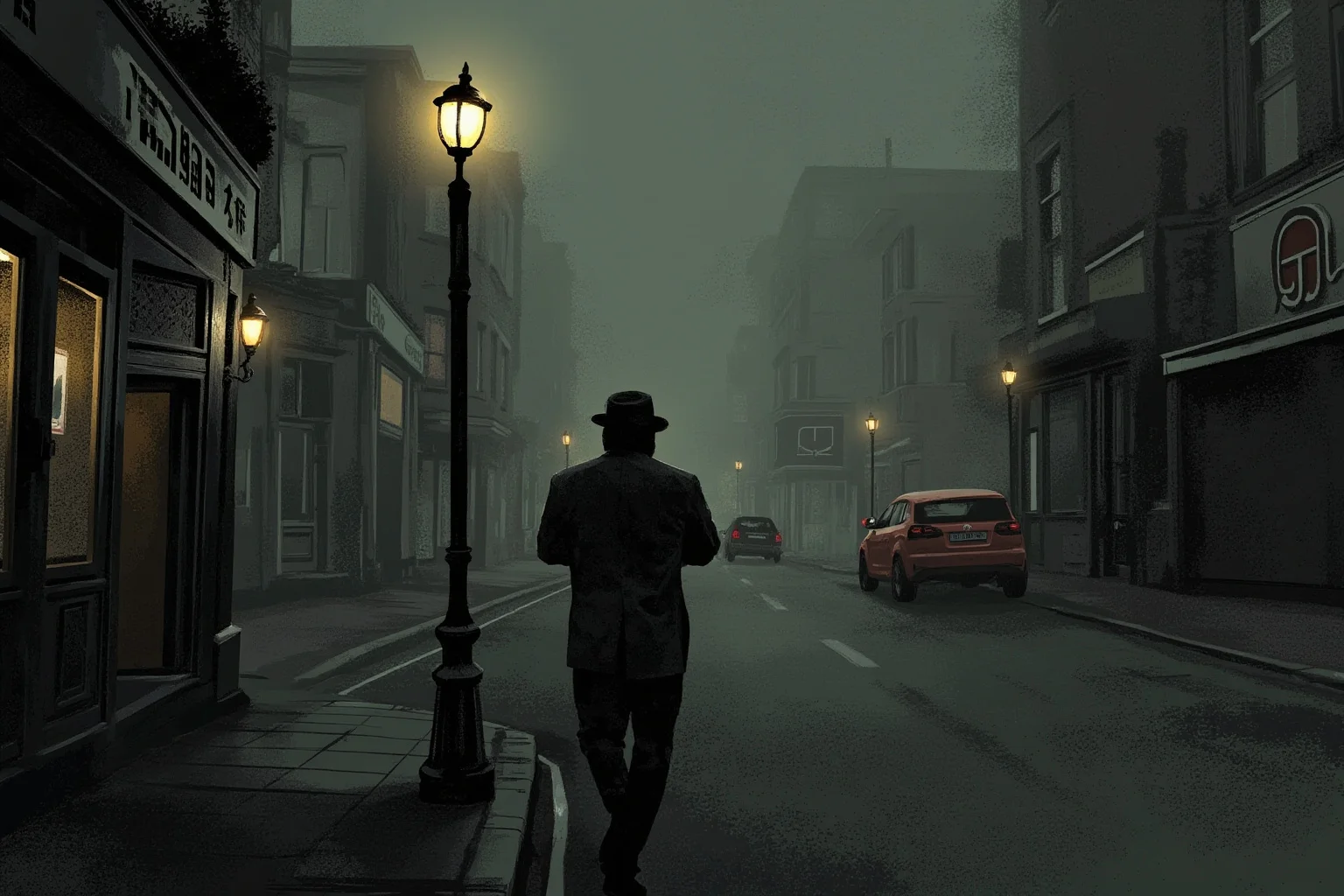
The young Gandhi was painfully shy and afraid of the dark. He would reportedly cling to a servant at night rather than sleep alone. In school, he was an average student who struggled with memorization and feared public speaking.
His early academic record gave no hint of the world-historical figure he would become. This is one of the cool facts about Gandhi that shows greatness rarely arrives fully formed. His transformation came slowly, through years of trial and error.
3. He Trained as a Lawyer in London

In 1888, at age 18, Gandhi sailed to London to study law at University College London. This was a bold move for a young man from a small Indian town, and it required him to adapt to an entirely different culture. He reportedly tried to become "more English" by taking dancing and elocution lessons.
Those attempts largely failed, but the experience shaped him deeply. He read widely, joined vegetarian societies, and began developing the moral framework that would later define his activism. The London years are often skipped in the gandhi fact file, but they were formative.
4. He Was a Dedicated Vegetarian for Most of His Life
Gandhi grew up in a vegetarian household, but he flirted with eating meat as a teenager out of curiosity. He later returned to vegetarianism with a convert's zeal and kept it for the rest of his life. In London, he joined the Vegetarian Society and even wrote articles for its journal.
His diet was not just personal preference—it became a moral and political statement. He believed in simple living, self-restraint, and nonviolence toward all creatures. These convictions later fed into his philosophy of satyagraha, or truth-force.
5. His Legal Career in India Started With a Disaster
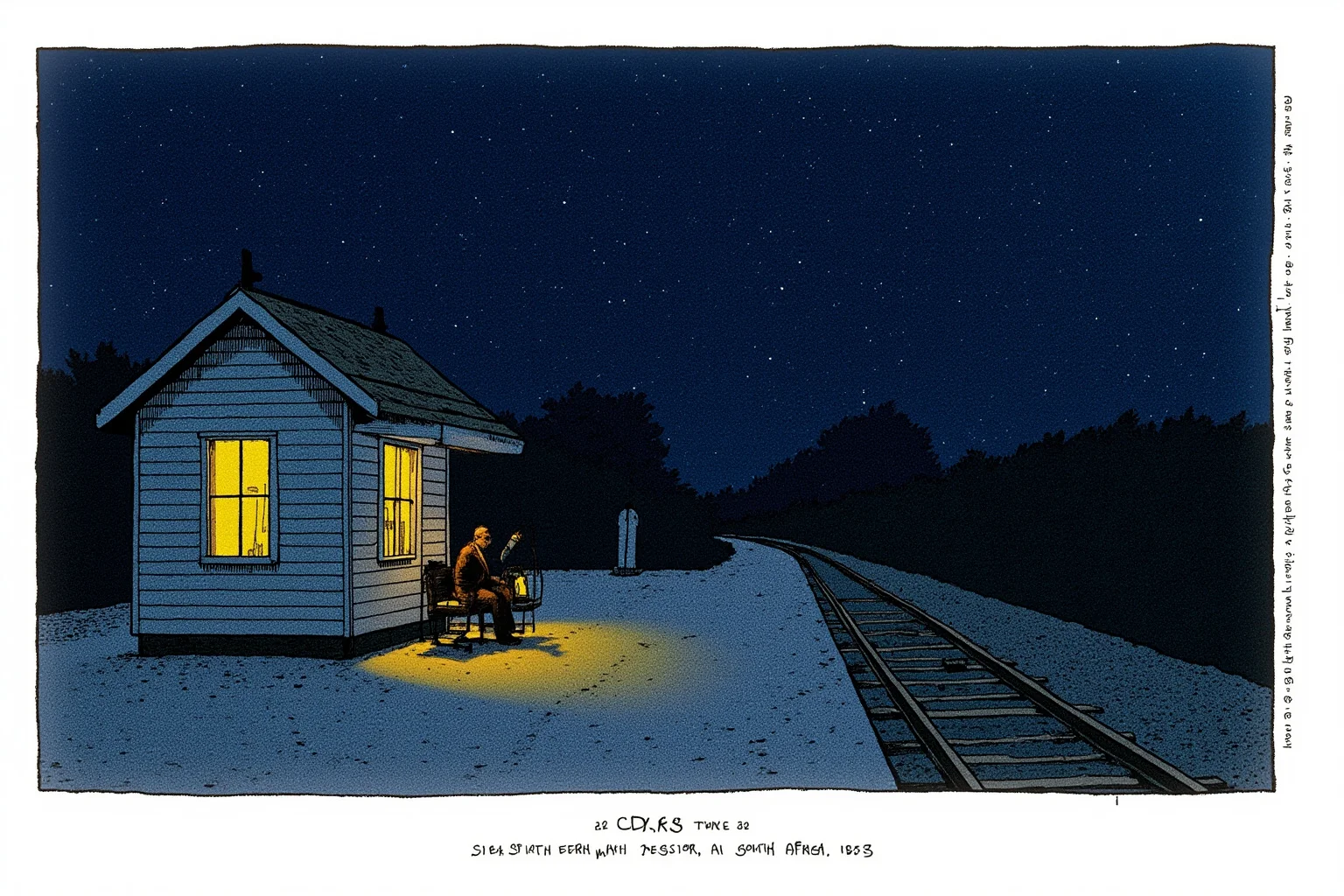
After returning to India in 1891, Gandhi tried to establish a law practice in Bombay. It went badly. He was so nervous during his first court appearance that he reportedly could not speak and had to leave the courtroom.
Unable to attract clients, he took a one-year contract to work as a lawyer in South Africa in 1893. That decision changed his life. The racism he encountered there turned him from a shy attorney into a determined activist.
6. A Train Incident in South Africa Sparked His Activism
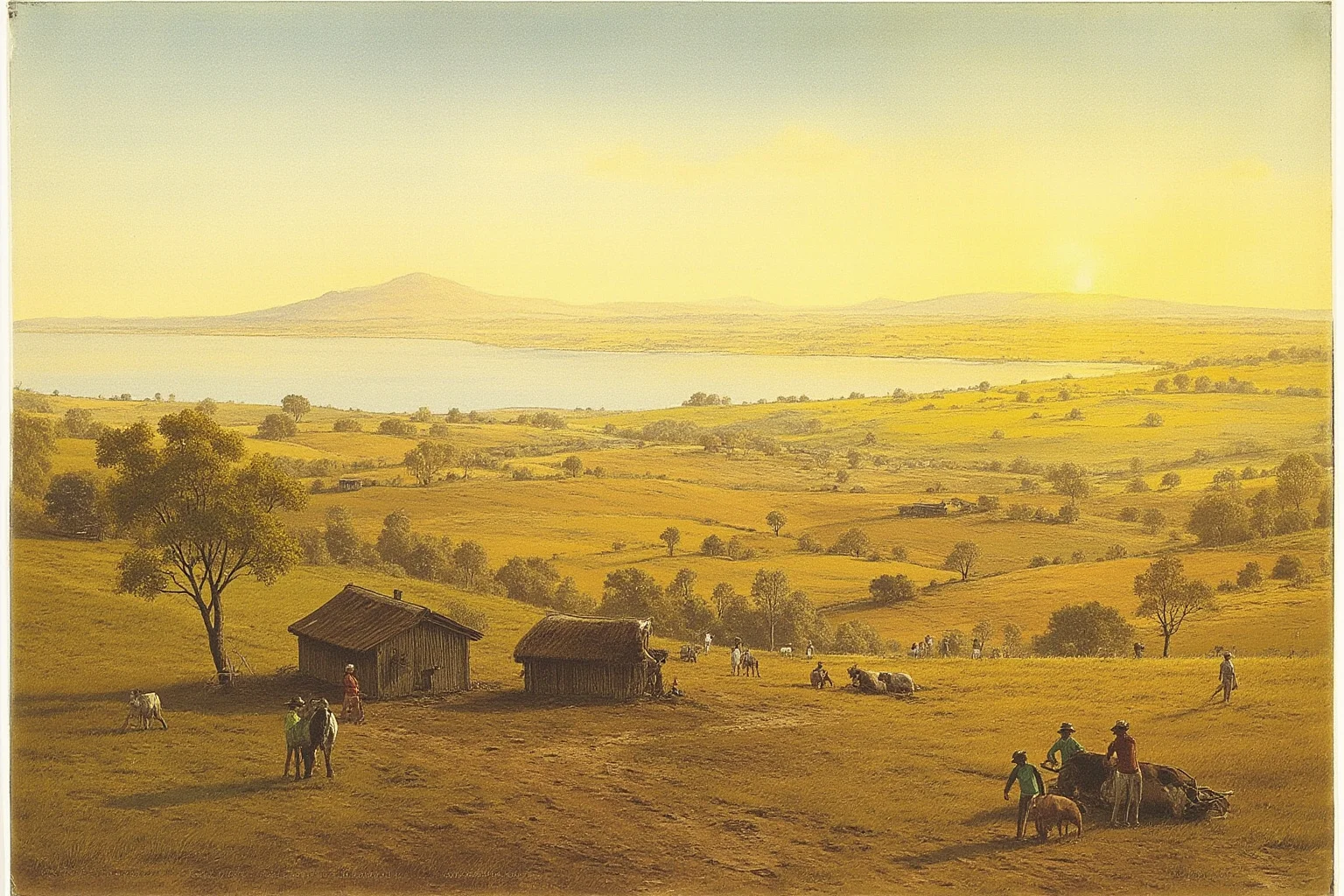
In June 1893, Gandhi was thrown off a train at Pietermaritzburg station in South Africa for refusing to move from a "whites only" compartment. He spent the night shivering in the waiting room, wrestling with whether to return to India or stay and fight.
He chose to stay. This moment is often cited as the birth of his political consciousness, though historians caution against reducing a complex life to a single event. Still, it was a turning point that pushed him toward organized resistance against racial injustice.
7. He Spent Over Two Decades in South Africa

Many people assume Gandhi spent most of his life in India, but he lived in South Africa from 1893 to 1914, with brief visits home. During those 21 years, he developed satyagraha as a method of nonviolent resistance. He also founded the Natal Indian Congress and fought for the rights of Indian indentured laborers.
His South African campaigns included marches, strikes, and mass arrests. By the time he returned to India in 1915, he was already an experienced organizer. His Indian independence work built directly on those earlier struggles.
8. He Corresponded With Leo Tolstoy

Gandhi read Tolstoy's "The Kingdom of God Is Within You" and was deeply influenced by its message of nonviolent resistance. He wrote to Tolstoy in 1909, and the Russian novelist replied warmly. Their exchange continued until Tolstoy's death in 1910.
Tolstoy admired Gandhi's South African campaigns and called him a kindred spirit. Gandhi, in turn, named a farm colony near Durban "Tolstoy Farm" in his honor. This friendship is one of the most interesting facts about Mahatma Gandhi that links East and West.
9. He Scaled Back His Life to Deliberate Simplicity
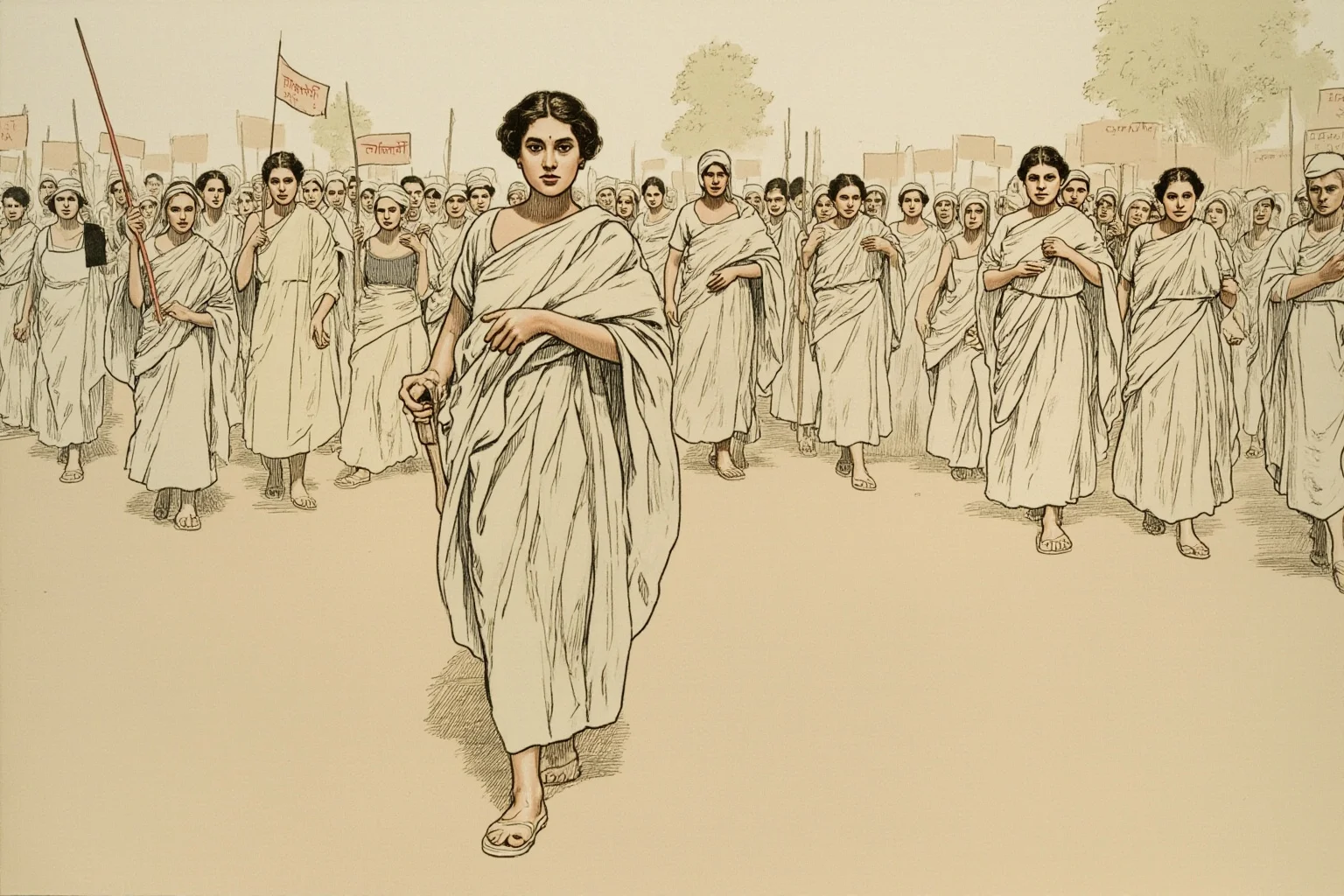
Gandhi gradually shed nearly all his possessions, eventually owning little more than a loincloth, sandals, a watch, and a pair of spectacles. He believed that possessions were a burden and that self-discipline was essential to political integrity. He lived in ashrams where everyone shared the work.
This simplicity was not just spiritual—it was strategic. By identifying with the poorest Indians, he earned trust and moral authority. It also kept his expenses low and his lifestyle consistent with his message.
10. His Wife Was His Partner in Activism
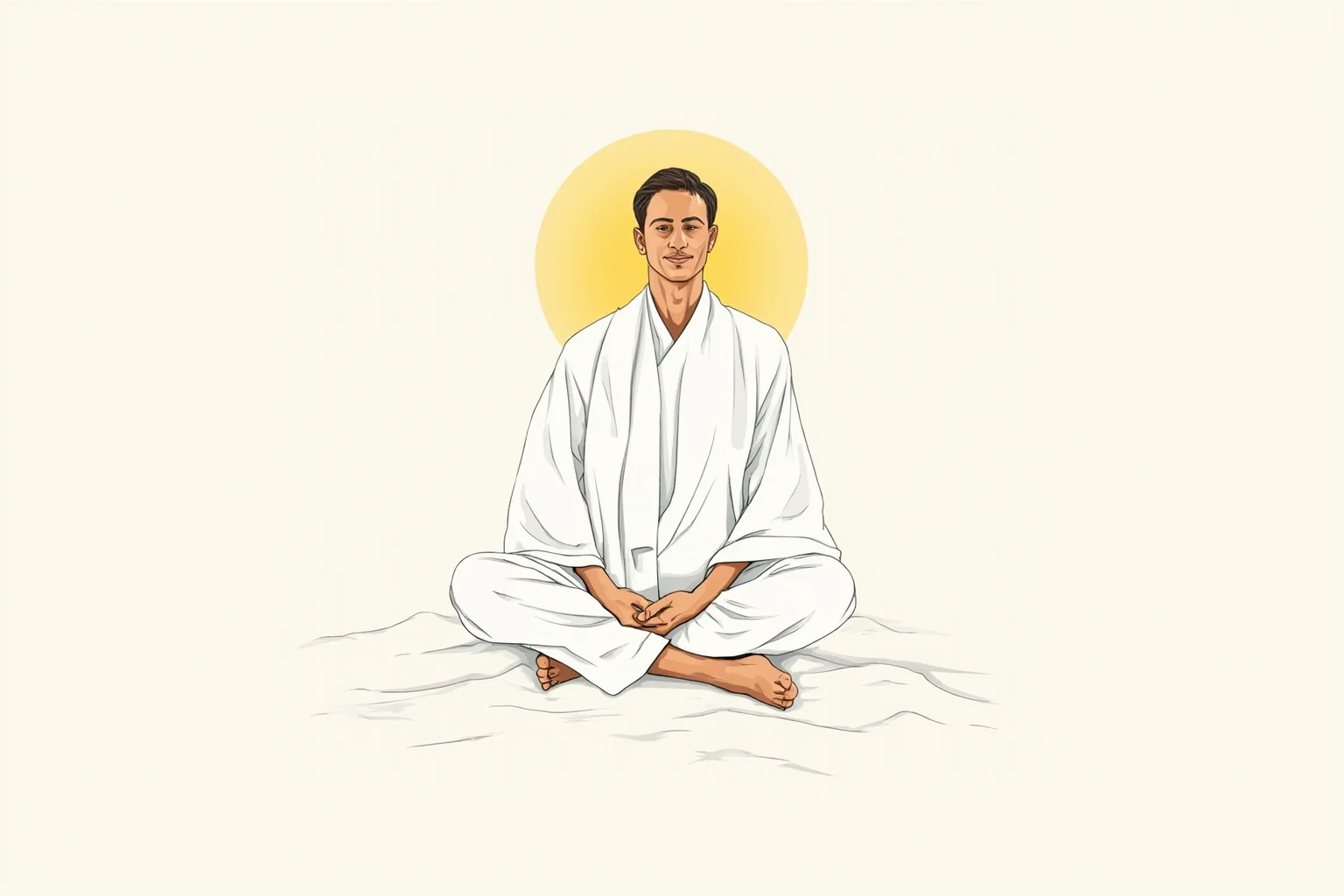
Kasturba Gandhi, married to Mohandas in 1883 when both were children, became a committed activist in her own right. She joined him in South Africa, went to prison multiple times, and led protests. She was not merely a supportive spouse but a participant in the movement.
Their marriage was complicated and sometimes strained, particularly over his strict rules about diet and celibacy. Yet Kasturba remained devoted to the cause until her death in 1944. Her role is one of the things about Mahatma Gandhi that deserves far more attention. Much like the figures in these lesser-known facts about Abraham Lincoln, Gandhi's family life is often overshadowed by his public achievements.
11. He Took a Vow of Celibacy at 37

In 1906, at age 37 and already a father of four, Gandhi took a vow of brahmacharya, or celibacy. He framed it as a way to control desires, focus on service, and build moral strength. He encouraged his followers to follow suit, though many found his rules rigid and intrusive.
His views on sexuality and gender were controversial then and remain so. Historians debate how much his personal discipline helped his politics versus how much it alienated those close to him. These gandhi life facts show a man constantly testing his own limits.
12. He Was a Prolific Writer and Publisher
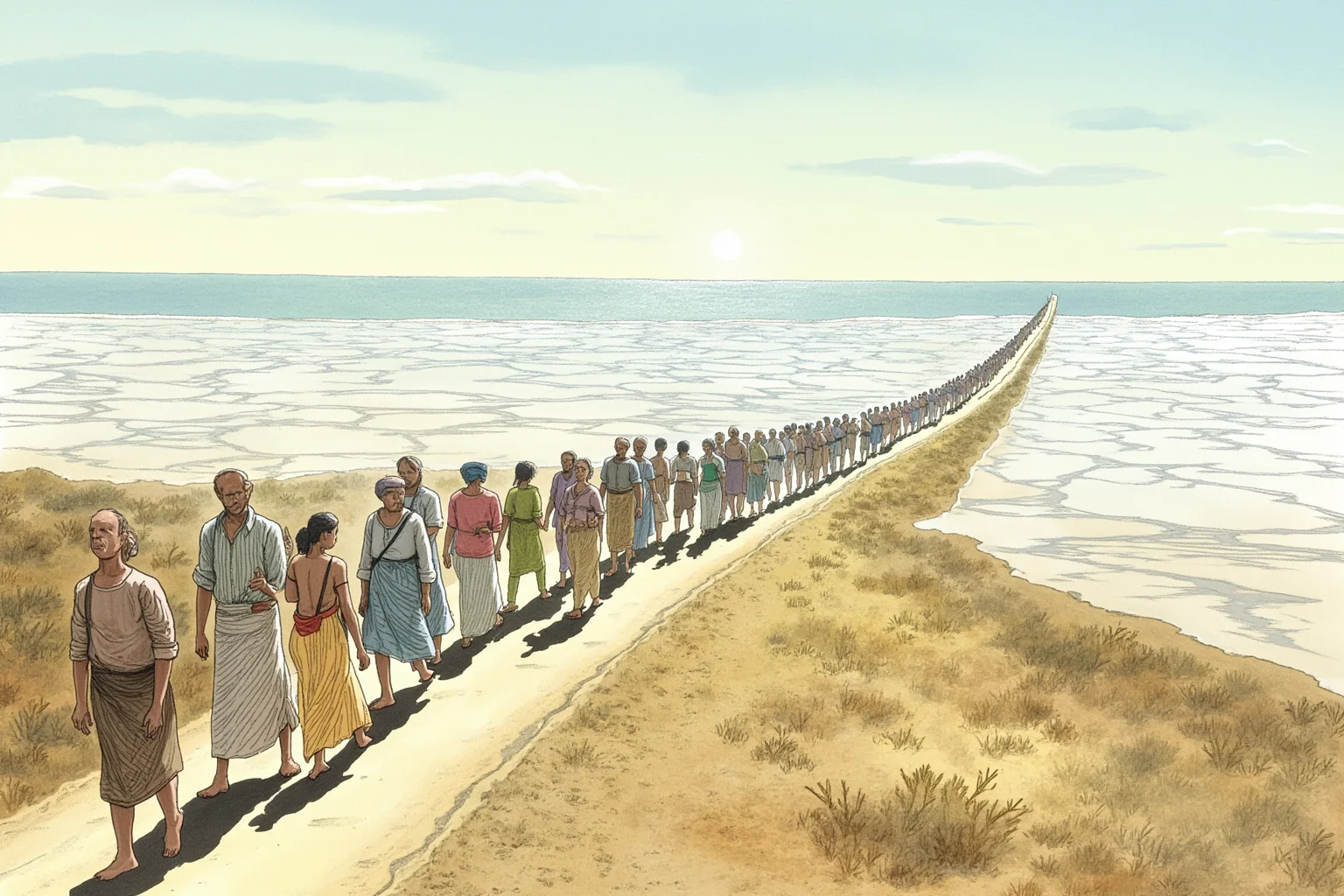
Gandhi edited several newspapers, including Indian Opinion in South Africa and Young India and Harijan in India. He wrote thousands of articles, letters, and essays throughout his life. His collected works run to roughly 100 volumes.
He also wrote an autobiography, "The Story of My Experiments with Truth," which remains one of the most honest memoirs ever written by a political leader. He admitted his failures, his temper, and his moral mistakes. Few public figures have been so candid about their own shortcomings, though some leaders—like the subjects of these key facts about George Washington and other historical figures—have also been mythologized in ways that obscure their real lives.
13. The Salt March Made Him a Global Symbol
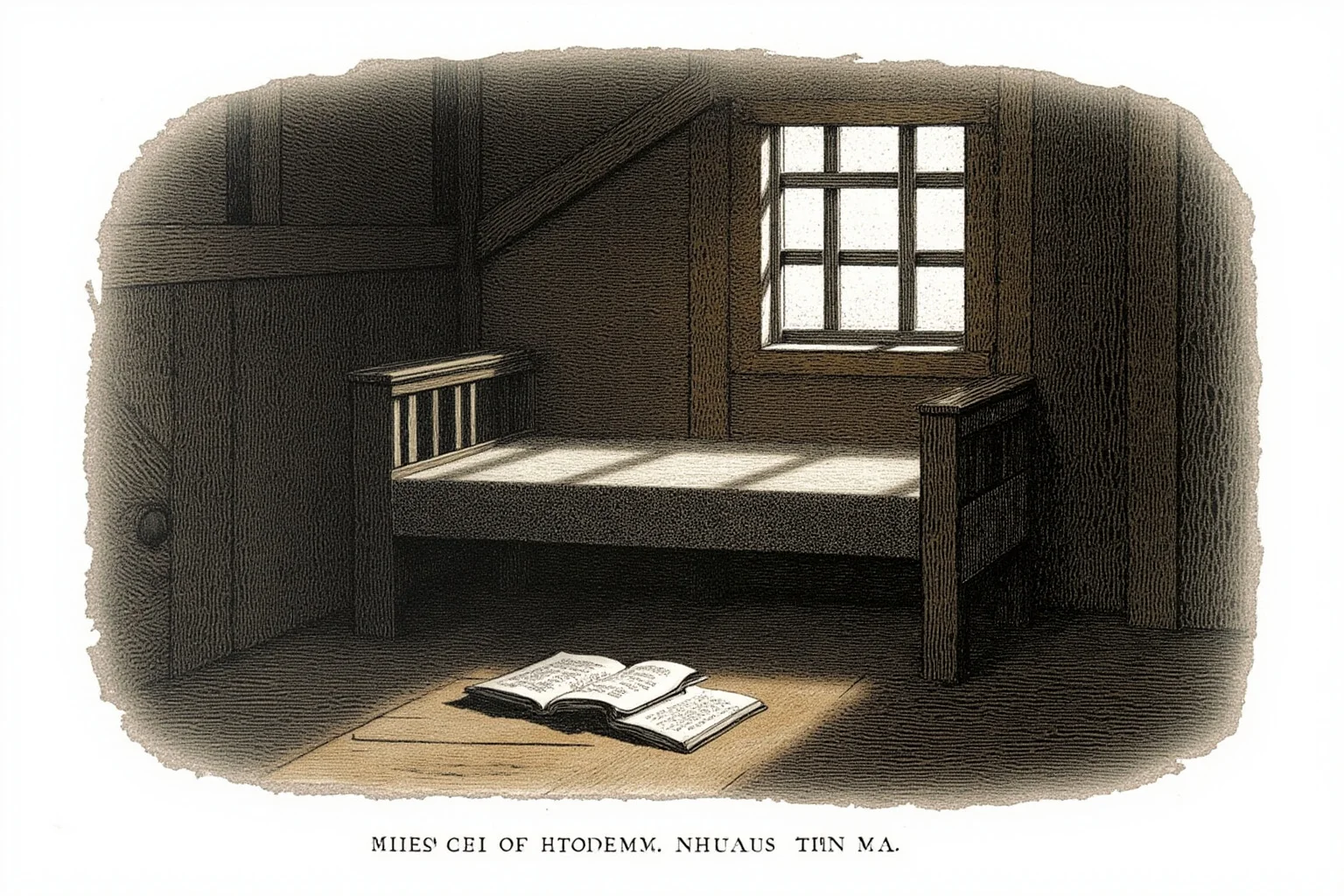
In 1930, Gandhi led the Salt March, walking about 240 miles from Sabarmati Ashram to the coastal village of Dandi. He picked up a lump of salt to protest the British monopoly on salt production. The act was simple, symbolic, and brilliantly effective.
Tens of thousands of Indians joined similar protests across the country. The British arrested over 60,000 people, including Gandhi. The march brought international attention to Indian independence and remains one of the most iconic moments of nonviolent resistance in history.
14. He Was Imprisoned Numerous Times

Gandhi spent years of his life in jail, both in South Africa and India. He was arrested in 1922 for sedition, in 1930 after the Salt March, and in 1942 during the Quit India movement. He used prison time to read, write, and meditate.
He often described prison as a kind of university. His jail stays did not weaken his movement—they strengthened his moral standing. Each arrest gave him a platform and reminded the world of the cause he represented.
15. His Relationship With His Son Harilal Was Painful
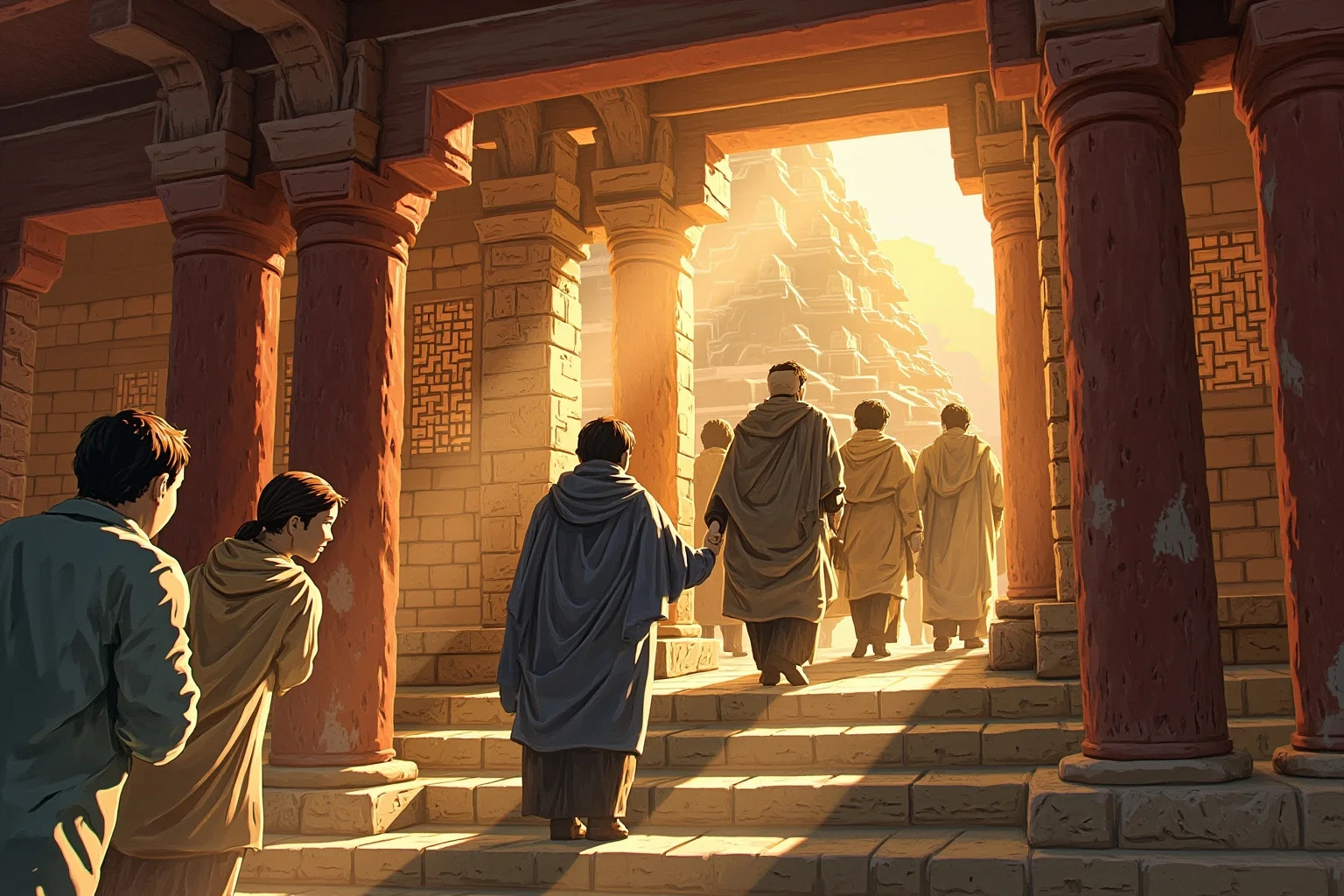
Gandhi's eldest son, Harilal, struggled throughout his life with his father's expectations and the family's public role. He converted to Islam briefly, then back to Hinduism, and drifted between jobs and addictions. Gandhi tried to help him but never fully reconciled with him.
Harilal died in 1948, just months after Gandhi's assassination. Their troubled relationship adds a somber note to the gandhi fact file. It reminds us that even the most revered leaders can leave heartbreak at home. Similar deep-dives into figures like these facts about the real story of Pocahontas show how personal narratives often complicate public legacies.
16. He Advocated for the Rights of the "Untouchables"

Gandhi campaigned against the caste system's harshest practices, calling the so-called untouchables "Harijans," or children of God. He fasted to protest their exclusion from temples and public life. He saw their oppression as a moral wound on Hindu society.
His approach was criticized by Dalit leaders like B.R. Ambedkar, who felt Gandhi's reforms were too slow and paternalistic. The debate over Gandhi's caste politics remains important and unfinished. It is one of the more complex facts about Gandhi that resists easy answers.
17. He Never Won the Nobel Peace Prize

Despite being nominated five times between 1937 and 1948, Gandhi never received the Nobel Peace Prize. The Norwegian Nobel Committee later acknowledged the omission as a regret. Some historians believe the committee feared awarding him during periods of political tension.
In 1948, the year of his death, no prize was awarded at all—the committee said there was no suitable living candidate. The Nobel Committee has since expressed regret that Gandhi never received the honor. His absence from the list remains one of the more ironic gandhi 10 facts that people share.
18. He Was Assassinated by a Hindu Nationalist
On January 30, 1948, Gandhi was shot three times at point-blank range on the grounds of Birla House in New Delhi. The assassin, Nathuram Godse, was a Hindu nationalist who opposed Gandhi's efforts to reconcile Hindus and Muslims. Gandhi was 78 years old.
His death shocked the world and triggered widespread mourning. Godse and a co-conspirator were tried and executed in 1949. The assassination highlighted the deep divisions that accompanied India's partition and independence.
19. His Ideas Influenced Civil Rights Leaders Worldwide

Martin Luther King Jr. studied Gandhi's writings and visited India in 1959 to learn more about satyagraha. He called Gandhi "the guiding light of our technique of nonviolent social change." The civil rights movement adopted many tactics inspired by Gandhi's campaigns.
Other leaders, from Nelson Mandela to Cesar Chavez, also drew on Gandhi's methods. His philosophy of nonviolent resistance became a global template for social change. This is one of the most far-reaching interesting Gandhi facts that few casual readers know.
20. His Legacy Today Is Both Celebrated and Debated
Gandhi remains a symbol of nonviolence and moral courage, honored in India and around the world. His birthday, October 2, is celebrated as the International Day of Non-Violence. Statues of him stand in cities from London to Washington, D.C.
Yet scholars continue to examine his flaws—his views on race in his early South African years, his treatment of Kasturba, and his sometimes rigid morality. Recognizing these tensions does not diminish his achievements. It makes them more human and, arguably, more instructive. Just as with the surprising facts about William Shakespeare, peeling back the legend reveals a more complicated and interesting figure.
Why These Gandhi Facts Still Matter
The story of Mahatma Gandhi is not a simple tale of a saint who always got it right. It is the story of a flawed person who kept testing himself against his own ideals. That is what makes him compelling more than 75 years after his death.
His life offers lessons about courage, self-discipline, and the power of symbolic action. It also warns against turning any historical figure into a statue without contradictions, much like the myths surrounding Christopher Columbus. The most interesting facts of Mahatma Gandhi are often the ones that complicate the legend.
If you remember only a handful of these details, let them be these: he failed before he succeeded, he changed his mind, he admitted his mistakes, and he kept going. That is a legacy worth studying closely.
Frequently Asked Questions
What are the most interesting facts of Mahatma Gandhi?
Some of the most interesting facts of Mahatma Gandhi include his shy childhood, his failed early law practice in Bombay, the train incident in South Africa that sparked his activism, his correspondence with Leo Tolstoy, his 21 years living in South Africa, and his five Nobel Peace Prize nominations without ever winning. He was also a prolific writer whose collected works run to roughly 100 volumes.
What is a quick Gandhi fact file summary?
A quick Gandhi fact file: born Mohandas Karamchand Gandhi on October 2, 1869, in Porbandar, India. Trained as a lawyer in London. Lived in South Africa from 1893 to 1914 developing satyagraha. Returned to India in 1915 and led the independence movement. Led the Salt March in 1930. Assassinated on January 30, 1948, in New Delhi.
What are some fun facts about Gandhi?
Fun facts about Gandhi include that he was afraid of the dark as a child, tried taking dancing and elocution lessons in London to appear more English, owned very few possessions later in life, and had a farm colony in South Africa named after Tolstoy. He also never won the Nobel Peace Prize despite being nominated five times.
How many facts about Gandhi should I know?
There is no set number, but a good starting point is ten facts about Gandhi covering his birth and education, his time in South Africa, the Salt March, his imprisonment, his writings, his vow of celibacy, his caste activism, his Nobel Prize omission, his assassination, and his global influence.
What are three facts about Gandhi?
Three key facts about Gandhi: he trained as a lawyer in London and practiced in South Africa before returning to India; he led the 1930 Salt March to protest the British salt monopoly; and he was assassinated in 1948 by a Hindu nationalist opposed to his reconciliation efforts between Hindus and Muslims.
What are some cool facts about Gandhi that few people know?
Cool facts about Gandhi that few people know include his correspondence with Leo Tolstoy, his role in founding the Natal Indian Congress, his newspaper editing career, his vegetarianism advocacy in London, and the fact that his eldest son Harilal had a troubled relationship with him. He was also nominated for the Nobel Peace Prize five times.

Alex Warren
Related Articles