Ancient Rome gets romanticized a lot — marble temples, noble senators, togas gleaming in the sun. The reality was messier, weirder, and honestly a lot more entertaining than the postcard version.
From communal sponges to self-healing concrete, the real Roman Empire was stranger than most movies dare to show. Below are 22 verified, well-documented facts about ancient Rome that reveal just how strange, clever, and occasionally disturbing daily life really was — plus a few popular “facts” that turn out to be myths.
TL;DR: Ancient Rome was a civilization of brilliant engineers and brutal contradictions, where public toilets, chariot riots, and living gods were just Tuesday.
1. Romans Brushed Up With Urine
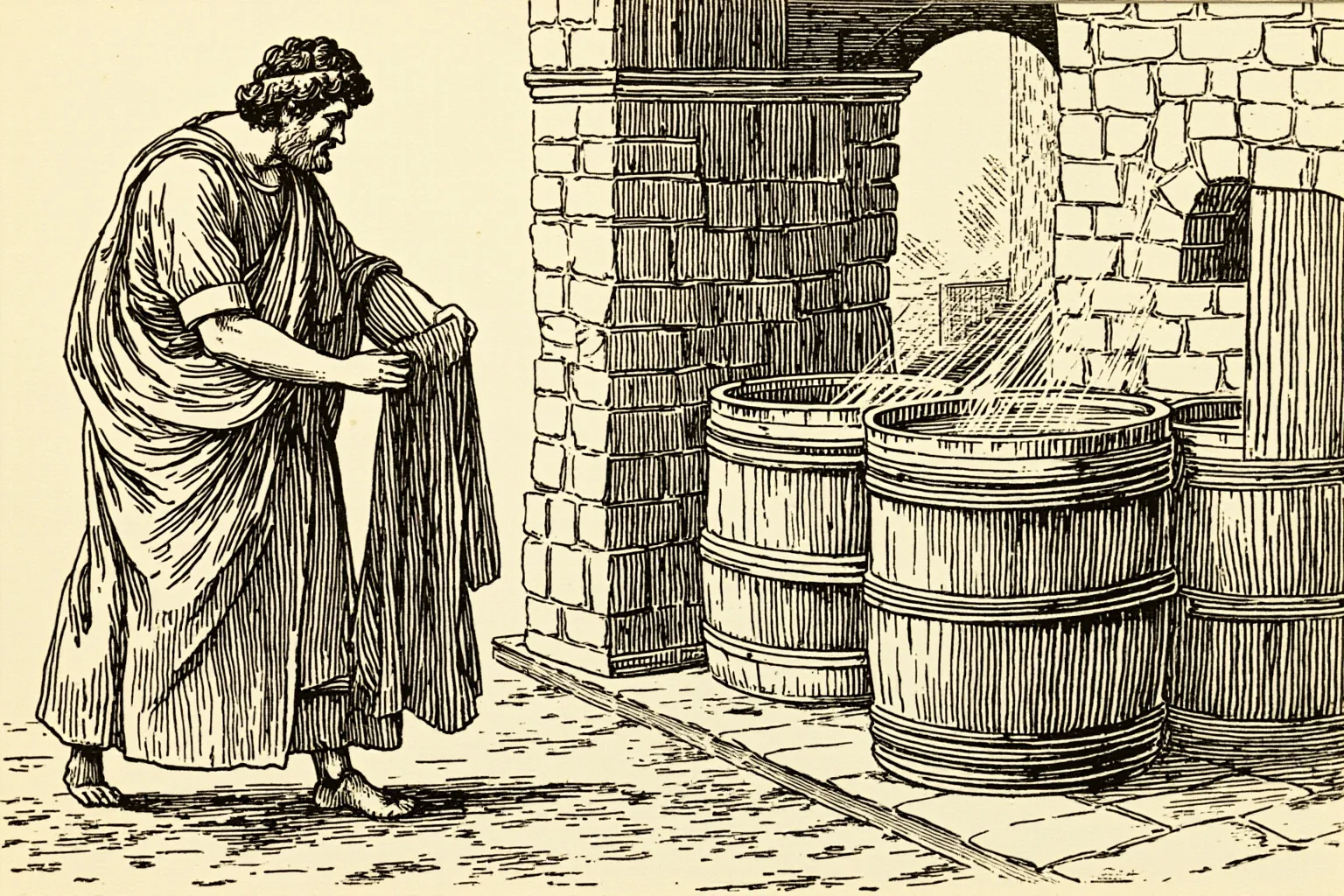
Roman laundries and some dental hygiene routines relied on ammonia, and stale urine was a cheap, plentiful source of it. Ancient writers, including the poet Catullus, mocked people (particularly rivals from Spain) for using urine-based tooth powder, suggesting the practice was real enough to joke about.
Urine was also collected in public vats for the fulling (cleaning) of wool togas, a trade so profitable that Emperor Vespasian famously taxed it. That tax gave us the phrase “pecunia non olet” — money doesn’t stink.
2. The “Vomitorium” Wasn’t for Vomiting
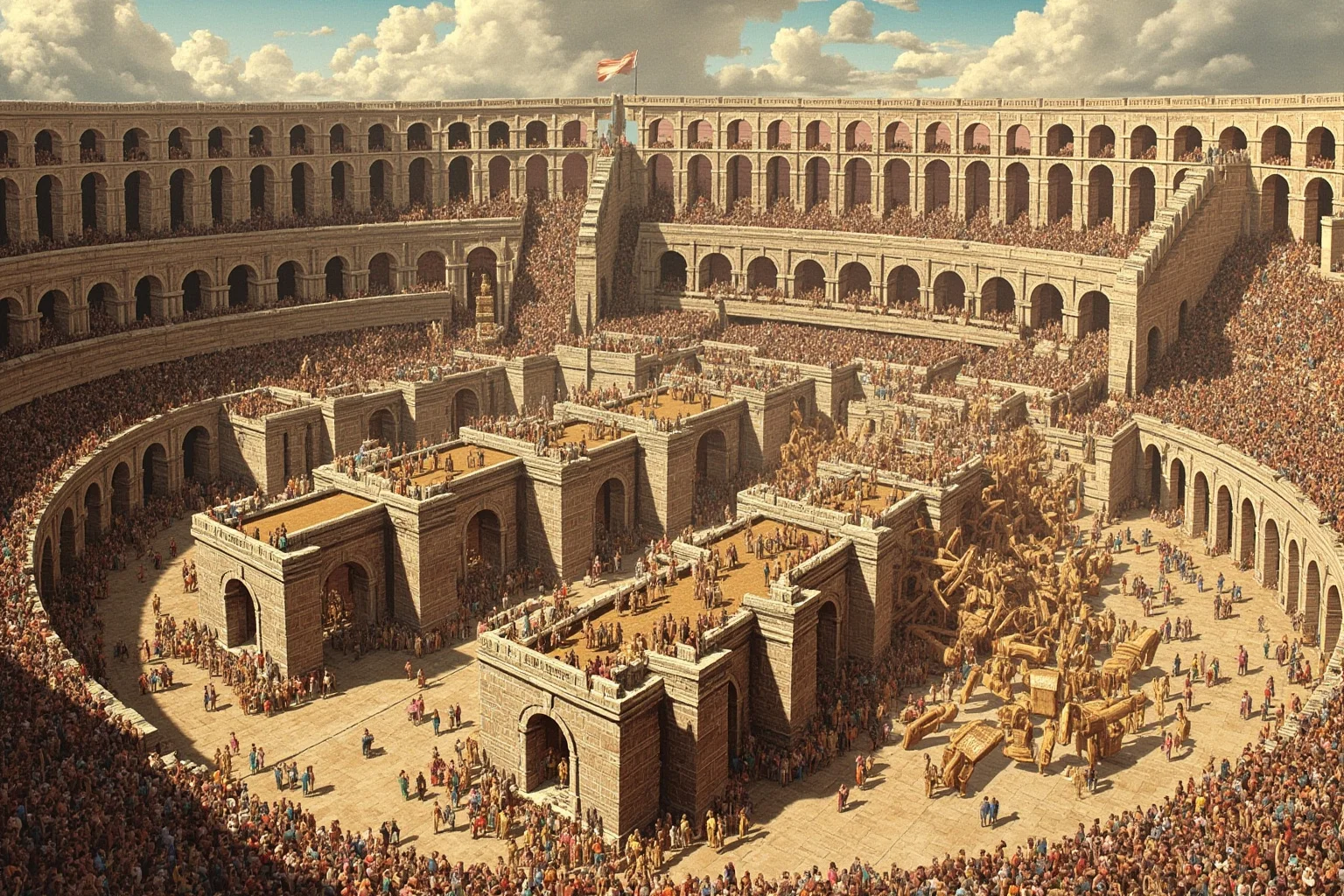
One of the most persistent unusual facts about Rome is completely false: Romans did not have rooms where they purged food between courses so they could keep eating. A “vomitorium” was actually the architectural term for the passageways under stadium seating that let huge crowds enter and exit quickly.
The name comes from the Latin “vomere,” meaning “to spew forth,” describing how crowds poured out of the exits, not their stomachs. It’s a great myth-busting example of why Latin word roots can be misleading.
3. Gladiators Were More Sports Stars Than Slaughtered Slaves
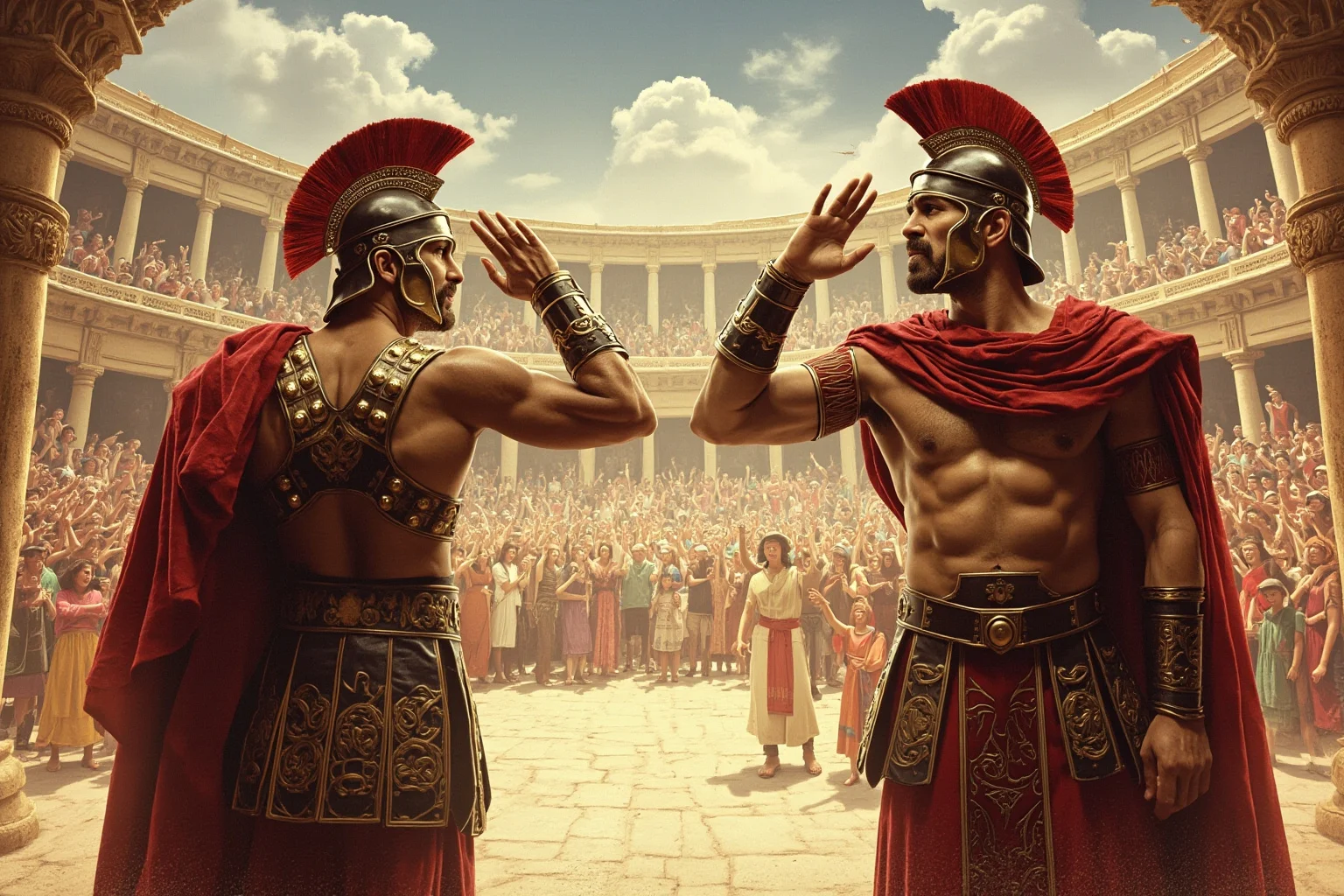
Pop culture loves the image of every gladiator fight ending in death, but the reality was more like a violent, high-stakes sport. Skilled gladiators were expensive to train, so promoters usually wanted them to survive and fight again, since a dead gladiator was a wasted investment.
Graffiti from Pompeii shows gladiators had fan followings, nicknames, and even romantic admirers. Some were free men who volunteered for the fame and prize money, which says a lot about Roman entertainment culture.
4. Rome’s Concrete Gets Stronger With Age

Modern concrete structures often crumble within a century, yet Roman harbors and domes like the Pantheon are still standing after 2,000 years. Researchers have found that Roman marine concrete used a specific lime-and-volcanic-ash mixture that reacts with seawater over time, actually growing stronger.
This self-reinforcing chemistry is one of the genuinely cool facts about ancient Rome that modern engineers are still trying to replicate. It’s a reminder that Roman engineering wasn’t just impressive for its time — it was scientifically ahead of it.
5. The Colosseum Hosted Mock Sea Battles
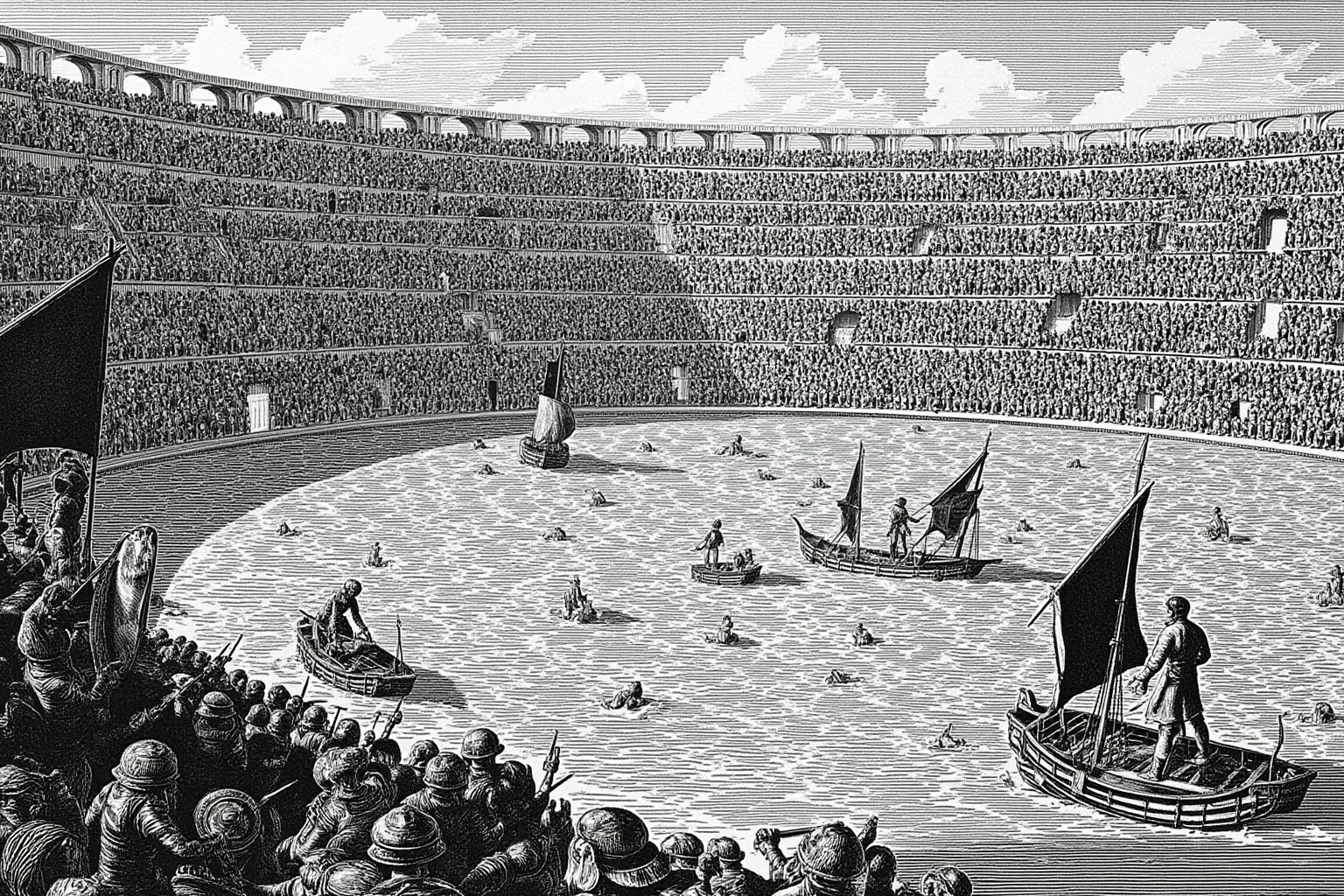
Before the underground chambers (the hypogeum) were built beneath the arena floor, the Colosseum could reportedly be flooded for staged naval battles known as naumachiae. Ancient sources describe elaborate re-enactments of historic sea fights complete with ships and combatants.
Historians still debate exactly how often full flooding happened at the Colosseum itself versus other purpose-built basins in Rome. Either way, the sheer ambition of restaging naval warfare for entertainment shows how far Romans pushed their engineering for spectacle.
6. Toilets Were a Communal (and Social) Affair
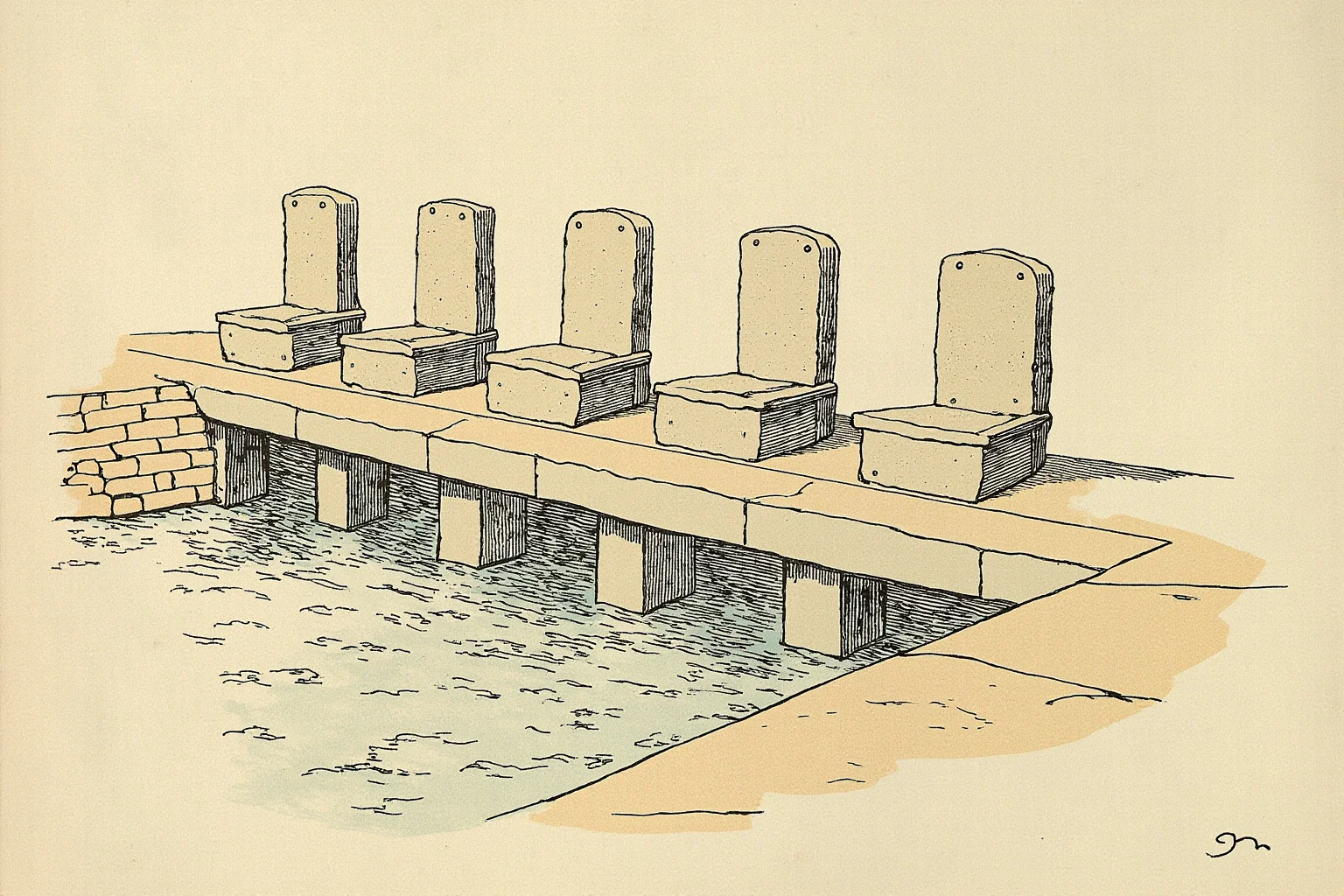
Public latrines in Roman cities often sat rows of people side by side with no partitions, over a channel of running water. Wealthy Romans and commoners alike used a shared tool called a tersorium — a sponge on a stick — that was rinsed and reused between users.
Some historians now debate whether the sponge stick was truly communal or if visitors carried personal ones, since surviving evidence is limited. Regardless, going to the bathroom in Rome was far from a private experience, and it was often a place to chat and gossip.
7. Rome Built Over 250,000 Miles of Roads
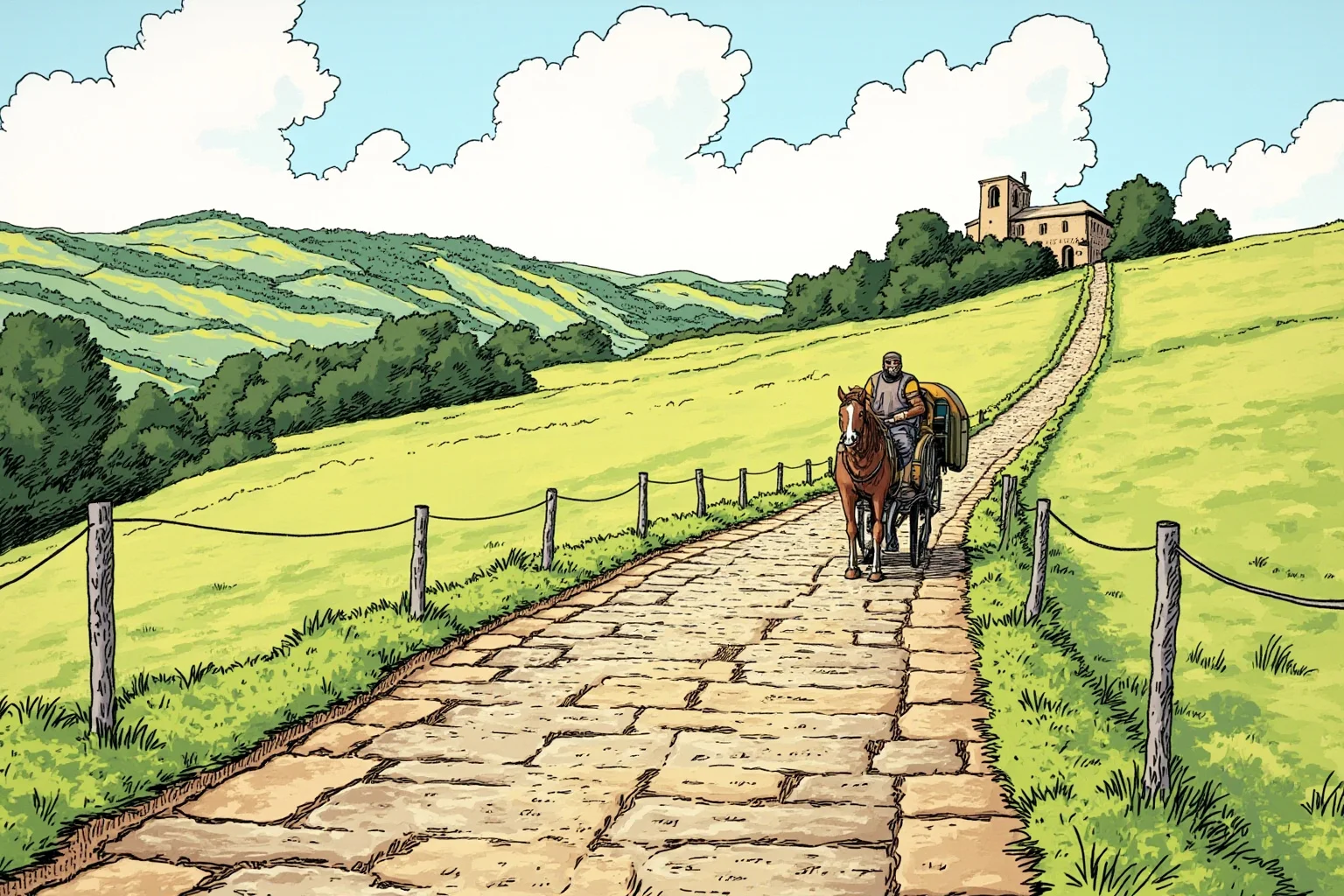
At its height, the Roman road network stretched an estimated 250,000 miles, with about 50,000 of those miles paved. These roads connected Britain to the Persian Gulf and were engineered with layered foundations for drainage and durability.
The phrase “all roads lead to Rome” wasn’t just poetic — the network was literally designed to move troops, mail, and trade goods back to the capital as efficiently as possible. Many modern European highways still follow the original Roman routes.
8. The Roman Calendar Started With Just 10 Months
The earliest Roman calendar, traditionally attributed to Romulus, had only 10 months and around 304 days, leaving a chunk of winter completely unaccounted for. January and February were added later to fill the gap, but the calendar still drifted out of sync with the seasons for centuries.
Julius Caesar finally overhauled it in 46 BC with the Julian calendar, which is the ancestor of the calendar most of the world uses today. That reform is one of the most underrated ancient Roman empire facts, since we’re still living by a version of it.
9. “Salary” May Not Really Come From Salt
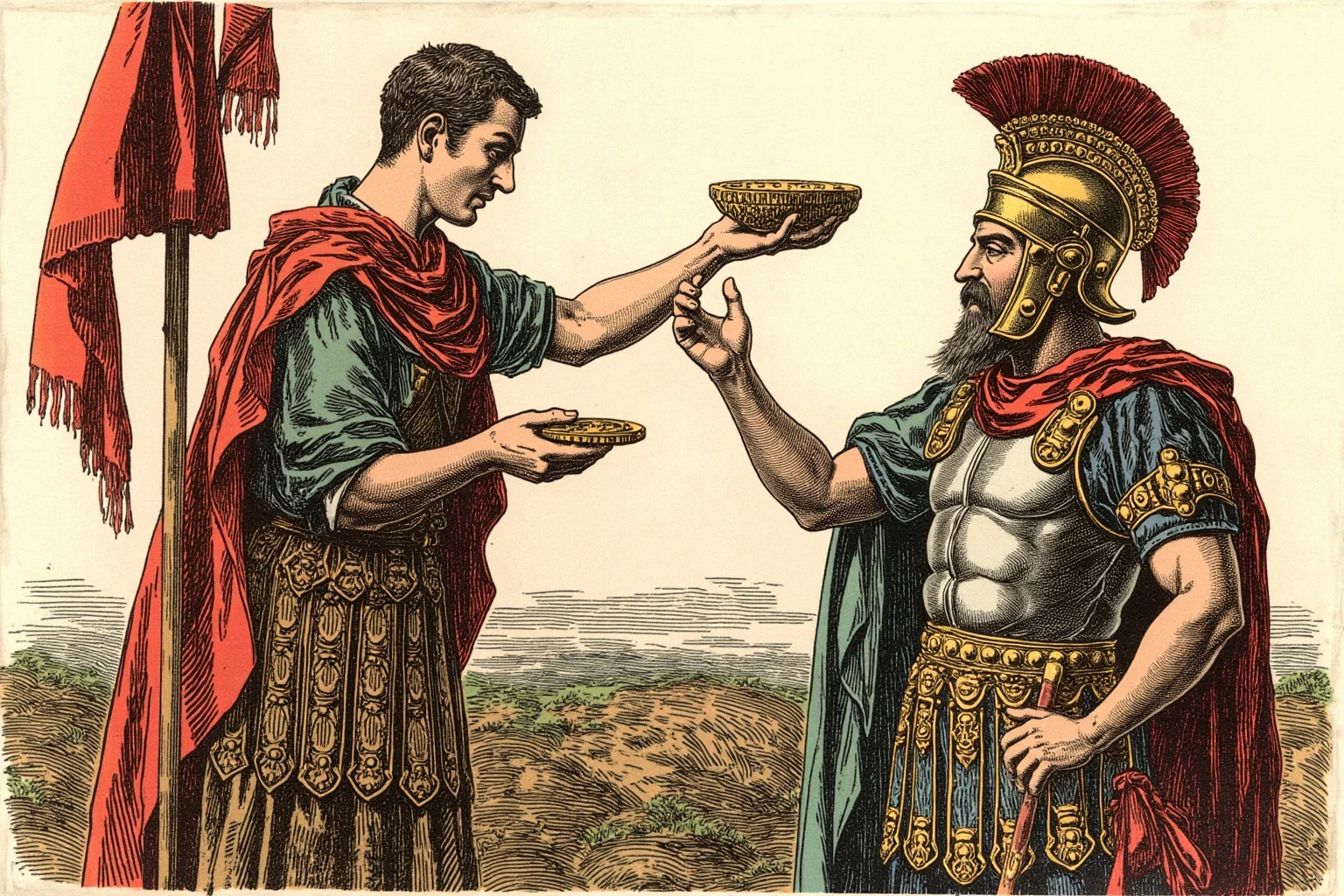
It’s often repeated that Roman soldiers were paid in salt, which is where the word “salary” comes from. The word does derive from “salarium,” a Latin term connected to salt, but most historians now believe soldiers were paid in coin, with “salarium” more likely referring to an allowance that may have included salt as one component.
This is a good example of why fun facts about the Roman Empire deserve a second look — the etymology is real, but the popular version of the story oversimplifies it. Salt itself was genuinely valuable, used for preserving food across the empire.
10. Slavery Underpinned Nearly Every Part of Roman Life
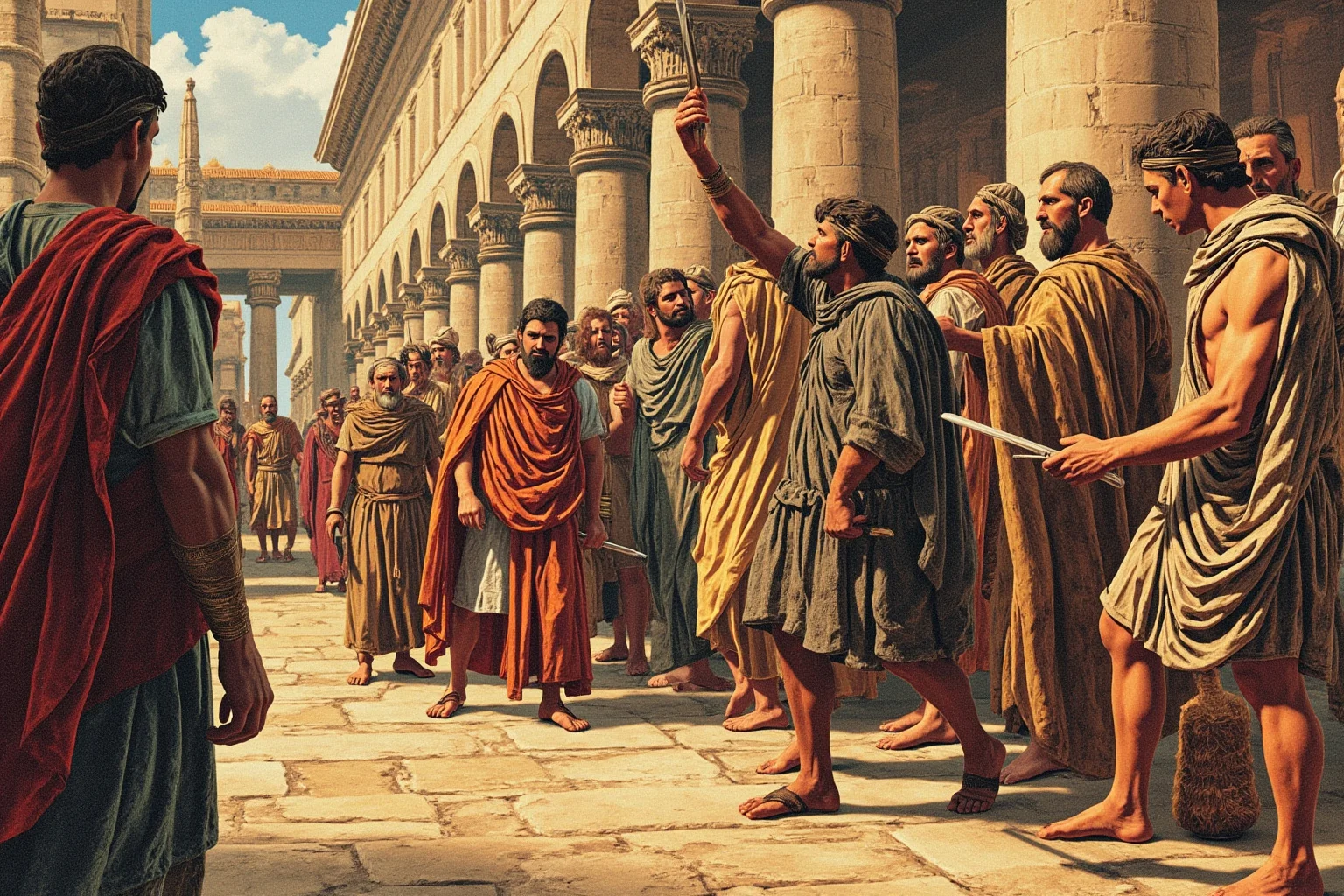
At various points, enslaved people are estimated to have made up roughly 30–40% of Italy’s population, and slavery touched agriculture, mining, households, and even skilled professions like tutoring and medicine. Enslaved status in Rome wasn’t tied to any single ethnicity; people were enslaved through war, piracy, debt, or birth.
Some enslaved individuals could eventually earn freedom (manumission) and even Roman citizenship, which was unusual compared to slavery in some later societies. That said, conditions varied enormously, and the system remained built on coercion and violence throughout Roman history.
11. A Roman Fire Brigade Doubled as a Real-Estate Racket
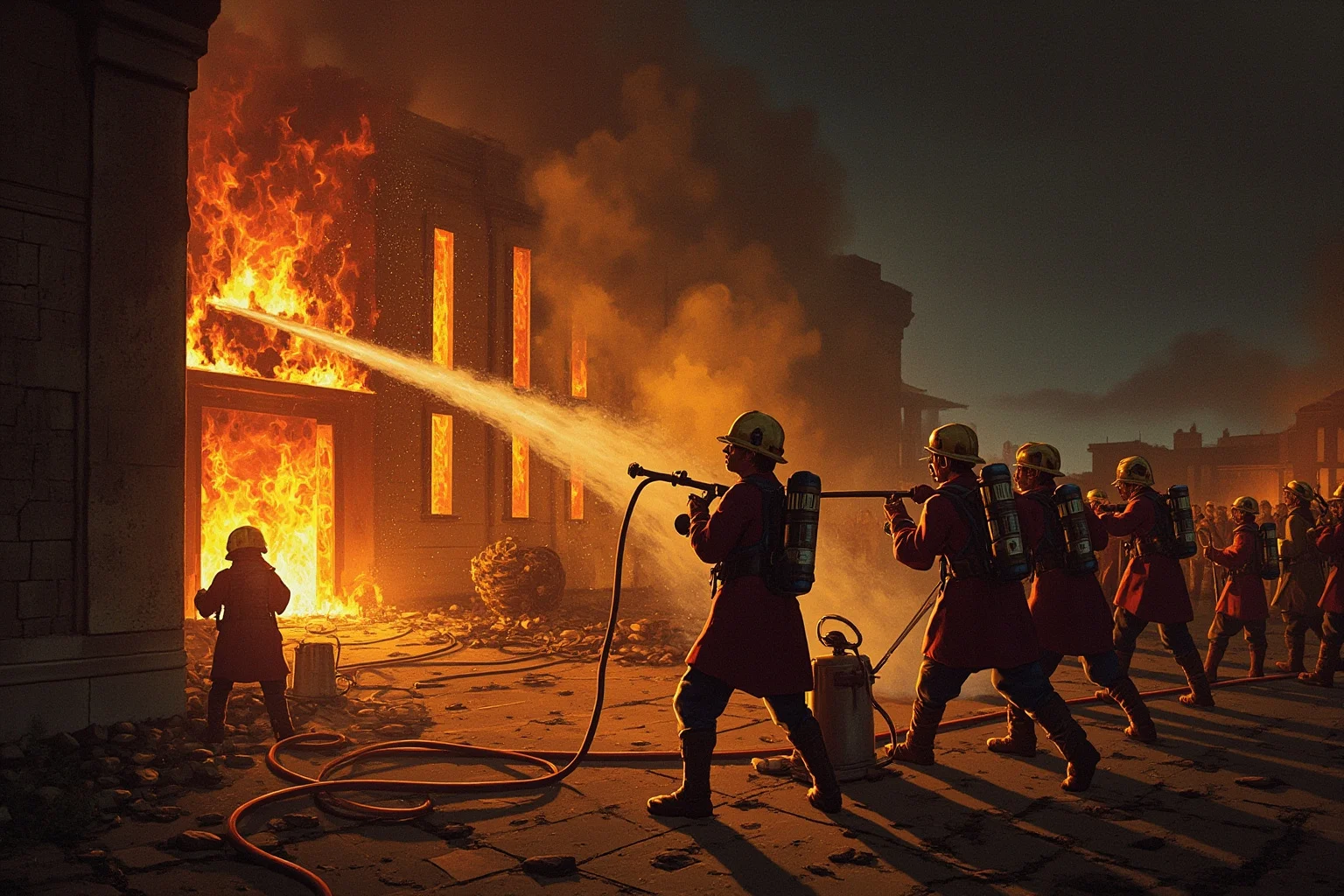
Before Emperor Augustus created a proper firefighting corps called the vigiles, firefighting in Rome was chaotic and often exploitative. The wealthy politician Marcus Licinius Crassus reportedly built part of his fortune by sending men to burning buildings, then buying the property cheap from desperate owners before agreeing to put the fire out.
Augustus eventually organized thousands of freedmen into the vigiles around 6 AD, creating a dedicated firefighting and night-watch service. It’s one of the more unusual facts about Rome that shows how private greed shaped public infrastructure.
12. Chariot Racing Fans Were Wilder Than Gladiator Fans
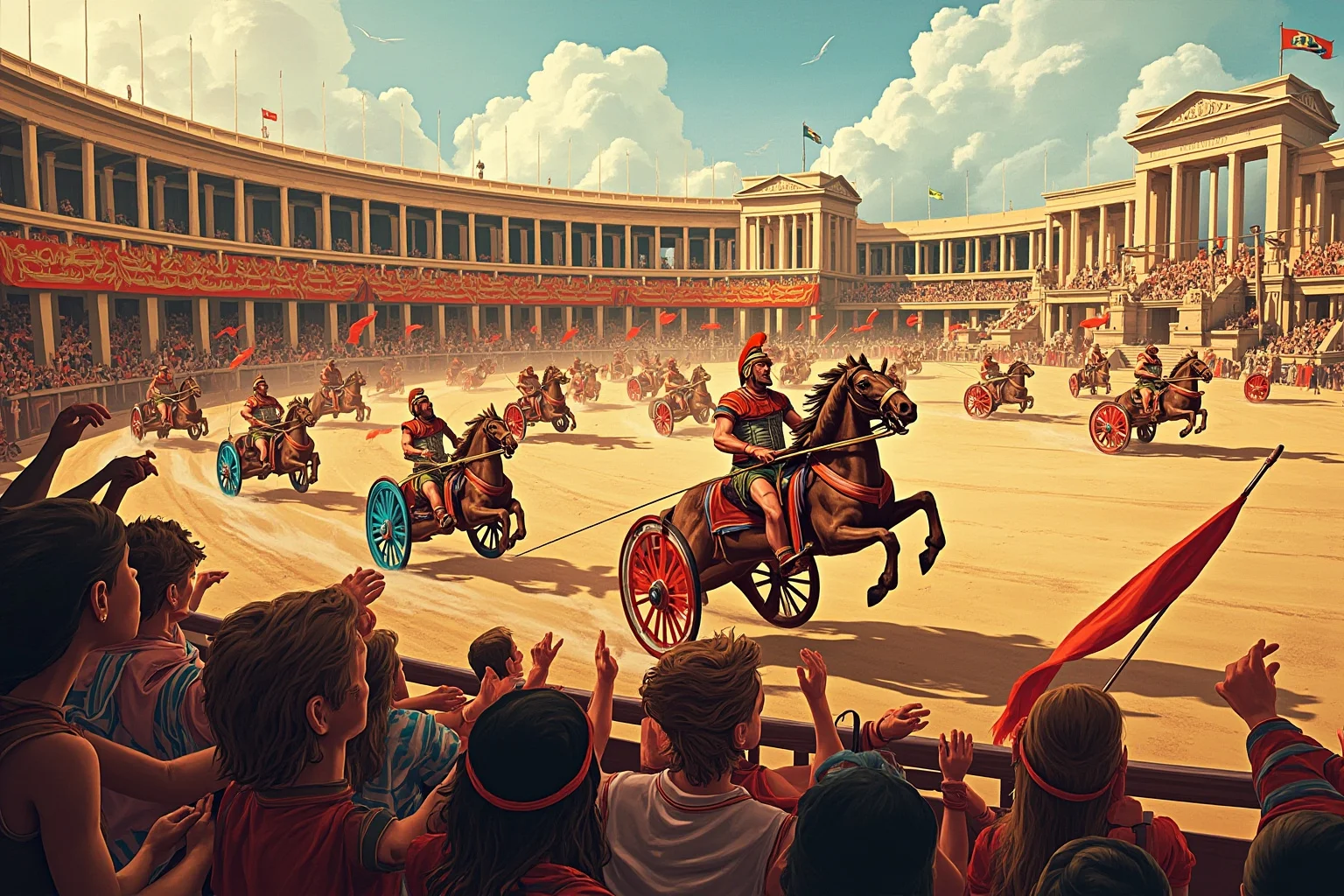
While gladiator games get more attention today, chariot racing at the Circus Maximus was arguably Rome’s most popular sport, drawing crowds of up to 150,000 spectators. Fans were fiercely loyal to color-coded factions — the Reds, Whites, Blues, and Greens — much like modern sports teams.
This rivalry wasn’t always harmless; in Constantinople, faction loyalty later erupted into the deadly Nika riots of 532 AD. In Rome itself, star charioteers became wealthy celebrities, with some winning enough prize money to be considered among the richest men in the empire.
13. Purple Clothing Could Cost More Than Gold

Tyrian purple dye, extracted drop by drop from thousands of murex sea snails, was so labor-intensive to produce that it became a status symbol reserved largely for emperors and senators. Sumptuary laws restricted who could wear certain shades of purple, turning color itself into a marker of rank.
By some ancient accounts, a pound of the finest purple-dyed wool could cost more than a pound of gold. This is one of those facts about ancient Romans that shows how fashion and law were tightly intertwined.
14. Roman Doctors Used Some Stranger Medicine
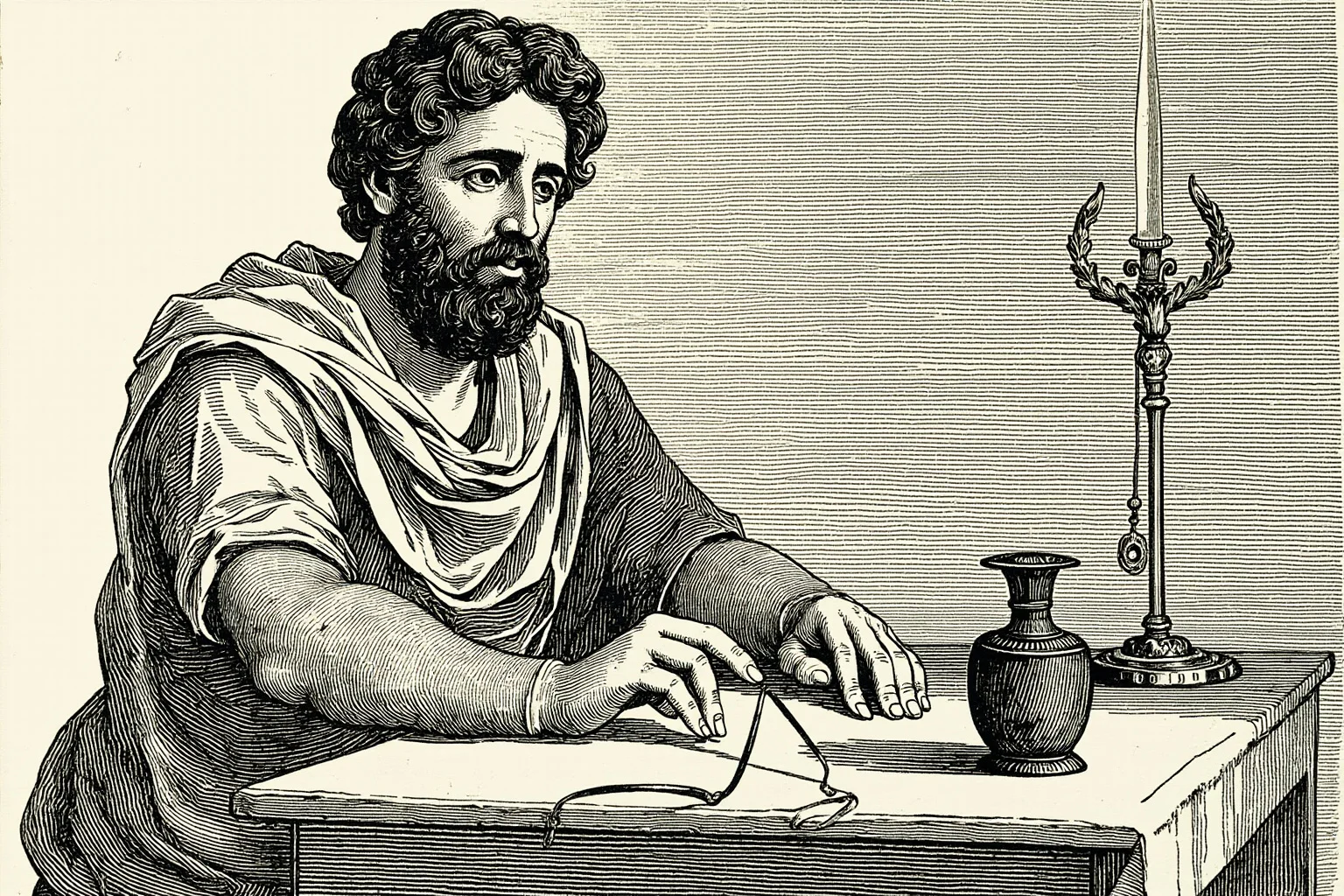
Roman medicine mixed real anatomical knowledge with remedies that sound bizarre today, including using animal fat, weasel parts, and other folk ingredients as treatments. Surgical tools recovered from Pompeii show that Roman doctors performed real procedures, including cataract surgery and bone-setting, with surprisingly refined instruments.
The physician Galen, who worked in the Roman world in the 2nd century AD, shaped Western medical theory for over a thousand years afterward. His work mixed genuine observation with theories that were later proven wrong, a pattern common throughout ancient medicine.
15. Roman Numerals Had No Zero

Roman numerals (I, V, X, L, C, D, M) had no symbol for zero, which made complex mathematics and record-keeping genuinely difficult. The concept of zero as a number came later from Indian and then Islamic mathematicians, eventually reaching Europe through translated texts in the medieval period.
Romans got around this gap using counting boards and an early abacus for calculations. It’s a small but telling detail among ancient Roman facts — for all their engineering genius, their number system had real limits.
16. Public Baths Were the Original Social Network
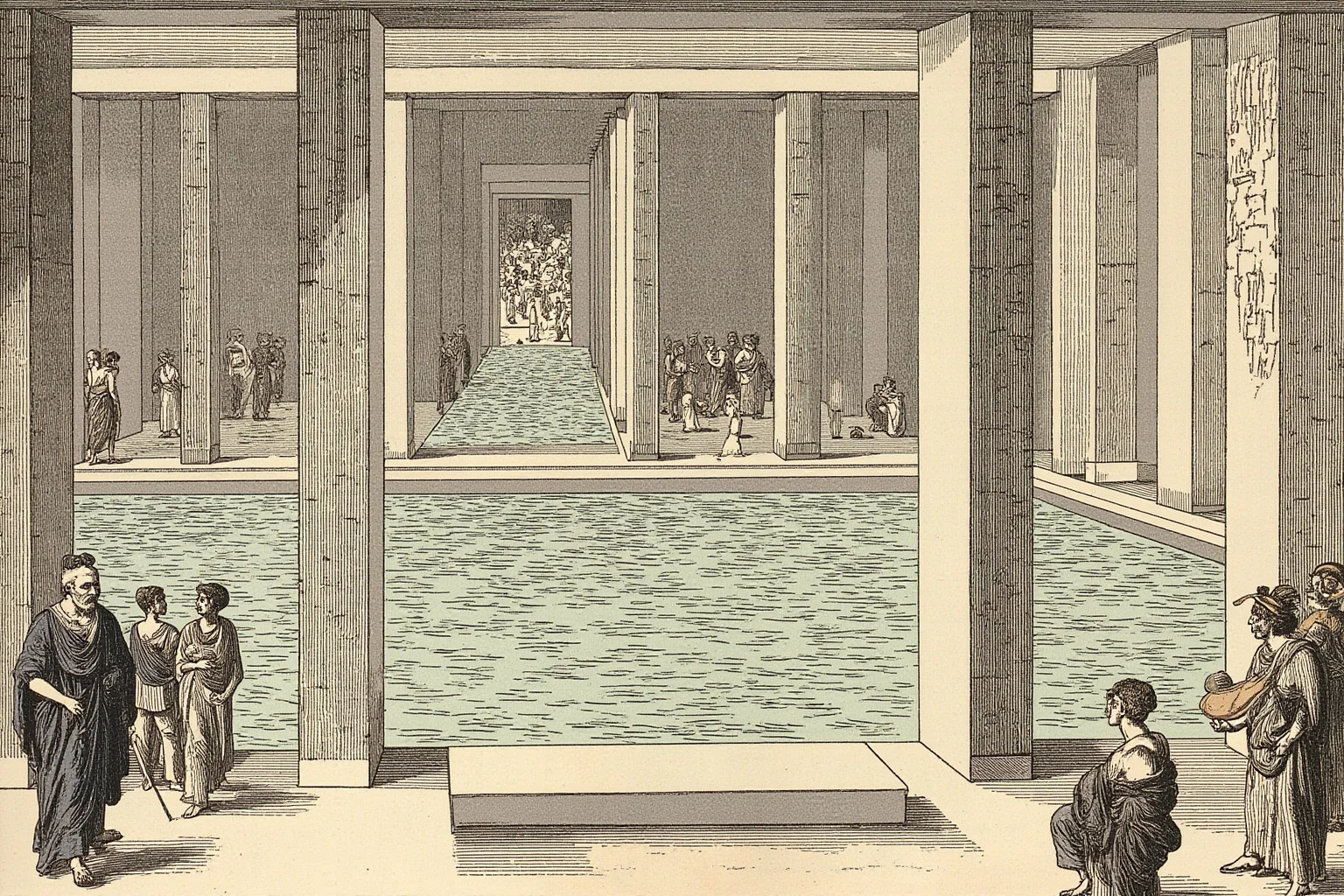
Roman bathhouses, or thermae, were far more than places to get clean; they included libraries, gyms, gardens, and food vendors, functioning as community centers for people of nearly every class. Entry fees were often extremely low, making the baths accessible to most free residents, and sometimes enslaved people as well.
Bathing customs varied by city and era, and some complexes had separate hours or sections for men and women rather than fully mixed bathing. Business deals, gossip, and political networking all happened poolside, making the baths central to Roman social life.
17. Rome Was the First City to Hit a Million People
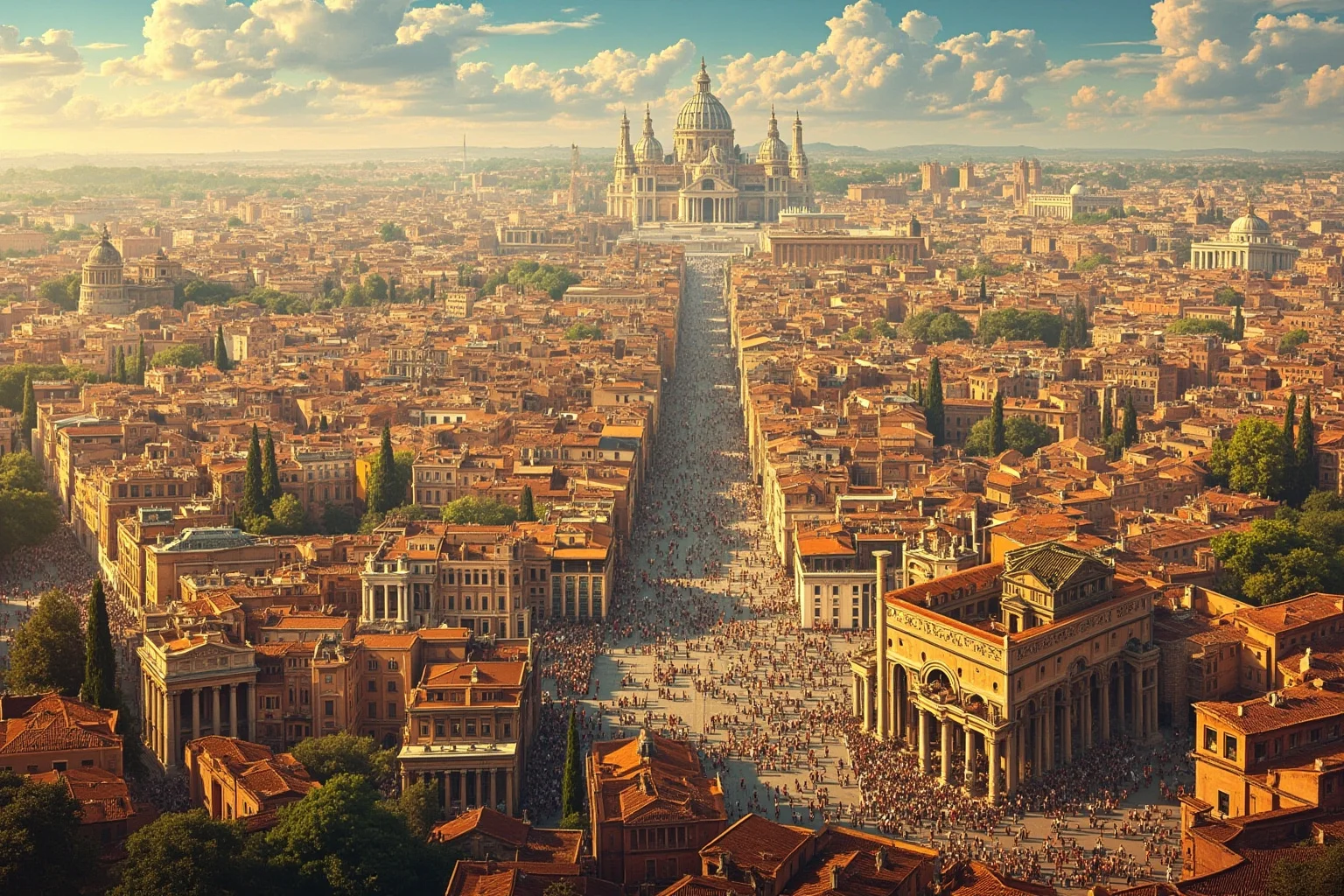
At its peak, likely during the 1st or 2nd century AD, the city of Rome is estimated to have had around one million residents, making it the largest city in the ancient world. No other city would reliably reach that population size again until well over a thousand years later.
Feeding and supplying a city that large required an enormous logistics network, including grain shipments from Egypt and North Africa. This scale is one of the most striking ancient Roman empire facts, since it demonstrates just how advanced Roman infrastructure and administration had become.
18. Legionaries Carried Their Own Portable Fortress
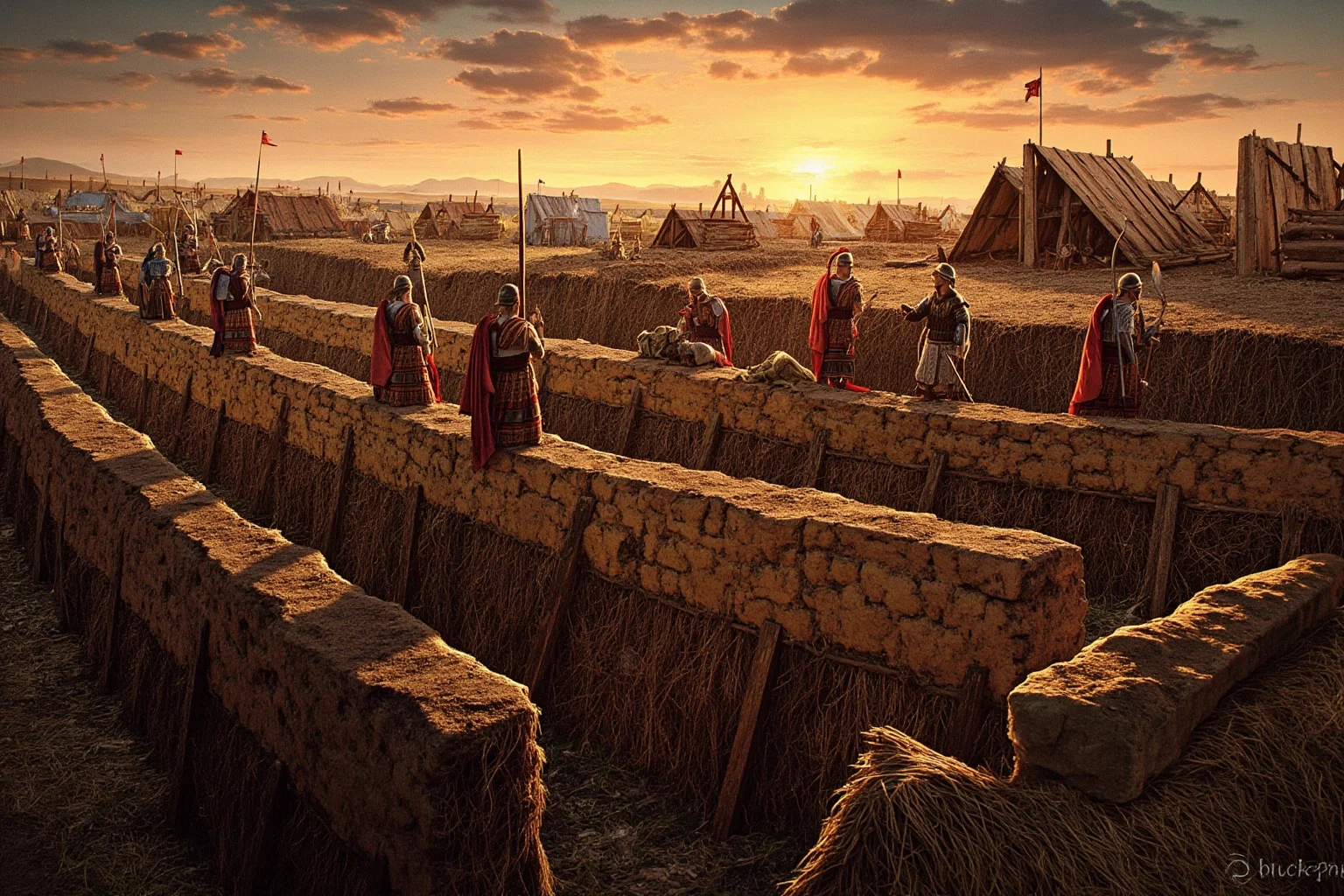
Roman soldiers on campaign were nicknamed “Marius’s mules” because they carried enormous loads of gear, including tools to build a fortified camp from scratch nearly every single night. This wasn’t optional; a properly built marching camp with ditches and palisades protected the army from surprise attacks.
The discipline required to dig in after a full day’s march, over and over, was part of what made the Roman military machine so effective for centuries. It’s a detail that rarely makes it into movies but explains a lot about Rome’s staying power.
19. Some Emperors Were Declared Living Gods
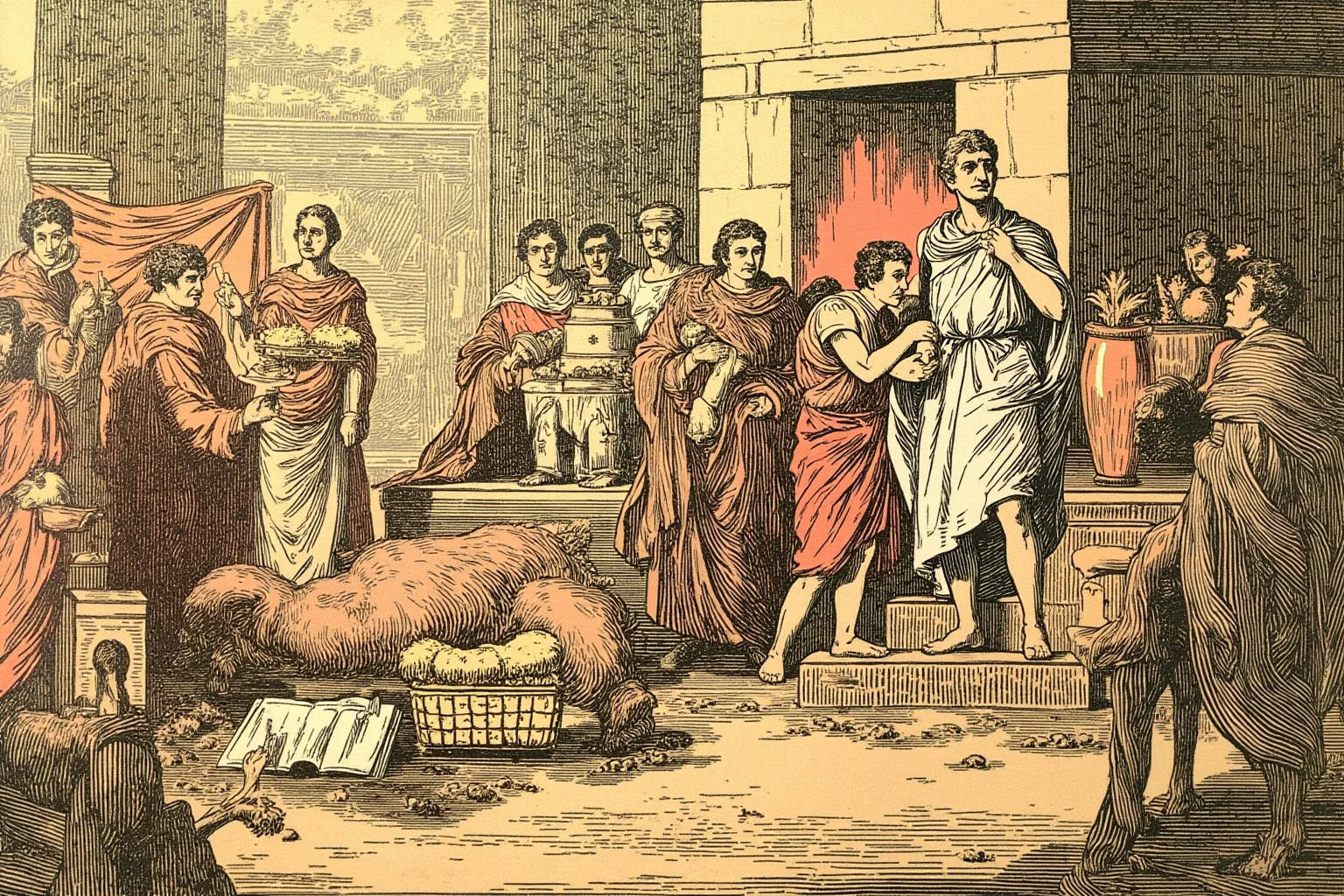
After death, many Roman emperors were formally deified by the Senate in a process called “apotheosis,” and a few, like Caligula, reportedly claimed divine status while still alive. Ancient sources describing the wilder behavior of emperors like Caligula and Nero come mostly from historians writing after their deaths, some of whom had political reasons to exaggerate.
Historians today treat these accounts carefully, since ancient biographers weren’t always neutral. Still, the basic practice of emperor worship was real, and temples to deified rulers existed across the empire.
20. Roman Women Had More Rights Than You’d Think
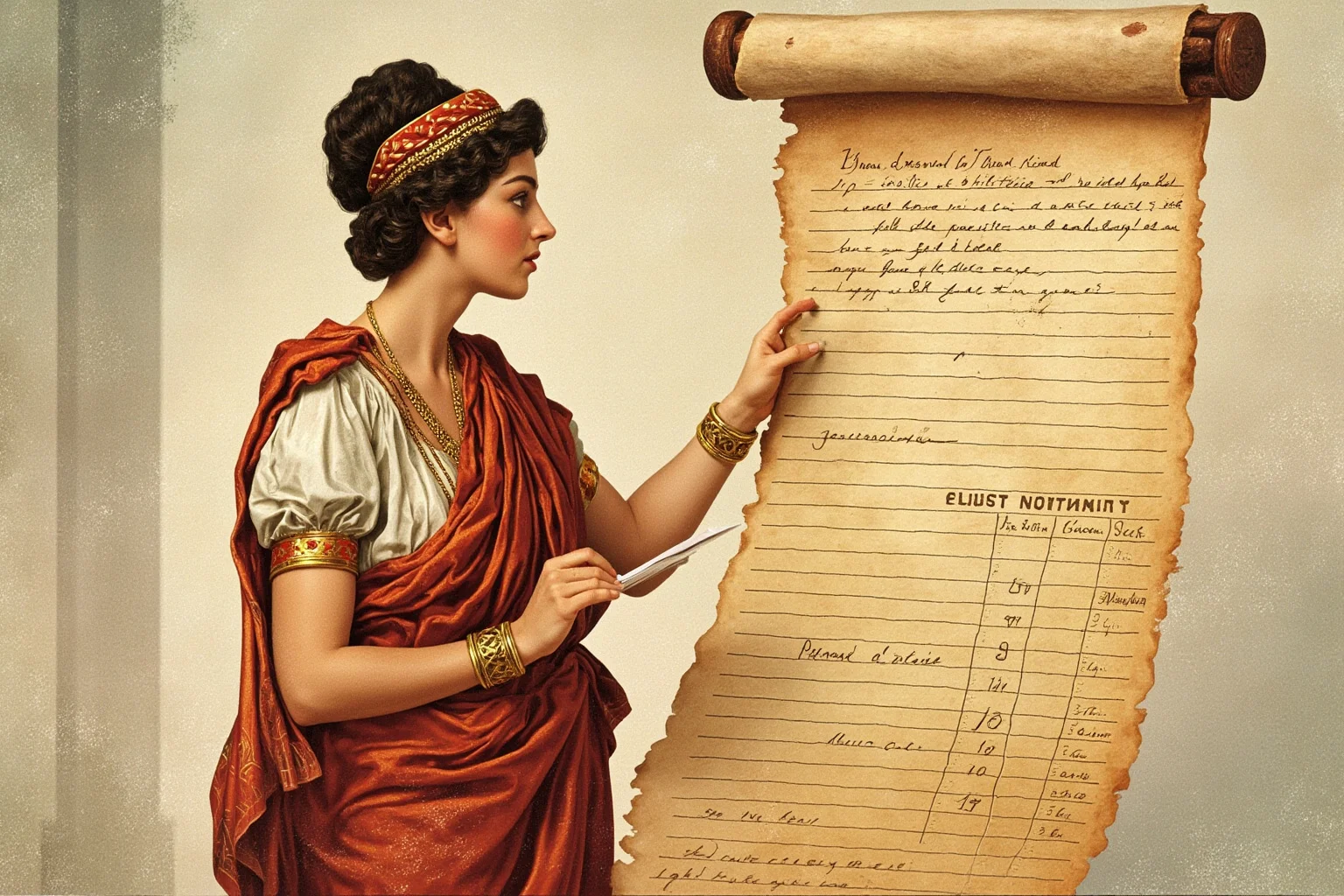
Roman women couldn’t vote or hold public office, but they could own property, run businesses, and initiate divorce, which set them apart from women in many other ancient societies. Wealthy women sometimes wielded real influence behind the scenes, financing construction projects or shaping political marriages.
Legal status still depended heavily on class and whether a woman was free, freed, or enslaved. Even so, the level of personal and economic autonomy some Roman women held is one of the more surprising facts about ancient Rome for modern readers.
21. Most Romans Didn’t Speak “Latin” the Way We Learn It
The polished Latin taught in classrooms today, based on writers like Cicero and Virgil, was the formal literary version used by the educated elite. Everyday Romans spoke a more casual, regional form known as Vulgar Latin, which varied across the empire and eventually evolved into the Romance languages — Italian, French, Spanish, Portuguese, and Romanian.
This linguistic split explains why so many European languages share Latin roots but sound so different from classroom Latin. It’s a fun fact about the Roman Empire that connects ancient history directly to languages spoken by hundreds of millions of people today.
22. Rome “Fell” in 476 AD — But Only Half of It
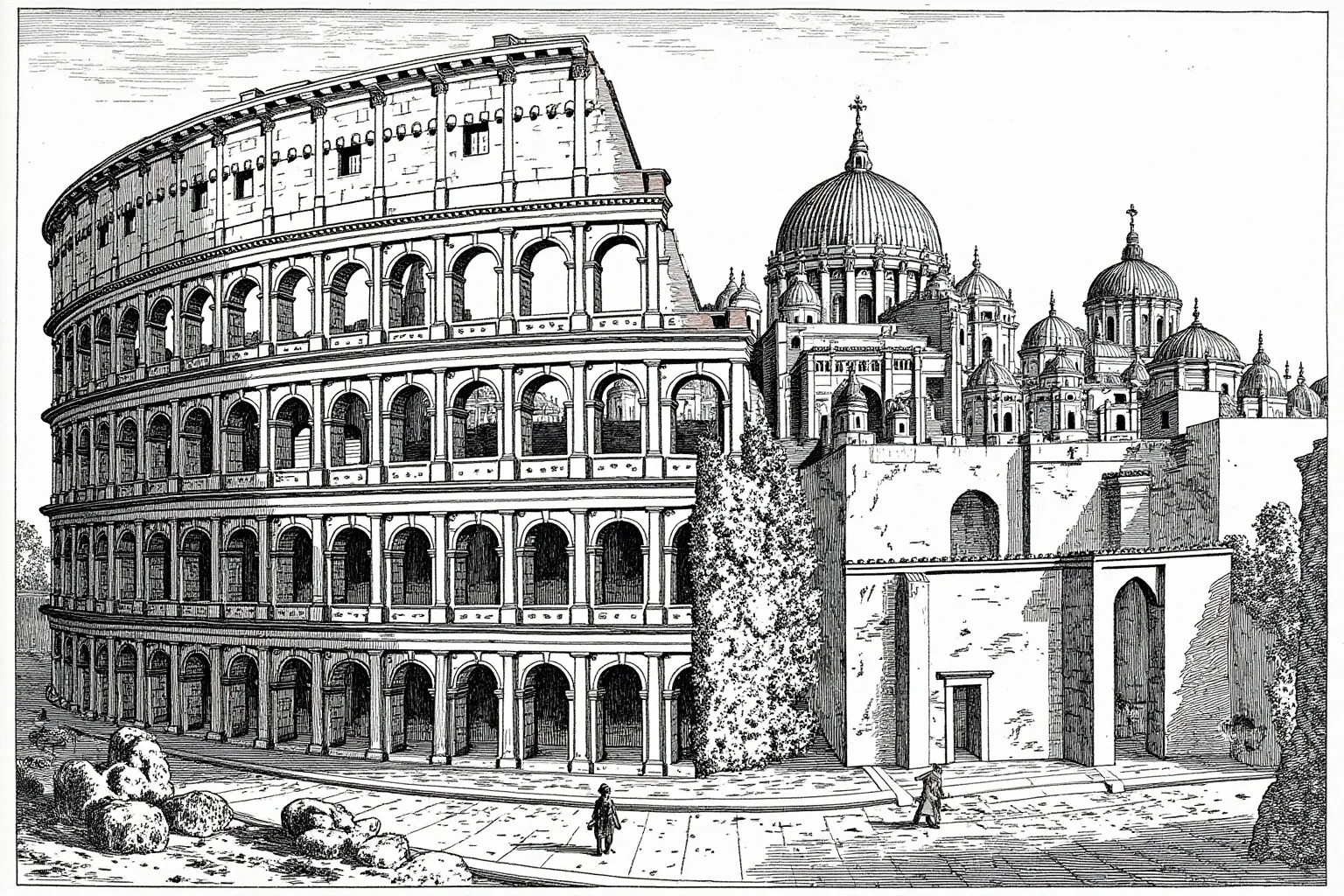
The traditional date for the “fall of Rome,” 476 AD, actually marks the end of the Western Roman Empire, when the last western emperor was deposed. The Eastern Roman Empire, commonly called the Byzantine Empire, continued on with its capital at Constantinople for nearly another thousand years, until 1453.
This means Roman imperial institutions, in some form, survived far longer than most people assume. It’s arguably the most important of all Roman empire fun facts, since it reframes the entire idea of when Rome actually ended.
Why These Facts Still Matter
Ancient Rome wasn’t a single story of togas and triumphs; it was a sprawling, contradictory civilization that gave the world roads, law codes, and a calendar, while also normalizing slavery and staging bloody spectacles for entertainment. Holding both truths at once is the only honest way to look at it.
That mix of brilliance and brutality is exactly why Rome still fascinates historians, students, and casual readers two thousand years later. The empire’s fingerprints are still on modern language, government, engineering, and even the calendar hanging on your wall.
Next time someone repeats a “fact” about Rome, it’s worth asking where it actually comes from — a primary ancient source, a modern myth, or somewhere in between. That question is really the beginning of thinking like a historian.
Frequently Asked Questions
What are some interesting ancient Roman facts most people don’t know?
Beyond the well-known stuff, interesting ancient Roman facts include that Roman concrete actually strengthens over time when exposed to seawater, the Colosseum may have hosted staged naval battles, and everyday Romans spoke a casual 'Vulgar Latin' quite different from the polished classroom Latin taught today. Public baths also functioned as full community centers, not just places to wash.
What is the most unusual fact about daily life in ancient Rome?
One of the most unusual facts about ancient Rome is that public latrines were often communal, with rows of seats over running water and little to no privacy. Urine was also collected and taxed because its ammonia content was useful for cleaning wool and, according to ancient writers, some dental hygiene practices.
How long did the Roman Empire actually last?
The city of Rome was traditionally founded in 753 BC, and the Western Roman Empire fell in 476 AD, giving it well over a thousand years of history. The Eastern Roman (Byzantine) Empire, however, continued from Constantinople until 1453, meaning some form of the Roman state lasted nearly 2,200 years in total.
Did Romans really use urine as mouthwash?
Ancient Roman writers, including the poet Catullus, joked that people from certain regions, particularly Celtiberian Spain, used urine-based tooth powder, suggesting the practice existed in some form. Urine's ammonia content was also widely used in Roman laundries, though it's hard to confirm exactly how common personal use as mouthwash was across the general population.
Were gladiator fights always to the death?
No, this is a common myth. Because trained gladiators were expensive investments, most fights were closely refereed contests meant to showcase skill rather than end in death every time, and some popular gladiators fought many times over long careers.
What is a good fun fact about the Roman Empire for kids?
A great kid-friendly fun fact about the Roman Empire is that Roman soldiers had to build a brand-new fortified camp almost every single night while marching, complete with ditches and walls, earning them the nickname 'Marius's mules' for all the gear they carried.

Alex Warren
Related Articles