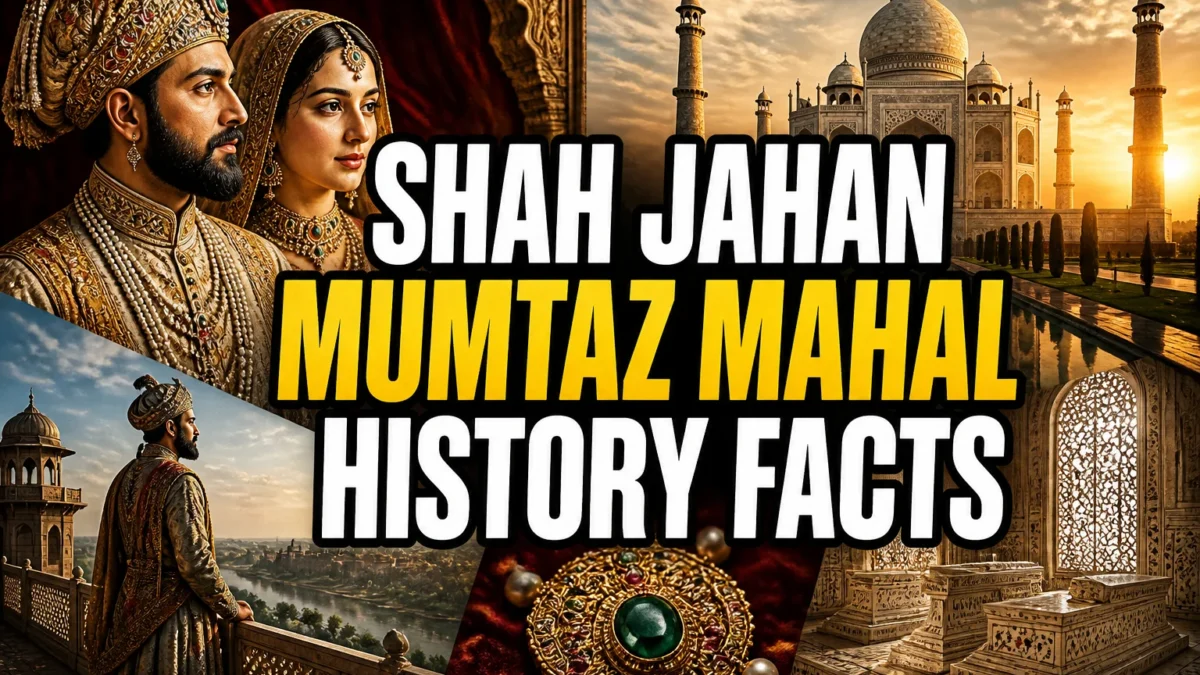
Shah Jahan and Mumtaz Mahal are remembered as the ultimate Mughal love story. Their names are forever linked to the Taj Mahal, the white marble mausoleum that Shah Jahan built in his wife's memory. But the popular narrative skips over the messy, complicated realities of their lives.
The truth involves political intrigue, a harem full of other wives, a brutal war of succession, and a son who imprisoned his own father. Many of the romantic details you've heard are either oversimplified or flat-out wrong. Here are 23 facts that separate the myth from the history.
TL;DR: The love story of Shah Jahan and Mumtaz Mahal was real, but it was also deeply political, and it ended not with a fairy-tale tomb but with Shah Jahan imprisoned by his own son.
1. Mumtaz Mahal Was Not Shah Jahan's Only Wife
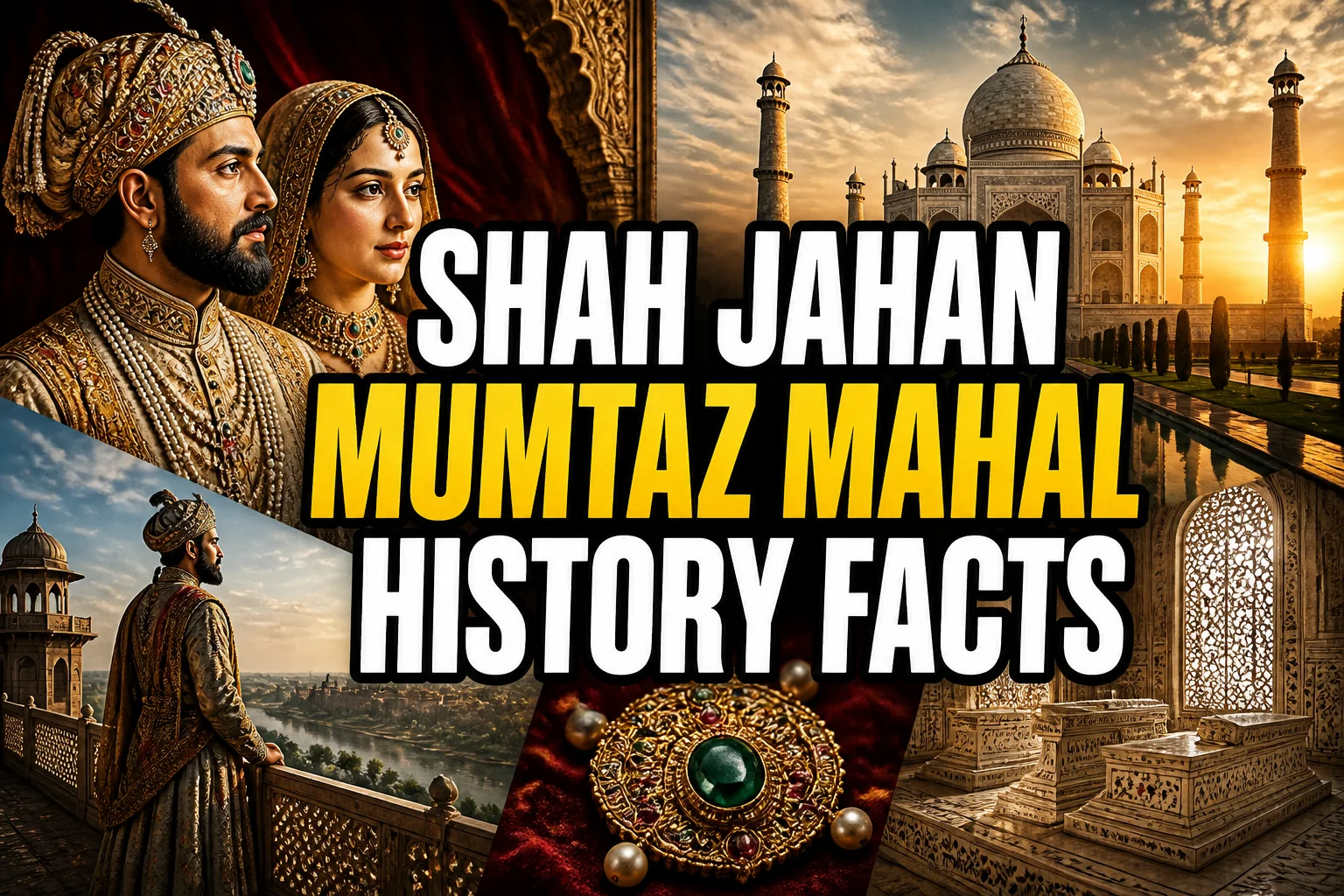
Shah Jahan had several wives, a fact that often surprises people raised on the Taj Mahal love story. His first marriage was political, arranged to strengthen alliances. Mumtaz Mahal was his second and most beloved wife, but she was not his only one.
The exact number of wives is debated by historians because Mughal marriages included temporary and political unions. Most sources agree he had at least three or four wives. The claim that he had only Mumtaz is a romantic simplification.
2. Her Original Name Was Arjumand Banu Begum
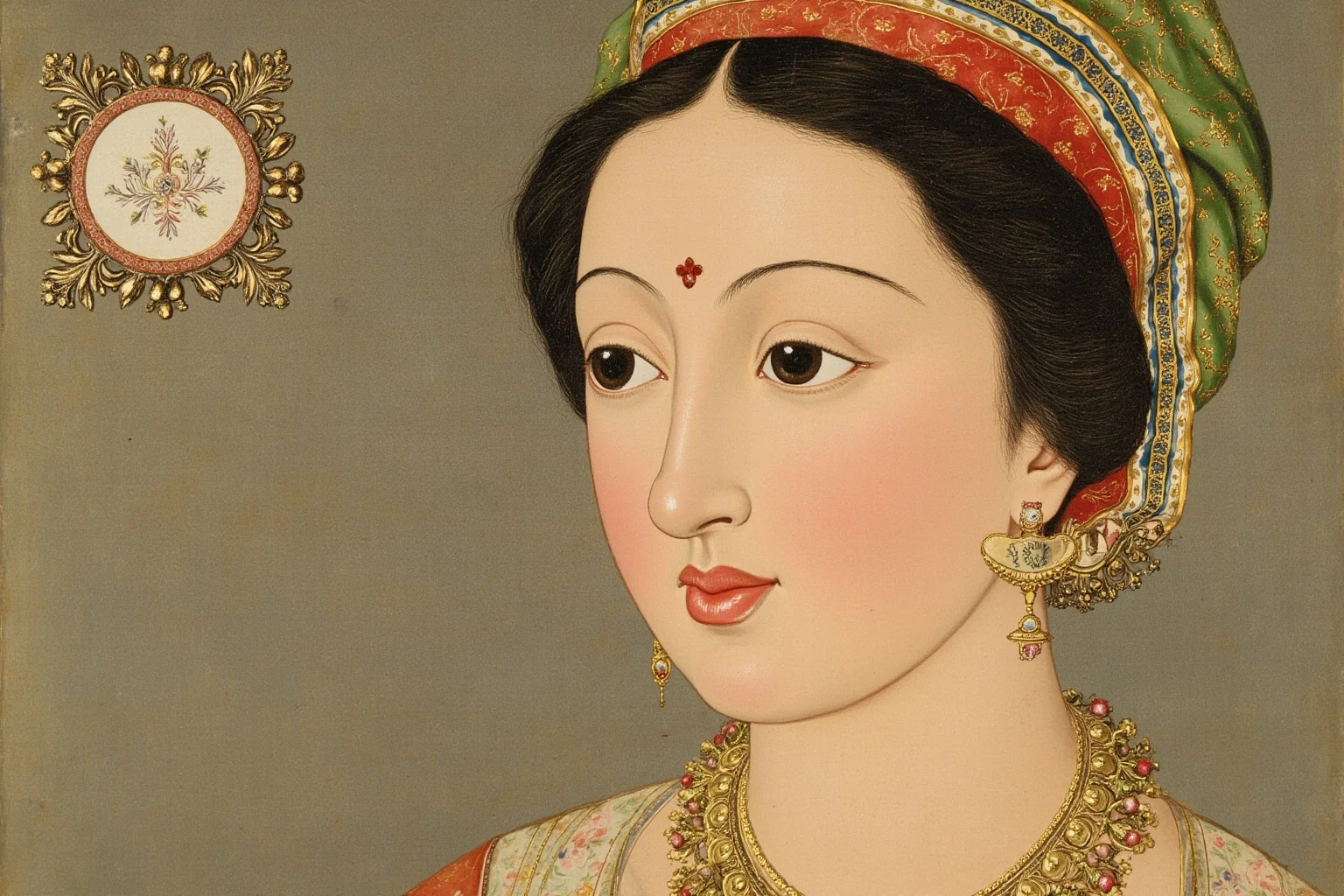
The woman we call Mumtaz Mahal was born Arjumand Banu Begum in April 1593. Mumtaz Mahal was a title given to her later, meaning "Chosen One of the Palace." Her father was Asaf Khan, a powerful noble in the Mughal court.
Her aunt was Nur Jahan, the wife of Emperor Jahangir and one of the most powerful women in Mughal history. This family connection put Arjumand at the center of court politics from a young age. She was raised to be a queen, not just a bride.
3. Shah Jahan Fell in Love with Her Before They Married
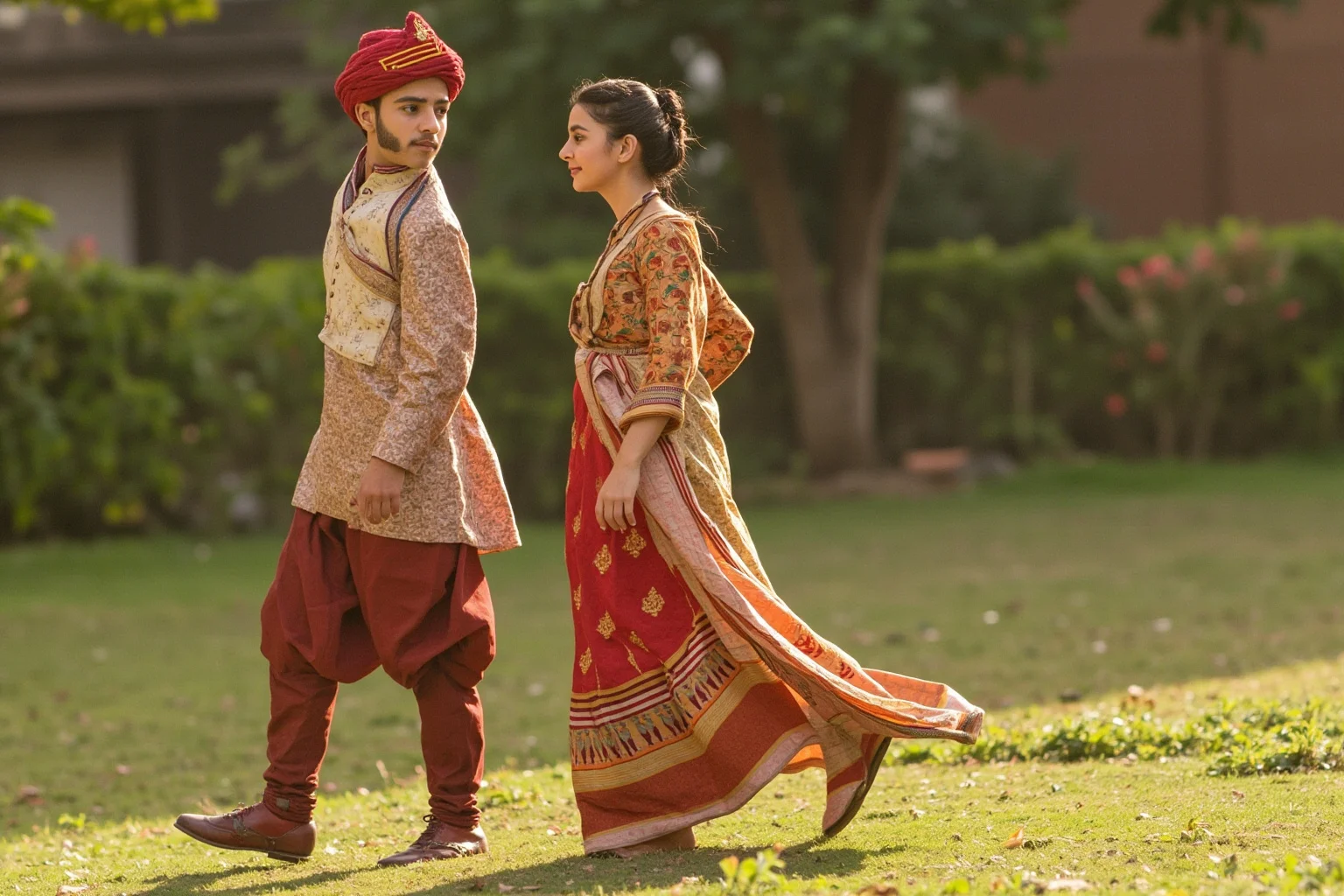
Shah Jahan, then known as Prince Khurram, was born in 1592. He met Arjumand in the royal household when both were children. He was reportedly so taken with her that he proposed marriage while still a teenager.
The astrologers at court, however, declared an inauspicious date for the wedding. The marriage was delayed by five years. They finally wed in 1612, when she was 19 and he was 20. The long wait only deepened the legend of their love.
4. Their Marriage Was a Political Alliance First
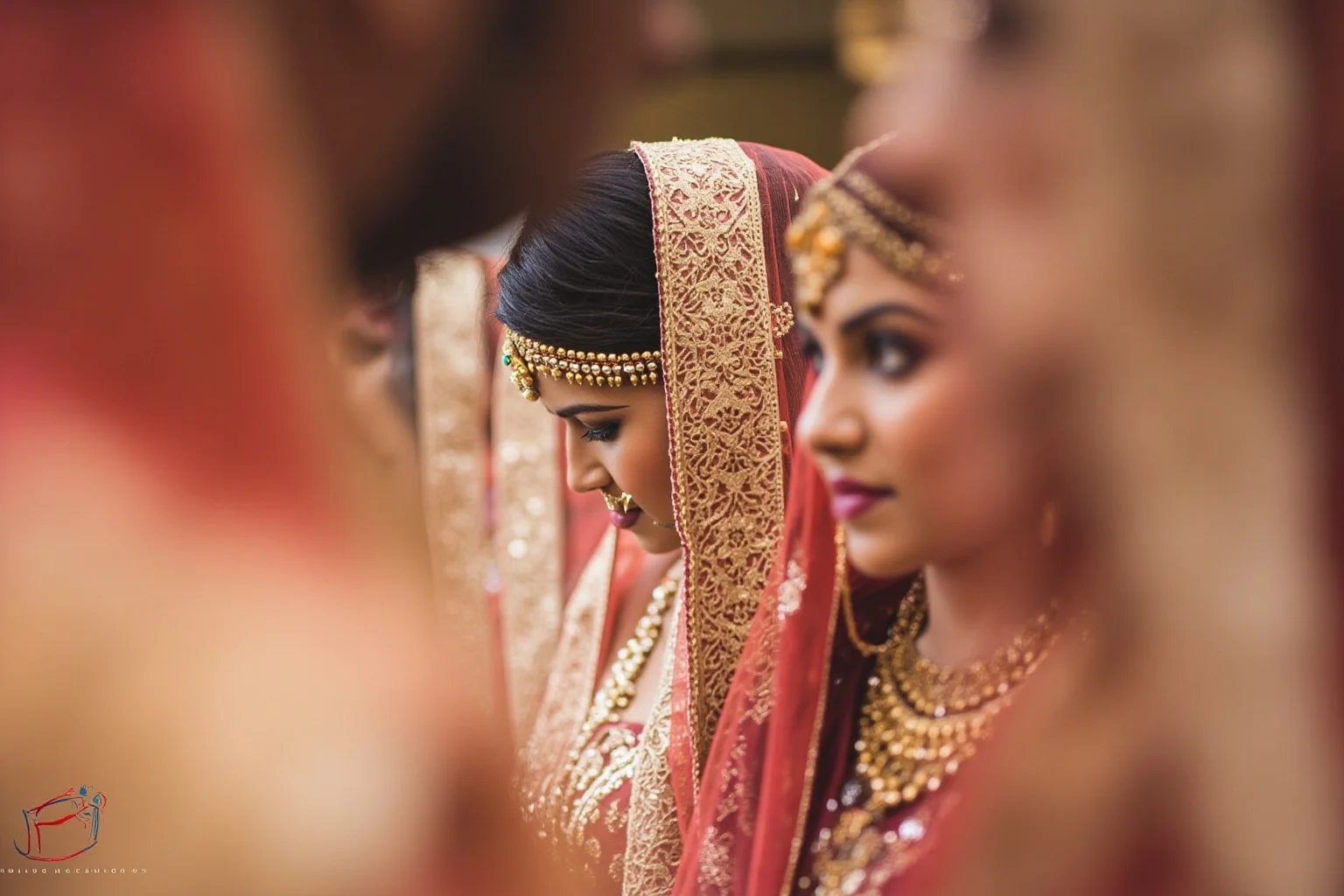
Mughal marriages were rarely just about love. Nur Jahan likely pushed for the match to strengthen her own family's grip on the throne. By marrying her niece to the future emperor, she secured her lineage's power.
Shah Jahan later rebelled against his father Jahangir, and the alliance with Nur Jahan soured. Arjumand, however, stayed loyal to Shah Jahan through the rebellion and the years of exile that followed. That loyalty is a big part of why she became so beloved.
5. Mumtaz Mahal Was a Political Player, Not Just a Beauty
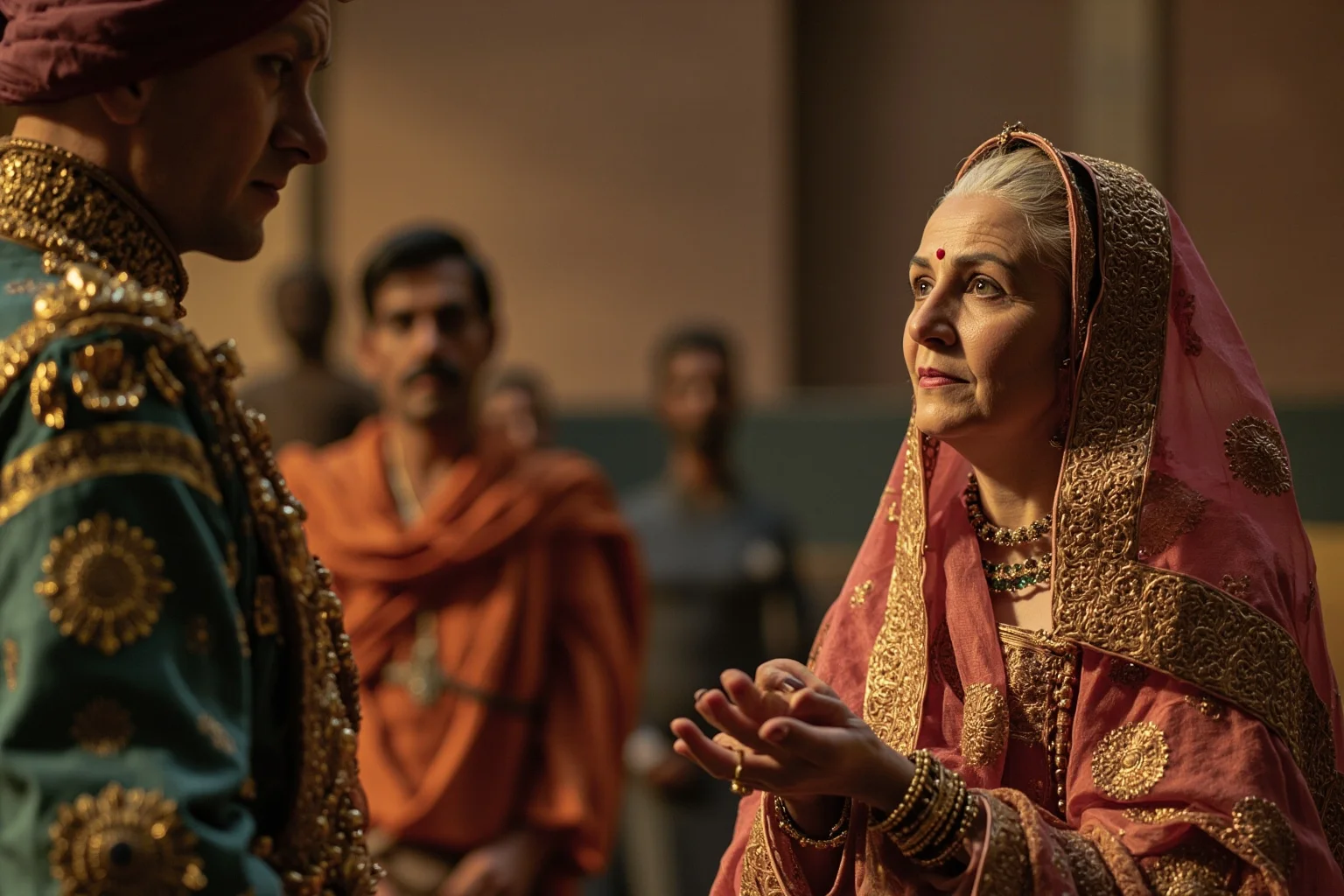
Popular depictions often reduce Mumtaz Mahal to a beautiful face. In reality, she was educated, witty, and deeply involved in court affairs. She accompanied Shah Jahan on military campaigns, which was unusual even for a beloved queen.
She held the official seal of the empire and advised her husband on state matters. European travelers at the court noted her influence. She was not a passive muse; she was a political actor in her own right.
6. She Was Married for 19 Years
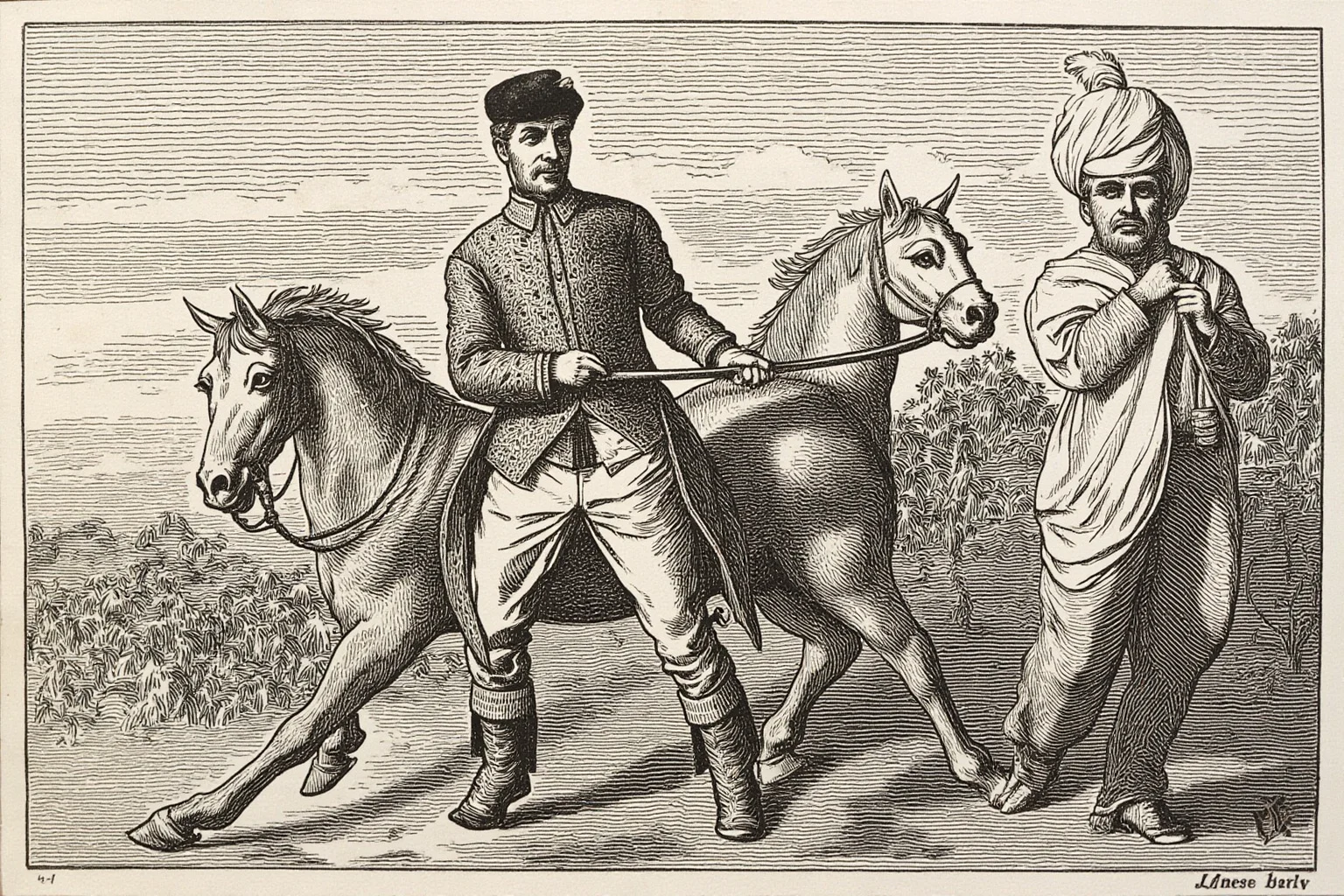
Shah Jahan and Mumtaz Mahal were married in 1612 and remained together until her death in 1631. That's 19 years of marriage, most of it spent in the turbulent years before and after he took the throne. She was his constant companion during his rise to power.
She gave birth to 14 children during that time. Only seven survived to adulthood. The high infant mortality rate was typical for the era, but the constant pregnancies took a severe toll on her health.
7. She Died Giving Birth to Their 14th Child
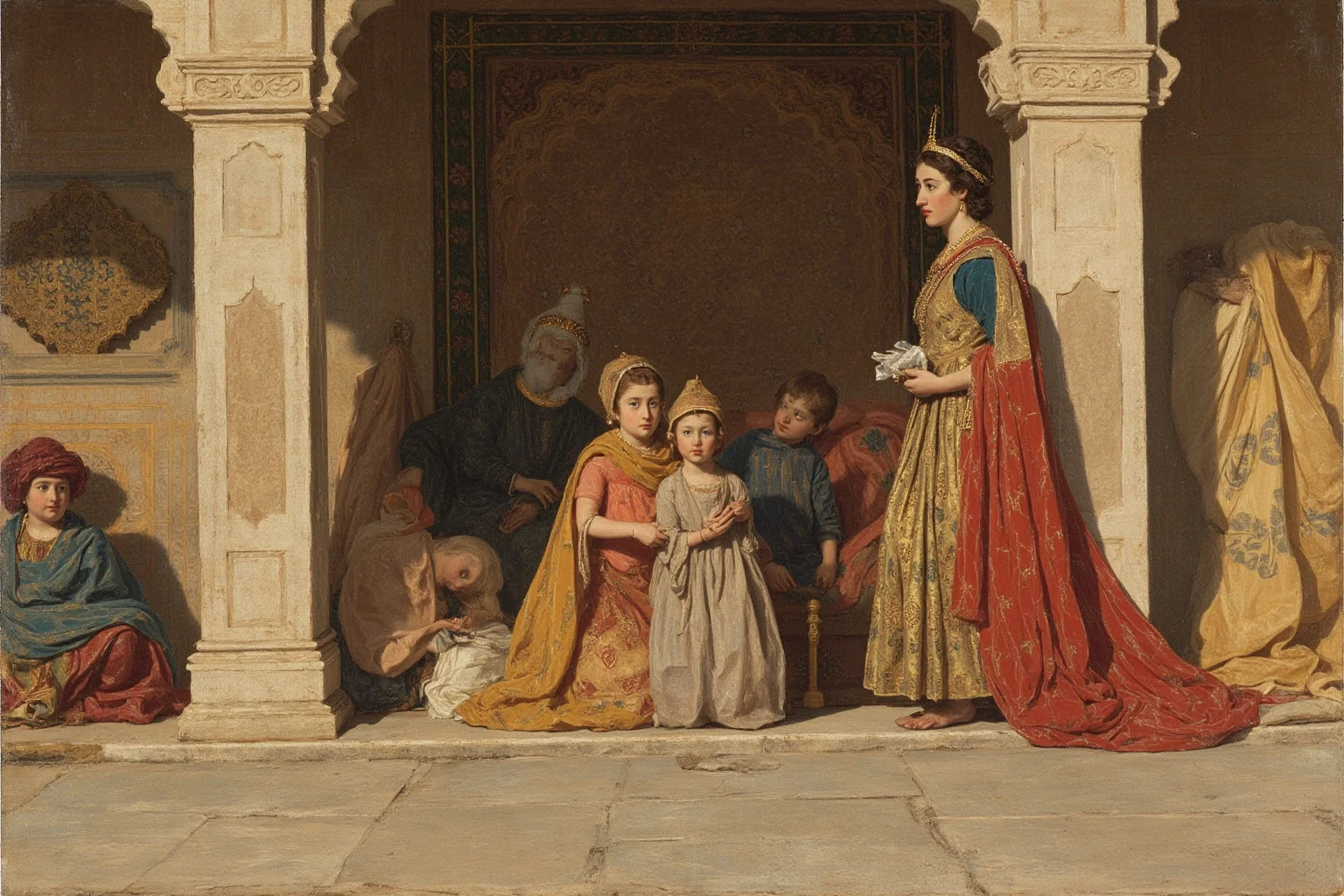
Mumtaz Mahal died on June 17, 1631, in Burhanpur, in central India. She was delivering her 14th child, a daughter named Gauhar Ara Begum. The birth was long and difficult, and she did not survive the complications.
She was only 38 years old. Shah Jahan was reportedly devastated and went into deep mourning. He is said to have not appeared in public for a week. The tragedy became the seed of the Taj Mahal.
8. Shah Jahan Was Grief-Stricken but Not Suicidal Forever
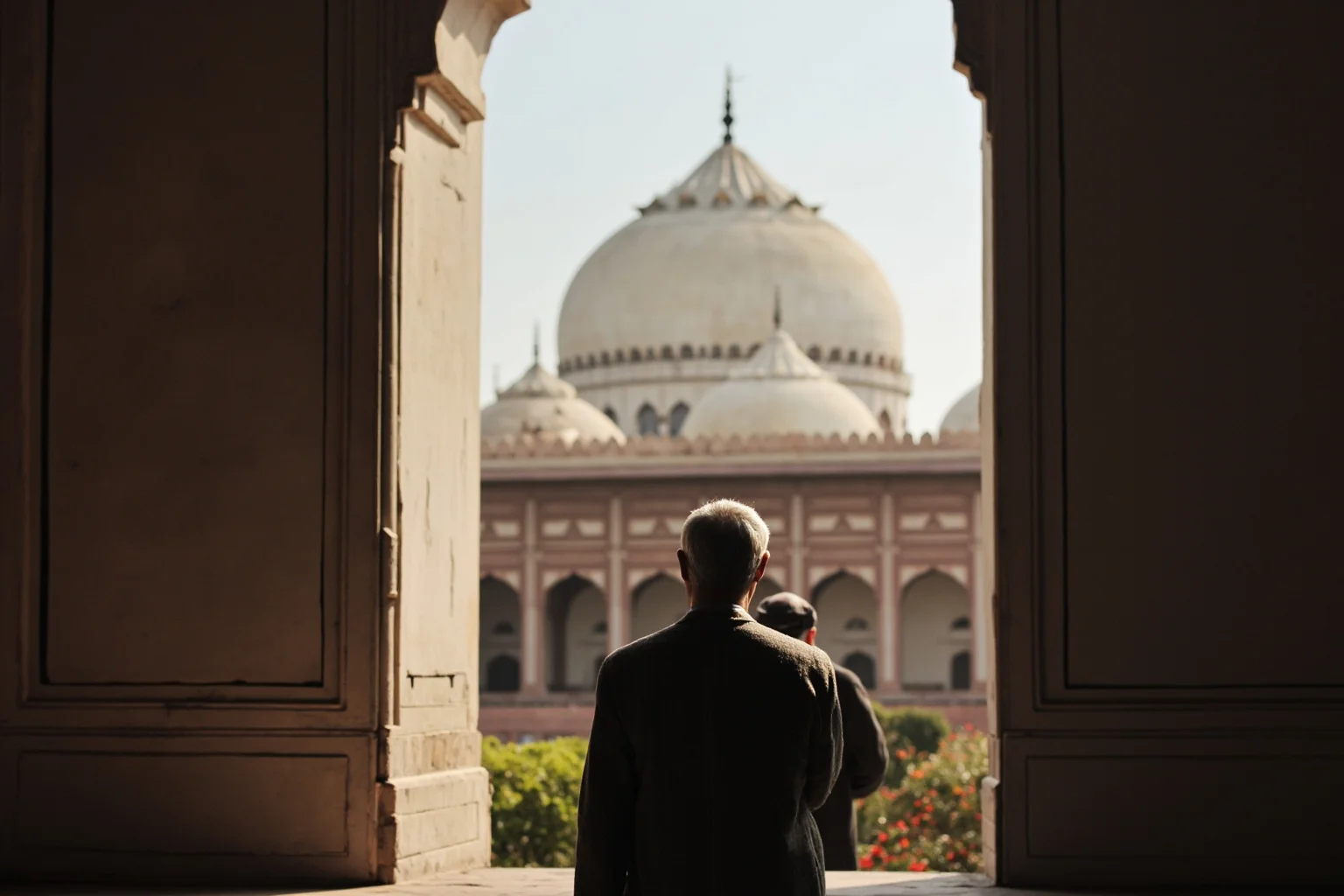
The popular story says Shah Jahan planned to build a black marble Taj Mahal for himself. Most historians now think this is a myth started by European travelers. There is no solid evidence he intended a mirrored black mausoleum.
He did throw himself into the Taj Mahal's construction, however. The grief was real, but it did not end his reign or his ambitions. He continued to rule for another 27 years.
9. The Taj Mahal Took Over 20 Years to Build
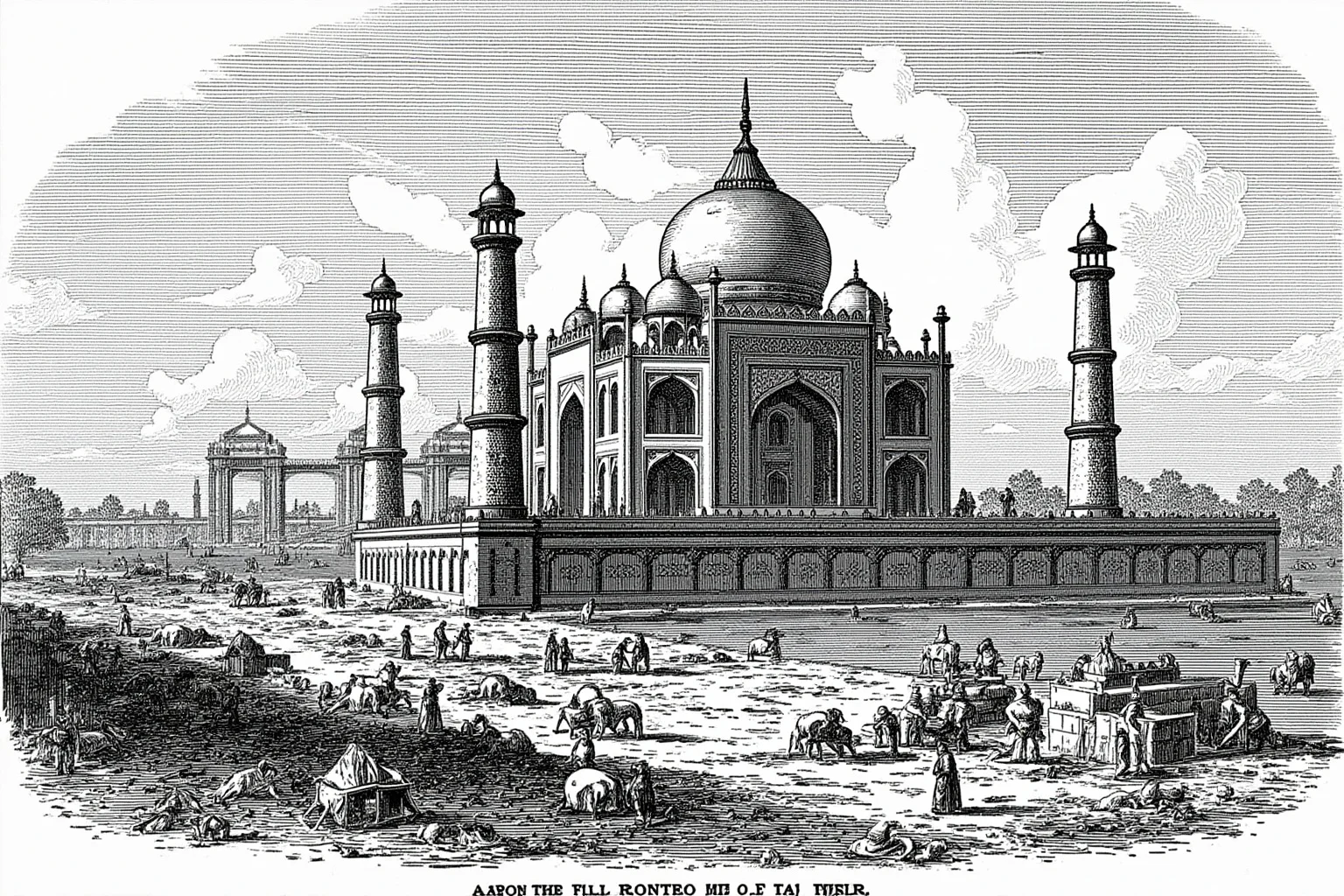
Construction on the Taj Mahal began around 1632, a year after Mumtaz's death. The main mausoleum was completed by 1643, but the entire complex took until about 1653. That's over 20 years and the labor of thousands of workers.
It was designed by a team of architects, including Ustad Ahmad Lahauri. Despite the common belief that it was designed by a single European, no single architect can be credited. The project was a massive imperial enterprise.
10. The Taj Mahal Is Not Just a Tomb
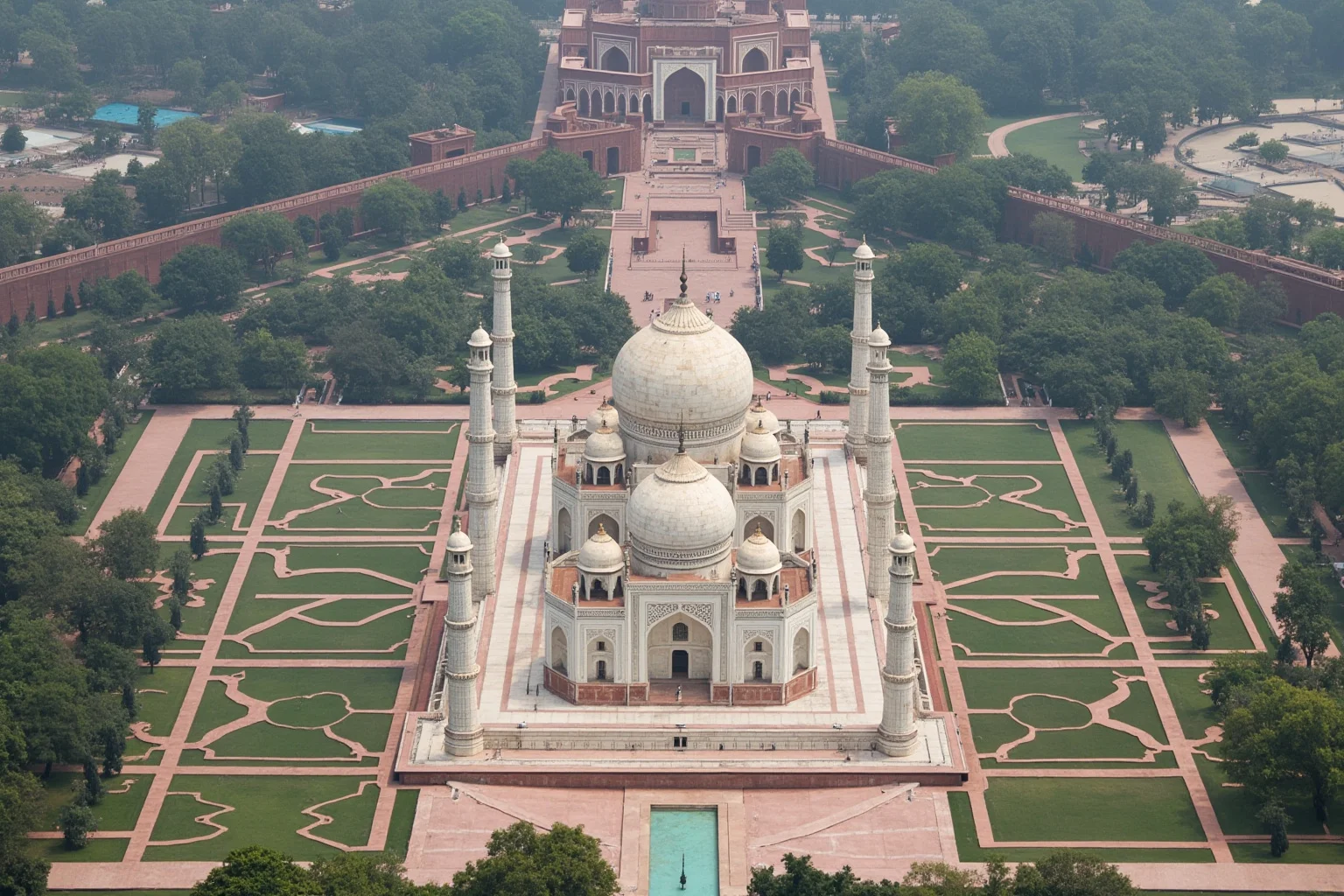
The Taj Mahal is a full complex including a mosque, a guest house, and formal gardens. The mausoleum is the centerpiece, but the gardens and the great gate are integral. The entire site is a statement of imperial power as much as love.
Shah Jahan's own tomb was placed next to Mumtaz's later. It is the only asymmetrical element in the entire complex. He was buried there after his death in 1666, not by his own design.
11. Mumtaz Mahal Is Buried Inside the Taj Mahal
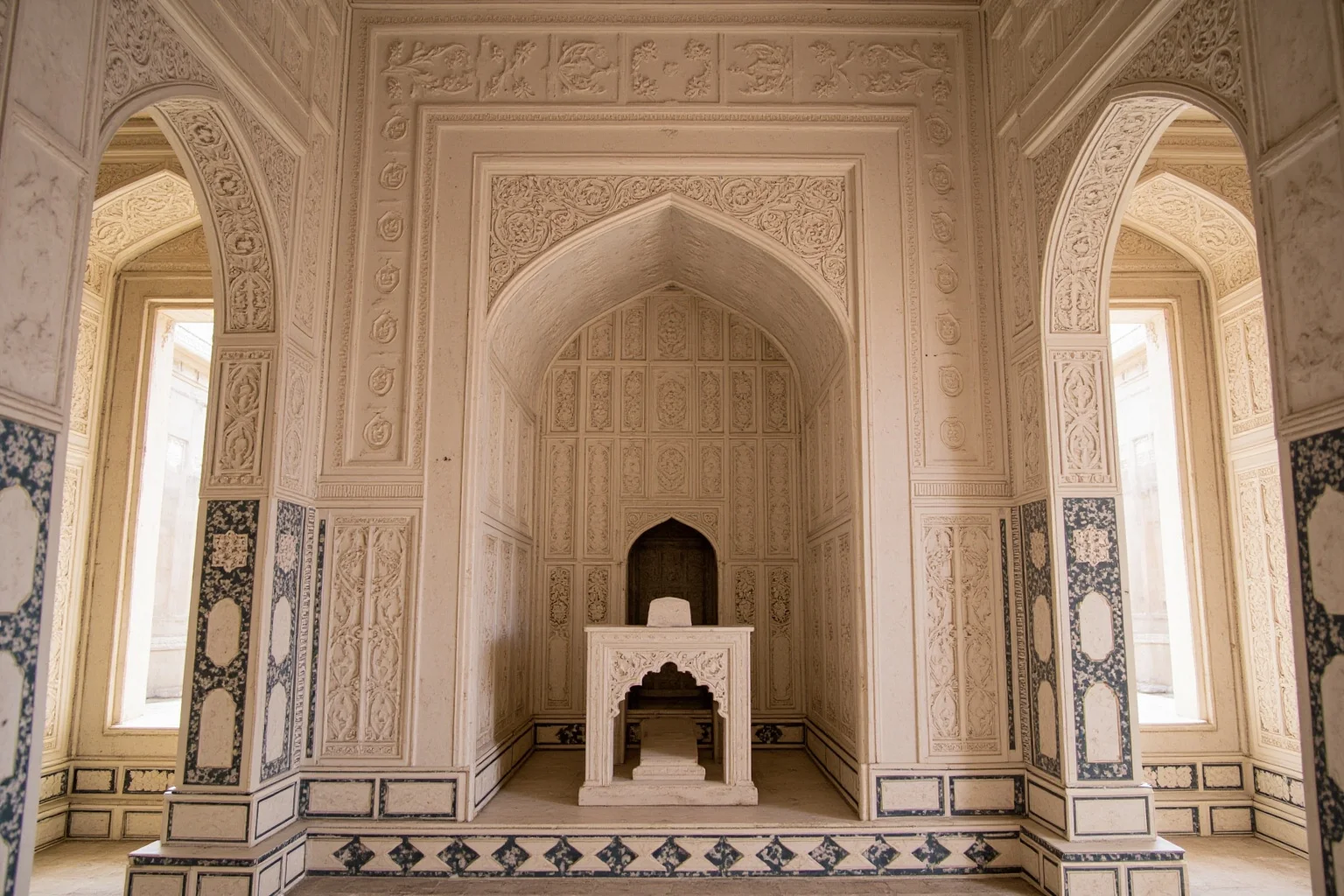
Her body was initially buried in Burhanpur where she died. It was later moved to Agra and interred in the Taj Mahal's crypt. The public can't see the actual tombs; the cenotaphs visible inside are decorative markers.
The real sarcophagi are in a lower chamber, closed to visitors. Shah Jahan's tomb lies beside hers. The interior is deliberately dim and plain, focusing attention on the marble screens and inlay, not on grandeur.
12. Shah Jahan Was Not a Faithful Husband in the Modern Sense
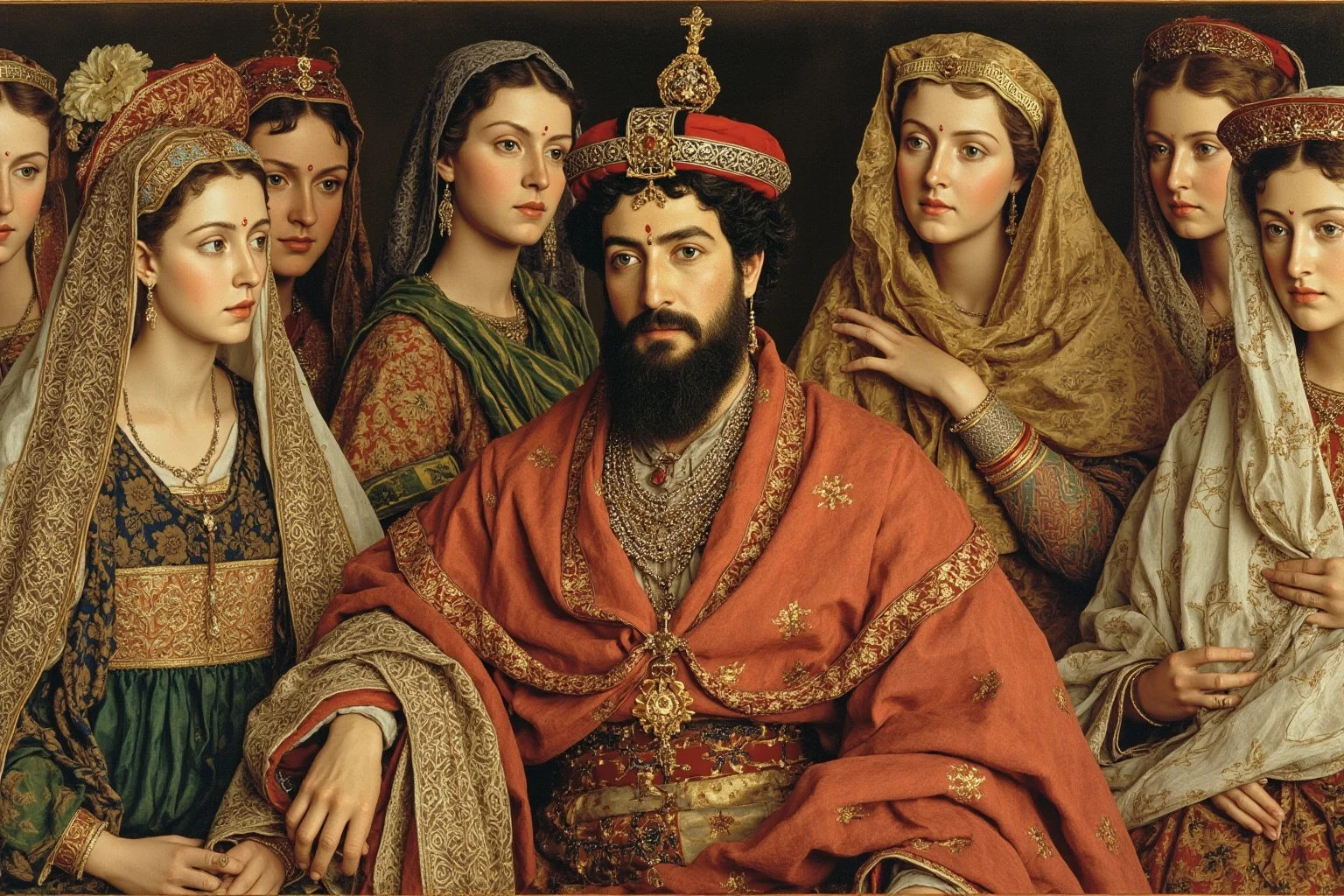
Even while married to Mumtaz Mahal, Shah Jahan had other wives and concubines. The Mughal harem was a large, complex institution. His love for Mumtaz was likely genuine, but it did not mean monogamy.
His other marriages included one to a woman named Akbarabadi Mahal and another to Kandahari Mahal. Some of these unions were political, some for companionship. Mumtaz was clearly the favorite, but she was not the only one.
13. How Many Wives Did Shah Jahan Have?
This is one of the most searched questions about him. Most reliable accounts say he had at least four wives, though the exact number is uncertain. The Mughal court did not always record concubines in the same way it recorded official marriages.
What is certain is that Mumtaz Mahal was his second wife and his favorite. The others were often married for political reasons or after Mumtaz's death. The idea of a one-woman man is a Victorian-era embellishment.
14. His Other Wives Were Often Political Tools
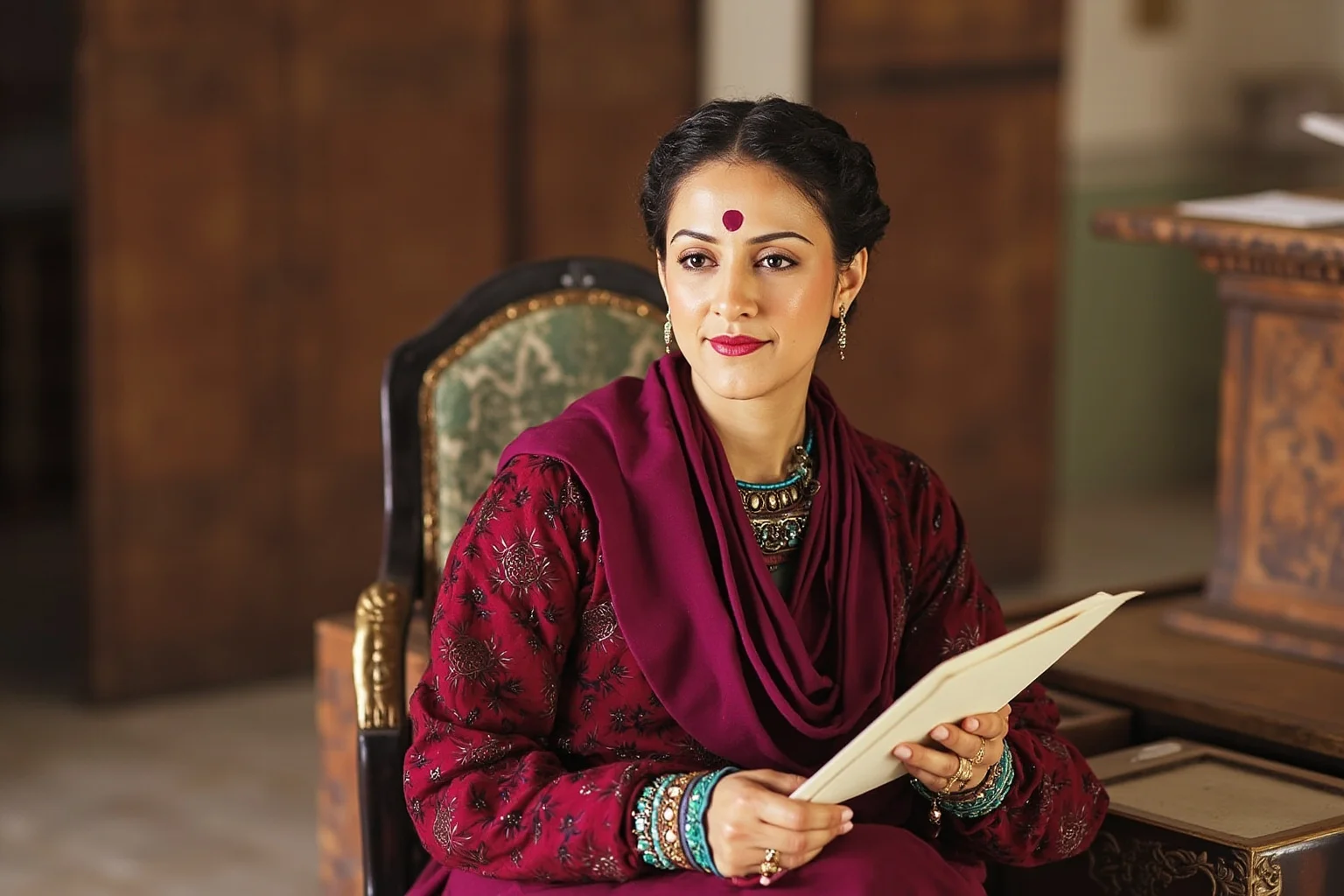
Shah Jahan's first wife was named Qandahari Begum, married in 1609 before he met Mumtaz. She was a political match arranged by his father. After Mumtaz died, he married several more women to strengthen alliances.
These marriages produced children, but none were as celebrated as those with Mumtaz. The Mughal system was polygamous by design, and the emperor's wives played specific roles. Mumtaz's special status came from love, not from law.
15. Four of His Sons Survived to Adulthood
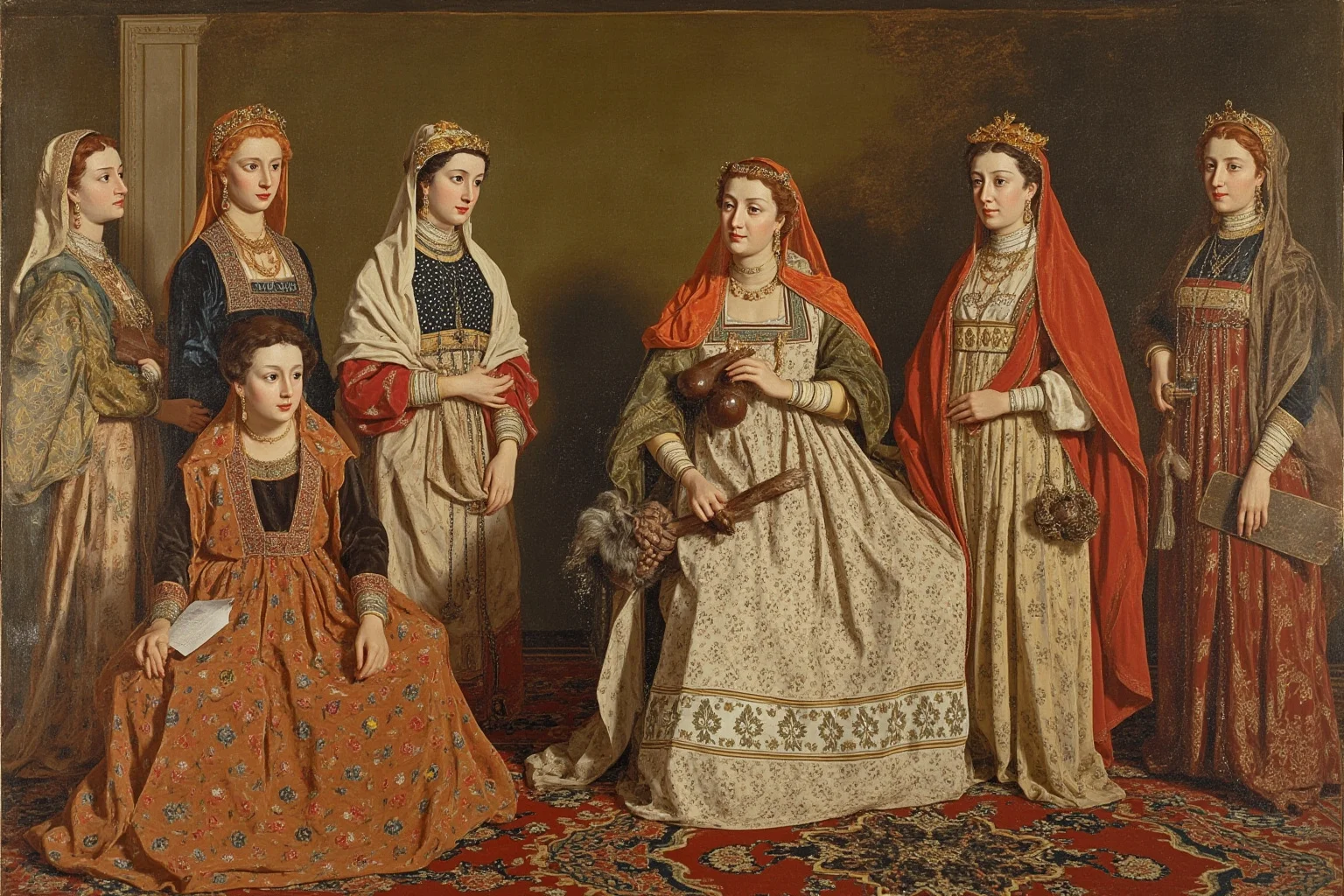
Shah Jahan and Mumtaz Mahal had four sons who lived to adulthood: Dara Shikoh, Shah Shuja, Aurangzeb, and Murad Bakhsh. Dara was the eldest and the favorite. Aurangzeb was the most ambitious and the most conservative.
The brothers were raised in a court of intense rivalry. Each wanted the throne. The stage was set for a brutal succession war long before Shah Jahan fell ill.
16. Dara Shikoh Was the Chosen Heir
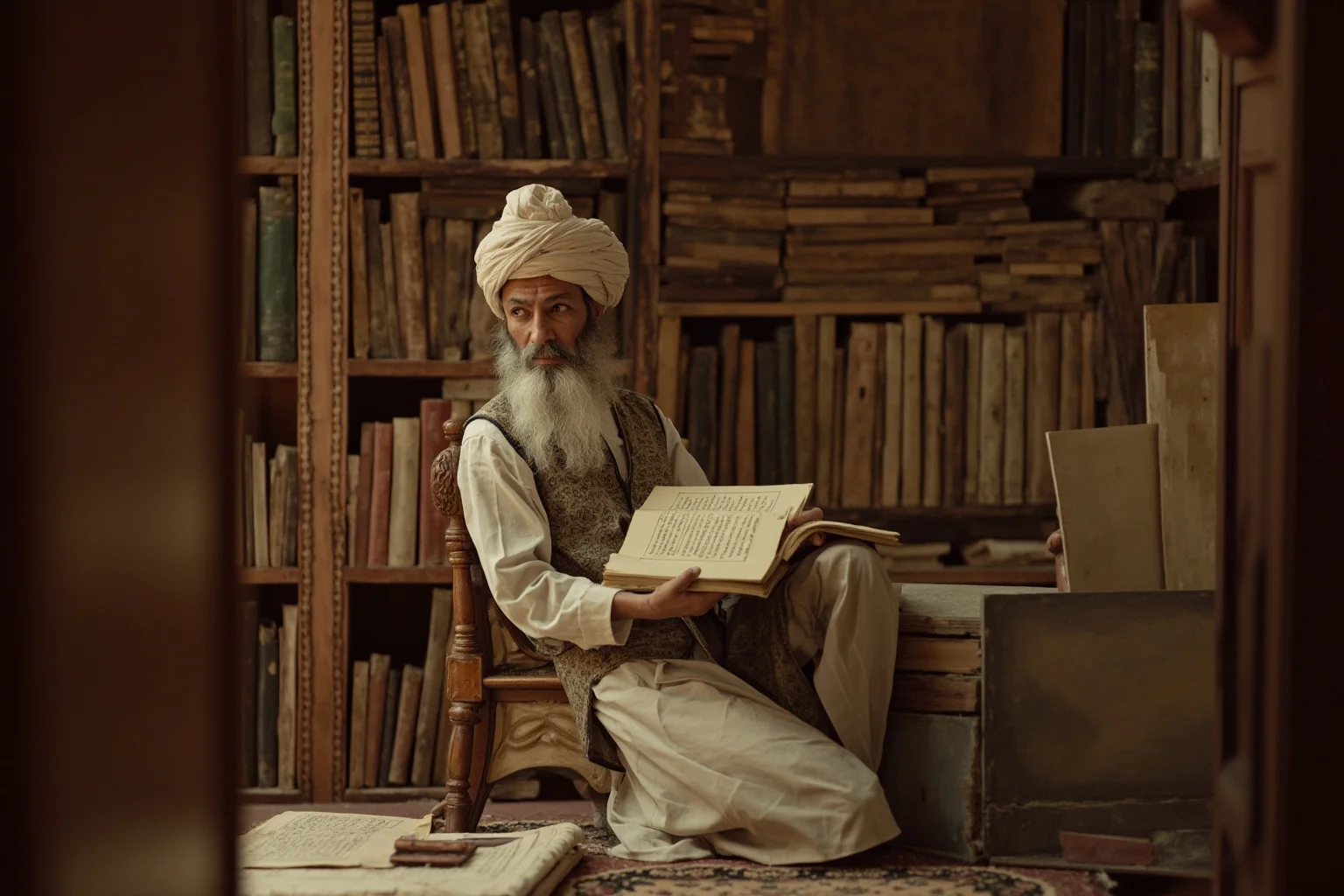
Dara Shikoh was a scholar, a mystic, and a patron of the arts. He translated the Upanishads into Persian and believed in the unity of religions. Shah Jahan favored him as his successor.
But Dara was also arrogant and politically inept. He alienated the nobility and the army. His religious tolerance made him enemies among the orthodox clergy. In the end, that cost him everything.
17. What Did Shah Jahan's Sons Do to Him?
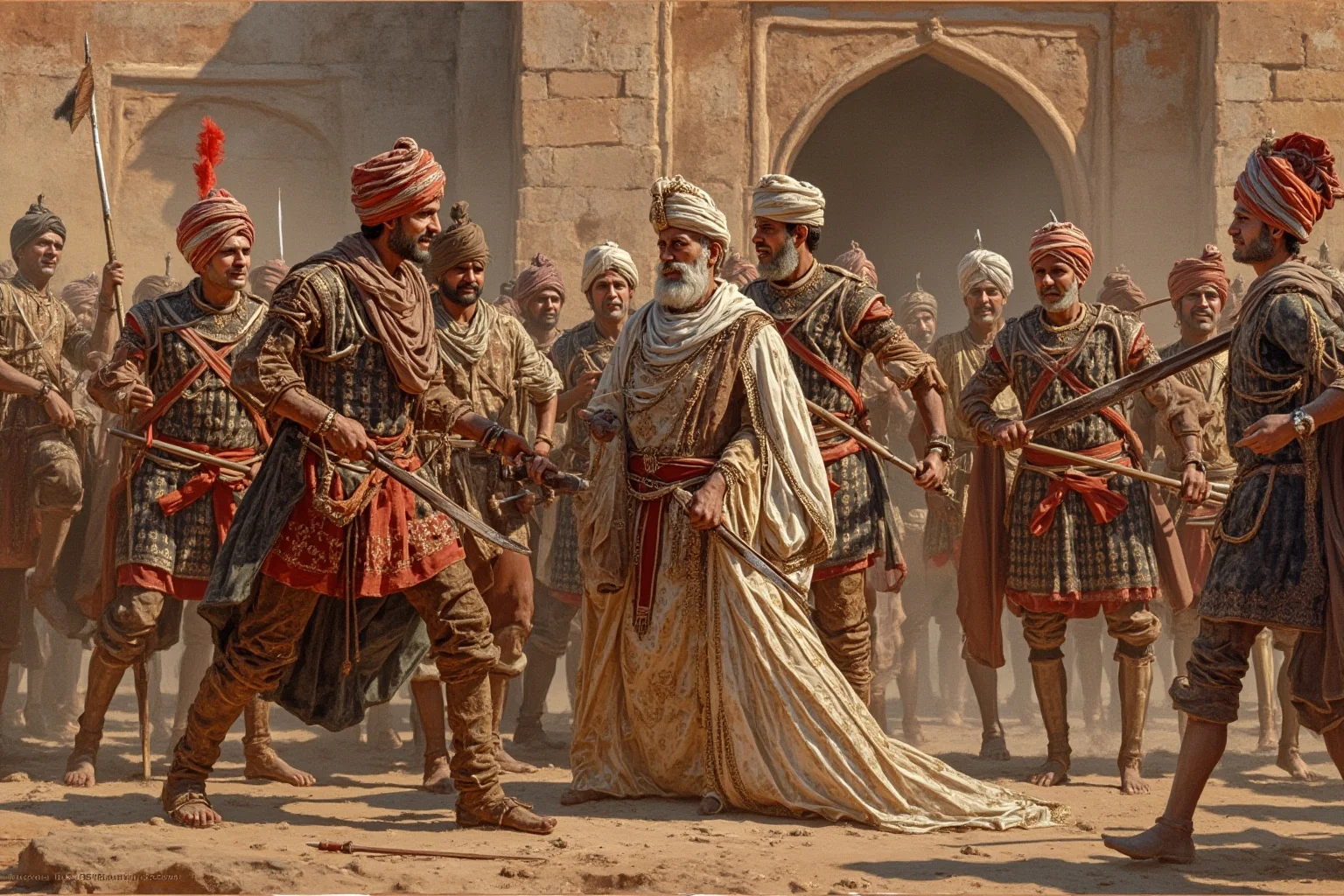
In 1657, Shah Jahan fell seriously ill. His sons immediately began fighting for the throne, assuming he would die. The emperor recovered, but the war of succession was already underway.
Aurangzeb emerged victorious after defeating Dara and the others. In 1658, he imprisoned his own father in Agra Fort. Shah Jahan lived there for eight more years, unable to rule. It was a shocking reversal for a man who had built so much.
18. Shah Jahan Spent His Final Years in Captivity
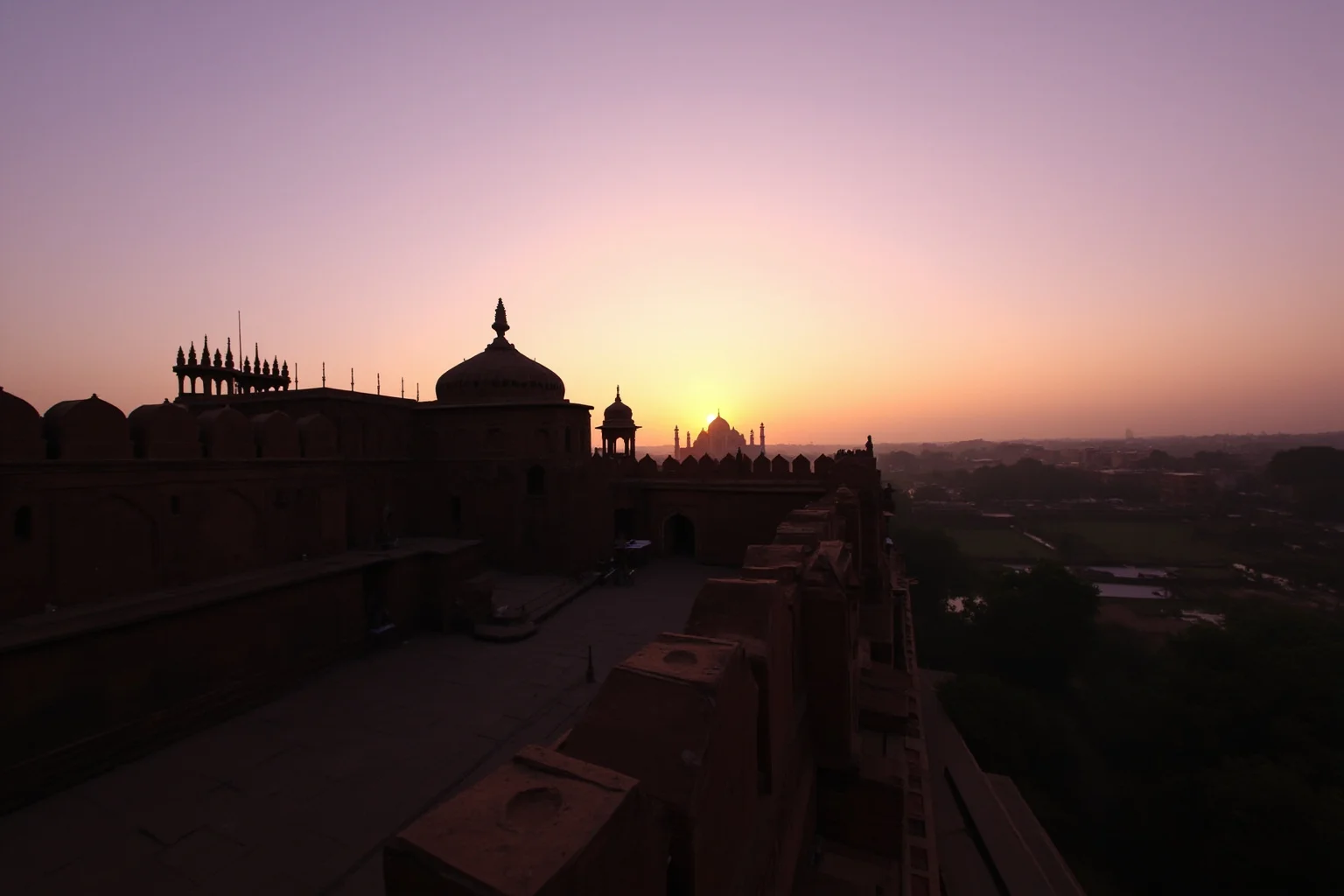
Aurangzeb declared himself emperor in 1658, though he did not formally crown himself until 1659. He kept Shah Jahan under house arrest in Agra Fort. The old emperor was given a comfortable but confined life.
The popular tale says Shah Jahan could see the Taj Mahal from his prison window. That view is plausible from parts of Agra Fort, but it is likely a romantic legend. What is certain is that he never regained power.
19. Aurangzeb Executed His Brother Dara Shikoh
Aurangzeb captured Dara Shikoh and had him executed in 1659. He paraded Dara's head in public to crush any remaining resistance. It was a brutal end to the favorite son.
Dara's death deeply affected Shah Jahan. He had lost his chosen heir and was now a prisoner of his other son. The tragedy went far beyond a simple succession dispute.
20. Shah Jahan Was Buried Beside Mumtaz
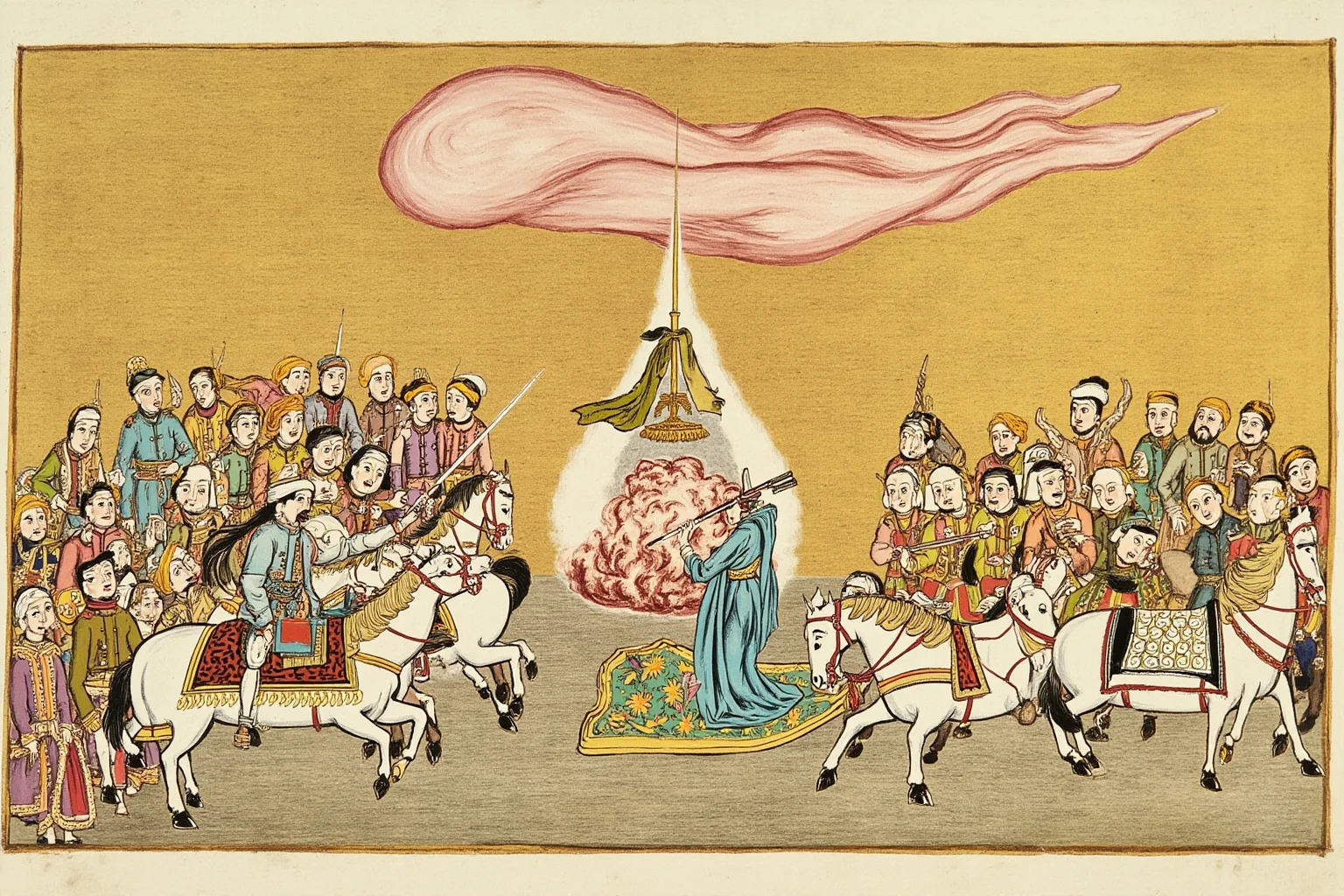
Shah Jahan died in 1666, aged 74. Aurangzeb had him buried in the Taj Mahal, next to Mumtaz Mahal. It was perhaps a gesture of respect, or perhaps a useful symbol.
The tomb of Shah Jahan is the only visual break in the symmetry of the Taj Mahal. His cenotaph sits beside hers, slightly larger. In death, as in life, he is linked to her.
21. The Legend of the Black Taj Is Probably a Myth
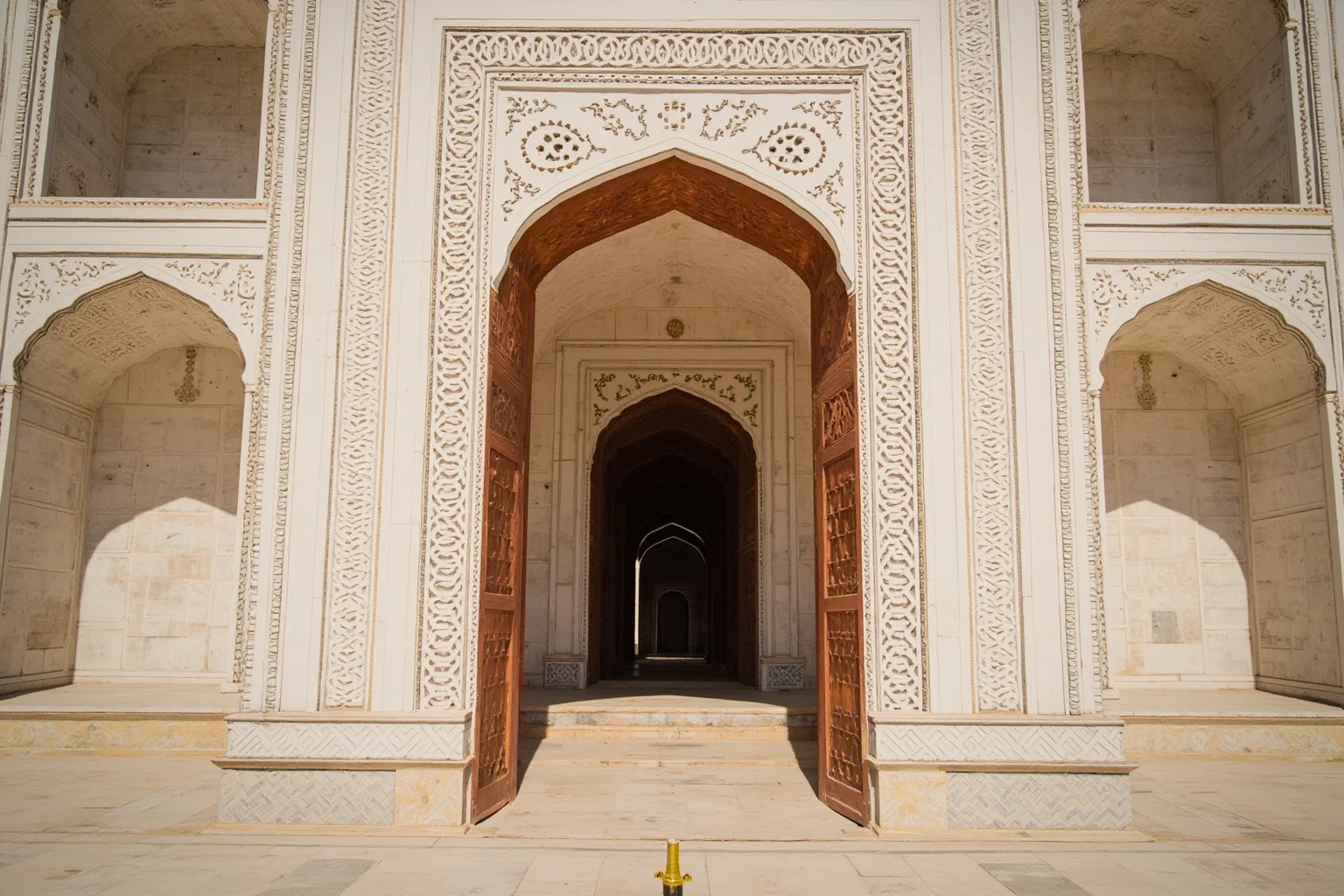
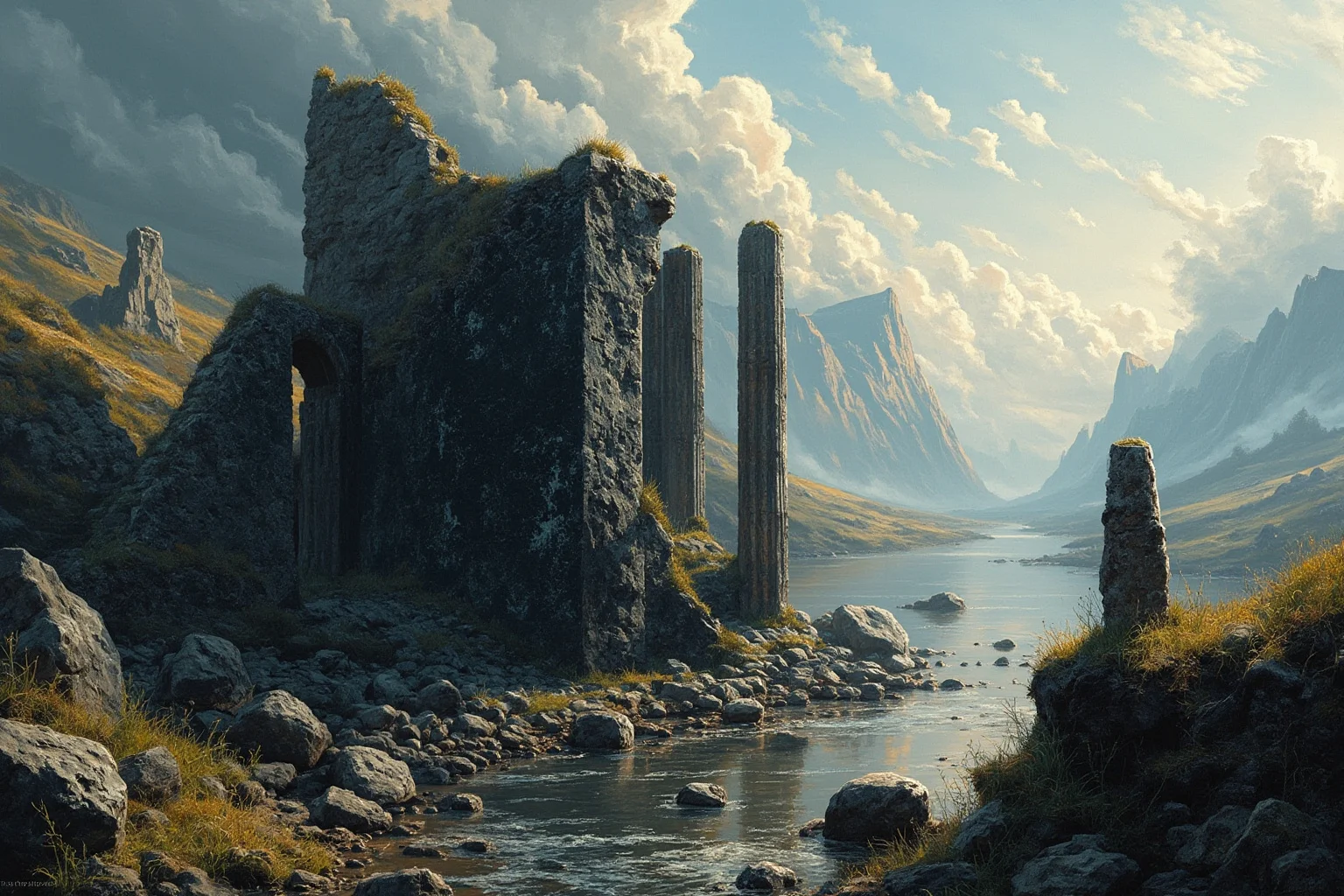
The story goes that Shah Jahan wanted a black marble Taj Mahal across the river for himself. Some ruins at Mehtab Bagh have been cited as proof. But no serious archaeological evidence supports the claim.
Most historians think the black Taj was a European traveler's invention. It was likely created to add symmetry to the love story. The real Shah Jahan was buried in the white Taj, not a black one.
22. Their Love Story Was Celebrated, but Also Politicized
During British colonial rule, the story of Shah Jahan and Mumtaz Mahal was romanticized further. British writers portrayed the Taj Mahal as a monument to eternal love. This image helped promote tourism and imperial prestige.
Indian nationalists later reclaimed the Taj as a symbol of indigenous genius. The love story became a national asset. Mumtaz Mahal in particular was transformed from a historical figure into a romantic ideal.
23. Mumtaz Mahal's Legacy Is More Than Her Tomb
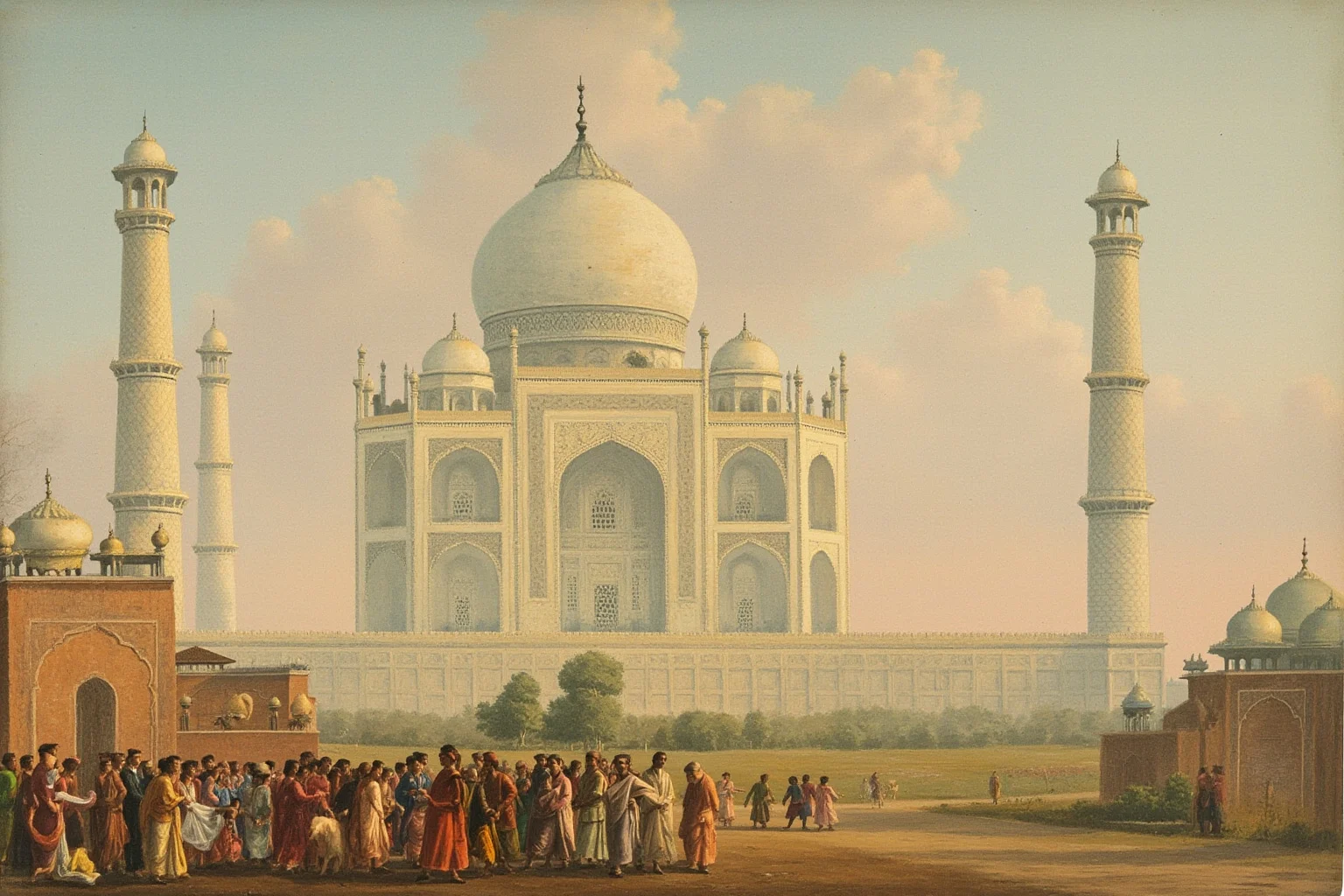
Mumtaz Mahal's real legacy is not just the Taj Mahal. She was a politically savvy queen who influenced the court during a turbulent time. She was the mother of an emperor's children and an advisor to an emperor.
Her early death left a void in Shah Jahan's life, but it also cemented her myth. The Taj Mahal is her monument, but it is not the whole story. She was a person, not just a symbol of love.
What the Fairy Tales Leave Out
The story of Shah Jahan and Mumtaz Mahal is often reduced to a simple love story. In reality, it's a tale of politics, power, and tragedy. They loved each other, but they were also products of a brutal imperial system.
The Taj Mahal is a stunning monument, but it was built by a grieving man who also had other wives and later lost his throne to his own son. That complexity is what makes the real history far more interesting than the myth.
Frequently Asked Questions
What is the real story of Shah Jahan and Mumtaz Mahal?
Their story is a mix of genuine love and political reality. Shah Jahan loved Mumtaz deeply, but she was one of several wives in his harem. After she died in childbirth in 1631, he built the Taj Mahal in her memory. He later fell ill, his sons fought for the throne, and his son Aurangzeb imprisoned him for the rest of his life.
How many wives did Shah Jahan have?
Most reliable sources say Shah Jahan had at least four wives, though the exact number is uncertain because the Mughal court did not always record temporary or politically motivated marriages. Mumtaz Mahal was his second wife and his favorite, but she was not his only wife.
Who was Mumtaz Mahal?
Mumtaz Mahal was born Arjumand Banu Begum, the niece of Mughal empress Nur Jahan. She married Prince Khurram (later Shah Jahan) in 1612 and became his favorite wife. She was politically influential, traveled with him on campaigns, and gave birth to 14 children. She died in 1631 and is buried in the Taj Mahal.
What did Shah Jahan’s sons do to him?
In 1657, Shah Jahan fell seriously ill. His four grown sons immediately fought a bitter war of succession. The third son, Aurangzeb, emerged victorious, defeated his brothers, and imprisoned his father in Agra Fort in 1658. Shah Jahan remained captive there until his death in 1666.
Did Shah Jahan and Mumtaz Mahal have children?
Yes, Mumtaz Mahal gave birth to 14 children, but only seven survived to adulthood. Their most famous children were Dara Shikoh, Shah Shuja, Aurangzeb, and Murad Bakhsh, all of whom fought for the throne after Shah Jahan's illness. Mumtaz died giving birth to her 14th child.
Is it true Shah Jahan wanted to build a black Taj Mahal?
Most historians consider the black Taj Mahal a myth. The idea likely originated from European travelers who romanticized the love story. There is no solid archaeological evidence that Shah Jahan planned a separate black marble mausoleum for himself. He was buried in the white Taj Mahal beside Mumtaz.

Alex Warren
Related Articles