
TL;DR: History's greatest underdog stories — from David and Goliath to Leicester City — show that preparation, timing, and nerve can topple overwhelming favorites again and again.
The story of the underdog is one of humanity's oldest and most beloved narratives. It appears in ancient scripture, wartime chronicles, sports arenas, and boardrooms, always following a similar arc: an overlooked contender faces a seemingly unbeatable opponent and somehow prevails.
That arc explains why underdog stories resonate so deeply across cultures and centuries. They offer proof that outcomes are not predetermined and that the powerful are not invincible. This list examines 20 of the best underdog stories from history — what actually happened, what the records support, and what these famous underdogs teach us about courage, strategy, and timing.
Before diving in, one note on method. Some underdog legends have grown taller in the retelling, so we've flagged where the historical record is thin or contested. Great storytelling shouldn't require stretching the truth.
What Makes an Underdog Story?
At its core, an underdog is a competitor expected to lose — outmatched in resources, numbers, reputation, or raw power. The gap between expectation and outcome is what gives these stories their electricity. When the favorite wins, nothing changes; when the underdog wins, the worldview shifts.
Underdog status can be structural, like a small nation facing an empire. It can also be perceptual, like a team that's talented but disrespected. Sometimes the label is imposed from outside, and sometimes a competitor deliberately adopts it as motivation.
Notably, "underdog" is not the same as "worse." An underdog can be deeply skilled but simply lacks the advantages of scale, funding, or fame that the opponent enjoys. That gap is precisely the point.
How We Ranked These Stories
Selection for this list weighed three factors: the size of the perceived mismatch, the durability of the outcome over time, and the quality of the historical record. We prioritized events supported by contemporaneous accounts or strong documentation. Where legend and fact diverge, we say so rather than choosing the more dramatic version.
Priority went to episodes with lasting cultural impact — stories that changed how people thought about what was possible. Some well-known underdog wins are contested by historians, and some quieter victories are underappreciated. We've balanced both concerns.
The 20 Greatest Underdog Stories in History
1. David and Goliath: The Original Underdog Tale

The biblical account in 1 Samuel describes a young shepherd facing a Philistine giant in single combat. David, armed only with a sling and stones, brings down Goliath and becomes an enduring symbol of the improbable victory. Whether read as scripture, literature, or cultural archetype, it remains the template for every underdog story that followed. It is the story that gave the world the phrase itself.
2. The 300 Spartans at Thermopylae
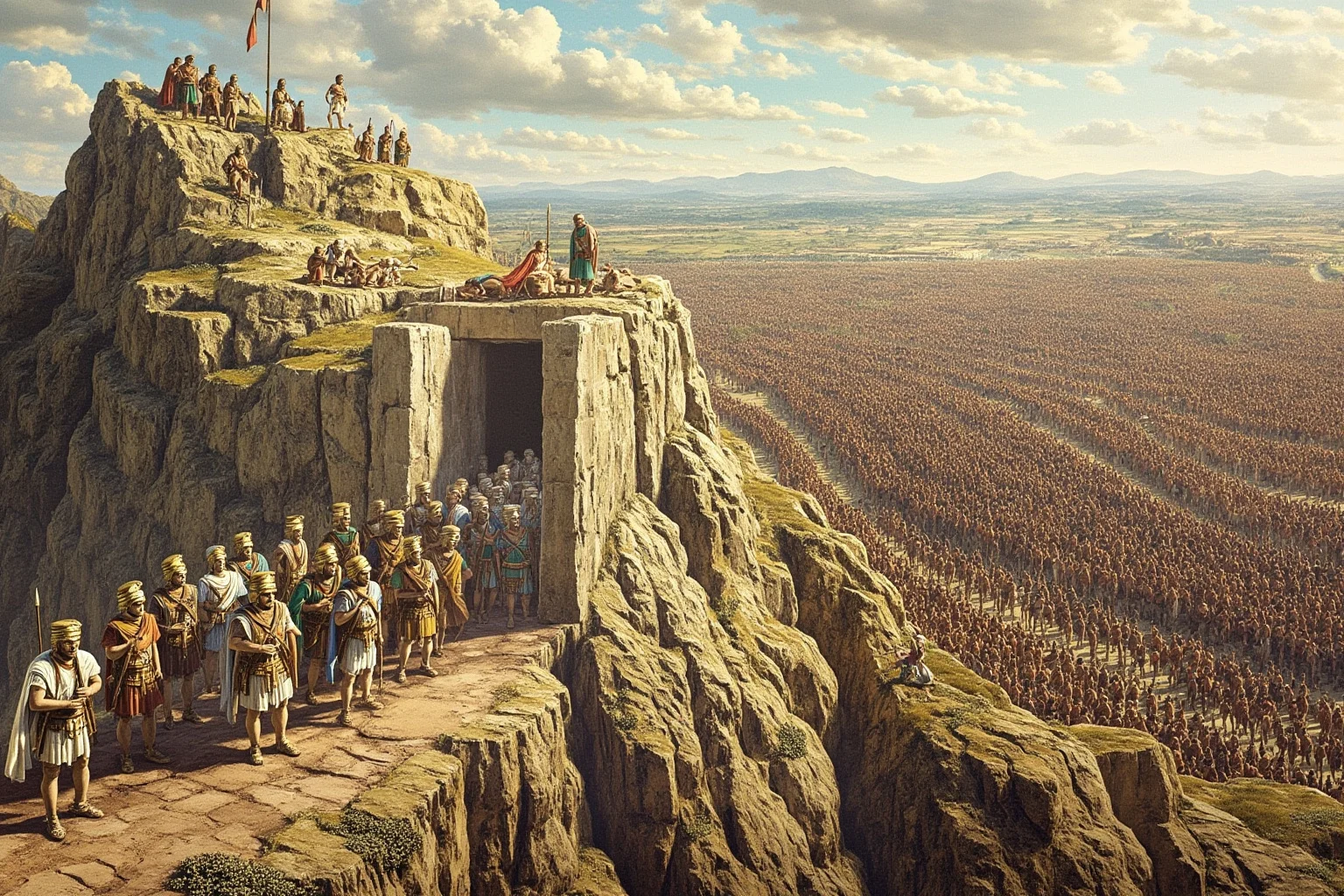
In 480 BCE, a small Greek force led by King Leonidas held a narrow mountain pass against a vastly larger Persian army. The Greeks ultimately lost the battle, but their stand delayed the invasion and became a symbol of defiance against overwhelming odds. Modern retellings sometimes exaggerate the numbers, yet the strategic significance is well documented. Thermopylae shows that an underdog can win strategically even while losing tactically.
3. The Battle of Agincourt, 1415
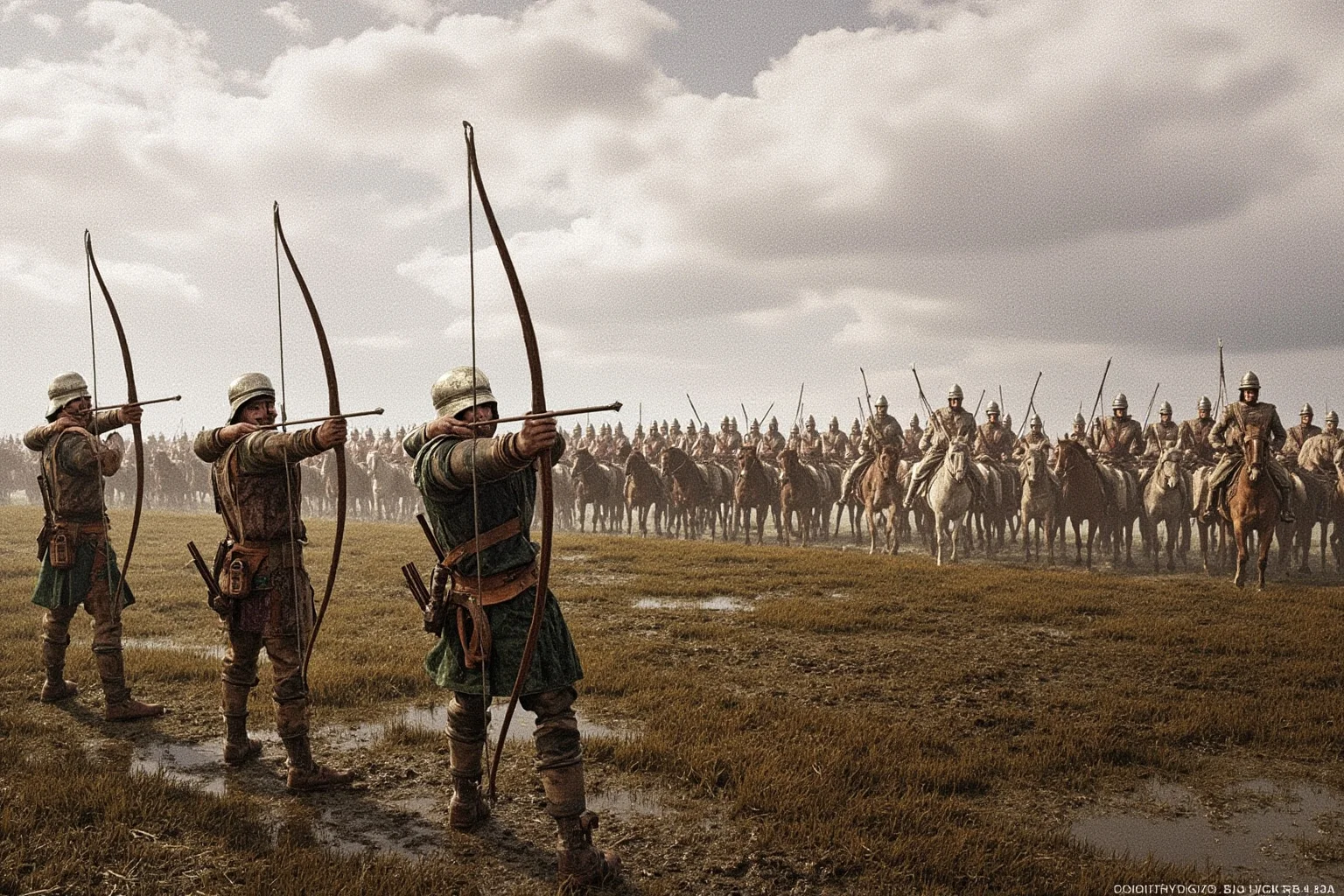
Outnumbered English forces under Henry V defeated a much larger French army on muddy ground in northern France. Longbow archers and terrain played decisive roles, and the victory reshaped the Hundred Years' War's course. Historians continue to debate the exact size of the opposing armies, but the lopsided result is not in dispute. Agincourt is a textbook case of how discipline and positioning can offset numerical disadvantage.
4. The Alamo and San Jacinto

In 1836, a small Texan garrison held the Alamo mission against a far larger Mexican force, ultimately falling after a prolonged siege. Weeks later, Sam Houston's army routed Santa Anna's forces at San Jacinto in a battle lasting roughly eighteen minutes. The pair of events helped secure Texan independence and became defining moments in American frontier history. The Alamo's legend has sometimes overshadowed the more decisive strategic victory that followed it.
5. The Battle of Britain, 1940
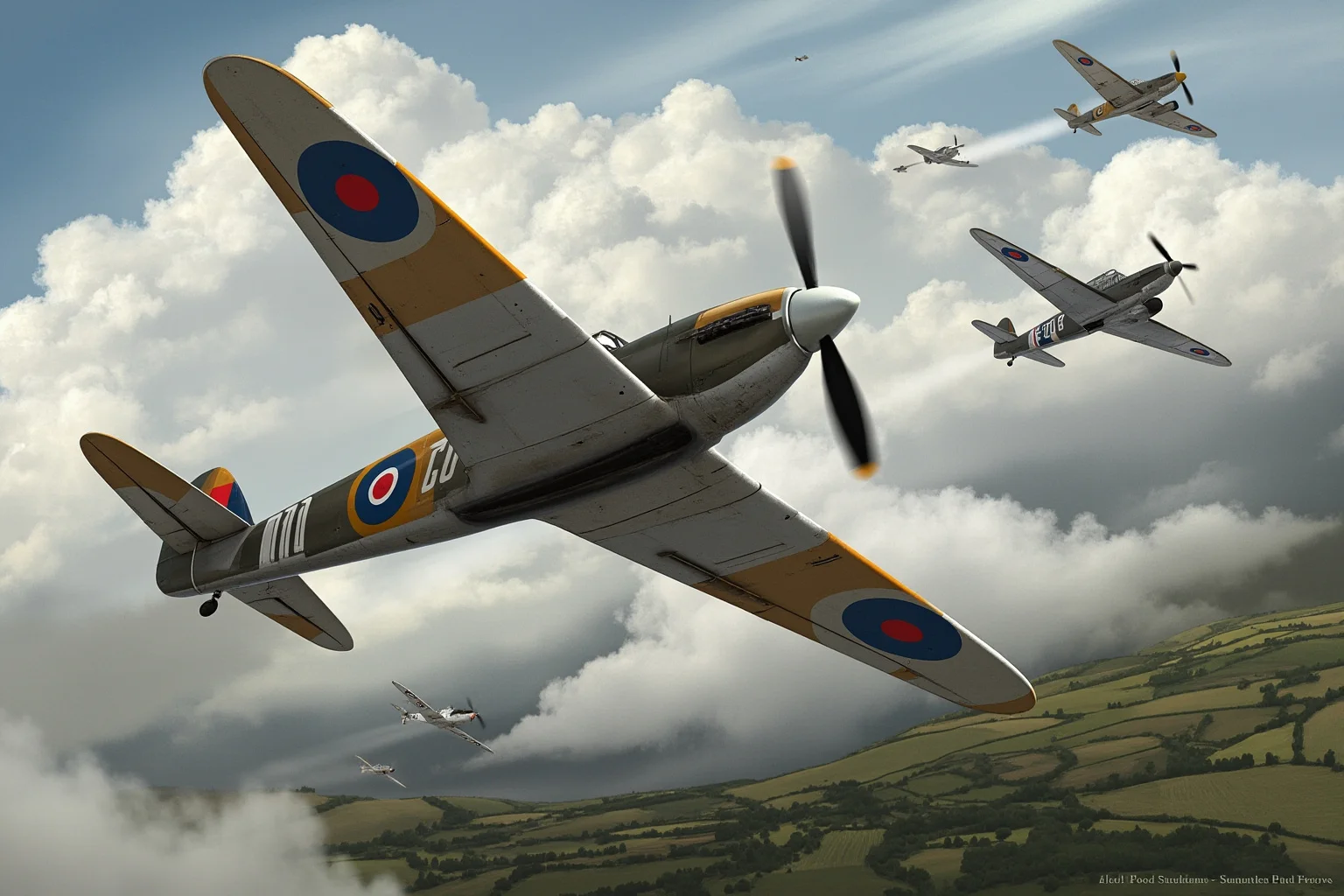
After the fall of France, Britain stood alone against Nazi Germany's air force during the summer and autumn of 1940. The Royal Air Force, aided by radar technology and an integrated defense network, repelled the Luftwaffe's campaign for air superiority. The battle became a turning point that prevented a planned German invasion. Winston Churchill's "their finest hour" rhetoric matched a genuine strategic achievement.
6. The Miracle on Ice, 1980

At the 1980 Winter Olympics in Lake Placid, the United States men's hockey team defeated the heavily favored Soviet Union 4–3. The Soviets had dominated international hockey for years, and the American roster was composed largely of collegiate players. The upset became a Cold War cultural touchstone and one of the biggest underdog stories in sports history. The U.S. team went on to win the gold medal, completing the narrative.
7. Leicester City Wins the Premier League, 2016

A mid-table English football club with preseason odds of around 5,000-to-1 won the Premier League title in 2016. Leicester City's blend of savvy recruitment, team cohesion, and exceptional form under manager Claudio Ranieri defied every prediction. Bookmakers had priced the outcome as nearly impossible, and the victory remains one of the most celebrated underdog wins in modern sport. It is also a favorite example of an underdog in sports where the numbers genuinely spoke for themselves.
8. Buster Douglas vs. Mike Tyson, 1990

In Tokyo, 42-to-1 underdog James "Buster" Douglas knocked out the undefeated heavyweight champion Mike Tyson in the tenth round. Tyson was widely considered the most feared fighter on the planet, and Douglas had been given little chance by oddsmakers. The knockout is often called one of the greatest upsets in boxing history. It is also a reminder that complacency can defeat even the most dominant champion.
9. The 1969 New York Jets and Super Bowl III
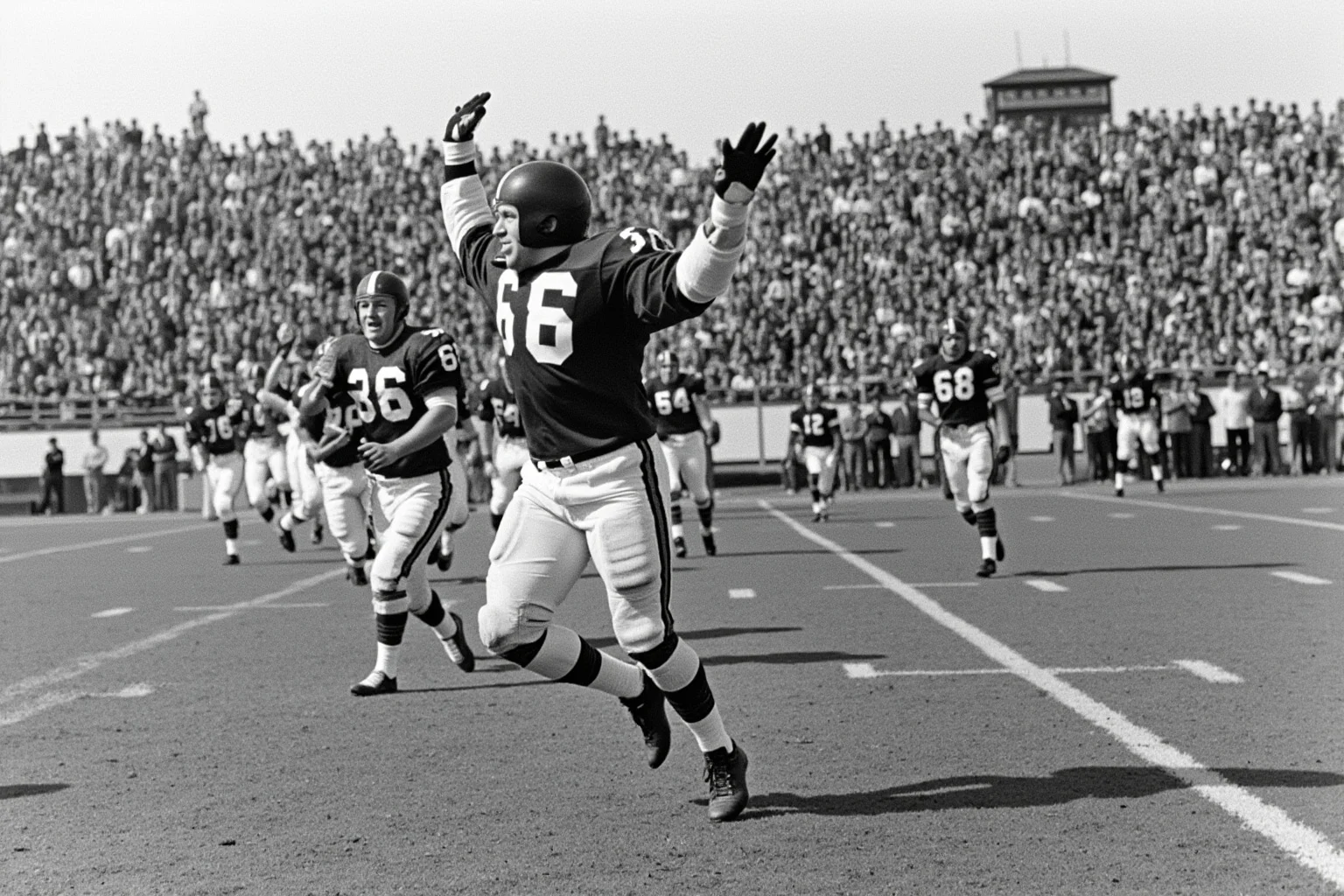
Joe Namath's guarantee of victory before Super Bowl III seemed like bravado from a team facing the heavily favored Baltimore Colts. The Jets won 16–7, validating the upstart AFL against the established NFL and accelerating the league merger. The game shifted how fans and owners viewed the younger league's competitiveness. Namath's confidence became as famous as the result.
10. Japan Defeats South Africa, Rugby World Cup 2015

In a pool match at the 2015 Rugby World Cup, Japan beat two-time champion South Africa 34–32 in one of the sport's greatest shocks. Japan had won only one World Cup match before, and South Africa was a perennial powerhouse. The result was not a fluke — Japan's disciplined, brave play earned a final scoring drive. It remains a defining example of underdog sports stories at the international level.
11. The Miracle on the Hudson, 2009

When US Airways Flight 1549 struck a flock of birds shortly after takeoff from LaGuardia, both engines lost thrust over densely populated New York City. Captain Chesley "Sully" Sullenberger glided the plane onto the Hudson River, and all 155 people aboard survived. The event is often treated as an underdog story of professionalism and calm under pressure — see also our list of unbelievable true survival stories. Investigators later validated the decision through simulator testing, though the exercise required replication.
12. The Boston Tea Party and the American Revolution

A ragtag coalition of thirteen colonies took on the world's most powerful empire and, against long odds, won independence. The Continental Army faced shortages of money, supplies, and training throughout the conflict. Victory owed much to French alliance, geography, and persistence. The Revolution is arguably the archetypal political underdog story. George Washington's leadership during this struggle earns him a place among America's greatest war heroes.
13. Greece Wins Euro 2004

Greece entered the 2004 European Championship as a long shot and proceeded to defeat host Portugal twice, including in the final. Their disciplined defensive organization frustrated far more talented opponents throughout the tournament. The win stunned the football world and remains a benchmark for tactical cohesion overcoming star power. It showcases how a collective system can beat individual brilliance.
14. The Cuban Missile Crisis and Quiet Diplomacy

The Soviet Union's placement of nuclear missiles in Cuba in 1962 brought the world to the brink of catastrophe. Through a combination of naval quarantine, back-channel negotiation, and restraint, the crisis was defused without direct military conflict. Historians credit cooler heads, including Soviet Premier Nikita Khrushchev's eventual willingness to compromise. The episode is a reminder that avoiding disaster can be its own kind of win.
15. The Afghan Women's Robotics Team

A team of teenage girls from Afghanistan competed in international robotics competitions despite limited resources, security concerns, and logistical obstacles. Their participation and eventual evacuation in 2021 drew worldwide attention. While they did not win every contest, their persistence against systemic disadvantages is a modern profile in courage. Their story illustrates that underdog status often extends beyond sport.
16. The Wright Brothers' First Flight, 1903

Two bicycle mechanics from Ohio beat better-funded competitors and renowned scientists to achieve powered, controlled flight. Their methodical approach — gliders, wind tunnel testing, and iterative design — gave them the decisive edge. The first flight lasted only twelve seconds, but it changed the world. It is an underdog story of preparation meeting opportunity.
17. Steve Jobs and the Apple Comeback

After being ousted from Apple in 1985, Steve Jobs founded NeXT and later returned to lead Apple in 1997 when the company was struggling. Through product focus, design, and marketing, Apple became one of the most valuable companies in the world. The comeback is often framed as a business underdog tale about resilience and reinvention. While the story is well documented, it has also been simplified over time.
18. The Miracle of Bern, 1954

West Germany's football team defeated the heavily favored Hungary in the 1954 World Cup final, a match known as the Miracle of Bern. Hungary had not lost in years and had beaten West Germany earlier in the tournament. West Germany's comeback from a 2–0 deficit is one of football's earliest modern upsets. It energized a nation rebuilding after World War II.
19. Malala Yousafzai's Advocacy

As a teenager in Pakistan's Swat Valley, Malala Yousafzai publicly advocated for girls' education despite explicit threats. She survived an assassination attempt in 2012 and continued her activism, eventually receiving the Nobel Peace Prize in 2014. Her story is an underdog narrative of moral courage against intimidation. It is also a reminder that underdog status is sometimes defined by conviction.
20. India's 1983 Cricket World Cup
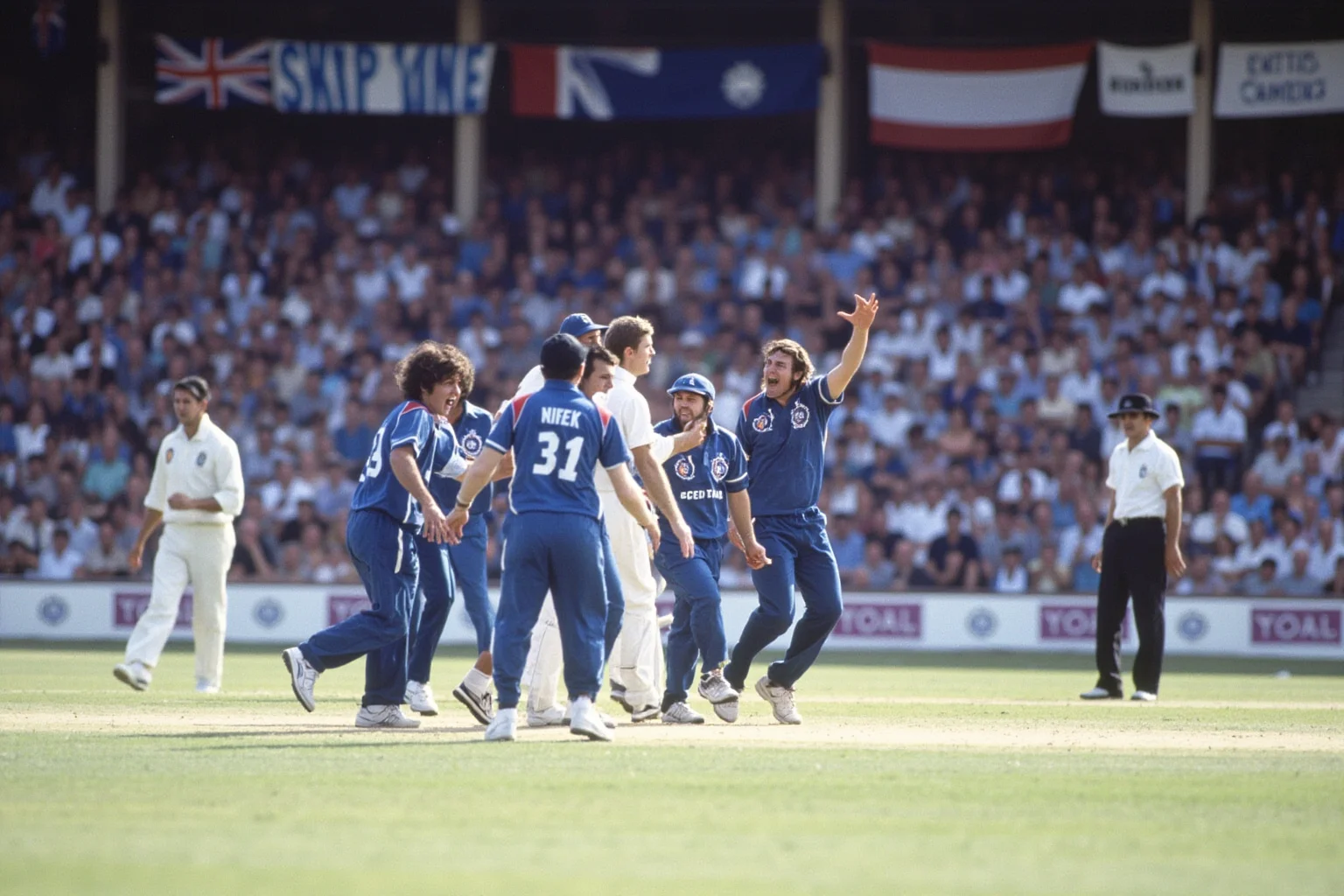
India entered the 1983 Cricket World Cup as rank outsiders against the dominant West Indies side. Led by Kapil Dev, India won the final at Lord's, stunning a team that had won the previous two tournaments. The victory transformed cricket's popularity in India and inspired generations of players. It remains one of the most celebrated underdog stories in sports history.
Why Underdog Stories Endure
Underdog narratives give us something to root for, and studies in psychology suggest they satisfy a need for fairness and possibility. When the expected winner loses, fans feel that effort and character can still matter. That emotional payoff explains why these stories are retold, remade, and rediscovered across generations.
The appeal is not only about sports or battles. It is about the belief that the gap between where you are and where you want to be can be closed. Famous underdogs matter because they quietly argue against fatalism.
Underdogs in Sports and Beyond
Sports provide some of the clearest examples because the scoreboard is unambiguous. Yet the same dynamics appear in politics, business, science, and art. An underdog in sports usually wins through superior preparation, teamwork, or exploitation of the favorite's weaknesses. Off the field, the pattern repeats with challenger brands, startup ventures, and political movements.
One thing that separates a memorable underdog story from a one-off fluke is the aftermath. True upsets often force the establishment to adapt, whether that means rule changes, new tactics, or a shift in how the game is played.
The Making of an Upset: Common Threads
Across these stories, several patterns appear. Preparation matters more than raw talent in many upsets, and adaptability often decides the outcome. Underdogs that win usually have a clear plan and the discipline to execute it.
Timing and luck also play a role, though luck rarely operates alone. It tends to reward those already doing the hard work. Other recurring factors include strong leadership, tight team cohesion, and an opponent that underestimates the threat.
How Underdog Narratives Get Shaped and Misremembered
The retelling process can distort details: numbers get exaggerated, lucky breaks get minimized, and grit gets romanticized. Some "miracle" outcomes were actually well-earned strategic wins, not random events. Keeping the record straight doesn't weaken the stories — it makes them more impressive.
This is especially true of ancient battles and early sports contests, where reliable records are scarce. A healthy skepticism improves historical understanding without draining the drama.
Lessons From the Best Underdog Wins
First, clear an accurate picture of the opponent's strengths and weaknesses, because most upsets follow informed strategy rather than pure hope. Preparation often looks boring from the outside, but it is where underdogs gain their edge. It also helps to stay calm when the momentum turns.
Second, build a team that trusts one another and shares a clear plan, since underdogs rarely win alone. Third, accept that luck may intervene, but position yourself to benefit from it. These lessons apply as much to career moves and creative projects as they do to championships.
Frequently Asked Questions
Answers to common questions about underdog stories, including the meaning of the phrase itself, the biggest upsets in sports, and how underdog narratives shape culture.
Frequently Asked Questions
What is the story of the underdog?
The story of the underdog is a narrative in which a competitor expected to lose — because of smaller size, fewer resources, or lower status — ultimately prevails or performs far better than predicted. It appears across history, religion, sport, and business, from the biblical David and Goliath to Leicester City's 2016 Premier League title. The core appeal is that the outcome defies expectations and challenges assumptions about who can win.
What are the biggest underdog stories in sports history?
Among the most frequently cited are the United States hockey team's 1980 Miracle on Ice, Buster Douglas's 1990 knockout of Mike Tyson, Leicester City's 5,000-to-1 Premier League title in 2016, Japan's 2015 Rugby World Cup win over South Africa, and India's 1983 Cricket World Cup victory. Each involved a substantial gap in perceived quality or resources and produced a result that reshaped how the sport was viewed.
Why do underdog stories resonate so strongly with people?
Underdog stories resonate because they suggest that effort, planning, and character can overcome structural disadvantages. They also provide emotional satisfaction when the expected outcome is overturned. Psychologists have suggested this reflects a human preference for fairness and possibility, which is why these narratives are retold across generations and cultures.
Are underdog wins mostly luck or strategy?
Most documented underdog wins involve both, but strategy usually plays the larger role. Underdogs frequently win through superior preparation, a disciplined game plan, and exploitation of the favorite's weaknesses. Luck can create opportunities, but teams and individuals who have prepared thoroughly are better positioned to take advantage of them.
How have underdog stories been exaggerated over time?
Many underdog legends grow taller in the retelling, with numbers inflated, lucky breaks downplayed, and strategic advantages minimized. Ancient battles and early sporting events are especially prone to this because reliable records are scarce. Historians try to separate documented facts from later embellishment, which often makes the real achievements more impressive rather than less.

Alex Warren
Related Articles