
Ask ten people to name the greatest poets of all time and you’ll likely get ten different lists. That’s not a flaw in the question—it’s the whole point of poetry. Across more than 2,800 years of recorded history, poets have used rhythm and image to do what plain prose often can’t: capture grief, wonder, rebellion, and love in a handful of unforgettable lines.
This list pulls together some of the most famous poets in history, spanning ancient epics, medieval verse, Romantic rebellion, and the restless experimentation of the 20th century. It’s not a definitive ranking (no such thing truly exists), but it is a well-researched tour of the poets whose names and poems have proven, over time, that they were built to last.
TL;DR: From Homer’s ancient epics to Maya Angelou’s 20th-century verse, these 22 poets shaped how humans express memory, identity, and emotion—and their work still resonates today.
What Makes a Poet “Great,” Anyway?
Before diving into names, it’s worth pausing on the question itself. Greatness in poetry isn’t measured by popularity alone, though a poet popular in their own era often does earn lasting attention. It also involves originality, technical skill, and influence on later writers, the same qualities often debated in rankings of historical geniuses with the highest estimated IQs.
Some poets on any list of popular poets earned fame quickly and kept it for centuries. Others were barely known in their lifetimes and only later recognized as some of the best poets ever, once readers and scholars caught up to what they were doing. Emily Dickinson is the classic example—she published almost nothing during her life, yet is now considered among the most famous poets of all time.
It’s also worth being honest about the limits of any such list. “Greatest” is subjective, shaped by translation, cultural bias, and which languages and traditions modern readers happen to have access to. This list leans toward poets with well-documented histories and widely translated work, but it is only one entry point into a much larger, richer world of poetry.
The Greatest Poets of All Time
Here are 22 poets whose work has shaped literature across continents and centuries. They’re arranged roughly in chronological order, from the ancient world to the 20th century, rather than ranked strictly against one another.
1. Homer (c. 8th century BC)
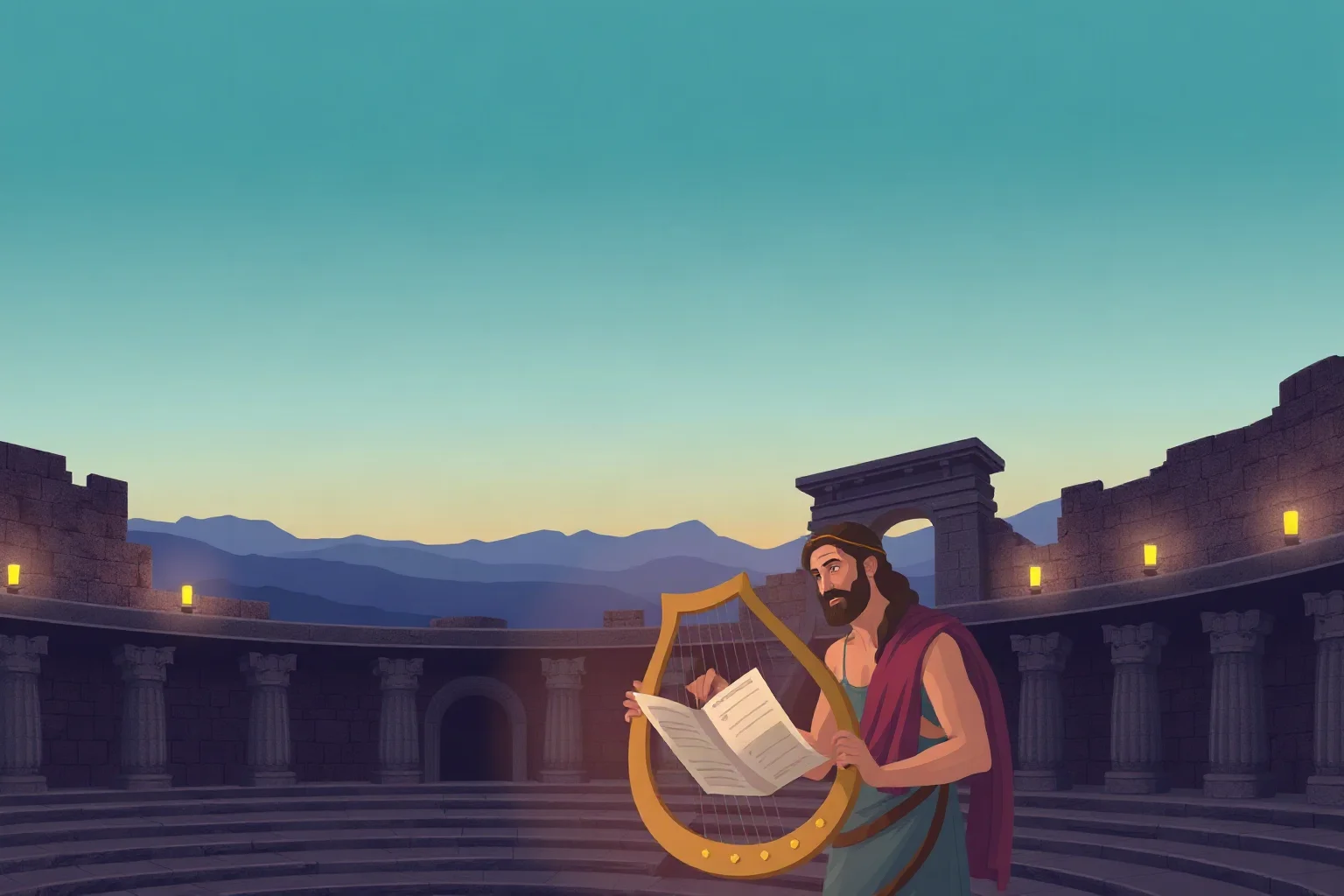
Homer sits at the root of Western literature, credited with the Iliad and the Odyssey. Historians still debate whether “Homer” was one person, several poets, or a name attached to a long oral tradition passed down before writing was common in Greece.
What’s certain is the influence: these two epics shaped Greek identity, education, and mythology for over two thousand years. Virgil, Dante, and countless later poets openly built on Homer’s structure and themes.
2. Sappho (c. 630–570 BC)
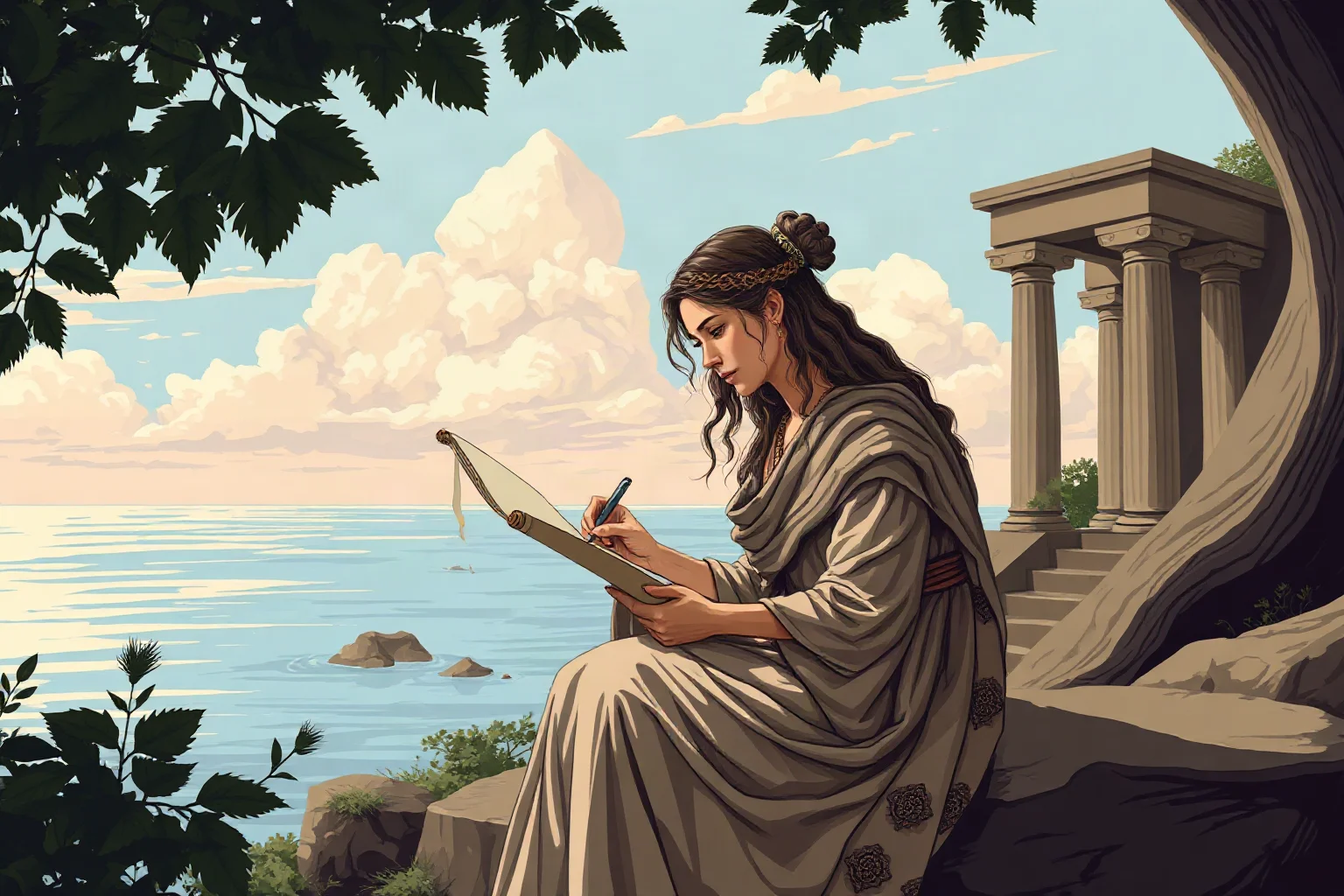
Sappho of Lesbos wrote intensely personal lyric poetry about love and longing, a striking contrast to the grand public epics of her era. Tragically, only fragments of her work survive; most of her poems were lost over the centuries.
Even in fragments, her voice feels startlingly direct and modern. She’s often cited as one of the first great lyric poets in history, and her name gave us the word “lesbian,” tied to her home island.
3. Virgil (70–19 BC)
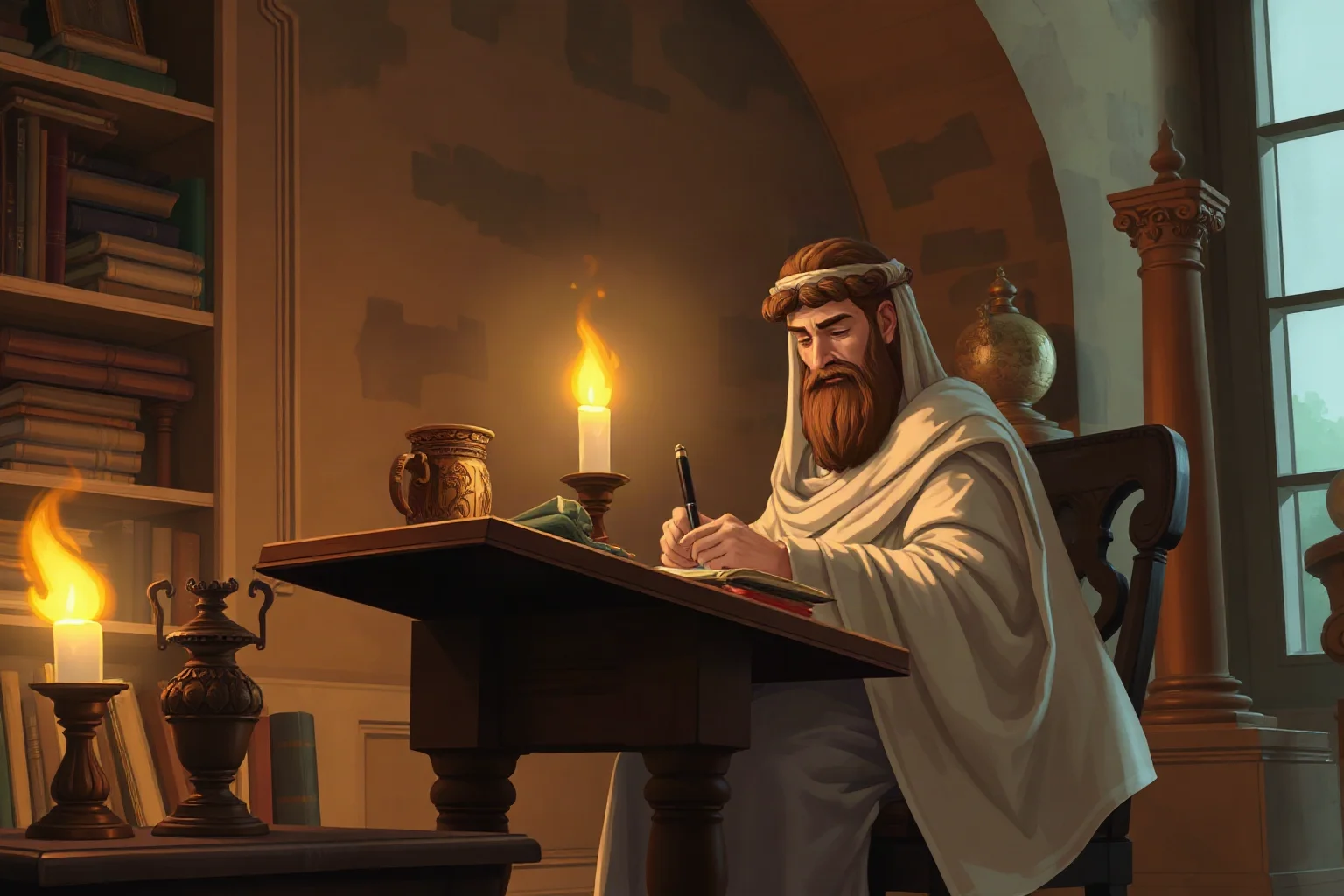
Virgil’s Aeneid was commissioned in the context of Roman political life under Augustus, linking Rome’s founding myth to Troy’s fall. It’s a deliberate, polished epic, written rather than orally composed, which set it apart from Homer’s work.
Dante later chose Virgil as his guide through the Inferno and Purgatorio, a testament to how central Virgil remained in European literary imagination well over a thousand years after his death.
4. Li Bai (701–762 AD)
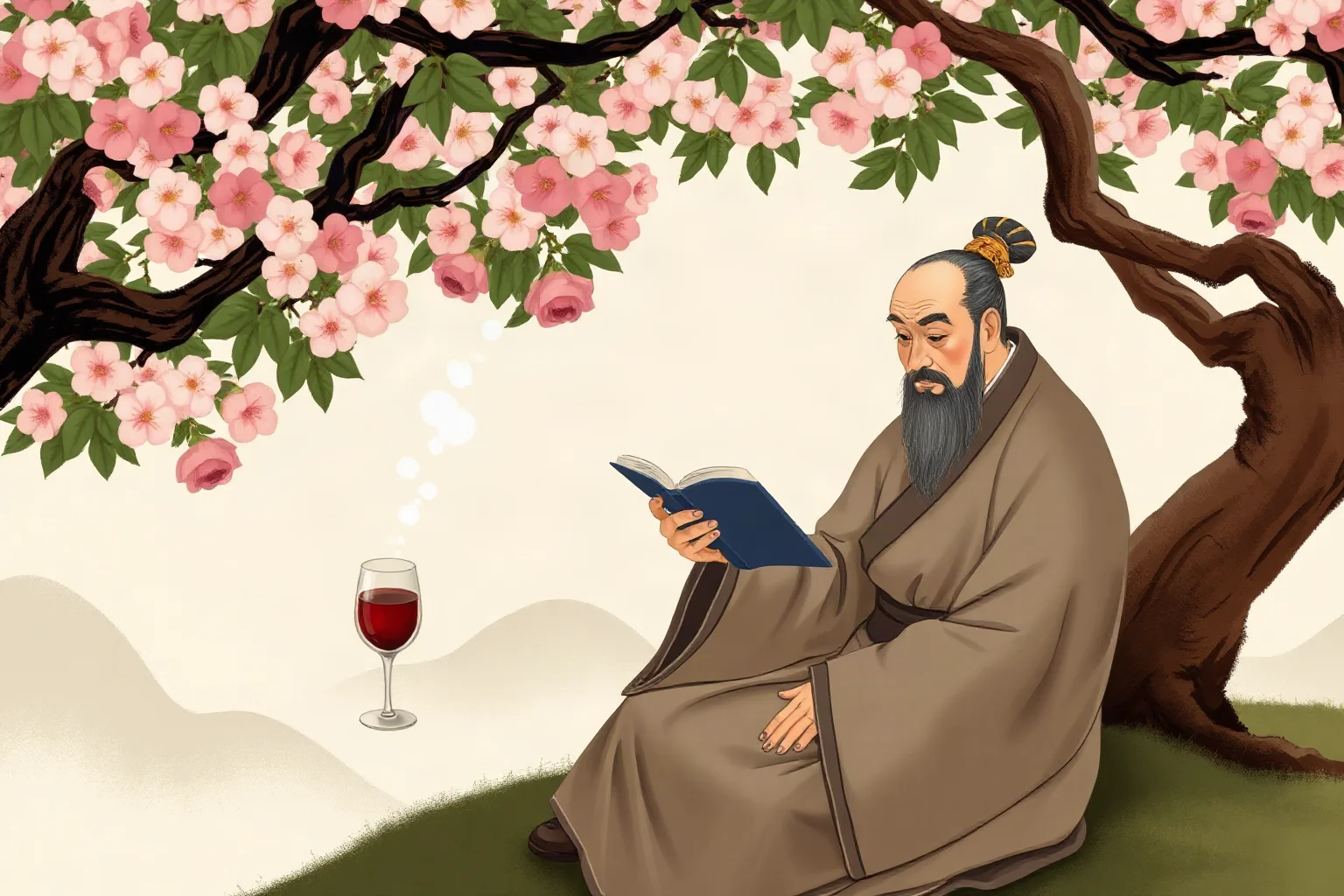
One of the most celebrated poets of China’s Tang Dynasty, Li Bai wrote with a free, almost restless spirit that stood out from the formal court poetry of his time. His work often touched on nature, wine, friendship, and the passage of time.
He remains a towering figure in Chinese literature, still memorized by schoolchildren today. Alongside Du Fu, he’s frequently named among the greatest poets in Chinese history.
5. Rumi (1207–1273)
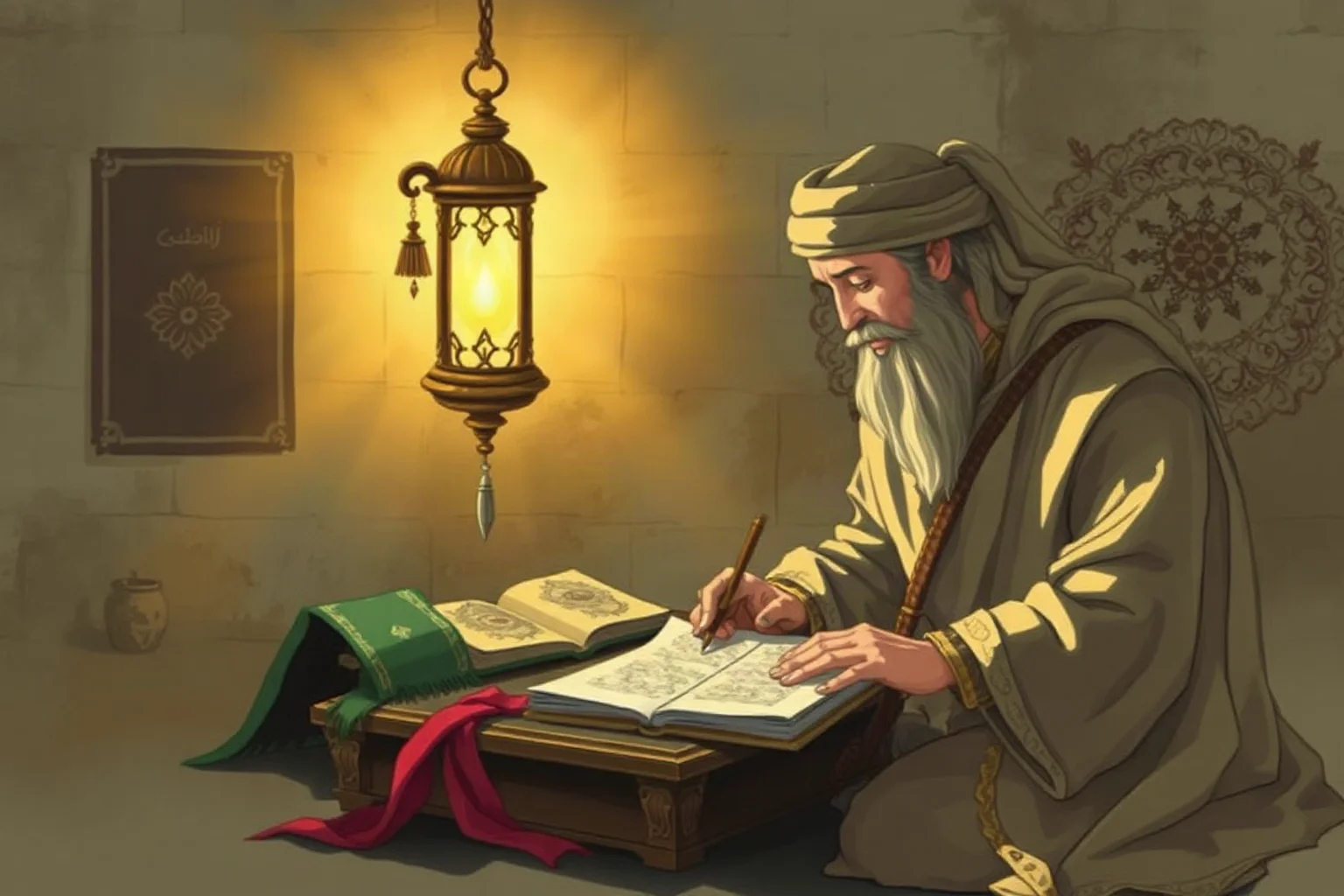
Jalal ad-Din Muhammad Rumi was a Persian poet and Islamic scholar whose mystical verse explored divine love, longing, and unity. His major work, the Masnavi, blends storytelling with spiritual teaching.
Rumi’s poetry has become widely popular in English translation, though scholars note that many modern translations soften or reframe his explicitly Islamic and Sufi context. Reading translator’s notes alongside his work helps preserve that nuance.
6. Dante Alighieri (1265–1321)
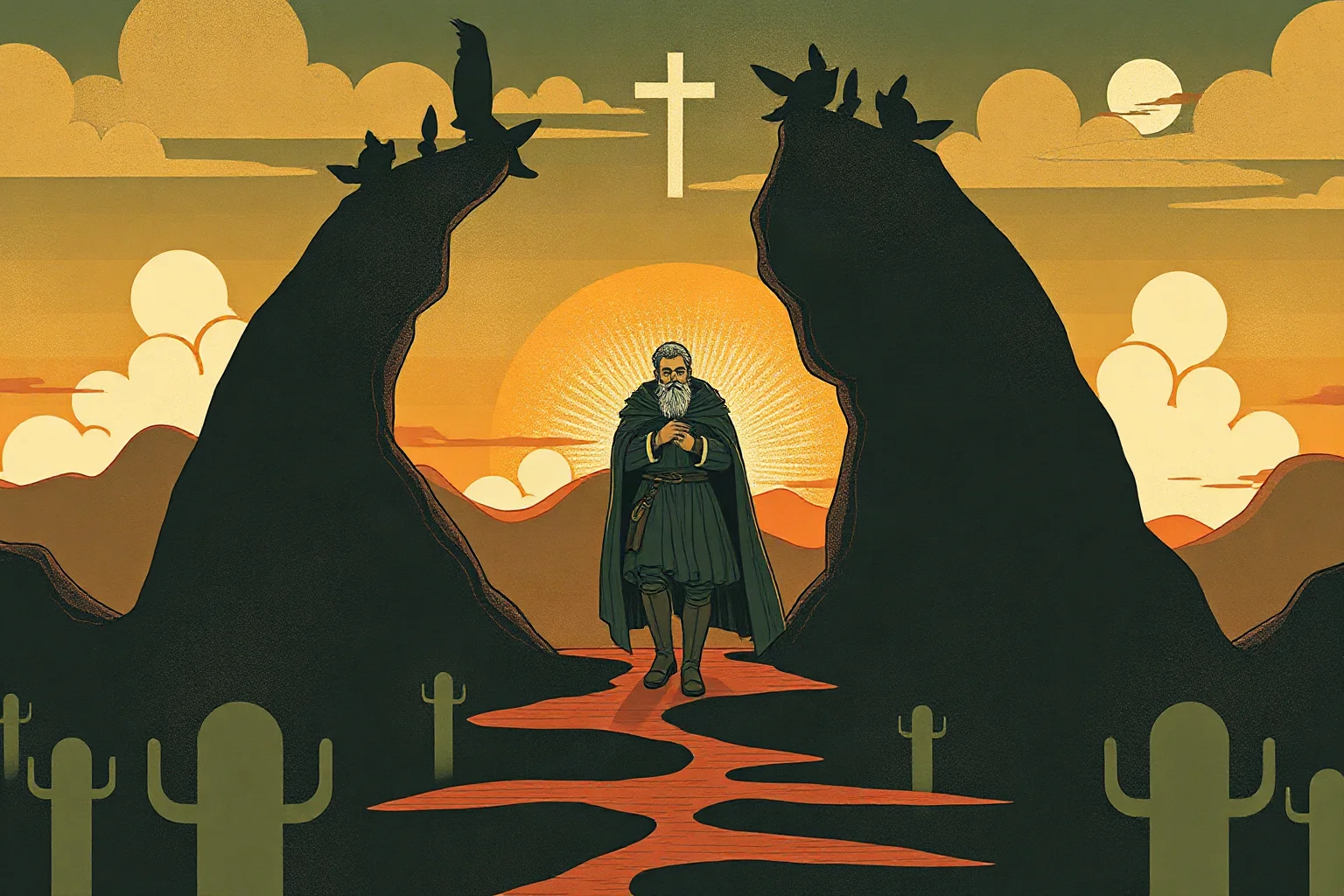
Dante’s Divine Comedy is arguably the most ambitious poem in Western literature, mapping Hell, Purgatory, and Heaven in vivid, structured detail. Writing in Italian rather than Latin, he helped establish the Tuscan dialect as the foundation of modern Italian.
His influence stretches from medieval theology to modern fantasy literature. Few poets of history have shaped an entire national language the way Dante did.
7. Geoffrey Chaucer (c. 1343–1400)
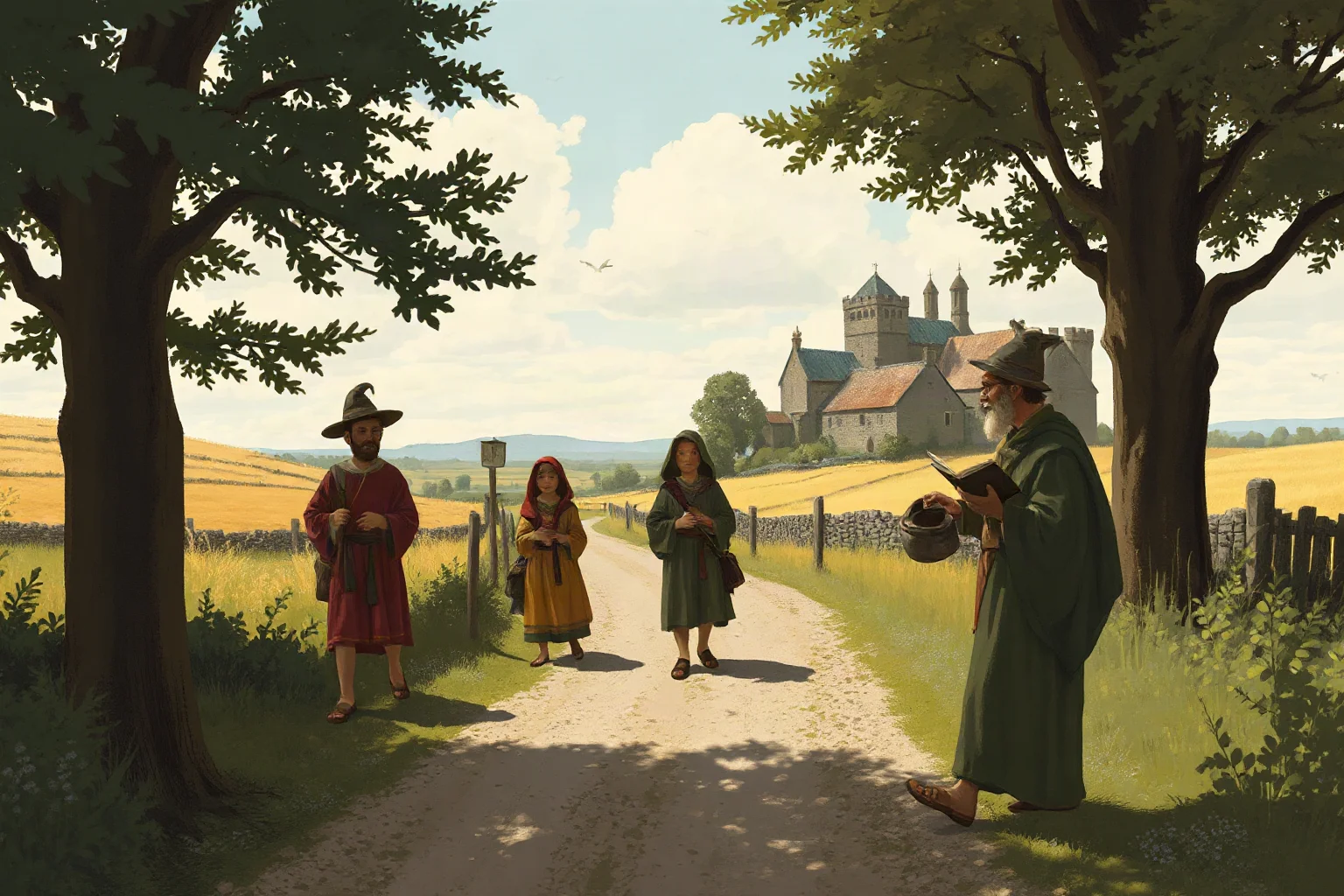
Often called the “father of English poetry,” Chaucer is best known for The Canterbury Tales, a collection of stories told in verse by pilgrims traveling to Canterbury Cathedral. His use of Middle English, rather than French or Latin, was significant for a literary work of that era.
His sharp humor and eye for human character still feel surprisingly fresh. Chaucer helped prove English could be a serious literary language, not just a spoken one.
8. William Shakespeare (1564–1616)
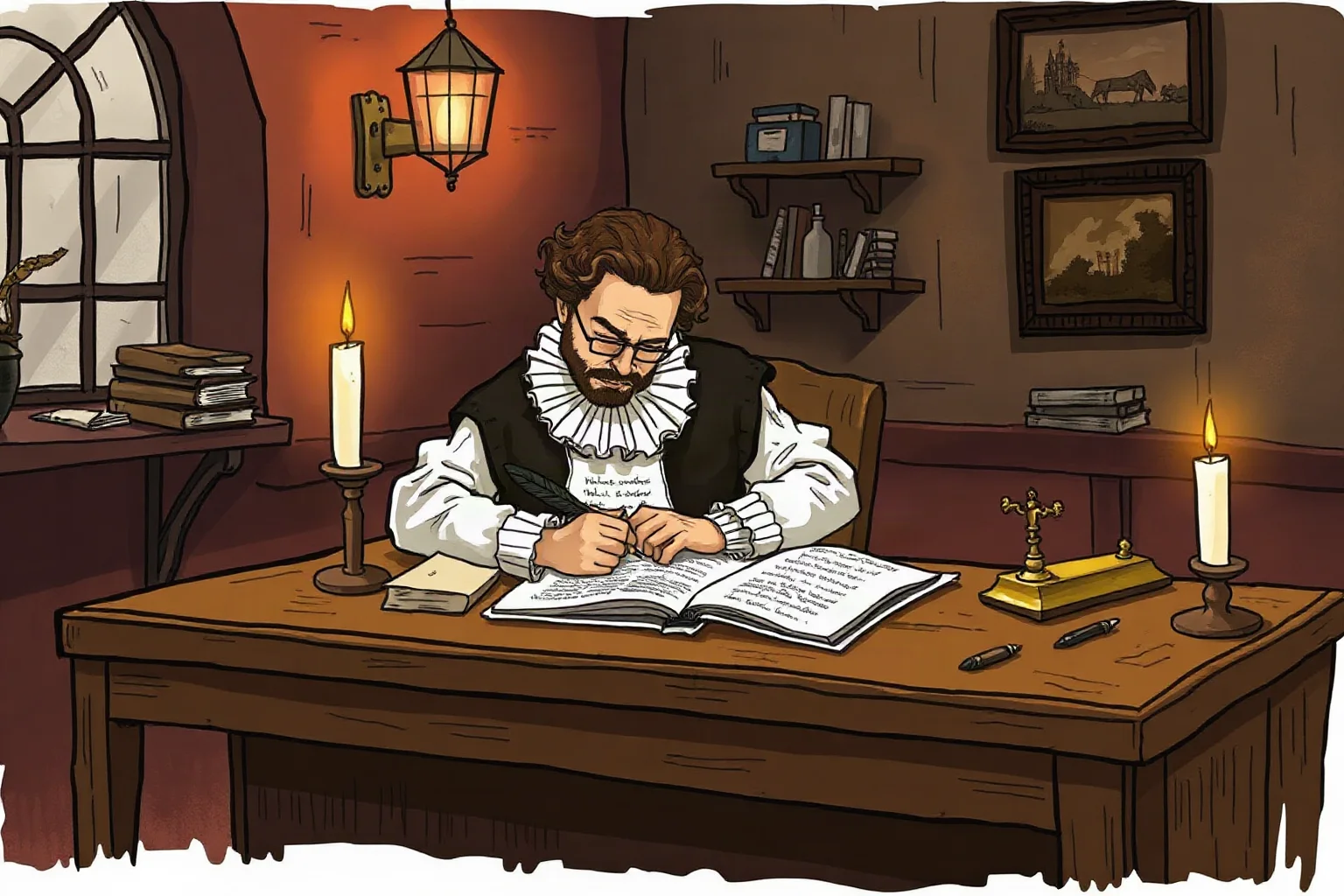
Shakespeare is probably the most famous poet in the English language and stands among the most recognized historical figures of all time, though he’s equally known as a playwright. His 154 sonnets, along with the poetic language woven through his plays, secured his place among the greatest poets of all time.
He expanded the English vocabulary and coined or popularized phrases still used daily. Whether or not he’s your personal favorite, it’s hard to find a more widely studied name of a poet anywhere in the world.
9. John Milton (1608–1674)
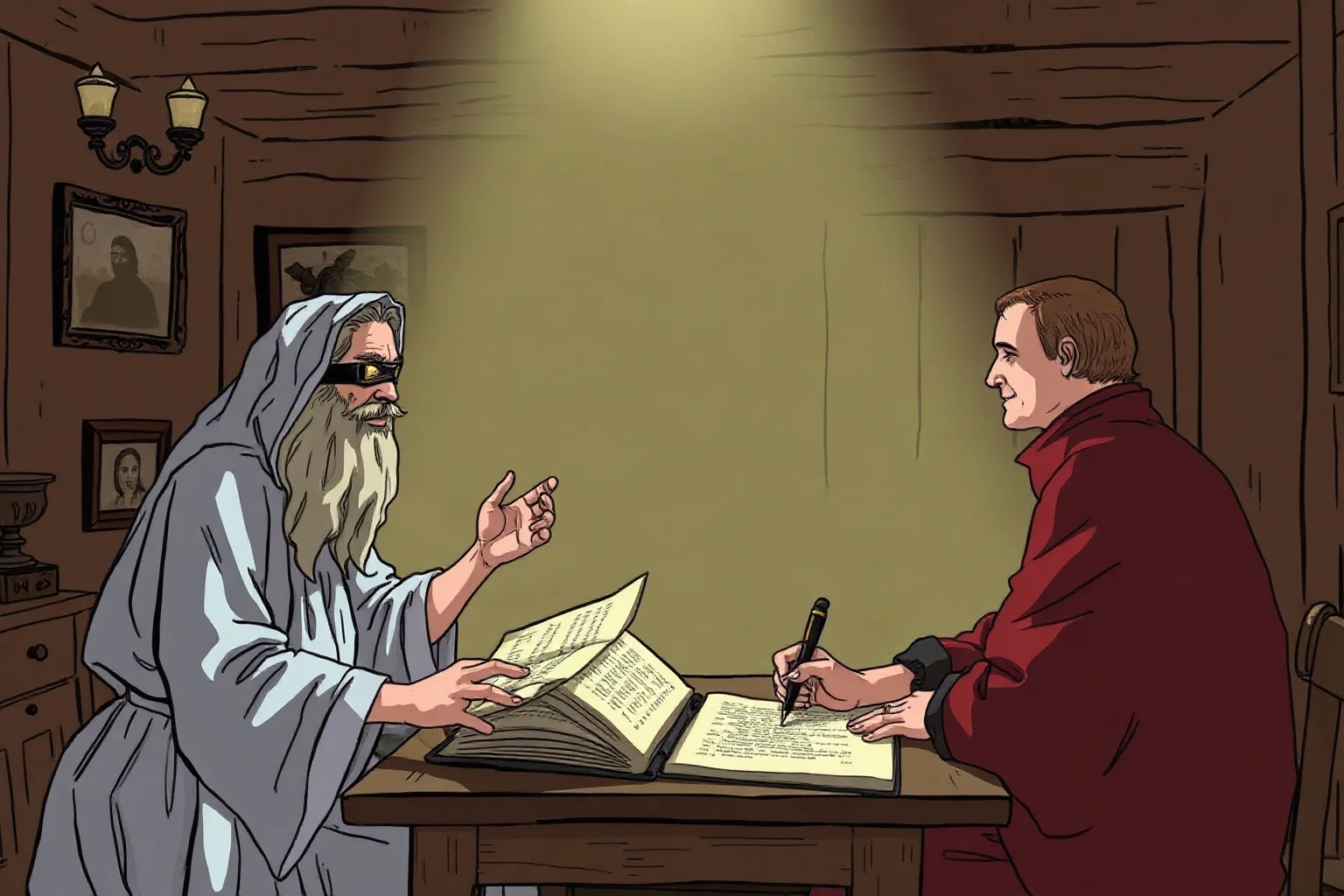
Milton’s Paradise Lost is a towering epic retelling the biblical fall of man, written after Milton had gone completely blind—an intellectual feat that echoes the sheer mental discipline associated with the smartest people in history. He dictated much of the poem to assistants, a detail that adds real weight to its scale and ambition.
His political writing on liberty and free speech also influenced Enlightenment thought. Milton remains a key figure whenever classic poets of the English language are discussed.
10. Matsuo Bashō (1644–1694)
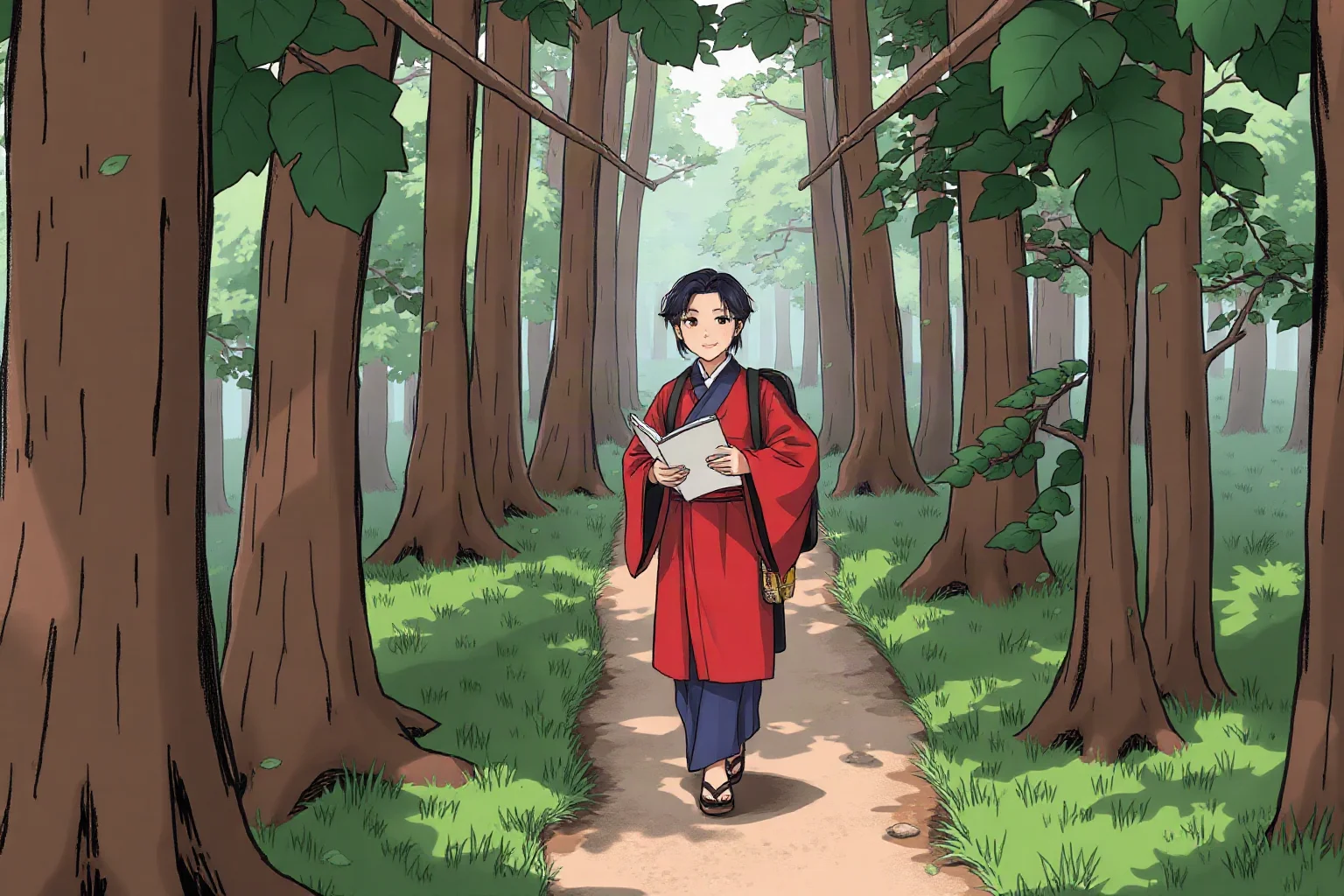
Bashō elevated haiku from a playful pastime into a serious literary art form in 17th-century Japan. His travel journal The Narrow Road to the Deep North blends prose and haiku to capture fleeting, precise moments of observation.
His influence on Japanese poetry is enormous, and haiku’s global popularity today traces directly back to his innovations. Few poets have done so much with so few syllables.
11. William Wordsworth (1770–1850)
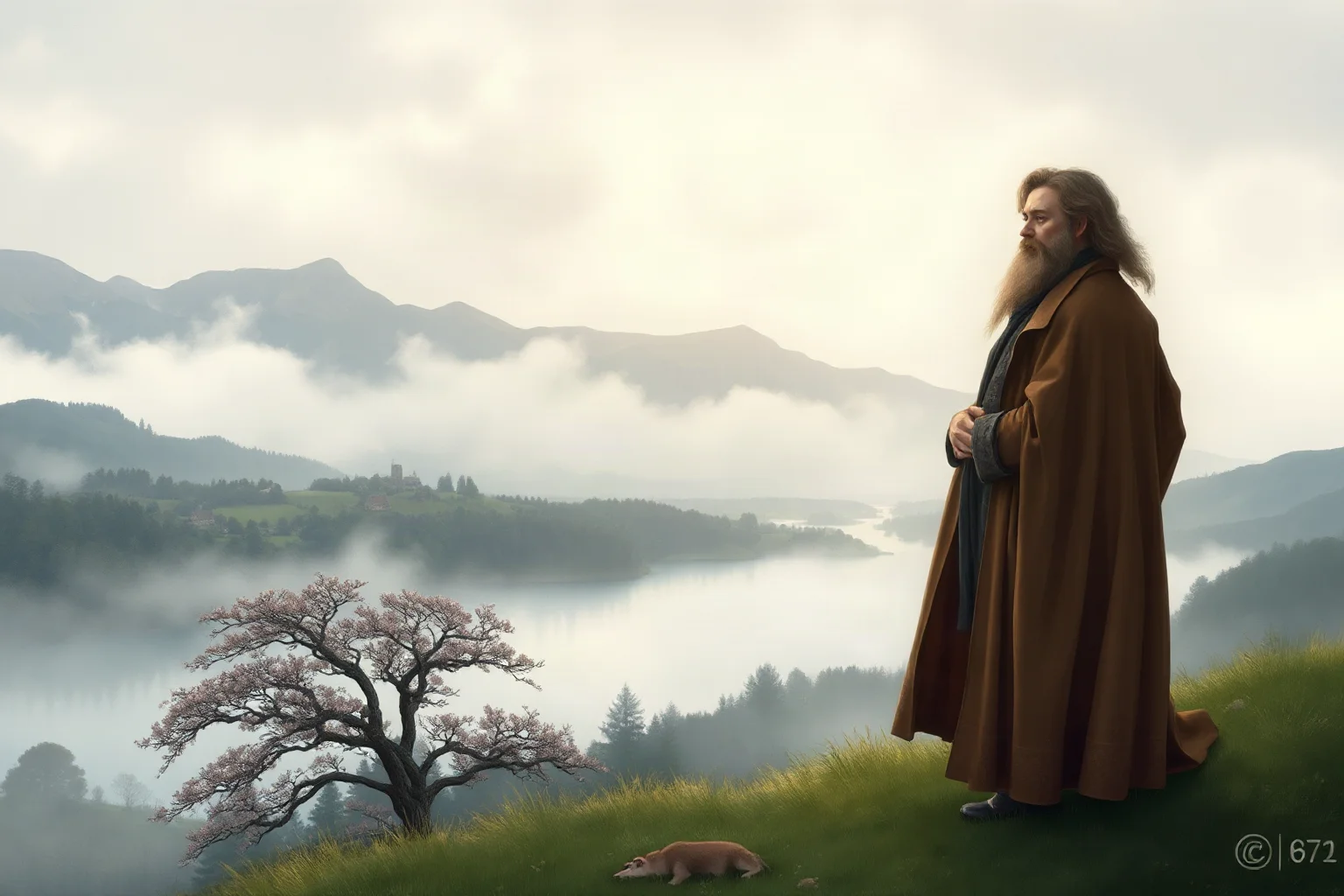
Wordsworth, alongside Samuel Taylor Coleridge, helped launch English Romanticism with their 1798 collection Lyrical Ballads. He championed plain, natural language over the ornate style of earlier poetry, arguing poetry should reflect “real language of men.”
His long autobiographical poem The Prelude remains a landmark of personal, reflective verse. Wordsworth’s ideas reshaped what English poetry could sound like.
12. William Blake (1757–1827)
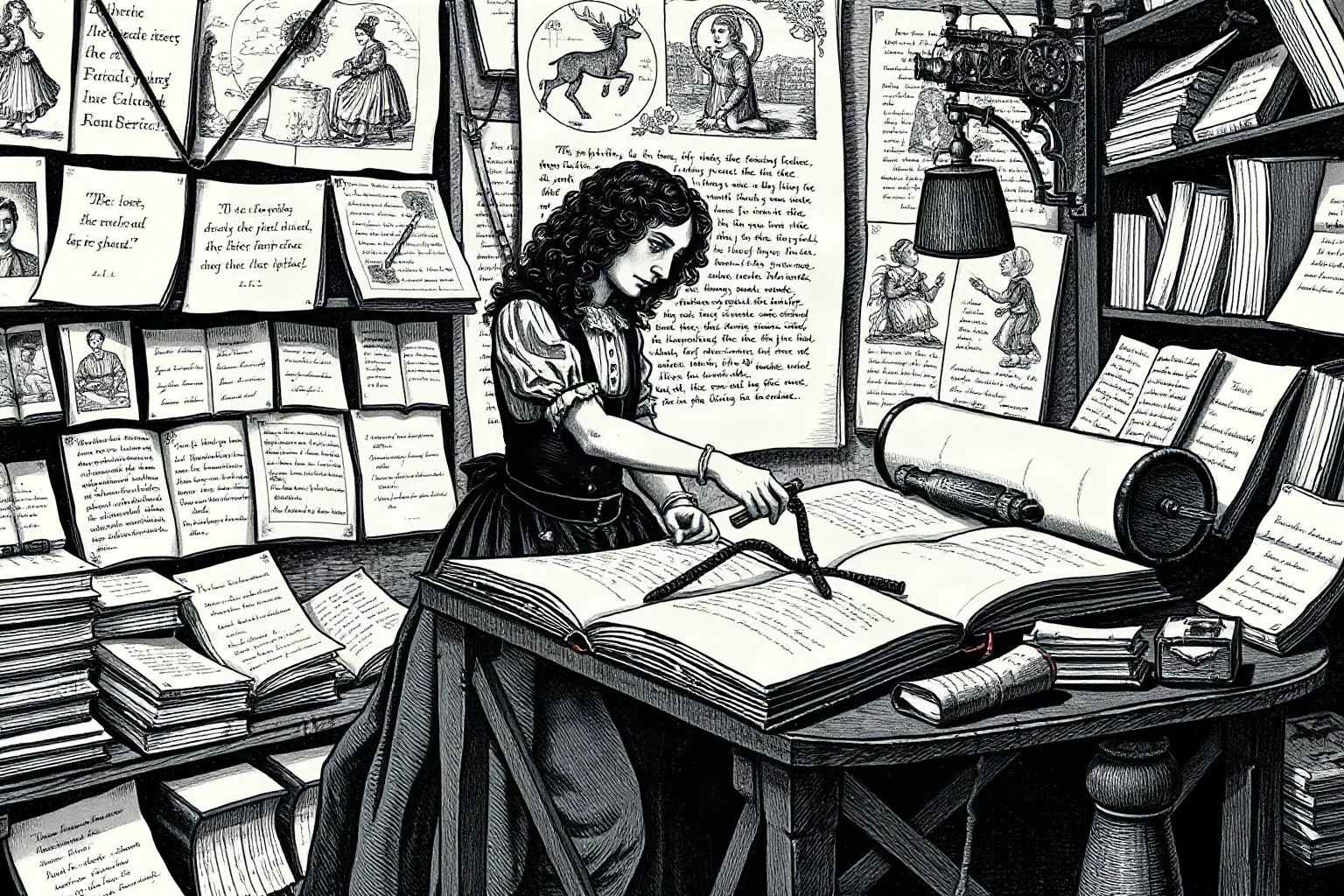
Blake was a poet, painter, and printmaker whose visionary, often mystical work went largely unrecognized in his own lifetime. Collections like Songs of Innocence and of Experience pair deceptively simple verses with striking illustrations.
He was considered eccentric by many contemporaries, yet is now viewed as a pioneering figure of Romantic and even proto-modern poetry. His rediscovery is a good reminder that a famous poet today isn’t always famous in their own era.
13. Emily Dickinson (1830–1886)
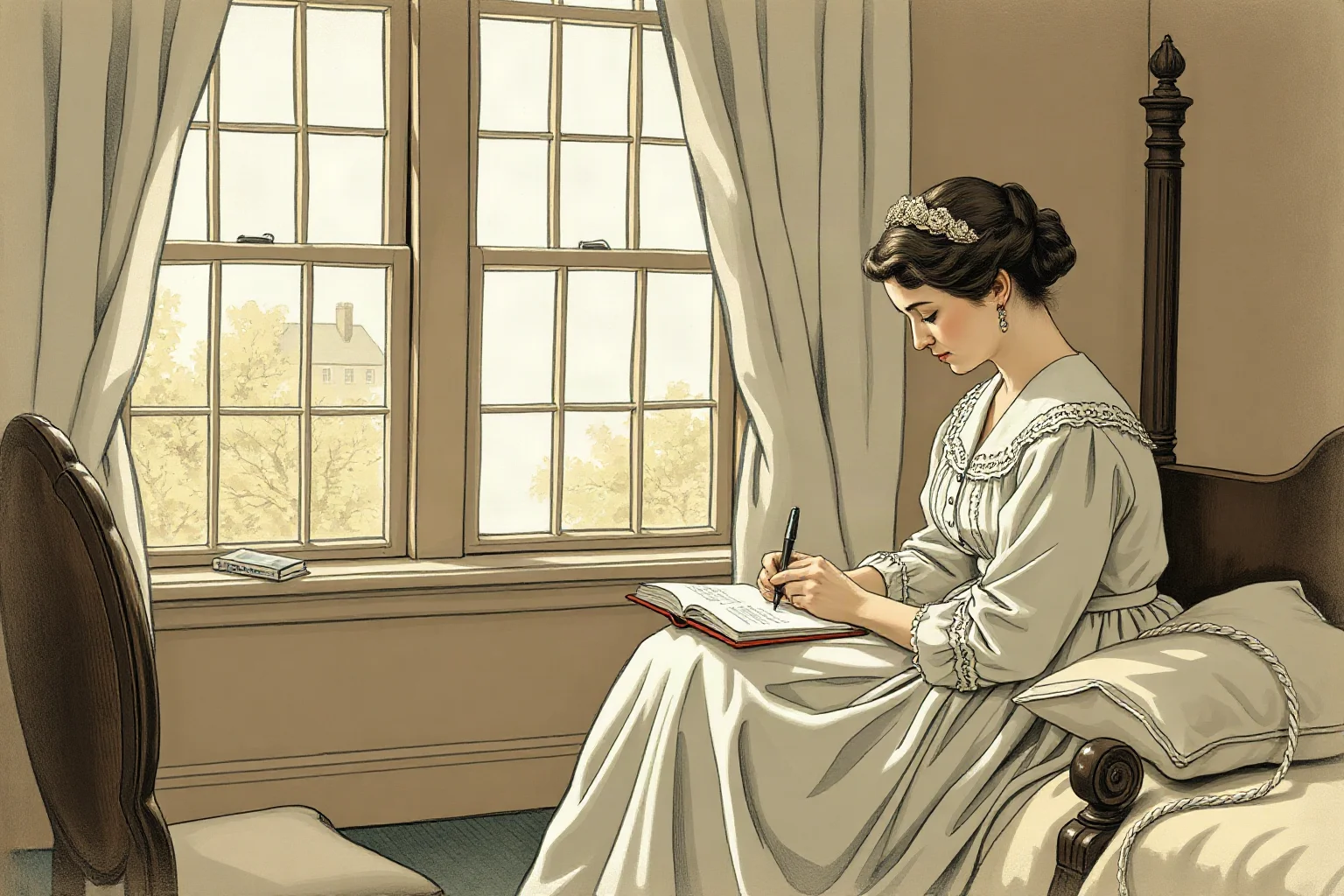
Dickinson wrote nearly 1,800 poems, most unpublished during her lifetime, marked by unconventional punctuation, slant rhyme, and compressed, startling imagery. She lived a famously private life in Amherst, Massachusetts, rarely leaving her family’s home in her later years.
Her posthumously published work reshaped American poetry and influenced generations of poets who followed. She’s now one of the most studied and most famous poets in American literary history.
14. Walt Whitman (1819–1892)
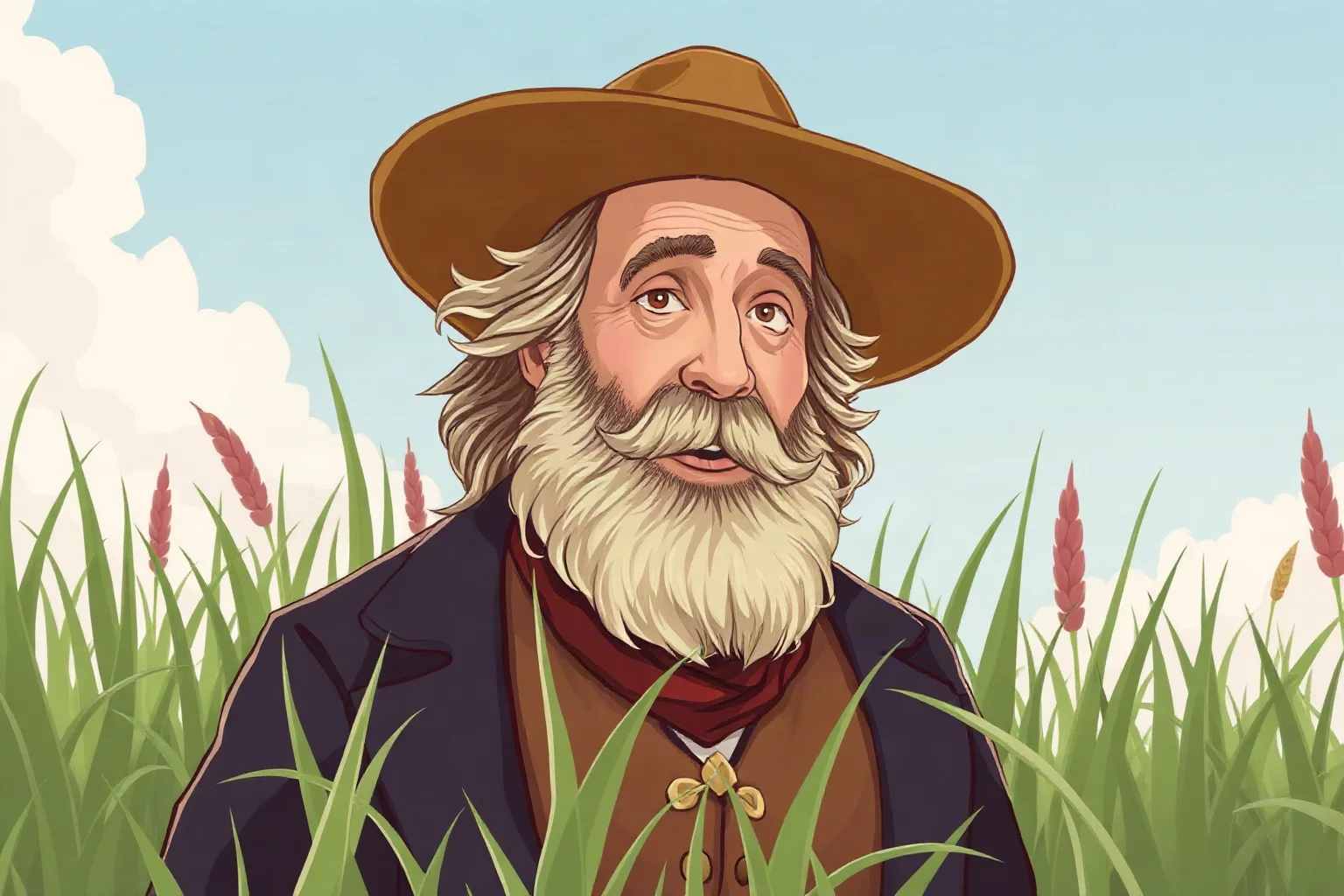
Whitman’s Leaves of Grass, first published in 1855 and revised repeatedly throughout his life, broke from traditional meter and rhyme in favor of sweeping free verse. He wrote expansively about democracy, the body, and the American landscape.
His work was controversial in its time for its frank content and unconventional form. Today he’s widely regarded as one of the founding voices of modern American poetry.
15. Rabindranath Tagore (1861–1941)
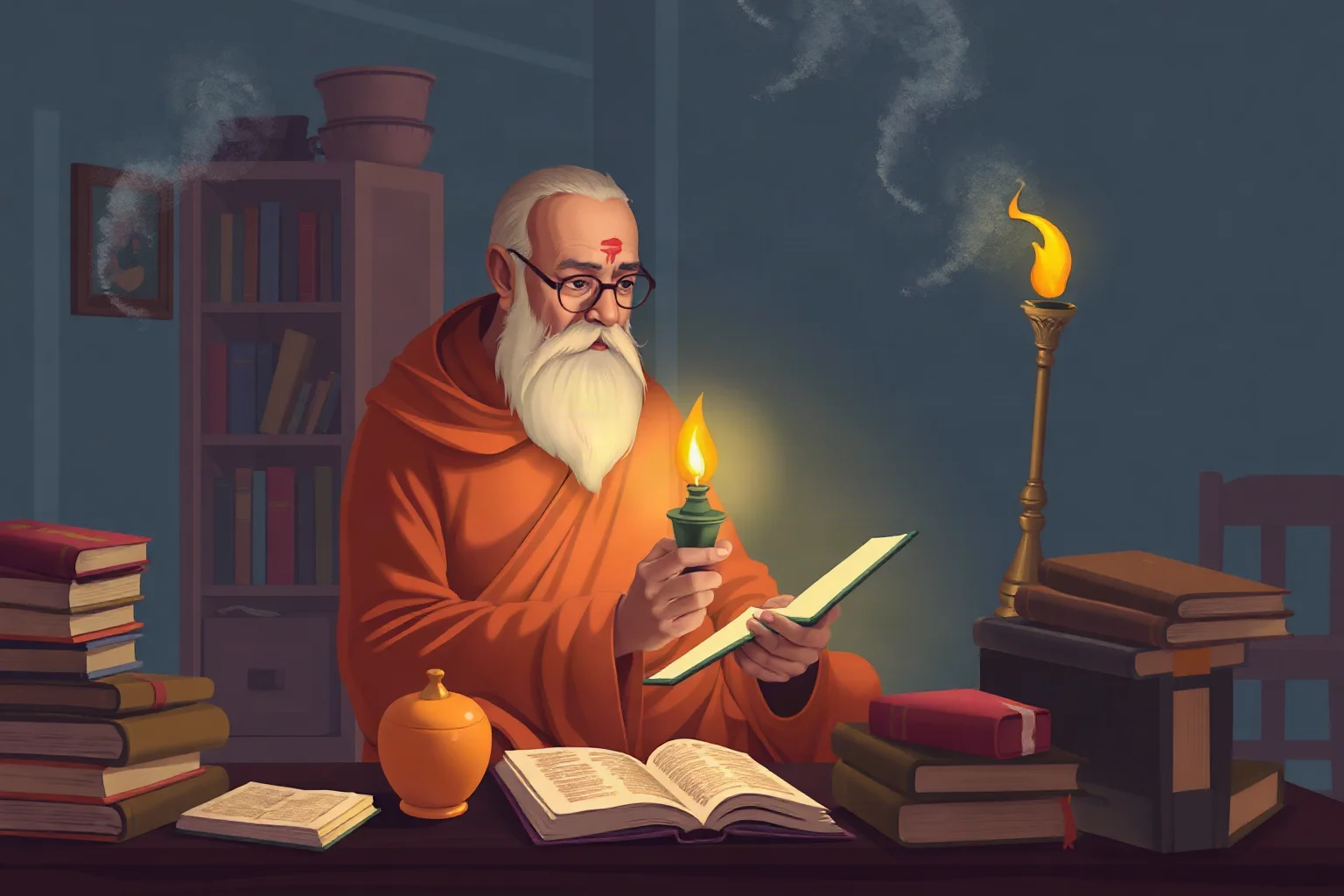
Tagore was a Bengali poet, philosopher, and composer who became the first non-European to win the Nobel Prize in Literature, in 1913. His collection Gitanjali, which he translated into English himself, introduced his lyrical, spiritually attuned verse to a global audience.
He also wrote the national anthems later adopted by both India and Bangladesh. Tagore remains one of the most renowned poets to emerge from South Asia.
16. Robert Frost (1874–1963)
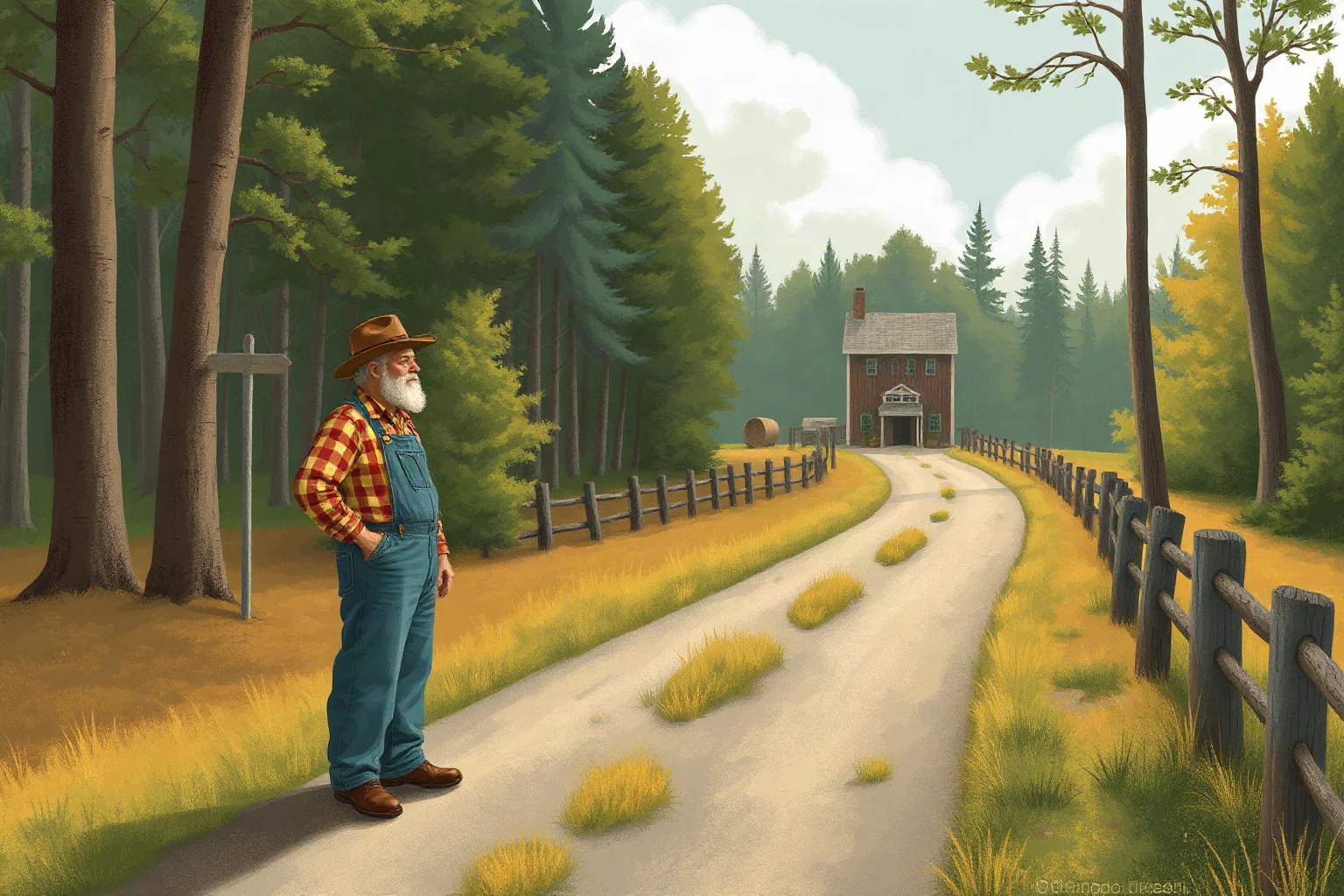
Frost’s poetry uses the plain language and landscapes of rural New England to explore much larger questions about choice, isolation, and mortality. Poems like “The Road Not Taken” are frequently quoted, though often in ways that flatten their more ambiguous, uneasy original meaning.
He won four Pulitzer Prizes for Poetry, an unmatched record. Frost is consistently named among the best poets of the 20th century in American schools and anthologies alike.
17. T.S. Eliot (1888–1965)
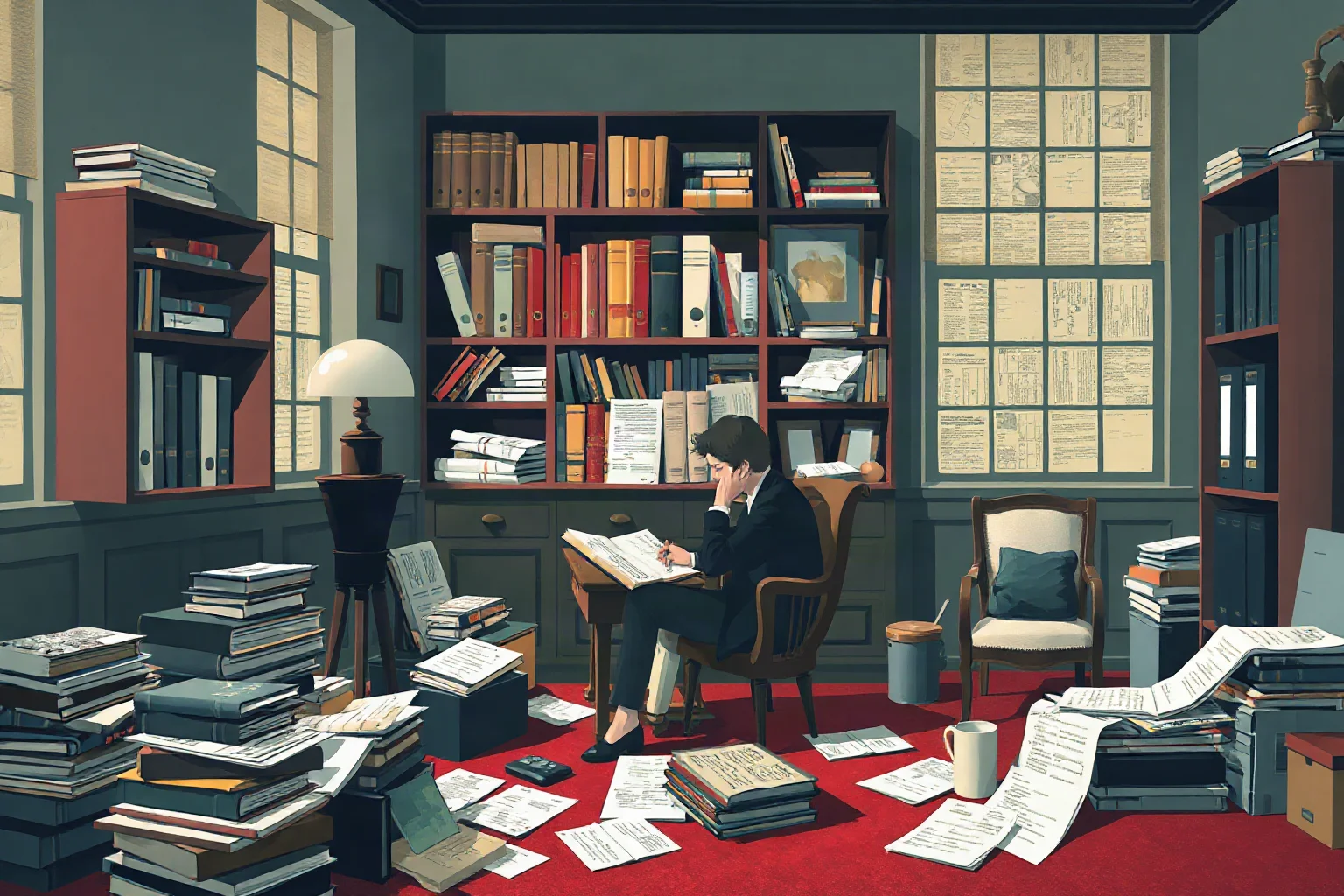
Eliot’s 1922 poem The Waste Land is one of the defining works of literary Modernism, fragmented and dense with allusion in response to the disillusionment following World War I. Born in America, Eliot became a British citizen in 1927 and remained based in England for most of his career.
He won the Nobel Prize in Literature in 1948. Eliot’s influence on 20th century poets, and on how poetry could handle fractured modern experience, is difficult to overstate.
18. Pablo Neruda (1904–1973)
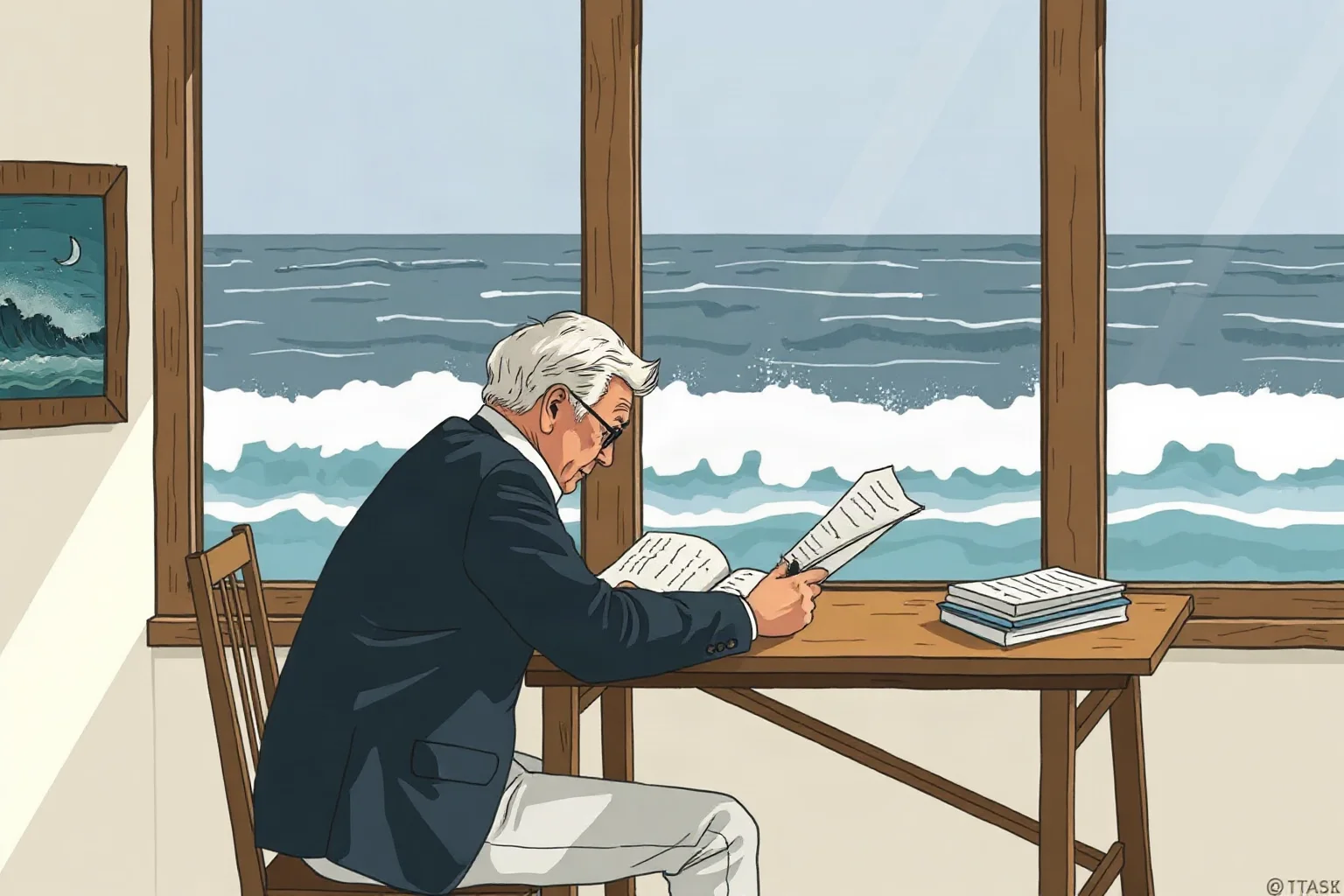
The Chilean poet Pablo Neruda wrote across an enormous range, from the sensual Twenty Love Poems and a Song of Despair to politically charged work reflecting his committed socialism. He won the Nobel Prize in Literature in 1971 and also served as a Chilean diplomat and senator.
His poetry remains hugely popular in translation throughout the world. Neruda is frequently cited as one of the greatest poets the 20th century produced in any language.
19. Langston Hughes (1901–1967)
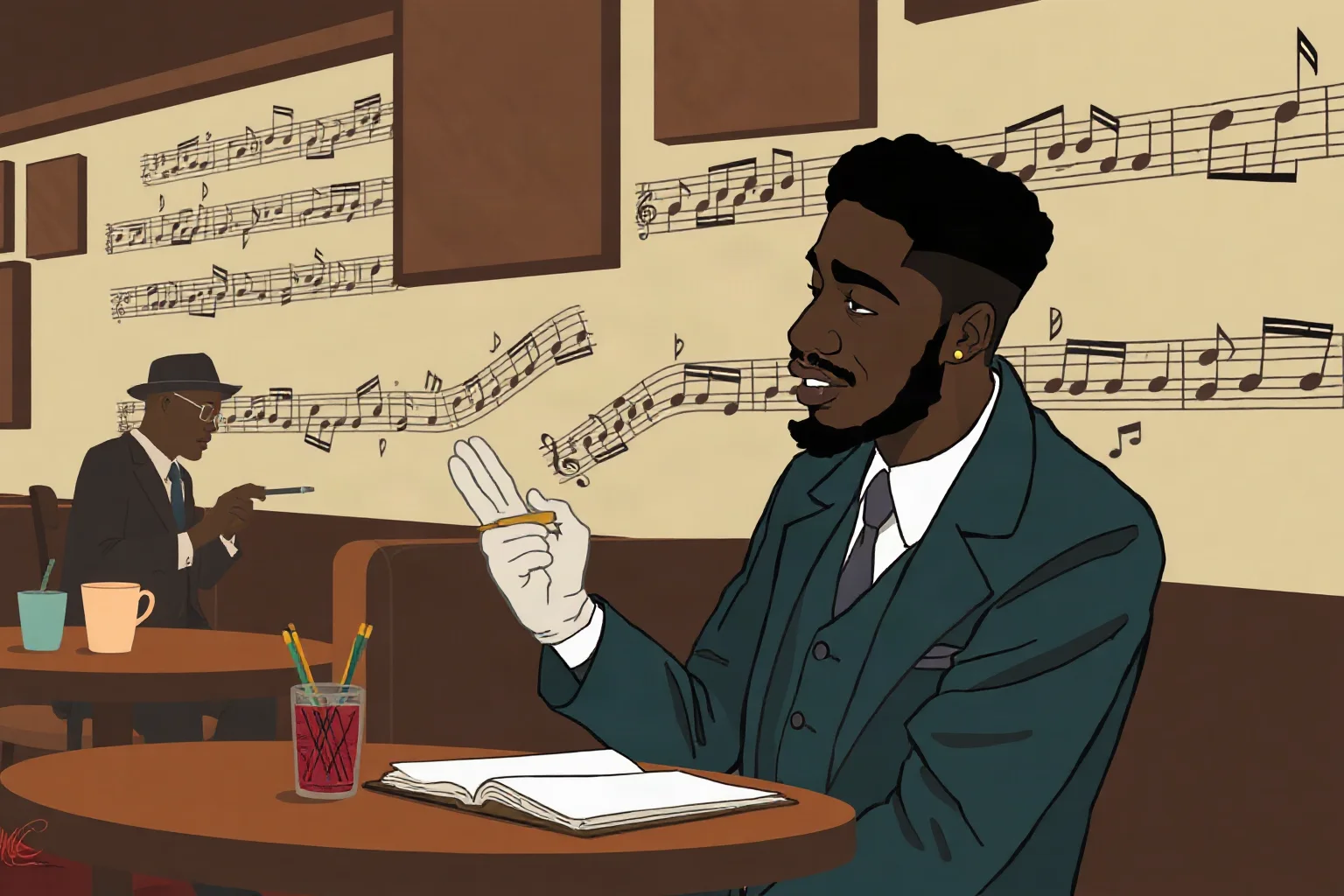
Hughes was a central figure of the Harlem Renaissance, blending jazz and blues rhythms into poems that captured Black American life, joy, and struggle with directness and warmth. His poem “The Negro Speaks of Rivers,” written when he was still a teenager, remains widely taught.
He wrote across poetry, plays, and essays throughout a long, prolific career. Hughes helped define what a distinctly American poetic voice could sound like in the 20th century.
20. Sylvia Plath (1932–1963)

Plath’s intense, confessional style is best known through her poetry collection Ariel, published posthumously in 1965, and her semi-autobiographical novel The Bell Jar. Her work explored mental illness, identity, and rage with a rawness that was unusual for its era.
She died by suicide in 1963, and her posthumous Pulitzer Prize for The Collected Poems in 1982 cemented her lasting influence. Plath remains one of the most widely read and discussed poets of the 20th century.
21. Maya Angelou (1928–2014)
Angelou’s memoir I Know Why the Caged Bird Sings made her famous, but her poetry, including “Still I Rise,” carried the same themes of resilience, identity, and dignity in the face of injustice. She read her poem “On the Pulse of Morning” at President Bill Clinton’s 1993 inauguration.
Her warm, direct voice made her one of the most popular poets of the late 20th century among general readers, not just literary scholars. Angelou proved poetry could reach a massive, mainstream audience without losing its depth.
22. Wisława Szymborska (1923–2012)
The Polish poet Wisława Szymborska wrote deceptively simple, quietly ironic poems about everyday life, history, and human contradiction. She won the Nobel Prize in Literature in 1996, and her work only grew more internationally known through English translation afterward.
Her poems manage to be both playful and philosophically sharp, often in the same few lines. Szymborska is a strong reminder that some of the most renowned poets of the 20th century wrote in languages many English readers are only now discovering in translation.
Poets of the 20th Century: A Golden Age of Reinvention
The 20th century deserves its own spotlight, because it reshaped what poetry could even look like. Free verse, fragmented structure, and confessional honesty pushed against centuries of formal rhyme and meter. Poets like Eliot, Plath, Hughes, and Neruda weren’t just writing well; they were actively redefining the rules.
This period also globalized poetry’s audience in new ways. Nobel Prizes went to poets writing in Bengali, Spanish, and Polish, and translation brought their work to readers who’d never have encountered it otherwise. If you’re specifically hunting for great 20th century poets to start with, the names above are a genuinely solid entry point.
How to Start Reading These Poets Today
If this list feels overwhelming, start small. Pick one or two poems from a poet whose era or theme interests you, rather than trying to tackle an entire collected works on your first attempt.
Translation matters enormously for poets like Rumi, Neruda, or Szymborska, so it’s worth comparing a couple of different translators before deciding you don’t like a particular poet’s style. A translation issue is sometimes mistaken for a flaw in the original.
Most importantly, remember that poetry rewards rereading. A poem that feels flat on a first pass sometimes opens up completely on a second or third read, once the rhythm and imagery start to settle in.
Final Thoughts
No single list can hold every famous poet in history, and that’s by design rather than a shortcoming. Poetry has flourished independently across cultures and centuries, in languages and oral traditions this list can only gesture toward.
What these 22 names share is staying power: their words kept mattering to readers long after the world that produced them had changed completely. That’s a fair working definition of greatness, even if the full list of who belongs on it will always be open for debate.
Frequently Asked Questions
Who are considered the greatest poets of all time?
There's no single official list, but poets like Homer, Sappho, Dante, Shakespeare, Emily Dickinson, and Rabindranath Tagore are consistently named among the greatest poets of all time by scholars, anthologies, and readers across centuries and cultures.
Who is the most famous poet in the world?
William Shakespeare is generally considered the most famous poet in the English-speaking world, though poets like Homer, Rumi, and Pablo Neruda hold comparable global recognition depending on language, region, and cultural tradition.
Who is the best poet of all time?
There's no objective answer, since 'best' depends on personal taste, language, and era. Homer, Dante, Shakespeare, and Emily Dickinson are frequently cited as top contenders, but many equally strong candidates exist outside the Western literary canon.
Who are some of the greatest poets of the 20th century?
T.S. Eliot, Pablo Neruda, Sylvia Plath, Langston Hughes, Maya Angelou, and Wisława Szymborska are among the poets most often named as defining voices of 20th century poetry, each known for reshaping poetic form or subject matter.
What makes a poet one of the ‘greatest’ in history?
Greatness is usually judged by a mix of originality, technical skill, cultural or historical influence, and lasting relevance to later writers and readers—not simply popularity during the poet's own lifetime.
What are some good poets to start reading as a beginner?
Robert Frost, Maya Angelou, and Langston Hughes are approachable starting points due to their clear language and vivid imagery. From there, readers often move on to more complex poets like Emily Dickinson, T.S. Eliot, or Dante.
Are famous poets from earlier centuries still relevant today?
Yes. Poets like Homer, Sappho, and Dante are still widely read, translated, and studied because their themes—love, mortality, identity, and conflict—remain universally human, even though the language and context have changed significantly.
Why do lists of famous poets vary so much between sources?
Rankings depend on cultural perspective, language access, and available translations, so a list built from English-language sources will differ from one built around Chinese, Persian, or Bengali poetic traditions, for example.