
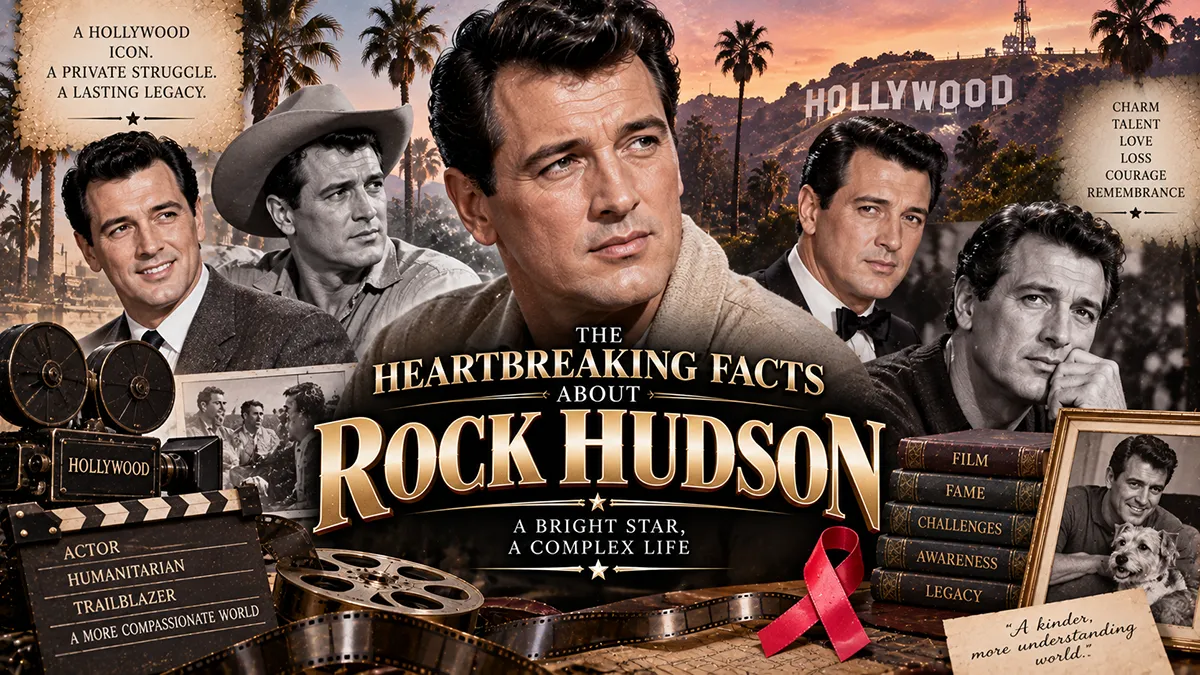
Rock Hudson was one of Hollywood’s biggest leading men — tall, square-jawed, and seemingly the picture of all-American masculinity.
But behind the studio-crafted image was a man living a carefully guarded double life, battling a system that demanded he hide who he really was, and ultimately facing one of the most public and consequential deaths of the 20th century.
His story isn’t just Hollywood gossip. It’s a window into how the studio system controlled its stars, how deeply closeted gay actors had to live, and how one man’s illness changed the way America talked about AIDS forever.
TL;DR: Rock Hudson’s glamorous studio-era stardom masked a hidden, closeted private life, and his 1985 AIDS announcement and death became a turning point in America’s understanding of the epidemic.
Who Was Rock Hudson? A Quick Snapshot
Rock Hudson was an American actor who rose to fame in the 1950s and 1960s as one of Hollywood’s most bankable leading men. He’s best remembered for films like Giant, Magnificent Obsession, and Pillow Talk, plus the hit TV series McMillan & Wife.
His real name wasn’t Rock Hudson at all, and his public persona was largely built by a studio system determined to sell him as a heterosexual heartthrob. Understanding the gap between the image and the man is key to understanding his story.
1. His Real Name Was Roy Harold Scherer Jr.

Rock Hudson was born Roy Harold Scherer Jr. on November 17, 1925, in Winnetka, Illinois. The booming, cinematic name most people know him by was invented decades later, purely for marketing purposes.
As a kid, nobody called him “Rock.” He was simply Roy, a boy growing up in a modest Chicago suburb during one of the hardest economic periods in American history.
2. His Childhood Was Marked by Abandonment
Rock Hudson’s childhood was far from glamorous. His father, an auto mechanic, walked out on the family during the Great Depression, leaving young Roy and his mother to struggle financially in already difficult times.
His mother later remarried a man named Wallace Fitzgerald, and Roy took his stepfather’s surname, becoming Roy Fitzgerald for a while. Various accounts describe the stepfather as strict and unaffectionate, adding more instability to an already rocky upbringing.
3. He Served in the Navy Before Acting

Before Hollywood ever entered the picture, young Roy Fitzgerald served in the U.S. Navy during World War II, working as an aircraft mechanic. He held a string of unglamorous jobs afterward too, including truck driving and delivering mail.
There was nothing in his early resume that screamed “future movie star.” His path into acting came later, almost by chance, after his looks caught the attention of a Hollywood talent agent.
4. His Agent Invented the Name “Rock Hudson”
Talent agent Henry Willson specialized in reshaping unknown young men into hunky leading-man material, and he gave several of his clients bold, macho stage names. Roy Fitzgerald became “Rock,” supposedly inspired by the Rock of Gibraltar, and “Hudson,” after the Hudson River.
Willson used the same formula on other actors of the era, crafting a whole stable of hypermasculine screen names. It worked strikingly well for Hudson, whose new identity became one of the most recognized names in American cinema.
5. He Reportedly Struggled Badly as a New Actor

Rock Hudson wasn’t a natural performer at first. Stories from his early Universal Studios contract days describe him needing dozens of takes just to deliver a single line of dialogue in his early film work.
The studio invested heavily in him anyway, putting him through acting, voice, and horseback riding lessons to smooth out his rough edges. It was a slow, unglamorous grind before the polished movie star image emerged.
6. Douglas Sirk’s Melodramas Made Him a Star

Hudson’s real breakthrough came through his collaborations with director Douglas Sirk on lush melodramas like Magnificent Obsession (1954) and All That Heaven Allows (1955). These glossy, emotional films turned him into a certified box-office draw.
Sirk’s movies leaned heavily on Hudson’s chiseled, sincere screen presence, and audiences responded enthusiastically. By the mid-1950s, he was firmly established as one of the top leading men in Hollywood.
7. Giant Earned Him His Only Oscar Nomination

In 1956, Hudson starred alongside Elizabeth Taylor and James Dean in Giant, a sprawling Texas epic that became one of the defining films of his career. His performance earned him his only Academy Award nomination for Best Actor.
The film also marked one of James Dean’s final roles before his death, adding to its legendary status in film history. For Hudson, it cemented his reputation as a serious dramatic actor, not just a pretty face.
8. Pillow Talk Reinvented Him as a Comedy Star

By 1959, Hudson pivoted into romantic comedy with Pillow Talk, opposite Doris Day. The pairing was such a hit that the two reunited for two more films together, and Hudson became just as known for charming comedic roles as for dramatic ones.
This versatility helped extend his career well beyond a single genre. It also cemented a genuine, lasting friendship with Doris Day that would matter enormously decades later.
9. He Later Became a TV Star With McMillan & Wife

In the 1970s, Hudson moved into television, starring in the popular NBC detective series McMillan & Wife from 1971 to 1977. The role won him a Golden Globe and introduced him to a new generation of viewers who hadn’t grown up with his 1950s films.
It was proof that his appeal wasn’t limited to the big screen. Even as the studio system that made him faded, Hudson kept finding ways to stay relevant.
10. Rock Hudson Was Gay — But Hid It for Decades
So, is Rock Hudson gay? Yes — this much is well documented and was, in fact, something of an open secret within Hollywood circles for years, even though it wasn’t publicly confirmed until near the end of his life. Studio executives at the time considered a gay leading man commercially unthinkable, so his sexuality was actively concealed from the public.
This wasn’t unique to Hudson. Many closeted actors of the studio era lived under similar pressure, hiding relationships and personal lives to protect lucrative, image-dependent careers.
11. His Marriage May Have Been Arranged to Silence a Scandal
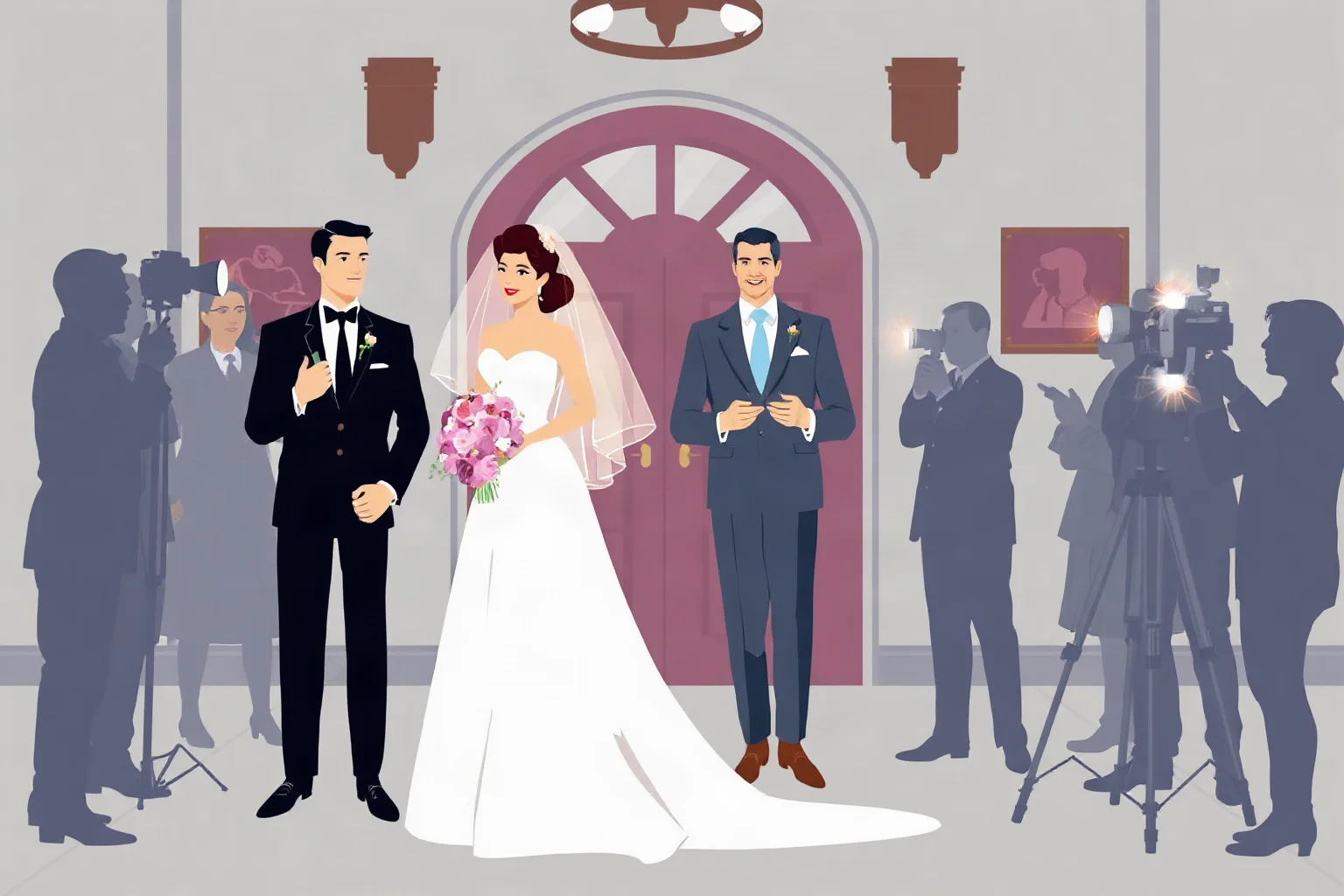
In 1955, Hudson married Phyllis Gates, who worked as a secretary for his agent, Henry Willson. Several biographers and historians have suggested the marriage was arranged, at least in part, to help deflect a threatened tabloid exposé about his sexuality from a gossip magazine.
It’s worth noting that the full details and motivations behind the marriage have been debated by biographers, and Gates herself gave differing accounts over the years about what she knew and when. What’s certain is that the marriage lasted only a few years before ending in divorce in 1958.
12. Rock Hudson Had No Children

A common question is whether Rock Hudson had children, and the answer is straightforward: he didn’t. He had no biological or adopted children from his marriage or from any other relationship throughout his life.
This is worth clarifying because search engines are often flooded with vague or incorrect claims about celebrity family trees. In Hudson’s case, the historical record is clear — no children were ever part of his story.
13. Rumors About His Private Life Are Just That — Rumors

Over the decades, tabloids and internet forums have speculated endlessly about the specifics of Hudson’s private romantic life, right down to invasive and unverifiable personal details. These claims, including specific rumors about his intimate preferences, were never substantiated by credible biographical sources.
It’s worth approaching this kind of speculation with real skepticism. Hudson’s genuine, documented legacy — as an actor and later as a catalyst for AIDS awareness — is far more significant than unverified gossip.
14. Early Physique Photography Was Part of the Business

In the era before Hudson became a major star, it wasn’t unusual for aspiring young actors with athletic builds to pose for physique and pin-up style photography, a legitimate niche market at the time. Some historical accounts connect Hudson to this scene during his early career in Hollywood.
This kind of photography was common practice among the era’s talent agencies looking to promote good-looking unknowns. It reflects the broader marketing machine that shaped stars long before their first big film role.
15. His Physical Image Was Carefully Marketed
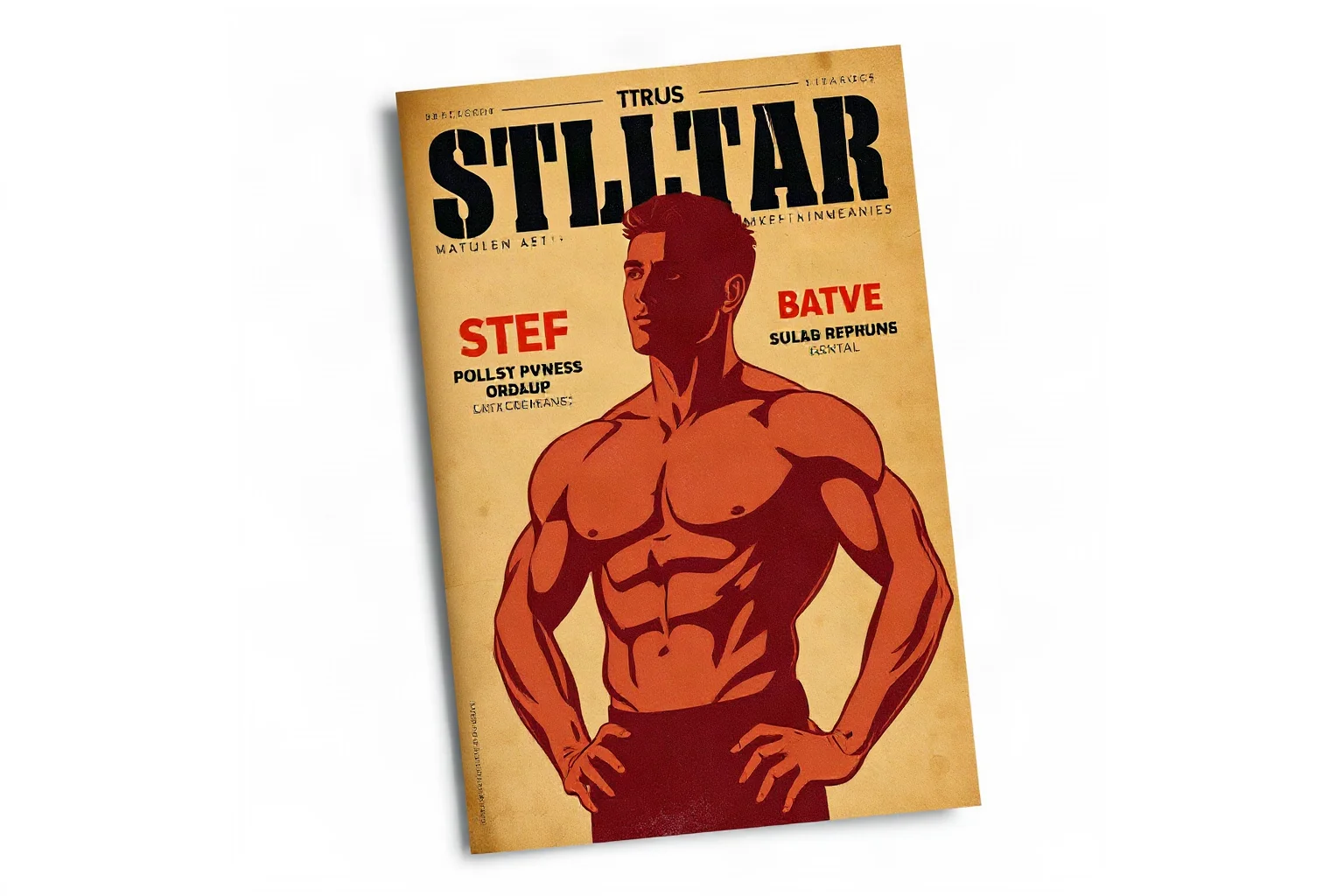
Hudson’s tall, broad-shouldered frame — though far short of the record-setting heights chronicled among the tallest people in history — was central to his stardom, and studio publicity leaned hard into his image as a rugged, masculine leading man. Shirtless scenes and glossy promotional photos were a deliberate part of building his box-office appeal.
This kind of image-crafting was standard practice for handsome young contract actors in the studio system. It sold movie tickets, even as it reinforced a persona that had little to do with his actual private life.
16. He Underwent Heart Bypass Surgery in 1981

By the early 1980s, Hudson’s health had already become a concern. In 1981, he underwent coronary bypass surgery, a serious procedure that hinted at the physical toll years of stardom and aging had taken.
At the time, few connected this health scare to what would come next. It was simply seen as one aging star’s medical setback, not a sign of the far more serious diagnosis waiting just a few years away.
17. He Was Diagnosed HIV Positive in 1984

In June 1984, Rock Hudson was diagnosed as HIV positive, though he kept the diagnosis private at first. This was still early in the public understanding of HIV and AIDS, a period marked by widespread fear, stigma, and misinformation.
Hudson continued working and largely maintained his public image for another year, even as his health quietly declined behind the scenes. Very few people outside his closest circle knew what he was actually facing.
18. How Rock Hudson Got AIDS Was Never Publicly Detailed

A frequently searched question is how did Rock Hudson get AIDS, and the honest answer is that the specific circumstances of his exposure to HIV were never publicly confirmed or detailed by Hudson himself or verified biographical sources. What is documented is that AIDS is caused by HIV, most commonly transmitted through unprotected sexual contact or blood exposure, and Hudson’s case became one of the most high-profile associated with the disease in the mid-1980s.
Beyond that general medical context, speculation about the exact source of his infection remains unconfirmed. It’s important not to treat rumor as documented history here.
19. His July 1985 Announcement Shocked the World
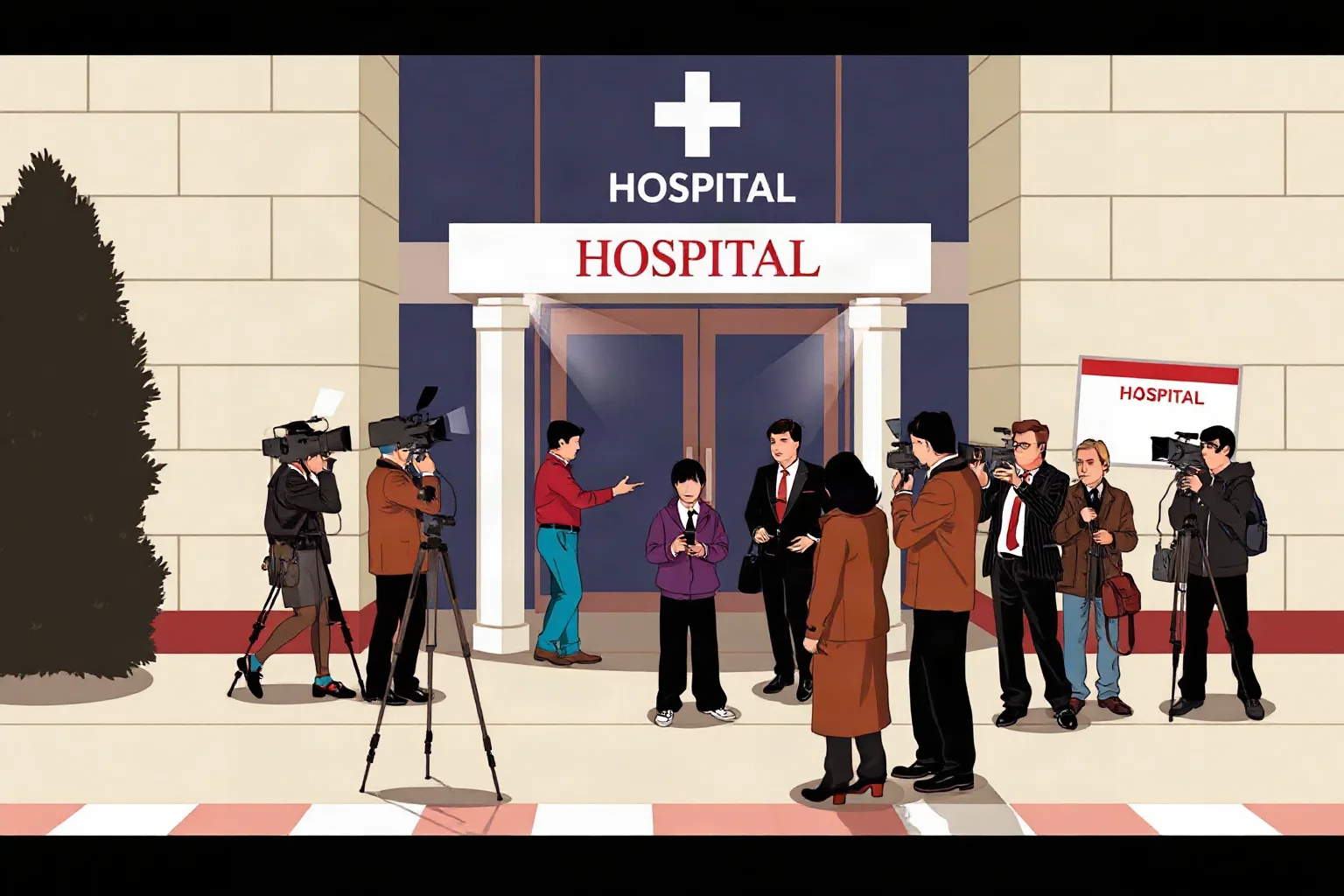
On July 25, 1985, Hudson’s publicist confirmed to the press that he had AIDS, just days after he had collapsed while undergoing treatment in Paris. This made him the first major American celebrity to publicly acknowledge an AIDS diagnosis, a genuinely unprecedented moment in entertainment history.
The announcement sent shockwaves through both Hollywood and the general public. For many Americans, it was the first time AIDS felt personal, tied to someone they recognized and had watched on screen for decades.
20. His Final Public Appearance Alarmed Fans
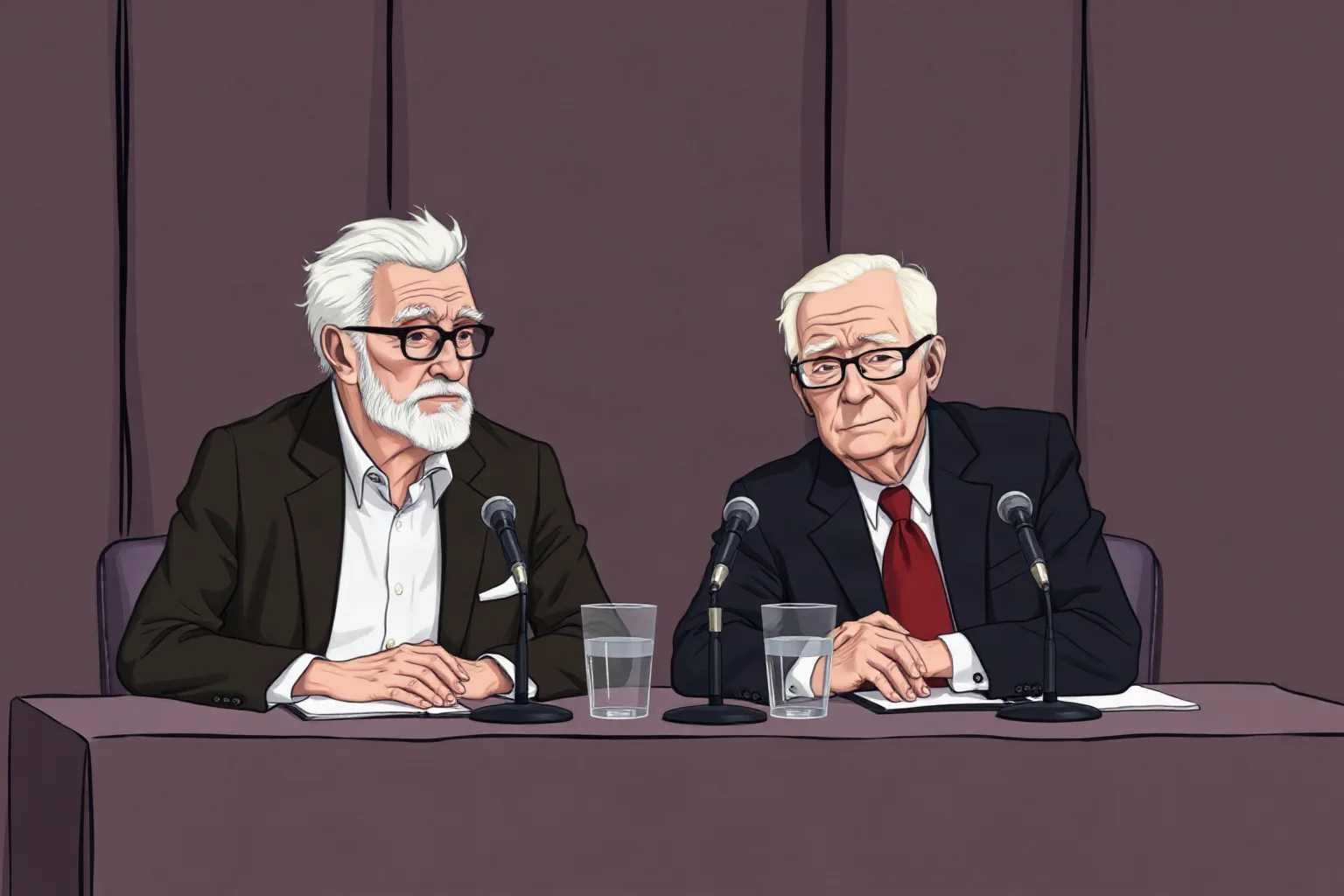
Just weeks before his diagnosis became public, Hudson appeared visibly gaunt and frail alongside his old friend Doris Day at a press event promoting her new television show. Reporters and fans noticed immediately that something seemed seriously wrong.
That appearance is often remembered as a haunting, visible turning point — the moment the public first sensed the truth, even before it was officially confirmed. It remains one of the most talked-about moments of his final months.
21. His Diagnosis Reshaped Public Awareness of AIDS
Hudson’s announcement is widely credited with transforming how mainstream America perceived the AIDS crisis, which until then had largely been dismissed or ignored by much of the public and media. His friend Elizabeth Taylor became a fierce advocate for AIDS research partly as a result of his illness, later co-founding the American Foundation for AIDS Research (amfAR).
Donations to AIDS research and awareness campaigns notably increased following his announcement. It’s frequently cited by historians as a genuine turning point in the American public’s engagement with the epidemic.
22. How Old Was Rock Hudson When He Died?

Rock Hudson died on October 2, 1985, at his home in Beverly Hills, California. He was 59 years old, having lived just over two months after publicly confirming his AIDS diagnosis — a life cut far shorter than those chronicled among the oldest people in history.
His rapid decline after the July announcement shocked even those who had known he was ill. It underscored just how little effective treatment existed for AIDS patients at that point in the epidemic.
23. His Death Was Kept Private, Per His Wishes

Rock Hudson requested no funeral service, and his wishes were honored. He was cremated, and his ashes were reportedly scattered at sea, a quiet, private ending for a man who had spent decades in the public spotlight.
The contrast between his enormous fame and the modesty of his actual send-off says a lot about how he wanted to be remembered — or perhaps how exhausted he was by public scrutiny by the end.
24. A Lawsuit From His Former Partner Followed His Death

After Hudson’s death, his former partner Marc Christian filed a lawsuit against Hudson’s estate, alleging that Hudson had continued an intimate relationship with him after learning of his HIV diagnosis without disclosing it. In 1989, a jury awarded Christian a substantial settlement, later reduced on appeal.
The case drew enormous media attention and raised difficult ethical questions that extended well beyond Hudson’s own story. It became part of a broader public conversation about disclosure, responsibility, and the AIDS crisis more generally.
25. His Story Is Still Being Told Decades Later

Rock Hudson’s life has continued to be examined in biographies, documentaries, and retrospectives long after his death, including the 2023 HBO documentary that explored the gap between his public image and private reality. Each new retelling tends to dig deeper into the pressures of the studio system that forced him and countless others into hiding.
His story remains a powerful case study in Hollywood’s treatment of gay actors during the studio era. It’s also a sobering reminder of how devastating and stigmatized the AIDS crisis was in its earliest years.
The Legacy of Rock Hudson
Rock Hudson’s career made him one of the defining leading men of classic Hollywood, but his greatest historical impact came from something far more personal and painful. His public AIDS diagnosis forced a reluctant nation to confront a health crisis it had largely tried to ignore.
His life is a reminder that the glossy image projected on movie screens rarely tells the whole story. Behind the tailored suits and matinee-idol smile was a man who spent most of his career hiding, and whose final, most courageous act may have been simply telling the truth.
Frequently Asked Questions
What was Rock Hudson’s cause of death?
Rock Hudson's cause of death was complications related to AIDS. He died on October 2, 1985, at his home in Beverly Hills, California, roughly two months after his publicist confirmed his diagnosis to the public.
How old was Rock Hudson when he died?
Rock Hudson was 59 years old when he died in October 1985. He was born on November 17, 1925, and passed away just weeks after his 59th birthday would have been marked the following month.
Did Rock Hudson have children?
No, Rock Hudson did not have any children. He had no biological or adopted children from his marriage to Phyllis Gates or from any other relationship during his life.
How did Rock Hudson get AIDS?
The exact circumstances of how Rock Hudson contracted HIV were never publicly confirmed by Hudson or verified biographical sources. He was diagnosed HIV positive in June 1984 and publicly acknowledged his AIDS diagnosis in July 1985.
Was Rock Hudson gay?
Yes, Rock Hudson was gay, though he kept his sexuality hidden from the public for most of his career due to the pressures of the Hollywood studio system, which viewed an openly gay leading man as commercially unviable at the time.
Who was Rock Hudson?
Rock Hudson was an American film and television actor, born Roy Harold Scherer Jr. in 1925, who became one of Hollywood's leading matinee idols in the 1950s and 1960s, starring in films like Giant and Pillow Talk before his 1985 AIDS diagnosis brought new public attention to the epidemic.
What was Rock Hudson’s real name?
Rock Hudson's real name was Roy Harold Scherer Jr. His stage name was created by his talent agent, Henry Willson, who renamed several young actors with bold, masculine-sounding names to help market them to studios and audiences.
Was Rock Hudson’s marriage to Phyllis Gates real?
Rock Hudson and Phyllis Gates were legally married from 1955 to 1958, but several biographers have suggested the marriage was arranged partly to help protect his public image and deflect rumors about his sexuality. The full truth behind the marriage's origins has long been debated by historians and biographers.

Alex Warren
Related Articles