
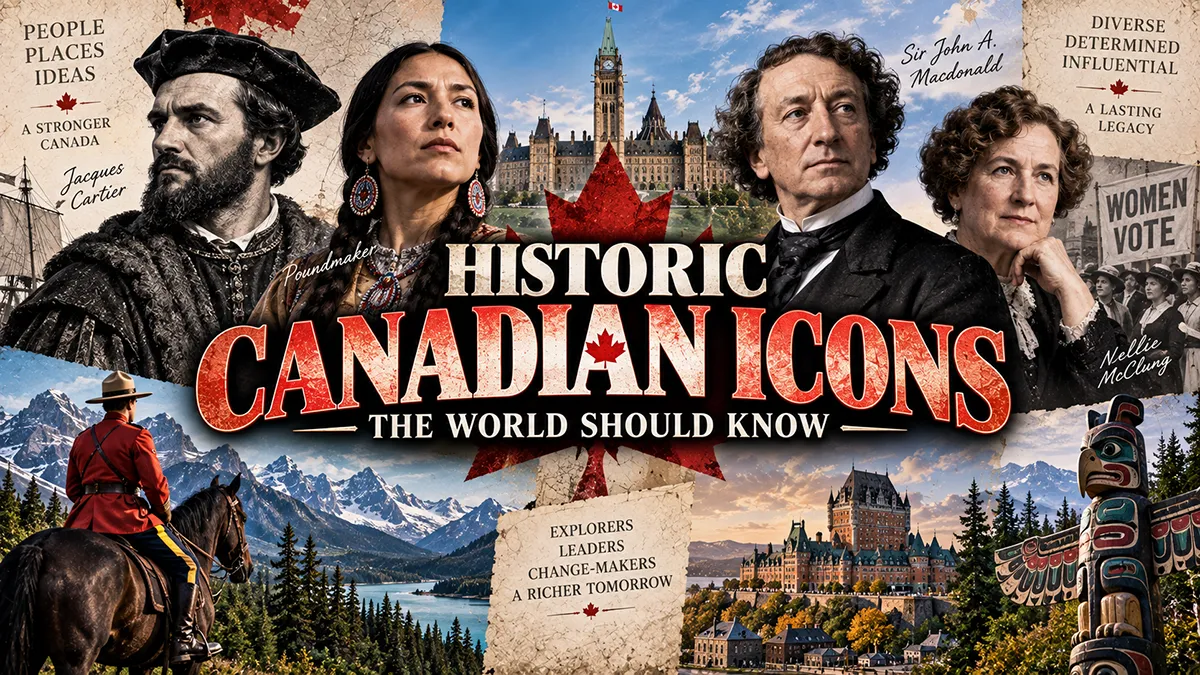
Ask someone outside Canada to name a famous Canadian, and you’ll often get a pause, followed by a guess that turns out to be American. It’s a running joke north of the border, but it also sells Canadian history short. This is a country that produced Nobel laureates, civil rights trailblazers, world-changing inventors on par with history’s smartest people, and political leaders whose decisions still shape daily life across the globe.
This list digs into the historic Canadians whose stories deserve far wider recognition. Some names will be familiar, others may surprise you, but each one earned a place in the story of a nation that’s often underestimated on the world stage.
TL;DR: From the co-discoverer of insulin to a Métis resistance leader and a teenager who ran across a country on one leg, Canada’s most famous historical figures have quietly shaped medicine, politics, civil rights, and culture worldwide.
What Makes a Canadian Icon?
Before diving into the list, it’s worth asking what actually makes someone a notable Canadian in the first place. It isn’t simply being born within the country’s borders, since plenty of famous Canadian people immigrated as children or adults and built their legacies here. It’s also not just fame; plenty of famous people in Canada are remembered for quiet, lasting contributions rather than headlines.
The figures below were chosen because they changed something lasting, whether that’s a medical treatment, a law, a border, or a national conversation. Some are politicians, some are scientists, some are artists, and a few are ordinary people who did something extraordinary. Together, they answer the question of what Canadians are famous for better than any single stereotype could.
1. Sir John A. Macdonald — Canada’s First Prime Minister
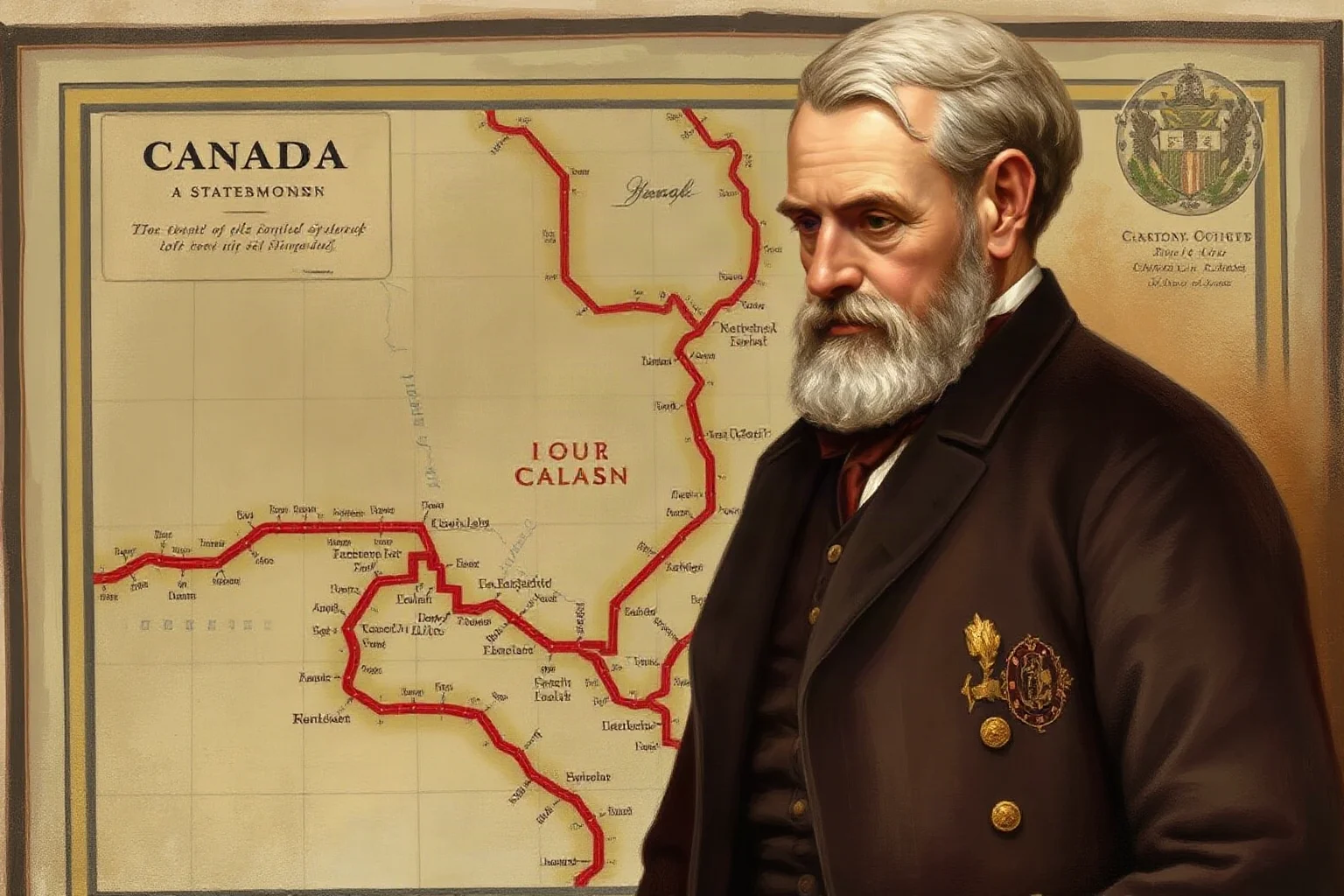
John A. Macdonald led the political negotiations that created the Dominion of Canada in 1867, making him arguably the most consequential of all famous historical figures in Canada’s founding era. He served as prime minister for most of the following two decades, overseeing the construction of the transcontinental railway that physically bound the new country together.
His legacy is genuinely complicated. Macdonald’s government also implemented policies that caused deep and lasting harm to Indigenous peoples, including the residential school system’s early foundations and the use of starvation policies against Plains Nations. Modern Canada continues to reckon with this dual legacy rather than presenting him as an uncomplicated hero.
2. Terry Fox — The Marathon of Hope

After losing a leg to cancer as a teenager, Terry Fox set out in 1980 to run across Canada to raise money for cancer research. He covered roughly 5,373 kilometres before his cancer returned and forced him to stop, and he passed away the following year at just 22 years old.
Decades later, the annual Terry Fox Run remains one of the largest one-day fundraisers for cancer research on the planet. Polls asking Canadians to name the greatest Canadian regularly place him near the very top, and for good reason.
3. Sir Frederick Banting — Co-Discoverer of Insulin

Frederick Banting, working with Charles Best at the University of Toronto in the early 1920s, helped isolate insulin as a treatment for diabetes. In 1923 he shared the Nobel Prize in Physiology or Medicine for the discovery, becoming the youngest laureate in that category at the time.
Before insulin, a diabetes diagnosis was frequently a death sentence within months or years. Banting’s work turned it into a manageable chronic condition, a shift that has saved an incalculable number of lives worldwide ever since.
4. Laura Secord — War of 1812 Heroine
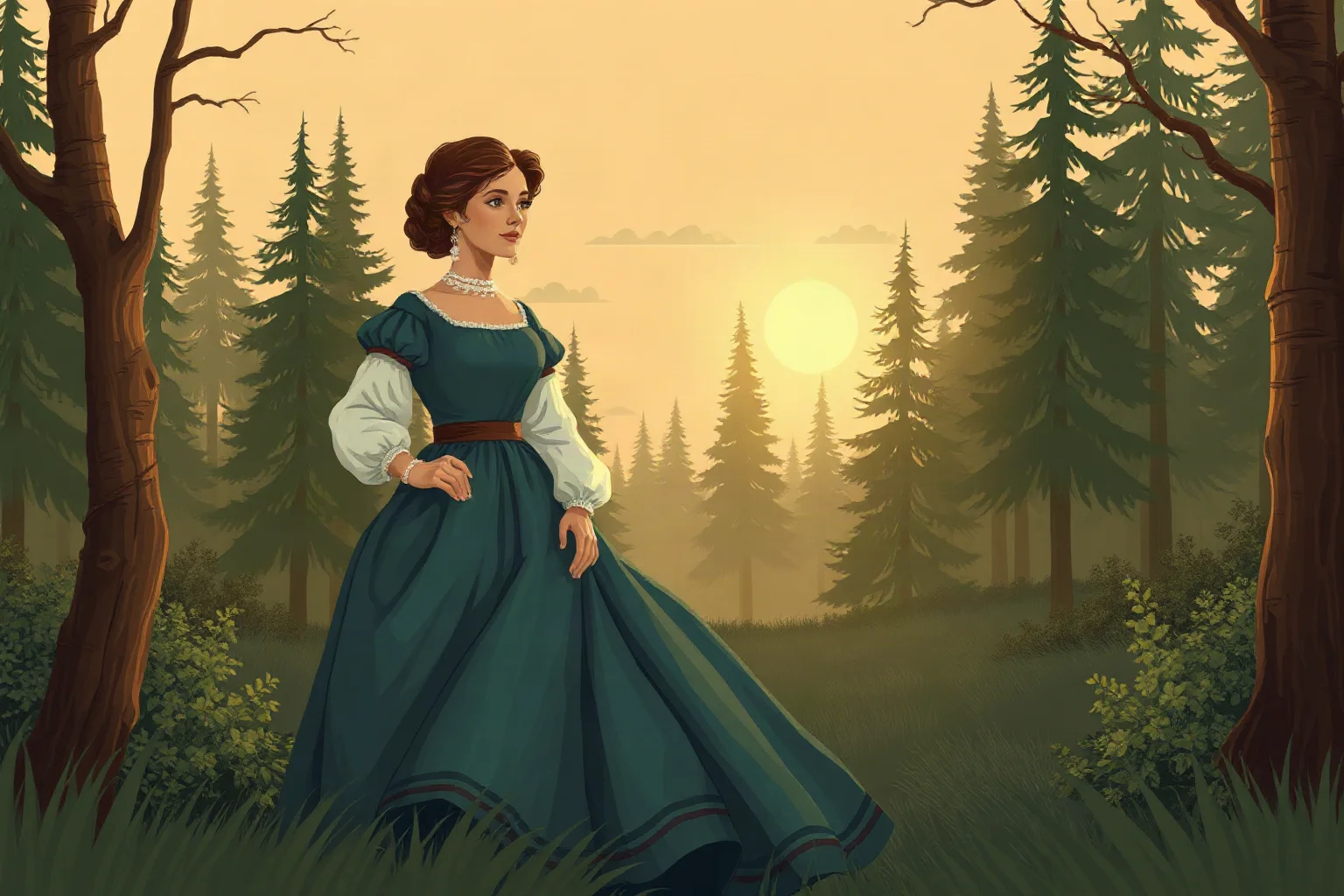
Laura Secord became a symbol of Canadian resilience after she walked roughly 30 kilometres through enemy-held territory in 1813 to warn British and Indigenous forces of an impending American attack during the War of 1812. Her warning is credited with contributing to the British and Indigenous victory at the Battle of Beaver Dams.
Her story went largely unrecognized during her lifetime, and it was decades before her contribution received formal acknowledgment. Today she’s remembered as one of the most notable Canadian women from the pre-Confederation era.
5. Emily Carr — Painter of the Pacific Northwest

Emily Carr spent much of her career painting the forests, totem poles, and Indigenous villages of British Columbia’s coast, developing a bold, modernist style that was ahead of its time. She struggled for recognition during much of her life and only found wider acclaim in her later years.
Today she’s considered one of Canada’s most important artists, and her work sits in major galleries across the country. Her writing, including the memoir “Klee Wyck,” also earned her a Governor General’s Award.
6. Tommy Douglas — Father of Medicare
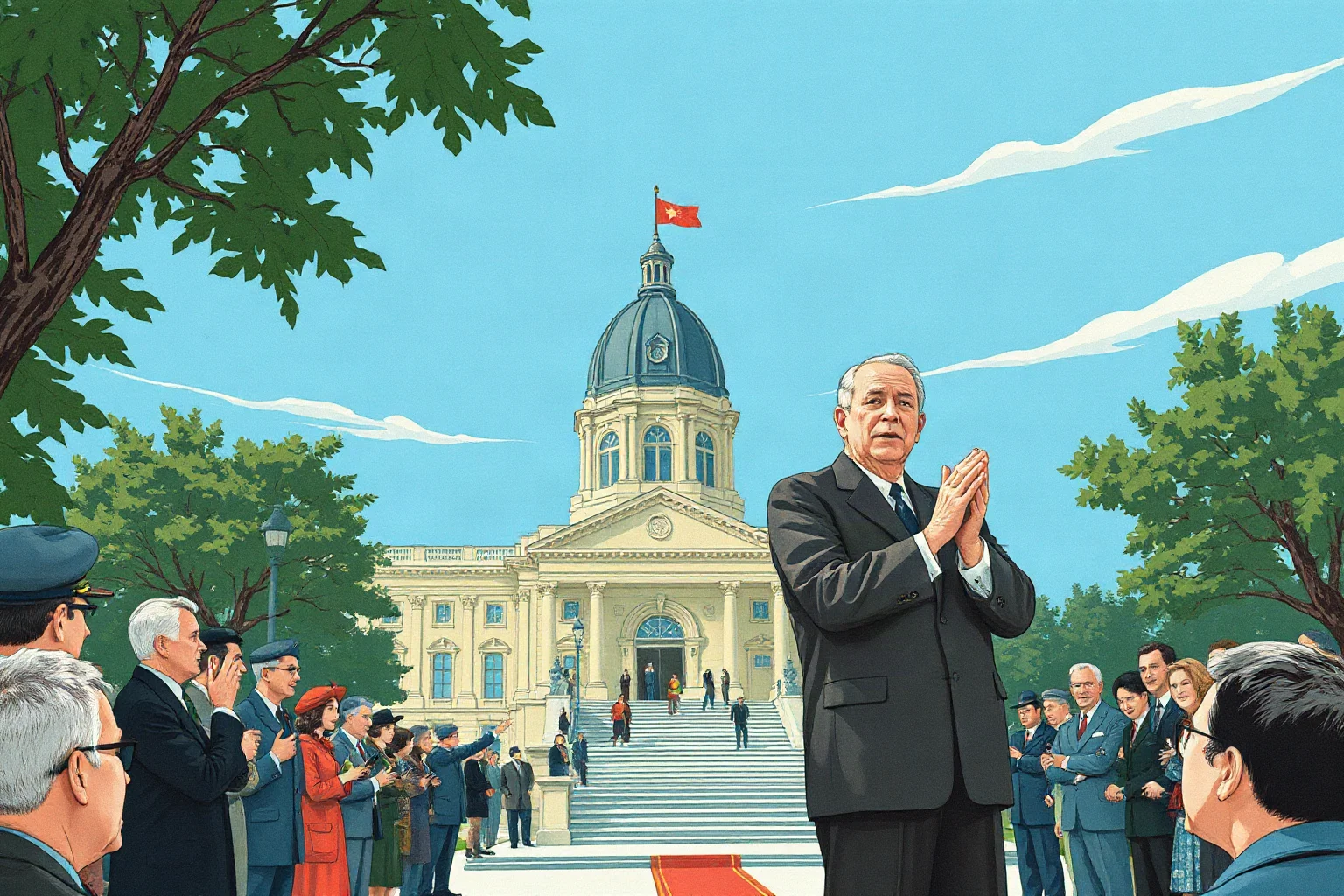
As Premier of Saskatchewan, Tommy Douglas introduced North America’s first single-payer public healthcare system in 1962. That provincial experiment became the model for Canada’s national medicare system, one of the country’s most defining institutions.
In 2004, a CBC poll asked Canadians to name the greatest Canadian in history, and Tommy Douglas won. It’s a useful reminder that the most famous Canadian, at least by public vote, isn’t always the most globally recognized name.
7. Sir Wilfrid Laurier — Canada’s First French-Canadian Prime Minister
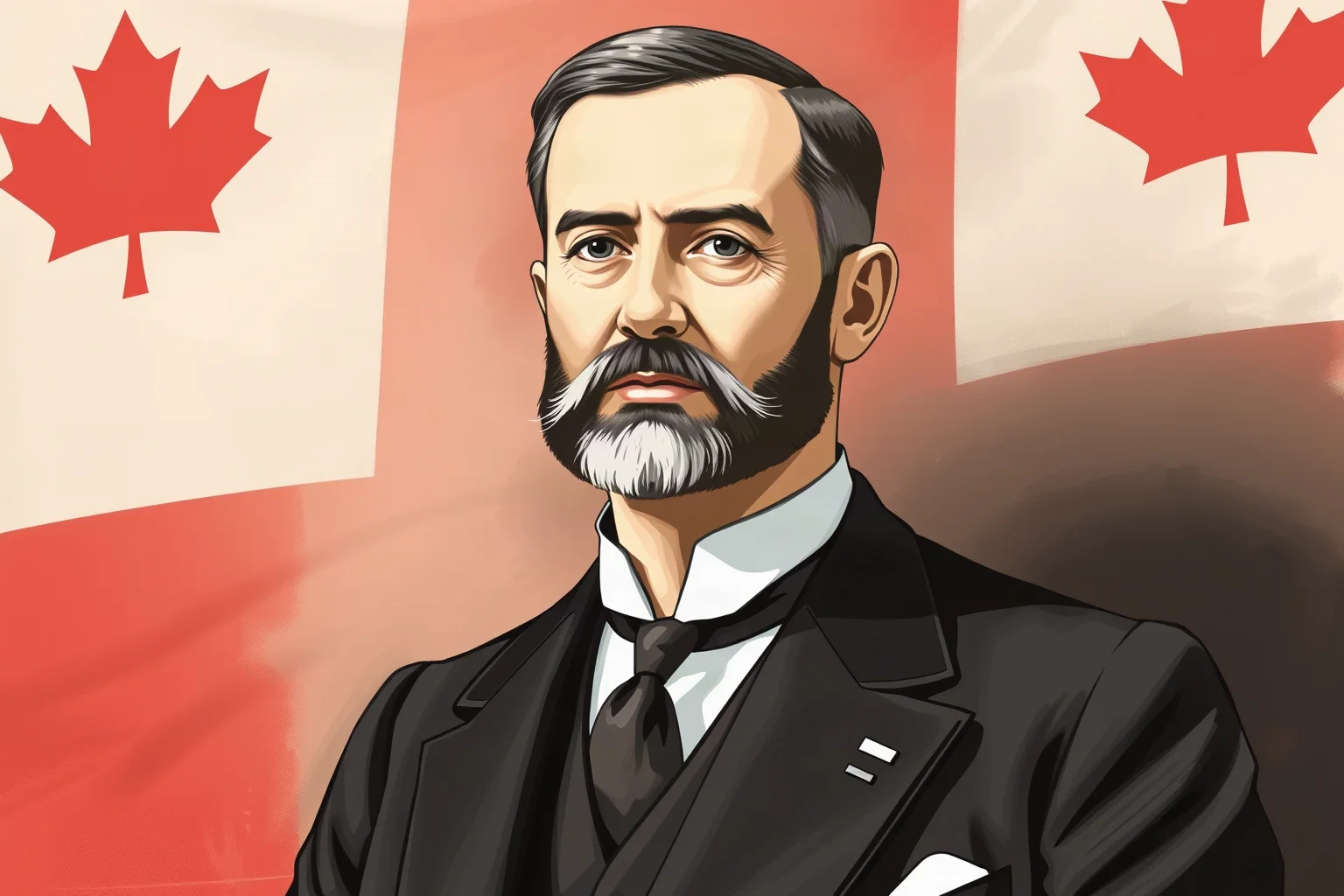
Wilfrid Laurier served as prime minister from 1896 to 1911, presiding over a period of rapid growth, immigration, and westward expansion. He’s remembered for his efforts to balance English and French Canadian interests during a time of real political tension.
Laurier’s famous line about the twentieth century belonging to Canada, still remembered today alongside other great speeches in history, reflected the optimism of an era when the country was rapidly industrializing. His face still appears on the Canadian five-dollar bill.
8. Louis Riel — Métis Leader and Founder of Manitoba
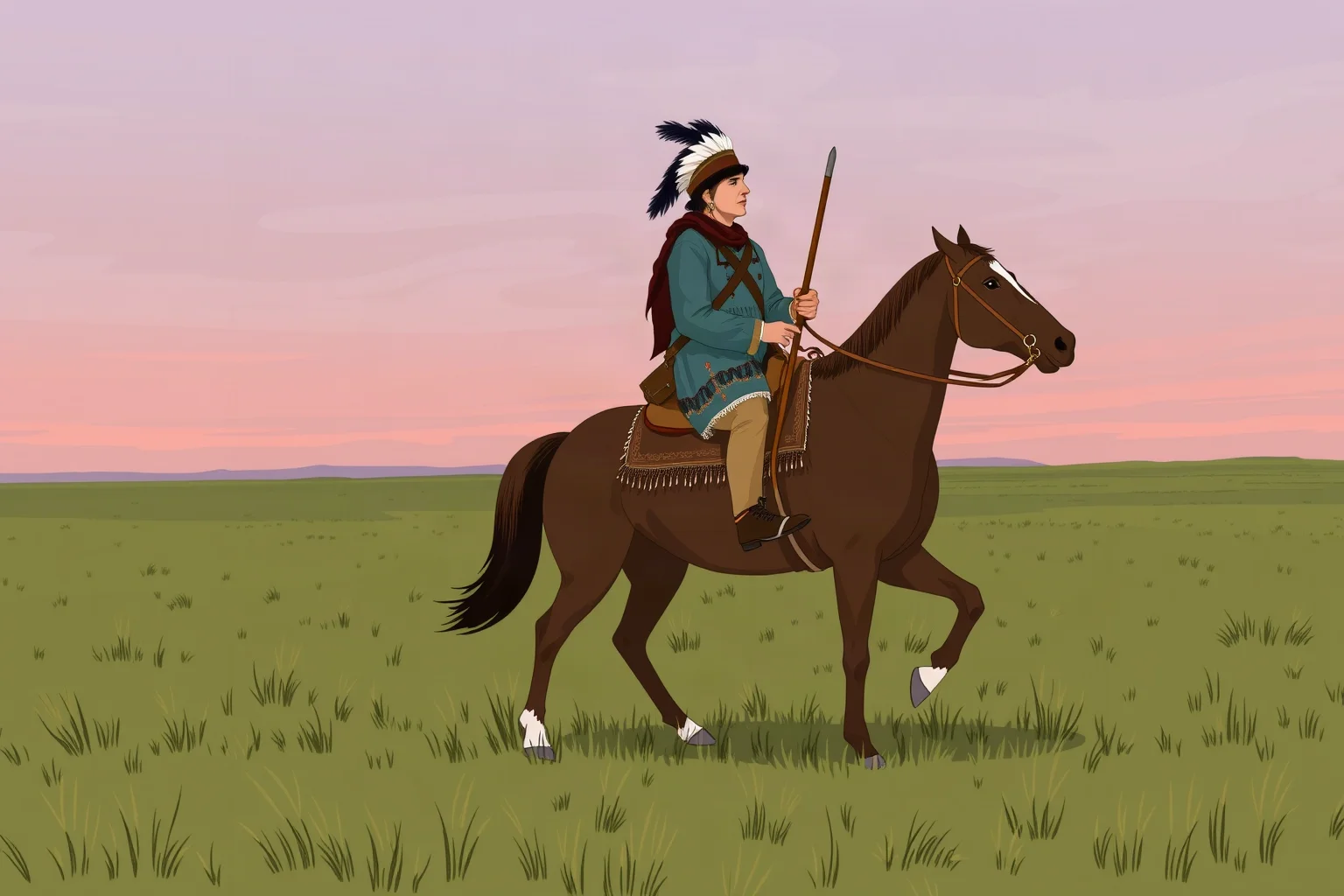
Louis Riel led the Métis resistance movements of 1869-70 and 1885, fighting for the rights and land of the Métis people against encroaching Canadian expansion, earning his place among history’s most iconic revolutionary figures. He was central to Manitoba’s entry into Confederation before later being executed for treason following the North-West Rebellion.
Riel’s legacy has been reassessed considerably over time. He’s now widely regarded as a founder of Manitoba and a symbol of Métis and Indigenous rights, rather than simply the rebel figure earlier textbooks described.
9. Nellie McClung — Suffragist and Member of the Famous Five
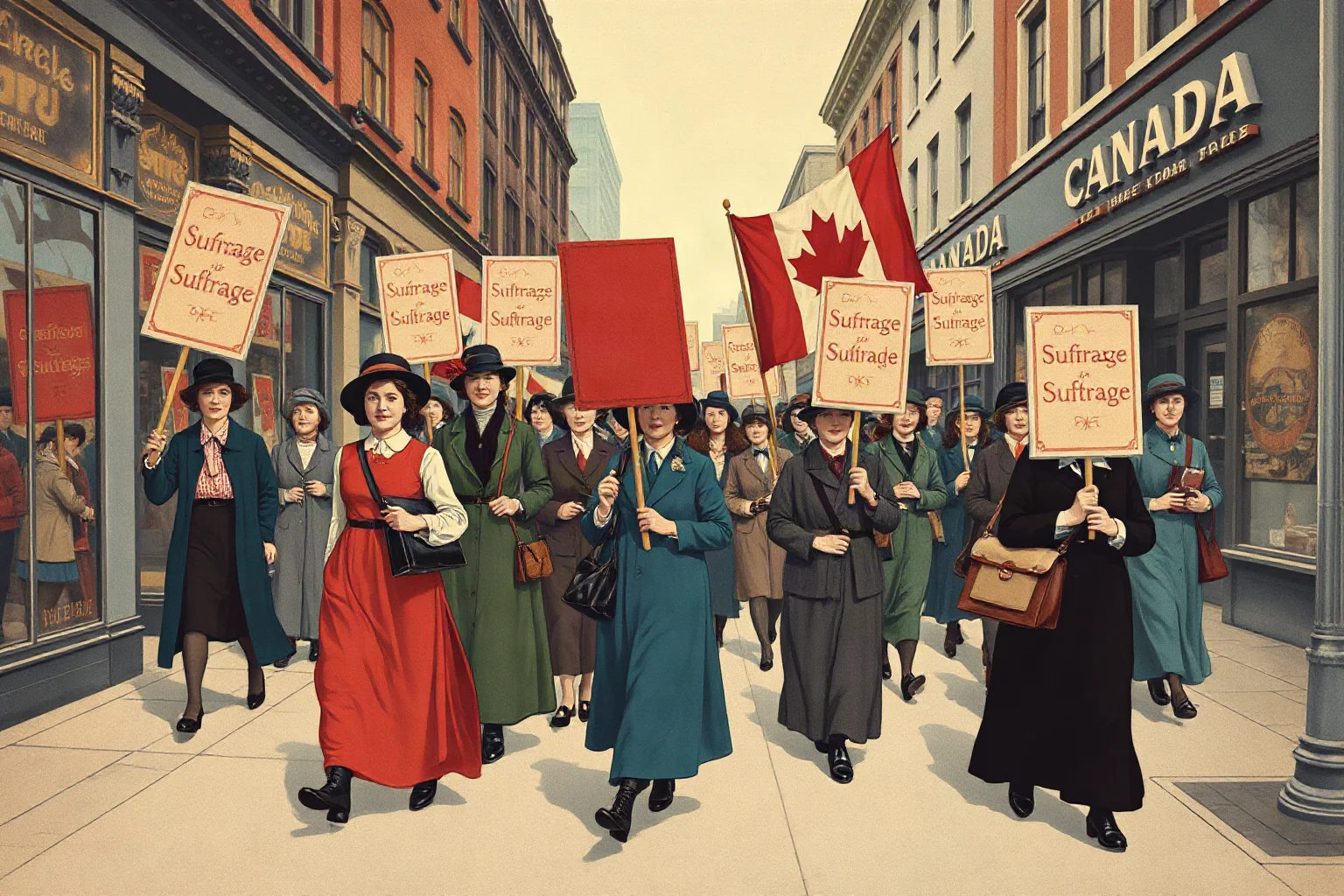
Nellie McClung was a writer and politician who played a leading role in winning the vote for women in Manitoba in 1916, one of the first provinces in Canada to grant it. She later joined the “Famous Five,” a group of women who successfully petitioned to have women legally recognized as “persons” eligible for Senate appointment.
That 1929 case, known as the Persons Case, remains a landmark moment in Canadian legal and women’s history. McClung’s activism helped set the stage for decades of further progress.
10. Alexander Graham Bell — Telephone Pioneer
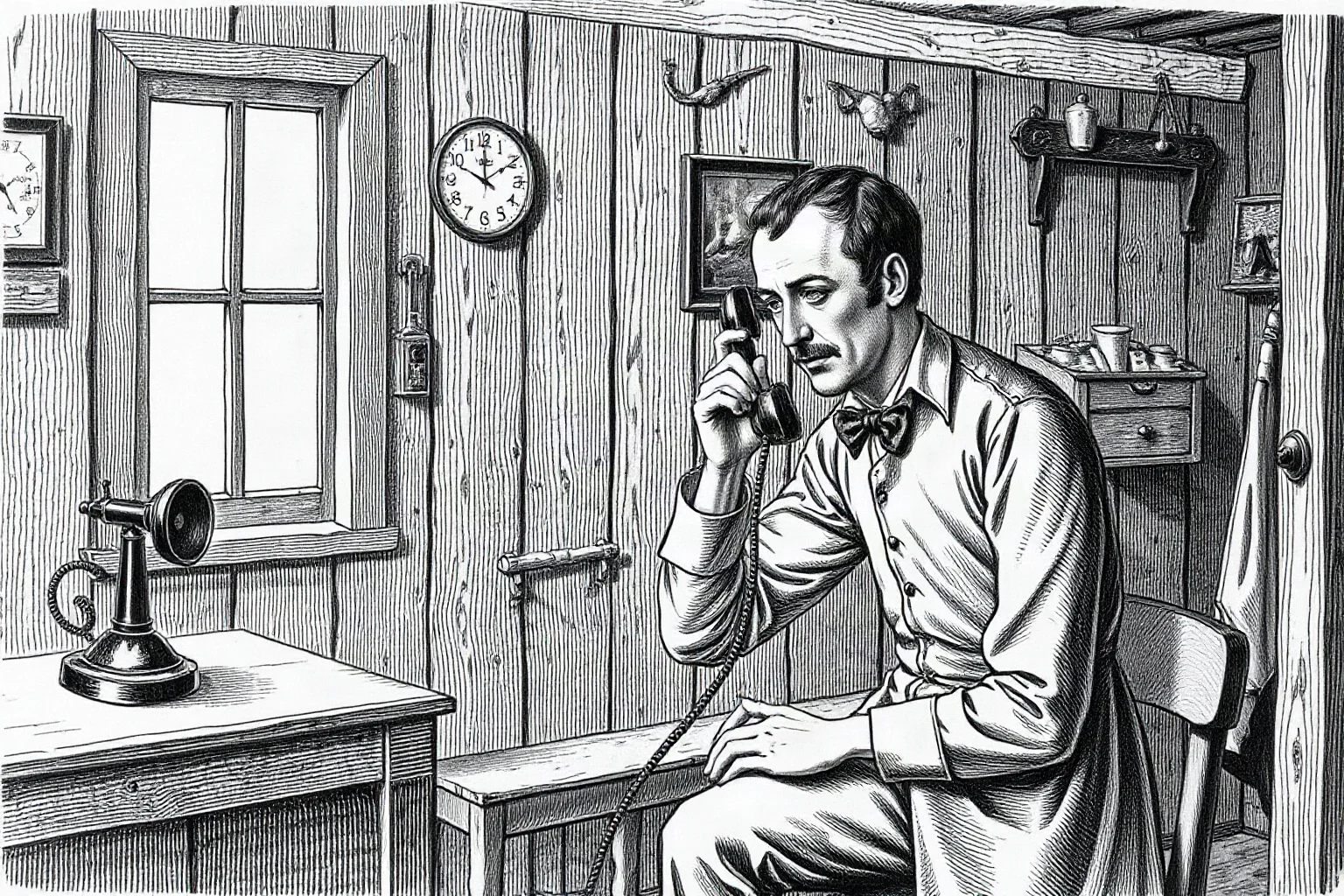
Alexander Graham Bell was born in Scotland but did much of his most important experimental work at his family home in Brantford, Ontario, and later at his estate in Nova Scotia. He’s credited with patenting the telephone in 1876, one of the most transformative inventions in modern history.
Bell’s connection to Canada is sometimes debated since he also lived and worked extensively in the United States. Still, Canada proudly claims him among its historic scientific figures, and his Nova Scotia estate is now a National Historic Site.
11. Lester B. Pearson — Nobel Peace Prize Winner and Prime Minister

Before becoming prime minister, Lester B. Pearson won the Nobel Peace Prize in 1957 for his role in resolving the Suez Crisis through the creation of the United Nations Emergency Force. That innovation essentially invented the modern concept of peacekeeping.
As prime minister from 1963 to 1968, Pearson’s government introduced medicare nationally, the Canada Pension Plan, and the country’s current red-and-white maple leaf flag. Few figures in Canadian history changed daily life so directly.
12. Roberta Bondar — First Canadian Woman in Space

Roberta Bondar became the first Canadian woman, and the world’s first neurologist, to travel to space when she flew aboard the Space Shuttle Discovery in 1992. Her research focused on how the human body adapts to space and readjusts to gravity upon return.
Bondar’s career combined medicine, science, and photography, and she remains an outspoken advocate for environmental conservation. She’s regularly cited among the most famous Canadian women in science.
13. David Thompson — Explorer and Cartographer
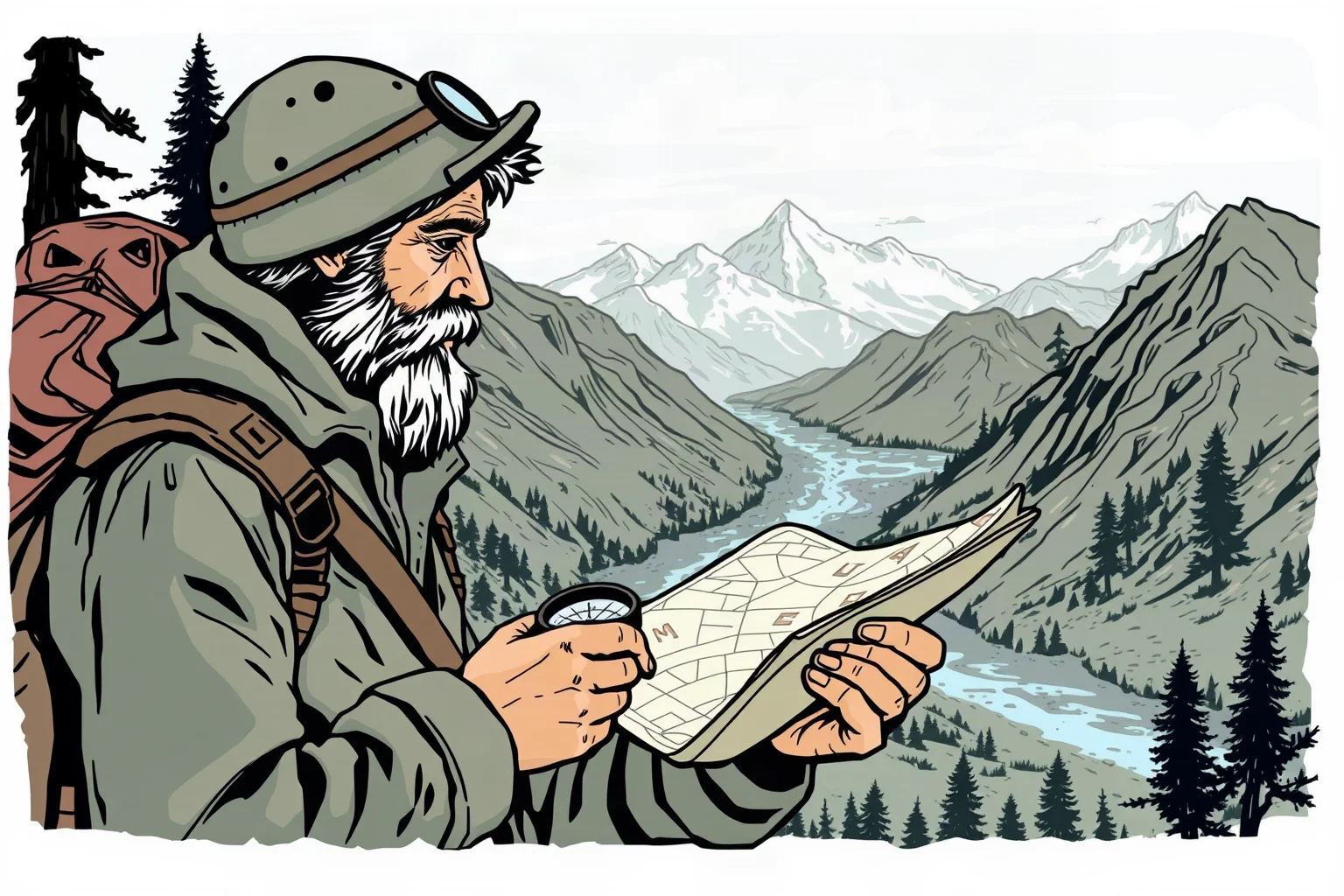
David Thompson mapped roughly 3.9 million square kilometres of North America during his career as a fur trader and surveyor in the late 1700s and early 1800s. His maps of the Canadian West were so accurate that some remained in use for over a century.
He’s sometimes called the greatest land geographer who ever lived, though that title is more a testament to the scale of his surveys than an official record. Either way, his contribution to understanding Canada’s geography was enormous.
14. Samuel de Champlain — Founder of Quebec City
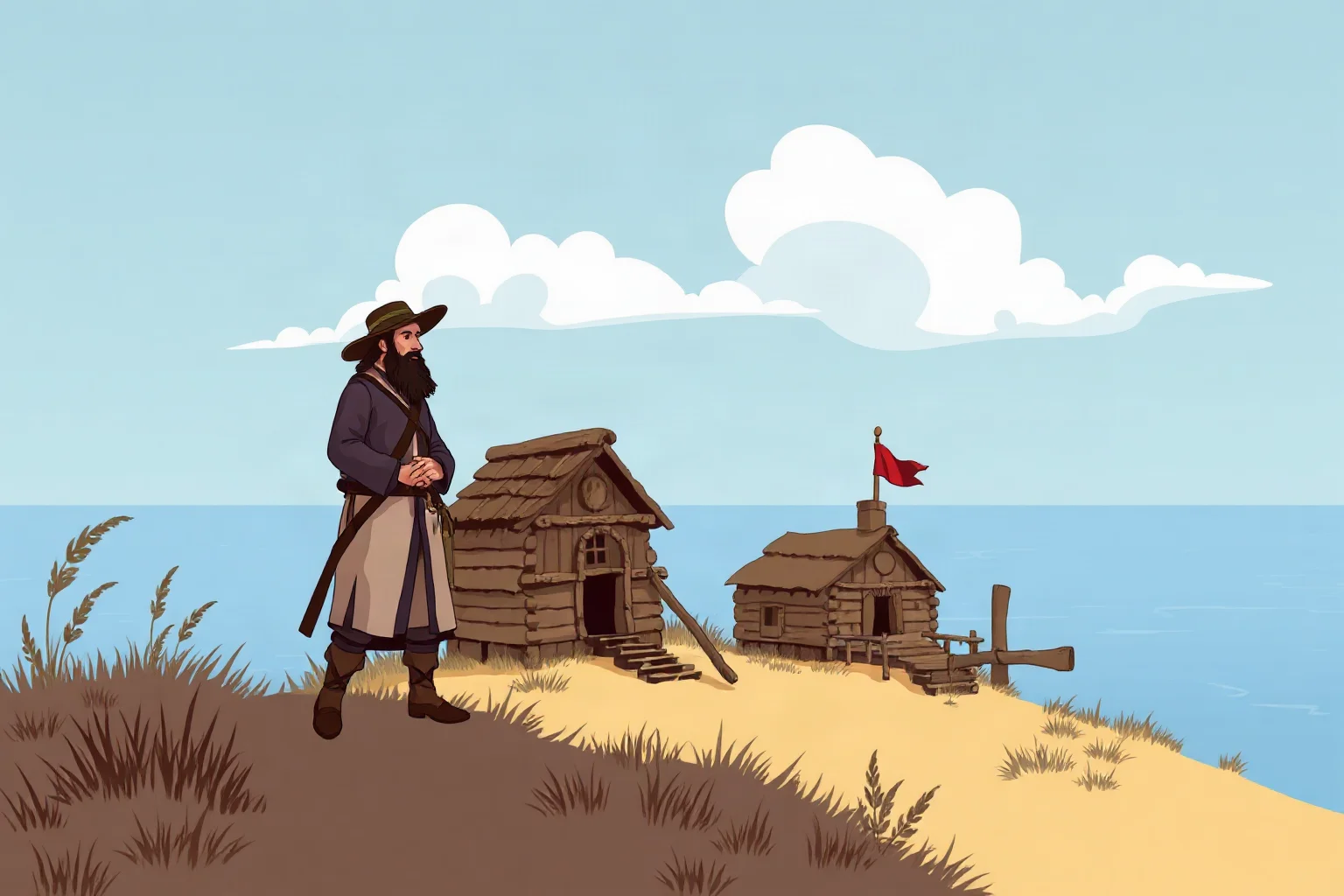
Samuel de Champlain founded Quebec City in 1608, establishing what became the heart of New France and a foundation of French-Canadian identity. He explored extensively through the Great Lakes region and built early alliances with Indigenous nations like the Huron-Wendat.
Champlain’s settlements marked the beginning of sustained European colonization in the region, a process that transformed the land and had lasting, often devastating effects on Indigenous communities. His legacy today is viewed through both a founding and a colonial lens.
15. Joseph Brant (Thayendanegea) — Mohawk Leader and Diplomat
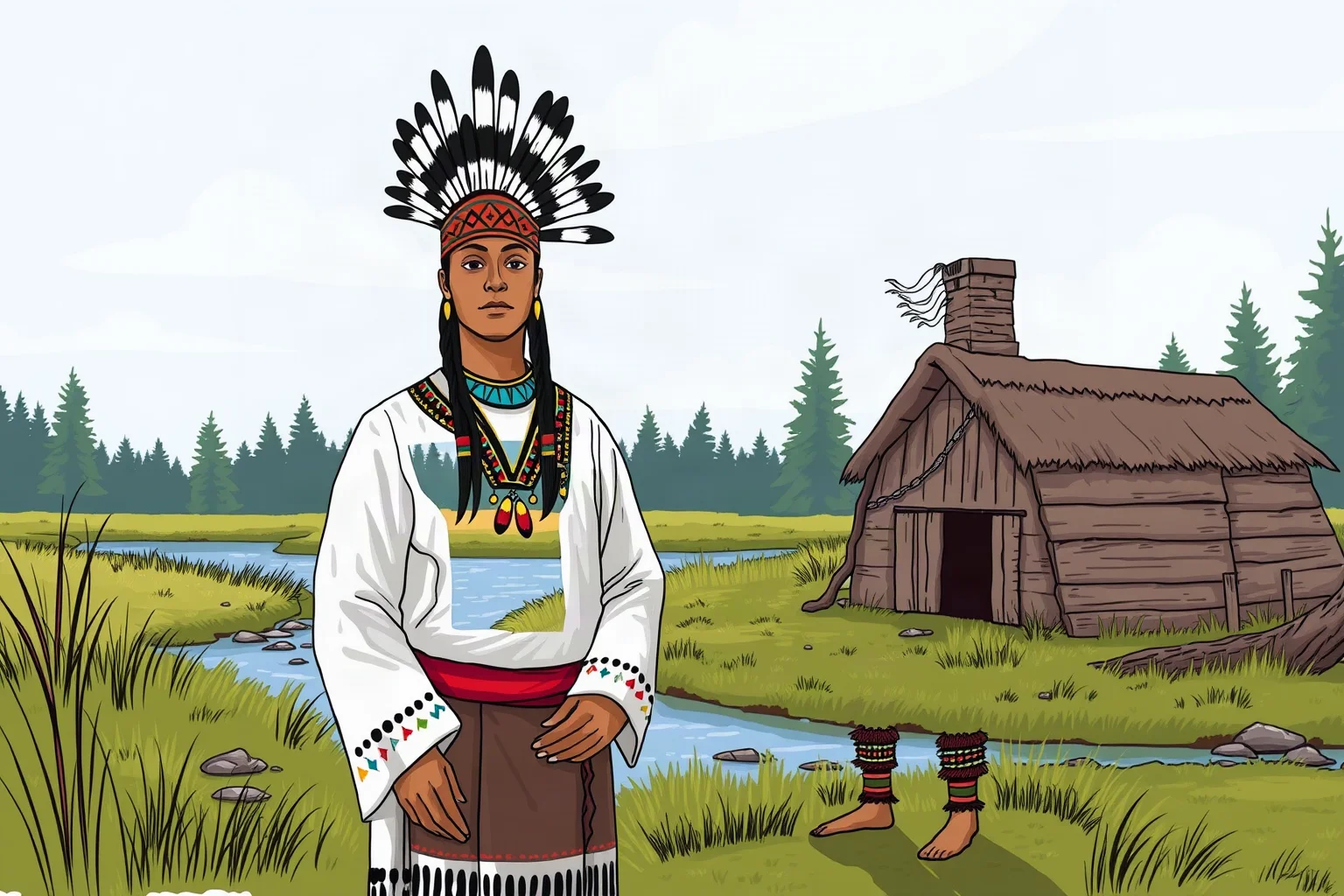
Joseph Brant, known in Mohawk as Thayendanegea, was a prominent Mohawk military and political leader during the American Revolutionary War, allying with the British. After the war, he led Six Nations loyalists to resettle along the Grand River in present-day Ontario.
Brant was also a skilled diplomat and translator who worked to secure land rights and recognition for his people amid rapid colonial change. He remains one of the most significant Indigenous historical figures in Canada.
16. Agnes Macphail — First Woman Elected to Canada’s Parliament
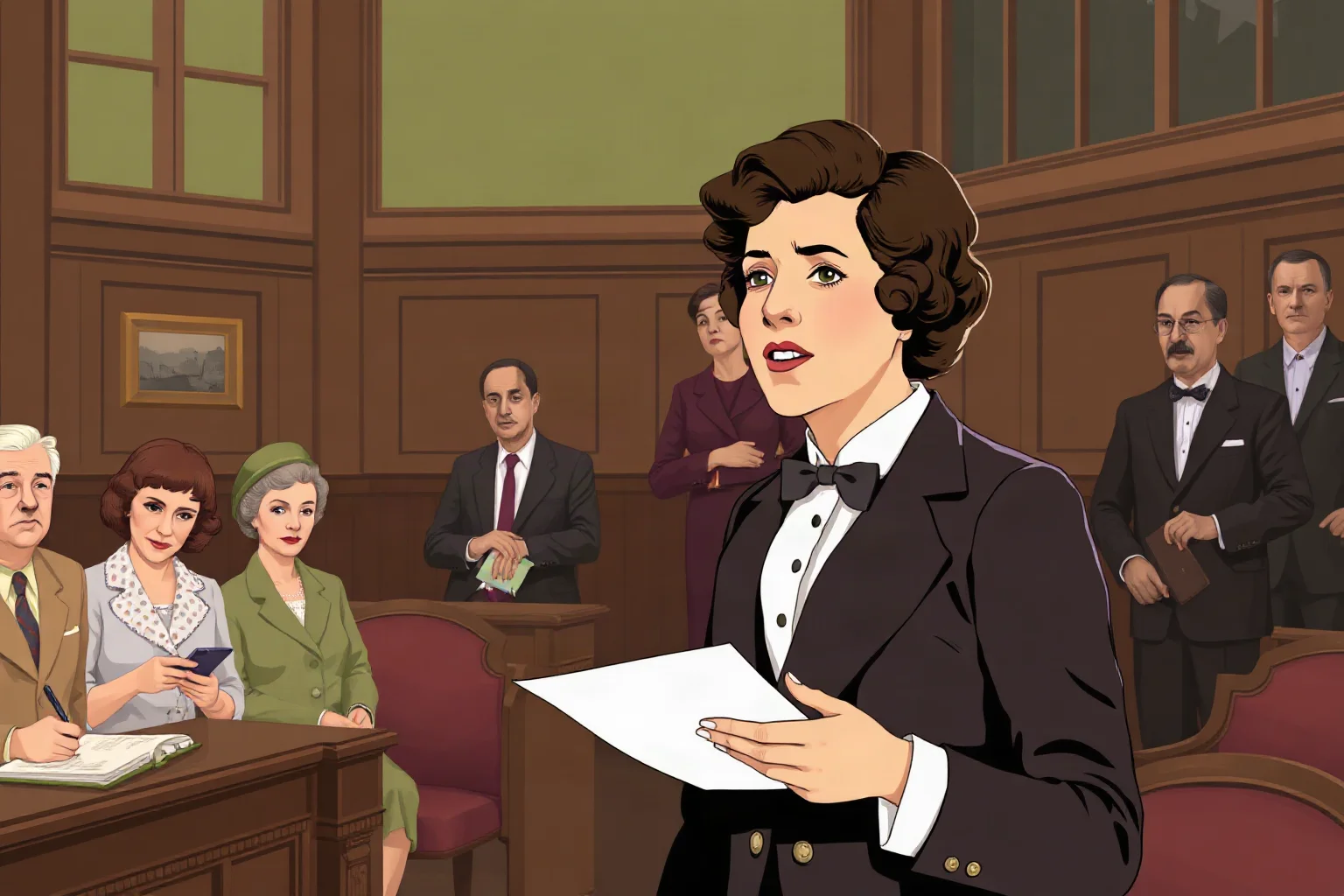
Agnes Macphail became the first woman elected to Canada’s House of Commons in 1921, just months after some women gained the federal vote. She spent her career advocating for farmers, prisoners’ rights, and gender equality, often facing hostility from male colleagues.
Macphail later became one of the first women elected to the Ontario legislature as well. Her persistence opened the door for generations of Canadian women in public office.
17. James Naismith — Inventor of Basketball
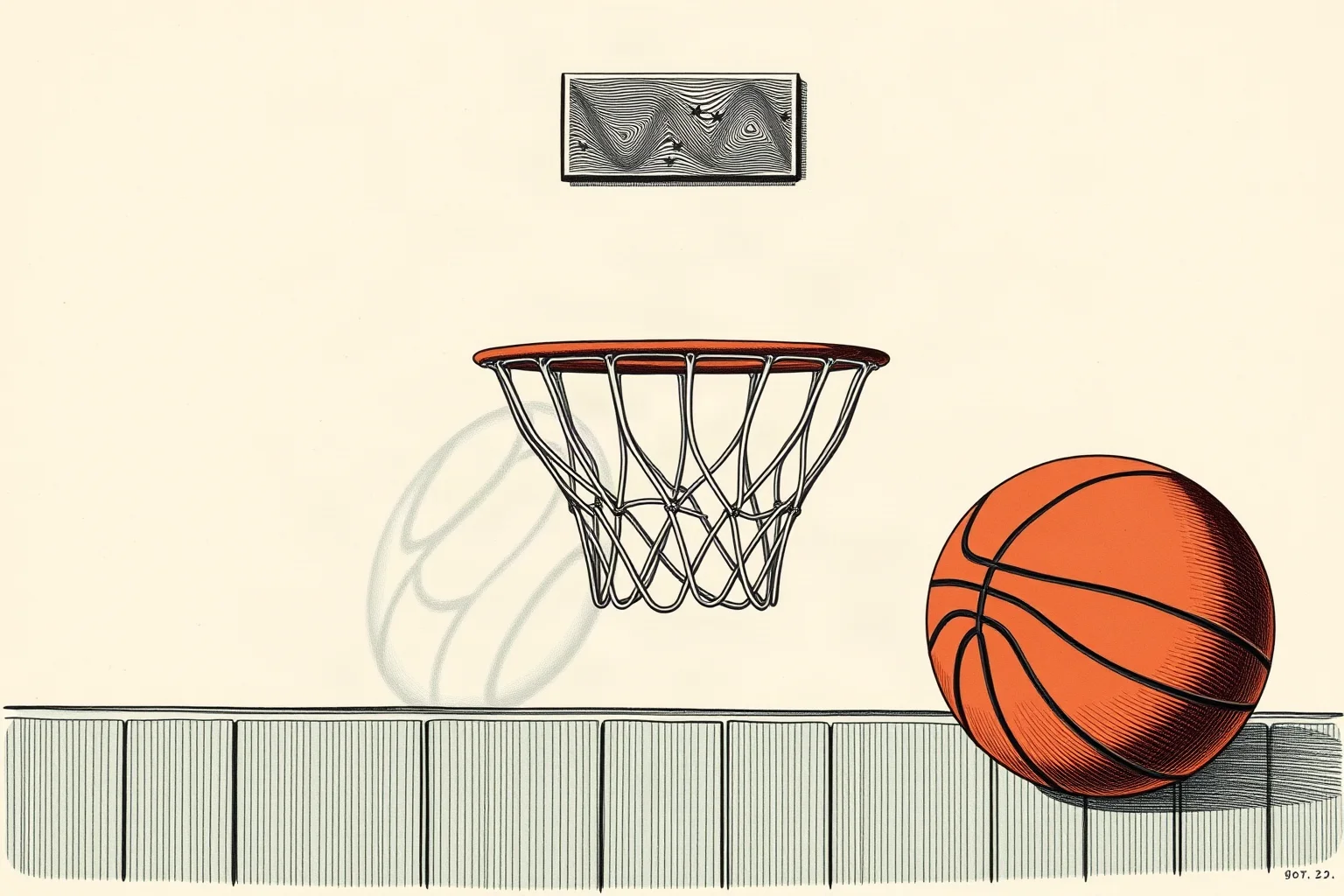
James Naismith, born in Almonte, Ontario, invented basketball in 1891 while teaching physical education in Massachusetts, hanging peach baskets on a gymnasium wall to create an indoor winter game. It’s now one of the most popular sports on the planet.
Naismith never patented the game and profited little from its explosive growth. He’s still honored today as one of Canada’s most globally influential inventors, even though basketball is most associated with American culture.
18. Maurice Richard — Hockey Legend

Maurice “Rocket” Richard starred for the Montreal Canadiens from 1942 to 1960, becoming the first player in NHL history to score 50 goals in 50 games. His speed and scoring ability made him a cultural hero, particularly among French Canadians.
In 1955, Richard’s suspension by the league sparked riots in Montreal, reflecting how deeply hockey and cultural identity were intertwined at the time. He remains one of the most famous Canadian athletes in history.
19. Gabrielle Roy — Celebrated Novelist

Gabrielle Roy’s 1945 novel “Bonheur d’occasion” (translated as “The Tin Flute”) offered a groundbreaking portrait of working-class life in Montreal’s Saint-Henri neighborhood. It won France’s prestigious Prix Femina and helped establish modern Quebec literature.
Roy went on to write numerous acclaimed novels and became one of the most celebrated French-Canadian authors of the twentieth century. Her work remains a staple of Canadian literary studies.
20. William Lyon Mackenzie King — Longest-Serving Prime Minister

William Lyon Mackenzie King served as prime minister for close to 22 years across three separate terms between 1921 and 1948, making him the longest-serving prime minister in Canadian history. He guided the country through the Great Depression and the Second World War.
King was also famously private and eccentric, reportedly consulting spiritualists and keeping detailed personal diaries that historians still study today. His political longevity remains unmatched among Canadian leaders.
21. Viola Desmond — Civil Rights Icon

Viola Desmond was arrested in 1946 after refusing to leave the whites-only section of a New Glasgow, Nova Scotia movie theatre, nearly a decade before Rosa Parks’ famous protest in the United States. Her case became a landmark moment in the fight against racial segregation in Canada.
Desmond received a posthumous pardon and formal apology from the Nova Scotia government in 2010. In 2018, she became the first Canadian woman to be featured on the country’s ten-dollar bill.
22. Sam Steele — Lawman of the Klondike Gold Rush
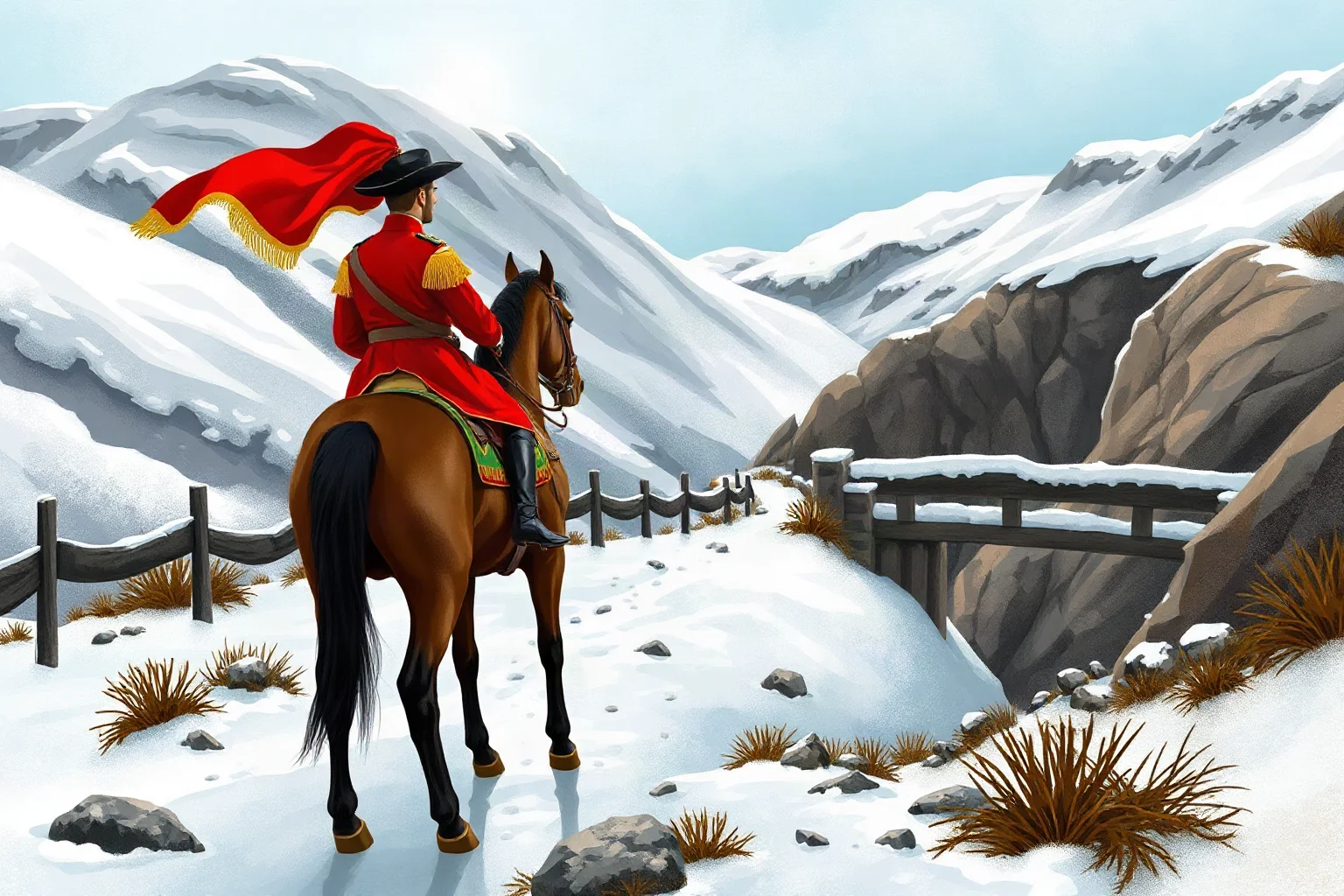
Sam Steele was a North-West Mounted Police officer sent to maintain order during the frantic Klondike Gold Rush of the late 1890s, one of the most dramatic chapters in Yukon and Canadian history. Known for his strict enforcement of law and customs checks at mountain passes, he’s remembered as a symbol of order amid chaos.
Steele’s posting connects to one of the more overlooked corners of Canadian history: the famous people from Yukon, Canada, whose stories rarely make it into mainstream retellings. Prospectors, dance-hall performers, and Indigenous guides all shaped that era alongside figures like Steele.
Significant Historical Events That Shaped These Icons
Understanding these figures means understanding the events around them. Confederation in 1867 united several British colonies into the Dominion of Canada, setting the stage for figures like Macdonald and Laurier to build national institutions. The War of 1812 tested the loyalty of settlers and Indigenous allies alike, producing heroes like Laura Secord along the way.
The Klondike Gold Rush of 1896-99 transformed the Yukon almost overnight, drawing tens of thousands of prospectors north and creating some of the most colorful stories in Canadian history. The two World Wars reshaped Canada’s global standing, with figures like Lester Pearson later helping invent modern peacekeeping in their aftermath.
Domestically, the fight for women’s suffrage, the introduction of medicare, and the ongoing reckoning with residential schools and Indigenous rights stand among the most important historical events in Canada’s modern era. Each of these moments produced the people who appear on lists like this one.
What Are Canadians Famous For, Really?
Mention Canada abroad and you’ll usually hear about maple syrup, hockey, and politeness. Those stereotypes aren’t wrong, exactly, but they barely scratch the surface of what Canadians are actually famous for. This is a country that pioneered public healthcare, invented basketball, co-discovered insulin, and produced peacekeeping as a diplomatic tool.
It’s also worth addressing another common question directly: what do Canadian people look like? The honest answer is that there’s no single look at all. Canada is one of the most ethnically diverse countries on Earth, home to Indigenous peoples whose roots predate European contact by thousands of years, alongside waves of immigrants from virtually every region of the globe.
Final Thoughts on Canada’s Historic Icons
The people on this list represent scientists, politicians, athletes, artists, and activists who each left a lasting mark. Some of their legacies are inspiring without complication, like Terry Fox’s run or Banting’s discovery of insulin. Others, like Macdonald’s or Champlain’s, require a more honest, complicated conversation about the costs of nation-building.
That honesty is part of what makes Canadian history worth exploring in the first place. The story isn’t a simple parade of heroes, but a layered account of ambition, injustice, resilience, and reform. The next time someone struggles to name a famous Canadian, you’ll have twenty-two solid answers ready to go, names that deserve a spot alongside history’s most recognized historical figures.
Frequently Asked Questions
Who are some famous people in Canada that everyone should know?
Some of the most historically significant famous people in Canada include Terry Fox, Sir John A. Macdonald, Sir Frederick Banting, Tommy Douglas, Lester B. Pearson, Louis Riel, and Viola Desmond. Each shaped a different area of national life, from medicine and civil rights to politics and sport.
Who is the most famous person in Canada, or the greatest Canadian?
There's no single official answer, but a well-known 2004 CBC public poll crowned Tommy Douglas, the father of Canadian medicare, as the greatest Canadian. Terry Fox and Sir John A. Macdonald also regularly rank near the top of similar lists.
What are Canadians famous for?
Canadians are known internationally for hockey, maple syrup, and politeness, but the country's real legacy includes pioneering universal healthcare, co-discovering insulin, inventing basketball, and helping create the concept of modern UN peacekeeping.
What do Canadian people look like?
There is no single Canadian appearance, since Canada is one of the most ethnically and culturally diverse countries in the world. Its population includes Indigenous peoples with roots going back thousands of years alongside immigrants from nearly every region on Earth.
Who are famous people from Yukon, Canada?
The Yukon's fame is closely tied to the Klondike Gold Rush of the late 1890s, which brought figures like North-West Mounted Police officer Sam Steele north to maintain order. The territory's history is also shaped by Indigenous peoples, prospectors, and entertainers who lived through that dramatic gold rush era.
What are some of the most significant historical events in Canada?
Key events include Confederation in 1867, the War of 1812, the Klondike Gold Rush of 1896-99, the introduction of national medicare in the 1960s, the 1929 Persons Case for women's rights, and the ongoing national reckoning with residential schools and Indigenous rights.

Alex Warren
Related Articles