
Ask ten people “who is the smartest person in the world” and you’ll get ten different answers. Ask “who was the most intelligent person in history” and the debate only gets bigger — because intelligence isn’t one thing.
The polymath who painted a masterpiece and designed a flying machine centuries before flight was possible. The physicist who rewrote our understanding of the universe from a patent office desk. The mathematician who taught himself, in a rural Indian village, results that took Western academia another century to prove.
There’s no single, agreed-upon “smartest person ever.” IQ tests didn’t exist for most of human history, and the retroactive IQ estimates you’ll see floating around the internet for historical figures are educated guesswork, not science — fun to debate, not something to take as fact.
What we can measure is impact: who changed how humanity thinks, builds, heals, and understands the world, and did it so far ahead of their time that we’re still catching up.
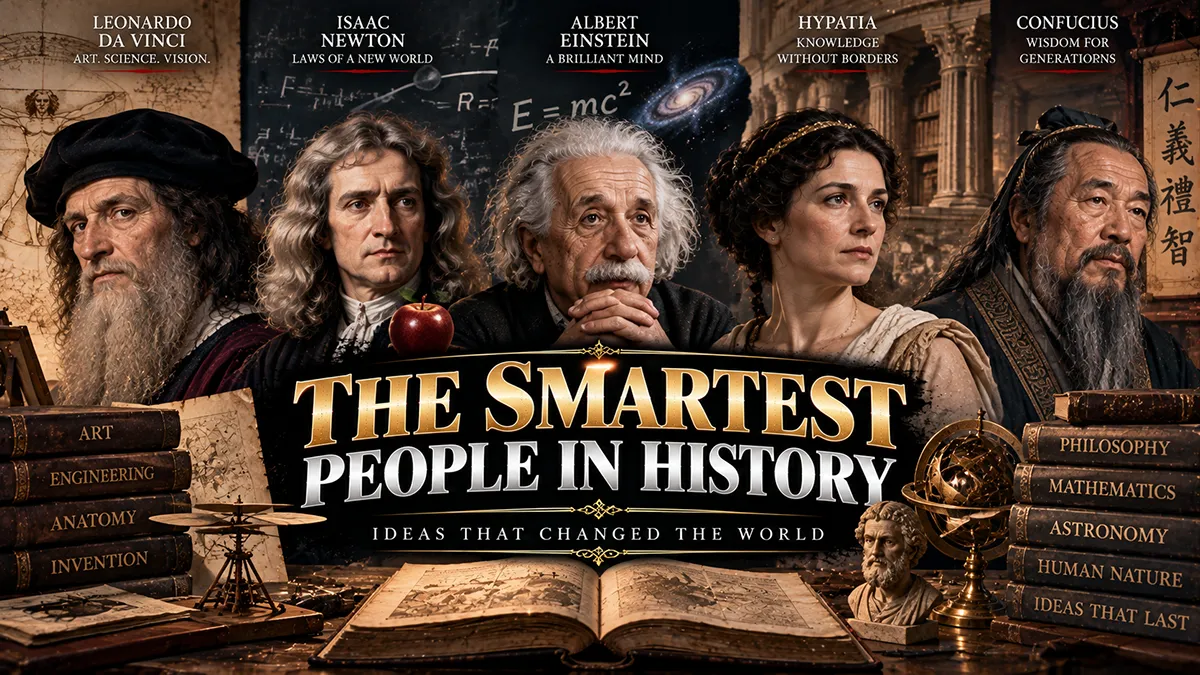
Here are 20 of the most brilliant minds in history — the people historians, scientists, and mathematicians most often point to when the question “who is the smartest person in the world” (or “the cleverest person on earth,” or “the smartest human who ever lived”) comes up, a question that sits right alongside debates over the most recognized historical figures of all time.
1. Leonardo da Vinci — The Original Renaissance Genius
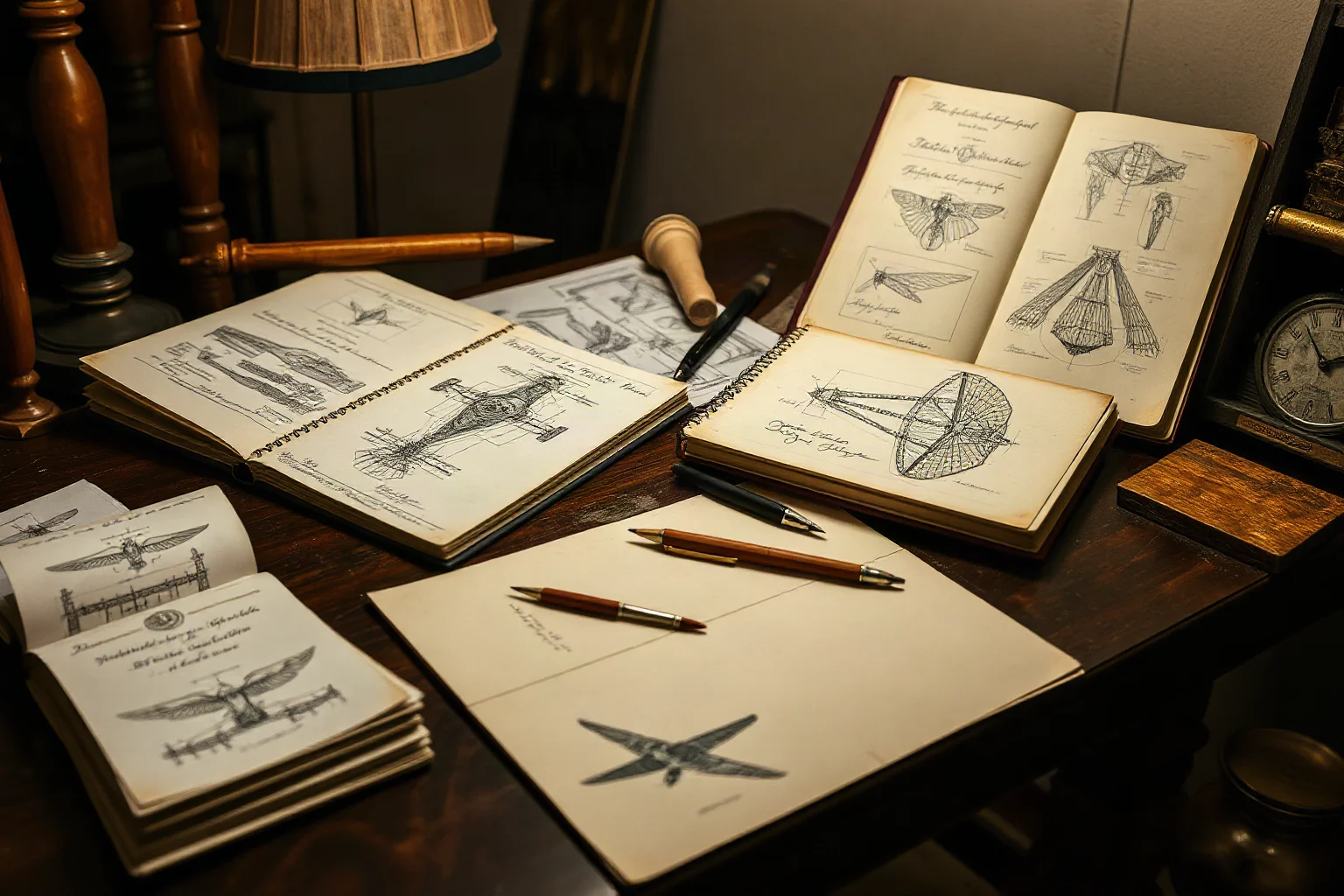
If there’s one name that comes up any time someone asks who the smartest person in history was, it’s Leonardo da Vinci. He painted the Mona Lisa and The Last Supper, but painting was almost a side project. His notebooks — thousands of pages, written in mirror script — contain designs for helicopters, tanks, parachutes, and diving suits, centuries before the materials existed to build them. He studied human anatomy by dissecting cadavers himself, decades before it was medically standard, and his sketches of muscles and joints are still admired for their accuracy today. Da Vinci is the textbook definition of a polymath: painter, engineer, anatomist, and inventor, all in one restless mind.
2. Isaac Newton — The Man Who Explained the Universe
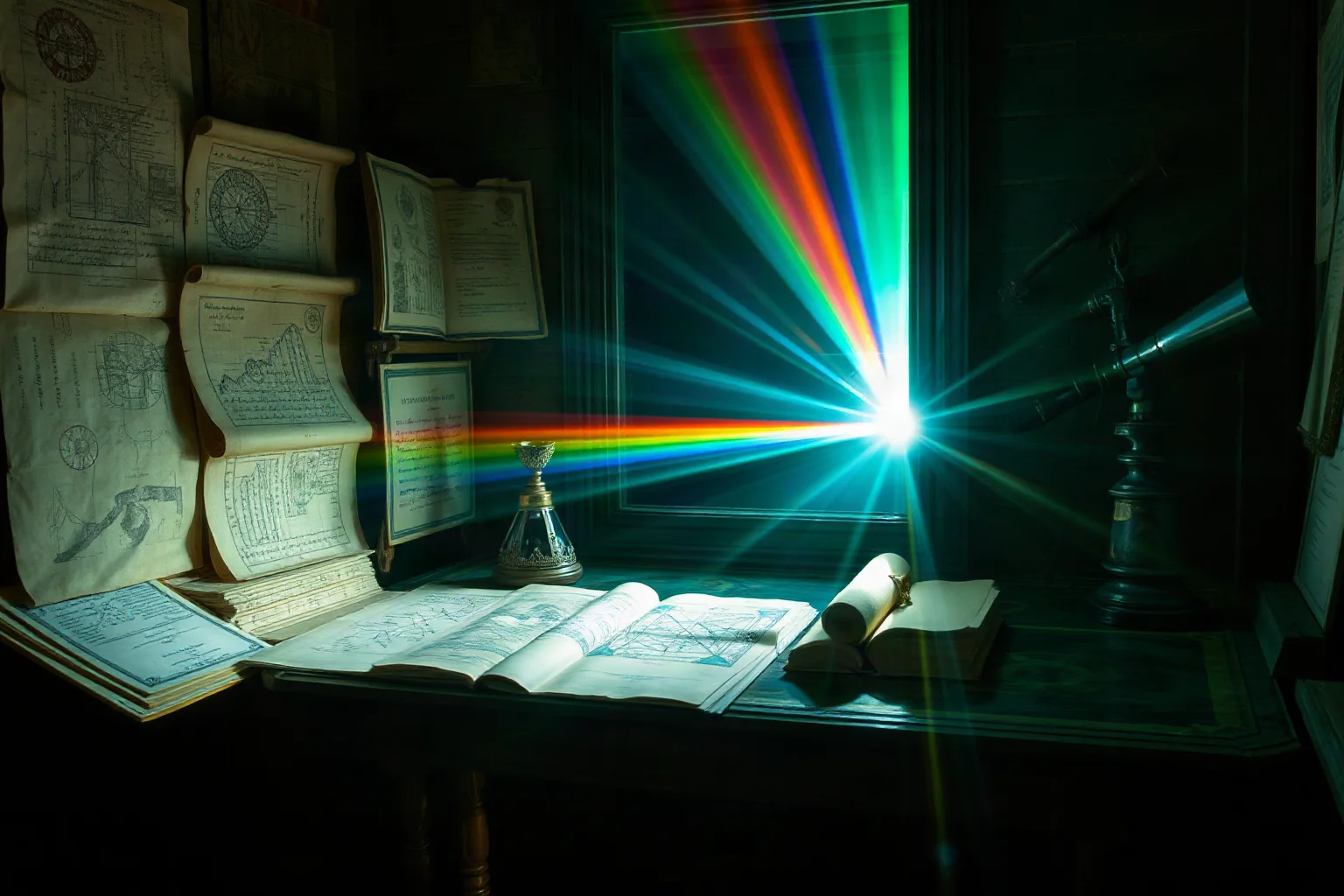
Isaac Newton didn’t just discover gravity — he built the mathematical language (calculus) needed to describe it, laid out the three laws of motion that still govern engineering today, and explained how light splits into color using nothing but a prism and relentless curiosity. He did much of his most important work while Cambridge University was shut down during a plague outbreak in 1665–66, isolating at home with little more than his own thoughts. Ask a physicist “who was the most intelligent person ever,” and Newton is almost always on the shortlist.
3. Albert Einstein — The Face of Genius Itself
Albert Einstein’s name has become shorthand for “genius,” and it’s hard to argue otherwise. Working as a patent clerk in Switzerland, with no lab and no funding, he published four papers in 1905 — his “miracle year” — that reshaped physics, including the special theory of relativity and the equation E = mc². A decade later, general relativity redefined gravity itself as the curvature of space and time. When people ask “who is the smartest man in the world” as a historical question rather than a present-day one, Einstein is usually the first answer that comes to mind.
4. Nikola Tesla — The Inventor Ahead of His Time
Nikola Tesla’s alternating current (AC) system is the reason electricity can travel long distances efficiently, and it’s the standard the entire modern power grid still runs on. He held hundreds of patents, envisioned wireless communication decades before radio was practical, and reportedly could visualize entire working machines in his mind before building a single prototype. Tesla’s reputation as one of the smartest people who ever lived comes not just from what he invented, but from how far ahead of his era his ideas were.
5. Aristotle — The Father of Western Thought
Aristotle didn’t just contribute to one field — he essentially founded several. His writings cover logic, biology, physics, ethics, politics, and literary theory, and his framework for formal logic was the standard for over two thousand years. He tutored a teenage Alexander the Great and built some of the earliest systems for classifying the natural world. Few individuals in history have shaped as many separate disciplines as Aristotle did.
6. Galileo Galilei — The Man Who Moved the Earth
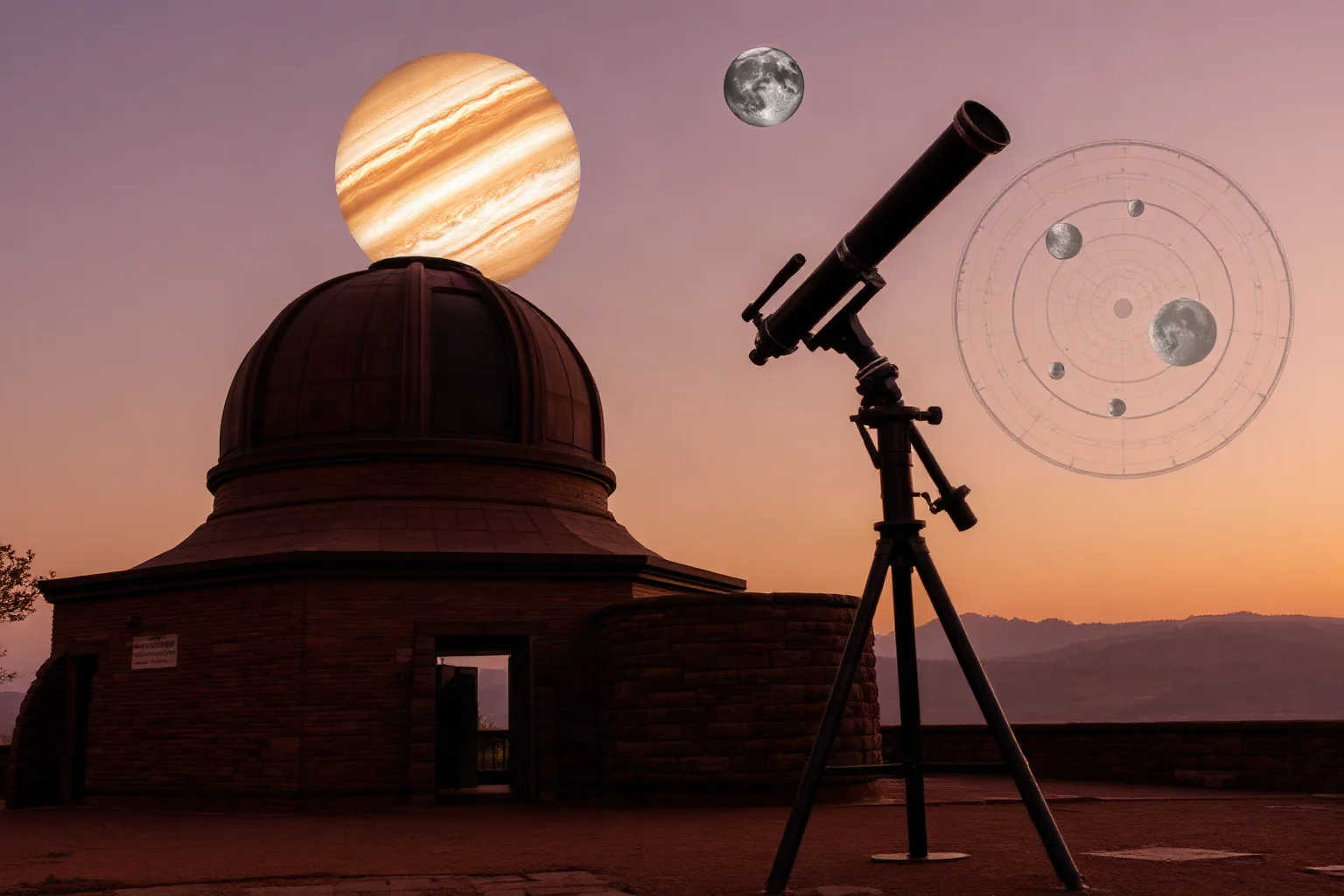
Galileo built his own telescopes, turned them to the sky, and found moons orbiting Jupiter — direct proof that not everything revolves around Earth. That observation put him on a collision course with the Catholic Church, which had him tried for heresy and placed under house arrest for the rest of his life. He’s often called the father of modern observational astronomy and the scientific method, for insisting that ideas be tested against evidence rather than accepted on authority alone.
7. Marie Curie — Genius Recognized Twice Over

Marie Curie remains the only person — man or woman — to win Nobel Prizes in two different sciences (Physics and Chemistry). She discovered two new elements, polonium and radium, coined the term “radioactivity,” and did it all while facing barriers that kept most women of her era out of laboratories entirely. Her research eventually led to cancer treatment methods still used today, and she paid for that legacy with her health — she died from prolonged radiation exposure, at a time when its dangers weren’t yet understood.
8. Charles Darwin — Rewriting the Story of Life
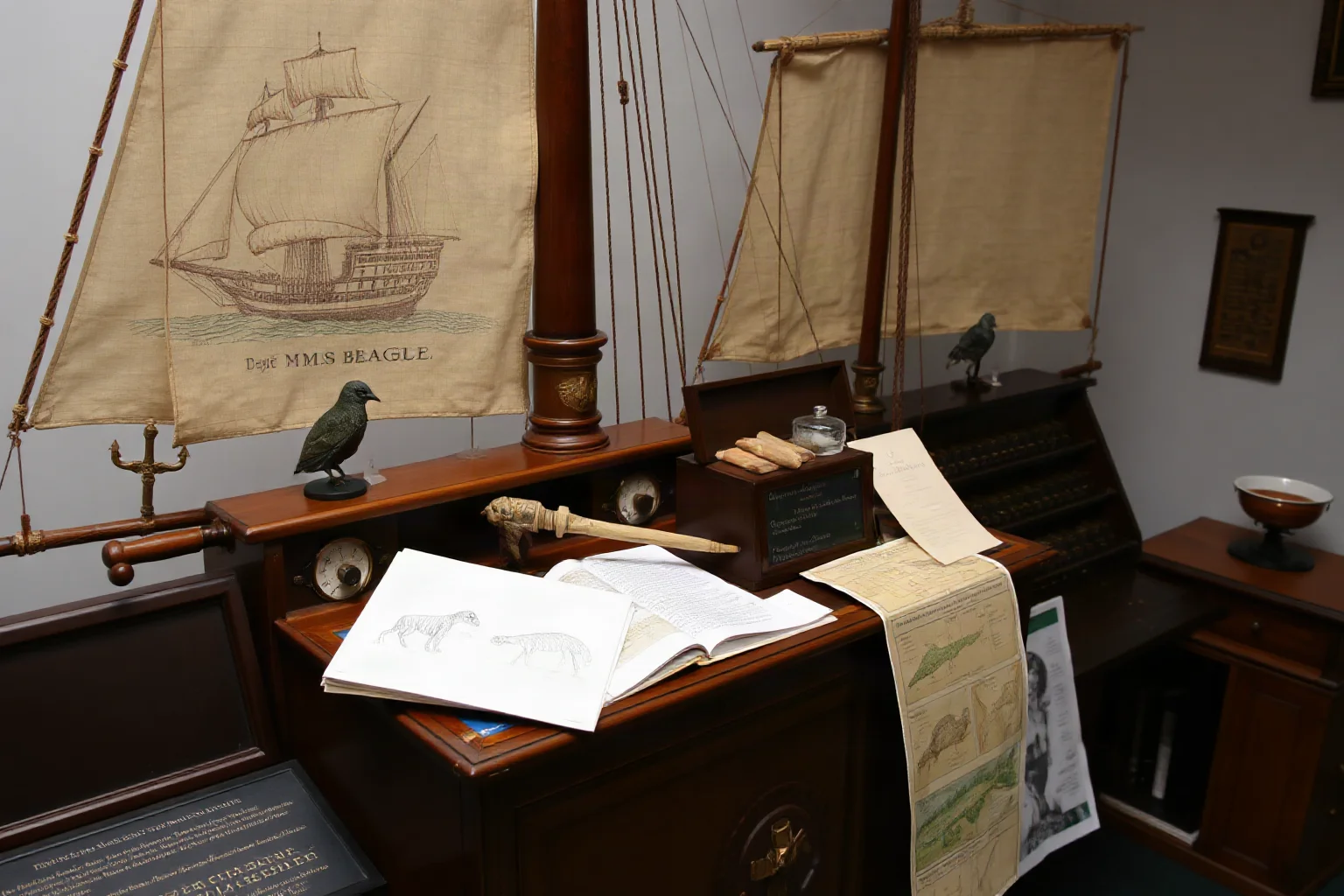
Charles Darwin spent five years sailing around the world on the HMS Beagle, collecting specimens and taking notes that would eventually become On the Origin of Species. His theory of evolution by natural selection didn’t just add to biology — it changed how humanity understood its own place in nature, and it remains the foundation of modern life sciences. Darwin waited over 20 years to publish, refining and stress-testing his own idea before he was willing to put it in front of the world.
9. Ada Lovelace — The First Computer Programmer
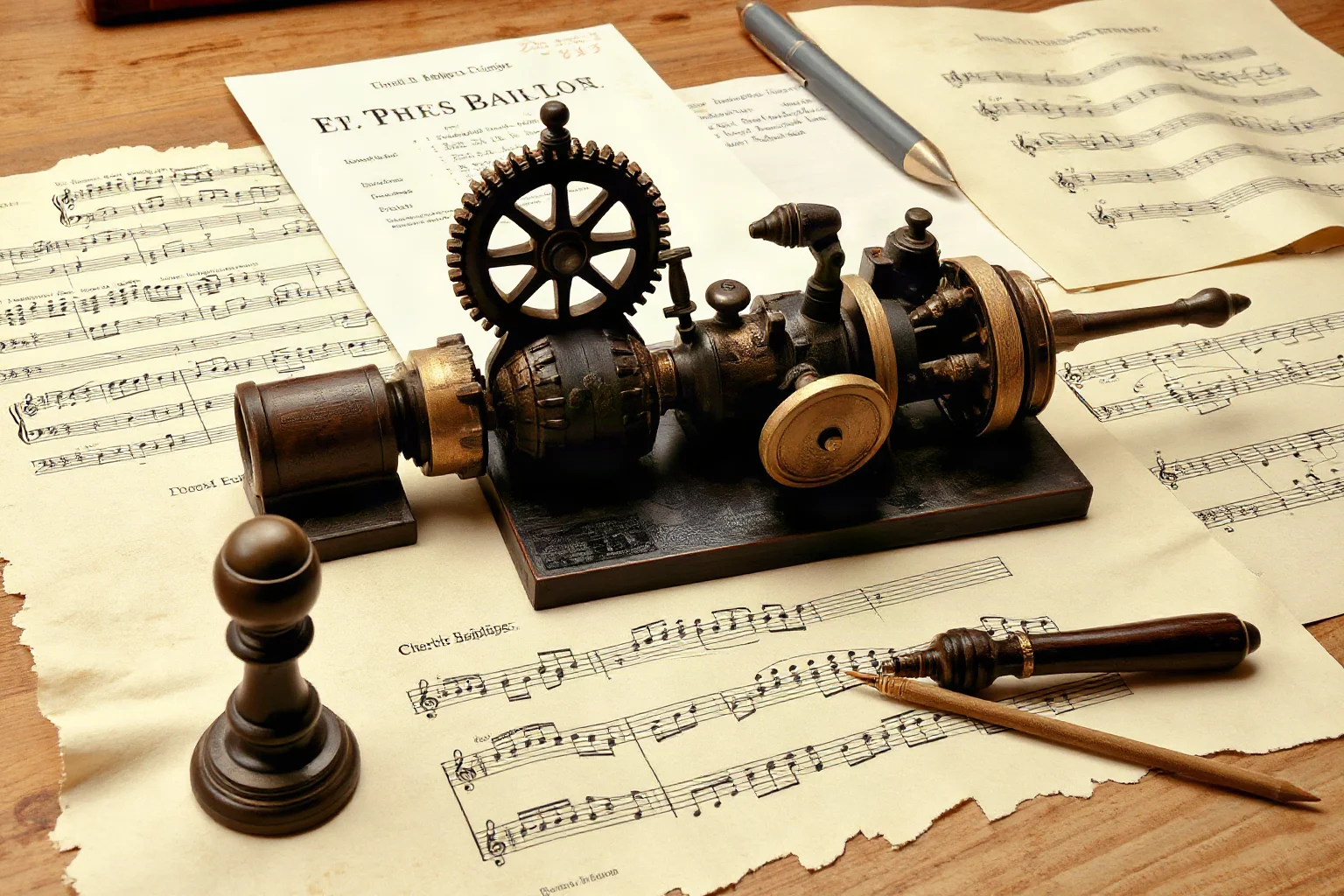
A century before computers existed, Ada Lovelace wrote what’s now recognized as the first computer algorithm, designed to run on Charles Babbage’s theoretical “Analytical Engine.” More remarkably, she predicted that machines like it could one day create music and art, not just crunch numbers — an idea most engineers of her time never considered. Every discussion of history’s great minds now includes her as the person who saw computing’s true potential before computers existed.
10. John von Neumann — The Human Calculator
Colleagues who worked with John von Neumann often said he was simply operating on a different level than everyone else in the room. He made foundational contributions to quantum mechanics, game theory, and the architecture that modern computers are still built on (the “von Neumann architecture”). He reportedly memorized entire books after a single reading and could do complex calculations in his head faster than colleagues could using mechanical calculators.
11. Johann Wolfgang von Goethe — The Last Universal Genius
Goethe wrote Faust and The Sorrows of Young Werther, defining German literature for generations — but he was also a serious scientist, publishing work on plant morphology and color theory that he considered just as important as his poetry. He’s frequently cited as one of the last people in history to be a genuine master of both the arts and the sciences at the highest level.
12. Thomas Young — “The Last Man Who Knew Everything”
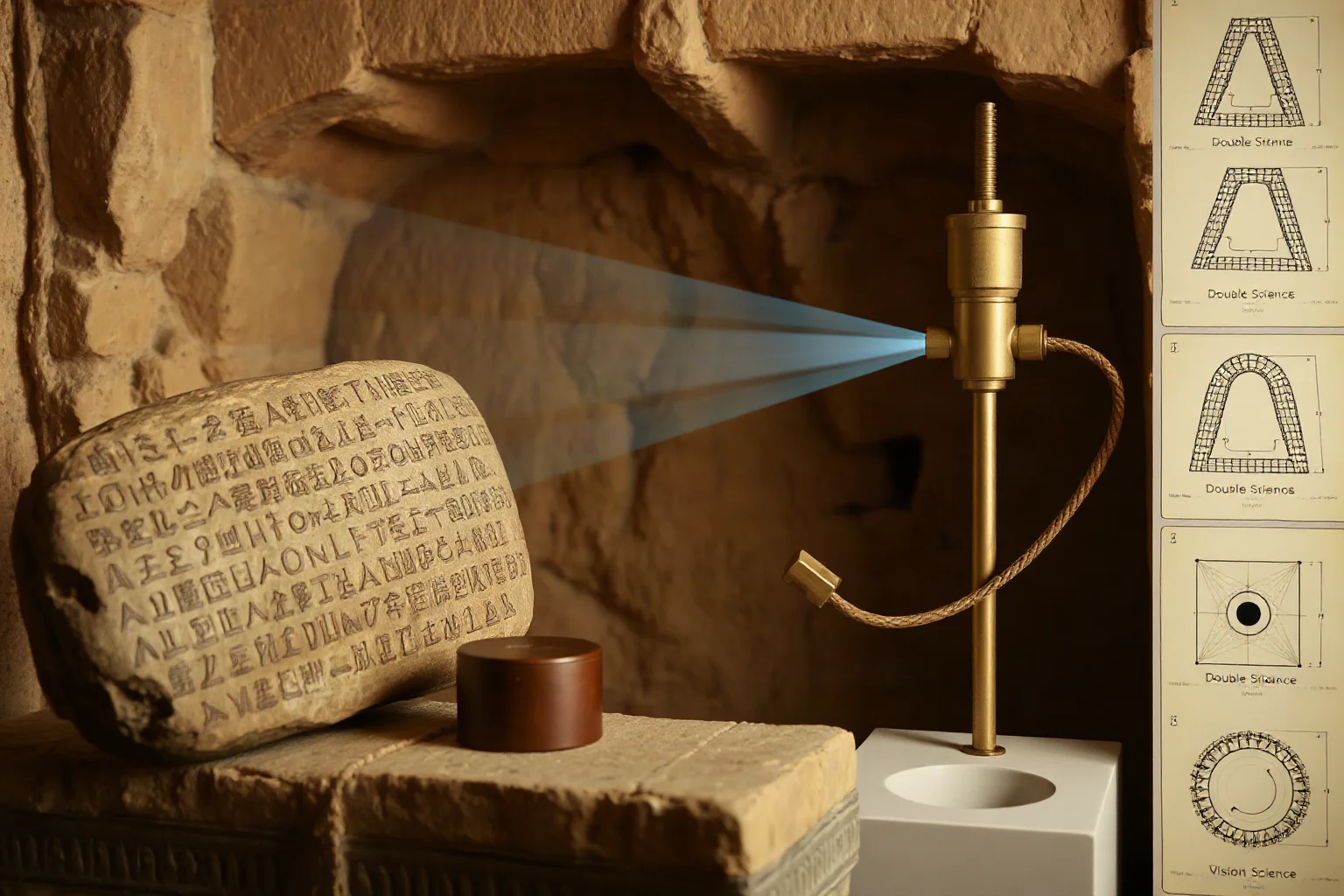
Thomas Young’s list of achievements reads like it belongs to five different people: he helped decipher Egyptian hieroglyphics on the Rosetta Stone, proved light behaves as a wave through his famous double-slit experiment, and made major contributions to how we understand human vision and elasticity in engineering. Historians have nicknamed him “the last man who knew everything” because his era was the last where mastering nearly every branch of science was still humanly possible.
13. William James Sidis — The Unfulfilled Prodigy
William James Sidis is often cited in “highest IQ in history” debates, with some retroactive estimates placing him above Einstein — though, like all historical IQ claims, this figure is disputed and unverifiable. What’s documented is remarkable enough: he could read by 18 months, enrolled at Harvard at age 11, and gave lectures on four-dimensional bodies as a preteen. He avoided the spotlight for most of his adult life, working ordinary jobs — a reminder that raw intelligence and a fulfilling life don’t always follow the same path.
14. Srinivasa Ramanujan — The Self-Taught Mathematical Genius

With almost no formal training and no access to advanced textbooks, Srinivasan Ramanujan produced thousands of original mathematical results in a small town in India, working mostly alone. When he sent his notebooks to Cambridge mathematician G.H. Hardy, some of his formulas were so far outside known mathematics that Hardy initially assumed they had to be fakes — until he checked them and found they were correct, and often years ahead of what Western mathematicians had proven.
15. Emmy Noether — The Mathematician Einstein Called Indispensable

Albert Einstein himself called Emmy Noether “the most significant creative mathematical genius” of her time. Her theorem — now simply called Noether’s Theorem — connects symmetry in physics to conservation laws, and it remains one of the most important results in modern theoretical physics. She did this work while barred from holding a paid professorship for years, purely because of her gender.
16. Al-Khwarizmi — The Father of Algebra
The word “algebra” comes directly from the title of Al-Khwarizmi’s 9th-century book, al-Kitāb al-Mukhtaṣar fī Ḥisāb al-Jabr wal-Muqābala. He developed systematic methods for solving equations that are still taught in classrooms today, and his name is the root of the word “algorithm.” Much of what later became the foundation of European mathematics passed through his work first.
17. Hypatia of Alexandria — A Mind Ahead of Her Era
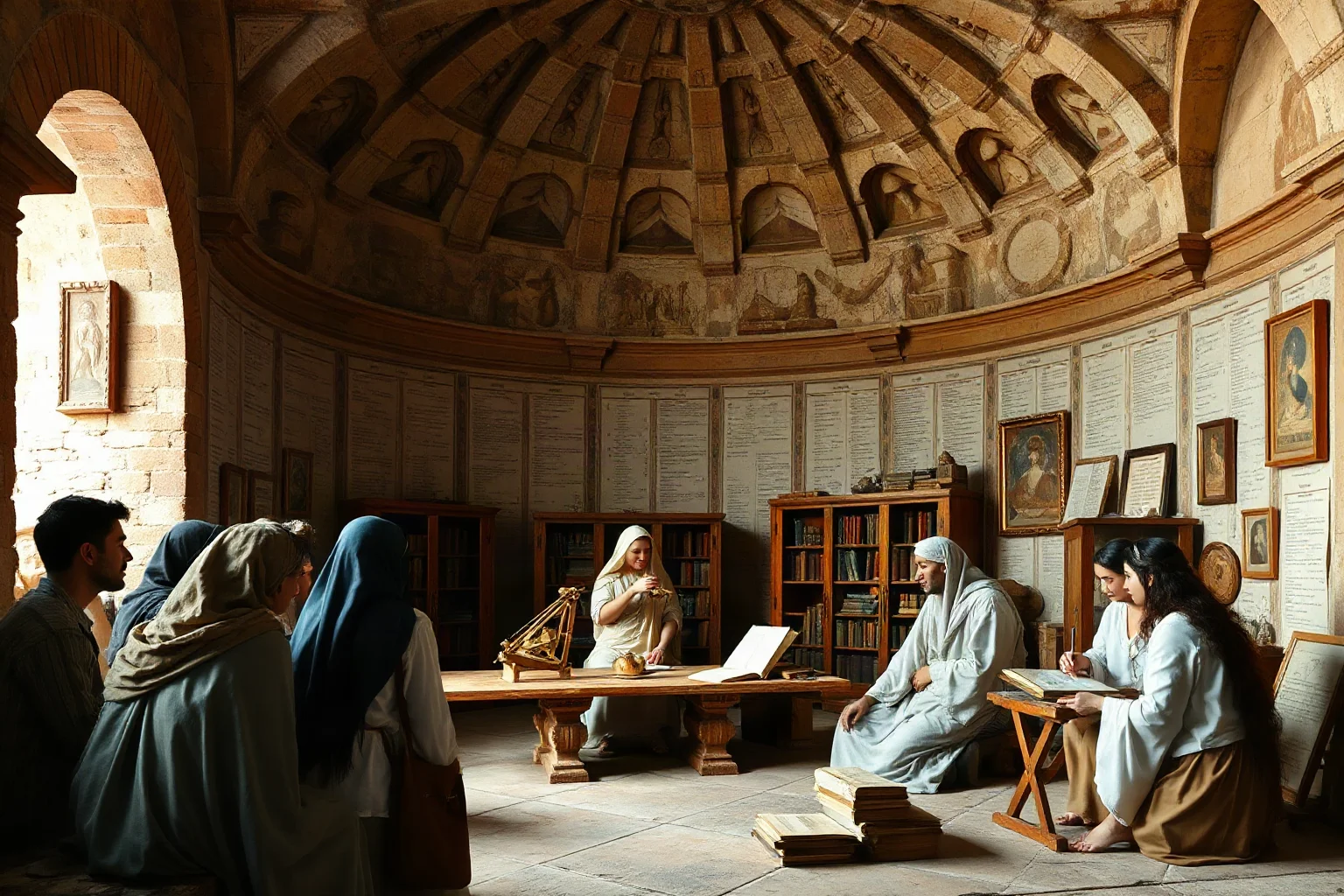
Hypatia taught mathematics, astronomy, and philosophy in Alexandria at a time when educational opportunities for women were almost nonexistent, and students traveled from across the region specifically to study under her. She wrote commentaries on major mathematical works and was known for her skill in constructing astronomical instruments. Her life ended violently at the hands of a religious mob, and she’s remembered today as one of history’s earliest documented female scholars.
18. Benjamin Franklin — The Practical Genius
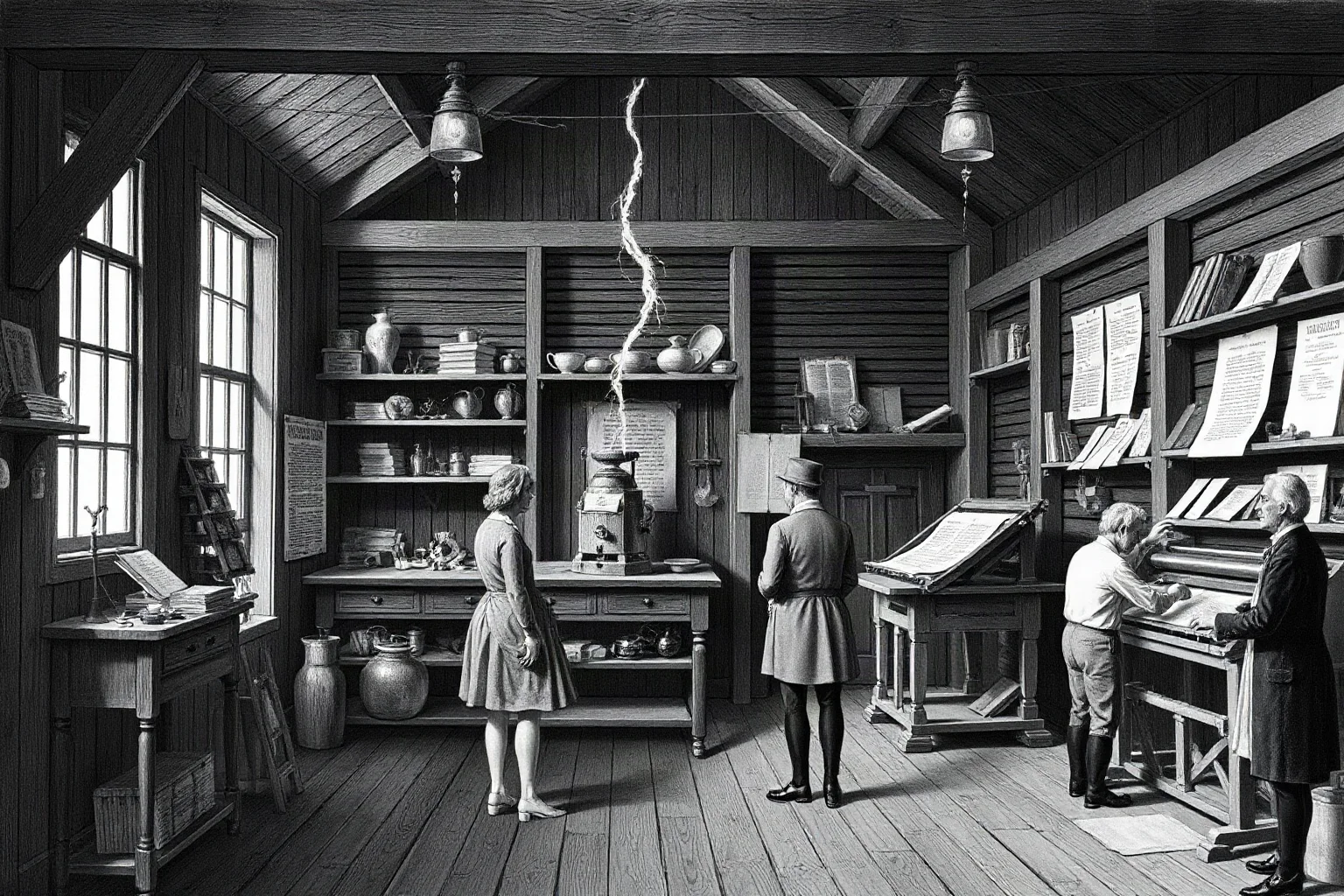
Benjamin Franklin was a printer, scientist, diplomat, and writer who helped draft the founding documents of the United States, all while conducting groundbreaking experiments on electricity that gave us the lightning rod. He’s one of the American historical figures the world still recognizes by name, having also founded the first public lending library and one of the first volunteer fire departments in America — the kind of restless, practical intelligence that solves problems most people don’t even notice yet.
19. Gottfried Wilhelm Leibniz — Newton’s Rival Genius
Leibniz developed calculus independently around the same time as Isaac Newton, sparking one of history’s most famous priority disputes. Beyond math, he designed early mechanical calculators, contributed to the philosophy of logic, and even proposed binary number systems — the same base-2 logic that modern computers run on, developed nearly 300 years before the first computer existed.
20. Blaise Pascal — The Prodigy Who Built a Calculator by Hand
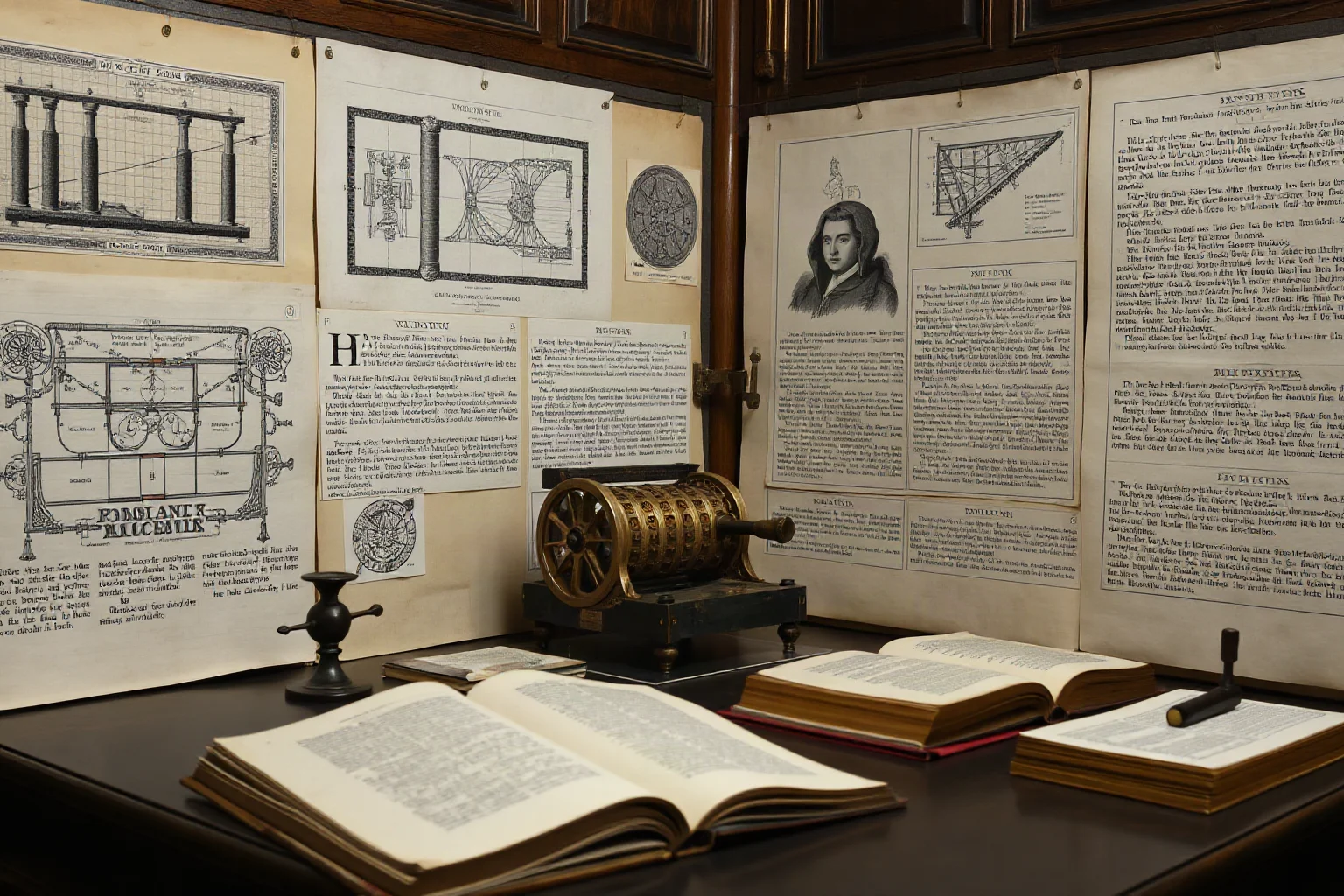
By age 19, Blaise Pascal had built one of the first mechanical calculators to help his father with tax calculations. He went on to lay groundwork for probability theory, contribute foundational ideas to fluid mechanics (the pascal unit of pressure is named after him), and write philosophical works still studied today — all before dying at just 39.
Frequently Asked Questions
Who is the smartest person in the world (historically speaking)?
There’s no single correct answer, since intelligence spans different skills and eras had no standardized way to measure it. Leonardo da Vinci, Isaac Newton, and Albert Einstein are the three names most commonly cited across polls, historians, and scientists.
Who is the cleverest person on earth in recorded history?
It depends on the criteria. For raw output across multiple fields, Aristotle and da Vinci top most lists. For a single transformative scientific idea, Einstein and Newton are usually named.
Who is the smartest man in the world, according to historians?
Among men, Einstein and Newton remain the most frequently cited historically, though earlier polymaths like da Vinci and Aristotle are also strong contenders depending on how “smartest” is defined.
Who are the smartest people in history outside physics and math?
Marie Curie (chemistry and physics), Ada Lovelace (early computing), and Emmy Noether (theoretical physics via pure mathematics) are frequently overlooked but belong on any serious list.
Is IQ a reliable way to rank historical geniuses?
Not really. IQ testing didn’t exist for most of history, and the specific numbers you’ll see attached to figures like Einstein or Sidis online are unverified estimates, not documented test scores. Achievements and documented work are a far more reliable measure than retroactive IQ guesses.
Final Thoughts
The truth is, “smartest person in history” isn’t a contest with one winner — it’s a list of people who each pushed human knowledge somewhere it had never been before, often against real obstacles. Whether it’s da Vinci sketching machines centuries before they could be built, or Ramanujan proving theorems with no formal training, the common thread isn’t a number on a test. It’s the refusal to accept the limits of what was known at the time.

Alex Warren
Related Articles