
Type “who is the most famous person in the world” into a search bar and you’ll get thousands of confident answers — and most of them will be wrong, because “famous” isn’t the same as “important,” and it definitely isn’t the same as “liked.”
Fame, historically speaking, is about recognition: how many people, across how many cultures and centuries, would know a name or a face on sight.
By that measure, the list looks different than you might expect. Some of history’s most recognized figures reshaped the world for the better. Others are remembered specifically because of the damage they caused.
A few are recognized more as symbols or legends than as fully documented people. What they share is reach — their names crossed borders, outlived their own lifetimes, and became part of how humanity tells its own story.
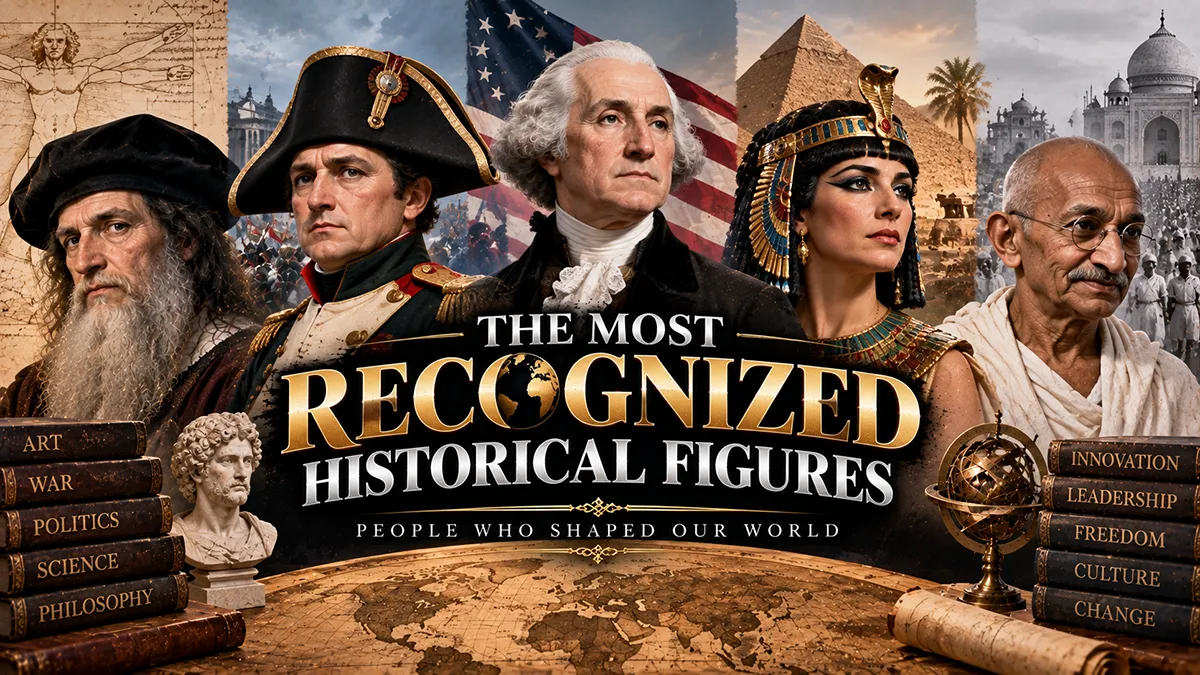
Here are 20 of the most famous, most recognized historical figures of all time — the names that come up again and again when people ask who the most well-known person in the world actually is.
1. Jesus Christ
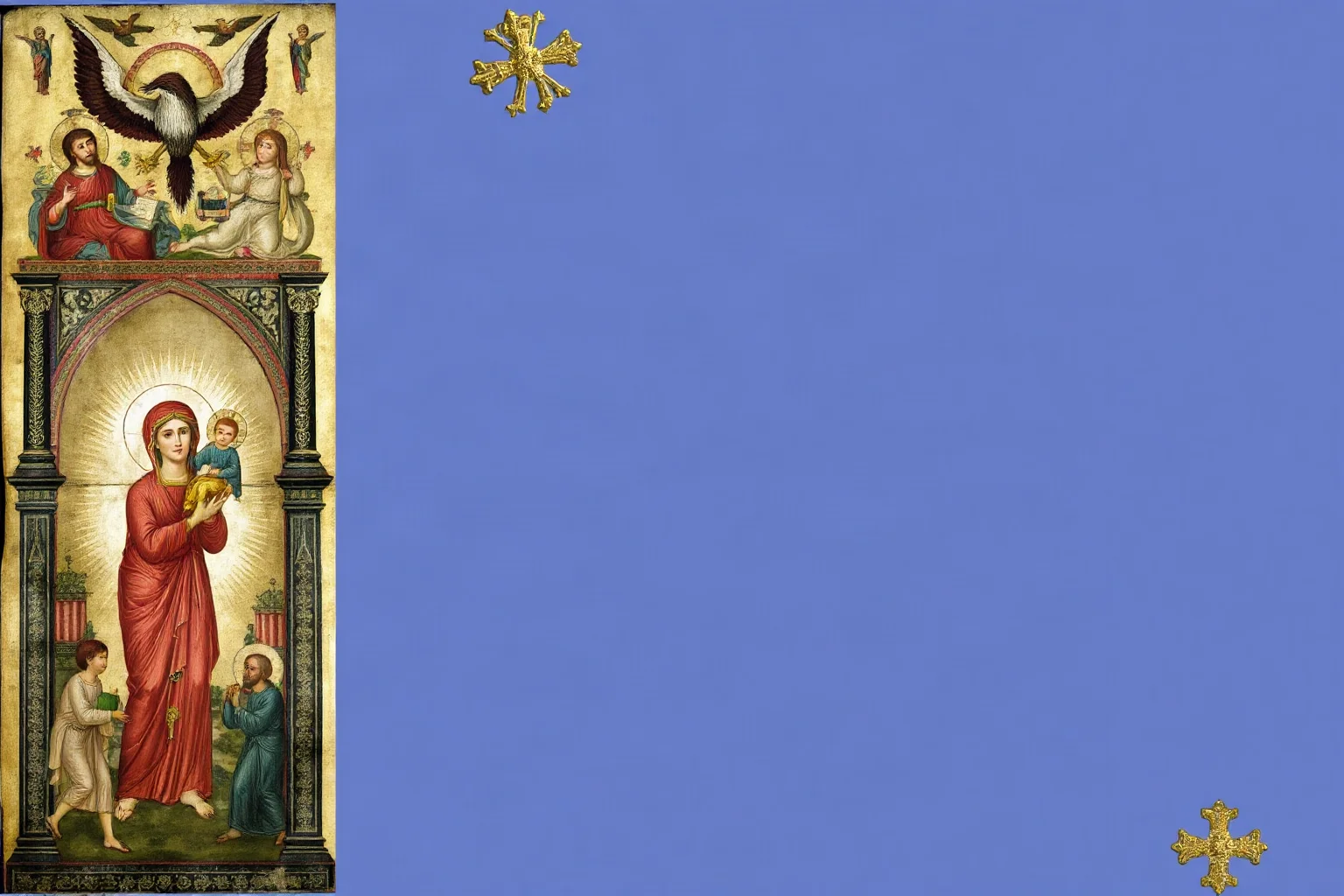
No name in recorded history appears in more languages, more art, more books, and more everyday speech than Jesus Christ. Whether viewed through a religious, historical, or cultural lens, his life is the reference point for the calendar most of the world still uses (BC/AD), and Christianity — built around his teachings — became the largest religion on Earth. Few figures in history are recognized this widely across this many centuries and continents.
2. Napoleon Bonaparte
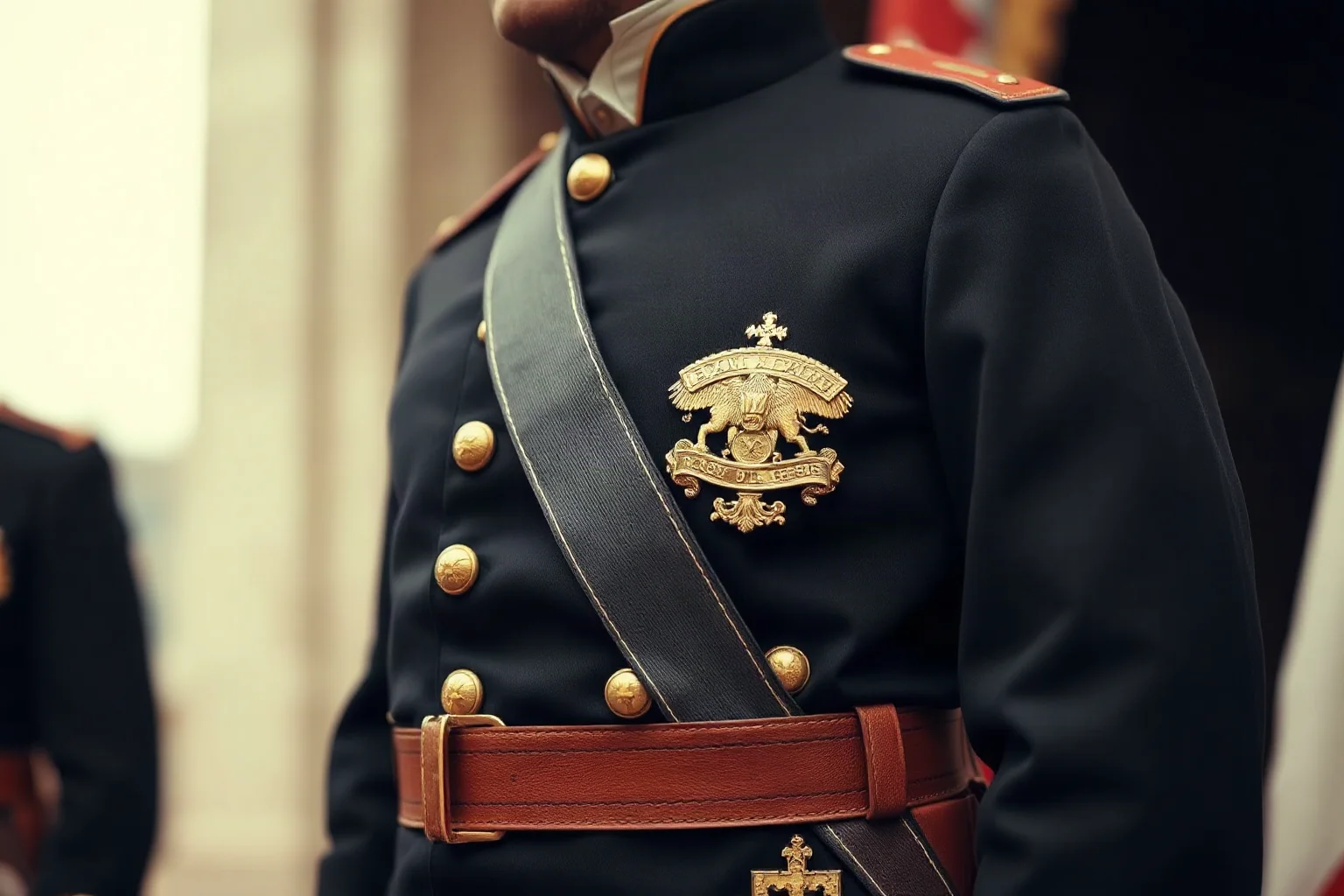
Napoleon rose from a minor Corsican family to crown himself Emperor of France, redraw the map of Europe through conquest, and leave behind a legal framework — the Napoleonic Code — that still influences legal systems today. His silhouette, his hand tucked into his coat, and his eventual defeat and exile are cultural shorthand recognized far outside history classrooms.
3. Abraham Lincoln
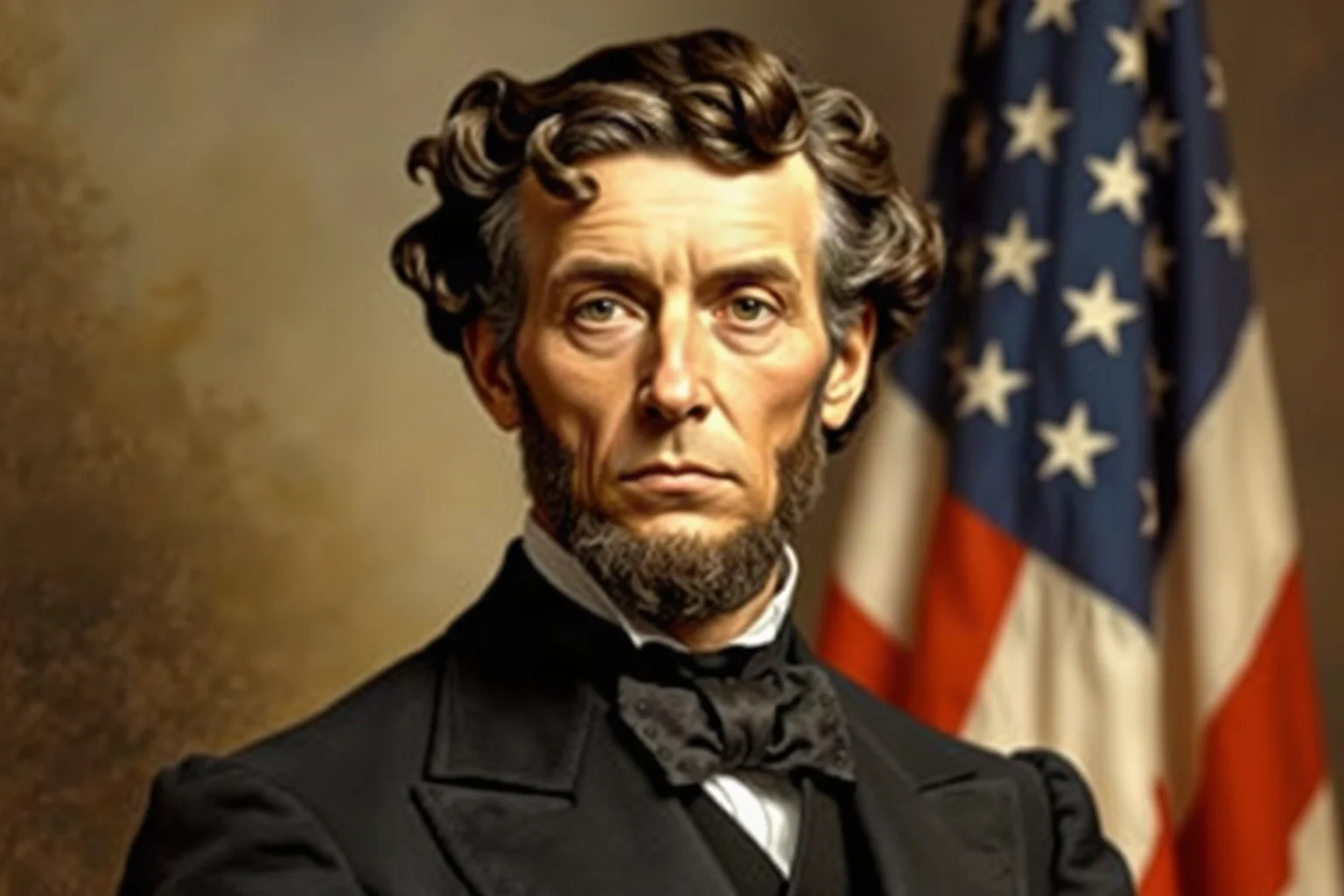
Abraham Lincoln led the United States through its bloodiest conflict, the Civil War, and signed the Emancipation Proclamation that set the country on a path toward ending slavery. His assassination just days after the war’s end cemented his image as a martyr for the cause he championed, and his face — on currency, monuments, and in countless portraits — is instantly recognized worldwide, placing him firmly among the American historical figures the world knows best.
4. Albert Einstein

Albert Einstein isn’t just recognized for relativity and E = mc² — his wild hair and mustache have become visual shorthand for “genius” itself, appearing on posters, T-shirts, and memes far removed from physics. Few scientists in history have crossed over this completely into general pop culture recognition, making him one of history’s smartest people by any popular measure.
5. Cleopatra
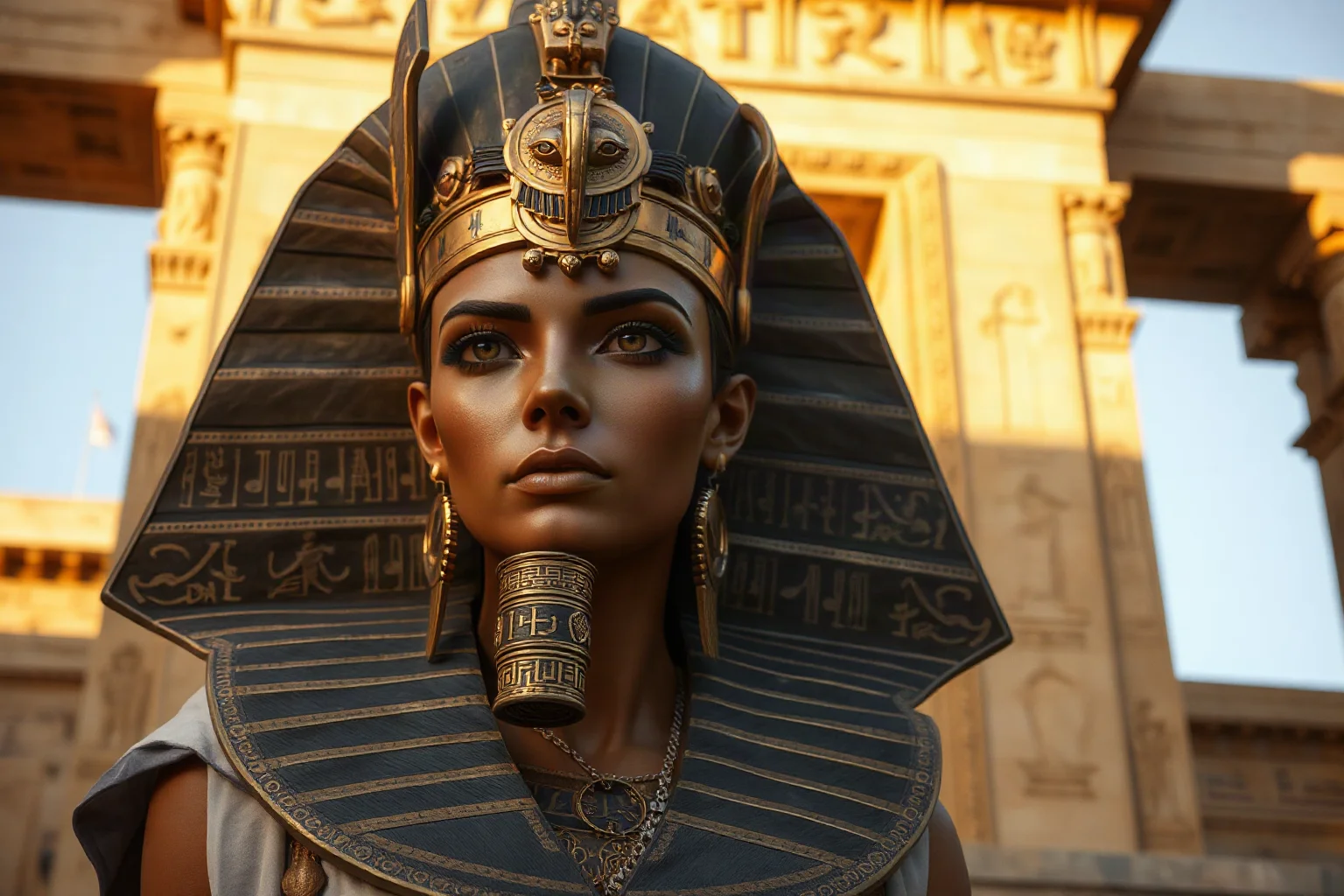
Cleopatra VII, the last active ruler of ancient Egypt’s Ptolemaic dynasty, remains one of the most recognized women in history, despite the fact that no confirmed portrait of her survives from her lifetime. Her alliances (and rumored romances) with Julius Caesar and Mark Antony, and her dramatic death, turned her into a legend that outgrew the historical record itself.
6. William Shakespeare

William Shakespeare wrote plays and sonnets that are still performed and studied over 400 years later, and he personally coined or popularized hundreds of words and phrases still used in everyday English. “Romeo and Juliet,” “to be or not to be” — his work is so embedded in culture that many people quote him without realizing it.
7. Julius Caesar
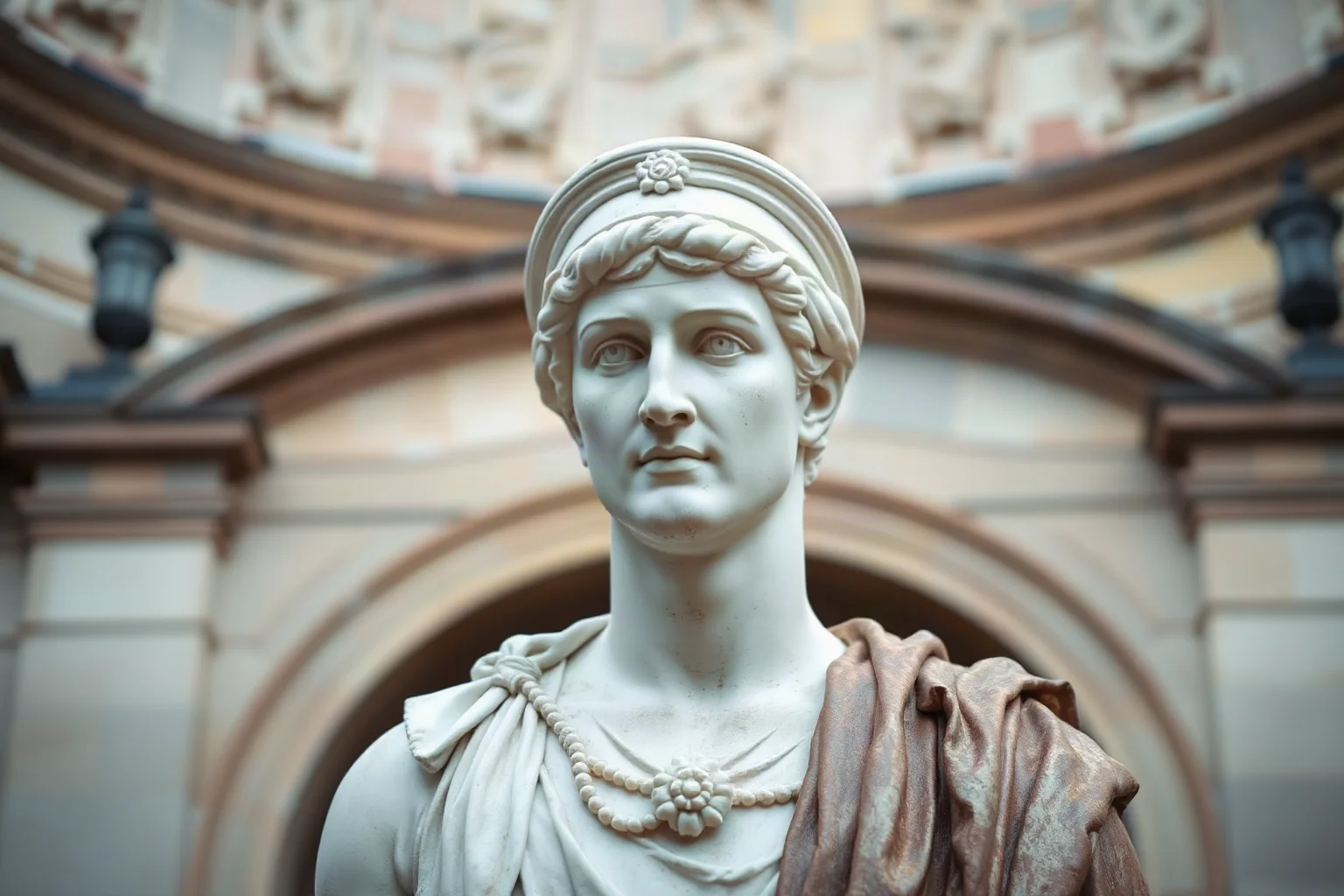
Julius Caesar’s military conquests expanded Rome’s territory dramatically, and his assassination by former allies in 44 BC became one of the most famous betrayals in history — immortalized by the line “Et tu, Brute?” His name literally became a title: “Caesar” evolved into “Kaiser” and “Tsar,” used by rulers for two thousand years after his death.
8. Mahatma Gandhi

Mahatma Gandhi led India to independence from British rule using a strategy built almost entirely around nonviolent resistance, proving that mass civil disobedience could topple an empire without a single shot fired. His methods directly influenced later civil rights movements around the world, and his image — round glasses, simple white cloth — remains instantly recognizable.
9. Leonardo da Vinci

Leonardo da Vinci’s Mona Lisa is arguably the single most recognized painting on Earth, drawing millions of visitors to the Louvre every year specifically to see it in person. Beyond the painting, da Vinci’s reputation as history’s ultimate “Renaissance man” — artist, inventor, anatomist — makes him instantly recognizable well outside art history circles, and a fixture on any list of the smartest people in history.
10. Adolf Hitler
Adolf Hitler is recognized worldwide, but not admired — he remains the most universally cited example of tyranny and mass atrocity in modern history. As dictator of Nazi Germany, he orchestrated the Holocaust and started a war that killed tens of millions of people. His name is taught in schools everywhere specifically as a warning, which is its own, darker form of historical recognition.
11. Queen Elizabeth I
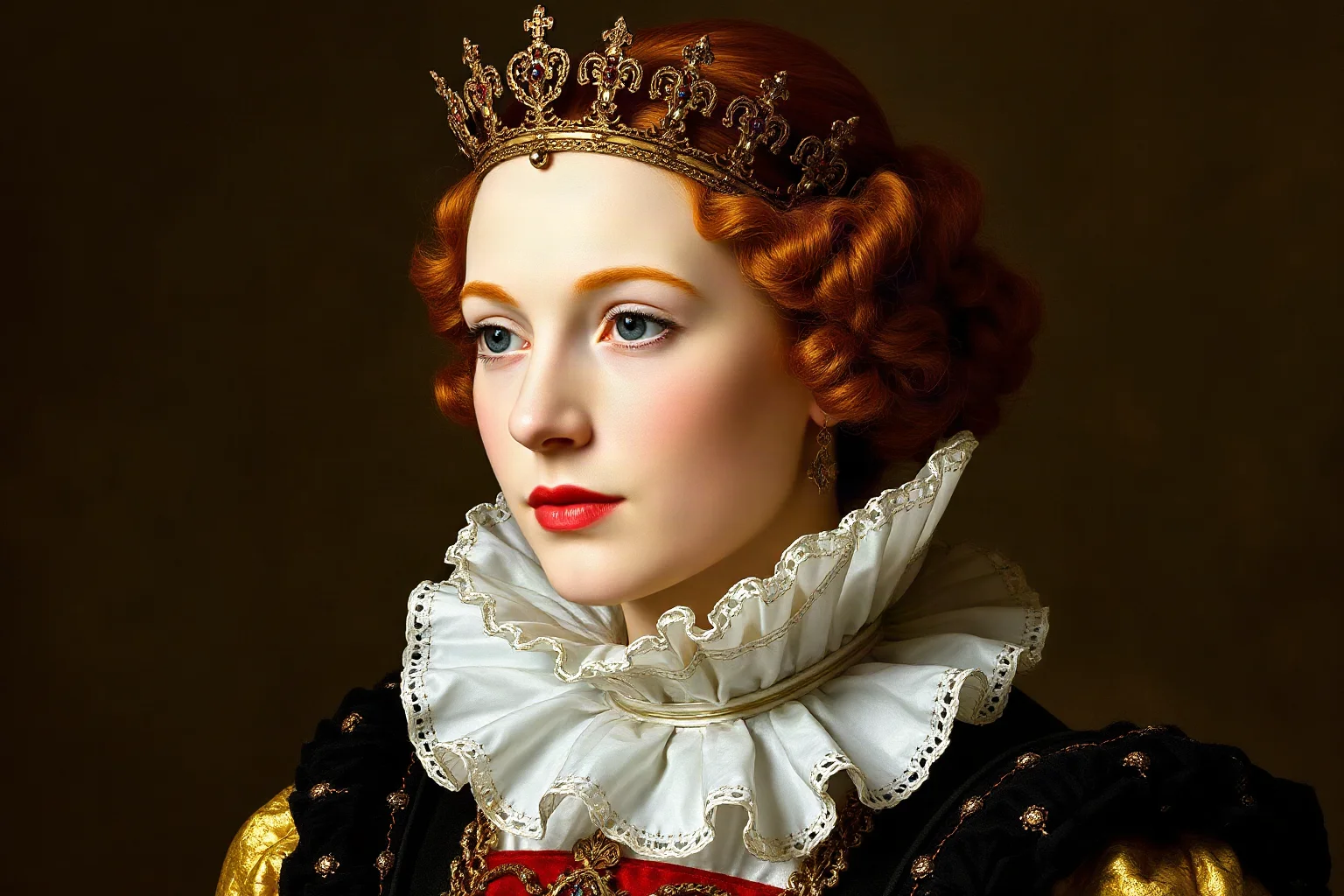
Queen Elizabeth I ruled England for 45 years during a period now called the Elizabethan era, overseeing the defeat of the Spanish Armada and a flourishing of English literature and theater, including Shakespeare’s early career. She famously never married, calling herself “the Virgin Queen,” and her red hair and elaborate ruffled collars remain iconic historical imagery.
12. George Washington
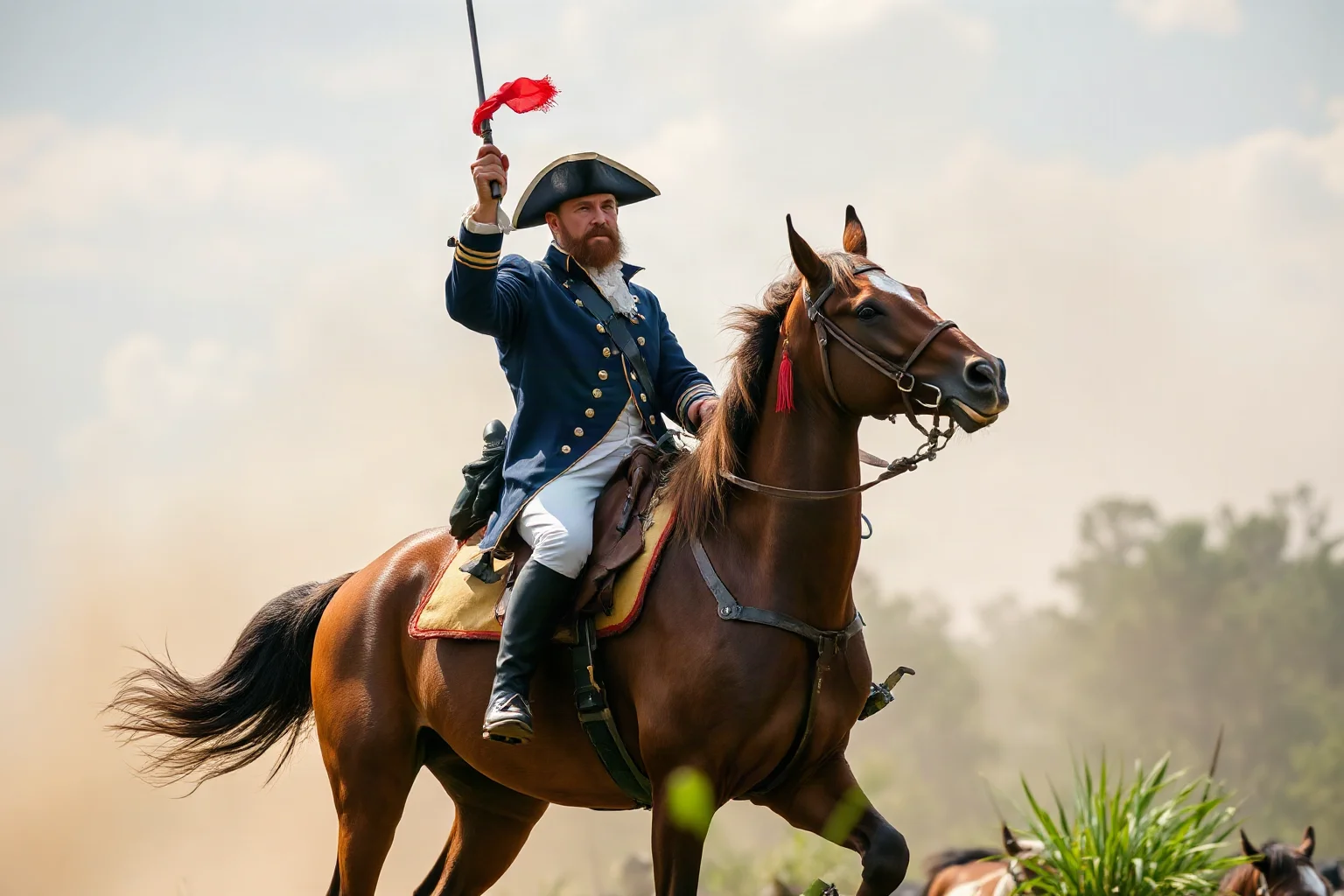
George Washington commanded the Continental Army to victory in the American Revolutionary War — a campaign that still ranks him among the best generals in American history — and then became the first President of the United States, deliberately stepping down after two terms to set a precedent against unchecked power. His face appears on the one-dollar bill and Mount Rushmore, making him one of the most visually recognized figures in American history.
13. Alexander the Great
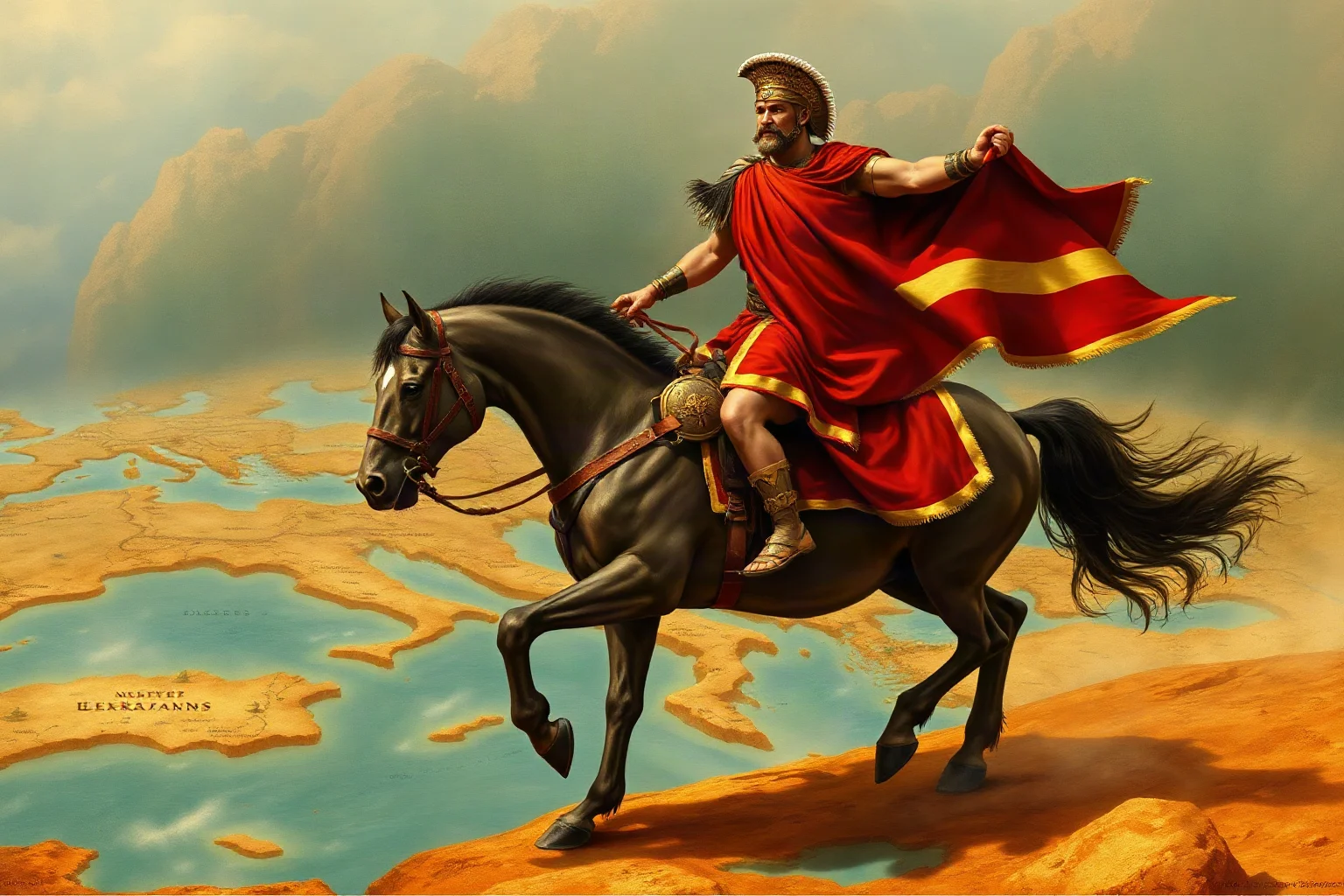
By the age of 30, Alexander the Great had built one of the largest empires the ancient world had ever seen, stretching from Greece to India, and he did it without ever losing a major battle. Cities he founded — including Alexandria, Egypt — still bear his name over two thousand years later.
14. Genghis Khan
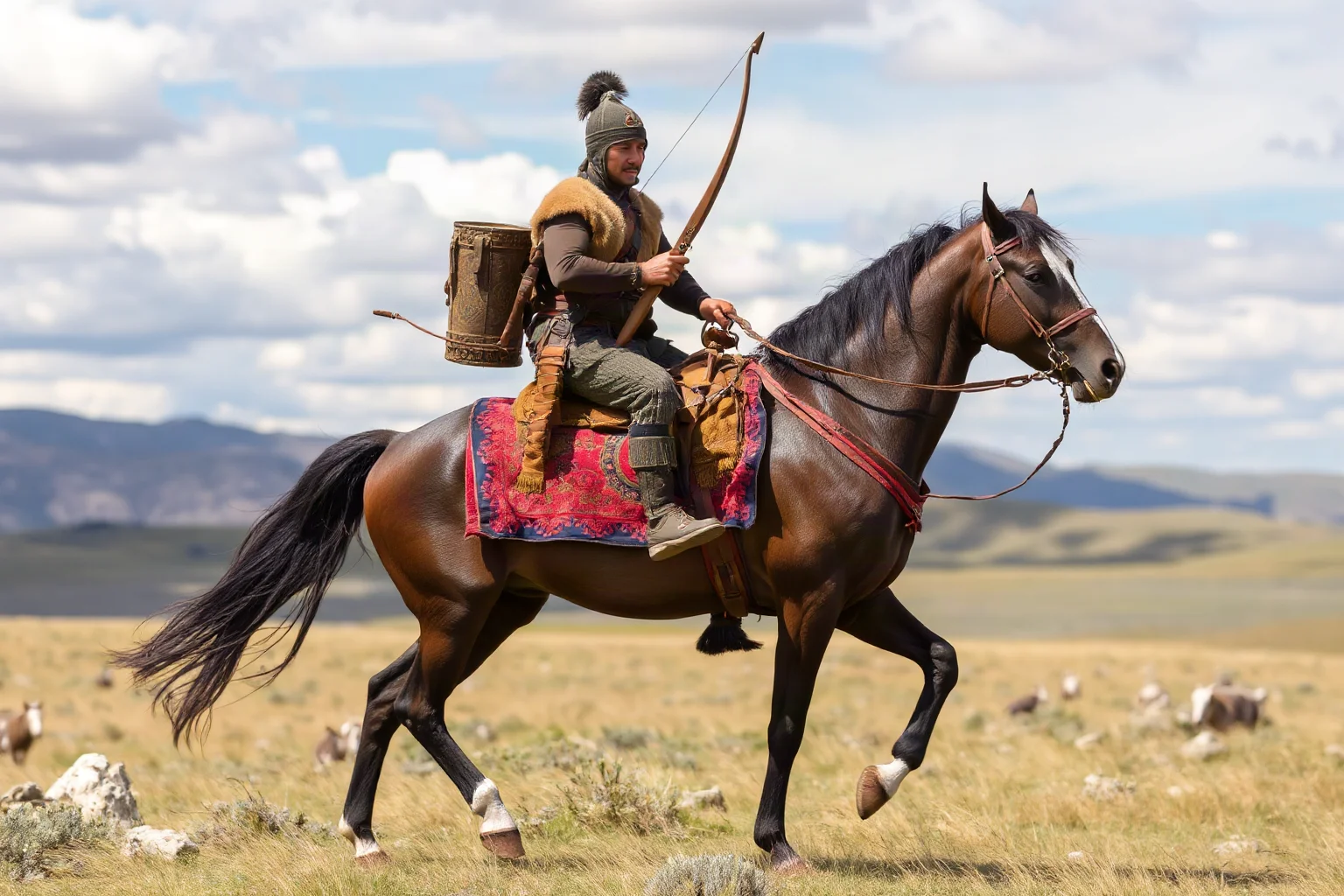
Genghis Khan united the nomadic tribes of Mongolia and built the largest contiguous land empire in history, stretching from Eastern Europe to the Pacific Ocean. His military tactics were centuries ahead of most of his contemporaries, and DNA studies suggest a startling percentage of people across Asia today are his direct descendants.
15. Martin Luther King Jr.
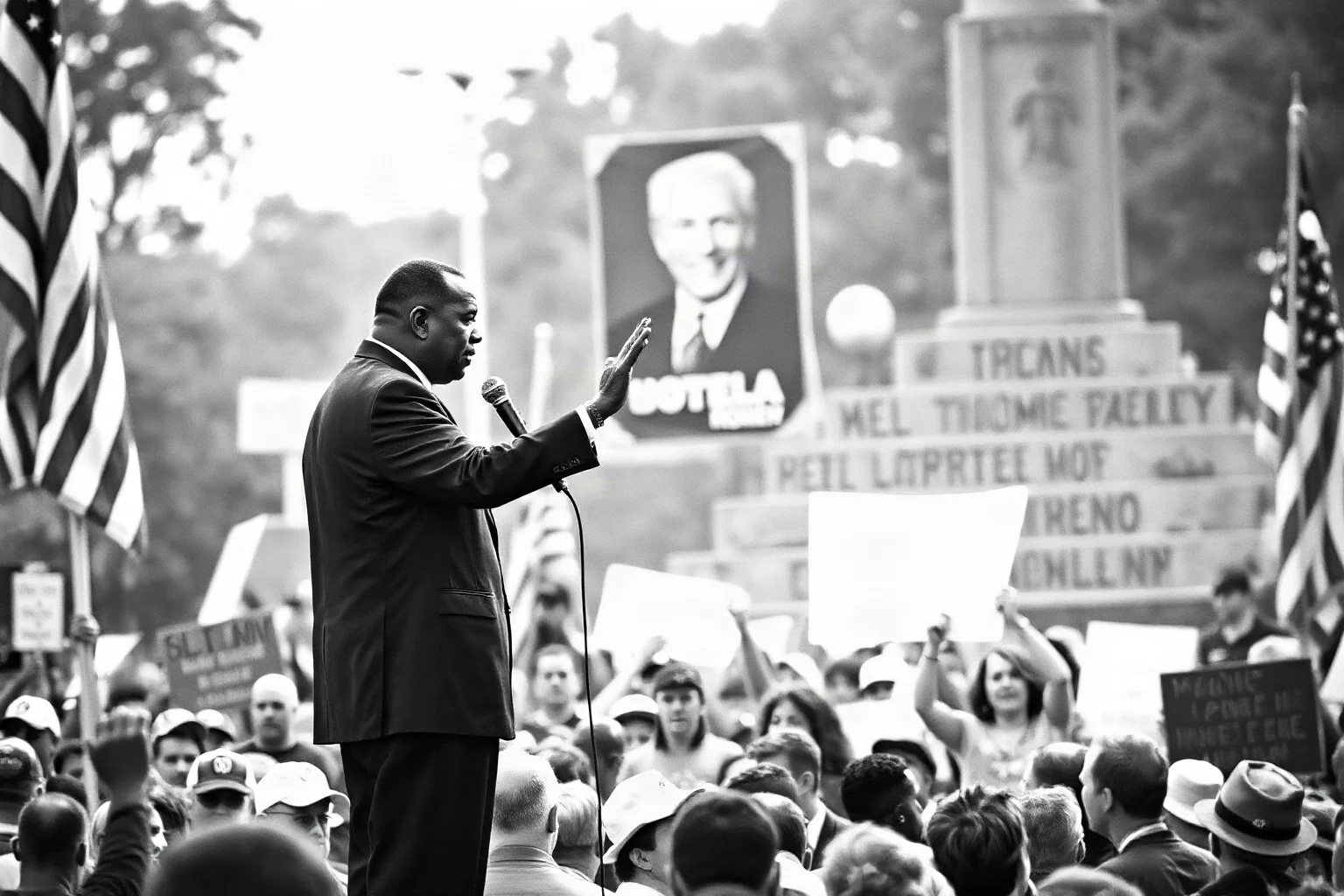
Martin Luther King Jr. became the most recognized face of the American civil rights movement, delivering the “I Have a Dream” speech in 1963 to hundreds of thousands of people at the Lincoln Memorial. His assassination in 1968 turned him into a martyr for racial equality, and his birthday is now a national holiday in the United States.
16. Nelson Mandela
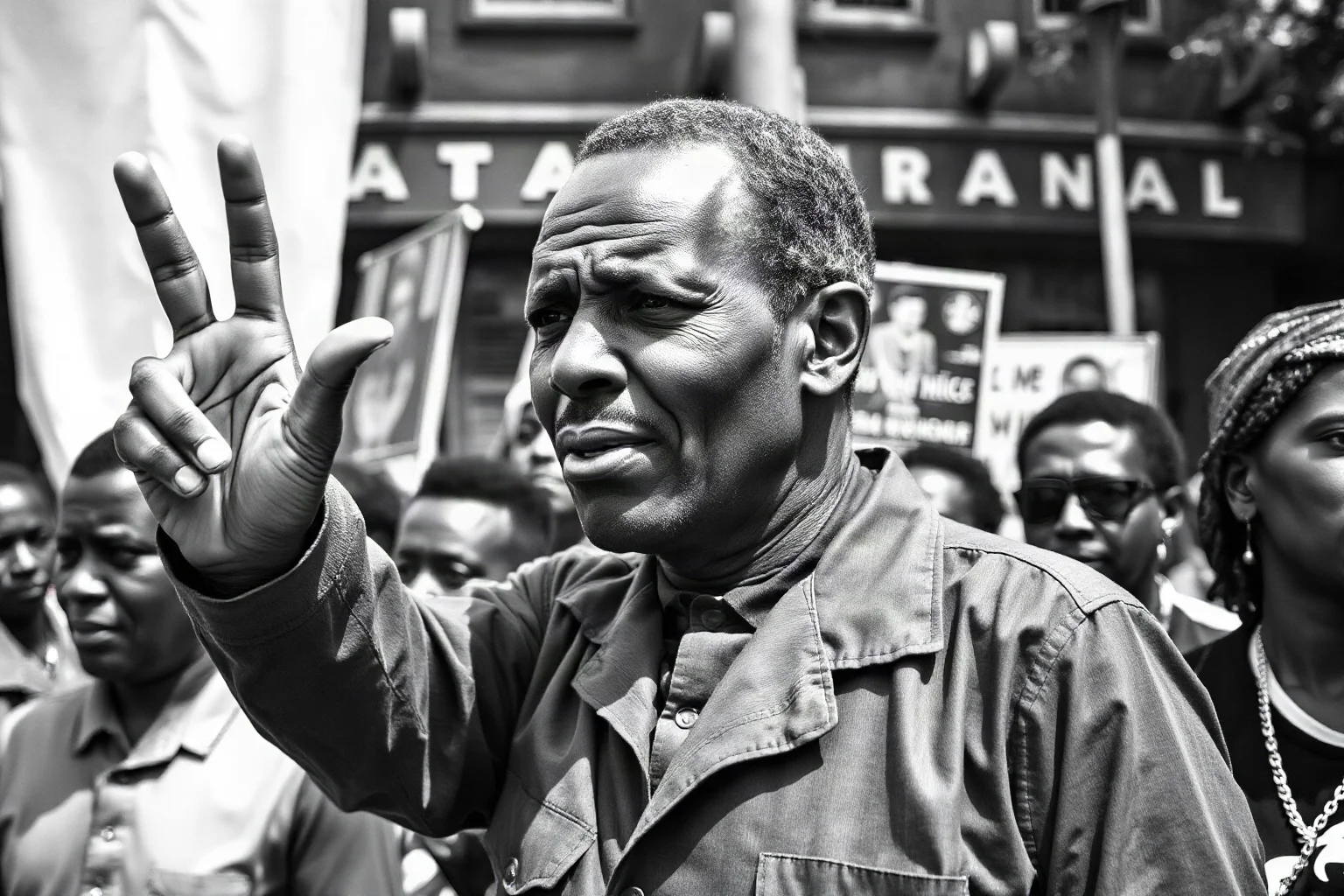
Nelson Mandela spent 27 years in prison for his opposition to South Africa’s apartheid system, then emerged to become the country’s first Black president and a global symbol of reconciliation over revenge. Few modern historical figures are as universally recognized and respected across political and cultural lines.
17. Christopher Columbus
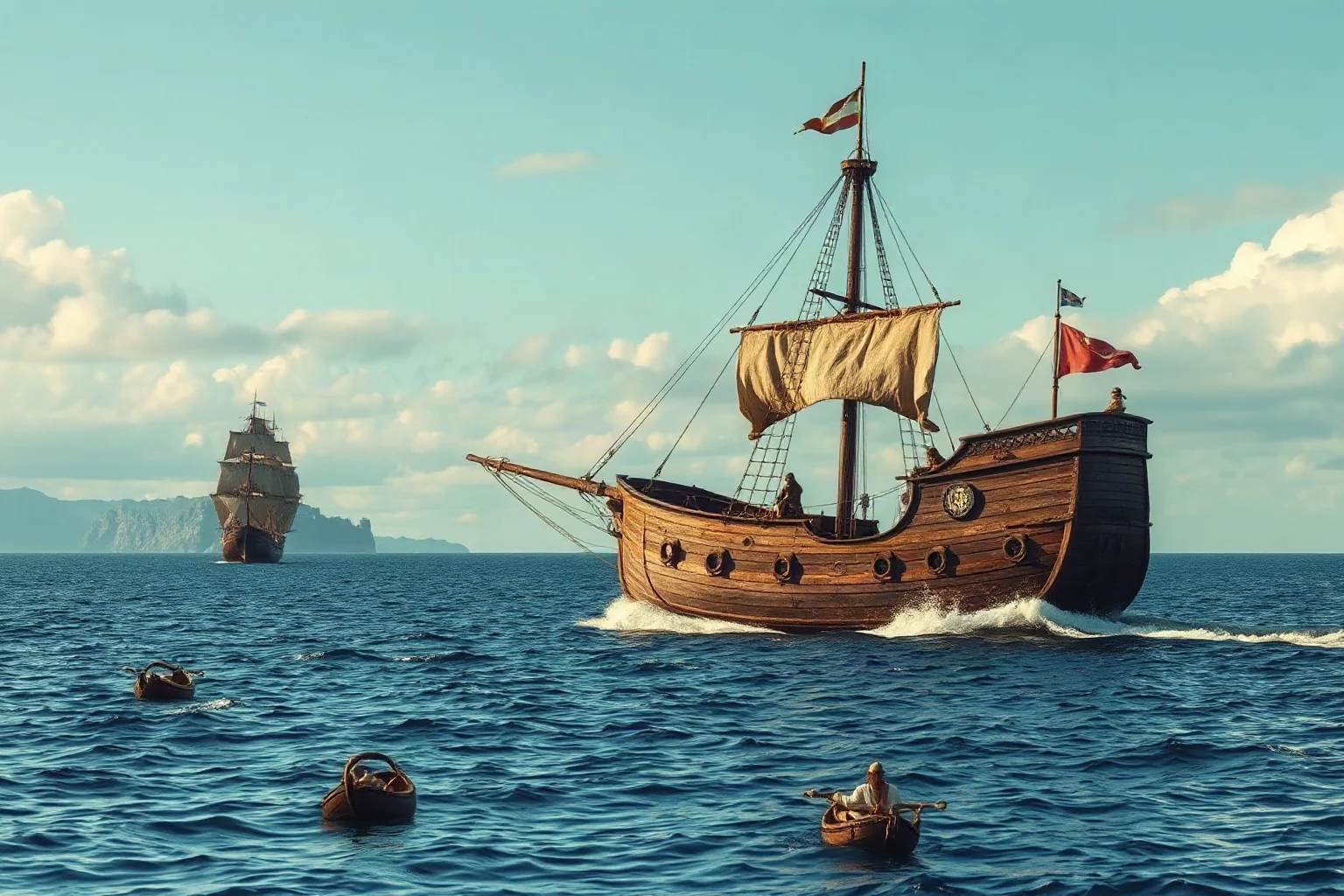
Christopher Columbus’s 1492 voyage across the Atlantic — searching for a route to Asia and landing in the Americas instead — is one of the most taught events in world history, even as modern scholarship increasingly focuses on the devastating consequences his arrival had for Indigenous populations. His name is recognized globally, attached to countries, cities, and a national holiday, though his legacy is now viewed with far more complexity than in past generations.
18. Winston Churchill
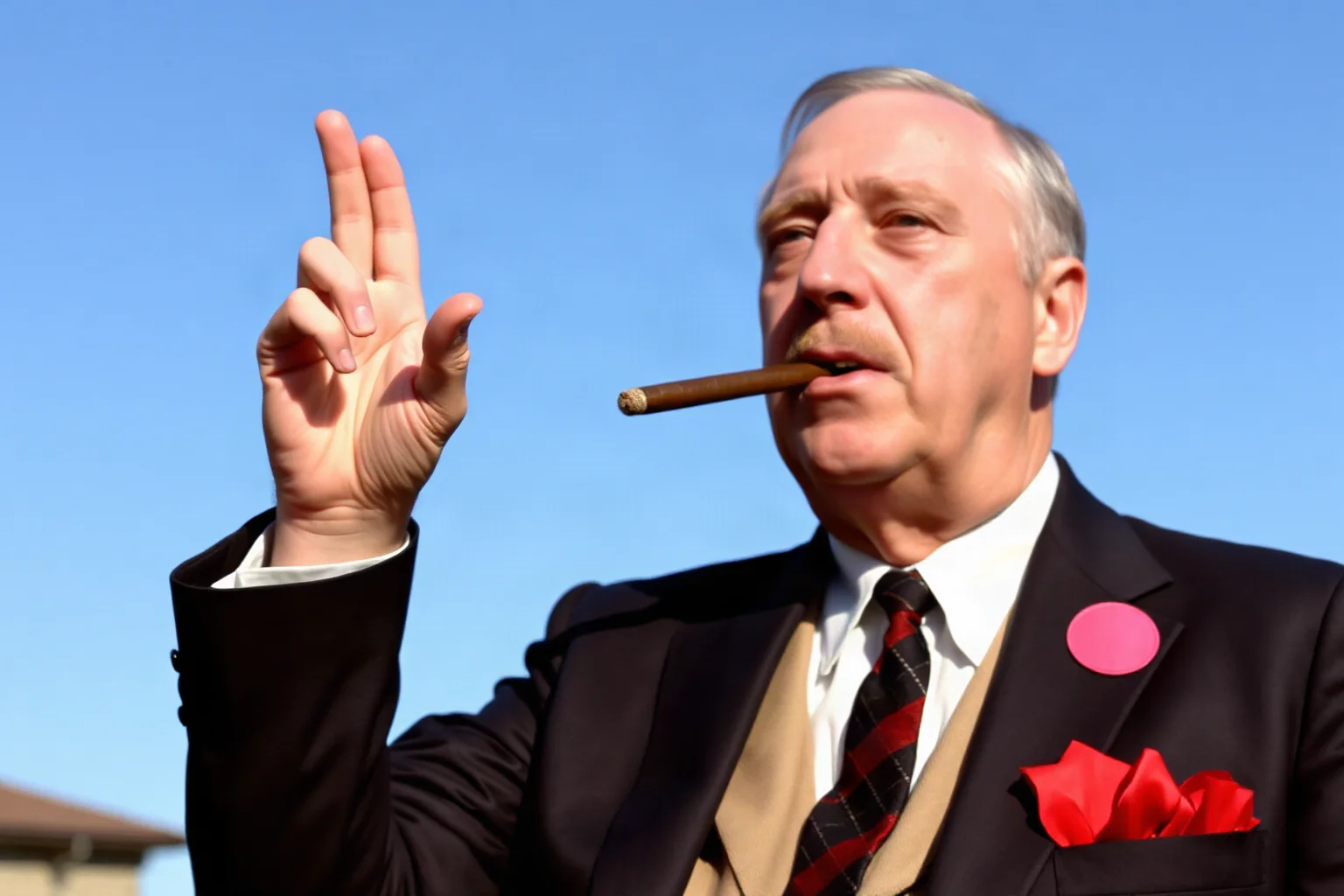
Winston Churchill’s wartime speeches, delivered as Prime Minister during Britain’s darkest hours in World War II, are still quoted today — “we shall never surrender” remains instantly recognizable decades later. His cigar, bowler hat, and V-for-victory hand sign are as iconic as his politics.
19. Confucius

Confucius’s teachings on ethics, family, and social order shaped Chinese culture and government for over two thousand years and continue to influence philosophy across East Asia today. Sayings attributed to him are still quoted worldwide, even by people who know little else about his life.
20. Mother Teresa

Mother Teresa dedicated her life to caring for the poorest and sickest people in Kolkata, India, founding the Missionaries of Charity and becoming a global symbol of selfless humanitarian work. She was awarded the Nobel Peace Prize in 1979, and her name is still used today as a benchmark for extraordinary compassion.
Frequently Asked Questions
Who is the most famous person in the world, historically speaking?
There’s no single official answer, but Jesus Christ, Napoleon Bonaparte, and Albert Einstein are consistently named across surveys, historical rankings, and cultural studies as the most universally recognized figures in history.
Who is the world’s most well-known person of all time?
By reach across cultures, languages, and centuries, Jesus Christ is typically cited as the most recognized name in history, followed closely by major political and scientific figures like Napoleon and Einstein.
Who is the most famous man in the world in history?
Depending on the criteria, Napoleon Bonaparte, Albert Einstein, and Julius Caesar are the names most frequently cited — each recognized globally for very different reasons (conquest, science, and political power).
Who are the most influential people in history?
Influence and fame overlap but aren’t identical. Gandhi, Martin Luther King Jr., and Nelson Mandela are frequently cited as the most influential in terms of lasting social change, even when they weren’t the single “most famous” name of their era.
Is being famous in history always a positive thing?
No — recognition and admiration aren’t the same thing. Figures like Adolf Hitler are among the most recognized names in history specifically as examples of what to avoid repeating, not as figures history looks back on favorably.
Final Thoughts
Fame across history isn’t handed out evenly, and it isn’t always earned the same way. Some names on this list are remembered for building empires, some for tearing them apart, and some for changing how millions of people think, worship, or fight for their rights. What connects them all is staying power — centuries after their deaths, their names still mean something to people who never lived anywhere near their lifetime.

Alex Warren
Related Articles