
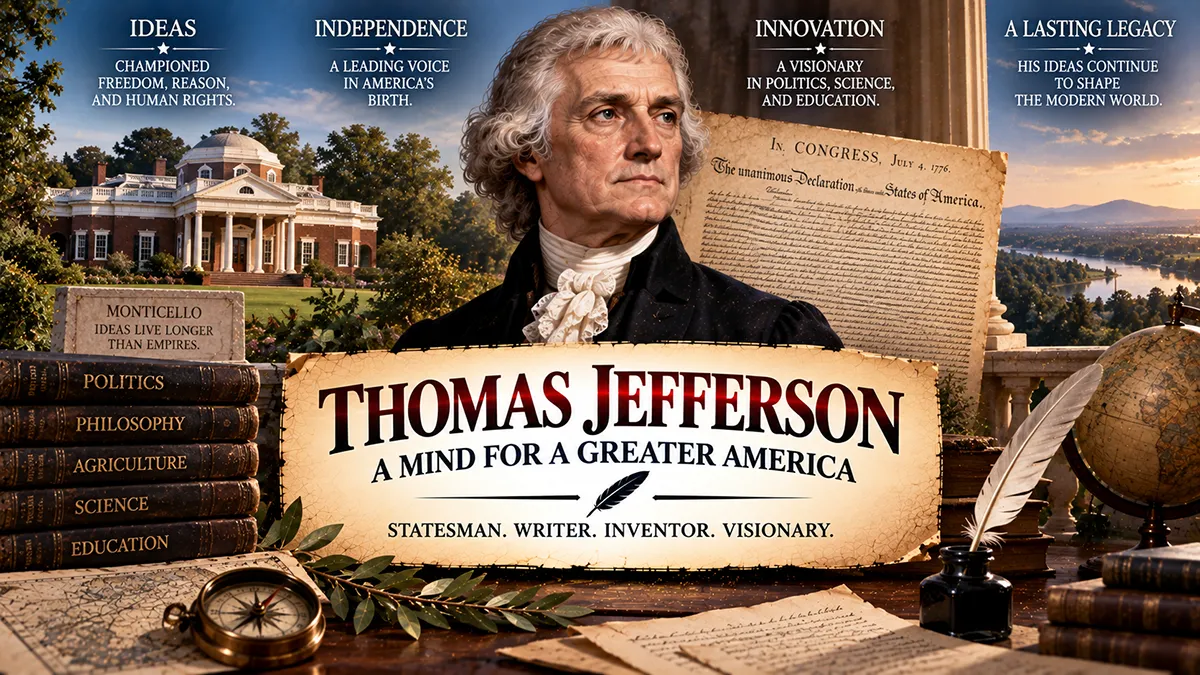
Thomas Jefferson is one of those historical figures who seems to have lived three or four full lives packed into one. He was a lawyer, architect, inventor, diplomat, farmer, and philosopher long before “founding father” became his most famous job title.
Digging into his life reveals a fascinating, sometimes uncomfortable, portrait of curiosity, ambition, and real contradiction — the kind that puts him in the same conversation as history’s smartest people.
This list rounds up the most important — and some of the most surprising — facts about Thomas Jefferson, America’s third president. Whether you’re looking for a quick refresher before a history test or you’re genuinely curious what Thomas Jefferson is known for, these facts cover his greatest accomplishments, his personality, and the parts of his story often left out of textbooks.
TL;DR: Thomas Jefferson authored the Declaration of Independence, doubled the nation’s size through the Louisiana Purchase, and shaped American ideals of liberty and education — all while embodying deep, well-documented contradictions on slavery and personal conduct that historians continue to grapple with.
1. He Wrote the Declaration of Independence — But He Wasn’t Working Alone
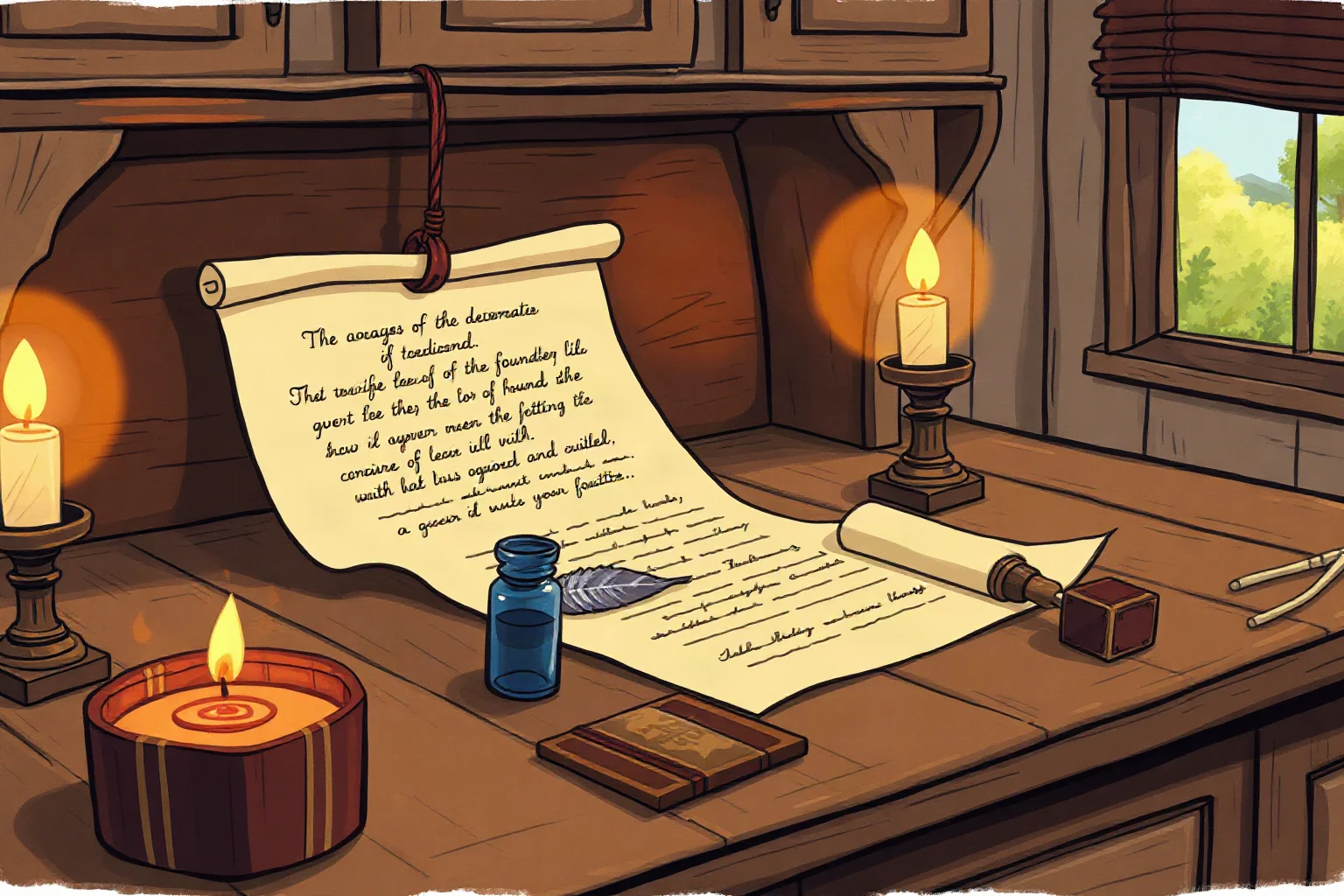
In June 1776, the Second Continental Congress appointed a five-man committee to draft a declaration explaining why the colonies were separating from Britain and King George III. Jefferson, then just 33 years old, was chosen to write the initial draft largely because of his reputation as a gifted writer.
Benjamin Franklin and John Adams both reviewed and edited his draft before it went to Congress, which made further changes, including removing a passage condemning the slave trade. The final document was formally adopted on July 4, 1776, cementing Jefferson’s place in American history.
2. He Became President After One of the Most Contested Elections in History
Jefferson was elected in 1800, defeating incumbent John Adams in a race so bitter historians call it the “Revolution of 1800.” A tie in the Electoral College between Jefferson and his own running mate, Aaron Burr, threw the decision to the House of Representatives, where it took 36 ballots to settle.
The peaceful transfer of power from Federalist Adams to Democratic-Republican Jefferson was historic — it proved a young democracy could survive a change of party without violence. Jefferson served two terms, from 1801 to 1809.
3. He Doubled the Size of the Nation with the Louisiana Purchase
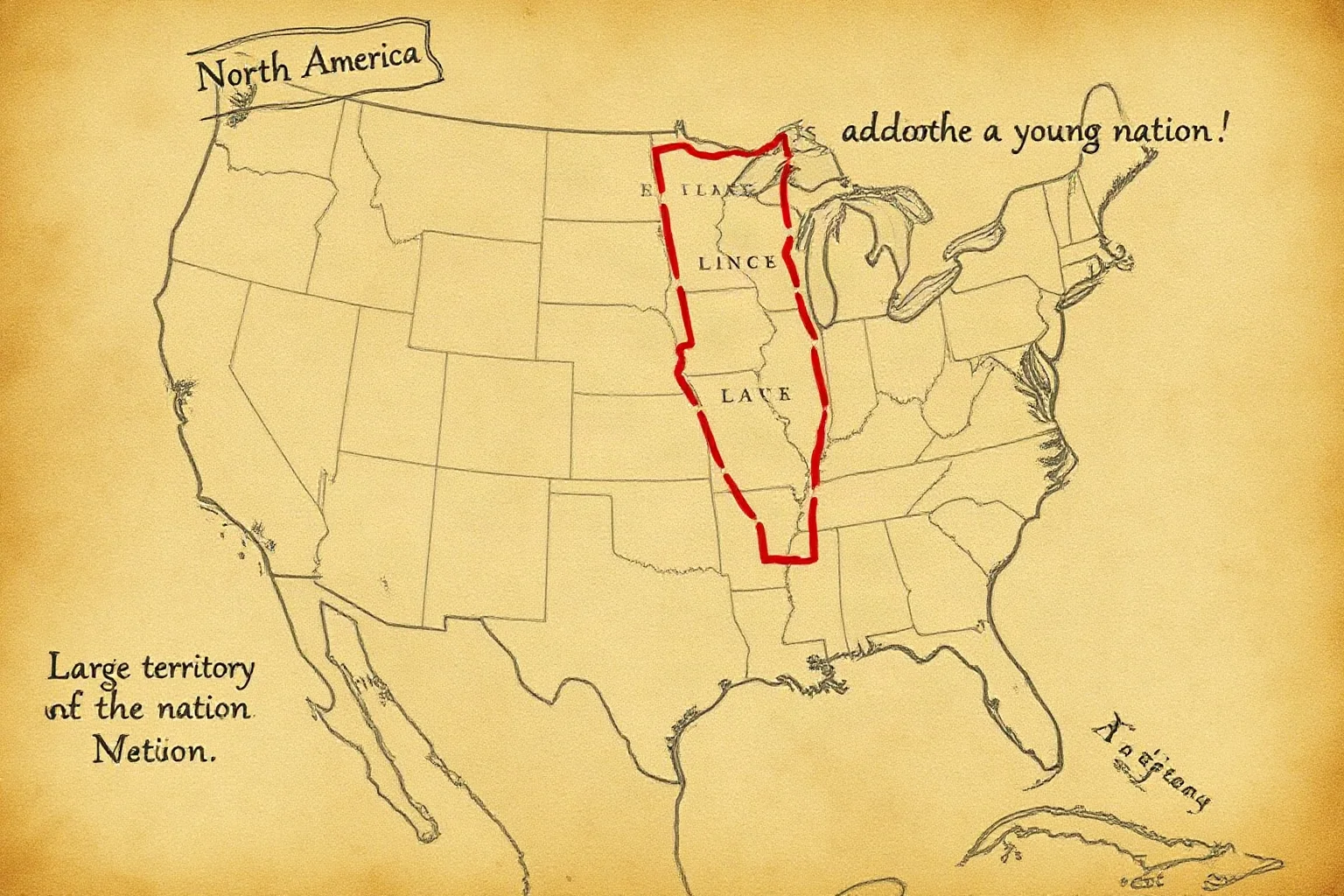
Arguably Jefferson’s greatest accomplishment as president was the 1803 Louisiana Purchase, in which the U.S. bought roughly 830,000 square miles of territory from France for about $15 million. The deal essentially doubled the size of the country overnight and opened the door to westward expansion.
Ironically, Jefferson had long argued for strict, literal interpretation of the Constitution, which didn’t explicitly authorize a president to purchase foreign land. He set aside those doubts because he believed the opportunity was simply too important to pass up.
4. He Commissioned the Lewis and Clark Expedition
To explore and map the newly acquired western territory, Jefferson sponsored the Corps of Discovery, led by Meriwether Lewis and William Clark, starting in 1804. The expedition trekked roughly 8,000 miles to the Pacific Ocean and back, gathering scientific data and building relationships with Native American nations along the way.
Jefferson had a personal stake beyond politics — he was fascinated by natural history and hoped the expedition would uncover new plant and animal species. This pairing of political vision with genuine scientific curiosity is part of what Thomas Jefferson is famous for.
5. He Founded the University of Virginia
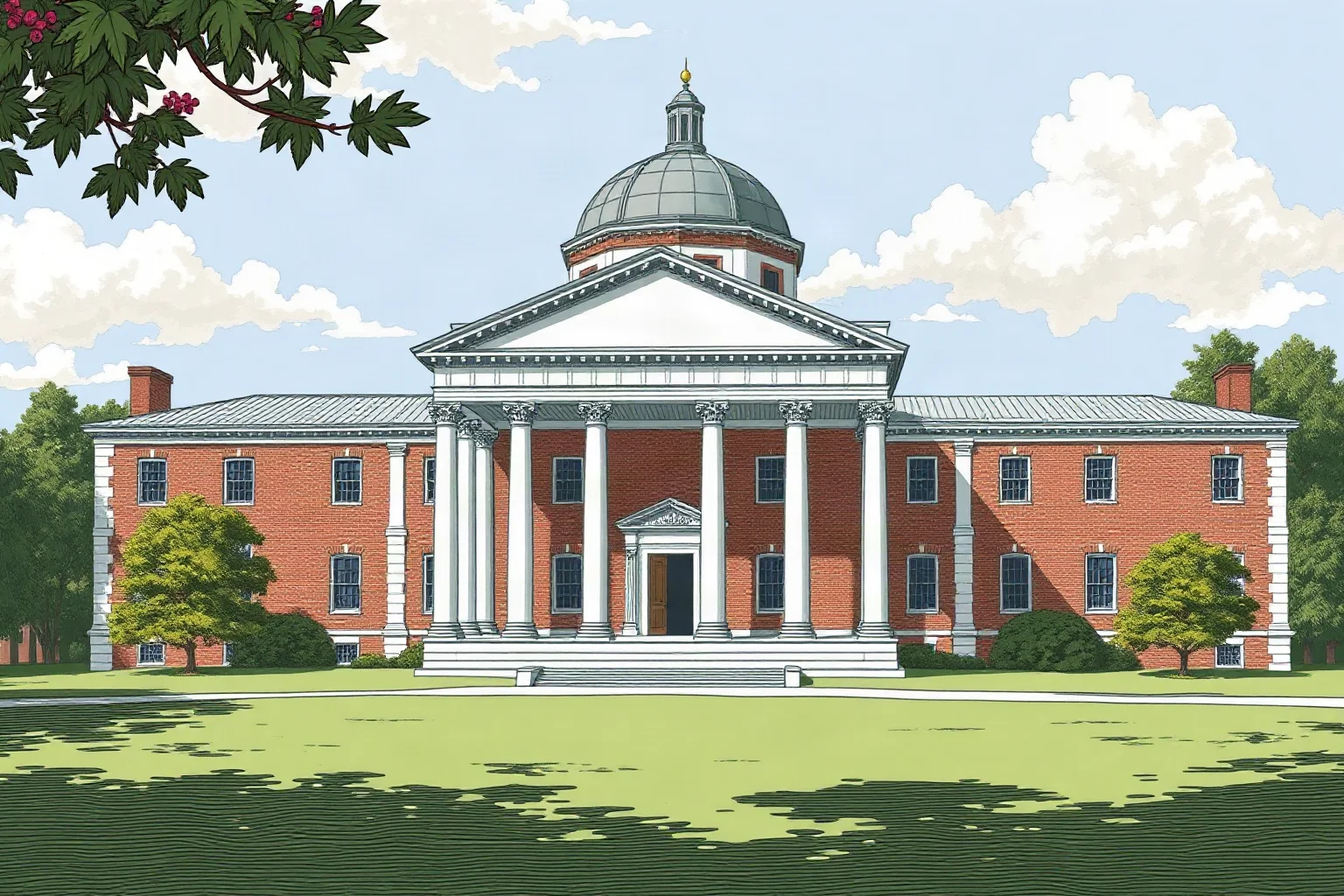
Late in life, Jefferson designed and established the University of Virginia in Charlottesville, founded in 1819. He personally drew the architectural plans, helped select the faculty, and shaped the curriculum, which was notably secular for its era.
Unlike most universities of the time, UVA had no religious affiliation and no required chapel, reflecting Jefferson’s strong belief in separating church and state. He considered it one of his proudest lifetime achievements.
6. He Designed His Own Mansion, Monticello
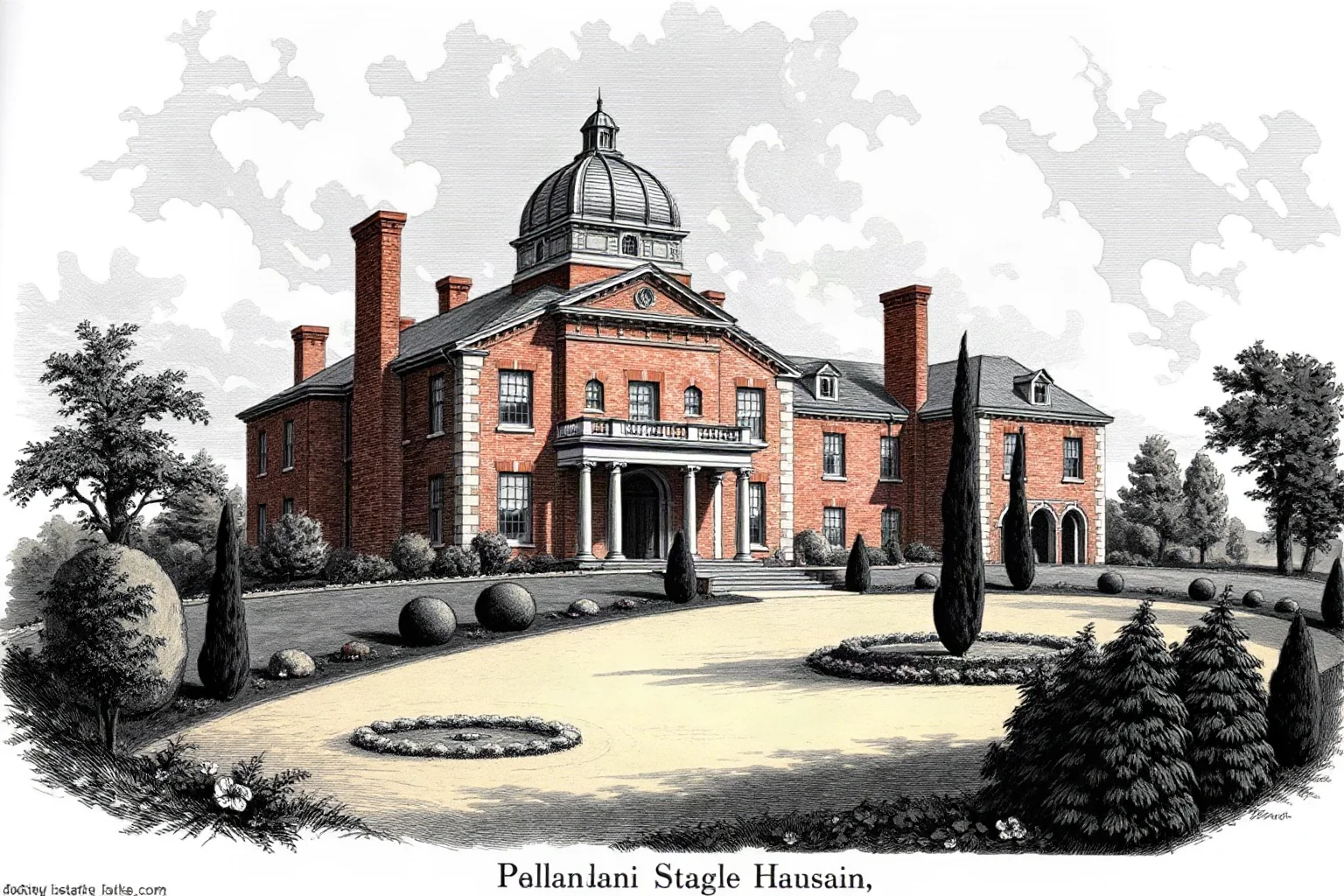
Jefferson spent more than 40 years designing, redesigning, and building his Virginia home, Monticello. He drew inspiration from classical and Palladian architecture he’d studied during his years living in Europe.
The house included several of his own quirky touches, like a weather vane readable from indoors and a dumbwaiter hidden inside a fireplace mantle. Monticello is now a UNESCO World Heritage Site and remains one of the most visited historic homes in the country.
7. He Was a Restless, Self-Taught Inventor

Jefferson tinkered constantly, and while he never patented anything himself — he actually helped design the U.S. patent system — he improved or invented several practical devices. Among them: an early revolving bookstand, a “great clock” powered by cannonball weights, and a polygraph machine that copied his letters as he wrote them.
He’s also often credited with popularizing the swivel chair in America. These lesser-known, weird facts about Thomas Jefferson show a mind that treated everyday problems like engineering puzzles, not unlike the tinkering curiosity found in Isaac Newton facts.
8. His Personal Library Helped Rebuild the Library of Congress

Jefferson was a voracious reader who amassed one of the largest private libraries in the country, eventually numbering several thousand volumes. When the British burned the Capitol and the original Library of Congress during the War of 1812, Jefferson sold his personal collection to Congress to help rebuild it.
That 1815 sale of roughly 6,487 books formed the new foundation of the Library of Congress. Jefferson simply started collecting books again soon after, calling reading one of life’s essential pleasures.
9. He Edited His Own Version of the New Testament
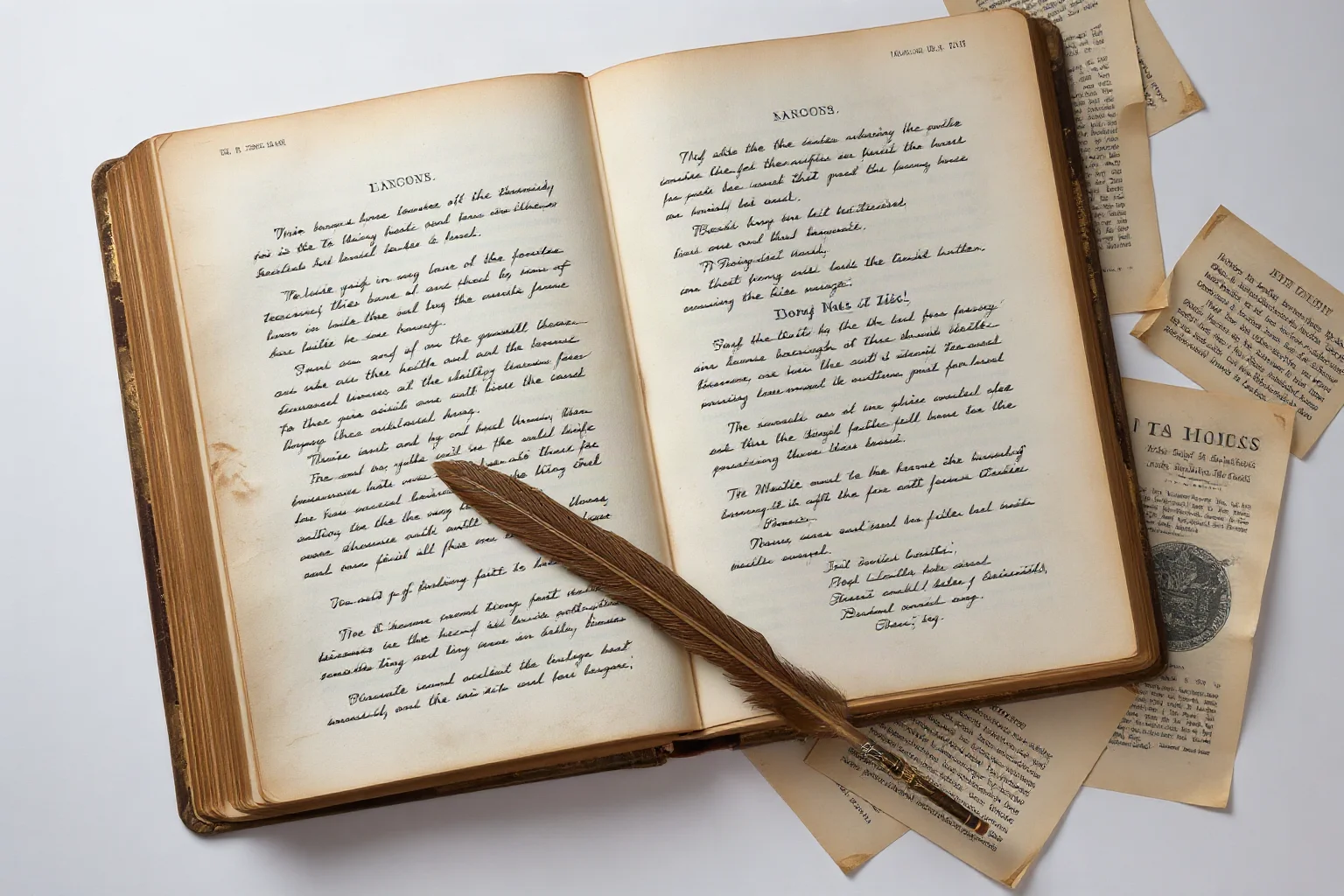
Later in life, Jefferson literally cut and pasted passages from the Gospels into a new document, removing references to miracles, the resurrection, and other supernatural elements. He kept Jesus’s moral teachings, which he admired, while excluding what he considered later theological additions.
This compilation, now known as the “Jefferson Bible,” was never intended for publication — it was a private devotional project. It reflects Jefferson’s Enlightenment-influenced religious views, which leaned toward deism rather than orthodox Christianity.
10. He Spoke and Read Several Languages
Jefferson had a genuine gift for languages, reading Latin, Greek, French, Italian, and Spanish, and he studied several others throughout his life. He often read foreign texts in their original language rather than relying on translations.
This linguistic skill served him well as a diplomat; he served as U.S. Minister to France from 1785 to 1789. Those years in Paris also shaped his tastes in architecture, food, and wine.
11. He Hated Public Speaking
Despite his brilliance as a writer, Jefferson was notoriously uncomfortable speaking in front of crowds. He broke with the tradition set by Washington and Adams of personally delivering the State of the Union address to Congress, choosing instead to send a written message.
That practice actually stuck for more than a century, until Woodrow Wilson revived in-person addresses in 1913. It’s a small but telling detail about Jefferson’s more introverted character traits.
12. He Helped Found One of America’s First Political Parties
Jefferson and James Madison organized the Democratic-Republican Party in the 1790s to oppose the Federalist policies of Alexander Hamilton and, to some extent, John Adams. The party favored states’ rights, agrarian interests, and a limited federal government.
This rivalry helped define the first party system in American politics and shaped debates that still echo today. Jefferson’s own presidency put many Democratic-Republican principles into practice, at least initially.
13. He Held Deeply Contradictory Views on Slavery
Jefferson wrote that “all men are created equal,” yet he enslaved more than 600 people over the course of his lifetime and freed only a small handful. He publicly criticized the institution of slavery in some writings while depending entirely on enslaved labor to run Monticello.
Historians widely regard this as one of the most troubling contradictions of Jefferson’s legacy. Understanding this tension is essential to any honest accounting of what Thomas Jefferson is known for.
14. His Relationship with Sally Hemings Is a Documented Part of His Story

Historical and DNA evidence strongly supports that Jefferson fathered children with Sally Hemings, an enslaved woman at Monticello who was also the half-sister of his late wife, Martha. This relationship began when Hemings was a teenager and Jefferson was a powerful man decades older, a power imbalance historians are careful to emphasize.
Monticello’s own research organization now acknowledges this relationship as established historical fact, based on DNA studies, oral history, and documentary evidence. It remains one of the most examined and debated chapters of Jefferson’s private life.
15. He Was a Serious Foodie and Wine Enthusiast

Jefferson’s years in France left him with refined tastes, and he’s often credited with helping introduce dishes like macaroni and cheese and French fries to American tables, along with popularizing vanilla ice cream. He kept detailed notes on recipes and even imported a pasta-making machine.
He was also a devoted student of wine, cultivating vineyards at Monticello and building an extensive cellar. His enthusiasm makes for one of the more fun facts about Thomas Jefferson that has nothing to do with politics.
16. He Died Deeply in Debt
Despite his aristocratic upbringing and prominent career, Jefferson died owing more than $100,000, an enormous sum for the time. His debts stemmed from lavish spending, agricultural downturns, and cosigning loans for friends and relatives.
After his death, his family was forced to sell Monticello, its furnishings, and most of the enslaved people who lived there to settle his debts. It’s a sobering coda to the life of a man who helped design the nation’s economic system.
17. He Died on the 50th Anniversary of the Declaration — Same Day as John Adams
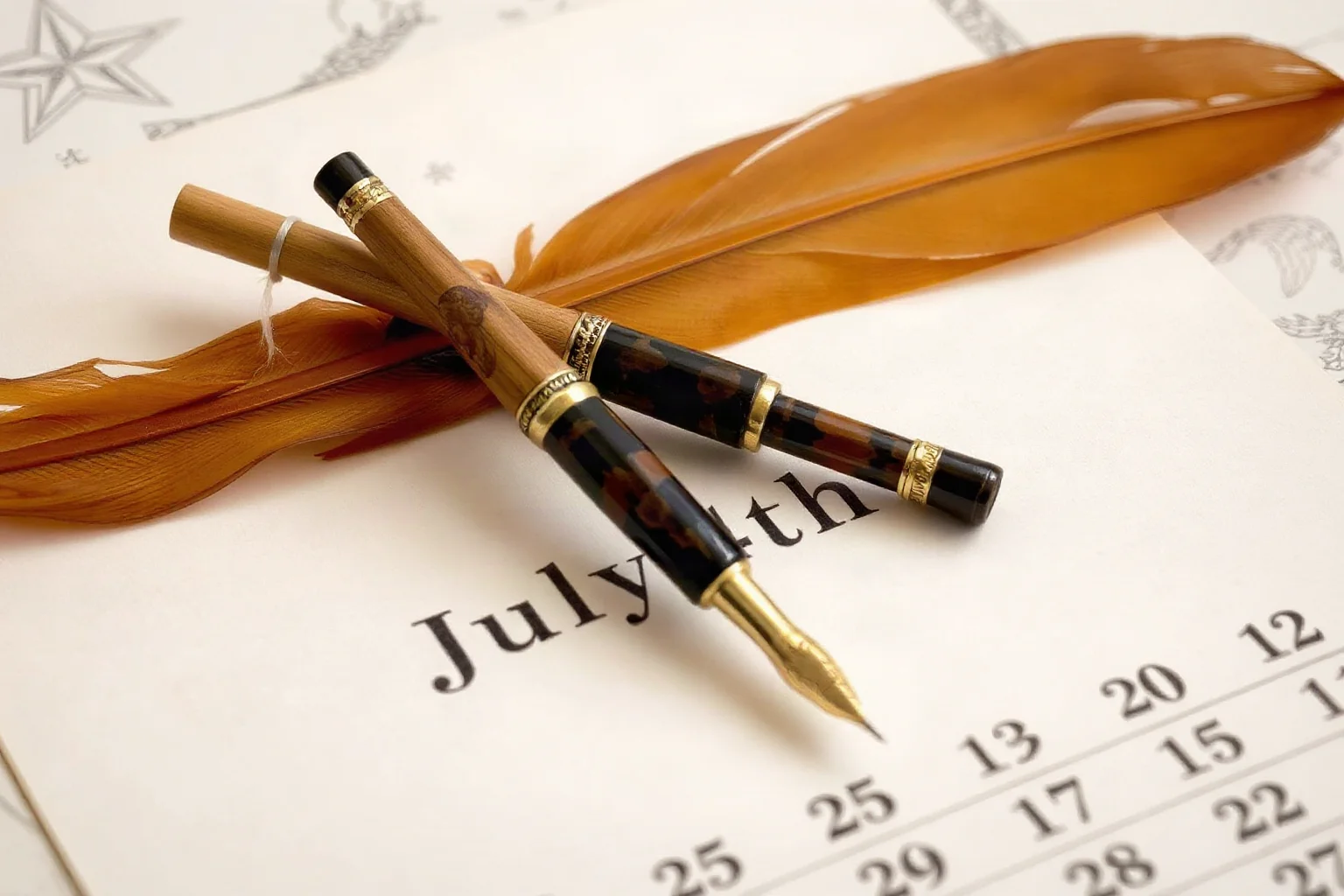
Jefferson died on July 4, 1826, exactly fifty years after the Declaration of Independence was adopted. Remarkably, his old friend and one-time rival John Adams died on the very same day, just hours later.
Adams’s reported last words referenced Jefferson, though he was mistaken — Jefferson had already passed. The coincidence has fascinated historians ever since as an almost poetic bookend to the founding era.
18. He Wrote His Own Epitaph — and Left the Presidency Off It
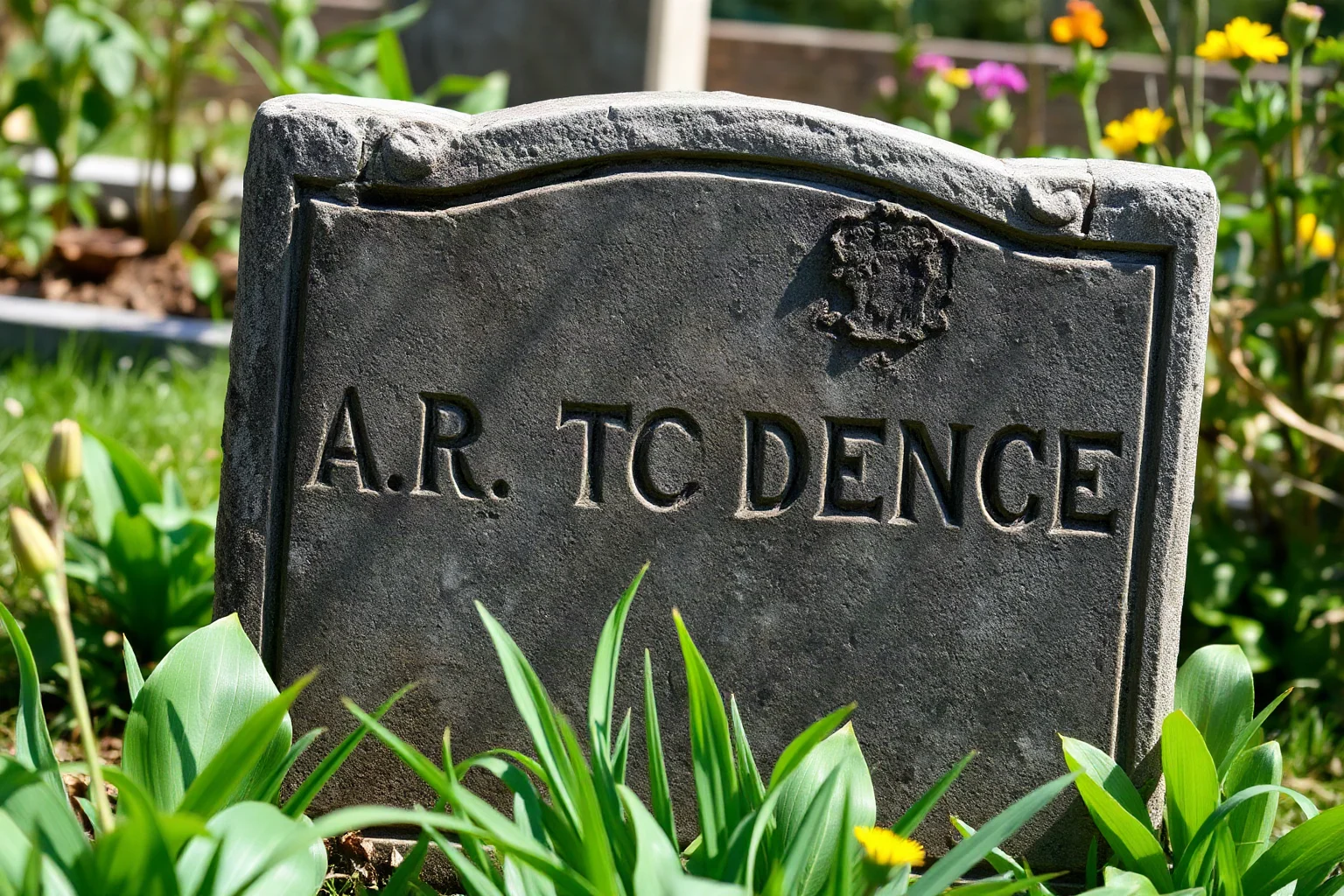
Jefferson left instructions for his own gravestone, listing only three accomplishments he wanted remembered: author of the Declaration of Independence, author of the Virginia Statute for Religious Freedom, and father of the University of Virginia. He deliberately omitted his presidency and vice presidency.
This choice reveals a lot about how Jefferson viewed his own legacy — he valued ideas and institutions over political titles. It’s a detail often cited among the most important facts about Thomas Jefferson’s personal priorities.
19. He Served as Secretary of State and Vice President Before Becoming President
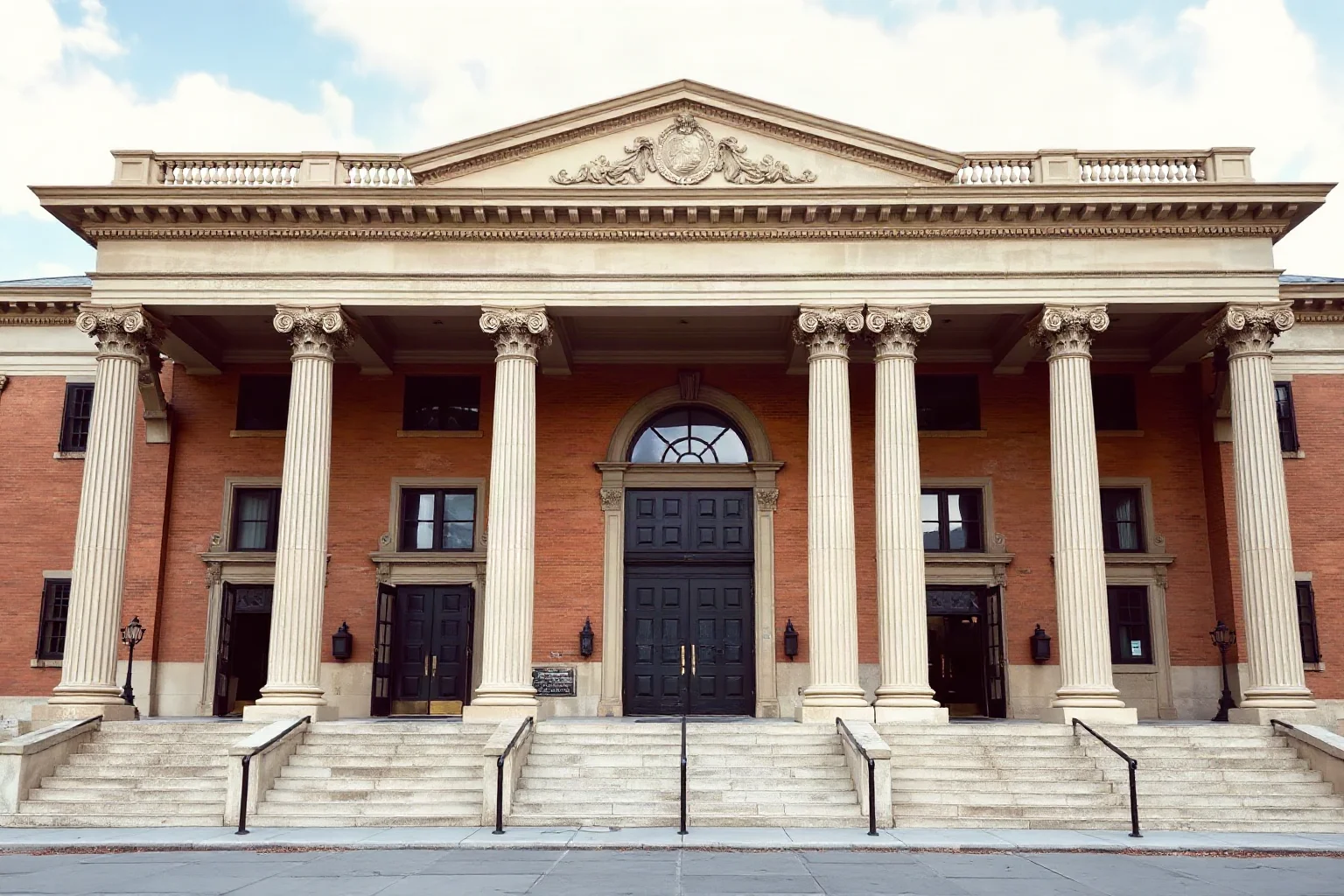
Before reaching the nation’s highest office, Jefferson served as the first U.S. Secretary of State under George Washington from 1790 to 1793. He then served as the second Vice President of the United States under John Adams from 1797 to 1801.
This steady climb through the executive branch gave Jefferson broad experience in diplomacy and governance. Few presidents in American history have held such a complete set of high offices before taking the presidency itself.
20. He Established West Point as a Military Academy
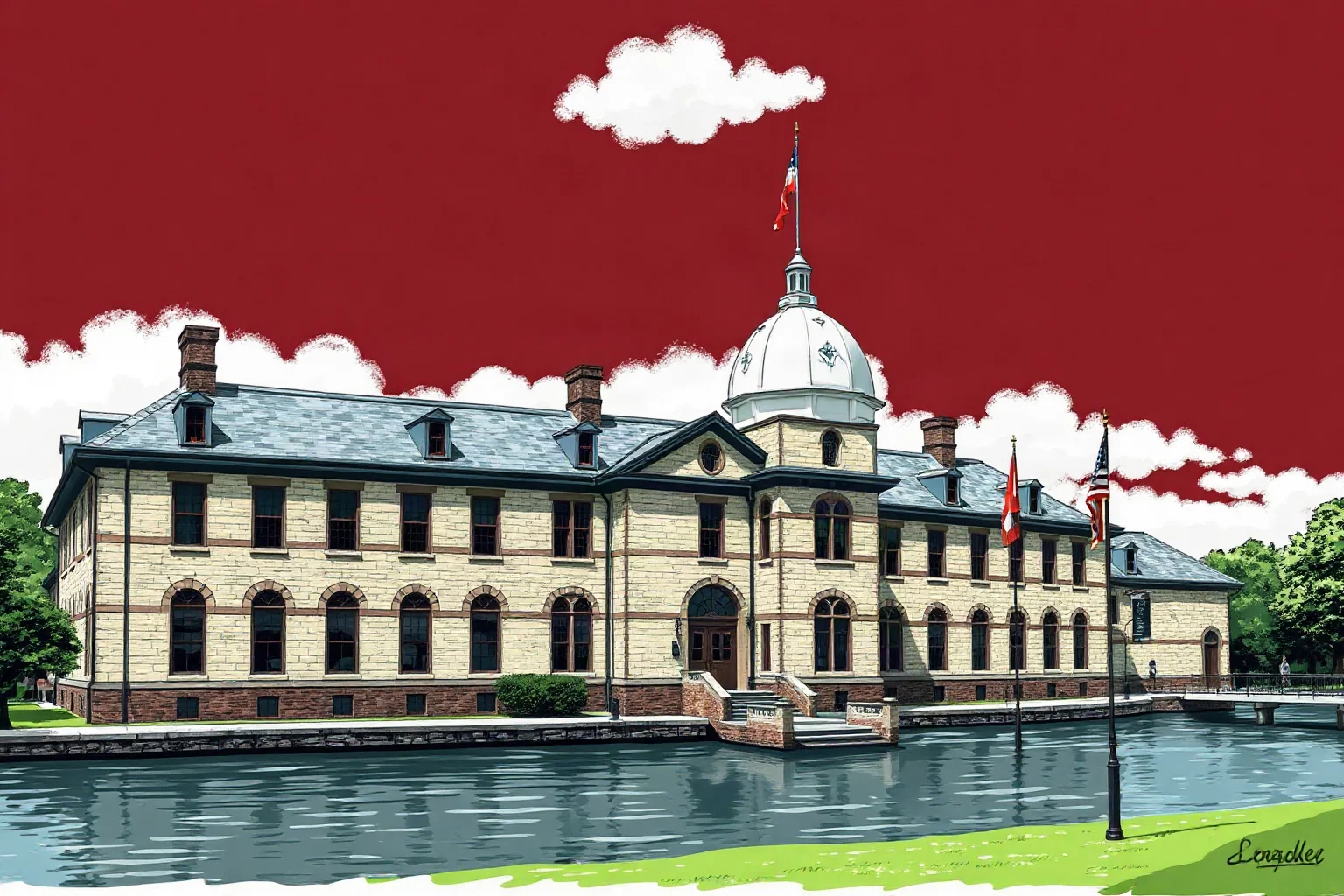
In 1802, Jefferson signed legislation establishing the United States Military Academy at West Point. This was somewhat surprising given his general suspicion of standing armies and centralized federal power.
He believed a professionally trained officer corps was necessary for national defense without becoming a threat to democracy. West Point remains one of the most prestigious military institutions in the world today.
21. He Signed the Controversial Embargo Act of 1807
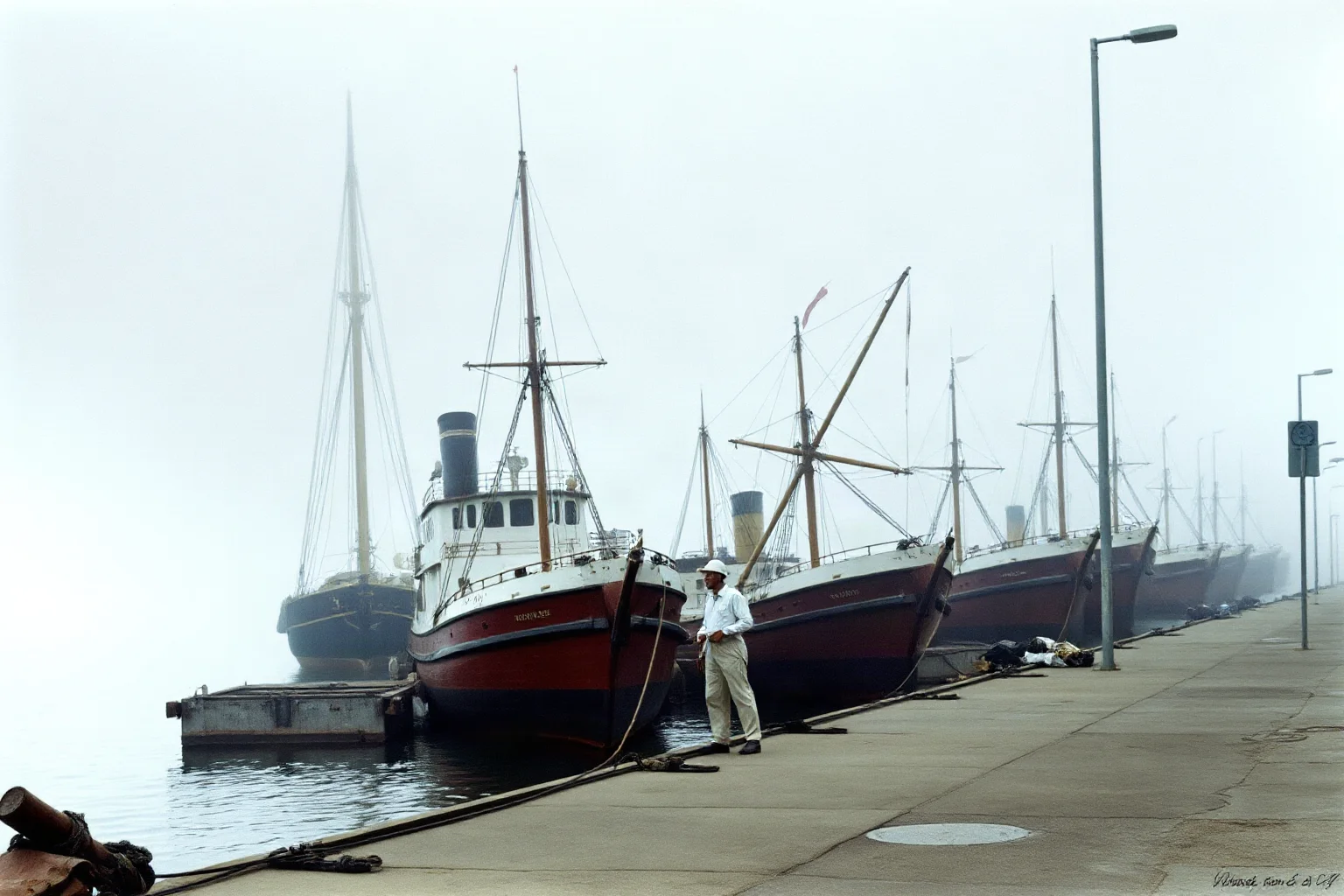
Trying to keep the U.S. out of the Napoleonic Wars while punishing Britain and France for interfering with American shipping, Jefferson pushed through the Embargo Act of 1807. It banned American ships from trading with foreign ports.
The policy backfired badly, devastating American merchants and farmers far more than it hurt Britain or France. It was repealed shortly before Jefferson left office and is often cited as the low point of his presidency.
22. He Was a Study in Contradictions — and That’s Part of What Makes Him Fascinating
Jefferson’s character traits included curiosity, discipline, and a genuine belief in human potential and progress. He was also reserved, sometimes evasive, and capable of holding two conflicting beliefs at once, particularly around liberty and slavery.
His strengths — intellect, vision, and eloquence — sit alongside real personal and moral failures. That complexity is precisely why Jefferson remains one of the most recognized historical figures of all time.
Why Thomas Jefferson Still Matters
Thomas Jefferson’s life resists a simple summary, and that’s exactly why he remains such a compelling historical figure. He helped define the young nation’s founding language of liberty while personally failing to live up to it in profound ways.
Looking at both sides honestly — the Declaration, the Louisiana Purchase, and the University of Virginia alongside the ownership of enslaved people and the relationship with Sally Hemings — gives a fuller, more accurate picture than any single headline fact ever could. That balance of admiration and accountability is really the only fair way to study someone this influential.
Whether you came here for a quick list of fun facts or a deeper dive into his presidency, hopefully this rundown left you with a richer sense of who Thomas Jefferson actually was. Few figures in American history left behind a legacy quite so brilliant, complicated, and worth continuing to question.
Frequently Asked Questions
What are some fun facts about Thomas Jefferson?
Thomas Jefferson fun facts include that he spoke five languages, invented a swivel chair and a coded messaging device, edited his own version of the New Testament, and helped popularize macaroni and cheese and ice cream in America. He also died on July 4, 1826 — the 50th anniversary of the Declaration of Independence — the same day as fellow founder John Adams.
What was Thomas Jefferson known for?
Jefferson is best known for authoring the Declaration of Independence, serving as the third U.S. president, and negotiating the Louisiana Purchase, which doubled the size of the country. He's also remembered for founding the University of Virginia and for the deep contradictions in his life, particularly around slavery.
What is Thomas Jefferson most famous for?
Above all, Jefferson is most famous for writing the Declaration of Independence in 1776, the document that formally announced the American colonies' break from British rule. His presidency, especially the Louisiana Purchase, is his second most cited achievement.
What did Jefferson do during his presidency?
As president from 1801 to 1809, Jefferson completed the Louisiana Purchase, commissioned the Lewis and Clark Expedition, established the U.S. Military Academy at West Point, and signed the Embargo Act of 1807. He also worked to reduce the national debt and downsize the federal government's role.
What were Thomas Jefferson’s greatest accomplishments?
His three most commonly cited accomplishments are authoring the Declaration of Independence, negotiating the Louisiana Purchase as president, and founding the University of Virginia. Jefferson himself asked that these achievements, rather than his political titles, be listed on his gravestone.
What were Thomas Jefferson’s character traits and strengths?
Jefferson was intellectually curious, disciplined, and a gifted writer and architect, with a genuine passion for science, education, and design. He was also famously reserved in public settings, sometimes indirect in his political dealings, and capable of holding contradictory beliefs, particularly regarding liberty and slavery.
What are three important life events in Thomas Jefferson’s life?
Three defining life events are drafting the Declaration of Independence in 1776, serving as U.S. president from 1801 to 1809 (during which the Louisiana Purchase occurred), and founding the University of Virginia in 1819. His death on July 4, 1826, exactly 50 years after the Declaration's adoption, is often noted as a remarkable final chapter.

Alex Warren
Related Articles