
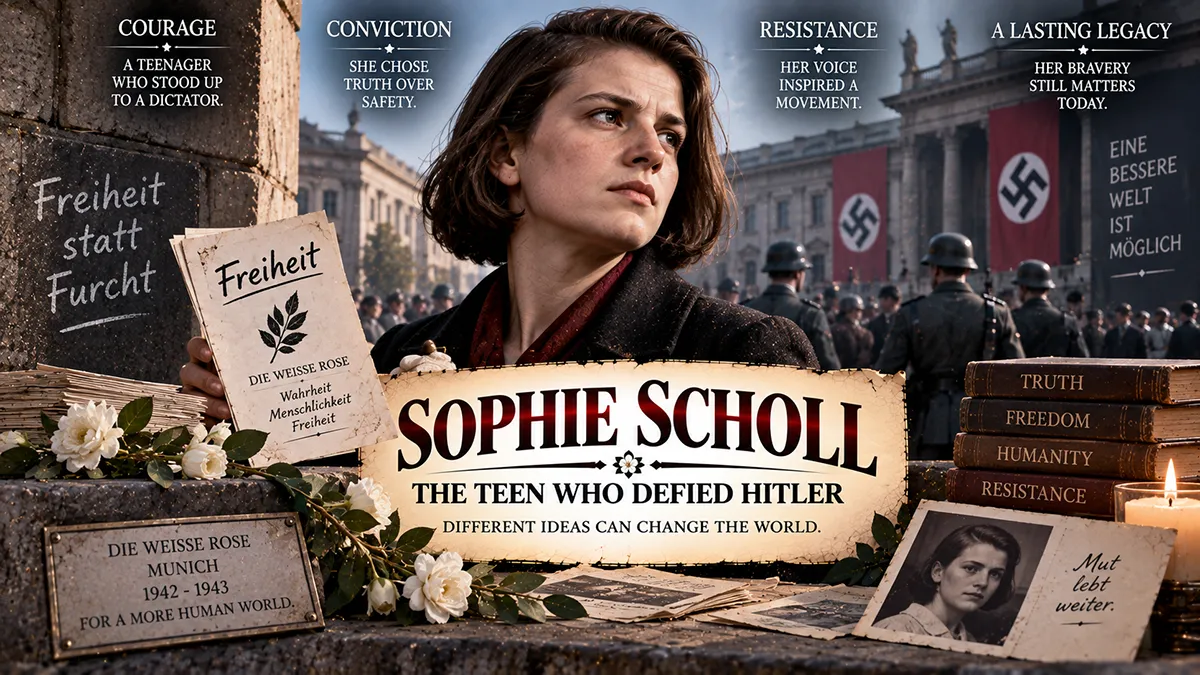
On February 22, 1943, a 21-year-old German student was led to a guillotine in a Munich prison for the crime of handing out pamphlets.
She had no weapon, no army, and no political power — unlike the military commanders who shaped World War II’s outcome, she held no rank and led no soldiers. What she had was a typewriter, a stack of paper, and the conviction that silence made her complicit in the crimes of the Nazi regime.
Her name was Sophie Scholl, and her short life has become one of the most studied acts of resistance in modern German history. You may also see her name written online as “Sophie Sholl,” “Sphie Scholl,” “Sophie Schol,” or “Sophie Scholll” — all misspellings of the same remarkable young woman.
This guide walks through her biography, her role in the White Rose resistance movement alongside her brother Hans, and the facts (and myths) surrounding her death.
TL;DR: Sophie Scholl was a 21-year-old German student executed by the Nazis in 1943 for co-writing and distributing anti-Hitler leaflets with the White Rose resistance group, and her courage has made her one of the most enduring symbols of moral resistance in modern history.
Who Was Sophie Scholl?
Sophie Magdalena Scholl was born on May 9, 1921, in the small town of Forchtenberg, Germany. She was the fourth of six children born to Robert and Magdalena Scholl, and she grew up in a household that valued independent thinking above conformity. That upbringing shaped everything that came after, including her eventual role as one of the White Rose’s most famous members.
Below are the key facts about her life, her family, her activism, and the trial and execution that turned her into a lasting symbol of quiet, moral courage.
1. She Was Born Into a Politically Outspoken Family
Sophie’s father, Robert Scholl, served as mayor of Forchtenberg before the family moved to Ulm. He was known for openly criticizing Adolf Hitler, at a time when doing so could get a person imprisoned.
In 1942, Robert Scholl was in fact arrested and jailed for a critical remark he made about Hitler to an employee. This atmosphere of quiet but real dissent inside her own home almost certainly shaped Sophie’s later willingness to speak out.
2. Like Many German Teens, She Once Joined the Hitler Youth
It’s often left out of the popular narrative, but Sophie and her siblings, including Hans, initially joined Nazi youth organizations as teenagers, as was standard and often socially expected at the time. Sophie belonged to the League of German Girls (Bund Deutscher Mädel).
Over time, exposure to banned books, arrests of friends, and her father’s views pushed her toward disillusionment. By the early 1940s, any earlier enthusiasm had turned into firm opposition to the regime.
3. Her Brother Hans Was Older and Already Involved in Resistance
Hans Scholl, born in 1918, was three years older than Sophie and studied medicine at the University of Munich. He had already been drawn into an informal circle of students and thinkers who quietly opposed the Nazi government.
The bond between Hans and Sophie Scholl is central to this whole story. Many people search for “Hans and Sophie Scholl” specifically because their sibling partnership, not just their individual actions, defined the White Rose’s most famous chapter.
4. Sophie Studied Biology and Philosophy in Munich
In May 1942, Sophie enrolled at the University of Munich to study biology and philosophy. This decision put her in the same city, and eventually the same social circles, as Hans and his friends.
Her coursework in philosophy exposed her to thinkers whose ideas about individual conscience and moral responsibility would later surface directly in the White Rose leaflets.
5. The White Rose Was a Small Circle of Munich Students

The White Rose (Weiße Rose) wasn’t a large underground army. It was a small, loosely organized group of students and one professor, including Hans Scholl, Alexander Schmorell, Christoph Probst, Willi Graf, and philosophy professor Kurt Huber.
Sophie became involved after discovering what her brother and his friends were doing. Historians still debate the exact origin and meaning behind the group’s chosen name, so it’s best treated as an open question rather than a settled fact.
6. Sophie Was One of the Few Women in the Group

Most of the White Rose’s known members were young men, which makes Sophie Scholl’s presence and role notable. She wasn’t a passive bystander to her brother’s activities; she took on real operational risk herself.
She helped source paper, envelopes, and postage stamps, tasks that were just as dangerous as writing since bulk purchases could draw suspicion from shopkeepers loyal to the regime.
7. The Group Wrote and Distributed Anti-Nazi Leaflets
Between June 1942 and February 1943, the White Rose produced six known leaflets, referred to as the “Leaflets of the White Rose.” These documents openly called the Nazi regime a dictatorship built on lies and urged Germans to passively resist.
The leaflets didn’t call for armed uprising. Instead, they appealed to conscience, arguing that ordinary Germans bore moral responsibility for the crimes committed in their name.
8. The Leaflets Quoted Philosophers, Scripture, and Poets
Rather than crude propaganda, the White Rose leaflets drew on Aristotle, Lao Tzu, Goethe, Schiller, and biblical passages. This reflected the group’s academic background and their belief that resistance should appeal to reason and moral tradition, not just emotion.
The sixth and final leaflet, largely drafted with input from Christoph Probst and Kurt Huber, directly addressed German students and called on them to rise against tyranny.
9. They Relied on a Hand-Cranked Duplicating Machine
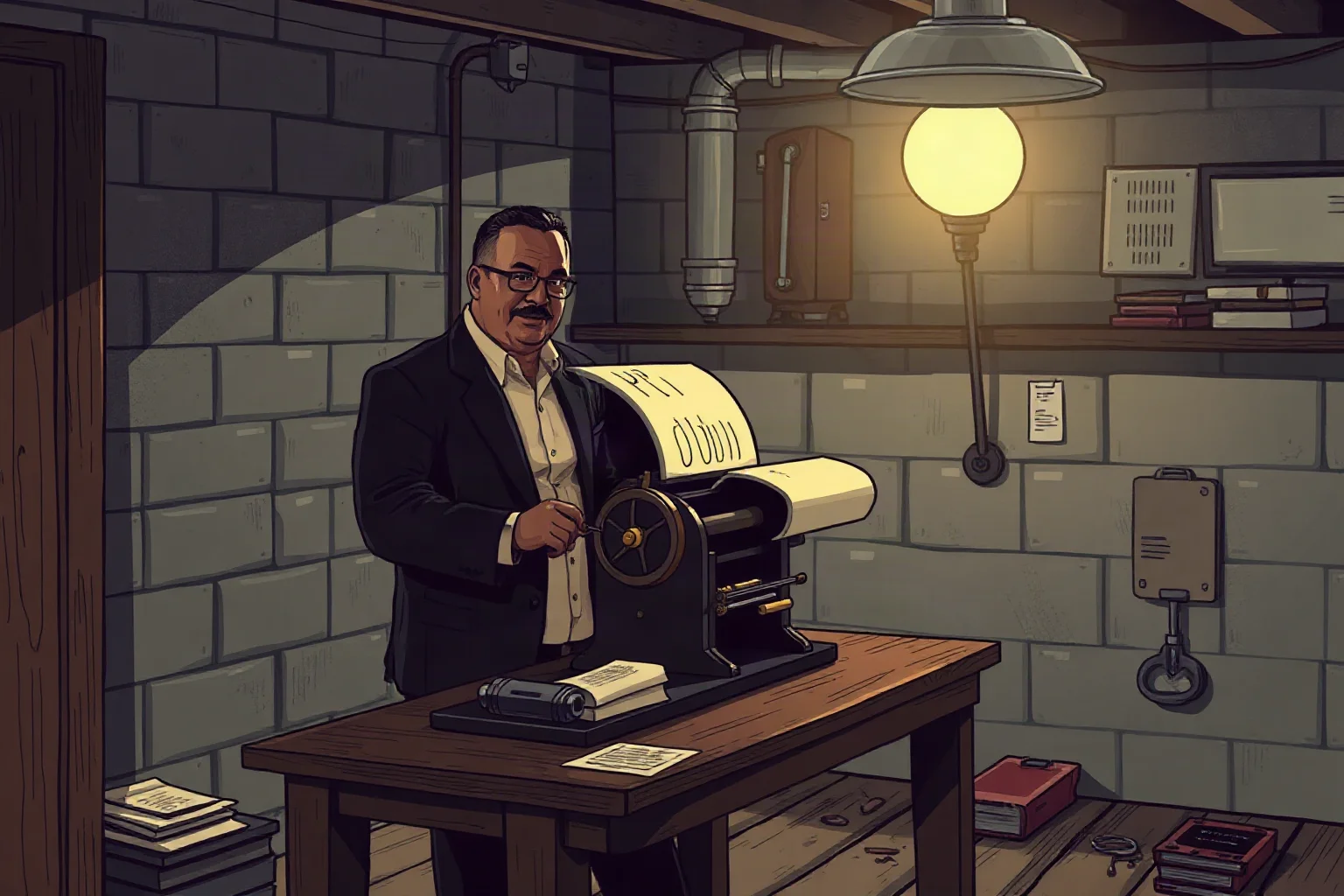
Mass-producing thousands of leaflets without modern copiers was slow, loud, and risky. The group used a simple hand-operated duplicating machine, often working late at night in borrowed or rented spaces to avoid detection.
Every leaflet had to be typed, duplicated, and packaged manually, which meant every member who touched the process was taking on real legal exposure under Nazi law.
10. They Mailed Leaflets Across Multiple German Cities
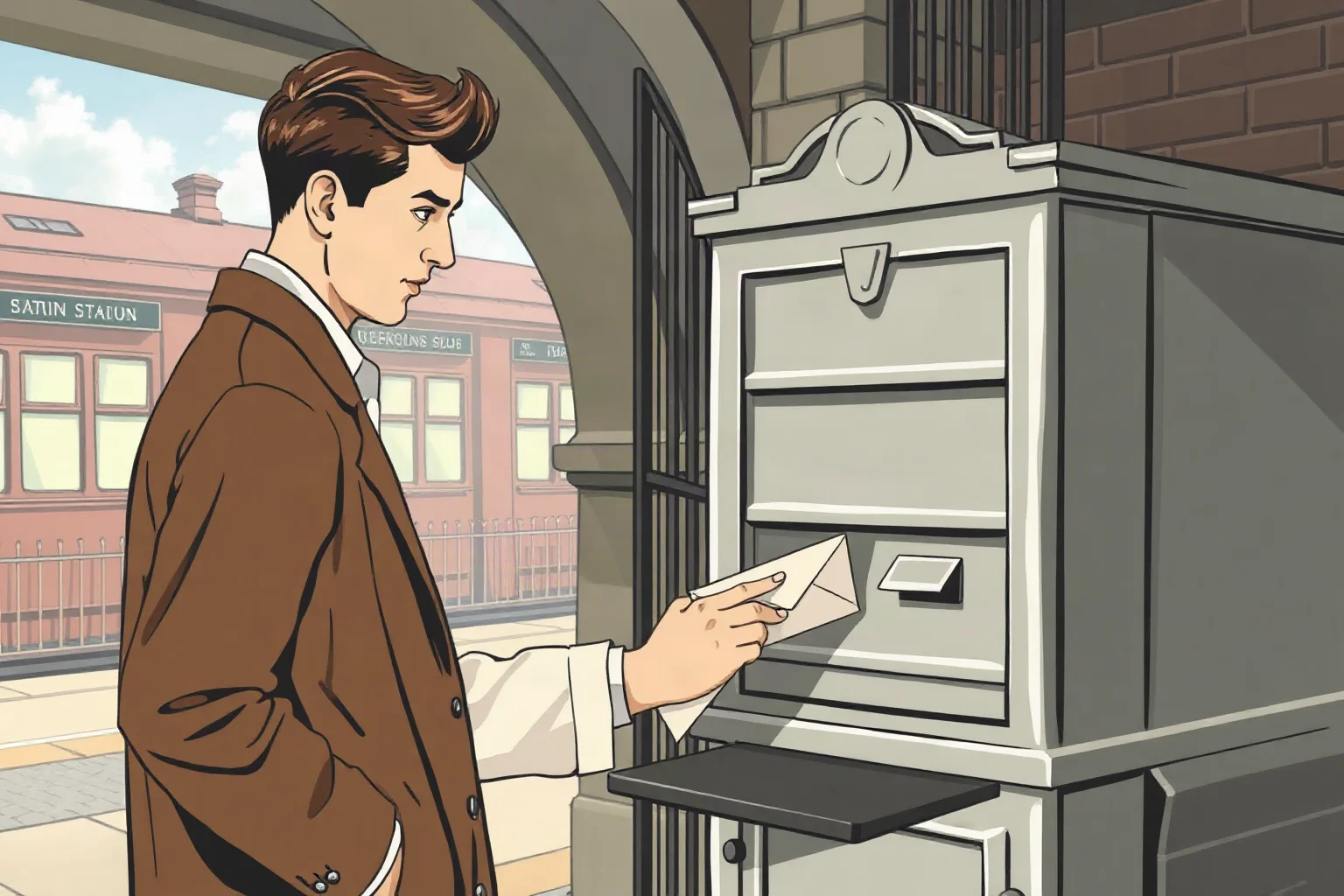
To avoid making it obvious the leaflets originated in Munich, members traveled by train to other cities, including Stuttgart, Vienna, and elsewhere, to mail batches from postboxes far from home. They picked addresses partly at random from telephone directories.
This logistical effort shows how deliberate and organized the White Rose activist Scholl siblings and their friends were, despite having no formal training in underground resistance work.
11. Sophie Took On Major Personal Risk Buying Supplies
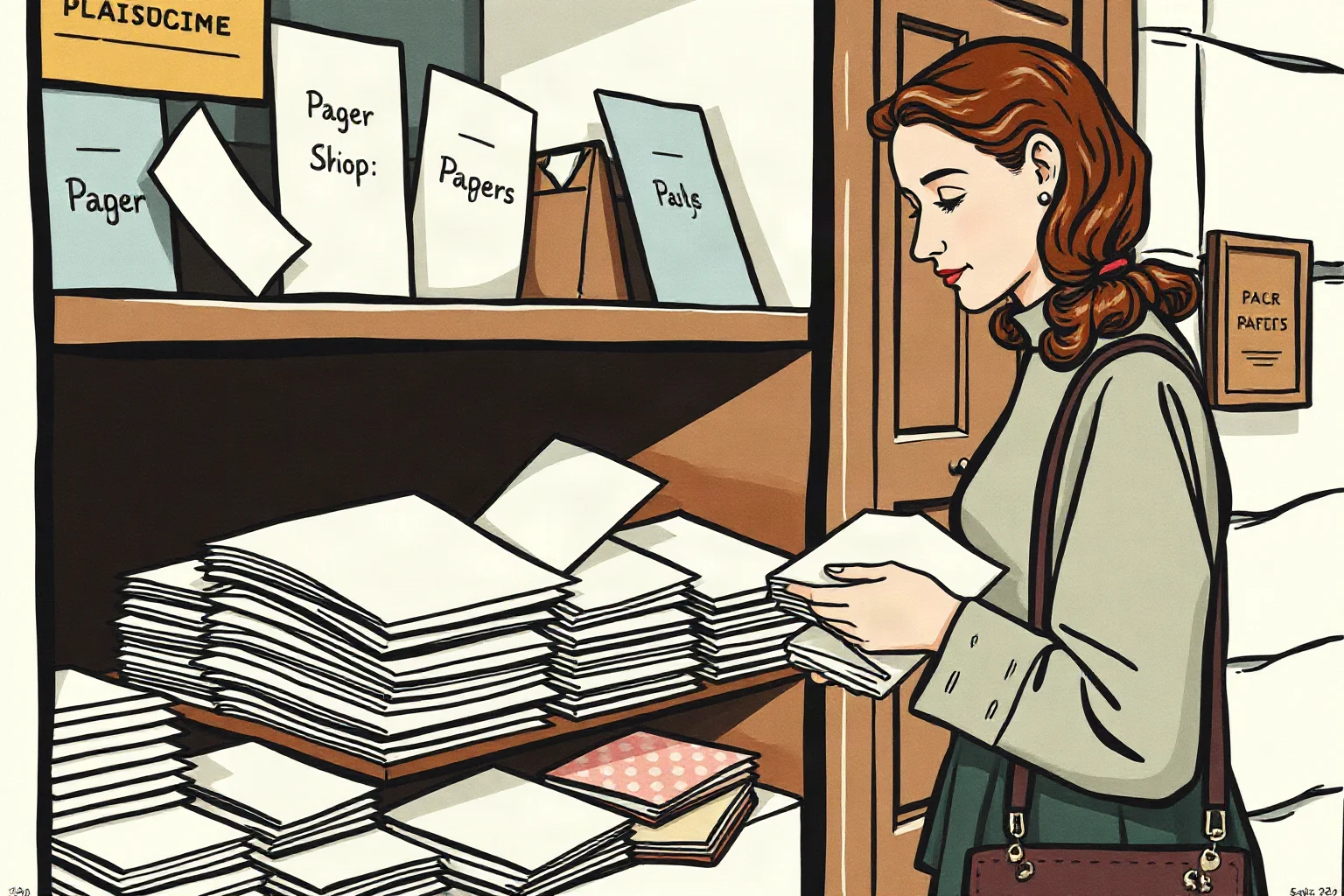
Buying large quantities of paper, envelopes, and stamps was flagged as suspicious behavior under wartime rationing rules. Sophie reportedly used her own money and made these purchases across multiple shops to avoid raising alarms.
It’s a small detail, but it illustrates how much of the resistance work was mundane and logistical rather than dramatic, right up until the moment it wasn’t.
12. She Was Influenced by Anti-Nazi Intellectuals in Munich
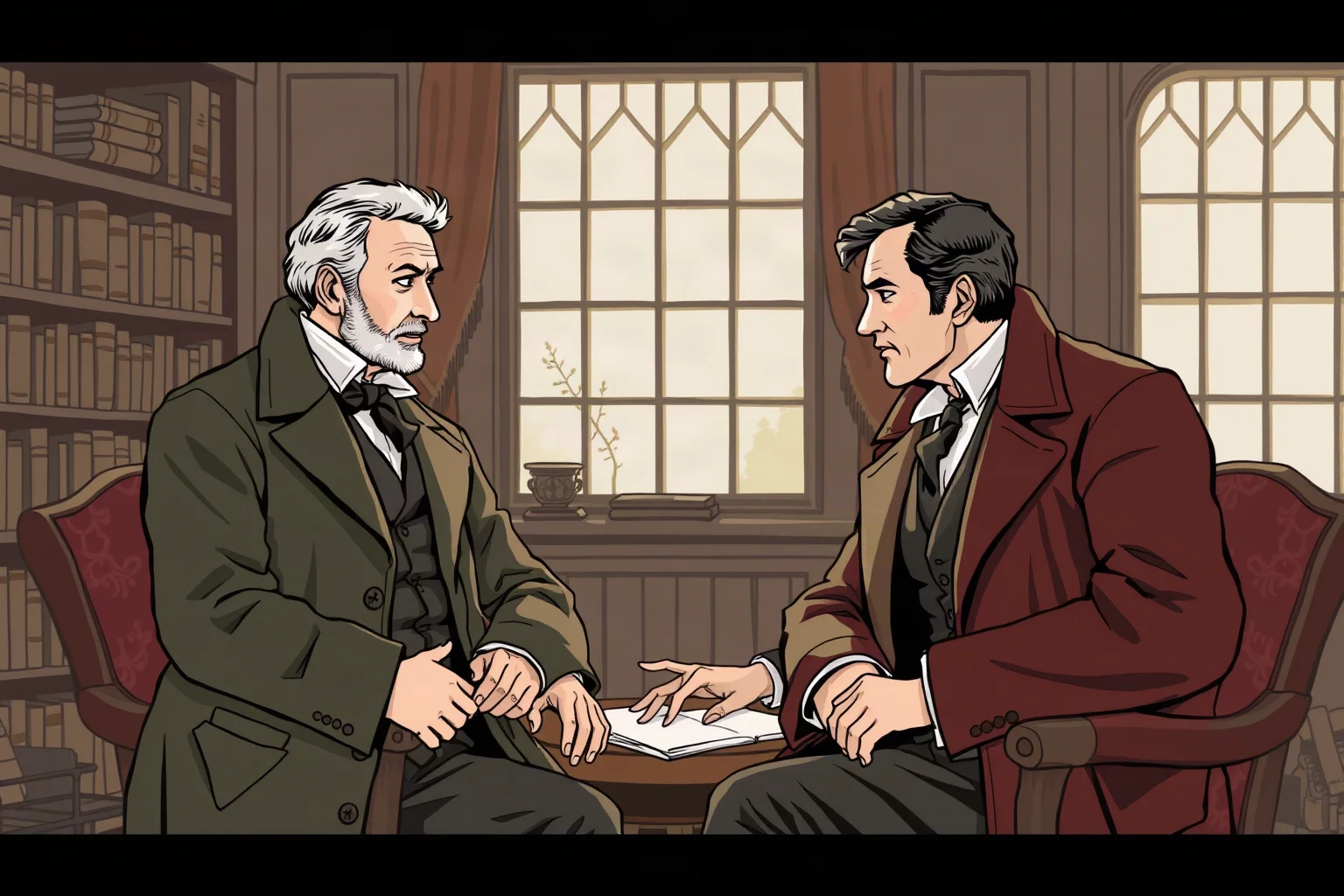
Sophie and Hans were part of a broader circle that included contact with figures like publisher Carl Muth and writer Theodor Haecker, both known for anti-Nazi Catholic and philosophical thought. These connections deepened the moral and religious framing found in the later leaflets.
It’s worth being cautious here: the exact depth of influence from any single figure isn’t fully documented, and historians generally describe this as one influence among several rather than a single decisive cause.
13. The Arrest Happened on February 18, 1943
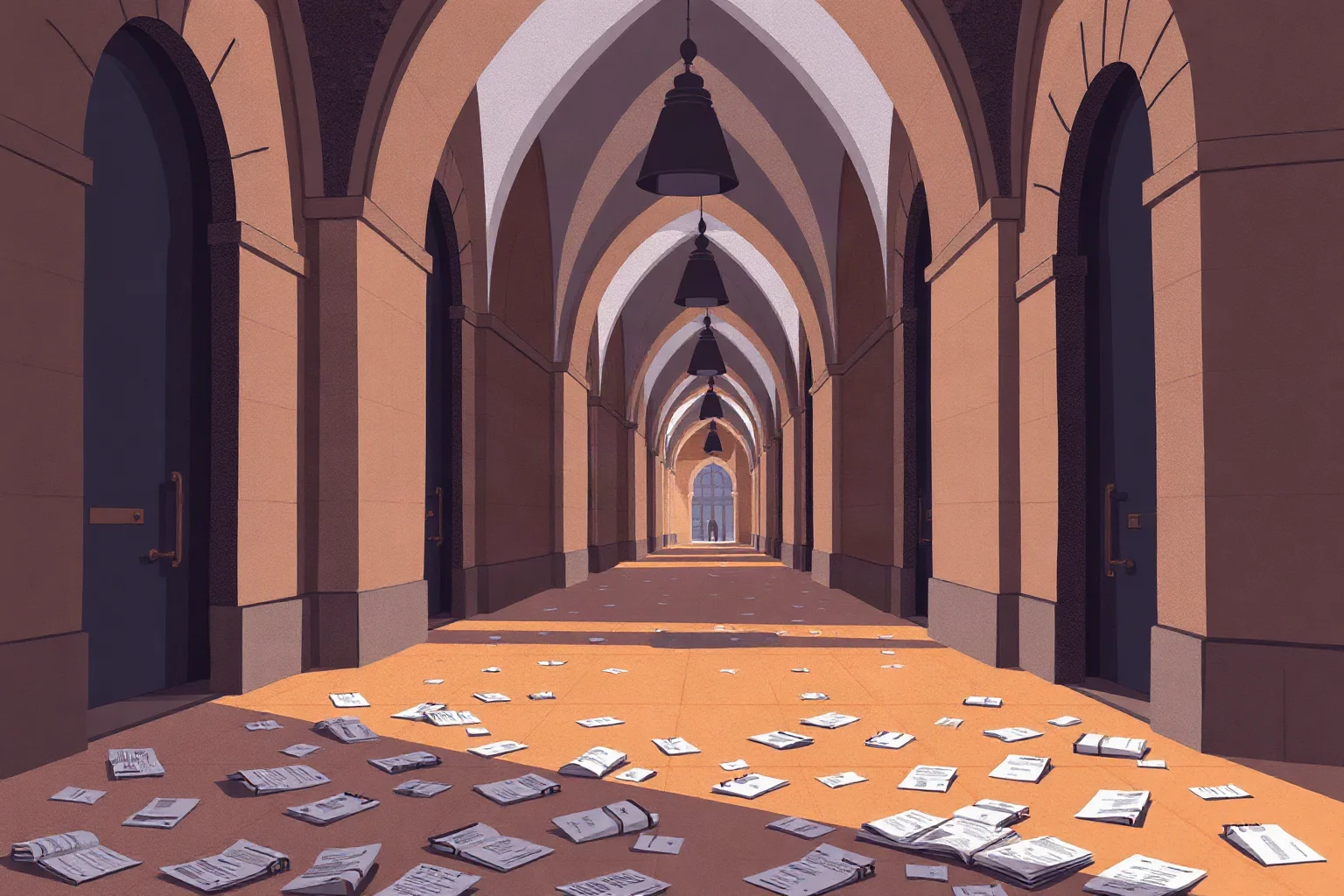
On the morning of February 18, 1943, Hans and Sophie Scholl brought a suitcase full of leaflets to the University of Munich’s main building. They distributed copies in empty hallways before class let out.
With leaflets still remaining, Sophie reportedly dropped or scattered extra copies from an upper-floor balcony into the atrium below, an act witnessed by a university custodian.
14. A Janitor’s Report Led to Their Capture
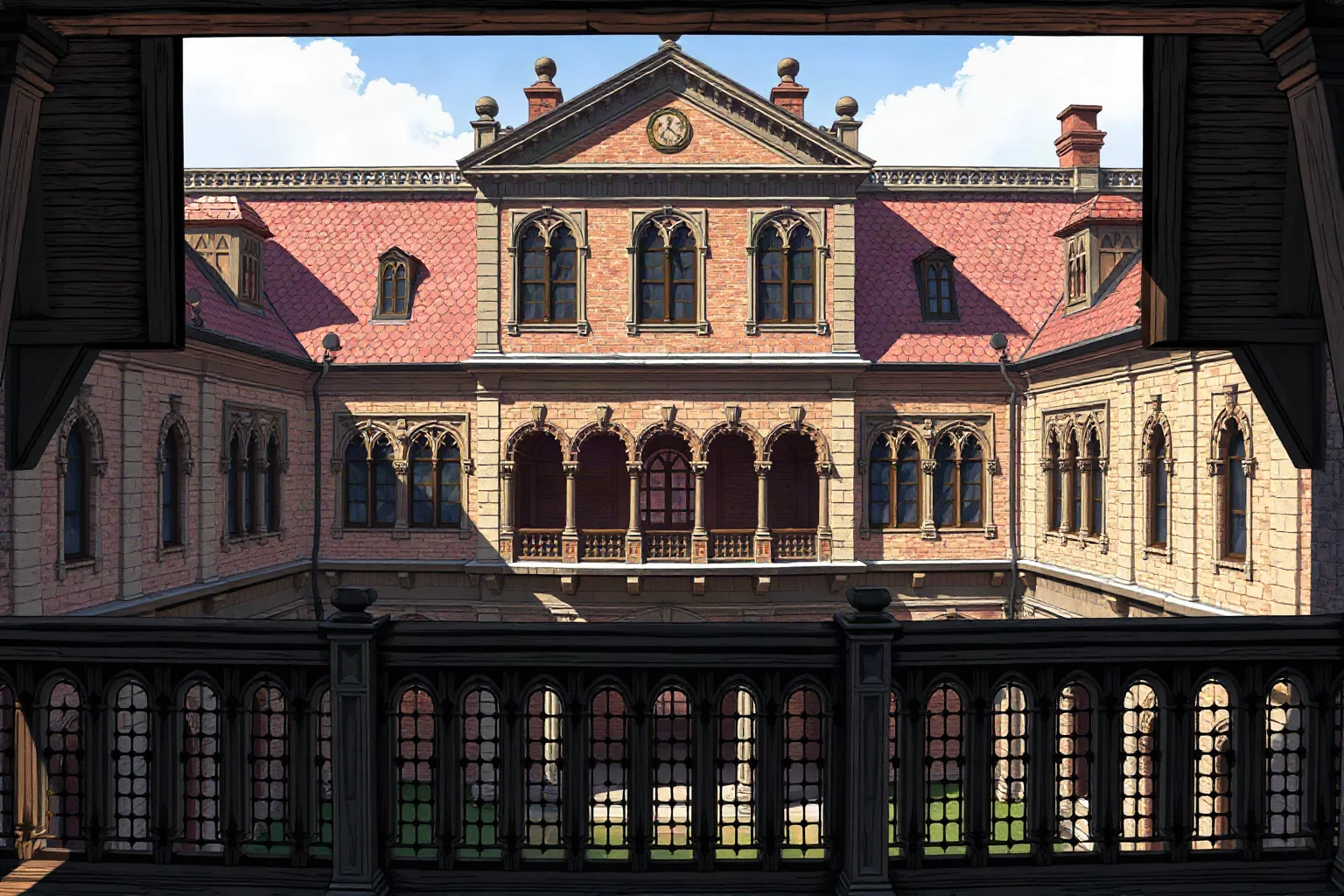
The custodian, Jakob Schmid, saw the leaflets fall and reported the Scholls to university officials, who alerted the Gestapo. Hans and Sophie were detained on the spot before they could leave the building.
Within hours, the Gestapo searched their apartment and found evidence connecting them to the wider group, which set off a chain of further arrests.
15. Sophie Tried to Take the Blame to Protect Others
During interrogation, Sophie reportedly attempted to claim sole responsibility for the leaflet campaign, hoping to shield Hans and other members from prosecution. Gestapo investigators, however, had already gathered enough physical evidence to implicate multiple people.
This detail is often cited to show that her courage didn’t end with writing leaflets; it extended into how she conducted herself under direct interrogation.
16. Christoph Probst Was Arrested Almost Immediately After
Within days, Christoph Probst, a father of three young children and a close friend of Hans, was also arrested after a draft leaflet linked to him was found. His involvement tied the case together quickly for Gestapo investigators.
This rapid unraveling shows how thin the margin for error was; a single unsent draft was enough evidence to seal his fate alongside the Scholls.
17. The Trial Took Place Before the People’s Court
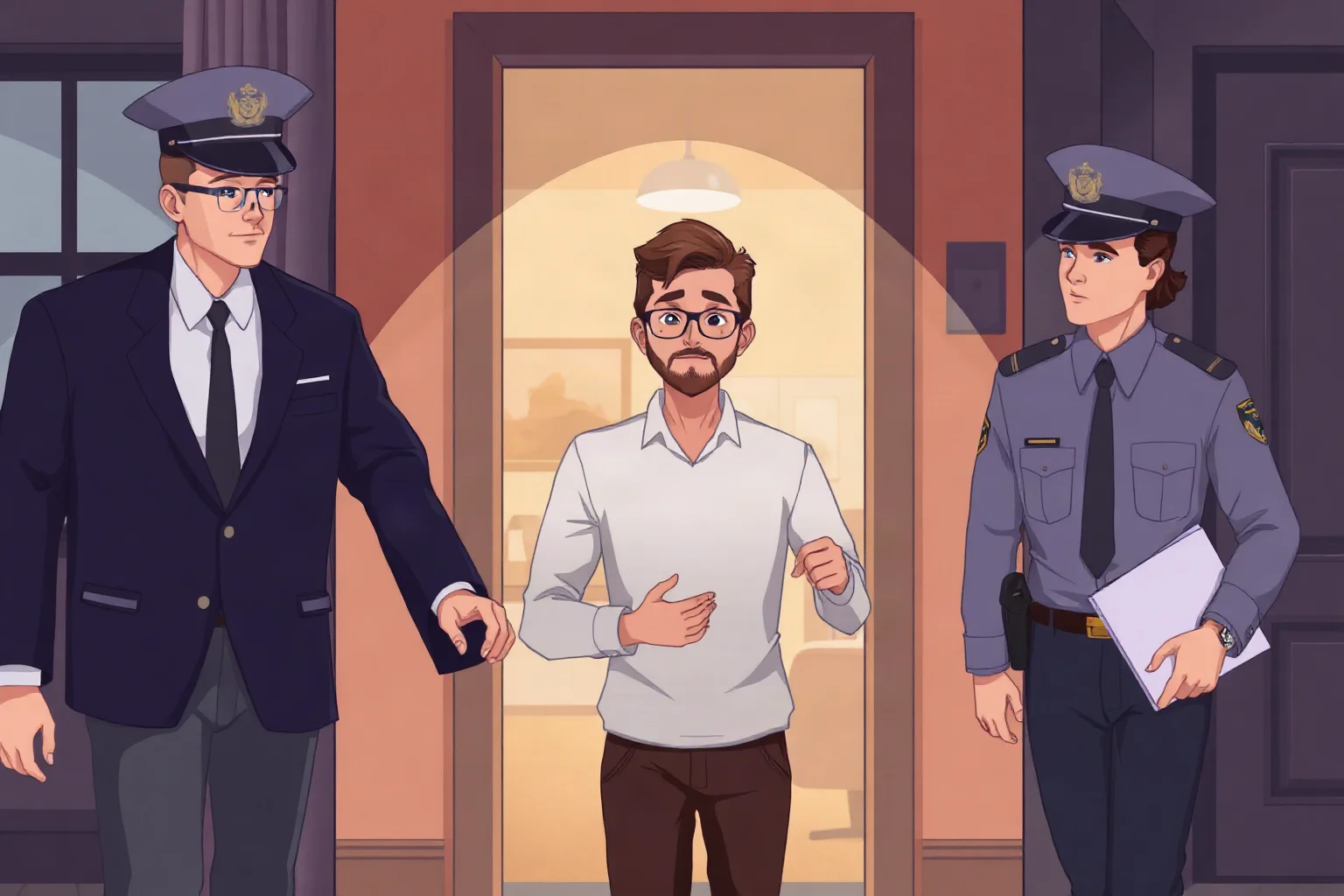
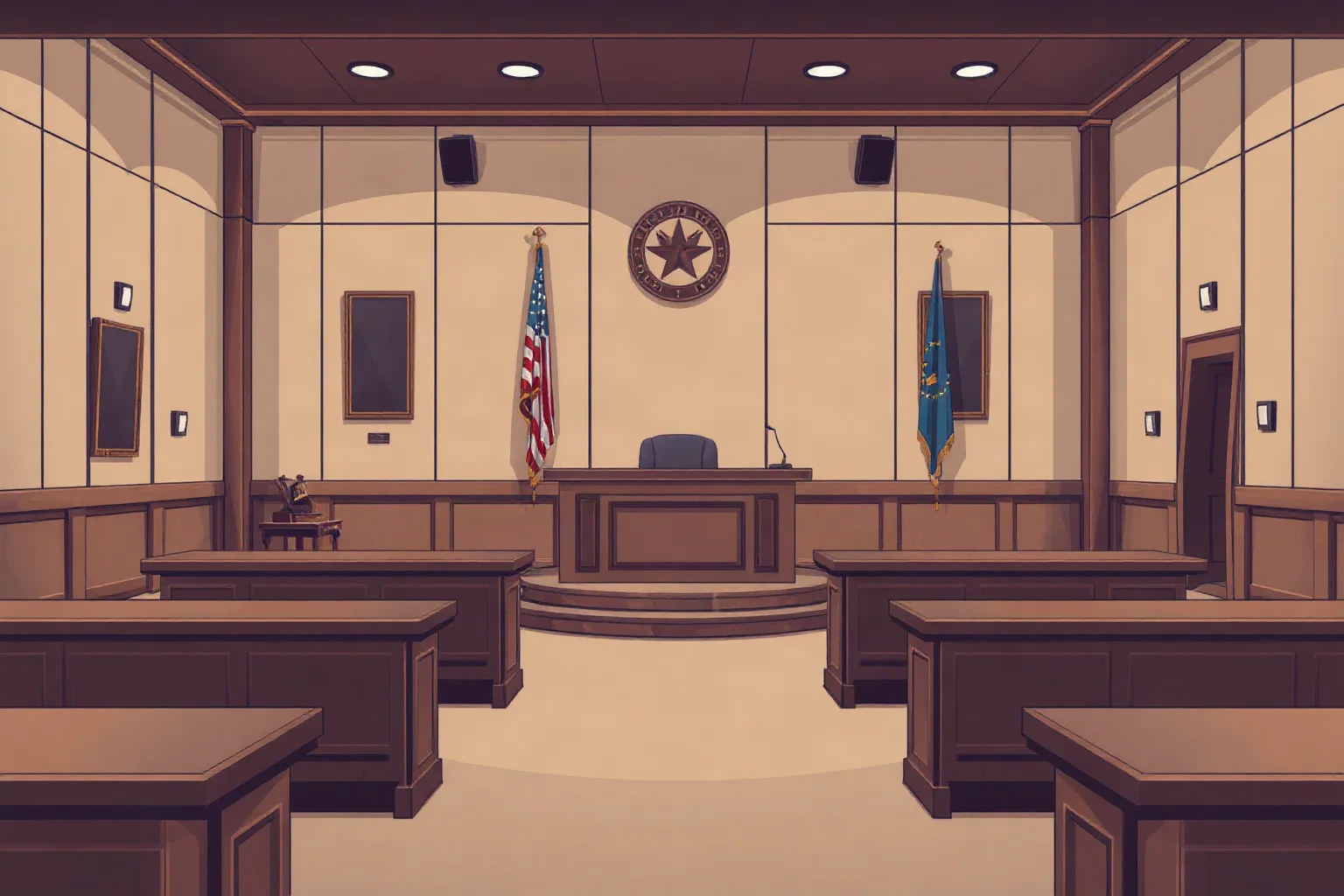
Hans, Sophie, and Christoph Probst were tried on February 22, 1943, before the Volksgerichtshof, or People’s Court, a special Nazi tribunal used for political crimes. The presiding judge, Roland Freisler, was notorious for treating these trials as foregone conclusions rather than genuine legal proceedings.
The trial itself lasted only a few hours, offered no real opportunity for defense, and ended in death sentences for all three defendants on charges of treason.
18. How Did Sophie Scholl Die?
Sophie Scholl was executed by guillotine at Stadelheim Prison in Munich on the afternoon of February 22, 1943, just hours after her trial concluded. Hans Scholl and Christoph Probst were executed the same day, in the same manner.
Under Nazi judicial procedure, sentences from the People’s Court were often carried out within hours to prevent appeals or public reaction, which is exactly what happened here.
19. She Was Only 21 Years Old
Sophie Scholl was 21 at the time of her death, having lived barely long enough to complete a single year of university study. Hans was 24, and Christoph Probst was 23 and had recently become a father for the third time.
Their youth is part of why this case remains so widely taught: these weren’t hardened political operatives, but students and young professionals who chose principle over self-preservation.
20. Accounts Describe Her Composure in Her Final Hours
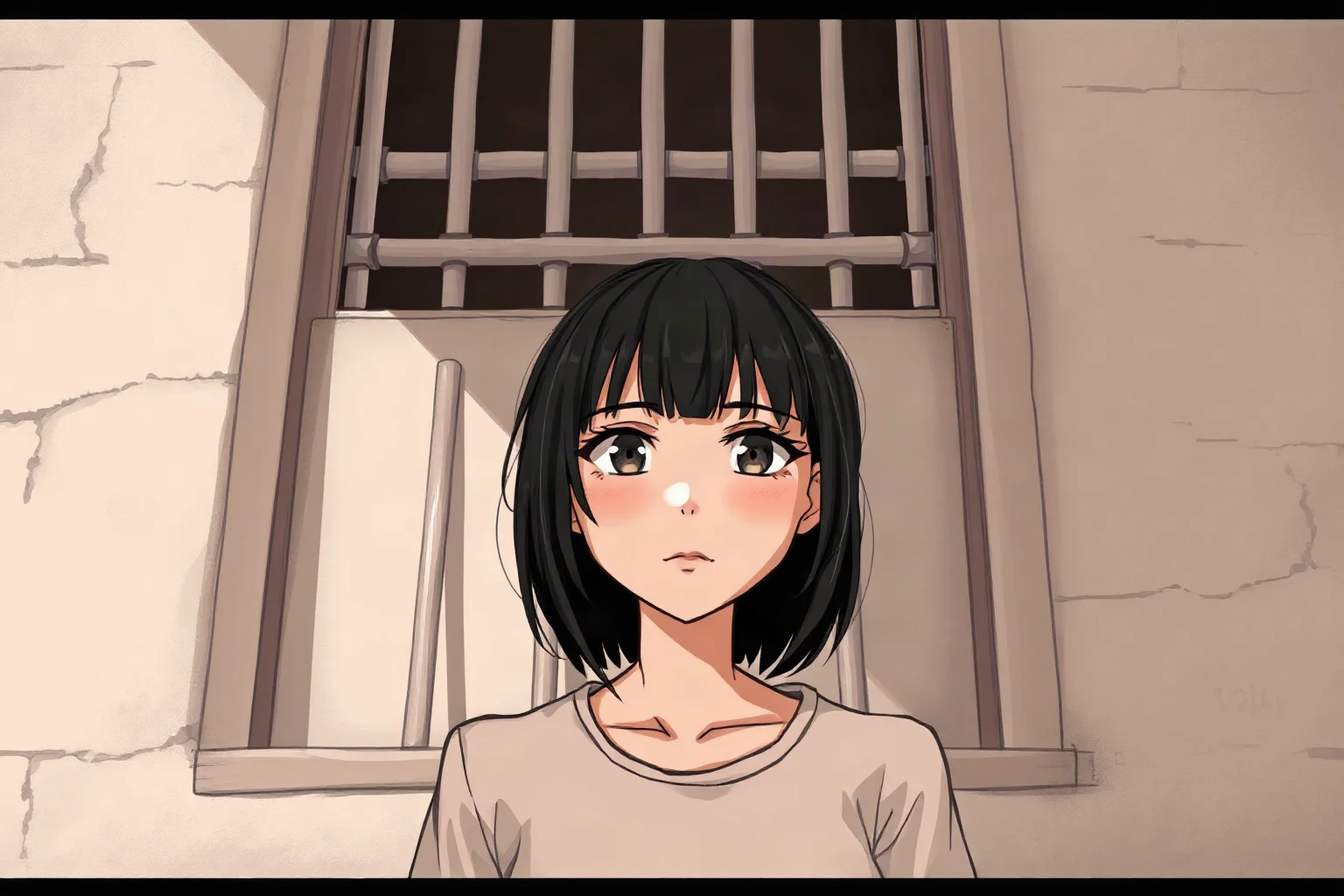
Prison officials and witnesses later described Sophie as remarkably calm in her final hours, even as she faced execution. Some post-war accounts attribute reflective final statements to her, but historians caution that exact wording from these final moments is difficult to verify with full certainty.
Rather than presenting any single quote as definitive, it’s more accurate to say multiple secondhand accounts converge on the same theme: she faced death with unusual steadiness for someone so young.
21. Other White Rose Members Were Executed Later in 1943
The crackdown didn’t end with the first three executions. Alexander Schmorell and Kurt Huber were tried and executed in July 1943, and Willi Graf was executed later that October after further interrogation.
This wider wave of executions shows the White Rose was never just “Sophie and Hans”; it was a small network, and the Nazi state pursued every identifiable member it could find.
22. Films Have Brought Her Story to New Audiences

The 2005 German film “Sophie Scholl – The Final Days” dramatized her interrogation and trial using surviving transcripts, and it earned international recognition, including an Academy Award nomination. An earlier 1982 film, “Die Weiße Rose,” also told the group’s story.
Both films helped cement her as the most recognizable face of the White Rose in popular culture, even though she worked as part of a larger team.
23. She’s Regularly Ranked Among Germany’s Most Admired Figures
In a widely cited 2003 German television poll asking viewers to name the greatest Germans in history, Sophie and Hans Scholl placed near the top of the list, ahead of many statesmen and scientists, cementing her place among the most recognized historical figures of all time. This reflects how central her story has become to modern German national memory and civic education.
Schools, streets, and public squares across Germany carry the Scholl name today, a rare honor for anyone who died before turning 22.
24. The Popular Story Sometimes Overstates Her Solo Role
A common myth-busting point historians raise is that Sophie is sometimes portrayed as the sole author or mastermind of the White Rose leaflets. In reality, Hans Scholl and Alexander Schmorell were the primary writers of the earlier leaflets, with Christoph Probst and Kurt Huber contributing significantly to later ones.
Sophie’s real significance lies less in authorship and more in her total commitment: she took on the same risks as her male peers, at a time when women were rarely expected to be full partners in political resistance. That distinction matters for understanding her accurately, rather than turning her into a simplified legend.
Why Sophie Scholl’s Story Still Matters
Sophie Scholl didn’t lead an army, hold political office, or survive to write memoirs about what she did. Her entire recorded resistance lasted well under a year, and it ended in a room with a guillotine before she turned 22.
What makes her story endure isn’t scale, it’s clarity. She, her brother Hans, and their small circle of friends looked at a regime committing mass atrocities and decided that doing nothing was itself a moral failure. In that sense, Sophie belongs to a small, cross-century group of young women — like Joan of Arc, centuries earlier — who chose principle over survival despite having every reason to stay silent.
That’s the core lesson historians and educators keep returning to when they teach her biography. Facts about Sophie Scholl matter not because she single-handedly changed the war’s outcome, but because she demonstrated that ordinary young people, without power or weapons, can still choose to act on conscience even when the cost is total.
Frequently Asked Questions
Who were Hans and Sophie Scholl?
Hans and Sophie Scholl were German siblings who became key members of the White Rose, a small student-led resistance group in Munich that wrote and distributed anti-Nazi leaflets between 1942 and 1943. Both were arrested on February 18, 1943, after being caught distributing leaflets at the University of Munich, and both were executed on February 22, 1943, along with fellow member Christoph Probst.
How did Sophie Scholl die?
Sophie Scholl was executed by guillotine at Stadelheim Prison in Munich on February 22, 1943, just hours after being convicted of treason by the Nazi People's Court. Her brother Hans and their friend Christoph Probst were executed the same day for the same charges.
What was the White Rose that Sophie Scholl belonged to?
The White Rose was a small, non-violent German resistance group made up mostly of university students in Munich, including Hans Scholl, Sophie Scholl, Alexander Schmorell, Christoph Probst, Willi Graf, and professor Kurt Huber. Between 1942 and 1943, they wrote and secretly distributed six leaflets condemning Hitler's regime and urging Germans to passively resist it.
How old was Sophie Scholl when she died?
Sophie Scholl was 21 years old when she was executed on February 22, 1943. She was born on May 9, 1921, in Forchtenberg, Germany.
What did Sophie Scholl study before joining the resistance?
Sophie Scholl studied biology and philosophy at the University of Munich, enrolling in May 1942. Her time there brought her into closer contact with her brother Hans and the informal student circle that became the White Rose.
Is ‘Sophie Sholl’ or ‘Sophie Scholll’ the correct spelling of her name?
No, the correct spelling is Sophie Scholl. Variations like 'Sophie Sholl,' 'Sphie Scholl,' 'Sophie Schol,' and 'Sophie Scholll' are common misspellings that appear in searches, but historical sources consistently use 'Scholl.'

Alex Warren
Related Articles