
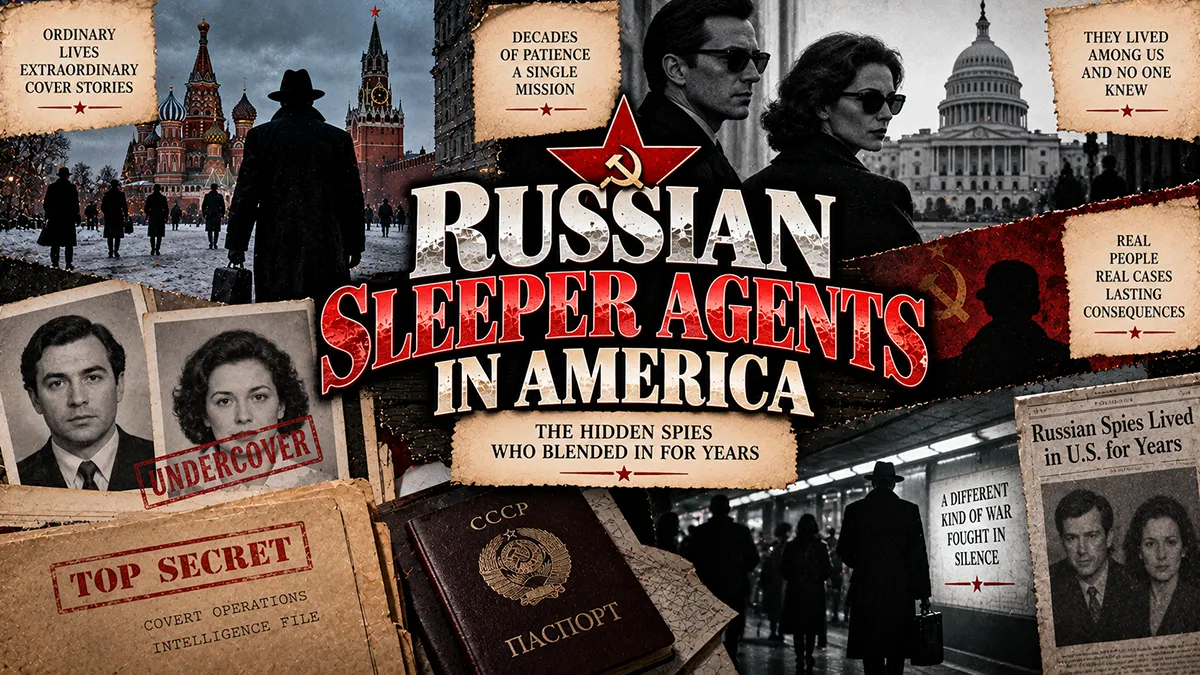
When FX’s The Americans premiered in 2013, viewers met Philip and Elizabeth Jennings, a seemingly ordinary suburban couple running a travel agency outside Washington, D.C. In reality, they were deep-cover KGB officers, living under stolen American identities and raising children who had no idea their parents were spies. It made for gripping television, but the wildest part is that the setup wasn’t purely fictional.
Just three years before the show aired, the FBI arrested ten real Russian sleeper agents living almost exactly this way across the United States. Their story, along with a much longer history of Soviet and Russian “illegals,” is the true foundation this hit series was built on. Let’s separate the Hollywood drama from the documented history.
TL;DR: The Americans was inspired by real Russian sleeper agents, including the 2010 FBI bust of ten Soviet-trained “illegals” living under fake American identities, part of a much longer history of KGB and SVR deep-cover operations.
What Is a Sleeper Spy, Really?
A sleeper agent, sometimes called a sleeper spy or sleeping agent, is an intelligence operative who is placed in a target country and lives an ordinary, unremarkable life for years, sometimes decades, before being activated for actual espionage work. The Russian intelligence services have a specific term for this: an “illegal,” meaning an operative working without any official diplomatic cover, unlike a spy posing as an embassy staffer.
So do sleeper agents know they are agents? In every documented real-world case, the adults absolutely do. They are trained, recruited, and sent by an intelligence service, and they know exactly who they’re working for.
The genuinely strange twist is that their children often don’t. Several of the Russian sleeper agents caught in 2010 had kids born and raised in the U.S. who only learned their parents were Soviet-trained intelligence officers when journalists and federal agents showed up at their doors.
It’s also worth separating a sleeper agent from a mole. A mole is a trusted citizen of the target country, like a government employee or military officer, who is recruited to betray secrets from the inside. A sleeper agent, by contrast, is a foreign national embedded under a false identity, waiting years before doing anything remotely secretive.
Is The Americans Based on a True Story?
The Americans isn’t a direct dramatization of specific people, and creator Joe Weisberg, a former CIA officer, has said the show’s concept was already in development before the case broke. But the timing was almost too perfect: the FBI’s real sleeper agent arrests happened in June 2010, right as the show’s premise was taking shape, and the resemblance between fiction and fact became impossible to ignore.
The series is set in the early 1980s, decades before the real 2010 case, so it isn’t a beat-for-beat retelling. Instead, it borrows the emotional core of real events, married couples living double lives, children kept in the dark, and years of patient, mundane cover work broken by sudden danger.
If you’re searching for “the Americans true story,” the honest answer is that it’s inspired by a real phenomenon rather than a single real case file. It sits alongside other entries in the russian spy tv series genre, like Germany’s Deutschland 83, which mines similar Cold War sleeper-agent territory, making it one of the more prominent tv shows with Russian spies at their center.
The Illegals Program: The Real Operation Behind the Show
The case that put Russian sleeper agents back in headlines was the FBI’s “Operation Ghost Stories,” a surveillance effort that had quietly tracked a network of Russian illegals for roughly a decade. In June 2010, the Bureau finally moved, arresting ten operatives across several U.S. states who had spent years building ordinary American lives as cover.
These agents were part of what’s been publicly referred to as Russia’s “Illegals Program,” run by the SVR, the foreign intelligence successor to the KGB. Below are the real people, past and present, whose stories fed into decades of sleeper agent fascination, culminating in the world The Americans imagined on screen.
1. Anna Chapman
Anna Chapman became the most photographed face of the 2010 bust, a young Russian-born businesswoman living in New York who was arrested and quickly deported back to Russia. Unlike most of the network, she operated as a single agent rather than part of a married cover couple.
Her case drew massive tabloid attention partly because of her public social media presence, something almost unthinkable for a real deep-cover operative. She later became a media personality in Russia, a strange coda for someone once accused of clandestine espionage.
2. Mikhail Semenko
Semenko was arrested in Arlington, Virginia, and stood out because he used his own name rather than a fabricated American identity, working instead under a thinner cover as a travel agency employee. He had studied in China and worked with relative openness compared to the deeply embedded couples in the network.
His case helped investigators piece together the network’s communication methods, including coded exchanges and prearranged meetings with other operatives. He was among those sent back to Russia in the eventual prisoner swap.
3. The Guryev Couple (Richard and Cynthia Murphy)
Vladimir and Lidiya Guryev lived in New Jersey under the names Richard and Cynthia Murphy, raising two American-born daughters who had no idea their parents were Russian intelligence officers. Cynthia held a job as a financial and tax consultant, giving the family a plausible, comfortable suburban front.
Their daughters reportedly learned the truth only after the arrests, a detail that closely echoes the emotional storyline given to the Jennings children in The Americans. The family was deported together after the swap.
4. Andrey Bezrukov and Elena Vavilova (Donald Heathfield and Tracey Foley)

Often cited as the closest real-world parallel to Philip and Elizabeth Jennings, this couple lived for years under the names Donald Heathfield and Tracey Foley, raising two sons in the Boston area. Bezrukov even earned a graduate degree from Harvard’s Kennedy School while maintaining his cover.
Their sons, born and raised in North America, only discovered their parents’ true identities after the arrests made international news. Elena Vavilova later wrote spy novels drawing loosely on her own experiences, giving rare public insight into the illegals’ mindset.
5. Mikhail Kutsik and Natalia Pereverzeva (Michael Zottoli and Patricia Mills)
This couple lived in Seattle under the identities Michael Zottoli and Patricia Mills, blending into ordinary American life with young children of their own. Like the other embedded pairs, their cover involved conventional jobs and an unremarkable neighborhood presence.
Their arrest and subsequent deportation followed the same pattern as the rest of the network, underscoring how many separate, self-contained sleeper units the SVR maintained simultaneously across the country.
6. Juan Lazaro and Vicky Peláez
Juan Lazaro, whose real name was Mikhail Vasenkov, lived in Yonkers, New York, under a Peruvian cover identity for decades, married to journalist Vicky Peláez. He was considered one of the most deeply embedded illegals in the group, having maintained his false identity since long before the others.
Peláez, a columnist for a Spanish-language newspaper, maintained she did not know the full extent of her husband’s work, though she was arrested and deported alongside him. Their case illustrates how long-term illegals could operate for twenty or more years before detection.
7. Christopher Metsos
Metsos wasn’t part of the ten agents arrested inside the U.S.; instead, he’s alleged to have served as a courier and paymaster for the network, funneling funds to the embedded operatives. He was detained in Cyprus shortly after the American arrests but skipped bail and vanished before facing further legal action.
His disappearance remains one of the more unresolved threads of the whole affair, a real-life loose end that no scriptwriter needed to invent.
8. Rudolf Abel (Willie Fisher)
Long before 2010, the name Rudolf Abel became shorthand for the classic KGB sleeper agent. Arrested in New York in 1957, Abel (whose real name was Willie Fisher) had operated for years under a fabricated identity as a photographer and artist while running Soviet intelligence networks.
His 1962 exchange for captured American U-2 pilot Francis Gary Powers on Berlin’s Glienicke Bridge became one of the defining spy-swap images of the Cold War, later dramatized in the film Bridge of Spies. Abel remains one of the most famous sleeper agents in Cold War history.
9. Konon Molody (Gordon Lonsdale)
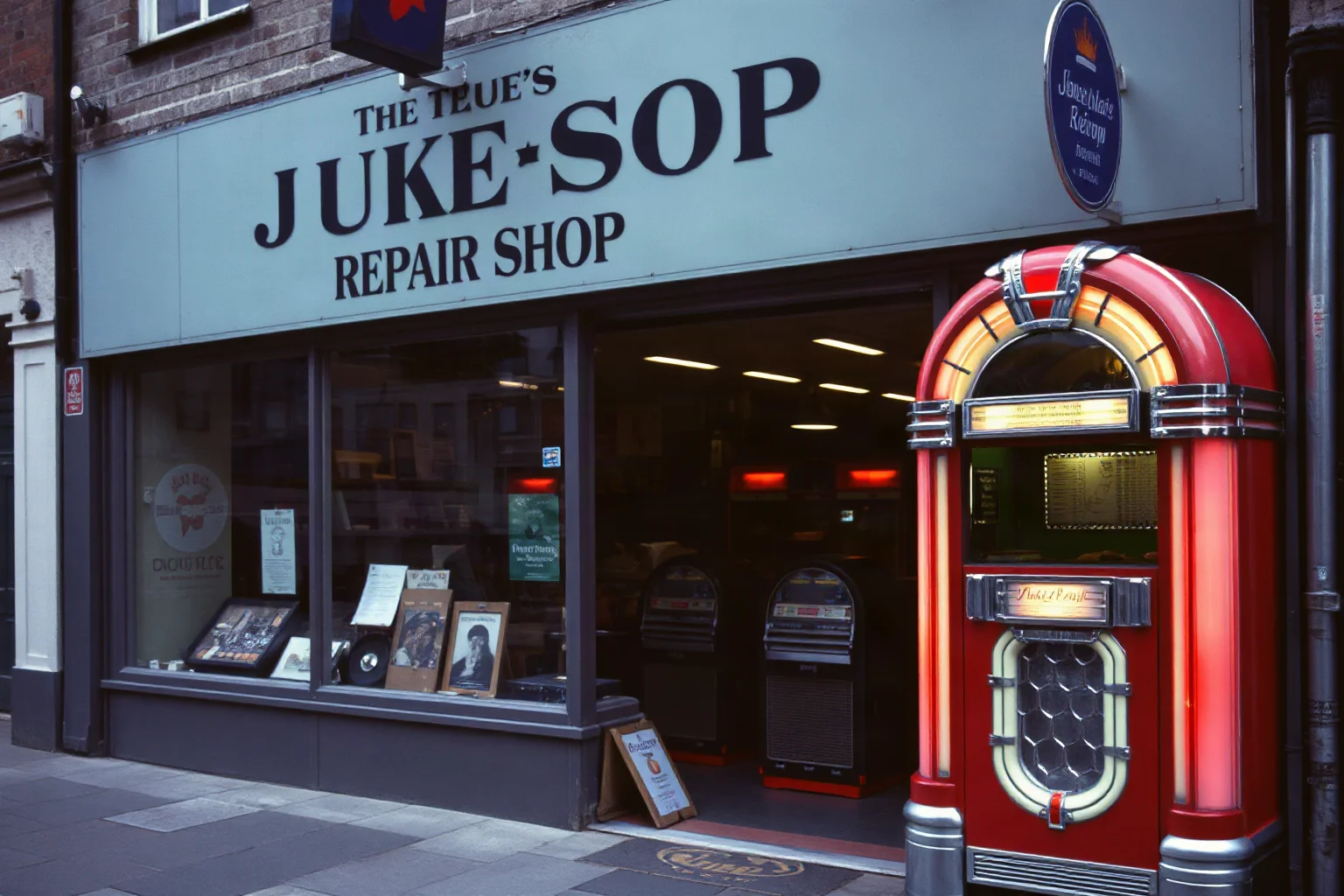
Molody operated in Britain under the alias Gordon Lonsdale, posing as a Canadian businessman running jukebox and vending machine companies while secretly leading the Portland Spy Ring. He was arrested in 1961 alongside several collaborators who had been leaking British naval secrets to Moscow.
Like Abel, he was eventually swapped for a Western prisoner, a common resolution for high-value Cold War illegals on both sides.
10. Morris and Lona Cohen (Peter and Helen Kroger)

Morris and Lona Cohen were American-born communists who became Soviet illegals, later resurfacing in Britain under the names Peter and Helen Kroger as part of the same Portland Spy Ring. Morris Cohen had earlier links to networks that fed information from the Manhattan Project era, making the couple veterans of Soviet intelligence work by the time of their 1961 arrest.
After years in a British prison, they were eventually exchanged and lived out their lives in the Soviet Union, where Morris was later honored posthumously as a Hero of the Russian Federation.
11. Arnold Deutsch, the Illegal Who Built the Cambridge Five
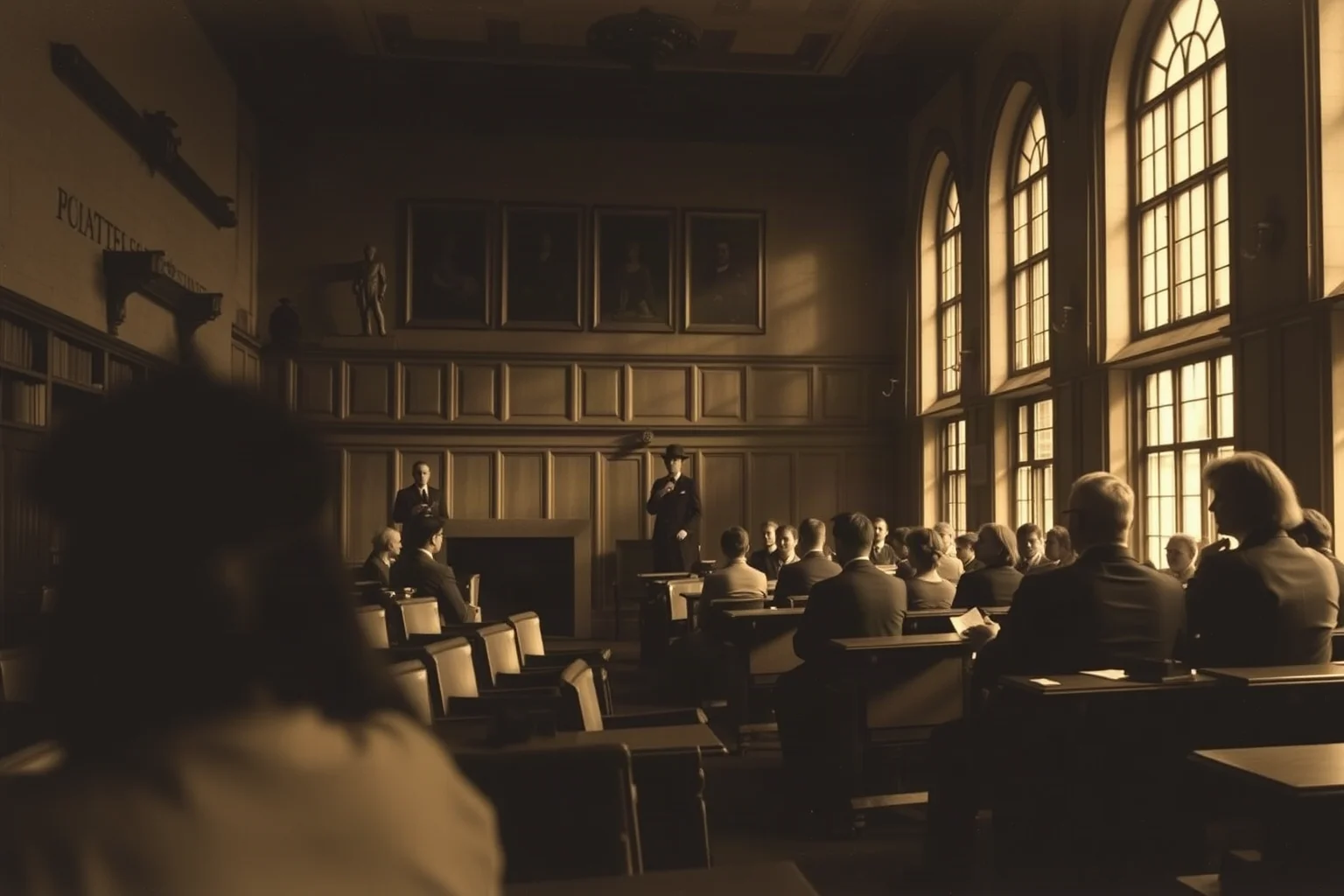
Arnold Deutsch was an Austrian-born NKVD illegal who operated in London during the 1930s under academic cover. He is widely credited with recruiting and shaping the group later known as the Cambridge Five, including Kim Philby and Guy Burgess.
Deutsch himself fits the sleeper agent mold perfectly: a foreign operative living under a false professional identity for years while quietly building one of the most damaging espionage networks Britain ever faced.
12. Iosif Grigulevich, the Illegal Who Became an Ambassador
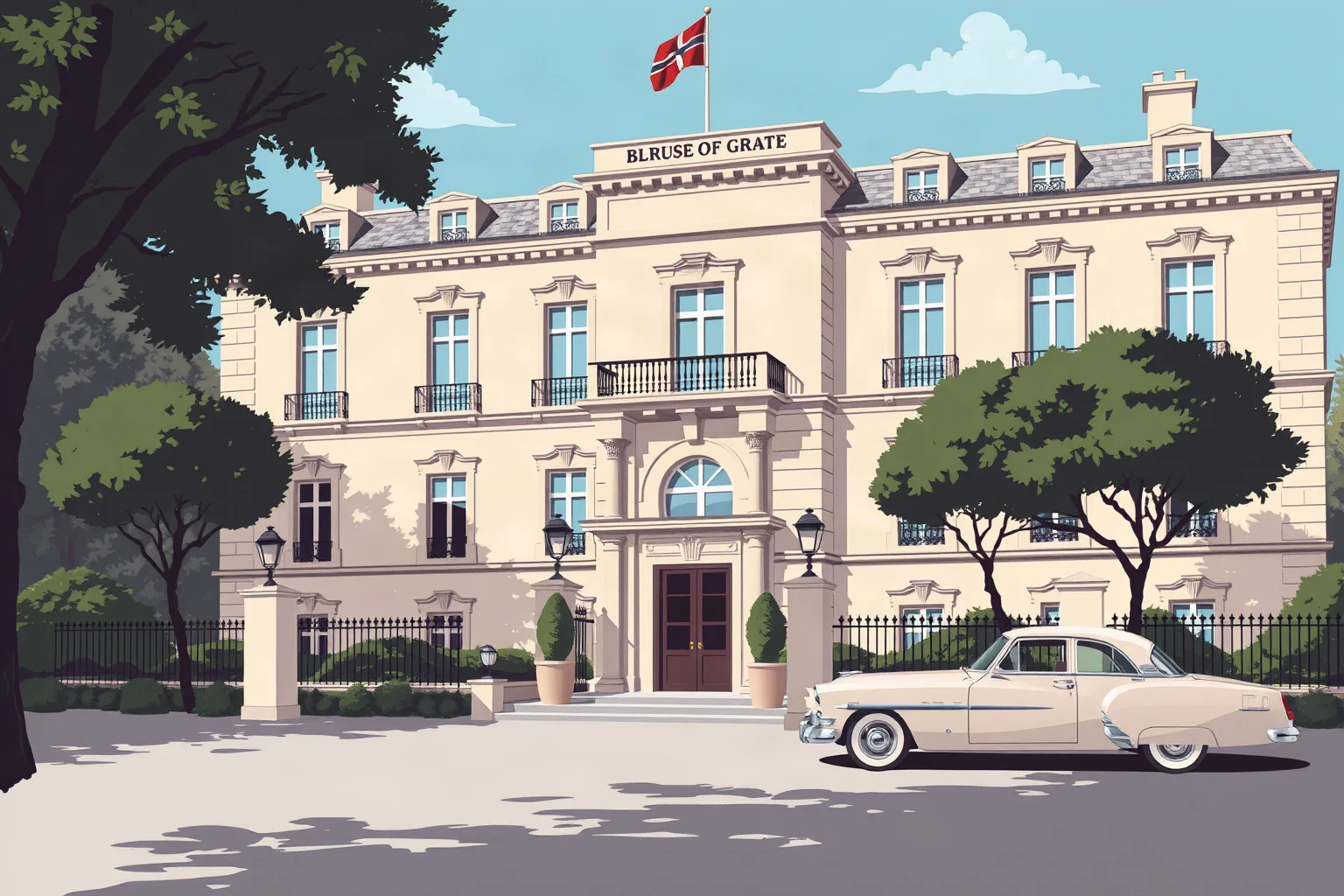
Few illegals had a stranger career than Iosif Grigulevich, a Soviet operative who eventually built a false identity so convincing he was appointed Costa Rica’s ambassador to Italy and Yugoslavia in the 1950s. His diplomatic cover gave Soviet intelligence remarkable access to high-level European circles.
His case, declassified and reported on after the Cold War, is frequently cited as one of the most audacious sleeper agent operations ever pulled off, precisely because it worked for so long without anyone questioning his credentials.
13. Directorate S: The Department Behind the Illegals
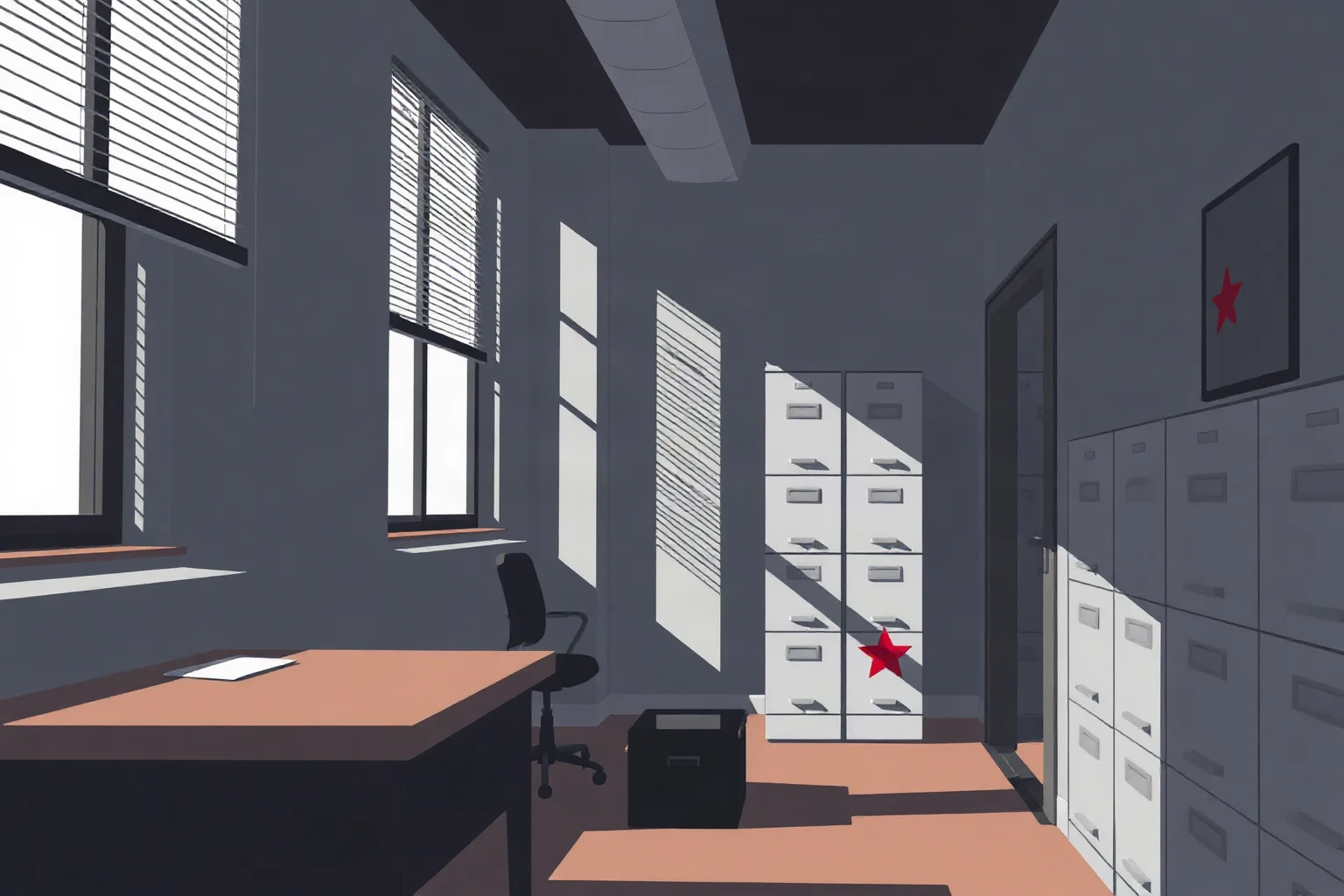
Behind individual agents sat an entire bureaucratic apparatus. Directorate S was the branch of the KGB, and later Russia’s SVR, tasked specifically with recruiting, training, and managing illegals abroad.
This is the real-world office that The Americans dramatizes through its Rezident characters, the handlers who relay instructions from Moscow. Its existence underscores that sleeper agents were never lone wolves; they were part of a long-running, well-funded institutional program.
14. The Unwitting Children of the Illegals
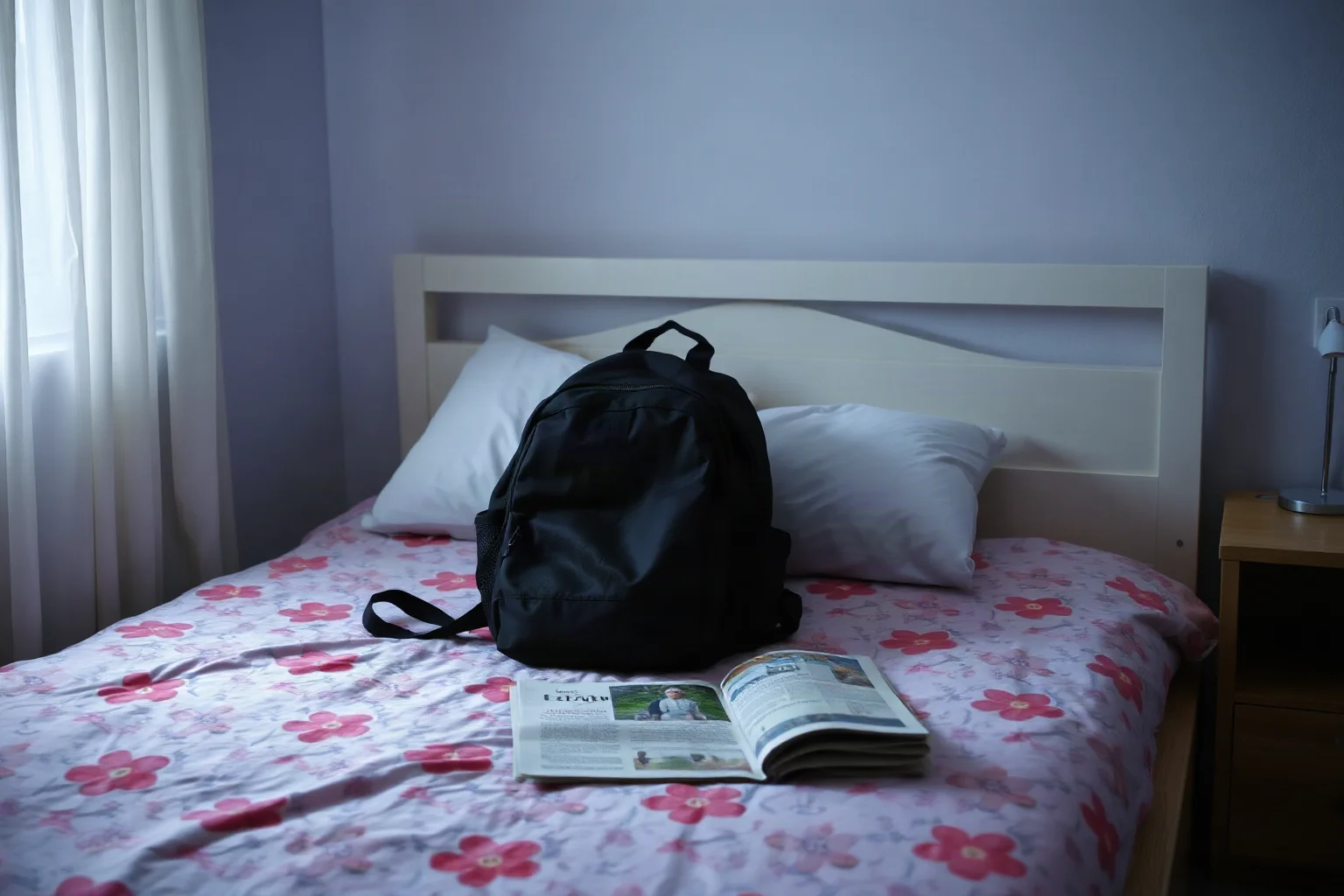
One of the most human elements of the 2010 case was how many of the arrested agents had children who were completely unaware of their parents’ double lives. Several kids learned the truth only from television news reports or federal agents at their front door.
This detail directly shaped how The Americans portrays Paige and Henry Jennings, whose slow discovery of their parents’ secret became one of the show’s most emotionally resonant storylines. Real accounts suggest the shock experienced by the actual children was, if anything, harder to process than any TV script could capture.
15. Operation Ghost Stories
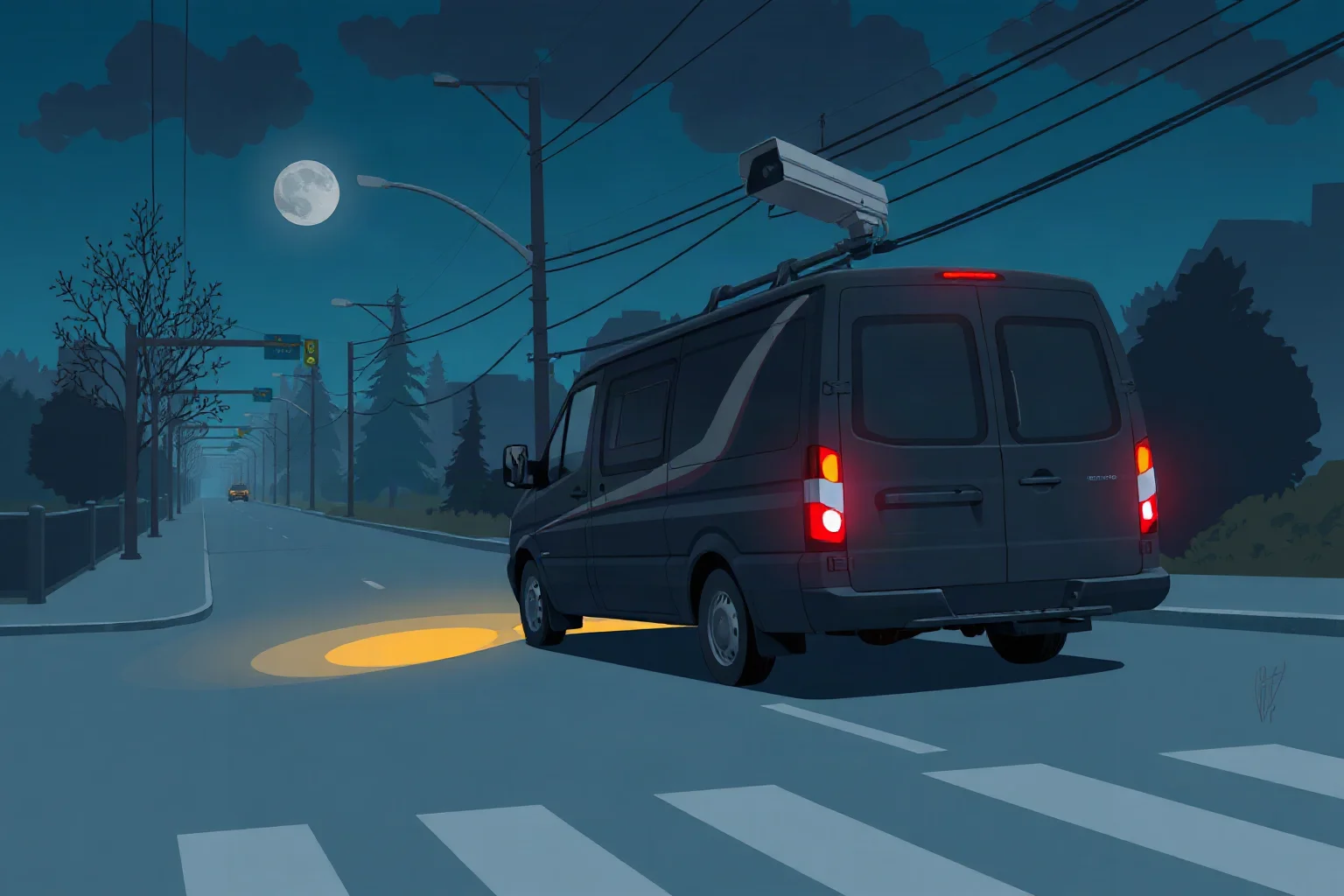
Operation Ghost Stories was the FBI’s own codename for its long-running surveillance of the illegals network, reportedly stretching back roughly a decade before the 2010 arrests. Agents monitored dead drops, financial transfers, and coded communications long before making any move.
The patience required on both sides, Russian handlers waiting years for their agents to prove useful, and American investigators waiting years to build an airtight case, says a lot about how sleeper agent operations actually function in practice, far slower than any dramatized version.
16. The 2010 Vienna Spy Swap
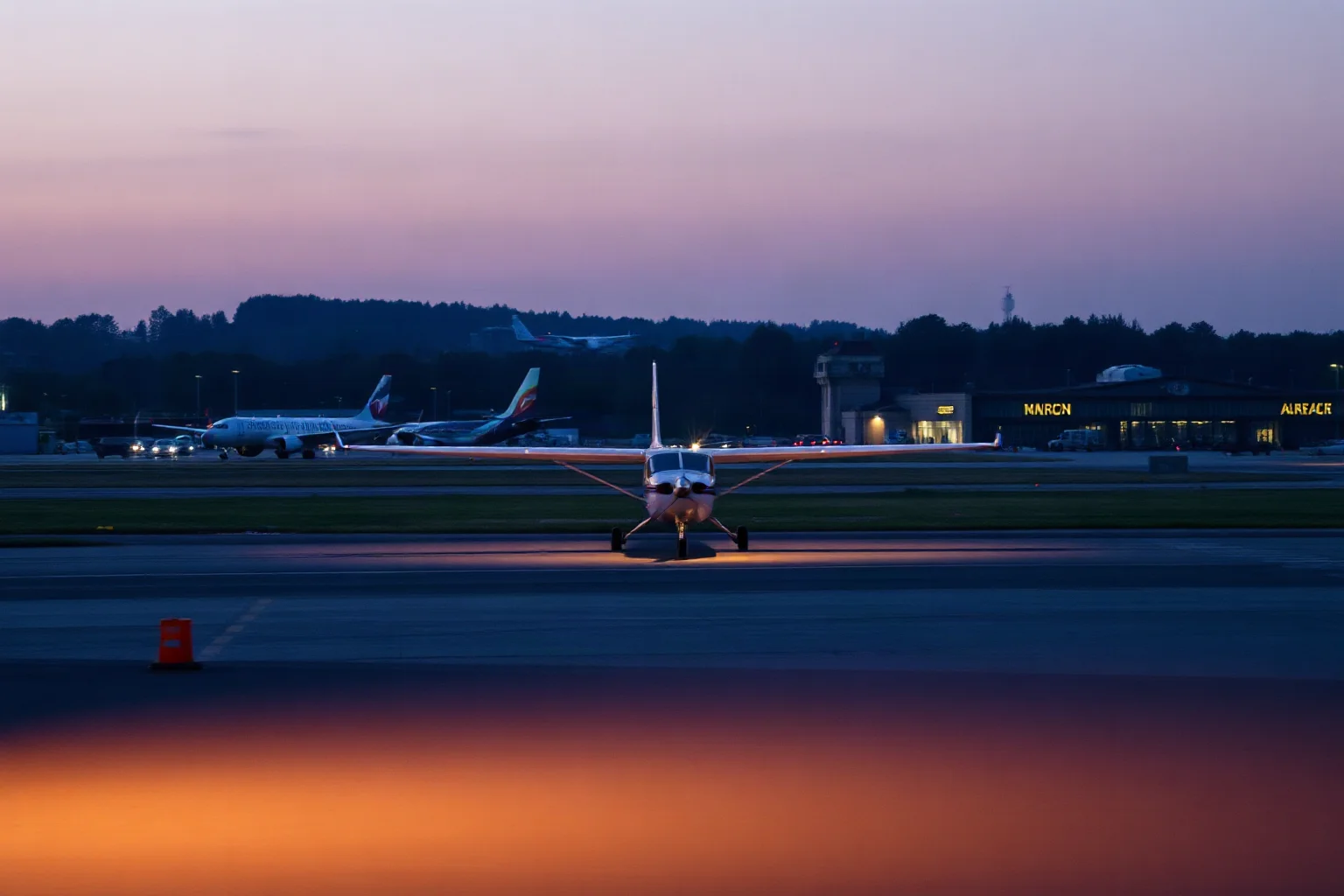
On July 9, 2010, ten Russian sleeper agents were flown to Vienna and exchanged for four people convicted of spying for the West, including former Russian colonel Sergei Skripal. The swap took place at Vienna International Airport in a deal reminiscent of Cold War-era exchanges like Abel’s.
It was one of the largest spy swaps since the Cold War itself, and it effectively closed the book on the most publicized Russian sleeper agent case of the 21st century, at least for the agents directly involved.
17. Maria Butina, a 21st-Century Echo
Maria Butina isn’t a classic illegal in the Abel or Bezrukov mold, but her 2018 arrest in the U.S. showed that Russian interest in unconventional influence operations hadn’t gone away. She pleaded guilty to conspiring to act as an unregistered agent, working to build access within American political and gun-rights circles.
Her case lacked the fabricated identity and years-long deep cover of a true sleeper agent, but it’s frequently mentioned alongside them because it fed the same public anxiety about ongoing Russian sleeper cells operating quietly inside American institutions.
18. The Cambridge Five: Moles, Not Sleepers
Kim Philby, Guy Burgess, Donald Maclean, Anthony Blunt, and John Cairncross were British citizens recruited by Soviet intelligence while at Cambridge University in the 1930s. Despite constant pop-culture conflation with sleeper agents, they were technically moles, trusted insiders betraying their own government rather than foreign operatives living under false identities.
The distinction matters for understanding real Cold War espionage: Britain’s biggest intelligence disaster came from turned citizens, not implanted foreigners, a pattern that also shows up on the American side.
19. Robert Hanssen and Aldrich Ames: America’s Own Moles
Robert Hanssen, an FBI agent, and Aldrich Ames, a CIA officer, both spied for Soviet and later Russian intelligence for years, causing catastrophic damage to American operations. Like the Cambridge Five, they were not sleeper agents in the technical sense; they were homegrown officials turned traitors by money or ideology.
They’re worth including here precisely to bust a common myth: not every damaging Russian intelligence success involves a sleeper spy with a fake identity. Sometimes the far bigger threat is a trusted insider who never needed a cover story at all.
20. The Tradecraft of the Illegals
Across nearly every case above, the same low-tech tradecraft shows up again and again: dead drops in parks, brush passes on subway platforms, shortwave radio bursts, and even early digital steganography, hiding coded messages inside ordinary-looking images. The 2010 network reportedly used custom software to embed messages in photos posted on public websites.
What’s striking is how unglamorous most of it was. Real sleeper agents spent the vast majority of their time simply living ordinary lives, working normal jobs, and waiting, sometimes for years, for a single moment of relevance.
Are There Sleeper Agents in the US Today?
It’s a fair question, and one true crime and espionage fans ask constantly: are there sleeper agents in the US right now? Intelligence officials have repeatedly stated, both before and after 2010, that Russia’s illegals program did not stop with those ten arrests.
By their very design, sleeper agents are supposed to be undetectable until they’re not, so definitive proof of active networks isn’t something the public typically gets in real time. What we do know is that both Russian and American intelligence services have run these programs for close to a century, and there’s little reason to think either side has simply stopped.
The Bottom Line
The true history behind The Americans turns out to be stranger, slower, and in some ways sadder than the show itself, full of children blindsided by their parents’ secrets and operatives who spent decades building lives they never truly owned. Real Russian sleeper agents were never quite the gun-toting operatives of prime-time drama; they were patient, disciplined, and almost boringly ordinary until the moment they weren’t.
That gap between myth and reality is exactly what makes this history worth knowing. The next time a russian spy tv series rolls out another shadowy sleeper cell storyline, you’ll know the real Cold War and post-Cold War record it’s quietly borrowing from.
Frequently Asked Questions
What is a sleeper spy?
A sleeper spy, or sleeper agent, is an intelligence operative sent to live in a target country under a false identity, often for years, before being called on to carry out actual espionage tasks. Russian intelligence historically calls these operatives 'illegals' because they work without diplomatic cover.
Is The Americans based on a true story?
The Americans isn't a direct retelling of one real case, but it was strongly shaped by the real 2010 FBI arrests of ten Russian sleeper agents living under fake identities in the U.S., part of Russia's long-running Illegals Program.
Do sleeper agents know they are agents?
Yes, adult sleeper agents are trained and recruited by an intelligence service and are fully aware of their mission. In several real cases, however, their children born in the target country had no idea until the agents were arrested.
Are there sleeper agents in the US today?
Intelligence officials have indicated that Russia's illegals program continued after the 2010 arrests, though by design, active sleeper agents aren't publicly confirmed until they're caught, so no complete current picture is publicly available.
What happened to the real Russian sleeper agents after they were caught?
The ten agents arrested in the 2010 FBI operation were deported to Russia on July 9, 2010, in a prisoner swap conducted at Vienna International Airport, exchanged for four people convicted of spying for Western intelligence services.
What’s the difference between a sleeper agent and a mole?
A sleeper agent is a foreign operative living under a fabricated identity in a target country, while a mole is a trusted citizen of that country recruited to betray secrets from within, like Robert Hanssen or the Cambridge Five.

Alex Warren
Related Articles