
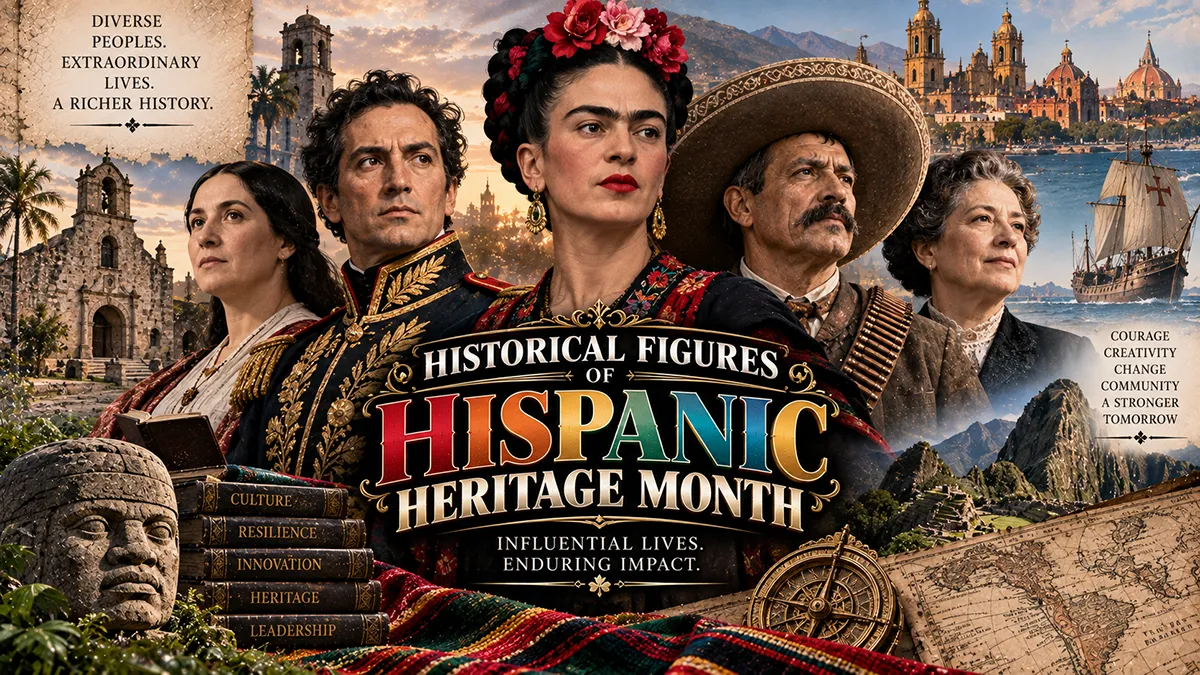
Every September 15 through October 15, the United States pauses to celebrate Hispanic Heritage Month, a tribute to the cultures, histories, and contributions of people with roots in Spain, Mexico, the Caribbean, and Central and South America.
But the story of Hispanic and Latino achievement didn’t start with a proclamation — it stretches back centuries, through empires, revolutions, art movements, labor struggles, and space missions.
This guide rounds up some of the most famous Hispanic people in history, along with a few more recent trailblazers whose work is already historic. Some names here will be familiar. Others deserve to be far better known than they currently are.
TL;DR: From colonial-era reformers and independence heroes to modern-day artists and astronauts, these famous Hispanic historical figures shaped the culture, politics, and identity of Latin America, Spain, and the United States.
What Does “Hispanic” Actually Mean?
Before diving into the list, it helps to clear up a common mix-up. “Hispanic” technically refers to people with ties to Spanish-speaking countries, which includes Spain itself. “Latino” or “Latina” refers to people with roots in Latin America, whether or not Spanish is their first language, which is why Brazilians are usually considered Latino but not Hispanic.
Many of the people on this list fall into both categories, since most Latin American nations were shaped by Spanish colonization and language. Others, like the Spanish-born figures included here, are Hispanic but not Latino. Understanding that distinction makes it easier to appreciate just how wide and varied this history really is.
Why These Historical Figures Matter
Hispanic and Latino history is not one single story — it’s dozens of overlapping stories from different countries, centuries, and struggles. The people below include revolutionaries, artists, scientists, athletes, and reformers who challenged empires, redefined art, or broke barriers that had stood for generations.
A quick note before we start: history is messy, and not every figure here was a straightforward hero. A few, like Hernán Cortés, are included precisely because their legacies are complicated and worth understanding honestly rather than mythologizing. Where the historical record is debated, we’ve tried to say so rather than flatten it into a tidy legend.
1. Bartolomé de las Casas (c. 1484–1566)
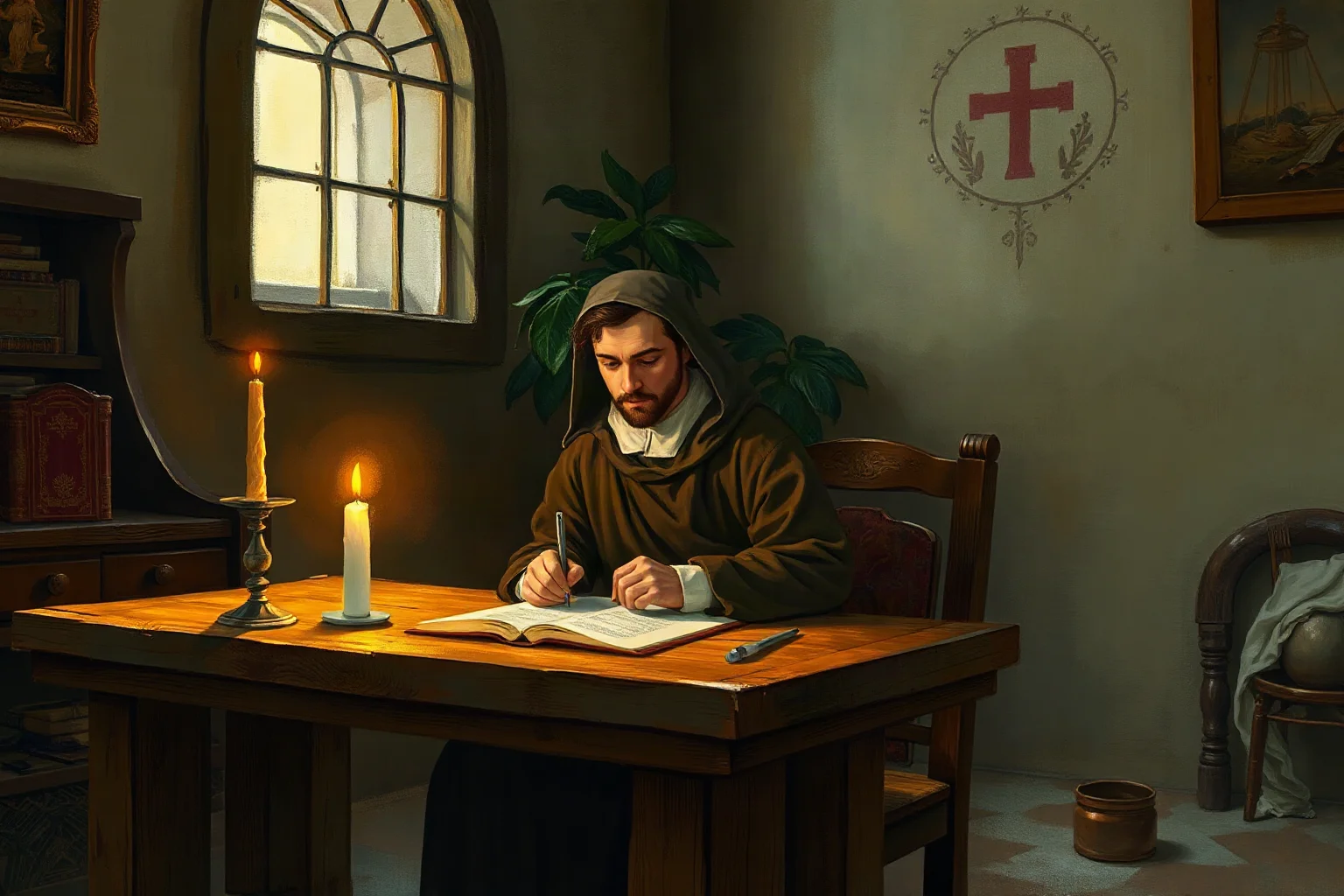
Bartolomé de las Casas was a Spanish Dominican friar who arrived in the Americas as a colonist but became one of the earliest and loudest critics of Spanish treatment of Indigenous peoples. His writings, including a detailed account of abuses in the Spanish colonies, helped push the Spanish Crown to pass early legal protections for Indigenous communities.
He’s not a perfect figure by modern standards, and historians note his views evolved unevenly over his lifetime. Still, he remains one of the earliest historical Spanish figures to publicly argue that colonized peoples deserved basic human rights.
2. Queen Isabella I of Castile (1451–1504)
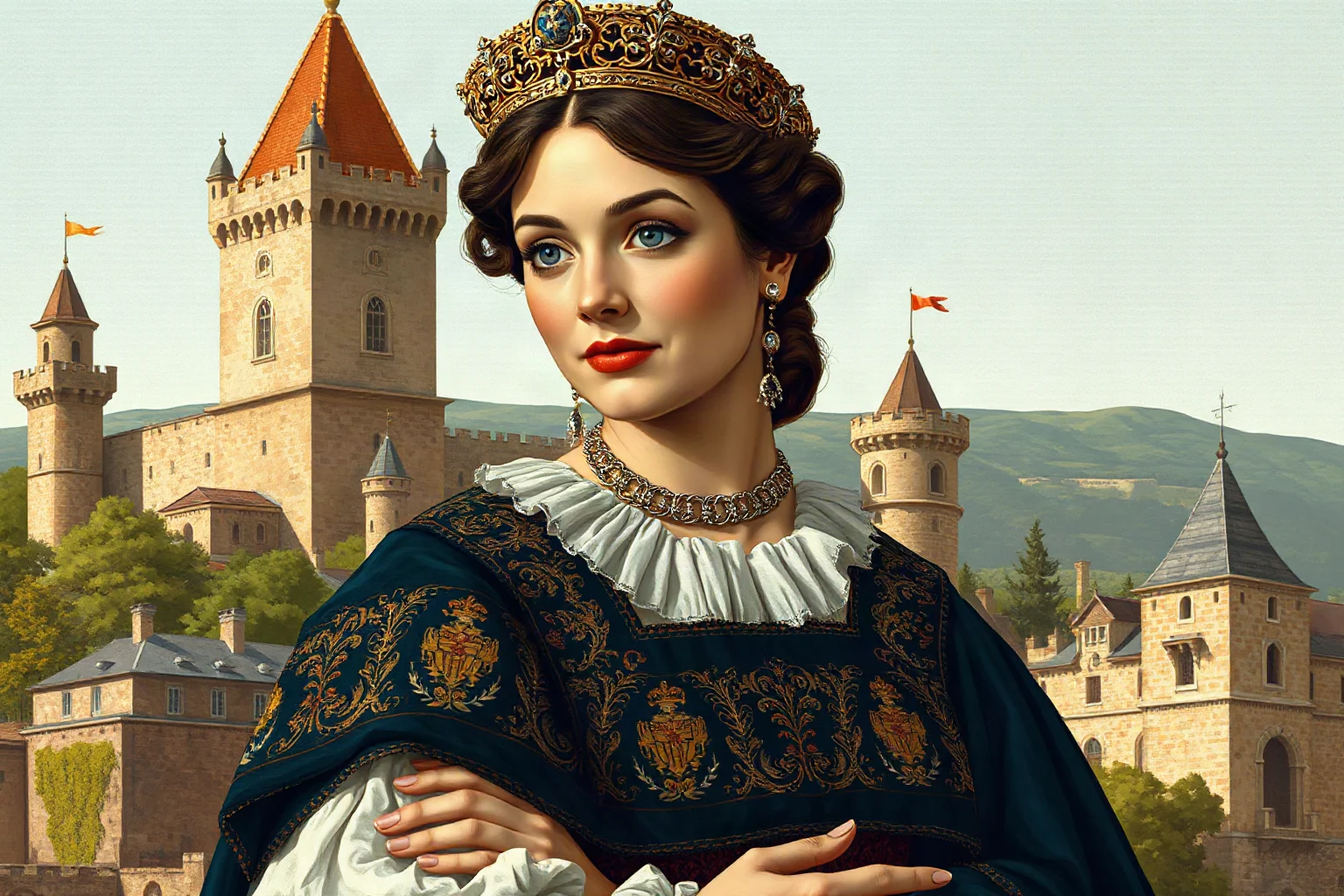
Isabella I co-ruled Spain with her husband, Ferdinand II of Aragon, and their marriage effectively unified Spain into a single kingdom. Her reign financed Christopher Columbus’s voyages, which opened the door to Spanish colonization of the Americas — a legacy that is both foundational to Hispanic history and deeply tied to the conquest and suffering of Indigenous peoples.
Isabella is one of the most consequential historical Spanish people ever to sit on a throne. Her decisions reshaped the political map of Europe and set in motion centuries of trans-Atlantic history.
3. Hernán Cortés (1485–1547)
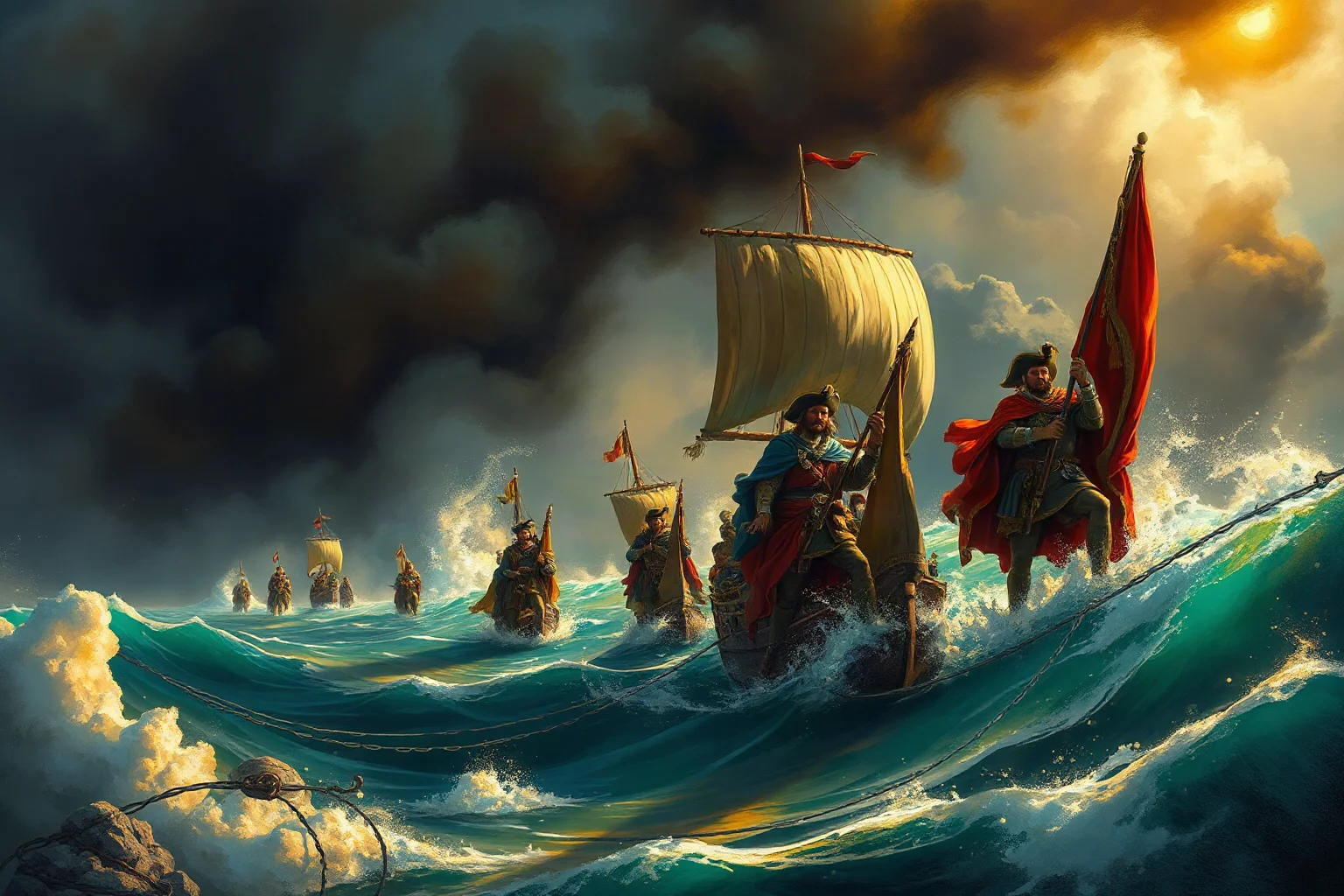
Hernán Cortés led the Spanish expedition that toppled the Aztec Empire and claimed much of present-day Mexico for Spain. He’s often taught as a bold explorer, but that framing leaves out the violence, disease, and destruction of Indigenous civilizations that accompanied his conquest.
Historians today generally present Cortés as a pivotal but deeply controversial figure rather than a straightforward hero. Understanding his role matters for anyone studying historical figures of Mexico, since his campaign permanently altered the region’s language, religion, and demographics.
4. Sor Juana Inés de la Cruz (1651–1695)
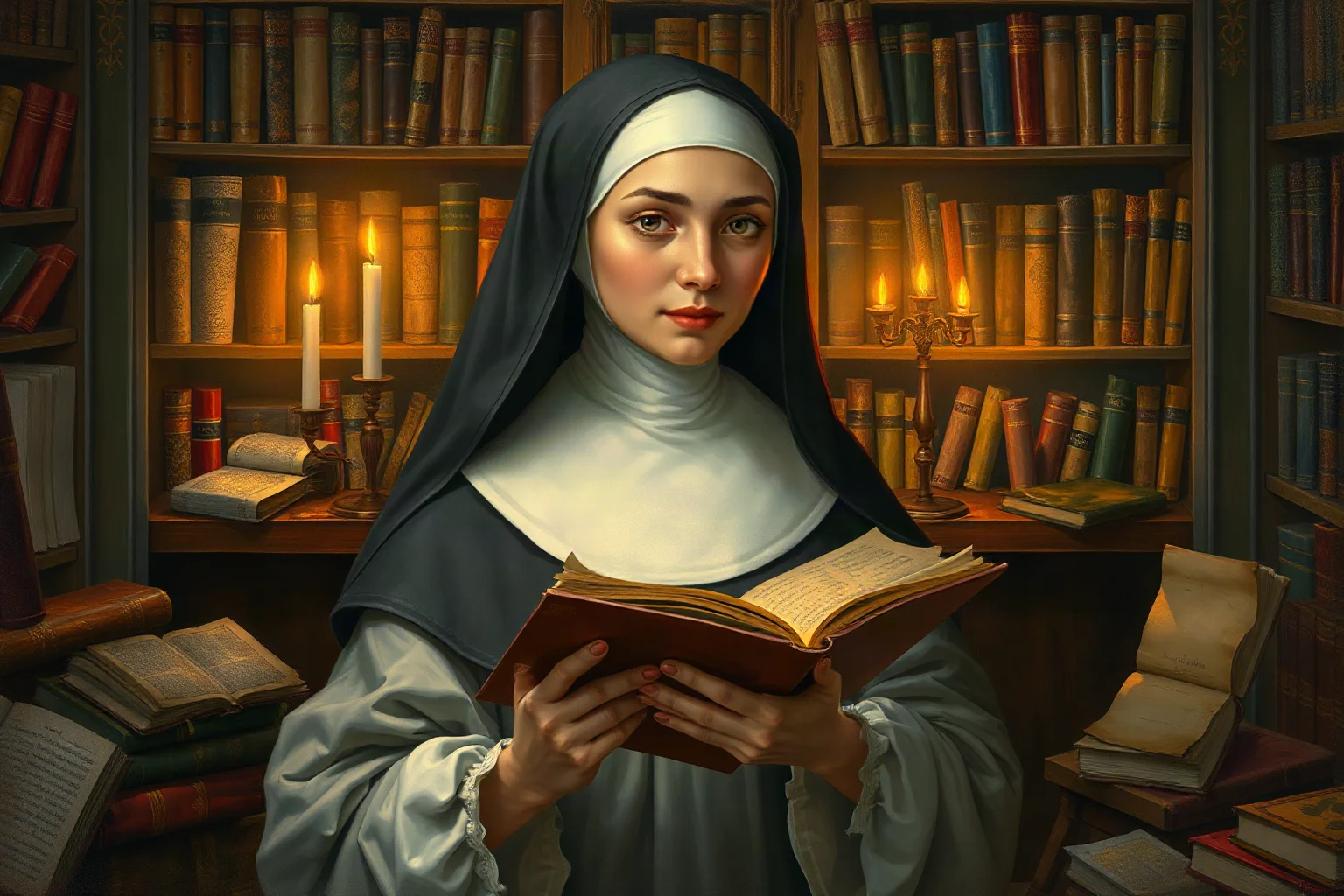
Sor Juana was a self-taught scholar and nun in colonial Mexico who became one of the greatest poets of the Spanish-speaking world, a level of intellectual achievement that puts her among the smartest people in history. She wrote boldly about women’s right to education at a time when female intellectual ambition was actively discouraged by the Church and society.
Her defense of women’s learning, written in response to criticism from a bishop, is still studied today as an early feminist text. She stands as one of the most important historical Mexican figures in literature and remains a symbol of intellectual courage.
5. Miguel Hidalgo y Costilla (1753–1811)
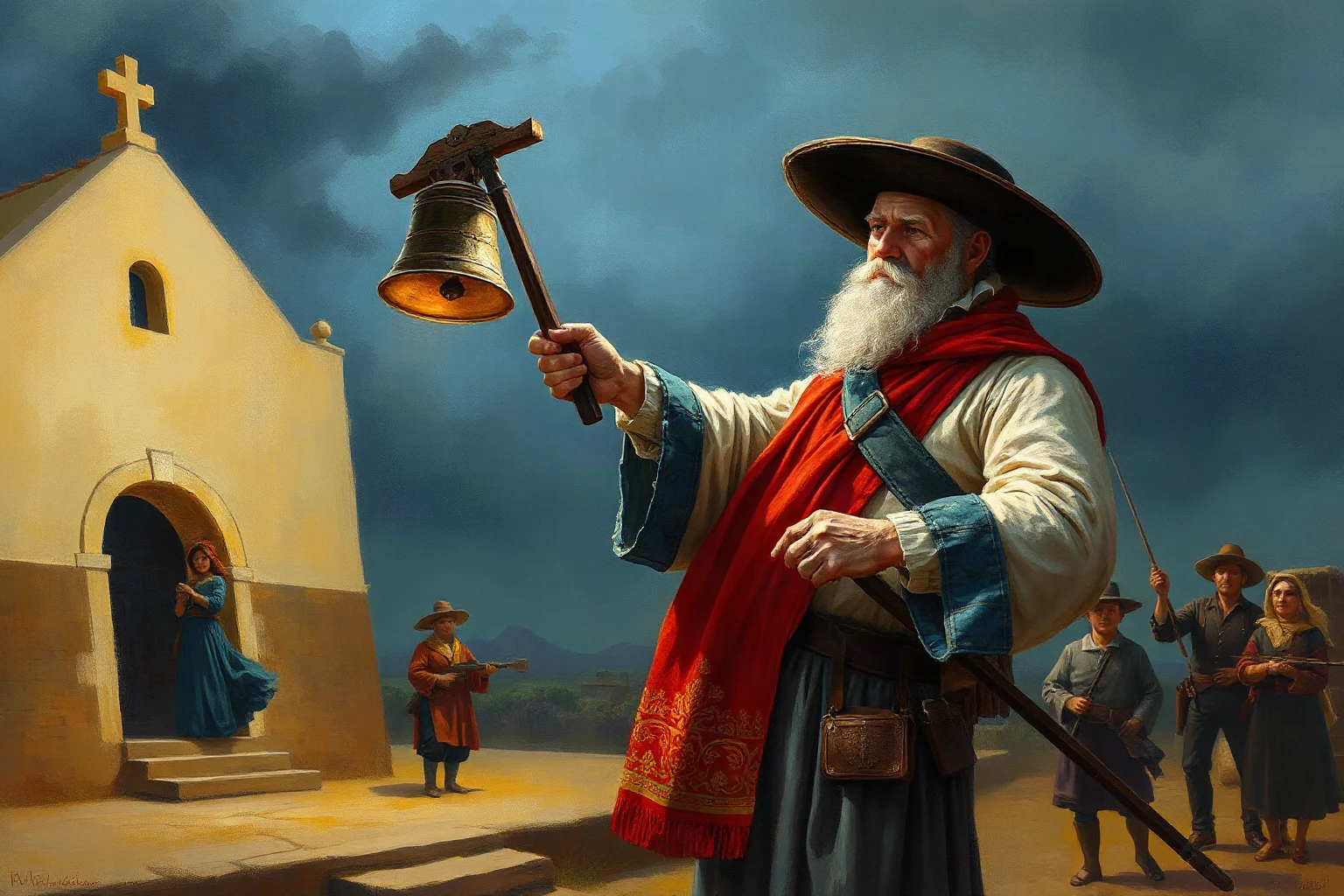
Known as the “Father of Mexican Independence,” Miguel Hidalgo was a Catholic priest who issued the call to arms that launched Mexico’s war for independence from Spain in 1810. His “Grito de Dolores” is still commemorated every year on Mexican Independence Day.
Hidalgo was captured and executed in 1811, long before Mexico actually achieved independence in 1821. Even so, he remains one of the most celebrated Mexican historical figures, and his image appears on Mexican currency to this day.
6. Benito Juárez (1806–1872)
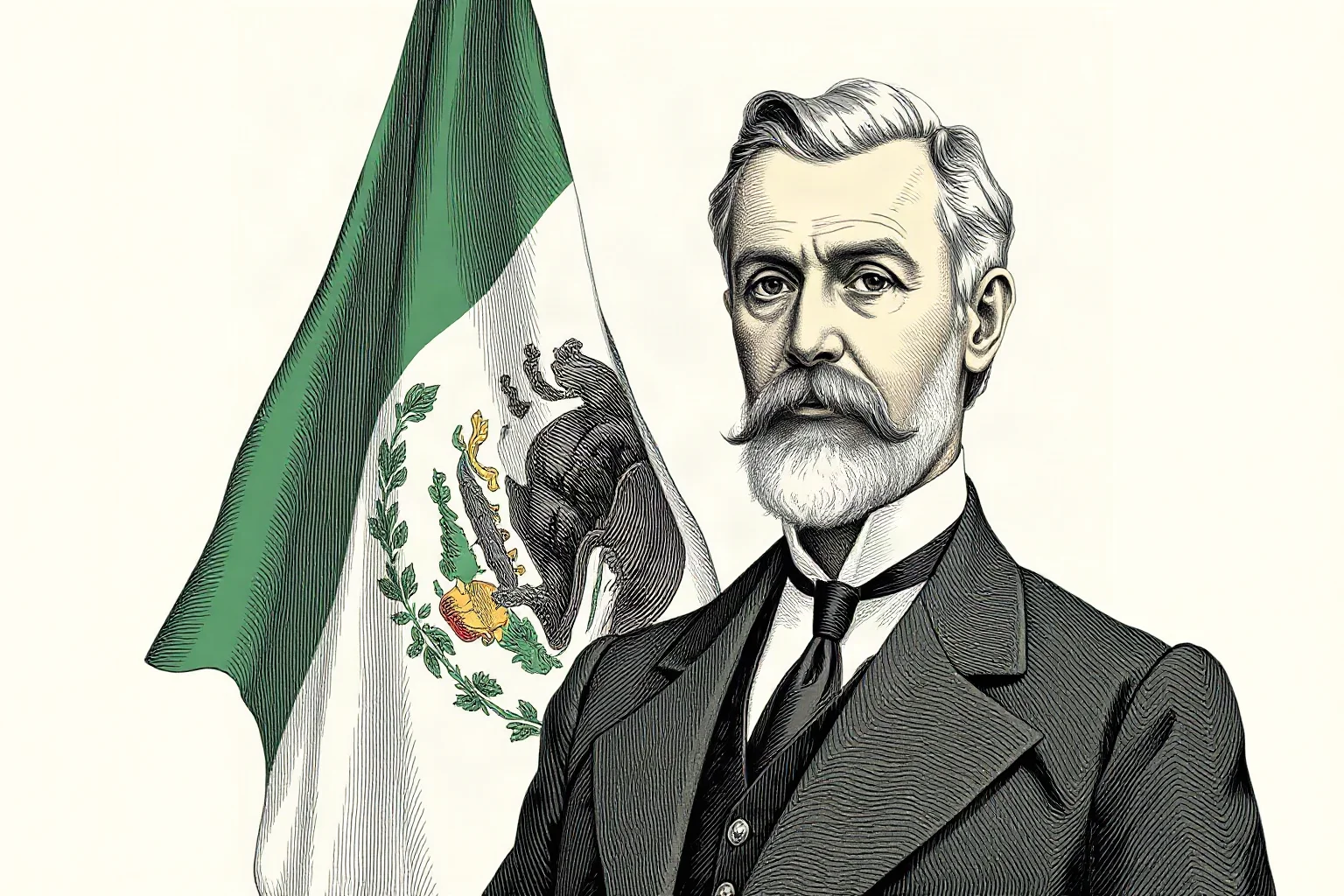
Benito Juárez was Mexico’s first president of Indigenous heritage, a Zapotec man who rose from poverty to lead the country through foreign invasion and civil conflict. He’s remembered for resisting the French intervention in Mexico and for pushing reforms that separated church and state power.
Juárez is frequently cited among the most important Mexican people in history for his role in defending Mexican sovereignty. Many towns, schools, and streets across Mexico and the American Southwest bear his name.
7. Emiliano Zapata (1879–1919)
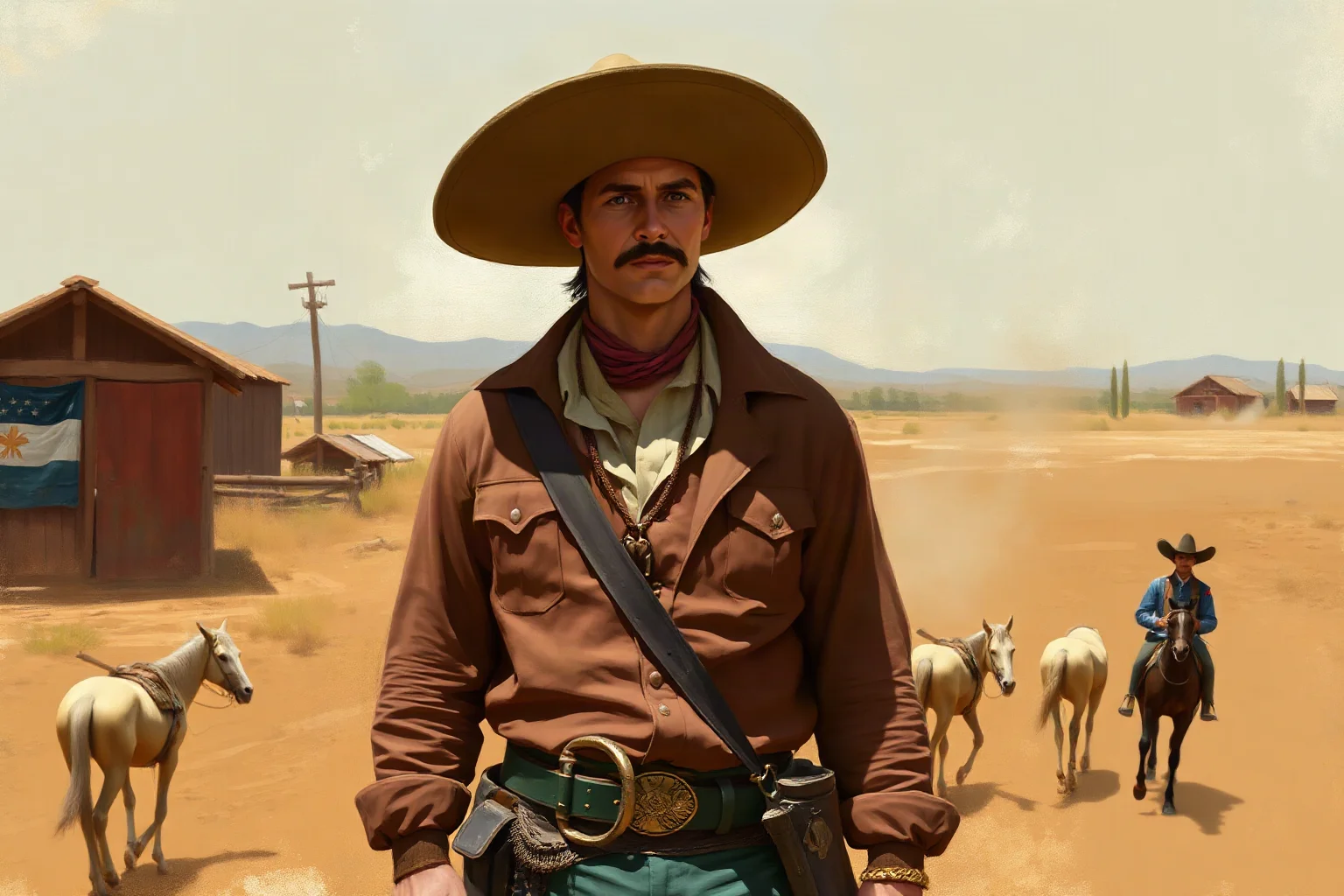
Emiliano Zapata led peasant forces during the Mexican Revolution, fighting under the banner “Tierra y Libertad” — land and liberty. He championed agrarian reform and the rights of Indigenous and rural communities against wealthy landowners.
Zapata was assassinated in 1919, but his ideas about land reform shaped Mexican policy for decades afterward. He’s one of the most iconic historical figures of Mexico, instantly recognizable by his mustache, sombrero, and bandolier in countless murals and photographs.
8. Francisco “Pancho” Villa (1878–1923)
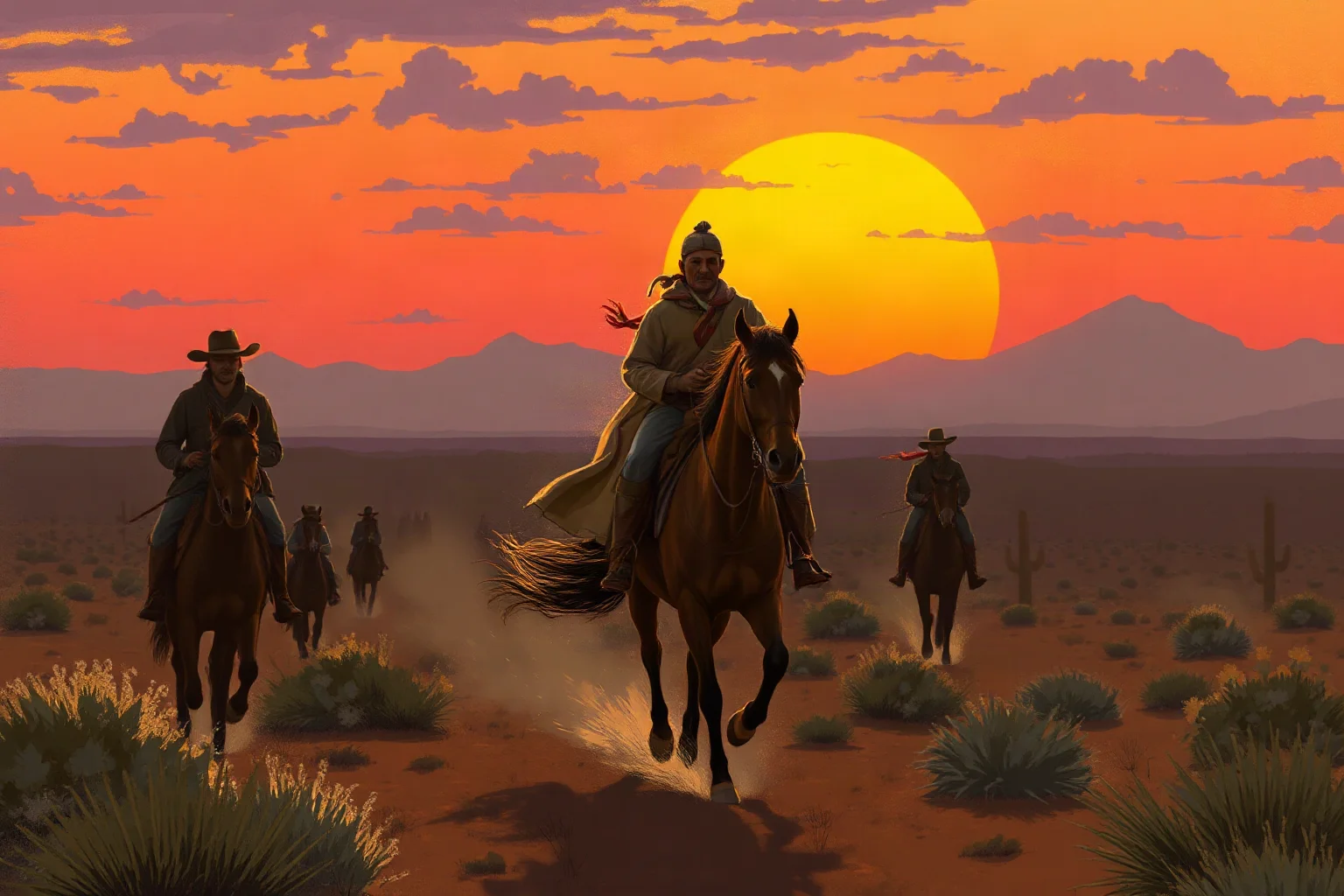
Pancho Villa was another central military leader of the Mexican Revolution, commanding forces in the north of the country. His guerrilla tactics and cross-border raids even drew the attention of the United States military.
Villa’s legacy is genuinely mixed: supporters saw him as a champion of the poor, while critics point to the brutality of his campaigns. Either way, he remains one of the most famous historical Mexican people, a larger-than-life figure whose life has inspired countless films and books.
9. Simón Bolívar (1783–1830)
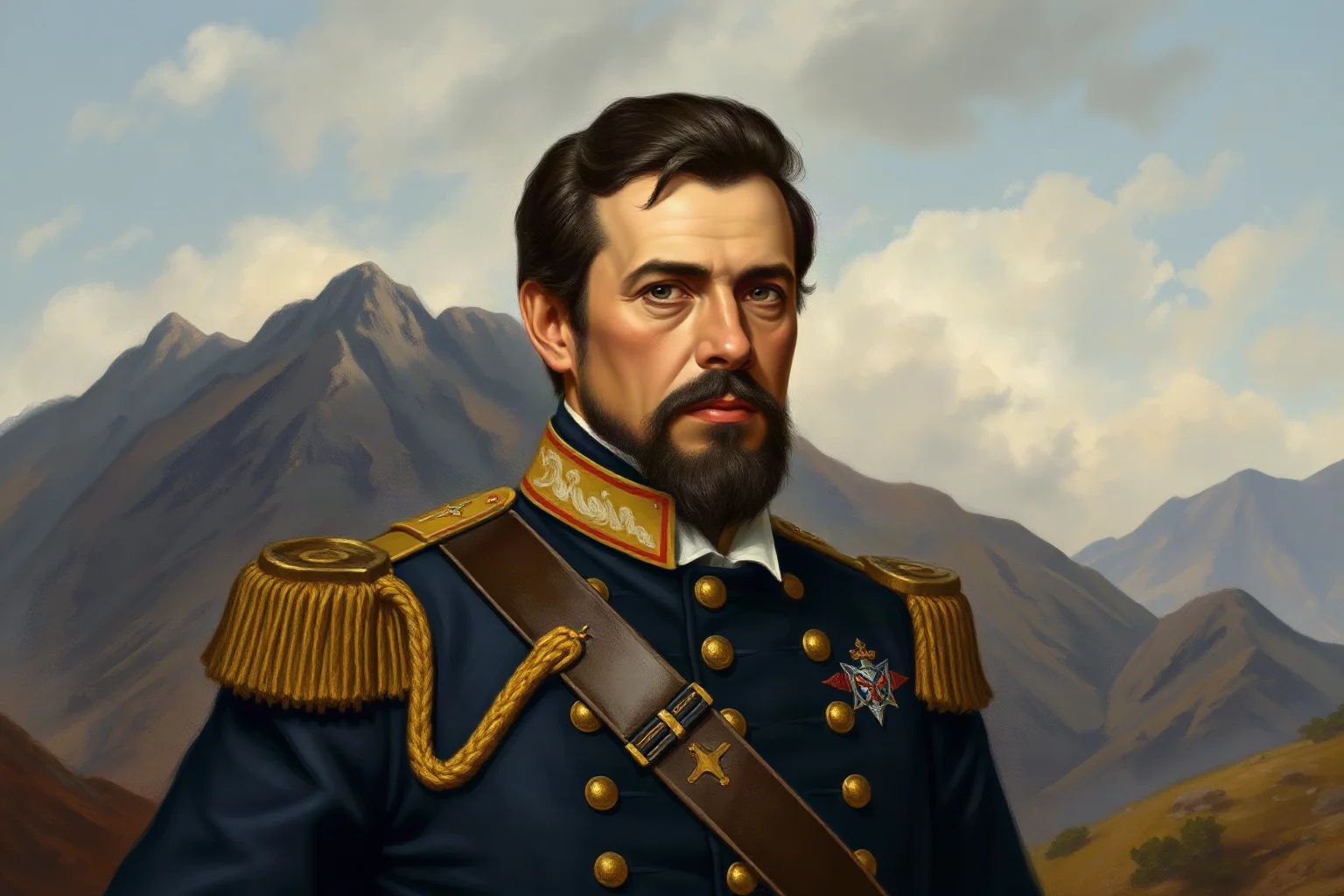
Simón Bolívar led independence movements across present-day Venezuela, Colombia, Ecuador, Peru, and Bolivia, earning the title “El Liberador.” His vision of a unified, independent Latin America inspired revolutionary movements across the continent.
Bolívar is arguably the single most famous Latin American historical figure, with the nation of Bolivia named directly in his honor. His writings on liberty and governance are still studied by historians and political scientists today.
10. José Martí (1853–1895)
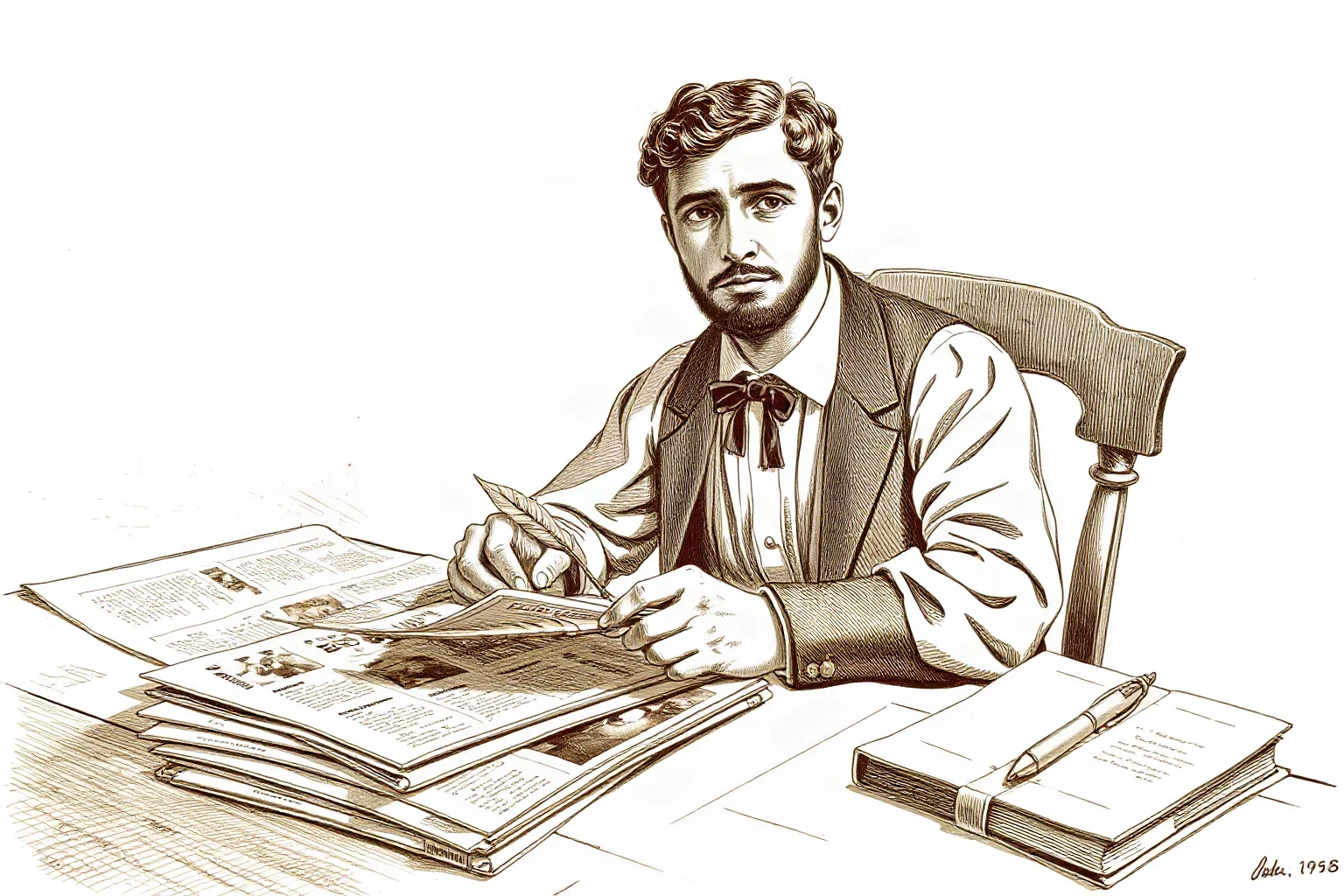
José Martí was a Cuban poet, journalist, and political theorist who became a leading voice for Cuban independence from Spain. He spent years in exile in the United States, writing essays that argued for Latin American unity and warned against U.S. imperial ambitions in the region.
Martí died in battle in 1895, before Cuba achieved independence in 1898. He’s celebrated today as a foundational hispanic historical figure whose essays remain part of the literary canon across the Spanish-speaking world.
11. Bernardo de Gálvez (1746–1786)
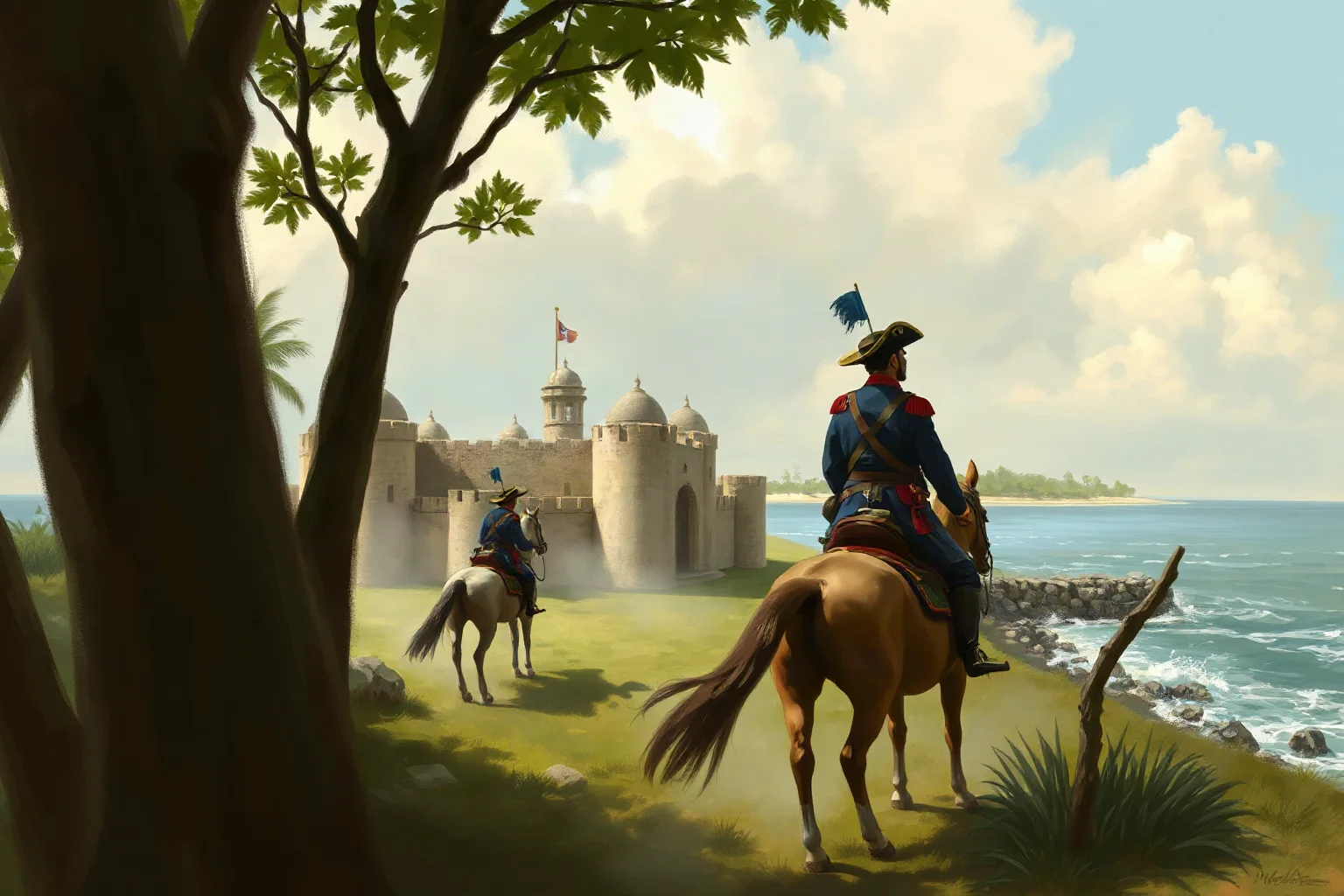
Bernardo de Gálvez was a Spanish military officer and colonial governor of Louisiana who provided crucial support to American revolutionaries fighting Britain. His campaigns against British forces along the Gulf Coast helped secure supply lines that the fledgling United States desperately needed.
Gálvez was later made an honorary U.S. citizen, a rare recognition of his contribution to American independence, one that places him alongside some of America’s greatest war heroes in the fight for a free United States. The city of Galveston, Texas, is named after him, making him a lesser-known but genuinely influential hispanic figure in American history.
12. Diego Rivera (1886–1957)
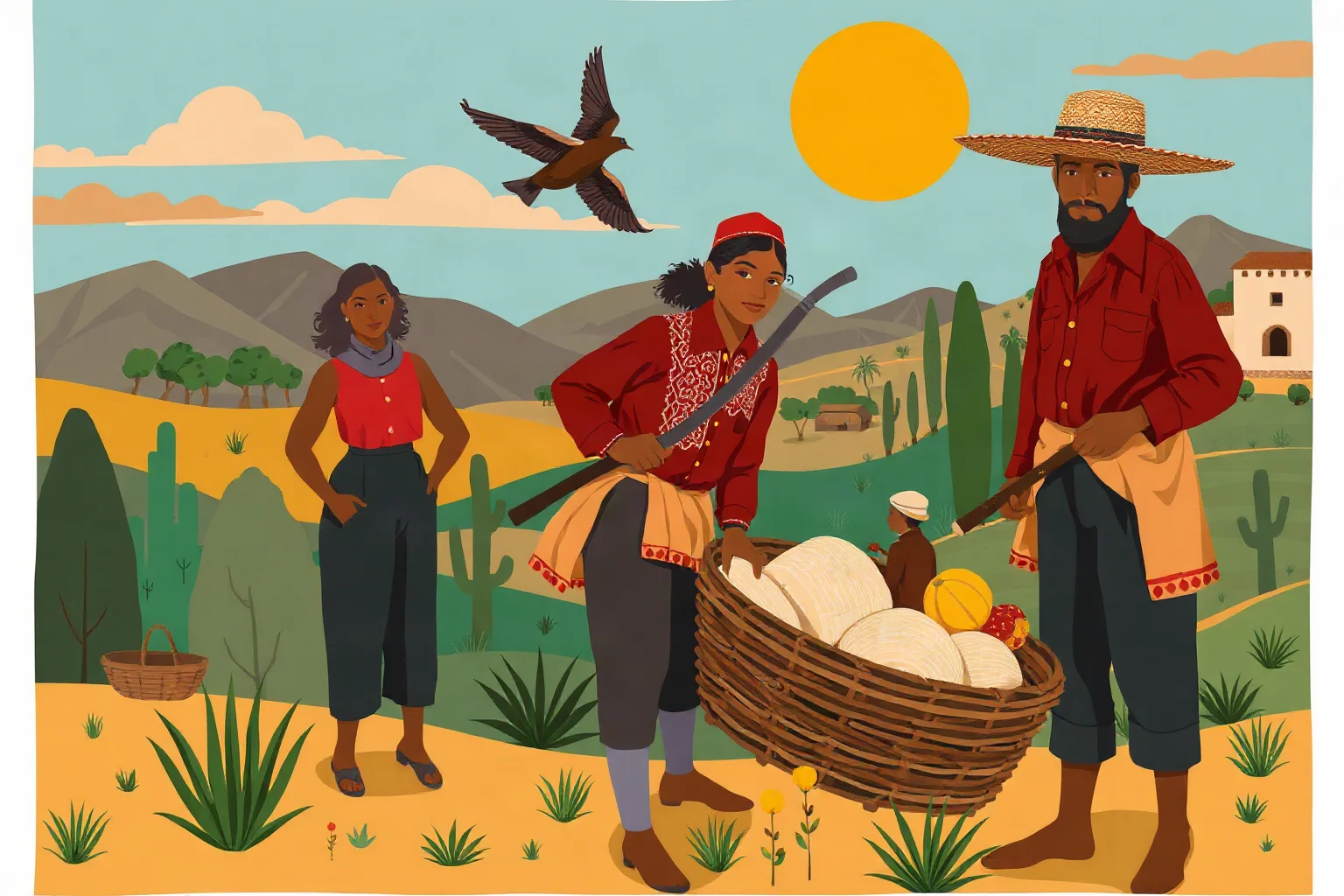
Diego Rivera was a Mexican muralist whose massive, politically charged paintings brought Mexican history and working-class life into public buildings across Mexico and the United States. He was a central figure in the Mexican Muralism movement, which used art to tell stories of Indigenous heritage and revolutionary struggle.
Rivera’s work remains on display in Mexico City, Detroit, and San Francisco, among other cities. He’s frequently named among the most famous Mexican people in history for redefining what public art could accomplish.
13. Frida Kahlo (1907–1954)
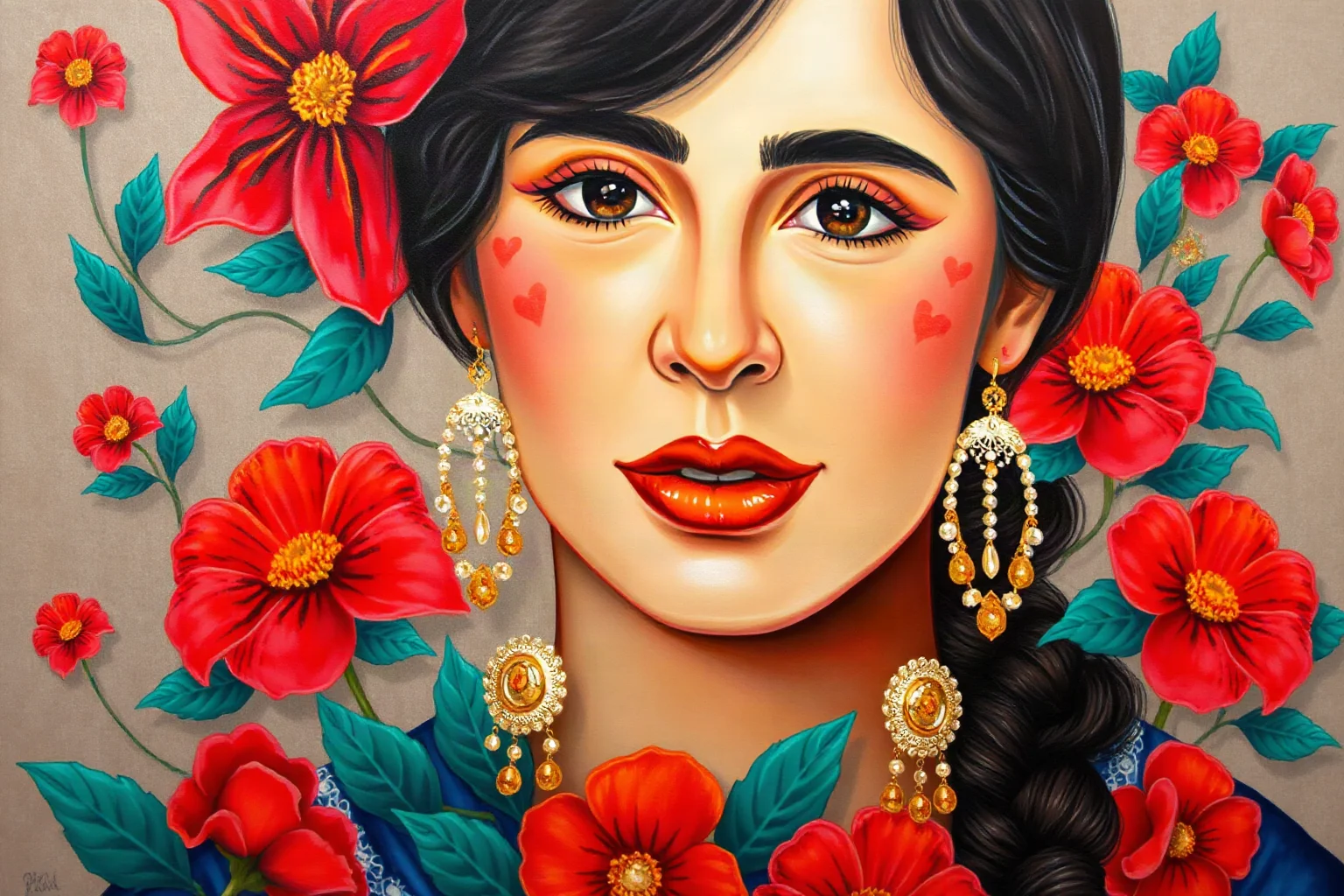
Frida Kahlo was a Mexican painter known for surreal, deeply personal self-portraits that explored pain, identity, and Mexican culture. She lived with the lasting effects of childhood polio and a serious bus accident, both of which appear throughout her artwork.
Kahlo’s fame grew enormously after her death, and she’s now one of the most recognizable hispanic famous people worldwide. Her image, often featuring her signature unibrow and floral headpieces, has become a global symbol of resilience and Mexican artistic identity.
14. Pablo Picasso (1881–1973)
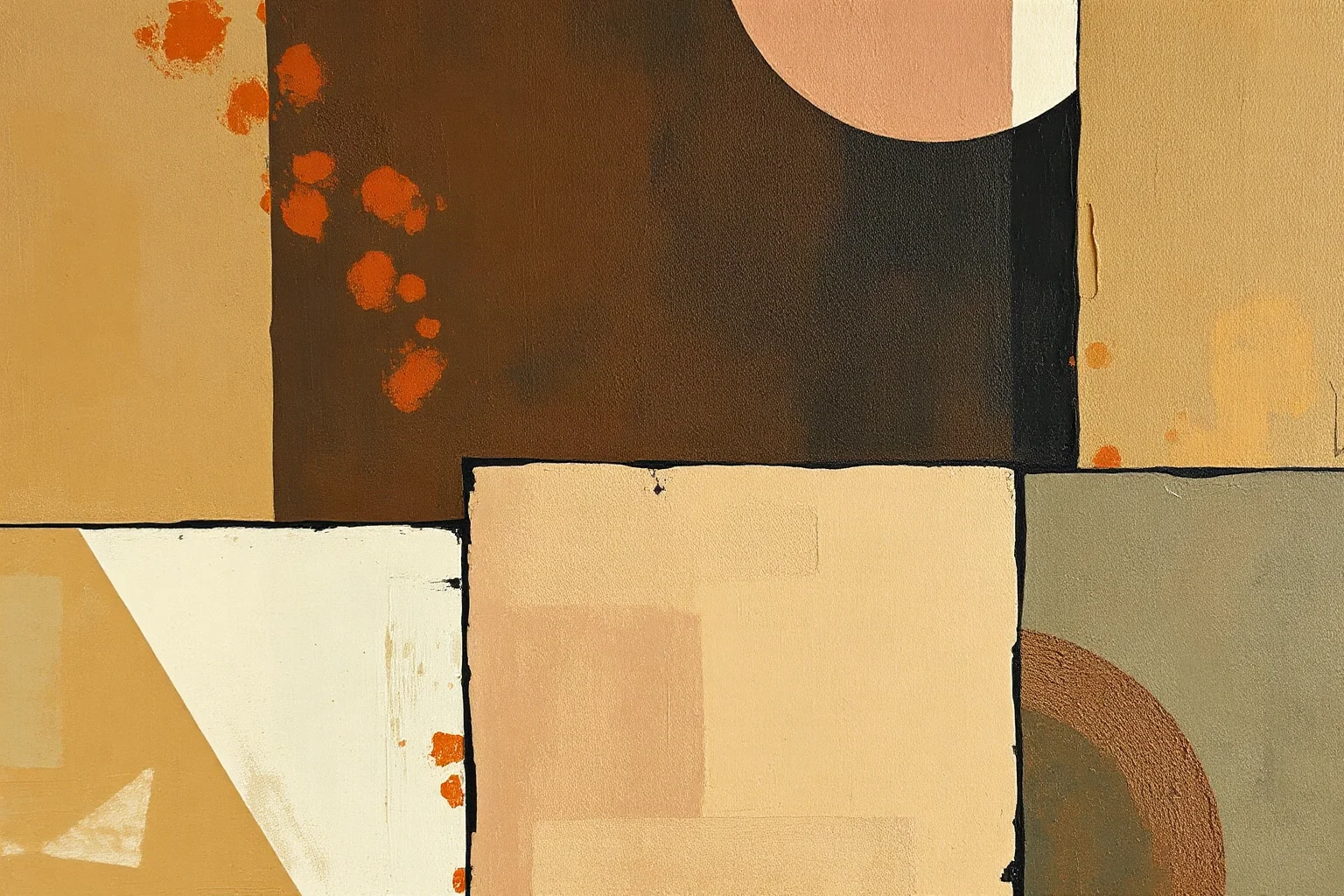
Pablo Picasso was born in Málaga, Spain, and went on to co-found Cubism, one of the most influential art movements of the 20th century. Though he spent most of his adult life in France, his Spanish heritage and early training remained central to his identity as an artist.
Picasso’s massive body of work, from early Blue Period paintings to the anti-war mural Guernica, makes him one of the most recognized historical figures in art history. His influence touches nearly every major art movement that followed him.
15. Gabriel García Márquez (1927–2014)

Gabriel García Márquez was a Colombian novelist and journalist who pioneered magical realism, a literary style blending everyday life with fantastical elements. His novel about a multigenerational family in a fictional Latin American town became one of the most acclaimed works of 20th-century literature.
García Márquez won the Nobel Prize in Literature in 1982, cementing his place among the most famous Latin Americans in history. His storytelling style influenced generations of writers across Latin America and beyond.
16. Che Guevara (1928–1967)
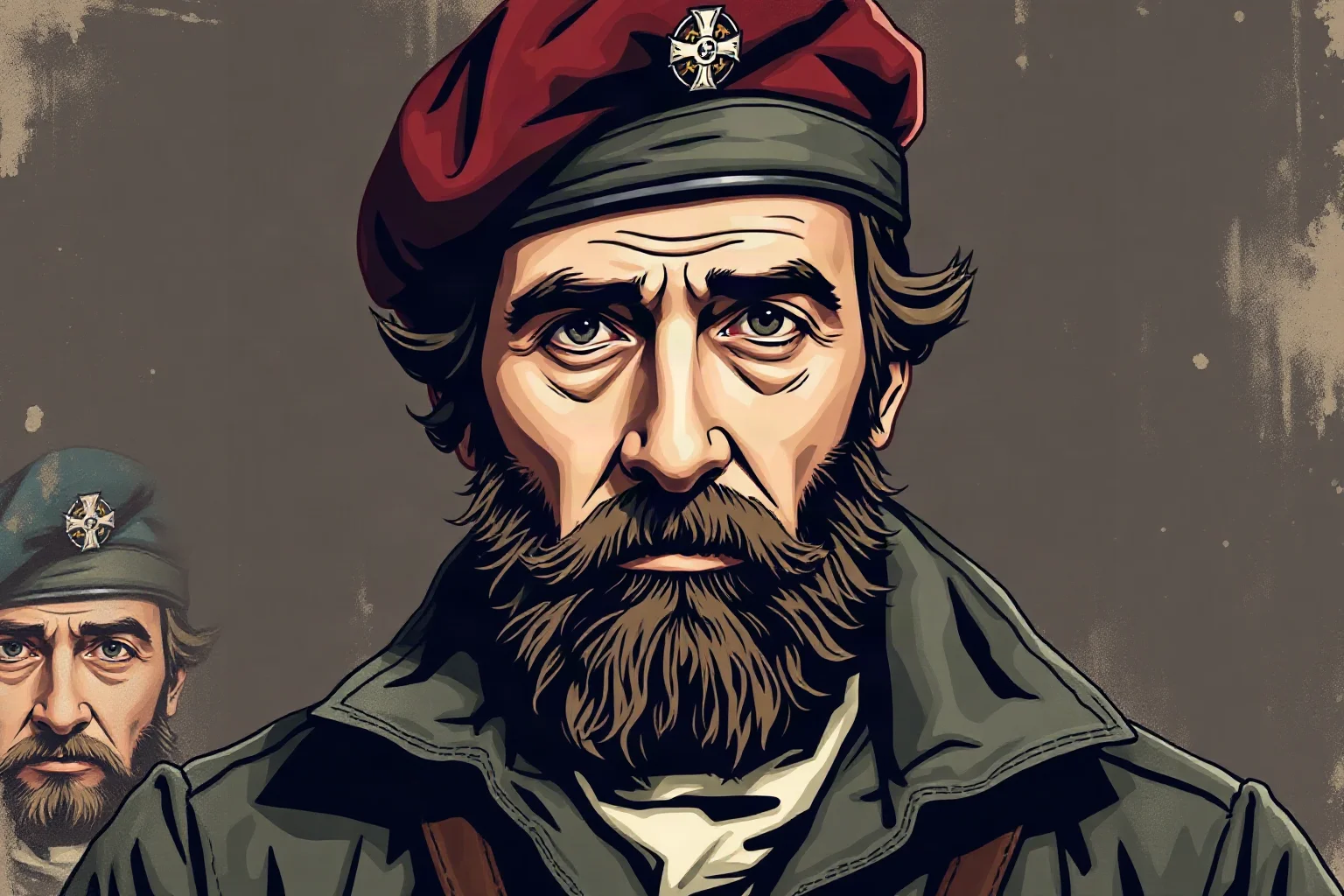
Ernesto “Che” Guevara was an Argentine physician who became a key strategist in the Cuban Revolution alongside Fidel Castro. He later attempted to spread revolutionary movements elsewhere in Latin America and Africa before being captured and executed in Bolivia in 1967.
Che remains one of the most debated historical Latinos, viewed by supporters as a symbol of anti-imperialist resistance and by critics as responsible for significant political repression. His image, based on a famous 1960 photograph, is one of the most reproduced pictures in modern history.
17. Eva “Evita” Perón (1919–1952)
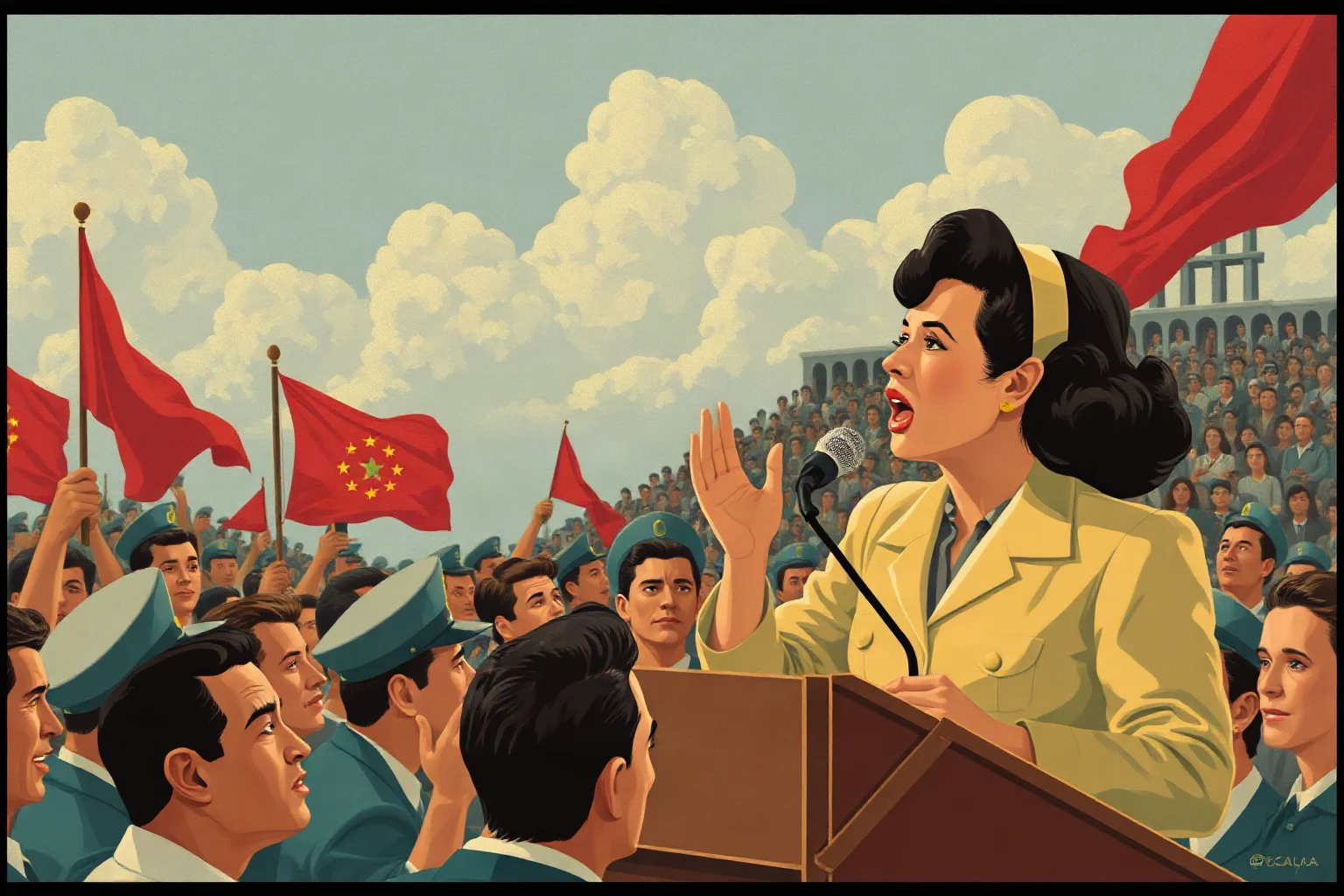
Eva Perón was the wife of Argentine president Juan Perón and became a powerful political figure in her own right, championing labor rights and women’s suffrage in Argentina. She founded a major charitable foundation and was instrumental in Argentina granting women the right to vote in 1947.
Evita died of cancer at just 33, but her influence on Argentine politics and popular culture has never faded. She remains one of the most famous women in Latin American history, later immortalized in the musical and film “Evita.”
18. Roberto Clemente (1934–1972)

Roberto Clemente was a Puerto Rican right fielder who became one of Major League Baseball’s greatest players, winning multiple batting titles and a World Series MVP award. Beyond his athletic achievements, he was known for extensive humanitarian work throughout Latin America.
Clemente died in a plane crash in 1972 while delivering earthquake relief supplies to Nicaragua. Major League Baseball later renamed its annual humanitarian award in his honor, and he’s remembered as one of the most beloved famous Hispanic Americans in sports history.
19. César Chávez (1927–1993)

César Chávez was a Mexican-American labor leader who co-founded what became the United Farm Workers union, fighting for better wages and safer conditions for agricultural laborers. He organized boycotts, marches, and hunger strikes that drew national attention to the treatment of farmworkers, many of them Mexican and Filipino immigrants.
Chávez’s activism helped shift American labor law and public opinion during the 1960s and 1970s. He’s widely regarded as one of the most influential Hispanic leaders in U.S. history, and his birthday is now an official holiday in several states.
20. Dolores Huerta (b. 1930)
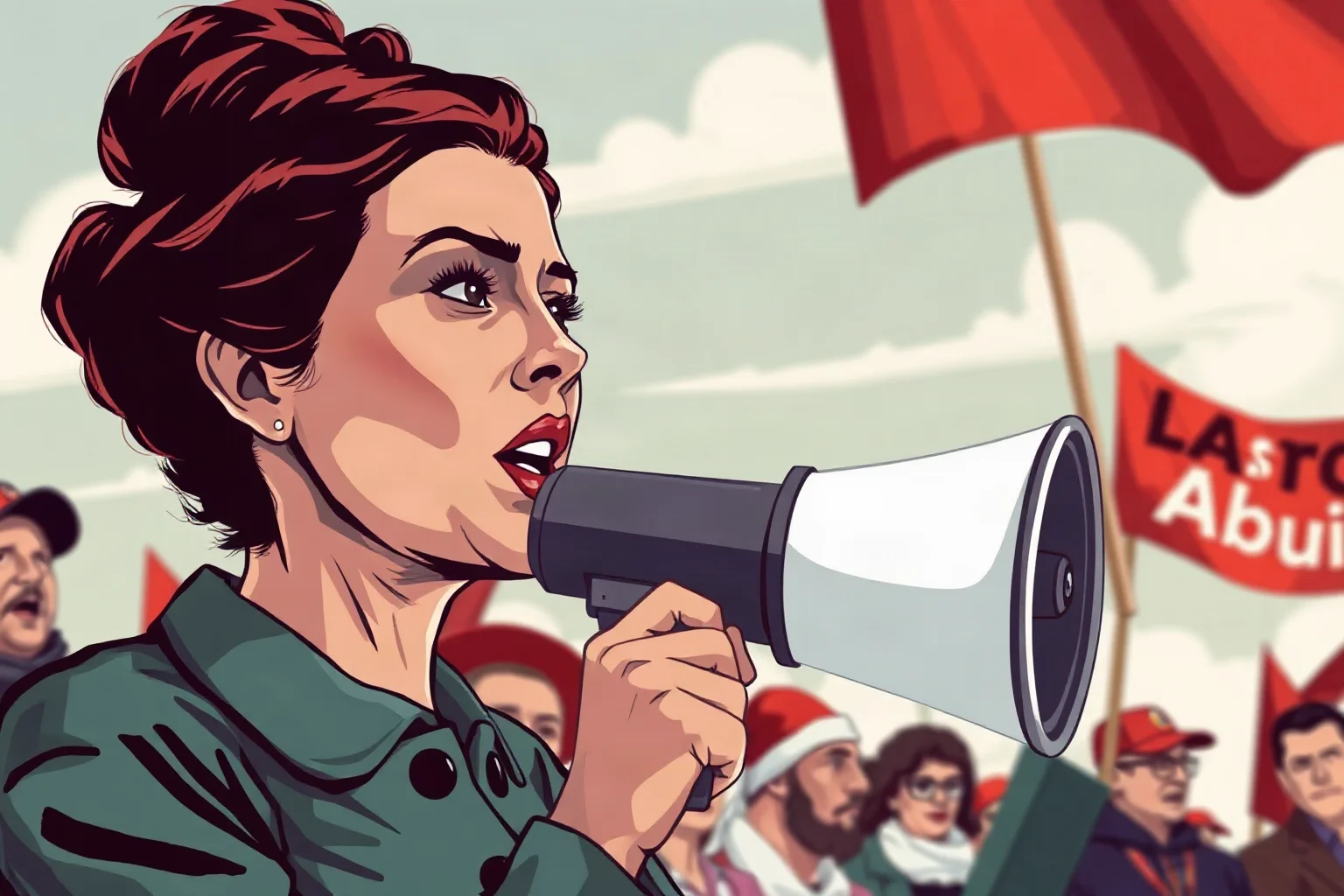
Dolores Huerta co-founded the United Farm Workers alongside César Chávez and was a driving force behind the union’s organizing strategy and negotiations. She coined the rallying cry “Sí, se puede” (“Yes, we can”), a phrase that later echoed through American political campaigns decades later.
Unlike most figures on this list, Huerta is still alive and remains active in labor and civil rights advocacy well into her nineties. She’s consistently named among the most influential Hispanic figures alive today, and her decades of work make her historic in every sense of the word.
21. Selena Quintanilla (1971–1995)

Selena Quintanilla, known simply as Selena, was a Tejano singer whose crossover success made her one of the most popular Latin music artists in the United States during the early 1990s. Her album “Amor Prohibido” became a landmark record for Tejano and Latin pop music.
Selena was murdered in 1995 at just 23 years old, a loss that devastated fans across the country. She remains one of the most enduring famous dead Latino icons, with her influence still visible in Latin pop and fashion today.
22. Sonia Sotomayor (b. 1954)
Sonia Sotomayor made history in 2009 as the first Hispanic person and third woman to serve on the U.S. Supreme Court. Born to Puerto Rican parents in the Bronx, she has written influential opinions on criminal justice, civil rights, and constitutional law.
Sotomayor is frequently the answer to the question “who was the first Hispanic” appointed to the nation’s highest court. Her appointment remains one of the most significant milestones in famous Hispanic American history.
23. Ellen Ochoa (b. 1958)

Ellen Ochoa became the first Hispanic woman to travel to space when she flew aboard the Space Shuttle Discovery in 1993. She later became the second female director of NASA’s Johnson Space Center, overseeing human spaceflight operations.
Ochoa’s career reflects a different, more modern kind of Hispanic leadership — one built in laboratories and mission control rooms rather than battlefields. She’s regularly cited among influential Hispanic figures in science and remains a role model for Latina students pursuing STEM careers.
Honoring This History Beyond September and October
Hispanic Heritage Month gives the country a formal moment to spotlight these stories, but the history itself didn’t wait for a calendar designation. These 23 figures represent only a fraction of the hispanic heritage people who have shaped politics, art, science, and culture over the last five centuries.
What connects them isn’t a single nationality or era — it’s the sheer range of ways people have pushed history forward, from a 16th-century friar questioning colonial cruelty to a 21st-century Supreme Court justice reshaping American law. That range is worth remembering all year, not just for one month.
If this list sparked your curiosity, the best next step is simple: pick one name that surprised you and read more about their life. History has a way of rewarding that kind of follow-up curiosity, and Hispanic and Latino history in particular still has plenty of underappreciated stories waiting to be rediscovered.
Frequently Asked Questions
Who are some famous Hispanic Heritage Month people?
Hispanic Heritage Month honors a huge range of figures, including independence leaders like Simón Bolívar and Miguel Hidalgo, artists like Frida Kahlo and Diego Rivera, labor leaders like César Chávez and Dolores Huerta, and modern trailblazers like Supreme Court Justice Sonia Sotomayor and astronaut Ellen Ochoa. The month recognizes people from Spain, Mexico, the Caribbean, and Central and South America.
What is the difference between Hispanic and Latino?
Hispanic refers to people with ties to Spanish-speaking countries, including Spain itself, while Latino refers to people with roots in Latin America regardless of language. Most Latin American countries are both Hispanic and Latino because of their Spanish colonial history, but Brazil, for example, is Latino but not Hispanic since Portuguese is its official language.
Who was the first Hispanic person on the U.S. Supreme Court?
Sonia Sotomayor, appointed in 2009, was the first Hispanic person and third woman to serve on the U.S. Supreme Court. Born in the Bronx to Puerto Rican parents, she remains one of the most cited answers to 'who was the first Hispanic' in various American institutions.
Why is Hispanic Heritage Month celebrated from September 15 to October 15?
The dates were chosen because several Latin American countries celebrate their independence during this window, including Costa Rica, El Salvador, Guatemala, Honduras, and Nicaragua on September 15, Mexico on September 16, and Chile on September 18. What began as Hispanic Heritage Week in 1968 was expanded to a full month in 1988.
Can you name three famous Hispanic people and their professions?
Frida Kahlo was a painter known for her surreal self-portraits, César Chávez was a labor leader who co-founded the United Farm Workers union, and Roberto Clemente was a professional baseball player and humanitarian. All three remain widely studied examples of influential Hispanic figures in their respective fields.
Are all famous Hispanic historical figures no longer living?
No. While many historical figures like Simón Bolívar, Frida Kahlo, and José Martí have passed away, others commonly discussed during Hispanic Heritage Month, such as Dolores Huerta, Sonia Sotomayor, and Ellen Ochoa, are still alive and actively contributing to their fields today.

Alex Warren
Related Articles