When most people hear the phrase "highest civilian award," they picture a single glittering medal handed out on live television. The reality is richer, stranger, and more layered than that image suggests. America actually has two top civilian honors, and the one most people mean—the Presidential Medal of Freedom—was born from a wartime rebranding that few remember. Understanding what this award really represents means digging into its origins, its quiet rules, and the surprising range of people it has celebrated.
TL;DR: The Presidential Medal of Freedom, America's highest civilian honor, carries hidden layers of meaning—from its Cold War rebranding to the quiet distinction between two top civilian awards—that reveal what the nation truly values.
What Is the Highest Civilian Award in the US?
The short answer most people are looking for is the Presidential Medal of Freedom. It is widely described as the highest civilian award in the United States and the highest honor a civilian can receive from the president. But here is where the myth-busting begins: technically, there are two top-tier civilian awards, and they serve different purposes.
The Presidential Medal of Freedom is the broader, more visible honor. It recognizes contributions to world peace, national security, culture, science, and public service. The Presidential Citizens Medal is the second-highest civilian award, and it specifically recognizes exemplary deeds of service performed for the nation or fellow citizens. Both are prestigious, but only one is routinely called the highest civilian honor in the US.
This dual structure confuses people constantly, which is why searches like "what is the highest civilian role in this structure" spike during award season. The answer is not a role at all but a medal—and the top slot belongs to the Medal of Freedom. The confusion likely stems from how the military and civilian worlds mirror each other. Just as the Medal of Honor sits atop military decorations, the Medal of Freedom sits atop civilian ones.
America's Highest Civilian Award: A Wartime Origin Story
Very few people know that the Presidential Medal of Freedom did not begin as a civilian honor at all. Its ancestor was the Medal of Freedom, established by President Harry S. Truman in 1945 to recognize civilians who had aided the war effort during World War II. That original medal was a service award, not the sweeping cultural honor we know today.
President John F. Kennedy reshaped the award in 1963 by executive order, renaming it the Presidential Medal of Freedom and expanding its scope dramatically. Kennedy wanted to honor not just service but exceptional achievement across every field of human endeavor. Ironically, Kennedy was assassinated before he could present the first batch of medals, and President Lyndon B. Johnson carried out the inaugural ceremony in December 1963.
That origin story matters because it reveals the hidden meaning underneath the ceremony. The award was never meant to be a lifetime achievement trophy for fame alone. It was designed as a deliberate statement about what the nation chose to value in a given era—and that choice has shifted with every presidency.
How the Award Actually Works Behind the Scenes
The Medal of Freedom is awarded at the sole discretion of the president, with no fixed nomination process open to the public. That single detail explains almost everything surprising about the list of recipients. There is no committee scorecard, no yearly quota, and no requirement that the president explain a choice.
Recipients are selected because the president decides they deserve recognition, often advised by staff and sometimes by outside recommendations. This means the award is inherently political in the broadest sense—it reflects the sitting president's judgment about who deserves the nation's gratitude. That is not a flaw; it is the design.
There are also two distinct grades of the medal, and most casual observers never notice the difference. The Medal of Freedom with Distinction is worn as a sash with a star badge, while the standard Medal of Freedom is worn as a neck badge. The distinction grade is rarer and typically reserved for the most exceptional honorees.
Hidden Meaning #1: The Award Is a Mirror, Not a Scoreboard
The most important hidden meaning is that the Medal of Freedom tells you more about the era than about the individual. Each president's recipient list functions like a snapshot of national priorities at that moment. Kennedy's first class leaned heavily on cultural and scientific giants, signaling a forward-looking, optimistic America.
Subsequent presidents have used the award to spotlight civil rights leaders, military heroes, artists, athletes, and even entertainers. When you line up the lists chronologically, you can trace shifting national conversations about race, gender, science, and celebrity. The medal is less a ranking of greatness than a running commentary on what America admired in each season.
This is why two equally accomplished people might receive the award decades apart, or one might never receive it at all. It is not a meritocracy with consistent rules. It is a president's personal statement, and that subjectivity is baked into its DNA.
Hidden Meaning #2: Civilian Does Not Mean Non-Military
A persistent myth holds that civilians and military members occupy completely separate worlds when it comes to honors. The Medal of Freedom quietly breaks that wall. Several recipients have been former or even active military figures honored specifically for civilian contributions.
This reflects a broader truth about American awards: the civilian and military spheres overlap more than people assume. A general can receive a civilian honor for diplomatic or humanitarian work, just as a scientist can receive recognition for supporting national security. The lines are blurrier than the tidy categories suggest.
The term "civilian award" is really about the authority granting it, not the biography of the recipient. It means the honor comes from the civilian leadership of the government rather than the military chain of command. Once you understand that, the seemingly odd recipient choices start to make sense.
Hidden Meaning #3: The Medal of Honor Comparison Is Misleading
People often search for the "highest medal of honor for civilian," expecting a direct civilian equivalent to the military's top decoration. The honest answer is that no such perfect parallel exists. The Medal of Honor is a combat decoration governed by strict military criteria and often awarded for valor under fire.
The Presidential Medal of Freedom is not awarded for bravery in battle, and it is not governed by comparable objective standards. It honors achievement, service, and impact across a limitless range of fields. Comparing the two is like comparing a battlefield commendation to a national thank-you note—both meaningful, but measuring entirely different things.
That said, the Medal of Freedom is deliberately styled as the civilian counterpart in prestige, if not in criteria. It is worn with similar ceremony and carries similar cultural weight. The comparison persists because Americans instinctively want a clean hierarchy, but the reality resists tidy ranking.
Hidden Meaning #4: The Ceremony Itself Sends a Message
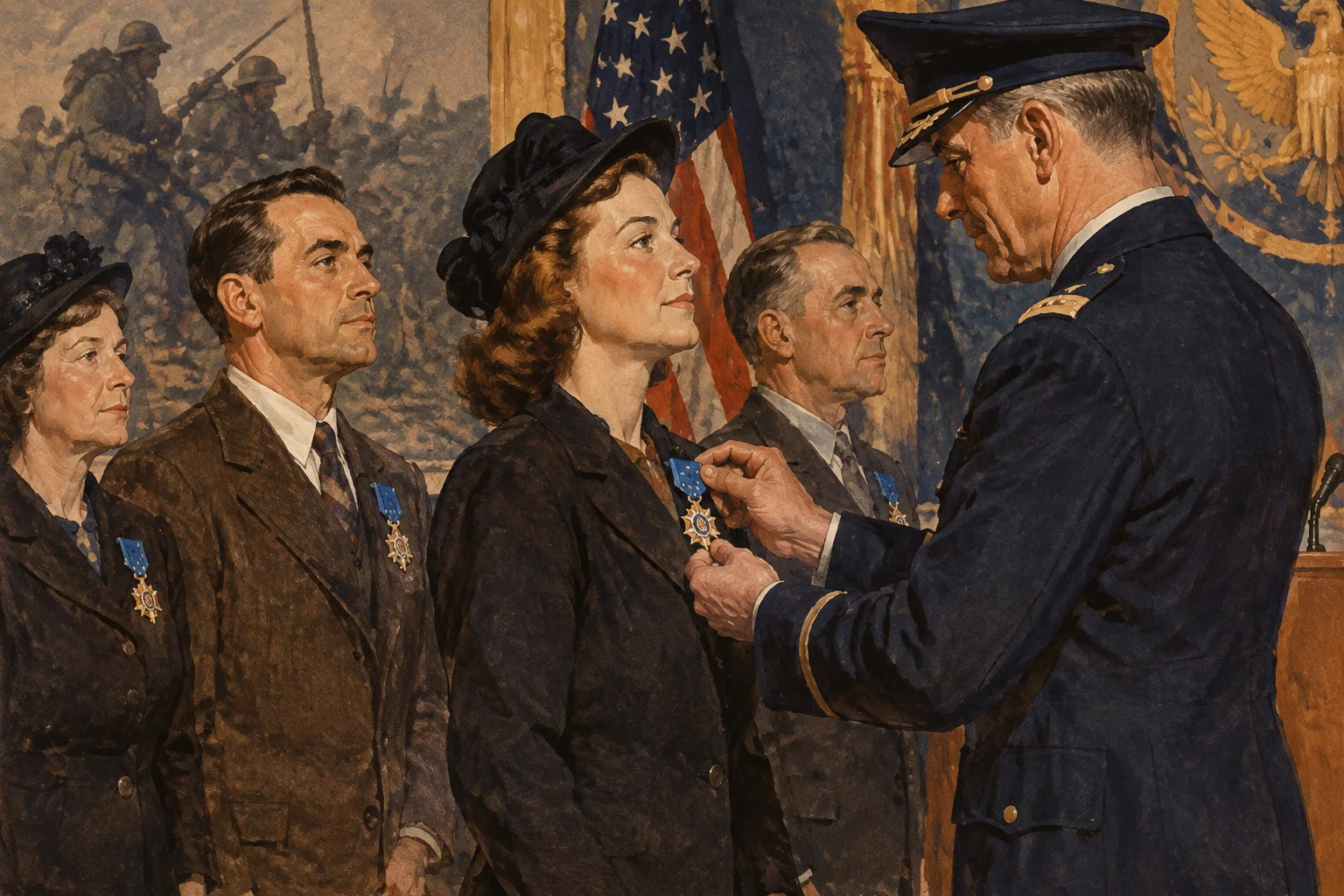
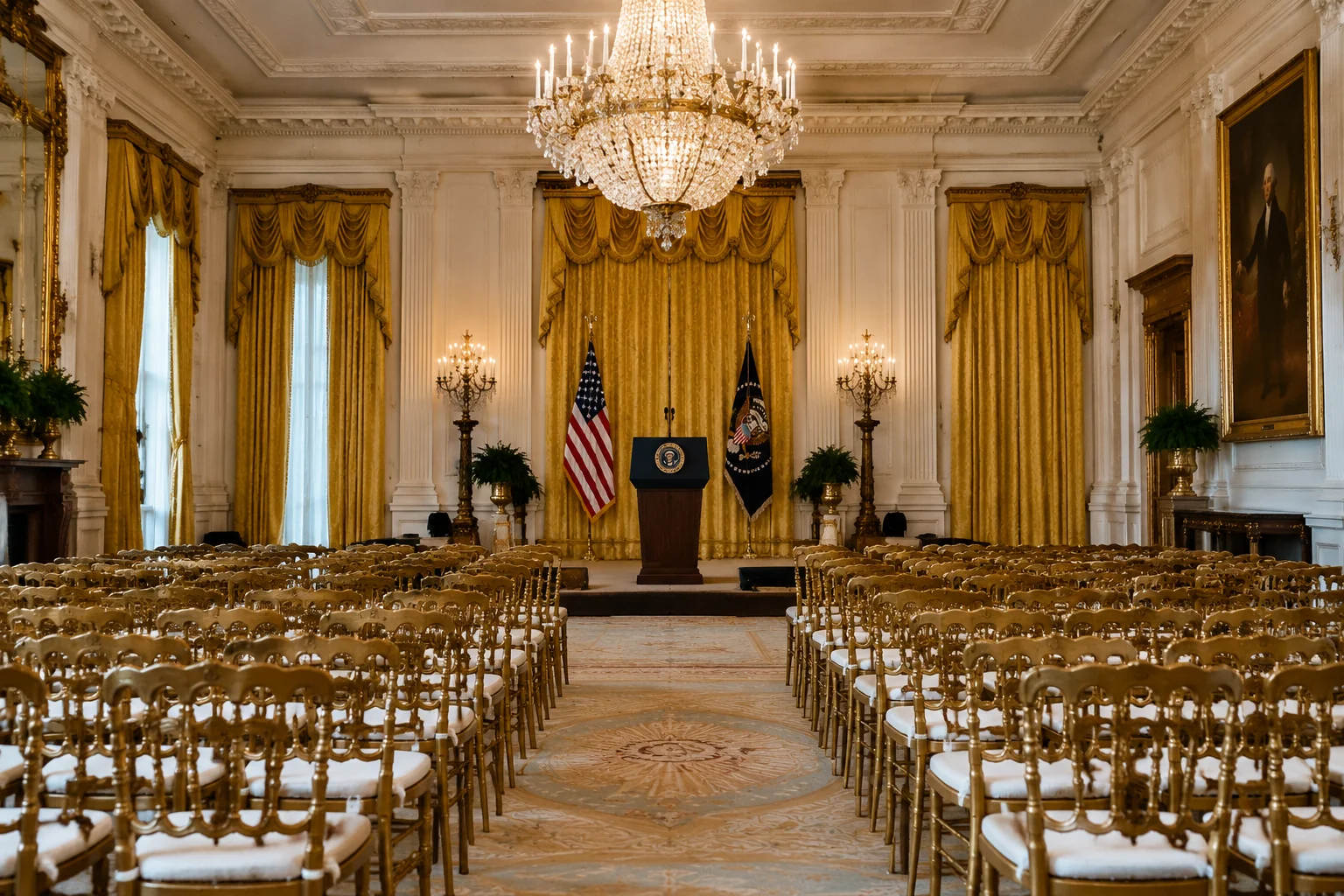
Where and how the medal is presented carries its own quiet symbolism. Most ceremonies happen at the White House, though some have taken place at other significant locations. The setting signals that the honor comes from the institution of the presidency, not from Congress or a independent body.
Who attends also matters. Family members, colleagues, and sometimes celebrities fill the room, turning the event into a public celebration of a life's work. The president's remarks often reveal the personal reason behind the choice, offering rare insight into private admiration.
Occasionally, the ceremony becomes a cultural moment in itself, drawing enormous media attention. When artists, athletes, or activists receive the medal, the event can dominate news cycles for days. That visibility is part of the point—it amplifies the values the president wants to highlight.
Hidden Meaning #5: Posthumous Awards Reveal What Was Overlooked
Some of the most moving Medal of Freedom ceremonies have honored people who had already died. Posthumous awards often correct a historical oversight, recognizing figures whose contributions were undervalued in their lifetimes. These moments carry a bittersweet weight that living ceremonies rarely match.
A posthumous medal can function as an apology, a correction, or a long-overdue acknowledgment. It signals that the nation's recognition lagged behind the person's actual impact. Family members accepting on behalf of a deceased recipient often become the emotional center of the event.
This practice also exposes an uncomfortable truth: recognition is often tied to timing and politics, not pure merit. Some of the most deserving figures were never honored at all. The posthumous category is a partial remedy for that gap, not a full solution.
Hidden Meaning #6: Civilian Awards Extend Far Beyond the Top Slot
While the Medal of Freedom dominates headlines, the broader landscape of civilian awards is vast and surprisingly varied. The Presidential Citizens Medal honors hands-on service, often to people who never sought fame. The National Medal of Arts and National Medal of Humanities recognize specific cultural contributions.
There are also the Presidential Medal of Freedom's cousins in science and technology, including the National Medal of Science and the National Medal of Technology and Innovation. Each carries its own criteria and its own quiet prestige. Together, they form a lattice of recognition that few Americans can fully name.
Understanding this full ecosystem changes how you see the top award. The Medal of Freedom is the peak, but it sits atop a mountain of other honors that collectively define what the country chooses to celebrate. The hidden meaning is that recognition is distributed across many channels, not concentrated in one.
Hidden Meaning #7: The Award Has No Fixed Criteria by Design
The absence of rigid criteria is arguably the medal's most defining and most misunderstood feature. Some recipients are honored for a single transformative act, while others are recognized for decades of cumulative achievement. There is no formula that predicts who will be chosen.
This flexibility is intentional, allowing the award to adapt to changing times. A scientist, a musician, a civil rights leader, and a diplomat can all receive the same honor without contradiction. The medal stretches to fit whatever the president believes deserves national gratitude.
Critics sometimes argue this makes the award arbitrary or inconsistent. Supporters counter that it is precisely this openness that lets the honor stay relevant across generations. Both views capture part of the truth—the medal is flexible and it is subjective, and those qualities are inseparable.
Hidden Meaning #8: Recipients Often Share a Surprising Trait
Look closely at the full list of recipients, and a pattern emerges that has little to do with fame. Many honorees share a willingness to work across boundaries—bridging cultures, disciplines, or communities. The medal tends to favor connectors and bridge-builders over pure specialists.
This may reflect the president's desire to celebrate unity rather than division. Honorees frequently represent the idea that American greatness comes from collaboration and shared purpose. Even solitary artists and scientists are often framed in terms of their impact on others.
That pattern is not accidental. It reveals an unspoken criterion: the medal rewards people whose work ripples outward. Personal excellence matters, but contribution to something larger than the self matters more.
Hidden Meaning #9: The Award Reflects Presidential Personality
Every president leaves a distinct fingerprint on the award through their choices. Some favor military and diplomatic figures, while others lean toward artists, athletes, and cultural icons. The recipient lists become a kind of autobiography of each administration's values.
This is why the medal is such a rich historical document. You can read a presidency through its honorees, spotting what each leader prized and what they ignored. The award becomes a lens for understanding the person who gave it, not just the people who received it.
Historians increasingly study these lists as primary sources. They reveal priorities that speeches and policy papers sometimes obscure. The hidden meaning, in this sense, is that the medal is a self-portrait of the presidency itself.
Hidden Meaning #10: The Medal Has Evolved With American Identity
Over six decades, the award's meaning has shifted alongside the country's sense of itself. Early recipients reflected Cold War anxieties and the space race, while later classes embraced civil rights and global humanitarianism. The medal tracks the nation's changing self-image in real time.
As America has grappled with questions of diversity and inclusion, the recipient lists have slowly changed too. More women, people of color, and international figures have appeared over the decades. The medal has become a tool for signaling who counts as part of the national story.
This evolution is ongoing and unfinished. Each new administration reinterprets what the honor should mean, ensuring the medal never quite settles into a fixed definition. Its meaning is, in the end, a living negotiation between the president and the public.
Hidden Meaning #11: The Prestige Is Cultural, Not Legal
Receiving the Medal of Freedom does not confer any legal status, salary, or formal title. It is purely an honor, which is precisely what makes it powerful. The medal's value lies entirely in what the public believes it represents.
That cultural prestige is why recipients treasure it so deeply. It cannot be bought, inherited, or earned through a measurable process. It exists only because the nation collectively agrees to treat it as meaningful.
This intangible quality is also its vulnerability. If the public ever stopped respecting the award, its power would evaporate overnight. The medal depends on shared belief, which is why the ceremony and the president's words matter so much.
Hidden Meaning #12: Ordinary People Rarely Receive It
Despite being a civilian honor, the medal is overwhelmingly given to the famous. Presidents, scientists, athletes, actors, and philanthropists dominate the lists. Ordinary citizens who quietly serve their communities are usually honored through other awards instead.
This gap is one of the medal's quiet ironies. The most prestigious civilian honor rarely goes to the most common kind of civilian. That is not necessarily wrong, but it is worth noticing when we talk about what the award truly means.
Awareness of this gap has grown in recent years. Some observers argue the medal should spotlight more grassroots heroes, while others defend its focus on national and global impact. The debate itself reveals how much meaning Americans invest in this single piece of metal.
Hidden Meaning #13: The Award Is Increasingly Global
A striking number of Medal of Freedom recipients are not American citizens. Foreign leaders, scientists, artists, and humanitarians have received the honor, reflecting America's desire to celebrate global contributions. The medal has become a diplomatic instrument as much as a national one.
Honoring international figures signals partnership, respect, and shared values. It can strengthen alliances and soften tensions, all through the simple act of recognition. The award thus functions quietly as a foreign policy tool.
This global reach also broadens the medal's meaning beyond patriotism. It becomes a statement that greatness is not confined to one nation. The hidden message is that American values are, at their best, universal ones.
Hidden Meaning #14: The Medal's Design Tells Its Own Story
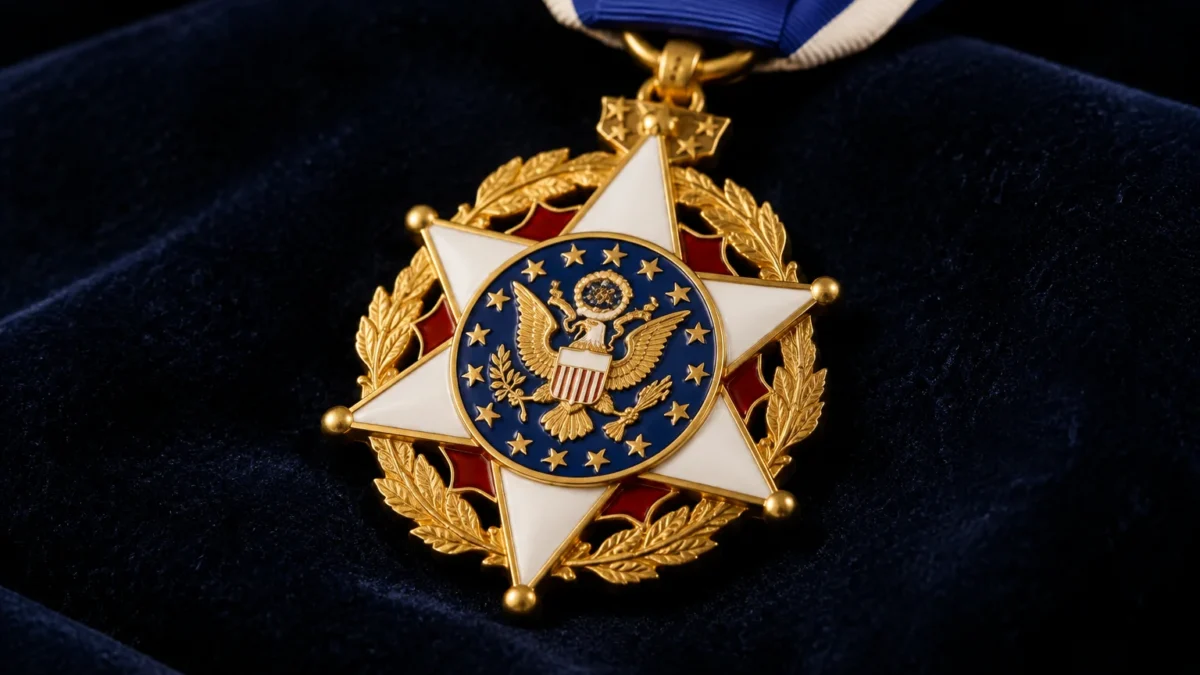
The physical medal is rich with symbolism that most people never examine. Its white enamel star and gold eagle draw on classical American iconography, echoing military decorations while remaining distinct. The design deliberately bridges the civic and the martial.
The blue ribbon and star shape have remained largely consistent, giving the award a recognizable visual identity. Recipients often describe the medal as unexpectedly heavy and beautifully made. The craftsmanship itself communicates that this honor is meant to last.
Subtle details in the design reward closer inspection. The arrangement of stars, the eagle's posture, and the enamel work all carry meaning for those who study heraldry. Even the material choices speak to permanence and national pride.
Hidden Meaning #15: Controversy Has Always Been Part of the Story
Not every recipient choice has been universally celebrated, and that controversy is part of the award's history. Some selections have drawn criticism for being political, premature, or puzzling. Presidents have defended their choices as expressions of their own judgment and values.
Controversy does not necessarily diminish the medal; it may actually reinforce its significance. The fact that people argue passionately about who deserves it proves that the honor matters. An award nobody debates would be an award nobody cares about.
Over time, some controversial choices fade into historical footnote while others are vindicated by events. The medal's meaning is thus constantly renegotiated in hindsight. What seemed questionable at the time can look prescient decades later.
Hidden Meaning #16: The Award Reveals America's Complicated Heroes
America's heroes are not monolithic, and the medal list proves it. Recipients range from war heroes to antiwar activists, from corporate titans to labor leaders. The award embraces figures who sometimes disagreed fiercely with one another.
This diversity is a quiet argument for a pluralistic national identity. The country's greatness, the medal suggests, comes from many competing visions. Honoring both a general and a peace activist in the same era makes a statement about inclusion.
That inclusiveness has limits, of course, and the list remains incomplete. But the range of recipients is wider than a casual observer might expect. The medal invites Americans to hold multiple versions of heroism in mind at once.
Hidden Meaning #17: Recognition Often Arrives Late
Timing is one of the medal's most underappreciated dimensions. Many recipients are honored near the end of distinguished careers, sometimes decades after their peak contributions. The award often functions as a capstone rather than a catalyst.
Occasionally, recognition comes very early, honoring young achievers at the height of their influence. More often, it arrives after the hard work is done and the public has already moved on. The delay can be frustrating for those who believe recognition should be timely.
Late recognition carries its own poignancy. It suggests that greatness is sometimes only fully visible in retrospect. The medal becomes a form of historical correction as much as contemporary praise.
Hidden Meaning #18: The Ceremony Is a Rare Bipartisan Moment
In an era of intense political polarization, the Medal of Freedom ceremony occasionally produces genuine unity. Recipients from different parties and ideologies can share a stage without conflict. The event briefly suspends the usual tribal divisions.
This unity is fragile and temporary, but it is real. For a few hours, the focus shifts from disagreement to shared admiration. The medal creates a rare space where Americans can agree on something.
That bipartisan quality is part of the award's hidden value. It reminds the country that some things transcend daily politics. Whether that reminder lasts beyond the ceremony is another question entirely.
Hidden Meaning #19: The Medal Has Become a Cultural Archive
Taken together, the full recipient lists form a remarkable archive of American cultural history. They capture who was famous, respected, and influential in each era. Reading through them is like flipping through a national scrapbook.
The archive includes names that have faded and names that have grown brighter with time. It captures the zeitgeist of each decade through the people it chose to honor. Historians increasingly treat it as a window into national psychology.
This archival function may be the medal's most lasting legacy. Long after individual ceremonies are forgotten, the lists will remain as evidence of what America once valued. That is a quieter but no less important kind of meaning.
Hidden Meaning #20: What the Award Says About Us Today
The Medal of Freedom's meaning is not fixed; it is whatever Americans collectively decide it is. Today, it signals a blend of achievement, service, and cultural impact. Tomorrow, it may mean something different as the country changes.
Understanding the award means looking past the ceremony to the choices behind it. It means asking who gets honored, who gets overlooked, and why. Those questions reveal more about the nation than any medal ever could.
The hidden meaning, in the end, is that the highest civilian award is really a mirror. It shows us not just who we admire but who we believe we are. That is why a simple medal can carry so much weight—and why its story is still being written.
The Meaning Behind the Medal
The Presidential Medal of Freedom is far more than a ceremonial trinket. It is a living document of American values, shaped by each president and reinterpreted by each generation. Its hidden meaning lies in the gap between its grand title and its messy, human reality.
Few Americans realize that the highest civilian award has no fixed criteria, no open nomination process, and no consistent rulebook. That ambiguity is not a bug but a feature, allowing the honor to evolve with the nation it celebrates. The medal's power comes from collective belief, not legal authority.
If there is one takeaway, it is this: the award tells us more about America than about any individual recipient. Every ceremony is a snapshot of what the country chose to value at that moment. The hidden meaning is that we are always writing that story, one medal at a time.
Frequently Asked Questions
What is the highest civilian honor in the US?
The Presidential Medal of Freedom is widely regarded as the highest civilian honor in the US. It recognizes exceptional contributions to world peace, national security, culture, science, and public service, and is awarded at the president's sole discretion.
Is the Presidential Medal of Freedom the same as the Medal of Honor?
No. The Medal of Honor is a military decoration awarded for valor in combat, while the Presidential Medal of Freedom is a civilian honor recognizing broader achievements and service. They are separate awards with completely different criteria and traditions.
Can non-US citizens receive the highest civilian award?
Yes. The Presidential Medal of Freedom has been awarded to numerous foreign leaders, scientists, artists, and humanitarians over the decades. The honor reflects America's desire to recognize global contributions as well as domestic ones.
What is the second-highest civilian award in the United States?
The Presidential Citizens Medal is generally considered the second-highest civilian award. It specifically recognizes exemplary deeds of service performed for the nation or fellow citizens, often honoring grassroots and hands-on contributions.
Does the highest civilian award come with any money or legal benefits?
No. The Presidential Medal of Freedom is purely an honor with no salary, legal status, or financial benefit attached. Its value comes entirely from cultural prestige and the recognition it symbolizes.
How many grades of the Presidential Medal of Freedom are there?
There are two grades: the Medal of Freedom with Distinction, worn as a sash with a star badge, and the standard Medal of Freedom, worn as a neck badge. The distinction grade is rarer and typically reserved for the most exceptional honorees.

Alex Warren
Related Articles