


Betrayal has a way of outlasting almost everything else. Empires fall, monuments crumble, and yet the names of the people who broke a trust still linger in the collective memory. From ancient pacts sealed in blood to Cold War secrets traded for cash, the history of betrayal is also a history of what people will do when loyalty becomes inconvenient.
This list gathers 20 of the biggest betrayals in history, mixing famous figures with lesser-known treachery that still mattered enormously. Along the way, we will separate verified history from dramatic legend, and look at why a single act of disloyalty can echo for centuries.
TL;DR: The greatest betrayals in history usually involve someone with privileged access — a trusted friend, advisor, or ally — and the damage is rarely just personal; it reshapes nations, wars, and institutions.
What Counts as a Betrayal?
Betrayal is not simply being defeated or outmaneuvered. It requires a relationship of trust — a pact, an oath, a friendship, a professional duty — that one party deliberately breaks to serve their own interests. That distinction is why treachery examples tend to feel more personal and more shocking than ordinary military losses.
Historical context matters enormously. Some figures called traitors were actually fighting for a cause they believed in, while others were opportunists who switched sides when the odds changed. Before we label anyone as one of the great traitors of history, it helps to ask who was doing the labeling — and who benefited from the label.
1. Judas Iscariot and the Betrayal of Jesus
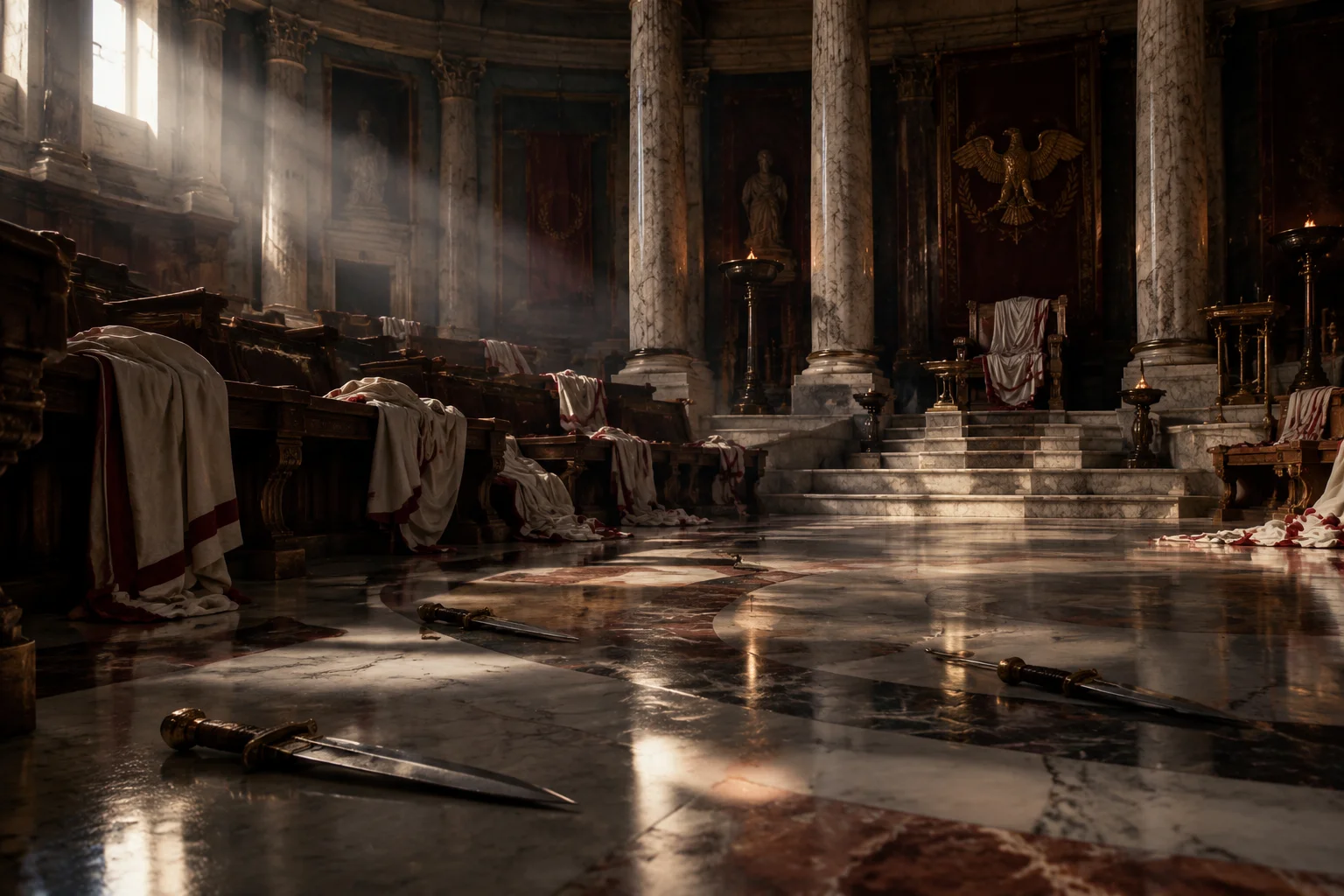
Judas Iscariot may be the single most famous traitor in Western history. According to the Gospels, he was one of Jesus's twelve closest followers, entrusted with the group's money, and yet handed his teacher over to the authorities for thirty pieces of silver. That act, followed by a kiss in the Garden of Gethsemane, became the template for betrayal in art, literature, and language itself.
The historical record outside the Gospels is thin, and scholars debate the details of Judas's motives and fate. What is not in dispute is the enormous cultural afterlife of the story: Dante placed Judas at the very bottom of Hell, and the name "Judas" has been shorthand for a traitor for two thousand years.
2. Brutus and the Assassination of Julius Caesar
Marcus Junius Brutus was Caesar's friend and, according to some ancient sources, possibly his protégé. On the Ides of March in 44 BCE, Brutus joined a conspiracy of senators who stabbed Caesar to death in the Theatre of Pompey. The sight of Brutus among the assassins was, for many Romans, the most shocking part of the whole affair.
Ancient writers disagree about Brutus's true motives. Some portray him as a principled republican defending the state against a tyrant, while others describe a man torn between friendship and ideology. Shakespeare crystallized the moment with the line "Et tu, Brute?" — a phrase that has become a byword for the deepest kind of personal betrayal.
3. Benedict Arnold and the American Revolution

Benedict Arnold was one of the American Revolution's most effective generals before he became its most infamous traitor. Wounded and repeatedly passed over for promotion while others took credit for his victories, Arnold grew bitter and eventually agreed to hand West Point over to the British in 1780. The plot was exposed when the courier carrying the plans, Major John André, was captured.
Arnold escaped to British lines and lived out his life in England, largely shunned. His name remains a byword in American English for someone who turns against their own cause, and the episode is a classic example of how personal grievance can harden into historic betrayal.
4. Marcus Brutus, Cassius, and the Wider Conspiracy
Strictly speaking, Caesar's assassination was not the work of one man. Cassius Longinus recruited the conspirators, Decimus Brutus persuaded Caesar to attend the senate meeting where he was killed, and dozens of senators ultimately took part. The conspiracy worked because so many trusted insiders agreed to act together.
Their success, however, was short-lived. The assassins expected to restore the Republic, but instead they triggered a fresh round of civil wars that ended with Octavian as Rome's first emperor. In that sense, the betrayal of Caesar destroyed the very system the conspirators claimed to defend.
5. Wang Jingwei and the Wartime Collaboration with Japan
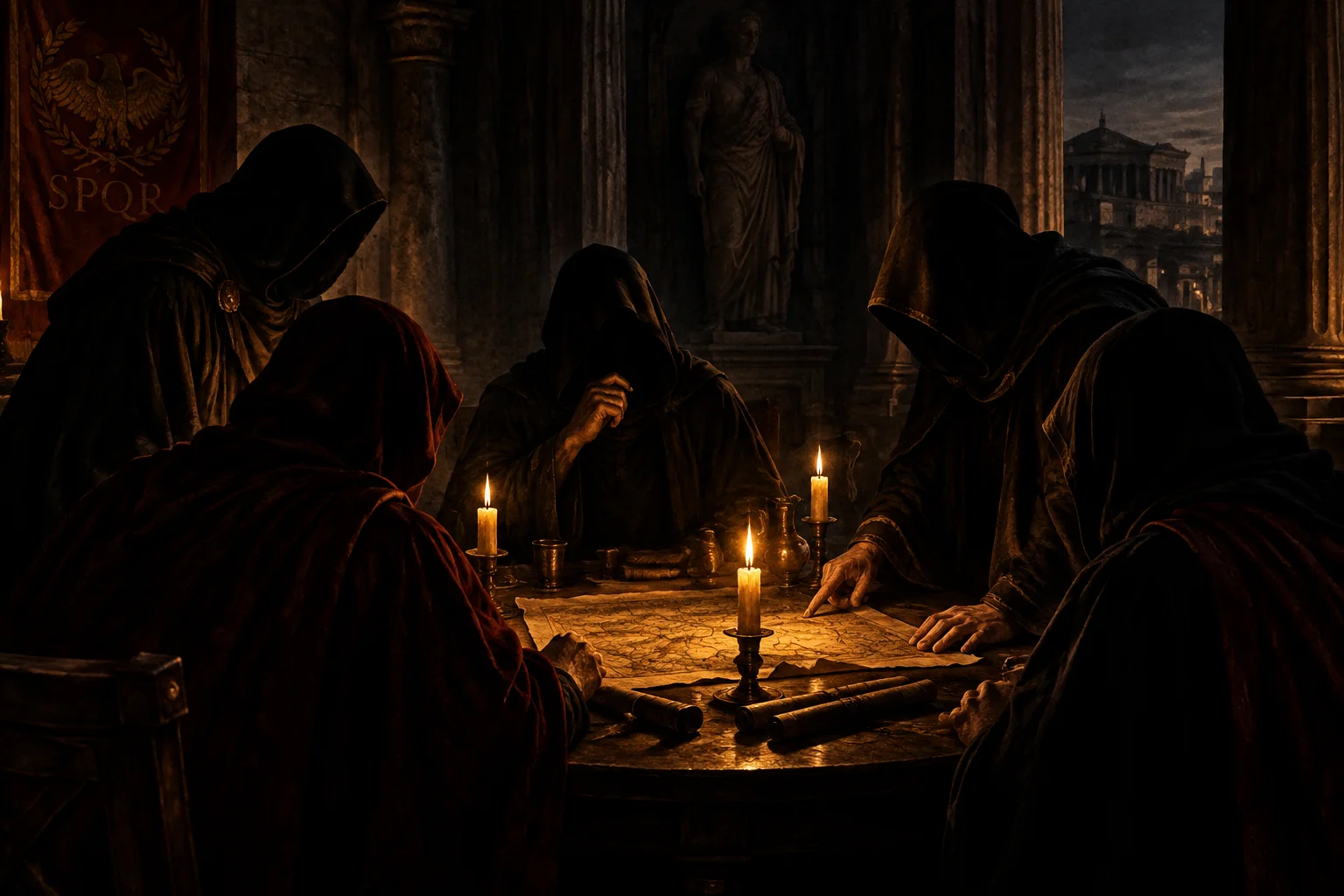
Wang Jingwei had been one of the founding figures of the Chinese Republic and a rival to Chiang Kai-shek for leadership of the Nationalist movement. In 1940, with China already suffering under Japanese invasion, Wang agreed to head a collaborationist government in Nanjing under Japanese sponsorship. Many Chinese regarded the move as the ultimate act of national betrayal.
Wang's own justification was that he was trying to protect Chinese civilians from further suffering and to negotiate better terms than continued war could achieve. Historians continue to debate this claim, and the case is a reminder that even the most notorious historical betrayals often come wrapped in a self-justifying narrative.
6. Vidkun Quisling and the Occupation of Norway
Vidkun Quisling was a Norwegian army officer and politician who founded a fascist party in the 1930s. When Germany invaded Norway in 1940, Quisling proclaimed himself head of a new government and urged Norwegians to accept German rule. His collaboration gave the world a new word: quisling, meaning a traitor who serves an occupying power.
After the war, Quisling was tried and executed for treason. His case is unusual because his betrayal was so public and so tightly tied to a foreign invader — making him one of the clearest examples of political treachery in modern European history.
7. The Man in the Iron Mask and Other Prison Mysteries
The Man in the Iron Mask, held in French prisons under Louis XIV, remains one of history's most famous unexplained prisoners. The mystery has generated endless speculation about betrayed noblemen, hidden heirs, and secret identities. In truth, historians still do not know who he was or why he was held.
His story matters for our purposes because it shows how the theme of betrayal attaches itself to secrets we cannot fully solve. When official records are missing, legend fills the gap, and the supposed traitor or betrayed victim becomes whatever the public imagination needs them to be.
8. The Betrayal of Anne Frank's Hiding Place

Anne Frank and her family hid in an Amsterdam annex for over two years before they were arrested in August 1944. For decades, speculation focused on who might have betrayed them. A cold-case investigation published in 2022 suggested the discovery may have been a matter of chance rather than a deliberate act of treachery.
This entry is a cautionary tale about the history of betrayal: not every terrible outcome has a neat villain. The Frank family's fate was tragic, but naming a betrayer requires evidence, not just a satisfying story.
9. The Assassination of Thomas Becket
Thomas Becket was a close friend and chancellor to King Henry II of England before becoming Archbishop of Canterbury. Their relationship soured when Becket defended the church's independence against royal authority. In 1170, four knights, apparently taking the king's angry words as a command, murdered Becket inside his own cathedral.
The king denied ordering the killing, but the scandal forced him to do public penance and damaged his reputation across Europe. Becket was quickly made a saint, and the episode became a defining example of how a broken friendship between powerful men can end in bloodshed.
10. The Trojan Horse and the Fall of Troy
The Trojan Horse is one of the oldest and most famous betrayal stories in world literature. According to Homer's epics and later accounts, the Greeks pretended to sail away and left behind a giant wooden horse as an offering. The Trojans brought it inside their walls, and Greek soldiers hidden inside opened the gates at night.
Whether the horse was a real historical device or a literary invention is impossible to confirm. Either way, it has become the archetypal image of treachery disguised as a gift, and the phrase "beware of Greeks bearing gifts" still warns against trusting appearances.
11. Guy Fawkes and the Gunpowder Plot
On 5 November 1605, Guy Fawkes was caught beneath the Houses of Parliament in London with barrels of gunpowder. He was part of a conspiracy of English Catholics who hoped to blow up King James I and the Protestant aristocracy. The plot failed, and Fawkes was executed for treason.
In Britain, the foiled plot is still commemorated with bonfires and fireworks on Guy Fawkes Night. The episode is a reminder that not every act of treason is motivated by personal gain — some conspirators believe they are acting for a higher cause, which is exactly why betrayal can be so morally complicated.
12. The Cato Street Conspiracy

In 1820, a group of radical conspirators in London plotted to assassinate the entire British cabinet at a dinner in Grosvenor Square. Known as the Cato Street Conspiracy, it was infiltrated by a government agent, and the plotters were arrested before they could act.
This case illustrates the flip side of betrayal: the use of informants by the state. From the authorities' perspective, the agent was a loyal servant preventing mass murder; from the conspirators' perspective, he was a traitor. The same act can be framed either way depending on where you stand.
13. The Sinking of the USS Indianapolis

In July 1945, the USS Indianapolis delivered components for the atomic bomb to the island of Tinian, then sailed toward Leyte Gulf. Shortly after midnight on 30 July, a Japanese submarine torpedoed the ship, which sank in about twelve minutes. Around 900 men survived the initial sinking, but only 316 were eventually rescued after days in shark-infested water.
The subsequent court-martial of Captain Charles McVay became itself a story of institutional betrayal. McVay was blamed for the loss, but later evidence showed the Navy had failed to warn him of submarine activity and had mishandled rescue efforts. He was eventually exonerated, but the episode remains a painful example of how an organization can turn on its own commander.
14. The Molotov–Ribbentrop Pact and Its Violation
In August 1939, Nazi Germany and the Soviet Union signed a non-aggression pact that stunned the world. The agreement included a secret protocol dividing eastern Europe into spheres of influence, and it cleared the way for both powers to invade Poland. For two years, the pact held — until Germany invaded the Soviet Union in June 1941.
Hitler's decision to break the agreement was a betrayal of the letter and spirit of the deal. From Stalin's perspective, the invasion was also a personal betrayal by a partner he had trusted, and it radically reshaped the course of World War II.
15. Operation Barbarossa and the Betrayal of Trust

The German invasion of the Soviet Union, codenamed Operation Barbarossa, was the largest land invasion in history. It caught Stalin off guard despite repeated warnings from his own intelligence services, partly because he refused to believe Hitler would break the pact so soon.
The betrayal was strategic as well as personal. By striking first, Germany gained enormous initial territory, but the offensive eventually bogged down in the Russian winter. The failure of Barbarossa marked a turning point in the war, proving that even a successful betrayal does not guarantee victory.
16. The Cambridge Five and Cold War Espionage
The Cambridge Five were a group of British intelligence officers recruited as Soviet spies while studying at Cambridge University in the 1930s. Kim Philby, Donald Maclean, Guy Burgess, Anthony Blunt, and John Cairncross all held sensitive positions and passed secrets to Moscow for years. Philby in particular rose high in MI6 before suspicions forced him to defect in 1963.
The damage was immense: agents were exposed, operations compromised, and trust within Western intelligence shattered. The case remains one of the most consequential espionage betrayals of the twentieth century, and it fed a culture of suspicion that outlasted the Cold War.
17. The Rosenbergs and Nuclear Espionage

Julius and Ethel Rosenberg were American communists convicted in 1951 of passing atomic secrets to the Soviet Union. They were executed in 1953, a sentence that remains controversial to this day. Declassified Soviet archives later confirmed that Julius Rosenberg did run a spy network, though the extent of Ethel's involvement is still debated.
Their case became a symbol of Cold War anxiety about loyalty and treachery. Whether one views them as traitors, martyrs, or something more complicated, the episode shows how betrayal allegations can become entangled with politics, prejudice, and public fear.
18. The Nazi–Soviet Pact's Aftermath in Eastern Europe
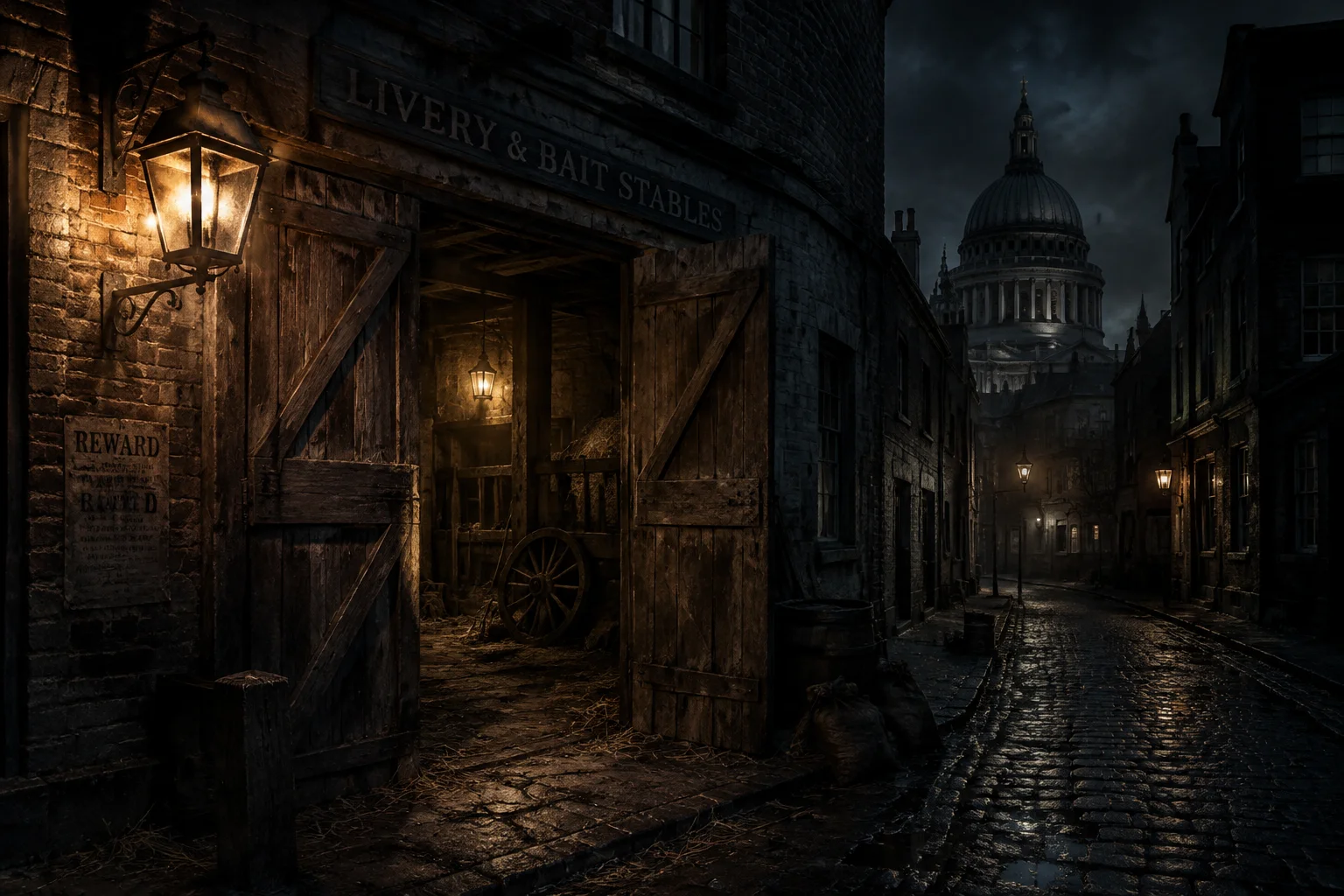
The secret protocol of the Molotov–Ribbentrop Pact divided Poland and assigned the Baltic states and parts of Romania to Soviet control. When Germany invaded the Soviet Union, the region became a battleground, and local populations suffered under both occupations.
For many in eastern Europe, the greatest betrayal was not the German invasion but the earlier deal that handed them over without their consent. The memory of that pact still shapes political attitudes in the region today, a reminder that historic betrayals can leave scars that last for generations.
19. The Betrayal of the Mamluks by Muhammad Ali Pasha
In 1811, Muhammad Ali Pasha, the Ottoman governor of Egypt, invited hundreds of Mamluk leaders to a celebration in Cairo. Once inside the citadel, they were ambushed and massacred. The event, known as the Massacre of the Citadel, effectively ended Mamluk power in Egypt and consolidated Muhammad Ali's rule.
The Mamluks had been invited under a promise of safe conduct, which makes the massacre a textbook example of treachery used as a tool of statecraft. It also illustrates how betrayal can be calculated and methodical rather than emotional — a political instrument rather than a crime of passion.
20. Modern Political Betrayals and the Trump Betrayal List

In contemporary politics, accusations of betrayal fly constantly, and the phrase "Donald Trump betrayal list" has circulated online among critics and commentators. The term generally refers to a loosely defined list of former allies, appointees, or supporters who have fallen out with the former president, or whom critics say he has abandoned. Because this is an evolving and politically charged subject, specific claims should be checked against primary sources and treated with caution.
The broader point is that modern media has changed how we think about treachery. Allegations spread fast, context gets lost, and the label "traitor" is applied and contested in real time. If anything, that makes the discipline of evidence more important than ever when judging public figures.
The Biggest Movie Betrayals
The biggest movie betrayals deserve their own mention because they have shaped how we imagine treachery. Cinema has given us some of the most memorable betrayal scenes ever put on screen, and audiences respond to them because they tap into the same fears as real history.
Among the most discussed are the twists in films like The Empire Strikes Back, where a trusted figure reveals a devastating truth, and The Godfather, where family loyalty is tested and broken in brutal fashion. Other classics include the identity reveals in Fight Club, the double-crosses in The Departed, and the quiet, devastating turn in The Usual Suspects.
These are not documentaries, and their betrayals are scripted for maximum impact. Still, they show why the theme is so durable: betrayal is a story engine, and audiences never tire of watching trust collapse. If you search for the biggest betrayals in movies, you will find lists dominated by these same titles, which says something about how deeply they have lodged in popular culture.
Why History's Betrayals Still Matter
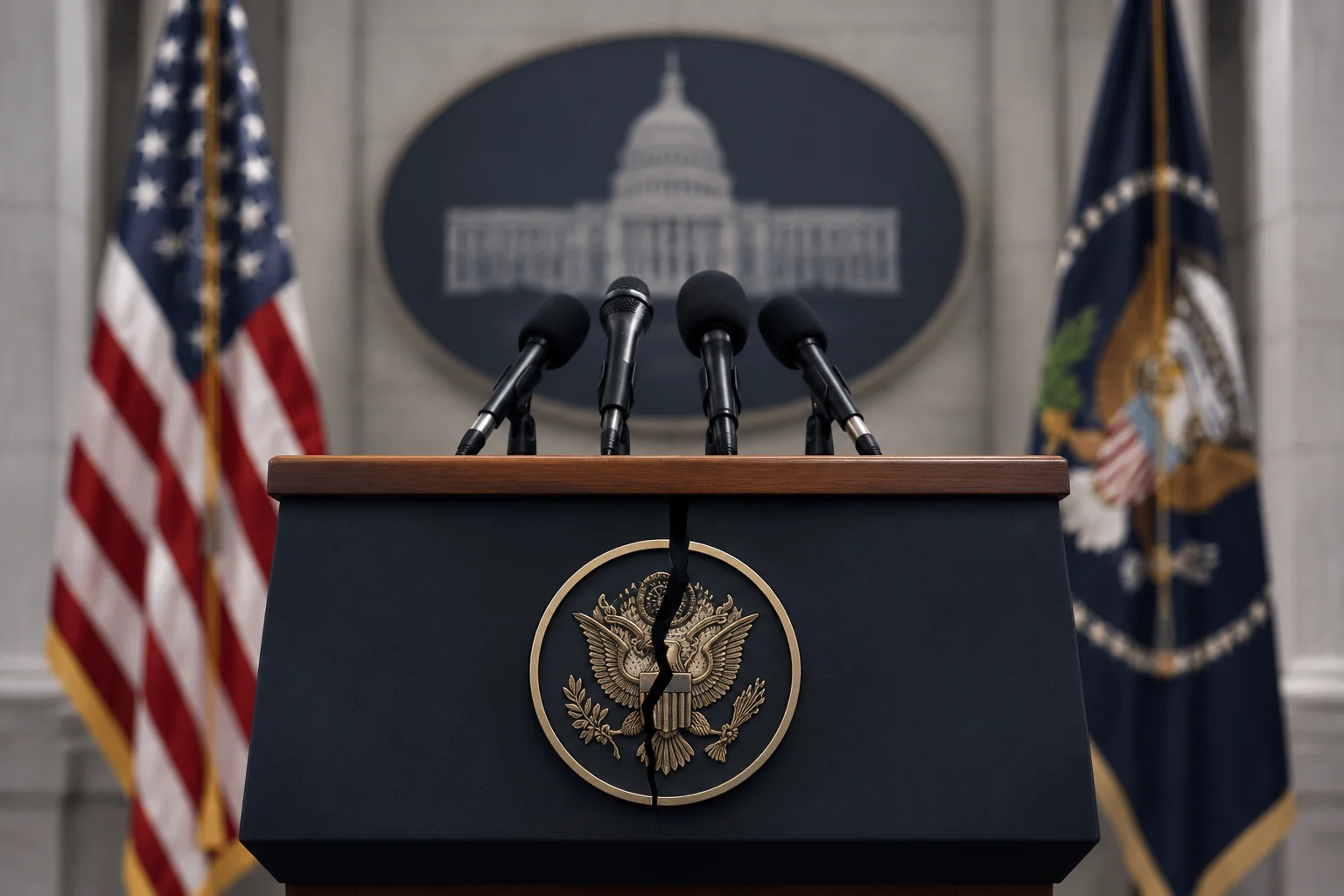
Betrayals matter because they are usually about proximity. The people who do the most damage are rarely strangers; they are the ones who were allowed close, given access, and trusted with secrets. That pattern runs from Judas to the Cambridge Five, and it is why betrayal stories tend to feel personal even when the stakes are geopolitical.
They also remind us to be careful with labels. Some "traitors" were principled people on the losing side of a conflict, while others were genuinely corrupt or self-serving. Understanding the history of betrayal means resisting the urge to flatten complex motives into simple villains.
Finally, these stories endure because they are cautionary tales. They warn against blind trust, against ignoring warning signs, and against assuming that loyalty is permanent. That may sound cynical, but it is also a form of realism — and it is why the greatest betrayals in history keep being retold.
Frequently Asked Betrayal Questions
For many readers, the most pressing question is simply which acts count as the biggest betrayals in history. There is no universal ranking, but the cases above share a common thread: a trusted relationship broken for advantage. If you want a short list, Judas, Brutus, Benedict Arnold, and the Cambridge Five are the names that come up most often.
Another common question is why people betray. Motives range from greed and ambition to ideology, fear, and resentment. In many cases, the betrayer believes they are acting rationally — or even nobly — which is part of what makes these stories so unsettling.
And yes, betrayals in movies are worth studying too. Fictional treachery helps us rehearse real-world anxieties about trust, and the biggest movie betrayals often mirror the same dynamics we see in historical accounts. Pop culture and history feed each other, and the theme of betrayal sits right at the intersection.
Frequently Asked Questions
What are the biggest betrayals in history?
The biggest betrayals in history usually involve a trusted insider breaking a bond for personal gain or ideological reasons. Frequently cited examples include Judas Iscariot betraying Jesus, Brutus joining the plot against Julius Caesar, Benedict Arnold's plan to surrender West Point, and the Cambridge Five passing secrets to the Soviet Union. There is no official ranking, but these cases share a common theme of proximity and broken trust.
Who are the most famous traitors of history?
Names that appear most often include Judas Iscariot, Marcus Junius Brutus, Benedict Arnold, Vidkun Quisling, and the Cambridge Five spies. Some of these figures were driven by ideology, others by resentment or money, and a few are remembered more for the label applied to them than for the act itself. Historians often debate how fairly the term "traitor" fits each case.
What are some famous betrayals in movies?
Films frequently cited for memorable betrayal moments include The Empire Strikes Back, The Godfather, Fight Club, The Departed, and The Usual Suspects. These are scripted stories rather than historical events, but they help explain why betrayal is such a powerful narrative device. The biggest movie betrayals tend to involve a trusted ally turning on the protagonist at the worst possible moment.
Is there a Donald Trump betrayal list?
The phrase "Donald Trump betrayal list" circulates online as a loosely defined label for former allies, staffers, or supporters who have publicly broken with the former president, or who critics say he has abandoned. It is not a single authoritative document, and specific claims vary widely. Because this is an evolving political topic, it is best to check individual claims against primary sources rather than treating any list as definitive.
Why do betrayals happen?
Betrayals typically happen when a trusted person decides that loyalty costs more than disloyalty. Motives include greed, ambition, fear, resentment, and ideological conviction. In many historic cases, the betrayer believed their actions were justified, which is part of why betrayal is so morally complicated to judge.

Alex Warren
Related Articles





