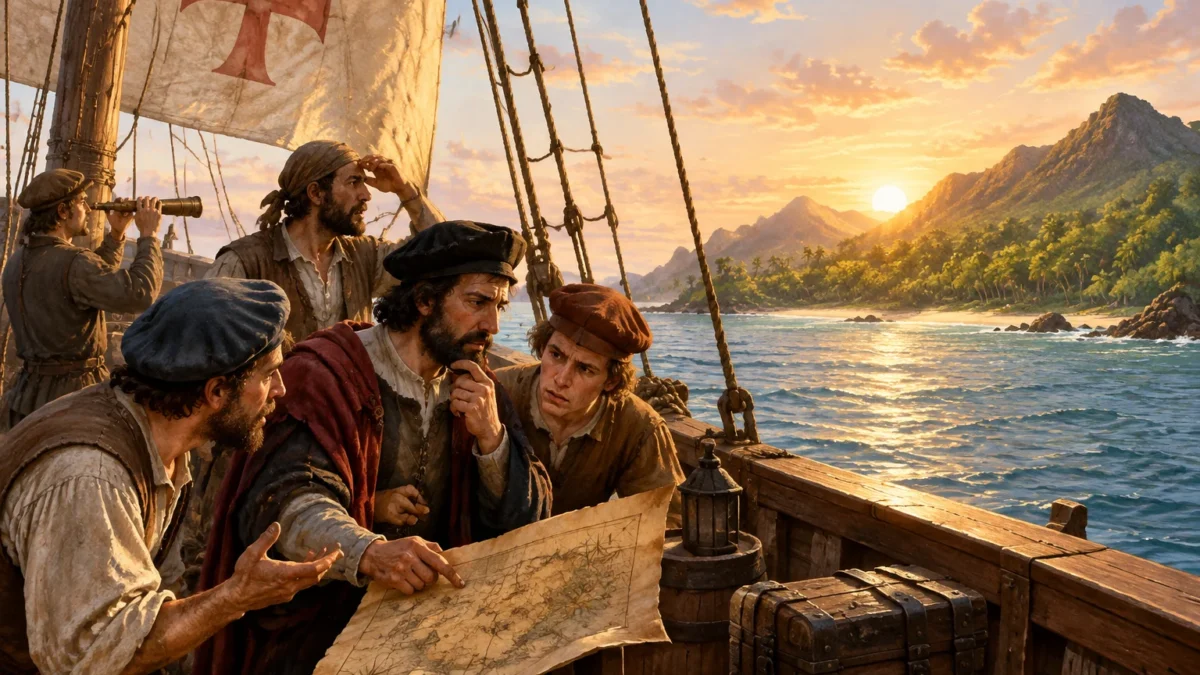
History books love a good disaster. They're full of stories about supposedly smart people making what look like history's worst mistakes, only for the results to be catastrophic. Yet if you dig a little deeper, some of the biggest blunders in history turned out to be strangely productive. A commander misreads a map, a scientist ruins an experiment, a ruler panics, and somehow the world ends up better off. This isn't about celebrating incompetence. It's about recognizing that hindsight is a sneaky thing, and that sometimes history's greatest blunders were also history's greatest pivots. We've gathered twenty stories where errors in history, careless decisions, and plain bad luck accidentally produced something remarkable. Some involve genuine dumb people in history. Others involve brilliant people having a very bad day. In every case, the outcome was far better than the mistake deserved. So the next time someone sneers that you fell for one of the classic blunders, remember that blunders have a strange way of shaping the world.
TL;DR: Some of history's most infamous mistakes, from failed invasions to lab accidents, accidentally produced inventions, discoveries, and political breakthroughs that still shape life today.
Why History's Worst Mistakes Sometimes Pay Off
We tend to judge historical decisions by their outcomes, which is a bit like grading an exam after you've seen the answer key. A general who gambles and wins is called a genius, while the same gamble that fails gets labeled one of the greatest mistakes in history. This is what historians call hindsight bias, and it shapes how we remember everything from military campaigns to scientific breakthroughs. When we say a decision was a blunder, we usually mean it looked irrational at the time, or at least in retrospect. But irrational decisions can have rational consequences, because the world is complicated and rarely follows a script.
Another reason blunders often pay off is that they force adaptation. When a plan collapses, people have to improvise, and improvisation sometimes uncovers options nobody considered. A failed experiment can reveal a new principle. A lost battle can expose a weakness that later gets fixed. A diplomatic disaster can redraw alliances in a way that prevents a larger war. None of this makes the original mistake smart. It simply means that human systems are resilient, and that apparent failure is often just a detour on the road to something else.
Finally, mistakes are informative. They show us the boundaries of what works, which is exactly how trial and error functions in science, engineering, and even politics. Thomas Edison's famous line about finding ten thousand ways not to make a lightbulb captures this idea, though the exact quote is disputed and likely paraphrased. What matters is the principle: errors in history are data points, not just embarrassments. With that in mind, let's look at twenty cases where a mistake, a miscalculation, or an outright disaster accidentally worked out.
1. Columbus Sails West and Finds a Continent He Wasn't Looking For
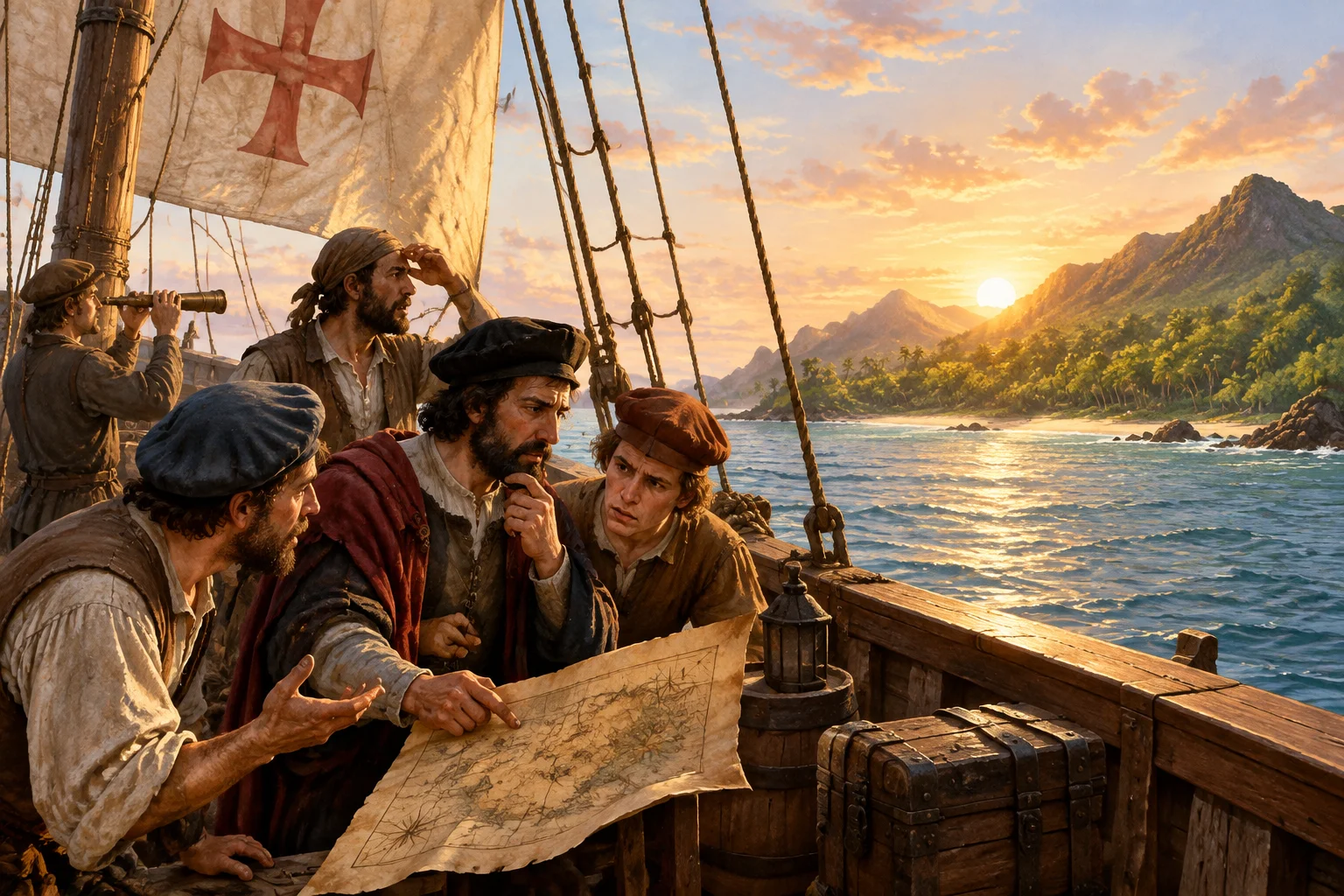
Christopher Columbus set out in 1492 to reach Asia by sailing west, based on a wildly underestimated size for the Earth. He was off by thousands of miles, and by most measures his voyage was a navigational blunder. Instead of Japan or China, he bumped into the Caribbean, a place no European expedition had planned to visit. The result was the beginning of sustained contact between Europe and the Americas, a process with enormous and often devastating consequences for Indigenous peoples. It was not a clean win. The Columbian Exchange brought crops, animals, and ideas, but also disease and violence on a catastrophic scale. Calling it an accidental success requires acknowledging its immense human cost, which many accounts gloss over. Still, as a navigational error, it is one of the most consequential mistakes in history.
2. The Trojan Horse Looks Like a Gift, Not a Trap
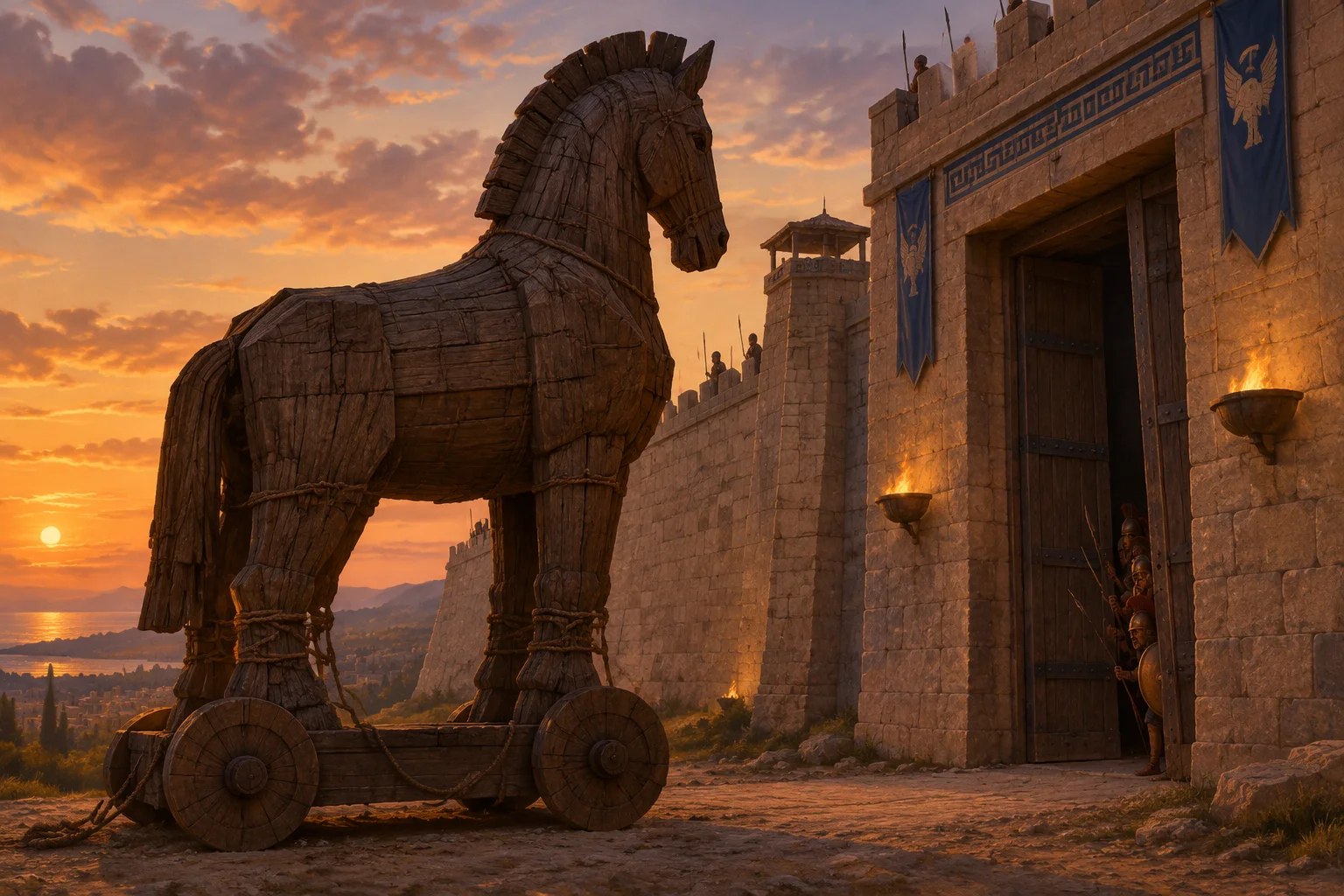
The story of the Trojan Horse comes from Greek myth and epic poetry rather than verified historical record, so we should treat it as legend. In the tale, the Greeks pretend to sail away and leave a giant wooden horse as an offering, and the Trojans drag it inside their walls. That night, soldiers hidden inside emerge and open the gates, and Troy falls. The Trojans' decision to accept the horse is remembered as one of history's greatest blunders. What makes it a productive blunder, at least in the story, is that it became a lasting lesson about trusting gifts from enemies. Whether or not it happened as told, the myth shaped military thinking and storytelling for millennia.
3. A Columbus Crew Shortage Accidentally Spreads a Useful Crop
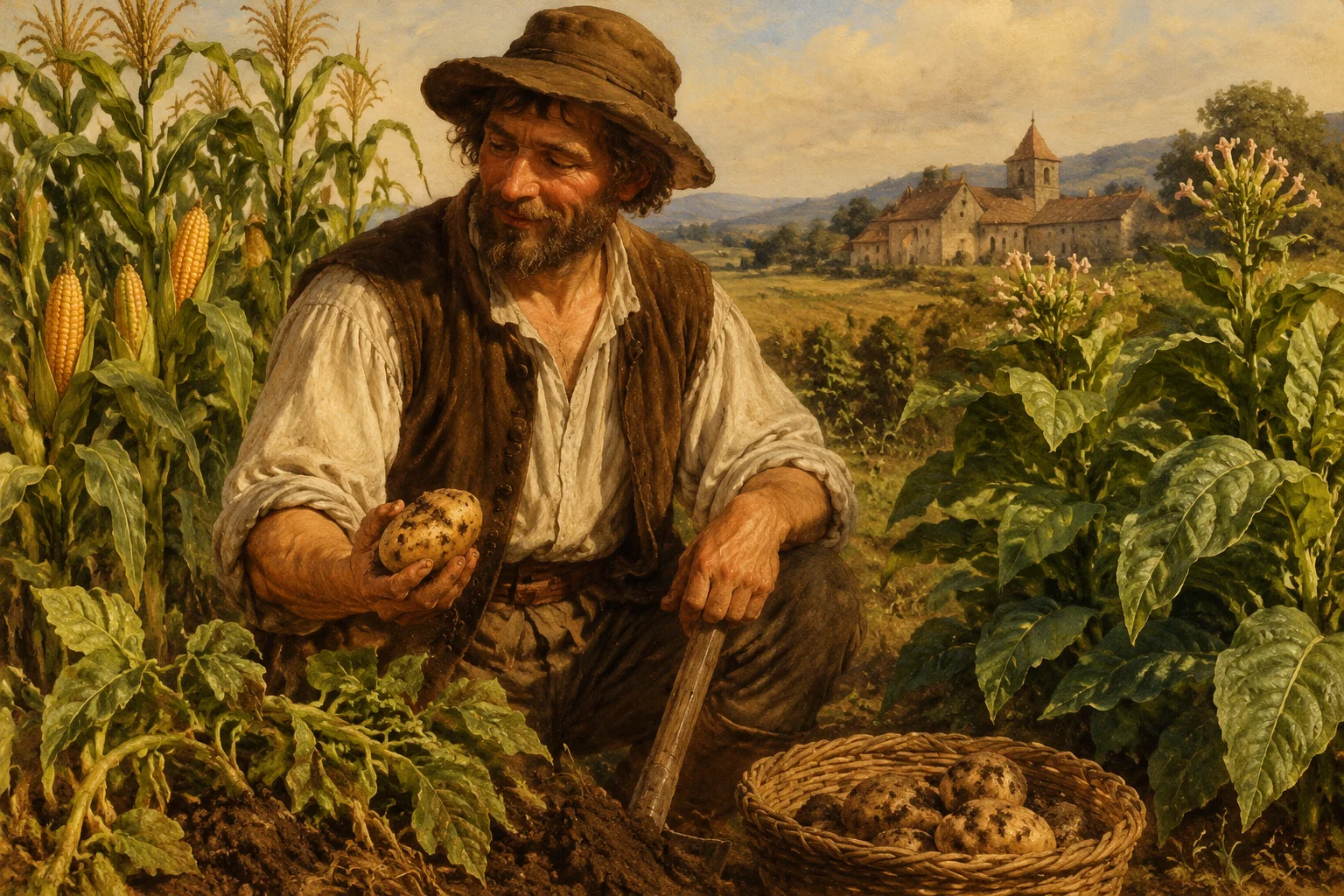
When Columbus returned from the Caribbean, he brought back plants that Europeans had never seen, including tobacco, maize, and potatoes. This wasn't a planned agricultural policy. It was the side effect of expeditions that were mostly chasing gold and spices. The potato in particular would go on to feed populations across Europe and contribute to population growth, though it also triggered the Irish Potato Famine when a single variety failed. So a blunder meant to find a shortcut to Asia helped trigger a global exchange of food crops. The consequences were mixed, but the agricultural transformation was real and enduring.
4. Napoleon Invades Russia and Accidentally Inspires Modern Nationalism
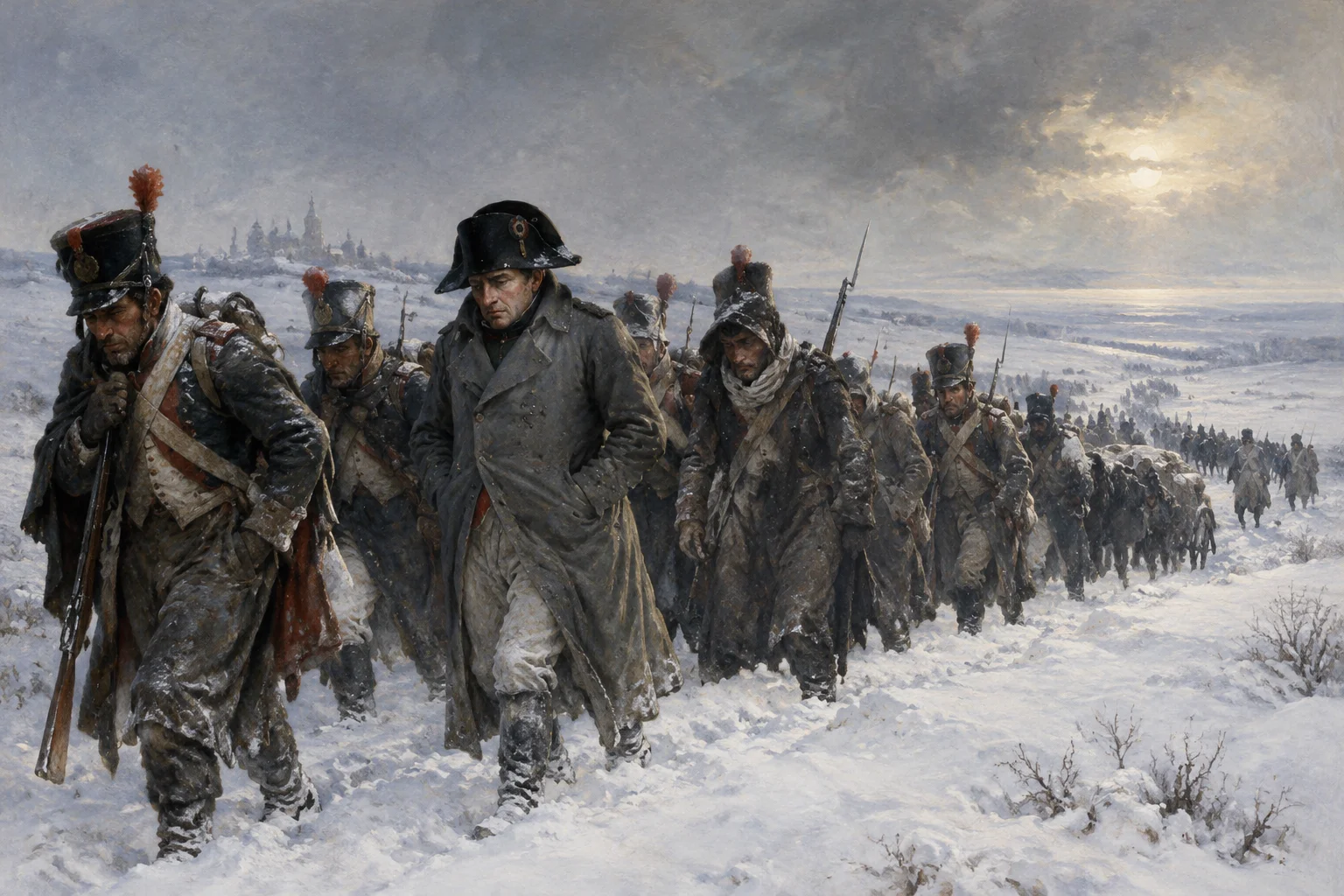
Napoleon's 1812 invasion of Russia is often listed among the worst military decisions ever made. His Grande Armée was decimated by winter, disease, and Russian scorched-earth tactics, with only a fraction of the troops returning. It shattered his reputation for invincibility and eventually led to his exile. Yet the campaign also stirred Russian national feeling and helped inspire the idea that a nation could mobilize its whole population against an invader. That concept of mass national resistance would echo through the nineteenth and twentieth centuries. The invasion failed spectacularly, but it helped reshape how nations thought about identity and defense.
5. The Boston Tea Party Was a Protest That Escalated Into Revolution
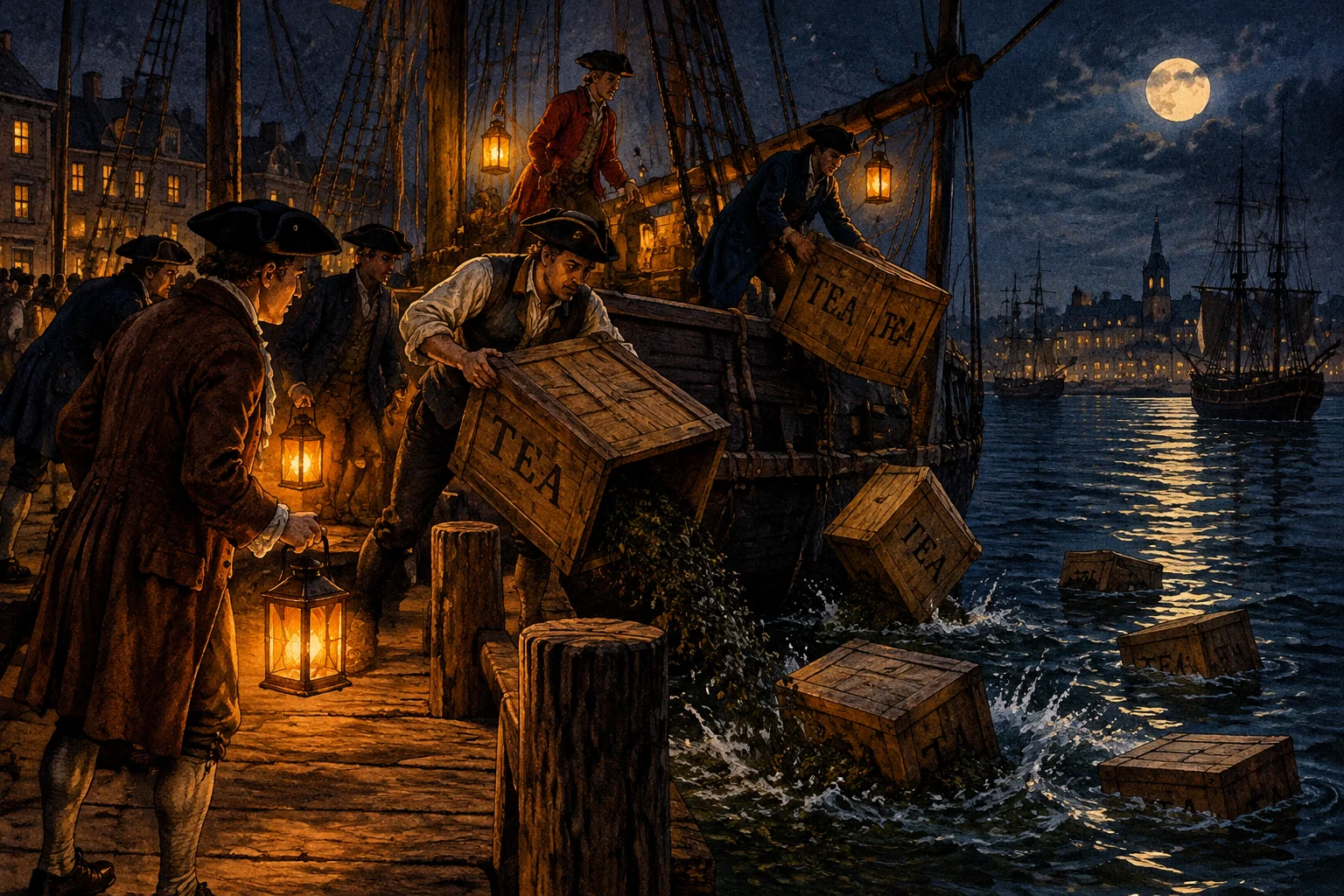
The Boston Tea Party in 1773 was a direct action by colonists angry about taxation without representation. By some measures it was a reckless stunt that destroyed private property and provoked harsh British retaliation, including the Intolerable Acts. It looked like a blunder to moderates who wanted reconciliation rather than rebellion. But the crackdown galvanized colonial resistance and pushed the colonies toward unity and eventually independence. An act of vandalism became a symbolic rallying point. Whether you call it a mistake depends on your politics, but its unintended effect was to accelerate the American Revolution.
6. A Spelling Error in a Patent Sparks a New Industry
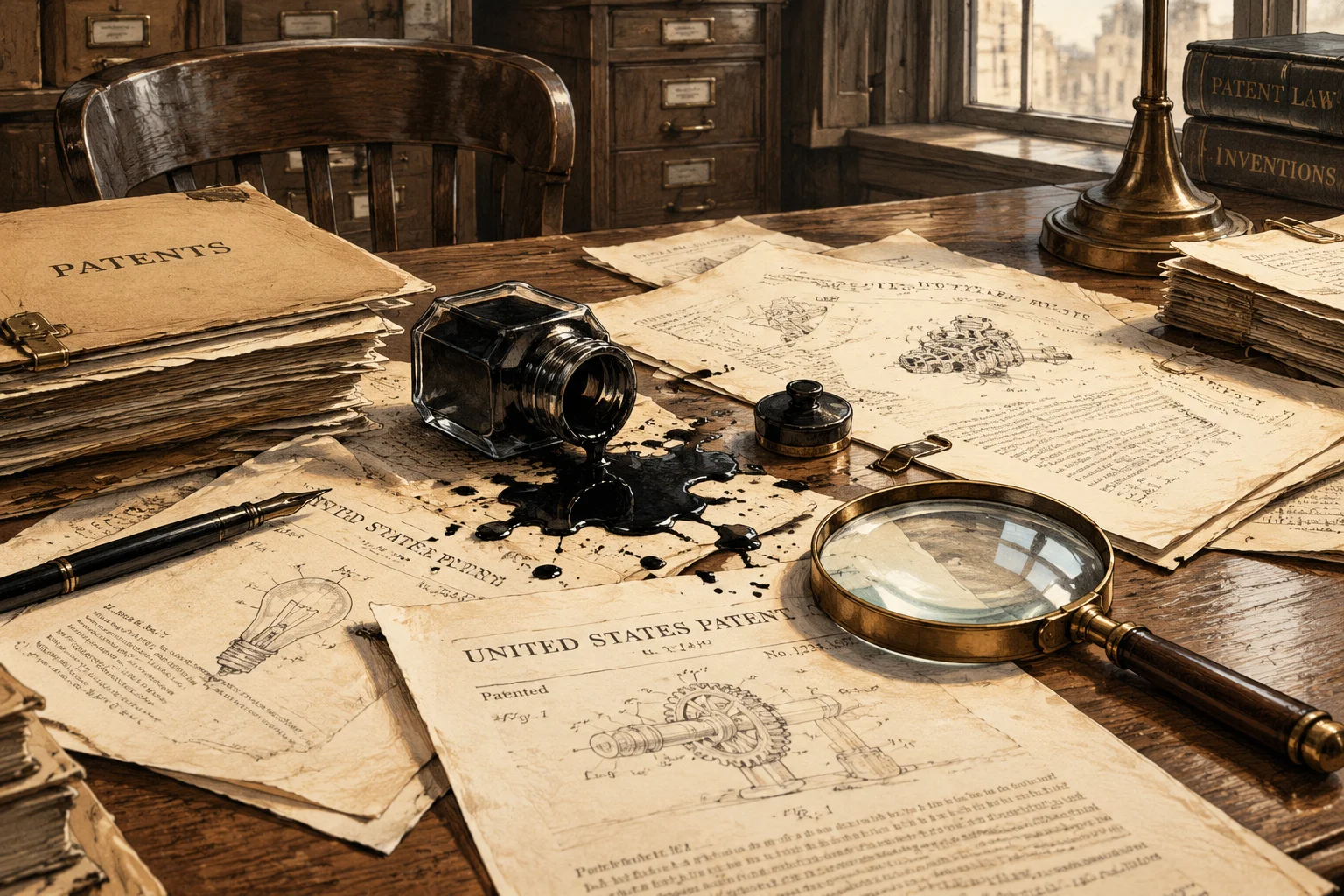
Legend holds that a clerk's error or a rushed filing accidentally broadened a patent in a way that helped an inventor, though the details of many such stories are murky and often embellished. What is well documented is that paperwork mistakes, mislabeled drawings, and clerical slips have repeatedly nudged technology forward. A miswritten claim can accidentally cover a wider design space. A misread blueprint can inspire a different and better approach. The broader point is that bureaucratic errors in history, while usually just annoying, occasionally opened doors nobody intended to open. Treat specific anecdotes with caution, but the pattern is real.
7. The Great Fire of London Accidentally Improves Urban Planning
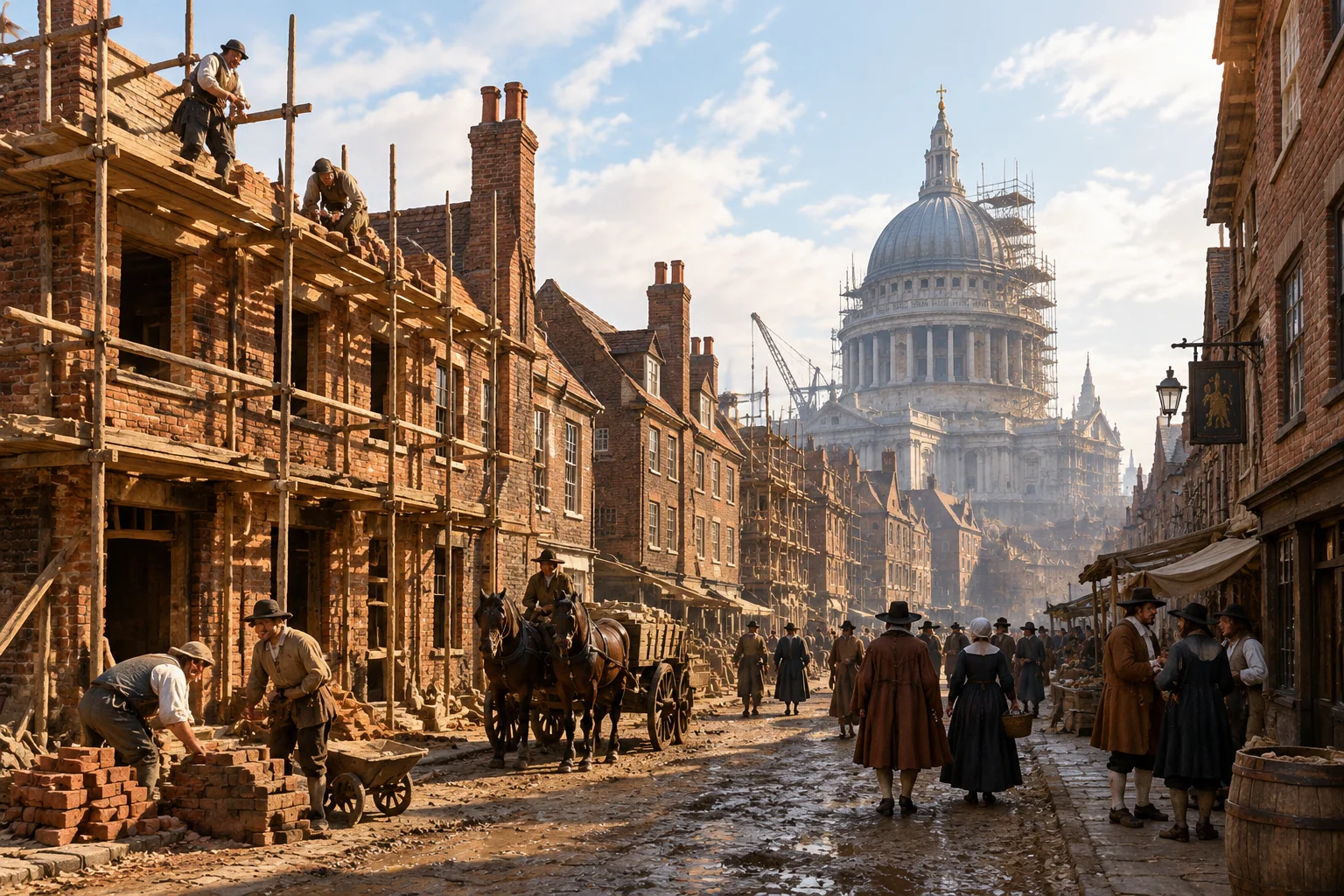
The Great Fire of London in 1666 destroyed thousands of homes and many public buildings, a genuine catastrophe for the people who lived through it. It also killed relatively few people directly, though the disruption was severe. In the aftermath, authorities rebuilt with wider streets and brick construction, and the fire helped end the last major outbreak of plague in the city. Christopher Wren's rebuilt St. Paul's Cathedral and other projects reshaped the skyline. The fire was a disaster, not a plan, but the reconstruction produced a safer, more modern city. Sometimes a blunder's silver lining arrives years later, carried by the people who have to rebuild.
8. The Wright Brothers' Early Crashes Teach Them How to Fly
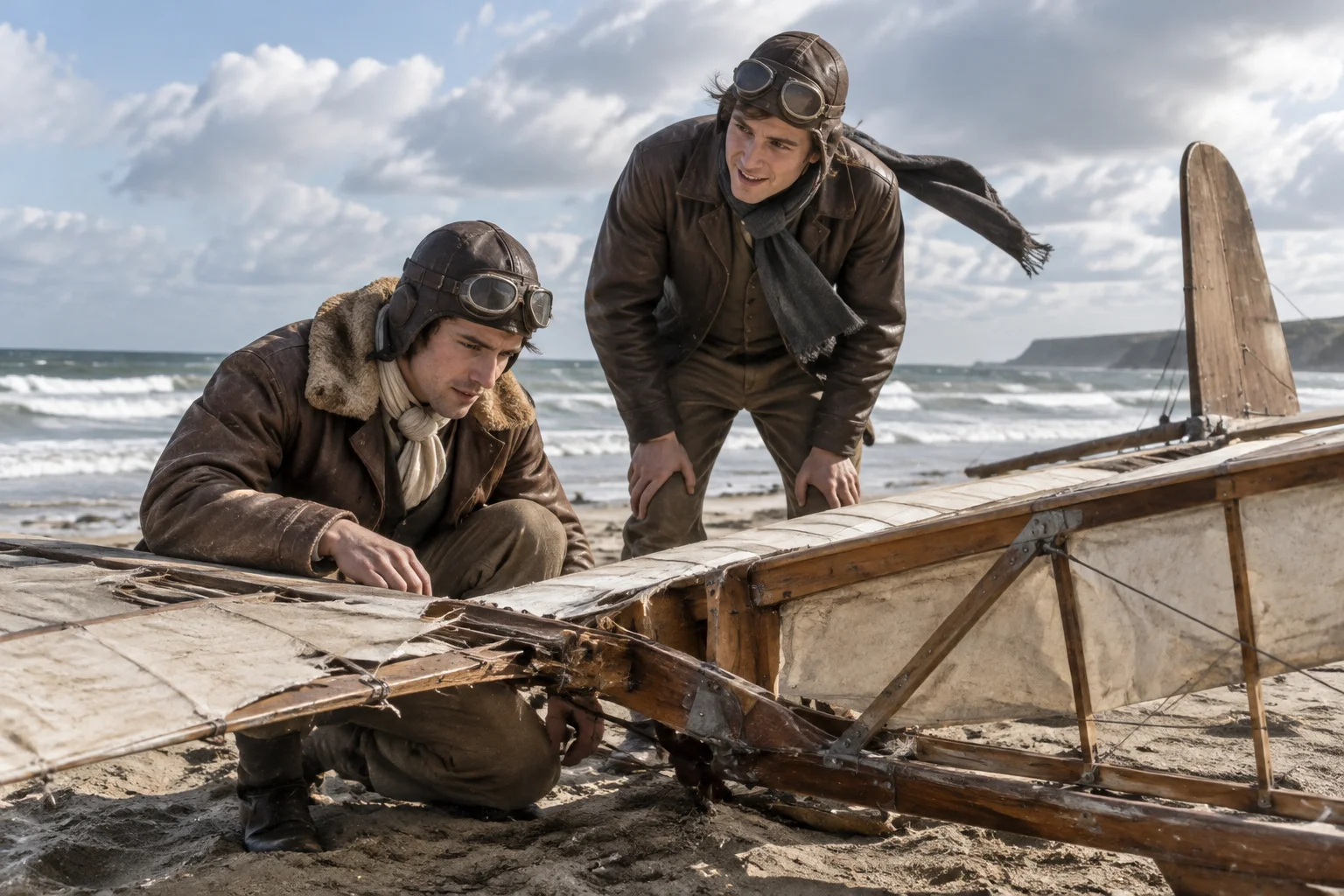
The Wright brothers' path to powered flight was paved with crashes, broken equipment, and dangerous test flights. Their early gliders performed poorly, and their 1908 public demonstrations included accidents that could have been fatal. Each failure taught them about control surfaces, wind resistance, and pilot technique. Their willingness to treat crashes as lessons, rather than as proof they should quit, is a large part of why they succeeded. The blunders were small and technical, but they accumulated into knowledge nobody else had. Failure, carefully studied, became their competitive advantage.
9. A Botched Vaccine Trial Leads to Better Safety Protocols

Historical vaccine development includes episodes where trials went wrong, sometimes harming participants. The Cutter incident of 1955, in which improperly inactivated polio vaccine caused cases of paralysis, is a painful example. It was a serious failure of manufacturing and oversight. In response, U.S. authorities strengthened regulatory standards and production controls, which improved vaccine safety for decades. The incident was a tragedy and should be remembered as such. It also demonstrates how errors in history can force systems to become more rigorous, even when the cost was unacceptable.
10. A Misjudged Military Retreat Saves an Army
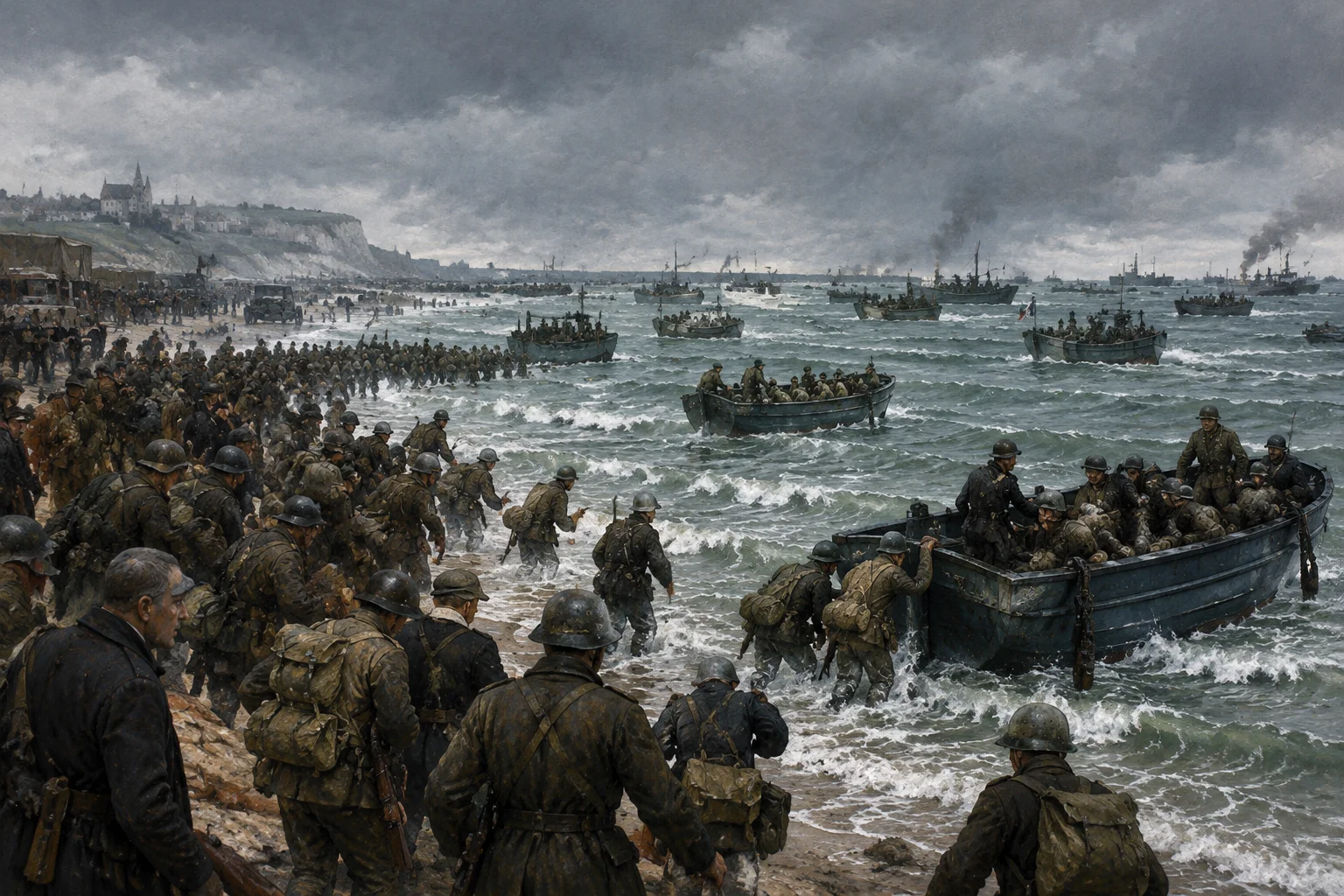
Military history is full of retreats that commanders considered humiliating at the time but that preserved fighting forces for later. The Dunkirk evacuation in 1940 is a famous case: a desperate withdrawal that looked like defeat became a symbol of resilience and saved hundreds of thousands of soldiers. Churchill framed it carefully, warning that wars are not won by evacuations, which was honest and important. Yet the rescued troops would fight again, and the operation's success boosted morale in Britain. A strategic blunder, abandoning the continent, had the accidental effect of preserving an army.
11. The Bay of Pigs Fiasco Strengthens Crisis Decision-Making
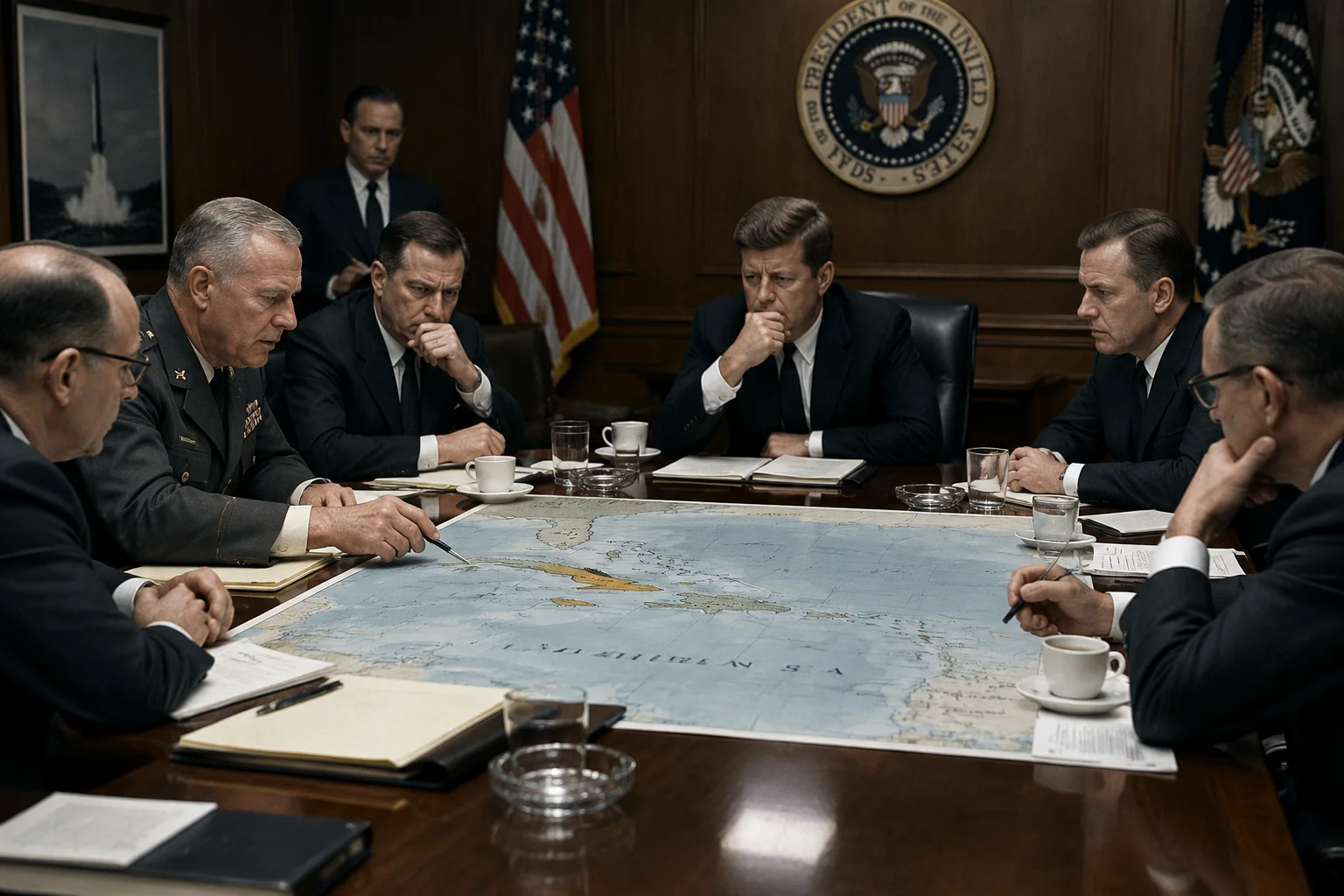
The 1961 Bay of Pigs invasion was a failed CIA-backed attempt to overthrow Fidel Castro, and it embarrassed the United States badly. It was a blunder based on flawed assumptions about Cuban support and air power. Its unintended benefit was that it made President Kennedy and his advisers far more cautious and rigorous during the Cuban Missile Crisis the following year. That crisis, arguably the closest the world came to nuclear war, was managed with a deliberation shaped by the earlier error. A mistake did not become good, but it produced a lesson that may have prevented a catastrophe.
12. The Edsel Flop Teaches Detroit About Market Research
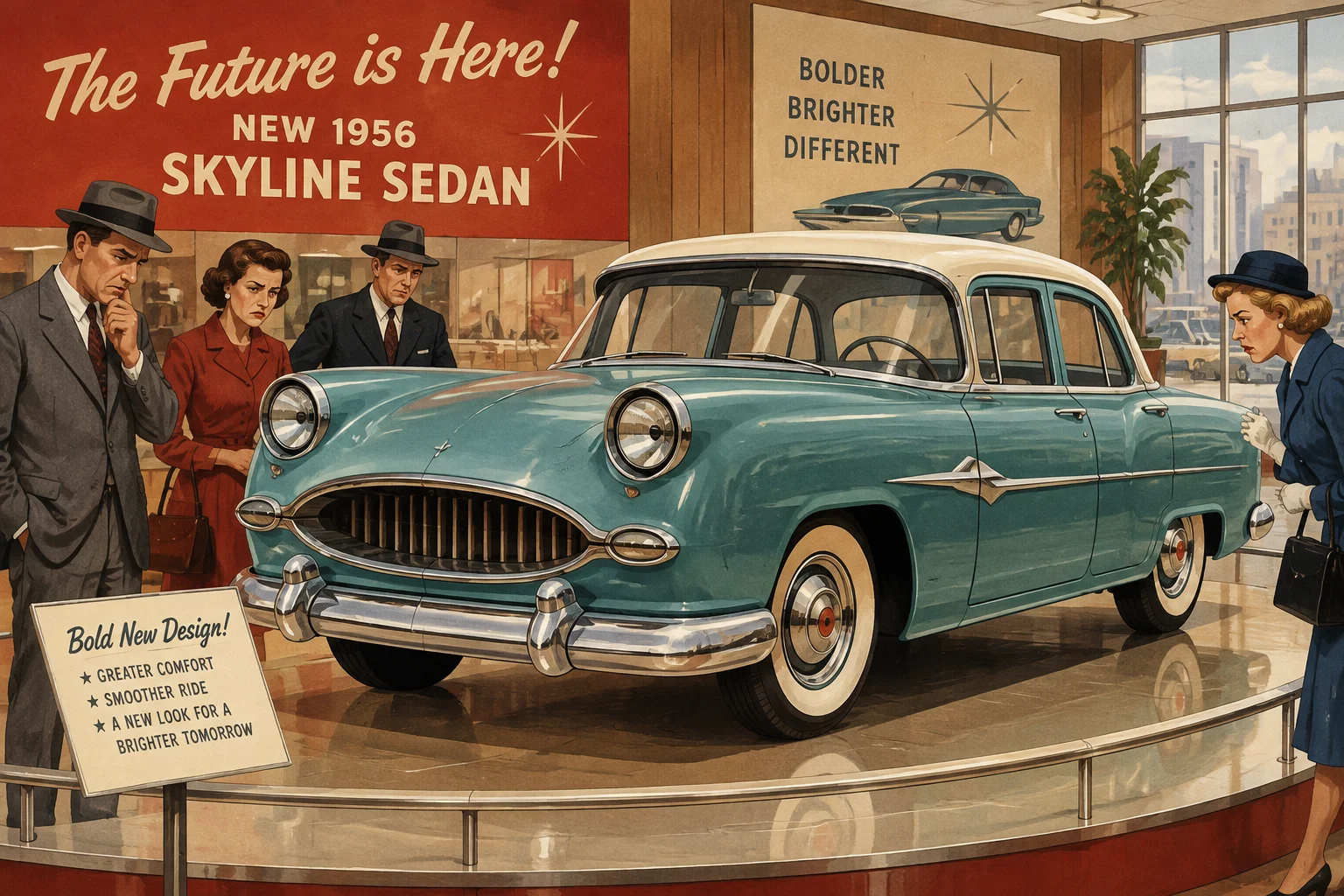
The Ford Edsel, launched in 1957, is a classic business blunder, a car that arrived with a name nobody loved, styling many found odd, and a market that had shifted beneath it. Ford lost a fortune and the Edsel became shorthand for corporate failure. Yet the episode pushed automakers to take consumer research, pricing, and branding more seriously. It also taught the industry that a big launch can amplify a weak product rather than rescue it. The Edsel itself was a dud, but its aftermath improved how companies listened to customers.
13. A Navigation Error Leads to a Durable Trade Route
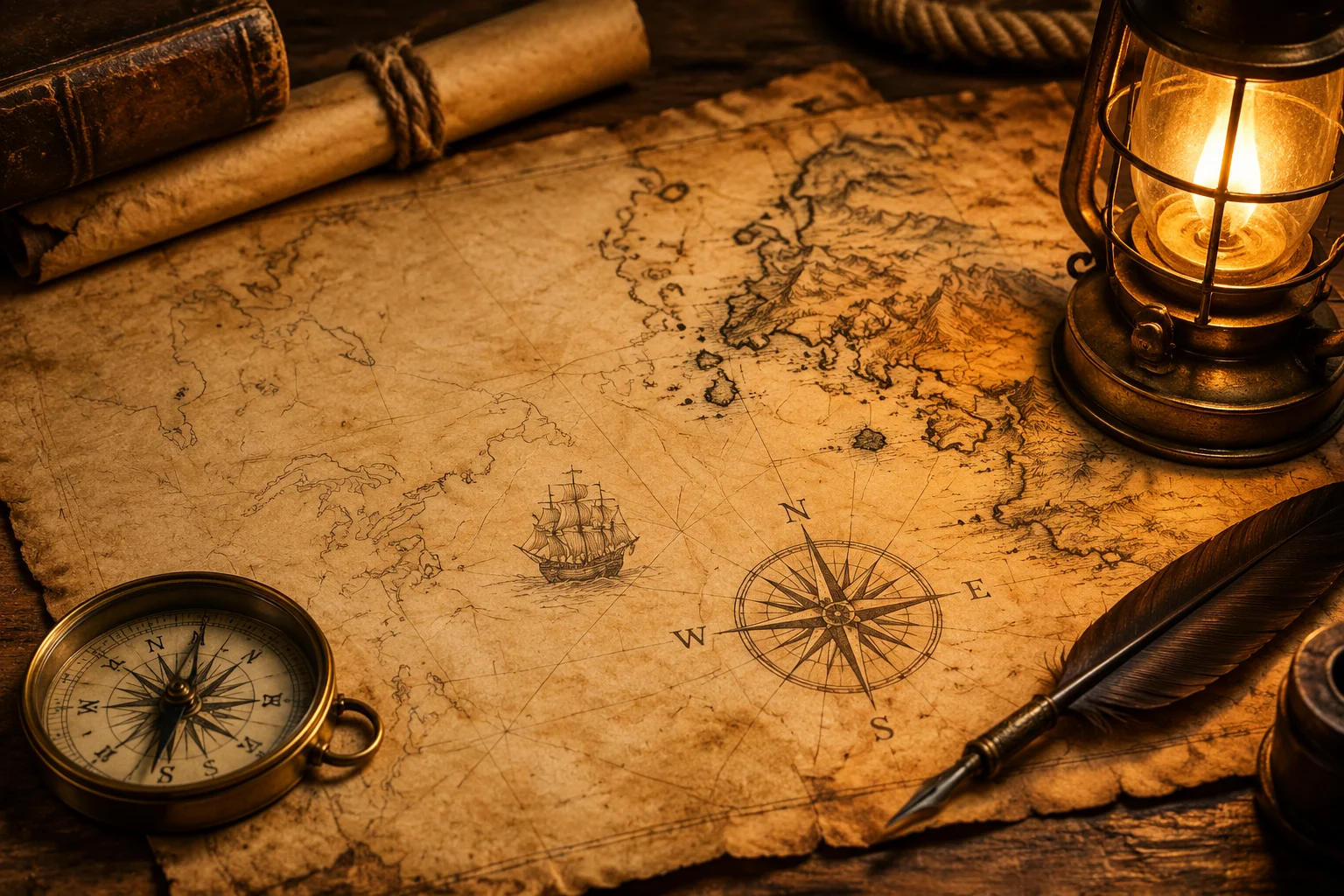
Explorers and merchants have repeatedly stumbled onto new routes after getting lost, blown off course, or misunderstanding geography. Portuguese and Spanish voyages frequently discovered islands and coastlines they had not intended to find, simply because navigation was imprecise and the ocean is large. These accidents expanded maps and trade networks, even when the original plan failed. The crews often paid a heavy price in disease and shipwreck. Still, the maps got better, and future sailors benefited from the misfortunes of their predecessors. Getting lost was, in a strange way, how the world got charted.
14. The Y2K Panic Produces Better Software Habits

Y2K was the fear that computers would malfunction when their two-digit date fields rolled over to 2000. The predicted chaos largely failed to materialize, and it became fashionable to call the whole thing a hoax. In reality, governments and companies spent enormous effort fixing date handling, and that work probably prevented real problems. The episode trained a generation of programmers and organizations to take legacy code and contingency planning seriously. The panic may have been overblown, but the preparation was not wasted. A feared disaster became a rehearsal that improved infrastructure.
15. A Medical Misstep Uncovers a Useful Drug

Many medicines have been discovered through accidents, including penicillin, whose discovery by Alexander Fleming in 1928 is well documented. Fleming returned from a holiday to find a mold had contaminated a petri dish and was killing bacteria around it. He did not immediately turn it into a drug, and others later made penicillin usable, but the initial observation was accidental. Similar accidents have produced other treatments and materials. Not every accidental discovery changes the world, but enough have that scientists now design some experiments to encourage serendipity.
16. A Military Miscommunication Creates a New Alliance
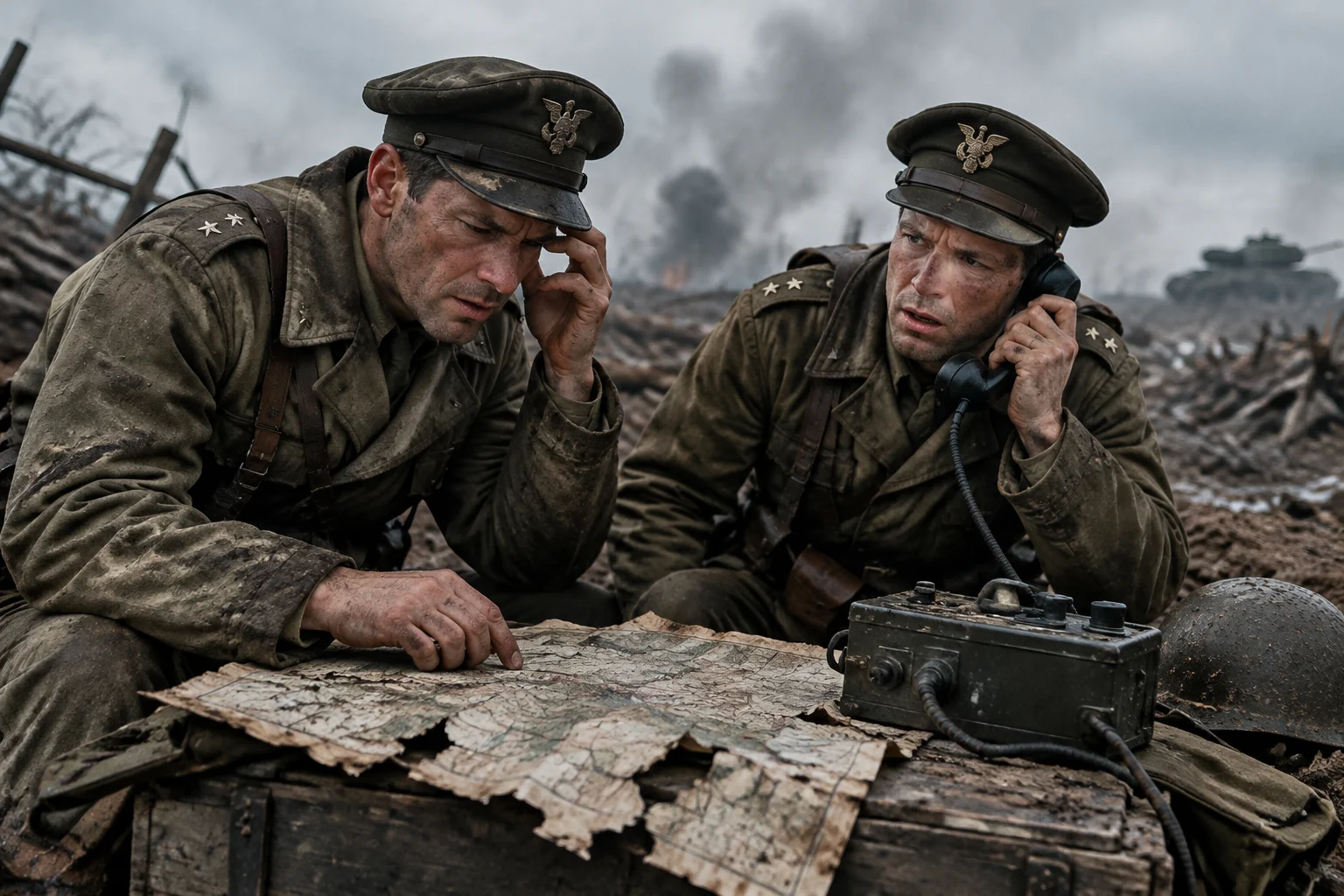
Diplomatic and military miscommunication has started wars, but it has also created alliances nobody planned. A misunderstood order, a delayed message, or a garbled report can lead to one side acting in a way the other misreads, prompting cooperation rather than conflict. These episodes are hard to generalize, and historians debate specific cases. What is clear is that the fog of war produces unintended outcomes on all sides. Occasionally, the unintended outcome is a partnership that outlasts the crisis, even though nobody set out to build one.
17. A Failed Harvest Pushes a Society to Innovate

Crop failures have caused famines, migration, and political collapse throughout history, and it would be callous to call famine a good thing. But failed harvests have also driven agricultural innovation, from crop rotation to new irrigation techniques. Societies that survived a bad year often emerged with better farming practices, because necessity forced experimentation. The Irish Potato Famine prompted changes in agricultural policy and plant science, though only after immense suffering. The lesson is not that disasters are beneficial, but that survival sometimes produces lasting adaptation.
18. A Space Program Failure Advances Rocket Science

Rocket science is built on explosions, and early space programs suffered dramatic failures, including launchpad accidents and vehicles that broke apart. Each failure was analyzed in painful detail, and the findings shaped safer designs and better procedures. The Apollo 1 fire and the Challenger disaster led to major changes in how spacecraft and crews are managed, though the reforms came at a terrible cost. Progress in spaceflight has never been smooth, and the setbacks are part of the record. Blunders in engineering are often the most expensive teachers, but their lessons travel far.
19. A Newspaper Error Invents a Beloved Tradition
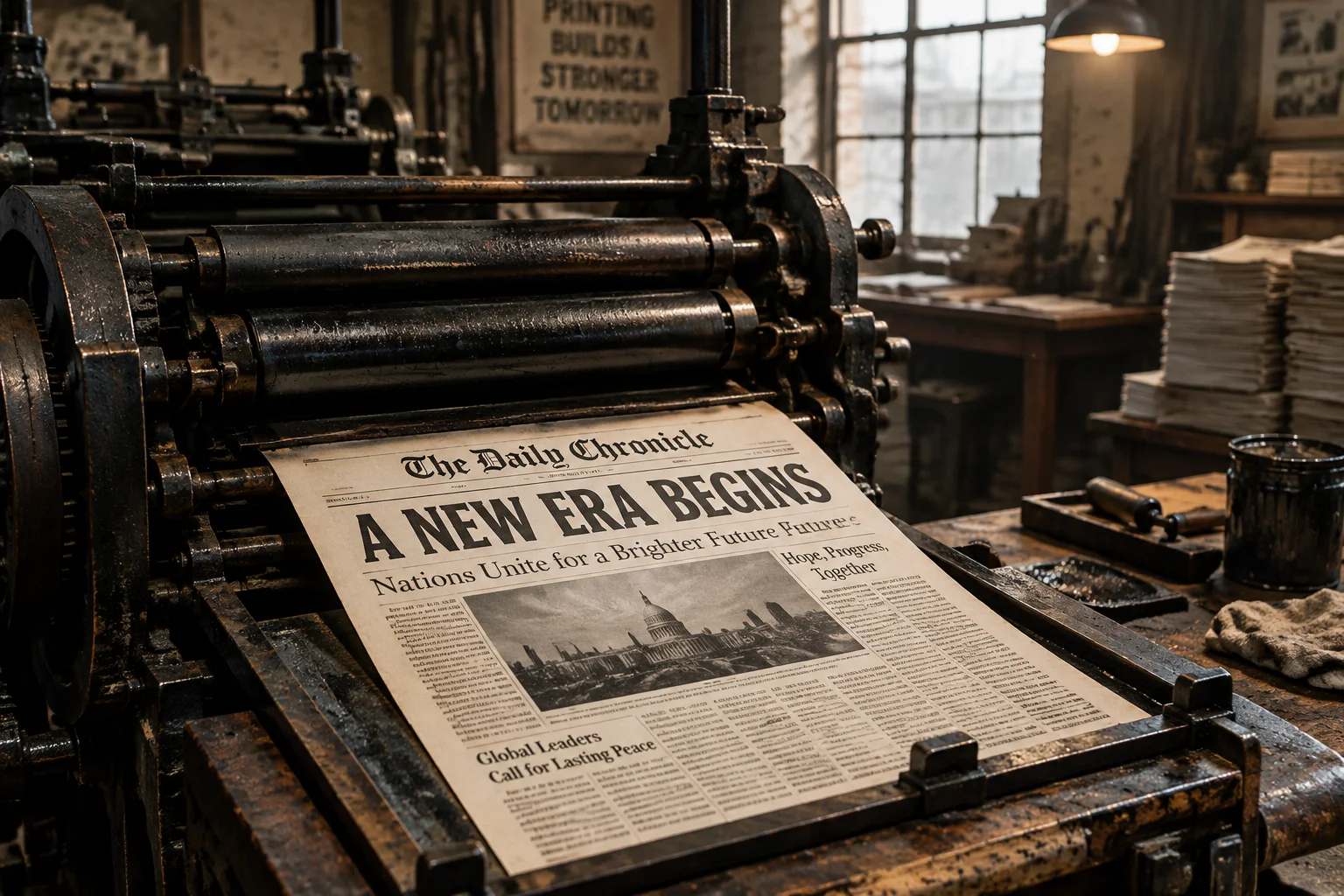
Media errors usually cause embarrassment, but occasionally they create something people keep. Misreported events, invented quotes, and garbled stories have sometimes become folklore that outlives the correction. The details matter, and we should not treat every tall tale as history. Still, the line between error and legend is blurrier than we like to admit, and some traditions began as mistakes that caught on. When a correction is buried and the myth is memorable, the myth often wins. That is not a defense of bad journalism, just an observation about how culture absorbs errors.
20. A Wrong Turn Creates a New Industry

Entrepreneurs, inventors, and explorers routinely pivot after a wrong turn, and some of those pivots become entire industries. A company chasing one product discovers a better use for its technology. A researcher pursuing one question finds an unrelated answer. These pivots are rarely planned, and many failures lead nowhere, which is why survivorship bias makes them look more common than they are. The genuine cases still matter, because they show that a wrong turn is not always a dead end. Sometimes it is the only road that was going to work.
What These Historical Mistakes Have in Common
Looking across these twenty stories, a few patterns stand out. First, the people involved usually kept going after failing, which is easier said than done. Second, someone was paying attention to the unexpected result, whether it was a mold in a dish or a retreat that saved an army. Third, institutions and societies sometimes learned from the error and changed their rules. None of this turns a blunder into a triumph, and it would be dishonest to pretend that all bad decisions have happy endings.
It is also worth separating genuine blunders from decisions that only look foolish in hindsight. Many of the biggest mistakes in history were reasonable bets that simply failed, while others were truly reckless. The difference matters, because it affects what we can learn. If a failure came from bad information, the lesson is about gathering better information. If it came from arrogance or haste, the lesson is about humility and process. Either way, the useful move is to examine the decision, not just the outcome.
Finally, be suspicious of any story that presents a blunder as destiny. History is contingent, and the same mistake in a different context might have ended in ruin with no silver lining. The cases above worked out, often for reasons nobody at the time could see. That is less a formula for success than a reminder that the past is messier, and more surprising, than any list can capture.
Frequently Asked Questions
What does "you fell for one of the classic blunders" mean?
The phrase is most famous from the film The Princess Bride, where it refers to a set of well-known traps. In everyday use, it means someone has made a predictable, avoidable error, often the same mistake many others have made before. It is usually said playfully rather than as a serious insult. The joke works because the blunder is so familiar that the audience can see it coming.
What are some of the biggest blunders in history?
Commonly cited examples include Napoleon's 1812 invasion of Russia, the Bay of Pigs invasion, and the launch of the Ford Edsel. The Trojan Horse and Columbus's miscalculation of the Earth's size also appear often, though the Trojan Horse is myth rather than verified history. What counts as the biggest mistake depends on how you measure consequences, since some disasters also produced major changes.
Can a mistake really change the course of history?
Yes, though usually not in the way people expect. Accidental discoveries like penicillin and unintended consequences like the aftermath of the Great Fire of London show that errors can redirect events. That does not mean the mistake was wise or the suffering was worthwhile. It means that cause and effect in history are complicated, and outcomes rarely match intentions.
Were the people who made these mistakes stupid?
Rarely, despite the appeal of calling them dumb people in history. Most of these errors came from incomplete information, pressure, overconfidence, or bad luck rather than low intelligence. Labeling them fools is satisfying but not very instructive. It is more useful to ask what information or safeguards were missing.
How should we study historical mistakes?
Focus on the decision-making process, not just the result. Ask what the people knew, what they assumed, and what alternatives they had. Then consider how institutions responded afterward, since that often determines whether a blunder repeats. Careful study of errors in history is one of the best ways to avoid making them yourself.
Frequently Asked Questions
What does “you fell for one of the classic blunders” mean?
The phrase is most famous from the film The Princess Bride, where it refers to a set of well-known traps. In everyday use, it means someone has made a predictable, avoidable error, often the same mistake many others have made before. It is usually said playfully rather than as a serious insult.
What are some of the biggest blunders in history?
Commonly cited examples include Napoleon's 1812 invasion of Russia, the Bay of Pigs invasion, and the launch of the Ford Edsel. The Trojan Horse and Columbus's miscalculation of the Earth's size also appear often, though the Trojan Horse is myth rather than verified history.
Can a mistake really change the course of history?
Yes, though usually not in the way people expect. Accidental discoveries like penicillin and unintended consequences like the aftermath of the Great Fire of London show that errors can redirect events. That does not mean the mistake was wise or the suffering was worthwhile.
Were the people who made these mistakes stupid?
Rarely, despite the appeal of calling them dumb people in history. Most of these errors came from incomplete information, pressure, overconfidence, or bad luck rather than low intelligence. Labeling them fools is satisfying but not very instructive.
How should we study historical mistakes?
Focus on the decision-making process, not just the result. Ask what the people knew, what they assumed, and what alternatives they had. Then consider how institutions responded afterward, since that often determines whether a blunder repeats.

Alex Warren
Related Articles