Introduction
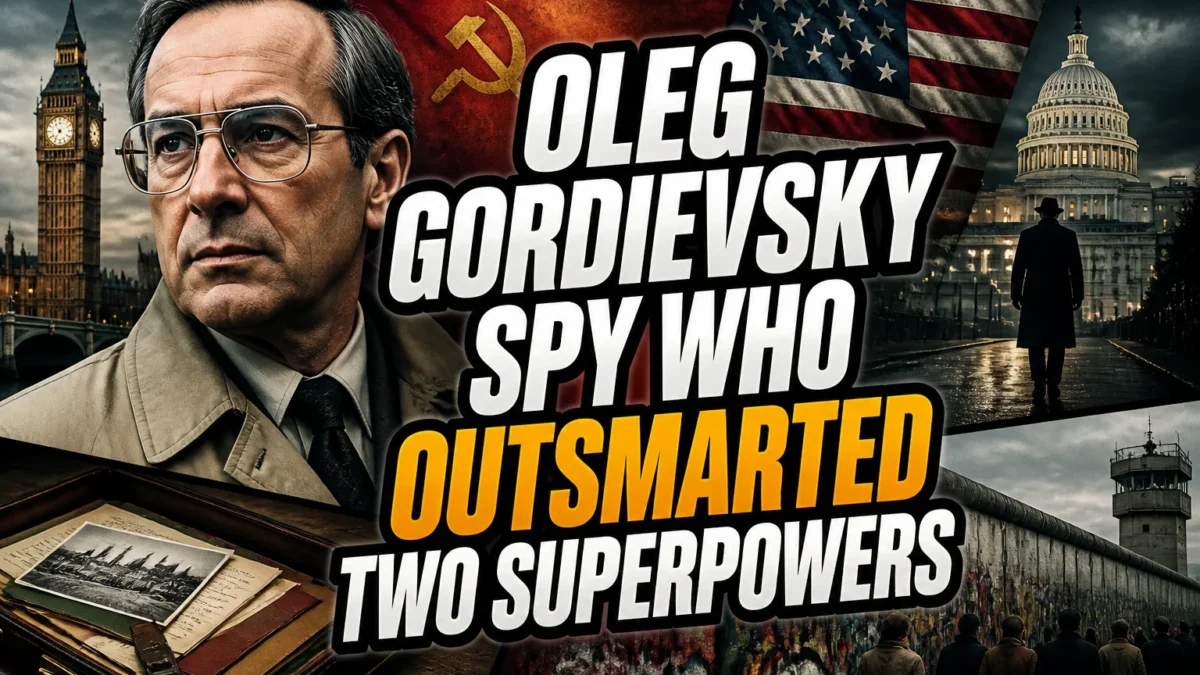
Oleg Gordievsky is one of the most important spies of the 20th century, yet his name remains far less famous than it should be. A colonel in the KGB, he secretly worked for Britain's MI6 for over a decade, passing intelligence that reshaped the Cold War. His story combines ideology, betrayal, and a daring escape that reads like a thriller.
TL;DR: Oleg Gordievsky was a KGB colonel who spied for Britain, provided crucial intelligence that helped ease Cold War tensions, and escaped the USSR in a dramatic MI6 operation.
In this post, we'll explore 20 fascinating facts about Gordievsky's life, from his early disillusionment with the Soviet system to his dramatic exfiltration and later years in Britain. We'll also address some common questions about his wife and family, and separate fact from fiction.
20 Facts About Oleg Gordievsky
1. Early Life and KGB Recruitment
Oleg Gordievsky was born in Moscow in 1938, the son of a dedicated communist father who worked for the secret police. He studied at the prestigious Moscow State Institute of International Relations (MGIMO) and later joined the KGB. His fluency in German and English made him a valuable asset, and he quickly rose through the ranks.
2. Disillusionment with the Soviet System
Gordievsky's faith in communism began to crack after the Soviet invasion of Czechoslovakia in 1968. He witnessed the brutality of the regime and the suppression of reform, which clashed with his idealistic views. This event planted the seeds of his eventual betrayal.
3. Turning Point: Recruitment by MI6
In 1974, while stationed in Copenhagen, Gordievsky was approached by MI6. He agreed to work for British intelligence, driven by a desire to reform the Soviet system from within. He became a double agent, code-named "Ovation" and later "Pimlico."
4. Rising Through the KGB Ranks
Despite his secret allegiance, Gordievsky continued to impress his KGB superiors. He was promoted to colonel and eventually became the head of the KGB station in London. This position gave him access to highly sensitive information, which he passed to MI6.
5. Critical Intelligence on Soviet Leadership

Gordievsky provided crucial insights into the thinking of Soviet leaders, including Yuri Andropov and Mikhail Gorbachev. He revealed that the USSR genuinely feared a surprise nuclear attack from NATO, which influenced Western policy.
6. Role in Averting Nuclear War
During the 1983 NATO Able Archer exercise, Soviet leaders mistakenly believed it was a cover for a real attack. Gordievsky's intelligence helped convince the West to tone down the exercise, reducing tensions and possibly preventing a catastrophic misunderstanding.
7. The KGB's Paranoia and Operation RYAN
Gordievsky exposed Operation RYAN, a Soviet intelligence program designed to detect preparations for a nuclear first strike. The KGB's paranoia was so intense that it misinterpreted routine Western activities as hostile, and Gordievsky's reports helped the West understand this mindset.
8. Betrayal by Aldrich Ames
In 1985, CIA officer Aldrich Ames began spying for the Soviets and revealed Gordievsky's identity. The KGB summoned Gordievsky back to Moscow, where he was interrogated and drugged. He realized his cover was blown and needed to escape.
9. The Daring Escape from Moscow

MI6 devised a bold plan to extract Gordievsky. In July 1985, he evaded KGB surveillance and boarded a train to Finland, where British agents smuggled him across the border in the trunk of a car. The operation was a success, and he reached safety in the UK.
10. Life in Exile and Memoirs

After his escape, Gordievsky settled in Britain under a new identity. He wrote several books, including "Next Stop Execution," detailing his experiences. He became a vocal critic of the Soviet regime and later of Vladimir Putin.
11. Relationship with His Wife
Gordievsky's wife, Leila, was unaware of his double life for many years. When his cover was blown, she was left behind in Moscow and faced interrogation. The couple eventually divorced, and Leila later moved to the UK. Their story highlights the personal toll of espionage.
12. Leila Gordievsky: A Life in the Shadows

Leila Gordievsky, born in 1940, married Oleg in 1961. She had no idea he was a spy until the KGB arrested her after his escape. She was interrogated and later allowed to emigrate to Britain in 1991. Her memoir, "The Gordievsky File," offers a rare perspective on the human cost of spying.
13. Honors and Recognition
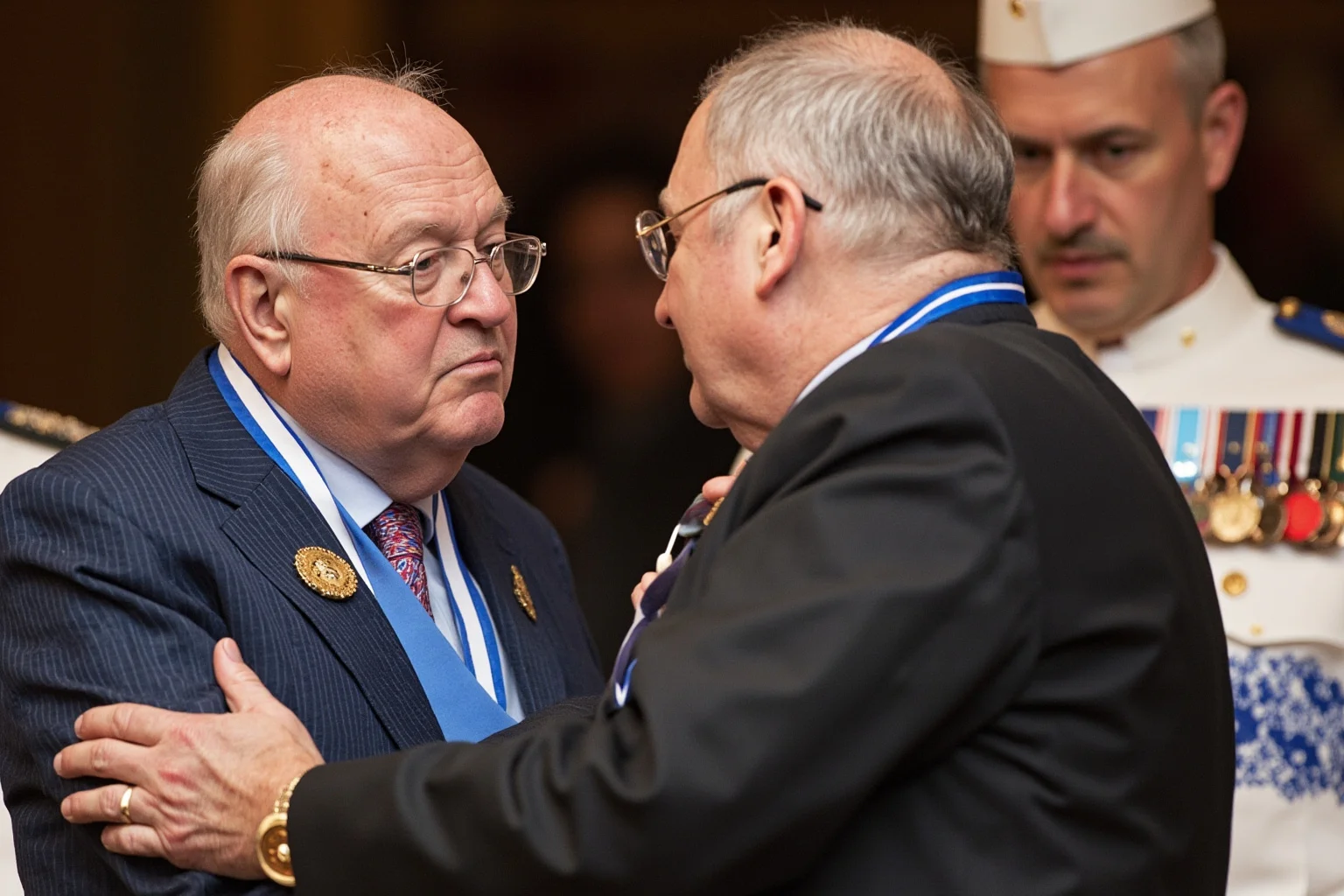
Gordievsky was appointed Companion of the Order of St Michael and St George (CMG) in 1985, though the honor was kept secret for years. In 2007, he was made a Knight Commander of the Order of St Michael and St George (KCMG) for his services to British security.
14. Later Years and Political Views
Gordievsky has been an outspoken critic of Russia's annexation of Crimea and its interference in Western elections. He warned about Putin's ambitions long before they became mainstream concerns. He continues to live in the UK, occasionally giving interviews.
15. The Legacy of His Intelligence
Historians credit Gordievsky with helping to end the Cold War peacefully. His reports gave Western leaders a clearer picture of Soviet intentions and capabilities. Without his contributions, the path to peace might have been far more dangerous.
16. Portrayal in Media and Culture
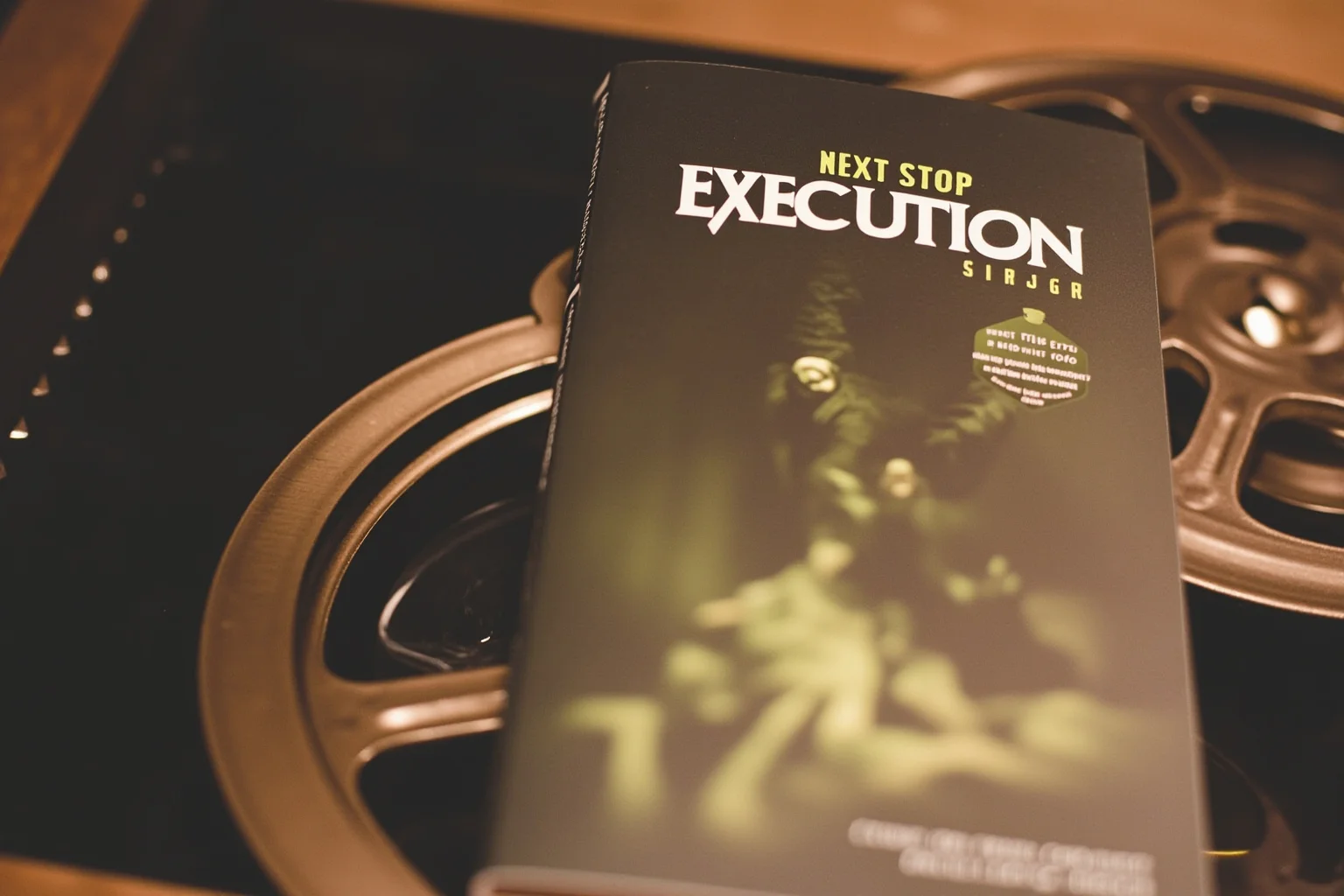
Gordievsky's life has inspired documentaries, books, and even a play. His story is often cited as one of the most successful espionage operations in history, much like the daring exploits of Richard the Lionheart or the genius of history's greatest military leaders. However, he remains less known than other spies like Kim Philby.
17. Comparison with Other Spies
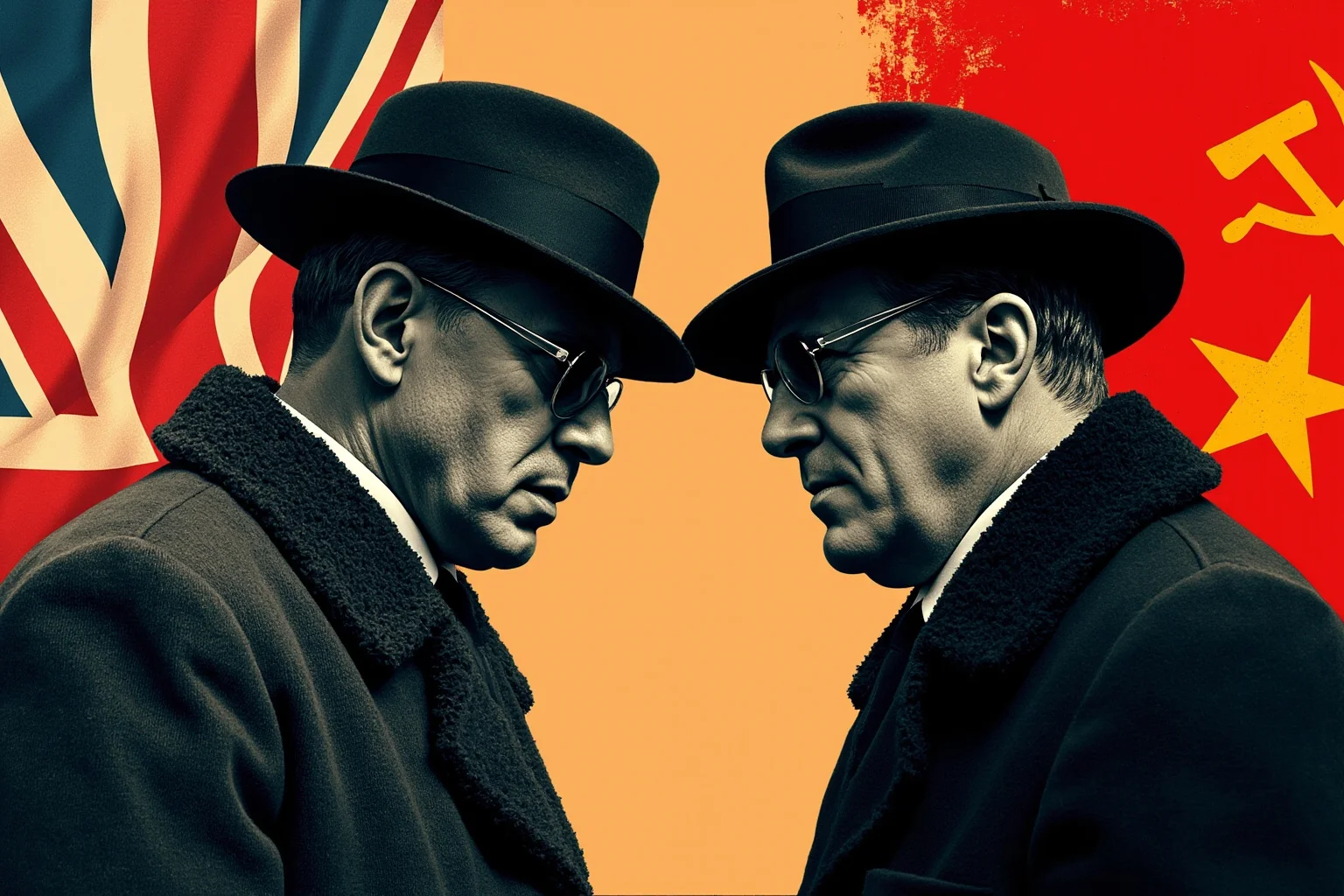
Unlike the Cambridge Five, who spied for ideological reasons, Gordievsky was motivated by a desire to reform the Soviet system. He was not a traitor in the traditional sense but a man who believed he was serving a higher cause. His handlers in MI6 described him as principled and brave.
18. The Importance of Human Intelligence
Gordievsky's case underscores the value of human intelligence (HUMINT) in an age of technology. His personal insights into Soviet thinking were irreplaceable. Even today, his reports are studied in intelligence circles.
19. Personal Struggles and Resilience
After his escape, Gordievsky faced depression and adjustment issues. He missed his family and struggled with the betrayal of his country. Yet he remained resilient, finding purpose in writing and advocacy.
20. Enduring Mystery and Controversy

Some aspects of Gordievsky's story remain classified, fueling speculation. For example, the exact details of his escape are still not fully known. He has also faced accusations of exaggerating his role, though most historians dismiss these claims.
Conclusion
Oleg Gordievsky's life is a testament to the power of individual conviction. He risked everything to prevent nuclear war and promote peace, leaving a legacy that continues to inspire. His story reminds us that even in the darkest times, one person can make a difference.
If you're fascinated by Cold War espionage, Gordievsky's journey is a must-read. His memoirs and interviews offer a rare glimpse into the secret world of intelligence. As we reflect on his contributions, we honor a man who truly outsmarted two superpowers.
Frequently Asked Questions
Who was Oleg Gordievsky?
Oleg Gordievsky was a colonel in the KGB who secretly worked for British intelligence (MI6) from 1974 until his escape in 1985. He provided crucial information that helped ease Cold War tensions.
What happened to Oleg Gordievsky’s wife?
His wife, Leila, was unaware of his double life. After his escape, she was interrogated by the KGB and later allowed to emigrate to the UK in 1991. They eventually divorced.
How did Oleg Gordievsky escape from the Soviet Union?
In July 1985, MI6 smuggled him out of Moscow via a train to Finland, hiding him in the trunk of a car to cross the border. The operation was highly risky but successful.
What was the significance of Gordievsky’s intelligence?
His reports gave Western leaders insight into Soviet paranoia and intentions, particularly during the Able Archer 83 exercise, helping to prevent a potential nuclear conflict.
Did Oleg Gordievsky receive any honors?
Yes, he was appointed CMG in 1985 (kept secret) and later KCMG in 2007 for his services to British security.

Alex Warren
Related Articles