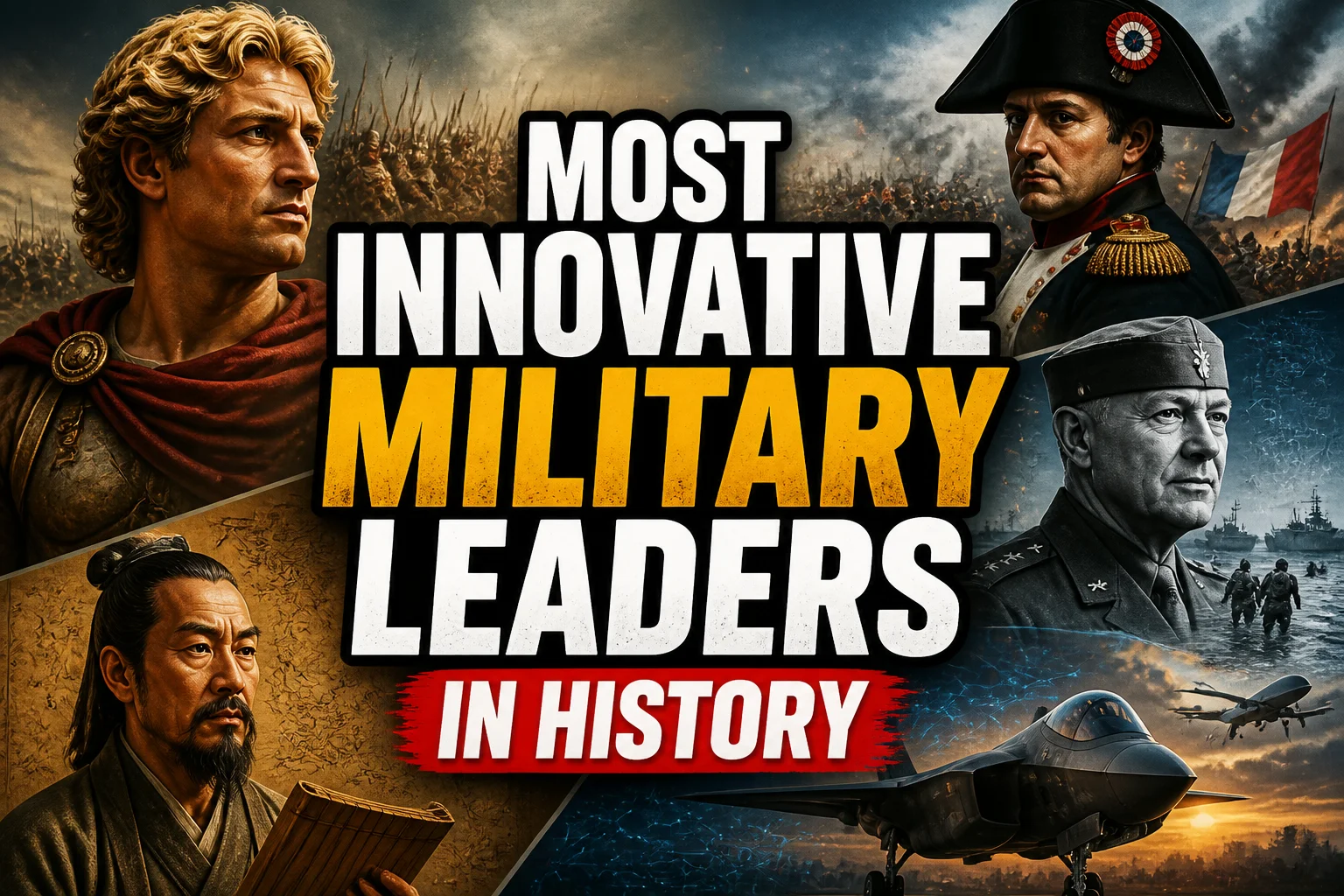
War has always been a contest of ideas as much as of armies. The commanders who endure in memory are rarely the ones who simply had more troops — they are the ones who thought differently. This post surveys the most innovative military leaders in history, from ancient theorists to modern practitioners of maneuver warfare.
TL;DR: The greatest military leaders in history won by rethinking warfare itself — using terrain, deception, logistics, and technology in ways their opponents never anticipated.
What Makes a Military Leader Truly Innovative?
Innovation in warfare is not the same as invention. A new weapon can be copied within a generation, but a new way of thinking about war can reshape entire centuries of conflict. The figures on this list share a habit of questioning assumptions that everyone else treated as fixed rules.
Some of them were theorists who never commanded large armies, while others were field commanders who adapted on the fly. What unites them is that their ideas outlived their battles, influencing how later generations fought. That is the real test of innovation in military affairs.
It is also worth separating myth from record. Popular culture often credits commanders with ideas that were already circulating among their contemporaries. Where the historical evidence is contested, this list notes it rather than repeating legend as fact. For a broader survey of how legendary status is earned across different eras, see this guide to the most influential military leaders throughout all history.
1. Sun Tzu
Sun Tzu is traditionally credited with writing The Art of War, a text composed in China sometime between the 6th and 5th centuries BCE. Historians still debate whether he was a single historical figure or a composite of several thinkers, so his biography should be treated with caution.
What is not in doubt is the influence of the text itself. It argues that the highest skill is to win without fighting, and that deception, intelligence, and knowledge of terrain matter more than sheer numbers. These ideas made Sun Tzu one of the earliest and most enduring military strategists in recorded history. He also features among the greatest rulers in ancient history, whose conquests and ideas reshaped the ancient world.
2. Alexander the Great
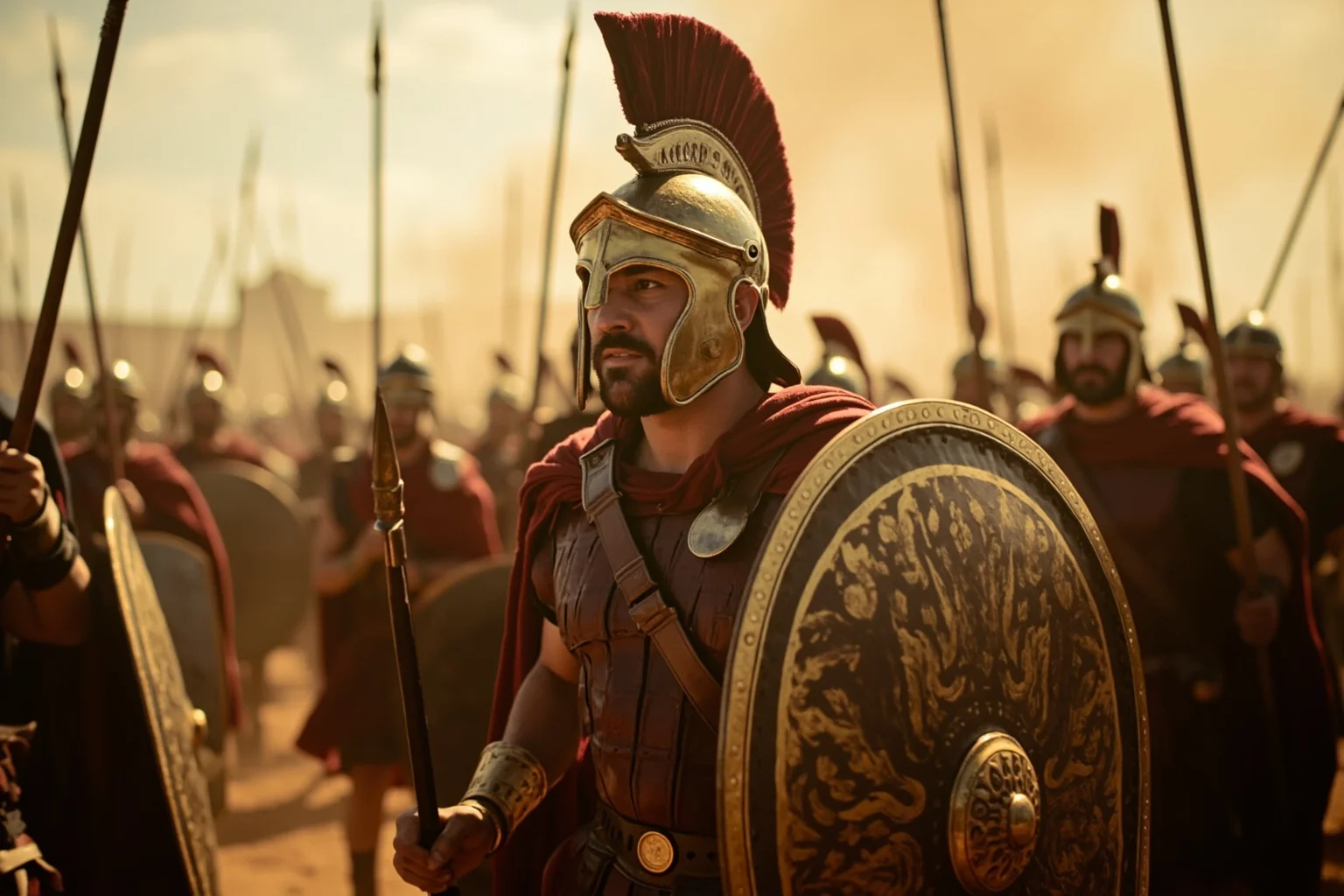
Alexander of Macedon inherited a reformed army from his father, Philip II, and then pushed it further than anyone expected. His use of the companion cavalry as a decisive striking force, coordinated with a flexible infantry phalanx, changed how battles could be won.
He also understood the value of speed and audacity. By moving faster than his opponents believed possible, he repeatedly forced battles on ground of his own choosing. His empire fragmented after his death, but his tactical example shaped commanders for centuries.
3. Hannibal Barca
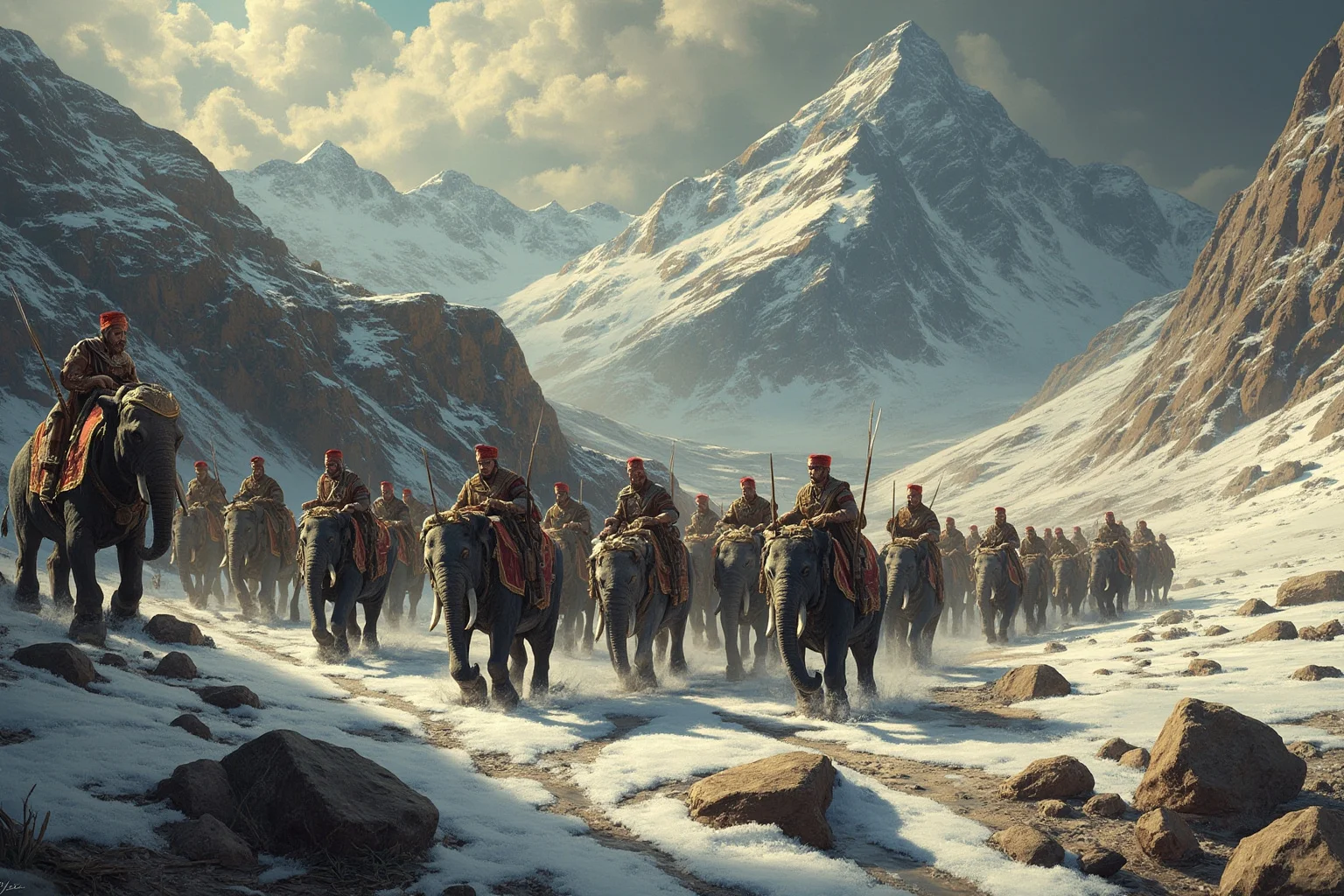
Hannibal is often remembered for crossing the Alps with elephants, but his real innovation was operational. He sustained a large army in enemy territory for over a decade without a secure supply line, relying on local alliances and captured resources.
His double envelopment at Cannae in 216 BCE is still studied as a textbook example of encircling a numerically superior force. That battle remains one of the most analyzed tactical achievements of the ancient world, and it influenced military commanders long after Carthage fell.
4. Scipio Africanus
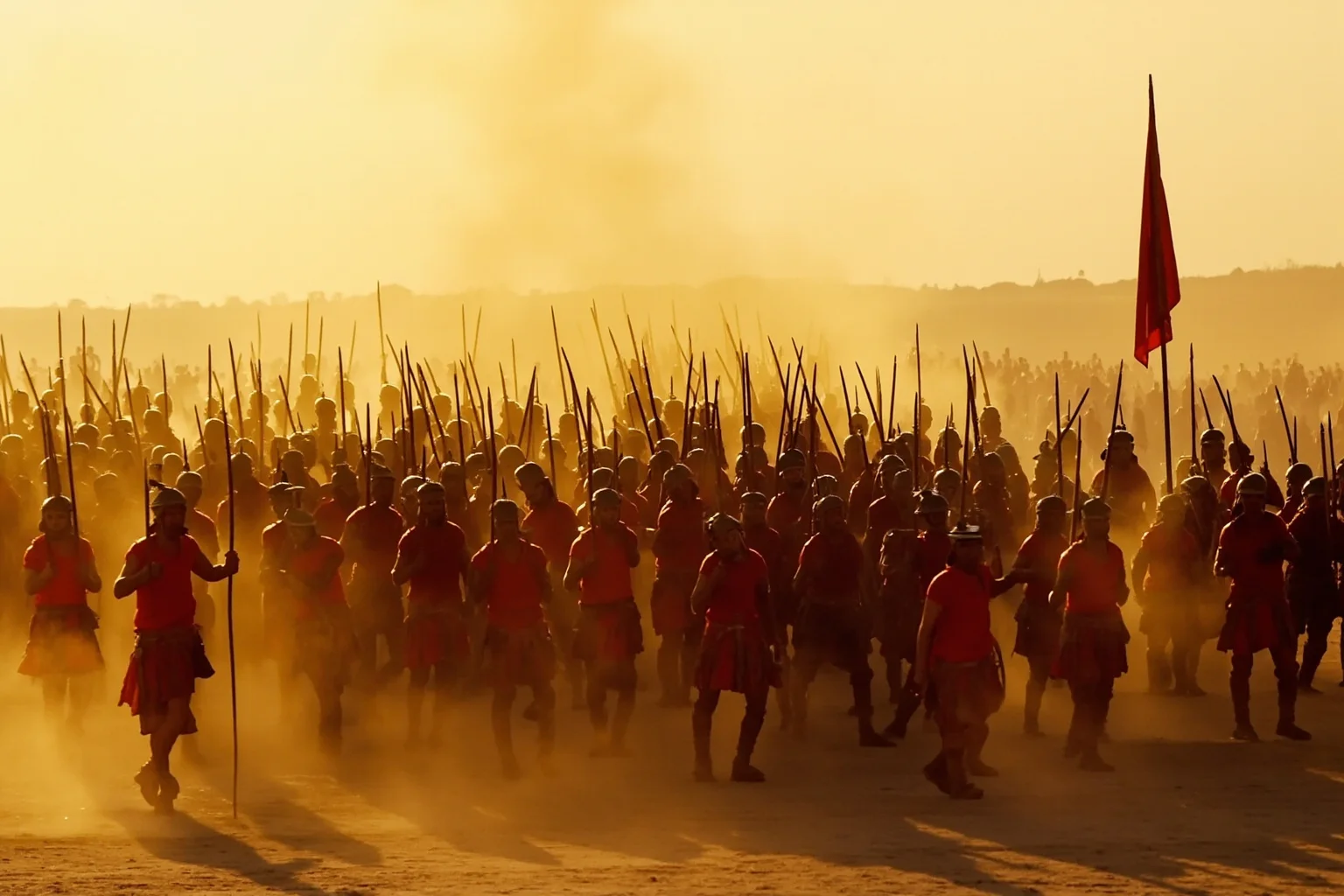
Scipio defeated Hannibal at Zama in 202 BCE, and he did it partly by learning from his opponent. He studied Hannibal's tactics closely and adapted them, including the use of flexible formations and careful management of his cavalry.
His willingness to imitate a defeated enemy's methods marked him as an unusually adaptive Roman commander. Rather than clinging to tradition, he treated enemy success as a source of lessons, an attitude that would define the best military strategists of all time.
5. Julius Caesar
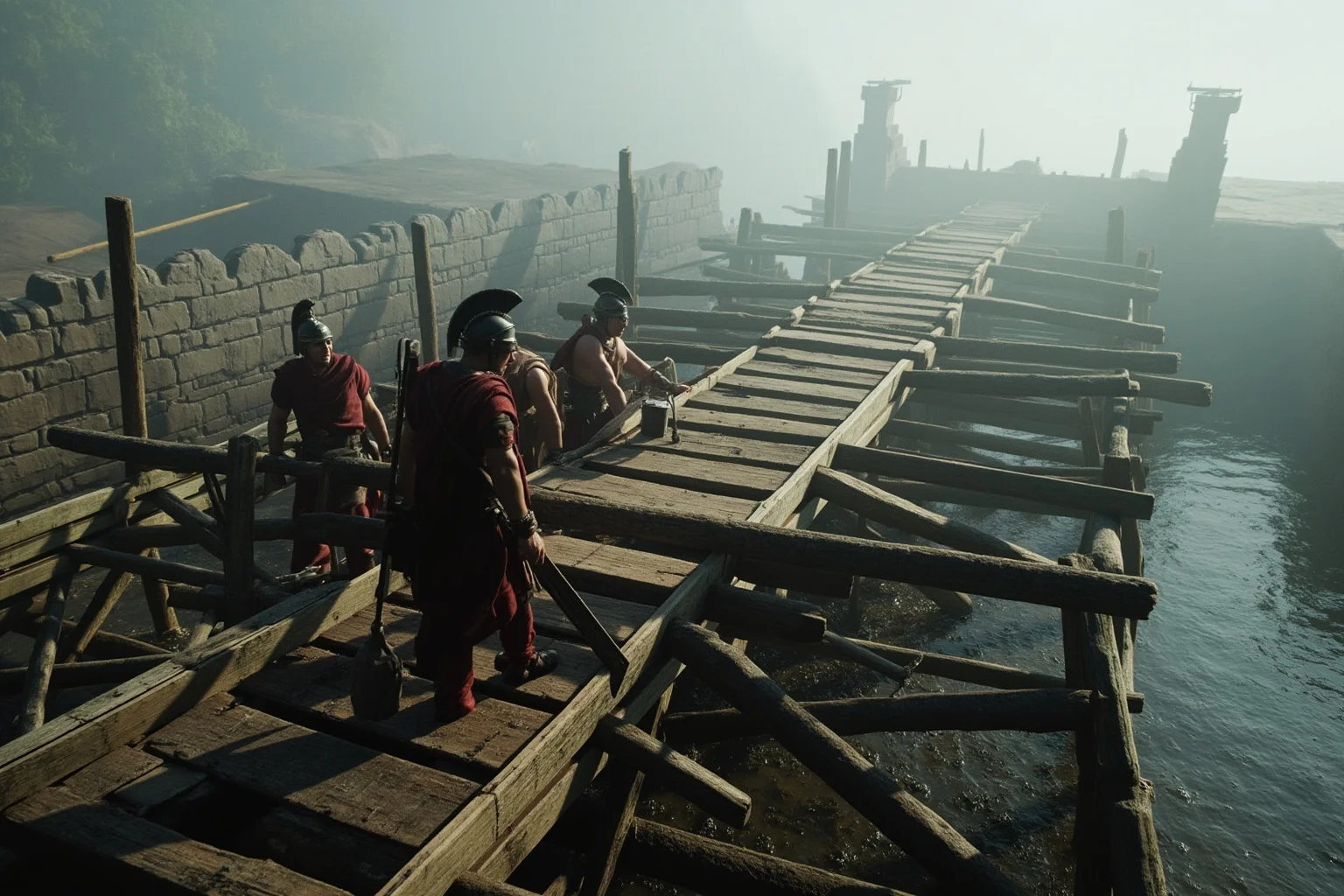
Caesar was a master of speed, engineering, and political timing. His campaigns in Gaul demonstrated how quickly Roman legions could build fortifications, bridges, and siege works, effectively turning engineering into a weapon.
He was also skilled at narrative, writing his own accounts in a deliberately plain style that shaped how later generations understood his wars. Whether or not every detail is reliable, his combination of battlefield aggression and strategic patience made him a lasting model for war leaders.
6. Belisarius
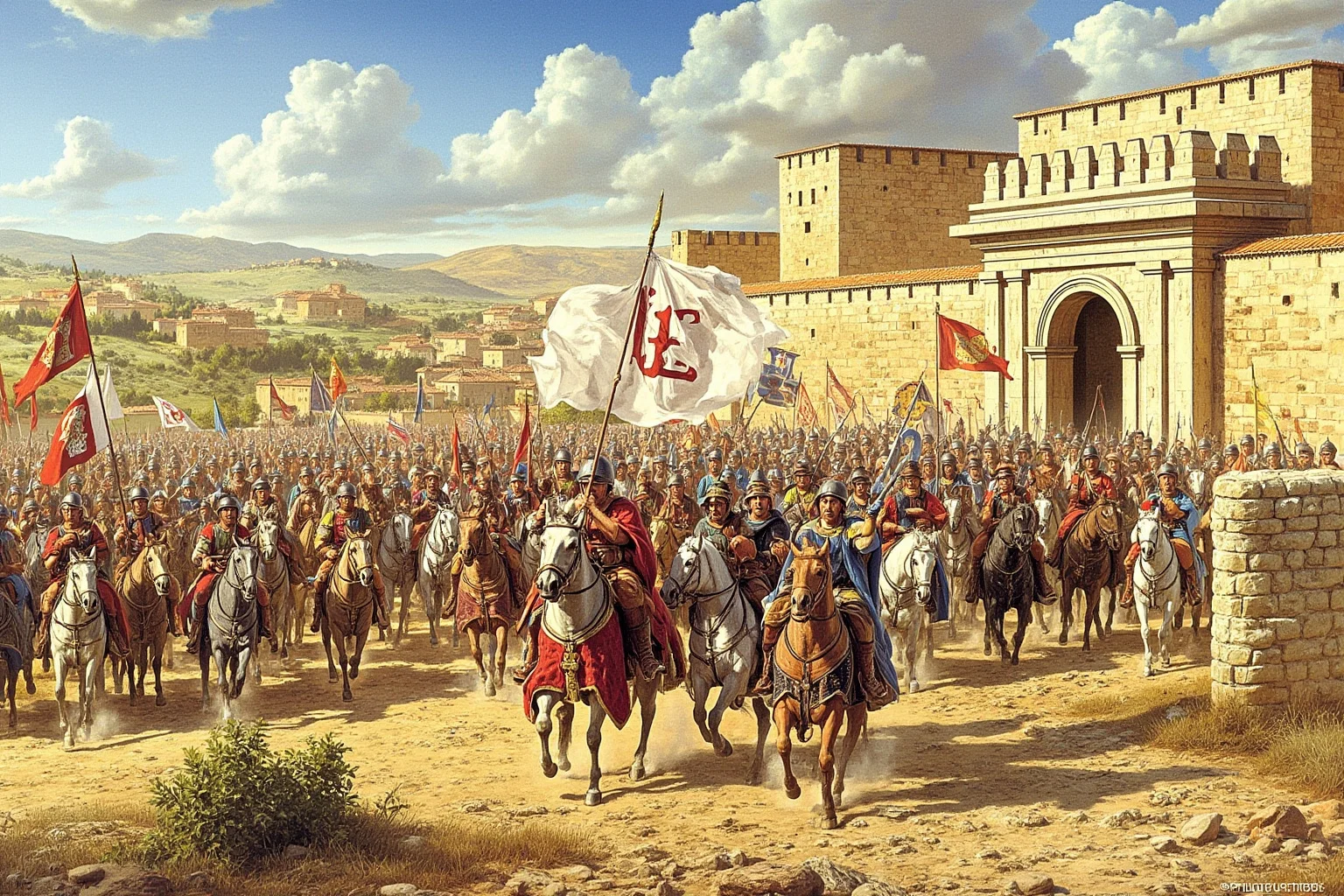
Belisarius served the Byzantine emperor Justinian in the 6th century CE and reconquered large parts of the former Western Roman Empire. He often operated with small, underfunded forces against larger opponents.
His innovation lay in economy of force — using cavalry, diplomacy, and surprise to achieve results that his troop numbers alone could not justify. He is a strong candidate among the best defensive generals in history, repeatedly holding positions against superior odds.
7. Khalid ibn al-Walid
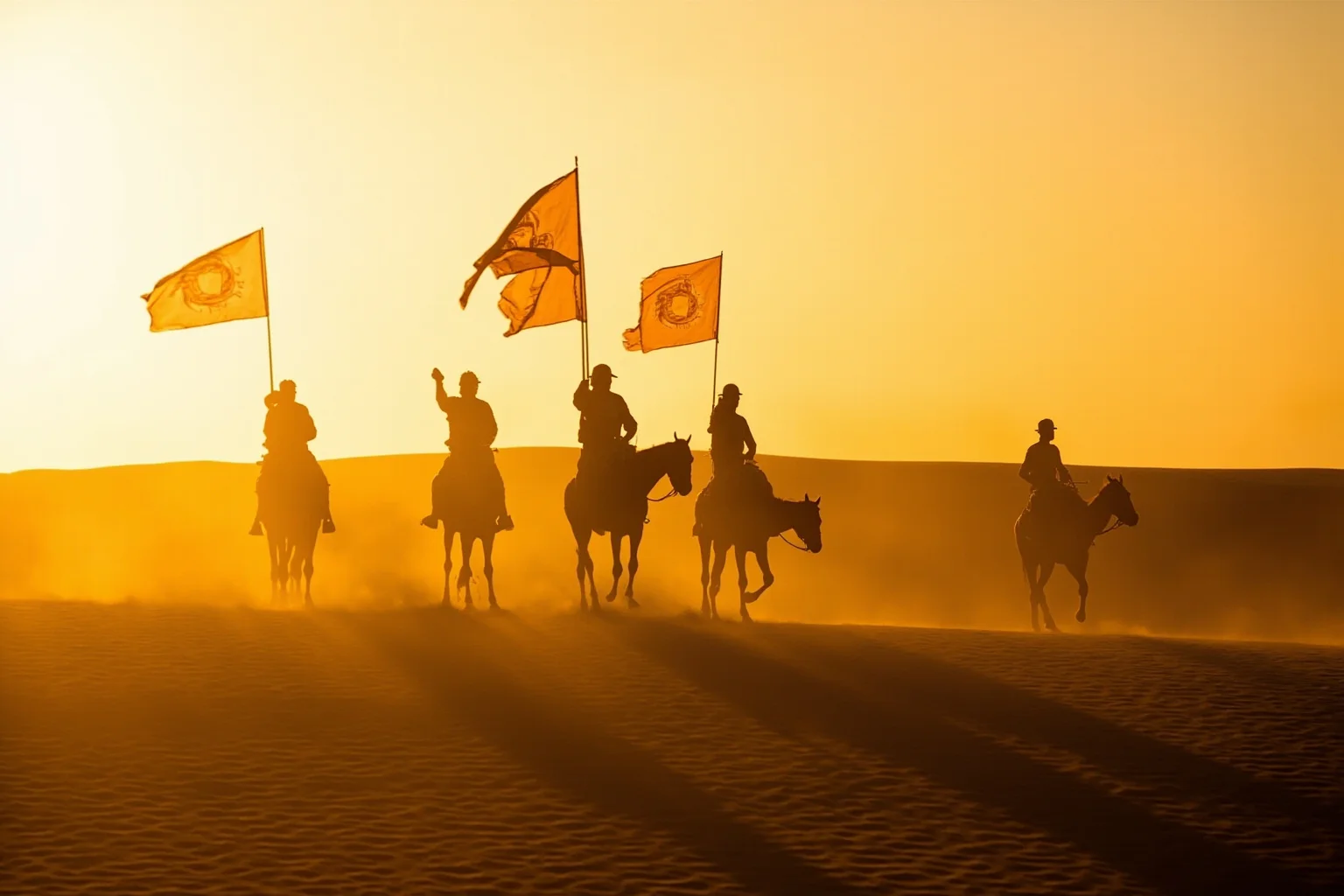
Khalid ibn al-Walid commanded the early Islamic armies during the 7th-century expansion, and he is credited with adapting mobile cavalry tactics to desert conditions. His campaigns combined rapid marches with careful use of terrain.
He reportedly favored fighting on ground that allowed him to control movement, rather than simply seeking a pitched battle. His reputation rests on a string of victories against larger Byzantine and Persian forces, though some details come from later sources.
8. Genghis Khan
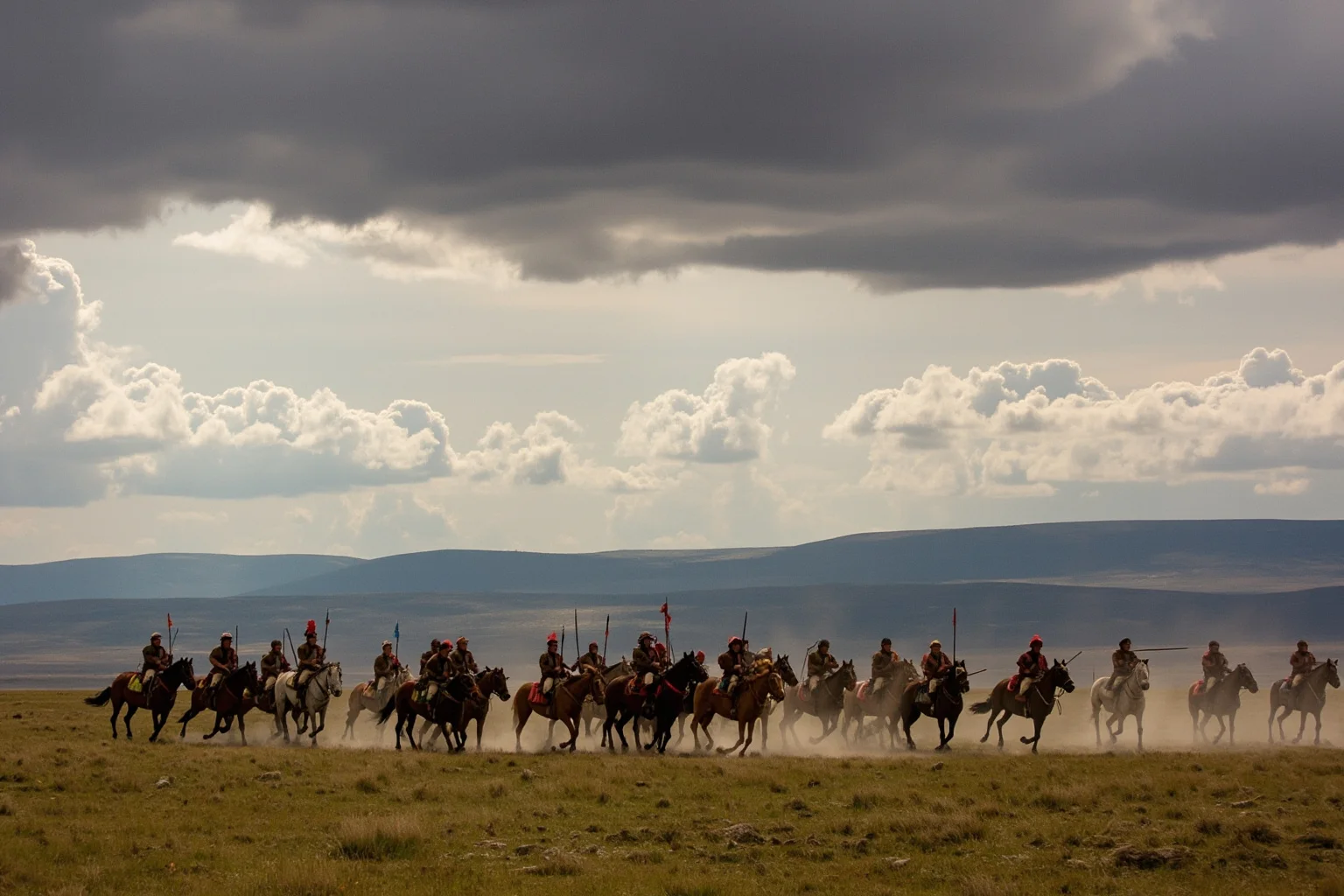
Genghis Khan built an army that combined mobility, discipline, and psychological warfare on an unprecedented scale. His forces used feigned retreats, coordinated flanking, and strict communication systems to defeat opponents across vast distances.
He also understood logistics and intelligence, establishing networks that supported campaigns far from home. His methods were brutal, and the deaths caused by his conquests were immense, but his operational innovations influenced military commanders for centuries.
9. Subutai
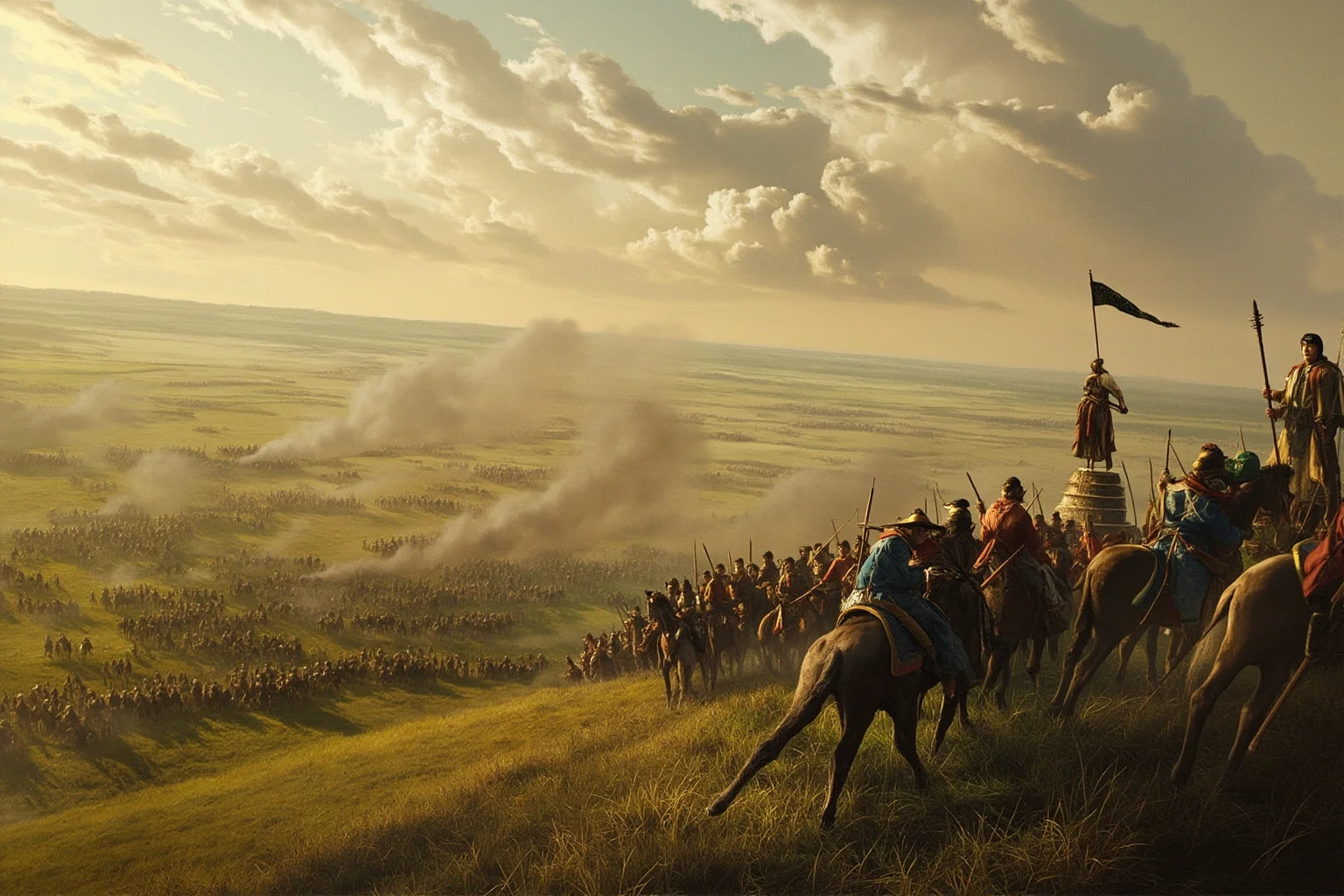
Subutai was Genghis Khan's most accomplished general and arguably one of the greatest military strategists of all time. He led campaigns across China, Central Asia, and Eastern Europe, coordinating forces separated by hundreds of miles.
His use of multiple converging columns, careful reconnaissance, and battlefield deception showed a level of planning rare for his era. The Mongol victories in Hungary and Poland in the 1240s reflect his command skill as much as Mongol mobility.
10. Jan Žižka
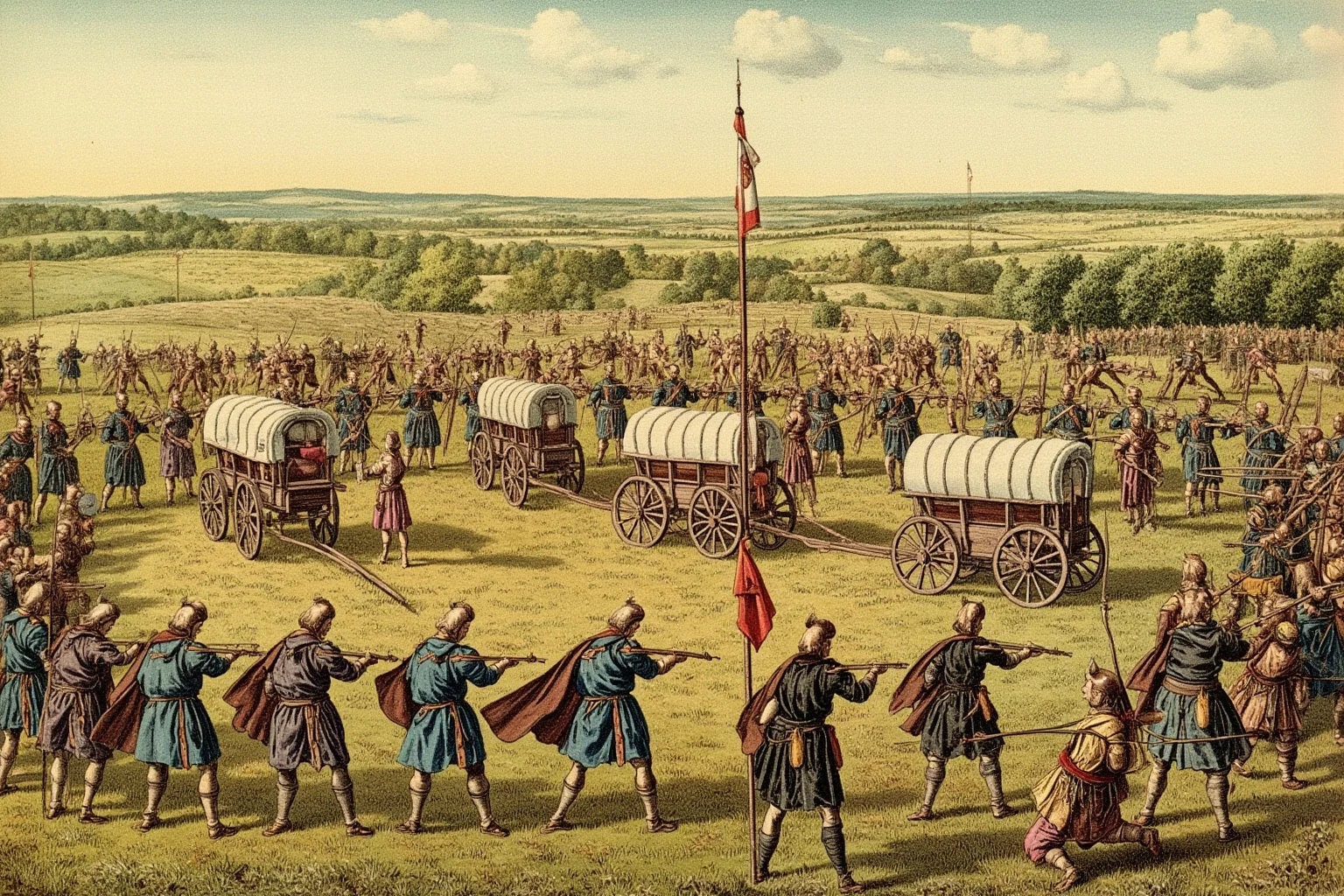
Jan Žižka led the Hussite forces in Bohemia during the 15th century and turned improvised peasant troops into an effective army. He used war wagons as mobile fortifications, combining them with firearms and crossbows.
This defensive system allowed his forces to repel heavily armored crusading armies. His approach shows how innovation often comes from necessity, and he deserves a place among the best defensive generals in history.
11. Gustavus Adolphus
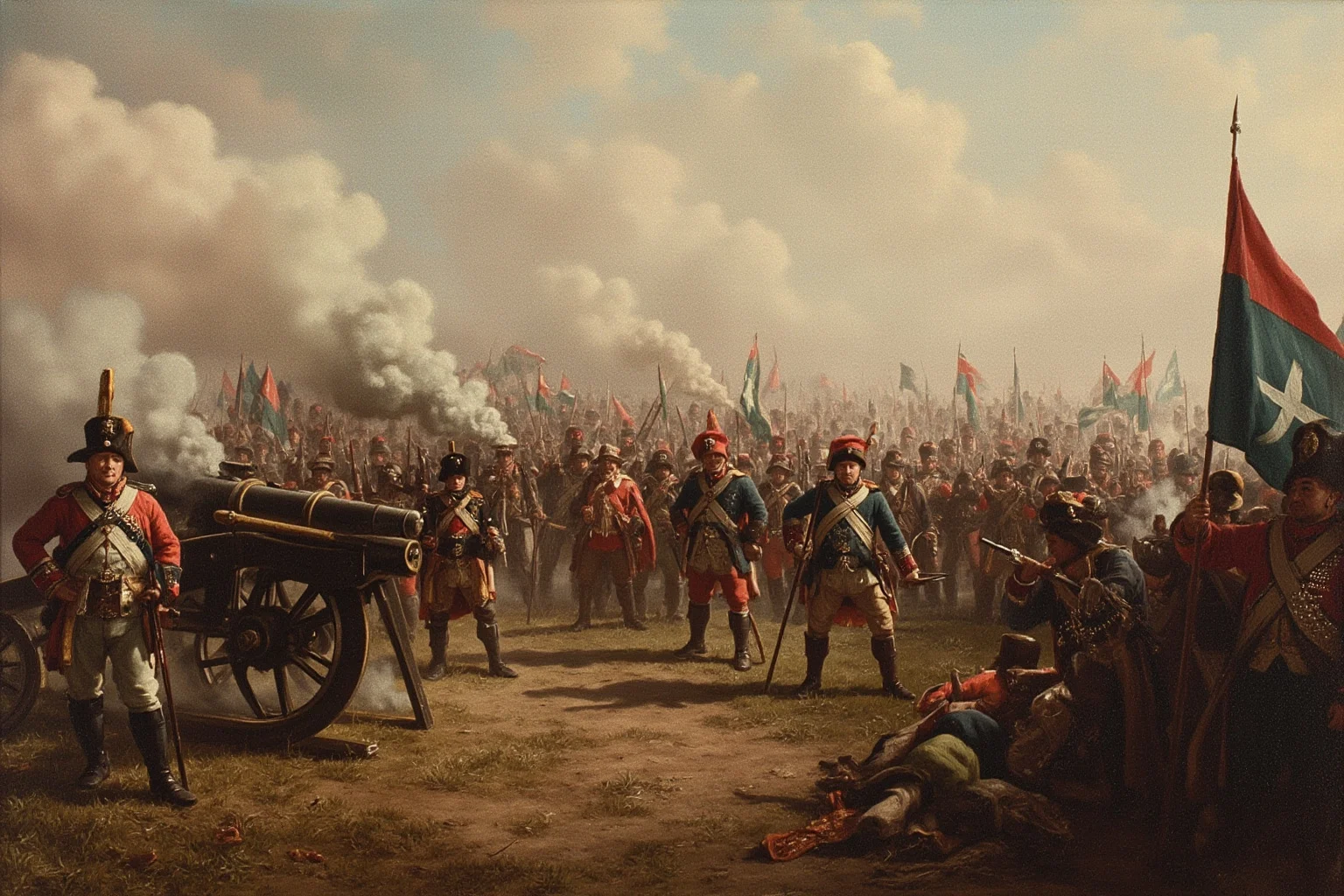
The Swedish king Gustavus Adolphus reformed his army in the early 17th century, emphasizing combined arms and mobile artillery. He reduced the size of infantry formations to make them more flexible on the battlefield.
He also integrated cavalry with infantry and artillery in ways that anticipated later doctrine. His death at Lützen in 1632 cut short his career, but his reforms influenced European warfare for generations.
12. Oliver Cromwell
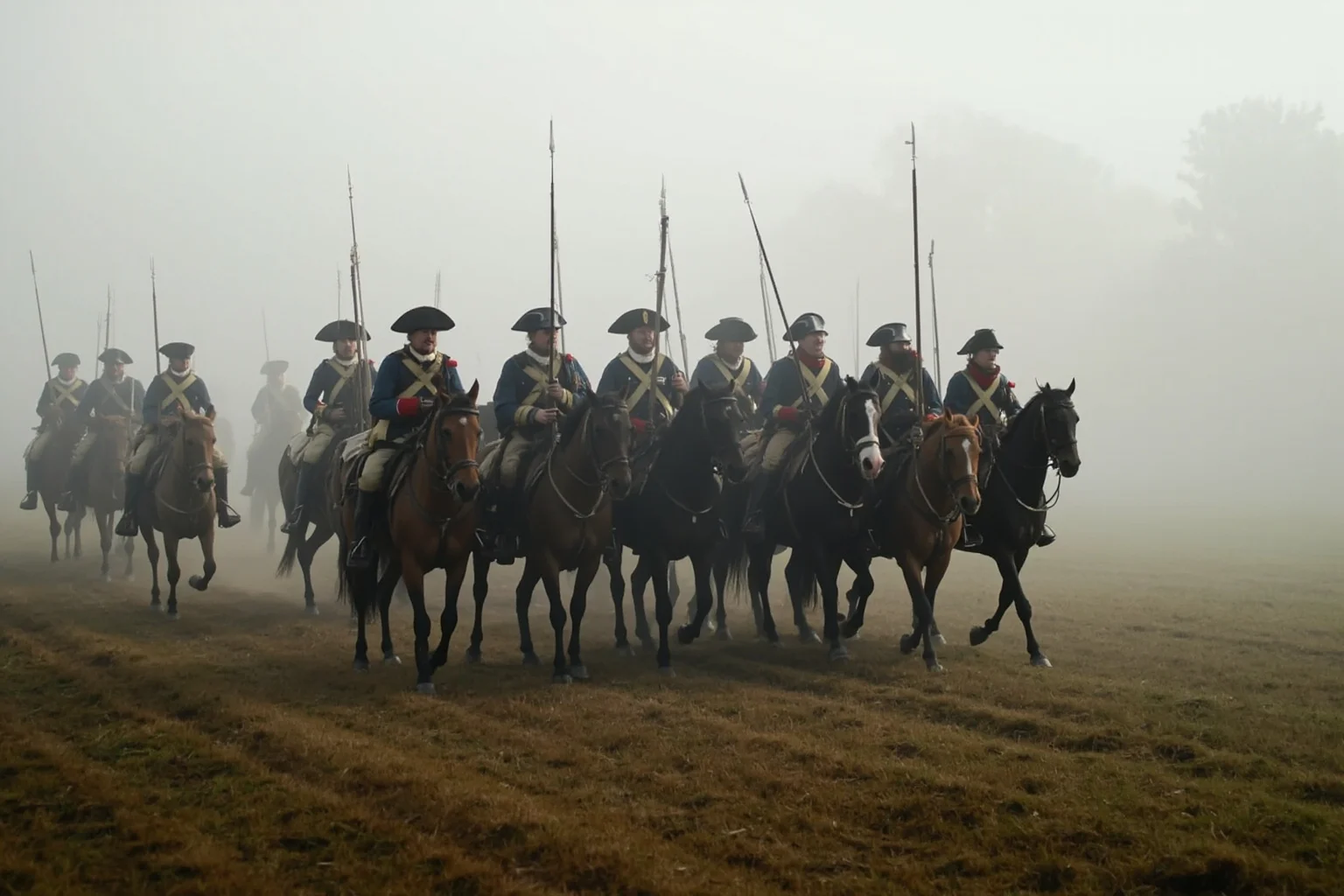
Cromwell helped build the New Model Army during the English Civil War, an organization known for discipline and ideological motivation. He emphasized training, regular pay, and promotion by ability rather than birth.
His cavalry tactics, including disciplined charges rather than scattered pursuit, proved effective at battles such as Naseby in 1645. The New Model Army became a template for professional standing forces in later centuries.
13. Frederick the Great
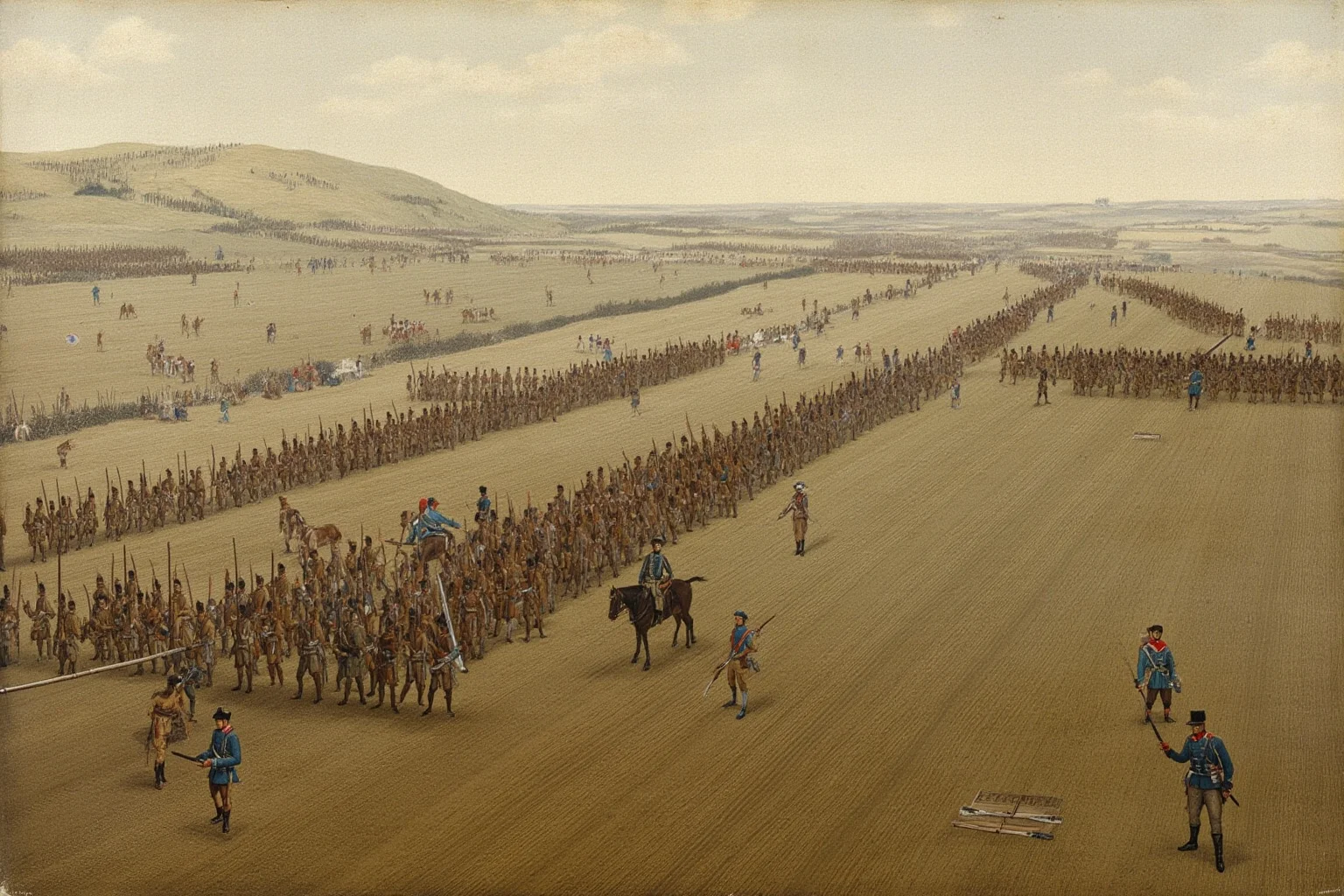
Frederick II of Prussia refined the linear tactics of his era and used rapid maneuver to concentrate force against isolated enemy units. He also practiced what later analysts call interior lines, moving troops between fronts faster than his opponents could react.
His campaigns were not always successful, and he suffered serious defeats, but his willingness to take calculated risks made him a formidable military commander. His army became a model studied across Europe.
14. Napoleon Bonaparte
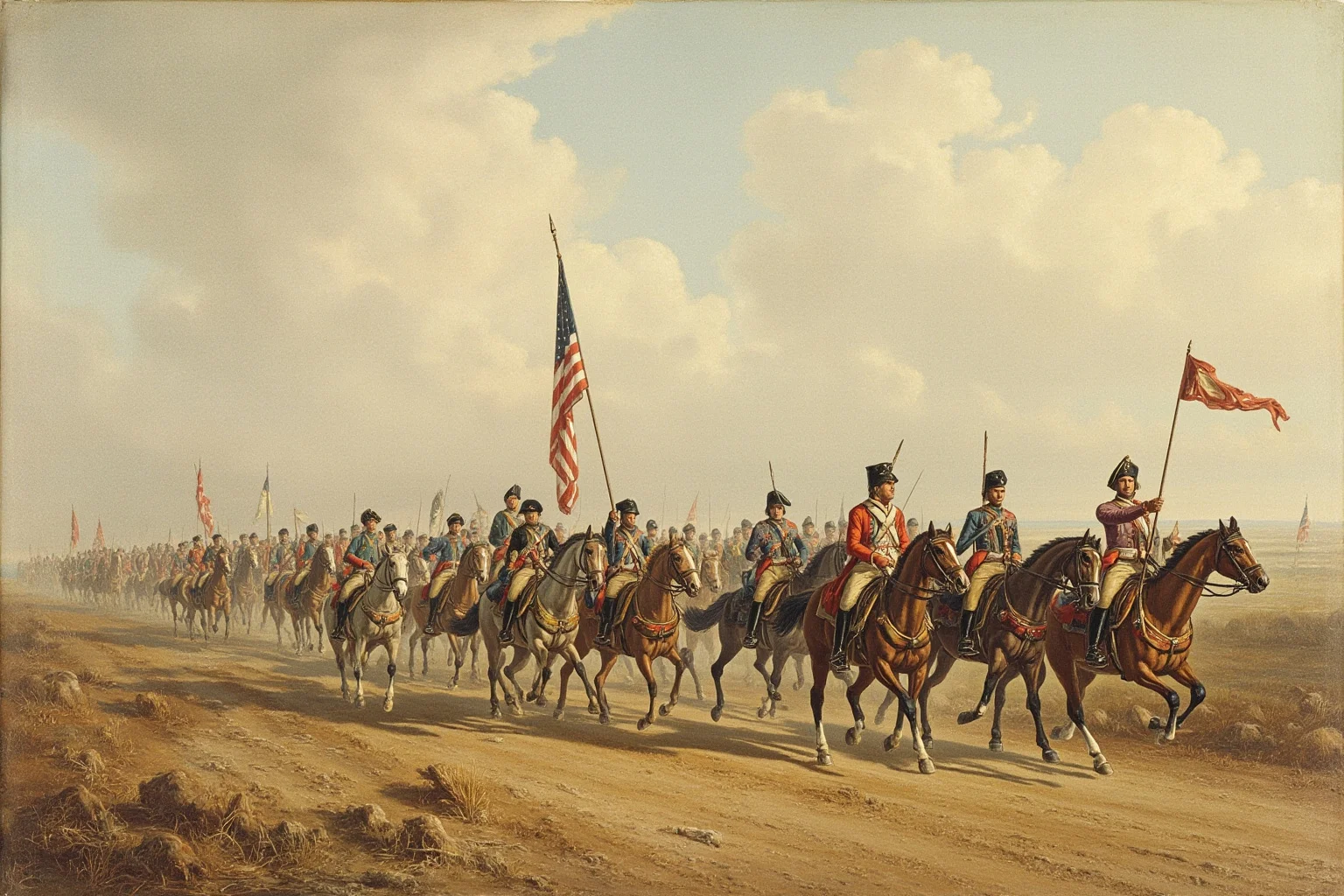
Napoleon's core innovation was the corps system, which divided an army into self-contained units that could march separately and concentrate rapidly for battle. This gave him flexibility that slower, more centralized armies lacked.
He also mastered the use of artillery and the rapid exploitation of victory. His campaigns reshaped European politics and military thought, and his methods were studied by later war leaders from both sides of the Atlantic.
15. Carl von Clausewitz
Clausewitz was a Prussian officer and theorist whose book On War remains one of the most influential texts on strategy. He argued that war is a continuation of politics by other means, a framing that still shapes how states think about conflict.
He also emphasized the role of friction, uncertainty, and chance in war. His ideas are often simplified in popular accounts, but his insistence on the human and political dimensions of conflict made him a foundational military strategist.
16. Antoine-Henri Jomini
Jomini was a Swiss-born theorist who served under Napoleon and later wrote systematic works on strategy. He emphasized lines of operation, key points, and the importance of controlling decisive terrain.
His ideas were widely read in the 19th century and influenced staff education in several countries. While later critics found his approach too mechanical, his influence on professional military thinking was substantial.
17. Helmuth von Moltke the Elder
Moltke led the Prussian army during the wars of German unification in the 1860s and 1870s. He expanded the use of railways and telegraph to mobilize and coordinate forces faster than his opponents.
He also promoted a culture of decentralized command, trusting subordinate officers to act on intent rather than waiting for orders. This approach, often summarized as "march divided, fight united," became a cornerstone of modern military doctrine.
18. William Tecumseh Sherman
Sherman's campaigns in the American Civil War demonstrated a form of operational warfare aimed at an enemy's capacity to sustain conflict. His march through Georgia and the Carolinas targeted infrastructure and resources rather than only opposing armies.
He also understood the psychological dimension of war, recognizing that breaking an opponent's will could be as decisive as a battlefield victory. His methods remain controversial, but his strategic thinking influenced later military commanders. For more on how Sherman and other American commanders are assessed, see this ranking of the best generals in American history and the 10 worst.
19. Thomas Edward Lawrence
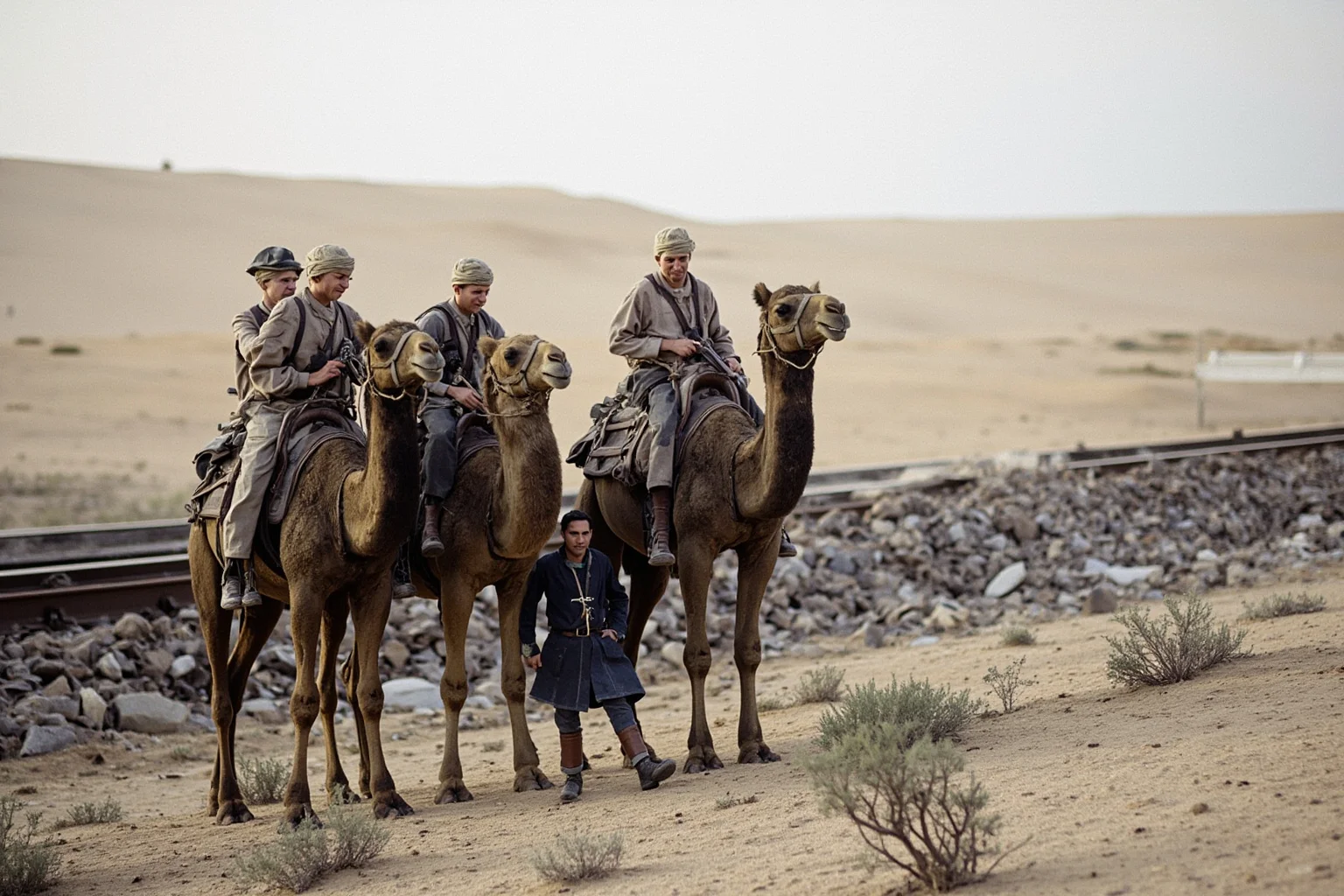
T. E. Lawrence, known as Lawrence of Arabia, worked with Arab forces during World War I against the Ottoman Empire. He advocated raids on railways and isolated garrisons rather than direct confrontations with larger conventional armies.
His approach reflected an understanding of irregular warfare, using mobility, local knowledge, and small units to wear down a stronger opponent. His writings on guerrilla tactics influenced later theorists of asymmetric conflict.
20. Heinz Guderian
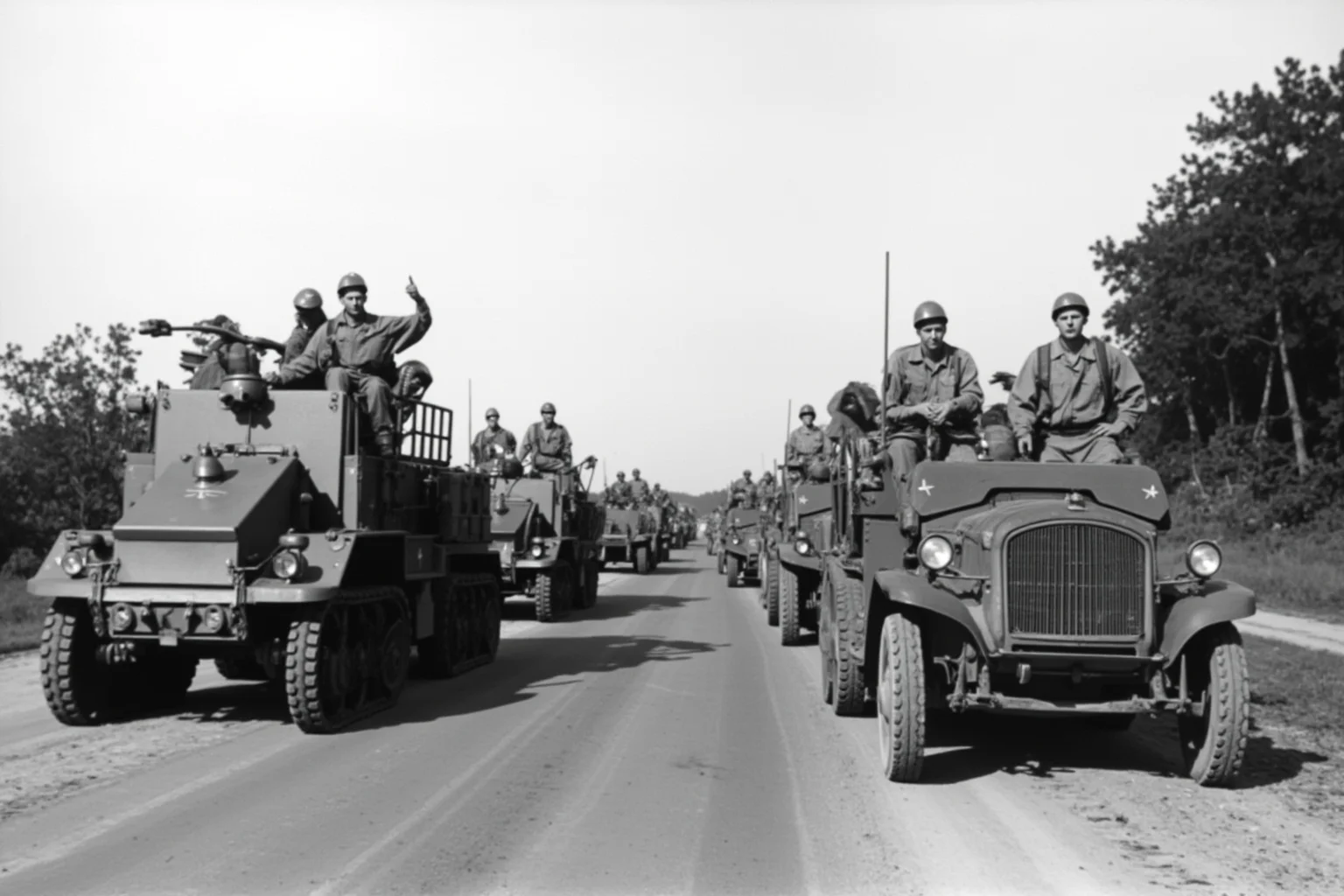
Guderian was a German officer who championed the concentrated use of tanks and motorized infantry in combined-arms formations. He argued that armor should be massed and used to break through and exploit, rather than dispersed among infantry units.
His ideas contributed to the blitzkrieg approach used in the early campaigns of World War II. His legacy is complicated by his role in that conflict, but his influence on armored warfare doctrine is widely acknowledged. Guderian is one of many commanders profiled in this collection of 20 military commanders from World War II.
21. George S. Patton
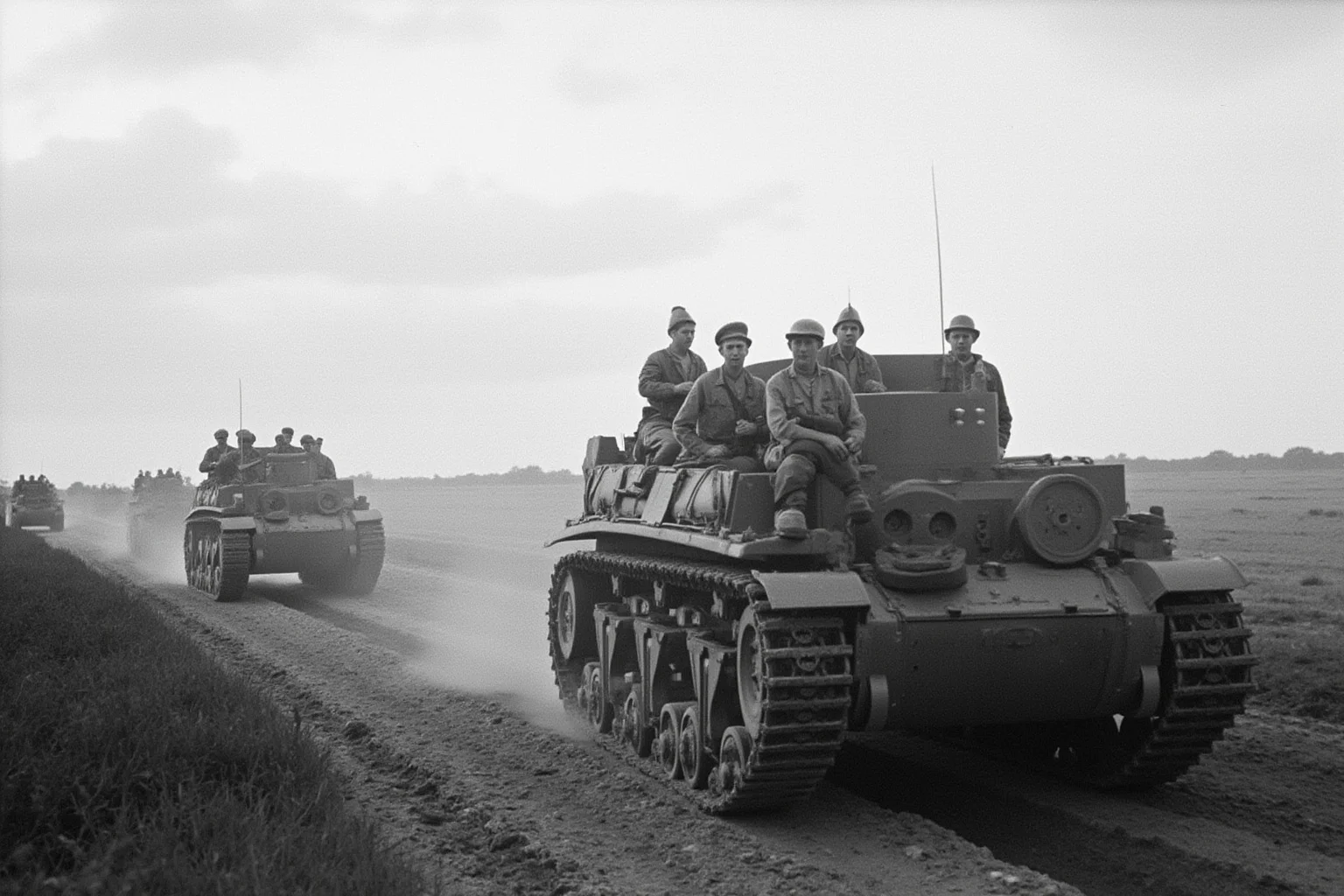
Patton was an American commander known for aggressive armored warfare and rapid exploitation of breakthroughs. He emphasized speed, initiative, and the importance of pressing an advantage before an enemy could reorganize.
His leadership style was theatrical and controversial, but his understanding of mobile warfare made him one of the more effective Allied commanders of World War II. His campaigns in France and Germany reflected his emphasis on relentless forward movement.
22. Georgy Zhukov
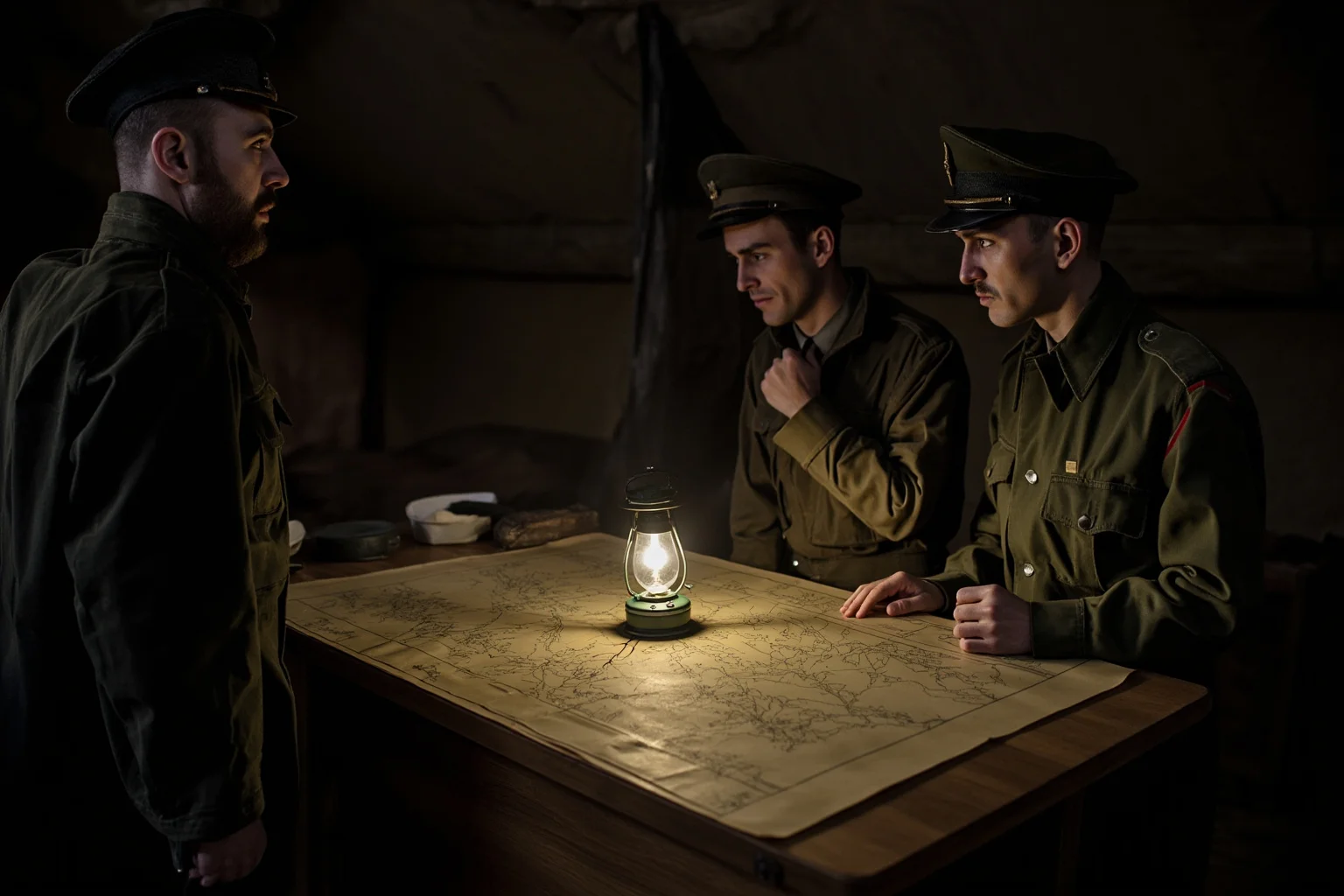
Zhukov was a Soviet marshal who commanded major operations on the Eastern Front, including the defense of Moscow and the capture of Berlin. He favored concentrating overwhelming force at decisive points.
His methods were costly in casualties, and his career included both successes and setbacks. Still, his ability to organize large-scale operations under extreme pressure made him one of the most consequential military commanders of the 20th century.
23. Vo Nguyen Giap
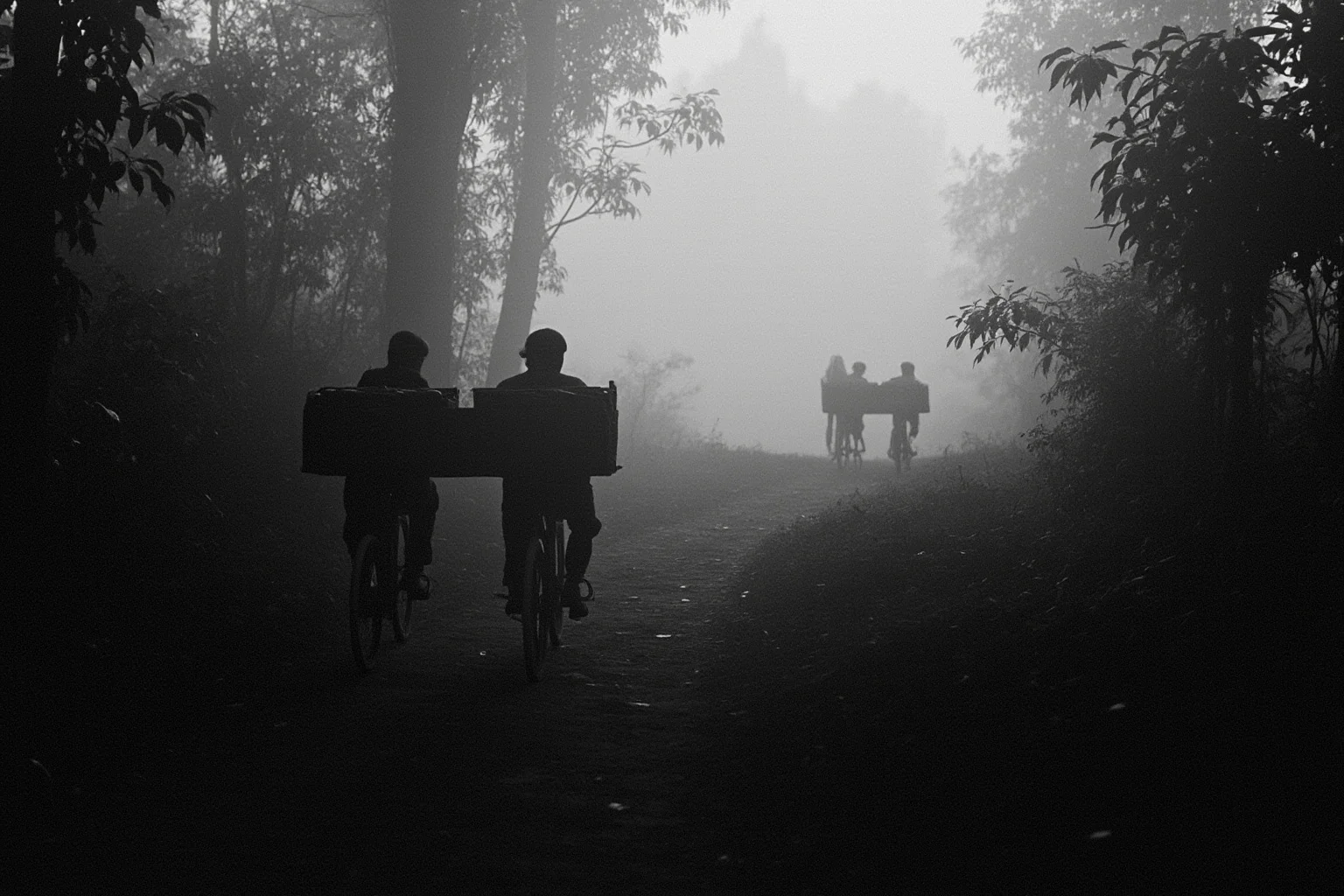
Vo Nguyen Giap led Vietnamese forces against France and later the United States. He combined guerrilla tactics with conventional battles at moments when they could be decisive, as at Dien Bien Phu in 1954.
He also understood the political dimension of war, recognizing that endurance and legitimacy could matter as much as firepower. His approach influenced later thinking about revolutionary and asymmetric warfare.
24. Mao Zedong
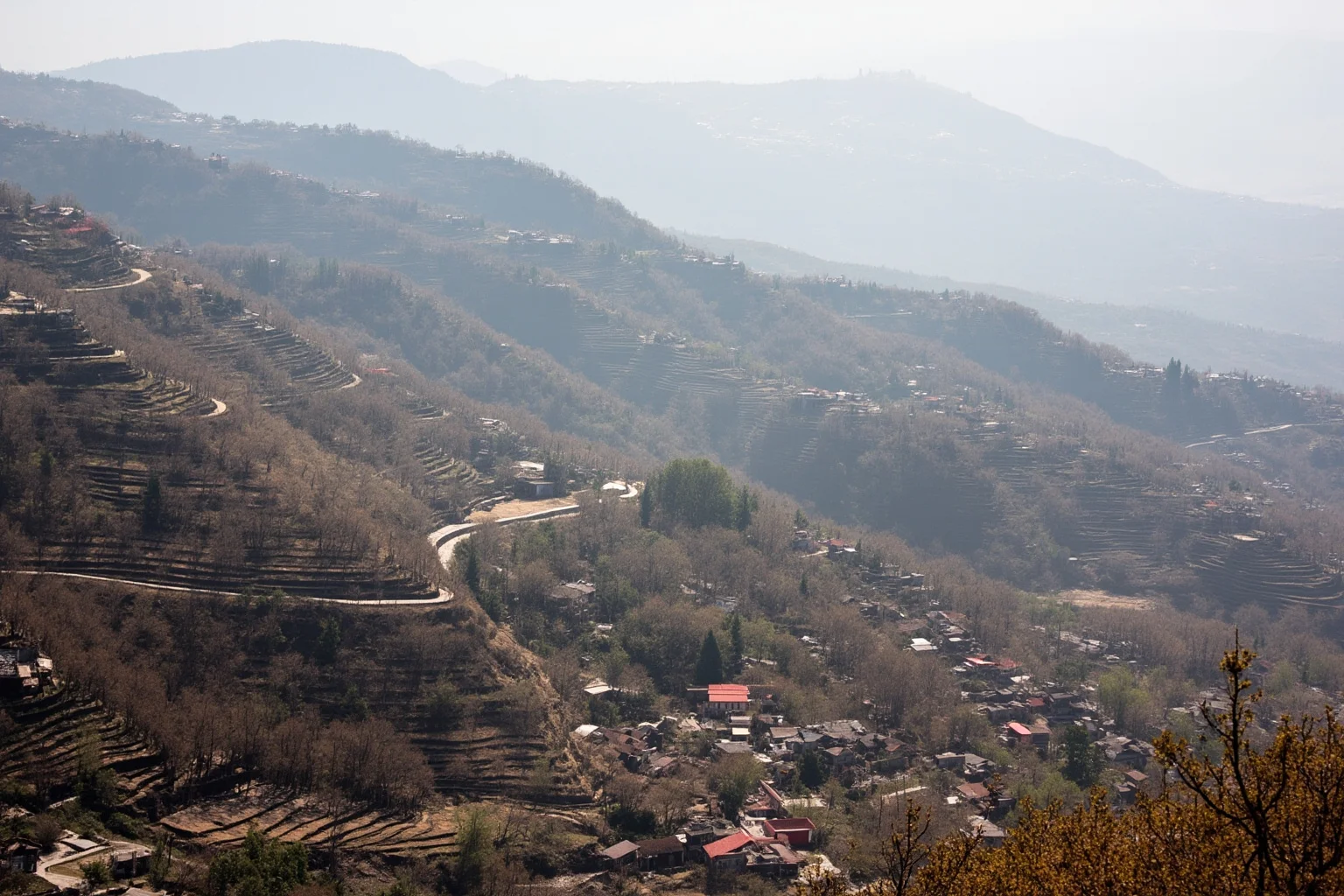
Mao Zedong developed a theory of protracted people's war based on mobilizing rural populations and wearing down a stronger opponent over time. His writings emphasized political organization alongside military action.
His ideas were applied in China and influenced insurgent movements elsewhere. Like other entries on this list, his legacy is debated, but his impact on how wars of insurgency are understood is difficult to overstate.
25. Norman Schwarzkopf
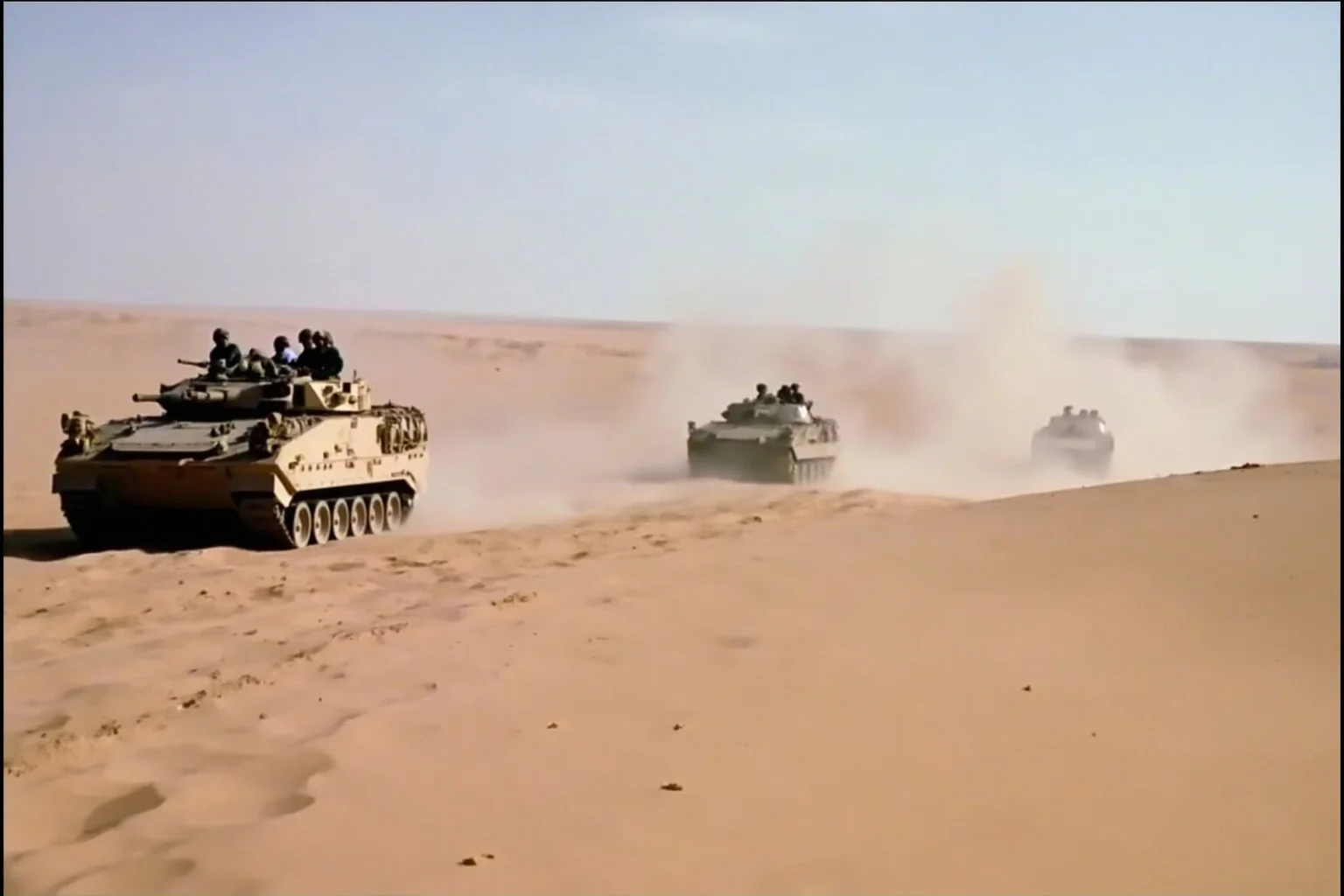
Schwarzkopf commanded coalition forces during the 1991 Gulf War, overseeing a campaign that combined air power, maneuver, and coalition coordination. The ground offensive relied on a wide flanking movement to outmaneuver Iraqi forces.
His approach reflected late-20th-century integration of technology and joint operations. While the campaign was short, it demonstrated how air and ground forces could be synchronized in a way earlier commanders could only imagine.
What These Leaders Share
Across thousands of years and very different technologies, several patterns recur. The most innovative figures tended to be adaptable, willing to learn from enemies, and focused on speed, intelligence, and logistics rather than only on battle.
They also understood that war is political. From Sun Tzu to Mao, the strongest military strategists recognized that winning battles is meaningless if the broader political objective is lost. That insight is arguably their most durable legacy.
Finally, many of them were controversial, and some caused immense suffering. Studying their methods is not the same as celebrating their goals. The point is to understand how ideas shape conflict, and why some approaches endure while others fade.
Conclusion
Innovation in warfare has never been purely about technology. The greatest military leaders in history combined new tools with new ideas about movement, deception, logistics, and politics. Their methods were often imitated, sometimes misunderstood, and occasionally misapplied.
What makes them worth studying is not nostalgia for conquest but insight into how thinking differently can change outcomes. Whether you are interested in ancient campaigns or modern doctrine, these figures show that the most powerful weapon in war is often a better idea. Their stories remind us that military history is, at its core, a history of human ingenuity under extreme pressure.
Frequently Asked Questions
Who are the greatest military strategists of all time?
There is no single agreed ranking, but commonly cited figures include Sun Tzu, Alexander the Great, Hannibal, Genghis Khan, Subutai, Napoleon, and Clausewitz. The strongest candidates tend to be those whose ideas influenced later generations, not just those who won the most battles.
What makes a military leader innovative rather than just successful?
Innovation usually means changing how war is fought, not just winning with existing methods. Figures like Gustavus Adolphus, Moltke, and Guderian introduced or popularized new organizational and tactical approaches that others copied.
Who were the best defensive generals in history?
Belisarius, Jan Žižka, and Vo Nguyen Giap are frequently mentioned for their defensive and asymmetric successes. Their methods often involved using terrain, mobility, and economy of force to offset larger enemy numbers.
Did any of these leaders never lose a battle?
Claims of undefeated records are often exaggerated by later sources. Alexander the Great and Khalid ibn al-Walid are often described that way, but historians treat such claims with caution because records are incomplete or written by supporters.
Why do we still study ancient military commanders today?
Because the underlying problems of war — logistics, intelligence, morale, and politics — remain similar even as technology changes. Ancient and modern strategists alike offer lessons about adapting to uncertainty and thinking beyond the battlefield.

Alex Warren
Related Articles