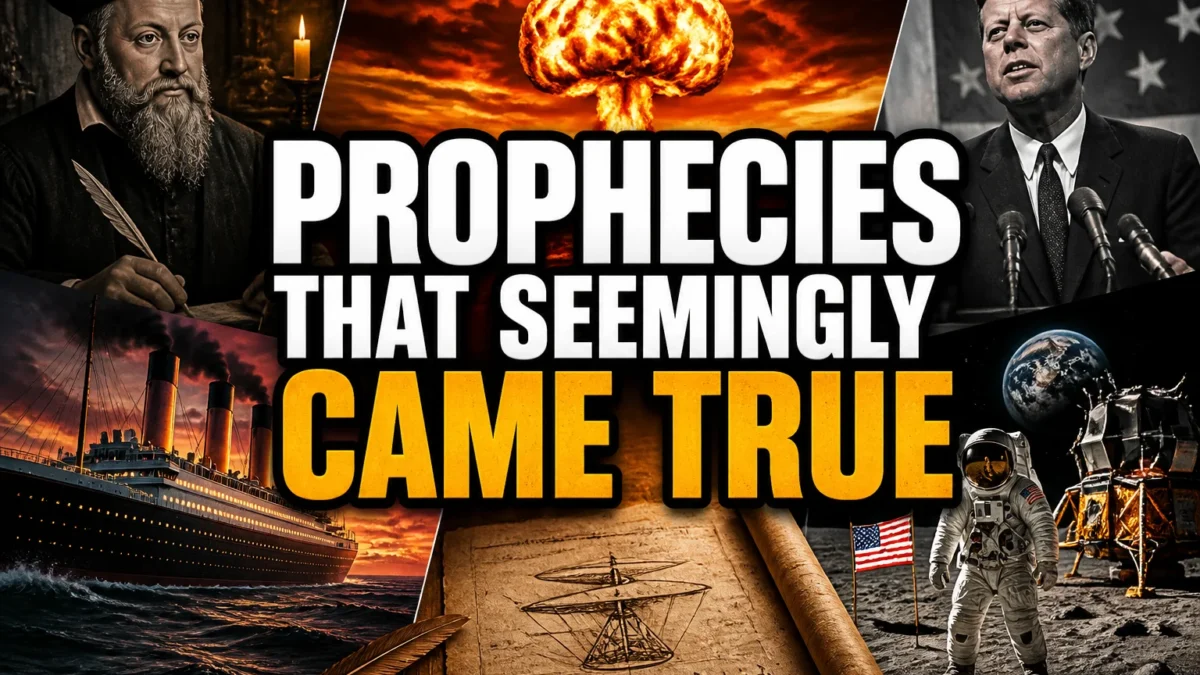
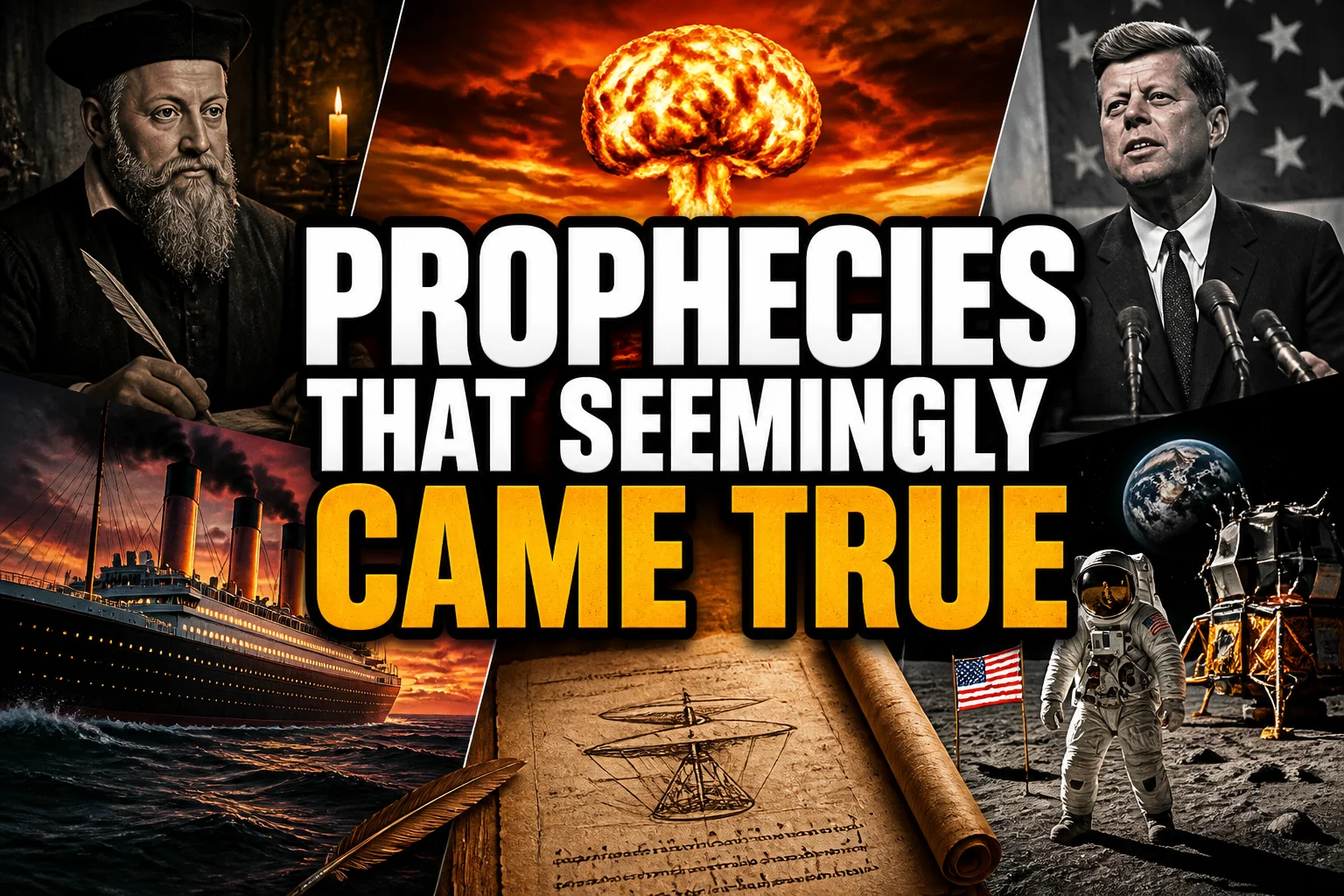
People have always wanted to know what happens next, and history is full of famous prophecies that seem to have delivered exactly that. Some are genuinely eerie, some are exaggerated, and many are only "accurate" because someone interpreted them after the fact. This post walks through 22 well-documented examples of prophecies and predictions that came true — or appear to have come true — and separates the striking hits from the wishful thinking.
Along the way, we will look at oracles, saints, inventors, novelists, and even a cartoonist, while being honest about evidence, timing, and the human talent for pattern-finding. The goal is not to prove that fate exists, but to show how these stories became part of our culture.
TL;DR: Many famous prophecies appear to have come true, but careful dating, vague wording, and post-event interpretation usually explain more than supernatural foresight does.
Why So Many Predictions Seem to Come True
Humans are excellent at spotting patterns, even when none exist. Psychologists call this apophenia, and it explains why a vague line written centuries ago can suddenly feel like it was aimed at today's headlines. When a prediction is broad enough — "a great leader will fall" or "a city will face fire" — something eventually matches it.
There is also the problem of retrofitting. Many prophecies were written down or edited after the events they supposedly describe, which makes them look far more precise than they really were. Others survive only through later retellings, where details get sharpened and inconvenient misses quietly disappear.
The result is a rich catalogue of prophecy examples that are fascinating as history and literature, even when the supernatural reading does not hold up. The 22 cases below are the ones most often cited as predictions that came true.
1. The Oracle of Delphi and the Wooden Wall of Athens
During the Persian invasion of 480 BCE, the Athenians consulted the Oracle of Delphi, who reportedly told them to trust in a "wooden wall." Some interpreted this as the thorn hedge of the Acropolis, while the general Themistocles argued it meant the Athenian fleet. Athens evacuated and won the naval Battle of Salamis, and the prophecy was declared fulfilled.
The catch is that the "wooden wall" was ambiguous enough to cover several outcomes. This is a classic example of a prophecy that became true mainly because a clever leader chose the interpretation that fit his strategy.
2. The Book of Isaiah and the Fall of Babylon
The Hebrew prophet Isaiah foretold the downfall of Babylon, describing a city that would be overthrown and left desolate. Babylon did fall to the Persian king Cyrus the Great in 539 BCE, and the city later declined into ruin.
Scholars debate the dating of these passages, with many arguing that parts of Isaiah were composed or updated after the events. That possibility does not make the text less important, but it does complicate any claim of genuine foreknowledge.
3. Jeremiah's Seventy Years of Exile
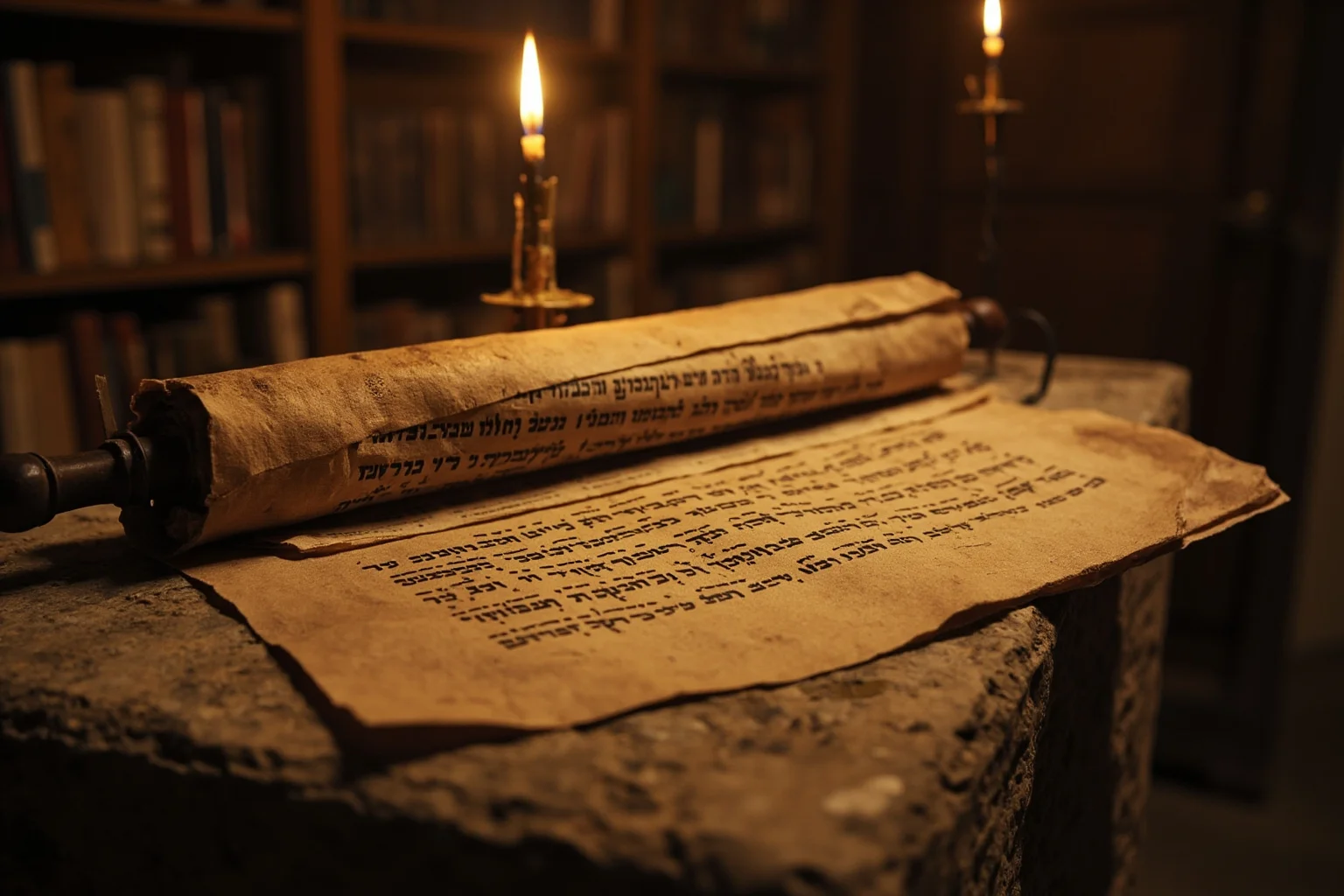
The prophet Jeremiah announced that the Babylonian exile of the Jews would last seventy years. The Persian conquest of Babylon and the subsequent return of exiles occurred roughly within that span, which is why the number became such a powerful symbol.
Historians note that seventy was also a conventional ancient figure for a long but finite period. Whether it was precise prediction or symbolic round number, the return did happen, and the prophecy shaped Jewish and Christian thought for centuries.
4. Daniel's Interpretation of Nebuchadnezzar's Dream
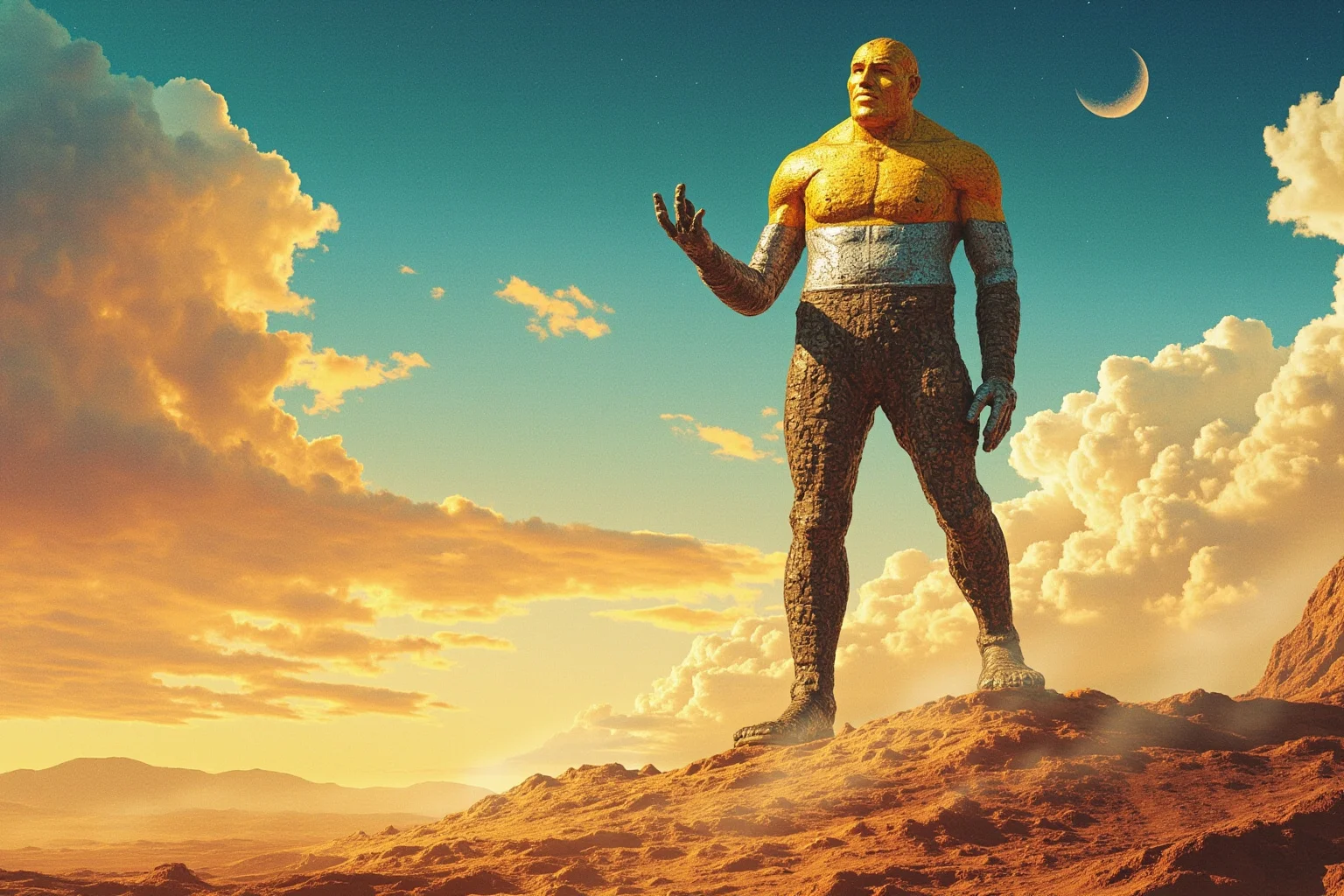
The Book of Daniel describes a dream of a statue with a head of gold, chest of silver, belly of bronze, and legs of iron, symbolizing a sequence of empires. Later readers mapped these metals onto Babylon, Persia, Greece, and Rome, and the sequence broadly fits the historical order.
The text itself is difficult to date, and many scholars place its final form in the second century BCE, after several of the empires had already risen and fallen. That timing is central to the debate over whether this is prophecy or retrospective history.
5. The Sibylline Oracles and Roman Anxiety
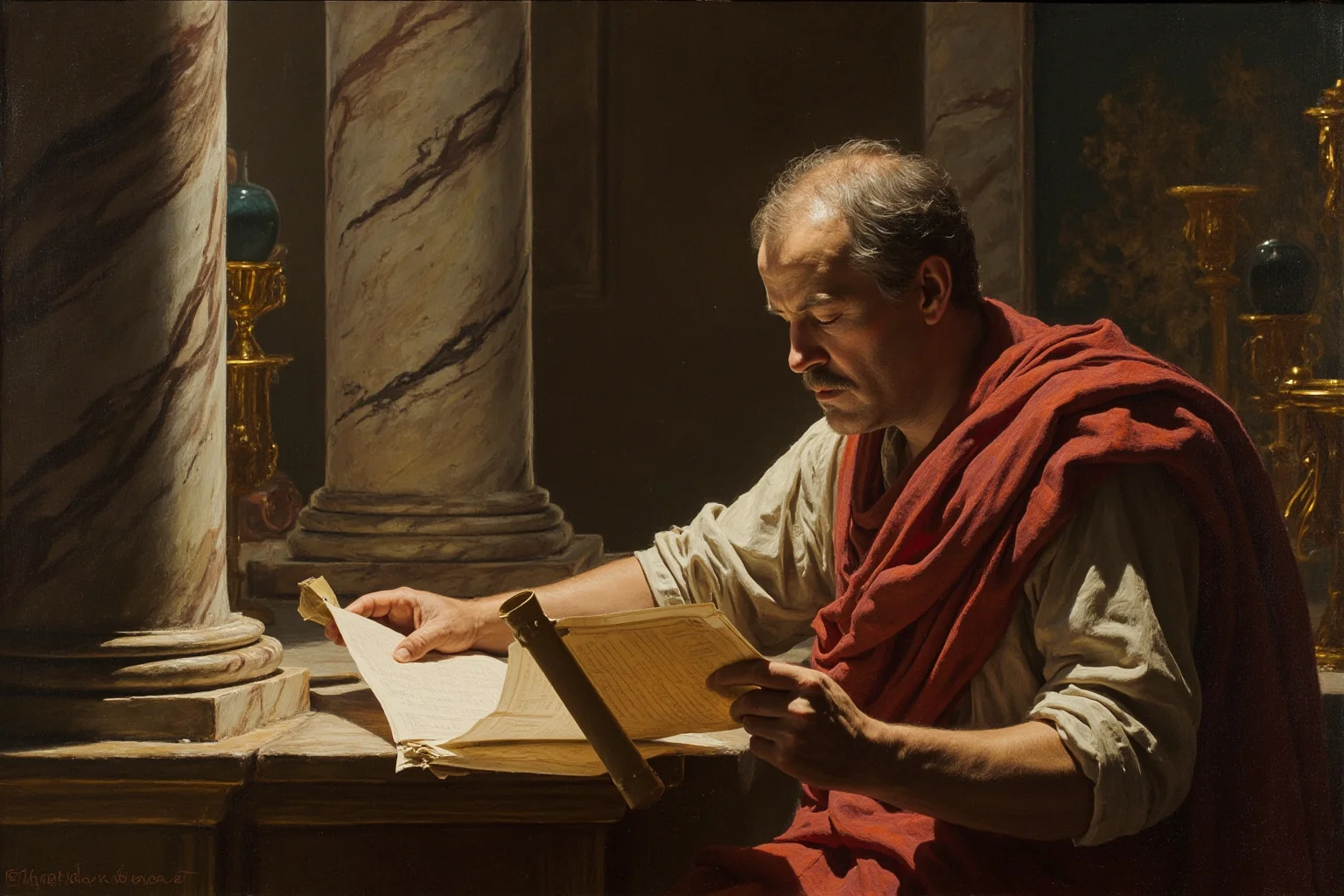
The Sibylline Books were collections of prophetic verses consulted by Roman authorities in times of crisis. Several surviving oracles describe disasters, foreign invasions, and the eventual rise of a great ruler, and Romans pointed to them when events seemed to match.
The oracles were also edited and expanded over centuries, often by different communities with their own agendas. They are a good reminder that ancient prophecy was sometimes a living text rather than a frozen forecast.
6. The Cumaean Sibyl and the Coming of a Golden Age

The Cumaean Sibyl appears in Virgil's Fourth Eclogue, which predicts the birth of a child who will usher in a new golden age. Early Christians read this as a pagan foreshadowing of the birth of Jesus, while others saw it as praise for a Roman political figure.
Virgil wrote in the first century BCE, and his language was deliberately poetic and flexible. The poem is one of the most debated examples of a prophecy whose meaning depends almost entirely on who is reading it.
7. The Tiburtine Sibyl and the Emperor Constantine
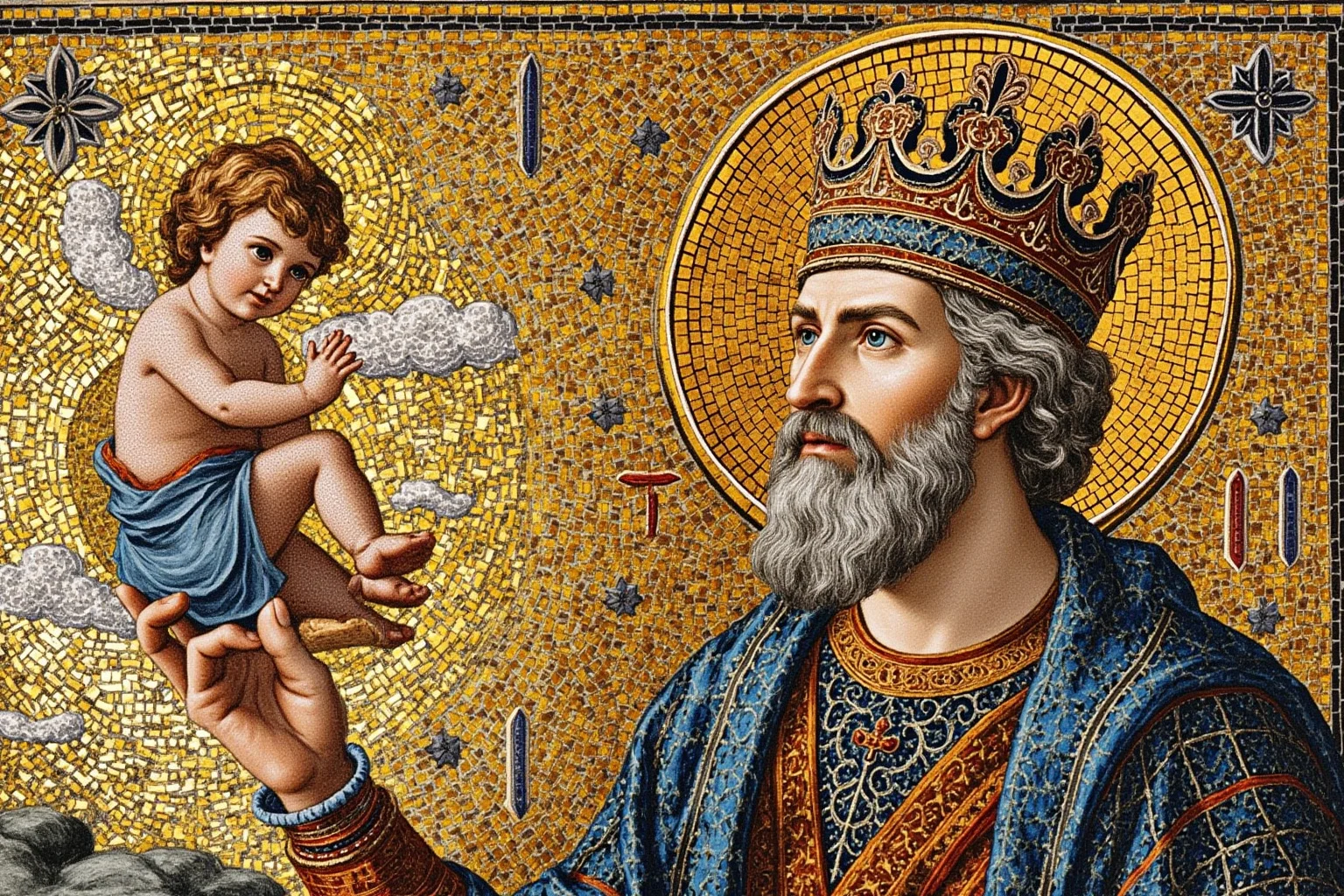
Medieval tradition held that the Tiburtine Sibyl showed the emperor Constantine a vision of a woman and child, interpreted as the Virgin Mary and Jesus. The story became popular because it linked a pagan oracle to the Christianization of the Roman Empire.
The tale appears in later Christian sources rather than contemporary Roman records, which suggests it grew as legend rather than reportage. It is a strong example of how a prophecy can be created to explain an outcome that had already happened.
8. Merlin's Prophecies in Geoffrey of Monmouth
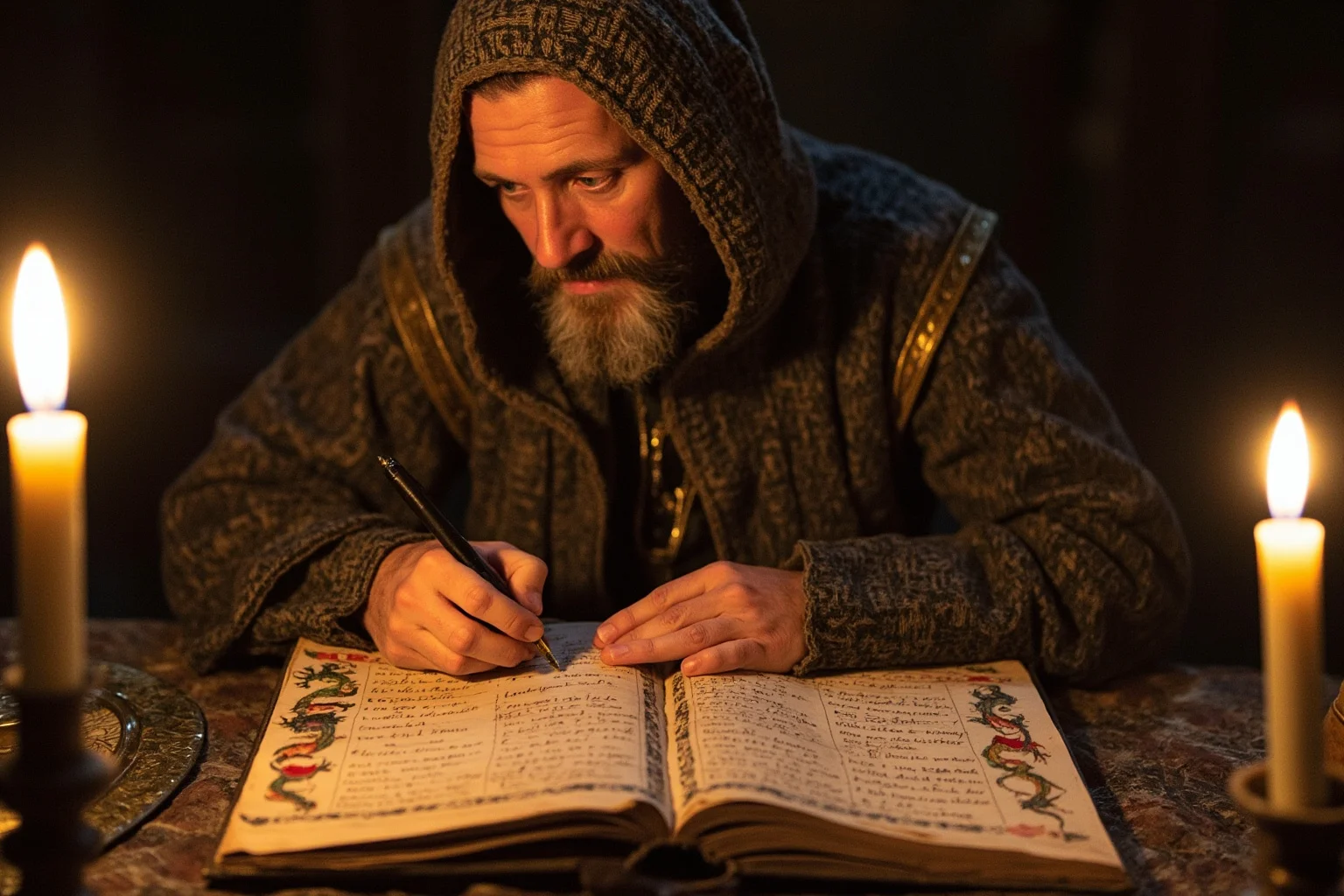
Geoffrey of Monmouth's twelfth-century chronicle includes a long series of prophecies attributed to Merlin, covering wars, kings, and the fate of Britain. Later readers claimed to find matches with the Plantagenet kings and the Wars of the Roses.
The prophecies are famously obscure, full of animal symbolism and shifting imagery. Their flexibility made them useful to propagandists on multiple sides, which is precisely why they seemed to keep coming true.
9. The Prophecy of the Popes and the Malachy List
The Prophecy of the Popes, attributed to Saint Malachy, is a list of mottoes supposedly describing every pope from Celestine II onward. Enthusiasts have matched many of the mottoes to papal coats of arms, nationalities, and careers.
The list first surfaced in the late sixteenth century, long after the earliest popes it supposedly describes. That late appearance is a major reason historians treat it as a retrospective composition rather than a genuine medieval forecast.
10. Nostradamus and the Death of Henry II
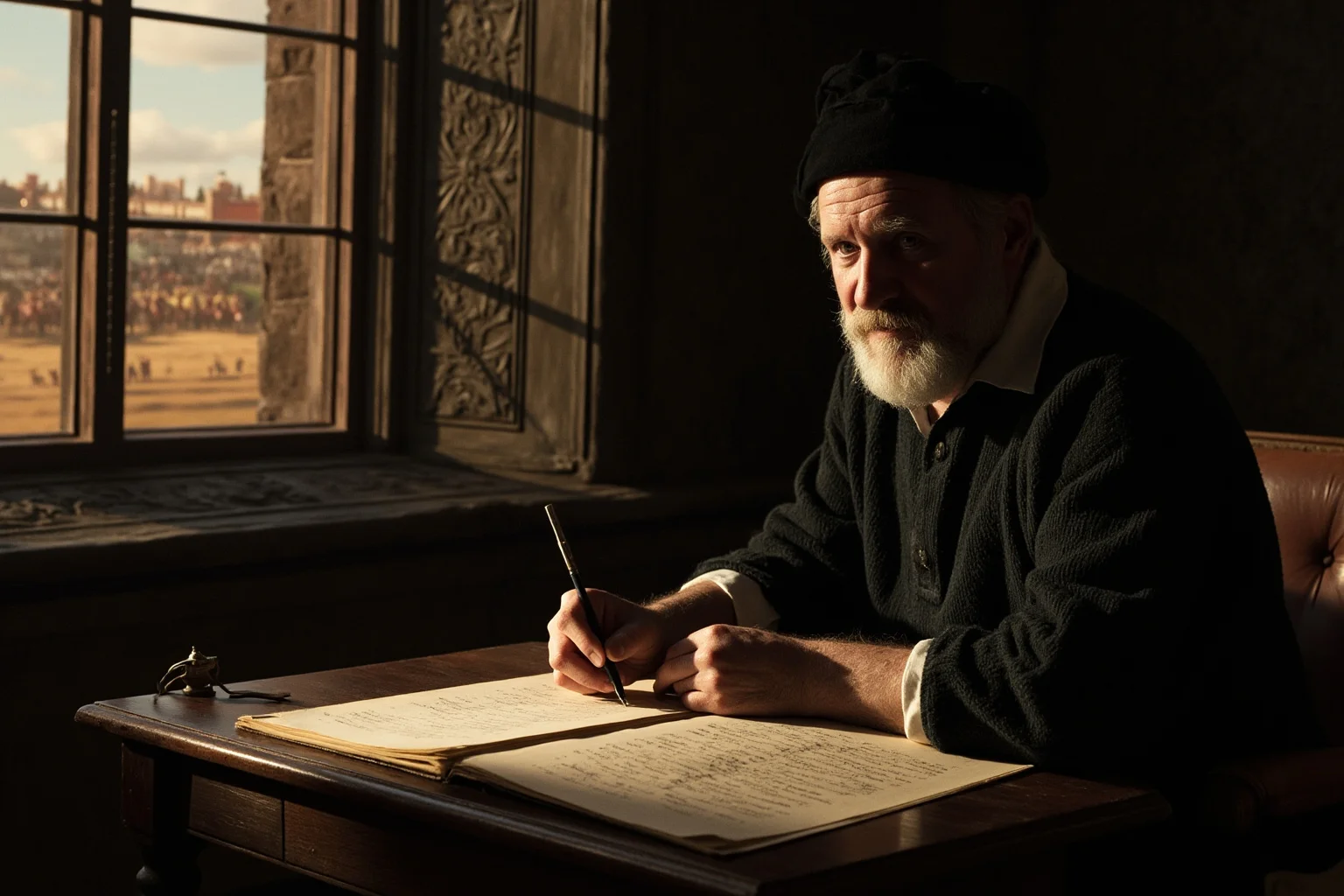
Nostradamus published his Centuries in 1555, and one quatrain was later read as predicting the death of King Henry II of France. The king died in 1559 after a splinter from a jousting lance struck his eye, and the verse mentions a blow to the head and a golden cage.
The quatrain was vague before the event and only became specific afterward, a pattern that runs through most Nostradamus claims. He remains the most famous name in prophecy, but the precision usually arrives with hindsight. If you want to dig deeper, there are 26 facts about Nostradamus and his predictions that separate the verified hits from the myths.
11. Nostradamus and the Great Fire of London
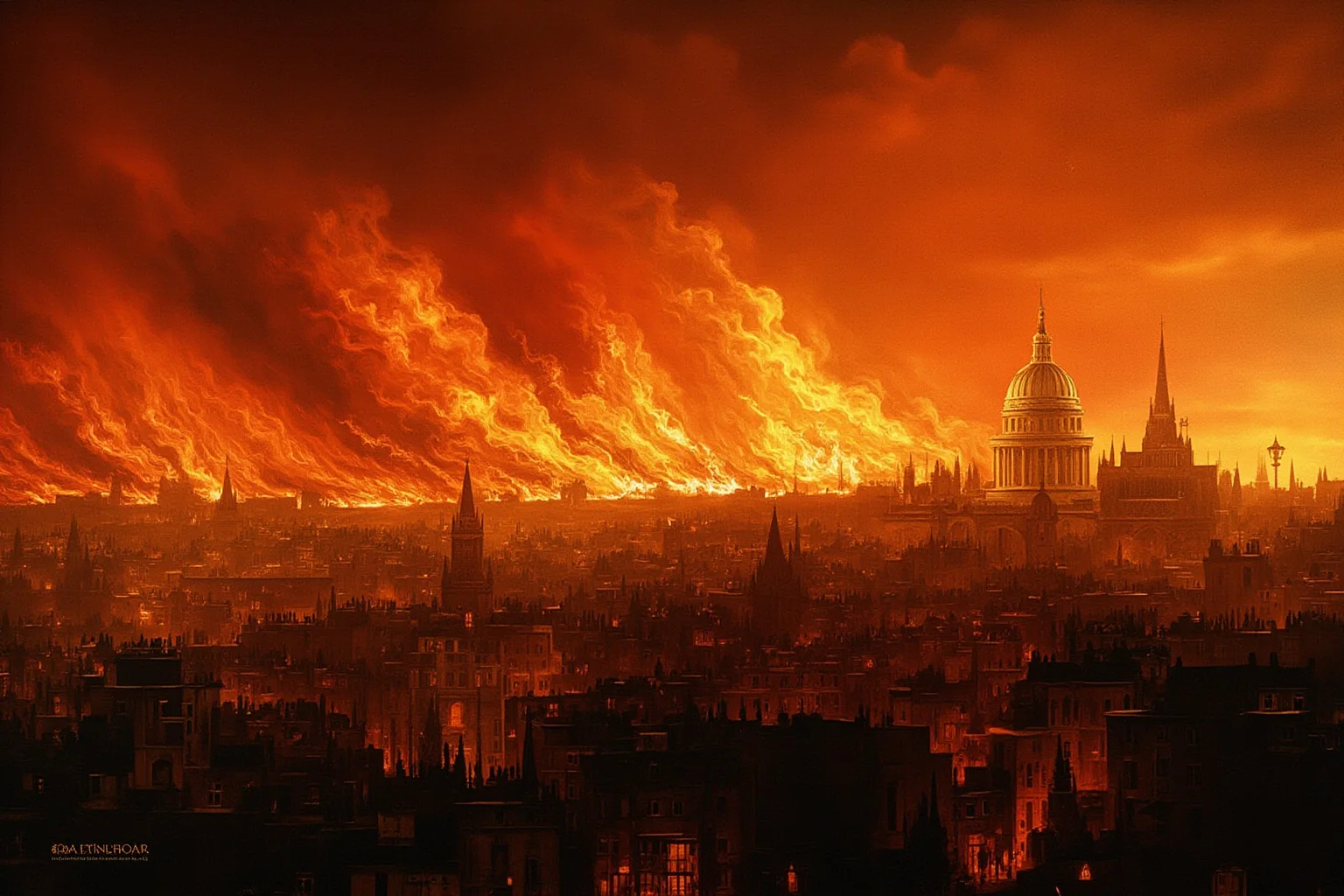
Another Nostradamus quatrain was linked to the Great Fire of London in 1666, with readers pointing to references to fire, a city, and a date. The poem does not name London, and the date connection depends on how you count the lines.
This is a textbook case of a prediction that seems true only after interpreters supply the missing details. The verse is memorable, but its accuracy rests on creative reading rather than clear foresight.
12. Mother Shipton and the End of the World

Mother Shipton, a legendary English prophetess, was credited with predicting famines, plagues, and the fall of powerful men. A famous rhyme warned that the world would end in 1881, which caused genuine alarm in some English communities.
When 1881 passed without incident, the rhyme was revealed to be a nineteenth-century invention rather than a Tudor prophecy. The episode shows how easily a prediction can be manufactured and then attributed to an older, more mysterious source.
13. The Prophecy of the Three Kings and the Aztec Conquest
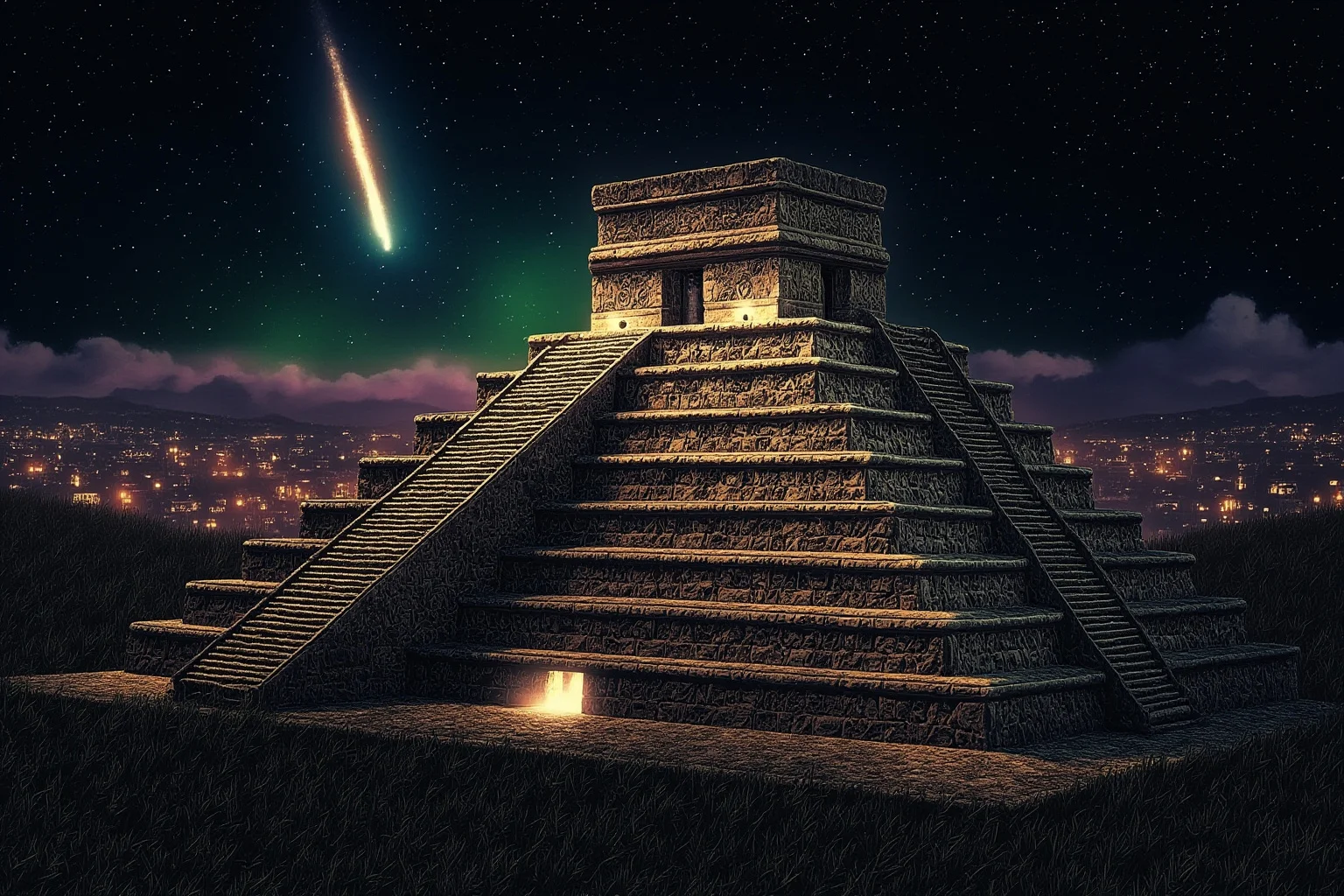
Aztec sources describe omens before the arrival of Hernán Cortés, including strange lights, a temple fire, and a weeping woman heard at night. These signs were later collected and presented as foretelling the Spanish conquest of 1519 to 1521.
Because the accounts were written down after the conquest, often by Spanish-influenced chroniclers, historians treat them cautiously. They may reflect genuine pre-conquest anxieties, but they are not straightforward predictions.
14. The Curse of Tippecanoe and the Presidents
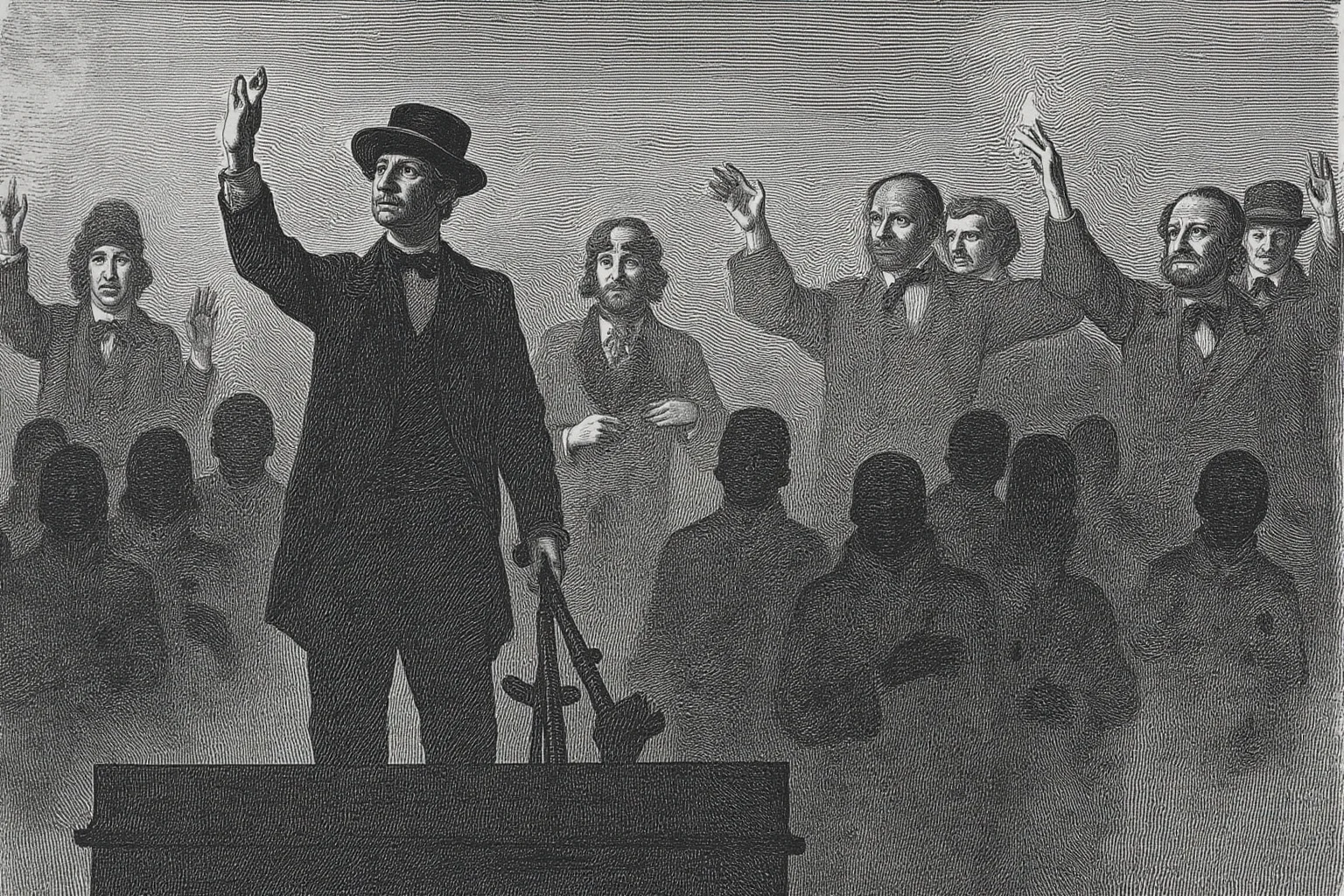
A popular American legend holds that presidents elected in years ending in zero would die in office, a pattern linked to William Henry Harrison's victory at Tippecanoe. Harrison died in 1841, and the deaths of Lincoln, Garfield, McKinley, Harding, Franklin Roosevelt, and Kennedy seemed to confirm the pattern.
Ronald Reagan, elected in 1980, survived an assassination attempt and left office alive, which broke the chain. The story is a classic example of a pattern that looked compelling until it stopped working.
15. The Whitechapel Murders and the Ripper Letters
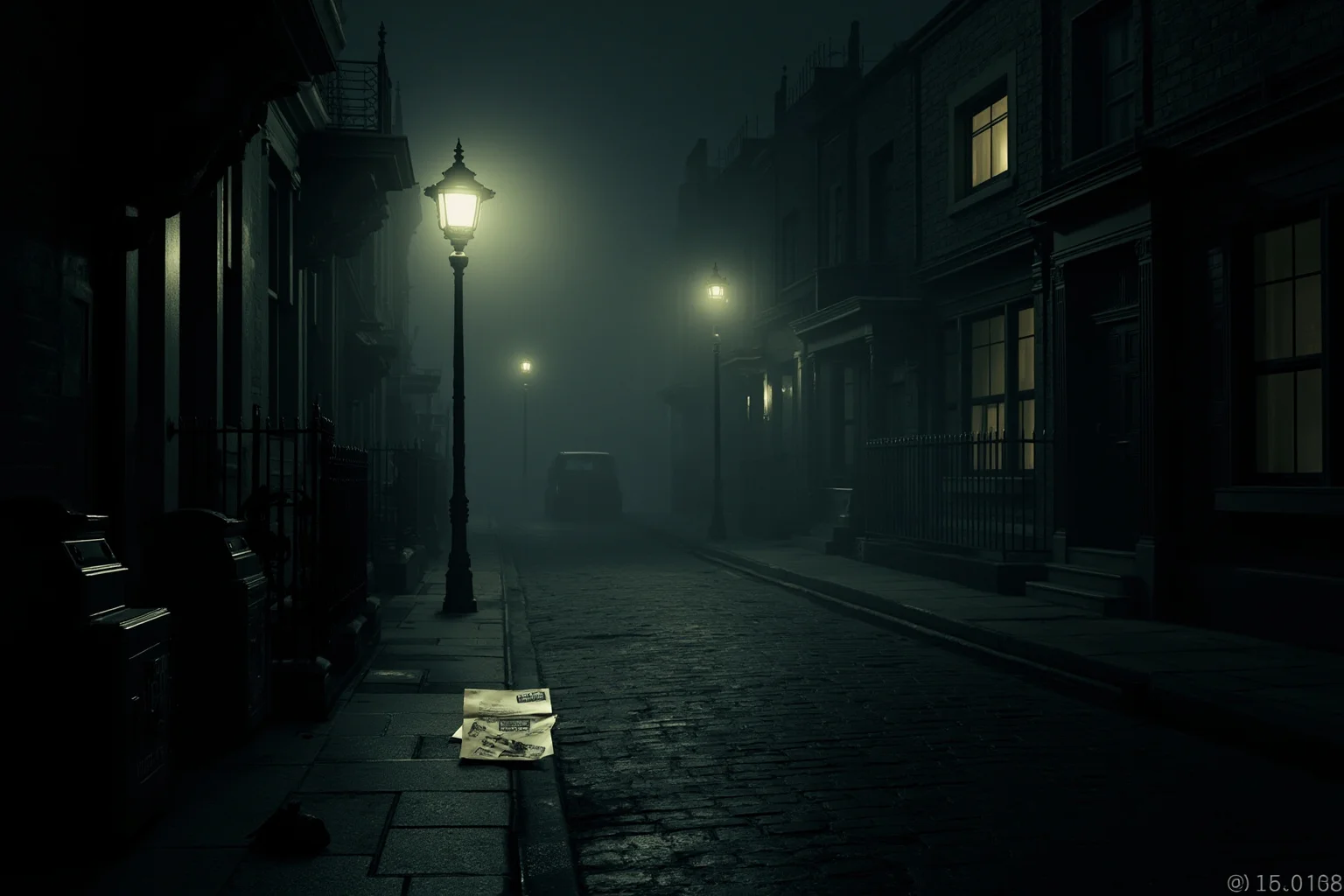
In 1888, a letter signed "Jack the Ripper" warned that the writer would kill again, and more murders followed in London's East End. The letter became famous as an apparent prediction of further violence.
Most researchers now believe the letter was a hoax written by a journalist or opportunist rather than the killer. The murders were real, but the "prophecy" was likely part of a media sensation.
16. H. G. Wells and the Atomic Bomb
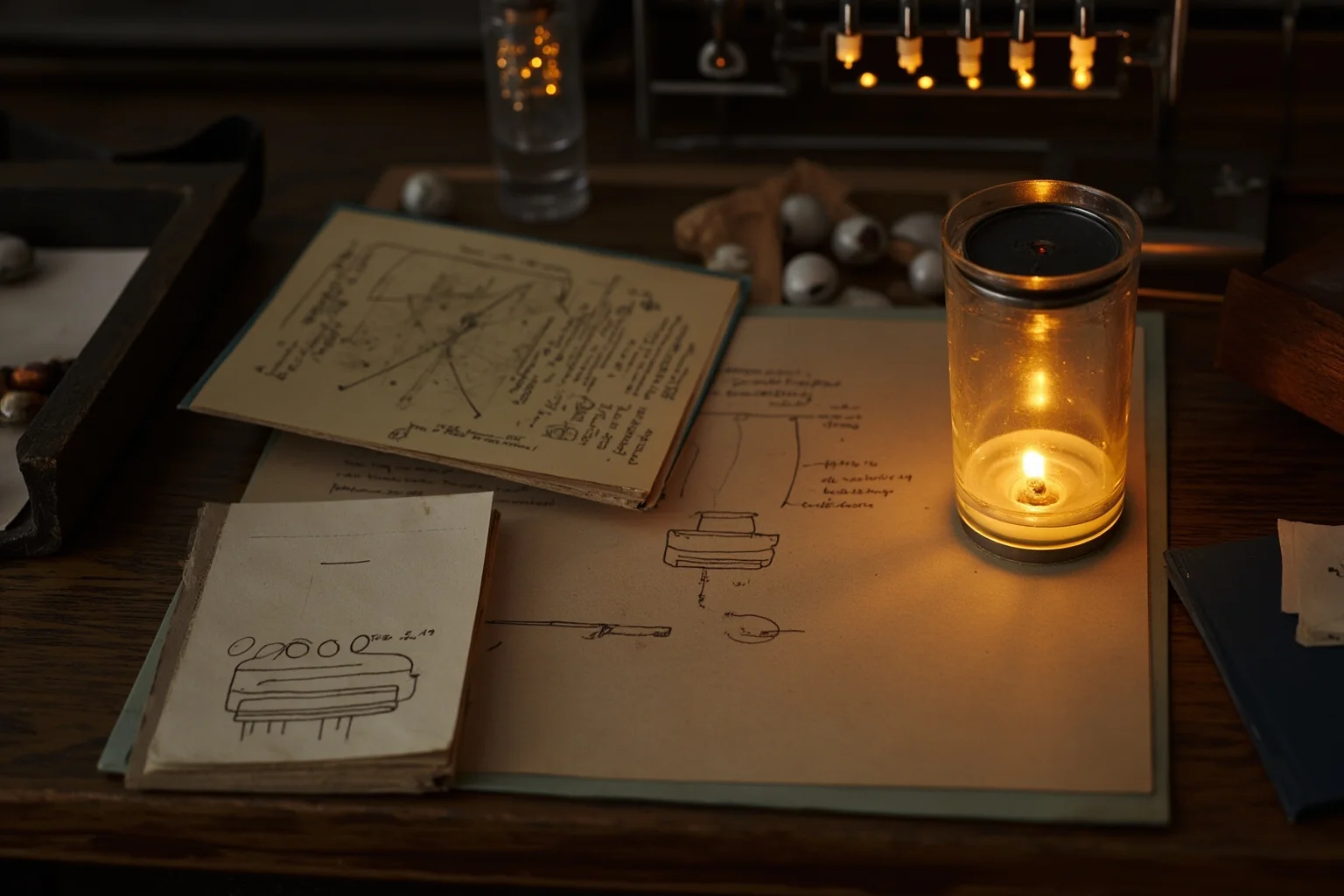
In his 1914 novel The World Set Free, H. G. Wells described a future war fought with "atomic bombs" that would explode with devastating force. Thirty-one years later, the first atomic bomb was detonated at Trinity in 1945.
Wells did not predict the physics in detail, and his bombs were imagined as continuously exploding devices. Still, his use of the term and his vision of nuclear warfare make this one of the most striking literary predictions that came true.
17. Jules Verne and the Moon Landing
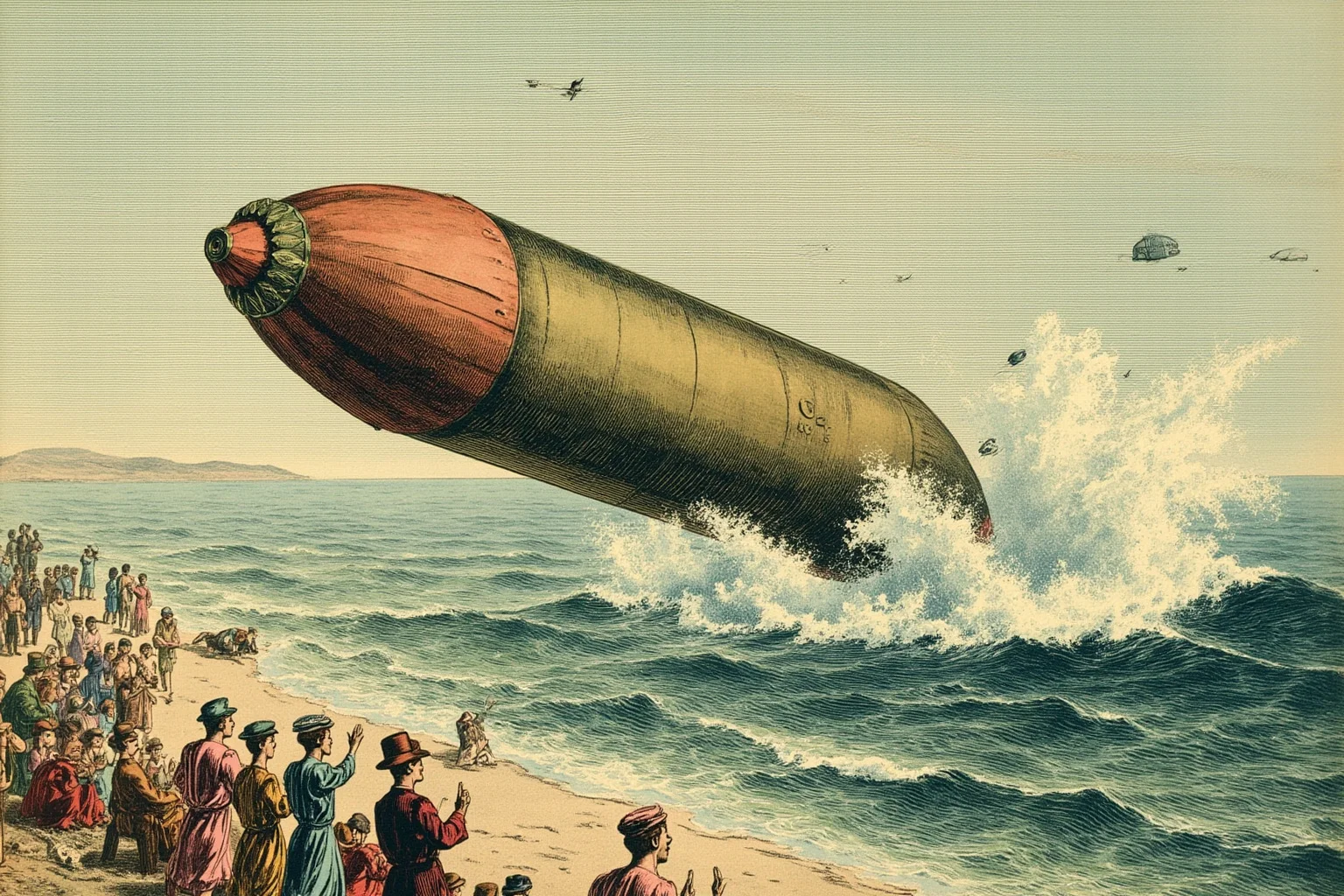
Jules Verne's 1865 novel From the Earth to the Moon described a crew launched from Florida in a capsule, splashing down in the ocean on return. Apollo 11 launched from Florida in 1969 and splashed down in the Pacific, matching several broad details.
Verne's calculations and technology were speculative fiction, not engineering forecasts. The resemblance is remarkable, but it reflects careful research and a lucky overlap rather than genuine foreknowledge.
18. Morgan Robertson and the Titanic
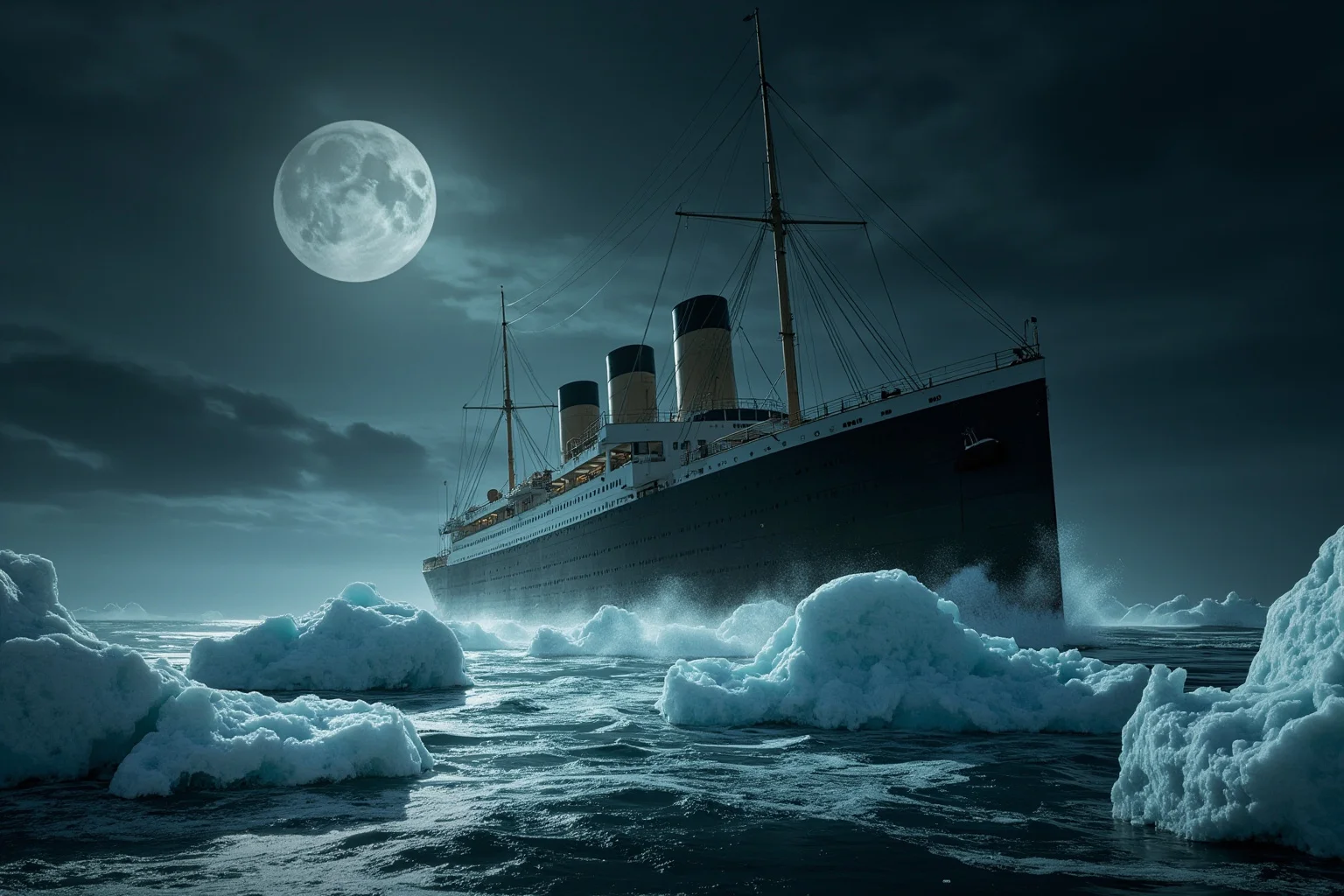
In 1898, Morgan Robertson published a novel about a huge ocean liner called the Titan that struck an iceberg and sank in the North Atlantic. Fourteen years later, the Titanic met almost exactly that fate.
The ships differed in size, construction, and passenger capacity, and Robertson's story was fiction. The parallels are eerie, but they are best understood as coincidence amplified by a memorable name.
19. The Tunguska Event and Early Warnings
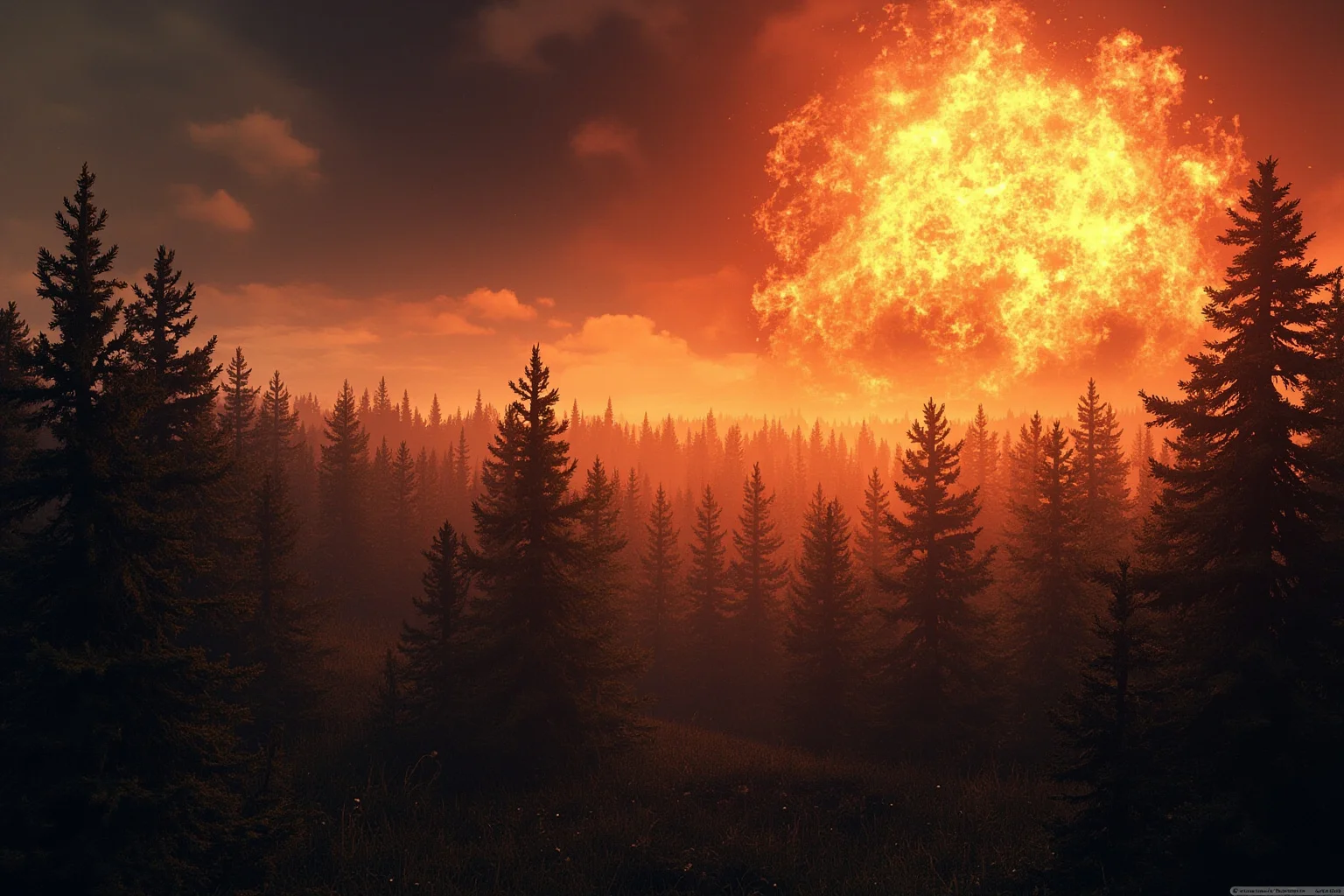
Before the 1908 Tunguska explosion in Siberia, some Russian newspapers and writers had speculated about the danger of celestial bodies striking Earth. The blast flattened millions of trees and was later attributed to an airburst from a meteor or comet fragment.
That is not a specific prediction of Tunguska, but it is an early example of scientific warnings that later events seemed to justify. It shows how general concerns can look prophetic once a disaster occurs.
20. The Simpsons and the Trump Presidency
An episode of The Simpsons aired in 2000 showed a future in which Donald Trump was president, complete with a descending escalator. When Trump won the 2016 election, the clip went viral as a prediction that came true.
The show's writers have said the gag was a joke about celebrity culture, not a forecast. It is a modern example of how satire can accidentally align with reality, and how the internet turns that alignment into legend.
21. The Hanks Prediction and Online Prophecy Culture

A recurring internet claim suggests that Tom Hanks predicted some major event, often a disaster or political outcome, in an old interview or film. These clips are usually edited, misquoted, or taken out of context.
So is the Hanks prediction true? In the cases that circulate most widely, no — the words are either not his or not a prediction at all. The rumor is a useful case study in how digital culture manufactures prophecies from ordinary footage.
22. The Doomsday Clock and Scientific Warnings
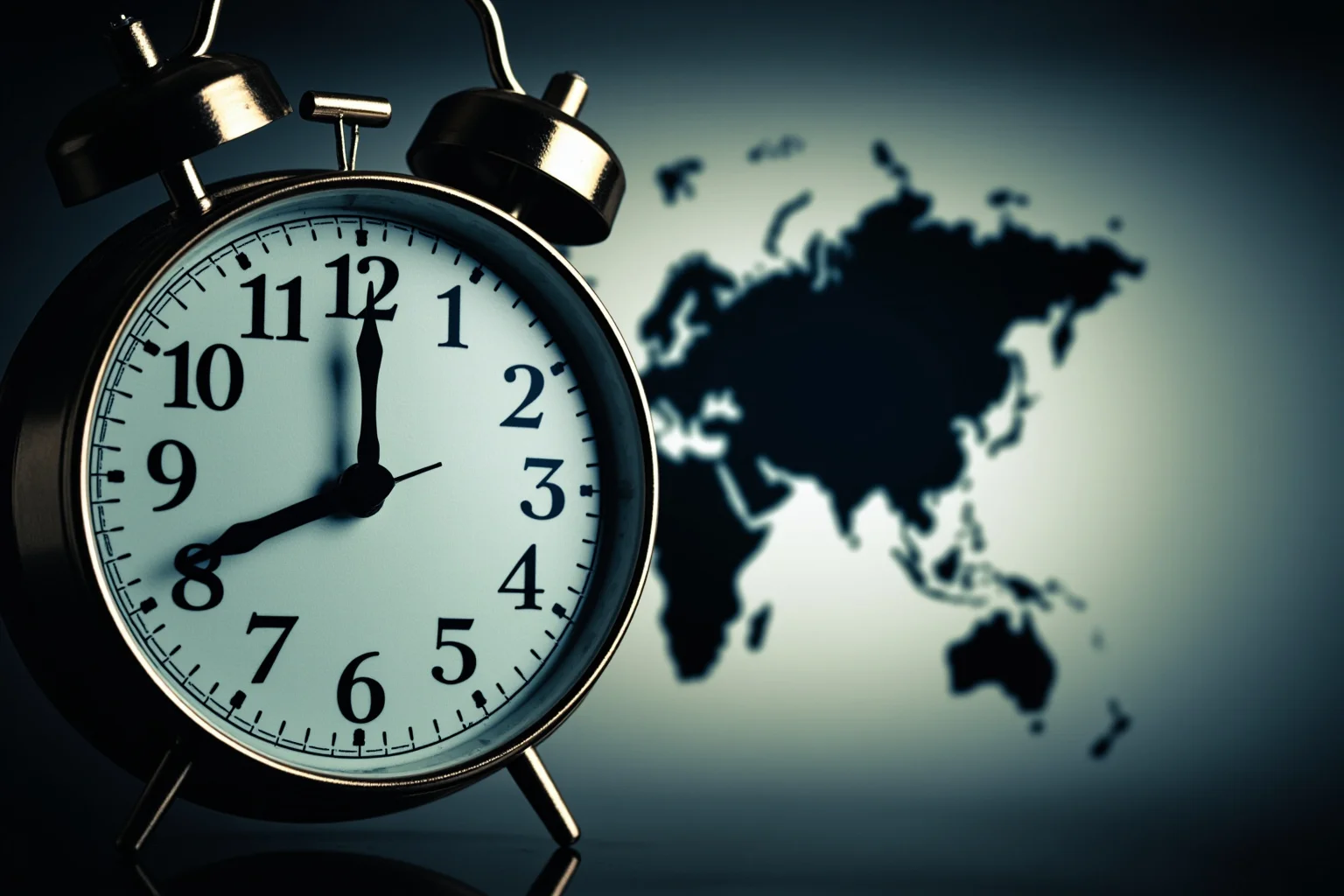
The Doomsday Clock, created in 1947 by atomic scientists, is not a prophecy but a symbolic measure of global risk. It has been moved closer to midnight during crises such as the Cuban Missile Crisis and the height of the Cold War.
Because the clock reflects expert judgment rather than foretelling, it belongs in a different category from mystical predictions. Yet it shows that serious warnings about the future can feel prophetic when events later turn dangerous.
What These Examples of Prophecies Really Tell Us
Across all 22 cases, a few patterns stand out. The predictions that seem most accurate are usually vague, poetic, or written down after the fact, while the precise ones tend to miss. That combination is exactly what we would expect if interpretation, not foresight, is doing the heavy lifting.
That does not mean the stories are worthless. They reveal what people feared, hoped for, and argued about in their own eras, and they show how communities use prophecy to make sense of chaos. The next time you see a prediction that came true, ask when it was recorded, how specific it was, and who benefited from the match.
Those three questions will separate the genuinely uncanny from the merely convenient. The best prophecy examples are not proofs of fate, but windows into how humans have always tried to read the future.
How to Evaluate a Prediction That Seems to Come True
Start by checking the date of the earliest surviving record. If the text only appears after the event, the prediction may be a retelling rather than a forecast, which is true of several cases above.
Next, look at how specific the language is. A line about a "great leader" or "a city in flames" can fit dozens of events, while a named person, place, and date is far harder to explain away.
Finally, consider the source and its incentives. Propaganda, entertainment, and religious argument have all produced predictions that were later presented as fulfilled, and knowing who benefits helps you read the claim clearly.
Conclusion: Fascinating Stories, Careful Reading
Prophecies that seemingly came true are some of history's best stories, and they deserve to be told well. From Delphi to The Simpsons, they show how deeply humans want the future to be legible, and how creatively we connect old words to new events.
The responsible approach is to enjoy the mystery without abandoning the evidence. Treat these famous predictions as cultural artifacts, appreciate the coincidences, and stay skeptical of anyone selling certainty about tomorrow.
Frequently Asked Questions
What is a good example of a prophecy that seems to have come true?
A well-known example of a prophecy is the Oracle of Delphi's advice to the Athenians to trust in a "wooden wall" before the Persian invasion of 480 BCE. Themistocles interpreted it as the Athenian fleet, Athens won the Battle of Salamis, and the prediction was declared fulfilled. The wording was ambiguous enough to fit several outcomes, which is typical of prophecies that seem accurate in hindsight.
Did Nostradamus really predict the future?
Nostradamus wrote thousands of deliberately obscure quatrains, and readers have matched them to events such as the death of Henry II and the Great Fire of London. However, the matches usually depend on interpretation after the fact, and the verses rarely name people, places, or dates clearly. Historians treat them as fascinating literature rather than reliable forecasts.
Is the Hanks prediction true?
No. Viral claims that Tom Hanks predicted a major disaster or political event are based on edited clips, misquoted interviews, or scenes taken out of context. In the most widely shared cases, the words are either not his or were never presented as a prediction, making the rumor a modern example of online prophecy culture.
Why do so many predictions seem to come true?
Three factors explain most cases: vague wording that can fit many events, records written or edited after the event, and human pattern-seeking known as apophenia. When you check the earliest surviving source and how specific the language is, most apparent prophecies become much less mysterious.
What are some famous predictions that came true in modern times?
H. G. Wells used the term "atomic bomb" in a 1914 novel decades before Trinity, and Jules Verne described a Florida launch and ocean splashdown a century before Apollo 11. Morgan Robertson's 1898 novel about a giant liner sinking after hitting an iceberg also closely resembles the Titanic disaster. These are best understood as speculative fiction and coincidence rather than genuine foreknowledge.

Alex Warren
Related Articles