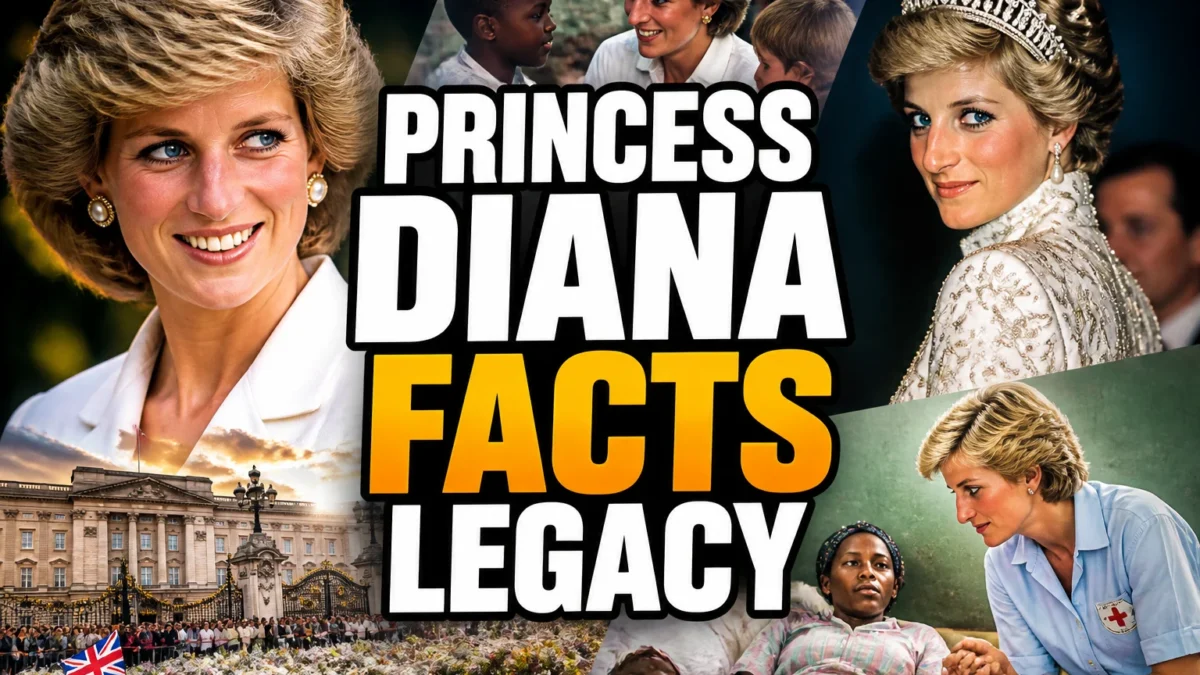
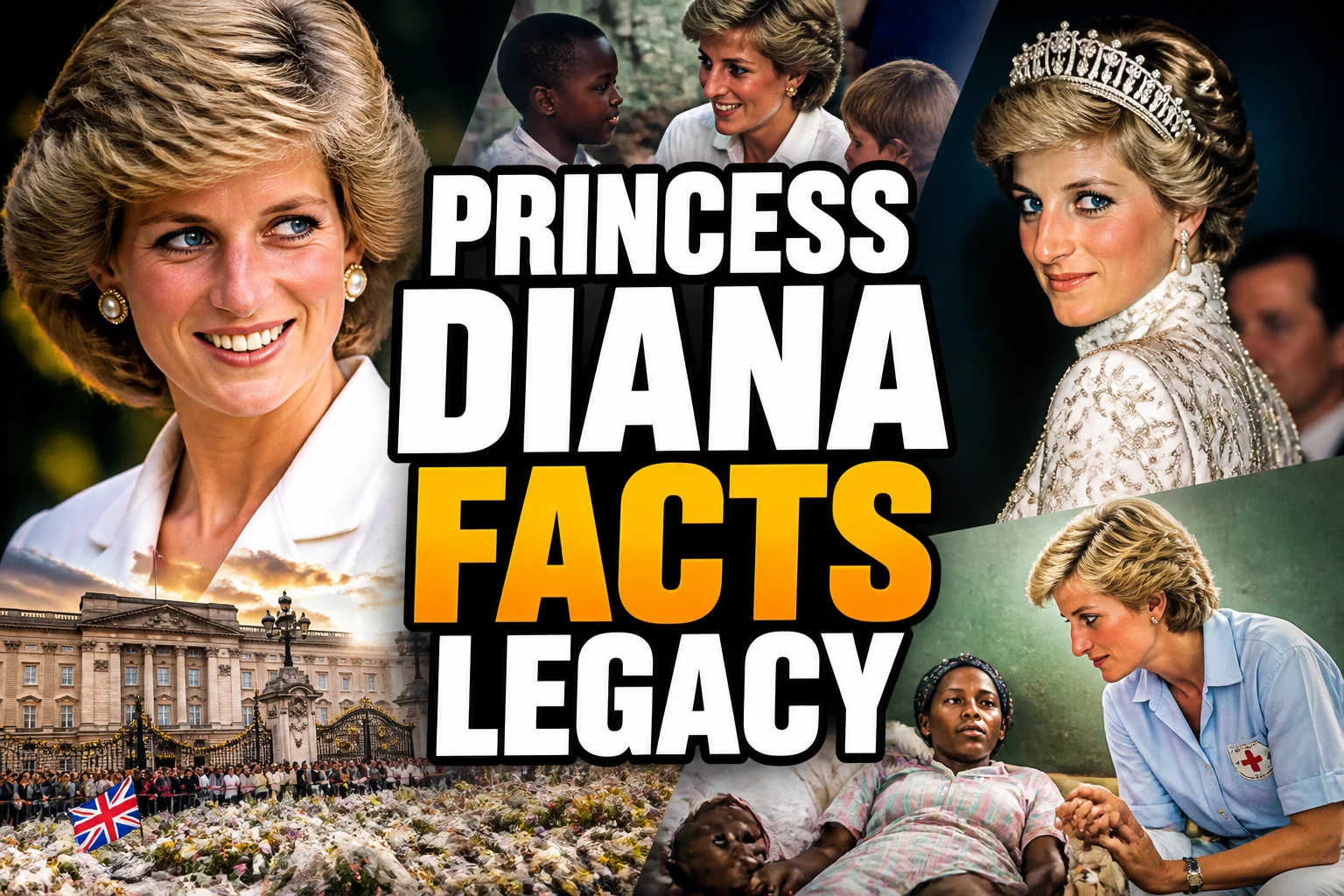
TL;DR: Princess Diana became one of the most famous and important figures of the 20th century by combining royal glamour with genuine compassion, using her platform to modernize the monarchy and champion causes that others ignored.
Few figures in modern history are recognized as instantly as Diana, Princess of Wales. More than a quarter-century after her death, people still ask what Princess Diana is famous for, why she mattered so much, and what made her so different from the royals who came before her. Her story is part fairy tale, part cautionary tale, and part blueprint for modern celebrity activism.
This post gathers 22 things to learn about Diana, from surprising fun facts about Princess Diana to the serious reasons why she is still studied, celebrated, and mourned today. Whether you are here for trivia or for a deeper understanding of her significance, there is something here for you.
Why Princess Diana Still Matters Today
Before diving into the list, it helps to understand the bigger picture. Diana was not important simply because she married a prince. She was important because she changed what a public figure could be, and because she used enormous fame to draw attention to people who had been overlooked.
That combination of glamour and empathy is why the question of why Princess Diana was significant still comes up in classrooms, documentaries, and casual conversation. Her influence outlasted her marriage, her title, and her life itself.
22 Things To Learn About Princess Diana
1. She Was Born Into an Aristocratic Family, Not a Royal One
Diana Frances Spencer was born on July 1, 1961, at Park House on the Sandringham estate in Norfolk. Her father, John Spencer, was a viscount and later the 8th Earl Spencer, which made her part of the British nobility but not the royal family. That distinction matters because it explains both her familiarity with palace life and her status as an outsider within it.
2. Her Childhood Was Marked by Instability

Her parents divorced in 1969 when Diana was just seven years old, an event that was rare and scandalous among the aristocracy at the time. She later described her childhood as unstable and recalled listening to her mother's footsteps on gravel during custody visits. These early experiences are often cited as a source of the empathy that defined her adult life.
3. She Was a Kindergarten Teacher Before She Was a Princess

Before her engagement, Diana worked as a nursery school assistant at the Young England School in Pimlico. She also cleaned houses and babysat for American families in London. This ordinary work history made her unusually relatable for someone about to enter the royal family.
4. She Met Prince Charles When She Was a Teenager
The two first met in 1977 when Charles was dating her older sister, Sarah. Diana was only 16 at the time. Their formal courtship began years later, and Charles proposed in February 1981 after what many observers considered a very short period of getting to know each other.
5. Her Engagement Ring Was Not a Custom Royal Heirloom
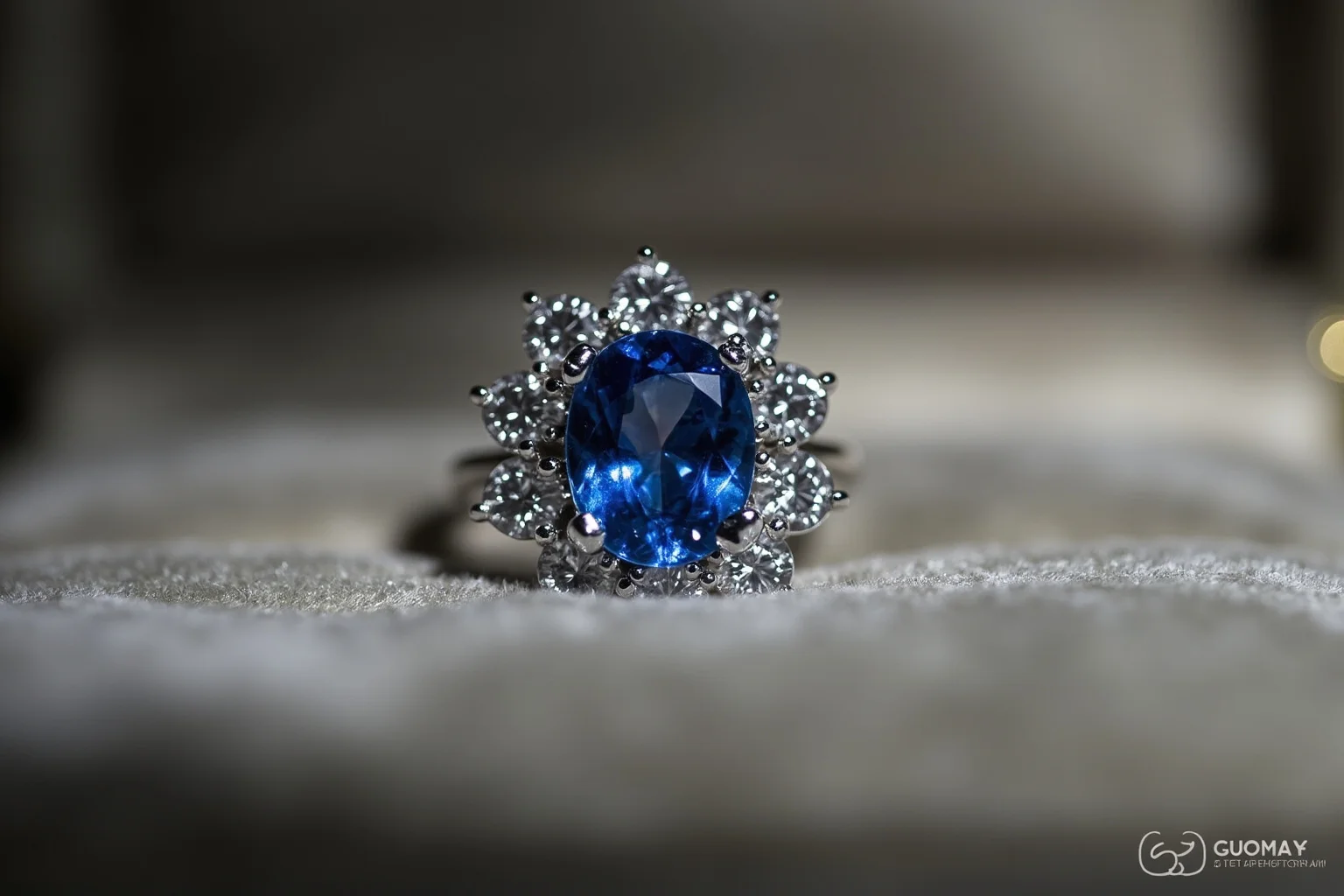
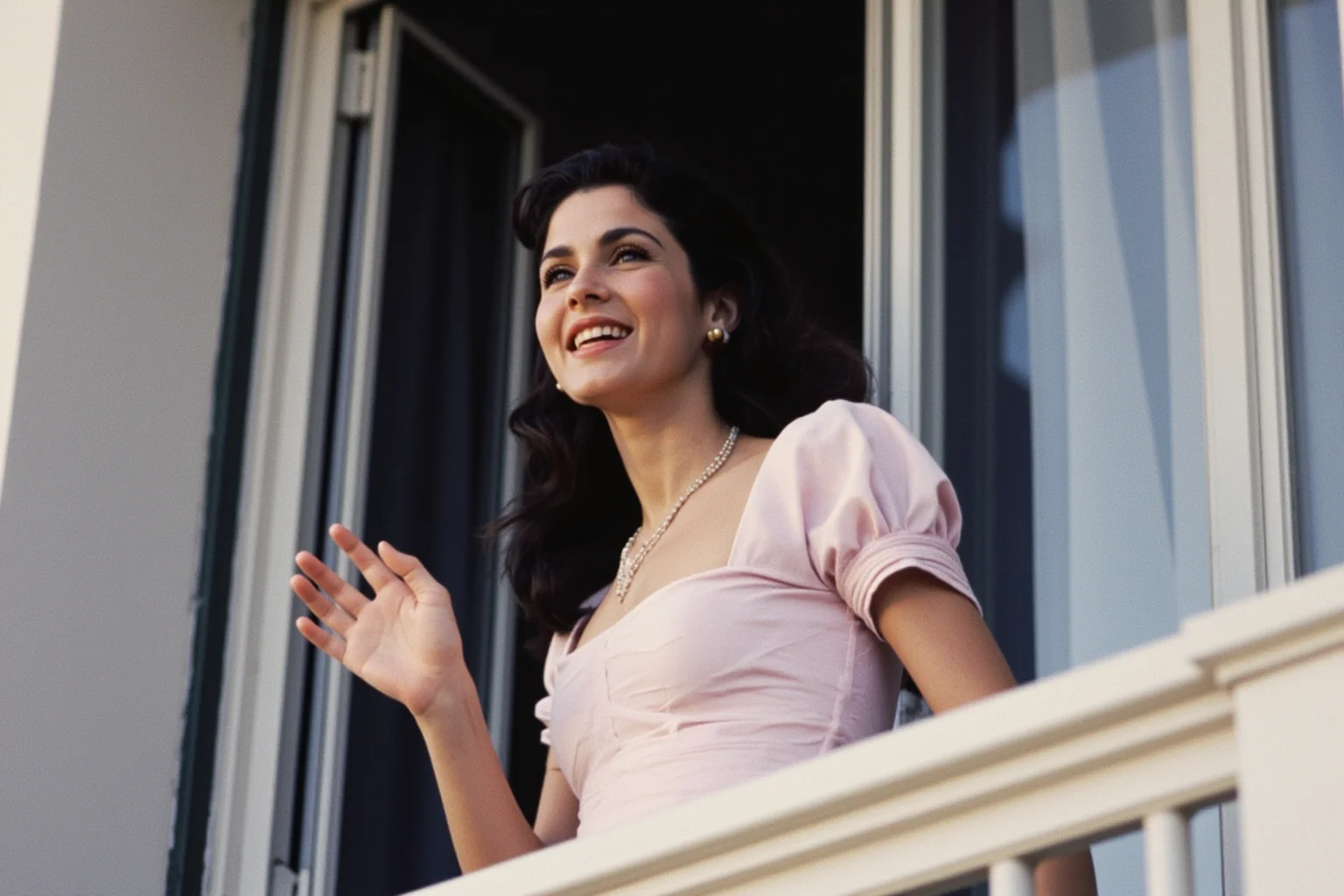
Diana chose a 12-carat oval sapphire surrounded by diamonds from a Garrard catalog, rather than having a ring custom-made. It was a bold and unconventional choice at the time, and it became one of the most recognizable pieces of jewelry in the world. The ring now belongs to Catherine, Princess of Wales.
6. The 1981 Royal Wedding Was a Global Television Event
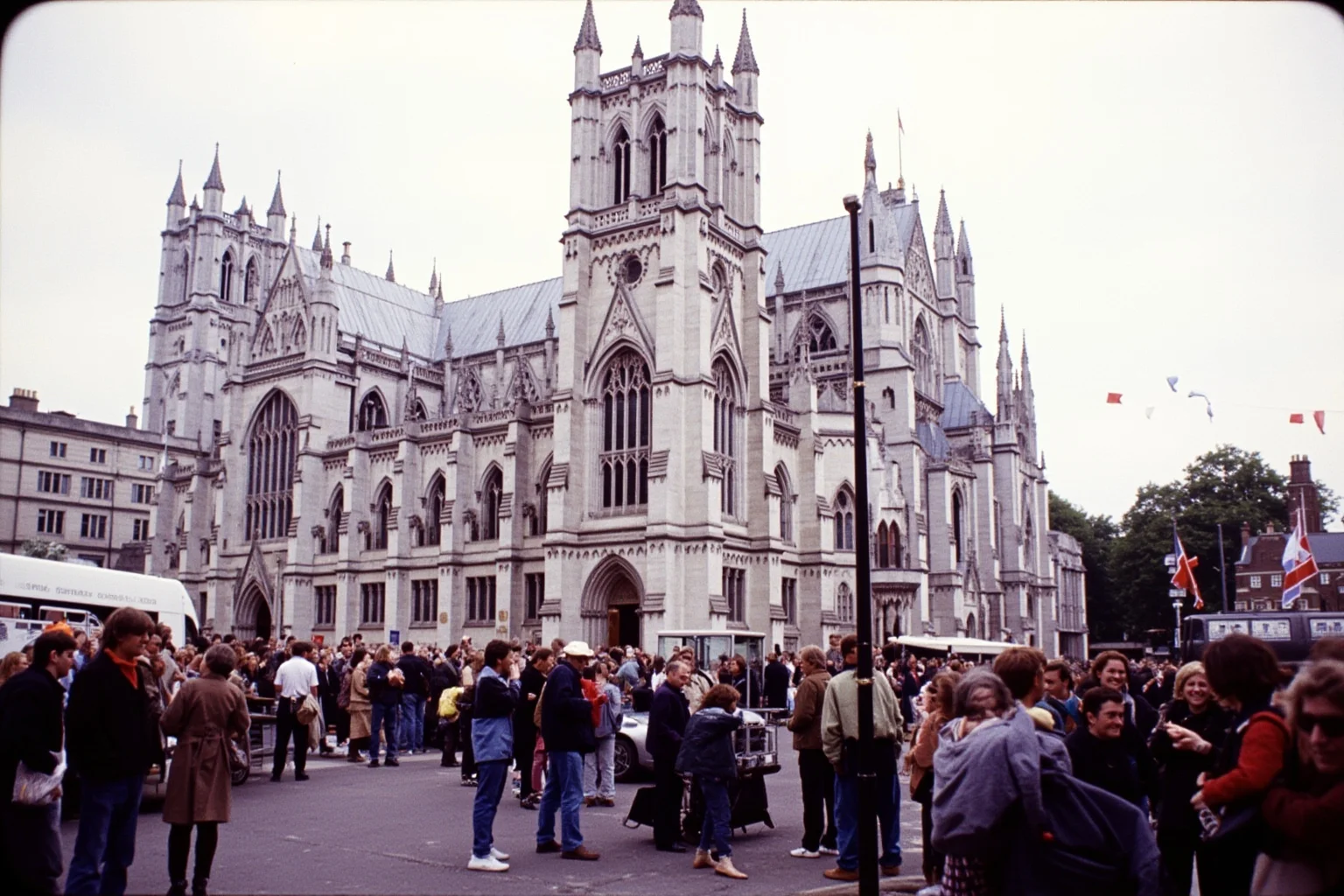
Diana and Charles married on July 29, 1981, at St Paul's Cathedral. An estimated 750 million people around the world watched the ceremony on television. The event cemented her status as a global celebrity almost overnight, before she had done any of the charity work she is now remembered for.
7. She Was Only 20 When She Became Princess of Wales

Diana was just 20 years old when she married, and she turned 21 later that year. She was expected to master royal protocol, represent the monarchy internationally, and produce an heir, all while under relentless media scrutiny. Many historians argue that this pressure was an enormous burden for someone so young.
8. She Redefined What a Royal Appearance Could Look Like

Diana was famous for her fashion, from the "revenge dress" to her athletic casual wear, but her style mattered beyond aesthetics. She used clothing to communicate confidence, accessibility, and sometimes quiet defiance. Her wardrobe became a form of public messaging in an era before social media existed.
9. She Was a Hands-On Mother

Diana famously insisted on taking William and Harry on school runs, to theme parks, and on public transport when possible. She wanted them to experience ordinary life rather than a purely sheltered royal existence. Both of her sons have credited her with shaping their views on normalcy and public service.
10. She Broke Royal Taboos Around Physical Affection

In a family known for formal handshakes, Diana was often seen hugging and kissing her children in public. She also knelt to speak with children at eye level rather than talking down to them. These small gestures were quietly revolutionary in the context of the British monarchy.
11. She Shook Hands With an AIDS Patient in 1987

At a time when misinformation about HIV and AIDS was rampant, Diana was photographed shaking hands with a man living with AIDS without wearing gloves. The image was broadcast worldwide and helped challenge the false belief that the virus could be spread by casual contact. Many health advocates credit her with reducing stigma at a critical moment.
12. She Campaigned Against Landmines in Angola

In January 1997, Diana walked through a partially cleared minefield in Angola to draw attention to the danger of landmines. Her advocacy is widely credited with helping build momentum for the Ottawa Treaty, which bans anti-personnel mines. The treaty was signed later that year, months after her death.
13. She Was a Patron of Over 100 Charities

At various points, Diana served as patron or president of more than 100 charitable organizations. Her focus areas included homelessness, children's health, leprosy, and mental health. She was known for visiting organizations quietly and without press, and for staying in touch with people she met.
14. She Spoke Openly About Her Struggles

In her 1995 BBC Panorama interview, Diana spoke candidly about depression, bulimia, and the breakdown of her marriage. While the interview itself is now the subject of controversy and an independent inquiry, it remains a landmark moment in royal history. It was one of the first times a senior royal had publicly discussed mental health.
15. She Was a Devoted Godmother and Aunt

Diana had many godchildren and was known for remembering birthdays, sending handwritten notes, and attending family events. Friends described her as a loyal and thoughtful presence behind the scenes, far from the glamorous image the press often projected.
16. She Loved Dance, Music, and Practical Jokes

Diana reportedly loved ballet and once surprised guests by dancing on stage with Wayne Sleep at the Royal Opera House. She also enjoyed pop music, watching soap operas, and playing pranks on friends and staff. These lighter details are part of why so many people felt they knew her.
17. She Was a Trendsetter in Hair and Fashion
Her short, feathered hairstyle became one of the most copied looks of the 1980s and 1990s. Diana's fashion choices influenced designers, high street trends, and the way royal women dressed for decades afterward. Even her workout clothes and casual outfits became style references.
18. She Was Known for Her Warmth With Strangers
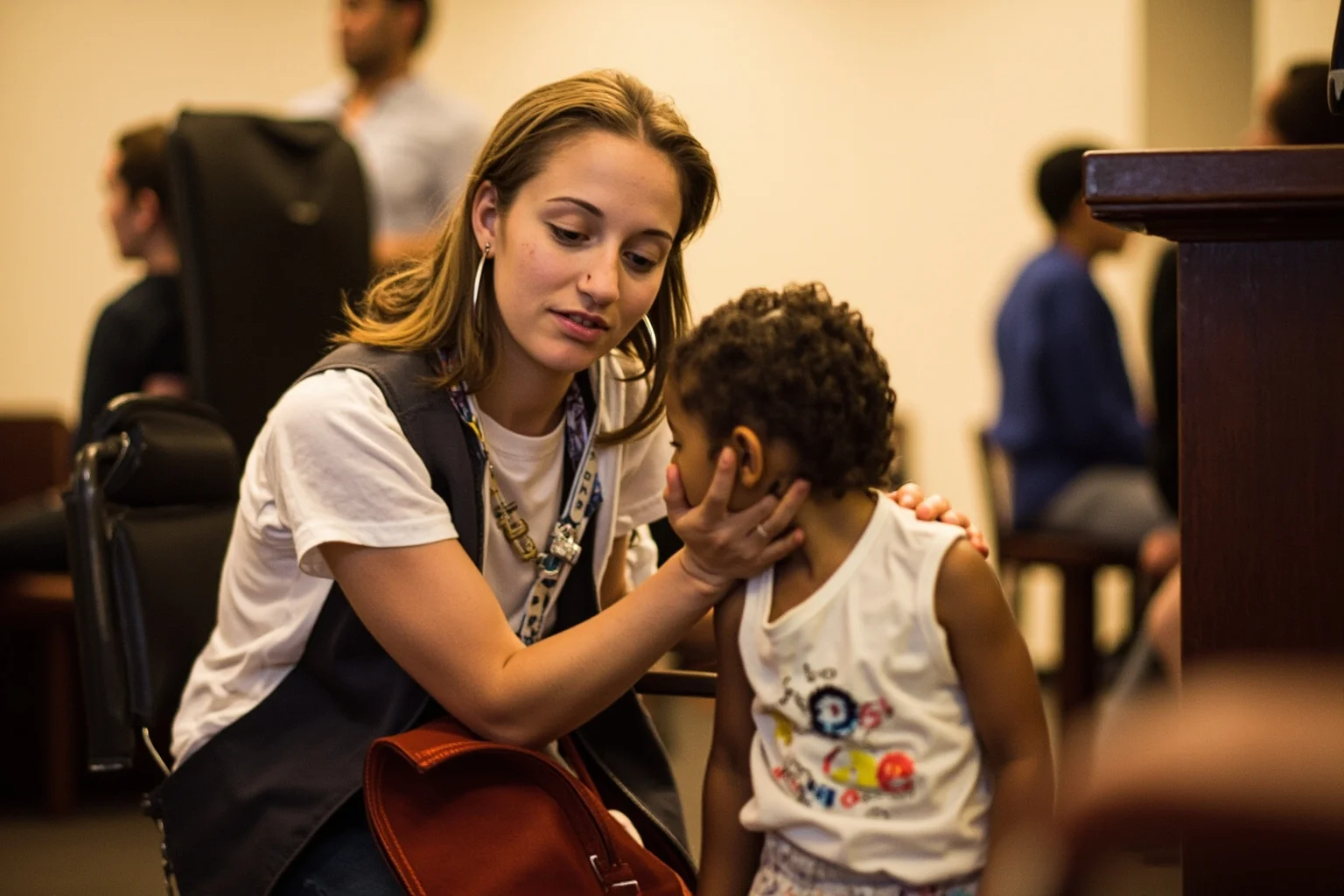
Diana was famous for crouching down to talk to children, comforting patients, and breaking the ice with jokes. She often spent far longer than scheduled on walkabouts because she wanted to speak with as many people as possible. Her ability to make individuals feel seen was central to her public appeal.
19. Her Divorce Was a Global News Event

Diana and Charles separated in 1992 and divorced in 1996. The dissolution of the marriage was covered obsessively by the press and raised difficult questions about the monarchy's relationship with the media. Diana retained the title Diana, Princess of Wales, but lost the style of Royal Highness.
20. She Remained a Global Humanitarian After the Divorce
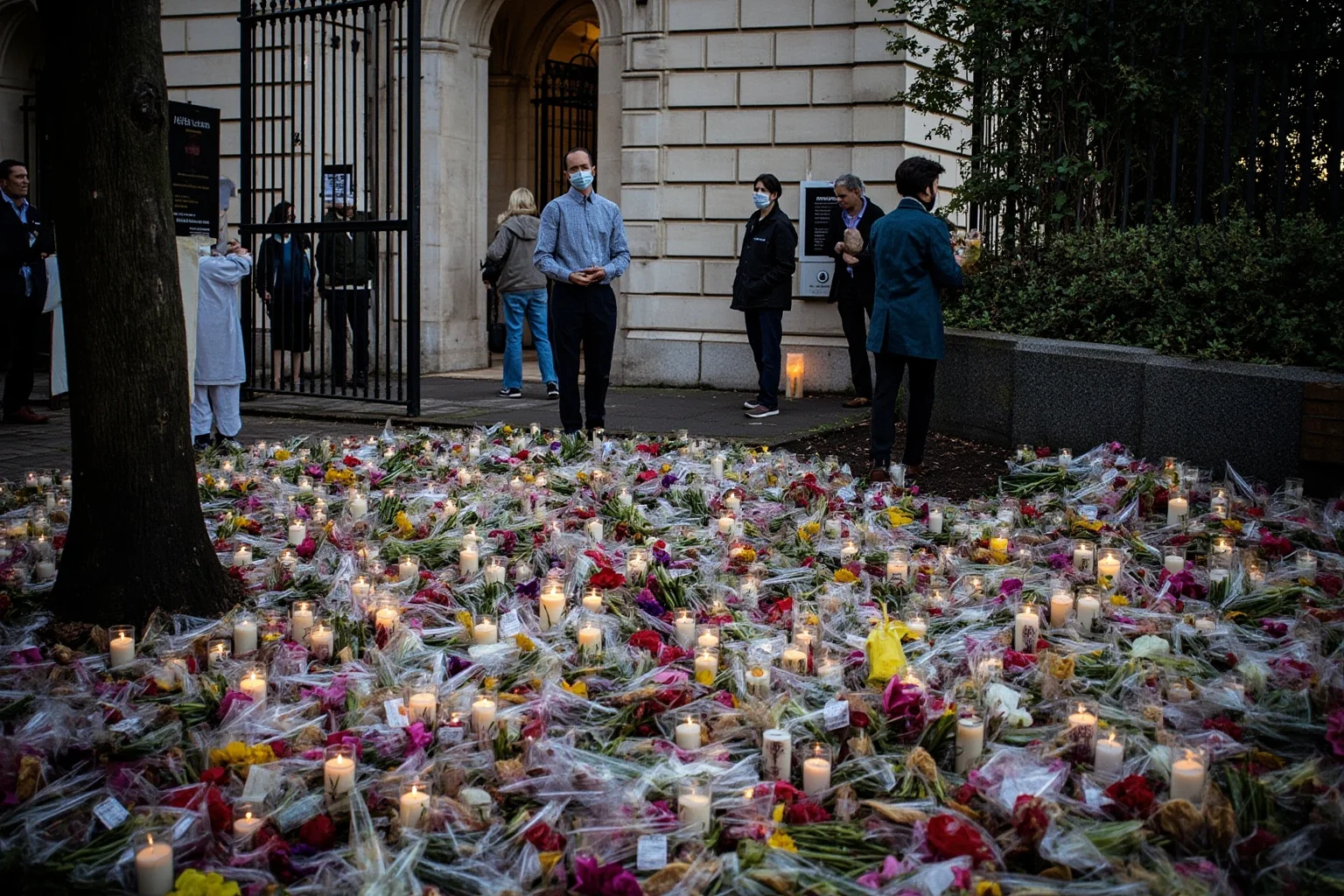
After stepping back from many royal duties, Diana continued her charity work, including campaigns on leprosy, homelessness, and children's issues. She also travelled to Bosnia and other regions affected by conflict. Her post-divorce years showed that her influence was not dependent on her marriage.
21. Her Death Sparked an Unprecedented Public Reaction

Diana died on August 31, 1997, after a car crash in Paris. Millions of people lined the streets of London for her funeral, and an estimated 2.5 billion people watched the service on television. The public outpouring of grief was unlike anything seen before for a member of the royal family.
22. Her Legacy Continues Through Her Sons and Their Foundations

Prince William and Prince Harry have both spoken about the lasting influence of their mother. They have supported causes she cared about, including mental health, homelessness, and support for children and young people. The Diana Award, established in her memory, recognises young people who create positive social change.
What Is Princess Diana Famous For?
If you had to answer the question of what Princess Diana is famous for in a single sentence, it would be this: she was a royal who used her fame to help people who were ignored. That combination of celebrity and compassion is why she is remembered as the "People's Princess."
She is also famous for her fashion, her troubled marriage, and her tragic death. But those details alone do not explain why she still appears in headlines, documentaries, and school projects decades later. The deeper reason is that she changed expectations for what public figures could and should do.
Why Is Princess Diana So Important?
Diana was important because she modernized the public role of the monarchy. She showed that royals could be warm, emotional, and openly supportive of marginalized groups without losing public respect. In doing so, she made the institution more human in the eyes of many people.
She was also important because she raised awareness of specific issues that had been neglected. Her work on HIV/AIDS, landmines, leprosy, homelessness, and mental health helped shift public attitudes and, in some cases, government policy. Those are concrete outcomes, not just nice gestures.
Character Traits of Princess Diana
People often ask about the character traits of Princess Diana, and the answers are fairly consistent across biographies and interviews. She was empathetic, stubborn, charming, and surprisingly resilient. She was also known to be emotionally open, which could be both a strength and a vulnerability in the royal environment.
Friends and aides frequently described her as playful, loyal, and impatient with formality. She had a strong sense of injustice and often reacted emotionally to suffering she witnessed. At the same time, she could be guarded, and she struggled with the constant media attention.
Important Facts About Princess Diana: A Quick Recap
To summarise the most important facts about Princess Diana: she was born in 1961, married Prince Charles in 1981, had two sons, divorced in 1996, and died in 1997. She supported over 100 charities and became one of the most photographed people in the world. Her funeral was watched by an estimated 2.5 billion people.
Beyond dates and numbers, the most important fact is that her influence did not end with her life. Her sons, her charity legacy, and the ongoing public fascination with her story all show that her impact was structural, not just personal. That is why she remains a subject of serious historical study.
Why Was Princess Diana So Famous?
Diana was so famous because she arrived at a moment when global media was expanding rapidly. Satellite television, tabloid newspapers, and later the internet made her image available everywhere. She was also visually striking, emotionally expressive, and willing to engage with the press in ways that other royals avoided.
Her fame was also fueled by the contrast between her public warmth and her private struggles. That tension made her story compelling in a way that pure glamour never could. People felt they knew her, and that sense of intimacy is rare for any public figure.
Princess Diana Interesting Facts You Might Not Know
Among the princess diana interesting facts that often surprise people: she was a certified nursery school assistant, she chose her own engagement ring from a catalog, and she once danced on stage with a professional ballet dancer. She was also a fan of pop music and reportedly enjoyed watching soap operas.
Another lesser-known detail is that she was a strong swimmer and enjoyed water sports. She also had a mischievous sense of humor and was known for practical jokes. These small details help explain why she felt so human to so many people.
Why Was Princess Diana Significant Beyond the Monarchy?
Diana's significance extended beyond the royal family because she changed how public figures talk about suffering. Her willingness to discuss her own mental health and eating disorder helped reduce shame for countless people. That kind of openness was not common among public figures in the 1990s.
She also demonstrated that celebrity could be used for advocacy without becoming purely performative. Her landmine walk and her AIDS work were specific, targeted, and effective. They showed that fame could be a tool for change rather than just a source of attention.
Common Myths and Misconceptions About Diana
One myth is that Diana was simply a passive victim of the royal system. In reality, she made deliberate choices about her public image, her charity work, and her relationships with the press. She was far more strategic than the fairy-tale narrative suggests.
Another myth is that everything reported about her private life is accurate. Many claims come from anonymous sources, tabloid reporting, or disputed interviews. Historians continue to debate key events, and it is wise to treat dramatic claims with caution.
Diana's Lasting Impact on the Royal Family
The royal family has changed in visible ways since Diana's time. Younger royals are more likely to show physical affection in public, speak about mental health, and engage with social media. While these shifts have many causes, Diana is widely seen as an early catalyst.
Her sons have also carried forward specific causes, including mental health campaigns and support for homeless charities. That continuity suggests her influence was not a passing moment but a lasting shift in how the monarchy connects with the public.
How To Learn More About Princess Diana
If you want to go deeper, start with well-sourced biographies and documentaries rather than tabloid summaries. Look for works that distinguish between verified facts and contested claims. Primary sources like contemporary news reports can also be useful for context.
Museums and exhibitions, including displays at royal residences, have featured her dresses and personal items. These can give a sense of the scale of her public life and the craftsmanship behind her image. They also help separate the person from the mythology.
Final Thoughts on the People's Princess
Diana, Princess of Wales, remains one of the most studied and beloved figures of the modern era. She was famous for her style, her marriage, and her tragedy, but she was important for her empathy and her willingness to challenge convention. That is why questions about what Princess Diana is known for still have rich, layered answers.
Her story is a reminder that public influence does not have to come from formal power. It can come from kindness, consistency, and the courage to speak about things others avoid. More than 25 years after her death, that lesson still resonates.
Frequently Asked Questions
What is Princess Diana famous for?
Princess Diana is famous for combining royal celebrity with humanitarian work. She raised global awareness of HIV/AIDS, landmines, homelessness, and mental health, and she was known for her warmth, fashion, and turbulent marriage to Prince Charles. Her charity work and public empathy earned her the nickname "The People's Princess."
Why is Princess Diana so important?
Diana was important because she modernized the public role of the British monarchy. She used her fame to support over 100 charities, helped reduce stigma around HIV/AIDS and mental health, and campaigned against landmines. Her openness and empathy changed expectations for what public figures could do.
What are some fun facts about Princess Diana?
Diana worked as a kindergarten assistant before marrying, chose her engagement ring from a catalog rather than a custom royal design, and once danced on stage with a professional ballet dancer. She also loved pop music, practical jokes, and watching soap operas.
What character traits did Princess Diana have?
She was widely described as empathetic, charming, stubborn, playful, and resilient. She was emotionally open and had a strong sense of injustice, which drove her charity work. At the same time, she could be guarded and struggled with constant media attention.
Why was Princess Diana significant beyond the royal family?
Her significance went beyond the monarchy because she changed how public figures discuss suffering and mental health. Her AIDS and landmine advocacy had concrete policy impact, and her openness about her own struggles helped reduce shame for many people.
What is Princess Diana known for in terms of charity work?
She was a patron of more than 100 charities and focused on HIV/AIDS, leprosy, homelessness, children's health, and landmine awareness. Her 1987 handshake with an AIDS patient and her 1997 walk through an Angolan minefield are among her most remembered humanitarian moments.

Alex Warren
Related Articles