Few Roman emperors carry a reputation as lurid as Caligula's. His name has become shorthand for madness, excess, and cruelty, yet much of what people think they know comes from hostile ancient writers who wrote decades after his death. Separating the man from the myth is one of the most fascinating puzzles in Roman history.
This list digs into 20 facts about Caligula, covering his strange childhood, his early reign, his supposed scandals, and the genuine accomplishments that often get buried under the gossip. Along the way, we'll flag which stories are well attested and which are likely exaggeration.
TL;DR: Caligula's reign began with enormous public goodwill and real administrative achievements, but a mix of personal tragedy, political conflict, and hostile ancient sources turned him into history's favorite mad emperor.
1. His Nickname Means "Little Boot"
Caligula was not his birth name. He was born Gaius Julius Caesar Germanicus in AD 12, and the nickname came from his childhood on the Roman frontier.
As a toddler, he was dressed in a miniature soldier's uniform, including the caligae, the heavy sandals worn by legionaries. The troops adored the sight and started calling him Caligula, meaning "little boot." The name stuck for life, though it was originally an affectionate camp nickname rather than an official title.
2. He Grew Up in a Military Camp
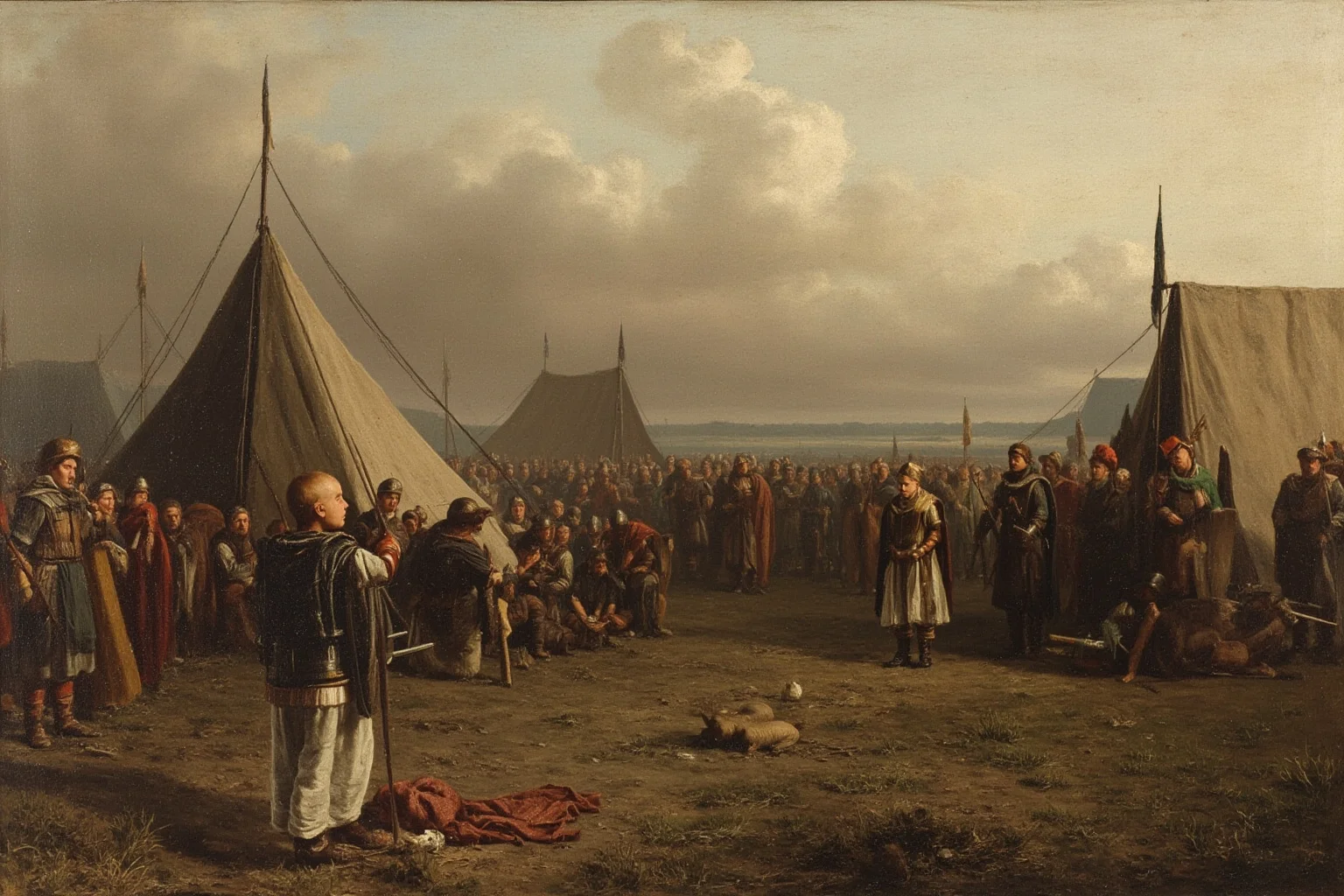
His father, Germanicus, was one of Rome's most beloved generals, and young Gaius spent his early years among soldiers on the Rhine. This was highly unusual for a Roman aristocrat's child.
The experience shaped him in two ways. He learned how soldiers talked, joked, and thought, which made him popular with the army later. He also grew up surrounded by the political intrigue that would eventually destroy his family.
3. His Family Was Nearly Wiped Out
Germanicus died under suspicious circumstances in AD 19, possibly poisoned. His widow, Agrippina the Elder, was convinced the emperor Tiberius was responsible, and she said so openly.
That accusation set off a chain of disasters. Agrippina and her eldest son, Nero Caesar, were exiled and died in captivity, and another brother, Drusus, was starved to death in prison. Caligula survived partly because he was young and partly because he learned to hide his feelings.
4. He Was Essentially a Hostage of Tiberius

After his mother's fall, Caligula was summoned to live with Tiberius on the island of Capri. Ancient sources describe this period as a kind of gilded captivity.
He was treated as an heir but watched constantly, and he later claimed he had to suppress his true opinions to stay alive. Whatever the truth, the years on Capri gave him an unmatched education in how imperial power actually worked.
5. He Was a Skilled Orator and Writer
Roman sources agree that Caligula was intelligent, quick-witted, and a gifted public speaker. He reportedly wrote speeches for other politicians and could deliver them with real force.
The historian Suetonius, who is deeply hostile to Caligula, still admits he had considerable natural talent. This is one of the clearest examples of a genuine Caligula accomplishment that gets overshadowed by his later reputation.
6. His Accession Was Wildly Celebrated

When Tiberius died in AD 37, Caligula was 24 years old and became sole emperor with almost no opposition. The reaction in Rome was euphoric.
People had endured years of Tiberius's grim and suspicious rule, and Caligula looked like a breath of fresh air. Crowds reportedly followed him everywhere, and the Senate granted him sweeping powers almost immediately. This early popularity is a crucial fact about Caligula that most people never hear.
7. He Started His Reign With Genuine Reforms
Caligula's first months in power were marked by popular gestures rather than cruelty. He recalled exiles, published the imperial accounts, and held public games at his own expense.
He also abolished some of Tiberius's unpopular taxes and restored elections to the assemblies. These moves won him enormous goodwill and show that the "mad emperor" image took time to develop.
8. He Paid for Public Entertainment Personally
One of Caligula's early choices was to fund gladiatorial games and theatrical shows from his own purse rather than the treasury. Romans saw this as generosity, not extravagance.
He also staged chariot races and beast hunts on a lavish scale. For a population used to bread and circuses, this was exactly what a good emperor was supposed to do.
9. He Built Major Public Works
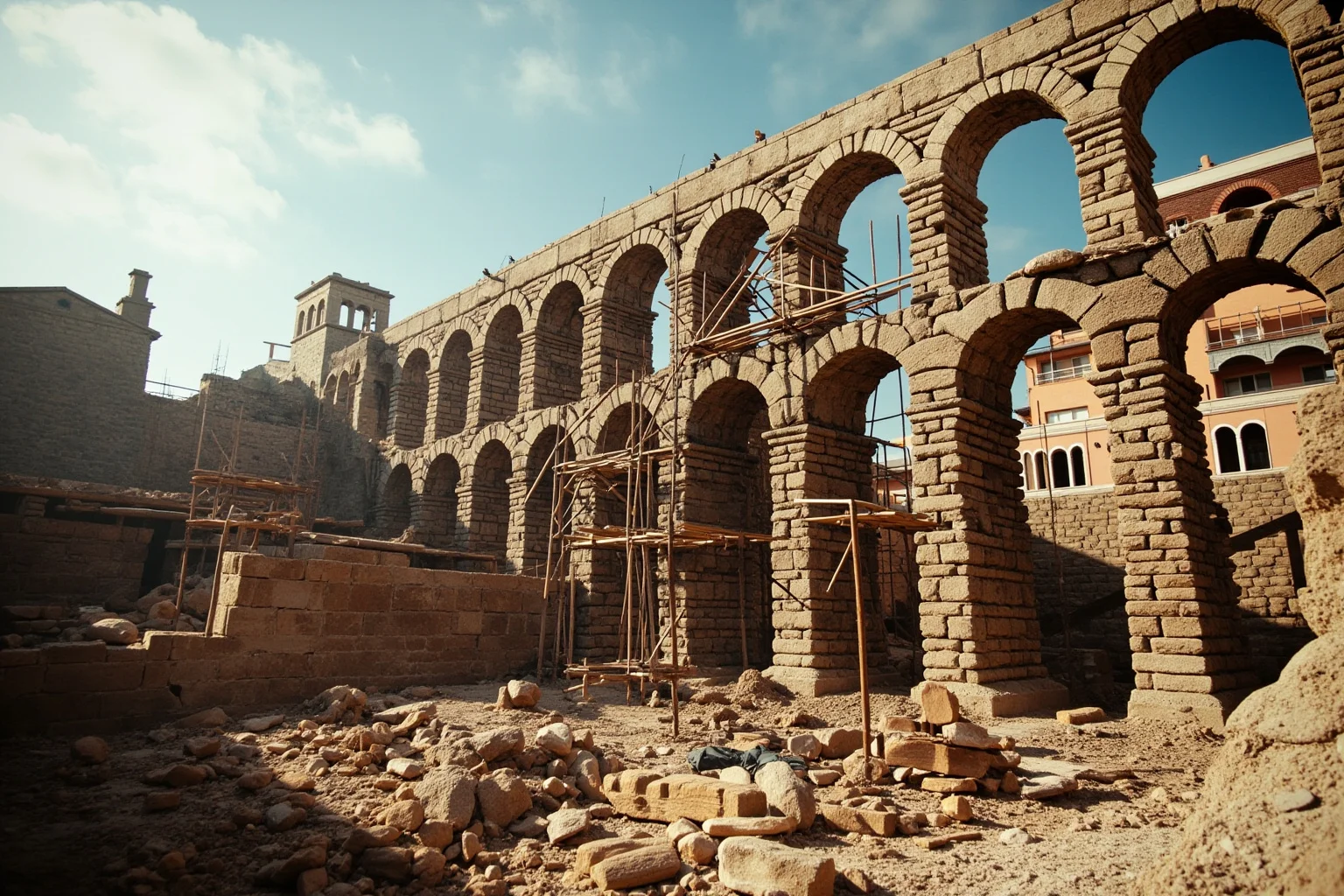
Among Caligula's achievements were substantial infrastructure projects. He completed the Temple of Augustus and began work on two new aqueducts, the Aqua Claudia and the Anio Novus.
Both aqueducts were finished under his successor Claudius, but the planning and early construction were Caligula's. He also improved the harbors at Rhegium and Sicily, which helped grain shipments reach Rome more reliably.
10. He Annexed Mauretania
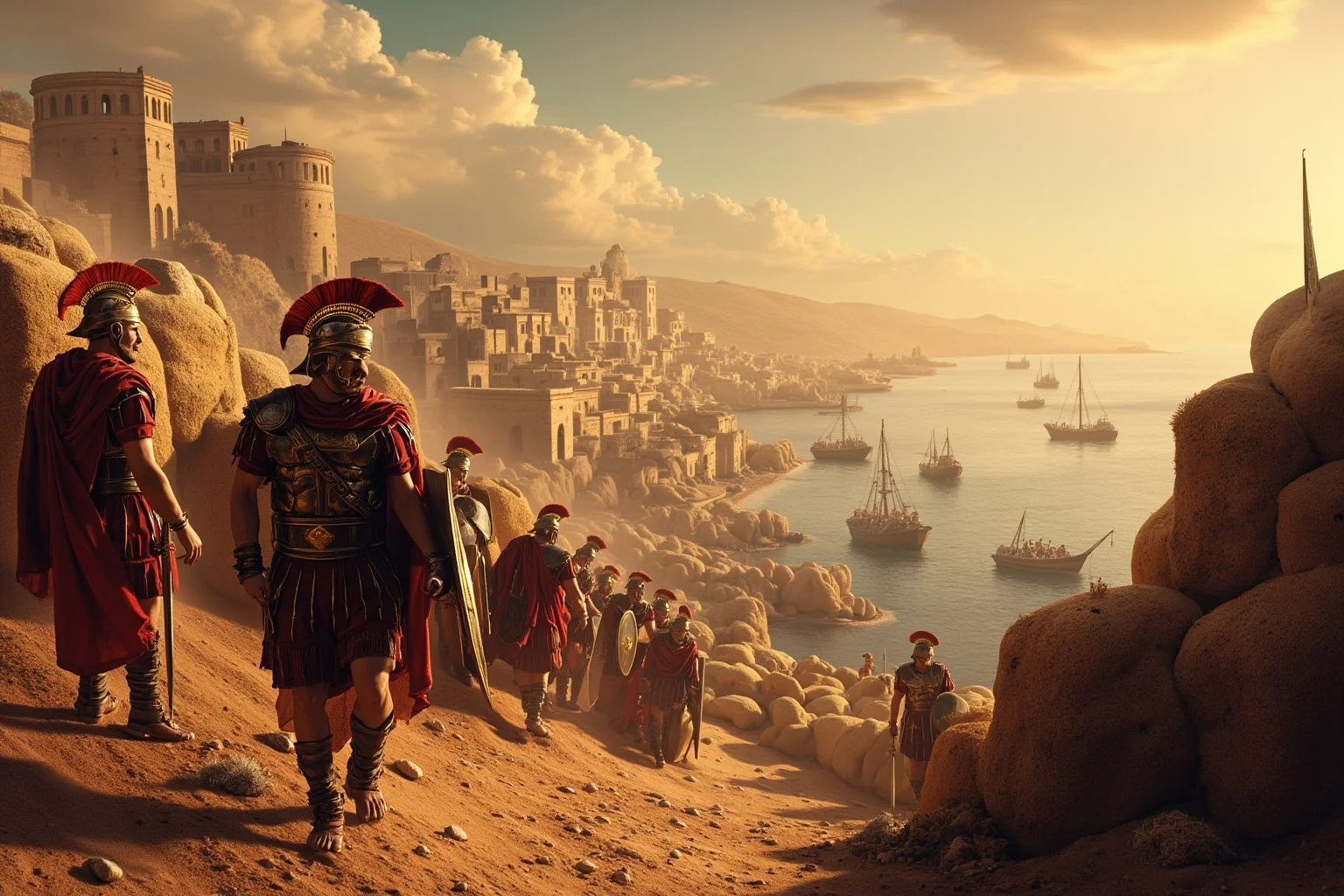
In North Africa, Caligula ordered the annexation of Mauretania after its king, Ptolemy, was executed. The territory was divided into two provinces.
This expansion was strategically significant. It secured Rome's western grain supply and extended Roman control along the African coast, which is a real Caligula accomplishment often left out of the sensational stories.
11. His Bridge Stunt Was Probably a Military Message
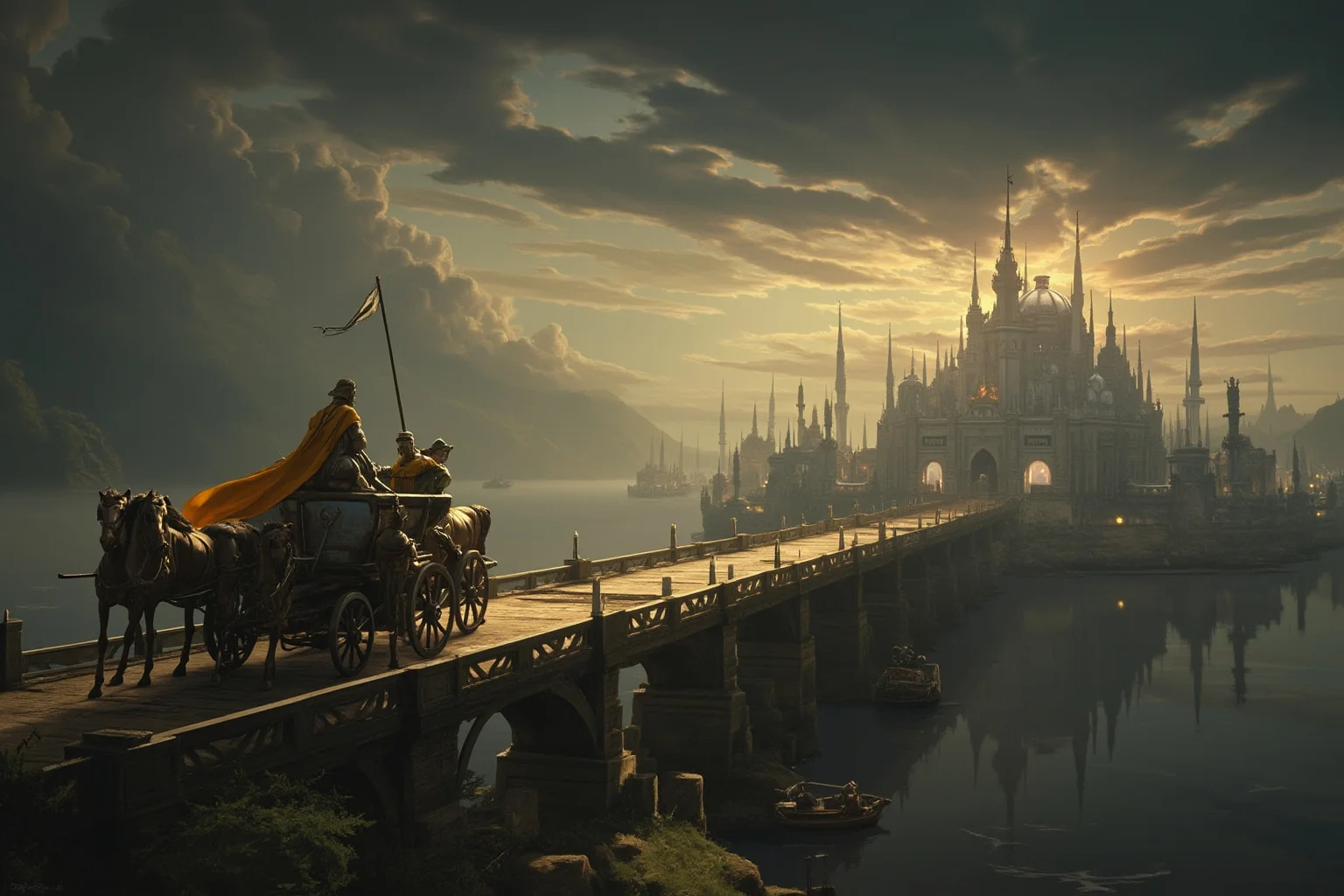
Caligula's most famous spectacle was a bridge of boats built across the Bay of Baiae, which he supposedly crossed in a chariot while wearing a golden cloak. The story is usually told as proof of insanity.
Some historians offer a different reading. The bridge may have been a demonstration of Roman engineering and a symbolic claim of mastery over the sea, echoing Persian royal traditions. Whether it was madness or propaganda, it was certainly expensive.
12. He Was Accused of Extravagance, Not Just Cruelty
Ancient writers pile on Caligula for spending money wildly, and there is likely some truth to it. He funded games, building projects, and personal luxuries at a pace the treasury could not sustain.
When funds ran low, he turned to confiscations and forced loans from wealthy Romans. This financial pressure, more than simple insanity, helps explain why the elite turned against him.
13. His Relationship With the Senate Collapsed
Caligula's early cooperation with the Senate did not last. He increasingly treated senators with contempt, and they in turn plotted against him.
Several conspiracies formed during his reign, and he responded with executions and humiliation of prominent men. The feud with the Senate is one of the most important Caligula emperor facts, because it explains how his reputation was written by his enemies.
14. He Claimed Divine Honors While Alive
Caligula is often said to have declared himself a god. The reality is more complicated.
He did accept divine honors in some eastern provinces, where ruler cult was already normal, and he reportedly identified himself with gods like Jupiter in certain settings. But treating this as straightforward madness ignores how Roman religion and politics intertwined, and how earlier emperors had already blurred the line.
15. He Was Devoted to His Sisters Early On

Caligula showed unusual public affection for his three sisters, Agrippina the Younger, Julia Drusilla, and Julia Livilla. He granted them privileges normally reserved for Vestal Virgins and had them named in oaths.
His favorite was Drusilla, and her death in AD 38 hit him hard. He mourned her extravagantly and had her declared a goddess, a move that shocked even sympathetic observers.
16. The Incest Rumors Are Unproven
The most notorious charge against Caligula is that he had sexual relationships with his sisters. Ancient sources repeat this, but they are uniformly hostile and writing decades later.
No independent evidence confirms it, and some historians treat it as political smearing. It is a good example of why "facts about Caligula" need careful handling: repetition in ancient texts is not the same as proof.
17. What He Did to Women Was Often Political
Asking what Caligula did to women usually leads to stories of seduction and scandal, but the pattern is more political than romantic. He took other men's wives, humiliated senators through their female relatives, and used marriages as tools of alliance and control.
He married four times, and at least one marriage was annulled quickly for political reasons. His treatment of women reflected the brutal power dynamics of the imperial court rather than simple lust.
18. He Loved Spectacle and Public Appearances
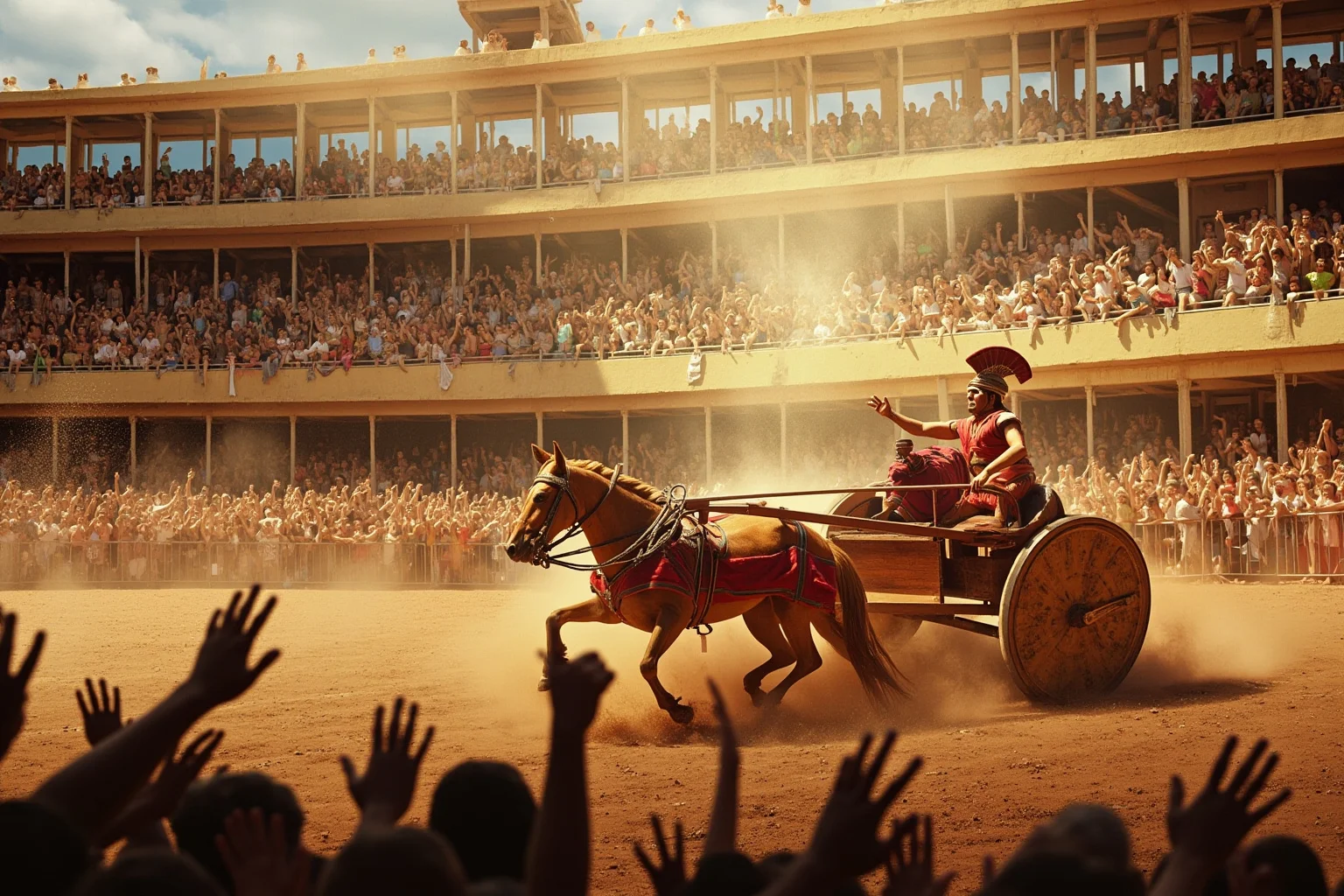
Caligula understood that emperors ruled as much through image as through law. He appeared in public often, dressed elaborately, and staged events designed to be remembered.
He also loved chariot racing and was reportedly a skilled charioteer himself. This appetite for performance made him popular with ordinary Romans even as it alienated the elite.
19. He Was Assassinated by His Own Guards
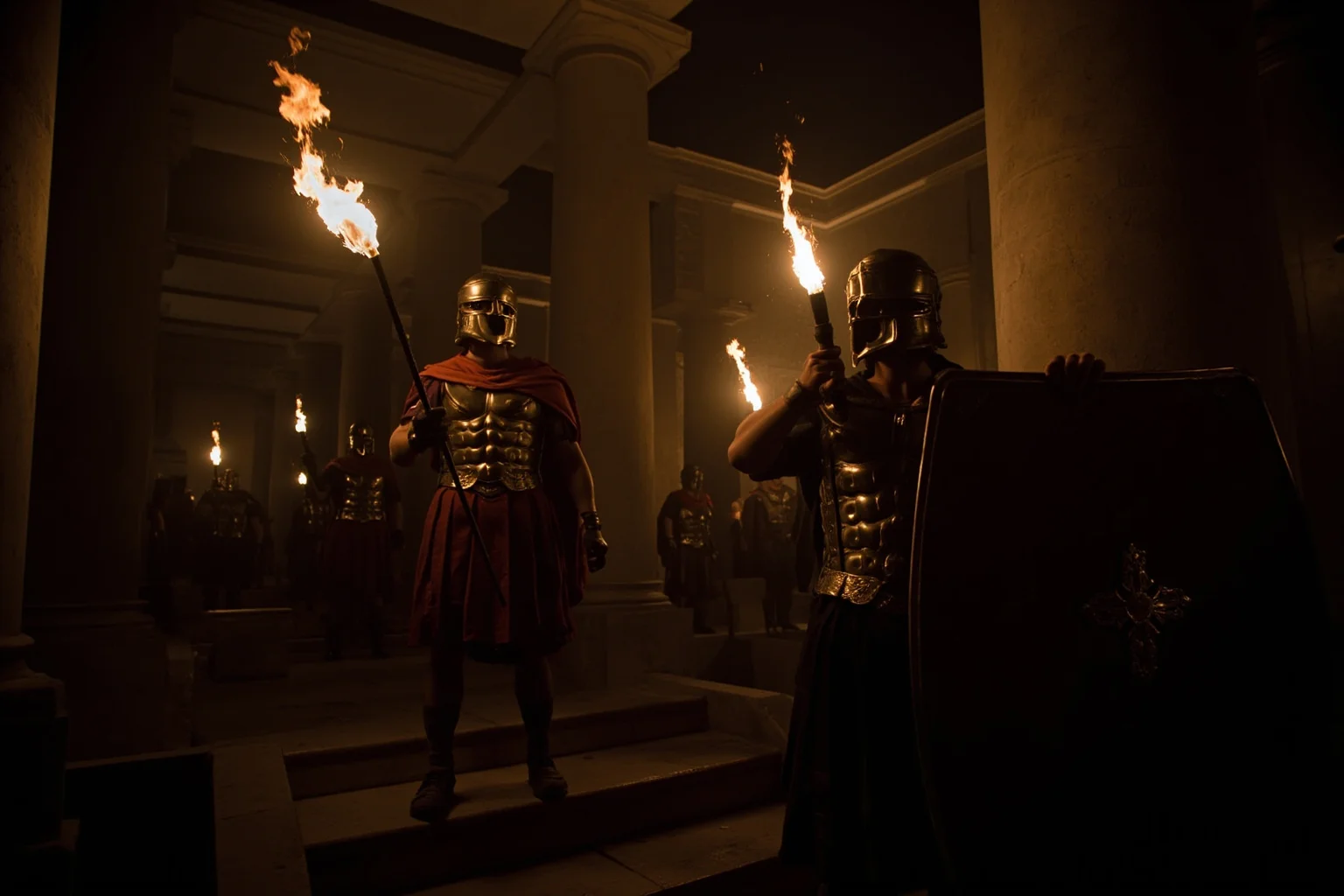
In AD 41, after roughly four years in power, Caligula was killed by officers of the Praetorian Guard, including Cassius Chaerea. Several senators were involved in the plot.
The assassination was messy, and his wife and young daughter were also killed. It ended the dynasty's direct line and triggered a brief crisis that ended with his uncle Claudius on the throne.
20. His Reputation Was Written by His Enemies

Most of what survives about Caligula comes from writers like Suetonius, Tacitus, and Cassius Dio, all of whom were hostile or working from hostile sources. Their accounts mix documented events with rumor, moralizing, and outright invention.
Modern historians try to separate the layers, but the task is difficult. The result is that "what Caligula is known for" today is a blend of real behavior, political smearing, and centuries of retelling.
21. He Has Become a Pop-Culture Symbol
Caligula's name now appears in films, novels, and documentaries far more often than in academic history. The 1979 film "Caligula" cemented his reputation for excess, and later productions like "Caligula 2: The Untold Story" continued the trend.
These works are entertainment, not scholarship. They amplify the most scandalous ancient claims and rarely mention his reforms, aqueducts, or administrative work.
22. The Truth Sits Between the Extremes

The popular image of Caligula as a purely insane tyrant is not supported by the full evidence. He was capable, popular at first, and genuinely productive in some areas.
At the same time, the image of a misunderstood reformer is too generous. He was volatile, extravagant, and willing to use violence against political opponents. The most honest answer is that he was a complex, flawed ruler whose story was shaped by the people who outlived him.
Why Caligula Still Fascinates Us
Caligula endures because he sits at the intersection of power, madness, and storytelling. He ruled for only four years, yet he generated more scandal than emperors who ruled for decades.
That imbalance is the real lesson. When a single hostile source tradition dominates the record, reputation becomes a kind of myth, and the myth often tells us more about the storytellers than the man.
How to Read Caligula Facts Critically
If you want to dig deeper, start by asking who wrote each claim and when. Suetonius wrote roughly eighty years after Caligula's death, and Tacitus was no friend of the Julio-Claudians.
Look for corroboration across independent sources before accepting a story as fact. Where sources disagree or rely on rumor, treat the claim as contested rather than settled, and enjoy the mystery instead of forcing a verdict.
The Bottom Line
Caligula was a real emperor with real achievements, real flaws, and a reputation engineered in large part by his enemies. He reformed taxes, built infrastructure, annexed territory, and won early popularity before his reign turned dark.
He was also extravagant, vengeful, and dangerous to those around him. Holding both truths at once is the only honest way to understand him, and it makes his story far more interesting than the cartoon tyrant of legend.
Frequently Asked Questions
What is Caligula known for?
Caligula is best known for his extravagant and scandalous reign as Roman emperor from AD 37 to 41, including rumors of cruelty, lavish spending, and claims of divine status. He is also remembered for early reforms and public works, though hostile ancient writers emphasized his excesses over his achievements.
What was Caligula known for before he became emperor?
Before becoming emperor, Caligula was known as the beloved son of the popular general Germanicus and as a survivor of a family destroyed by political purges under Tiberius. He was raised partly in military camps and later lived under Tiberius's watch on Capri.
Did Caligula really make his horse a consul?
No. The story that Caligula appointed his horse Incitatus as consul is almost certainly an exaggeration or a sarcastic joke reported by hostile sources. He may have joked about it to insult the Senate, but there is no evidence he actually did it.
What were Caligula’s main accomplishments?
Caligula's accomplishments include completing the Temple of Augustus, beginning the Aqua Claudia and Anio Novus aqueducts, annexing Mauretania, improving harbors in Sicily and Rhegium, and restoring popular elections early in his reign.
How long did Caligula rule?
Caligula ruled for about four years, from AD 37 until his assassination in AD 41. He became emperor at age 24 and was killed by officers of the Praetorian Guard.
Was Caligula really insane?
Modern historians debate this. Some argue his behavior reflected political strategy, trauma, or a deliberate break with senatorial norms, while others accept that he showed signs of instability. The ancient sources that describe him as insane were written by his political enemies, so their accounts should be read critically.

Alex Warren
Related Articles