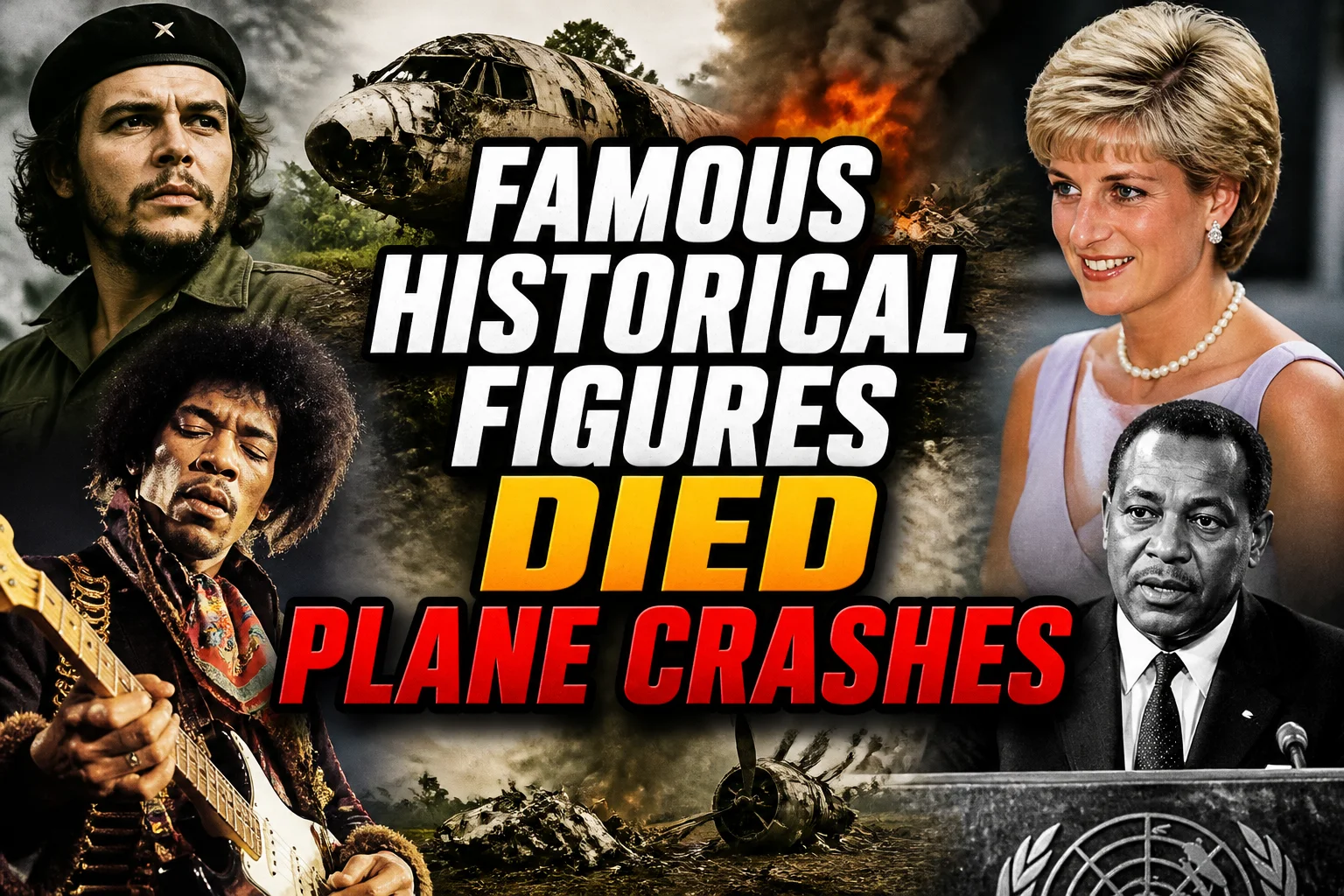
Aviation has always carried a strange duality: it shrinks the world, yet it can end lives in an instant. When famous people die in plane crashes, the world tends to remember the moment forever — the headlines, the shock, the songs left unwritten.
This list covers 20 notable figures from politics, music, sports, and exploration who lost their lives in aircraft accidents. Some deaths remain surrounded by conspiracy theories, while others were simply cruel twists of fate. We separate what's documented from what's speculation.
TL;DR: From Buddy Holly to Kobe Bryant, plane crashes have claimed some of history's most celebrated figures — and the circumstances behind several of these losses remain debated to this day.
Why Plane Crashes Haunt Us More Than Other Tragedies
There's a reason a celebrity plane crash dominates news cycles for weeks. When a public figure dies on the road or from illness, the loss feels gradual or familiar. When a plane goes down, the death is sudden, collective, and often inexplicable.
Statistically, commercial aviation remains one of the safest forms of travel, with fatality rates far lower than driving. Yet crashes involving famous people stick in cultural memory because they cut short careers mid-sentence, so to speak. A musician dies weeks before a tour; a statesman dies en route to a peace negotiation.
That gap between ordinary safety and extraordinary tragedy is part of why these stories endure. It's also why so many of them attract conspiracy theories, from sabotage claims to rumors of government cover-ups. Below, we look at 20 famous people who died in plane crashes, keeping the verified facts front and center.
1. Buddy Holly (1936–1959)
Buddy Holly was just 22 when his Beechcraft Bonanza crashed near Clear Lake, Iowa, on February 3, 1959. The rock-and-roll pioneer had chartered the flight after a heating problem forced him to abandon his tour bus. Also killed were Ritchie Valens, J.P. "The Big Bopper" Richardson, and pilot Roger Peterson.
The event became known as "The Day the Music Died," later immortalized in Don McLean's 1971 song "American Pie." Investigators cited poor weather and pilot error, though the exact sequence of events has been debated for decades. Holly's death remains one of the earliest and most culturally significant celebrity aviation losses.
2. Ritchie Valens (1941–1959)

Ritchie Valens, the 17-year-old behind "La Bamba," died in the same Iowa crash as Buddy Holly. He had reportedly won a coin toss for the last seat on the plane, a detail that has since become part of rock folklore. Some accounts dispute the coin toss story, but the outcome is undisputed.
Valens' death at such a young age made him a symbol of promise cut short. His music, blending Mexican folk traditions with rock, influenced generations of Latino artists. The crash that killed him and Holly is often cited as the moment rock's first wave lost its innocence.
3. J.P. "The Big Bopper" Richardson (1930–1959)

J.P. Richardson, known for the 1958 hit "Chantilly Lace," was the third musician killed in the Clear Lake crash. At 28, he was the oldest of the three performers on board. He had reportedly been suffering from flu symptoms and took the flight instead of the bus for comfort.
Richardson was also a songwriter and radio DJ who had written hits for other artists. His death, alongside Holly and Valens, turned a single accident into a cultural watershed. The three are forever linked in the story of early rock and roll.
4. Dag Hammarskjöld (1905–1961)
Dag Hammarskjöld, the second Secretary-General of the United Nations, died when his plane crashed near Ndola, Northern Rhodesia (now Zambia), on September 18, 1961. He was en route to negotiate a ceasefire during the Congo Crisis. All 16 people on board were killed.
The cause of the crash has never been definitively established. Multiple inquiries have examined possibilities including pilot error, sabotage, and even a possible attack by another aircraft. Hammarskjöld was posthumously awarded the Nobel Peace Prize in 1961, and his death remains one of the most investigated aviation mysteries in history — one of several historical figures who became martyrs for their cause.
5. Patsy Cline (1932–1963)
Country music star Patsy Cline died on March 5, 1963, when her Piper Comanche crashed near Camden, Tennessee. She was 30 years old. Also killed were fellow country performers Cowboy Copas and Hawkshaw Hawkins, along with pilot Randy Hughes.
Cline had reportedly expressed fear of flying and had been persuaded to take the flight after weather delayed other travel plans. Investigators concluded the crash resulted from the pilot flying into adverse weather without proper instrument training. Her hits like "Crazy" and "Walkin' After Midnight" made her a lasting icon.
6. Jim Reeves (1923–1964)

Country singer Jim Reeves died on July 31, 1964, when his Beechcraft Debonair crashed near Brentwood, Tennessee. He was 40. The crash killed Reeves and his pianist and business partner, Dean Manuel.
Reeves was one of the biggest names in country music at the time, known for his smooth "Nashville sound." Investigators attributed the crash to spatial disorientation in poor visibility. His death came just over a year after Patsy Cline's, adding to a grim period for country music aviation safety.
7. Roberto Clemente (1934–1972)

Baseball legend Roberto Clemente died on December 31, 1972, when a cargo plane crashed off the coast of Puerto Rico. He was 38. Clemente was personally accompanying relief supplies to earthquake victims in Nicaragua, a mission he felt compelled to join after hearing reports that earlier aid had been diverted.
The aircraft was overloaded and poorly maintained, and it went down shortly after takeoff. Clemente's body was never recovered. He was posthumously inducted into the Baseball Hall of Fame in 1973, with the usual five-year waiting period waived in recognition of his humanitarian legacy.
8. Rocky Marciano (1923–1969)

Undefeated heavyweight boxing champion Rocky Marciano died on August 31, 1969, in a small plane crash near Newton, Iowa. He was 45. The crash also killed pilot Glenn Belz and another passenger. Marciano had been traveling to a speaking engagement.
The weather was poor, and investigators cited pilot error as a contributing factor. Marciano retired in 1956 with a perfect 49-0 record, the only heavyweight champion to retire undefeated. His death shocked the sports world and remains one of boxing's most tragic losses.
9. Audie Murphy (1925–1971)
Audie Murphy, the most decorated American combat soldier of World War II, died in a plane crash near Roanoke, Virginia, on May 28, 1971. He was 45. The Aero Commander he was aboard crashed into a mountain in foggy conditions, killing all six people on board.
After the war, Murphy became a movie actor and starred in the film adaptation of his own memoir, "To Hell and Back." Investigators blamed the crash on pilot error and poor weather. His funeral at Arlington National Cemetery drew national attention, and his grave remains one of the most visited there.
10. Carole Lombard (1908–1942)

Actress Carole Lombard died on January 16, 1942, when her TWA DC-3 crashed into Mount Potosi near Las Vegas. She was 33. Lombard was returning from a war bond rally in her home state of Indiana when the plane went down, killing all 22 people on board.
Lombard was one of Hollywood's biggest stars and the wife of Clark Gable. Her death was attributed to pilot error in navigating mountainous terrain. She was posthumously awarded a star on the Hollywood Walk of Fame, and her sacrifice during wartime fundraising made her a national symbol.
11. Wiley Post (1898–1935)
Aviator Wiley Post, the first pilot to fly solo around the world, died on August 15, 1935, in a crash near Point Barrow, Alaska. He was 36. Also killed was humorist Will Rogers, making the crash one of the most famous aviation disasters of its era.
Post was flying a hybrid aircraft he had assembled from salvaged parts when the engine failed shortly after takeoff. The crash killed both men instantly. Post's pioneering spirit and Rogers' beloved status made the accident a national tragedy during the Great Depression.
12. Will Rogers (1879–1935)
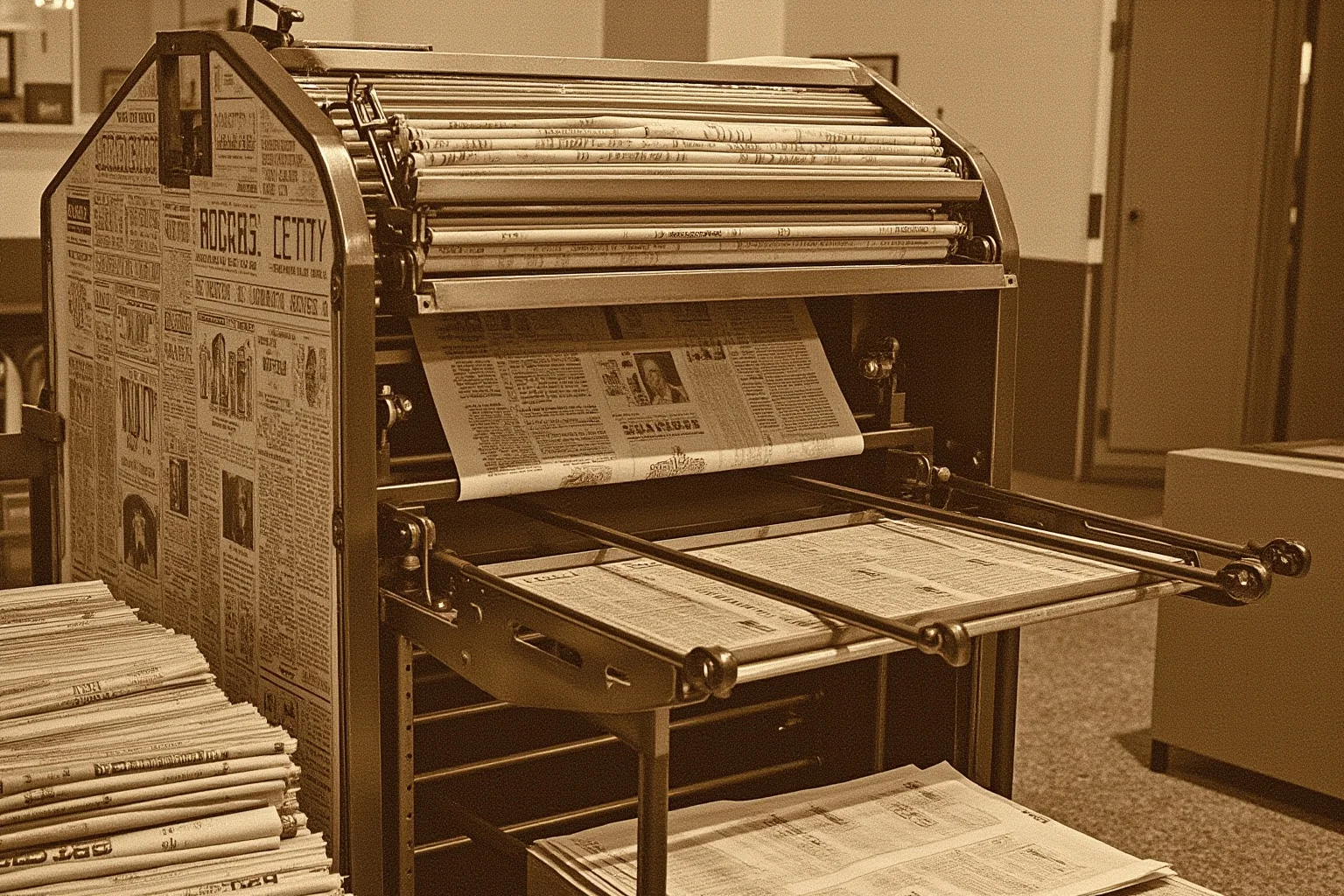
Will Rogers, the humorist, actor, and social commentator, died in the same Alaska crash as Wiley Post. He was 55. Rogers was one of the most widely read and quoted Americans of his time, known for his folksy wit and syndicated newspaper columns.
His death prompted an outpouring of national grief. President Franklin D. Roosevelt issued a statement calling him a friend to all Americans. The crash site near Point Barrow was later marked with a memorial, and the event remains a defining moment in Alaskan aviation history.
13. Bessie Coleman (1892–1926)
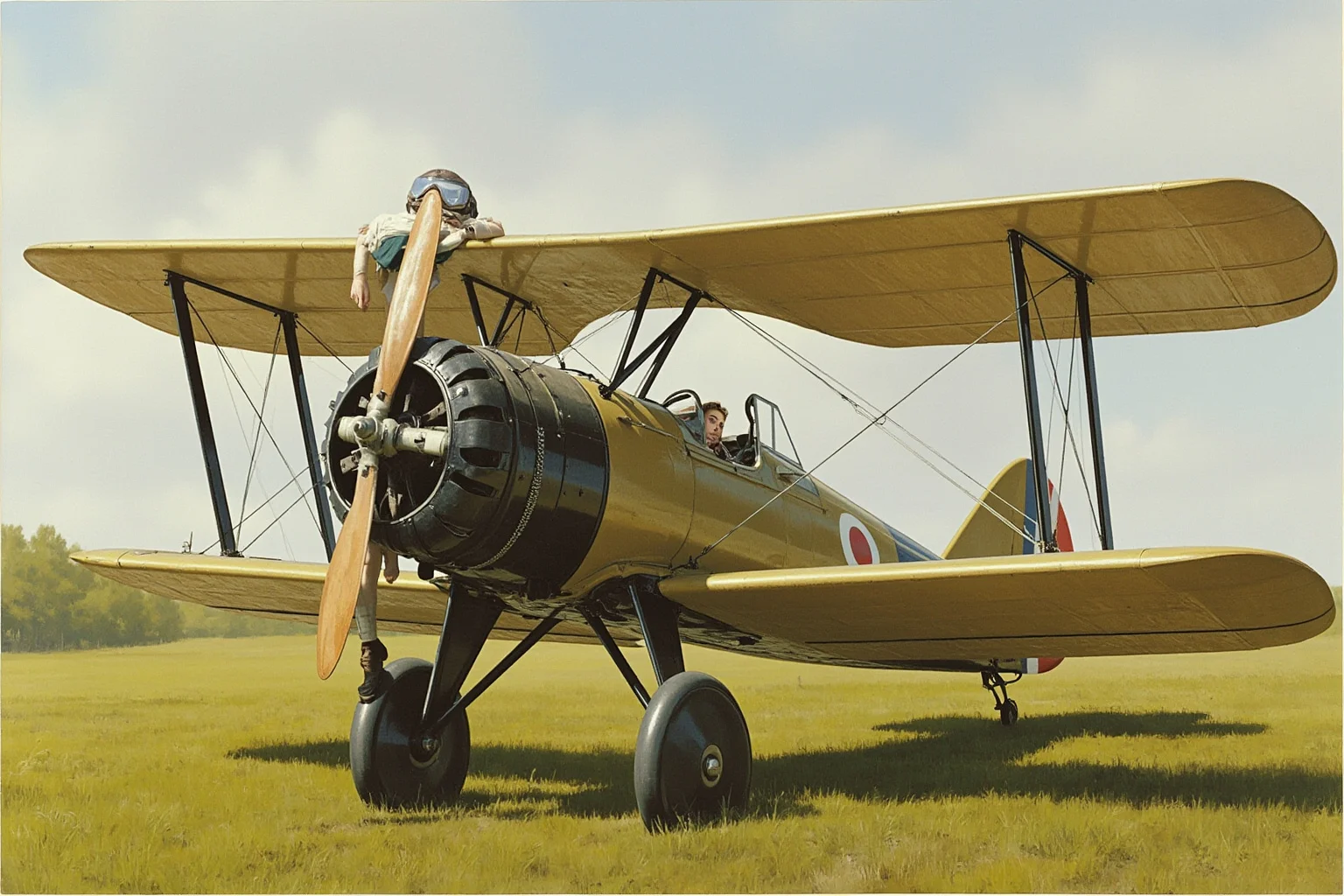
Bessie Coleman, the first African American woman to earn a pilot's license, died on April 30, 1926, in a crash in Jacksonville, Florida. She was 34. Coleman was preparing for an aerial show when a loose wrench jammed the aircraft's controls, causing it to flip and plunge.
Coleman had earned her license in France in 1921 because U.S. flight schools refused to train Black women. She had returned to the U.S. to open a flight school for African Americans. Her death was ruled an accident, though questions about maintenance and sabotage have occasionally been raised without evidence.
14. Knute Rockne (1888–1931)
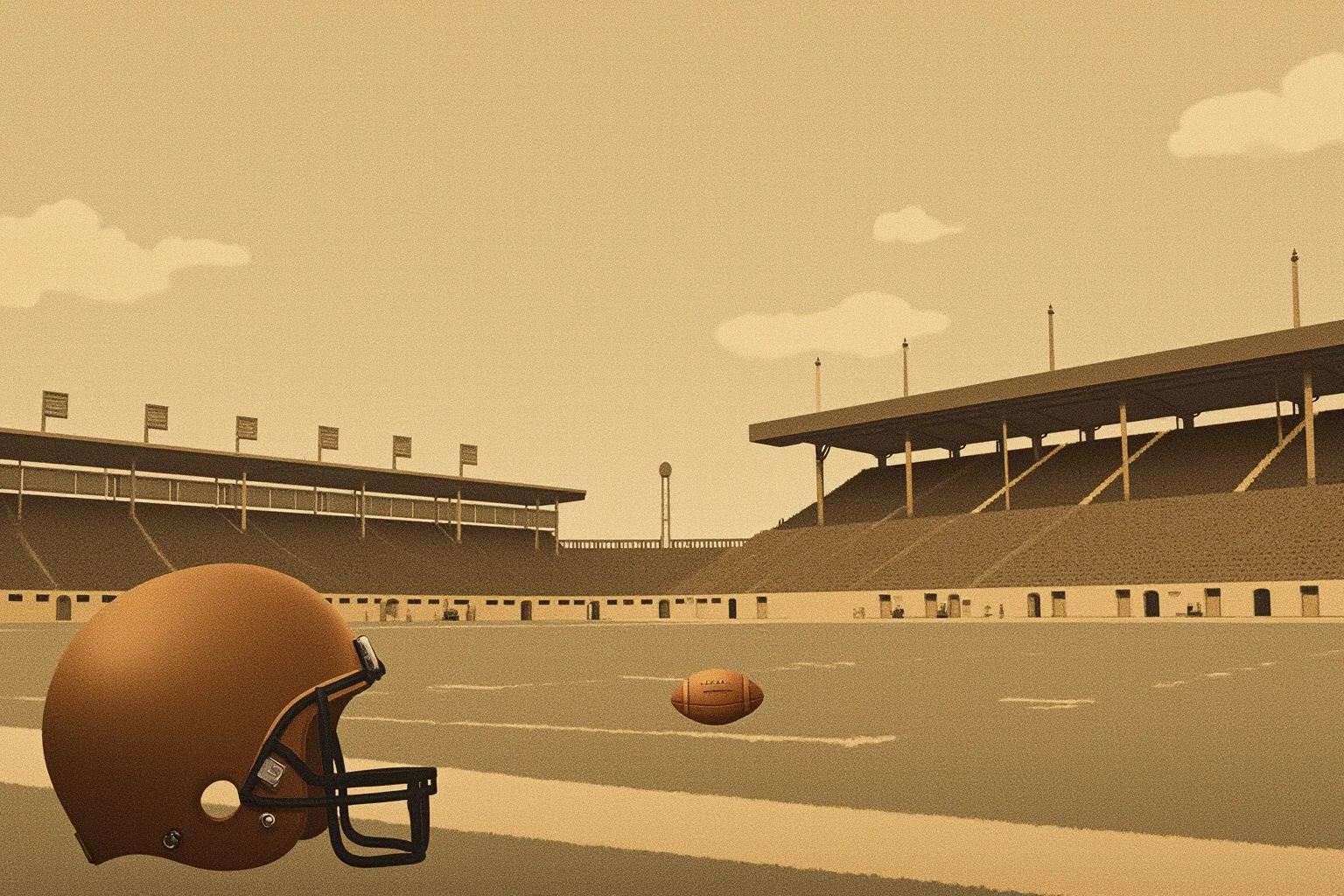
Legendary Notre Dame football coach Knute Rockne died on March 31, 1931, when his TWA Fokker trimotor crashed in a Kansas wheat field. He was 43. All eight people on board were killed. The crash was caused by structural failure of the wing, a design flaw that had been flagged before.
The disaster led to major changes in aircraft design and regulation, including the grounding of Fokker trimotors. Rockne had revolutionized football with his innovative coaching and had a record of 105-12-5 at Notre Dame. His death was front-page news across the country.
15. John F. Kennedy Jr. (1960–1999)
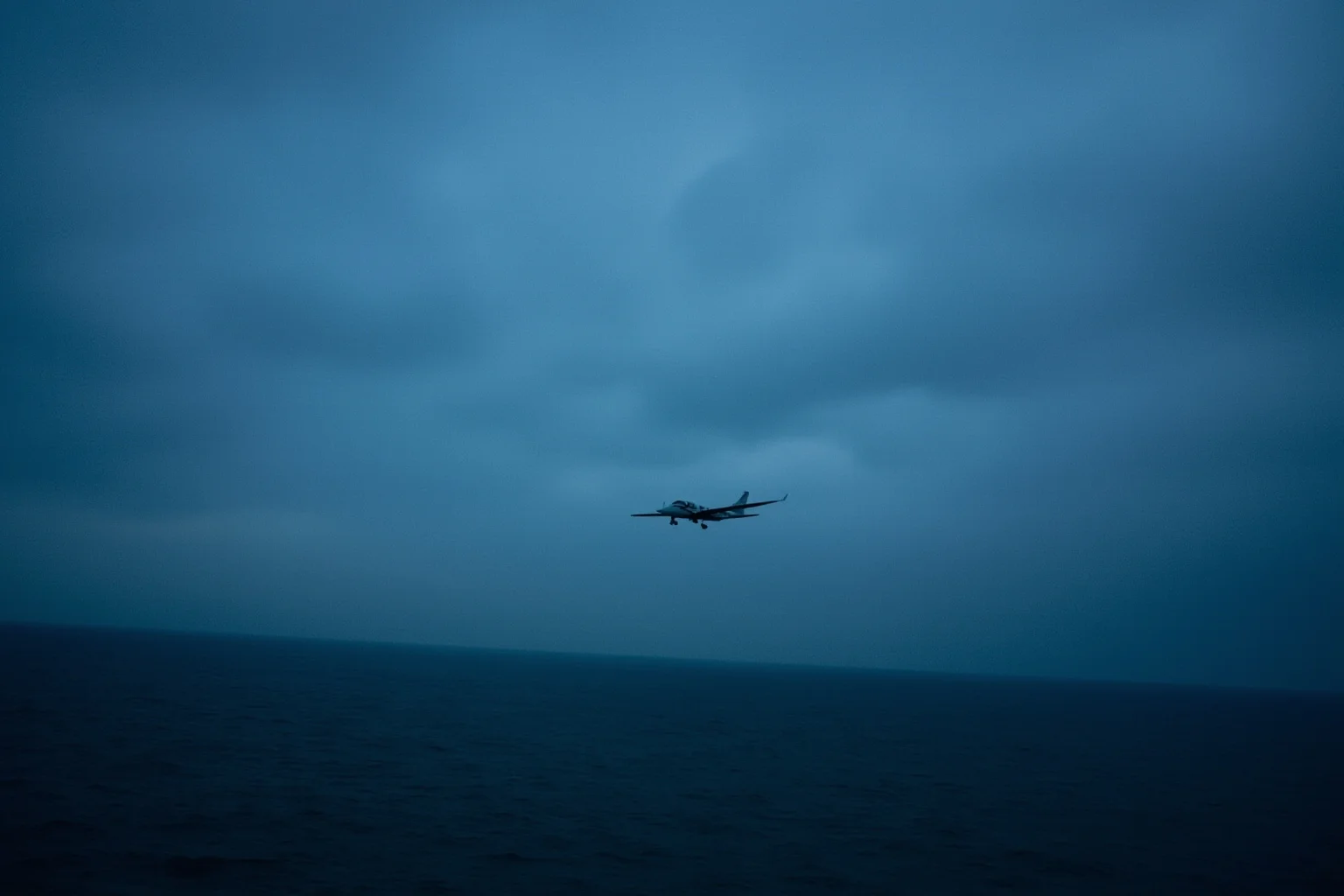
John F. Kennedy Jr., the son of President John F. Kennedy, died on July 16, 1999, when his Piper Saratoga crashed into the Atlantic Ocean near Martha's Vineyard. He was 38. Also killed were his wife, Carolyn Bessette-Kennedy, and her sister, Lauren Bessette.
The National Transportation Safety Board concluded that Kennedy, a relatively inexperienced pilot, became disoriented in haze during a night flight. The crash sparked intense media coverage and debate about pilot training and spatial disorientation. It remains one of the most widely covered aviation accidents in modern American history.
16. Payne Stewart (1957–1999)

Professional golfer Payne Stewart died on October 25, 1999, when his Learjet crashed in South Dakota after flying hundreds of miles with no apparent pilot control. He was 42. Also killed were five others on board, including two pilots and a golf tour representative.
Investigators believe the aircraft lost cabin pressure, causing everyone on board to become incapacitated, and the plane flew on autopilot until it ran out of fuel. Stewart was a three-time major champion known for his distinctive plus-fours and his 1999 U.S. Open victory. His death came just months after that career-defining win.
17. Aaliyah (1979–2001)
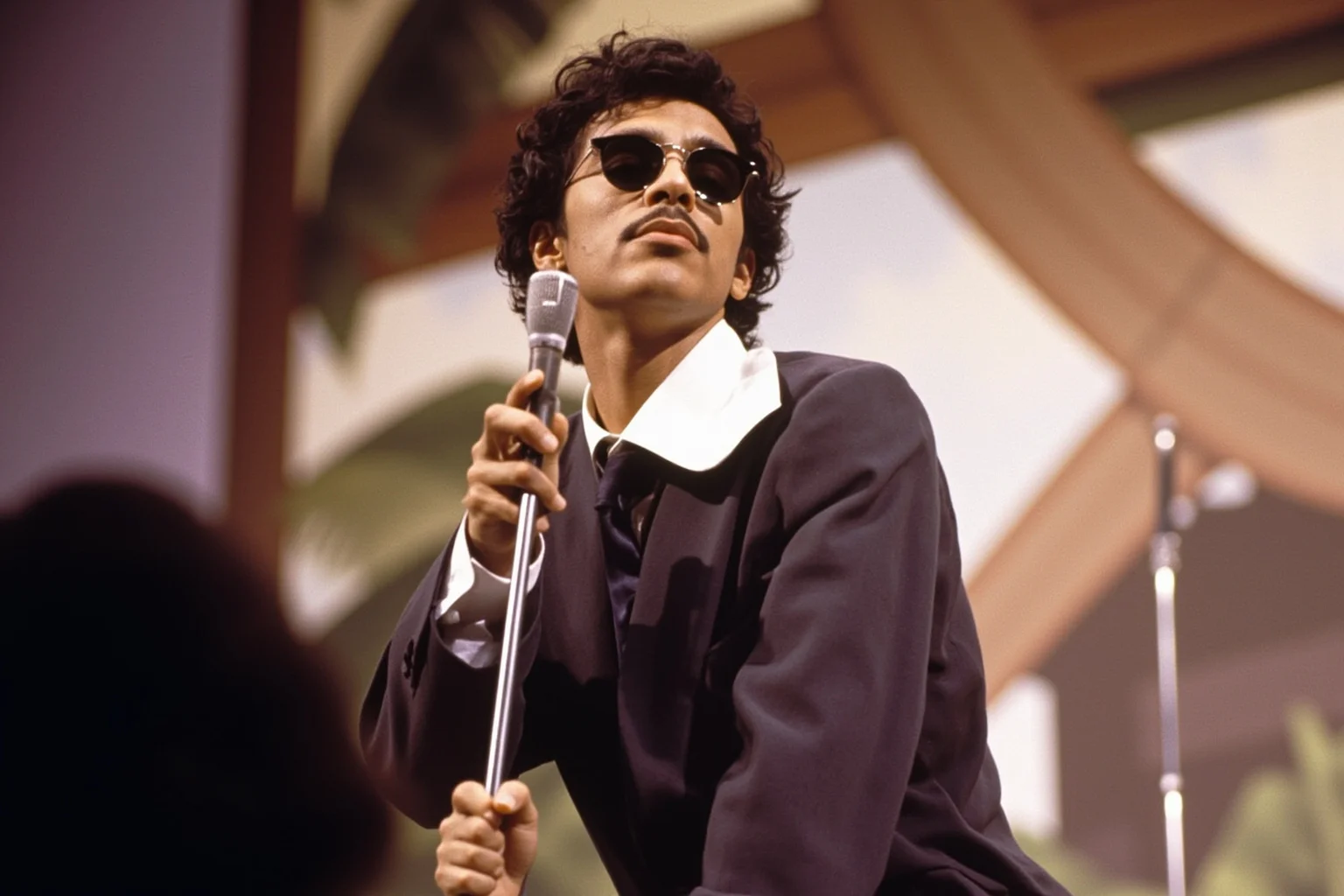
R&B singer Aaliyah died on August 25, 2001, in a plane crash in the Bahamas. She was 22. The small Cessna 402 crashed shortly after takeoff from Marsh Harbour, killing Aaliyah and eight others. The aircraft was reportedly overloaded, and the pilot was later found to have falsified credentials.
The Bahamian investigation concluded that the plane exceeded its weight limit and that the pilot was not properly certified for the aircraft. Aaliyah had just finished filming a music video and was returning to the U.S. Her death shocked the music world and sparked discussions about charter flight safety.
18. Kobe Bryant (1978–2020)
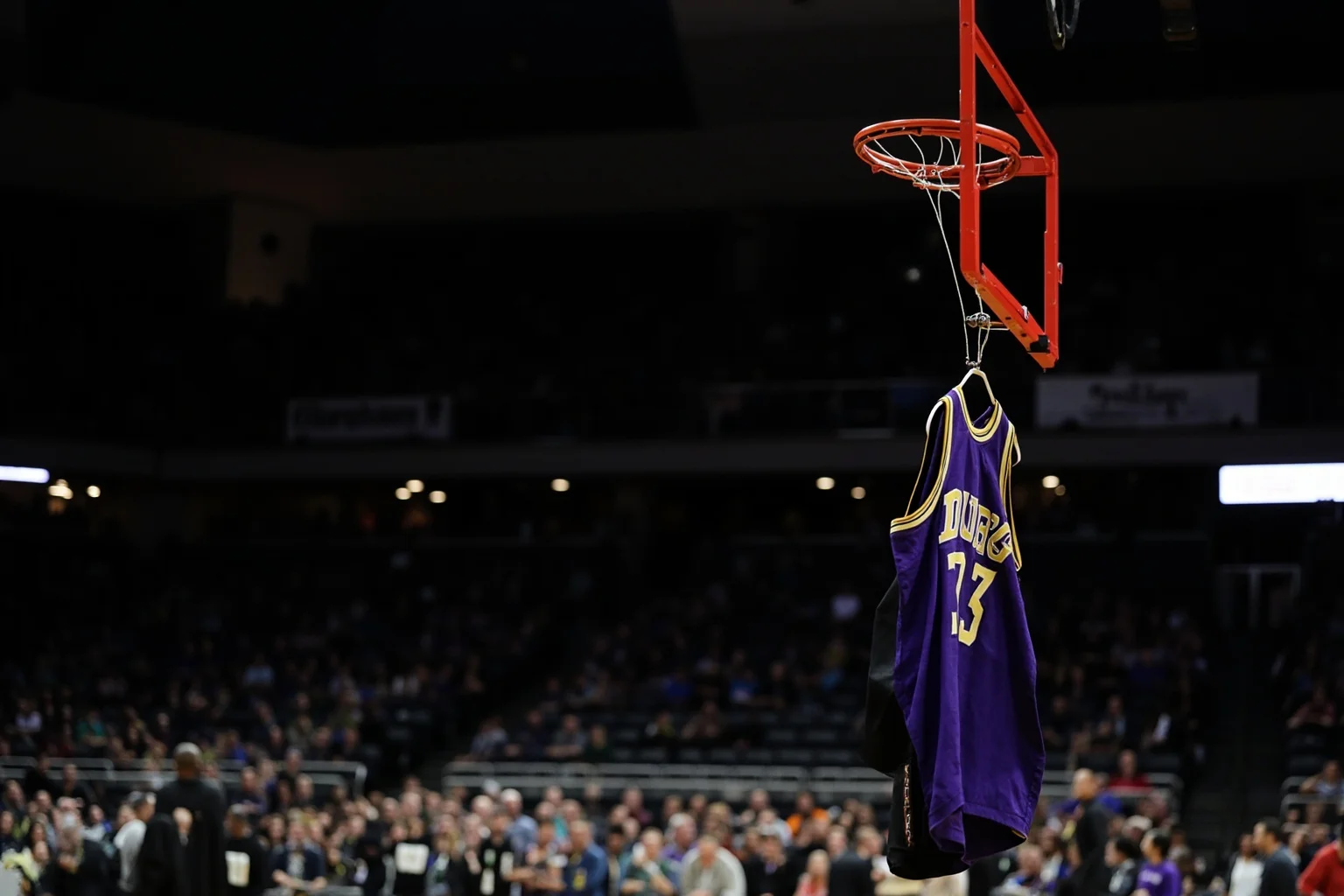
NBA legend Kobe Bryant died on January 26, 2020, when his helicopter crashed in Calabasas, California, in foggy conditions. He was 41. Also killed were his 13-year-old daughter, Gianna, and seven others, including the pilot and two teammates.
The National Transportation Safety Board concluded the pilot became spatially disoriented in the fog and flew into terrain. Bryant had won five NBA championships and was one of the most celebrated athletes of his generation. His death prompted a global outpouring of grief and tributes, echoing the public mourning that followed the loss of famous Titanic passengers and victims.
19. Bill Graham (1931–1991)
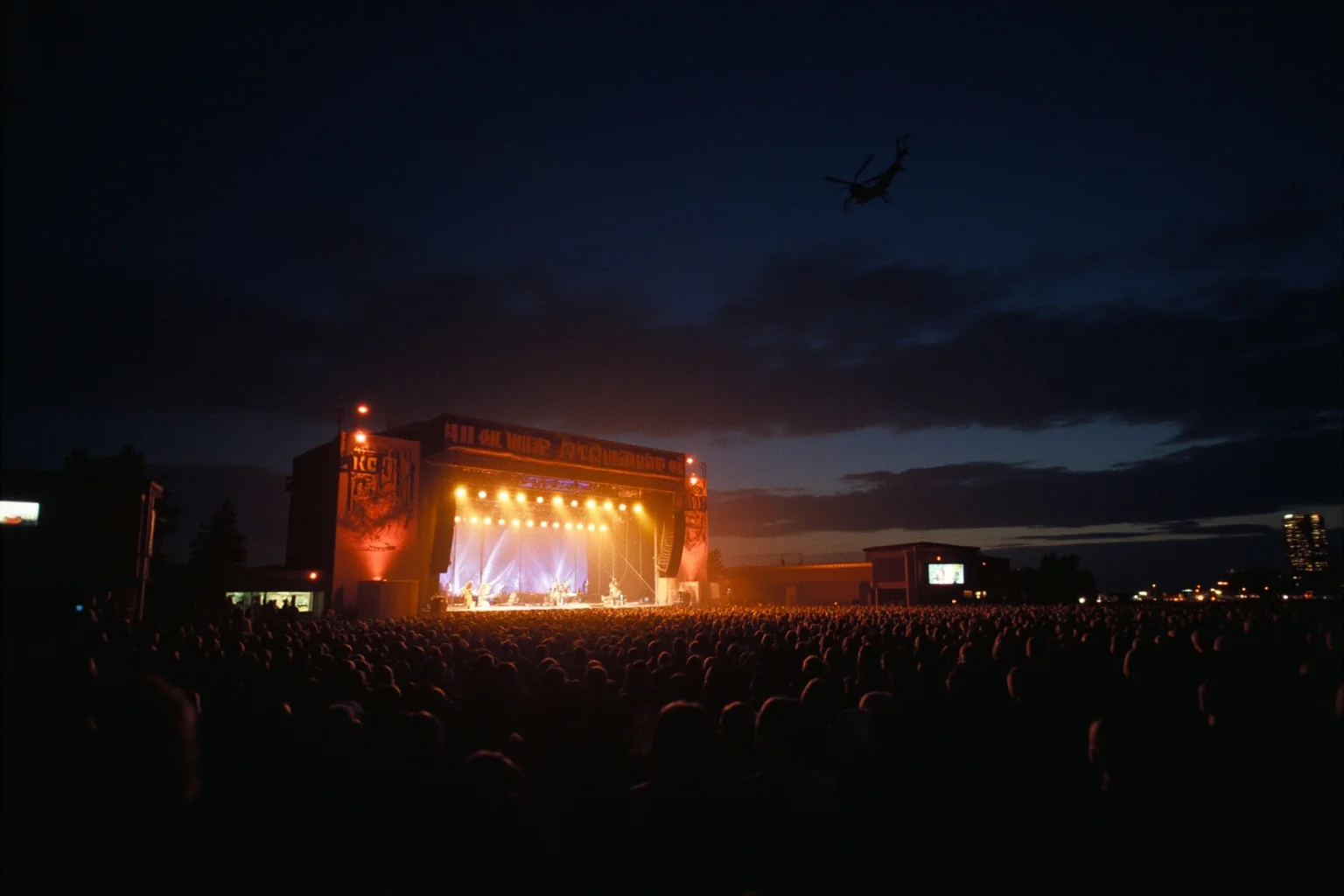
Rock promoter Bill Graham died on October 25, 1991, when his helicopter crashed into a transmission tower in Marin County, California. He was 60. Also killed were his girlfriend, Bonnie MacLean, and the pilot. The crash occurred after a concert by Huey Lewis and the News.
Graham was one of the most influential figures in rock music, running the Fillmore venues and promoting tours for the Grateful Dead, Jefferson Airplane, and many others. The crash was attributed to poor weather and pilot error. His death marked the end of an era in live music promotion.
20. Stevie Ray Vaughan (1954–1990)

Blues guitarist Stevie Ray Vaughan died on August 27, 1990, in a helicopter crash near East Troy, Wisconsin. He was 35. The crash occurred after a concert with Eric Clapton, and also killed three members of Clapton's entourage. Vaughan had reportedly taken a seat on the helicopter after another passenger gave it up.
The cause was determined to be pilot error in foggy conditions. Vaughan was widely regarded as one of the greatest guitarists of all time, credited with reviving blues rock in the 1980s. His death came just as he was achieving sobriety and a career resurgence.
Common Myths and Misconceptions About Celebrity Plane Crashes
One persistent myth is that famous people are more likely to die in plane crashes because they fly more often. In reality, commercial aviation is statistically safer than many everyday activities, and most celebrity crashes involve small private aircraft, not commercial airlines.
Another common misconception is that every celebrity crash is the result of sabotage or conspiracy. While a few cases, like Hammarskjöld's, remain genuinely unresolved, the vast majority of investigations point to pilot error, weather, or mechanical failure. It's important to separate documented findings from speculation.
A third myth is that these crashes are always instant and painless. Investigators often note that crash dynamics vary widely, and it's not accurate to generalize. What's consistent is the suddenness and the shock to the public, which is part of why these stories endure.
What These Losses Teach Us About Aviation Safety
Many of the crashes on this list led directly to safety improvements. Knute Rockne's death prompted reforms in aircraft design. Payne Stewart's crash highlighted the importance of cabin pressure systems and pilot incapacitation protocols. Aaliyah's death drew attention to charter flight regulations.
These tragedies also underscore the risks of small private aircraft, which have higher accident rates than commercial flights. Several figures here died in planes that were overloaded, poorly maintained, or flown by pilots with inadequate training. The pattern is hard to ignore.
In the end, the stories of famous people killed in plane crashes are not just about celebrity. They're about the intersection of ambition, risk, and the unpredictable nature of flight. Remembering them accurately, without mythologizing or distorting the facts, is the best way to honor their legacies.
Frequently Asked Questions
Who are some famous people killed in plane crashes?
Some of the most well-known figures include Buddy Holly, Ritchie Valens, Patsy Cline, Roberto Clemente, Carole Lombard, Will Rogers, John F. Kennedy Jr., Payne Stewart, Aaliyah, Kobe Bryant, and Stevie Ray Vaughan. Each of these deaths was investigated and documented, though some, like Dag Hammarskjöld's, remain surrounded by unanswered questions.
Were any of these crashes caused by sabotage?
Most were attributed to pilot error, weather, or mechanical failure. The 1961 crash that killed Dag Hammarskjöld is the most notable exception, as multiple investigations have left the cause officially undetermined. However, no definitive evidence of sabotage has been proven in that case either.
Why do so many musicians appear on lists of celebrities who died in plane crashes?
The 1950s and 1960s saw a boom in small private aircraft use among touring musicians, often because it was faster and more convenient than buses. Several of those aircraft were flown by pilots with limited instrument training, and weather-related crashes were common. This combination led to a cluster of losses in country and rock music.
Did Kobe Bryant's crash lead to any safety changes?
The National Transportation Safety Board issued recommendations after the crash, including improved weather data access for pilots and better training on spatial disorientation. The crash also renewed debates about helicopter safety regulations and the risks of flying in fog.
Are commercial plane crashes involving celebrities common?
No. Most celebrity plane crashes involve small private or charter aircraft, not commercial airlines. Commercial aviation has an extremely low fatality rate, and when celebrities do fly commercially, the risk is statistically very small. The perception otherwise comes from the high-profile nature of the accidents that do occur.
Frequently Asked Questions
Who are some famous people killed in plane crashes?
Some of the most well-known figures include Buddy Holly, Ritchie Valens, Patsy Cline, Roberto Clemente, Carole Lombard, Will Rogers, John F. Kennedy Jr., Payne Stewart, Aaliyah, Kobe Bryant, and Stevie Ray Vaughan. Each of these deaths was investigated and documented, though some, like Dag Hammarskjöld's, remain surrounded by unanswered questions.
Were any of these crashes caused by sabotage?
Most were attributed to pilot error, weather, or mechanical failure. The 1961 crash that killed Dag Hammarskjöld is the most notable exception, as multiple investigations have left the cause officially undetermined. However, no definitive evidence of sabotage has been proven in that case either.
Why do so many musicians appear on lists of celebrities who died in plane crashes?
The 1950s and 1960s saw a boom in small private aircraft use among touring musicians, often because it was faster and more convenient than buses. Several of those aircraft were flown by pilots with limited instrument training, and weather-related crashes were common. This combination led to a cluster of losses in country and rock music.
Did Kobe Bryant’s crash lead to any safety changes?
The National Transportation Safety Board issued recommendations after the crash, including improved weather data access for pilots and better training on spatial disorientation. The crash also renewed debates about helicopter safety regulations and the risks of flying in fog.
Are commercial plane crashes involving celebrities common?
No. Most celebrity plane crashes involve small private or charter aircraft, not commercial airlines. Commercial aviation has an extremely low fatality rate, and when celebrities do fly commercially, the risk is statistically very small. The perception otherwise comes from the high-profile nature of the accidents that do occur.

Alex Warren
Related Articles