TL;DR: Absolute power almost never lasts; these 22 oppressive rulers from ancient times to the modern Middle East were all forced from power by revolution, coup, or foreign invasion.
History offers a long, grim parade of oppressive rulers. Some seized power through famous coups, others inherited it, and a few were elected before dismantling democracy. All of them discovered the same truth eventually: no dictator rules forever.
The word "evil" is a heavy one, and historians prefer terms like authoritarian, totalitarian, or genocidal. Still, it's fair to ask why are dictators so evil when they gain unchecked power. The answer, scholars suggest, lies in a toxic mix of paranoia, ideology, and zero accountability.
What follows is a look at 22 figures from every corner of the globe, including several notorious Middle East dictators, who learned that power taken by force is often lost the same way.
What Is a Dictatorship, Exactly? A Quick Primer
A dictatorship is a form of government where one person — or a tiny clique — holds absolute authority. There are no meaningful checks and balances, no free press, and rarely any genuine elections. Historians note that who is in charge in a dictatorship is almost always determined by force, not consent.
Dictatorships come in different flavors. A totalitarian regime, like Stalin's Soviet Union or Hitler's Germany, tries to control every aspect of life, including art, religion, and even private thought. Personalist regimes, by contrast, revolve around a single strongman who builds a cult of personality.
The term "evil" is subjective, and historians are careful with it. What is objectively true is that these regimes committed mass atrocities, crushed dissent, and treated their own citizens as enemies of the state. That's the common thread. For a deeper look at the figures behind these regimes, see 20 of history's most evil dictators and 24 of history's most evil figures.
Why Do Dictators Fall? The Common Patterns
When a dictator loses power, it usually happens in one of three ways. A revolution erupts from the streets. A coup topples them from within their own military or elite circle. Or a foreign invasion removes them by force.
Another major factor is economic collapse. When a regime can no longer pay its soldiers, provide basic goods, or blame its failures on foreign enemies, its legitimacy erodes quickly. The military then faces a choice: defend the leader or save itself.
Interestingly, some of these rulers once had a glossy public image abroad. In fact, there's even a search term — "dictators used to be hot" — reflecting how propaganda photos and charisma once made some strongmen appear glamorous. Reality caught up with all of them.
The Dictators, Then and Now
1. Julius Caesar — Rome's Fateful Precedent
Caesar was a brilliant general and populist who crossed the Rubicon and declared himself perpetual dictator of Rome. He centralized power, weakened the Senate, and made lifelong rule seem normal. In 44 BCE, a group of senators stabbed him to death in the Senate chamber, hoping to restore the Republic. As one of antiquity's most recognized figures, his name still echoes through history, much like the most recognized historical figures of all time.
Ironically, the assassination backfired. Instead of saving the Republic, it accelerated the rise of the Roman Empire under Augustus. Still, Caesar's overthrow remains history's most infamous reminder that unchecked ambition invites conspiracy.
2. Louis XVI of France — Absolute Monarchy Meets the Guillotine
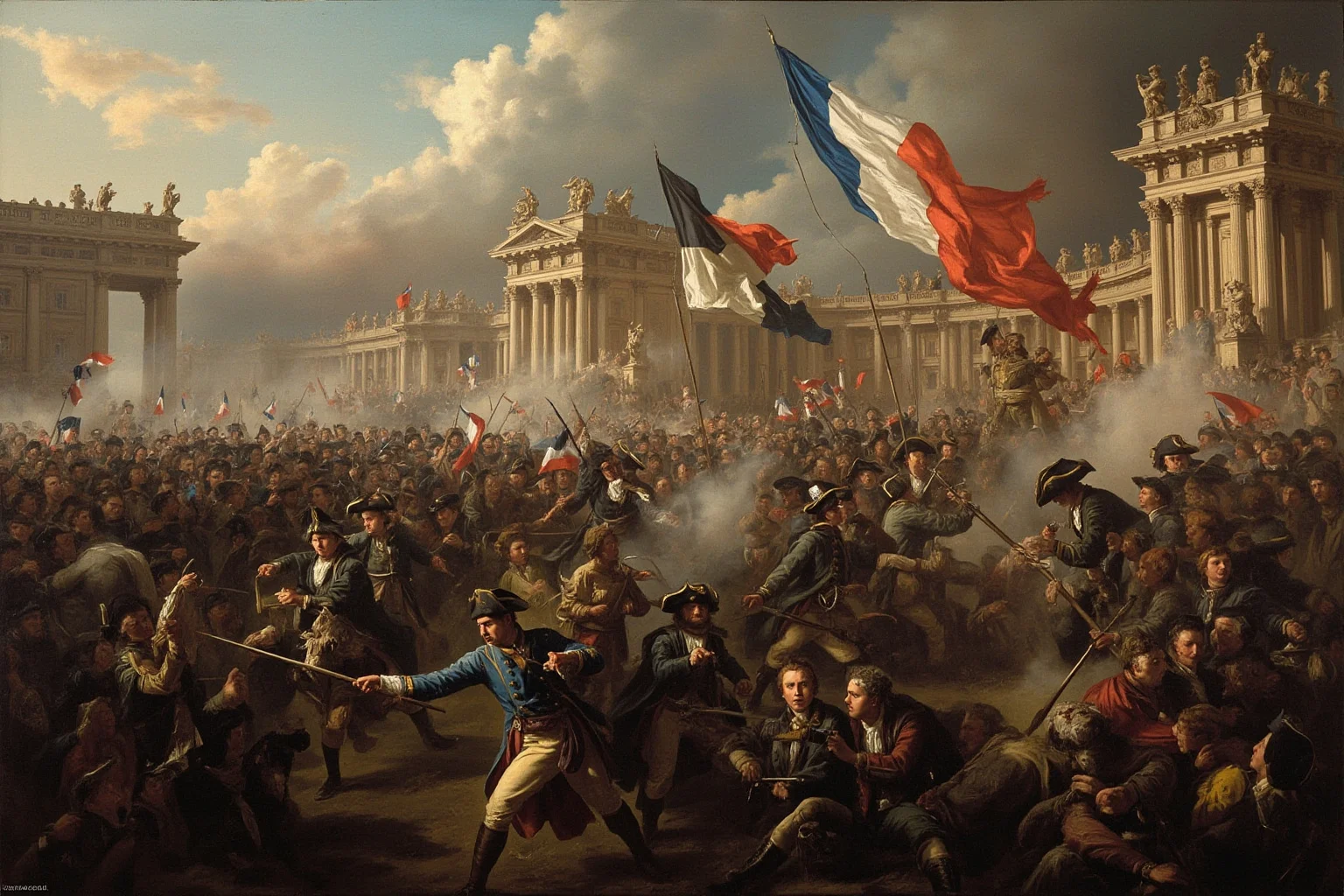
Louis XVI ruled France with all the trappings of divine right but little of the competence needed to manage a crisis. Famine, debt, and an unfair tax system made the monarchy deeply unpopular. When revolutionaries stormed the Bastille in 1789, the old order began to crumble.
After a failed escape attempt, Louis was tried for treason and executed in January 1793. His wife, Marie Antoinette, followed months later. The French Revolution became the template for overthrowing oppressive rulers across Europe.
3. Maximilien Robespierre — The Revolutionary Who Consumed Himself
Robespierre was not technically a monarch, but as head of the Committee of Public Safety, he became a virtual dictator amid the French Revolution. His Reign of Terror saw thousands guillotined, often on flimsy accusations. Even fellow revolutionaries grew terrified of him.
In July 1794, he was arrested and executed by the very regime he had built. His fall showed that revolutionary terror, once unleashed, can turn on its own architects.
4. Benito Mussolini — The Original Fascist
Mussolini invented the term "fascism" and ruled Italy for over two decades. He banned opposition parties and free speech while building a cult of personality around himself. Eventually, he dragged Italy into World War II alongside Nazi Germany.
After Allied invasion and military collapse, the Fascist Grand Council voted him out in 1943. He was arrested, then rescued by German forces, but was captured and executed by Italian partisans in April 1945. His body was publicly displayed in Milan.
5. Adolf Hitler — The World's Deadliest Dictator
Hitler's Nazi regime orchestrated the Holocaust, resulting in the murder of six million Jews and millions of others. His totalitarian rule banned dissent, crushed unions, and plunged the world into a catastrophic war. He was arguably the most destructive dictator in human history. His military ambitions were matched by a ruthless command style, and he remains a case study in how absolute power corrupts.
As Allied forces closed in on Berlin in April 1945, Hitler took his own life in his bunker. His regime was crushed by invasion, and his name has become synonymous with evil.
6. Hideki Tojo — Japan's Wartime Strongman
Tojo served as Prime Minister of Japan during much of World War II, overseeing military aggression across Asia. His government committed atrocities, including the Nanjing Massacre and the brutal treatment of prisoners of war. He wielded enormous power but was ultimately answerable to the Emperor and military factions.
When Japan began losing the war, Tojo was forced to resign in 1944. After Japan's surrender, he was tried by the International Military Tribunal for the Far East. He was convicted and executed by hanging in 1948.
7. Fulgencio Batista — Cuba Before Castro
Batista first came to power in Cuba through a coup in 1933, then ruled behind the scenes before winning a rigged election in 1952. His regime was corrupt, aligned with organized crime, and suppressed opposition. He was widely seen as a tool of American business interests.
In 1959, Fidel Castro's revolutionary forces toppled his government. Batista fled into exile, and he never returned to power.
8. Anastasio Somoza Debayle — The Last Somoza
Somoza was the last in a family dynasty that ruled Nicaragua for over four decades. His regime was brutal, corrupt, and widely resented. He diverted international aid after a devastating 1972 earthquake for his own benefit.
The Sandinista revolution forced him out in 1979. He fled to Paraguay, where he was assassinated in 1980. His fall ended one of the longest family dictatorships in Latin America.
9. Nicolae Ceaușescu — Romania's Hated Conductor
Ceaușescu ruled Romania with a mixture of Marxist ideology and a personal cult that bordered on the absurd. He called himself the "Conducător" and staged massive rallies to project power. Meanwhile, austerity policies left citizens unable to heat their homes.
In December 1989, protests spread and the army switched sides. He and his wife were captured, tried in a swift military tribunal, and executed by firing squad on Christmas Day. Their rule ended in seconds.
10. Mobutu Sese Seko — The Leopard of Zaire
Mobutu ruled Zaire (now the Democratic Republic of Congo) for 32 years, extracting vast wealth while his country's infrastructure decayed. He was a master of Cold War geopolitics, playing the United States against the Soviet Union. His infamous leopard-skin hat became a global symbol of kleptocracy.
In 1997, rebel forces led by Laurent-Désiré Kabila marched on the capital. Mobutu fled, dying in exile in Morocco weeks later. His removal did not bring stability, as the country plunged into years of war.
11. Idi Amin — The Butcher of Uganda
Idi Amin seized power in Uganda in 1971 through a military coup. His eight-year reign saw an estimated 100,000 to 500,000 people killed, political opponents tortured, and ethnic minorities targeted. He famously awarded himself titles like "Conqueror of the British Empire."
In 1979, Ugandan exiles and Tanzanian forces invaded and pushed him from power. He fled to Libya and eventually Saudi Arabia, where he lived quietly until his death in 2003.
12. Jean-Bédel Bokassa — Emperor of Central Africa
Bokassa took power in the Central African Republic in 1966 and later crowned himself Emperor in a lavish, bankrupting ceremony. His regime was brutal, with reports of cannibalism and the killing of schoolchildren. He ruled with a blend of paranoia and self-glorification.
In 1979, French troops intervened and removed him from power. He returned to face trial, was sentenced to death, and later released. He died in 1996, largely forgotten.
13. Augusto Pinochet — Chile's Military Strongman
Pinochet seized power in Chile in 1973 after a bloody military coup. His regime tortured, killed, and disappeared thousands of opponents. He also implemented far-reaching free-market reforms that polarized economic opinion.
He left power in 1990 after losing a referendum, transitioning Chile back to democracy. He was later arrested in London on human rights charges, which deeply embarrassed his legacy. He died in 2006 while still facing prosecution.
14. Ferdinand Marcos — The Man Who Declared Martial Law
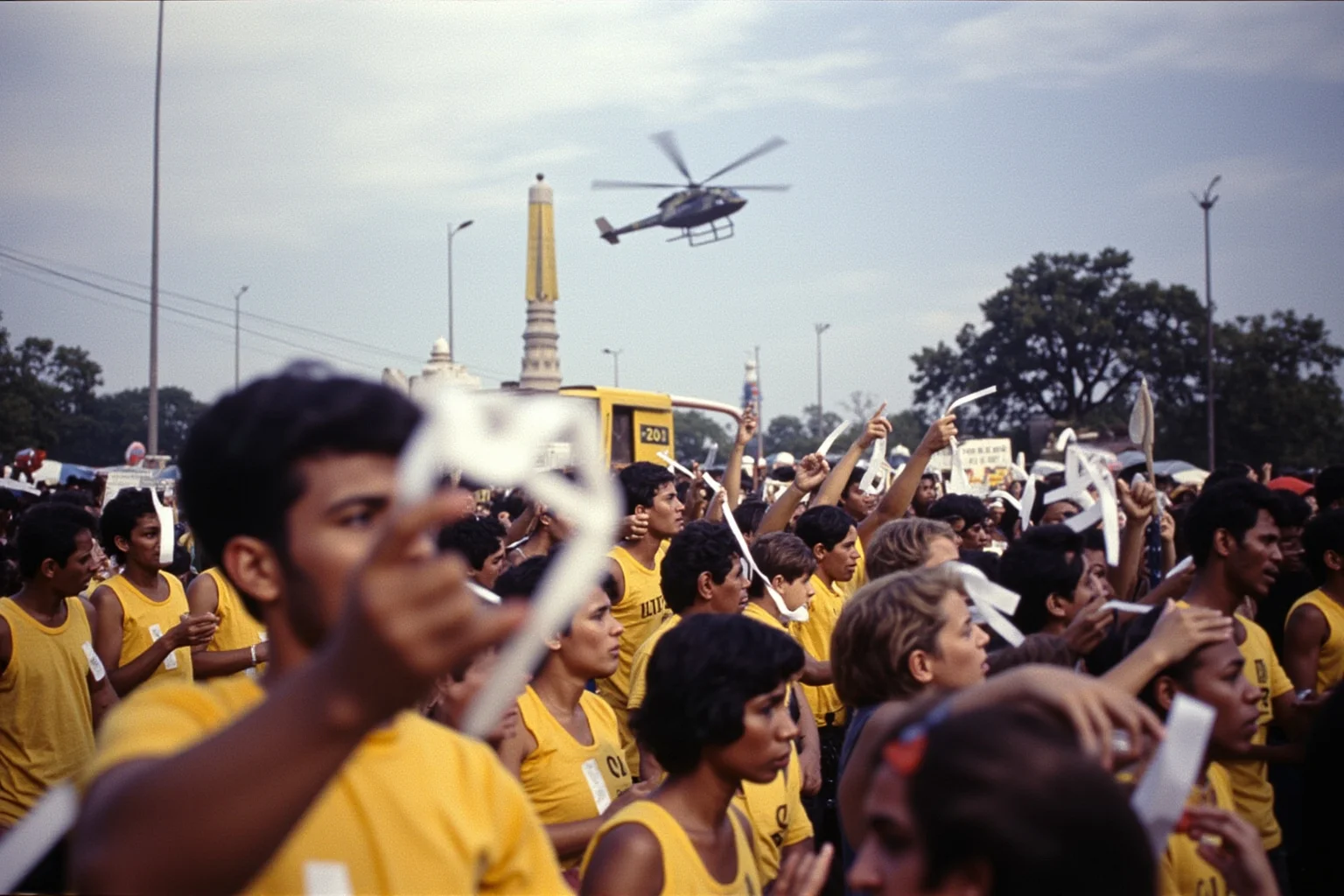
Marcos ruled the Philippines for 21 years, much of it under martial law. He and his wife, Imelda, were accused of massive corruption, symbolized by Imelda's legendary shoe collection. Opposition leader Benigno Aquino Jr. was assassinated, sparking outrage.
In 1986, a disputed election led to the People Power Revolution. Marcos fled to Hawaii, where he died in exile in 1989. His overthrow became a model for peaceful regime change.
15. Manuel Noriega — The Drug-Stained General
Noriega ruled Panama as a military dictator and was deeply involved in drug trafficking and money laundering. He had once been a close ally of the CIA but became increasingly erratic. His regime threatened U.S. interests and canal security.
In 1989, the United States invaded Panama in Operation Just Cause. Noriega was captured, tried, and convicted in the U.S. on drug charges. He spent decades in prison before dying in 2017.
16. Slobodan Milošević — The Butcher of the Balkans
Milošević was the architect of Serb nationalism during the Yugoslav Wars, accused of orchestrating ethnic cleansing and war crimes. He ruled Serbia and later Yugoslavia with an iron grip. His policies led to brutal conflicts in Bosnia, Croatia, and Kosovo.
After a popular uprising in 2000, he was ousted and arrested. He was sent to the International Criminal Tribunal in The Hague, where he died during his trial in 2006. His overthrow came not from invasion but from the ballot box and street protests combined.
17. Saddam Hussein — The Fall of Iraq's Tyrant
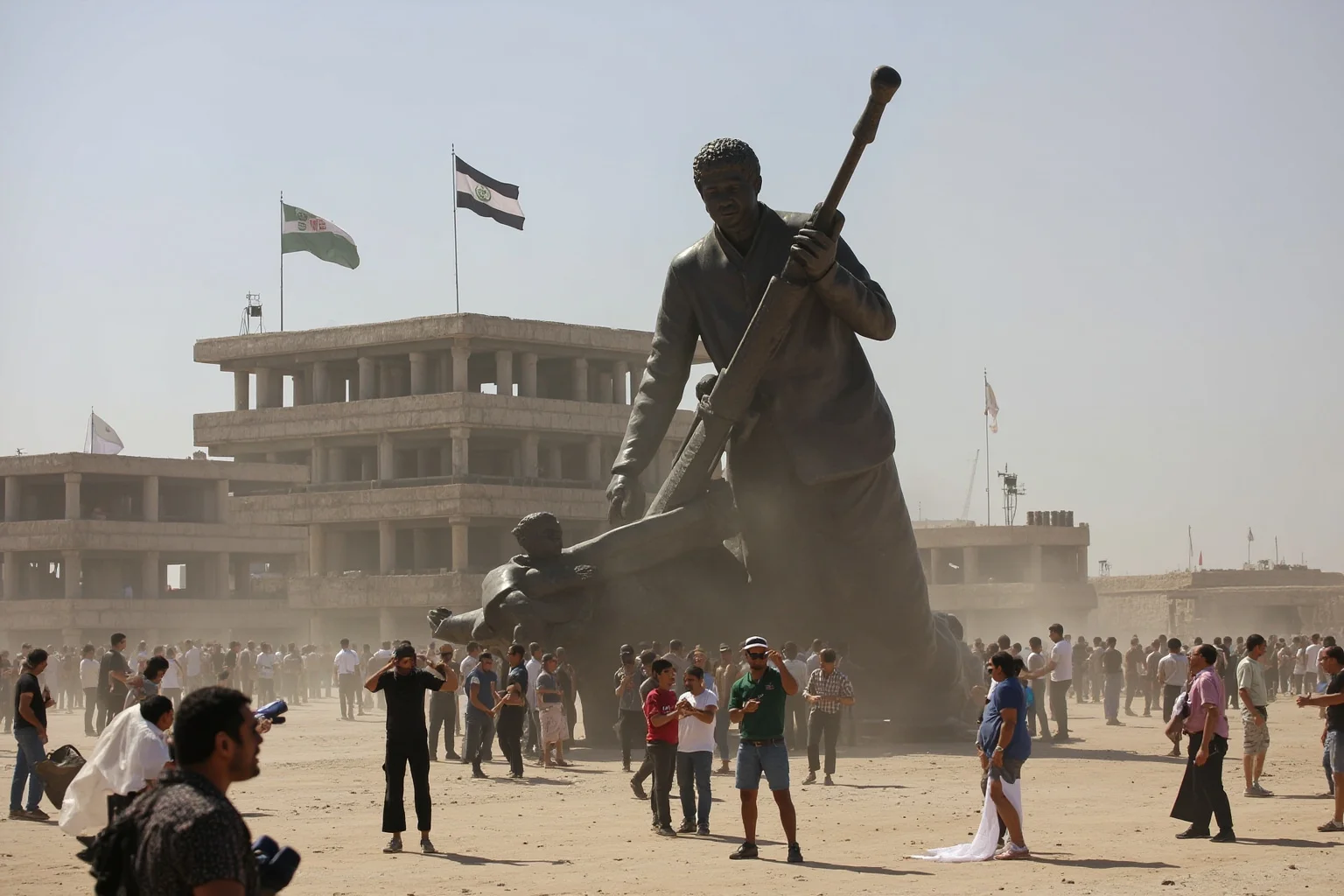
Saddam controlled Iraq with a mix of oil wealth, secret police, and personality cult. He launched wars against Iran and Kuwait, used chemical weapons against civilians, and brutally suppressed Kurdish and Shia uprisings. His regime was one of the most oppressive rulers of the 20th century.
In 2003, a U.S.-led invasion toppled his government. He was captured, tried by an Iraqi tribunal, and executed in 2006. His fall reshaped the entire region.
18. Muammar Gaddafi — Libya's Eccentric Despot
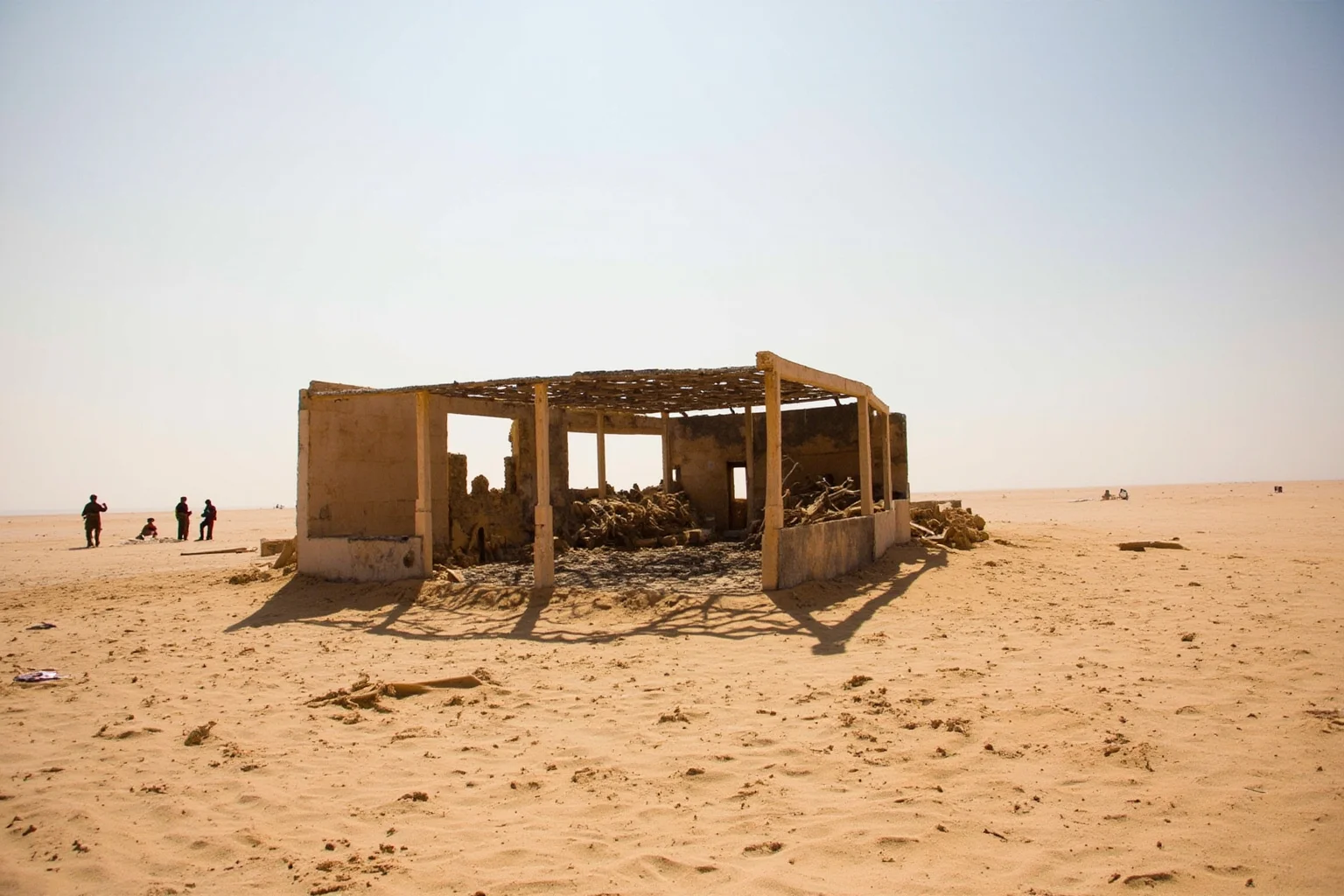
Gaddafi ruled Libya for 42 years, blending socialism, Islam, and a bizarre personal style. He funded revolutionary movements abroad and crushed dissent at home. He was a prominent example of Middle East dictators who dominated regional politics for decades.
In 2011, as part of the Arab Spring, a NATO-backed rebellion swept him from power. He was captured and killed in October 2011. His death left Libya fractured, a warning about the aftermath of removing long-ruling strongmen.
19. Hosni Mubarak — The Pharaoh Deposed by Tahrir
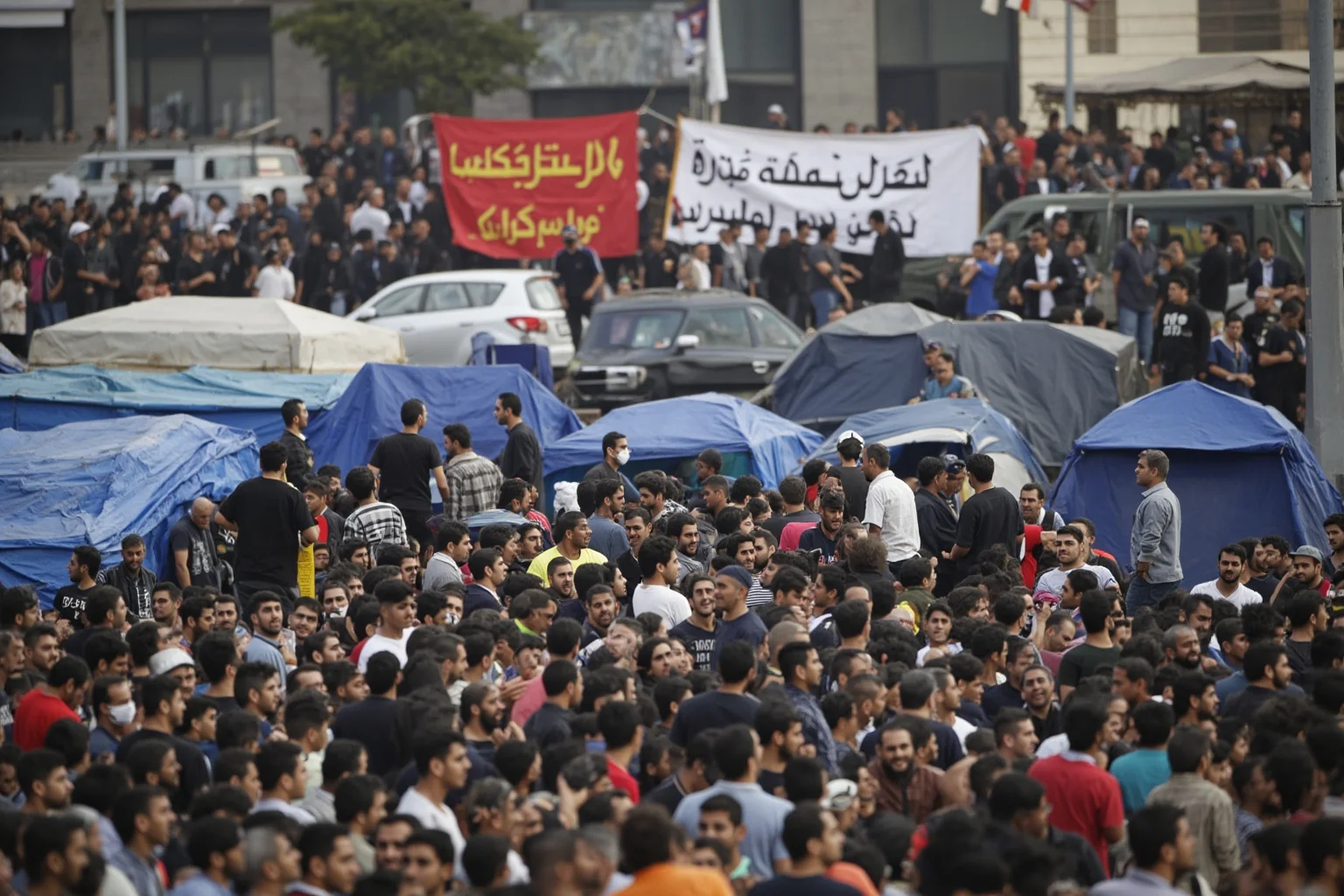
Mubarak ruled Egypt for nearly 30 years, maintaining a state of emergency that gave police sweeping powers. He was seen by many Egyptians as corrupt and a tool of Western interests. The Arab Spring protests of 2011 focused squarely on him.
After 18 days of massive protests in Tahrir Square, he stepped down. He was later tried for corruption and the killing of protesters. His overthrow signaled that even long-entrenched Middle Eastern dictators were not immune to popular anger.
20. Zine El Abidine Ben Ali — The Spark of the Arab Spring
Ben Ali ruled Tunisia for 23 years, suppressing opposition and enriching his family. A street vendor's self-immolation in December 2010 triggered protests that spread across the region. His regime collapsed within weeks.
Ben Ali fled to Saudi Arabia in January 2011, becoming the first ruler to fall in the Arab Spring. His ouster inspired others, including the Egyptian uprising. He died in exile in 2019.
21. Hafez al-Assad — A Dynasty Built on Fear (Partially Undone)
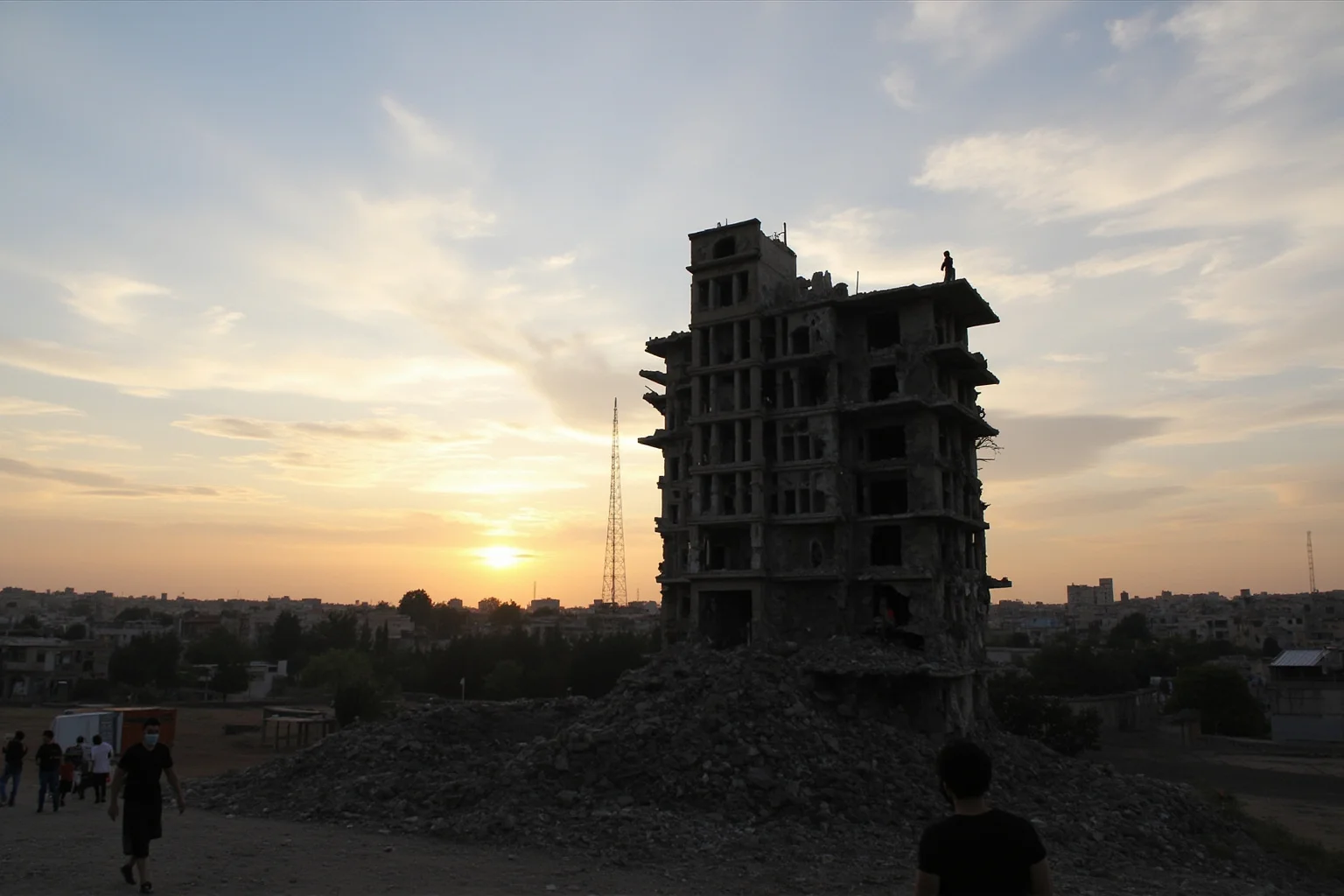
Hafez al-Assad ruled Syria for 30 years, constructing a surveillance state run by the military and the Ba'ath Party. He crushed a major uprising in Hama in 1982 with brutal force, killing tens of thousands. He died in office in 2000, passing power to his son Bashar.
Bashar continued the dictatorship for another two decades until a civil war and rebel offensives forced him to flee the country in December 2024. The Assad dynasty's sudden collapse ended 54 years of one-family rule, confirming that even the most entrenched Middle Eastern dictators can fall.
22. Yahya Jammeh — The Gambia's Defeated Tyrant
Jammeh ruled Gambia for 22 years after seizing power in a 1994 coup. His regime tortured journalists, crushed opposition, and was accused of extrajudicial killings. He famously claimed to cure AIDS with herbal remedies, a dangerous fantasy.
After losing the December 2016 election, he initially refused to step down. Regional military pressure forced him to flee to Equatorial Guinea in January 2017. His exit proved that even small, isolated regimes face consequences.
What These Downfalls Teach Us About Power
Every one of these regimes eventually cracked — through revolution, coup, invasion, or ballot box. The details differ, but the pattern repeats: unchecked power breeds paranoia, corruption, and isolation. When the economy fails or the military defects, the end comes quickly.
Many of these figures, including several Middle Eastern dictators, were once considered unshakable. Their downfalls show that fear is a fragile foundation. The people they ruled, though silenced, always found moments of opportunity.
So when someone asks why are dictators so evil or how these regimes sustain themselves, the real answer lies in systems, not just personalities. And systems, unlike legends, can be dismantled. History's long list of overthrown oppressive rulers is proof that no throne — however gilded — is permanent.
Frequently Asked Questions
Who were some of the most notorious dictators of the Middle East?
Several Middle East dictators stand out for their brutal rule. Saddam Hussein of Iraq launched wars and used chemical weapons on civilians before being toppled in 2003. Muammar Gaddafi ruled Libya for 42 years until his 2011 overthrow during the Arab Spring. Hosni Mubarak of Egypt and Zine El Abidine Ben Ali of Tunisia both fell in 2011, while Hafez al-Assad and later his son Bashar ruled Syria for over five decades before the dynasty collapsed in 2024.
What is a dictatorship and who is in charge in a dictatorship?
A dictatorship is a government where one person or a small group holds absolute power without meaningful checks. The person in charge is typically the head of the military, ruling party, or a single strongman. There are no free elections, independent courts, or free press. The ruler's authority usually rests on force, fear, and control of the state apparatus rather than popular consent.
What are some famous coups that removed dictators?
Many famous coups toppled dictators. Fulgencio Batista was removed by Fidel Castro's 1959 revolution in Cuba. Idi Amin was ousted in 1979 by Ugandan exiles and Tanzanian forces. Jean-Bédel Bokassa was removed by French troops in 1979. In 2017, Yahya Jammeh was forced out of Gambia after refusing to accept election defeat. These episodes show that coups often come from within a regime's own military or from neighboring powers.
Why are dictators often described as evil?
Historians avoid the subjective word "evil" but note that dictators often commit mass atrocities, suppress basic freedoms, and treat their citizens as threats. Studies of authoritarian rule point to a feedback loop: unchecked power leads to paranoia, which leads to increased repression. Over time, this cycle produces the mass graves, torture chambers, and famines that we associate with the worst regimes.
Someone said ‘dictators used to be hot’ — is there any truth to that?
It's a playful internet meme, not historical analysis. Some dictators, like Mussolini or charismatic leaders in the mid-20th century, were portrayed in propaganda as athletic or paternalistic. But that was manufactured imagery, not reality. Modern scholarship focuses on the systems of oppression they built, not their glamour. The phrase is best understood as dark humor about how media once sanitized such figures.

Alex Warren
Related Articles