

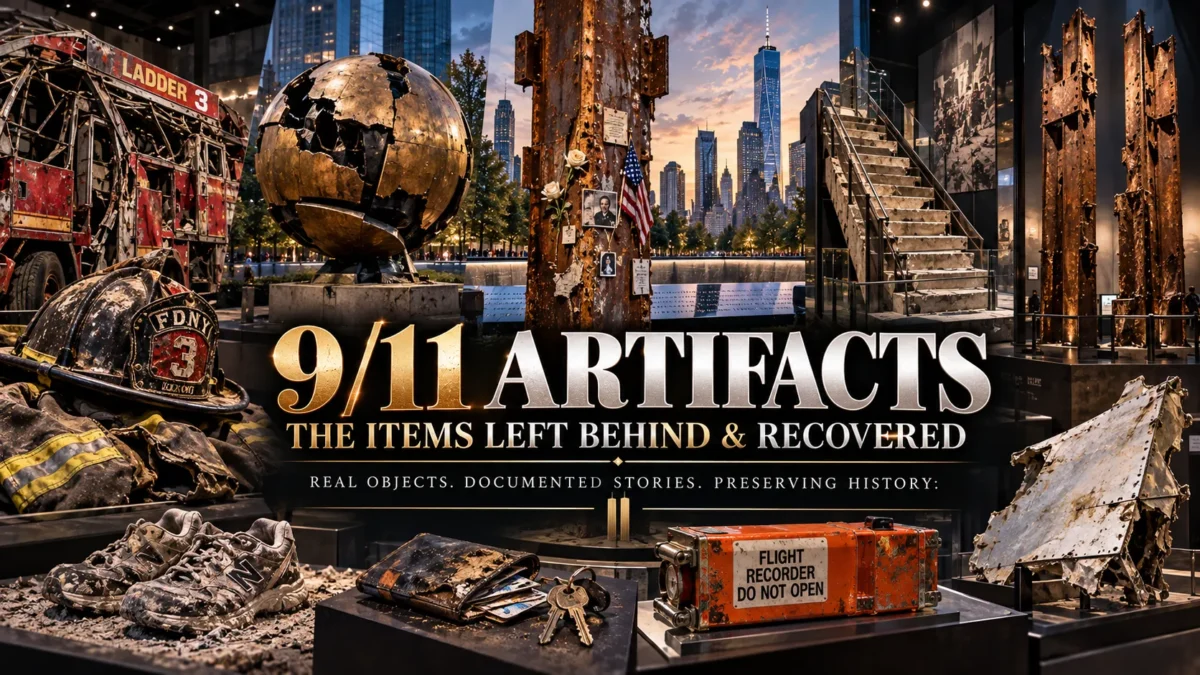
In the days, weeks, and months after September 11, 2001, recovery workers at Ground Zero, the Pentagon, and the Flight 93 crash site near Shanksville, Pennsylvania, sifted through millions of tons of wreckage. What they found became something far bigger than debris.
Twisted steel beams, crushed fire trucks, scorched wallets, and shattered glass turned into the physical record of a day that changed the world, and many of those pieces are now preserved as 9/11 artifacts in museums, memorials, and archives.
This list walks through some of the most significant artifacts of 9/11 recovered from all three attack sites, explains how the body recovery process actually worked, and clears up some common confusion around buying or selling 9/11 artifacts. It’s a heavy topic, but an important one to get right.
TL;DR: The genuine 9/11 artifacts recovered from Ground Zero, the Pentagon, and Shanksville — steel columns, a crushed fire truck, personal belongings, and Flight 93 wreckage — now live mainly in museums and memorials, not private sales listings.
Understanding the Scale of the Recovery Effort
The World Trade Center recovery operation ran for nearly nine months, from September 2001 through May 2002. Thousands of workers, including construction crews, firefighters, police officers, engineers, and volunteers, worked around the clock at what became known as “the Pile.”
Debris was trucked to the Fresh Kills Landfill on Staten Island, where it was painstakingly searched a second time for remains and personal items.
At the Pentagon, the damaged section of the building was stabilized and searched within weeks, and reconstruction began remarkably fast.
Near Shanksville, Pennsylvania, the Flight 93 crash site was a much smaller but no less complex scene, since the aircraft struck the ground at high speed and fragmented extensively. Each location produced its own category of 9/11 artifacts, shaped by how the attacks unfolded there.
How 9/11 Body Recovery Actually Worked
Body recovery after 9/11 was one of the largest forensic operations in American history. The New York City Office of Chief Medical Examiner (OCME) led the effort to identify remains recovered from Ground Zero, using dental records, fingerprints, and increasingly, DNA analysis.
Because so much of the destruction involved intense heat and physical force, many remains were fragmentary, which made identification slow and painstaking.
The OCME did not close its work when Ground Zero recovery ended in 2002. Advances in DNA technology have allowed the office to keep making new identifications for decades afterward, with additional victims identified as recently as the 2020s.
This ongoing effort reflects a deliberate promise made to families: that the search for their loved ones would not simply stop because the physical cleanup was finished.
At the Pentagon and in Shanksville, recovery teams worked with the FBI, the National Transportation Safety Board, and local medical examiners.
Because both sites involved aircraft impacts, investigators also had to recover flight data recorders and physical wreckage alongside human remains, work that fed both the identification process and the broader investigation into the attacks.
22 Artifacts of 9/11 That Tell the Story
The items below span Ground Zero, the Pentagon, and Shanksville. Some are displayed prominently at the National September 11 Memorial & Museum in New York, while others are held by different institutions or memorial sites. Together, they form one of the most complete physical records of any single day in American history.
1. The Last Column
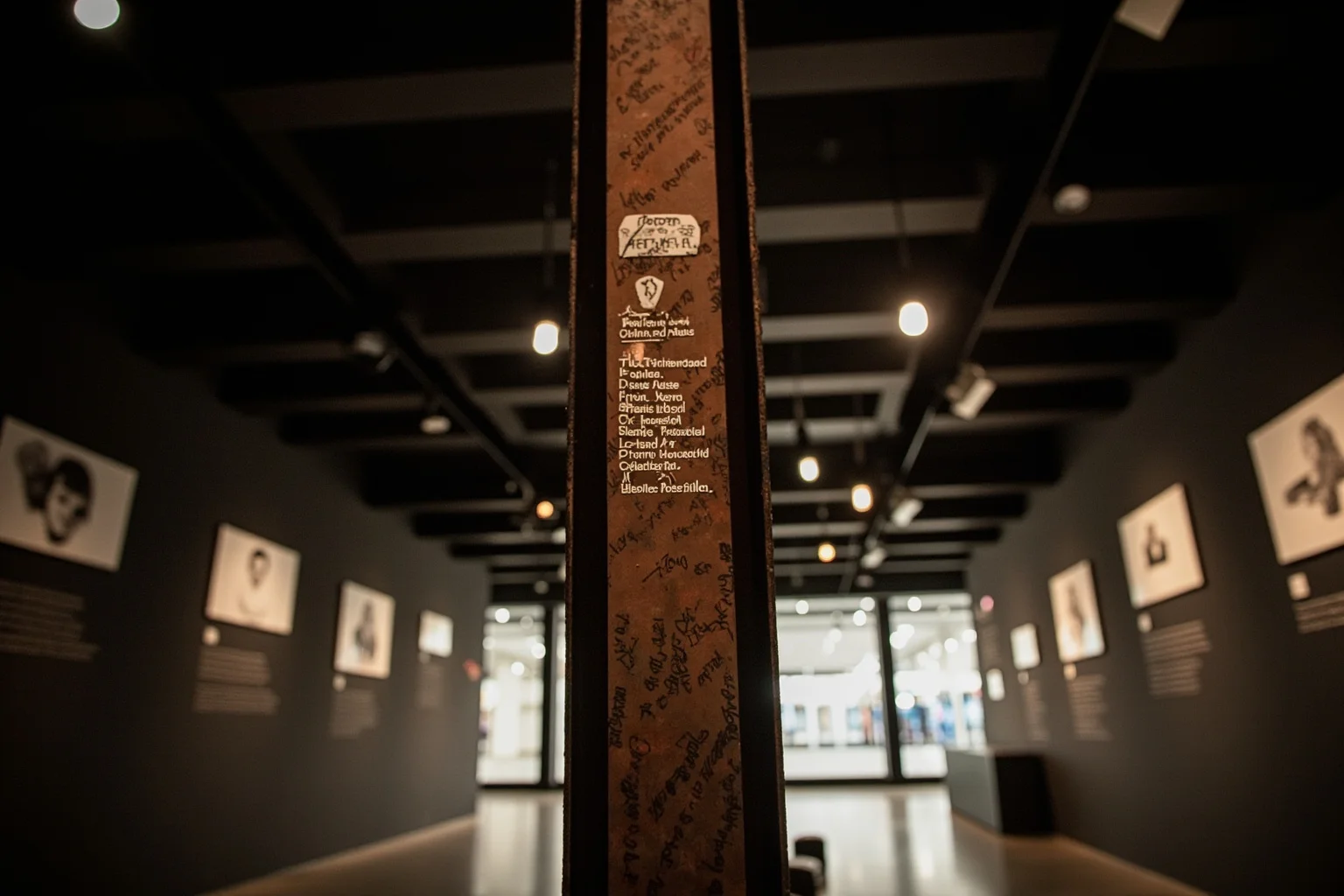
The Last Column was a 36-foot steel beam, the final piece of structural steel removed from Ground Zero in May 2002. Recovery workers, police officers, and firefighters covered it with photographs, insignia, and handwritten memorials before it was ceremonially removed.
Today it stands at the center of Foundation Hall in the 9/11 Memorial Museum, largely unchanged from the day it left the site.
2. The Sphere
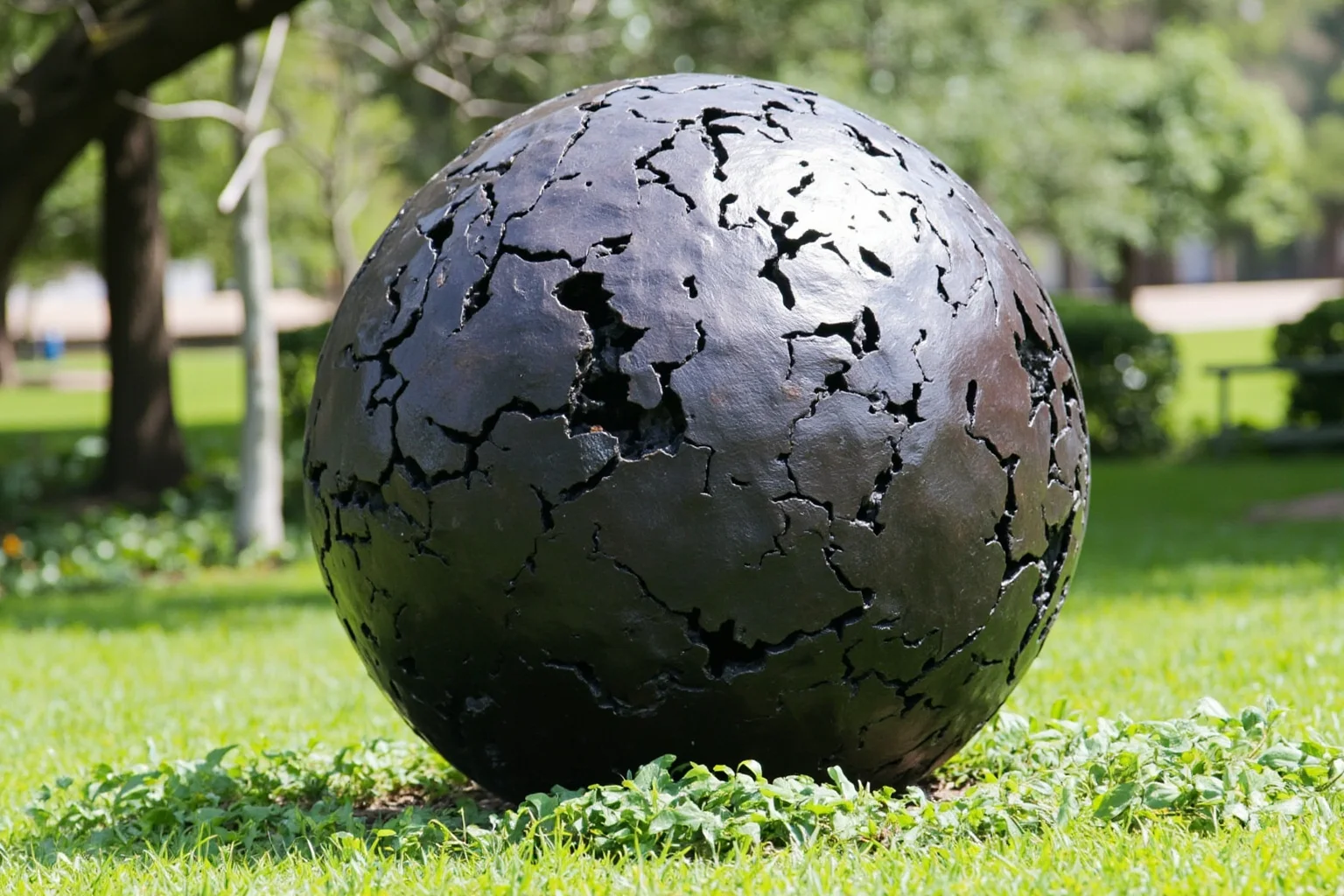
German sculptor Fritz Koenig’s bronze sculpture, officially titled “Große Kugelkaryatide,” once stood in the plaza between the Twin Towers as a fountain centerpiece.
It survived the collapse dented and torn but intact, making it one of the most recognizable twin towers artifacts. It was temporarily displayed in Battery Park before being relocated to Liberty Park at the World Trade Center site in 2017.
3. The Survivors’ Stairs
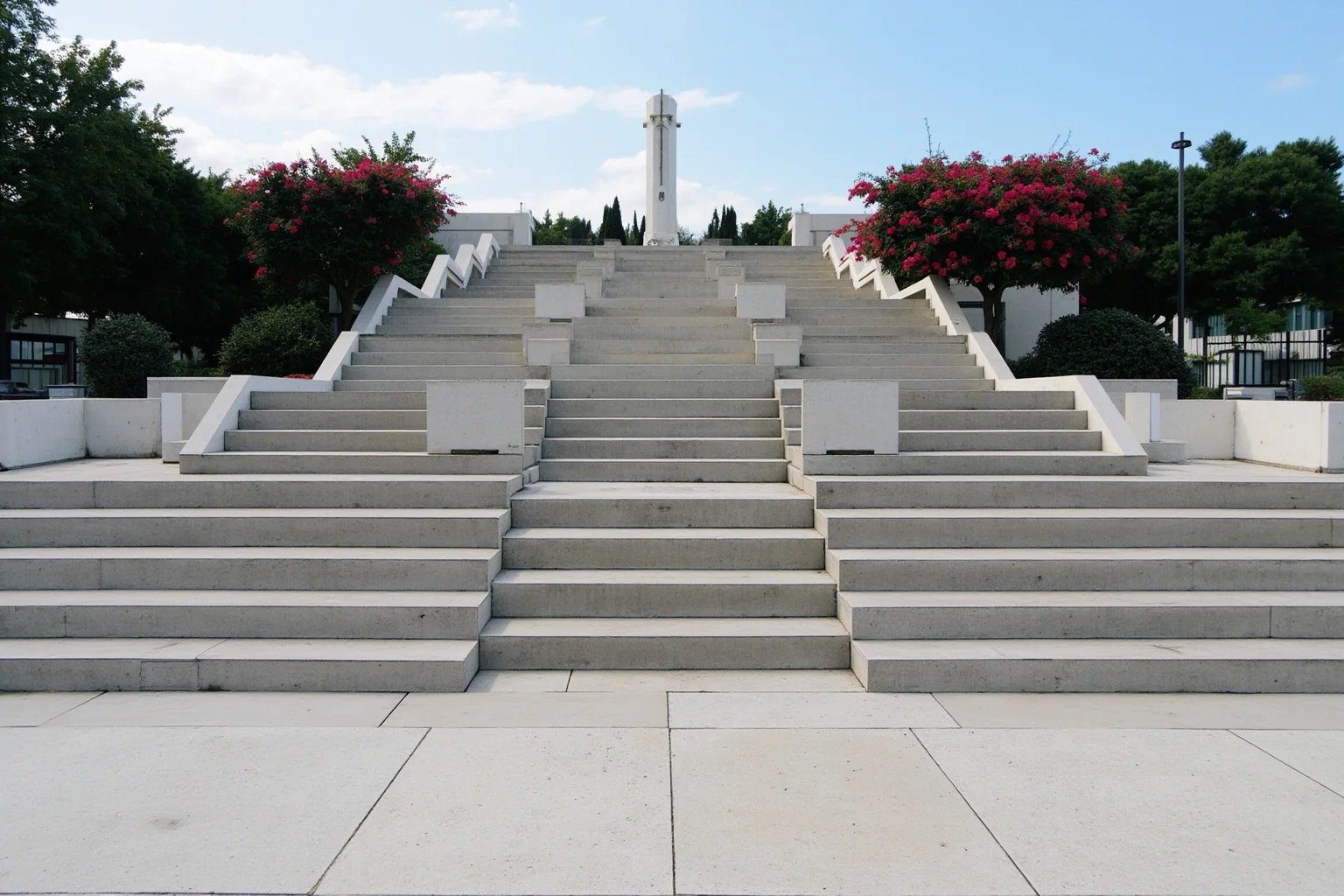
Also called the Vesey Street Stairs, this outdoor staircase allowed hundreds of people to escape the World Trade Center plaza before the towers collapsed.
The stairs survived largely intact and were later incorporated into the 9/11 Memorial Museum’s entrance pavilion. They remain one of the few structural pieces of the original complex still standing in roughly their original location.
4. FDNY Ladder Company 3’s Crushed Fire Truck
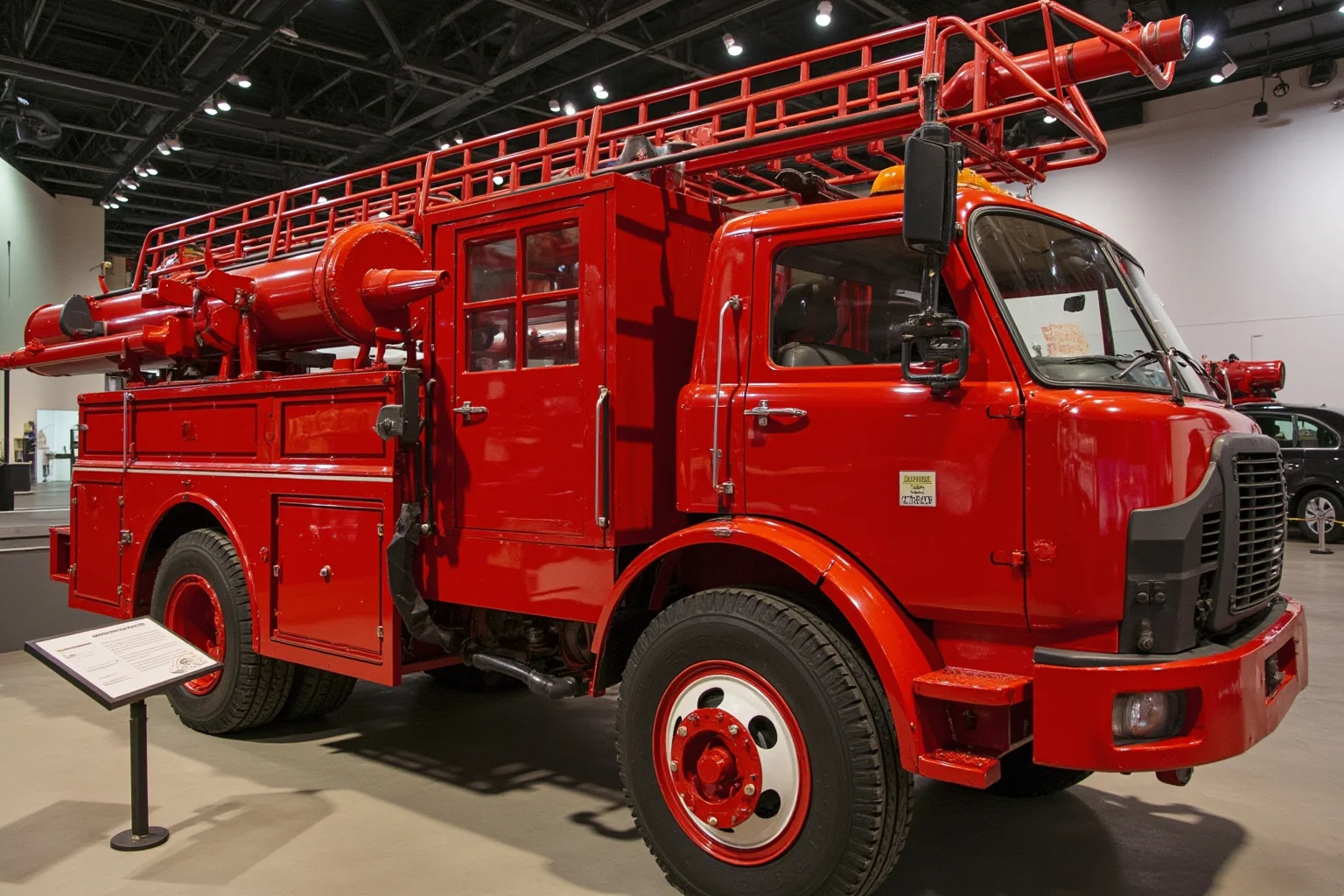
All eleven firefighters who responded aboard Ladder Company 3 that morning died in the line of duty, and their rig was recovered severely crushed.
Rather than restoring it, the museum chose to display it in its damaged state as a stark reminder of the FDNY’s losses. It stands among the most emotionally direct 9/11 artifacts in the museum’s collection.
5. The WTC “Tridents”
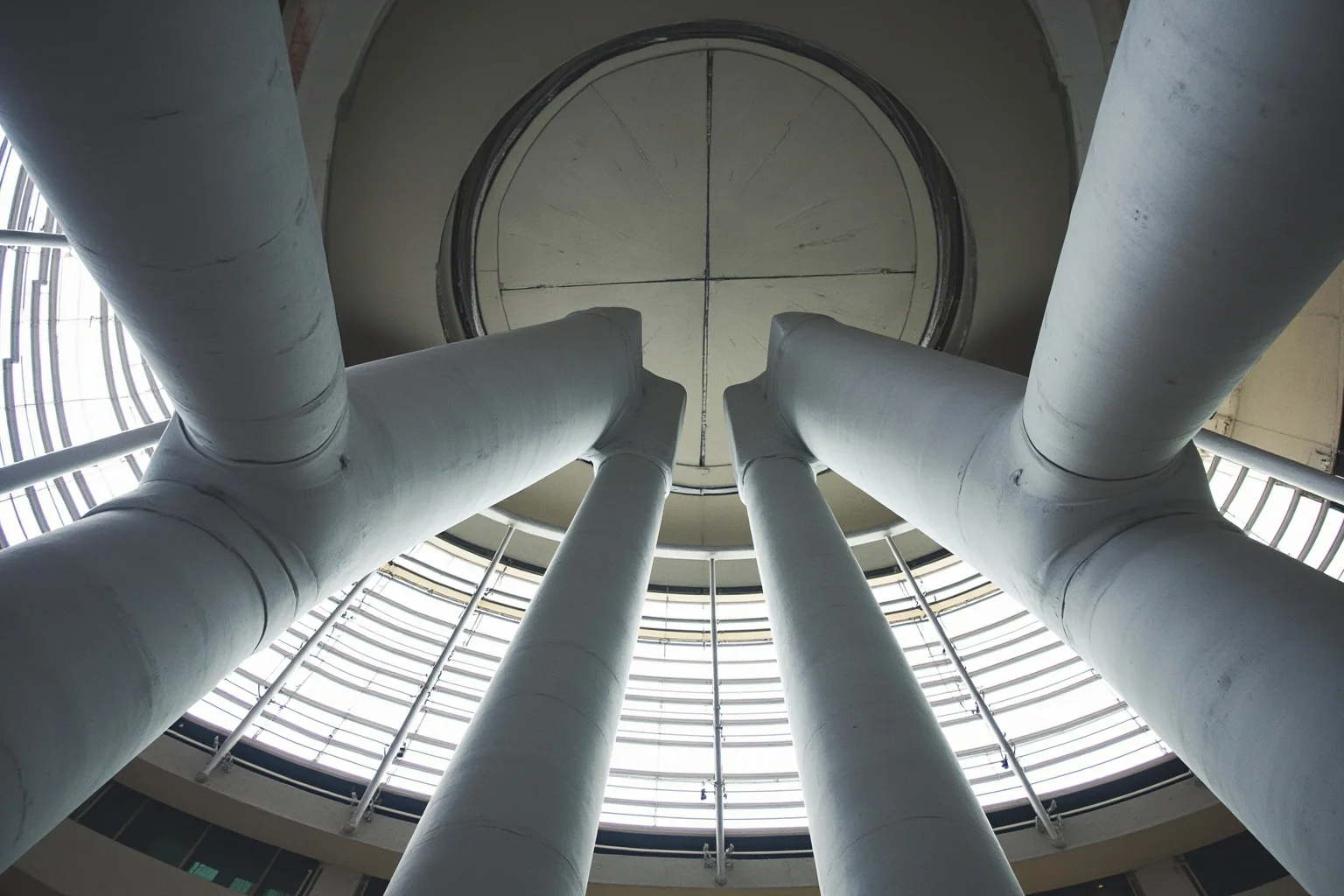
The Twin Towers’ distinctive facade included tall, tapered steel columns nicknamed “tridents” for their forked shape at the base. Several of these massive columns survived the collapse and now anchor Foundation Hall in the museum. They offer visitors a rare sense of the original towers’ true architectural scale.
6. The World Trade Center Cross
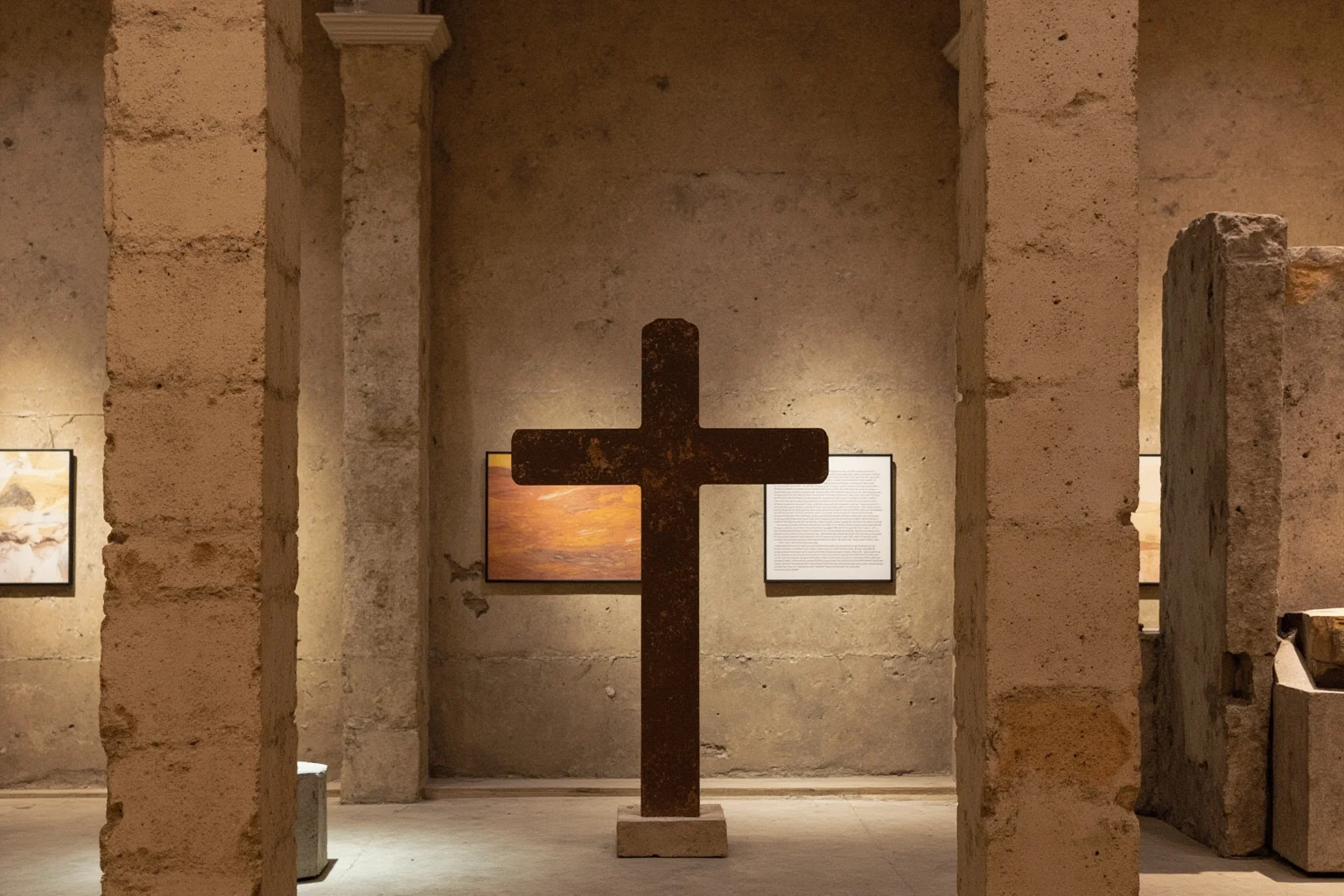
Construction worker Frank Silecchia discovered a cross-shaped steel beam standing upright in the rubble in late September 2001.
It quickly became an informal symbol of hope for recovery workers, many of whom visited it during their shifts. The beam is now displayed in the museum, though its religious symbolism has occasionally sparked legal and public debate over its placement in a secular institution.
7. The Slurry Wall
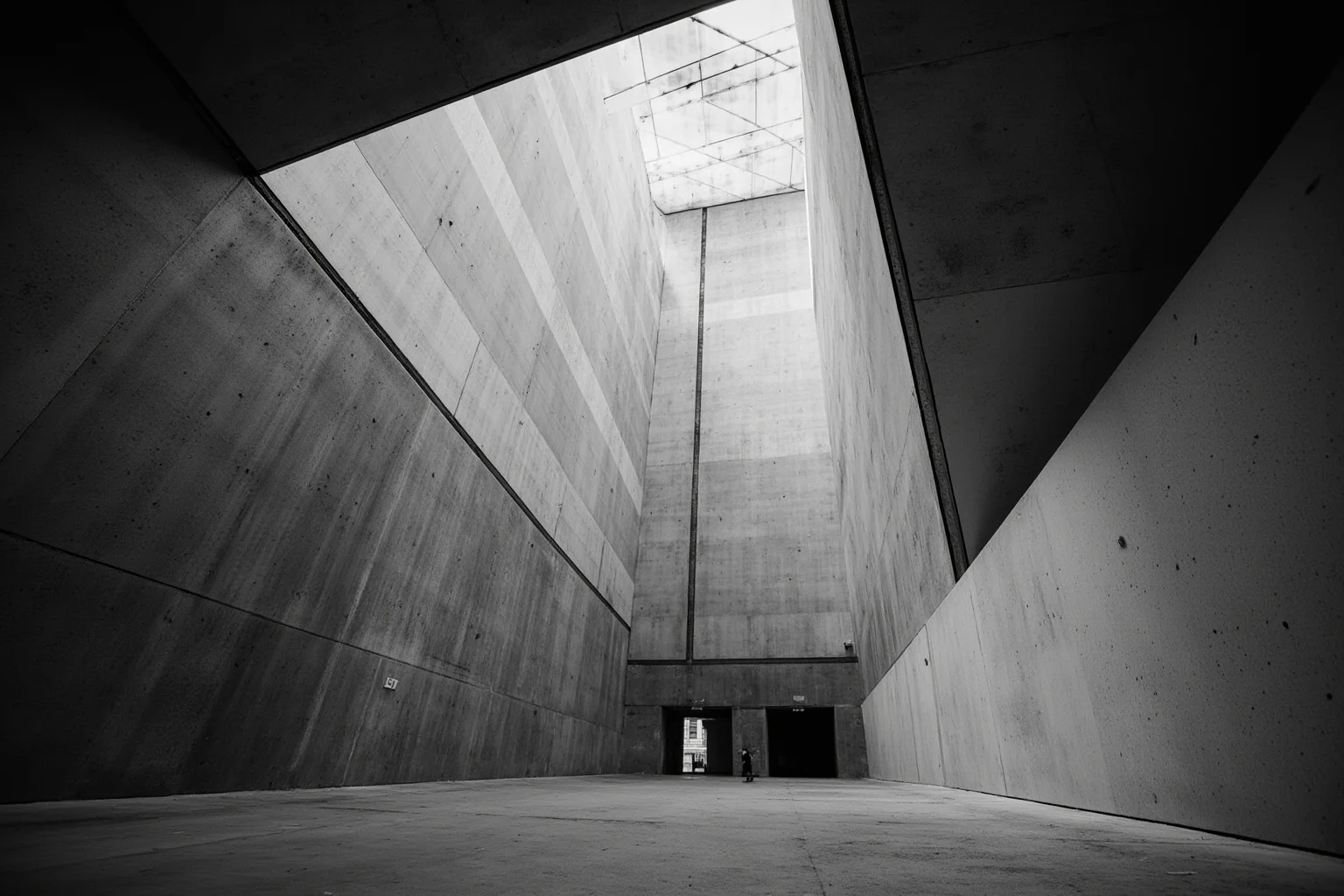
The slurry wall is the massive concrete retaining wall built in the 1960s to hold back the Hudson River during the World Trade Center’s original construction.
It held firm on 9/11 despite the towers’ collapse, preventing catastrophic flooding of the site and nearby subway tunnels. A large exposed section is preserved in the museum as both an engineering artifact and a structural artifact of 9/11.
8. The PATH Station Turnstile
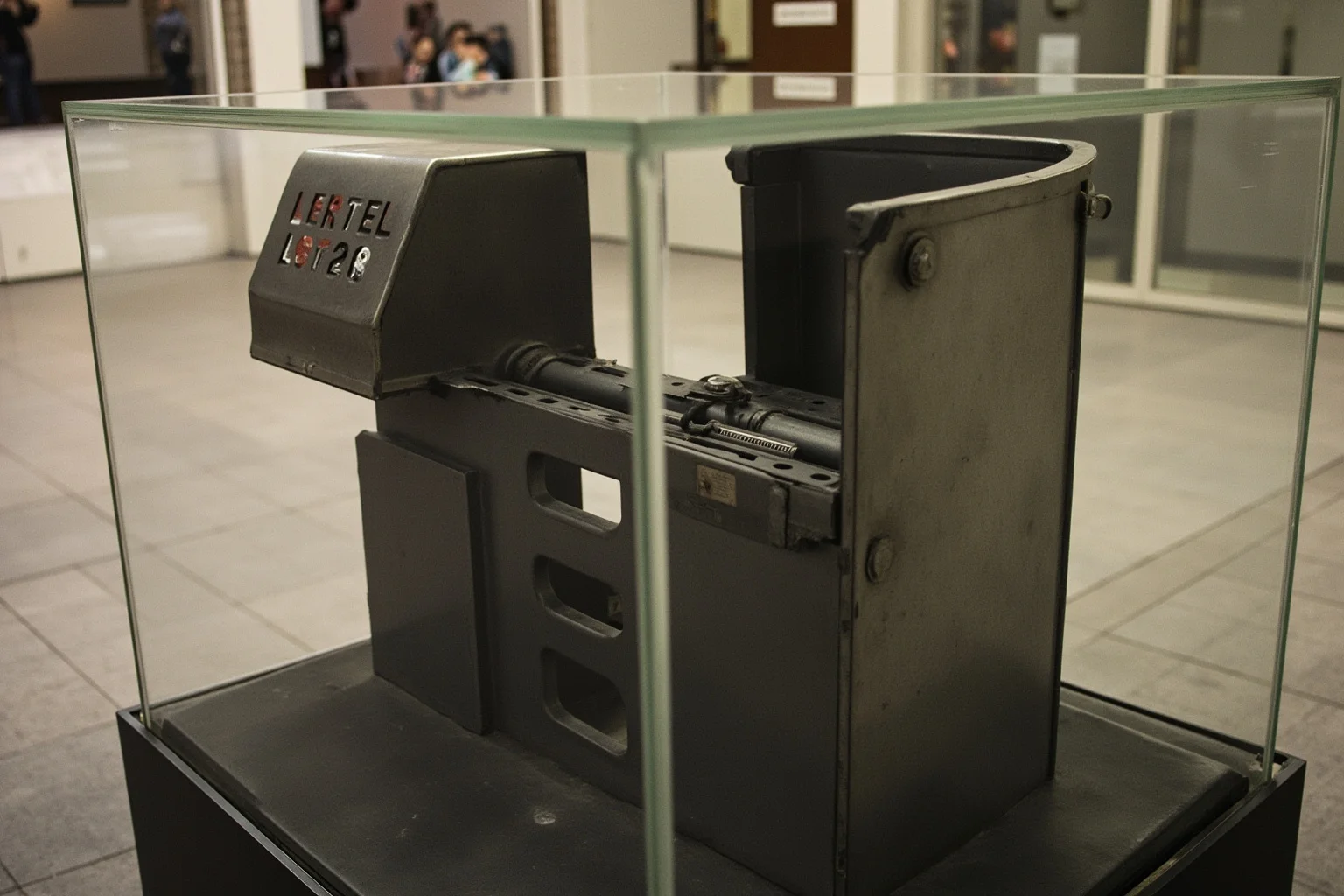
A mangled metal turnstile recovered from the World Trade Center’s PATH train station shows the force of the collapse on the transit infrastructure below the towers.
It’s a smaller, more everyday artifact compared to the massive steel beams, which is exactly why it resonates with many visitors. It reflects the thousands of ordinary commuters who passed through that station daily.
9. Missing Person Flyers
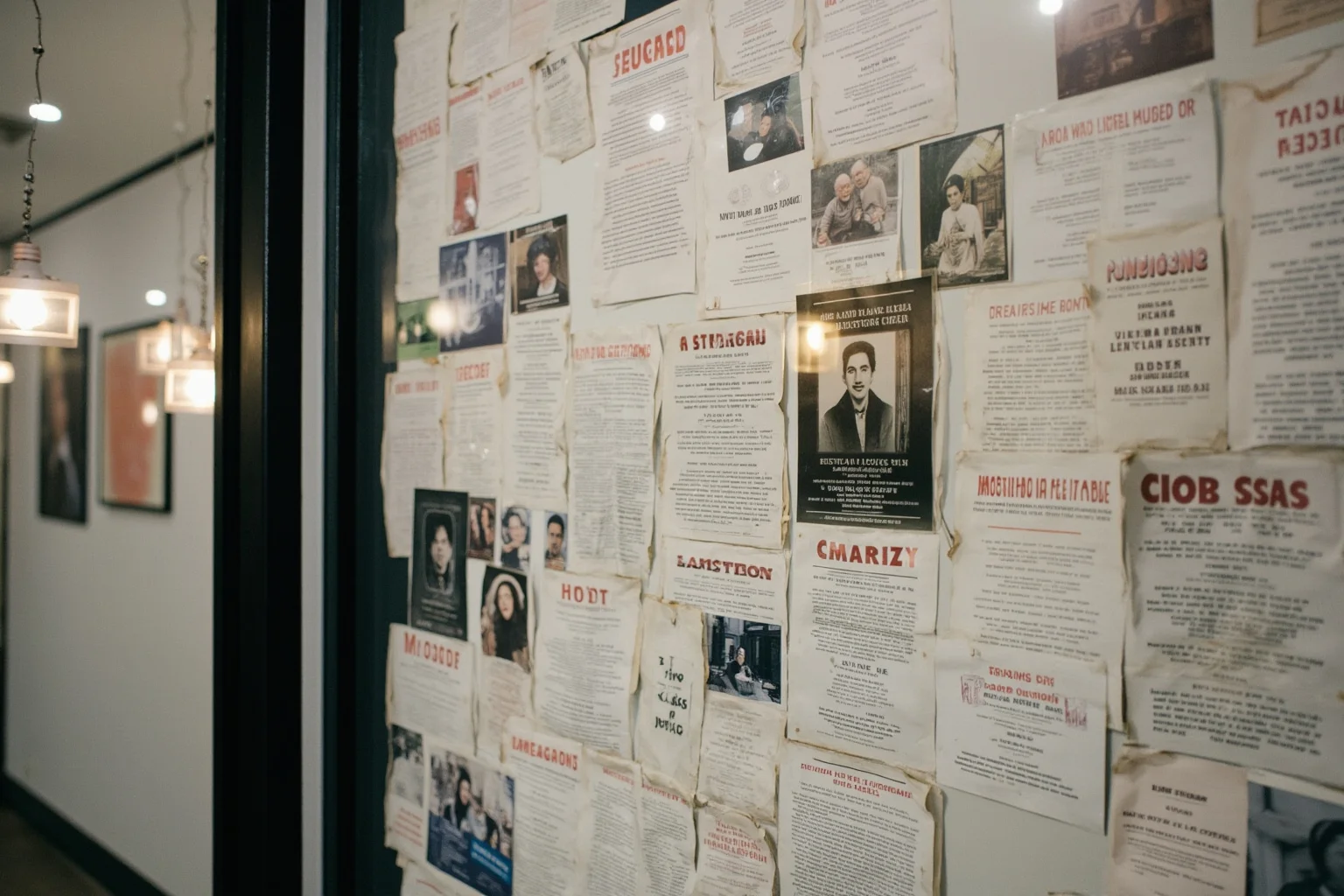
In the days after the attacks, family members papered lower Manhattan with flyers bearing photos and descriptions of missing loved ones. Many of these flyers were collected and preserved rather than discarded, and a selection is now part of the museum’s archival collection.
They capture the desperate, hopeful search that unfolded in real time before recovery efforts confirmed the worst for so many families.
10. Wallets, IDs, and Personal Effects
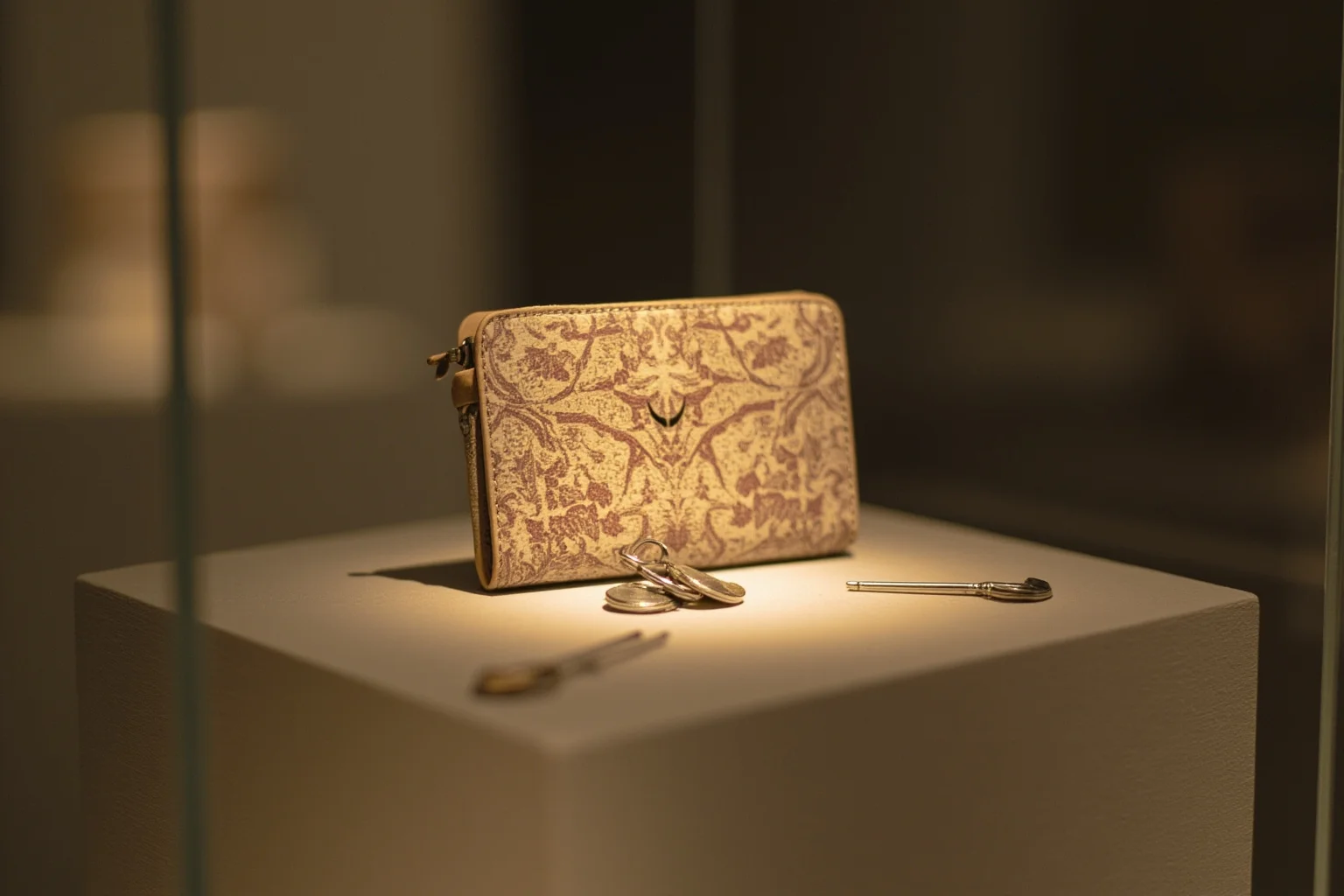
Recovery teams at Ground Zero catalogued enormous numbers of personal items: wallets, keys, glasses, and identification cards among them.
Many were eventually returned to families once identified, while others became part of the museum’s collection with permission. These small, personal artifacts of 9/11 often affect visitors more directly than the large architectural pieces.
11. Wedding Rings and Jewelry Returned to Families
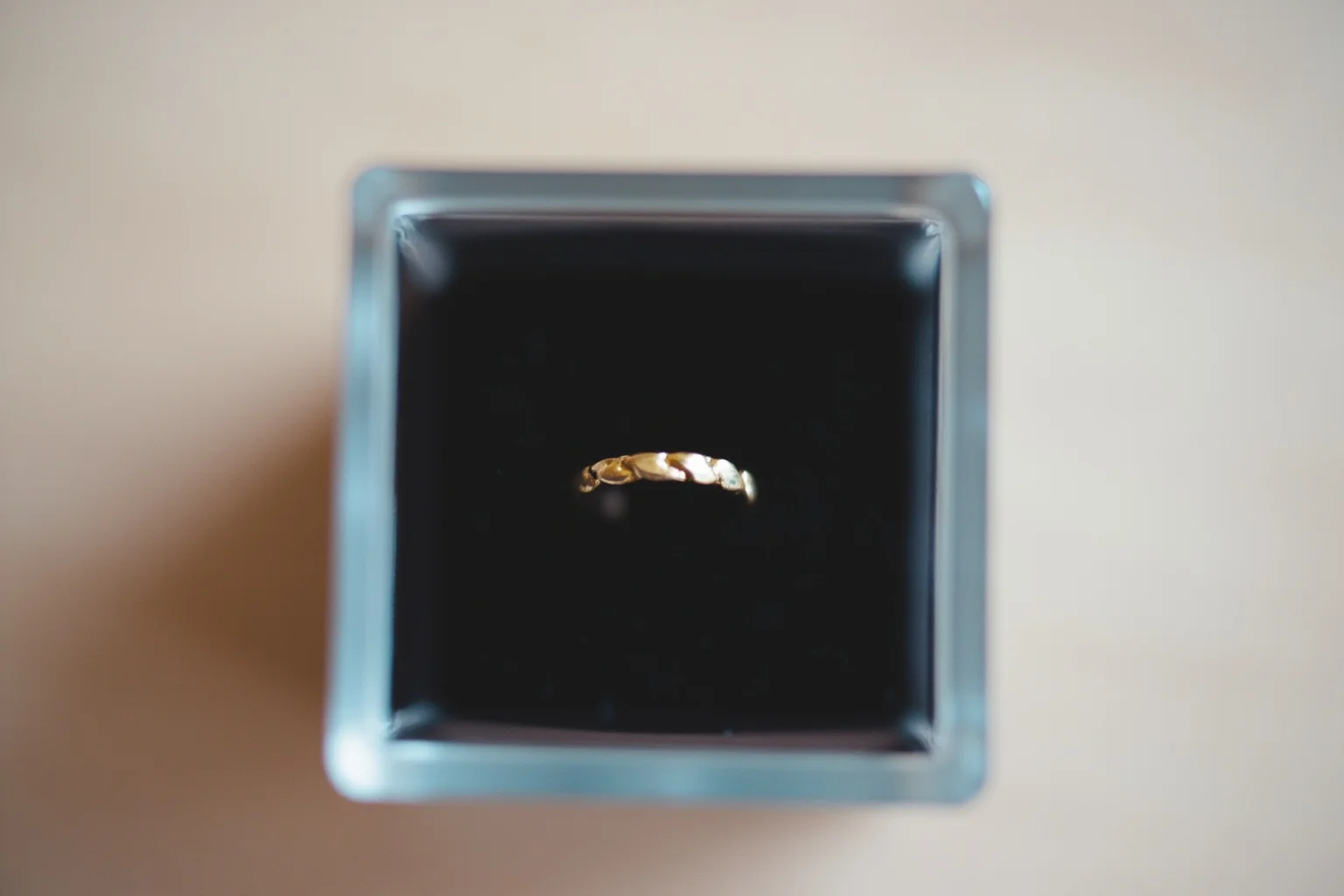
Jewelry, especially wedding rings, held particular significance during the identification process, since engravings and unique designs sometimes helped confirm a victim’s identity. The OCME and NYPD worked to reunite recovered jewelry with families whenever possible. Some pieces, donated by families later, are now displayed anonymously in memorial exhibits.
12. Firefighter Helmets and Turnout Gear
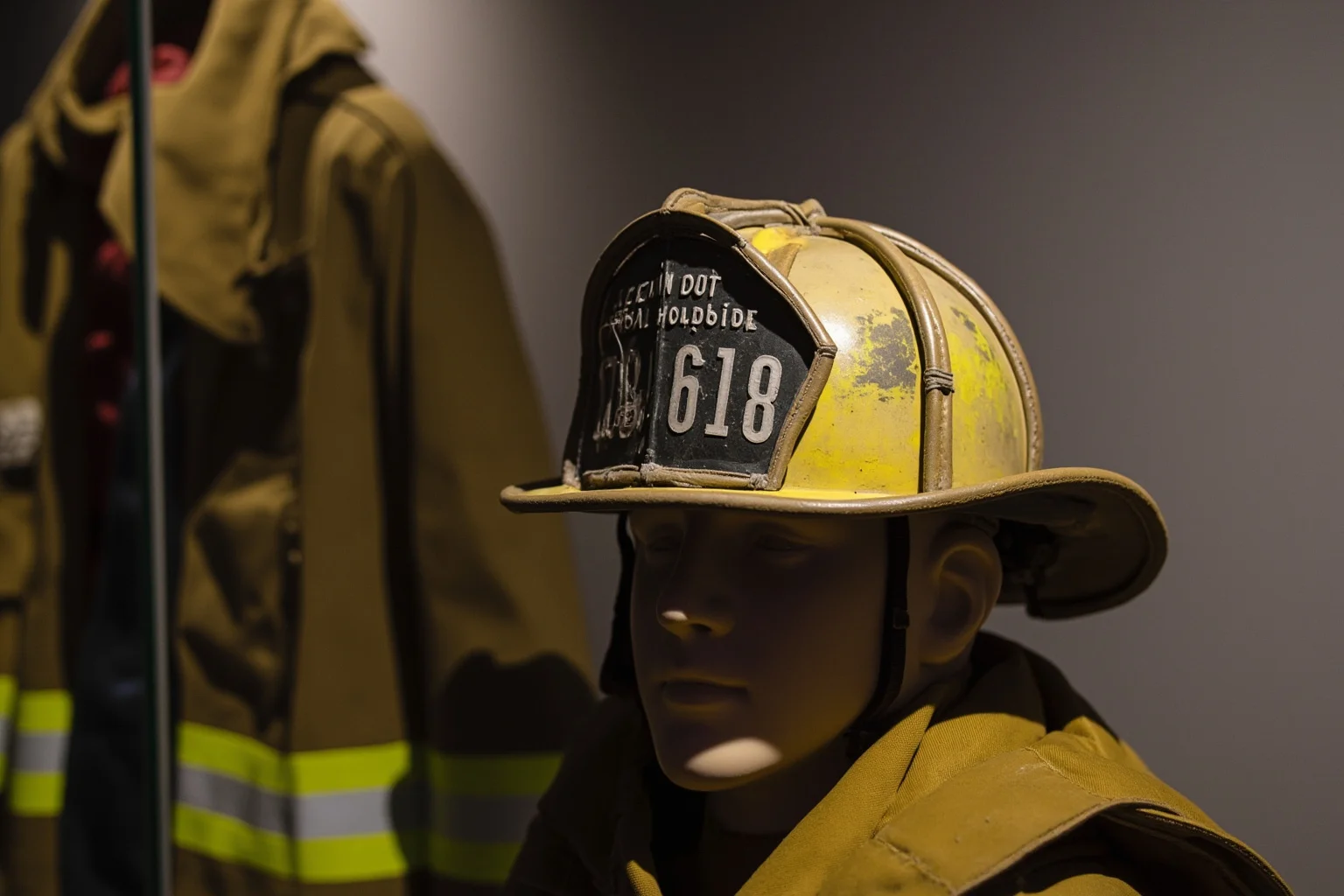
Damaged helmets, jackets, and boots recovered from Ground Zero represent the 343 FDNY members who died that day. Several examples are preserved in the museum, often displayed alongside the names and stories of the firefighters who wore them. This gear remains some of the most visited and photographed 9/11 artifacts in the collection.
13. The Composite Steel “Impact” Beam
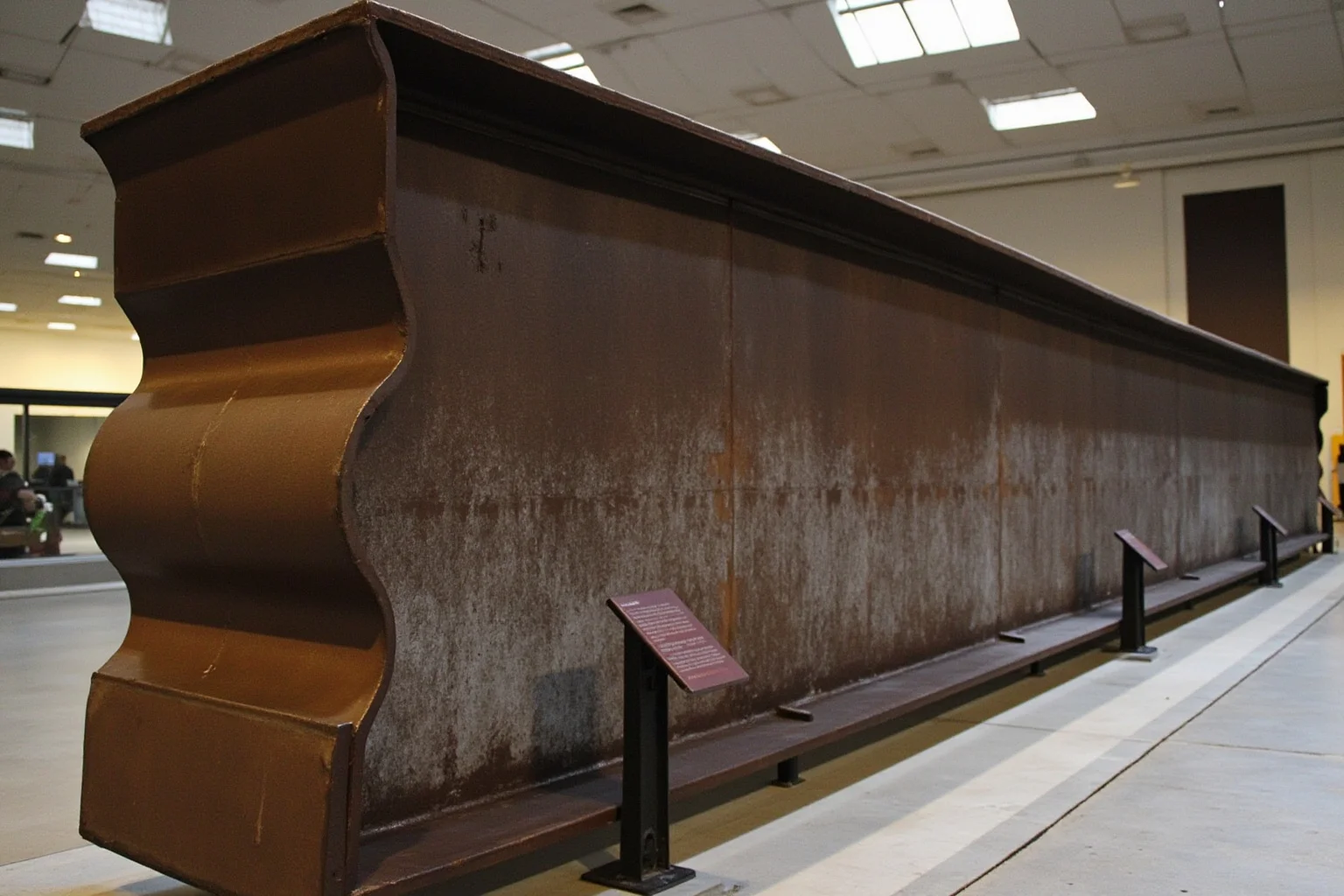
Certain recovered steel beams show visible deformation consistent with the force of the aircraft impacts, and a few of these are displayed with explanatory context in the museum’s historical exhibition.
They’re presented carefully, with the museum noting what can and can’t be concluded from a beam’s shape alone. This cautious framing matters, since damaged steel has occasionally been the subject of unfounded structural-collapse theories that reputable engineering investigations have not supported.
14. Damaged NYPD and FDNY Vehicles
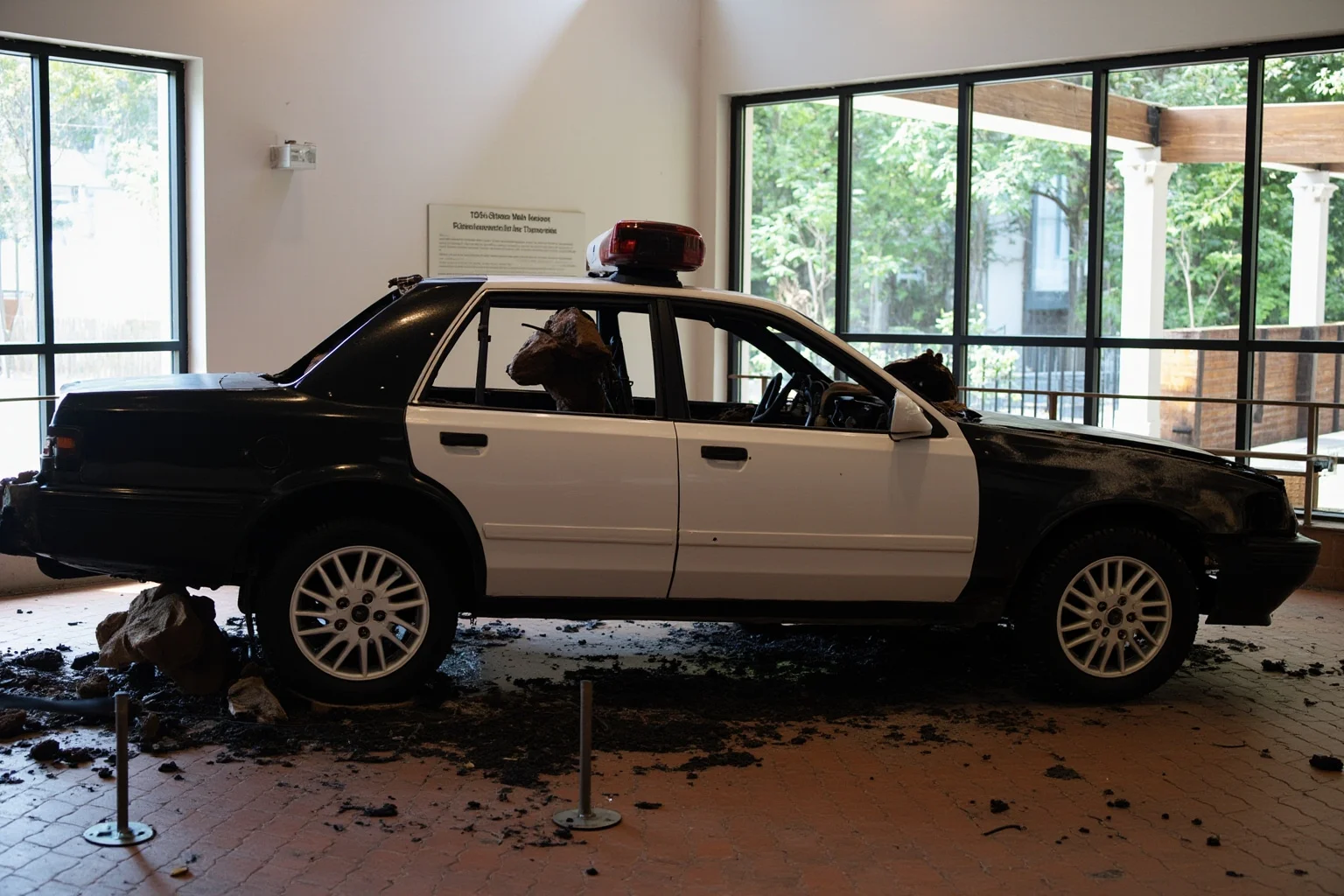
Beyond Ladder 3’s truck, other emergency vehicles, including police cars and additional fire apparatus, were recovered crushed or burned near the towers.
Several remain in storage or on display as part of the broader effort to document first responders’ sacrifice. They sit alongside written radio logs and dispatch records that help historians reconstruct the response timeline.
15. Flight 93’s Cockpit Voice Recorder
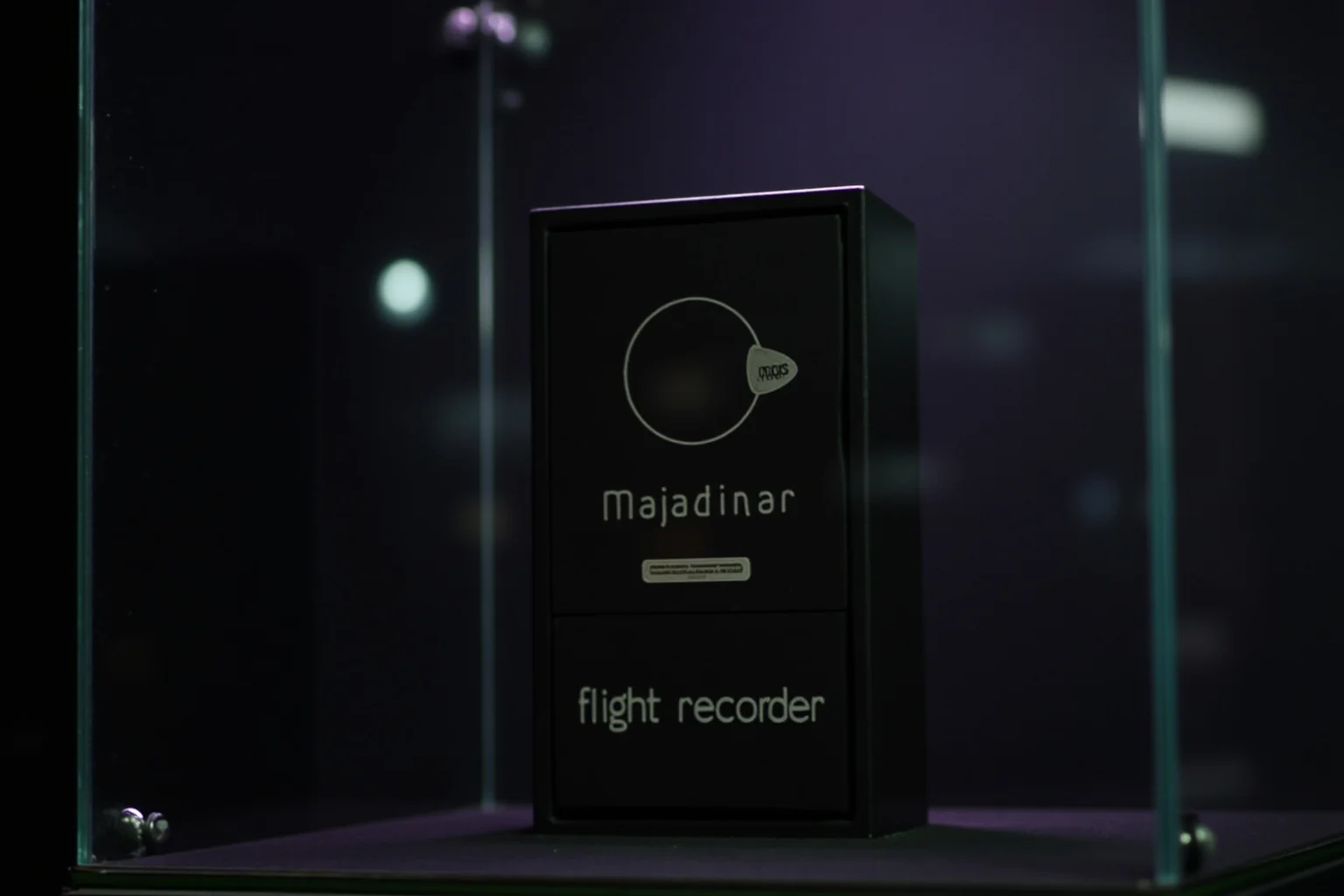
Investigators recovered the “black box” cockpit voice recorder from the Flight 93 crash site near Shanksville, and its contents were later used in the 9/11 Commission’s investigation and in later legal proceedings. The recording captured the passengers’ and crew’s attempt to retake the cockpit from the hijackers.
It remains one of the most historically significant flight 93 recovered items, though access to the full recording has been tightly restricted out of respect for victims’ families.
16. Flight 93 Recovered Wreckage and Personal Items
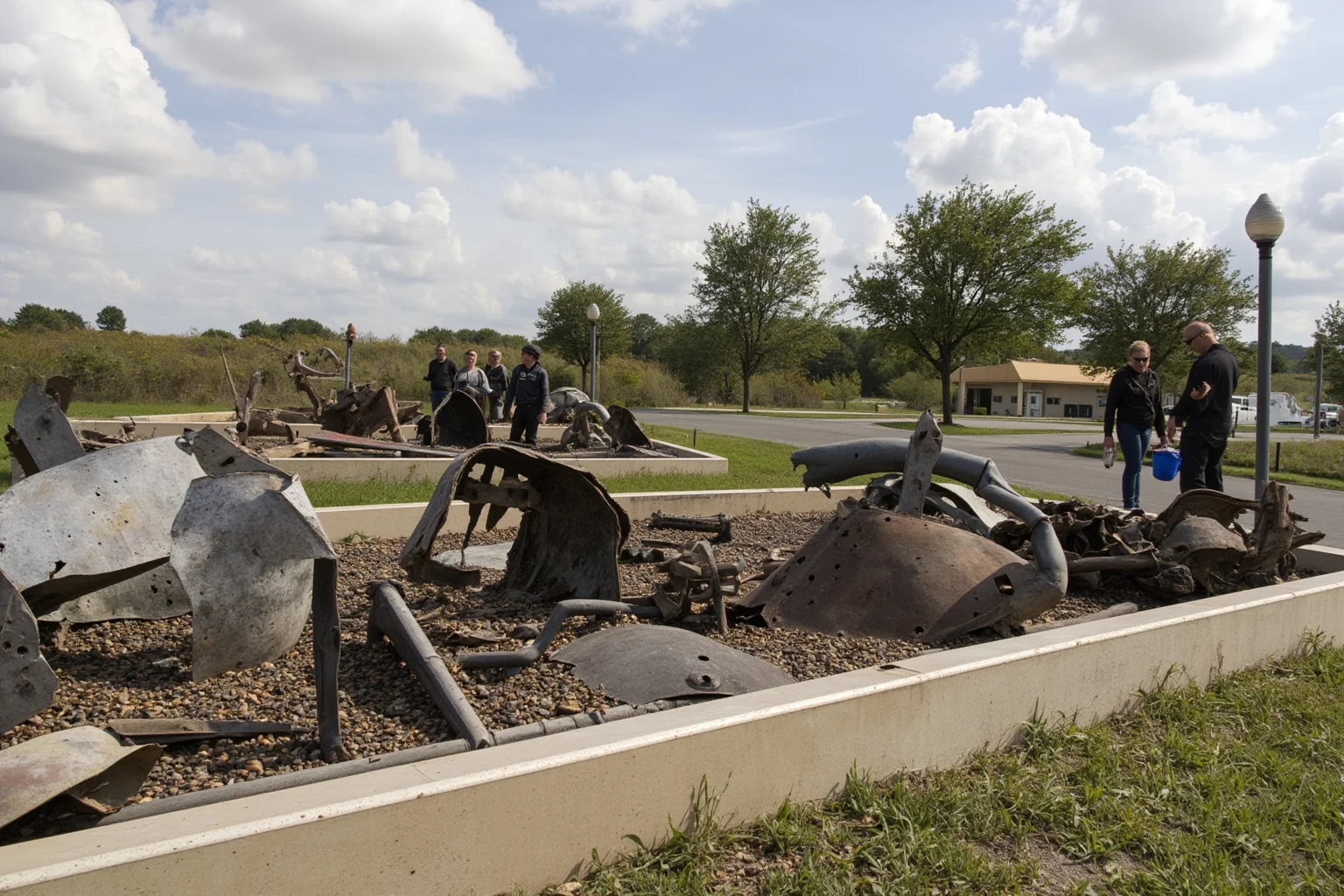
Because United Airlines Flight 93 struck the ground at high speed, the debris field was scattered and highly fragmented. Investigators still recovered identifiable wreckage pieces and personal belongings, some of which are now preserved by the National Park Service. These flight 93 recovered items form the physical backbone of exhibits at the Flight 93 National Memorial’s Learning Center.
17. Artifacts at the Flight 93 Memorial’s Wall of Names
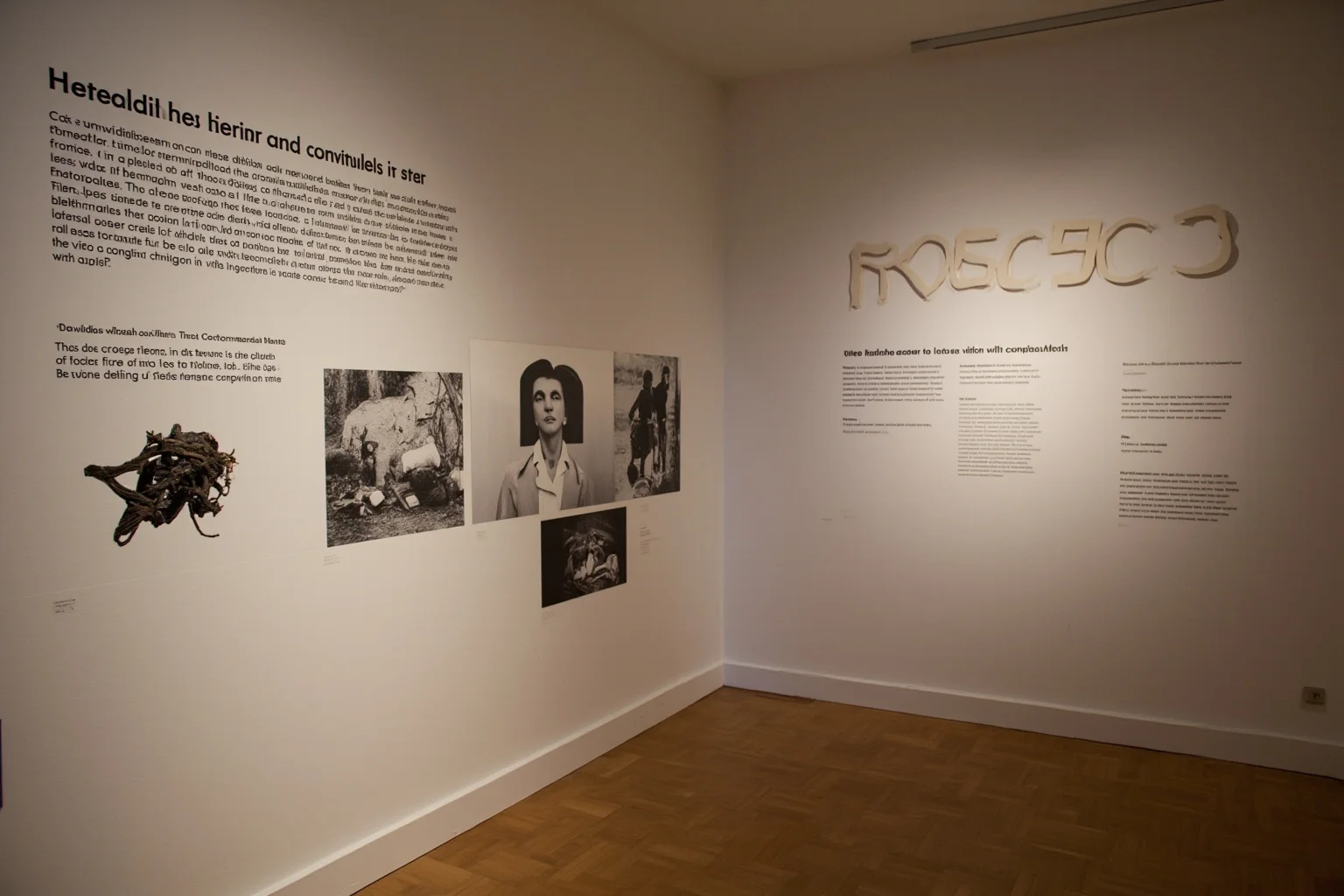
While the Wall of Names itself is a memorial structure rather than a recovered artifact, the visitor center beside it displays wreckage fragments, photographs, and personal items connected to the 40 passengers and crew. Families of victims contributed many of these pieces voluntarily. Together they help visitors understand who was aboard the flight, not just what happened to it.
18. Pentagon Memorial Limestone Bench Fragments
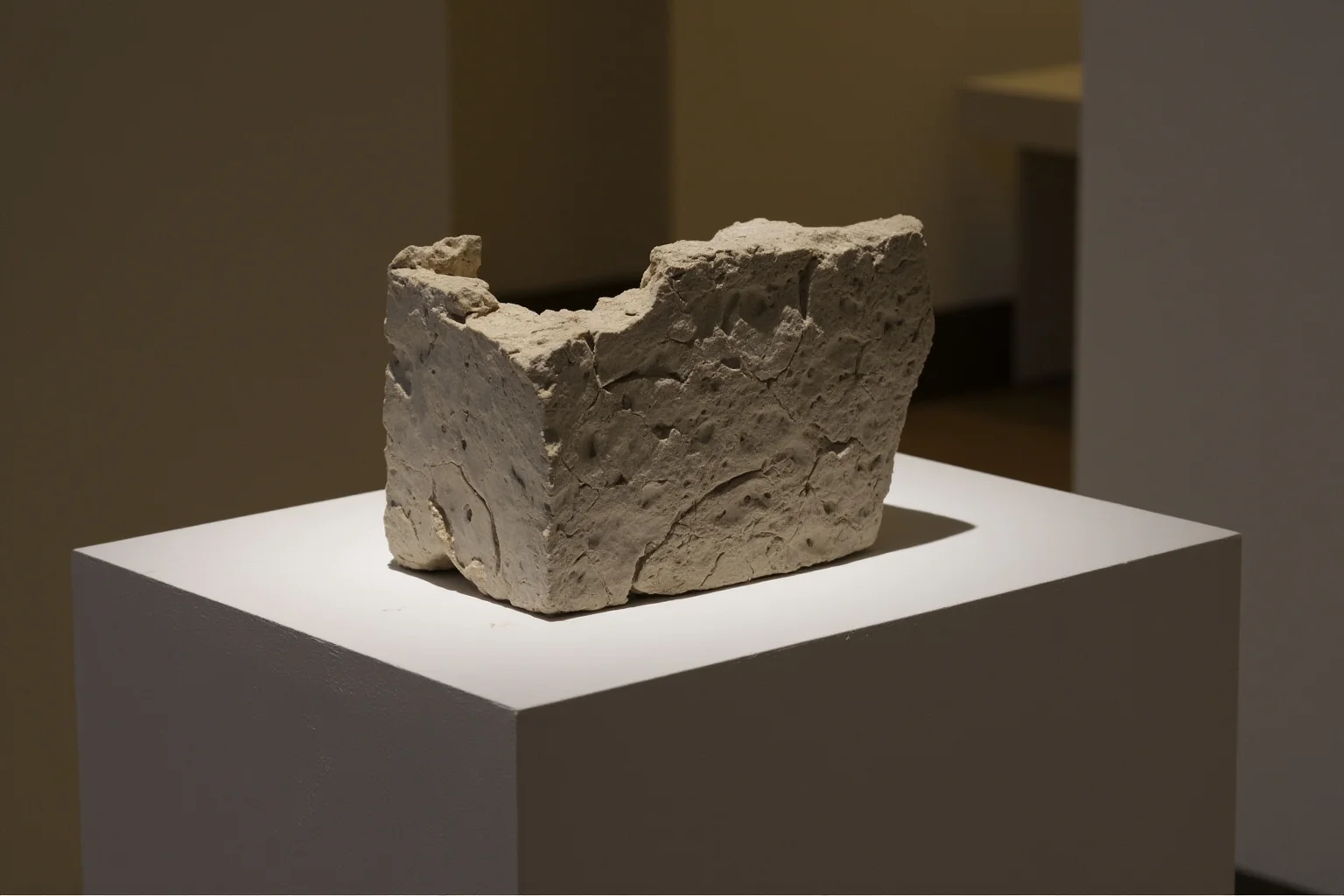
The Pentagon’s limestone facade was heavily damaged in the attack, and portions of the original stone were preserved during reconstruction. Some fragments are held by the Pentagon’s historical office, distinct from the 184 memorial benches later built at the Pentagon Memorial. These stone remnants document the physical force of the impact on one of the world’s most secure buildings.
19. The Pentagon’s Damaged Flag
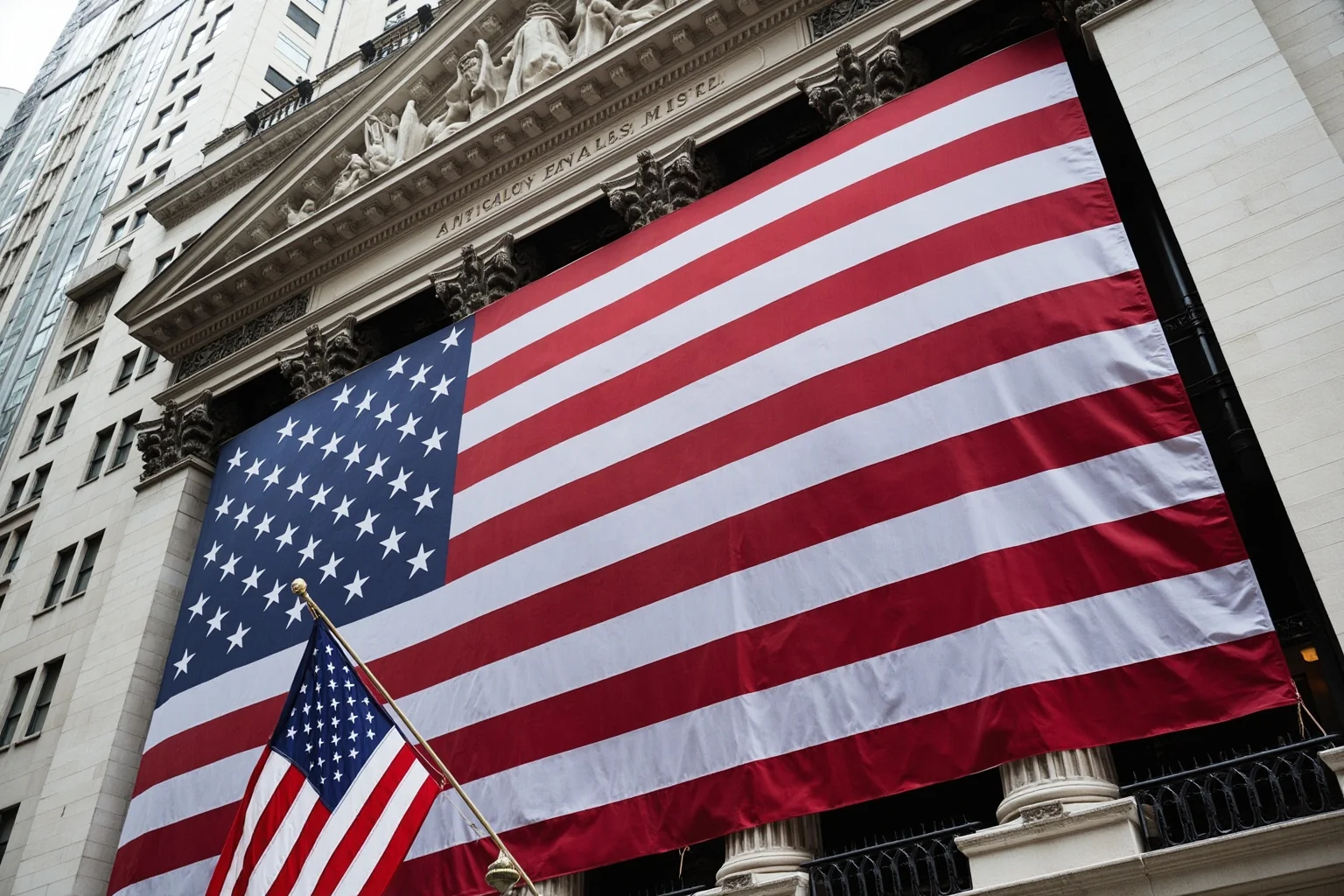
ews footage from September 11, 2001 famously showed a giant American flag being unfurled down the damaged face of the Pentagon by service members in the hours after the attack. That flag became an widely circulated image of defiance and resolve. It is preserved today as part of the Pentagon’s historical collection, distinct from replica flags sometimes flown at commemorative events.
20. Ash-Covered Shoes and Clothing
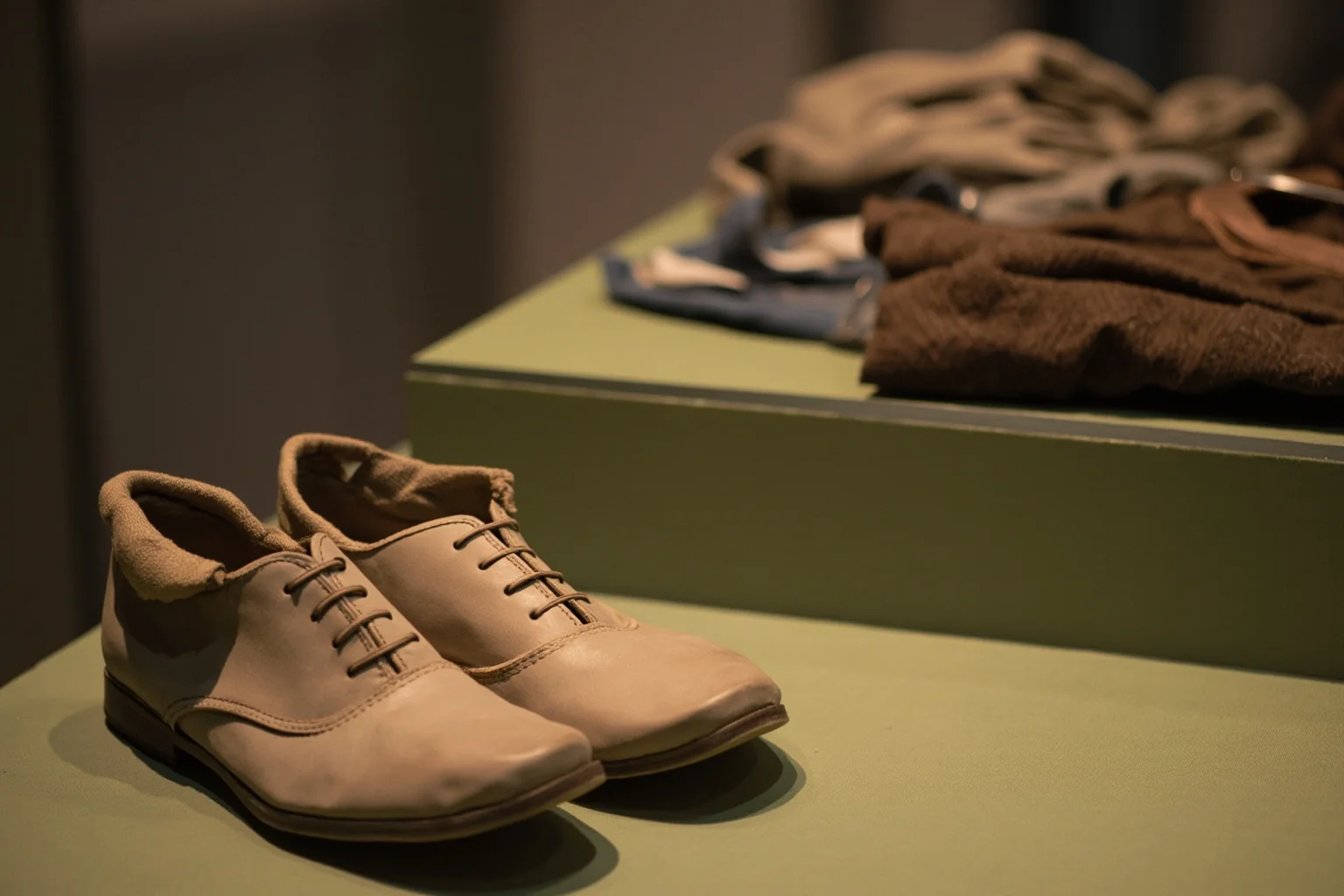
Many survivors who escaped lower Manhattan on foot were caught in the massive dust and ash cloud that followed each tower’s collapse. Some later donated their ash-covered shoes, suits, and other clothing to the museum, providing a visceral sense of what it was like to be on the ground that day. These everyday items are some of the most quietly powerful artifacts of 9/11 on display.
21. The North Tower Broadcast Antenna Fragment
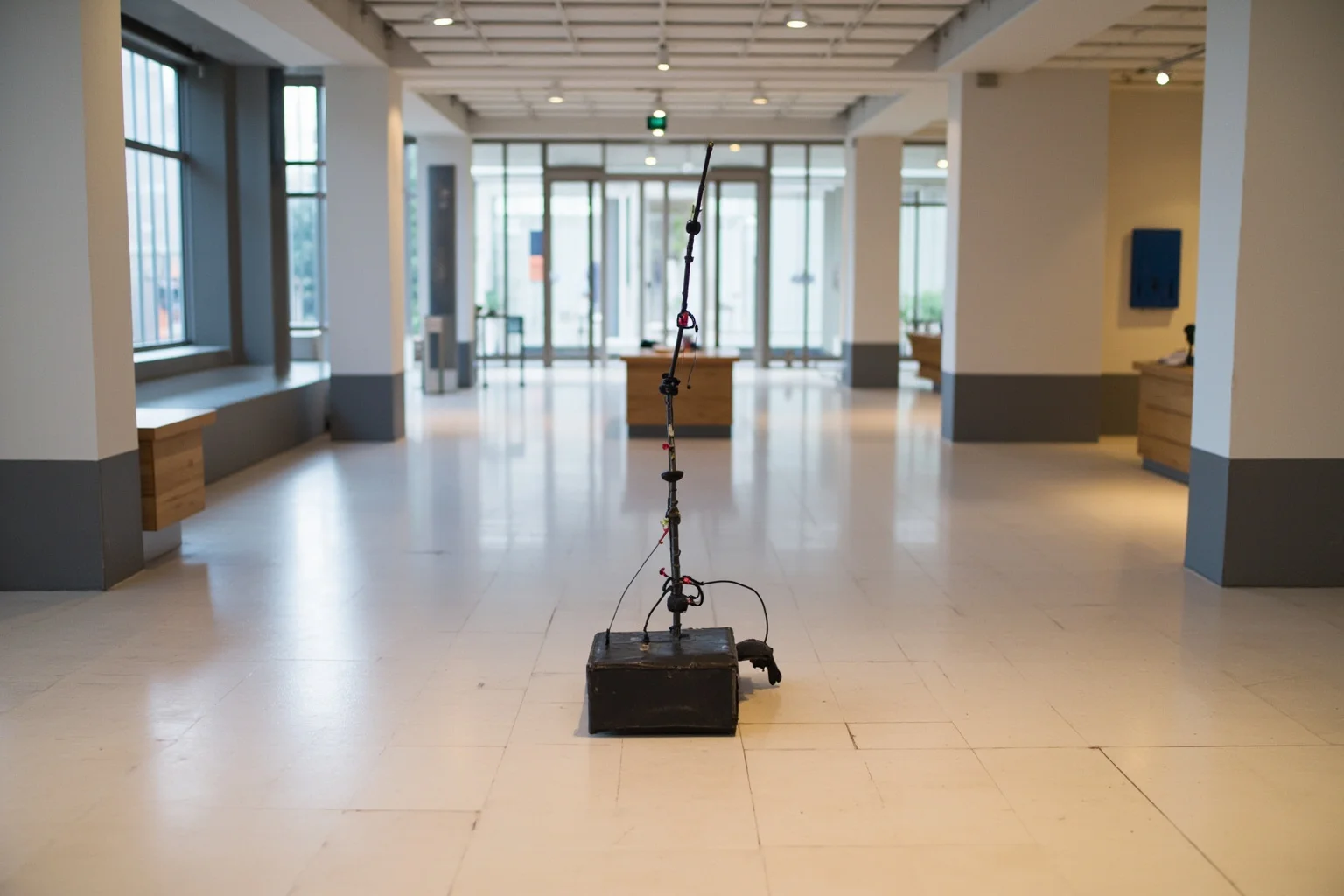
The North Tower’s roof carried a large broadcast antenna used by New York television and radio stations. A portion of this structure was recovered from the wreckage and is preserved as part of the museum’s collection, illustrating just how much of the towers’ upper structure came down with the collapse. It’s a less famous but historically important twin towers artifact.
22. Steel Beams Gifted as Memorials Around the World
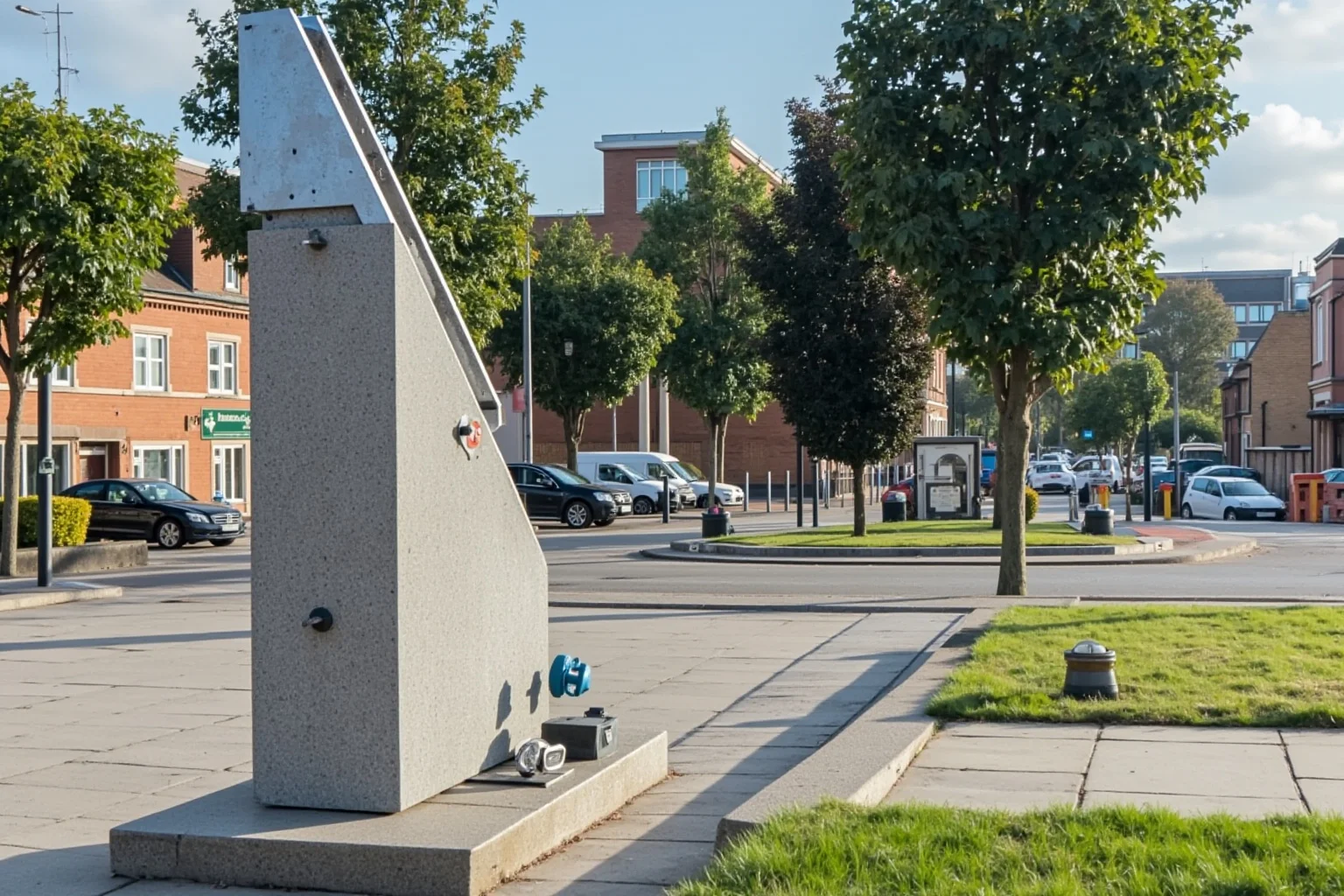
In the years after 9/11, the Port Authority of New York and New Jersey donated recovered steel beams to hundreds of fire departments, towns, and memorials across the United States and abroad.
These pieces now anchor local 9/11 memorials from small American towns to sites overseas. It’s one of the reasons genuine World Trade Center steel occasionally surfaces outside New York in verified, documented memorial settings.
Why You Won’t Find Authentic 9/11 Artifacts For Sale (Usually)
A search for “9 11 artifacts for sale” turns up plenty of listings online, and it’s worth approaching all of them with real skepticism. The National September 11 Memorial & Museum, the Port Authority, and government agencies generally do not sell recovered material to private collectors.
Verified WTC steel that has left institutional hands was almost always formally donated to a memorial, fire department, or municipality, with paperwork documenting its origin.
That doesn’t mean nothing changes hands privately. Small fragments, souvenir dust vials, and “authenticated” metal pieces do appear on auction sites and memorabilia markets, and some sellers provide documentation tracing an item back to a demolition contractor or salvage yard.
Even so, authenticity is very difficult for an average buyer to verify independently, and the ethical questions around commercializing tragedy are significant. Reputable historians and museum curators generally encourage donating meaningful items to an accredited institution rather than buying or selling them.
If you’re researching 911 artifacts for a school project, documentary, or personal interest, museum archives and government records are far more reliable than marketplace listings. The 9/11 Memorial Museum’s own collection database is publicly searchable and documents provenance far more rigorously than any private seller could.
Preserving the Past: The Role of the 9/11 Museum
The National September 11 Memorial & Museum holds tens of thousands of objects, ranging from massive steel columns to single sheets of paper caught in the wind that morning.
Its curators work closely with survivors, victims’ families, and first responders to decide how each item is displayed and described. That collaborative approach is part of why the museum’s 9/11 museum artifacts feel so carefully, respectfully presented rather than sensationalized.
Similar care goes into the Pentagon Memorial and the Flight 93 National Memorial, both run in partnership with the National Park Service and Department of Defense historical offices.
Each site balances two goals that can be in tension: telling an accurate, well-documented historical story, while honoring the very real grief still felt by families and survivors. That balance is worth keeping in mind whenever new claims or objects related to 9/11 surface publicly.
Final Thoughts
The artifacts recovered from Ground Zero, the Pentagon, and Shanksville are far more than historical curiosities.
They’re physical evidence of both catastrophic destruction and remarkable human response, from the firefighters who never came home to the ordinary commuters whose wallets ended up preserved behind museum glass.
Treating these items with historical rigor, and being skeptical of unverified claims or dubious “for sale” listings, is really the least we owe to everyone affected that day.
Whether you encounter these artifacts of 9/11 in person at the museum in Manhattan, at the Flight 93 National Memorial in Pennsylvania, or in a small hometown memorial built around a donated steel beam, they all serve the same purpose. They keep a single, unforgettable morning grounded in fact, not myth.
Frequently Asked Questions
What are the most well-known artifacts of 9/11?
Some of the most recognized artifacts of 9/11 include the Last Column removed from Ground Zero, Fritz Koenig's damaged sculpture known as The Sphere, the Survivors' Stairs, and FDNY Ladder Company 3's crushed fire truck. Most of these are displayed at the National September 11 Memorial & Museum in New York City.
Can you legally buy 9/11 artifacts for sale?
Genuine, institutionally documented World Trade Center steel was mostly donated by the Port Authority to memorials, fire departments, and municipalities, not sold to the public. Items marketed as 9/11 artifacts for sale online should be treated with caution, since authenticity is hard to verify and reputable museums generally don't sell recovered material to private collectors.
What items were recovered from Flight 93?
Flight 93 recovered items include the cockpit voice recorder, fragmented aircraft wreckage, and personal belongings of the 40 passengers and crew. Because the plane crashed at high speed near Shanksville, Pennsylvania, much of the debris was highly fragmented, and many recovered items are now preserved at the Flight 93 National Memorial's Learning Center.
How did 9/11 body recovery efforts work?
The New York City Office of Chief Medical Examiner led 9/11 body recovery, using dental records, fingerprints, and DNA analysis to identify remains found at Ground Zero and Fresh Kills Landfill. Because DNA technology has improved over time, the office has continued identifying victims for decades after 2001, with new identifications made as recently as the 2020s.
What kinds of twin towers artifacts are on display at the 9/11 museum?
The museum displays structural twin towers artifacts like the facade 'trident' columns, sections of the slurry wall, and the World Trade Center Cross, alongside smaller personal items like wallets, shoes, and identification cards recovered from the site. Together these 9/11 museum artifacts range from massive steel to small personal belongings.
Are there real artifacts from 9/11 outside of New York?
Yes. The Port Authority of New York and New Jersey donated recovered World Trade Center steel to hundreds of fire departments and memorials across the United States and several other countries. These verified artifacts from 9/11 now anchor local memorials far from the original attack sites.

Alex Warren
Related Articles





